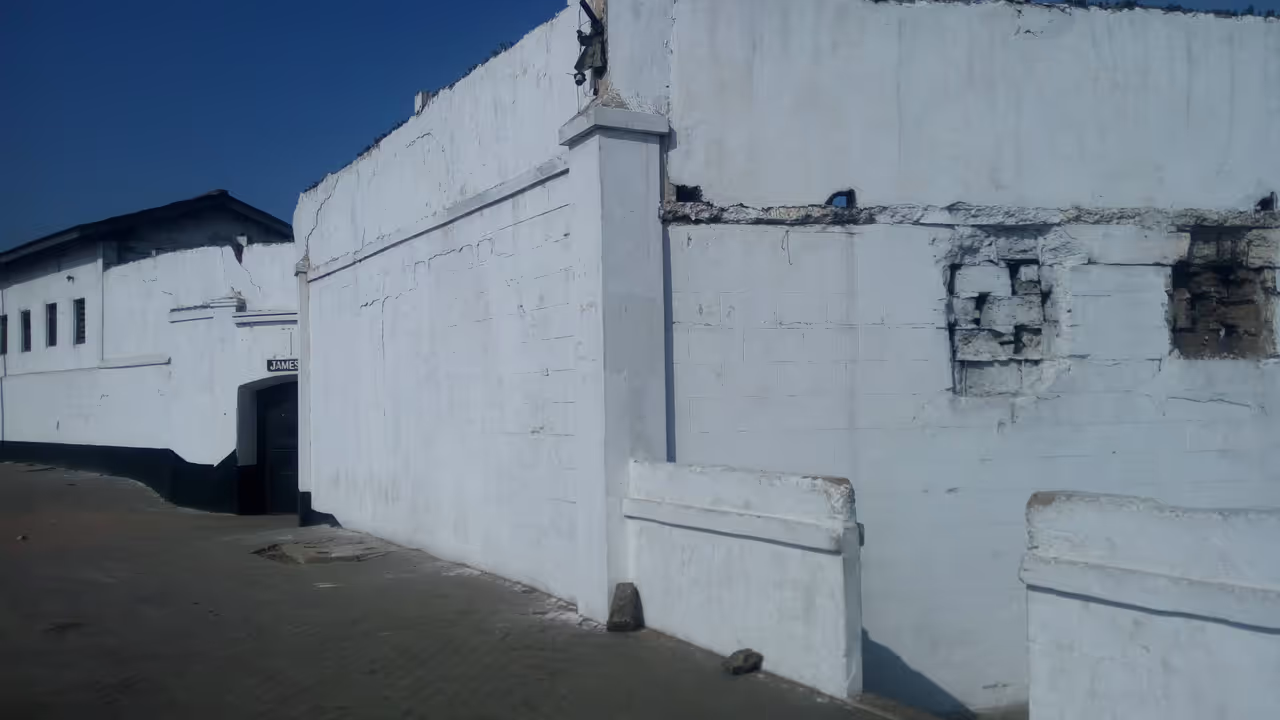
Fort James
Perched on the coastline of Accra, Fort James stands as a poignant sentinel watching over the vibrant Jamestown district. This historic fortification, established by the British in the late 17th century, offers a window into the complexities of the colonial era and the resilience of Ghanaian history. Visitors are drawn here for the stark beauty of its weather-worn walls and for its profound connection to the nation’s journey toward independence. As you explore the grounds, you can sense the layers of time that have shaped this iconic landmark. Its proximity to the sea and the nearby lighthouse makes it a quintessential stop for anyone looking to understand the maritime heritage of Ghana. It is a powerful place that invites quiet reflection amidst the energy of modern Accra.
History of Fort James
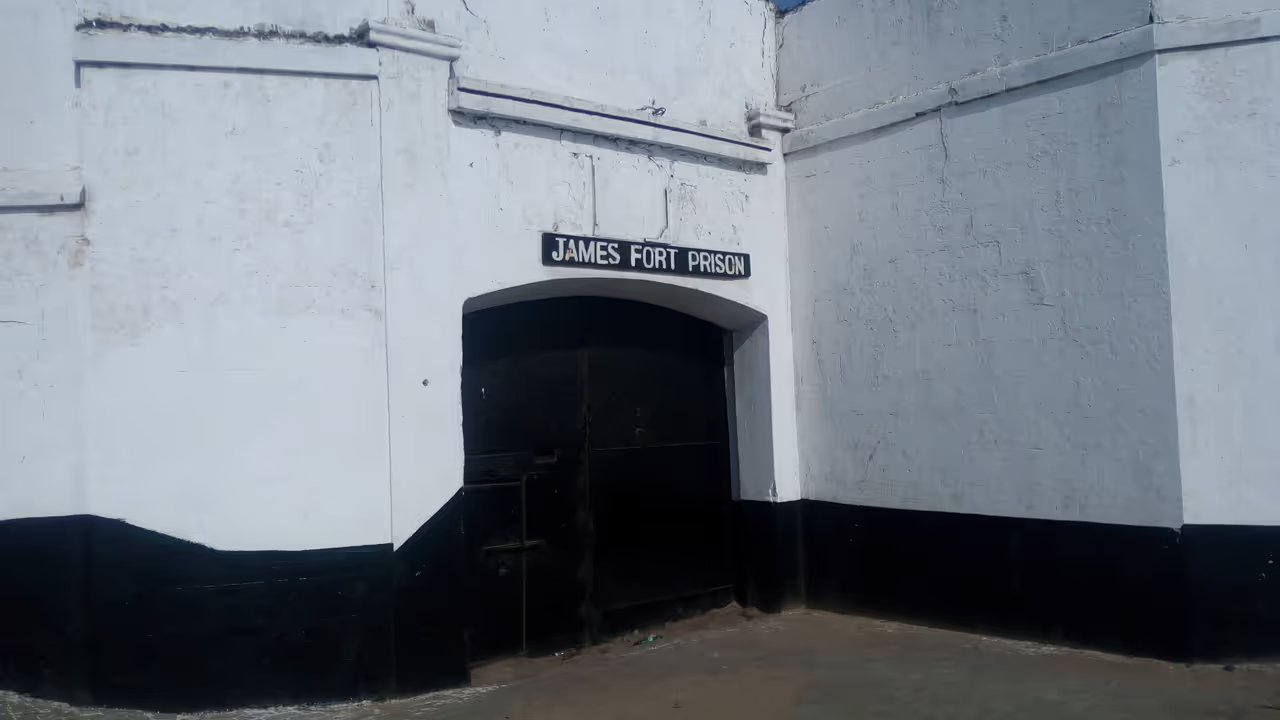
The history of Fort James is inextricably linked to the intense competition between European powers vying for dominance on the Gold Coast during the 17th century. When the British Royal African Company arrived in 1673, they sought to carve out a foothold in a region already dotted with Dutch and Danish strongholds. By establishing this fort, the British solidified their presence, creating a structure that would oversee the volatile trade of gold and enslaved people. The fort’s design, heavy and imposing, reflected the era’s aggressive mercantile spirit, serving as both a warehouse for goods and a bastion of colonial authority. Over the centuries, the purpose of Fort James underwent a dramatic transformation. What began as a hub for international trade eventually evolved into a site of confinement, as the fort transitioned into a prison that held inmates for over a hundred years. The walls of this structure witnessed the changing tides of history, from the height of the British Empire to the stirrings of national consciousness. This transition turned the site into a silent observer of Ghana’s political evolution, most notably when Kwame Nkrumah was held within its walls while leading the fight for liberation. Today, the fort stands as a monument to those complex chapters, stripped of its original colonial function and repurposed for reflection and education. It remains a fixture of the Jamestown skyline, telling a story that stretches from imperial ambition to the birth of a nation. For visitors, the site provides a tangible link to the past, reminding us that the modern identity of Accra is built upon layers of history that are both challenging and foundational. It is a place that asks observers to consider the weight of their own history while they gaze out toward the Atlantic Ocean.
Events spanning 335 years
Fun Facts
- • For over a century, the fort operated as a prison, creating a stark duality between its role as a colonial defensive structure and a place of incarceration.
- • In its early days, the fort was a central node for the trade of gold, ivory, and enslaved people, highlighting a difficult and pivotal period in global history.
- • Kwame Nkrumah, who would become Ghana's first president, was held in the fort's cells during the colonial struggle, an experience that deepened his resolve for independence.
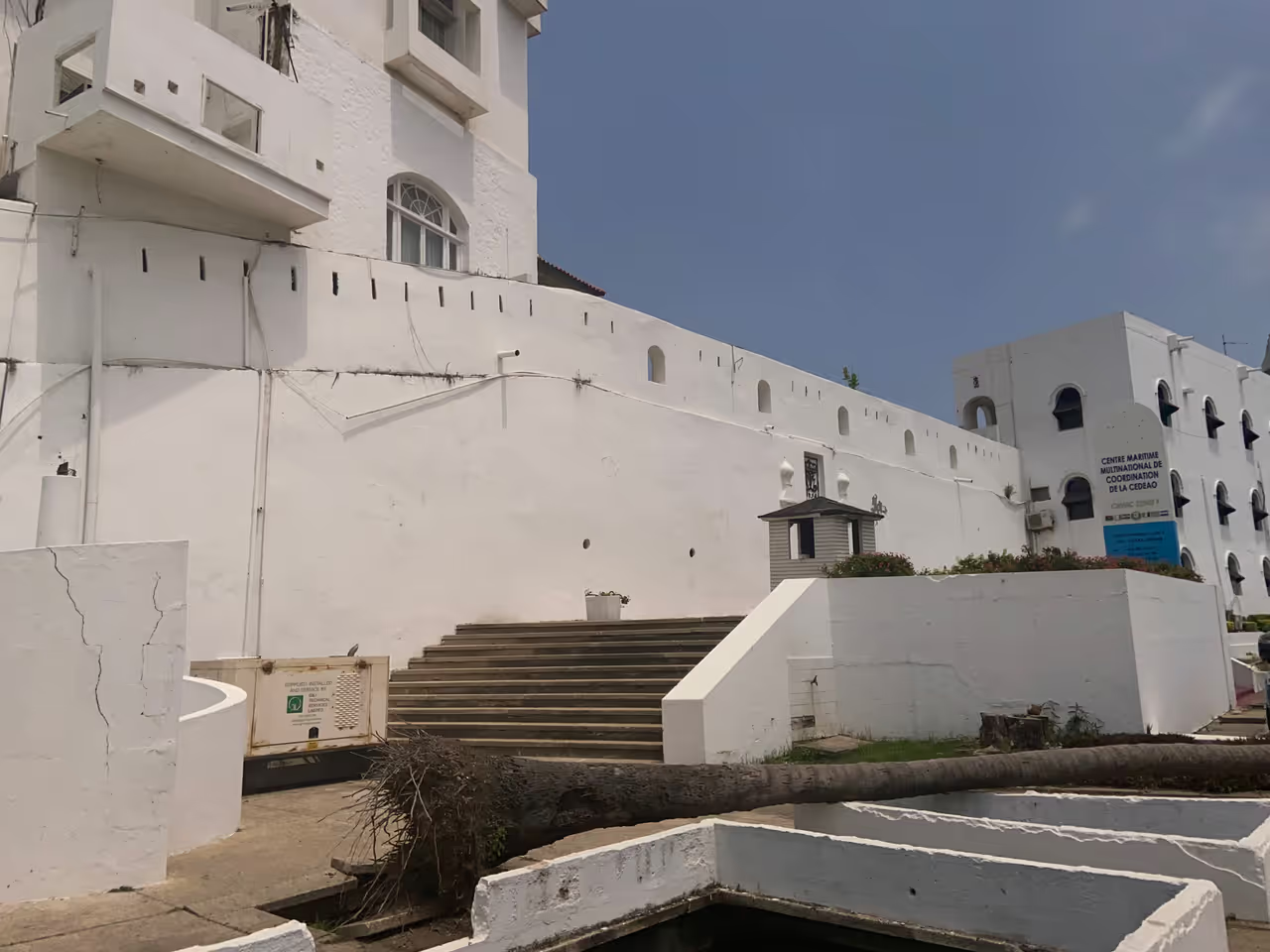
- • The architecture of Fort James reflects the specific, utilitarian needs of 17th-century European merchants, built with thick stone walls to withstand both naval attacks and internal unrest.
- • The fort is situated immediately adjacent to the iconic Jamestown Lighthouse, which serves as a navigational landmark and offers a contrasting visual to the older defensive structure.
- • The fort was built as part of a competitive trio of European strongholds, standing alongside the Dutch-built Fort Crèvecœur and the Danish-built Fort Christiansborg.
- • The fort was named in honour of the Duke of York, later King James II, who served as the governor of the Royal African Company during the fort's construction.
- • The site represents a significant layer in the long and complex history of British colonial administration on the Gold Coast.
- • The surrounding area of Jamestown is one of the oldest districts in Accra, renowned for its distinct character, colonial-era architecture, and vibrant community spirit.
- • While many similar structures across the world have fallen to ruin, Fort James remains in relatively stable condition, preserved as a museum for those looking to engage with Ghana's past.
RESOURCES
Heritage UNESCO SiteFort James FAQ
While we strive to keep this information accurate and up to date, we recommend verifying any details independently before making decisions based on them.
Fort James Map & Neighborhood Explorer
This interactive map is centered on Fort James. Zoom in and move the map around to automatically discover Wikipedia photos and summaries of other nearby sights, monuments, and historical points of interest and stories in real-time!
Places near Fort James
Make the most of your trip. Check out these top-rated spots located nearby.
 130m
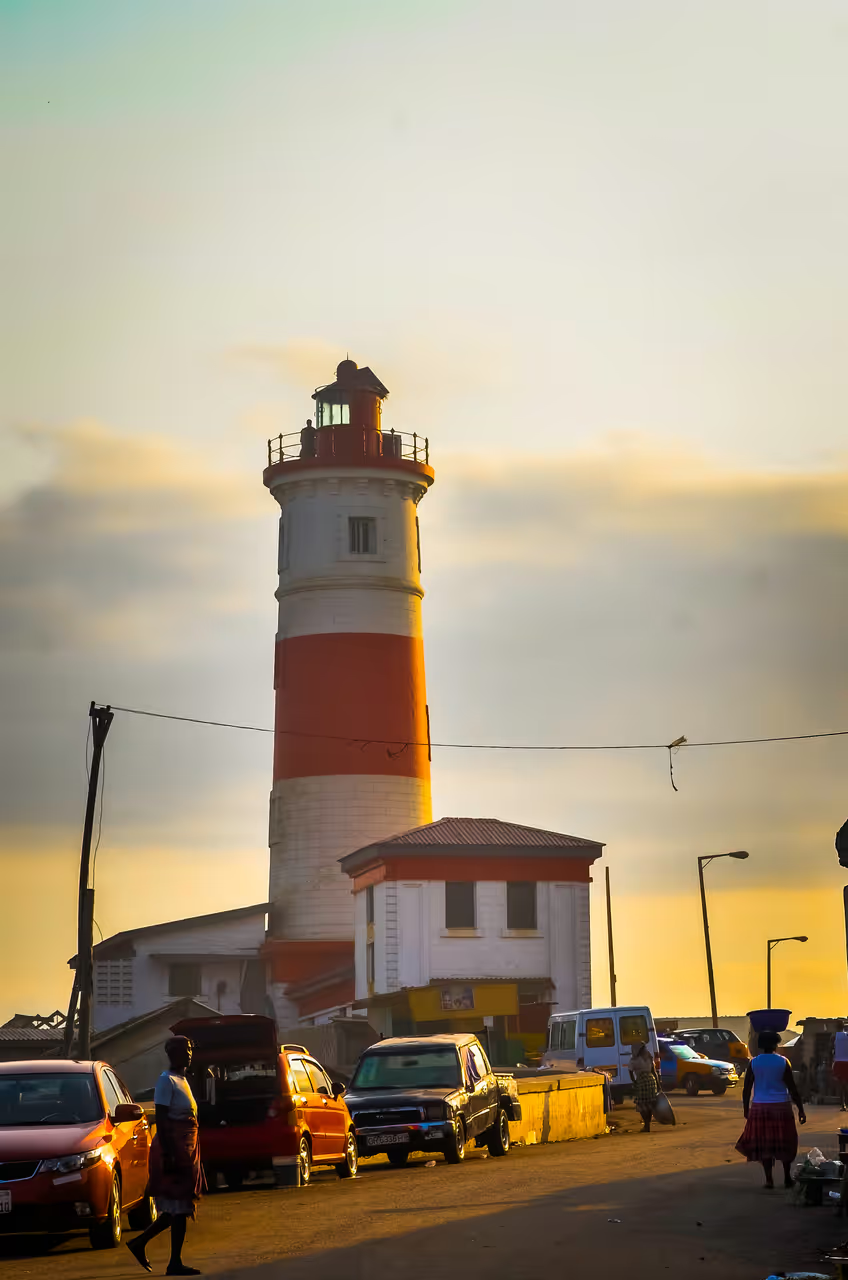
130mJamestown Lighthouse
Perched on the coastline of Ghana, the iconic red and white striped Jamestown Lighthouse serves as a proud beacon of history and navigation. Rising 28 metres above the historic district, it offers visitors a rare opportunity to climb to the top for a breathtaking panoramic view of the Gulf of Guinea and the rooftops of Accra. The structure stands as a tangible piece of the nation's colonial and maritime legacy. Visiting allows you to connect with the city's seafaring past while soaking in the vibrant atmosphere of the surrounding neighbourhood. It remains an essential stop for anyone wanting to capture the perfect photograph or simply appreciate the enduring charm of old Accra.
attraction view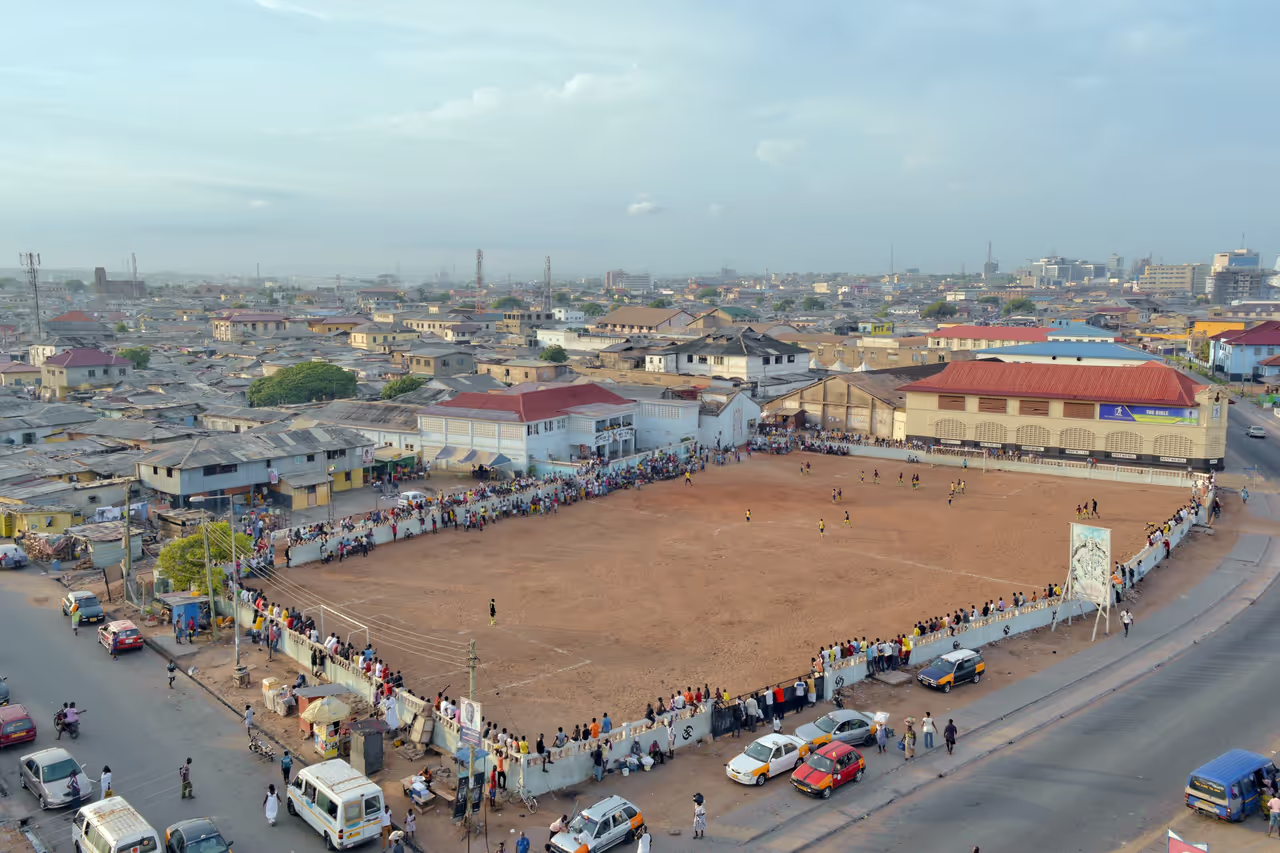 130m
130mWander Jamestown
Taking a self guided stroll through the oldest, most historically textured neighbourhood in the capital is a brilliant way to spend a free afternoon. You can admire the striking red and white lighthouse from the outside and trace the weathered stone walls of the colonial forts. The real draw, however, is walking down to the chaotic, incredibly active fishing harbour to watch the colourful wooden canoes being hauled ashore. The neighbourhood is also famous for its vibrant, politically charged street art murals painted by local youths. It offers a raw, unfiltered look at the city's traditional coastal roots.
free thing to do view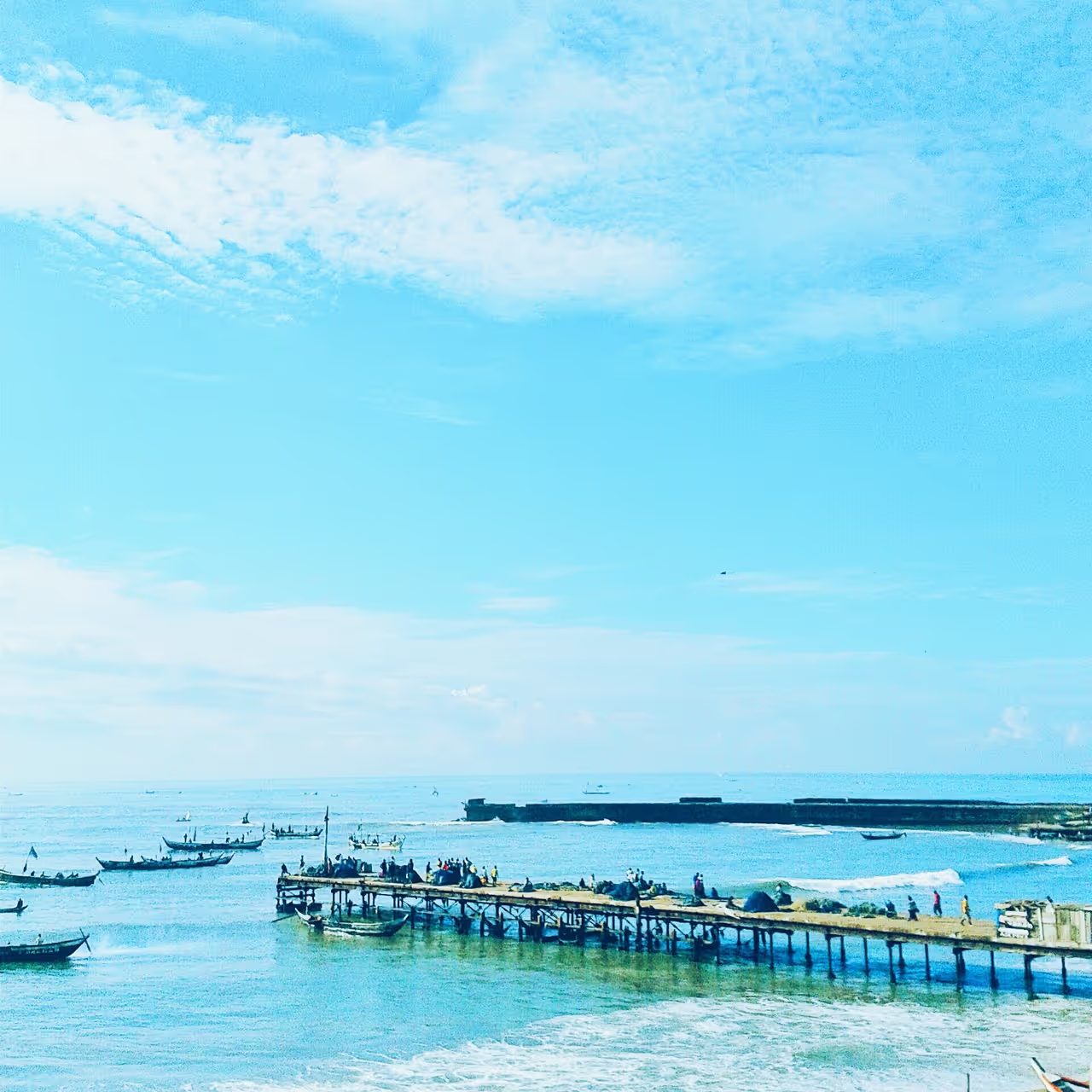 148m
148mJamestown Fishing Harbour
Looking down from the cliffs of the old colonial district, this active beachfront provides a brilliantly colourful and chaotic scene. The shore is absolutely packed with massive wooden fishing canoes, each intricately painted with vibrant colours, religious slogans, and national flags. The constant, frenetic movement of fishermen mending nets and hauling in the daily catch offers incredible opportunities for dynamic, documentary style photography. The visual contrast between the rustic boats and the historic lighthouse towering above is stunning. It is the best place to capture the raw, traditional coastal life of the city.
photo spot view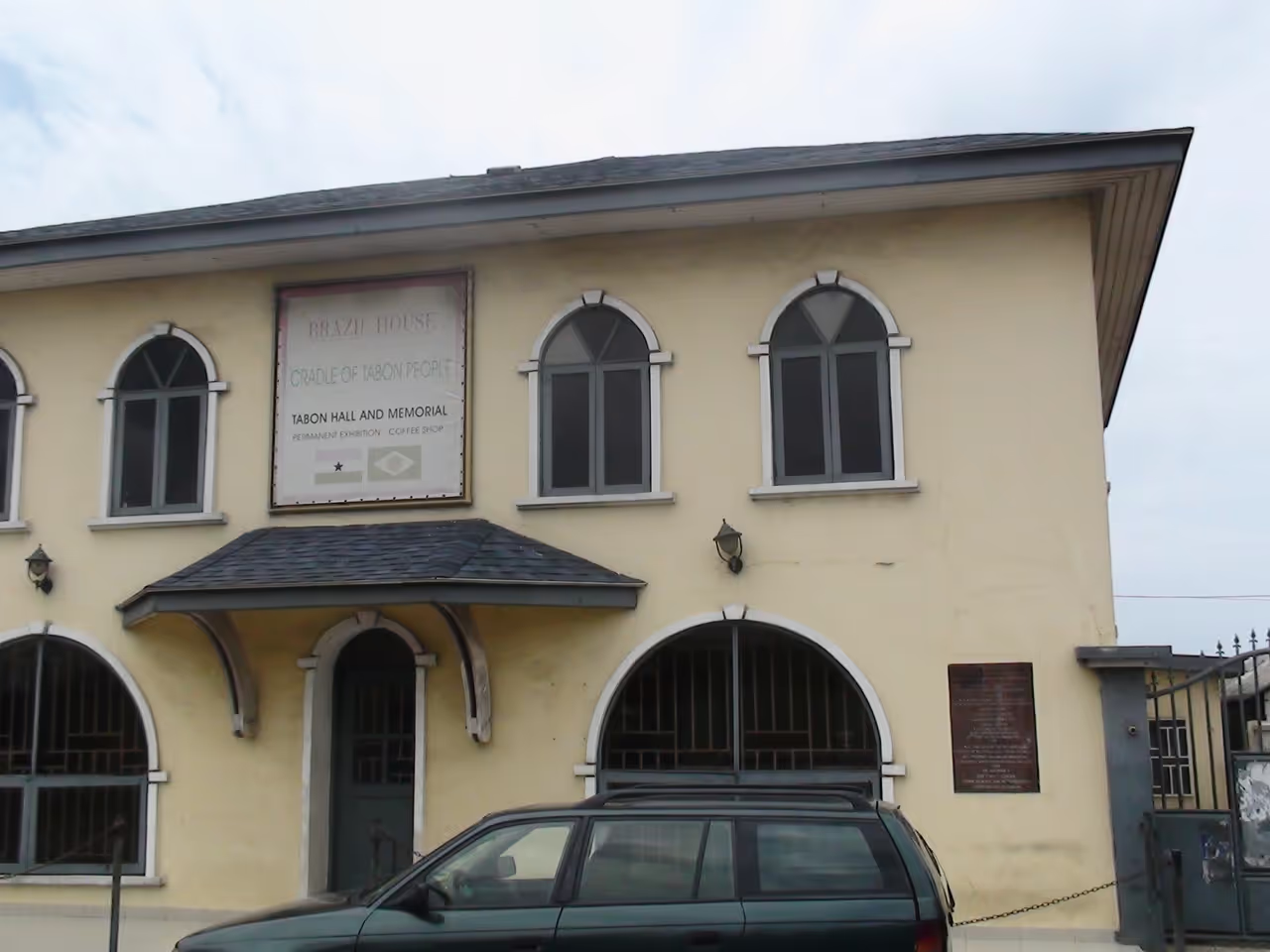 569m
569mBrazil House
Tucked away in the narrow, incredibly historic alleys of Jamestown, this beautifully restored heritage building tells a profoundly unique story. It was established by Afro Brazilian former slaves who triumphantly bought their freedom and returned to settle on the West African coast in the nineteenth century. The small museum inside details the fascinating cultural exchange and lasting influence these returnees had on local architecture and traditions. It is often overlooked by typical tour groups who focus solely on the nearby colonial forts. Visiting requires a keen eye to find, but it rewards you with an incredibly inspiring narrative of resilience and homecoming.
hidden gem view
Explore Similar Places in This Collection
Featured on These Itineraries and Routes
Jamestown Fishing Harbour Walk
This immersive walk takes you through the absolute oldest and most historically textured neighbourhood in the city. You will navigate narrow alleys lined with colonial era stone houses and vibrant, modern street art. The path leads down to the bustling, incredibly active fishing harbour where hundreds of colourful wooden canoes are pulled ashore. The air smells intensely of smoked fish and the salty ocean. It provides an unfiltered, intensely visual experience of the city's traditional coastal livelihoods.
view walking route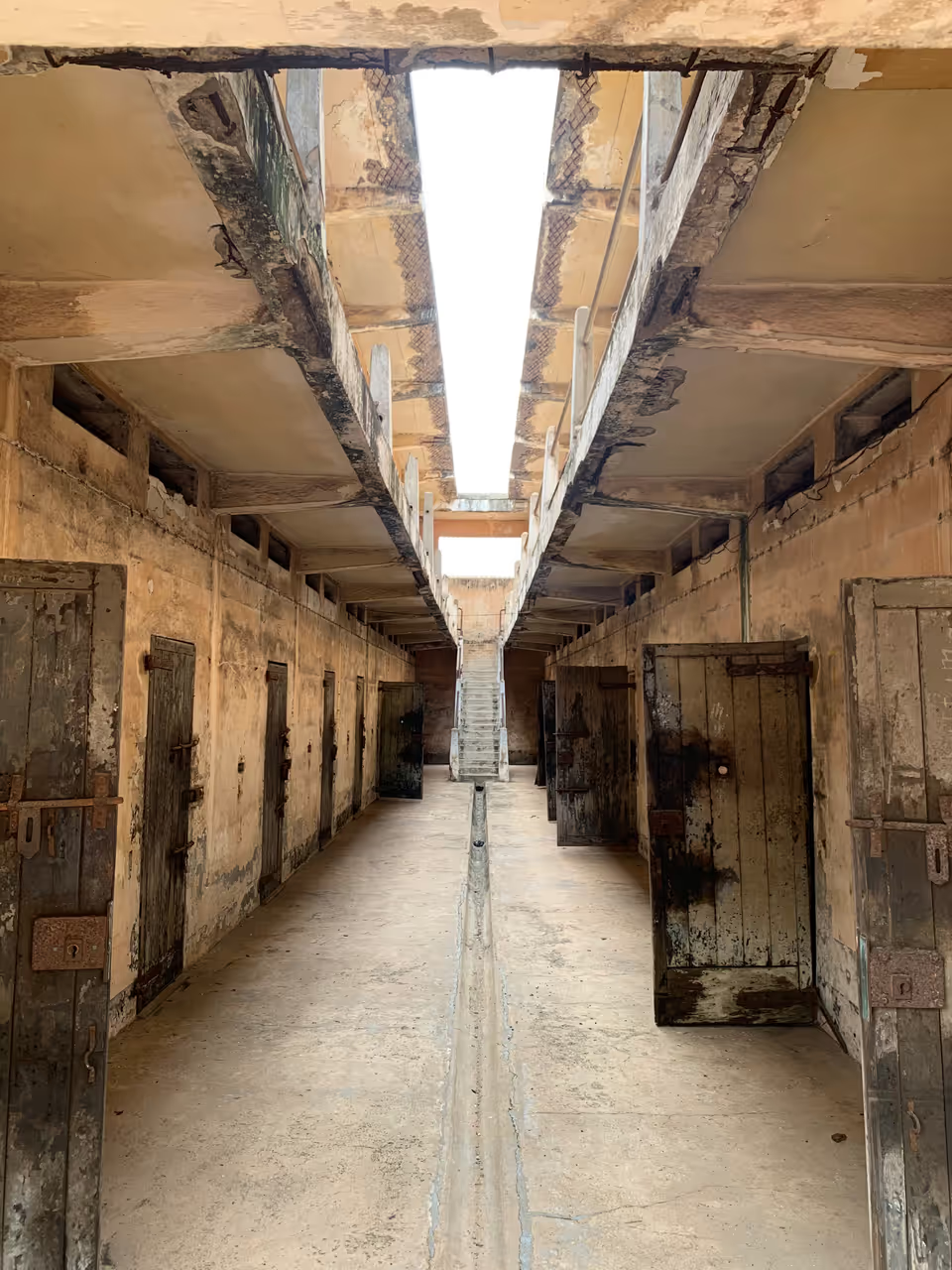
Colonial Forts Tour
This route explores the monumental stone structures that defined the city's dark and complex relationship with European powers over several centuries. You will traverse the coastline, connecting the formidable strongholds built by the British, Dutch, and Danes. The tour delves heavily into the tragic history of the transatlantic slave trade and the fierce competition for regional dominance. It is a sobering but visually striking walk through the oldest architectural remnants in the capital. The juxtaposition of these grim forts against the beautiful ocean provides a haunting narrative.
view self-guided tour
See all unesco sites in Accra
Osu Castle, Ussher Fort...