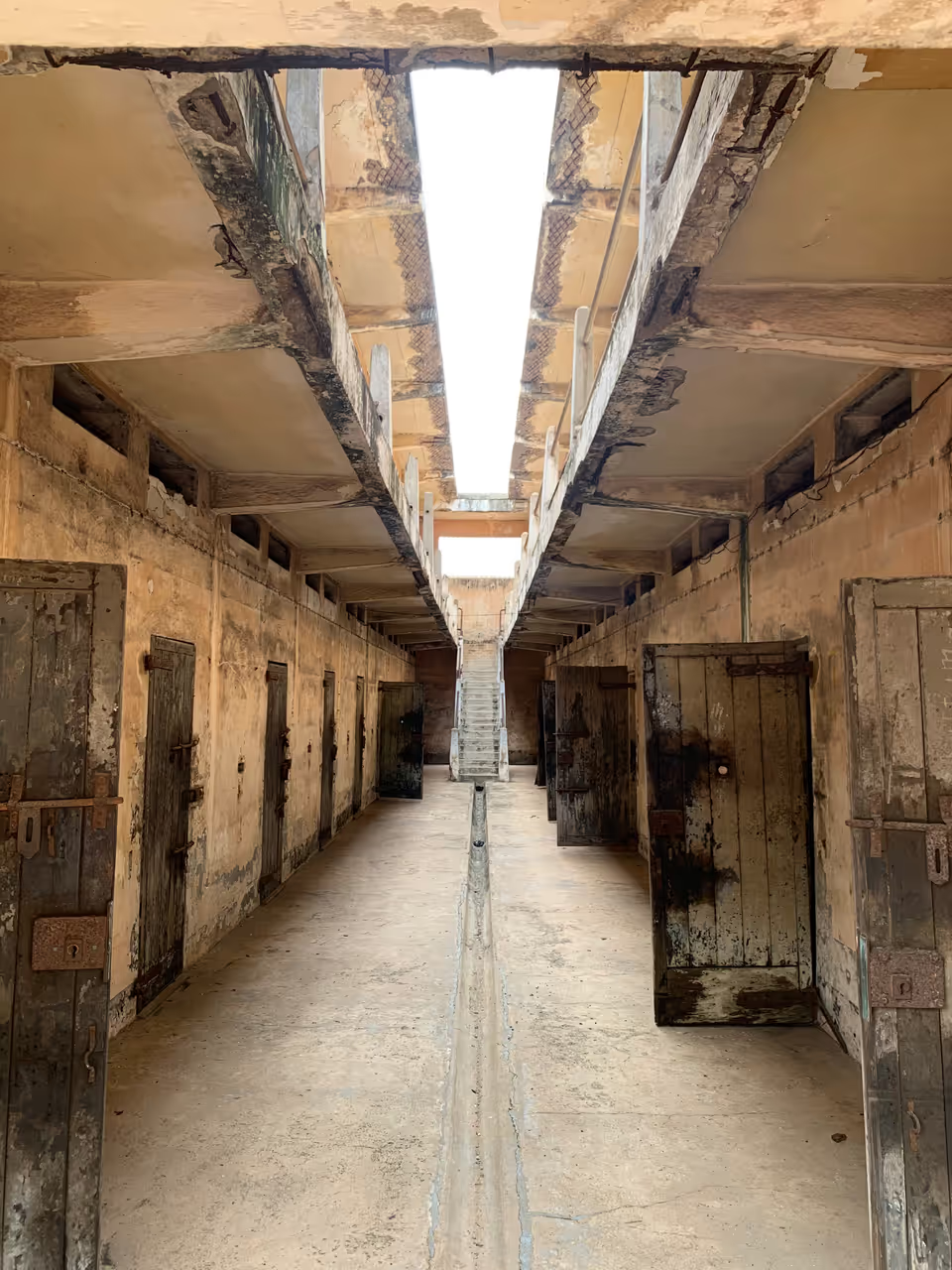
Ussher Fort
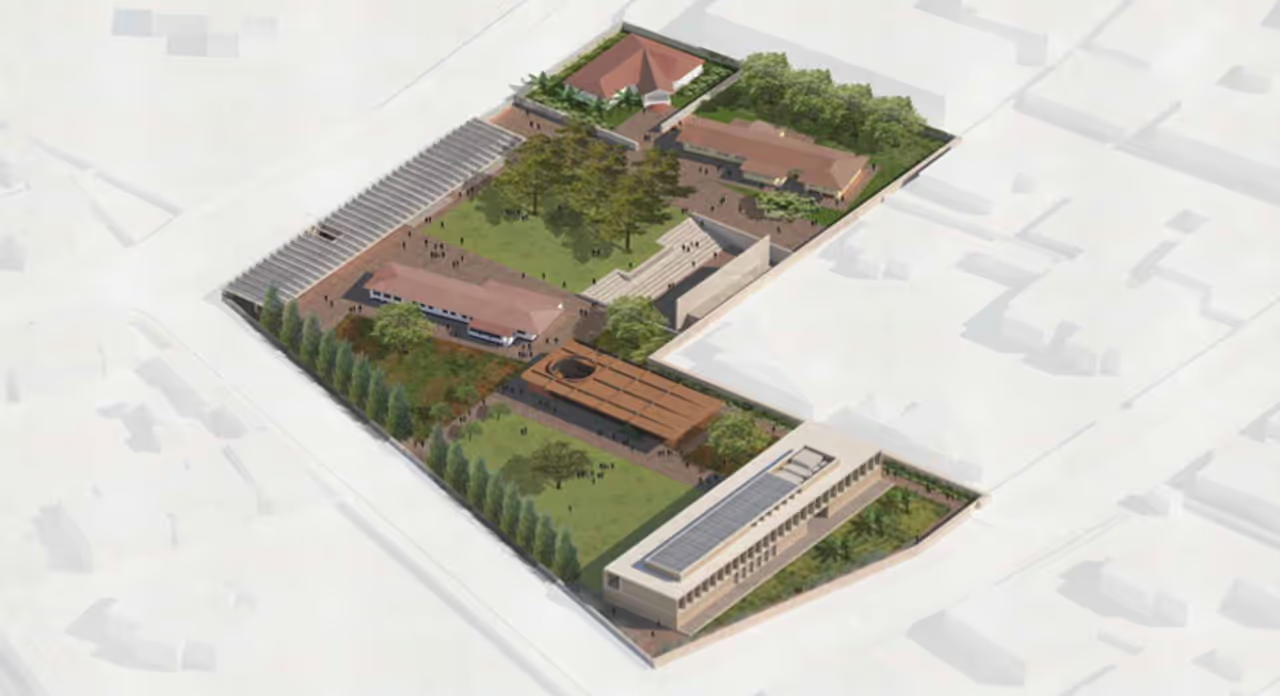
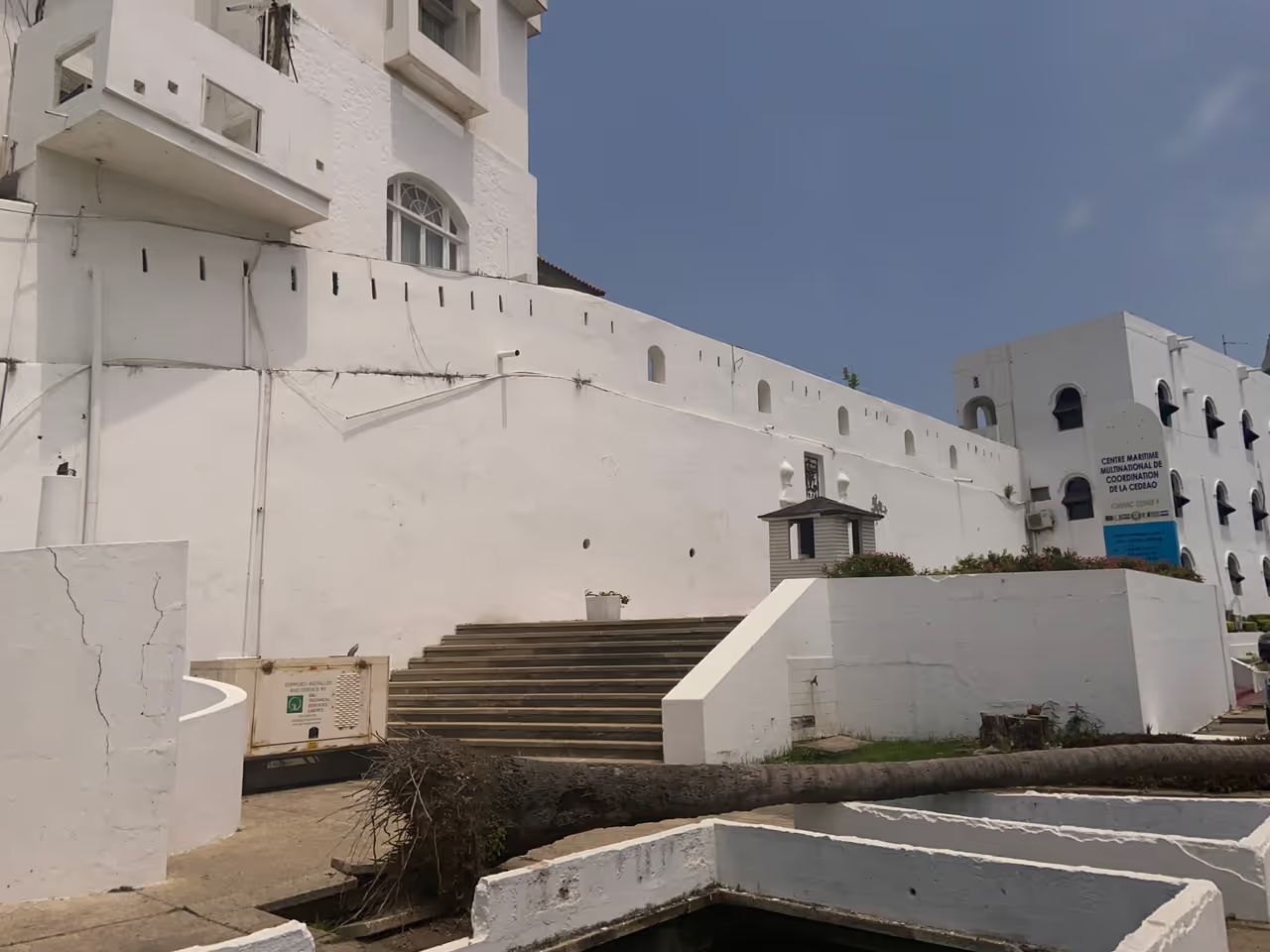
Ussher Fort stands as a silent sentinel in the heart of Accra, offering a profound glimpse into a complex colonial past. Originally constructed by the Dutch in 1649 as Fort Crèvecœur, this site has evolved from a strategic trading post into a significant landmark of heritage. Visitors can explore the walls that witnessed centuries of trade and conflict, providing a tangible connection to Ghana's layered history. The ongoing restoration, supported by international partners, is transforming this site into a vital museum and documentation centre for the region. It is a place that invites quiet reflection and provides a stark, important contrast to the vibrant energy of modern Accra.
Videos
History of Ussher Fort
The story of Ussher Fort begins on a rocky point in Accra, nestled between two lagoons where the Dutch West India Company sought to cement its influence on the Gold Coast. Initially established as a modest factory in 1642, the site was fortified in 1649 and christened Fort Crèvecœur, named after a Dutch stronghold in 's-Hertogenbosch. This location was chosen for its strategic advantage, allowing traders to monitor coastal traffic and secure a foothold in the lucrative commerce that defined the era. For the Dutch, it was a pivotal asset that, while perhaps less grand than Elmina, generated consistent and significant revenue. The fort’s history is marked by the shifting tides of European colonial rivalry. By 1781, tensions between Britain and the Dutch Republic boiled over, leading to a daring naval expedition under Captain Thomas Shirley. In a swift series of strikes, the British captured several Dutch outposts, including Fort Crèvecœur, which faced destruction before later being rebuilt in 1839 by the master of works Hubertus Varlet. The site was later transferred to the British in 1868, eventually receiving its current name to honour Herbert Taylor Ussher, a colonial administrator who left an indelible mark on the region’s governance. Today, the legacy of Ussher Fort is undergoing a powerful transformation. No longer just a relic of colonial trade, the site is being restored with the support of UNESCO and the European Commission. This initiative aims to establish an International Documentation Centre, ensuring that the stories of those who passed through these walls are preserved with the dignity they deserve. The fort has also embraced a new chapter as a cultural beacon, notably hosting the annual Chale Wote Street Art Festival. This convergence of painful history and vibrant artistic expression makes it a site of immense significance for locals and visitors alike.
Events spanning 330 years
Fun Facts
- • Before becoming a fortress, the site operated simply as a factory, serving as a trading outpost for the Dutch West India Company.
- • Captain Thomas Shirley, who captured the fort in 1781, was a Royal Navy officer whose expedition successfully took multiple Dutch outposts in a single campaign.
- • Restoration efforts currently underway are designed to convert the space into an International Documentation Centre to preserve local history.
- • The Dutch built a total of nine forts on the coast of Ghana, with Ussher Fort standing as one of the few that have survived in a condition suitable for preservation.
- • The fort has found a modern purpose as a unique and atmospheric venue for the annual Chale Wote Street Art Festival, blending the old with contemporary creativity.
- • The fort is part of a collective UNESCO listing that includes several other forts and castles along the Ghanaian coast, collectively telling the story of the transatlantic slave trade.
- • The fort was originally named after the Dutch city of 's-Hertogenbosch's famous Fort Crèvecœur, which played a crucial role in the Siege of 's-Hertogenbosch.
- • The site was renamed Ussher Fort to honour Herbert Taylor Ussher, a colonial administrator who served on the Gold Coast.
- • The strategic placement of the fort on a rocky point between two lagoons was a deliberate choice to dominate coastal trade routes.
RESOURCES
Heritage UNESCO SiteUssher Fort FAQ
While we strive to keep this information accurate and up to date, we recommend verifying any details independently before making decisions based on them.
Ussher Fort Map & Neighborhood Explorer
This interactive map is centered on Ussher Fort. Zoom in and move the map around to automatically discover Wikipedia photos and summaries of other nearby sights, monuments, and historical points of interest and stories in real-time!
Places near Ussher Fort
Make the most of your trip. Check out these top-rated spots located nearby.
 30m
30mChale Wote Street Art Festival
This incredible street art festival completely transforms the historic Jamestown neighbourhood into a vibrant, open air gallery. Thousands of creatives gather to showcase incredible murals, photography, interactive installations, and live performances. It provides a platform for local and international artists to connect directly with the public in an unpretentious environment. The energy is absolutely electric, with street parties, extreme sports displays, and fashion parades continuing well into the night. It is a fantastic opportunity to experience the cutting edge of West African contemporary art and youth culture.
festival view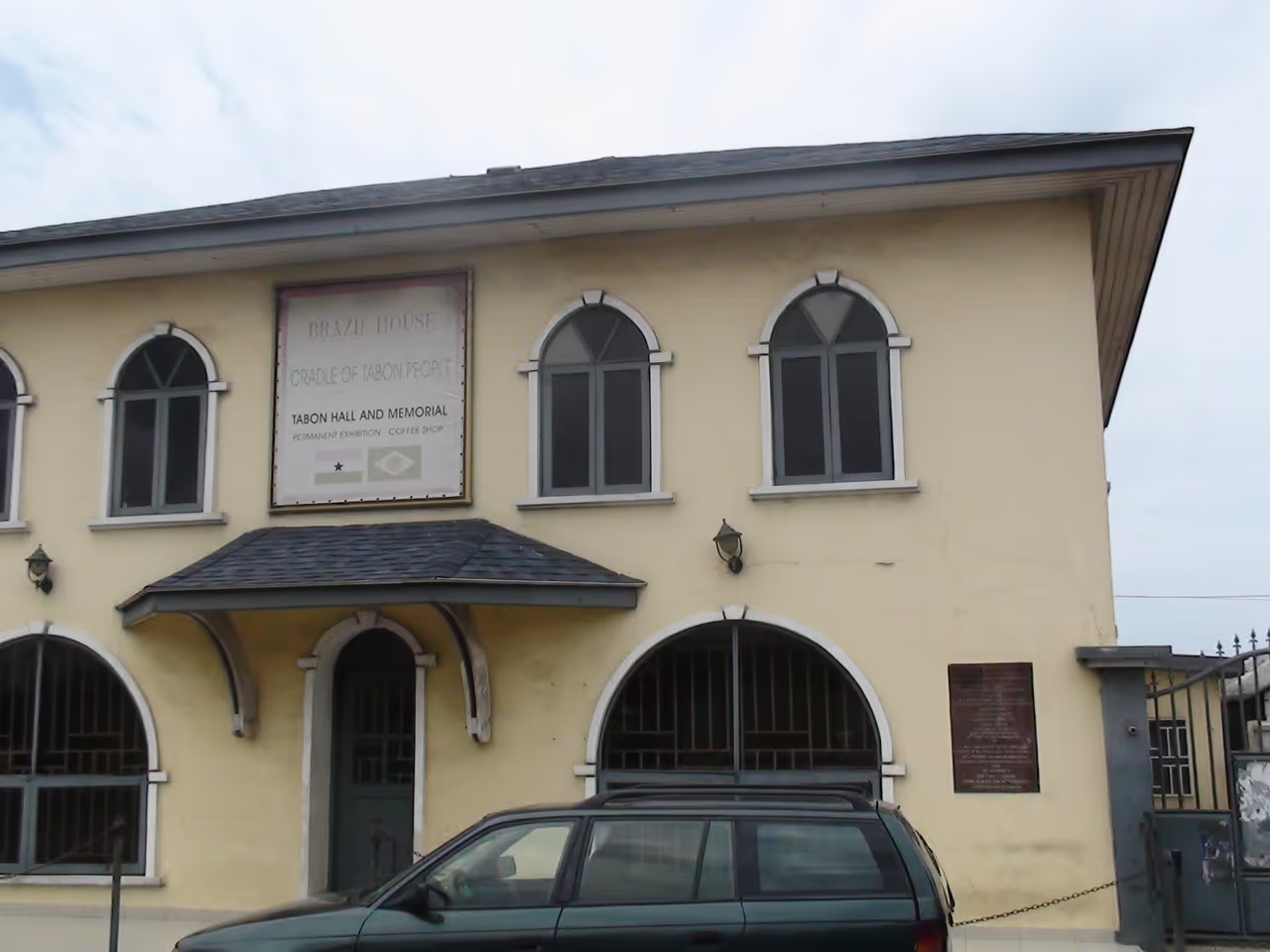 118m
118mBrazil House
Tucked away in the narrow, incredibly historic alleys of Jamestown, this beautifully restored heritage building tells a profoundly unique story. It was established by Afro Brazilian former slaves who triumphantly bought their freedom and returned to settle on the West African coast in the nineteenth century. The small museum inside details the fascinating cultural exchange and lasting influence these returnees had on local architecture and traditions. It is often overlooked by typical tour groups who focus solely on the nearby colonial forts. Visiting requires a keen eye to find, but it rewards you with an incredibly inspiring narrative of resilience and homecoming.
hidden gem view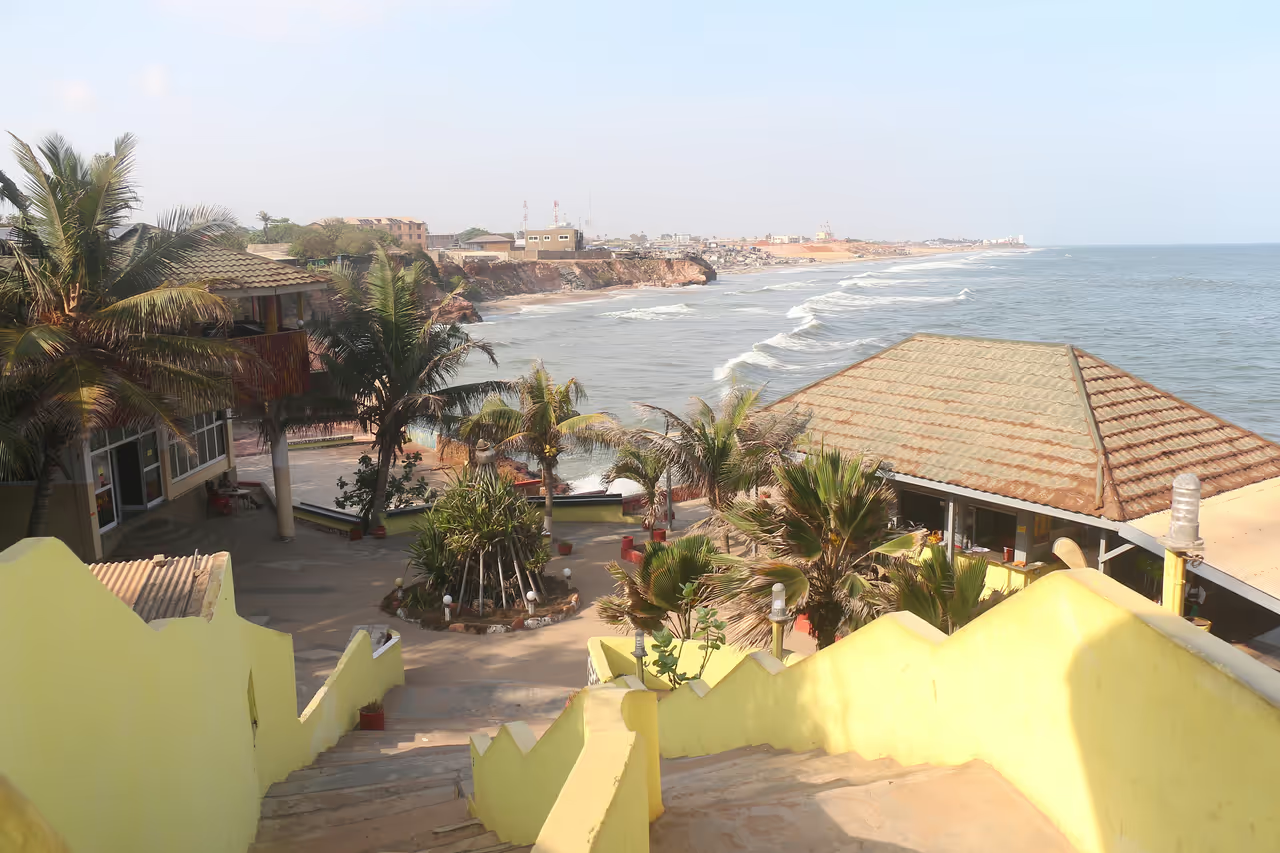 311m
311mOsikan Ocean Rock Viewpoint
Situated slightly off the beaten path near the old colonial district, this casual spot is built directly onto the rugged coastal cliffs. It offers an incredibly intimate, low level view of the fierce Atlantic waves crashing violently against the jagged rocks right beneath your feet. You get a fantastic, unobstructed line of sight down the coastline towards the monumental Osu Castle in the distance. The setting is extremely relaxed, usually accompanied by cold local beers and the smell of grilling fish. It is the perfect, unpretentious location to feel the raw power of the ocean.
viewpoint view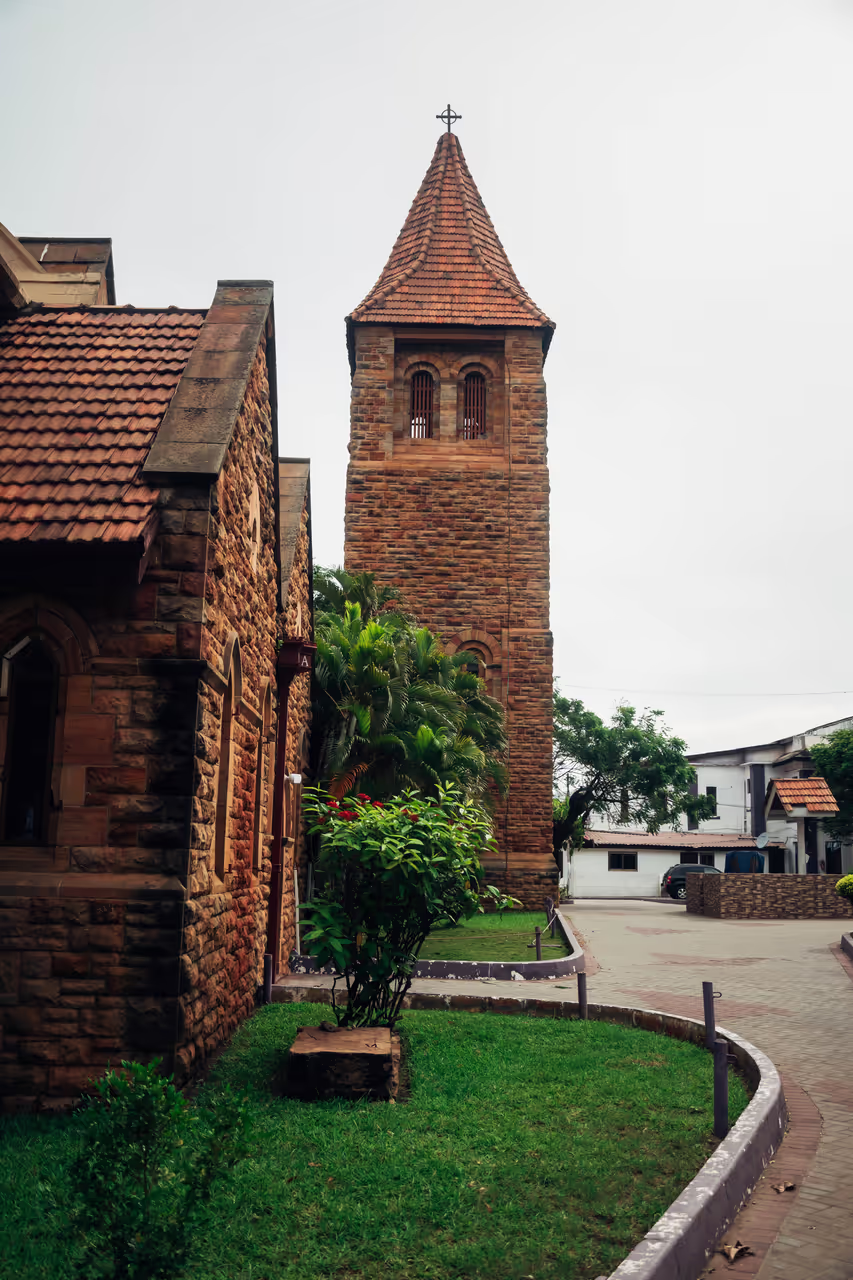 356m
356mHoly Trinity Cathedral
Built in 1894, this striking Anglican cathedral is a remarkable example of colonial era religious architecture in the heart of the capital. Its elegant stone facade and traditional ecclesiastical design stand in sharp contrast to the chaotic modern streets surrounding it. The building was constructed largely with funds raised by the local congregation, demonstrating early community resilience and dedication. The interior features beautiful stained glass windows and dark wood pews that offer a cool, quiet sanctuary from the tropical heat. It remains an active, vital place of worship and a serene historical landmark.
architecture view
Featured on These Itineraries and Routes
3 Days in Accra: Culture and Coast Itinerary
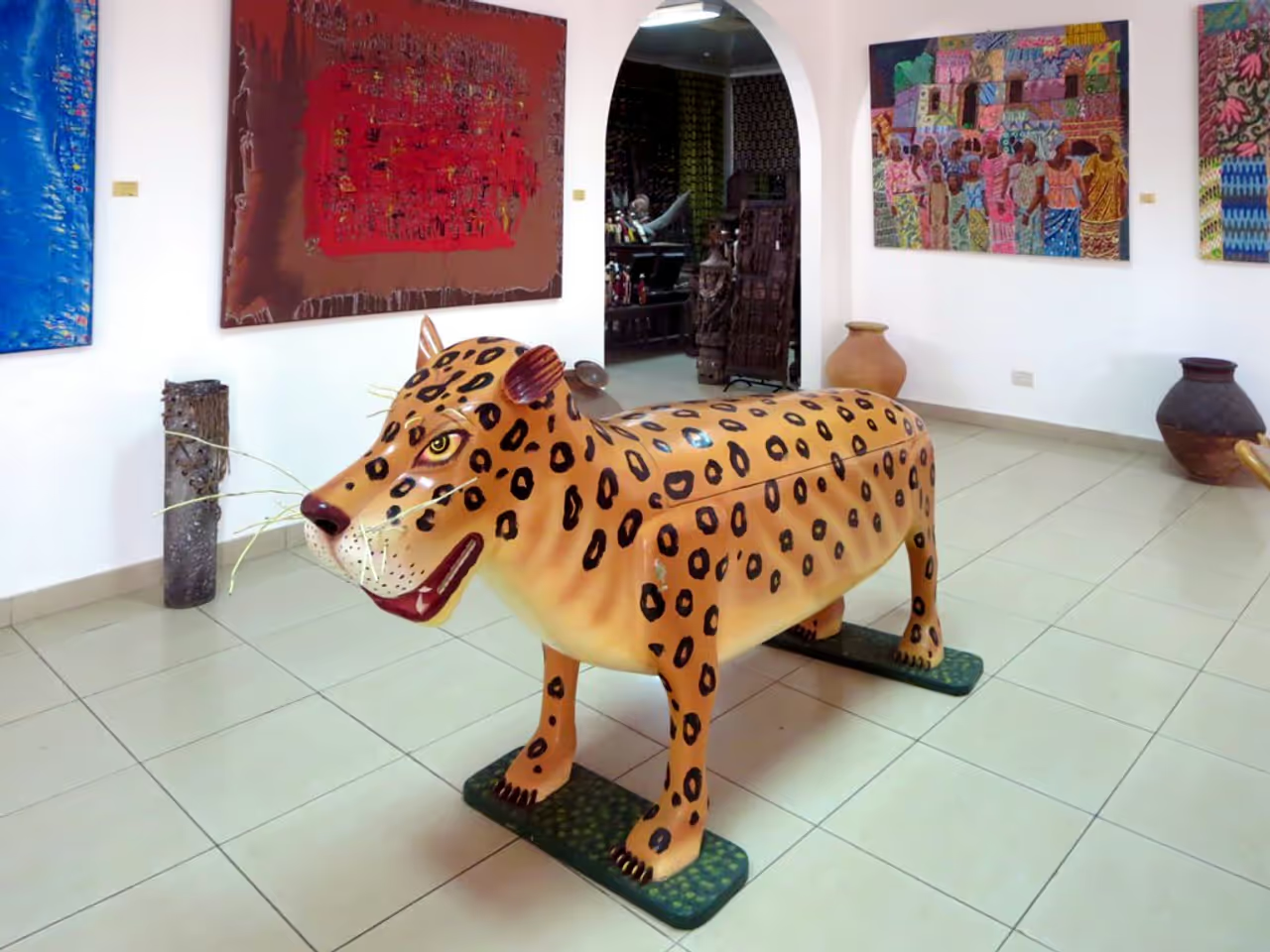
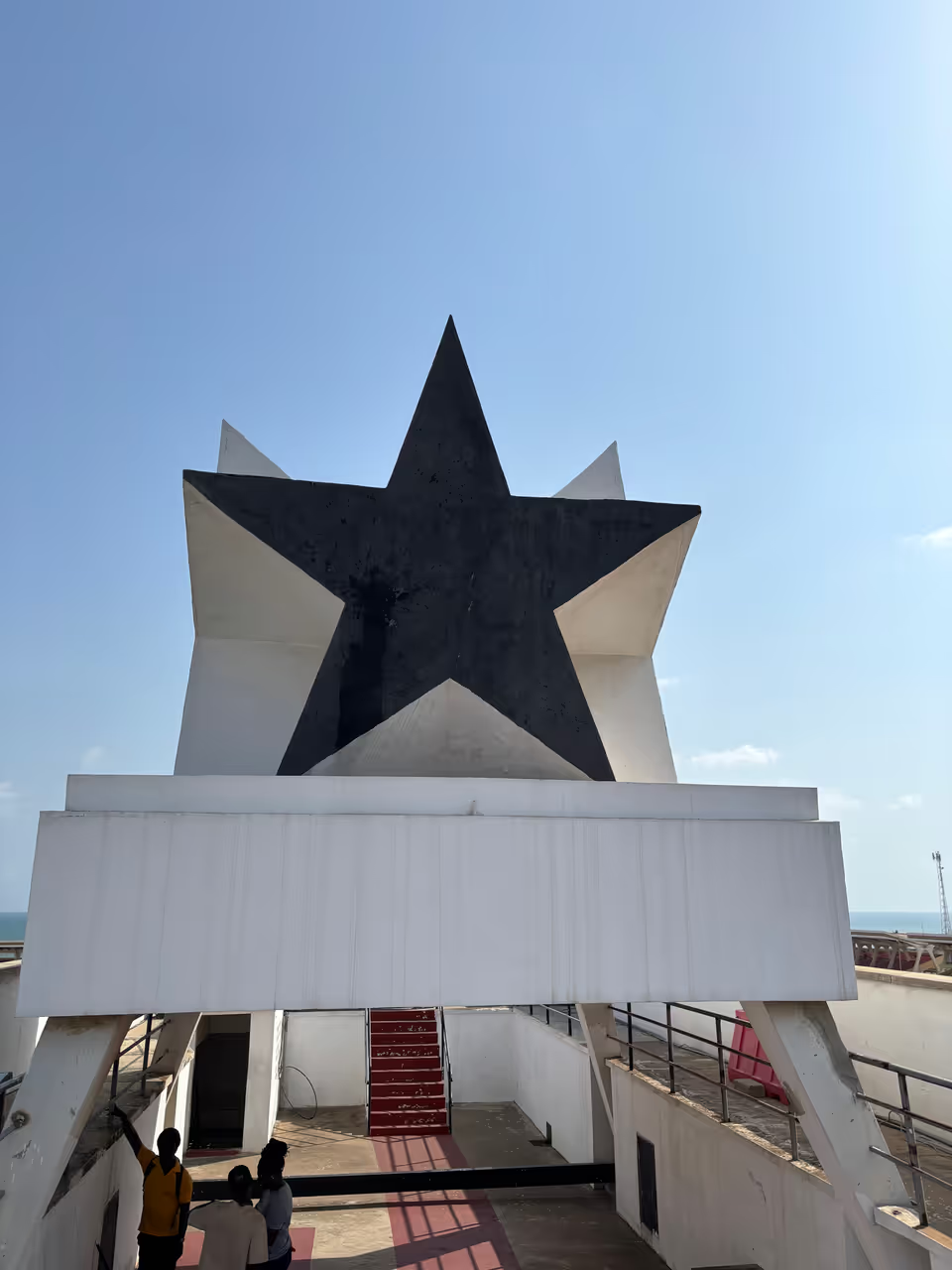
This balanced three day plan allows you to dig much deeper into the city's complex colonial history, its vibrant artistic movements, and its relaxing coastal offerings. You will explore the historic fishing districts, view incredible contemporary art, and have time to unwind on the sand. It provides a perfect mix of intense urban exploration and essential tropical relaxation.
view itinerary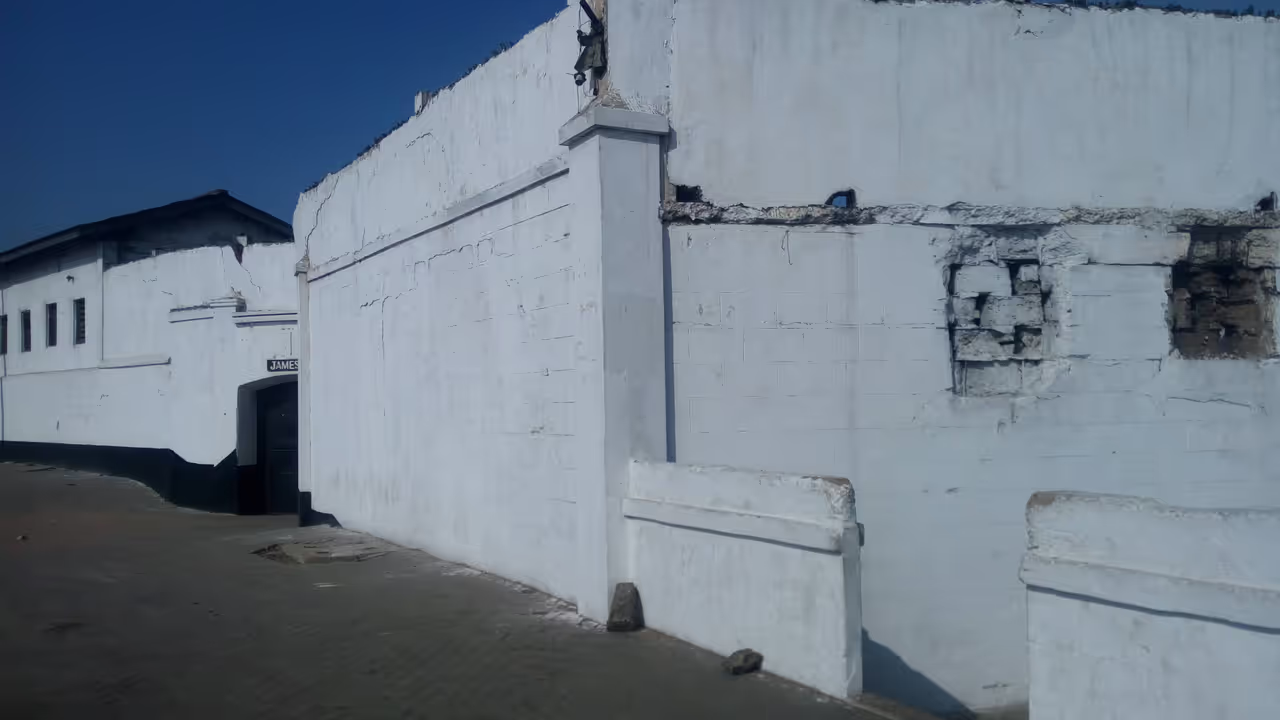
Colonial Forts Tour
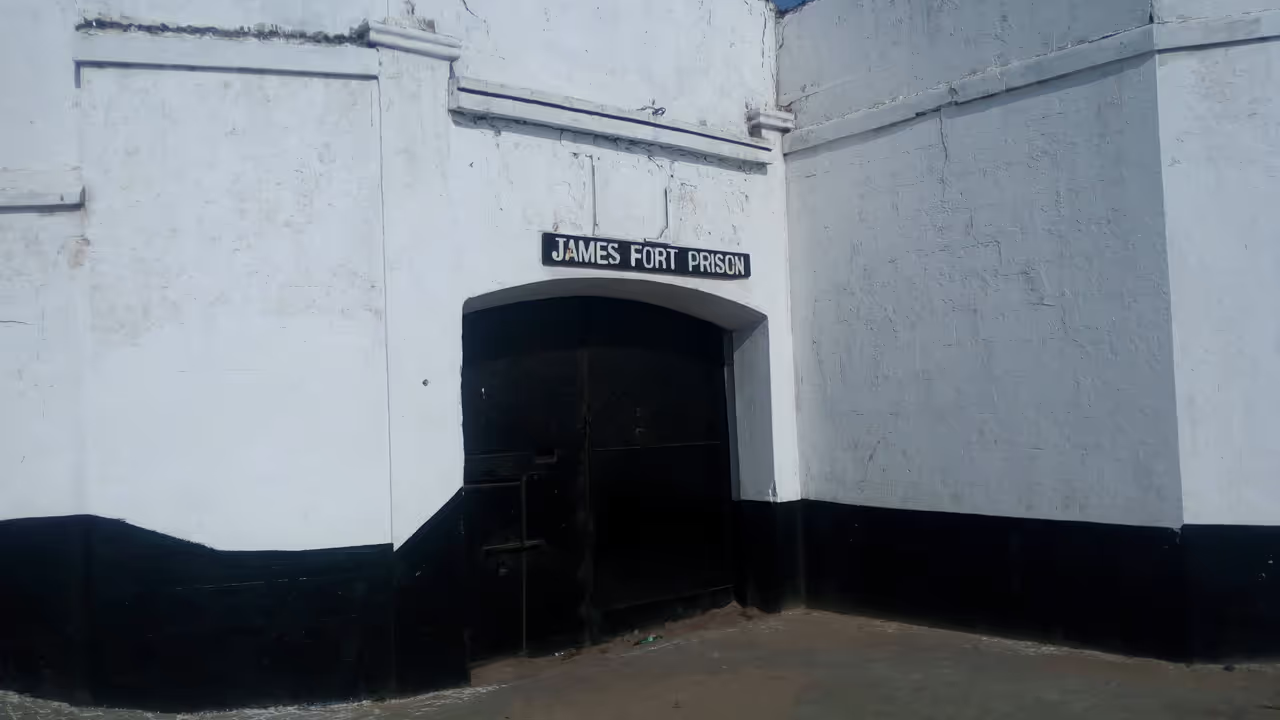
This route explores the monumental stone structures that defined the city's dark and complex relationship with European powers over several centuries. You will traverse the coastline, connecting the formidable strongholds built by the British, Dutch, and Danes. The tour delves heavily into the tragic history of the transatlantic slave trade and the fierce competition for regional dominance. It is a sobering but visually striking walk through the oldest architectural remnants in the capital. The juxtaposition of these grim forts against the beautiful ocean provides a haunting narrative.
view self-guided tour
See all unesco sites in Accra
Osu Castle, Fort James...