Nuremberg Zoo
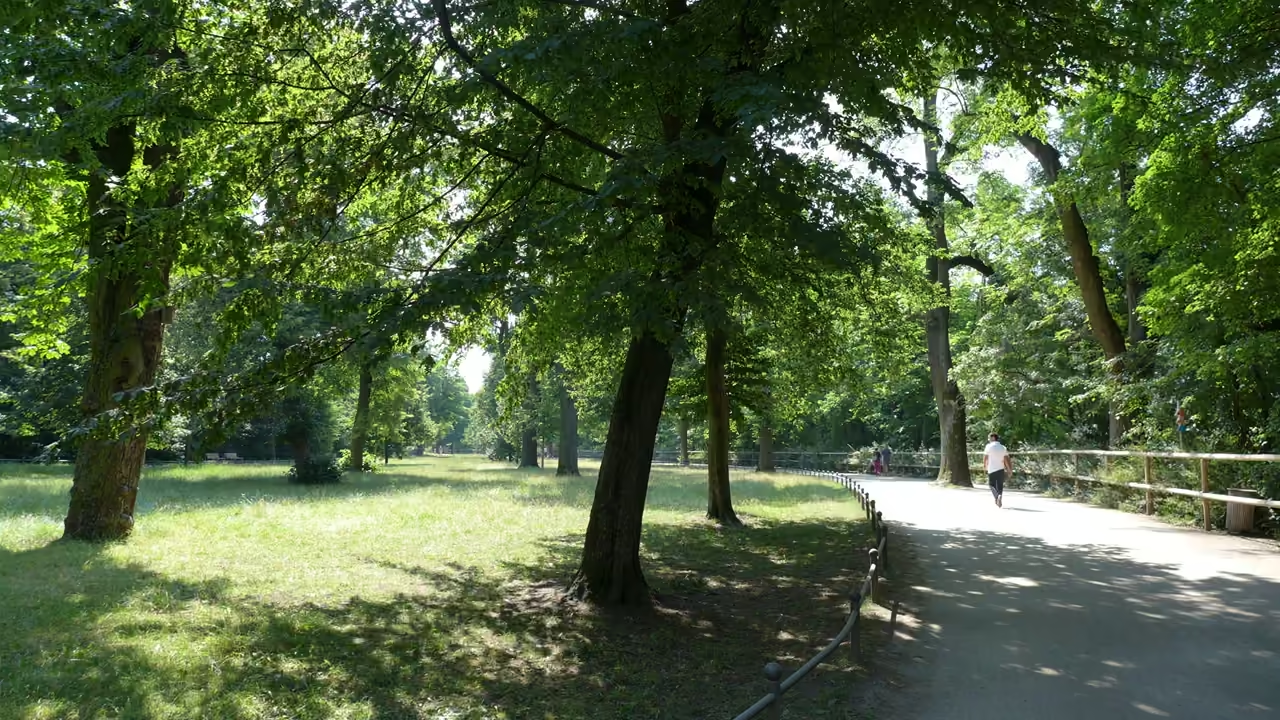
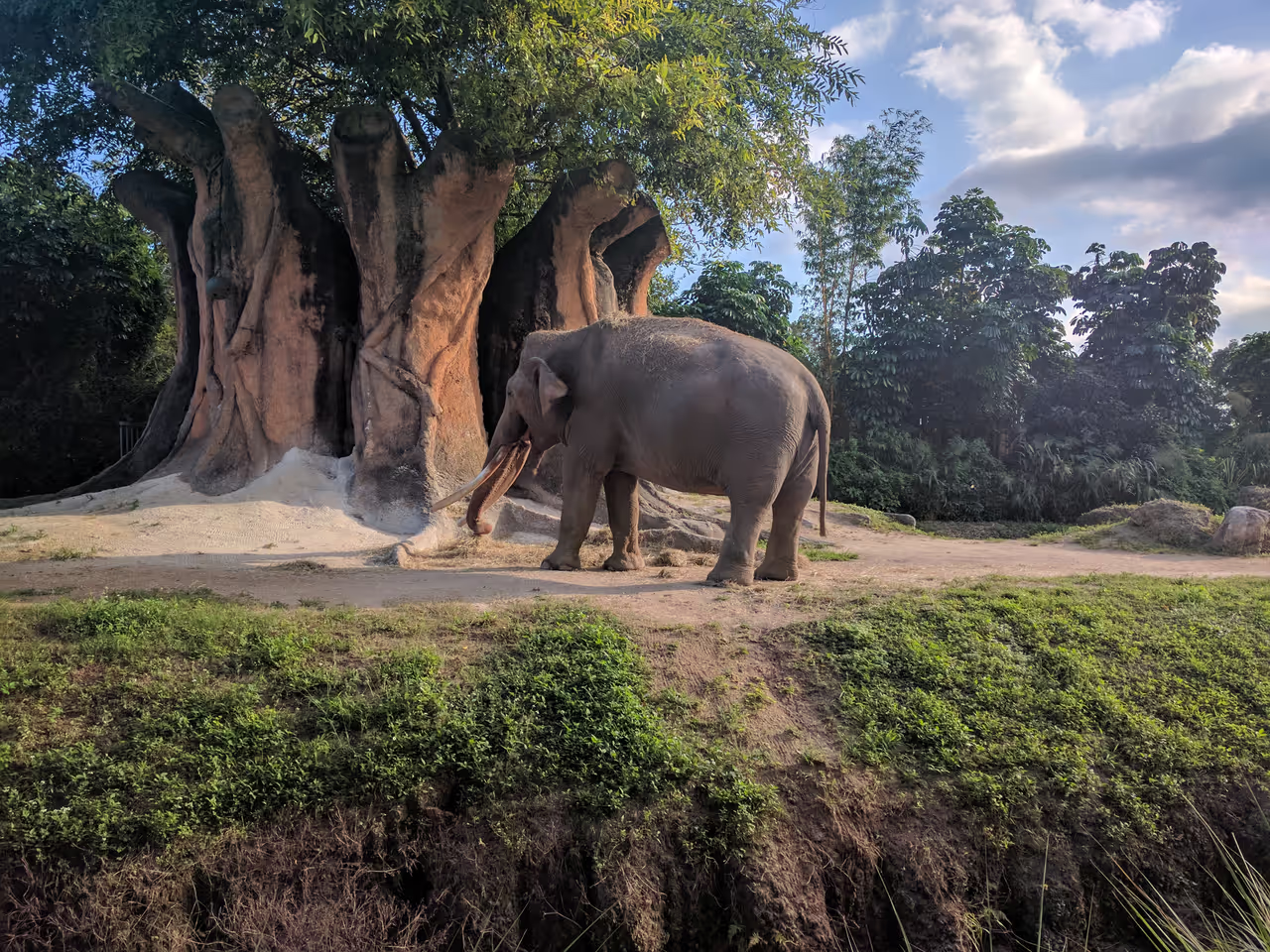
Nuremberg Zoo occupies an enormous expanse of ancient forest and abandoned red sandstone quarries. Tall Scots pines cast long shadows across the wide gravel paths. Visitors often hear the distant barking of sea lions before they even reach the water enclosures. The space feels more like a national park than a traditional captive environment. Enclosures blend directly into the sheer, medieval rock faces that once provided the building blocks for the city walls. A small queue of parents and children regularly forms at the entrance, waiting to board a miniature replica of a historic steam locomotive. Watching a snow leopard navigate these craggy, natural cliffs provides a totally different perspective on how zoological parks can operate.
Videos
History of Nuremberg Zoo
Nuremberg Zoo did not always sit amongst the tall pines of the Schmausenbuck. When the original animal park opened in 1912, it occupied a flat stretch of land near the Dutzendteich lake. This early iteration proved immensely popular with locals who flocked to see the exotic species housed in elaborate pavilions. The park's fate shifted entirely in the late 1930s. The National Socialist party required the exact footprint of the zoo to expand their massive rally grounds. Planners forced the entire zoological operation to move. They selected a rugged, heavily forested area outside the city centre. This new site was defined by deep ravines and sheer walls left behind by centuries of sandstone mining. Architects decided to use these medieval quarries to their advantage. They designed enclosures that used the natural rock faces as barriers, creating environments that looked wild and untamed. The massive relocation project concluded in May 1939. Heavy aerial bombardments in 1943 reduced much of this newly constructed park to rubble. Most of the animal houses were destroyed completely. Following the war, the city slowly rebuilt the grounds, focusing even more heavily on naturalistic, spacious landscape design rather than cramped cages. Over the decades, the site expanded to include massive water complexes and a dedicated tropical house. The zoo eventually established a large research presence. Scientists at the on-site Bionicum centre study how animal mechanics can improve modern human engineering. Today, visitors stand in the darkened Blue Salon and watch polar bears dive gracefully through millions of litres of chilled saltwater.
events spanning 96 years
Fun Facts
- • A fully functioning miniature railway runs near the main entrance, pulling carriages styled after the Adler, which was the very first steam locomotive to operate in Germany.
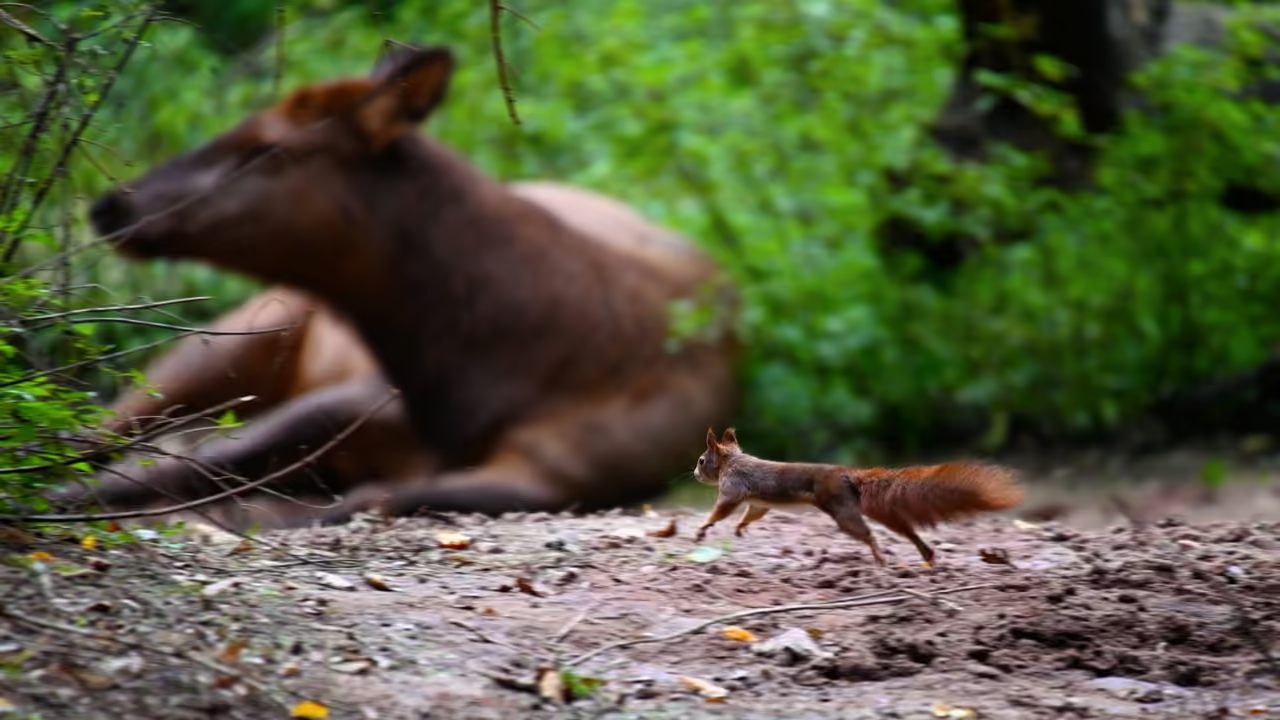
- • Due to the vast woodland environment, hundreds of native wild squirrels, birds, and insects roam freely alongside the enclosed exotic species.
- • Many of the rugged red rock faces forming the animal enclosures were carved out by medieval stonecutters who mined the material to build Nuremberg Castle.
- • Rather than using metal bars for the Siberian tigers, the designers utilised the deep, sheer drops of the old quarries to keep the large predators safely contained.
- • The entire relocation of the zoo from the Dutzendteich to the Schmausenbuck was completed in just two years, a monumental logistical effort driven by political pressure.
- • The manatee habitat is designed to perfectly replicate a flooded Amazonian forest, keeping the air consistently humid and the water heavily filtered through natural vegetation.
- • The on-site Bionicum is a research facility dedicated to bionics, teaching guests how human engineers steal design secrets from spider silk, owl wings, and shark skin.
- • The site covers 67 hectares of the ancient Reichswald forest, making it one of the largest zoological parks in Europe by total land area.
- • Visitors can walk into a subterranean viewing area called the Blue Salon, where thick glass panels provide a submerged view into the deep saltwater diving pools.
FULL PLACE DETAILS
OVERVIEW & STATS
- Established
- In 1912, making it 114 years old
ARCHITECTURE & HERITAGE
- Heritage Status
- Architectural Heritage Monument In Bavaria
WEB & AMENITIES
Nuremberg Zoo Map & Neighborhood Explorer
This interactive map is centered on Nuremberg Zoo. Zoom in and move the map around to automatically discover Wikipedia photos and summaries of other nearby sights, monuments, and historical points of interest and stories in real-time!
Nuremberg Zoo FAQ
While we strive to keep this information accurate and up to date, we recommend verifying any details independently before making decisions based on them.
Places near Nuremberg Zoo
Make the most of your trip. Check out these top-rated spots located nearby.
 2628m
Rock in the Park
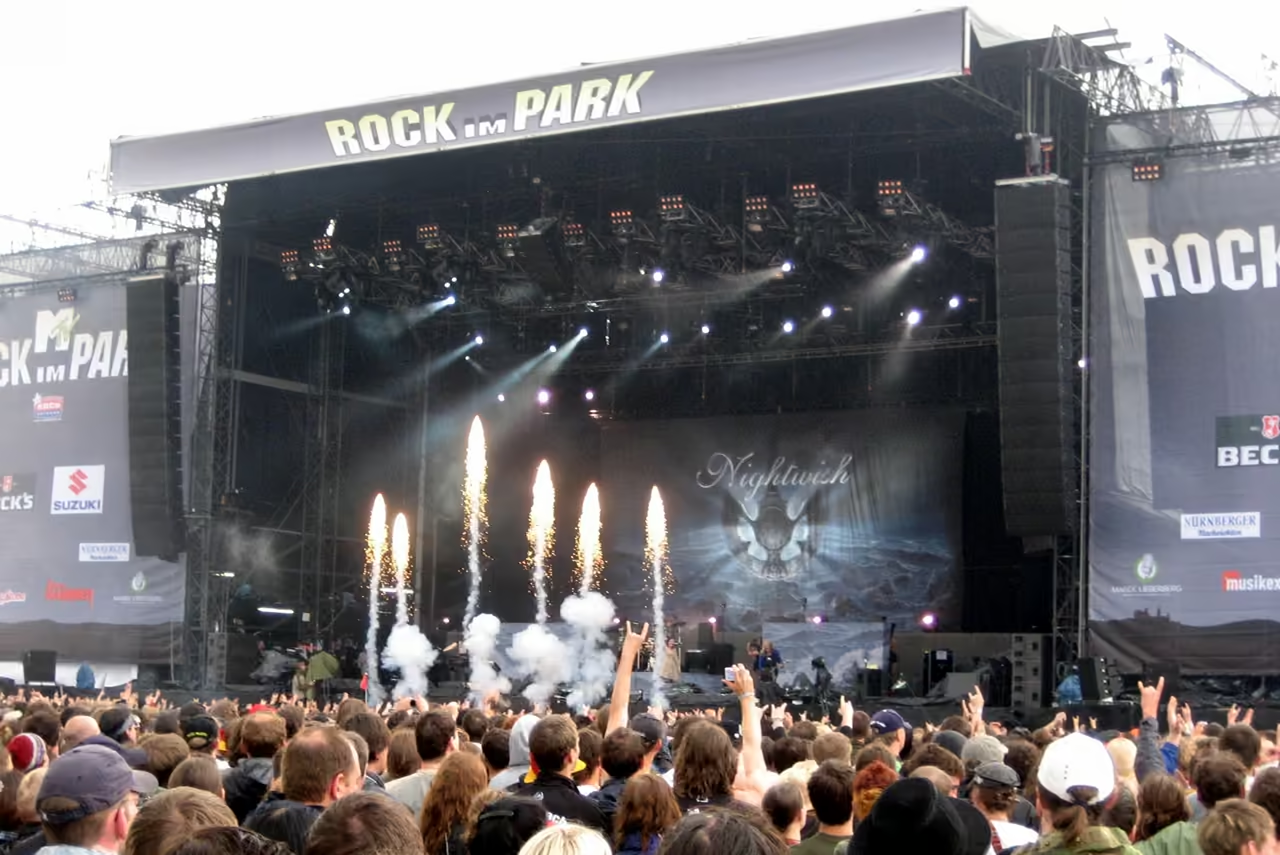
Heavy metal, punk, and alternative rock acts dominate three massive stages erected around the Zeppelinfeld and Dutzendteich lake. Tens of thousands of fans camp out in the surrounding green spaces for three days of intense, high-volume performances. The lineup mirrors the famous Rock am Ring festival, drawing major international headliners. The contrast of screaming guitars against the backdrop of monumental fascist architecture provides a surreal visual dynamic. Prepare for muddy fields, loud nights, and immense energy.
festival view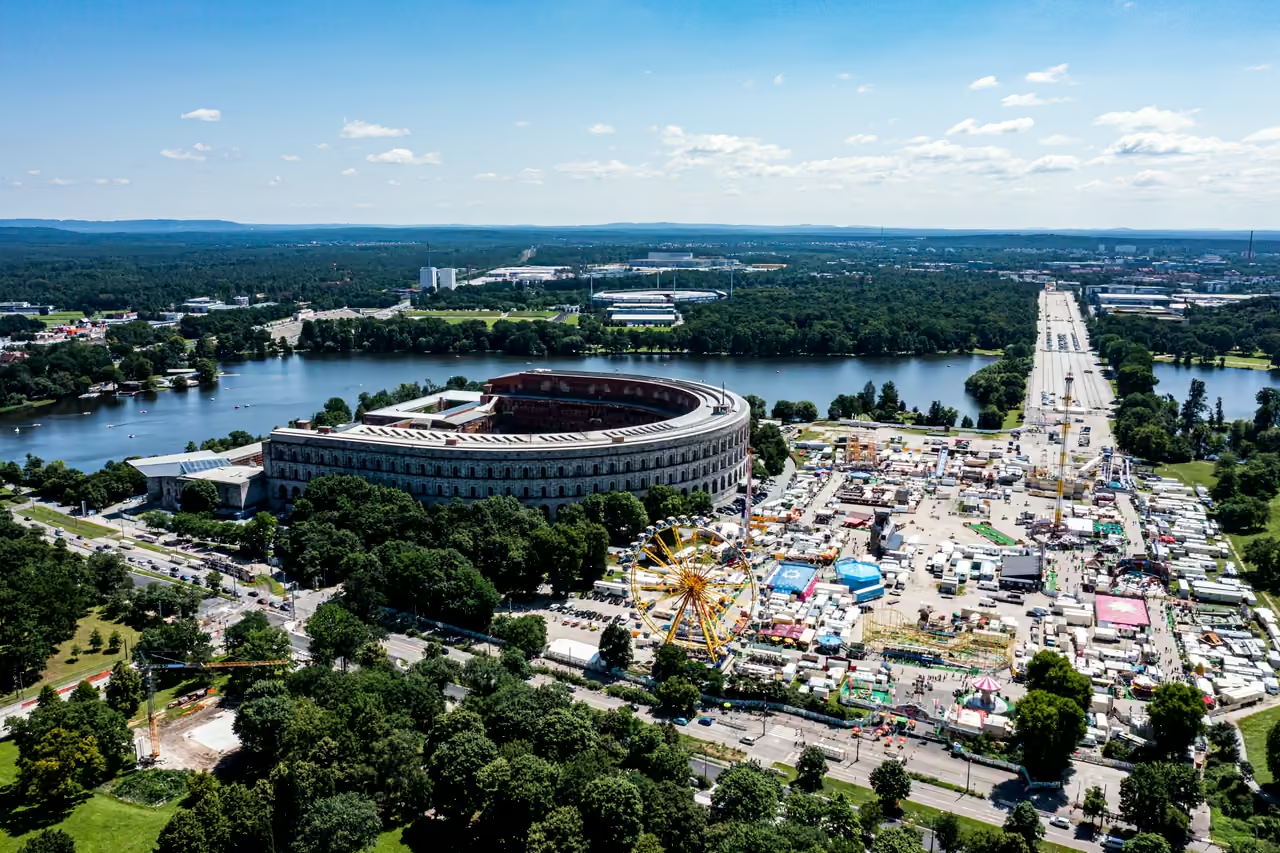 2907m
Nazi Party Rally Grounds
A grandstand with its colonnades gone, a horseshoe of granite that never received its roof, and a lakeside park where rowing boats still drift past: the old rally grounds in south east Nuremberg cover a lot of the twentieth century in one walk. Planned from 1933 as a stage for the Nazi Party's annual rallies and left unfinished when war arrived, the site is now an open air lesson in how architecture was used to stage power, and in how a city chose to face that legacy. Climb the broad front of the Zeppelin Grandstand, step into the Congress Hall's cavernous courtyard, then head into the Documentation Centre, whose glass and steel spike slices diagonally through the building's north wing. The setting adds its own contrast, because the same grounds hold joggers, festival crowds and families out for a Sunday stroll. Finish at the Dutzendteich lakeshore, where the Congress Hall's curved flank is reflected in the water.
attraction view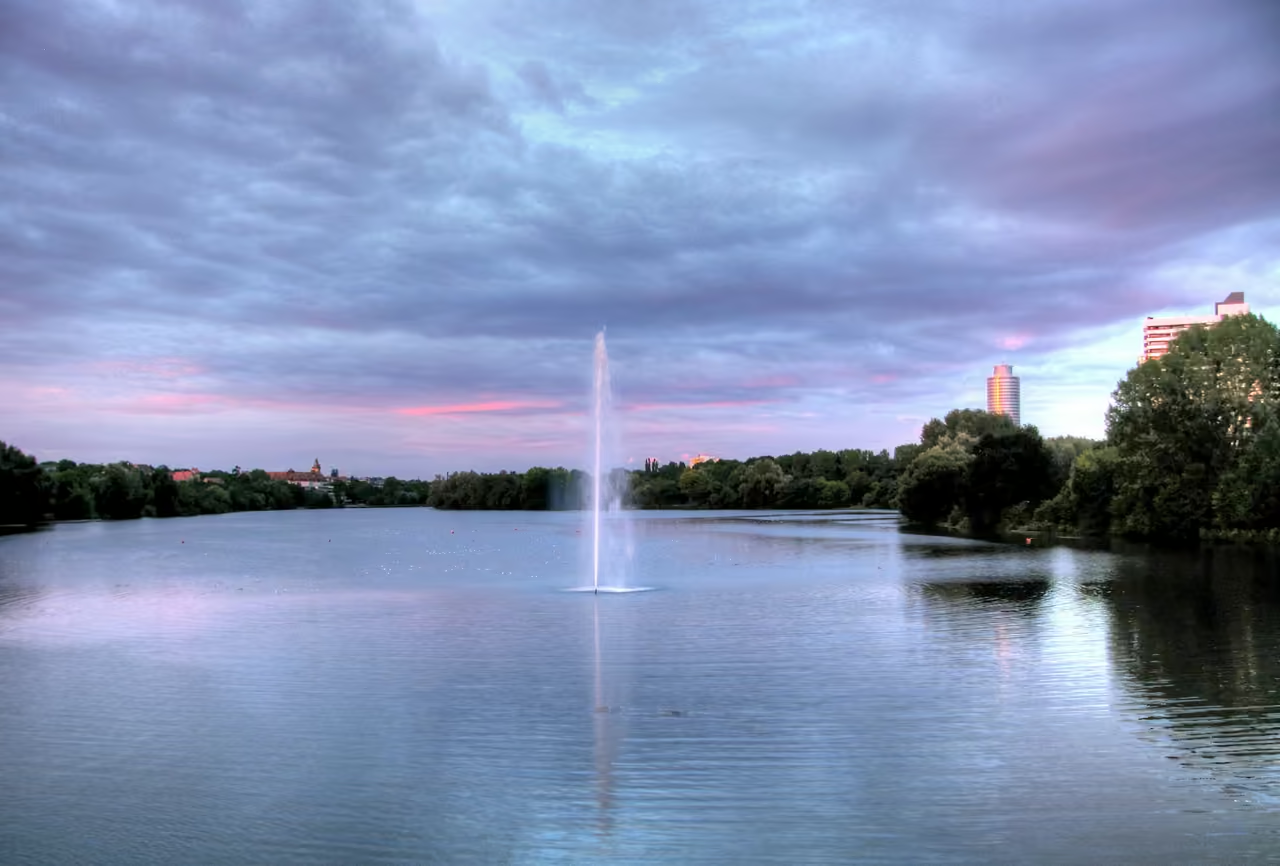 3033m
Lake Wöhrd
A wide stretch of open water slicing through Nuremberg's eastern districts, Lake Wöhrd functions as the city's outdoor living room from spring until autumn. Engineered after the war to stop the Pegnitz from swamping the historic centre, it separates into two distinct worlds: an active leisure zone downstream and a tangled nature reserve upstream. Swimmers gather at the fine sand of Norikus Bay, while pedal boats paddle across the lower basin under the silhouette of modernist high rises. Inline skaters and commuters glide down Johann Soergel Weg alongside swans drifting through the shallows. On sunny afternoons, local families unpack picnics on the grass while the gentle rumble of the S-Bahn fades behind rustling poplars.
park & nature view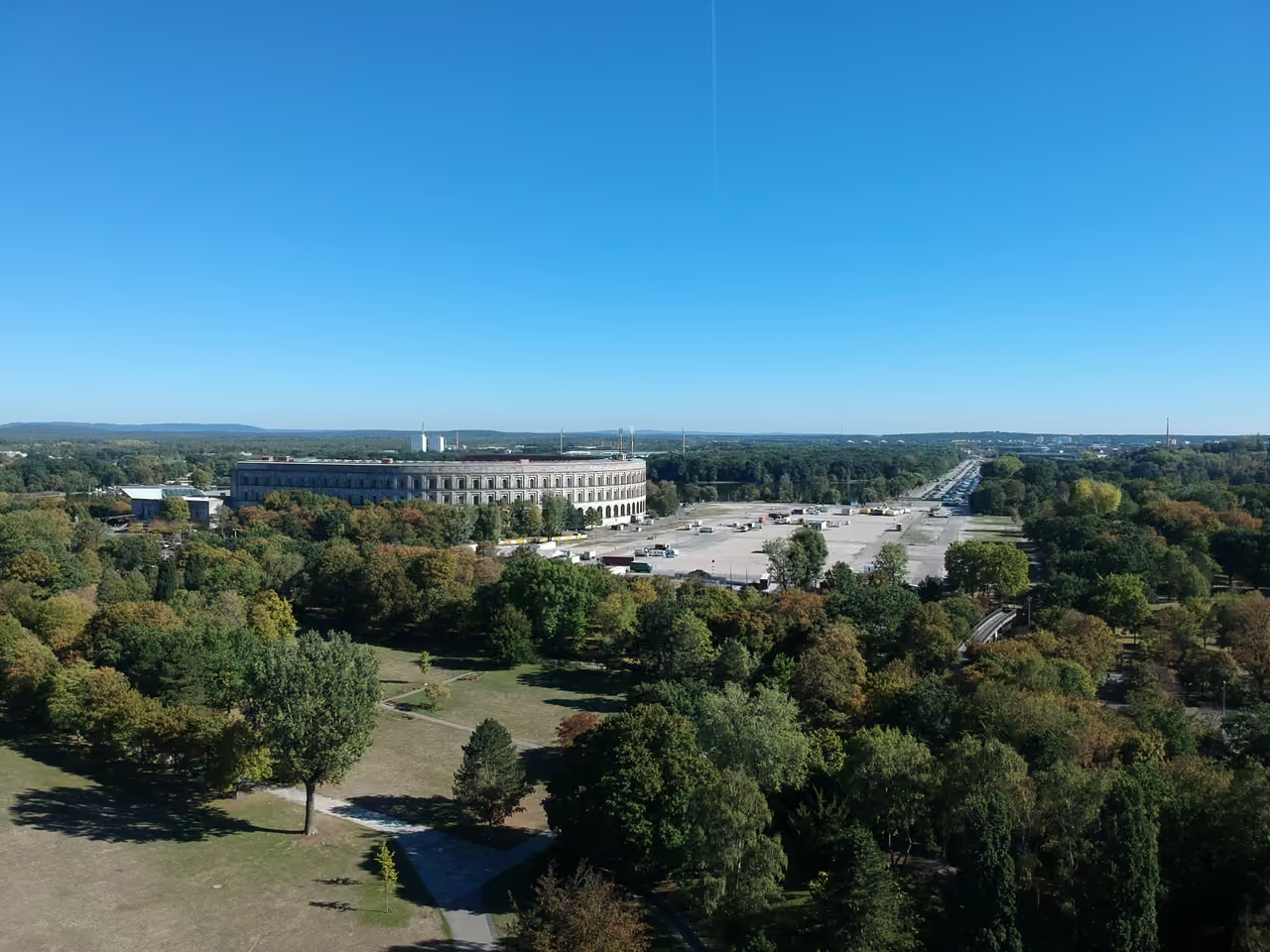 3111m
Luitpold Grove
Spreading across twenty-one hectares of south-east Nuremberg, Luitpold Grove acts as an expansive backyard for the surrounding residential streets. Today it functions as a peaceful expanse of manicured turf, winding walking paths, and shady copse clusters. Most summers, picnic blankets cover the rolling lawns as audiences gather with wine baskets and fairy lights for the Klassik Open Air concerts. The neoclassical arcades of the Ehrenhalle still gaze out from the park eastern rim, providing a sober architectural backdrop to weekend joggers and dog walkers. Just across the tram tracks stands the Meistersingerhalle concert hall, while a low-key miniature golf course anchors the south-western corner. It is an honest municipal space where everyday leisure has decisively overwritten a dark mid-century legacy.
park & nature view
Explore Similar Places in This Collection
Featured on This Route
See all nature & parks in Nuremberg
Including City Park, Hesperides Gardens, Lake Wöhrd, and more