Nazi Party Rally Grounds
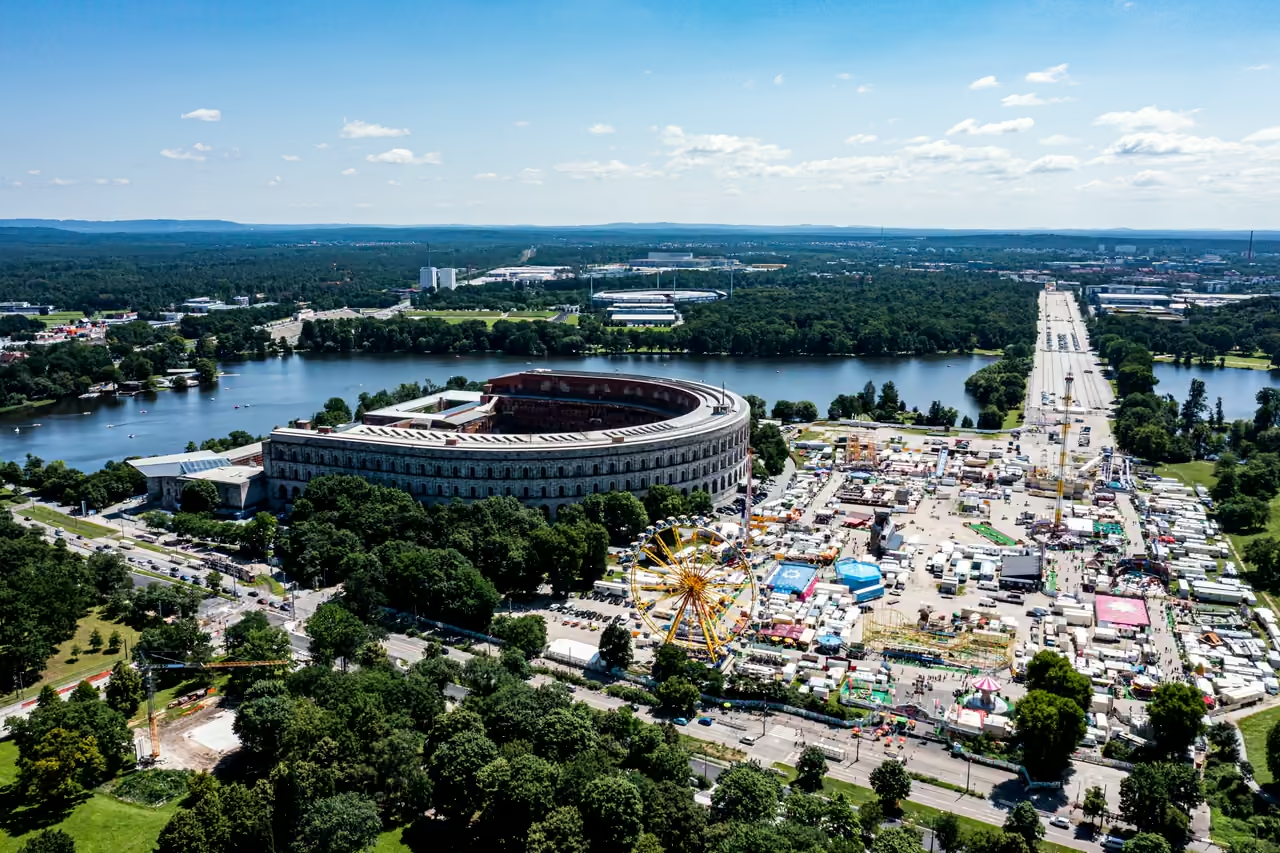
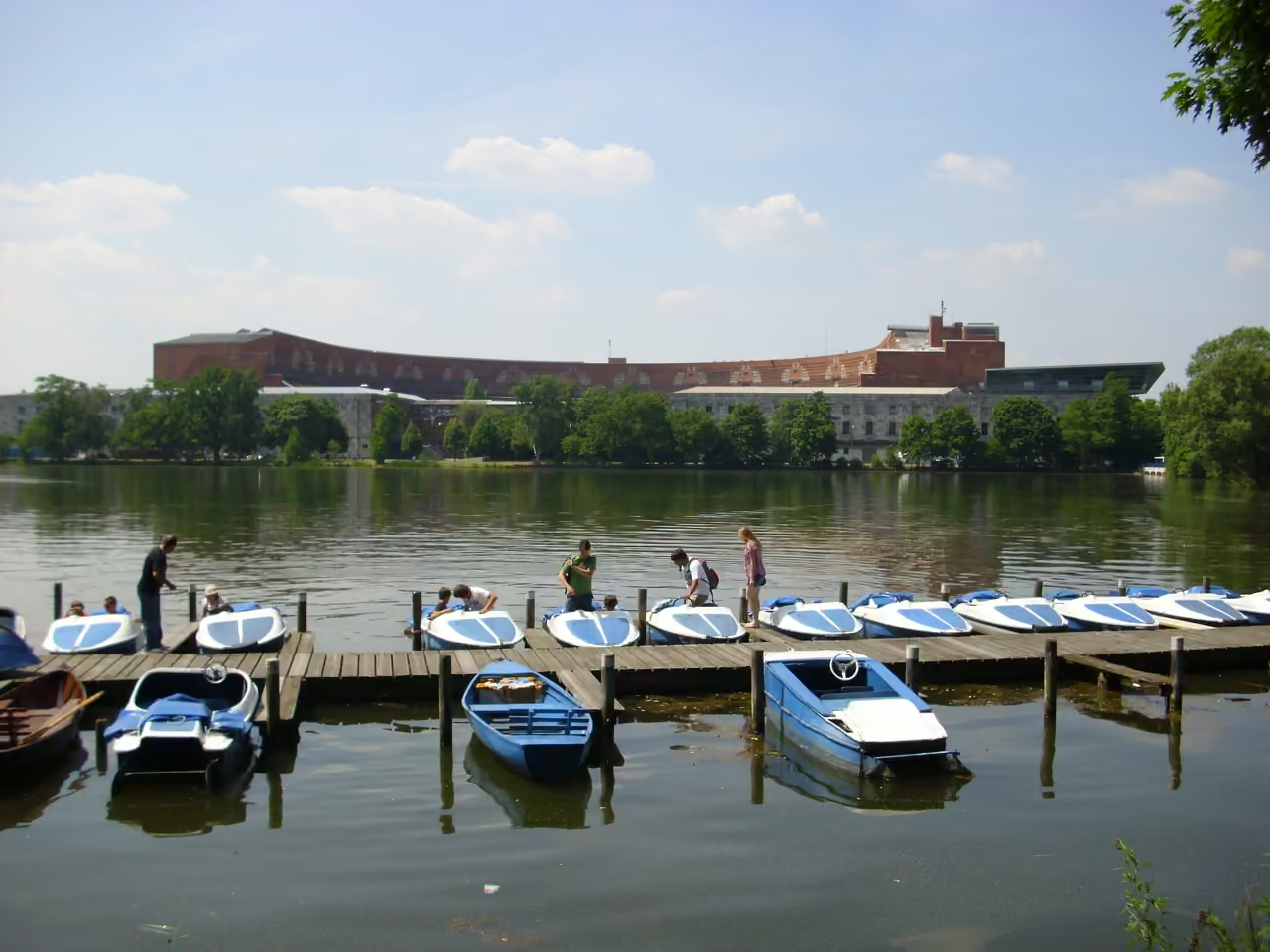
A grandstand with its colonnades gone, a horseshoe of granite that never received its roof, and a lakeside park where rowing boats still drift past: the old rally grounds in south east Nuremberg cover a lot of the twentieth century in one walk. Planned from 1933 as a stage for the Nazi Party's annual rallies and left unfinished when war arrived, the site is now an open air lesson in how architecture was used to stage power, and in how a city chose to face that legacy. Climb the broad front of the Zeppelin Grandstand, step into the Congress Hall's cavernous courtyard, then head into the Documentation Centre, whose glass and steel spike slices diagonally through the building's north wing. The setting adds its own contrast, because the same grounds hold joggers, festival crowds and families out for a Sunday stroll. Finish at the Dutzendteich lakeshore, where the Congress Hall's curved flank is reflected in the water.
Videos
History of Nazi Party Rally Grounds
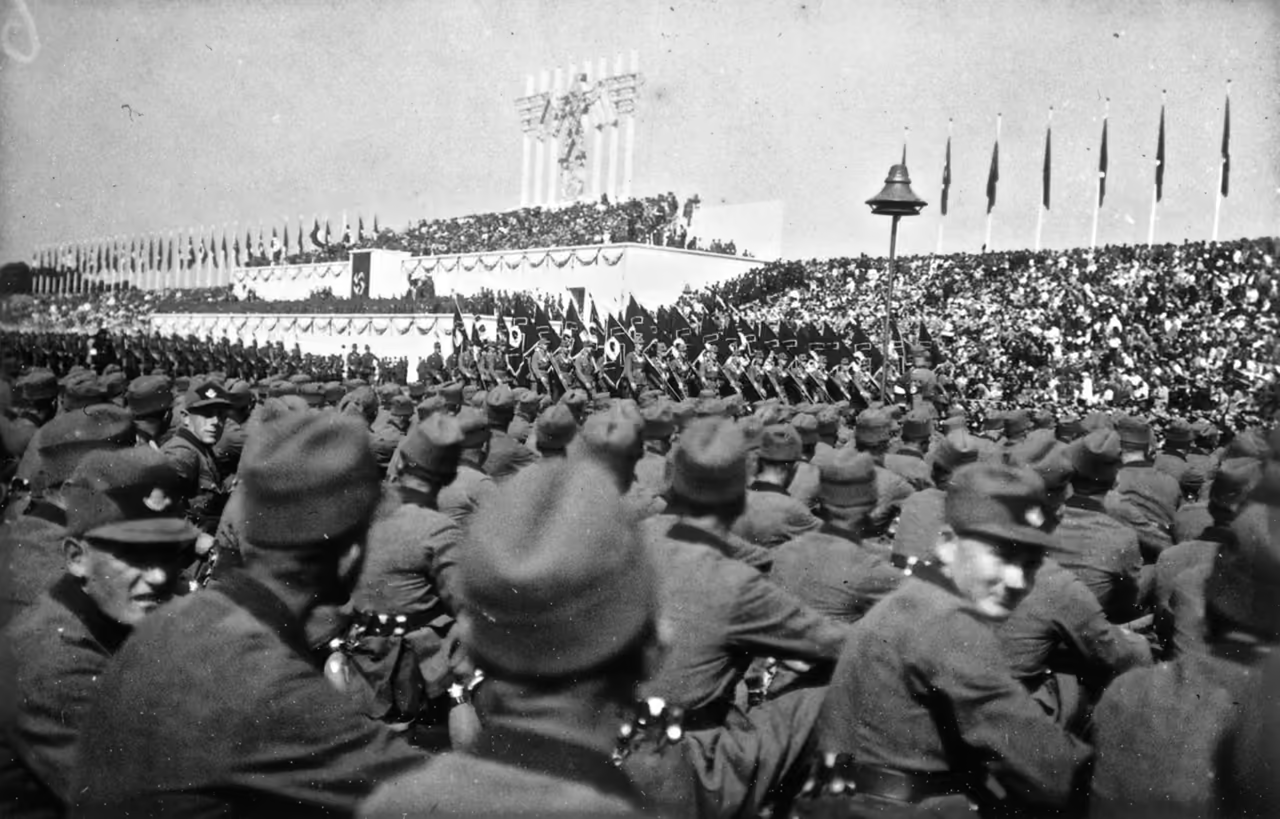
Until 1933, the land around the two Dutzendteich lakes was where Nuremberg went to relax. Swimming baths and a lakeside café appeared in the late nineteenth century, the Bavarian Jubilee Exhibition of 1906 filled the shore with pavilions to mark a century of Nuremberg belonging to Bavaria, and the city zoo opened its gates here in 1912. Next door, Luitpoldhain park was a popular place for political gatherings. In August 1923, around 50,000 people joined the Social Democrats there to pledge loyalty to the Weimar Constitution. The Nazi Party had already held rallies in Nuremberg in 1927 and 1929, and once in power it made the city a permanent stage. Nuremberg suited the purpose for several reasons. It sat near the middle of Germany, it had an enthusiastic local following, and it carried the prestige of the medieval imperial diets that the Nazis liked to present as the first German Reich. The city was named the City of the Party Rallies, an association representing the party, the state, Bavaria and the city was set up to run the project, and Albert Speer, Hitler's favourite architect, supplied the master plan for an area of roughly 16.5 square kilometres. What followed was less a park than a film set. Every September from 1933 to 1938, hundreds of thousands of party members and spectators filled the grounds for a week of marches, speeches and carefully lit evenings, all designed to dissolve the individual into the crowd. Cameras were part of the plan. Leni Riefenstahl's film of the 1934 rally, Triumph of the Will, turned the choreography into propaganda that travelled far beyond Franconia. The 1935 rally also brought the announcement of the Nuremberg Laws, which stripped Jewish Germans of their citizenship rights, and the city's name has been tied to that moment ever since. The buildings were meant to outlast the regime by thousands of years, and the plans grew accordingly: a Congress Hall for 50,000, a parade road, a field of towers, and a stadium for over 400,000 spectators. History cut in first. The outbreak of war in September 1939 cancelled that year's rally and stopped construction, leaving the Congress Hall without its roof and the stadium as little more than a pit in the ground. The area was used as a camp for prisoners of war and forced labourers until 1945. In April 1945, after fierce fighting, American troops took Nuremberg, whose medieval old town had been largely destroyed by air raids that winter. The rally grounds, by contrast, came through almost undamaged. The US Army held a victory parade at the Zeppelin Grandstand and blew up the giant swastika on top of it, an image that was filmed and shown around the world. Within months, the same city was chosen to host the Nuremberg Trials, partly for its symbolism. Nuremberg then had to decide what to do with a set of monuments nobody wanted. Some voices called for demolition, others for letting the stone crumble quietly, and for decades the grounds were used for sport, parking, motor racing and fairs while the question stayed open. A different approach took hold from the 1980s, when an exhibition inside the Zeppelin Grandstand began to tell the story honestly. It was formalised in 2001, when the Documentation Centre opened in the Congress Hall's north wing with a glass and steel spike driven right through the old masonry. The city had chosen to keep the ruins and explain them, rather than hide them. That decision shapes the place today. The same grounds that were built for obedience now host festivals, school visits and ordinary weekend life, and the information panels are as much a part of the landscape as the stone. On a summer afternoon, rowing boats drift across Dutzendteich in full view of the Congress Hall's curved flank.
13 events spanning 95 years
Fun Facts
- • After 1945 the US Army renamed the Zeppelin Field 'Soldiers' Field' and used it for sport and military events.
- • American forces captured Nuremberg on 20 April 1945, which was Hitler's birthday.
- • Days before the swastika was destroyed, the US Army's Third Division held a ceremony on the Zeppelin Field at which five soldiers received the Medal of Honor.
- • Part of the Norisring street circuit runs around the edge of the grounds, so racing cars pass the Zeppelin Grandstand each year.
- • Riefenstahl's film opens with Hitler's aeroplane descending through clouds towards Nuremberg, a piece of staging that shaped how the rallies were remembered.
- • Speer modelled the Zeppelin Grandstand on the Pergamon Altar, an ancient Greek monument from what is now Turkey, which stands in a museum in Berlin.
- • The Congress Hall was planned at roughly 68 metres tall but only reached about 39 metres before work stopped, and its inner courtyard still measures around 180 by 160 metres.
- • The Documentation Centre's exhibition covers the rise of National Socialism, the rallies themselves and the Nuremberg Trials, as well as what the city has done with the site since.
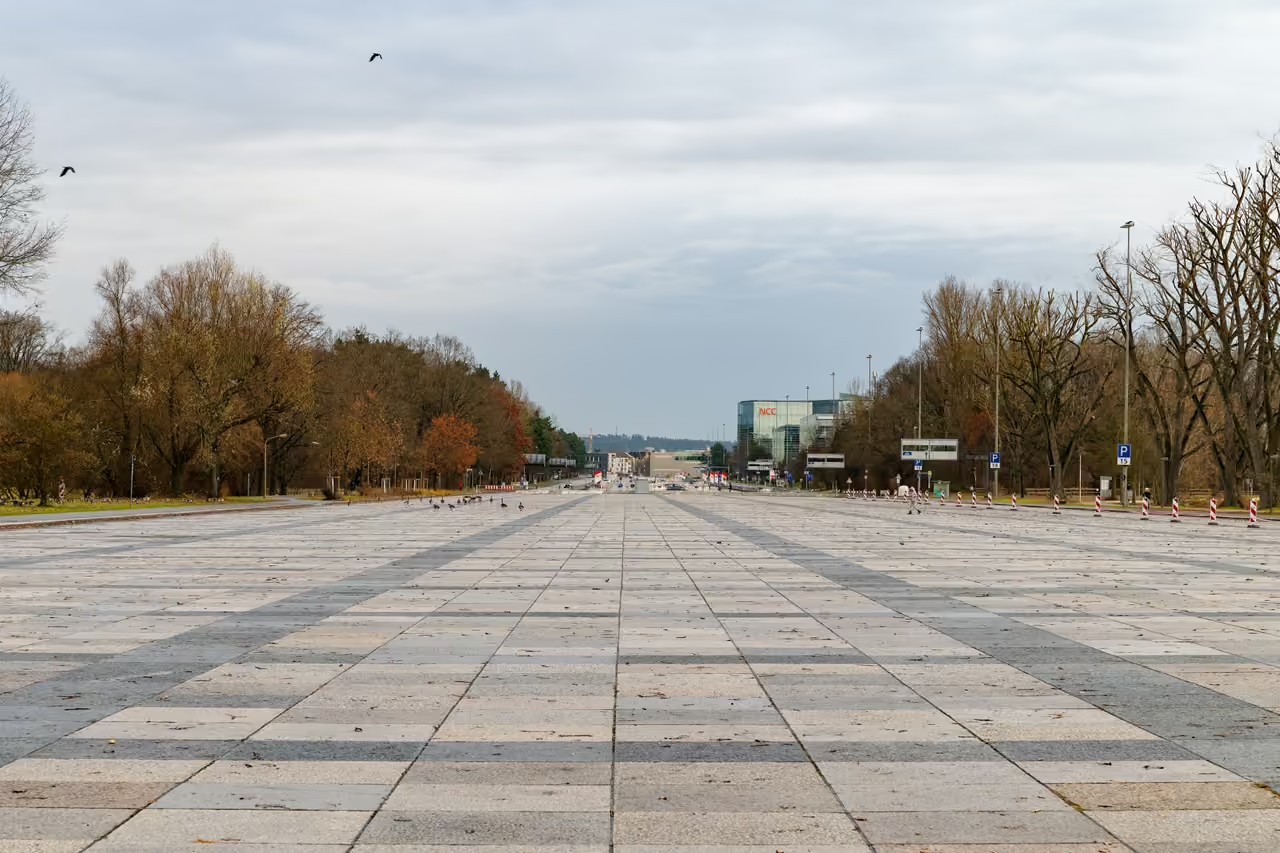
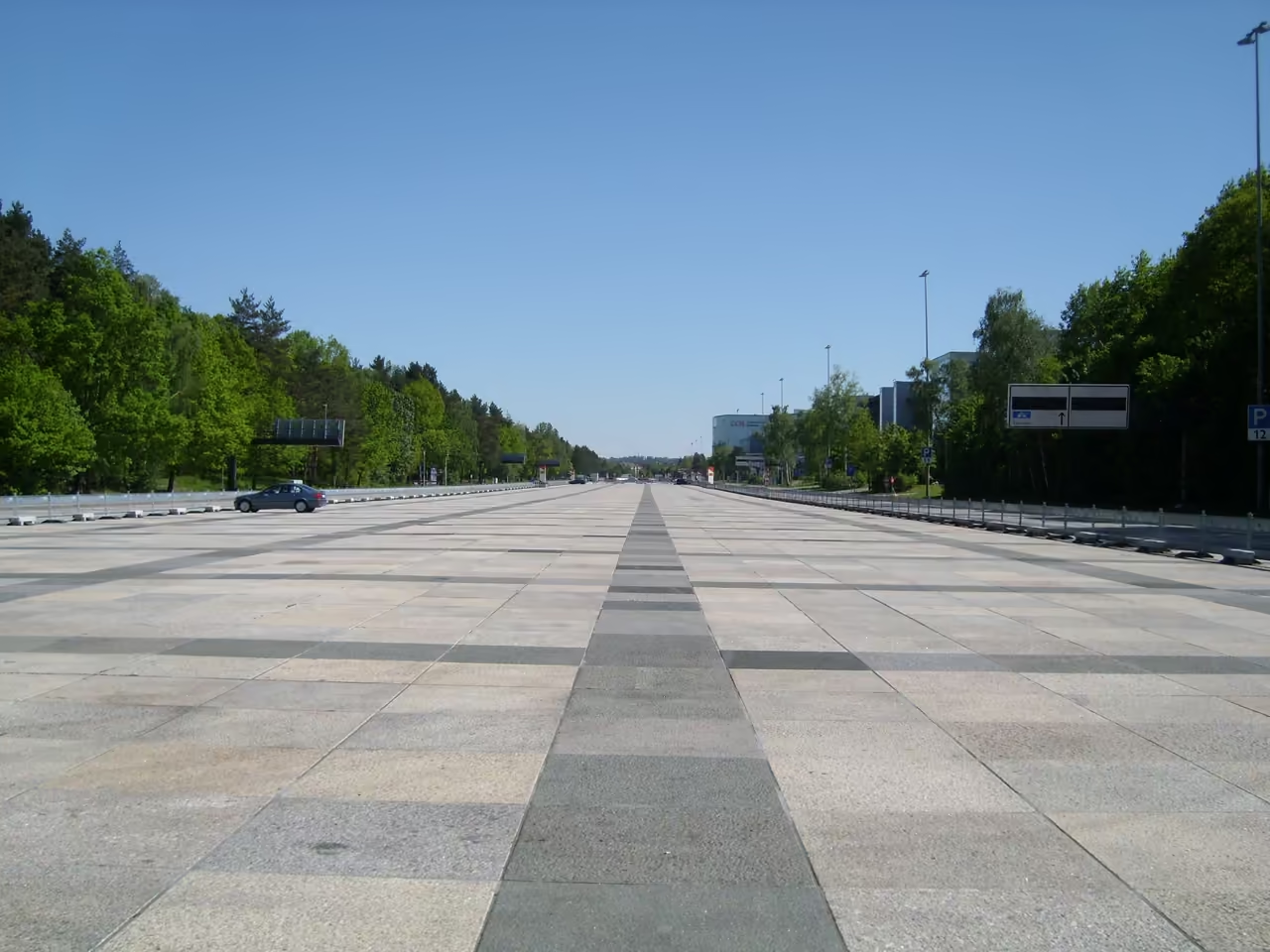
- • The Great Road, intended as a parade avenue, runs for almost two kilometres at a width of about 40 metres, and on big event days it still serves as a car park.
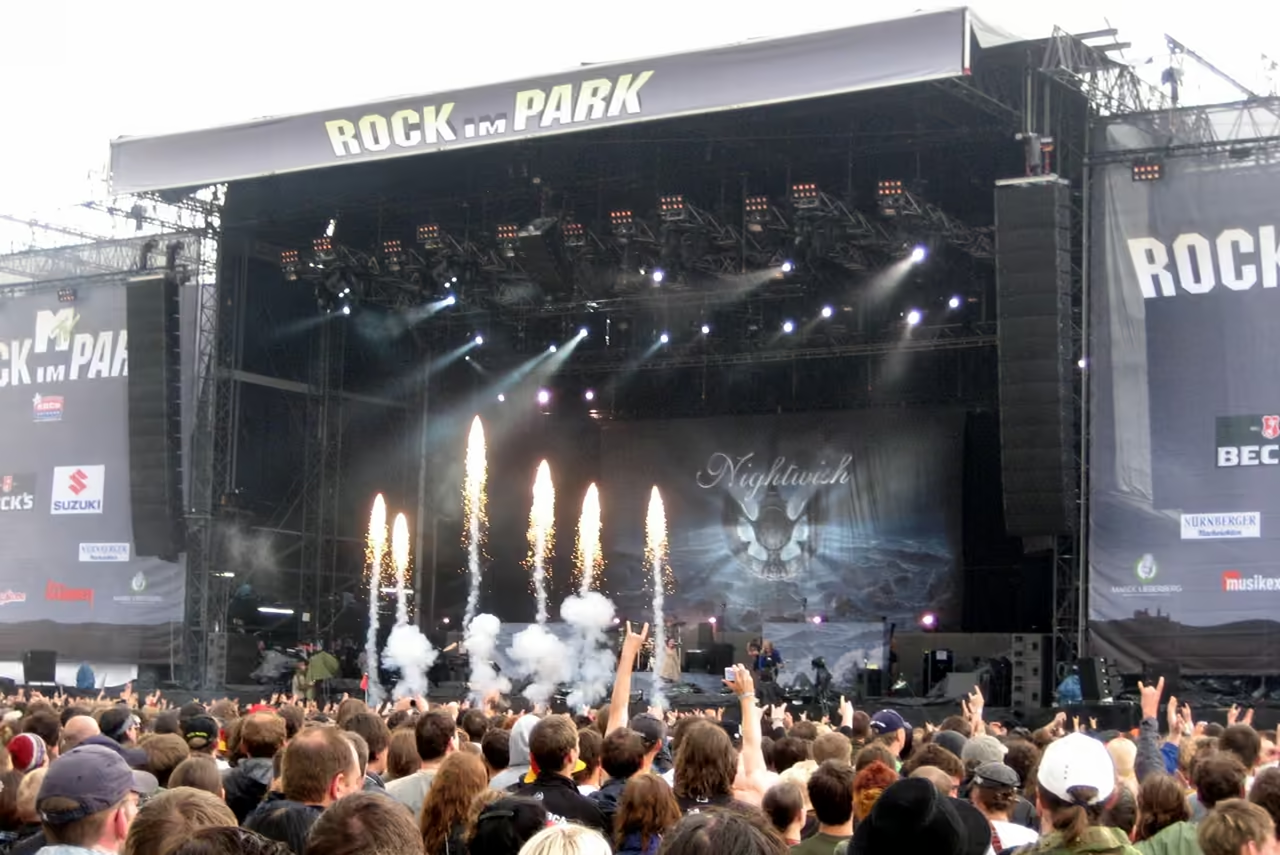
- • The Rock im Park festival fills the grounds with music fans every summer, a very different crowd from the 1930s.
- • The Zeppelin Field takes its name from 1909, when one of Count Zeppelin's airships landed on the open ground here, years before anyone imagined a rally.
- • The planned German Stadium was designed for around 405,000 spectators, but only the foundation pit was dug. That pit later filled with groundwater and became the Silbersee, now a swimming lake.
FULL PLACE DETAILS
OVERVIEW & STATS
- Established
- In 1933, making it 93 years old
ARCHITECTURE & HERITAGE
- Heritage Status
- Architectural Heritage Monument In Bavaria
- Architectural Styles
- Nazi
- Architects
- Albert Speer
WEB & AMENITIES
Nazi Party Rally Grounds Map & Neighborhood Explorer
This interactive map is centered on Nazi Party Rally Grounds. Zoom in and move the map around to automatically discover Wikipedia photos and summaries of other nearby sights, monuments, and historical points of interest and stories in real-time!
Nazi Party Rally Grounds FAQ
While we strive to keep this information accurate and up to date, we recommend verifying any details independently before making decisions based on them.
Places near Nazi Party Rally Grounds
Make the most of your trip. Check out these top-rated spots located nearby.
 279m
Rock in the Park
Heavy metal, punk, and alternative rock acts dominate three massive stages erected around the Zeppelinfeld and Dutzendteich lake. Tens of thousands of fans camp out in the surrounding green spaces for three days of intense, high-volume performances. The lineup mirrors the famous Rock am Ring festival, drawing major international headliners. The contrast of screaming guitars against the backdrop of monumental fascist architecture provides a surreal visual dynamic. Prepare for muddy fields, loud nights, and immense energy.
festival view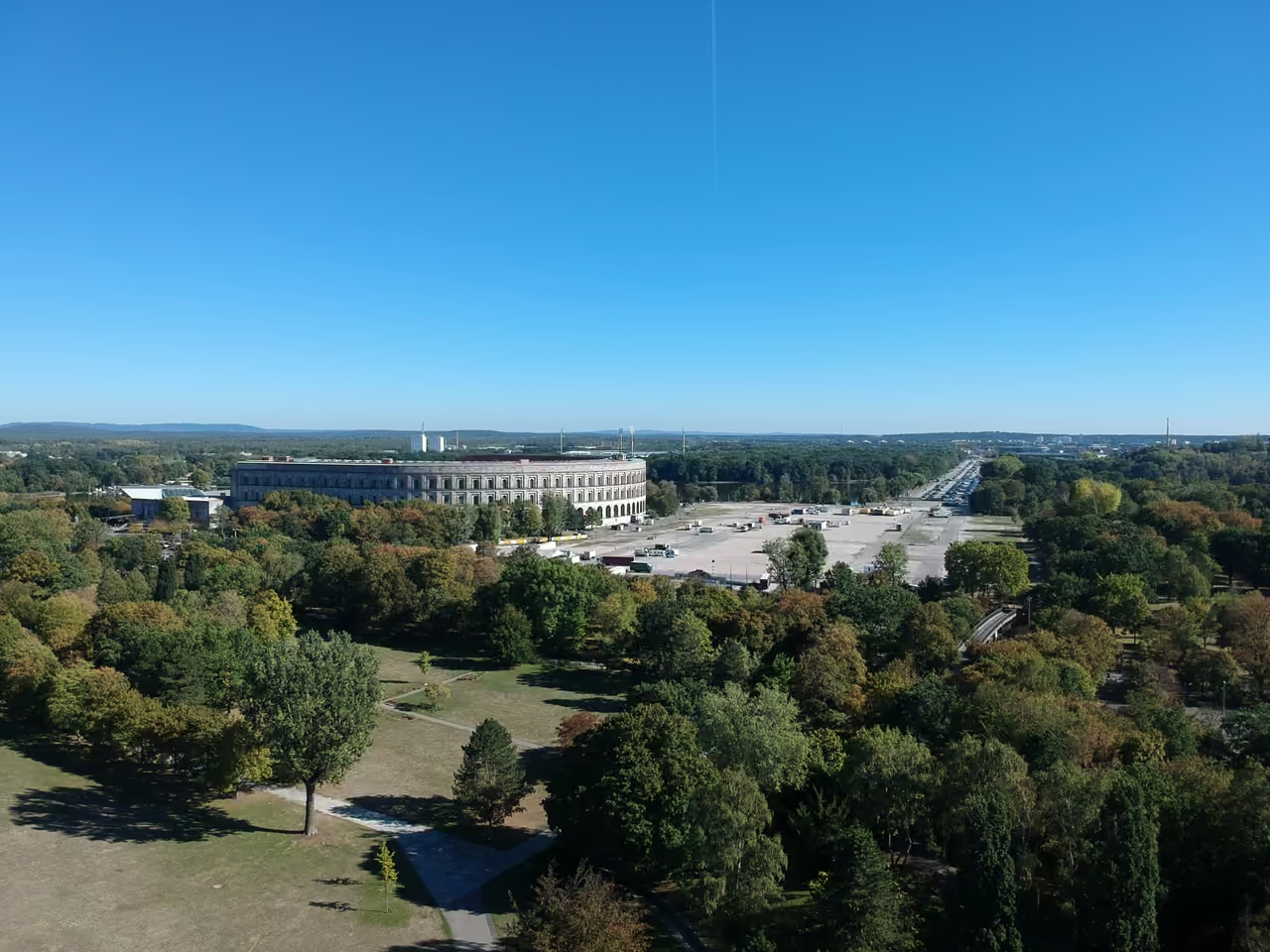 1359m
Luitpold Grove
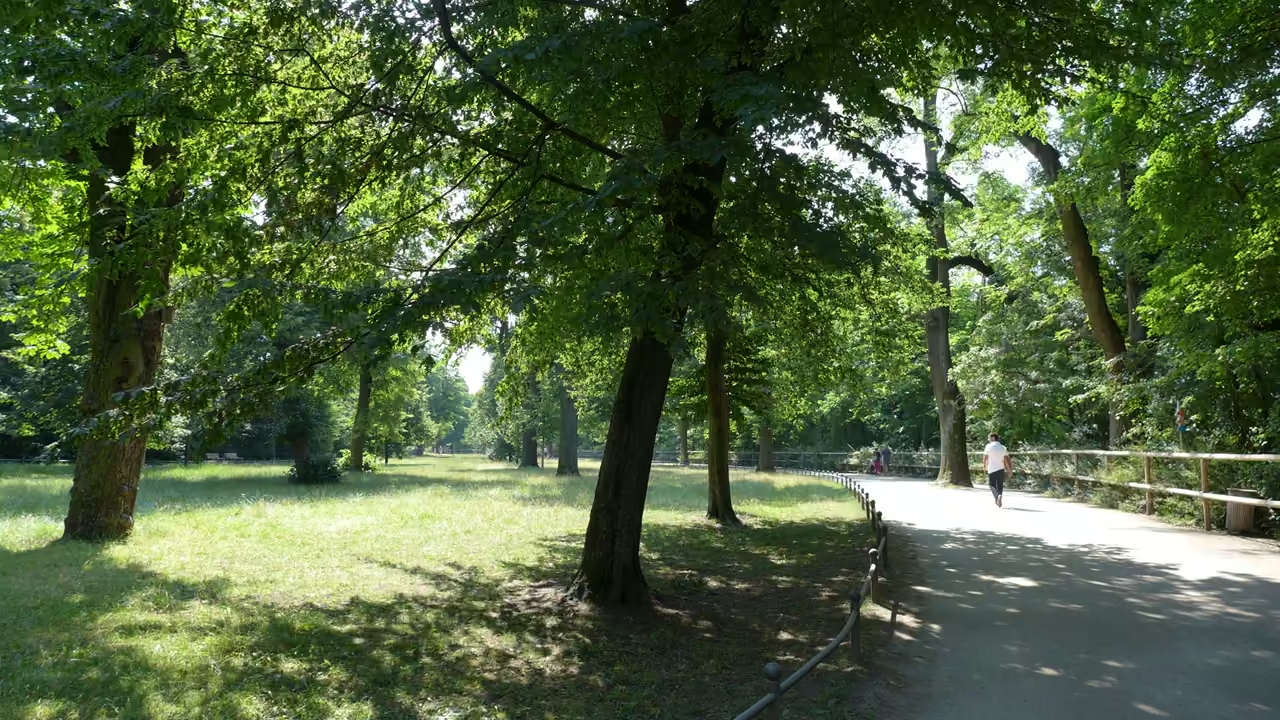
Spreading across twenty-one hectares of south-east Nuremberg, Luitpold Grove acts as an expansive backyard for the surrounding residential streets. Today it functions as a peaceful expanse of manicured turf, winding walking paths, and shady copse clusters. Most summers, picnic blankets cover the rolling lawns as audiences gather with wine baskets and fairy lights for the Klassik Open Air concerts. The neoclassical arcades of the Ehrenhalle still gaze out from the park eastern rim, providing a sober architectural backdrop to weekend joggers and dog walkers. Just across the tram tracks stands the Meistersingerhalle concert hall, while a low-key miniature golf course anchors the south-western corner. It is an honest municipal space where everyday leisure has decisively overwritten a dark mid-century legacy.
park & nature view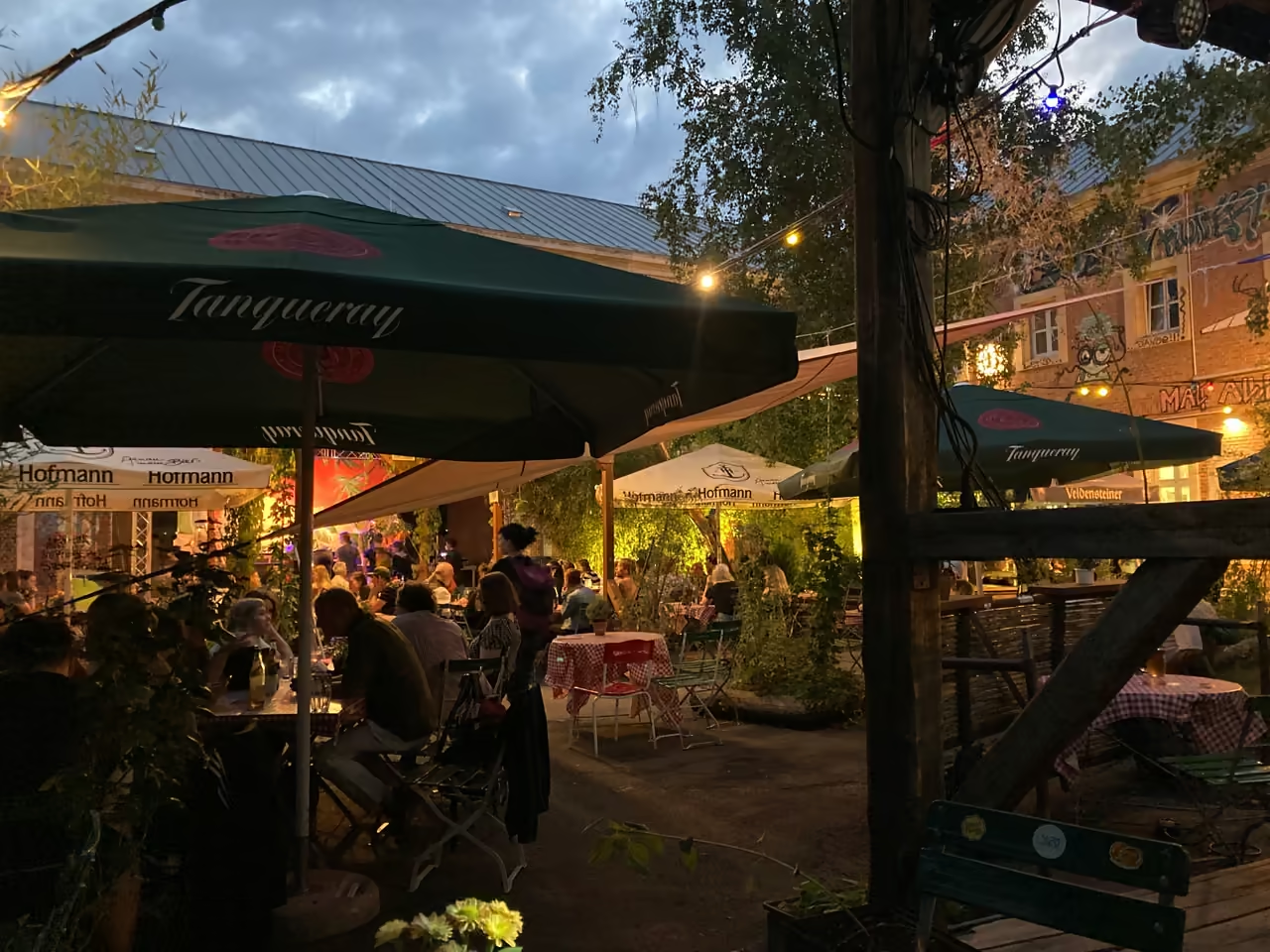 1890m
Z-Bau Cultural Centre
Operating out of a massive former military barracks in the southern district, this cultural hub represents the raw edge of the city's nightlife. The sprawling complex contains multiple concert halls, club spaces, and a massive outdoor beer garden. Programming bounces wildly between heavy techno nights, reggae festivals, and political art exhibitions. The massive scale of the venue allows for a truly immersive festival-like experience on weekends.
nightlife view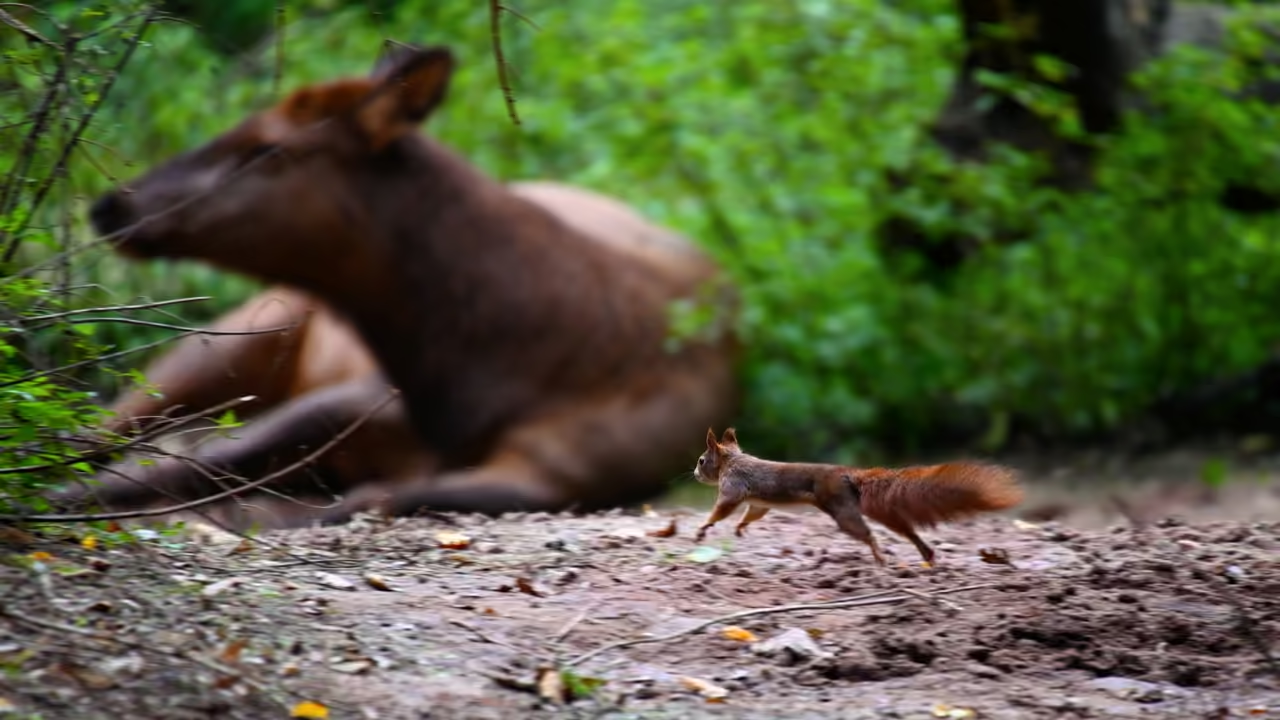 2908m
Nuremberg Zoo
Nuremberg Zoo occupies an enormous expanse of ancient forest and abandoned red sandstone quarries. Tall Scots pines cast long shadows across the wide gravel paths. Visitors often hear the distant barking of sea lions before they even reach the water enclosures. The space feels more like a national park than a traditional captive environment. Enclosures blend directly into the sheer, medieval rock faces that once provided the building blocks for the city walls. A small queue of parents and children regularly forms at the entrance, waiting to board a miniature replica of a historic steam locomotive. Watching a snow leopard navigate these craggy, natural cliffs provides a totally different perspective on how zoological parks can operate.
park & nature view
Featured on These Itineraries and Routes
1 Day in Nuremberg
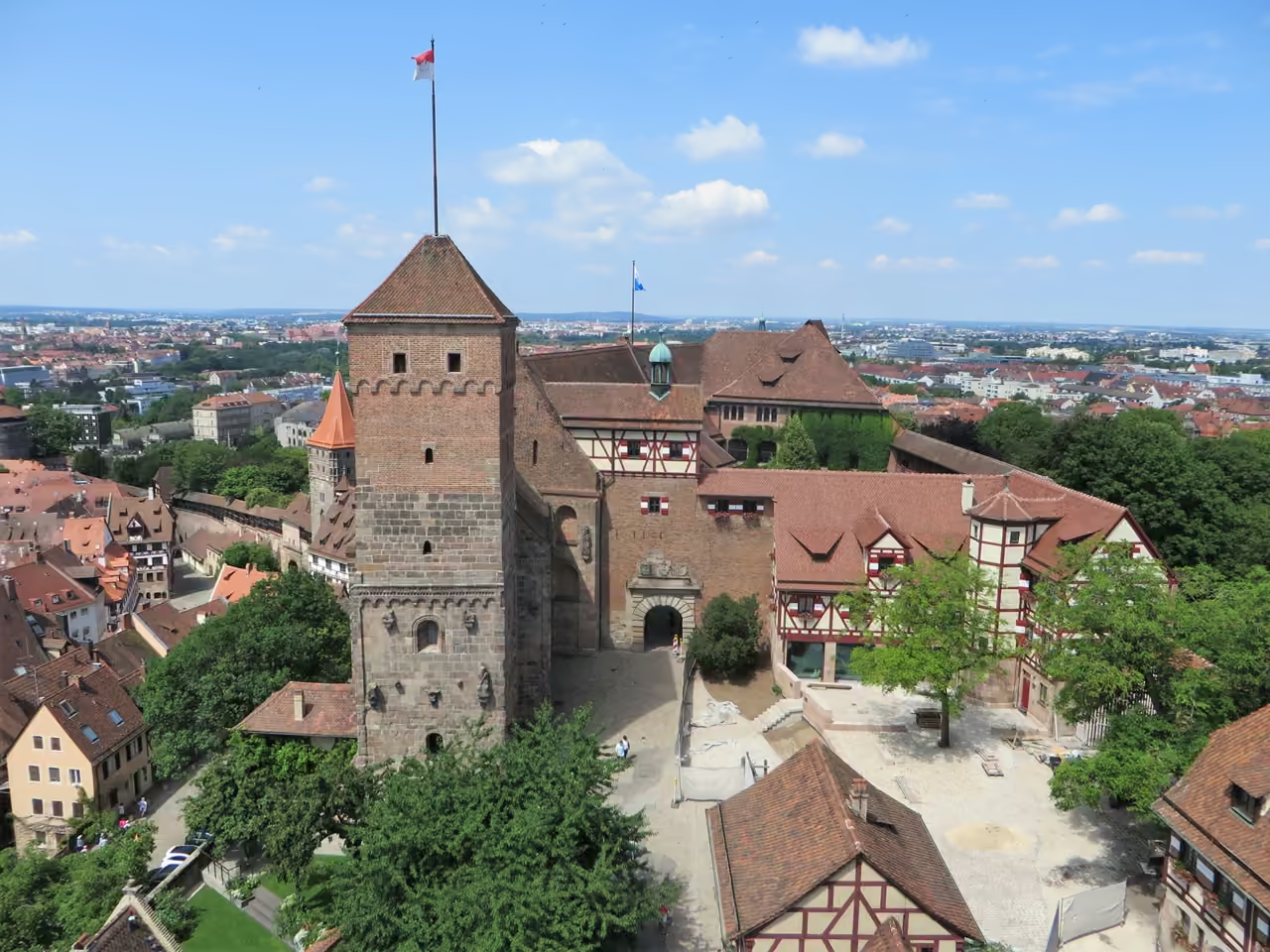
This highly condensed route focuses aggressively on the essential, iconic sights that define the city's historical extremes. It covers the medieval power of the imperial fortress in the morning, followed by the dark legacy of the 1930s in the afternoon. The pace is rapid, requiring stamina and a reliance on public transport to cover the geographical spread between the old town and the southern suburbs. It sacrifices hidden gems in favour of the absolute heavy hitters. The day concludes back within the medieval walls for traditional Franconian food.
view itinerary
3 Days in Nuremberg
Adding two days allows the pace to relax, mixing heavy historical museums with leisurely strolls through the artisan districts and green spaces. The itinerary breaks the city down geographically, dedicating distinct days to the northern castle quarter, the southern medieval core, and the 20th-century history stretching beyond the walls. Time opens up to explore the massive art collections and sit for extended periods in traditional brewpubs. It strikes a perfect balance between education and casual exploration. Visitors leave with a comprehensive understanding of how the city layered its modern identity over its medieval bones.
view itinerary
5 Days in Nuremberg
A full working week allows visitors to treat the city like a local, diving into highly specific museums and exploring the outer green belts. The schedule incorporates deep dives into the transport history and hidden patrician gardens that most tourists never see. It factors in time for long walks along the Pegnitz river and cycling trips into the vast eastern forests. The itinerary assumes a desire to experience the quiet, residential pockets of the city alongside the major monuments. This timeline transforms a rushed sightseeing trip into a relaxed cultural immersion.
view itinerary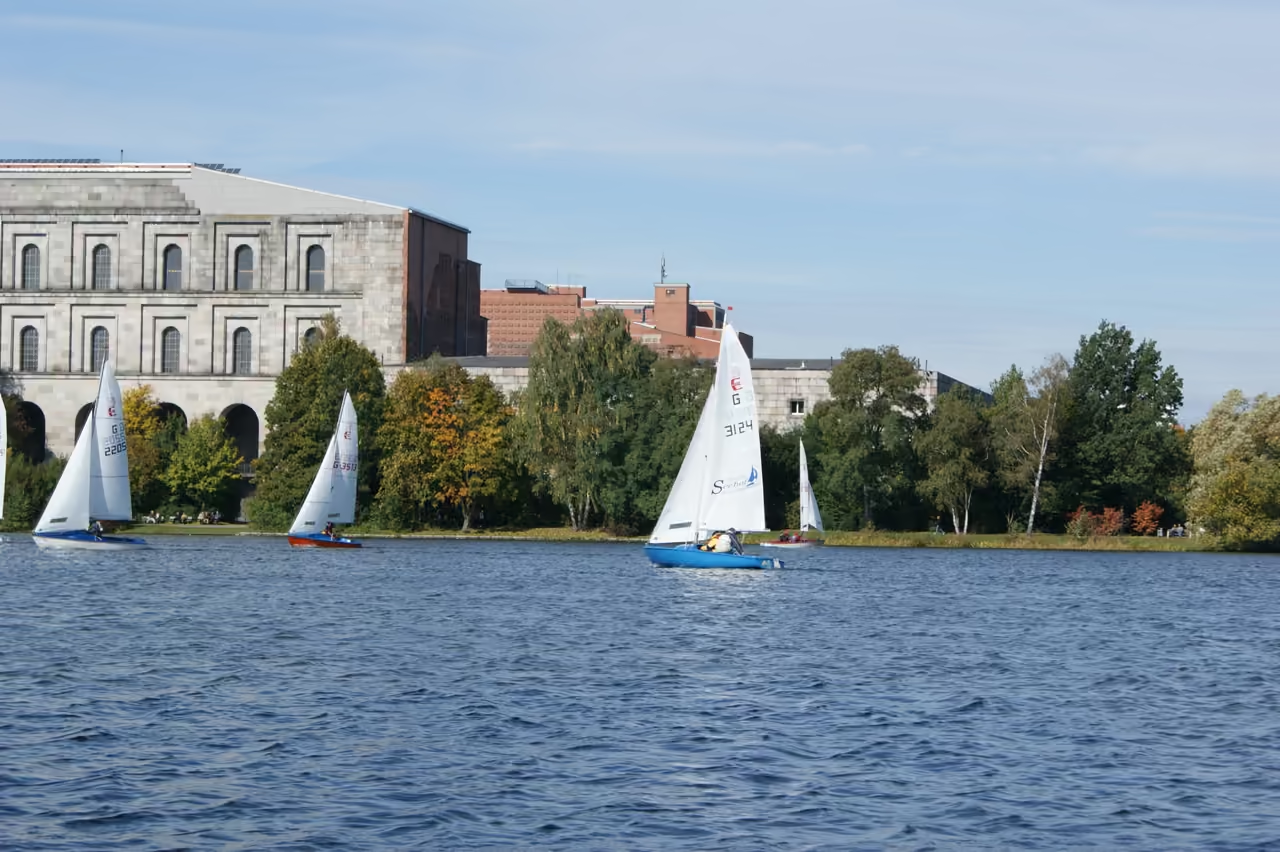
Dutzendteich & Nazi Rally Grounds
This walk circles a large, serene boating lake heavily overshadowed by the monumental, decaying ruins of fascist architecture. Wide, straight boulevards designed for military parades now serve as paths for rollerbladers and dog walkers. The sheer scale of the unfinished Congress Hall dominates the northern shore, reflecting imposingly in the water. The walk provides a stark, physical confrontation with the megalomania of the 1930s, slowly being reclaimed by nature and casual recreation. It is an expansive, thought-provoking environment.
view walking route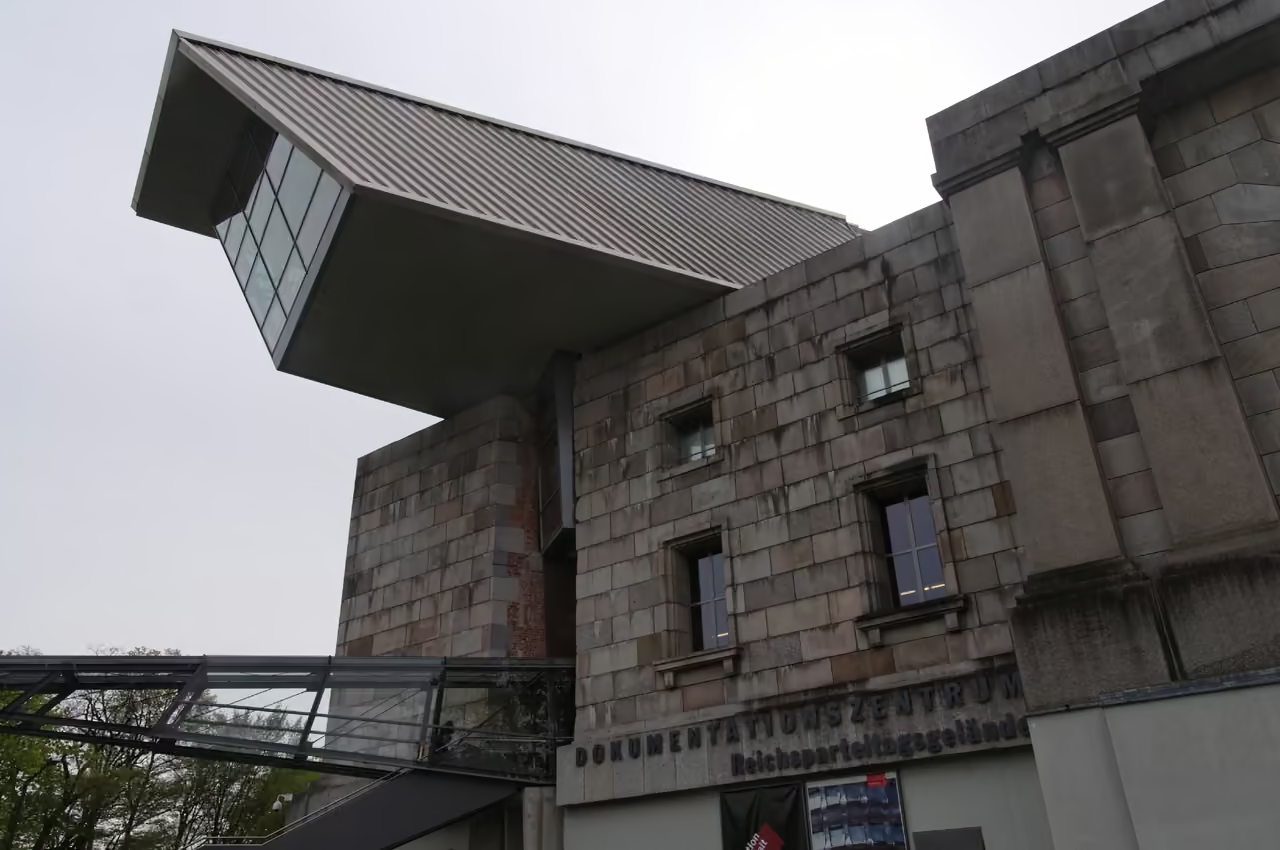
Third Reich & Nuremberg Trials
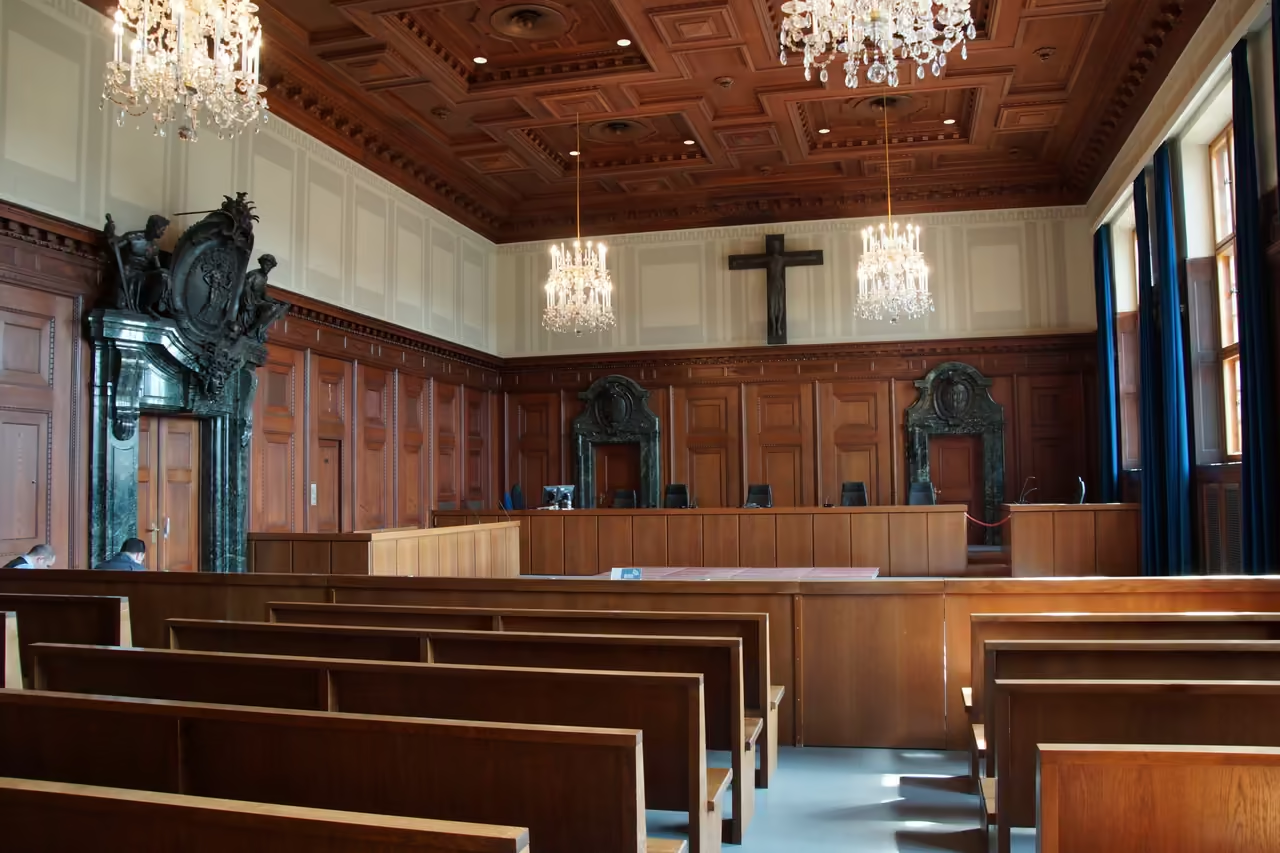
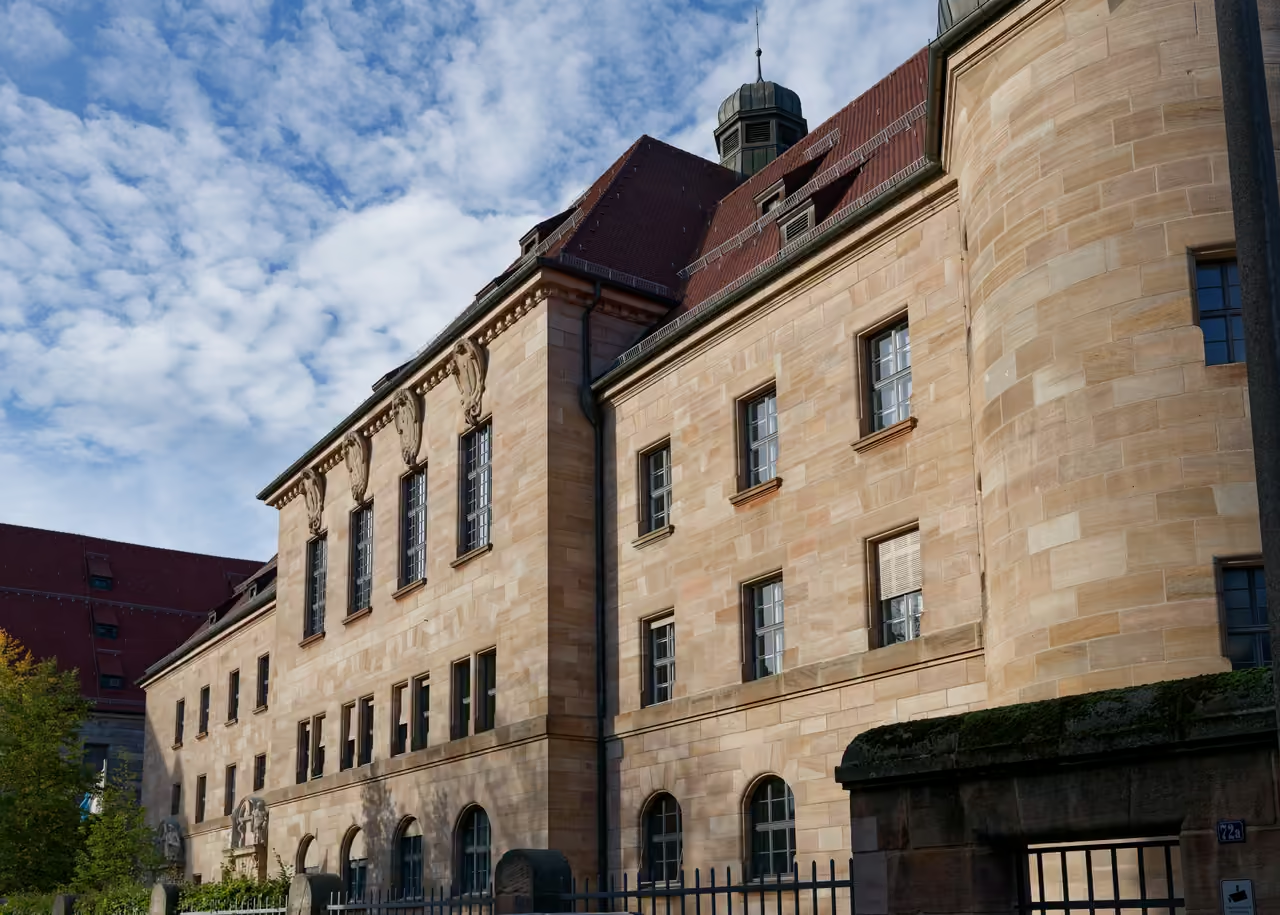
This heavy but crucial itinerary links the sites most closely associated with the city's darkest era. It moves from the massive staging grounds where the party machine mesmerized the masses to the solemn courtroom where its leaders faced international justice. The route requires taking public transport between the southern suburbs and the western justice district. It confronts the deliberate architectural manipulation used for propaganda and the subsequent legal reckoning. The journey provides an unflinching look at how a city deals with an uncomfortable legacy.
view self-guided tour
See all attractions in Nuremberg
Including Albrecht Dürer House, Germanic National Museum, Nuremberg Castle, and more