Valparaíso
Full City Guide, Map & 121 Things To Do
296,655 people live here.
That's 1.6% of the entire population of Chile.
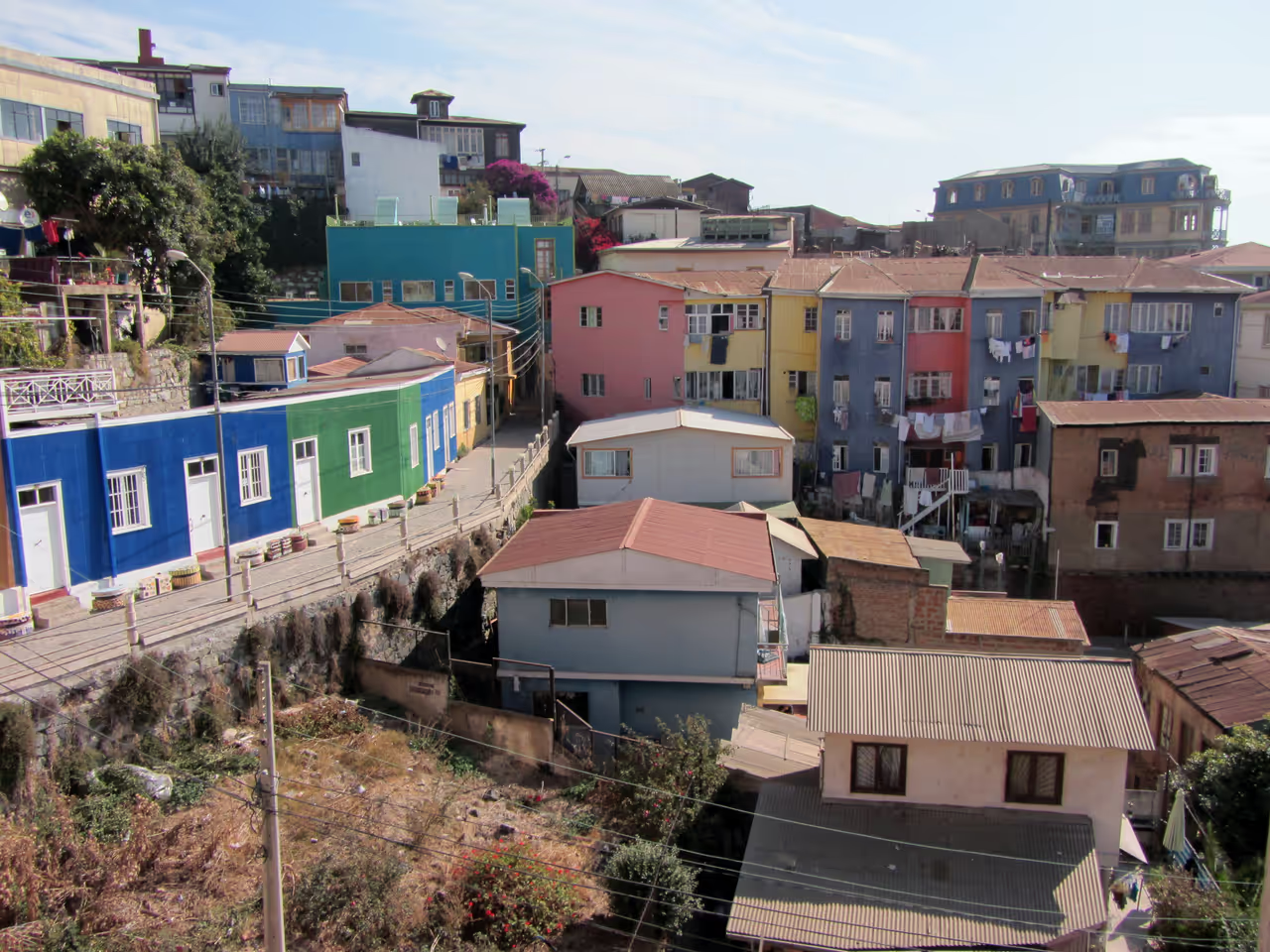
Valparaíso, affectionately known as the Jewel of the Pacific, is a vibrant and chaotic port city draped across dozens of steep hills overlooking the ocean. Its labyrinthine streets are an explosion of colour, where historic funiculars creak their way up to neighbourhoods adorned with world-class street art. The city's golden age as a major maritime stopover left behind a legacy of grand European architecture that contrasts beautifully with its bohemian, improvised urban design. Every corner reveals a new panoramic view, a hidden staircase, or a charming cafe tucked into a colonial mansion. It is a place that rewards curious wanderers, offering an authentic glimpse into Chile's cultural heart and maritime soul. The raw, energetic atmosphere makes it an unforgettable destination for those seeking artistic inspiration and historical depth.
Valparaíso DNA
History of Valparaíso
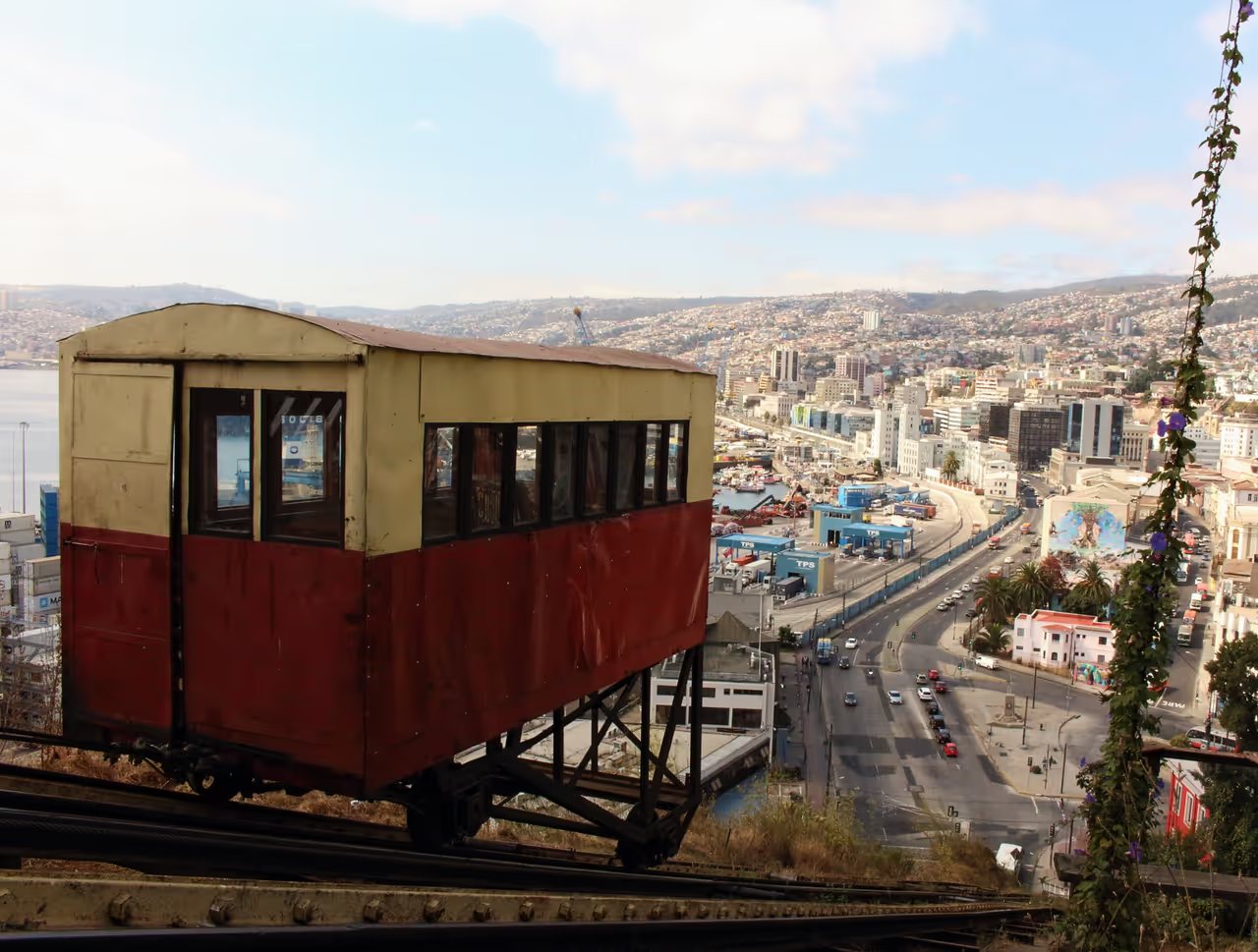
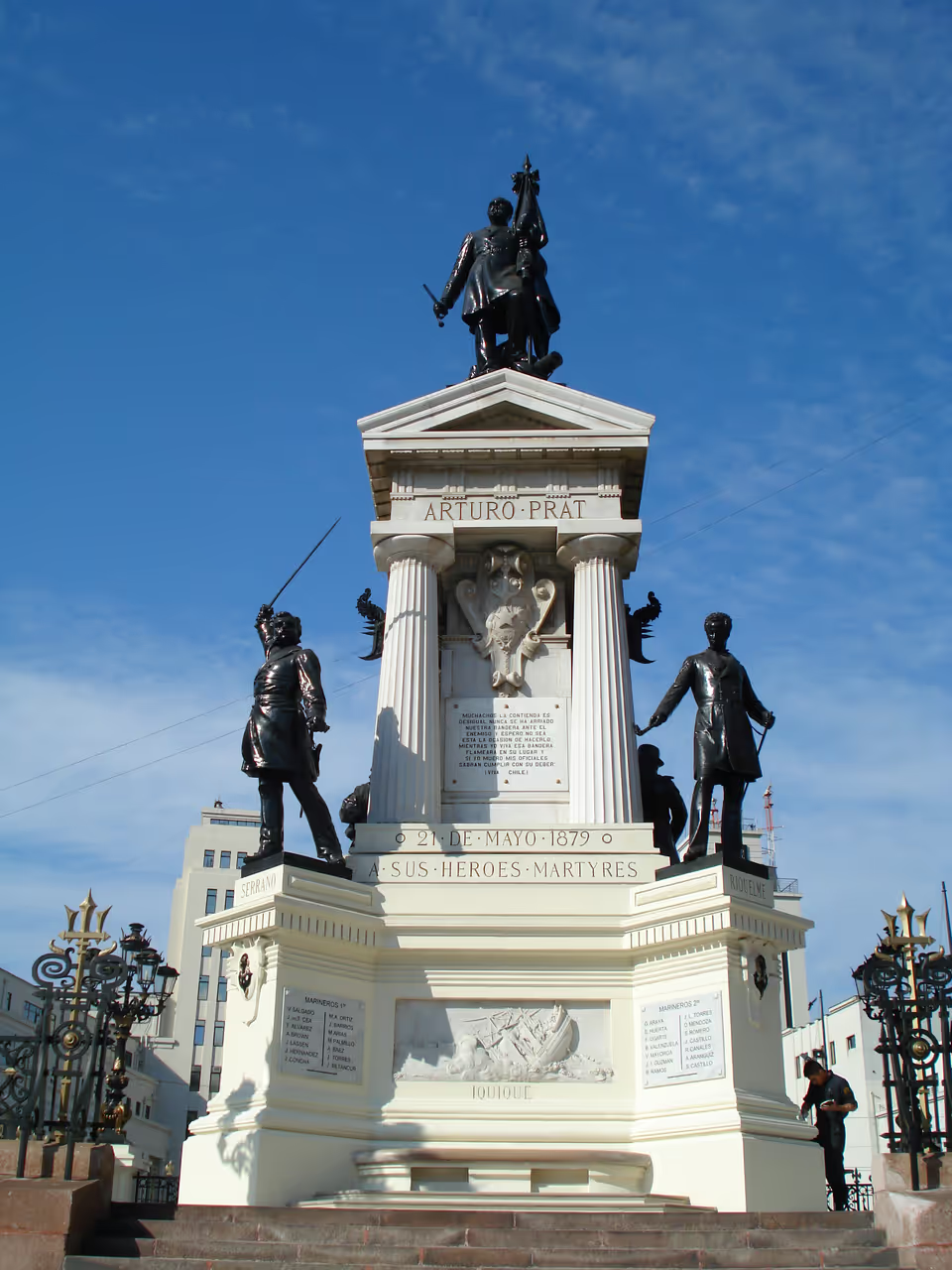
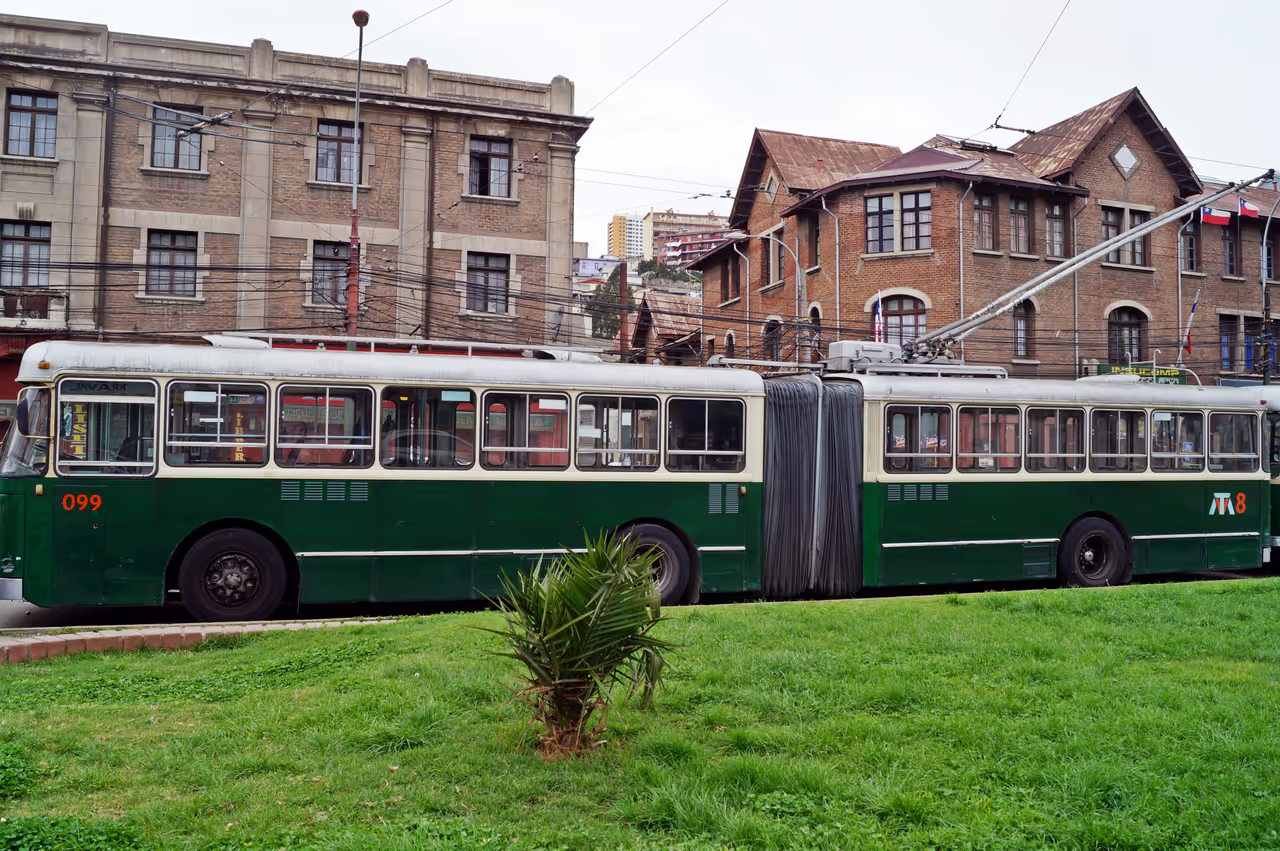
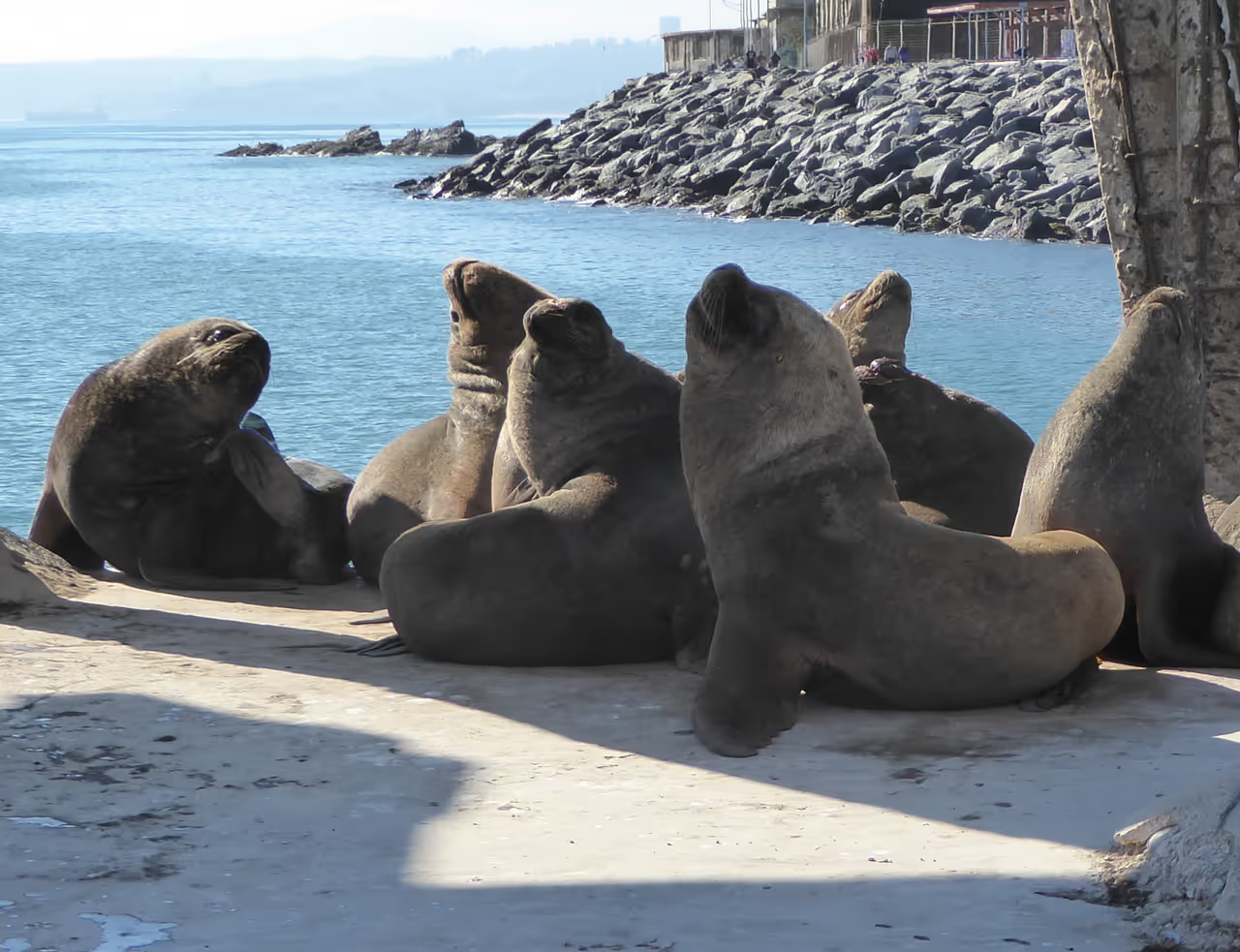
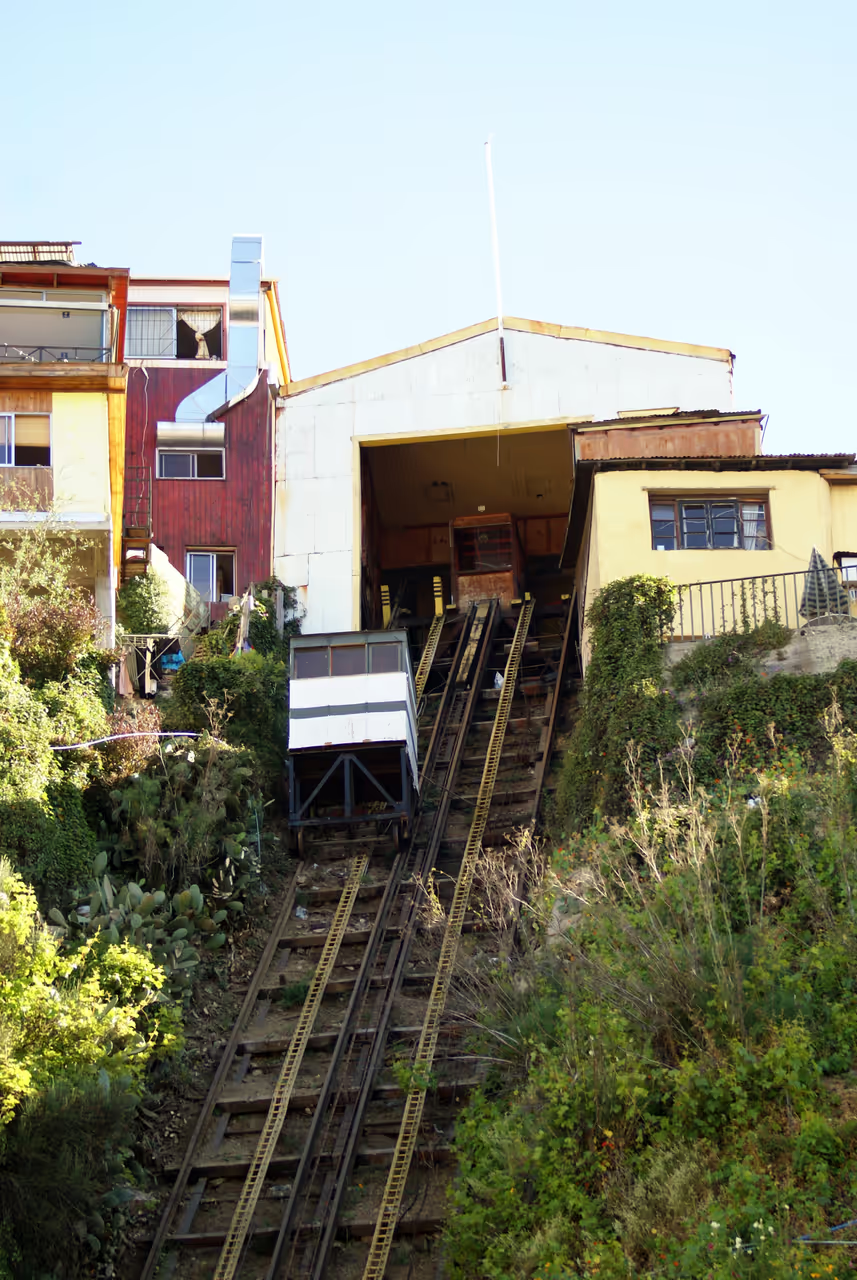
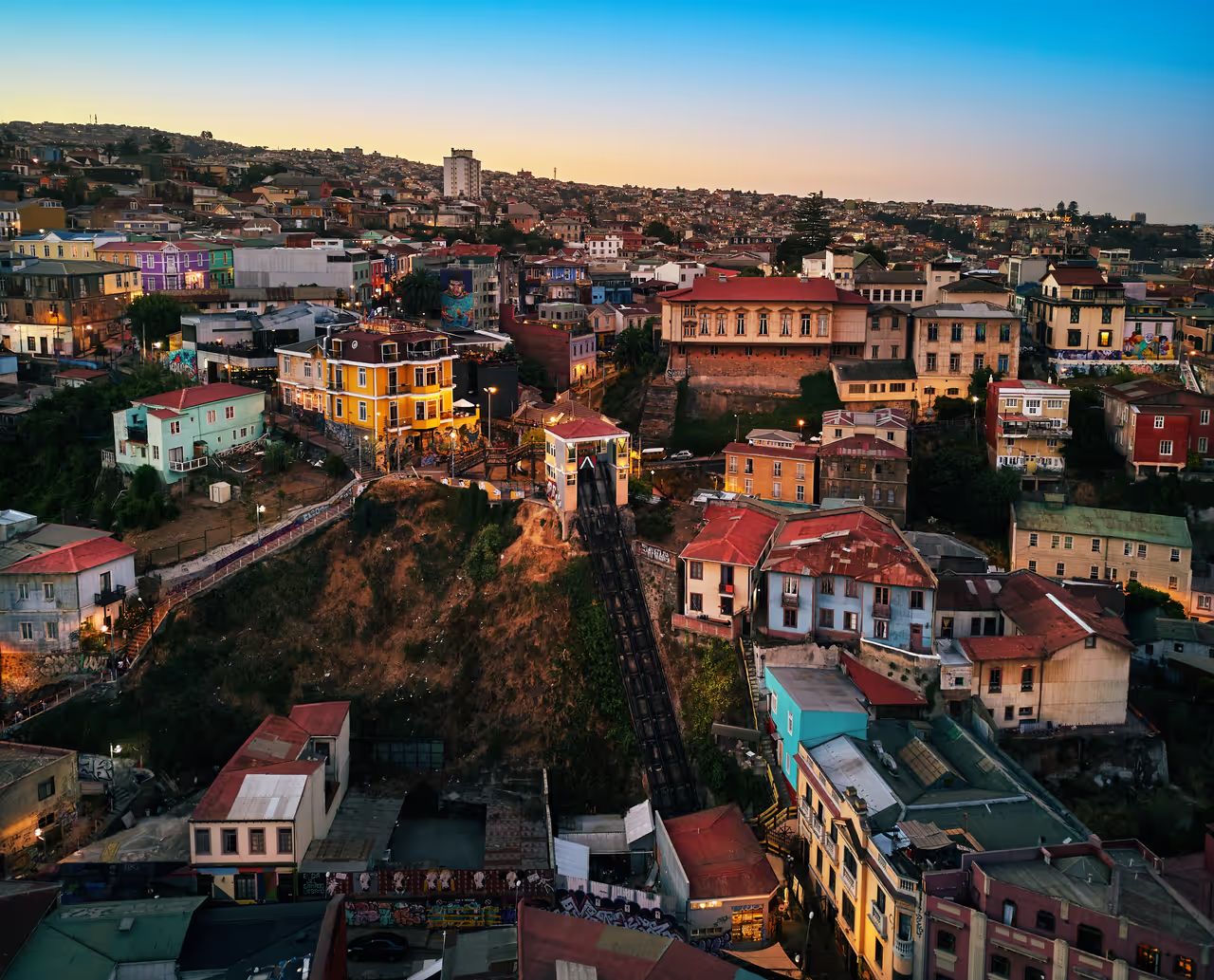
In September 1536, a Spanish ship named the Santiaguillo dropped anchor in a bay the local Picunche people called Aliamapu. Captain Juan de Saavedra had been sent by the conquistador Diego de Almagro to find vast reserves of gold. He found absolutely none. Instead of treasure, Saavedra stepped ashore to find a steep forested amphitheatre of hills and indigenous groups hunting sea lions along the rocky coast. He named the spot Valparaíso after his own faraway village in Spain. The Crown then largely ignored the area for the next few centuries. It remained a precarious cluster of huts routinely terrorised by English privateers. Francis Drake sailed into the bay in 1587 specifically to plunder whatever meagre supplies the local residents had managed to stockpile. The port's fortunes shifted dramatically in the early nineteenth century following Chilean independence. Free from Spanish trade restrictions, Valparaíso suddenly became the essential stopover for ships navigating the treacherous Strait of Magellan. Immigrants from Britain, Germany, and Italy poured in to build a commercial powerhouse. Wealth brought infrastructure, but necessity drove invention. At two in the morning on 15 December 1850, a fire broke out in Carmen Olivo's cigar shop on Calle del Cabo. The blaze raged for six hours and destroyed the city's most luxurious warehouses. Within days, local merchants banded together to form the first volunteer fire brigade in the country. The city soon installed South America's earliest public gas lamps and strung the first telegraph line to Santiago. As the population swelled beyond 160,000, the flat coastal land ran out completely. Residents began building upwards, clinging to the impossibly steep slopes of Cerro Alegre and Cerro Concepción. Commuting up these inclines was a brutal daily chore until engineers began constructing steam powered funiculars. Ascensor Concepción became the first of these lifts when it opened in 1883 with a system of hydraulic tanks. Operators coordinated the wooden cars entirely by shouting to one another across the tracks. Over thirty of these mechanical lifts eventually crawled up the city's ravines. Commuters still queue briefly in the morning coastal fog to drop a few coins for a ride up Ascensor Artillería, listening to the heavy iron gears grind just as they did a century ago. In August 1906, the ground violently fractured along the coast and ruptured the city's gas lines. The resulting fires consumed much of the lower commercial district, forcing a reconstruction that completely reshaped the geography of Valparaíso. Engineers dynamite blasted hillsides to carve out Calle Colón and paved over the open Jaime and Delicias streams. These covered waterways became the wide avenues of Francia and Argentina, creating a newly stabilised commercial grid known locally as the Almendral. The architectural response to the tremors remains visible on these streets. Builders pivoted away from heavy masonry, opting instead for flexible timber frames and imported forged steel. The opening of the Panama Canal in 1914 bypassed the Magellan route entirely and abruptly ended the golden age of maritime trade. The resulting economic slowdown inadvertently preserved the city's Victorian architecture, as developers took their money elsewhere. The port evolved into a cultural refuge, sheltering poets, painters, and university students in houses that seemed to defy gravity. During the late 1960s, a group of artists decided the retaining walls of Cerro Bellavista looked too bare and began painting large scale abstract murals. This project eventually formalised into the Museo a Cielo Abierto. Pedestrians walking through this labyrinth of outdoor staircases today step past walls covered in surrealist shapes and bright pop art. Down on the flat, a green and yellow Pullman Standard trolleybus rattles past the historic El Mercurio newspaper building, pulling power from overhead wires and carrying passengers toward the docks.
15 Events spanning 467 years
Map of Valparaíso
Interactive Destination & Itinerary Map
This map blends our curated city guides—featuring best photo spots, scenic walks, viewpoints, hidden gems and much more—with a live Wikipedia explorer. Click on our numbered pins to plan your routes, or zoom in on the surrounding neighborhoods to discover verified local landmarks, museums, and stories with dynamic Wikipedia summaries and photos!
Fun Facts
- • Ascensor Polanco is a bizarre urban oddity that completely ignores the city's famous hillside inclines, opting instead to shoot passengers straight up a 60-metre vertical shaft. You have to walk through a 150-metre subterranean tunnel just to reach the base of this peculiar elevator, which emerges onto a dizzying panoramic bridge.
- • The oldest continuously published Spanish-language newspaper on the planet doesn't come from Madrid or Mexico City, but right here on the Chilean coast. 'El Mercurio de Valparaíso' has been printing the daily news since 1827, surviving devastating earthquakes, pirate raids, and military coups.
- • An American naval captain was so haunted by his devastating 1814 defeat in the waters off this coast that he named his hometown after it. That is why the landlocked city of Valparaiso, Indiana, bears the name of a Chilean port, serving as a permanent monument to the only battle David Porter ever lost.
- • Every single firefighter sprinting into burning buildings in Chile is completely unpaid, a proud tradition that started right here in 1851. When the city's wooden architecture began to repeatedly go up in flames, immigrants banded together to form the continent's first volunteer fire brigade, establishing a prestigious civic duty that remains strictly volunteer to this day.
- • The continent's fierce obsession with football actually started in this port city when English immigrants stepped off their ships with a leather ball. Before bringing over Victorian architecture and funiculars, they introduced association football to the locals, forever changing the cultural fabric of South America.
- • The legendary English privateer Francis Drake ruthlessly sacked this unprepared settlement in 1578, looting the local chapel of its gold and silver chalices. His violent raid was so impactful that local lore still whispers of a hidden 'Cueva del Pirata' along the rugged coastal cliffs where his plundered treasure might still be stashed.
Did You Know?
- • At the height of its golden age, the city engineered a staggering network of 28 different funicular railways just to conquer its impossibly steep terrain. Today, 15 of these ingenious mechanical lifts are protected as National Historical Monuments, serving as a living museum of 19th-century urban problem-solving.
- • In a highly unusual geopolitical setup, Chile's entire legislative branch is completely separated from its capital city and operates out of Valparaíso. The National Congress was relocated here in 1990 as a strategic effort to decentralise power away from Santiago, profoundly shifting the nation's political landscape to the coast.
- • The city's chaotic, labyrinthine layout is the direct result of an extreme topography featuring 42 distinct hills plunging dramatically into the Pacific Ocean. This unforgiving geography forced architects to completely abandon traditional Spanish colonial grid systems, creating an organic, improvised urban sprawl that earned it UNESCO World Heritage status.
- • Before the Panama Canal opened in 1914, this port was the undisputed maritime king of the South Pacific, serving as the mandatory stopover for ships navigating the treacherous Strait of Magellan. The canal's completion instantly decimated the city's shipping economy, freezing its grand European architecture in a state of beautiful decay.
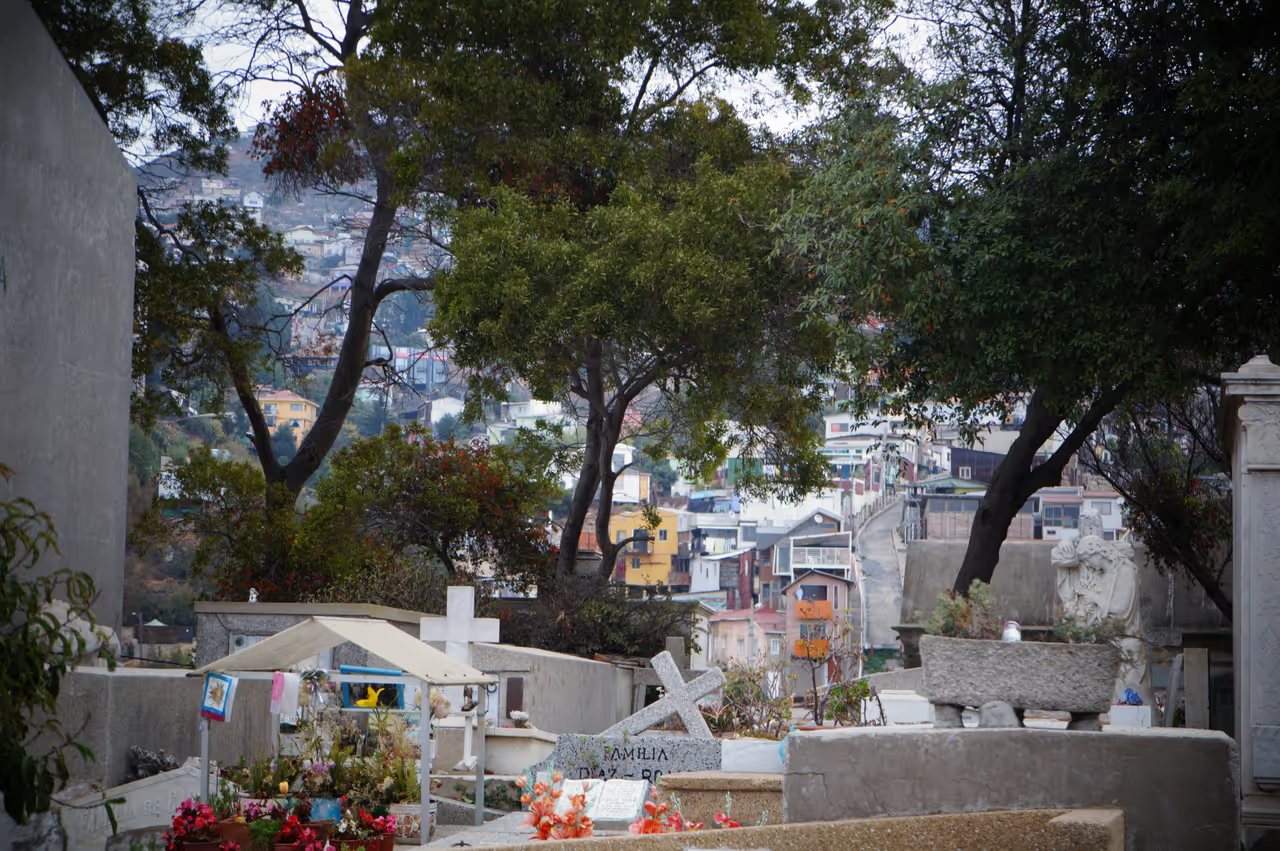
- • The 19th-century maritime boom brought such a massive influx of British, German, and North American immigrants that it forced the creation of the country's first non-Catholic graveyard. Because strict religious laws forbade burying Protestants in consecrated ground, the striking Dissidents' Cemetery was built on Panteón Hill, serving as a solemn monument to the foreigners who shaped the city.
- • This bustling port was the absolute epicentre of technological innovation in South America, becoming the very first city in Latin America to install a telegraph service in 1852. This groundbreaking communication line connected the maritime hub directly to Santiago, revolutionising trade and news distribution across the continent.
Videos of Valparaíso
Seasons
Spring
The weather begins to warm up delightfully, making it an excellent time to tackle the endless stairs of the hills. The infamous...
Summer
The city explodes with energy as massive cruise ships dock and tourists flood the streets. The season is largely dry and warm...
Autumn
The intense heat and massive crowds of summer gently fade away, leaving a peaceful, mild atmosphere. The ocean breeze carries a...
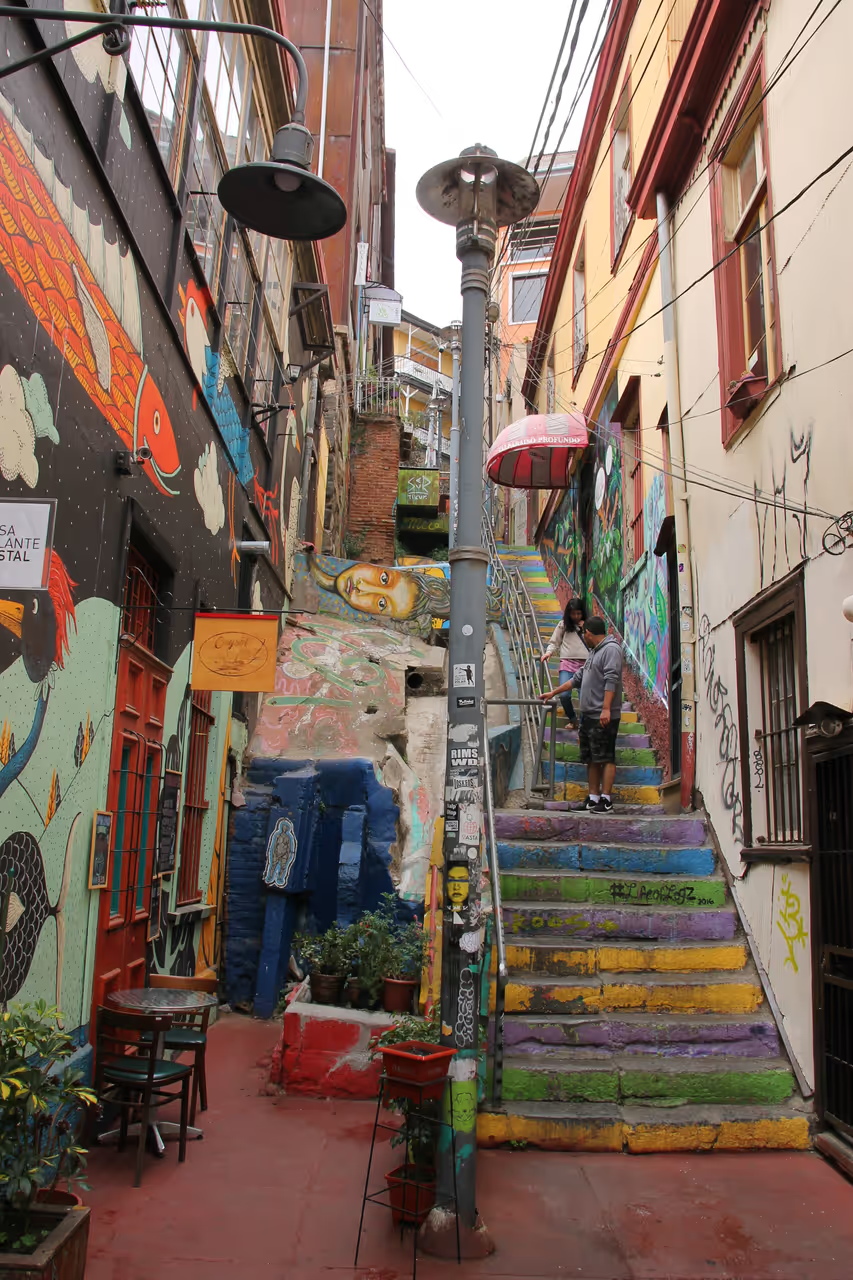
Winter
The temperatures drop, and the city can occasionally experience heavy, dramatic rainfall brought in by powerful frontal systems...
Top Attractions in Valparaíso
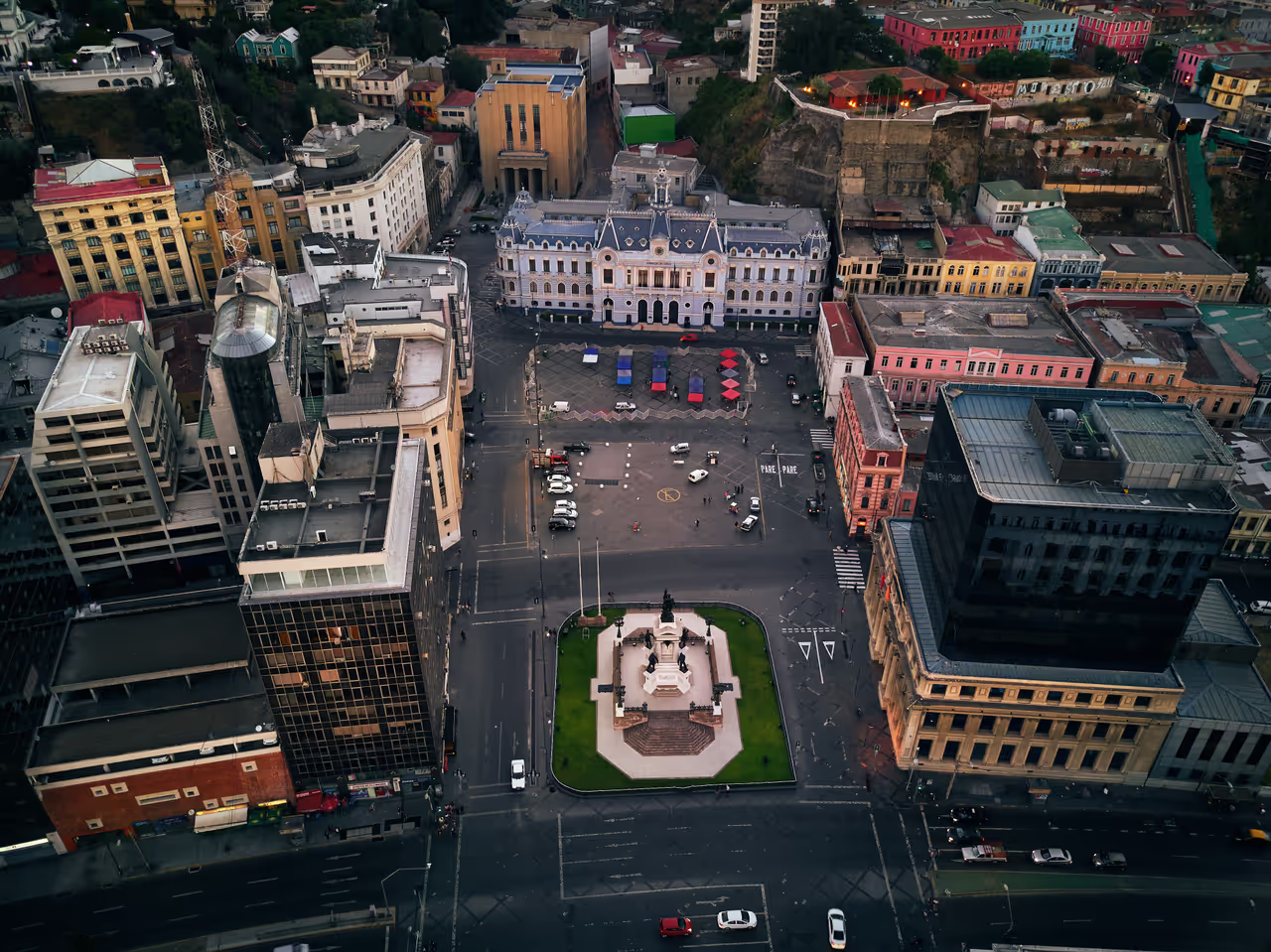
Plaza Sotomayor
Plaza Sotomayor serves as the beating heart of Valparaíso where the city maritime history meets its modern and vibrant identity...
view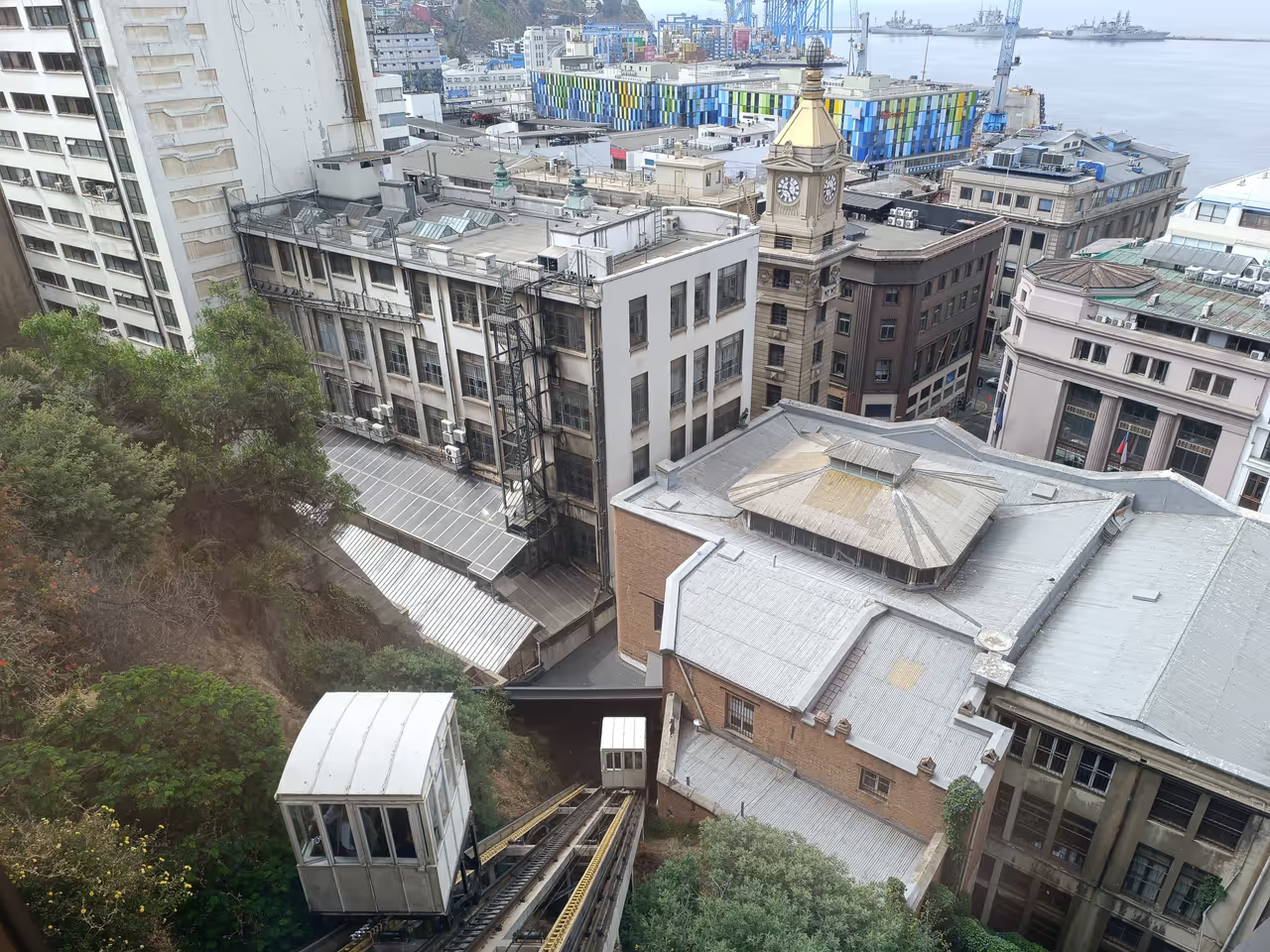
Ride the Historic Ascensor Concepción
Perched above the port, this funicular offers a window into the heart of Valparaíso. Riding these rails is more than a simple...
view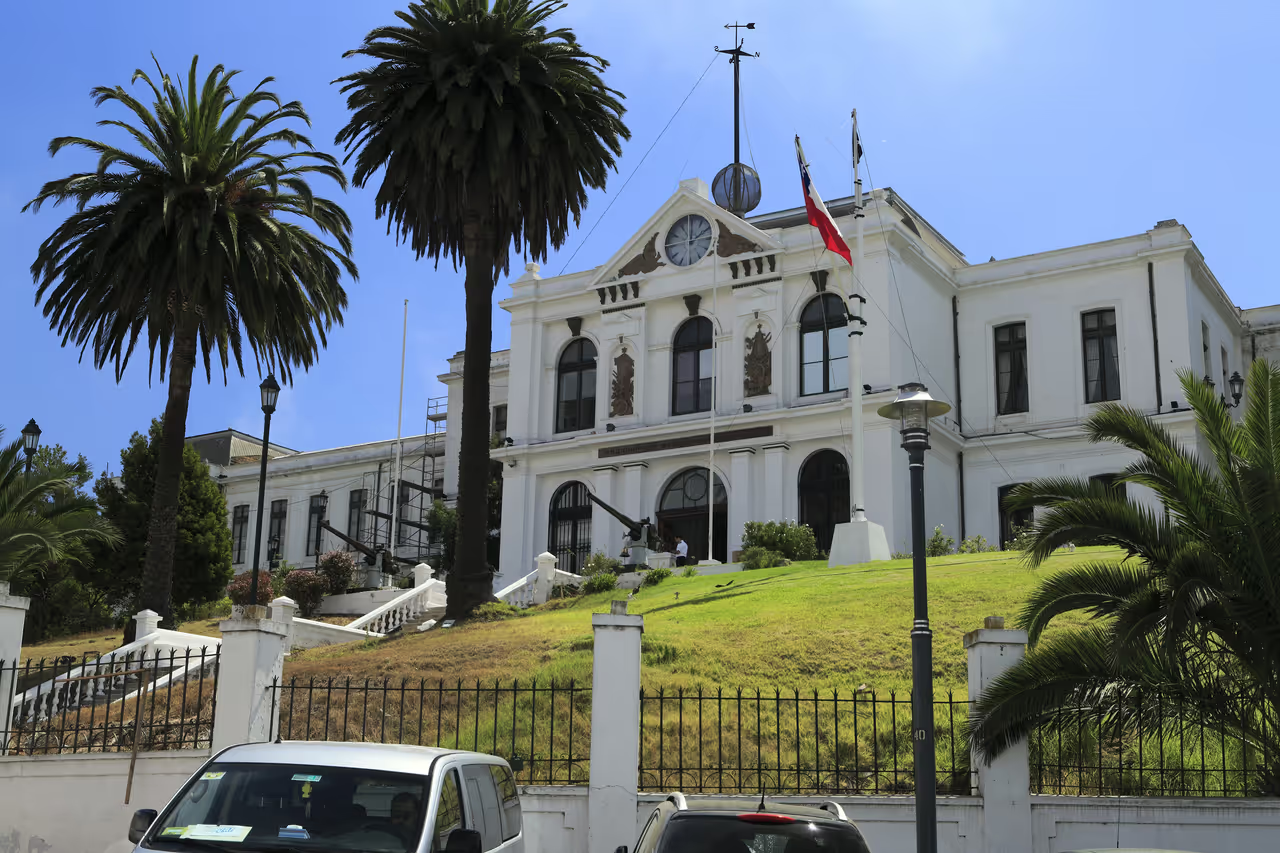
Chilean Navy Archive and Historical Library
Perched atop the scenic Artillería Hill, the Chilean Navy Archive and Historical Library serves as a guardian of the nation's...
view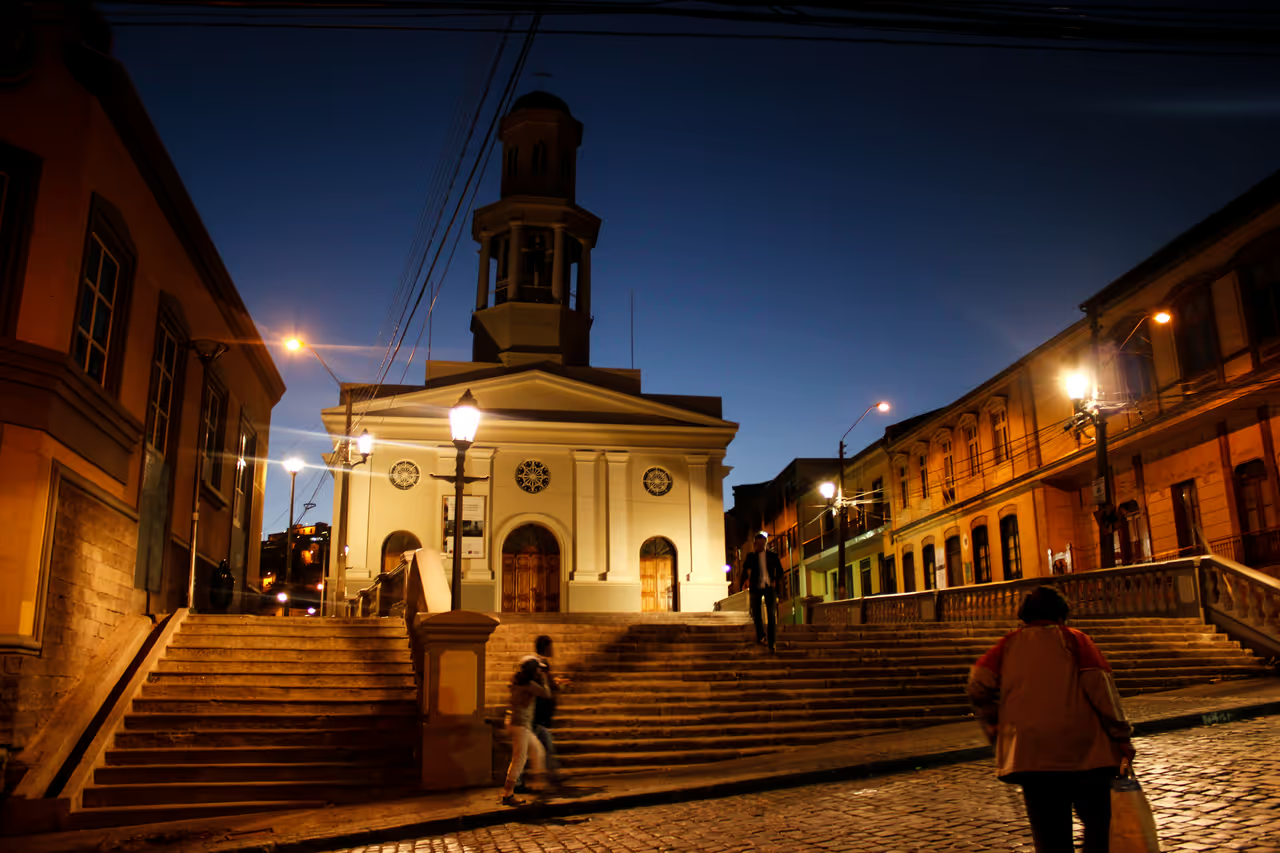
Iglesia de La Matriz
Tucked away in the historic heart of Valparaíso, the Iglesia de La Matriz is far more than a simple place of worship. As a...
view
Best Views
Valparaíso Itineraries
TRIP PLANNER
3 Days Recommended
Three days allows enough time to comfortably navigate the steep hills and historic funiculars without feeling rushed. You can dedicate one day to the main UNESCO historic quarter, another to exploring the vibrant street art and museums, and a final day for a leisurely coastal trip or enjoying the local markets.
1 Day in Valparaiso: The Jewel of the Pacific Itinerary
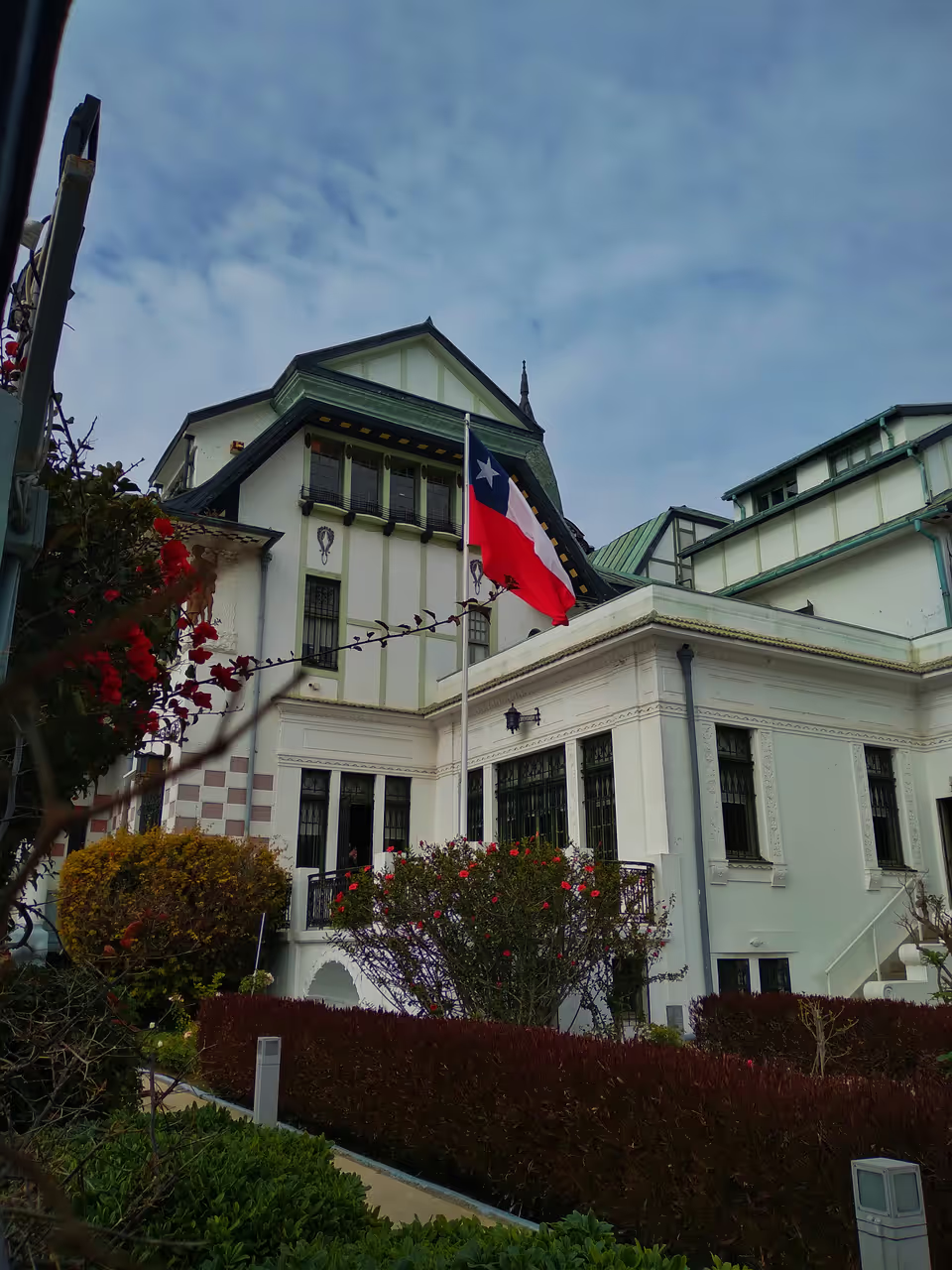
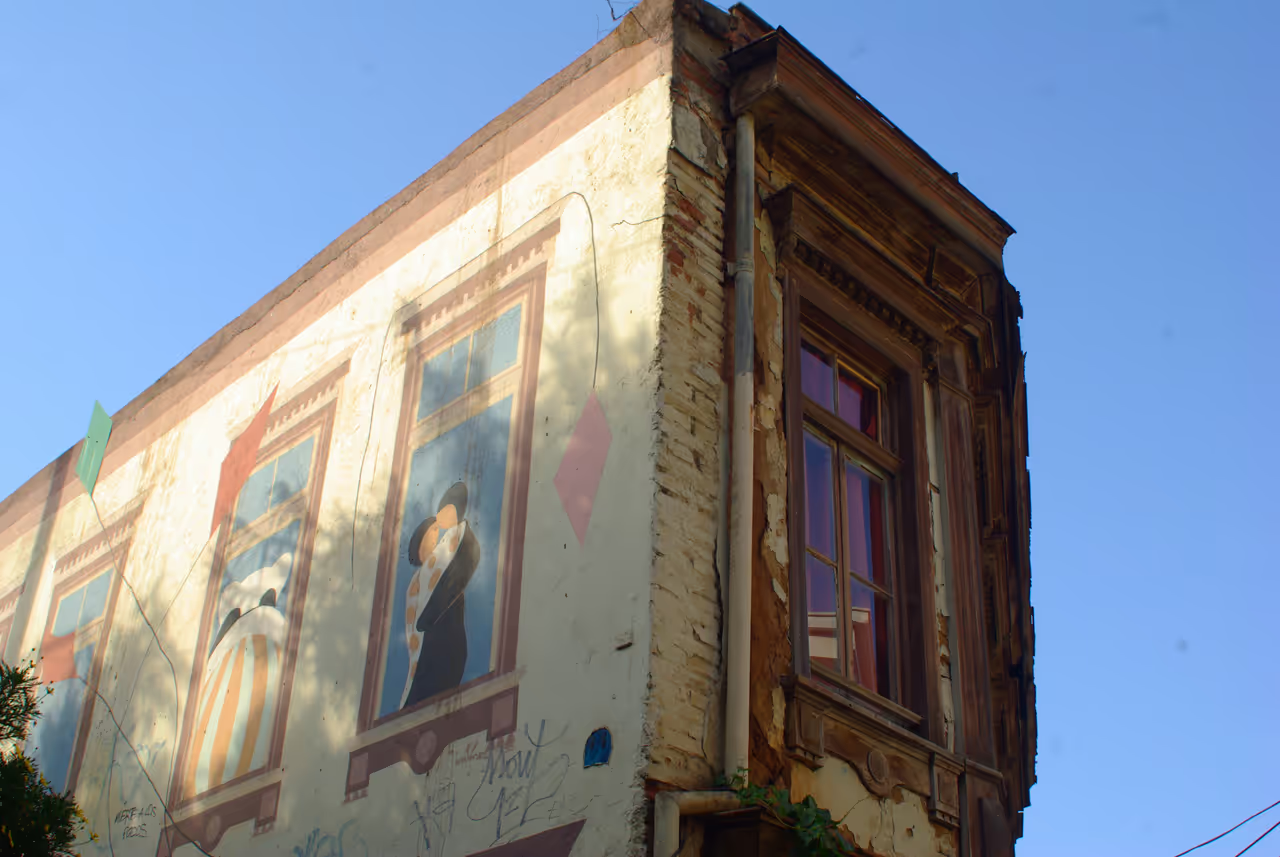
If you only have one day, this itinerary ensures you experience the absolute essentials of the city's unique charm. You will ride historic funiculars, explore the most colourful and beautifully preserved neighbourhoods, and taste the city's signature comfort food. It focuses on the UNESCO World Heritage areas to give you a concentrated dose of history and bohemian culture. Expect a lot of walking, stunning viewpoints, and vibrant street art.
view itinerary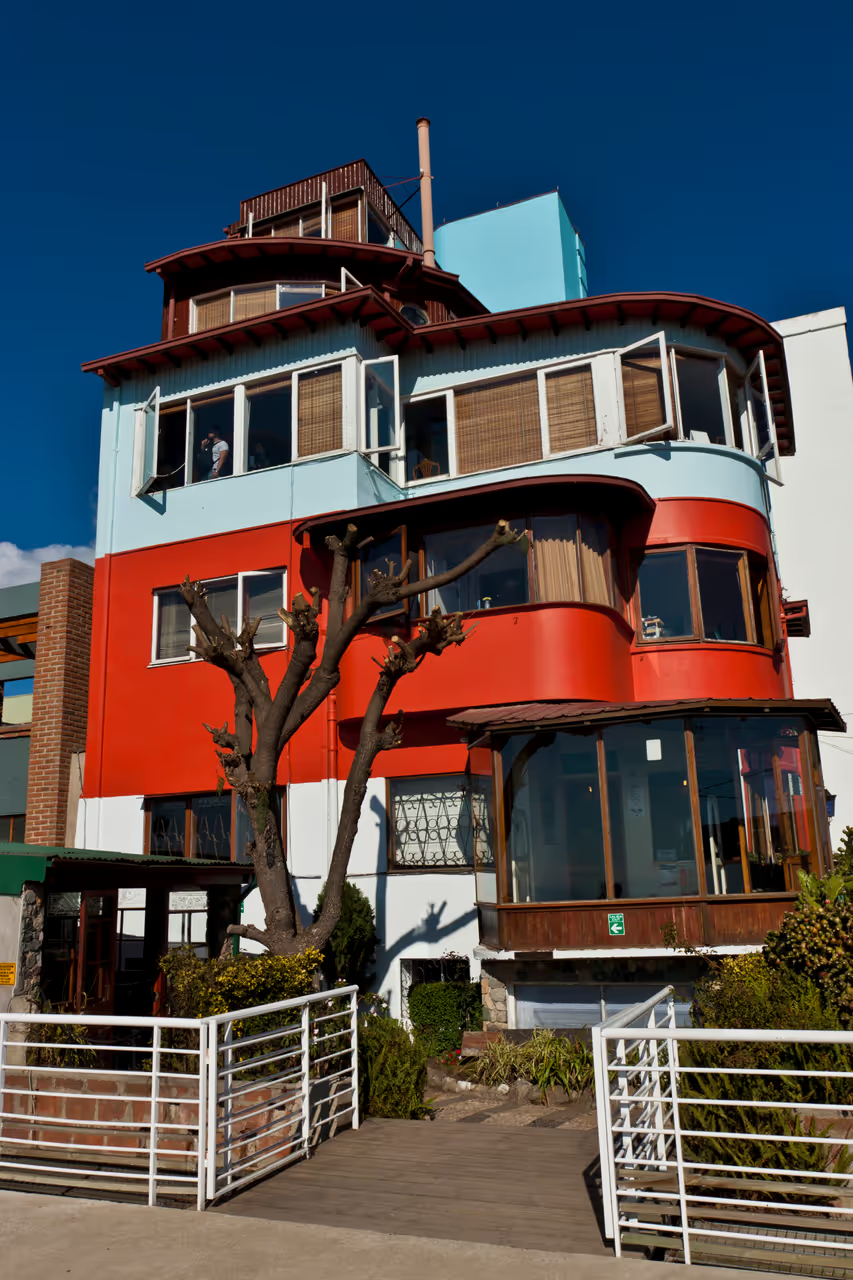
3 Days in Valparaiso: Art, History, and Hills Itinerary
Three days allows for a perfect, well-paced exploration of the city's multiple facets without exhausting your legs. You will dive into the legacy of Pablo Neruda, discover hidden vertical elevators, and experience the raw energy of the local food markets. The itinerary balances the famous UNESCO sights with the gritty, authentic port culture that defines the area. It is the ideal amount of time to truly feel the city's chaotic, romantic rhythm.
view itinerary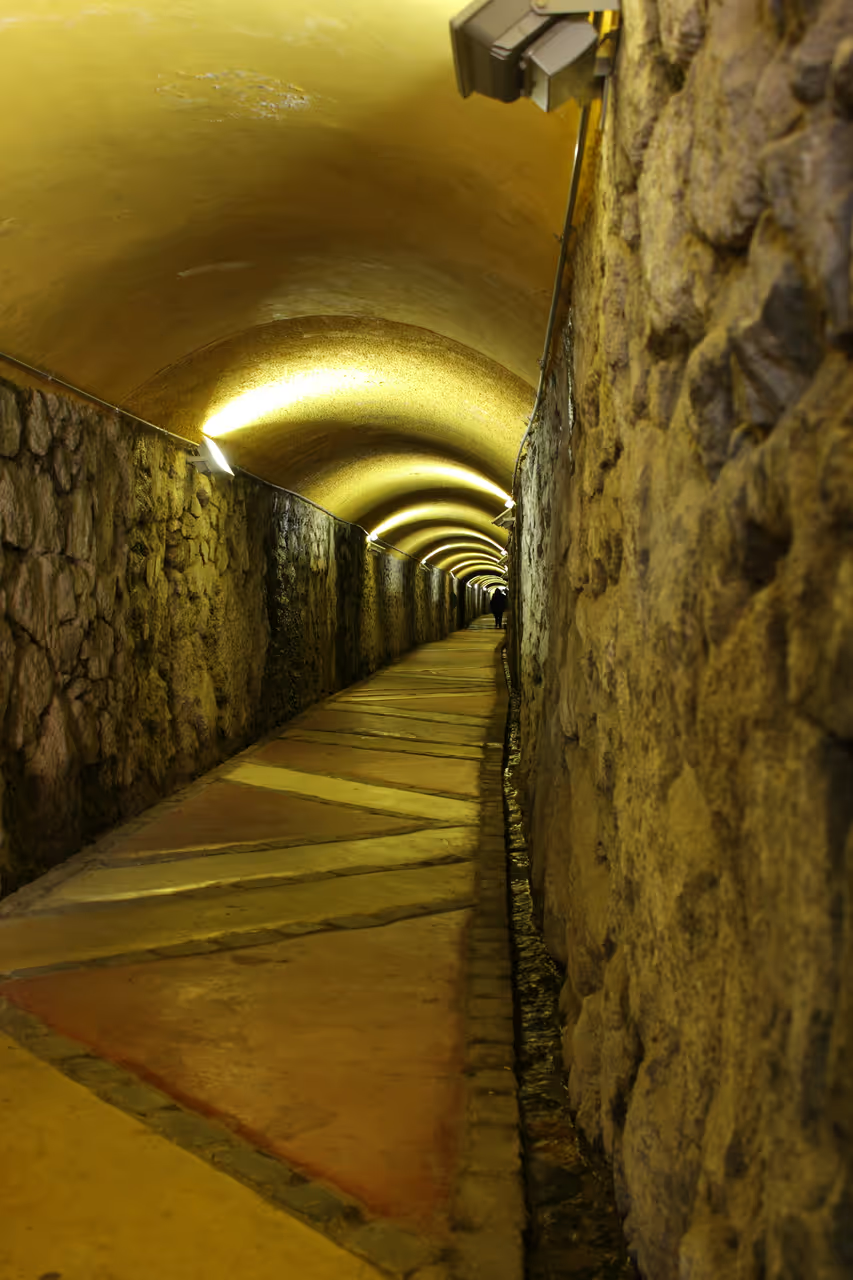
5 Days in Valparaiso: The Complete Immersion Itinerary
For those who want to uncover every hidden staircase and quirky detail, a five-day stay offers the ultimate deep dive. You will have time to explore beyond the main tourist hills, seeking out abandoned train cafes and watching sea lions at the fishermen's coves. It allows for leisurely strolls, multiple museum visits, and relaxed evenings sipping local wine. You will leave with a profound understanding of this complex, beautiful city.
view itinerary
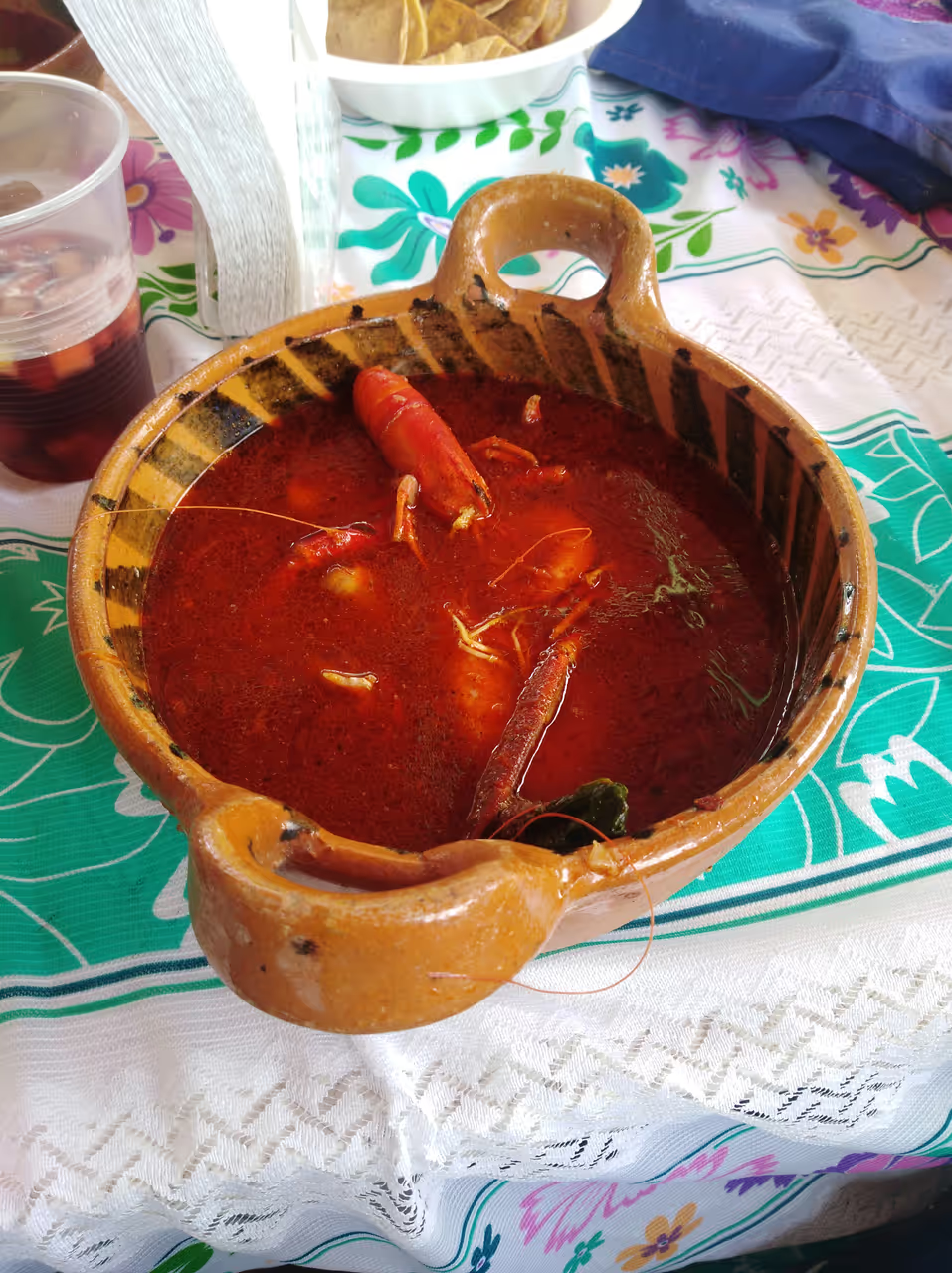
Food in Valparaíso


Free Things to do in Valparaíso
Parks & Nature
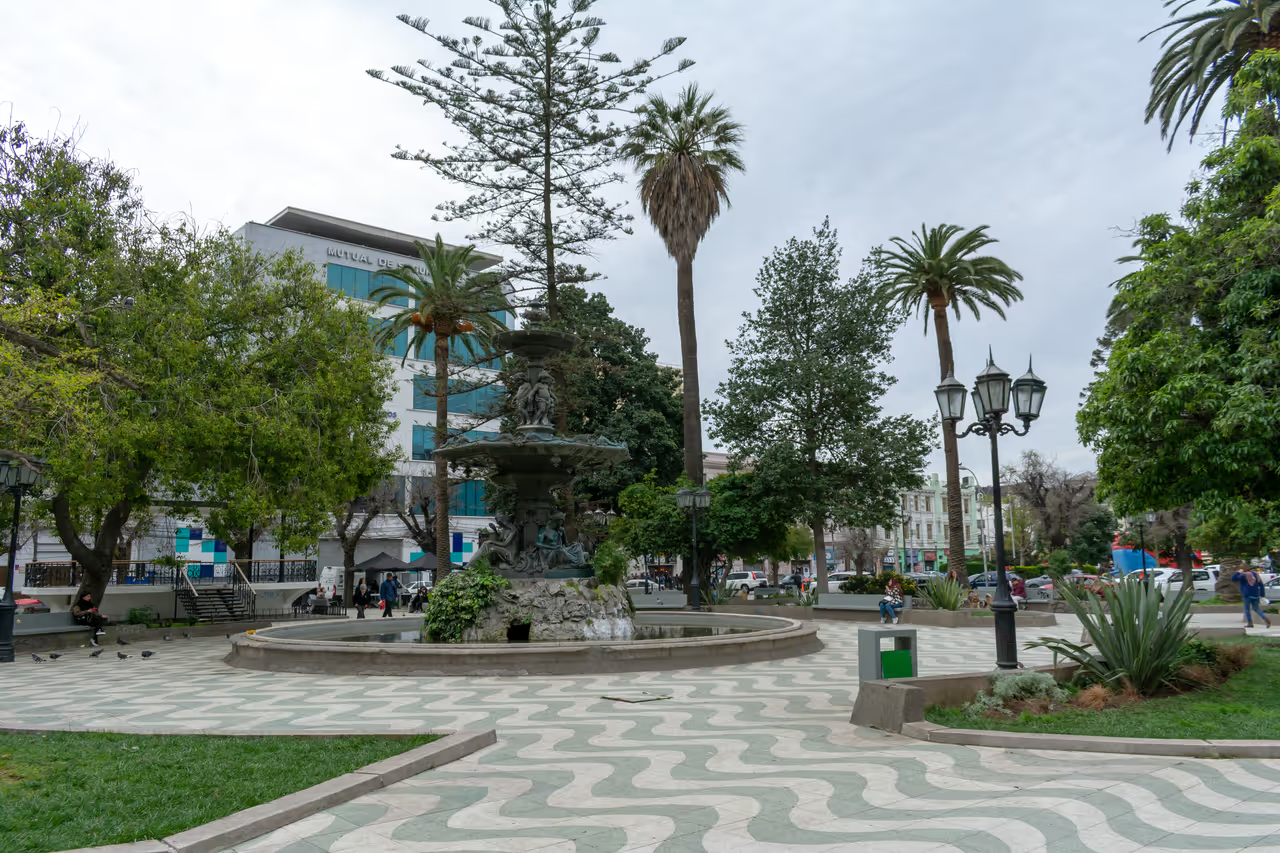
Historic Heart of Plaza Victoria
Plaza Victoria stands as a vibrant testament to the resilience and beauty of Valparaíso, serving as a social hub that has shaped...
view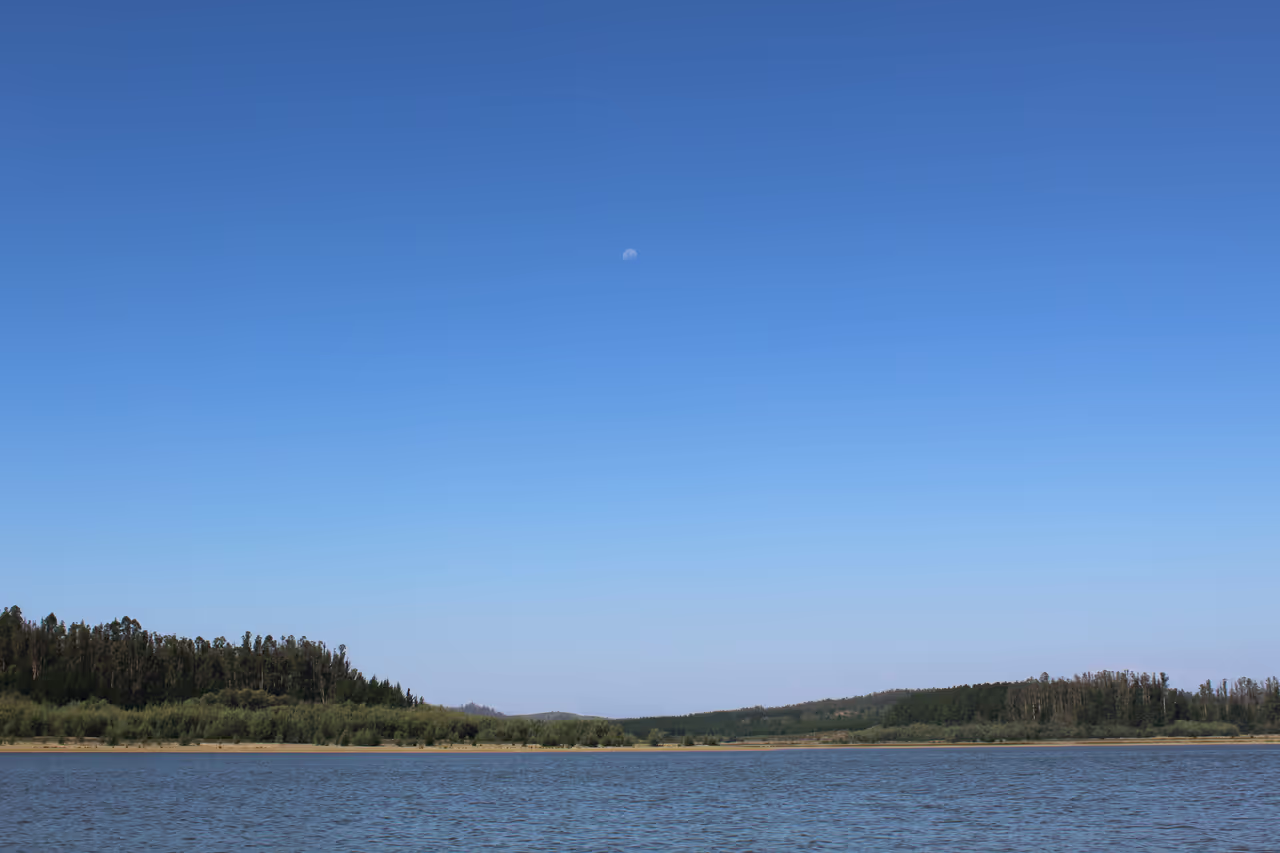
Lago Peñuelas National Reserve
Escape to the serene landscapes of Lago Peñuelas National Reserve, a vital freshwater sanctuary tucked away near the coastal...
view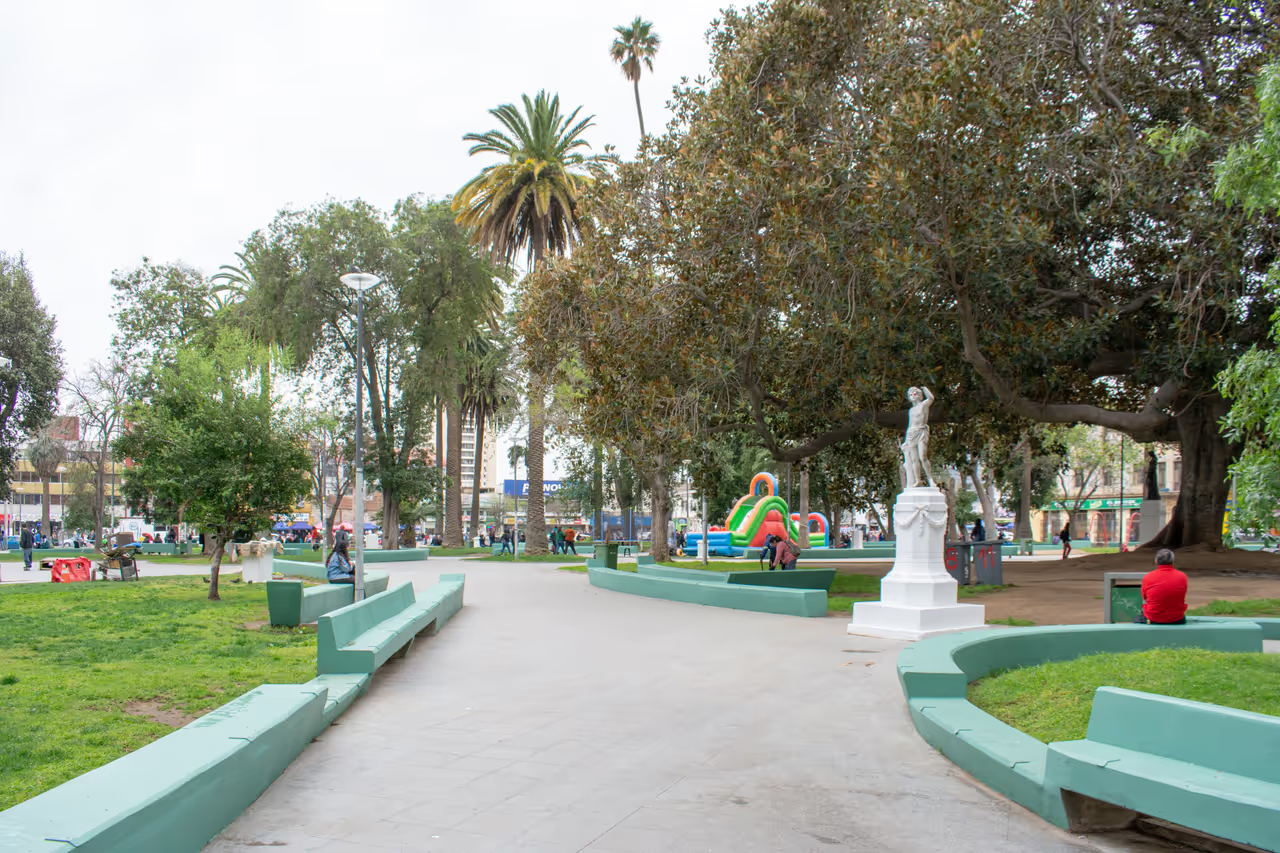
Parque Italia
Nestled within the vibrant El Almendral district, Parque Italia serves as a verdant sanctuary that bridges the lively energy of...
view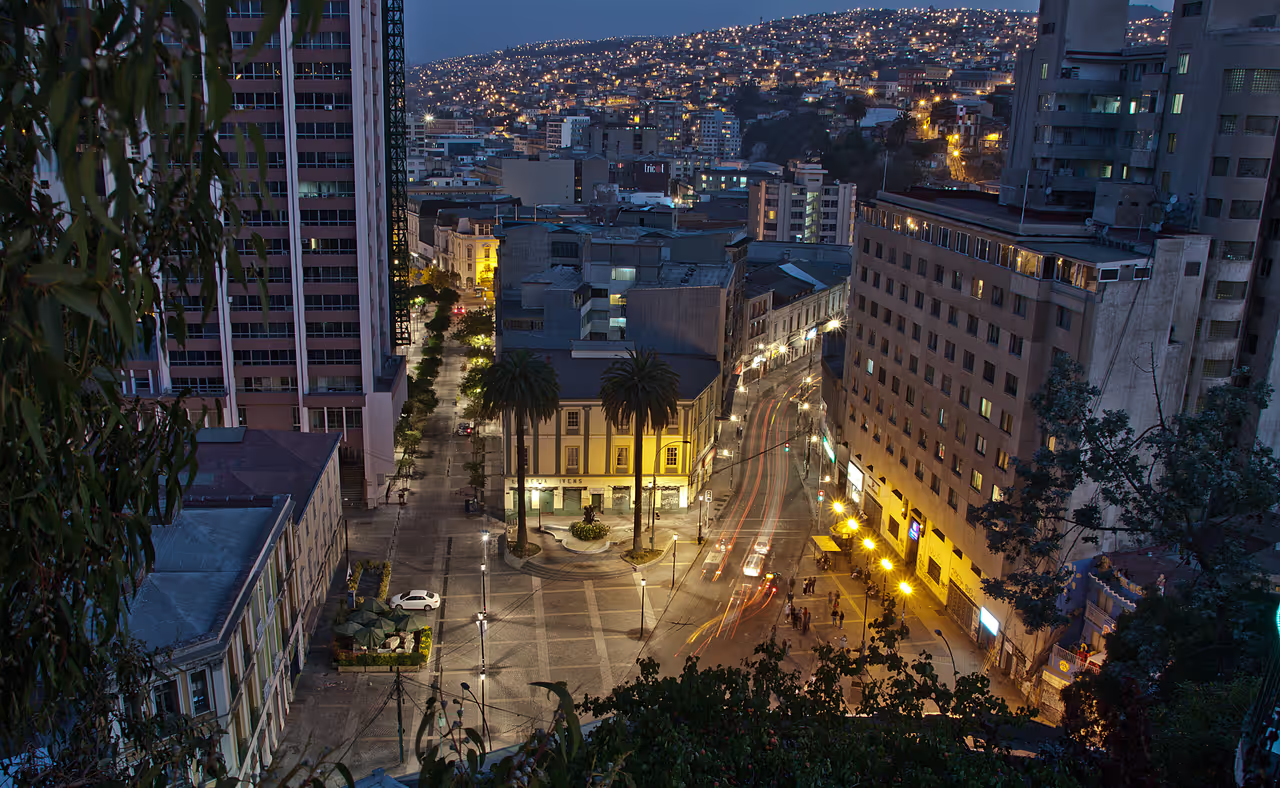
Plaza Aníbal Pinto
Plaza Aníbal Pinto stands as a vibrant heartbeat in the historic centre of Valparaíso, capturing the maritime spirit and...
view
Highlights & Must-Sees
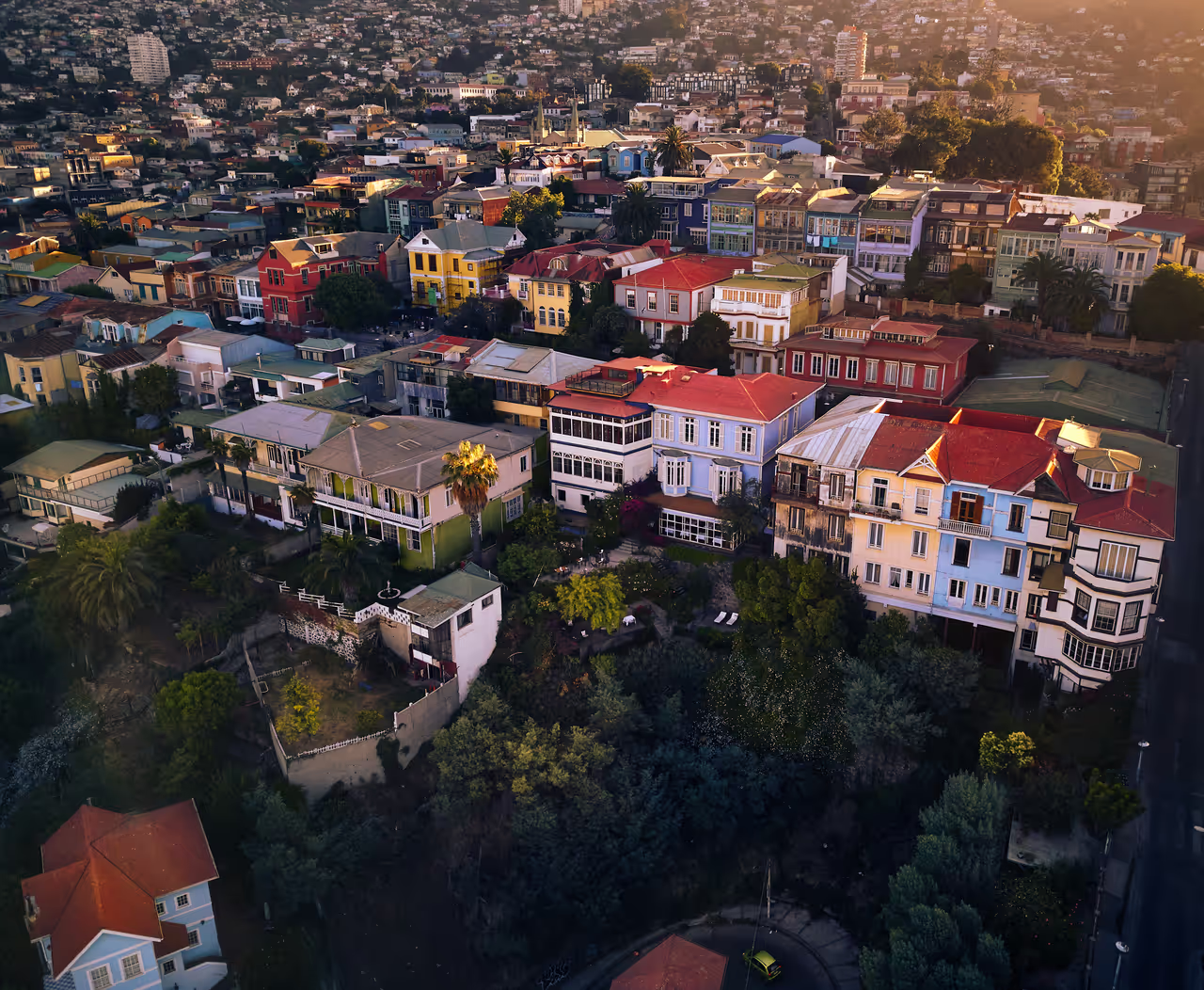
Discovering Cerro Alegre Architecture
This hill is a living showcase of the massive European influence that shaped the city during its 19th-century boom. You can...
viewEating Chorrillana at J Cruz
A visit to the city is incomplete without devouring its most famous culinary invention, the Chorrillana, and J Cruz is its...
viewPolanco Elevator
Unlike every other funicular in the city which crawls up an incline, this is the only true vertical elevator. You enter through...
viewTours 4 Tips (Wally Guides)
Easily identifiable by their red-and-white striped 'Where's Wally' shirts, these energetic guides offer some of the best walking...
view
Best Walks in Valparaíso
- HIGHLY RECOMMENDED
Historic Hills Walk
This walk wanders through the most beautifully preserved and colourful neighbourhoods in the city. The cobblestone streets are lined with restored 19th-century mansions built by European immigrants. You will discover incredible viewpoints, hidden staircases painted with vivid murals, and charming cafes. It is a visually stunning experience that encapsulates the romantic, bohemian soul of the city.
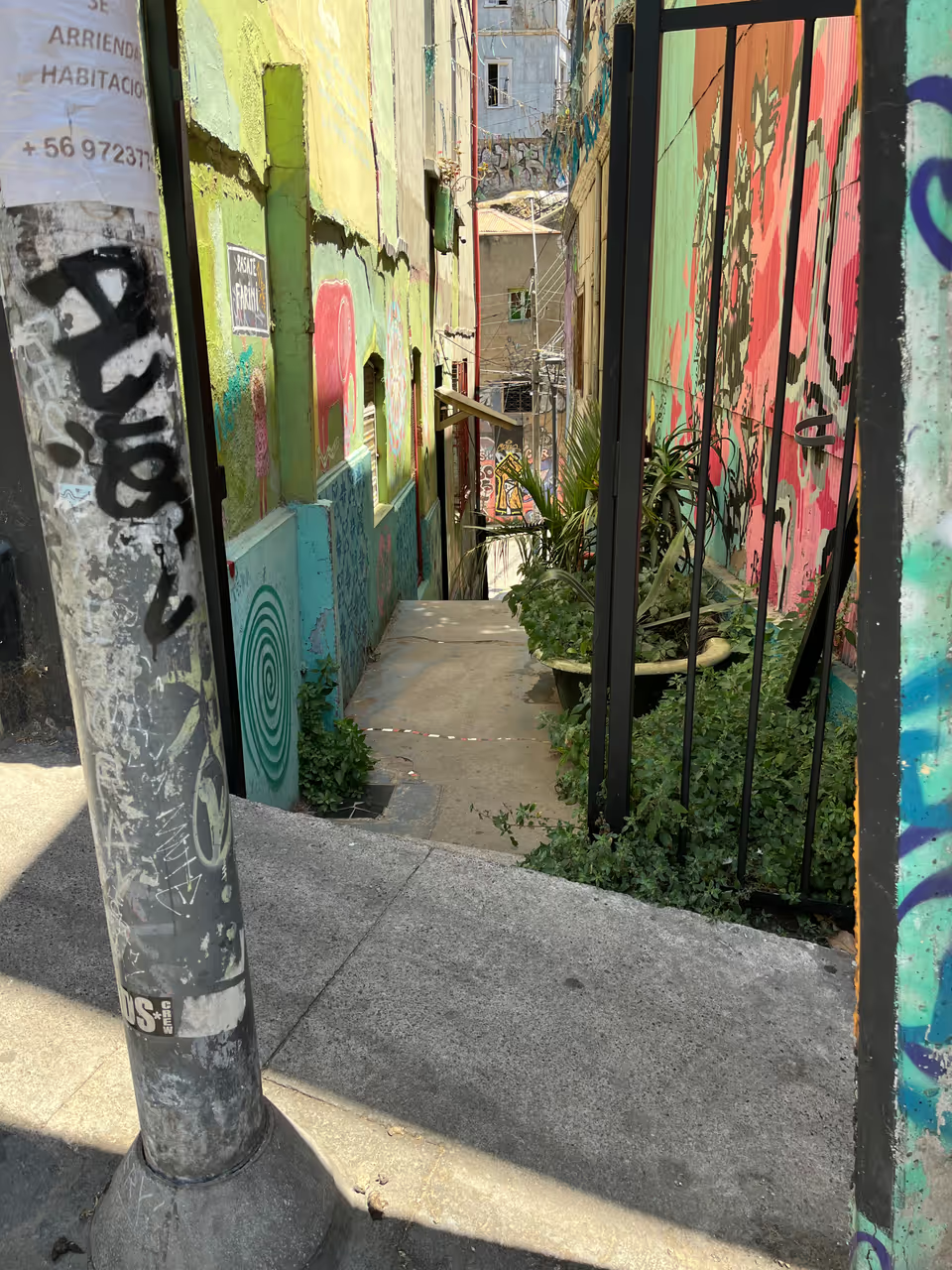
Avenida Alemana Panoramic Stroll
Avenida Alemana is a long, winding road that cuts horizontally across several high hills, providing an almost continuous balcony over the city. The walk is relatively flat once you are up there, making it a relaxing way to enjoy the sweeping vistas. It connects some of the city's most significant cultural landmarks. The views stretch across the entire amphitheatre of the city all the way to the distant dunes.
Artillery Hill Promenade
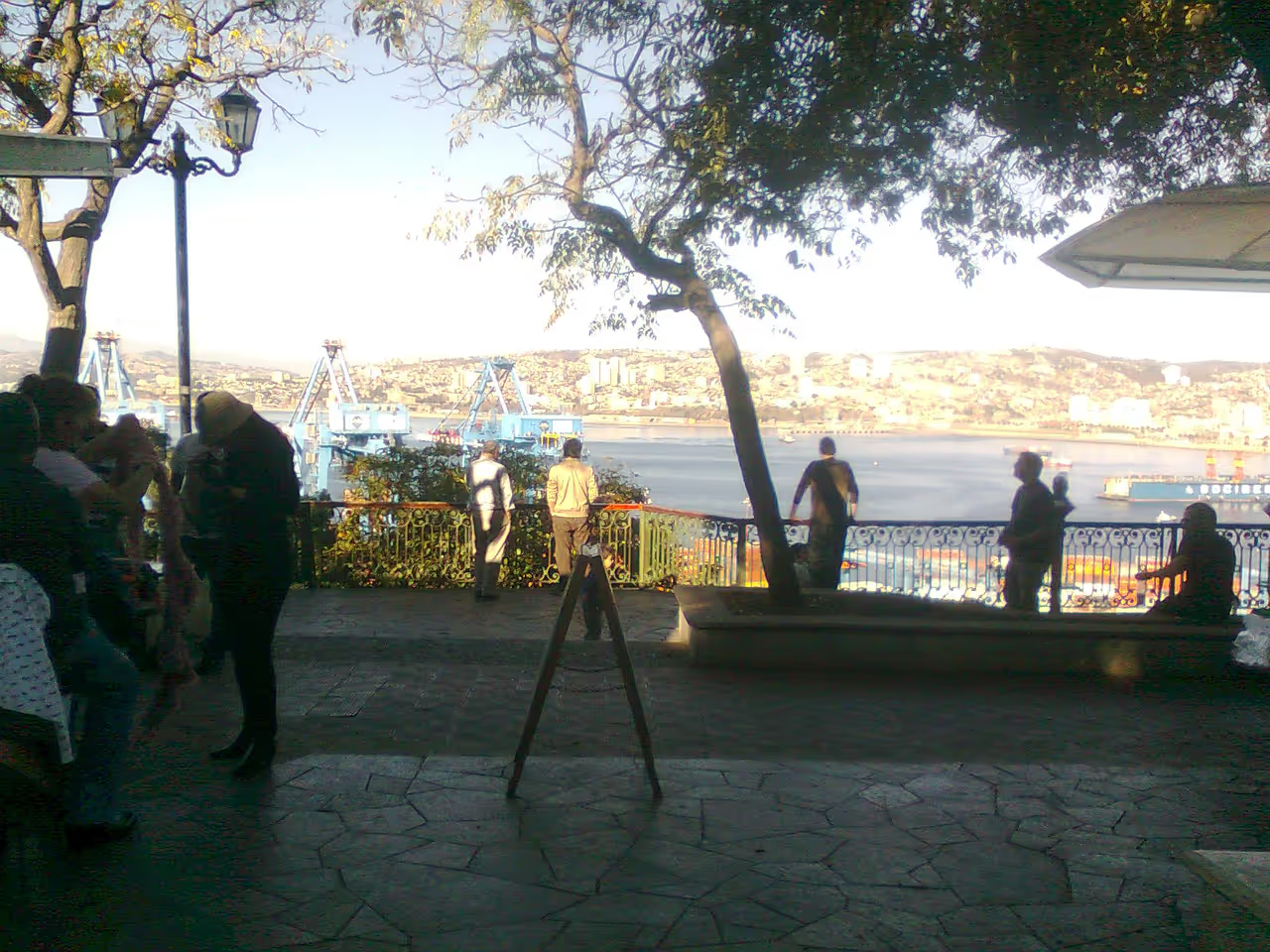
This stroll focuses on the city's proud naval history, located on a hill directly overlooking the working port. The promenade is wide, leafy, and lined with craft stalls selling local artisan goods. You can watch the massive cranes loading cargo ships right below you. The grand historic buildings in this area give it a very distinguished, classic atmosphere.
Architecture & Landmarks
Chilean Navy Building
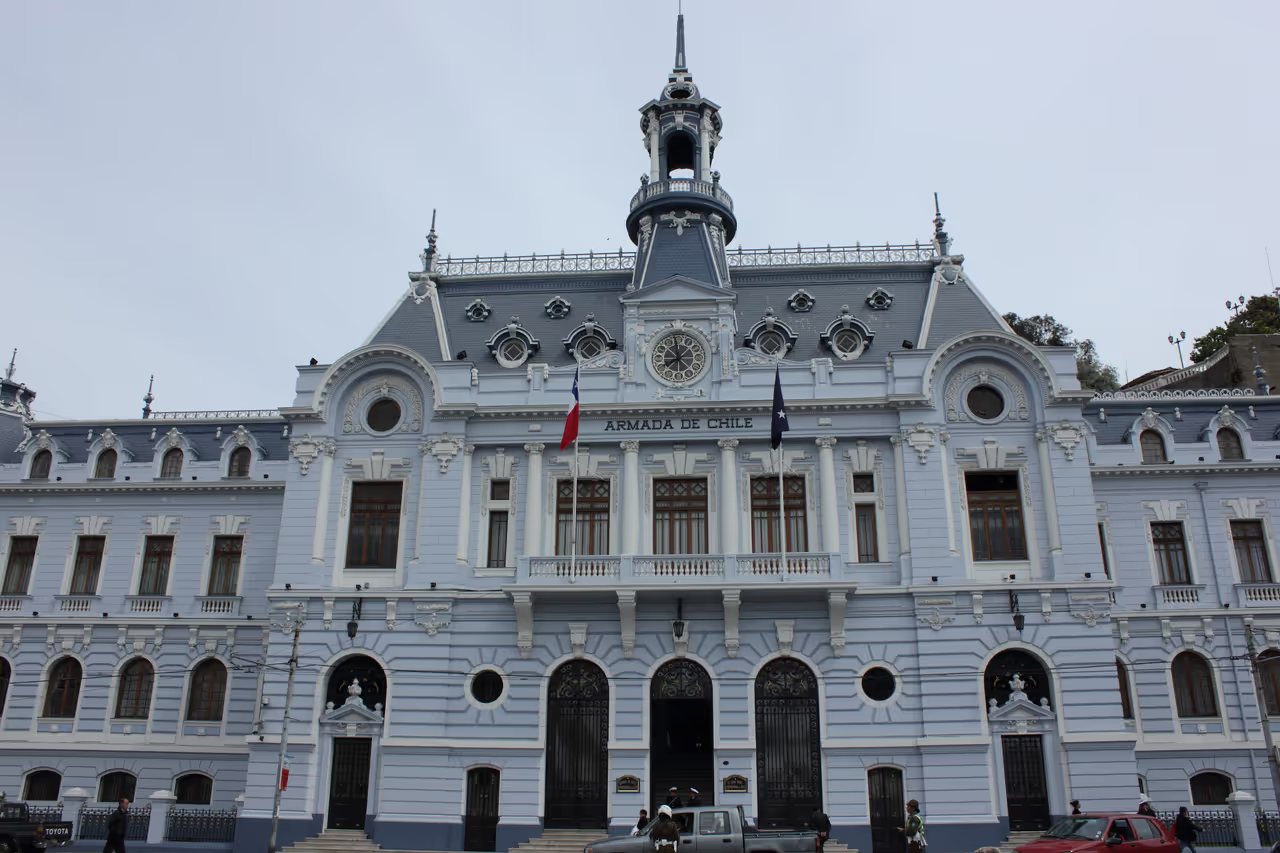
Dominating Plaza Sotomayor, this majestic blue and white palace is a striking symbol of the city's naval importance. Originally...
view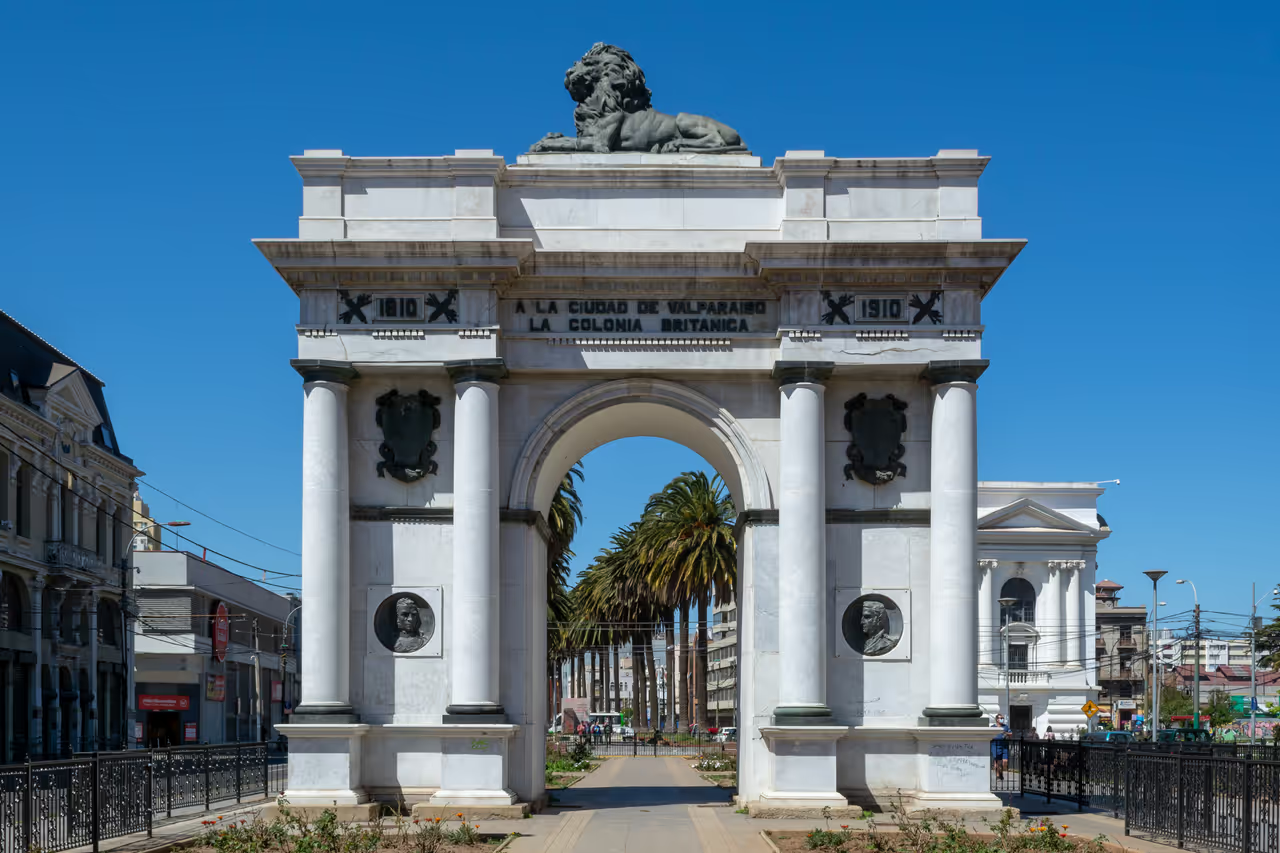
British Arch
Erected in 1911, this elegant marble arch was a gift from the thriving British immigrant community to celebrate the centenary of...
view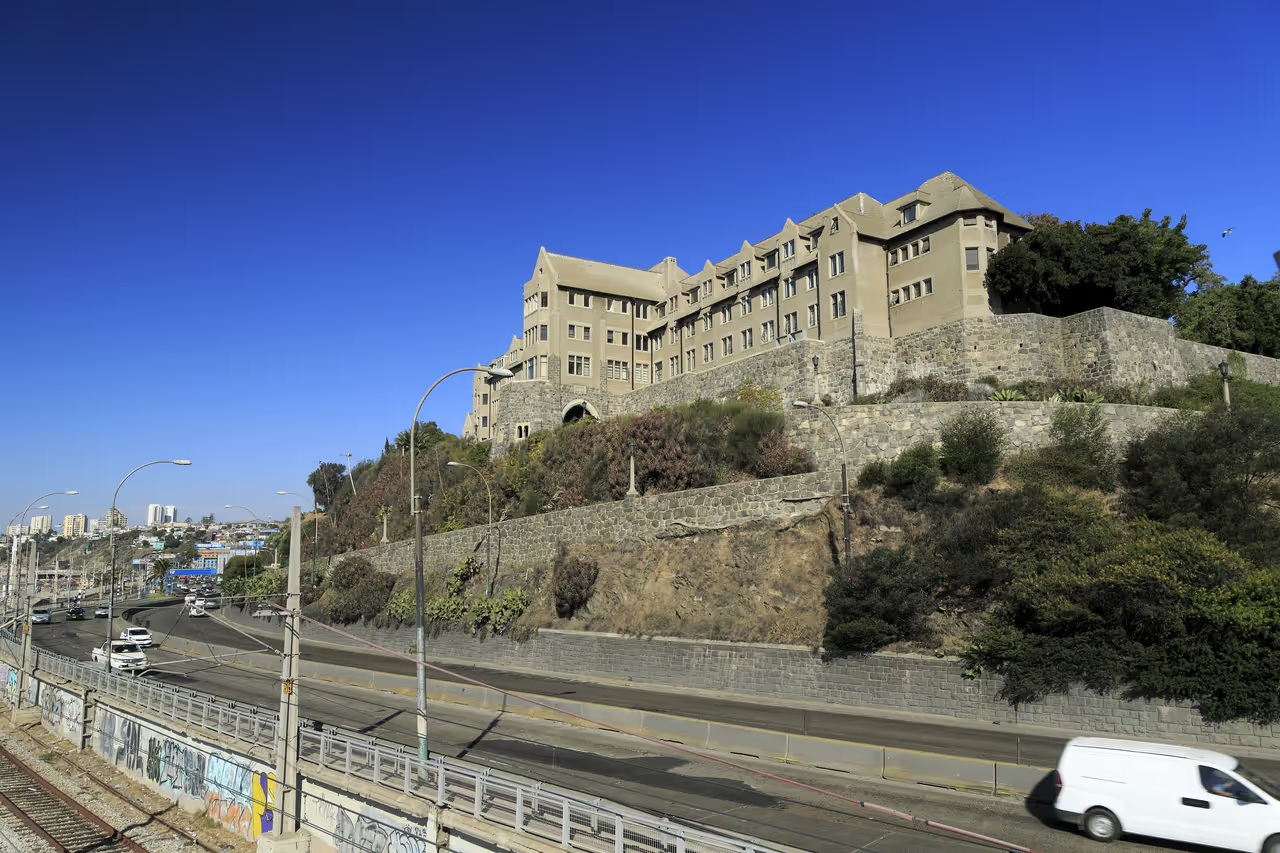
Federico Santa María Technical University
Perched prominently on the front of Cerro Placeres, this university campus is visible from almost anywhere along the coast. Its...
viewLas Ánimas Tunnel
An impressive feat of modern infrastructure, this 309-metre tunnel cuts through the coastal rock to facilitate transport around...
view
Markets & Shopping
Valparaíso Nightlife
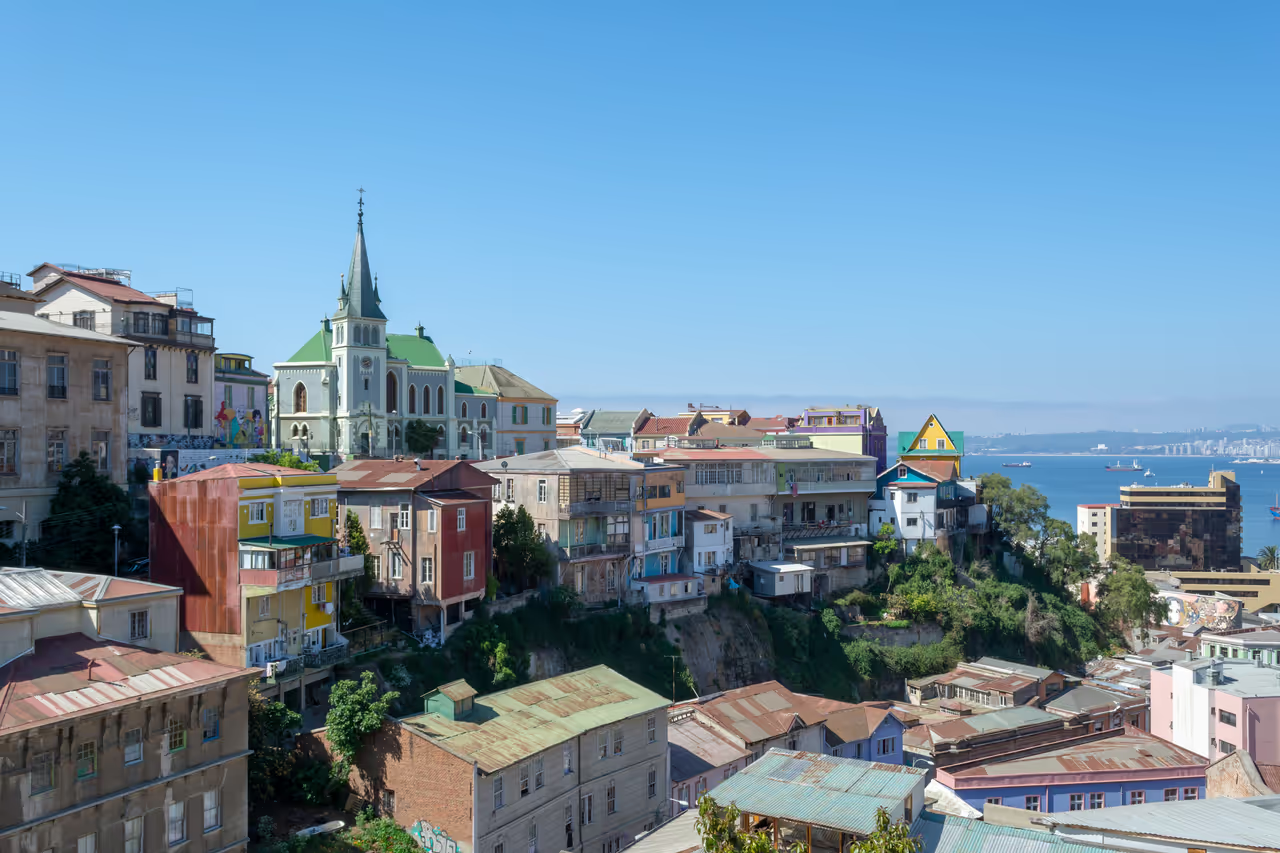
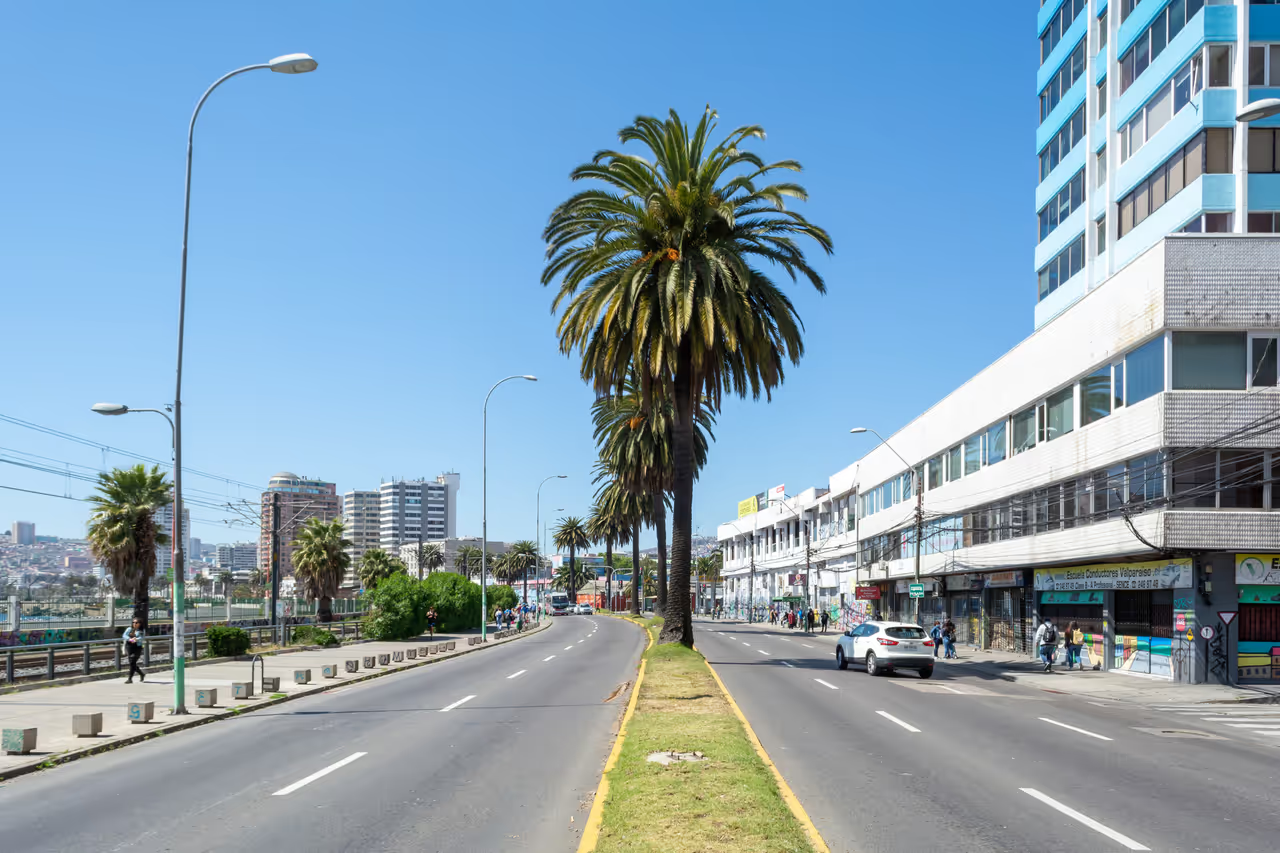
Photo Spots
Activities & Experiences
Cycling Routes
Lake Peñuelas Trail
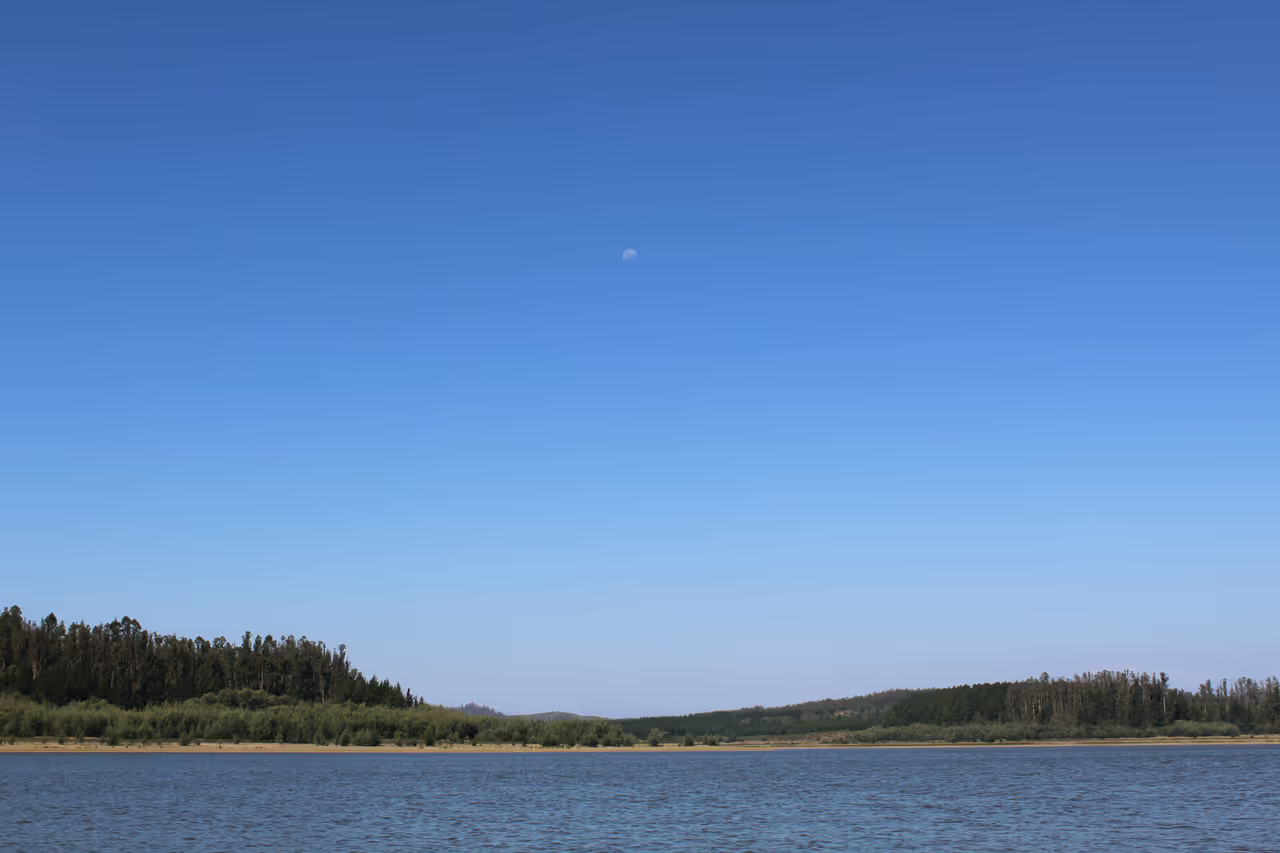
Located inland within a protected national reserve, this ride swaps the salty ocean breeze for the scent of eucalyptus and pine. The dirt trails loop around a massive, tranquil lagoon, providing excellent opportunities for bird watching. It is a peaceful, nature-focused ride away from any vehicle traffic. The relatively flat terrain makes it accessible for most fitness levels.
Laguna Verde Cliffs Ride
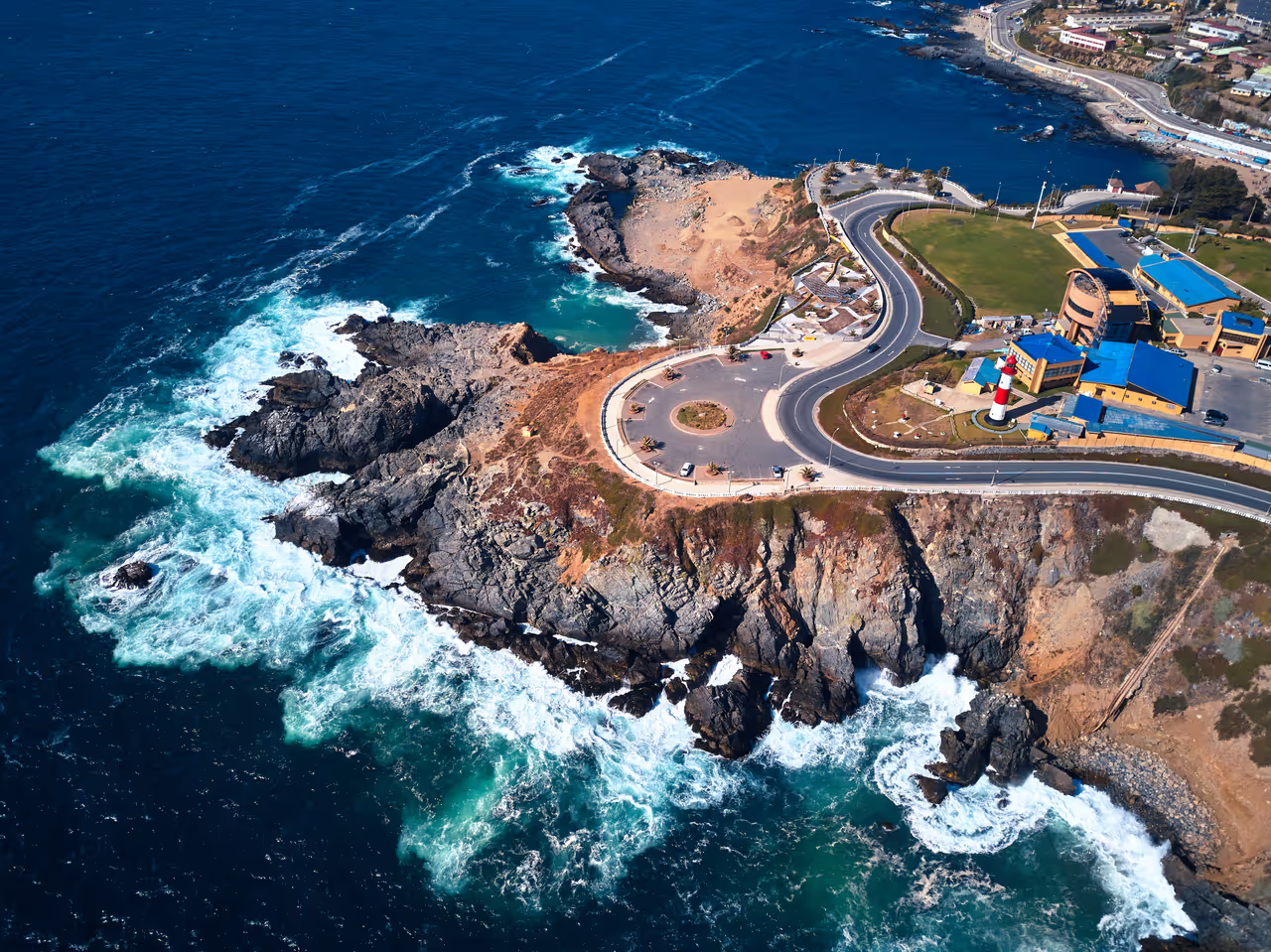
Heading south from the city, this route challenges riders with rolling hills and dramatic cliffside scenery. It leads towards a quiet coastal village known for its expansive beach and pine forests. The roads are quieter here, offering a more rugged and isolated experience compared to the northern coast. The awe-inspiring views of the endless Pacific make every uphill push worthwhile.
Coastal Ride to Viña del Mar
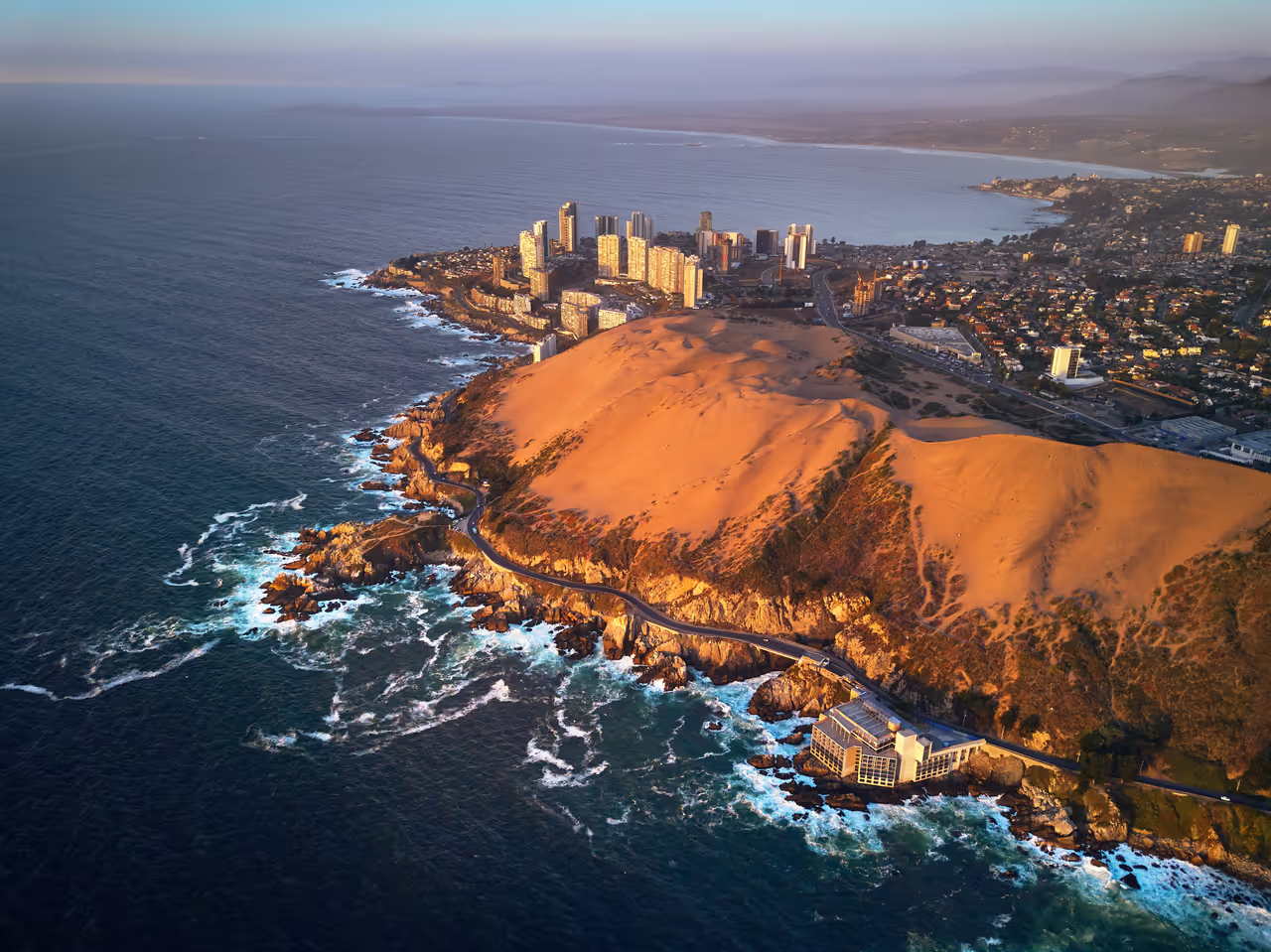
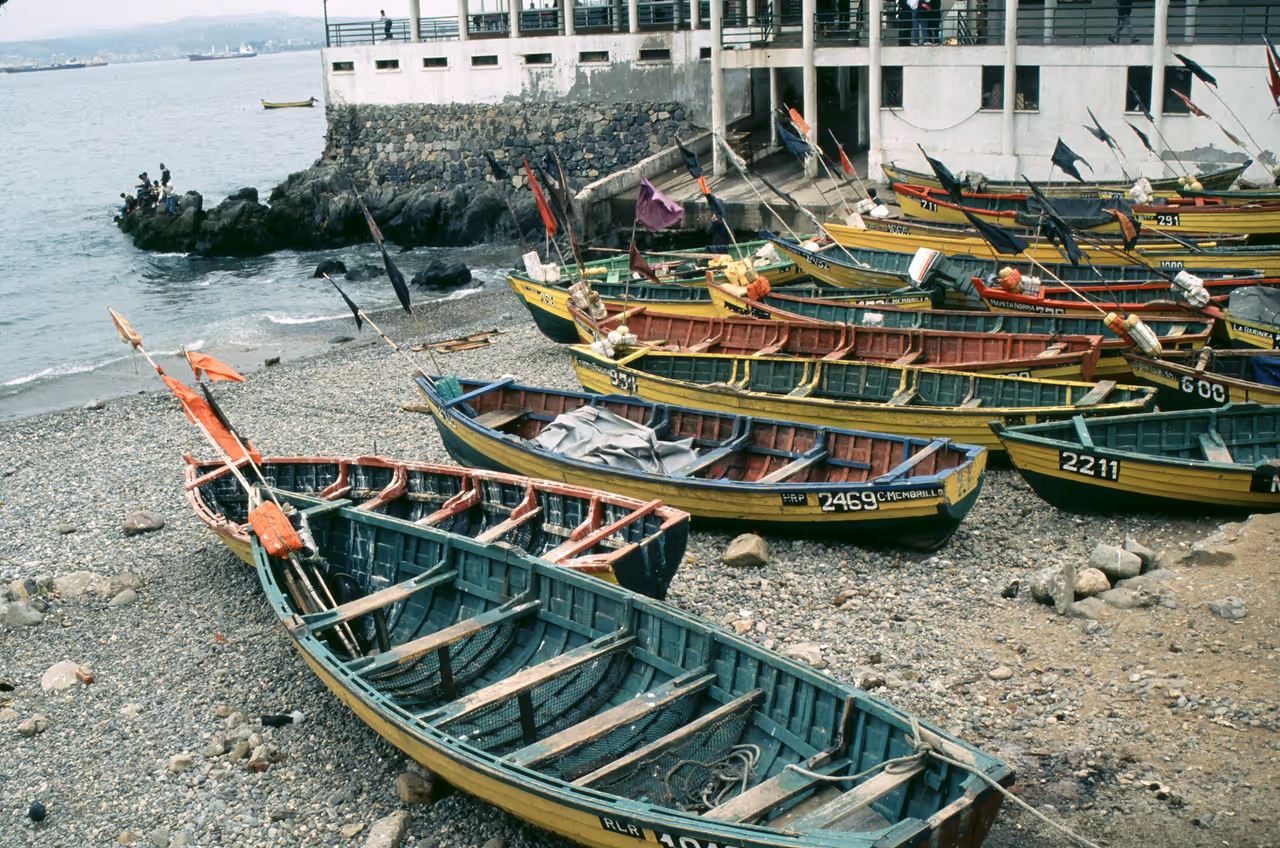
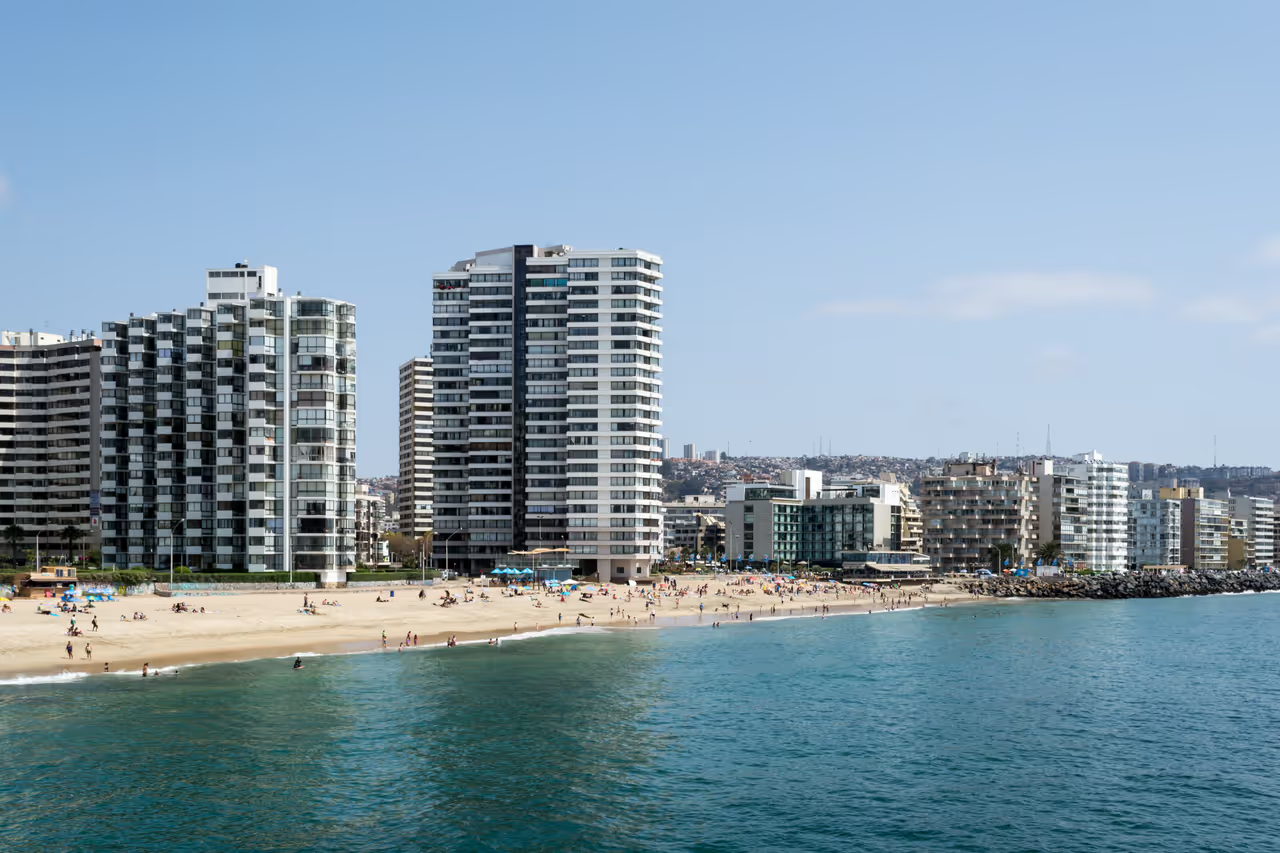
This mostly flat route takes you along the sweeping coastline, connecting the historic port to the upscale resort town next door. The path offers constant views of the Pacific Ocean and the dramatic waves crashing against the rocks. You will pass fishermen coves, modern promenades, and the famous flower clock. It is a refreshing, easy ride that highlights the contrast between the two neighbouring cities.
Self-Guided Tours
Historic Elevators and Architecture
This route is a celebration of the city's most unique transportation system: the funiculars. You will ride several different elevators, experiencing the genius engineering required to conquer the extreme topography. Along the way, the tour highlights the distinct European architectural styles brought by 19th-century immigrants. It is an interactive, moving exploration of the city's vertical landscape.
Maritime History and Naval Heroes
This journey explores the flat, historic centre of the city, focusing on its legacy as the Jewel of the Pacific. You will walk among grand administrative buildings, naval monuments, and the working waterfront. The tour highlights the wealth generated during the 19th-century trade boom and the military events that shaped the nation. It provides a stark architectural contrast to the chaotic hills above.
- HIGHLY RECOMMENDED
Street Art and Bohemian Culture
This tour delves into the city's reputation as a world-class canvas for street art. You will explore neighbourhoods where almost every blank wall, staircase, and door is covered in vibrant murals. The route traces the evolution of the city's bohemian scene, from the historic homes of famous poets to modern, community-driven art projects. It reveals how creativity has revitalised neglected spaces and become the city's modern identity.
Annual Festivals & Events
 HIGHLY RECOMMENDED
New Year's Eve by the Sea
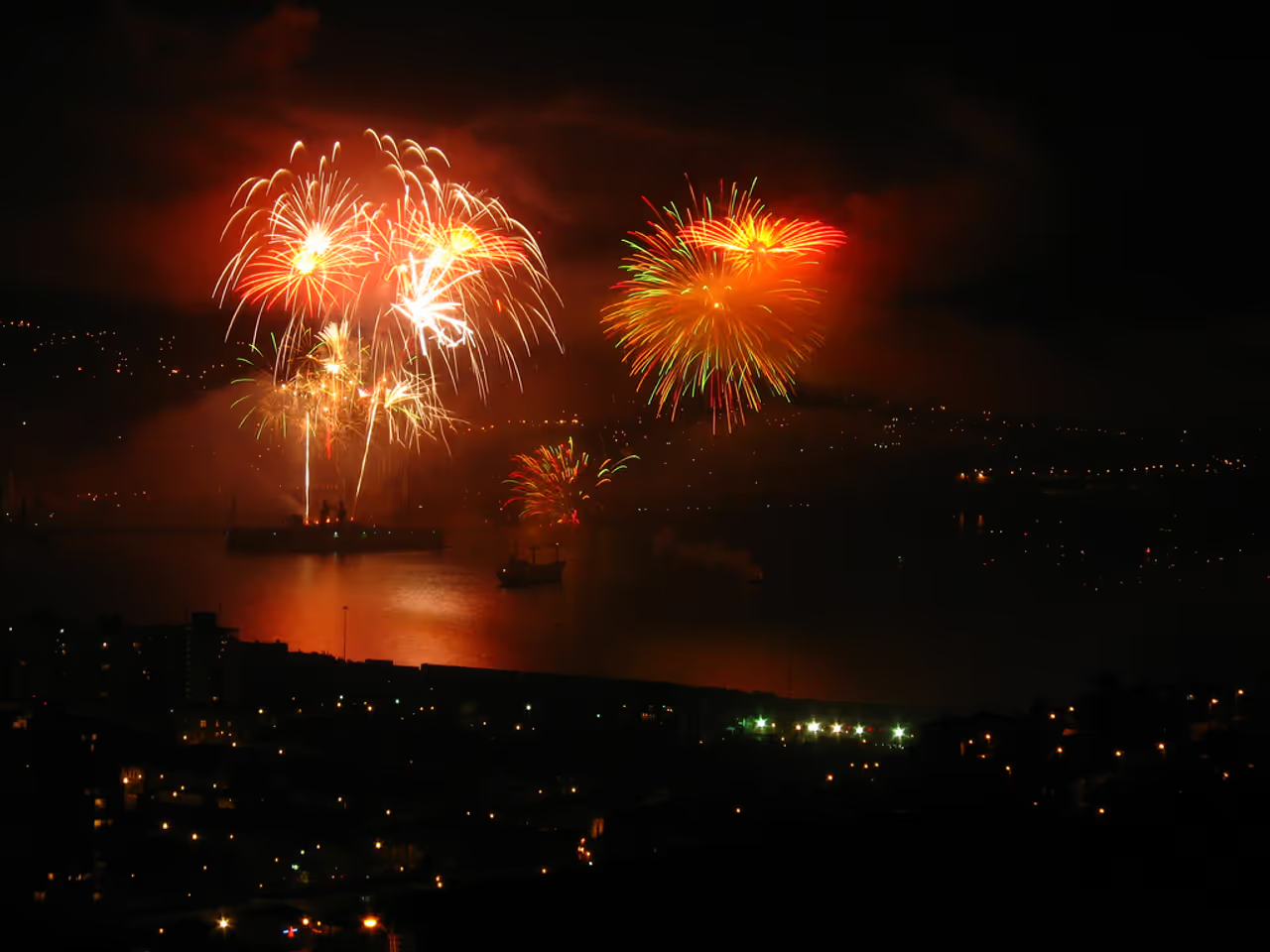
The city hosts one of the most spectacular New Year's Eve celebrations on the planet, drawing millions of visitors to the coastline. The festival culminates in a massive fireworks display that illuminates the entire bay and extends towards neighbouring coastal towns. The population triples during this time, creating an electric atmosphere full of street parties and outdoor performances. It is an unforgettable way to ring in the new year.
Thousand Drums Carnival
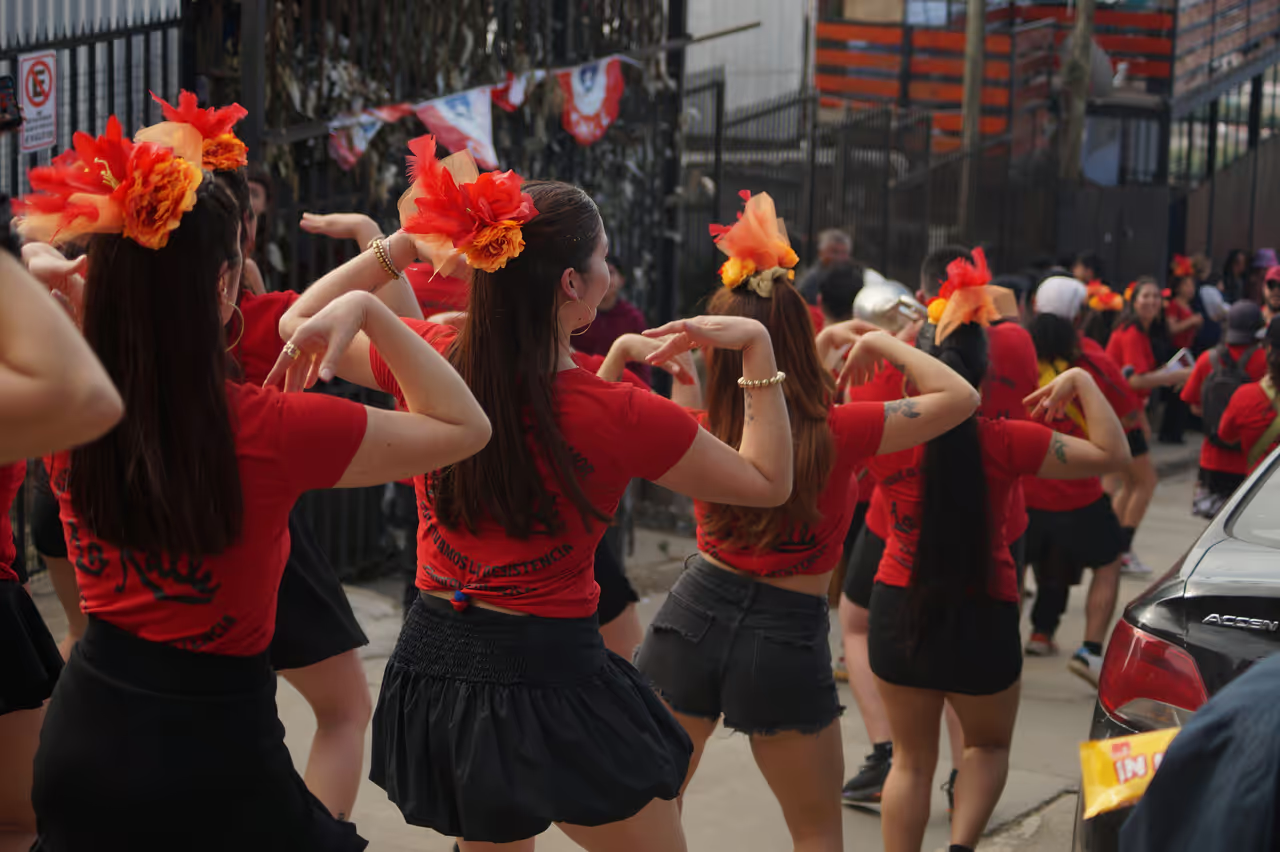
This vibrant three-day celebration takes over the streets with the rhythmic beating of countless drums. It brings together people from all over Latin America to showcase multicultural dance, music, and art. The energy is infectious, featuring massive parades, body painting, and lively street performances. It is a true reflection of the city's deeply rooted bohemian spirit.
Summer Ink Tattoo Festival
An exciting gathering for tattoo enthusiasts and artists from across the region. The festival showcases live tattooing, incredible artistic talent, and competitions spanning various styles. Visitors can also enjoy exhibitions of classic motorcycles, live music, and alternative art stalls. It perfectly matches the gritty, creative vibe of the city.
Insider Tips
Always carry small change for the funiculars, as the operators rarely have change for large notes and the fare is very cheap.
Be wary of a common scam where someone discreetly punctures your tyre in traffic and then offers to 'help' change it while an accomplice steals from your car.
Avoid wandering into the higher, non-touristy sections of the hills or the deep port area after dark; stick to the well-lit areas of Cerro Alegre and Cerro Concepción.
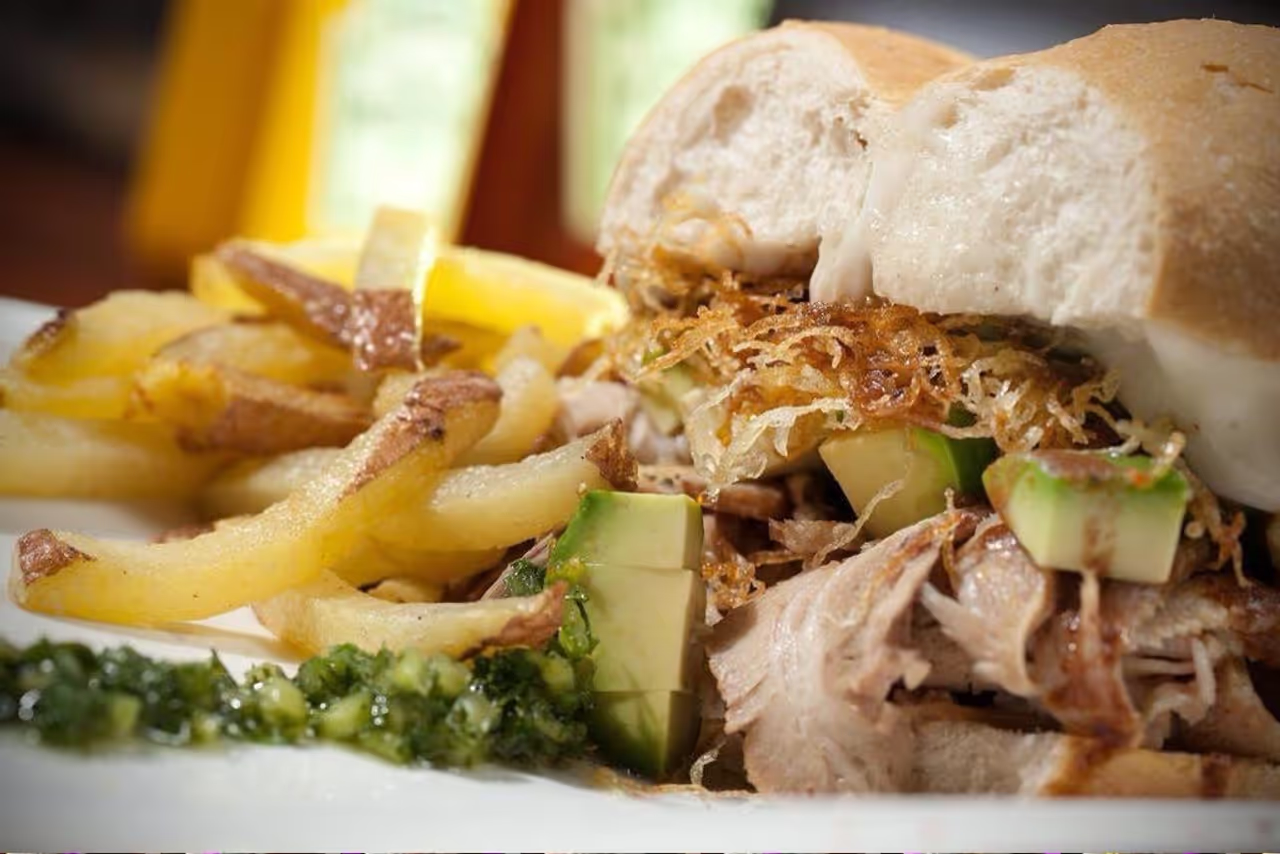
To order a famous avocado-smothered snack, use the Chilean word 'palta' instead of 'aguacate', which is rarely used here.
If you are taking a micro (local bus) up the hills, hold on tight. The drivers navigate the steep, winding roads with surprising speed.
Look out for the classic green and grey Pullman trolleybuses in the flat city centre; they are rolling pieces of history and a very cheap way to get around.
PERFECT FOR
Valparaíso is a dream destination for artists, photographers, and curious wanderers who appreciate raw, unfiltered beauty over polished resorts. History enthusiasts will be captivated by the rich maritime legacy and historic funiculars, while food lovers can dive into authentic seafood markets. It rewards travellers with an adventurous spirit who do not mind climbing a few steep stairs to find a spectacular view.
VIBE
The city feels like a living, breathing canvas that defies conventional planning. There is a palpable sense of poetic chaos, where the salty smell of the ocean mingles with the lively chatter from vibrant cafes and hidden stairwells. It is an inspiring, gritty, and deeply romantic environment that demands to be explored on foot.
Frequently Asked Questions about Valparaíso
While we strive to keep this information accurate and up to date, we recommend verifying any details independently before making decisions based on them.