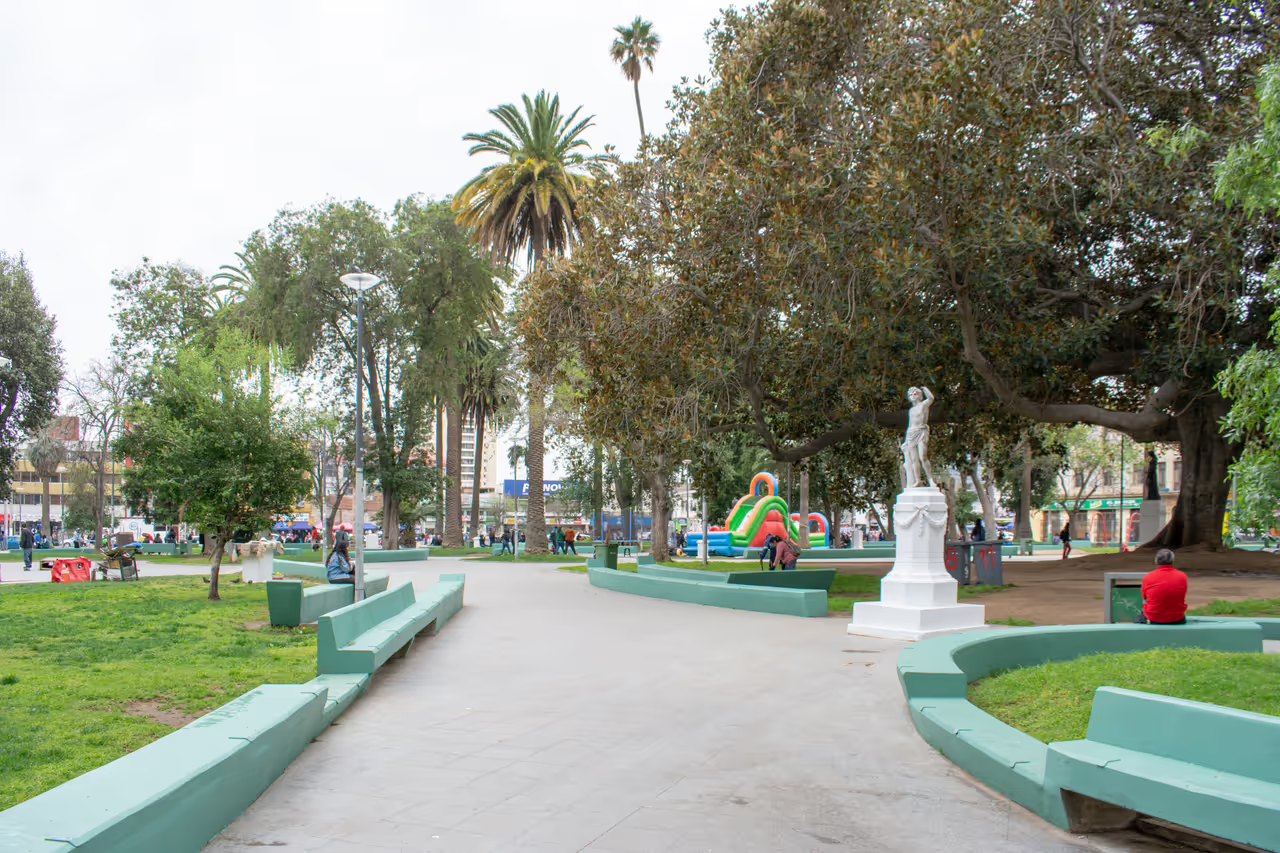
Parque Italia
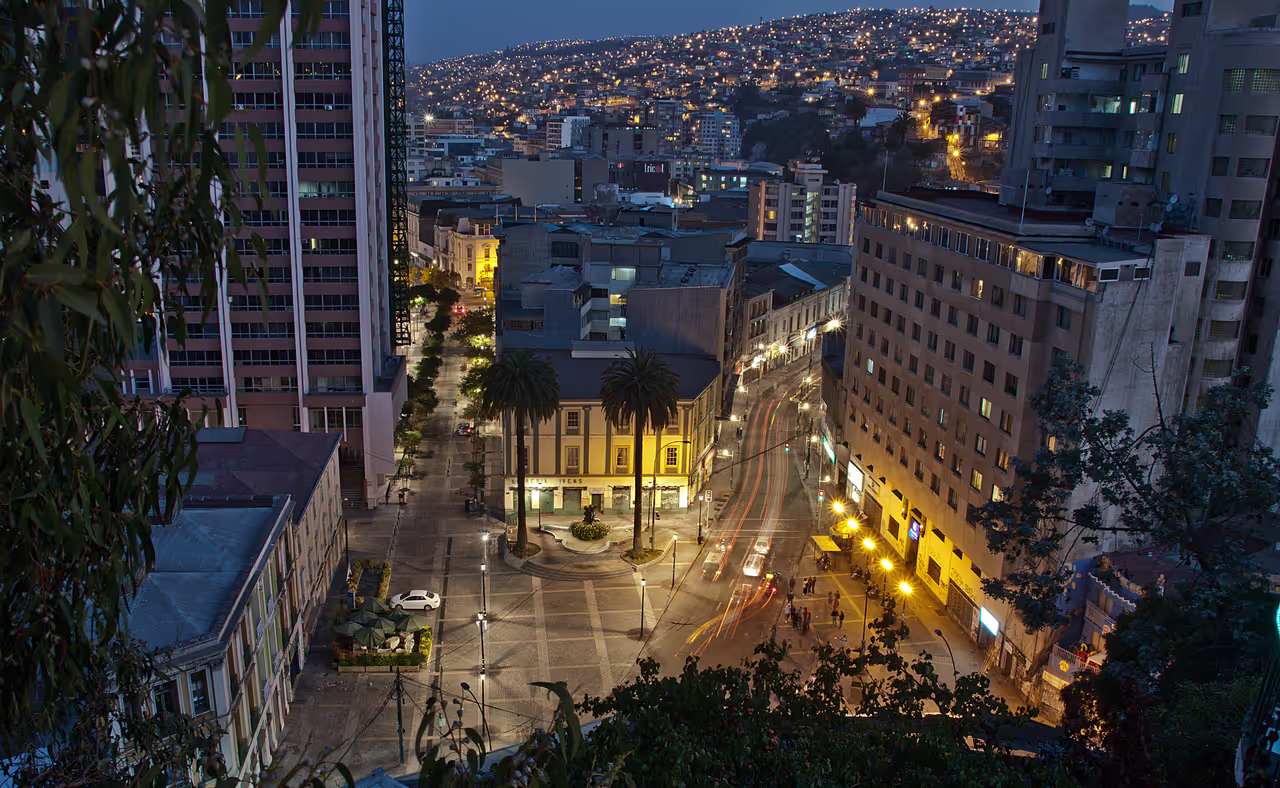
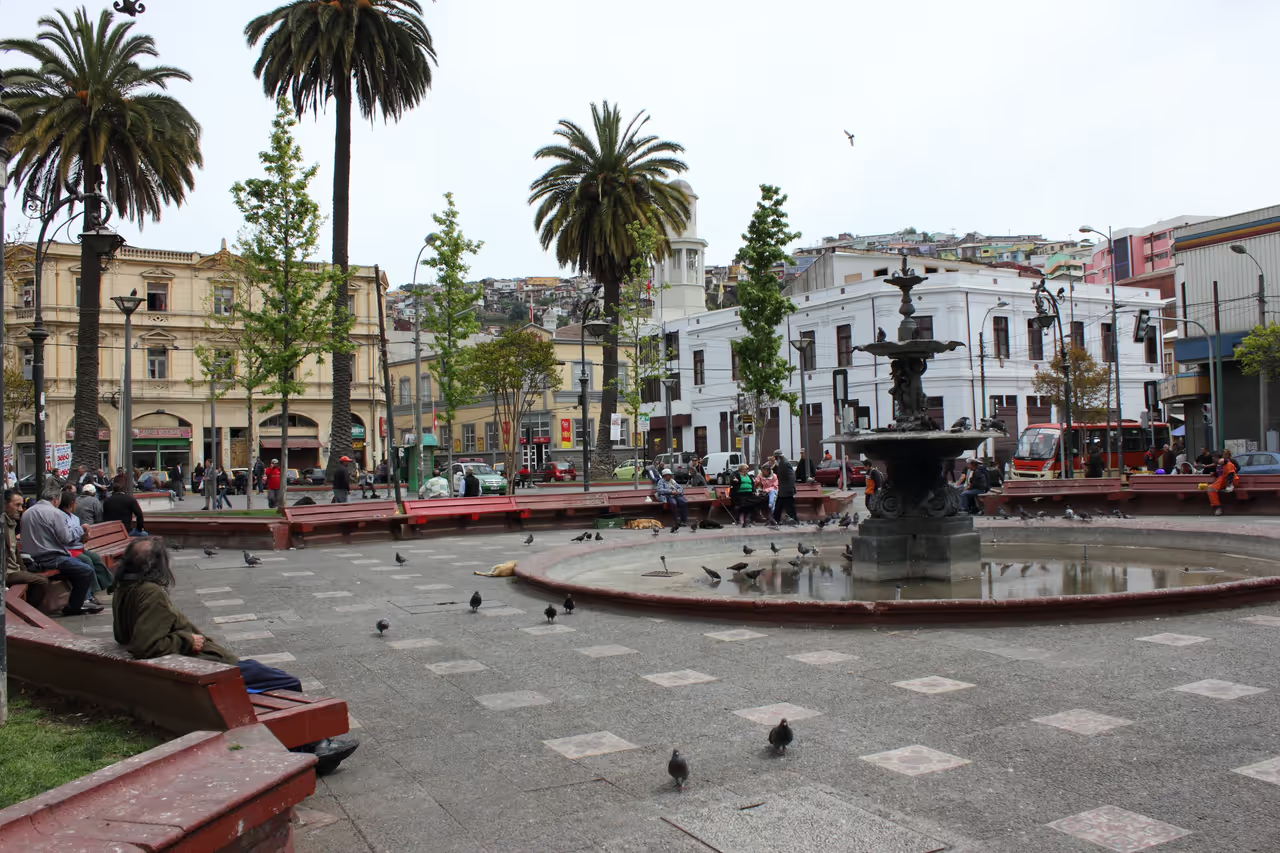
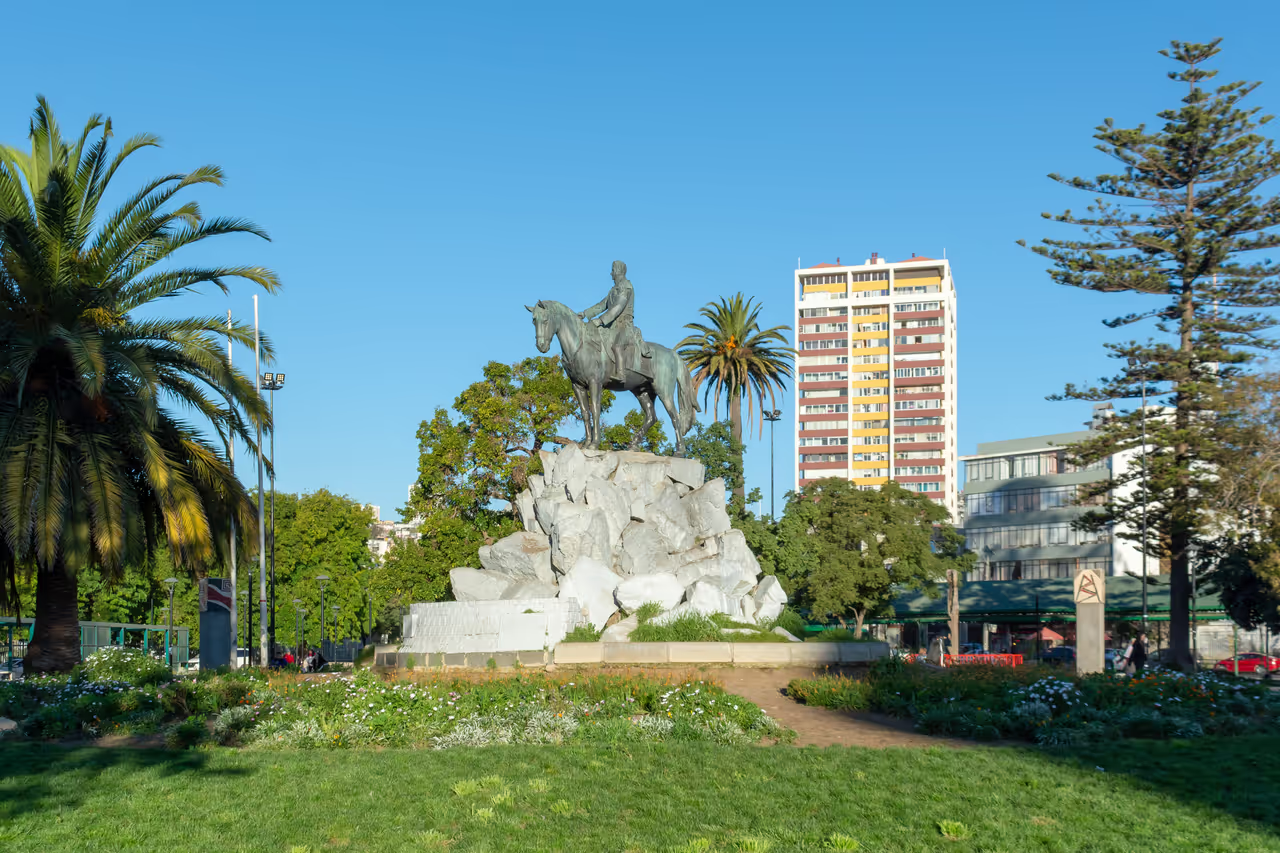
Nestled within the vibrant El Almendral district, Parque Italia serves as a verdant sanctuary that bridges the lively energy of Valparaíso with its deep-rooted history. This urban oasis offers a peaceful escape where locals gather to enjoy the shade of mature trees and observe the daily rhythms of the city. Beyond its greenery, the park stands as a testament to the enduring bond between Chile and Italy, notably showcased by the striking Loba Capitolina statue that guards its grounds. As a central meeting point for social, political, and cultural life, the park provides an authentic look into the spirit of the port city. Its location near major avenues makes it an accessible and essential stop for those looking to experience the heartbeat of the neighbourhood.
Videos
History of Parque Italia
The narrative of Parque Italia mirrors the evolution of Valparaíso itself, tracing a path from private exclusivity to public utility. In the mid 19th century, this land was the private domain of Pablo Abadie, a French resident who transformed the space into the Jardín Abadie. This garden was a sanctuary for high society, where the elite gathered to attend promenade concerts and stroll among exotic fruit trees and vibrant flowers. It was a place defined by privacy and refinement, a stark contrast to the lively and sometimes chaotic port city that surrounded it. As the city grew, the nature of the space underwent a profound change. In 1870, the municipality acquired the land, opening it to the public as the Jardín Municipal. This marked the democratisation of the space, turning a private retreat into a communal garden for all residents. Over the following decades, the park became a living mosaic of the city's aspirations, eventually adopting its current name in 1922 to celebrate the bond between Valparaíso and Italy. The installation of the Capitoline Wolf statue further cemented this identity, creating a physical link to European heritage that still stands today. The park's history is also deeply intertwined with the political and social movements of the 20th and 21st centuries. Throughout its existence, the adjacent plaza has served as a crucible for change, from presidential campaign rallies to the student protests that defined the early 2000s. Though the site has endured periods of neglect and destruction, including the loss of historic structures after earthquakes, its resilience remains its most defining characteristic. Today, the park stands as a testament to the ability of urban spaces to adapt and serve as the enduring background for the daily life of a city in constant motion.
Events spanning 167 years
Fun Facts
- • At one point, the park's maintenance required a dedicated staff of a butler, a guardian, and ten cleaners to manage the constant upkeep of its popular public walks.
- • Following the devastating earthquake of 1906, the park became a repository for marble statues that were salvaged from the destroyed Teatro Victoria.
- • For a period during the military dictatorship in Chile, the adjacent plaza was renamed Plaza 11 de Septiembre before eventually being restored to its name honouring Salvador Allende.
- • In the 1880s, the park's flower beds were meticulously shaped into rounded mounds to better display the thousands of roses and dahlia species donated by prominent local families.
- • In the late 19th century, the park featured an advanced steam powered irrigation system to maintain its lush appearance.
- • The Loba Capitolina statue, which depicts Romulus and Remus nursing from the wolf, serves as a permanent symbol of the cultural and historical ties between Italy and the city of Valparaíso.
- • The land was once home to the residence of the Spanish industrialist Fernando Rioja, a building that served various purposes over the decades, including a stint as a Naval Museum before its eventual demolition.
- • The park once hosted an exclusive collection of exotic flora, including Japanese loquats, papyrus plants, and various bamboo species that were quite rare for the region at the time.
- • The park's name change to Parque Italia in 1922 was specifically tied to a diplomatic gesture involving the Italian General Caviglia.
- • Throughout the early 21st century, the park transformed into a significant urban stage for major student mobilisations and social protests, reflecting the shifting political climate of the country.
Parque Italia FAQ
While we strive to keep this information accurate and up to date, we recommend verifying any details independently before making decisions based on them.
Parque Italia Map & Neighborhood Explorer
This interactive map is centered on Parque Italia. Zoom in and move the map around to automatically discover Wikipedia photos and summaries of other nearby sights, monuments, and historical points of interest and stories in real-time!
Places near Parque Italia
Make the most of your trip. Check out these top-rated spots located nearby.
 58m
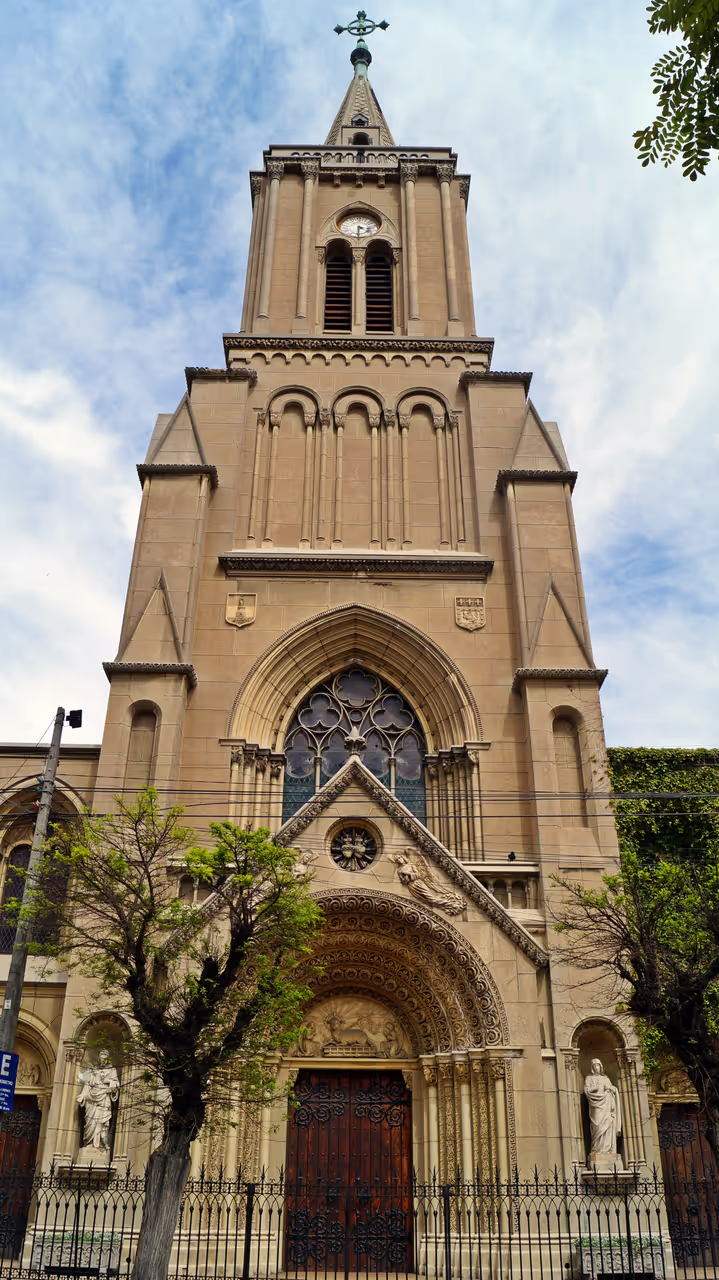
58mSacred Hearts Church
Founded by French immigrants, this church is part of the oldest private Catholic school in South America. Its elegant, soaring spires and intricate facade add a touch of traditional European religious architecture to the cityscape. Inside, the design is peaceful and highly detailed, offering a quiet sanctuary from the noisy streets outside. It stands as a beautiful reminder of the profound impact French settlers had on the city's educational and spiritual life.
architecture view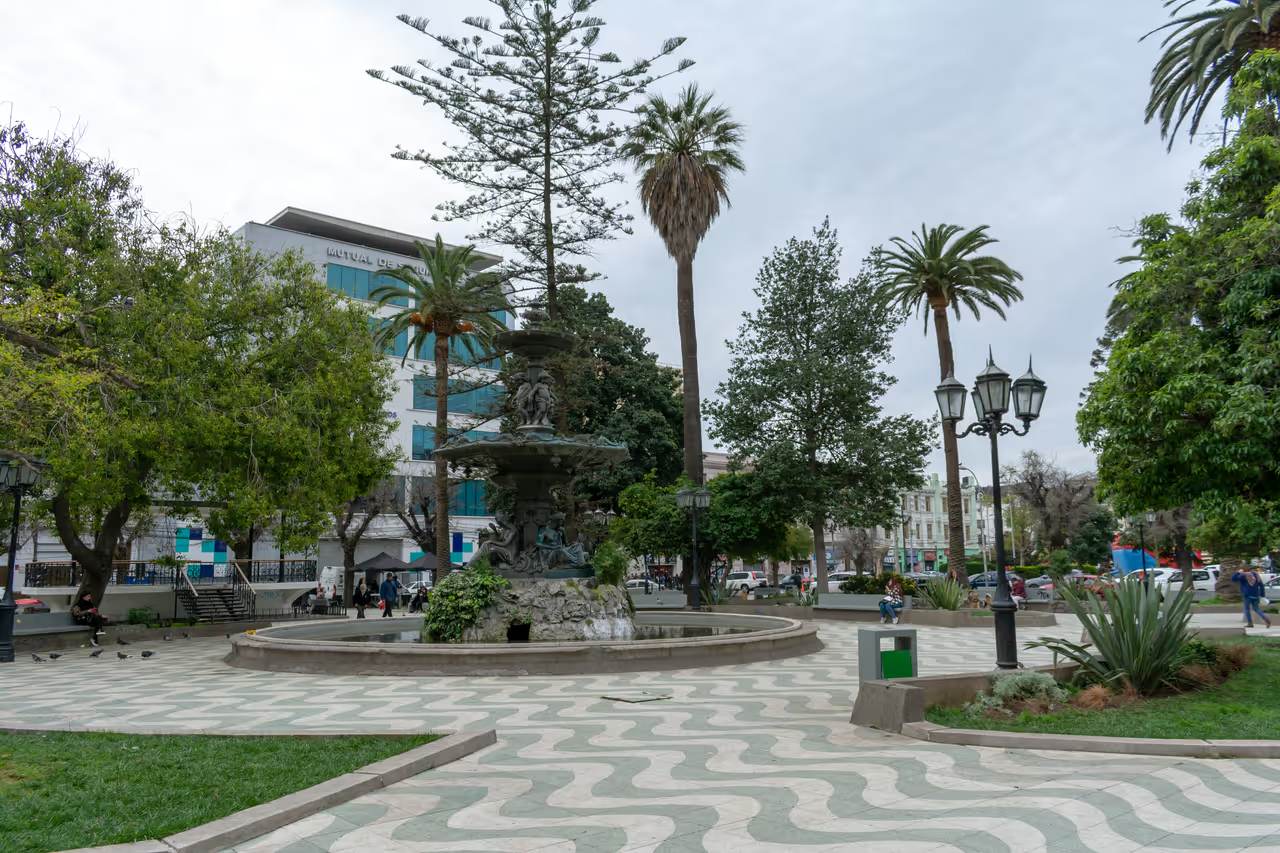 486m
486mHistoric Heart of Plaza Victoria
Plaza Victoria stands as a vibrant testament to the resilience and beauty of Valparaíso, serving as a social hub that has shaped the city's identity for generations. Visitors can lose themselves in the lush greenery, marvel at ornate Parisian-style statues, and admire the fountain that has been a focal point of the area since the 1860s. The square serves as a perfect starting point to discover the surrounding architectural heritage, including the nearby cathedral and the intellectual echoes of the historic library. It captures the very spirit of the port city, blending historical grandeur with a relaxed, modern vibe. Whether you are seeking a quiet moment beneath the shade of towering trees or wish to be in the centre of cultural life, this plaza provides an unforgettable backdrop for your wanderings.
park & nature view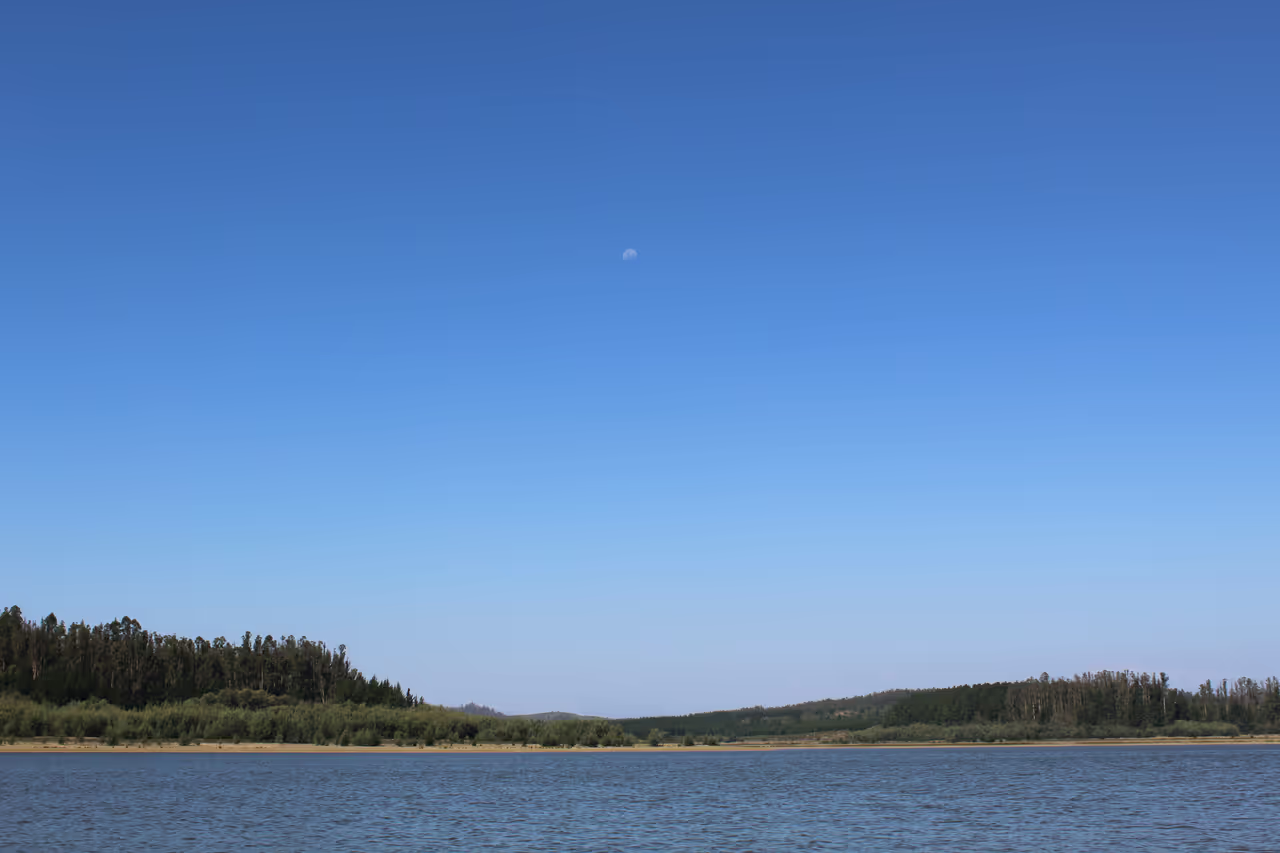 495m
495mLago Peñuelas National Reserve
Escape to the serene landscapes of Lago Peñuelas National Reserve, a vital freshwater sanctuary tucked away near the coastal charm of Valparaíso. This expansive reserve is a haven for nature lovers, offering a peaceful retreat where Mediterranean forests meet the quiet waters of a historic reservoir. Visitors can wander through diverse terrains that shift from lush riparian scrub to majestic woodland, providing a perfect backdrop for birdwatching and photography. Its significance extends beyond its beauty as it serves as a crucial water source and a protected environment for rare native flora and fauna. Whether you are seeking a moment of solitude or a chance to reconnect with the Chilean wilderness, this landscape offers an unforgettable experience for anyone exploring the Valparaíso region.
park & nature view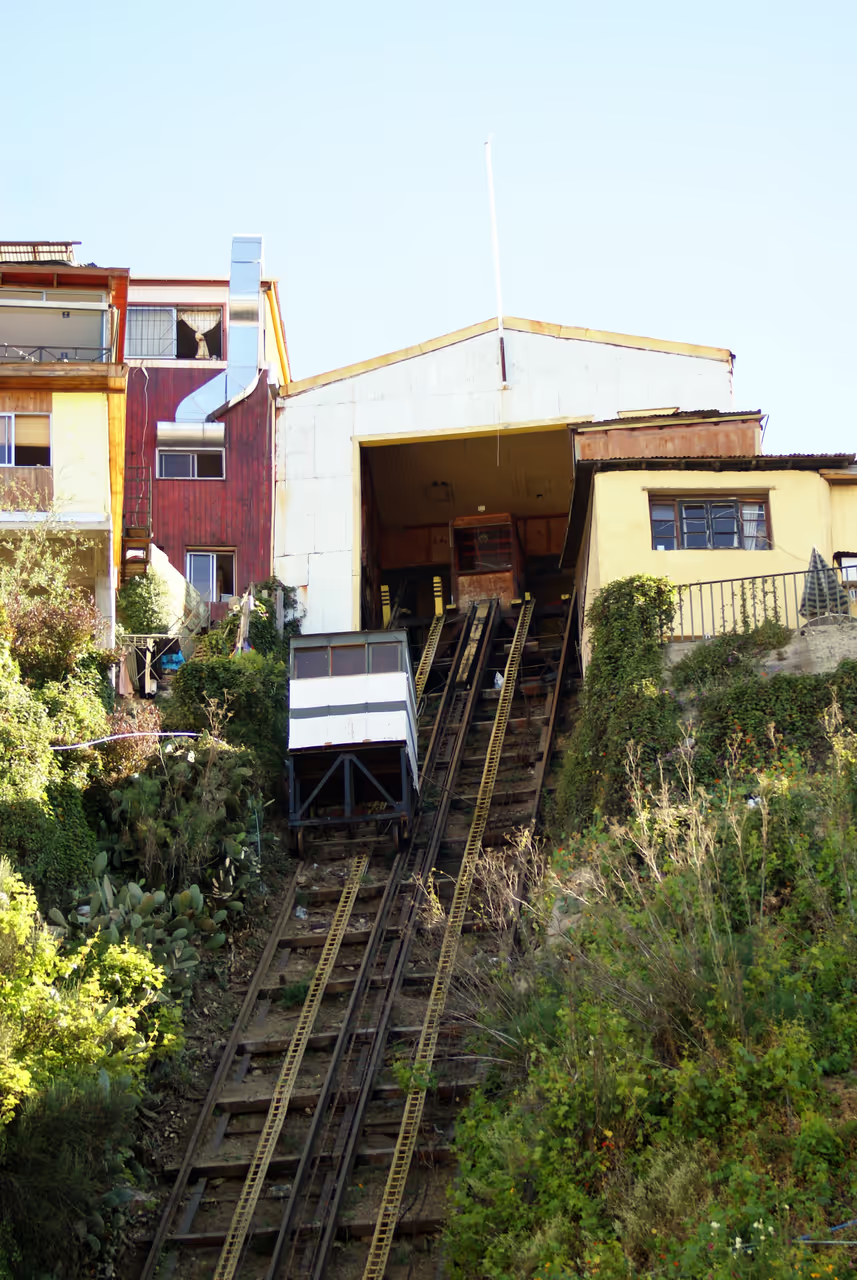 571m
571mHoly Spirit Funicular
Tucked away in an unassuming alley behind the Natural History Museum, this funicular is often missed by visitors sticking to the main sights. It is a particularly steep, enclosed carriage that transports you quickly into the heart of Cerro Bellavista. Because it is less touristy, you get a genuine feel for how locals commute daily. The ride delivers you near the spectacular Open Air Museum murals.
hidden gem view
See all nature & parks in Valparaíso
Historic Heart of Plaza Victoria, Lago Peñuelas National Reserve, Plaza Aníbal Pinto, Plaza Echaurren, Plaza O'Higgins, Valparaíso Cultural Park...