Plaza Aníbal Pinto
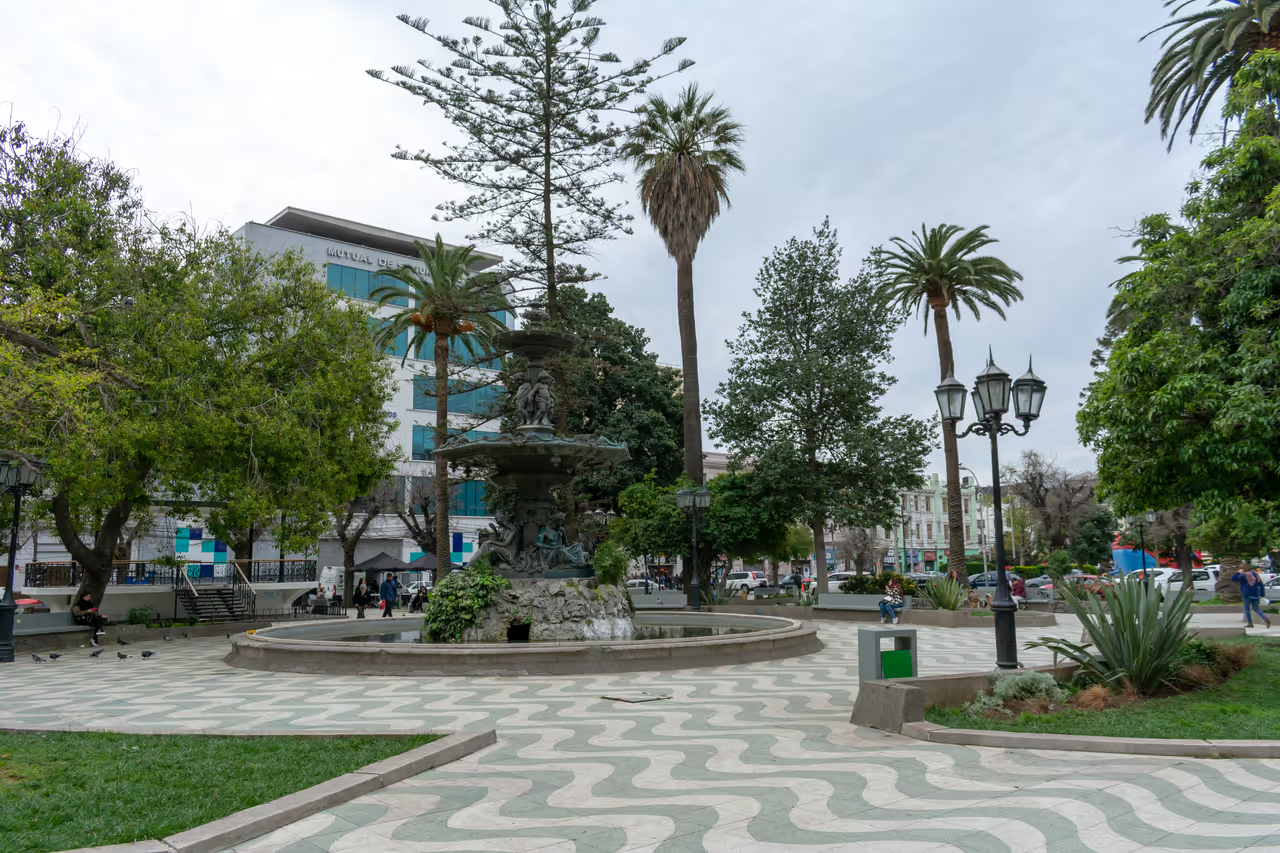
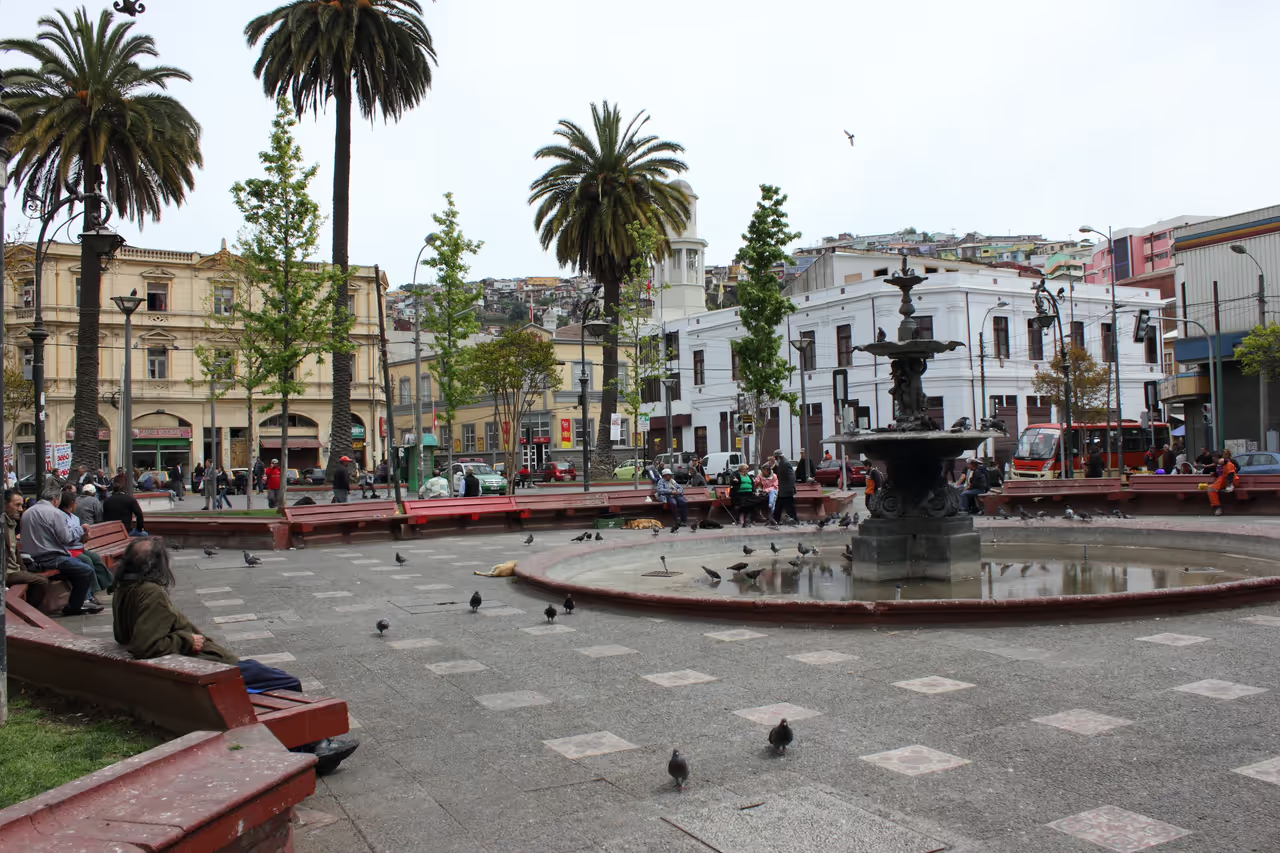
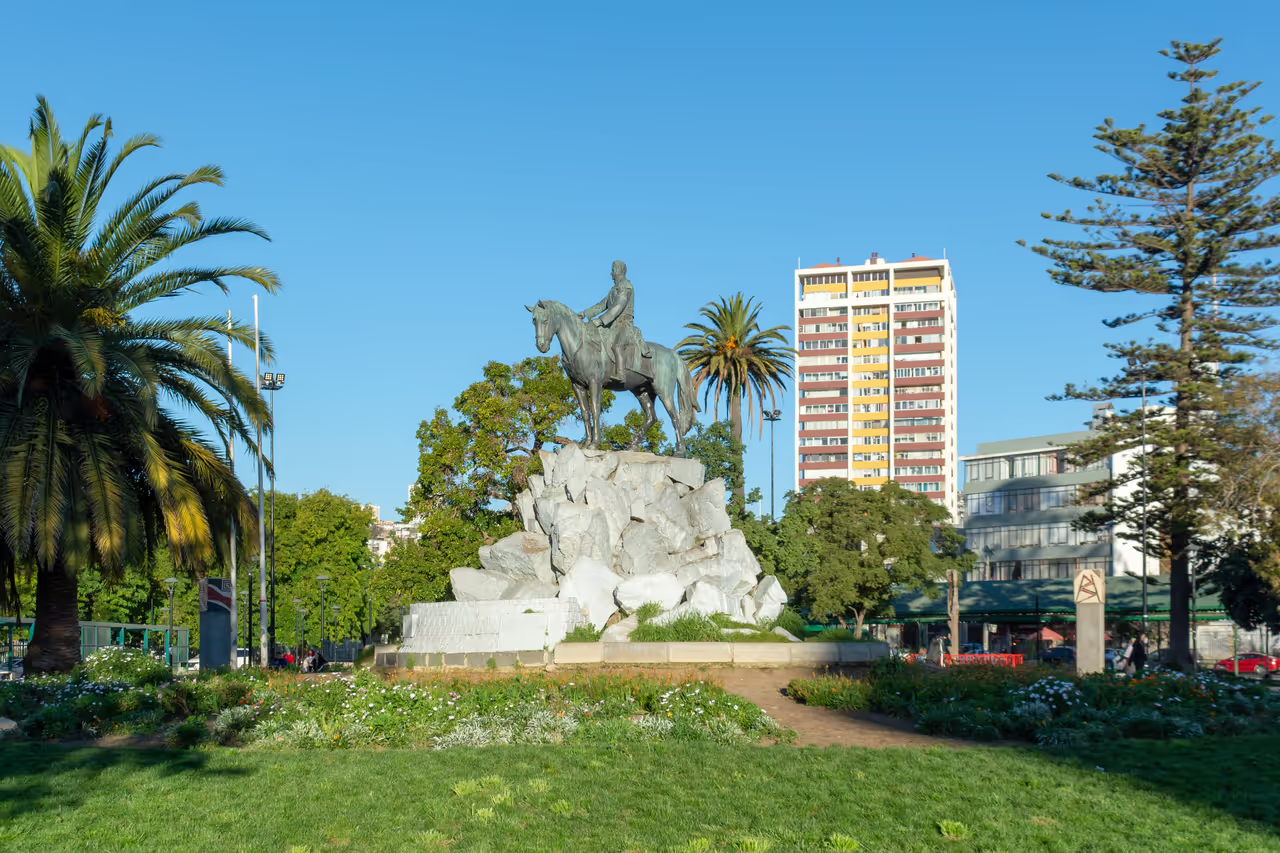
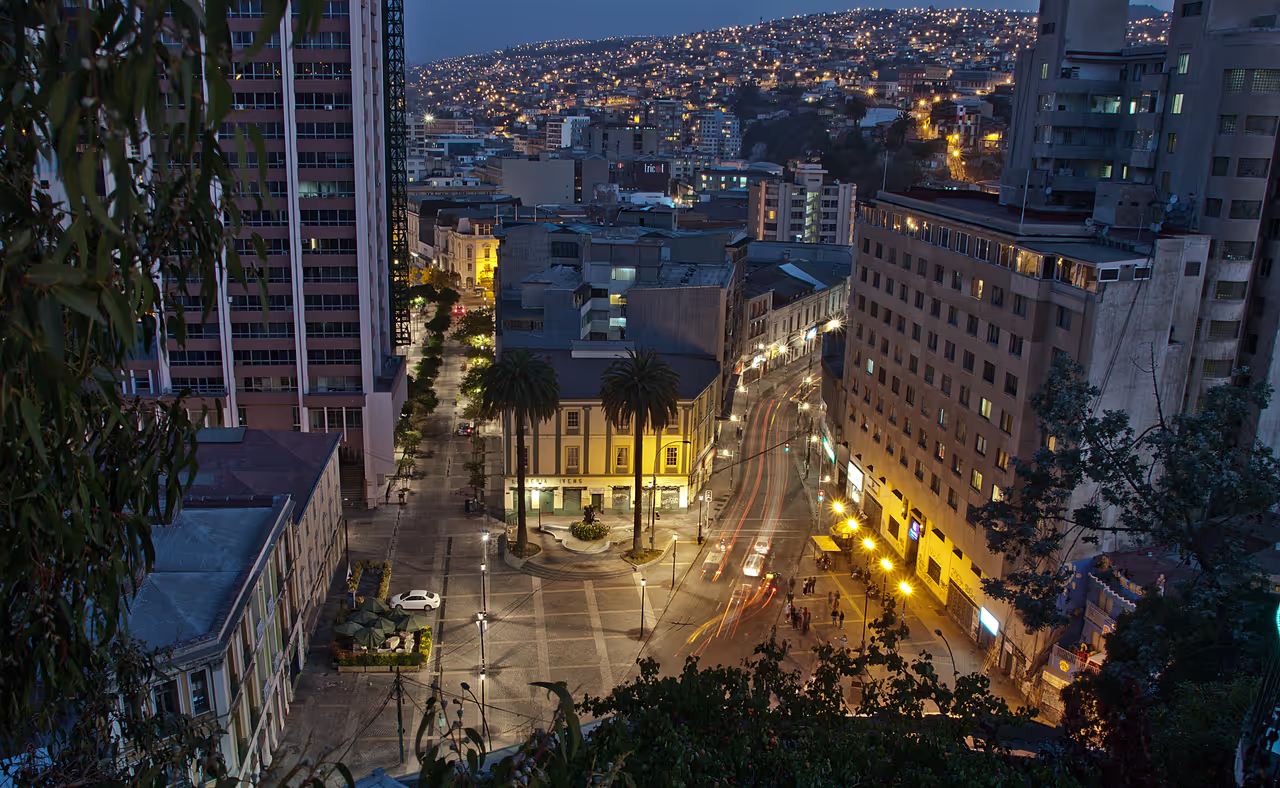
Plaza Aníbal Pinto stands as a vibrant heartbeat in the historic centre of Valparaíso, capturing the maritime spirit and colourful charm of the city. As you wander through this lively square, you will be drawn to the iconic Fountain of Neptune, a beautiful centrepiece that has watched over the plaza since the late nineteenth century. The area serves as a perfect starting point for your adventures into the nearby hilly districts, where steep streets and funiculars await. It provides an ideal vantage point to soak in the atmosphere of one of Chile's most culturally significant cities. Whether you are grabbing a coffee or simply people watching, the plaza offers a genuine glimpse into the daily life and history of this port gem.
History of Plaza Aníbal Pinto
The evolution of Plaza Aníbal Pinto is a fascinating tale of engineering and civic pride. Long before it became the social centre of Valparaíso, the ground beneath your feet was part of the Pacific Ocean. During the golden age of trade and expansion in the city, engineers reclaimed this land from the sea to provide the rapidly growing port with a much needed central square. This transformation turned a rugged coastline into a focal point for commerce and social gathering, reflecting the ambition of a city that was once the most important port on the Pacific coast of South America. At the heart of the plaza stands the Fountain of Neptune, a masterpiece that echoes the maritime soul of Valparaíso. Installed in 1892, this structure was more than just a decorative element for the square. It symbolised the profound connection of the city to the sea, which served as the primary gateway for goods and immigrants arriving from Europe. By placing such an ornate feature in the middle of a reclaimed plot, the city planners established a monument that bridged the gap between the land and the ocean that made Valparaíso great. Today, the plaza remains a vital bridge between the flat lower town and the iconic hills above, like Cerro Concepción. It serves as a living museum where the weight of history meets the casual energy of modern Chilean life. Walking through this square offers a tangible connection to the past, reminding visitors that Valparaíso was built through grit, vision, and a deep respect for the unpredictable Pacific waters. It stands as a testament to how urban design can shape the soul of a community.
Events spanning 133 years
Fun Facts
- • During the late nineteenth century, the plaza was a hub for local merchants and sailors from around the globe who frequented the port.
- • It was originally known as Plaza del Orden before being renamed in honour of Aníbal Pinto, who served as the President of Chile from 1876 to 1881.
- • The central Fountain of Neptune was imported from France, a common practice for wealthy South American cities during that era aiming to showcase European elegance.
- • The design of the surrounding architecture reflects a blend of colonial and nineteenth century European influences, typical of the prosperous trade days of Valparaíso.
- • The plaza is situated within the historic quarter of the seaport city of Valparaíso, which is a designated UNESCO World Heritage Site.
- • The plaza was built on reclaimed land, essentially creating new ground where the Pacific Ocean once lapped against the shore.
- • The square serves as a nexus between the busy port level and the historical funicular elevators that climb the steep surrounding hills.
Plaza Aníbal Pinto FAQ
While we strive to keep this information accurate and up to date, we recommend verifying any details independently before making decisions based on them.
Plaza Aníbal Pinto Map & Neighborhood Explorer
This interactive map is centered on Plaza Aníbal Pinto. Zoom in and move the map around to automatically discover Wikipedia photos and summaries of other nearby sights, monuments, and historical points of interest and stories in real-time!
Places near Plaza Aníbal Pinto
Make the most of your trip. Check out these top-rated spots located nearby.
 128m
128mGervasoni Promenade at Sunset
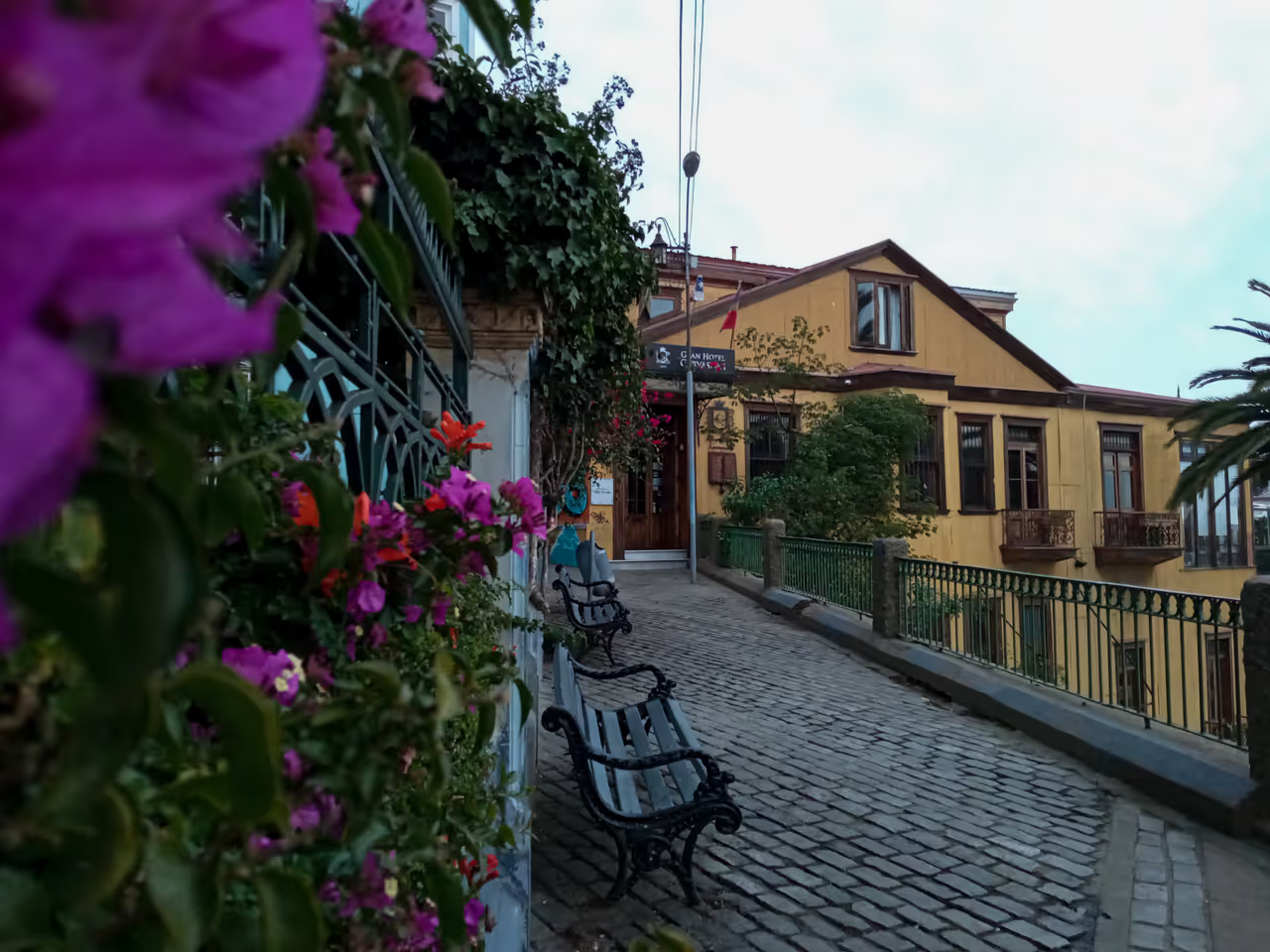
This elegant terrace is visually stunning at any time of day, but it becomes truly magical during sunset. The golden hour light reflects off the grand 19th-century mansions and illuminates the vast bay below. Photographers can capture the silhouettes of the working port cranes against a dramatic, colourful sky. It is a highly romantic and visually rich location.
photo spot view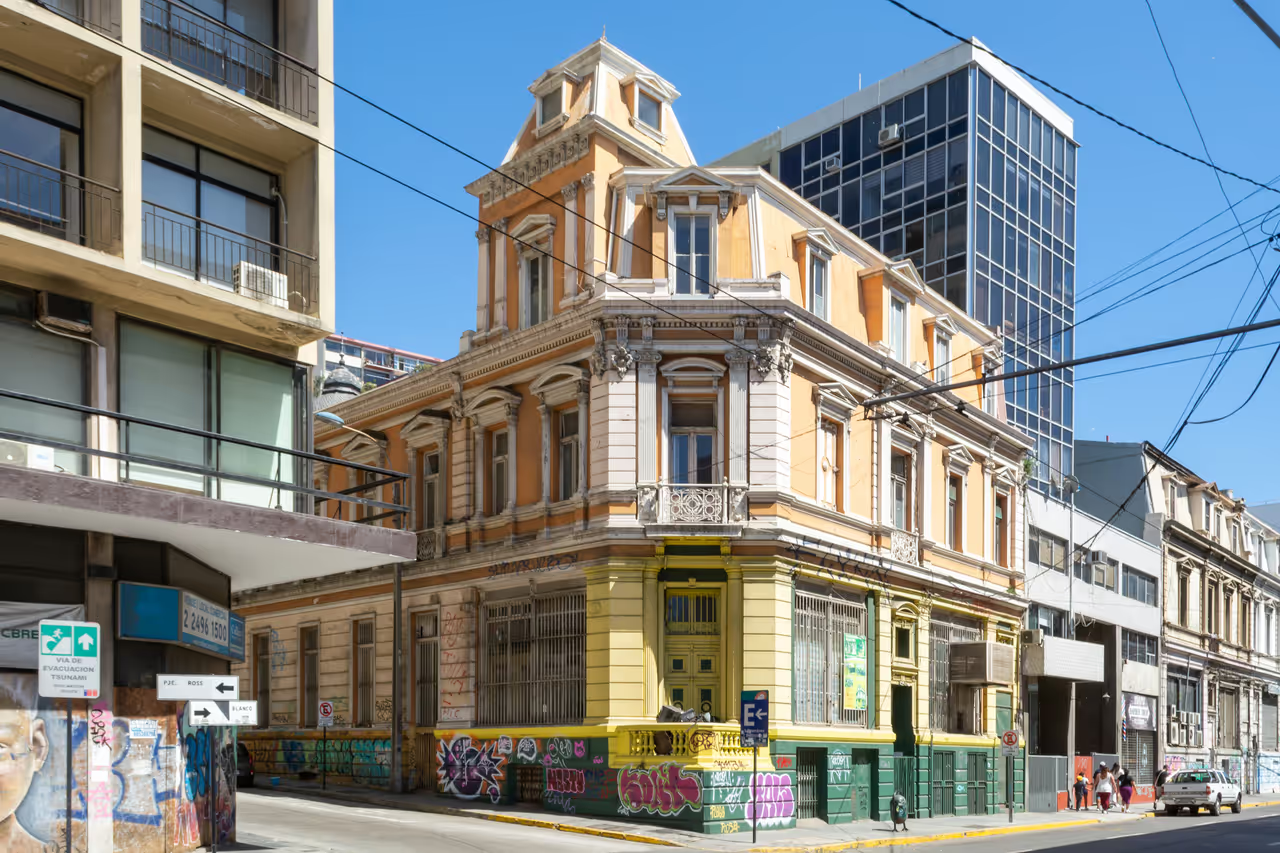 216m
216mBlanco Street
This historic street offers a mix of massive entertainment complexes and charming, old-school bars. Some venues here span up to five floors, offering diverse music styles and incredible rooftop bars with views of the port. Alongside the mega-clubs, you can find historic taverns that have served sailors and locals for decades. It provides a perfect balance of intense partying and relaxed, historic drinking.
nightlife view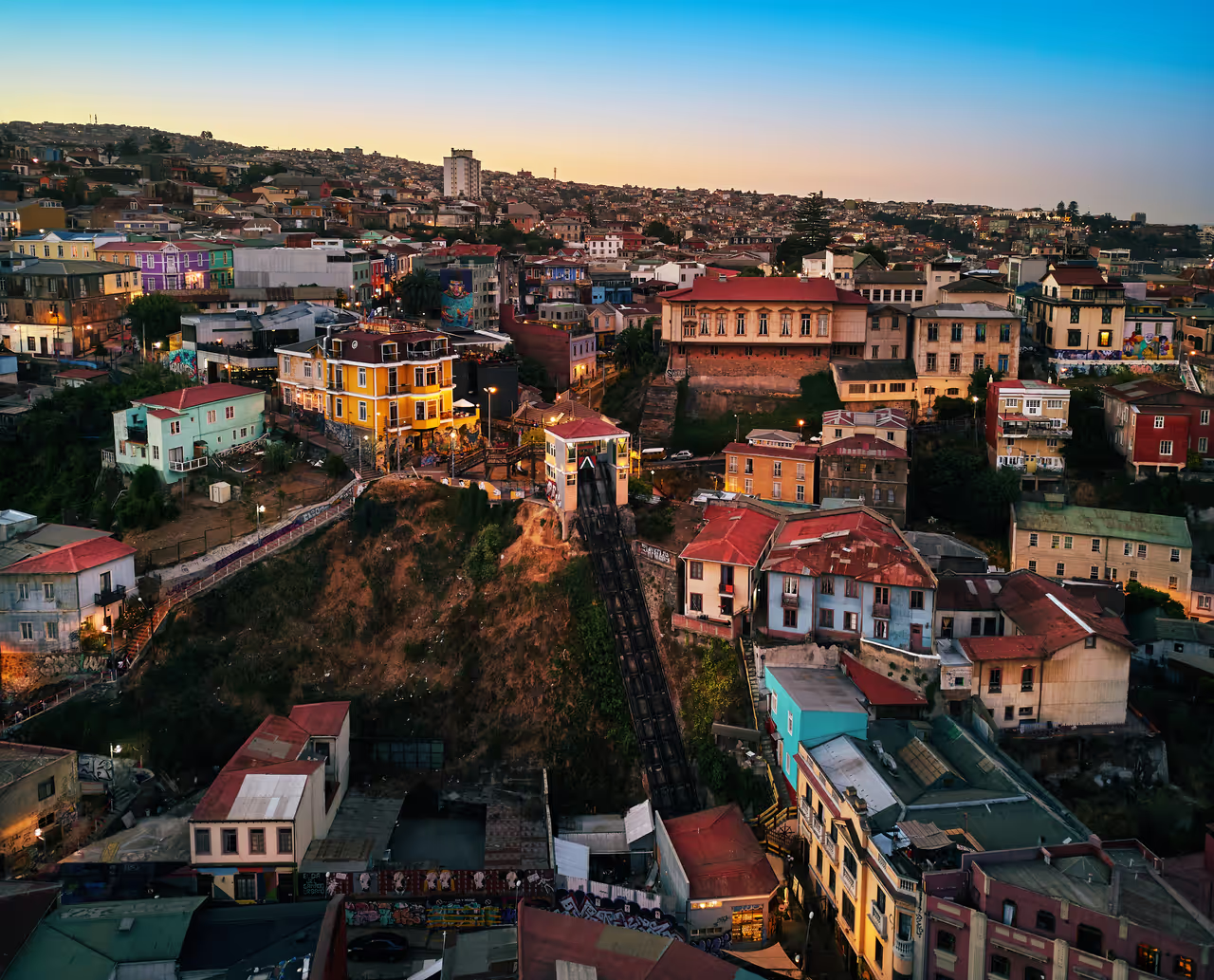 216m
216mReina Victoria Funicular Tracks
Standing at the bottom or top of this funicular offers a fantastic leading-line shot of the steep wooden tracks plunging down the hill. The colourful, boxy carriages slowly ascending or descending add a perfect focal point to the image. The surrounding buildings frame the tracks tightly, emphasizing the extreme gradients of the city. It is a classic shot that perfectly captures the city's unique transport system.
photo spot view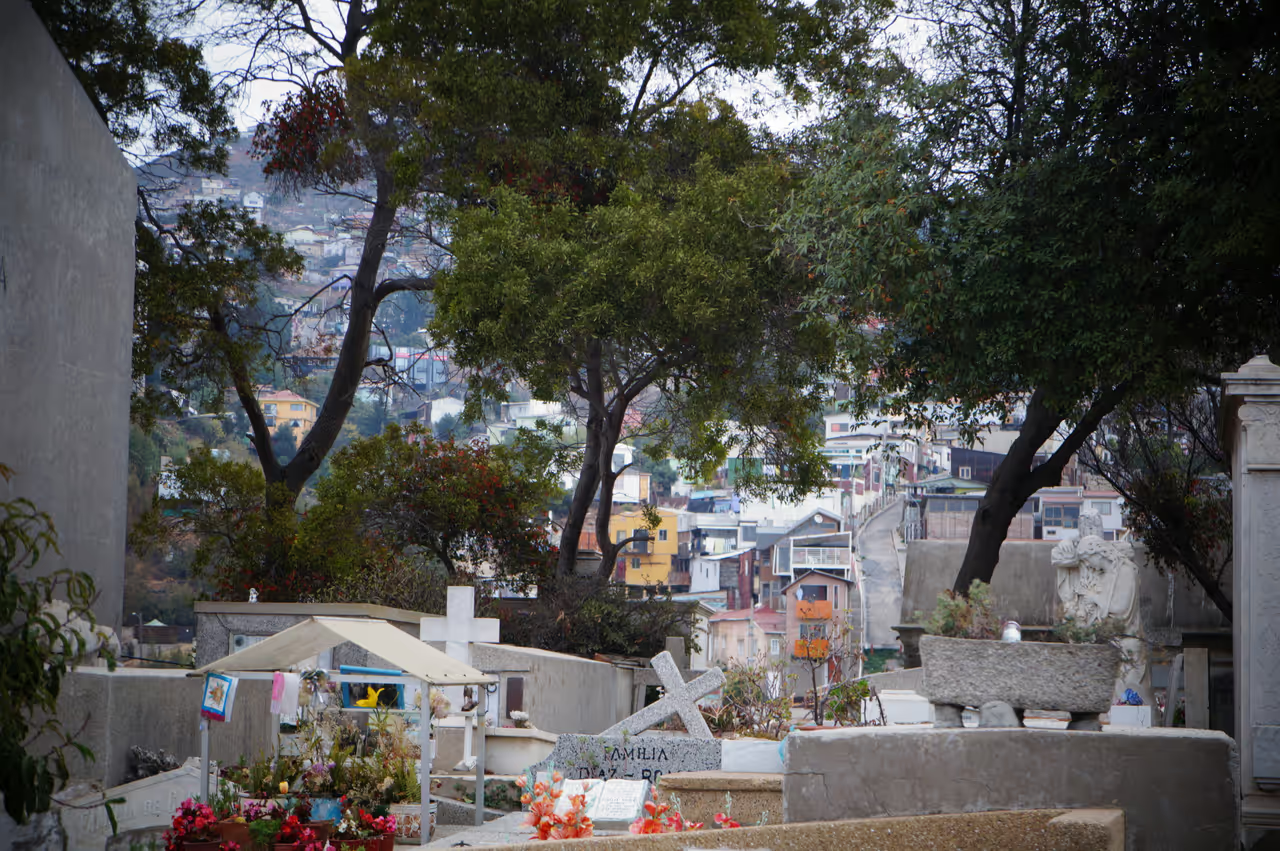 261m
261mDissidents' Cemetery
Located high on Panteón Hill, this peaceful, walled graveyard was created in the 19th century for the city's large Protestant immigrant population. Because non-Catholics were not allowed in the main cemetery, this space became a beautiful, melancholic resting place for the British, German, and American pioneers. The gravestones offer a fascinating, quiet history lesson about the foreigners who shaped the city. It provides a serene, shaded escape from the busy streets below.
hidden gem view
See all nature & parks in Valparaíso
Historic Heart of Plaza Victoria, Lago Peñuelas National Reserve, Parque Italia, Plaza Echaurren, Plaza O'Higgins, Valparaíso Cultural Park...