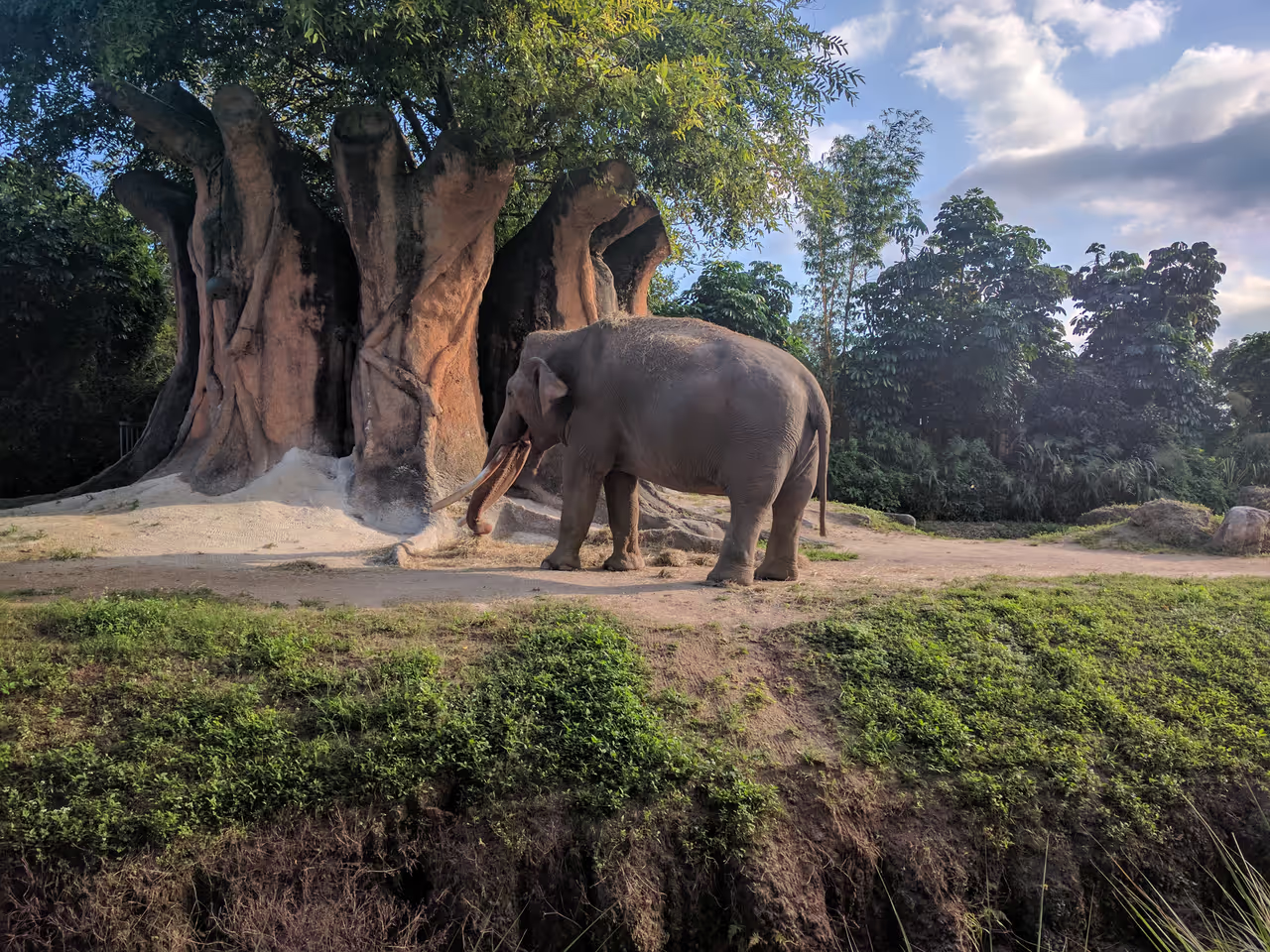
Zoo Miami
The continental United States contains exactly one tropical zoo. It sprawls across a former naval air station in South Miami. Zoo Miami uses clever moat systems and vast landscapes to keep enclosures completely open. This means African bush elephants and reticulated giraffes roam freely under the heavy Florida sun. Walking the entire circuit requires covering four miles of paved trails, and your water bottle will definitely run warm before the halfway mark. Forget peering through metal wire. Visitors observe Sumatran tigers and lowland anoas separated only by concealed trenches and dense vegetation. Over in the Amazon and Beyond section, the path plunges directly into a recreated cloud forest. A harpy eagle watches quietly from the upper canopy.
Videos
History of Zoo Miami
A stranded road show broke down near Miami in 1948. Lacking funds to fix their truck, the operators traded three monkeys, a goat and two black bears to cover a mechanic bill. These six animals ended up on Key Biscayne, forming the bizarre foundation of the Crandon Park Zoo. More orphaned animals soon joined them. A circus folded locally, leaving behind lions and a rhinoceros. Within a few decades, this improvised menagerie expanded rapidly across the coastal park. Nature eventually intervened. A powerful storm washed over the island in 1965, forcing officials to seek higher and safer ground inland. They secured land at the decommissioned Naval Air Station Richmond. The newly built facility opened in 1980 with an entirely new philosophy. Cages were largely abandoned in favour of expansive open habitats separated by wide moats. In 1992, a catastrophic cyclone scored a direct hit on the site. High winds tore apart the giant open air aviary and scattered rare birds across the surrounding county. Remarkably, the vast majority of the animals survived by weathering the disaster outdoors. Their instincts took over as the landscape disintegrated around them. A young volunteer named Naomi Browning lost her life in the wider community during the storm, and the park later dedicated its tiger temple in her memory. Today, the facility operates as a massive conservation centre, funding field research for clouded leopards in Thailand while breeding endangered species within its subtropical environment.
events spanning 68 years
Fun Facts
- • A single white Bengal tiger named Carlita served as the most famous resident for nearly two decades, residing in a specially dedicated temple enclosure until her passing in 2013.
- • An Asian elephant named Dalip arrived as a calf in 1967 and lived through multiple relocations and massive weather events. He remained a beloved fixture of the community for over five decades before passing away at age 56.
- • During a catastrophic hurricane in 1992, staff did not have enough time or secure indoor space to crate all the animals. Most were left in their outdoor enclosures, instinctively seeking shelter in ditches and surviving winds that exceeded 160 miles per hour.
- • For almost four decades, an air conditioned monorail transported guests above the animal enclosures. The trains were originally built for the 1984 New Orleans World Fair and were relocated to Florida after the exposition closed.
- • In 1994, a pack of stray dogs managed to infiltrate the expansive grounds after hours, leading to a tragic incident where several gazelles were chased and killed before security could intervene.
- • The entire layout is strictly designed around geographical territories rather than animal types, mixing different species together exactly as they would interact in the wild across Africa, Asia, and Australia.
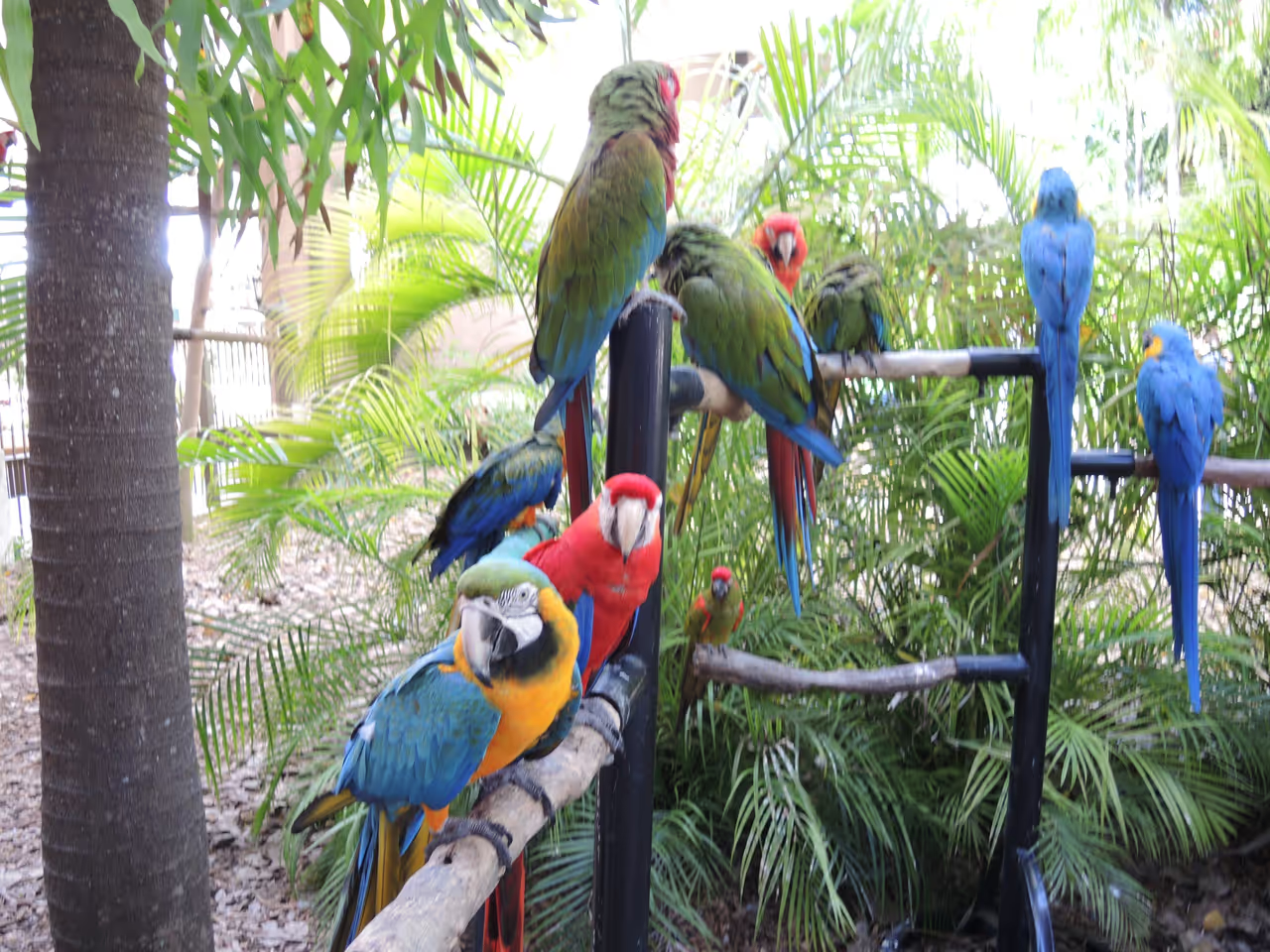
- • The massive open air Asian aviary spans over 54,000 square feet, making it the largest bird sanctuary of its kind in the Western Hemisphere.
- • The original animal collection expanded rapidly when a local circus went bankrupt and simply abandoned their livestock, unexpectedly gifting the city its first elephants and lions.
Zoo Miami FAQ
While we strive to keep this information accurate and up to date, we recommend verifying any details independently before making decisions based on them.
Zoo Miami Map & Neighborhood Explorer
This interactive map is centered on Zoo Miami. Zoom in and move the map around to automatically discover Wikipedia photos and summaries of other nearby sights, monuments, and historical points of interest and stories in real-time!
Places near Zoo Miami
Make the most of your trip. Check out these top-rated spots located nearby.
 9892m
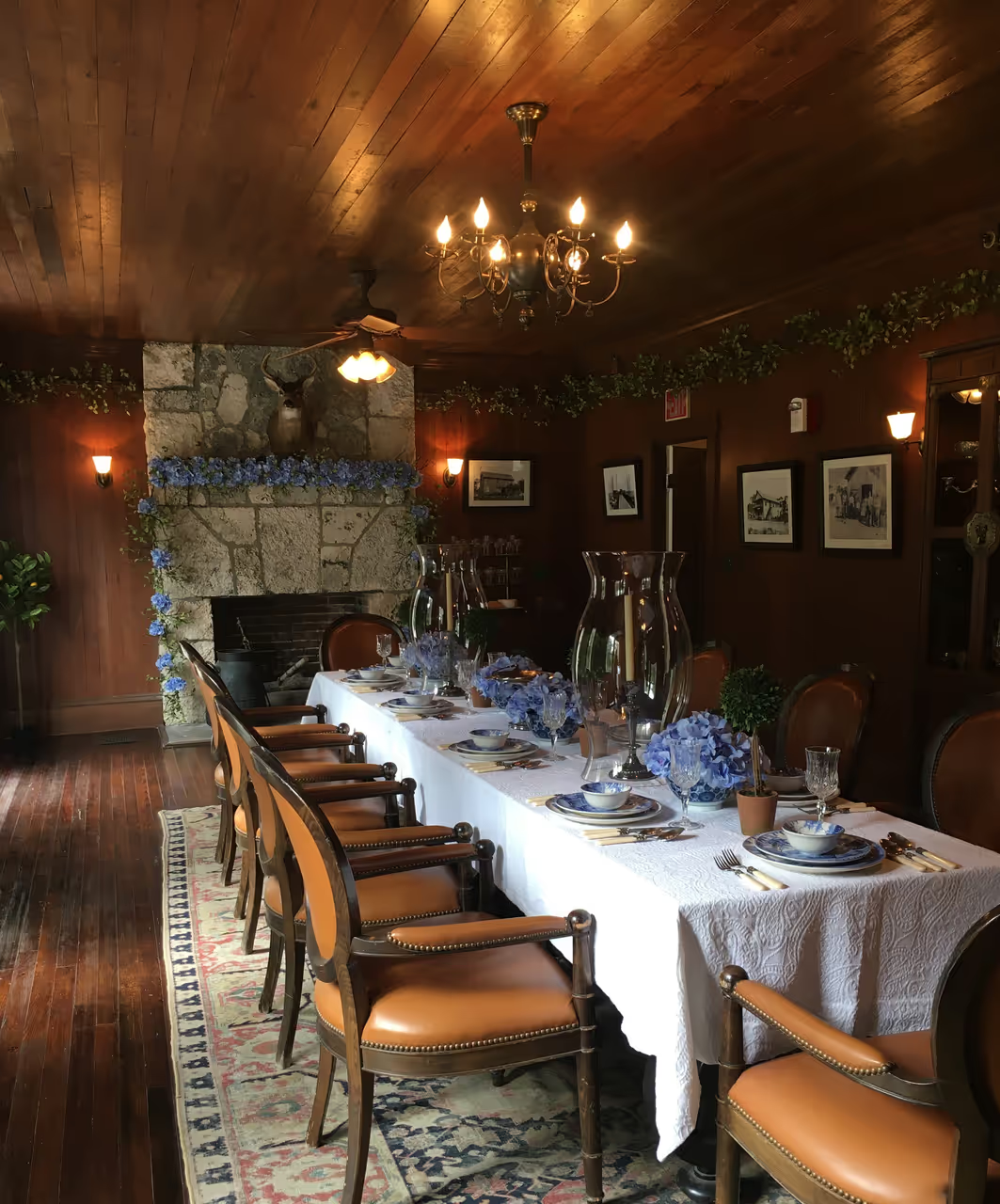
9892mDeering Estate
This sprawling 400-acre environmental and archaeological preserve sits far south of the downtown core, hugging the coastline. The property contains a massive wooden hotel from the 1890s and a striking stone mansion built to house a wealthy industrialist's art collection. Visitors walk through thick mangrove forests and pine rocklands that look exactly as they did a century ago. The grounds feature deep, fresh-water springs and ancient fossil sites hidden within the limestone. It offers a deeply quiet, nature-focused alternative to the heavy crowds at Vizcaya.
hidden gem view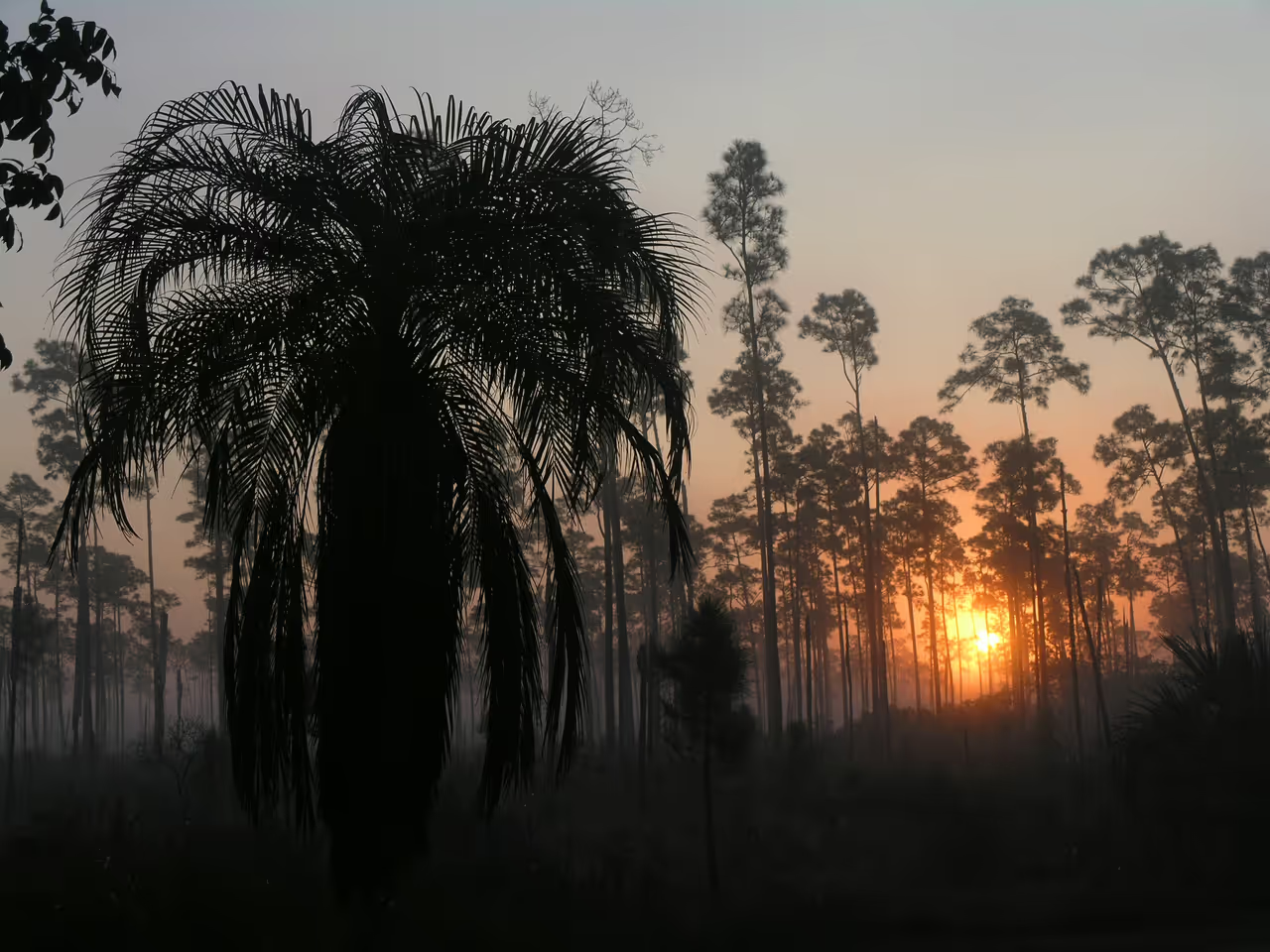 10364m
Everglades National Park
Water moves so slowly here you have to watch a single blade of sawgrass for minutes just to prove it is flowing at all. It is not a stagnant swamp. Instead, it is a sheet of fresh water creeping across southern Florida towards the sea. Step out onto the boardwalks of the Anhinga Trail and the heavy, sweet scent of damp soil and mahogany immediately fills the air. A solitary mosquito will inevitably hum near your ear as the afternoon humidity settles on your skin. This immense wilderness humbles visitors with its flat, vast horizon, interrupted only by clusters of cypress trees and the sudden, explosive splash of a green heron hunting in the shallows. Down in the marl prairies, a pair of alligators rests on a muddy bank with their jaws open to the sun.
unesco heritage site view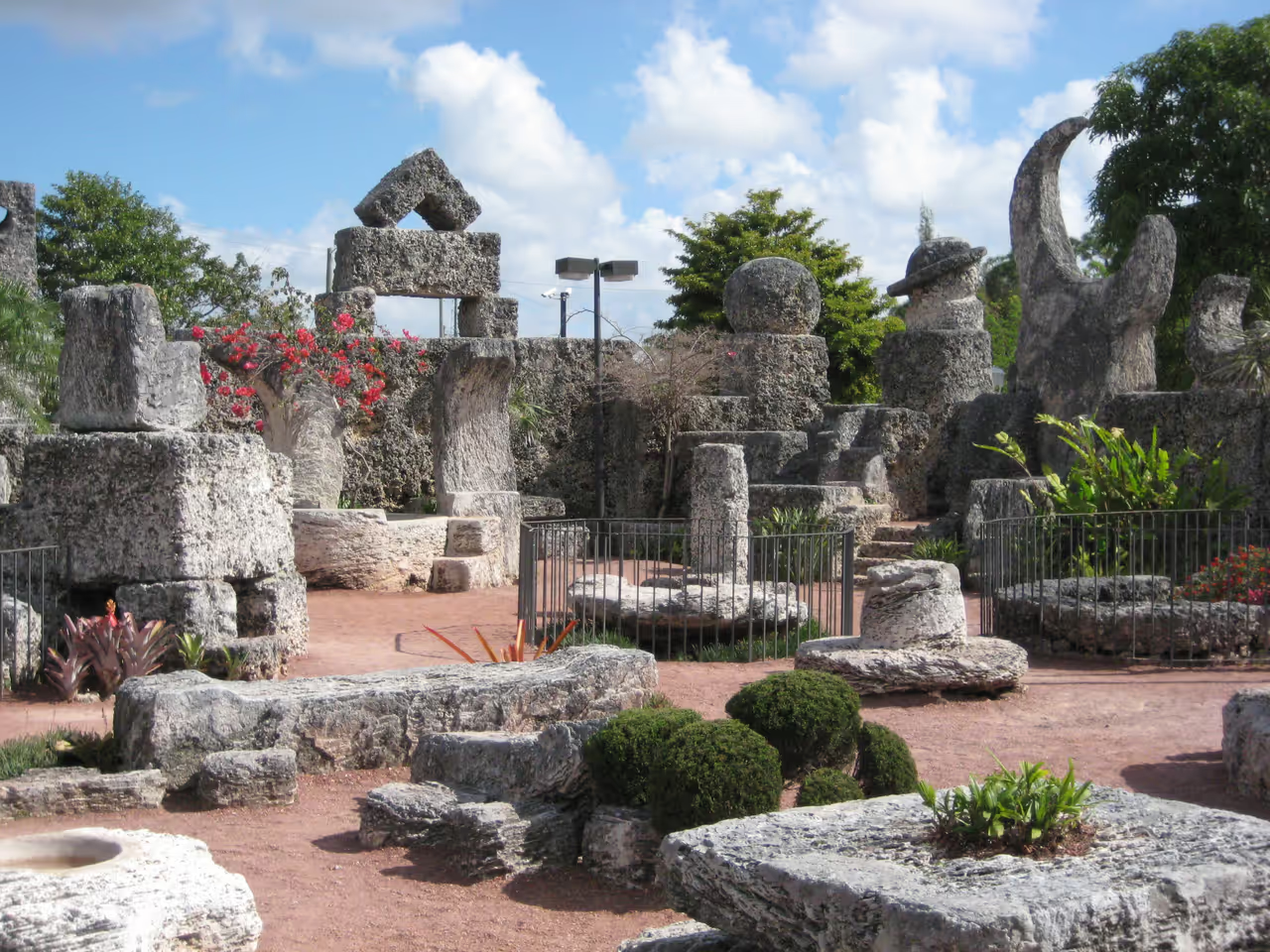 12922m
Coral Castle
A roadside wonder off South Dixie Highway, this open air labyrinth of calcified rock baffles engineers and amateurs alike. A solitary Latvian migrant named Edward Leedskalnin carved over eleven hundred tons of Florida oolite limestone completely by himself. Hand chiselled rocking chairs sit beneath the subtropical sun alongside a functional polar telescope aligned with Polaris. Nothing holds the monolithic blocks together except gravity and surgical balance. You can lean against a thirty ton corner block and trace fossilised shells embedded across the stone matrix. Peer straight down into the shadowy quarry pit where he severed each slab directly from the porous bedrock.
attraction view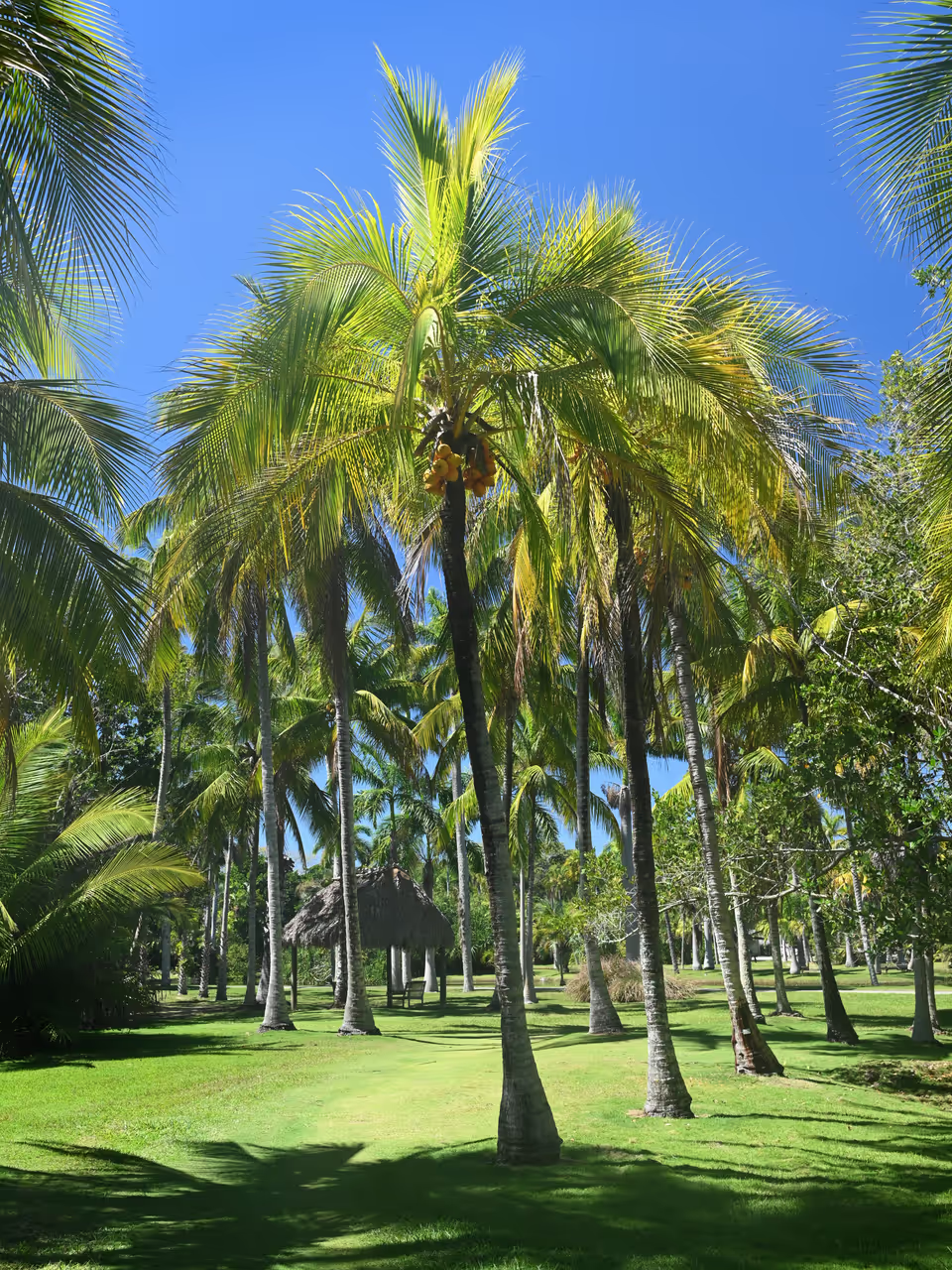 14708m
Fairchild Tropical Botanic Garden
Step inside the Clinton Family Conservatory, and a brilliant blue Morpho butterfly might just land directly on your shoulder. Fairchild Tropical Botanic Garden spreads across 83 acres of Coral Gables, holding the largest collection of tropical bamboo on the planet within its meticulously designed landscape. Landscape architect William Lyman Phillips laid out these grounds in the 1930s specifically to guide visitors on a journey of discovery, using carefully spaced plantings to reveal sweeping vistas one moment and intimate, shaded walkways the next. You can wander through an expansive artificial rainforest complete with its own atmospheric misting system, or seek out the peculiar fragrance of a massive cannonball tree planted over eight decades ago. The institution actively tests edible plants for future space missions while simultaneously working to restore native orchids to the surrounding city streets. Finish an afternoon here by tasting rare tropical fruits or simply observing the sunlight filter through the tall fronds of the Montgomery Palmetum.
park & nature view
Explore Similar Places in This Collection
Featured on This Itinerary
See all attractions in Miami
Including Ancient Spanish Monastery, Hard Rock Stadium, Phillip and Patricia Frost Museum of Science, and more