Honiara
Full City Guide, Map & 115 Things To Do
92,344 people live here.
That's 12.92% of the entire population of Solomon Islands.
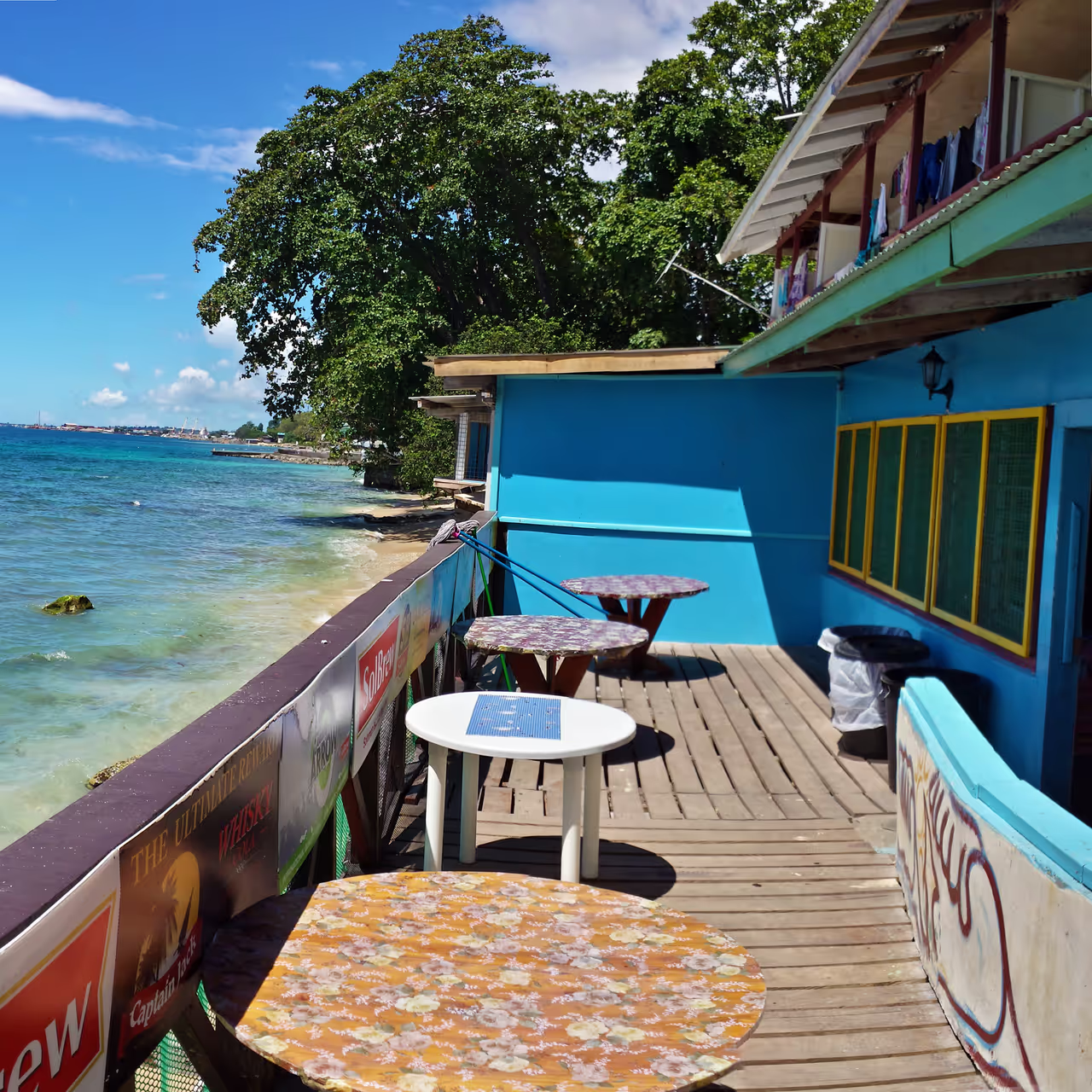
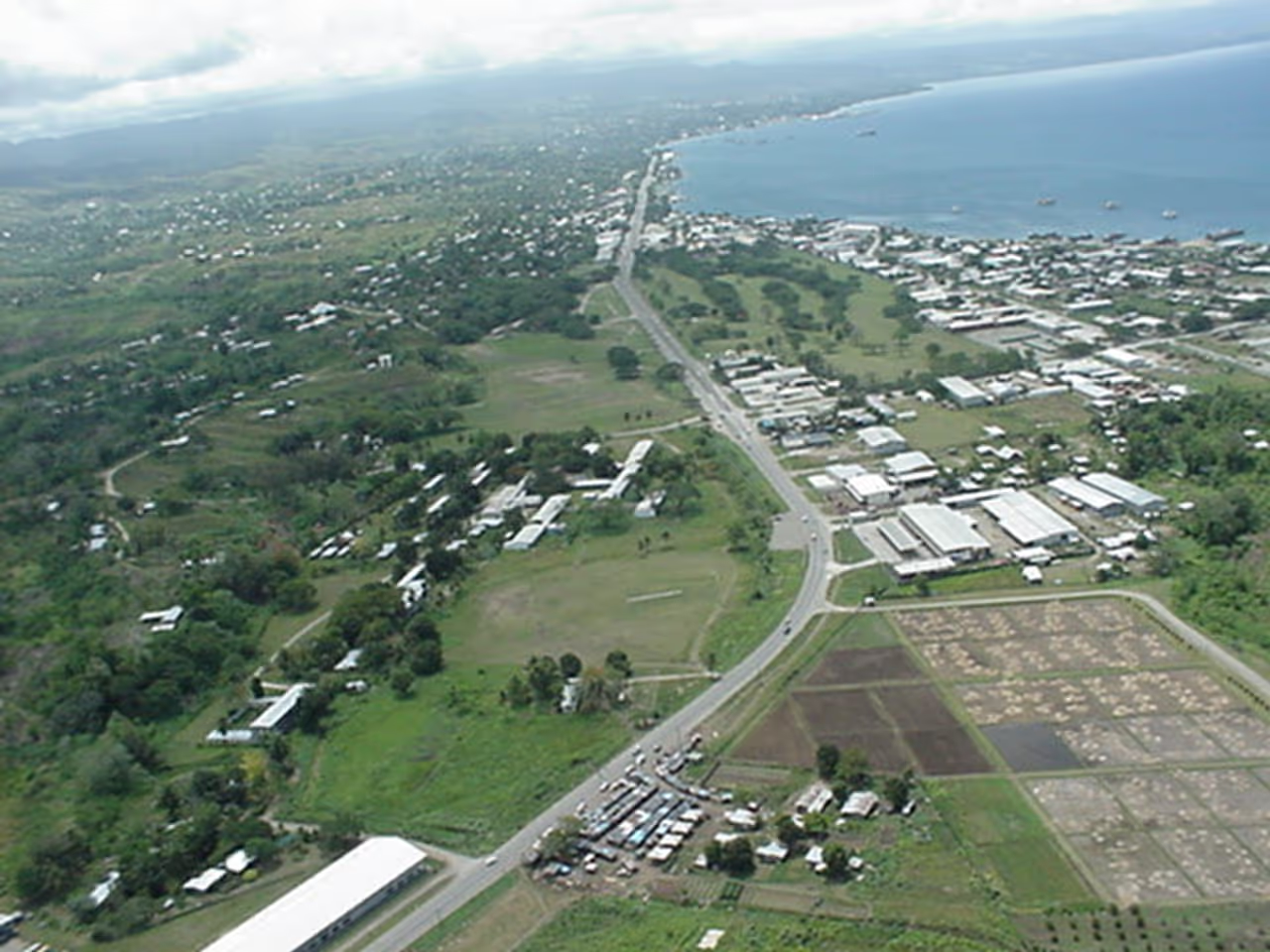
Honiara serves as the gateway to the Solomon Islands and is situated on the northwestern coast of Guadalcanal. It is a city where profound World War Two history meets vibrant Melanesian culture. Visitors can explore lush tropical landscapes, dive into historic coastal waters, and experience the lively local markets. The city provides an engaging blend of traditional island life and modern Pacific energy. You will find welcoming locals, fascinating museums, and stunning natural beauty just beyond the urban centre.
Honiara DNA
History of Honiara
The name Honiara translates to "facing the southeast wind" in a local Guadalcanal language, and for most of its existence, this stretch of coastline was exactly that: a breezy, quiet shoreline. World War II changed the terrain permanently. During the Guadalcanal Campaign, American forces laid down airstrips and roads, leaving behind a readymade infrastructure that convinced the British to relocate their colonial capital here in 1952. Today, the rusted remnants of that global conflict are woven straight into the daily commute. Pedestrians walk past \"Pistol Pete,\" a heavy Japanese howitzer resting near the central police station, and at low tide, the skeletal remains of sunken troop transports break the surface of the water just east of the Matanikau River mouth. As the administrative centre grew in the 1960s, islanders from across the archipelago arrived for work, bringing dozens of regional languages with them. Out of this collision came Solomon Islands Pijin, a creole that quickly became the true voice of the capital. Its fast-paced rhythms dominate morning trades at Honiara Central Market, where buyers might have to squeeze past a sluggish queue of mud-splattered pickup trucks just to reach the vendor stalls stacking skipjack tuna and fresh ngali nuts. Pijin's influence shaped local geography in permanent ways. The sprawling National Referral Hospital opposite the Honiara Hotel is almost entirely known by residents as "Nambanaen", a phonetic adoption of the Ninth Station medical facility originally established by American troops. At the turn of the millennium, rapid migration sparked severe political and ethnic friction between indigenous Guadalcanal landowners and settlers from neighbouring Malaita. The ensuing conflict required international intervention and stalled the local economy for years, while political riots in 2006 and 2021 left severe scars on the commercial district of Chinatown. Yet, Honiara has consistently reconstructed its damaged streetscapes. Shopkeepers restocked their high-porched timber stores along the river, and the city's focus shifted back to community and daily commerce. The coastal Mendana Avenue serves as the primary artery for this recovery, connecting modernised government offices to the Point Cruz seaport where passenger ferries like the MV Pelican Express load cargo for the western provinces. The modern capital holds tightly to a distinct, hybrid Melanesian culture that merges ancient traditions with contemporary island life. The influence of Polynesian settlers from Bellona is visible in the semi-permanent homesteads hugging the banks of the White River on the western edge of town. On Friday nights, the heavy, rhythmic thumping of traditional Panpipe bands from Malaita echoes through the open-air lobby of the Solomon Kitano Mendana Hotel, competing with the thud of freestyle dance battles popular among teenagers down the street. It is a loud, deeply intertwined city. When the huge wooden drum at the entrance of All Saints Church is struck to call the Anglican parish to prayer, the deep resonance carries across the corrugated roofs, settling over a Pacific capital that has entirely outgrown its colonial blueprints.
15 Events spanning 79 years
Map of Honiara
Interactive Destination & Itinerary Map
This map blends our curated city guides—featuring best photo spots, scenic walks, viewpoints, hidden gems and much more—with a live Wikipedia explorer. Click on our numbered pins to plan your routes, or zoom in on the surrounding neighborhoods to discover verified local landmarks, museums, and stories with dynamic Wikipedia summaries and photos!
Fun Facts
- • Honiara derives its name from the local phrase nagho ni ara, which poetically translates to the place of the east wind.
- • The local hospital is affectionately known as Number Nine because it was originally the Ninth Station for American soldiers during the war.
- • The waters just off the coast are known as Ironbottom Sound due to the sheer number of ships and planes that sank there during naval battles.
- • The city's main airport is named after a heroic US Marine aviator who was killed during the Battle of Midway before the Guadalcanal campaign even began.
- • Many locals use a large traditional drum outside All Saints Church to call parishioners to prayer instead of a standard ringing bell.
- • The National Parliament building features a unique conical dome structure inspired by traditional island architecture but was ironically built by a Japanese construction firm.
Did You Know?
- • Honiara is the fastest growing population centre in the Solomon Islands, with approximately half of its residents being under the age of thirty.
- • The city was largely built directly on top of the military infrastructure left behind by the United States Armed Forces after the Second World War.
- • Solomon Islands Pijin became the dominant language in Honiara during the 1960s and subsequently spread to become the primary lingua franca across the entire nation.
- • The nearby Matanikau River is not only a site of great natural beauty but was also a crucial defensive line during the intense jungle warfare of the Pacific War.
- • Honiara serves as the headquarters for several major religious institutions in the region, including the Anglican Church of Melanesia which extends its reach to Vanuatu and New Caledonia.
Videos of Honiara
Seasons
Spring
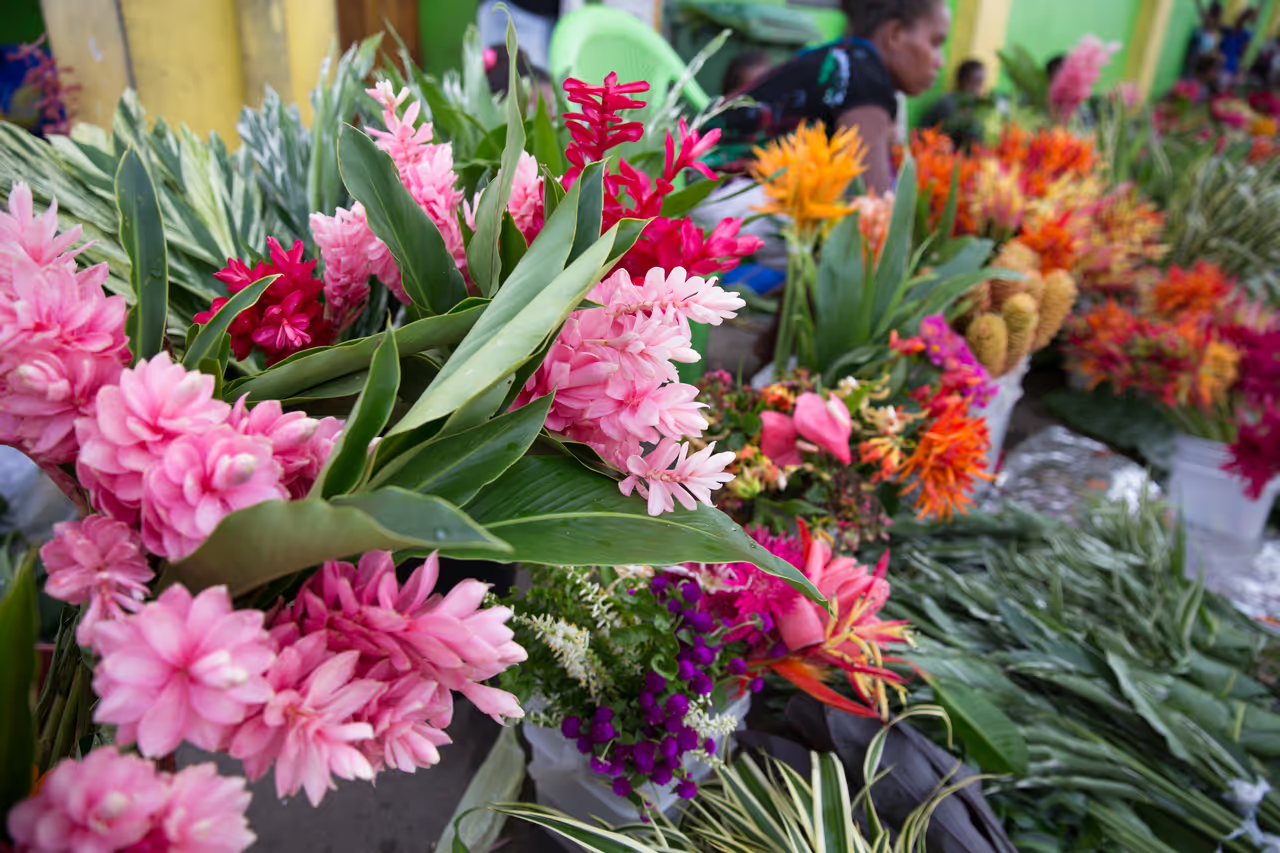
From September to November, the city experiences a slight transition in weather, though temperatures remain consistently hot and...
Summer
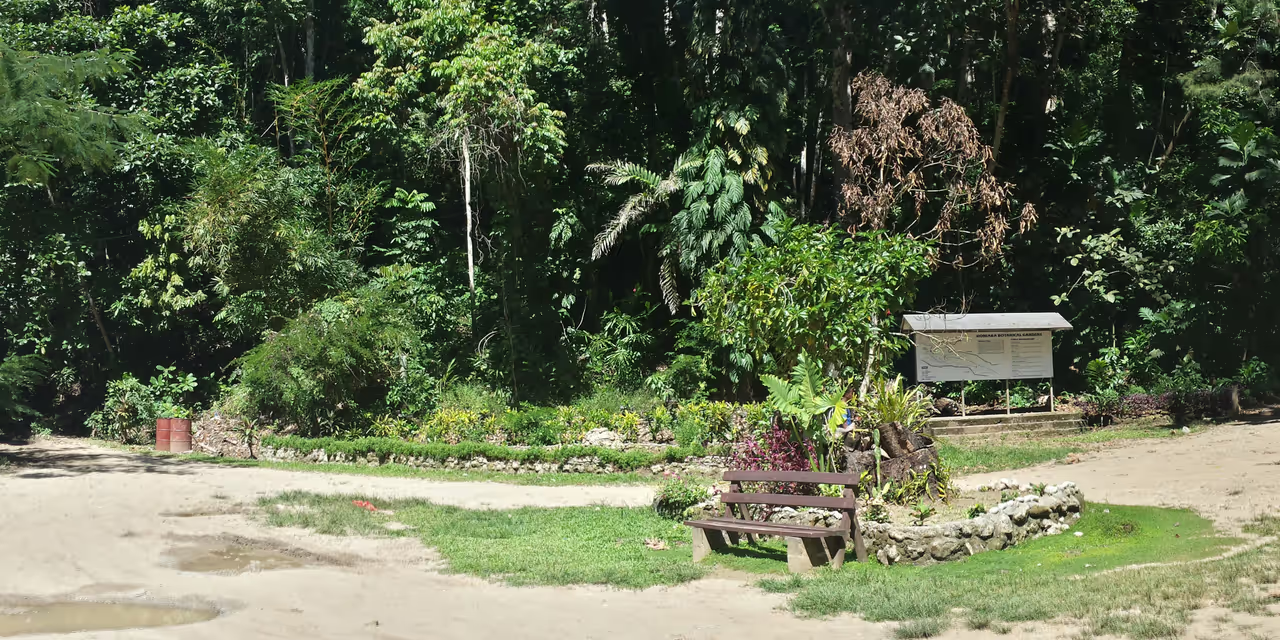
Running from December through February, this is the wettest and most humid time of the year. The capital is frequently subject...
Autumn
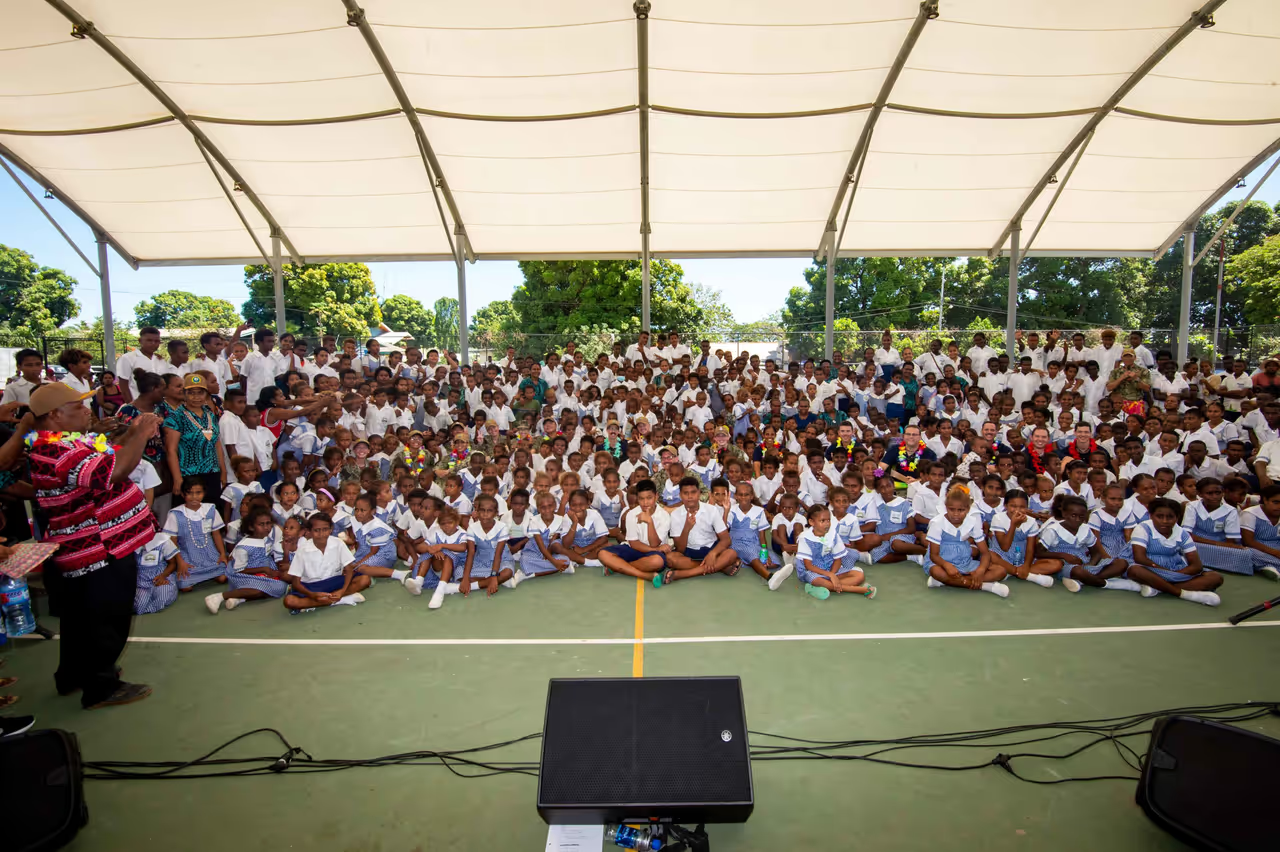
Between March and May, the heavy monsoon rains begin to taper off, leaving the island completely revitalised and blooming. The...
Winter
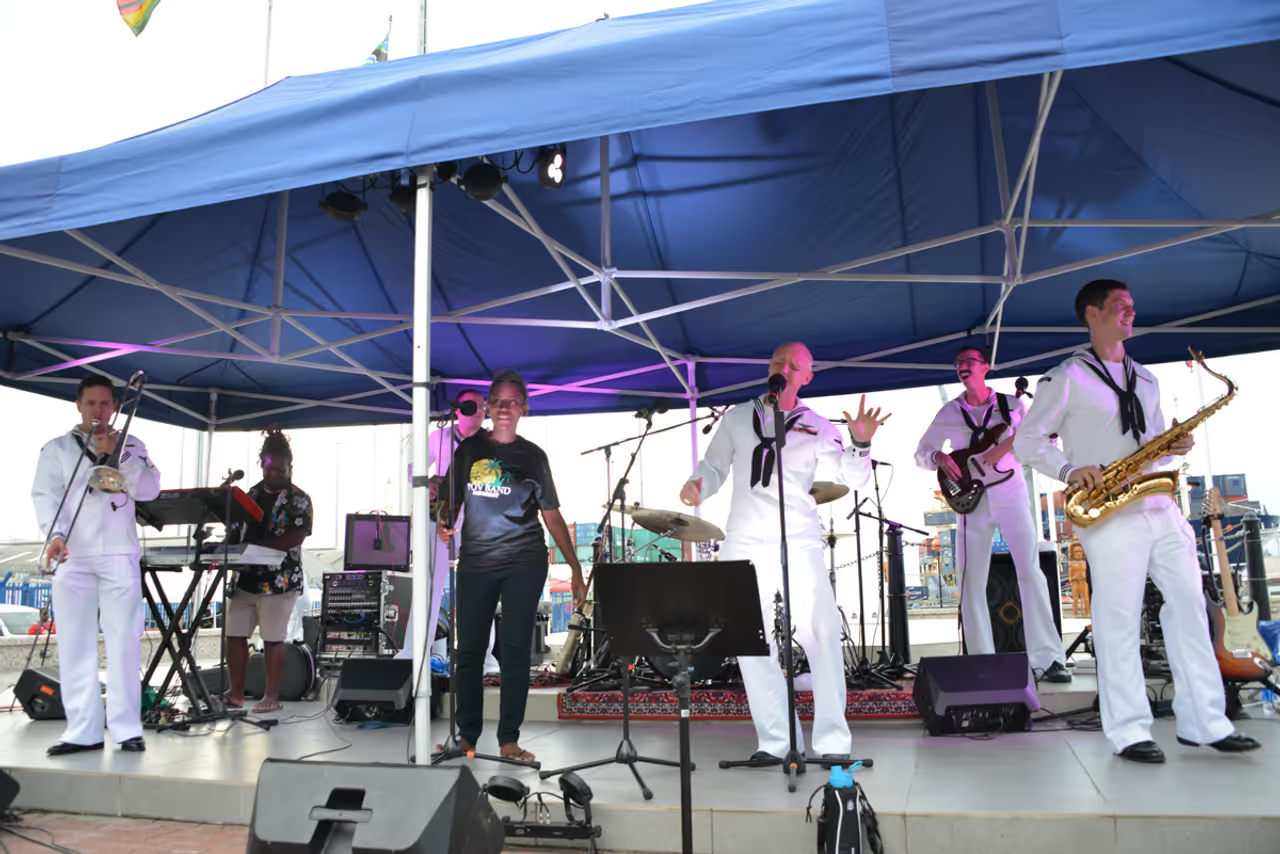
From June to August, the city experiences its driest and slightly cooler period, though it remains decidedly tropical. This is...
Top Attractions in Honiara
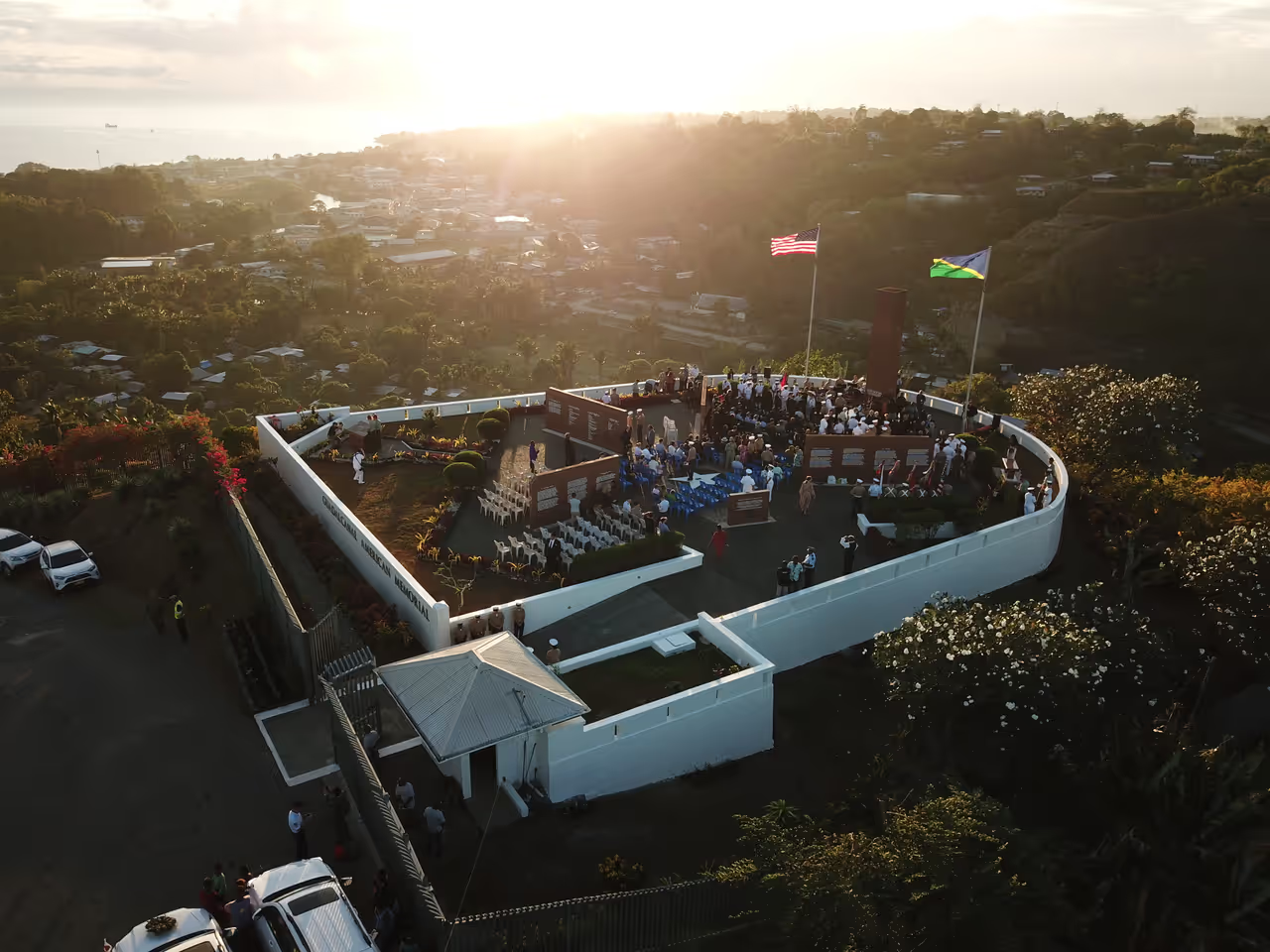
Guadalcanal American Memorial
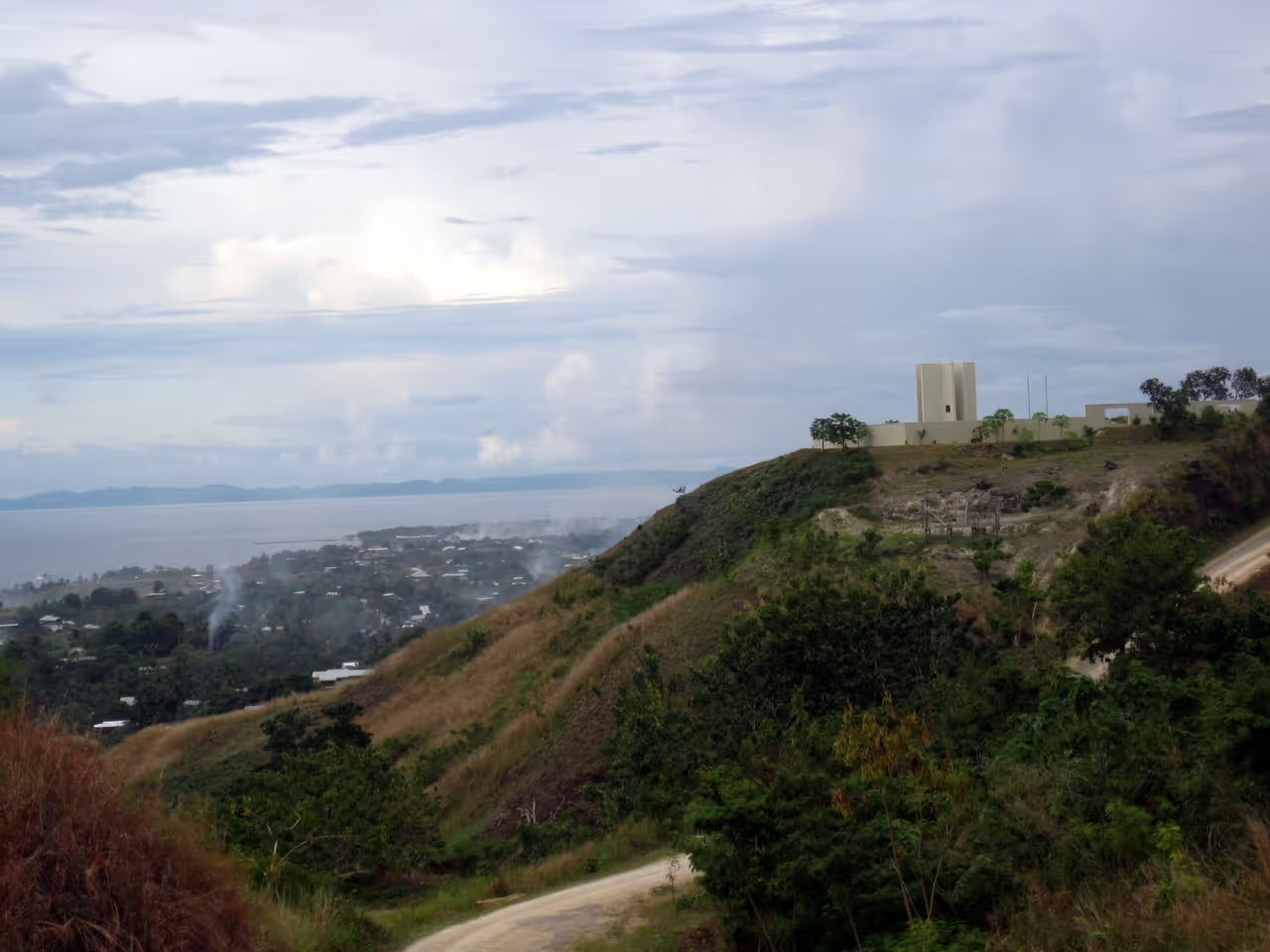
The Guadalcanal American Memorial offers a poignant and peaceful space to reflect on the immense sacrifices made during the...
view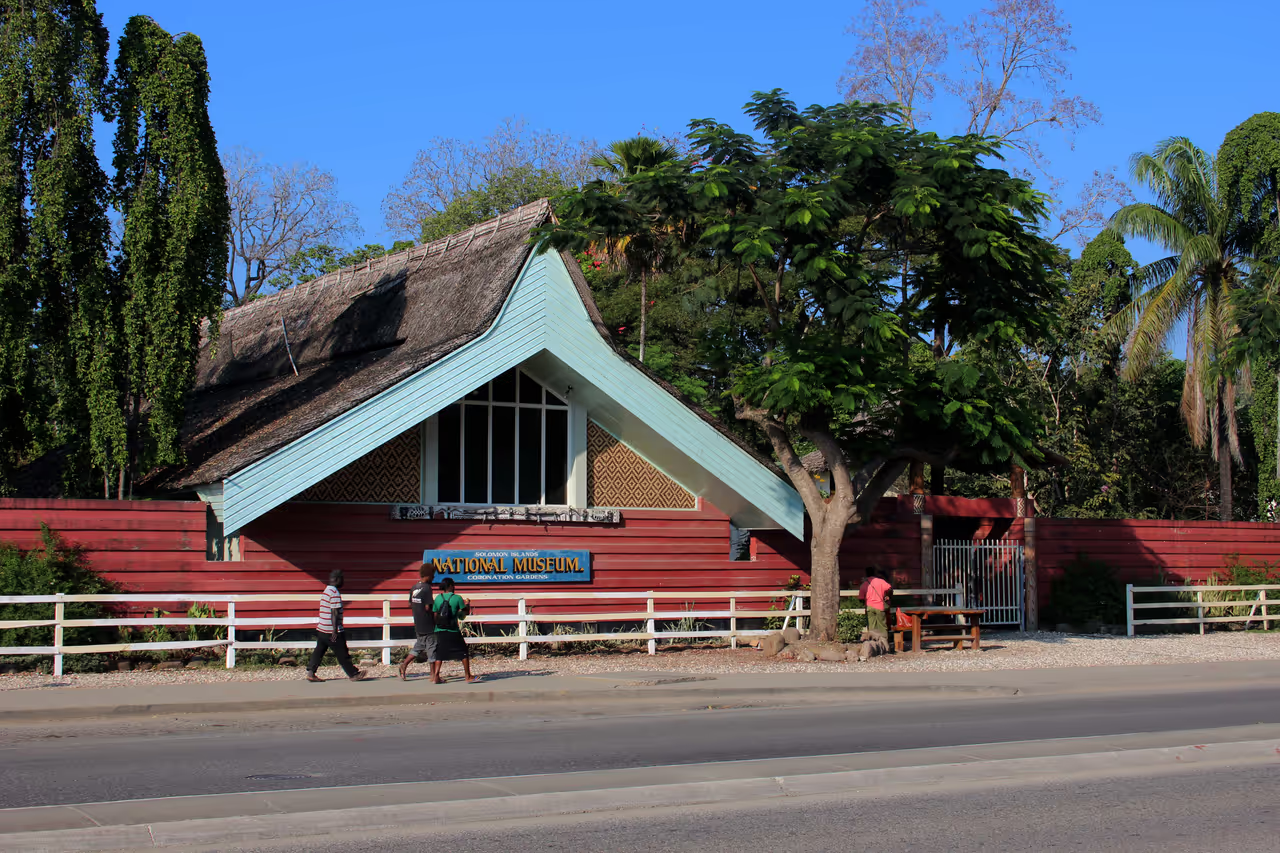
Solomon Islands National Museum
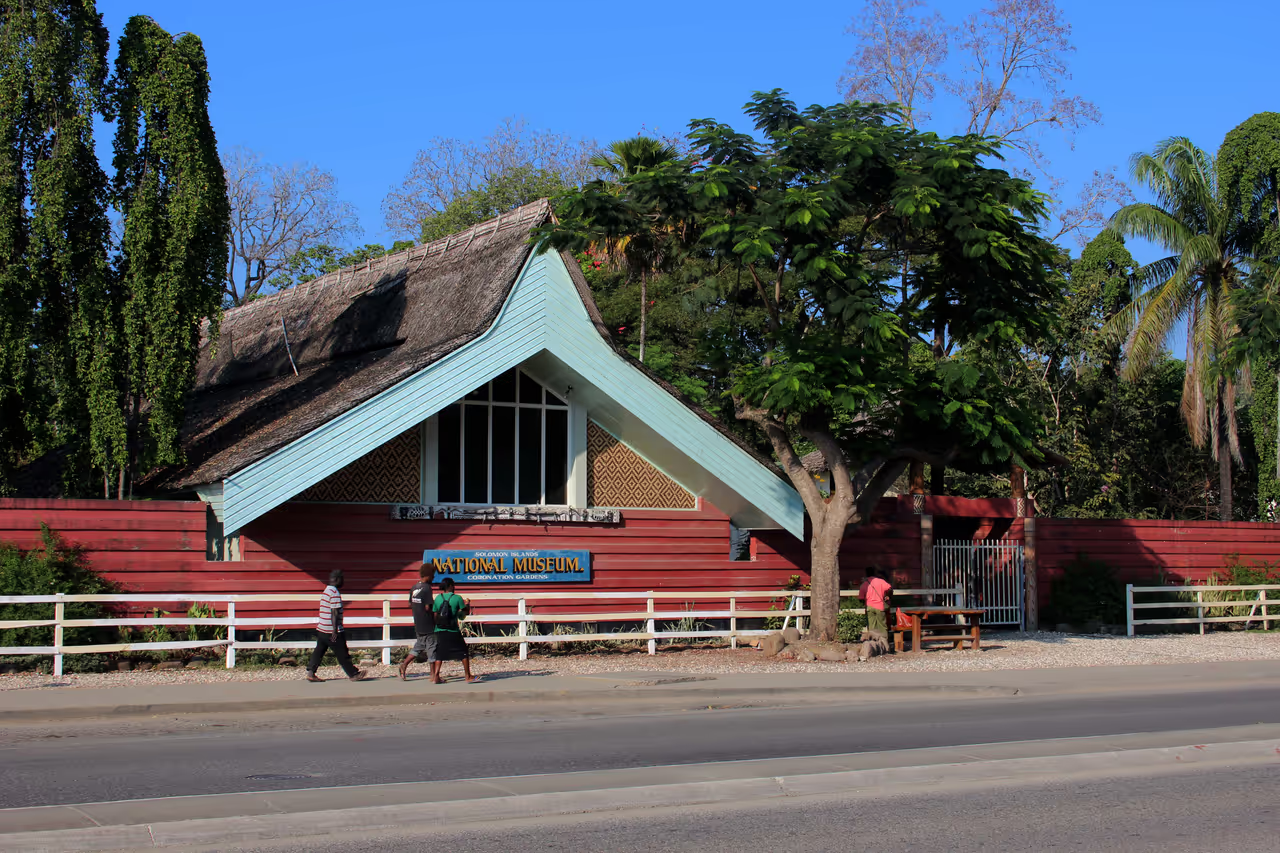
The Solomon Islands National Museum is the cultural heartbeat of Honiara, offering a deep dive into the diverse heritage of this...
view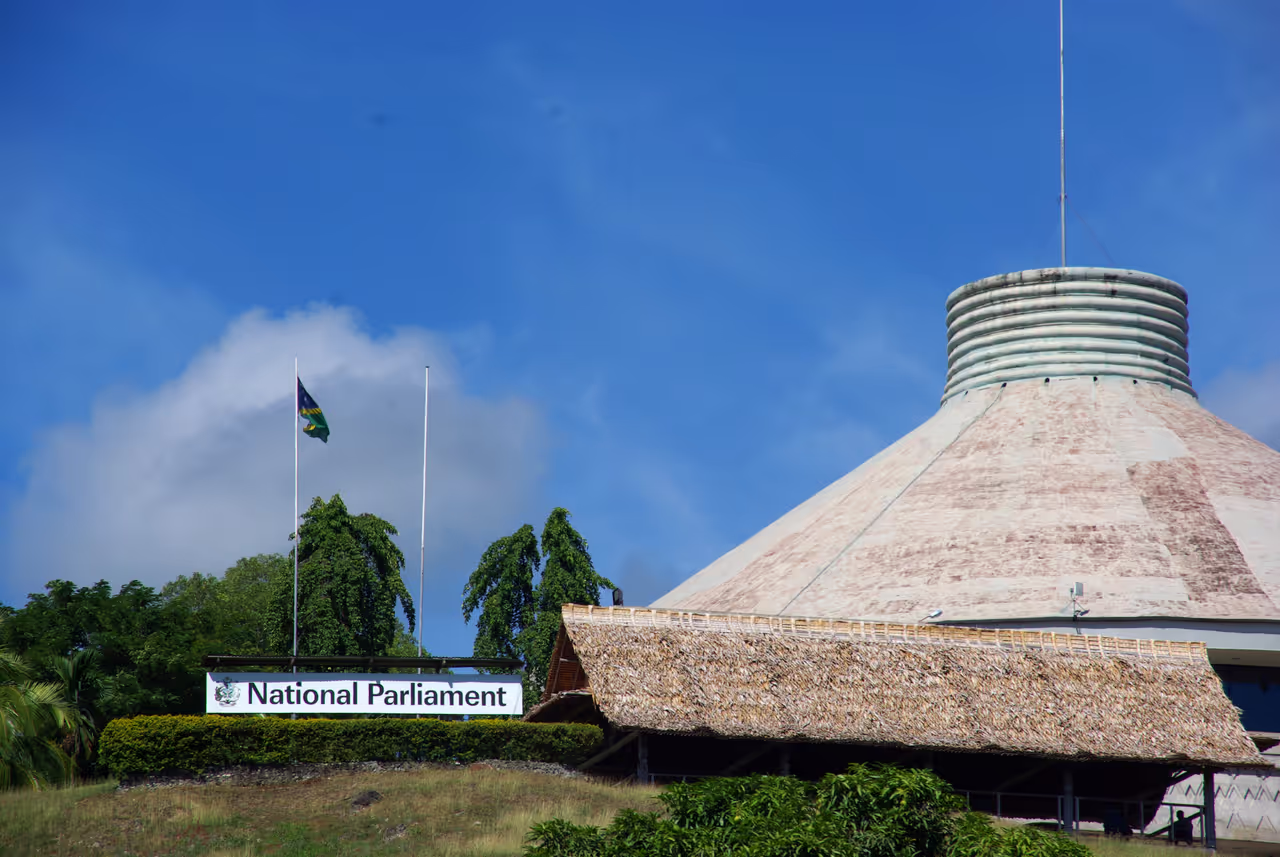
National Parliament of the Solomon Islands
Standing as a striking architectural landmark in Honiara, the National Parliament of the Solomon Islands serves as the...
view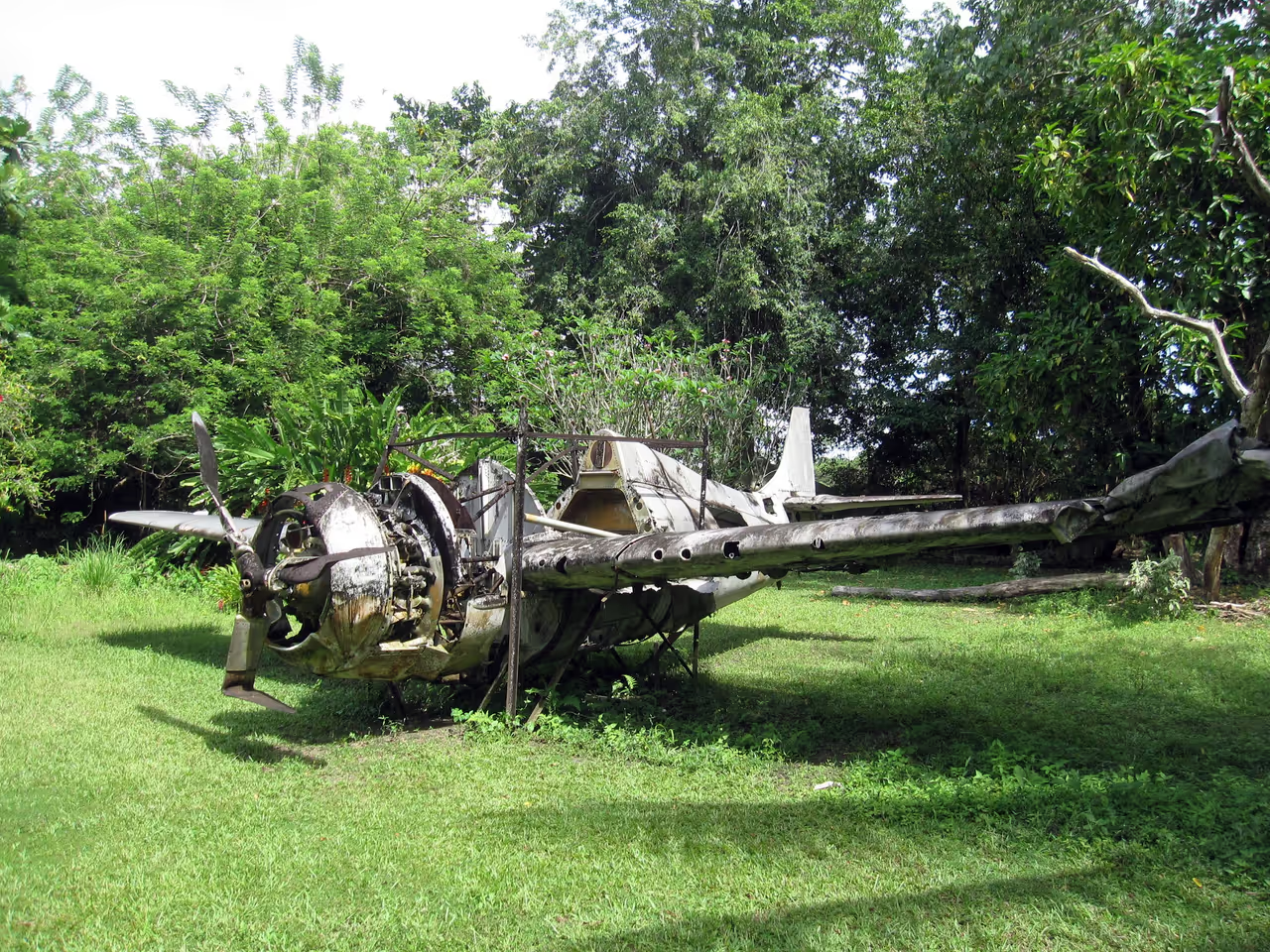
Vilu Military Museum
The Vilu Military Museum is a quiet and moving open air space that invites visitors to explore the remnants of the Guadalcanal...
view
Best Views
Honiara Itineraries
TRIP PLANNER
3 Days Recommended
Three days provide ample time to explore the major World War Two memorials and the National Museum without feeling rushed. It allows for a full day dedicated to hiking the nearby Matanikau Falls or taking a short excursion outside the city centre. This duration also ensures you can soak in the atmosphere of the Central Market and sample local cuisine at a leisurely pace.
1 Day in Honiara Itinerary
If you only have twenty four hours in the capital, this highly efficient route ensures you hit the absolute cultural and historical essentials. It provides a perfect balance of intense wartime history, vibrant local markets, and beautiful coastal views. You will experience the bustling heart of the city in the morning before moving on to the solemn monuments that define its past. The day concludes with a relaxing evening by the harbour. It is a fast paced but incredibly rewarding introduction to the Solomon Islands.
view itinerary
3 Days in Honiara Itinerary
This slightly longer itinerary allows you to dig much deeper into the complex layers of the city. Beyond the main central sights, you will have time to explore the fascinating open air military museums and the lush botanical gardens. It includes a dedicated afternoon for admiring the brilliant local architecture and religious buildings. The pacing is highly comfortable, ensuring you have plenty of time to escape the midday heat. It perfectly captures both the urban energy and the historical solemnity of the region.
view itinerary
5 Days in Honiara Itinerary
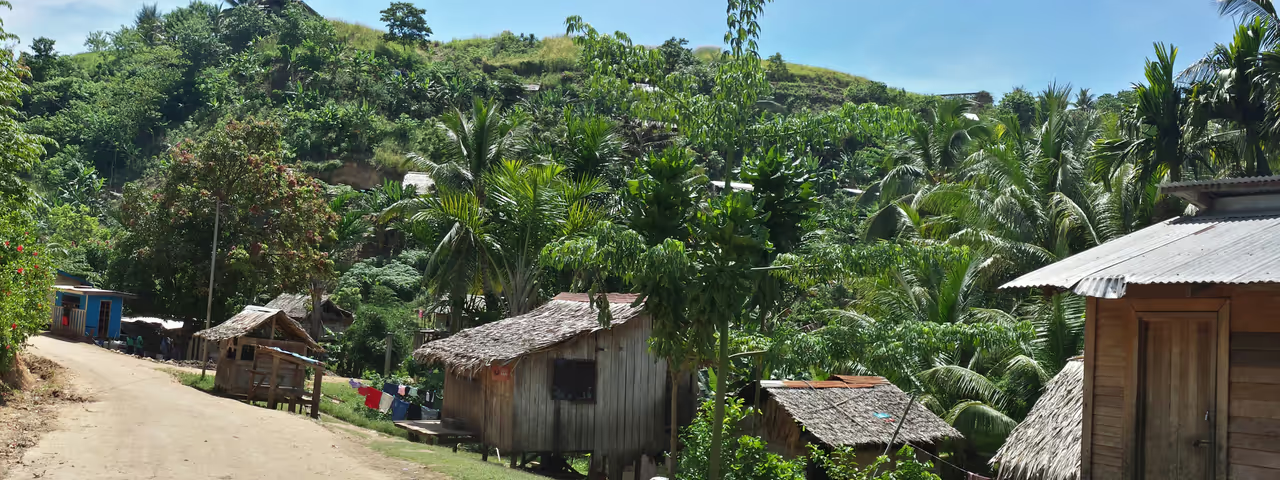
For those wanting a truly comprehensive experience, this five day plan leaves no stone unturned. You will cover all the major historical and cultural landmarks while also venturing into the spectacular surrounding nature. It includes a challenging hike into the jungle to see magnificent waterfalls and dedicated time to explore the hidden local settlements. This itinerary allows you to fully adapt to the relaxed island pace and truly connect with the welcoming locals. It is the absolute ultimate way to experience the capital.
view itinerary
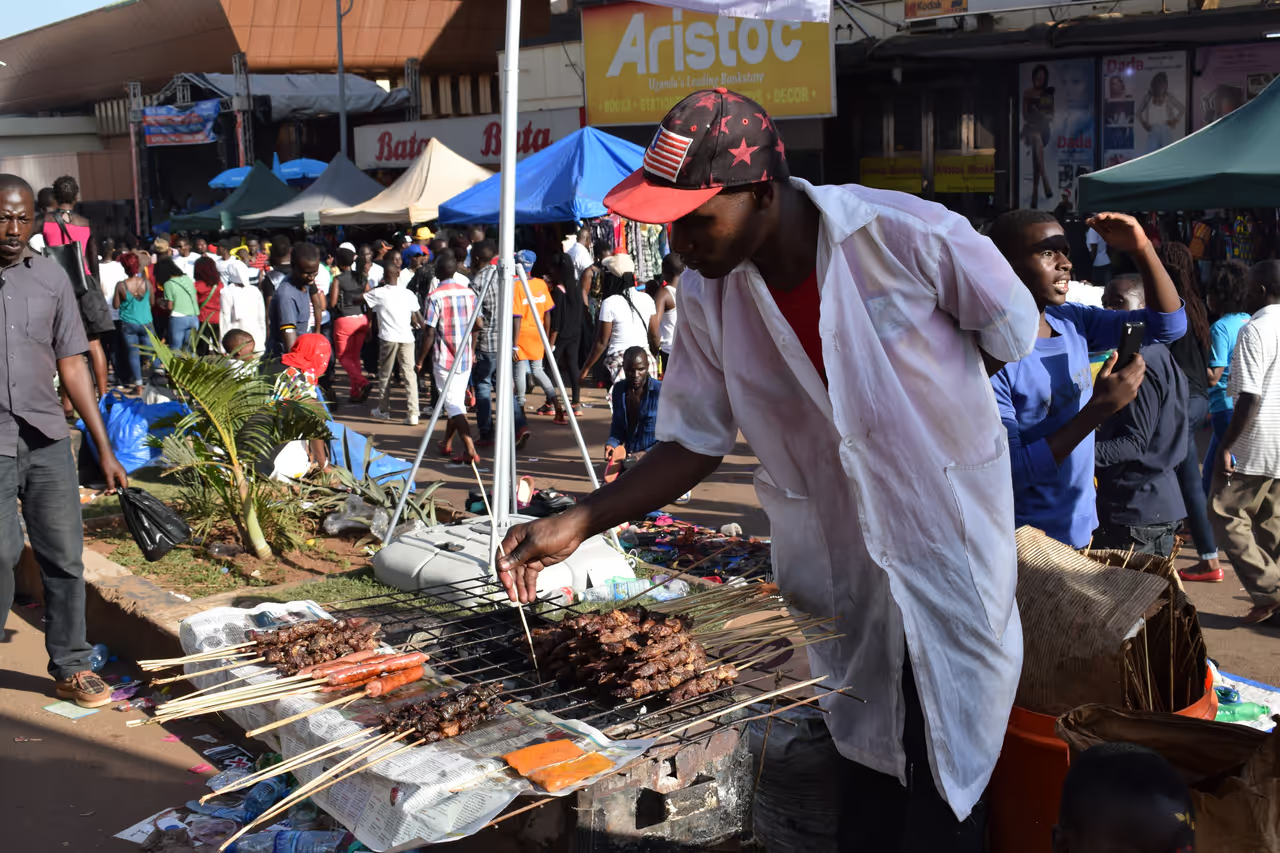
Food in Honiara
Free Things to do in Honiara
Parks & Nature
Highlights & Must-Sees
Central Market
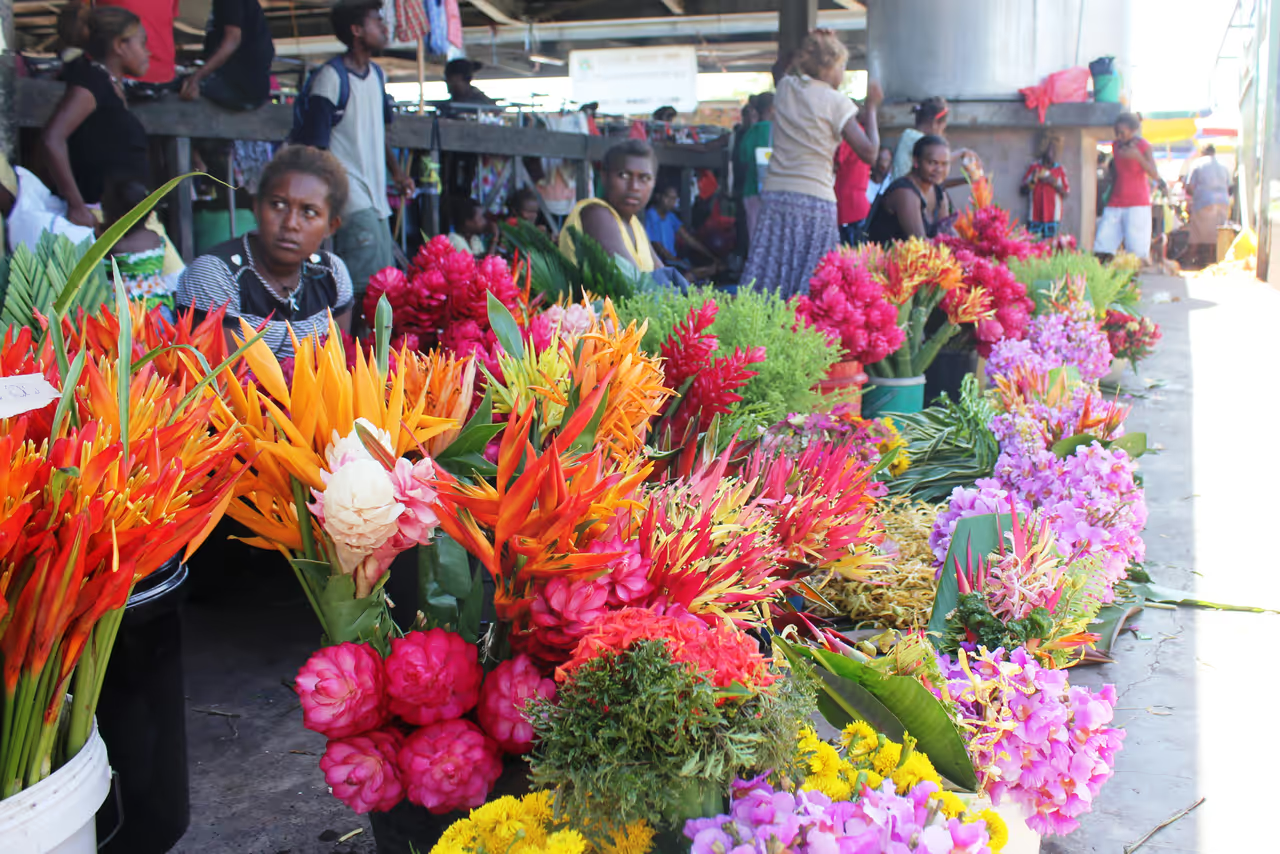
The Central Market is a vast, open air pavilion bursting with tropical colours and immense local energy. It is the primary...
viewMatanikau River Valley
This prominent river flows directly through the city, dividing key historical districts and offering immense natural beauty...
view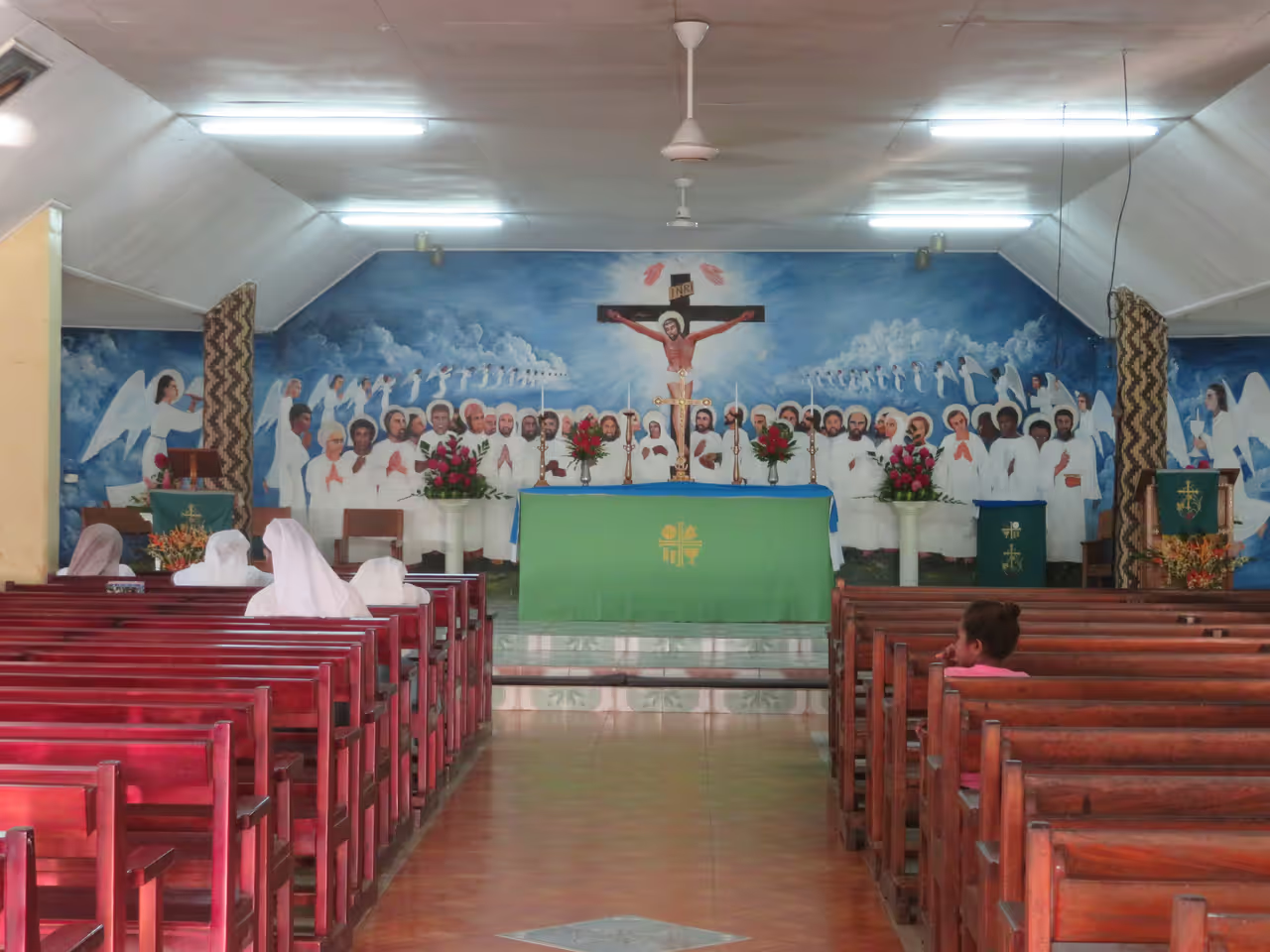
All Saints Church
This historic Anglican building originally served as the primary cathedral of the city and is famous for its striking internal...
viewHoly Cross Cathedral
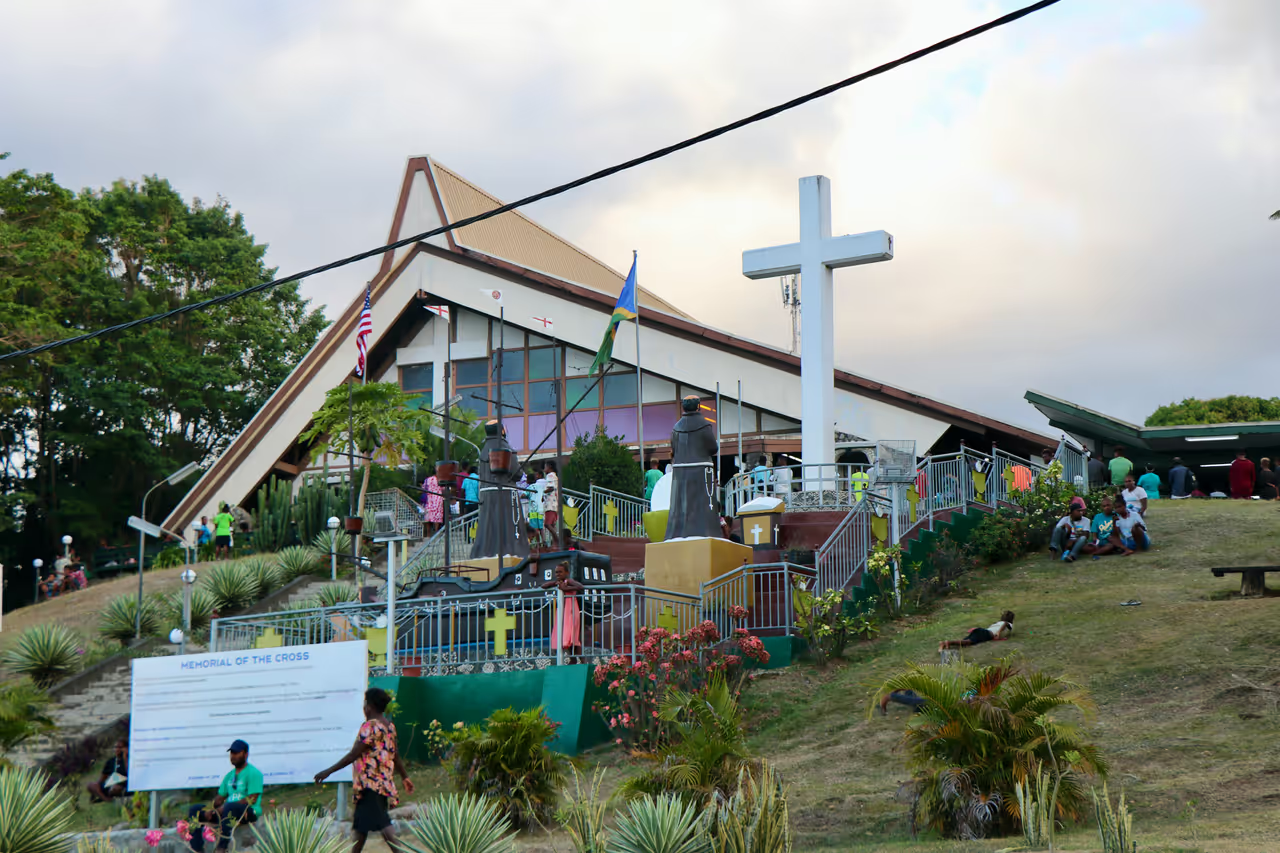
Perched prominently on a hill overlooking the town centre, this large Catholic cathedral is a major architectural landmark...
view
Best Walks in Honiara
- HIGHLY RECOMMENDED
Mendana Avenue Coastal Walk
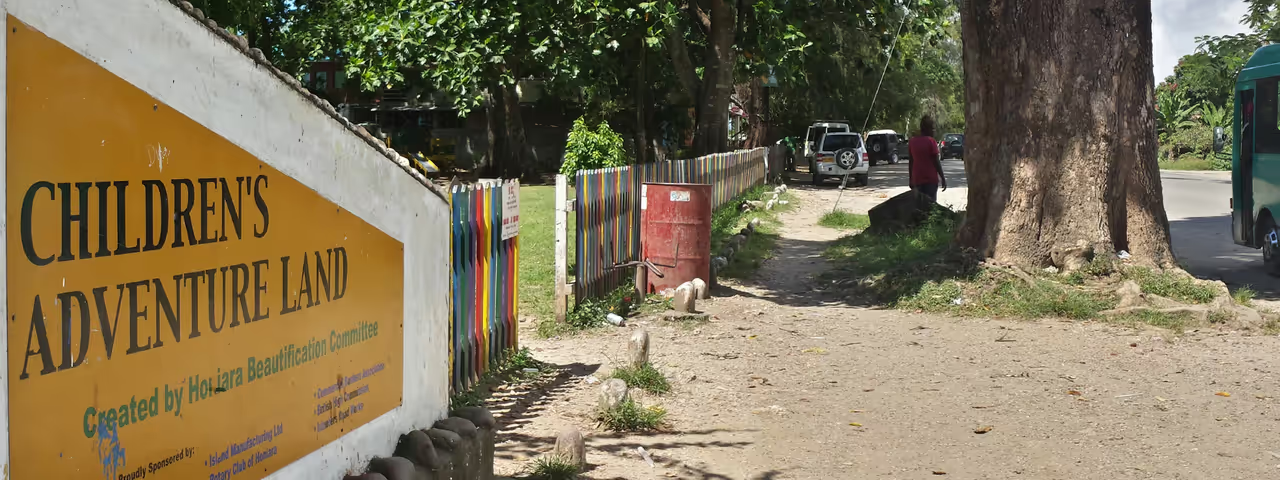
This is the classic capital stroll, taking you straight down the main coastal thoroughfare. You will walk under the shade of massive rain trees while keeping the sparkling ocean constantly in sight. The path leads past highly significant cultural institutions, lively hotel cafes, and beautifully carved wooden monuments. It is the absolute best way to orient yourself and absorb the relaxed tropical pace of the city.
Cultural Gardens Walk
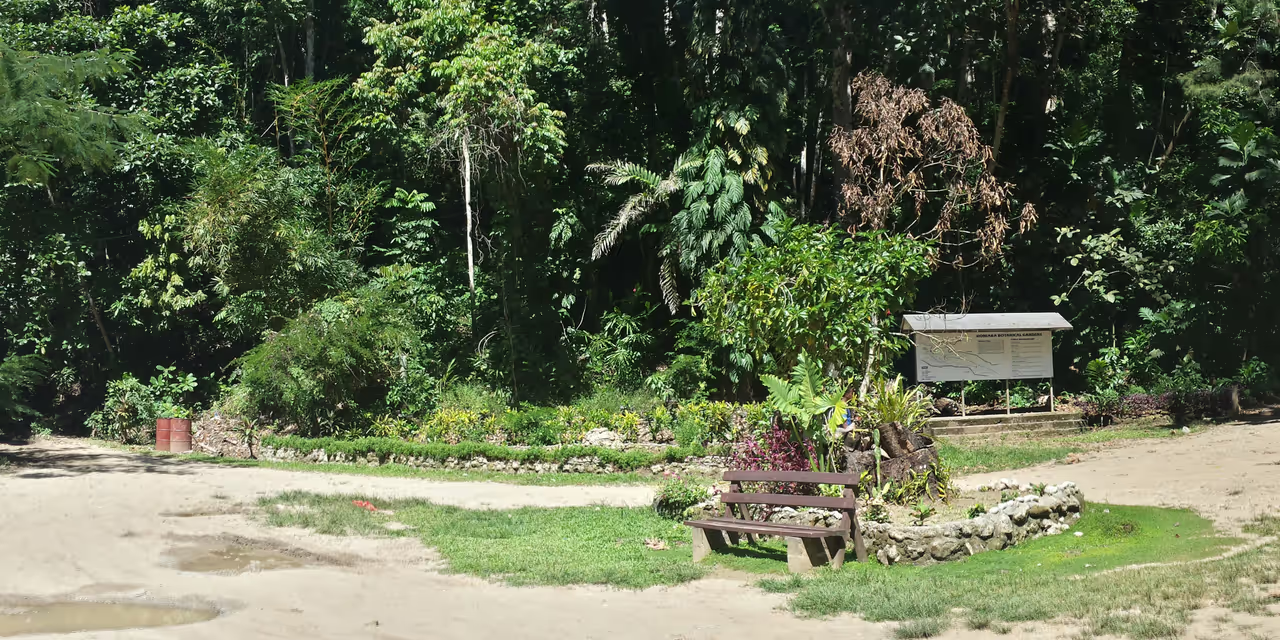
A highly serene stroll that focuses on the lush flora and traditional heritage of the island. Leaving the main road behind, this route takes you into beautifully curated green spaces filled with native orchids and lily ponds. You will wander past replicas of traditional village houses and under the canopy of towering tropical hardwoods. It provides a deeply peaceful escape from the concrete and traffic of the city centre.
Vavaya Ridge Viewpoint Stroll
This walk requires a bit of effort as it heads uphill, but the sweeping panoramas are entirely worth it. The route weaves through quiet residential neighbourhoods perched high above the main town. As you climb, the noise of the city fades, replaced by the sound of wind through the palm trees. From the top, you are treated to an unmatched aerial perspective of the harbour and the distant islands floating in Ironbottom Sound.
Architecture & Landmarks
National Parliament Building
This is arguably the most striking and symbolically important structure in the entire nation. Unveiled in 1993, the concrete...
viewAll Saints Church
Though smaller than the main cathedrals, this church holds immense historical and cultural charm. The current 1971 structure is...
viewHoly Cross Cathedral
Dominating the skyline to the east of the town centre, this massive Catholic church is a brilliant example of practical tropical...
view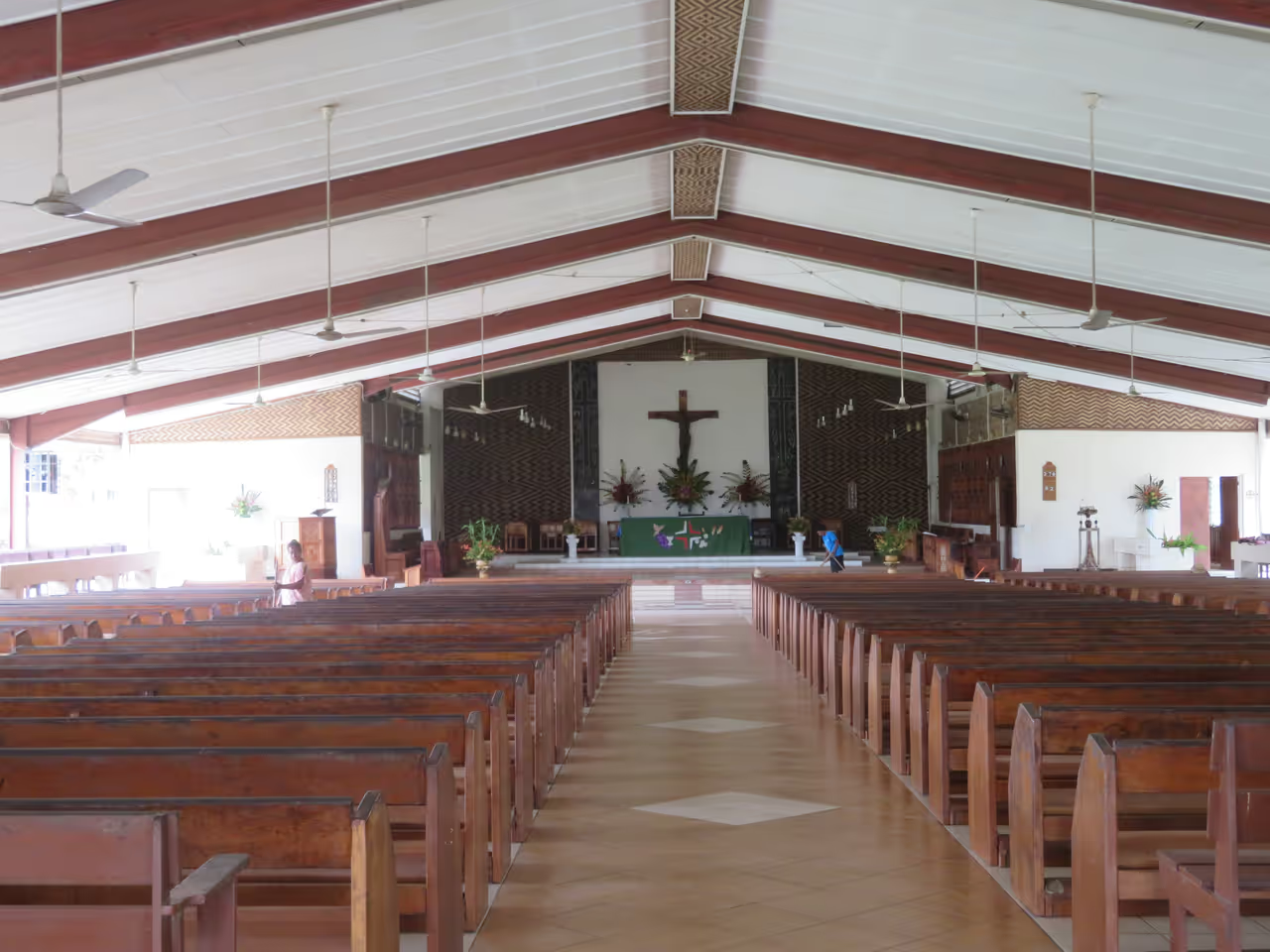
St Barnabas Cathedral
This enormous Anglican cathedral is a marvel of island engineering, designed to comfortably seat nearly a thousand worshippers...
view
Markets & Shopping
Honiara Nightlife
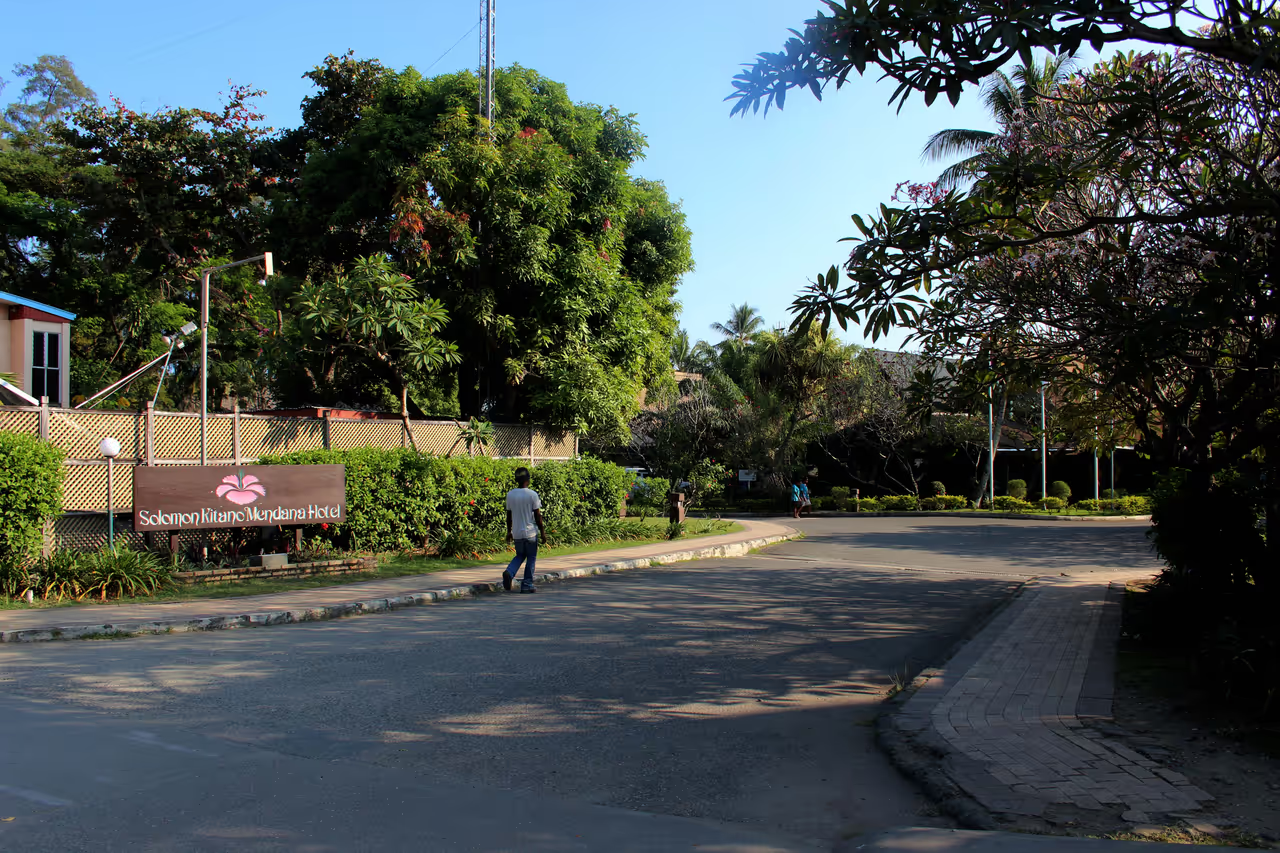
Photo Spots
Activities & Experiences

Cycling Routes
Coastal Highway Glide
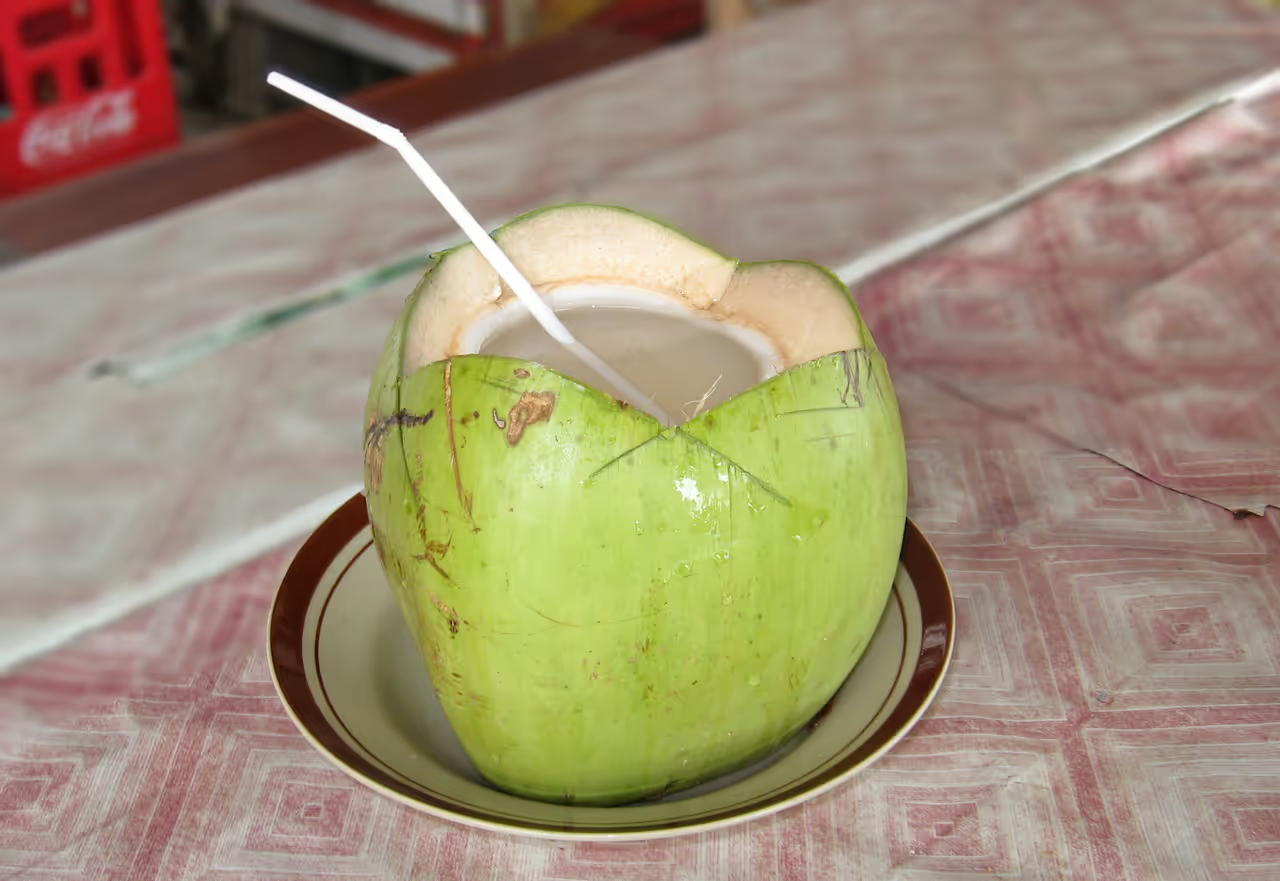
This ride follows the primary arterial road of the city, offering a sprawling view of the coastline and the daily rhythm of island life. You will pass by bustling local markets, historic war memorials, and the ever present blue expanse of Ironbottom Sound. It is entirely flat, making for a highly accessible and breezy journey. Cycling this route provides a fantastic mental map of the capital while allowing you to stop easily for fresh coconut water along the way.
Lunga River and Golf Course Loop
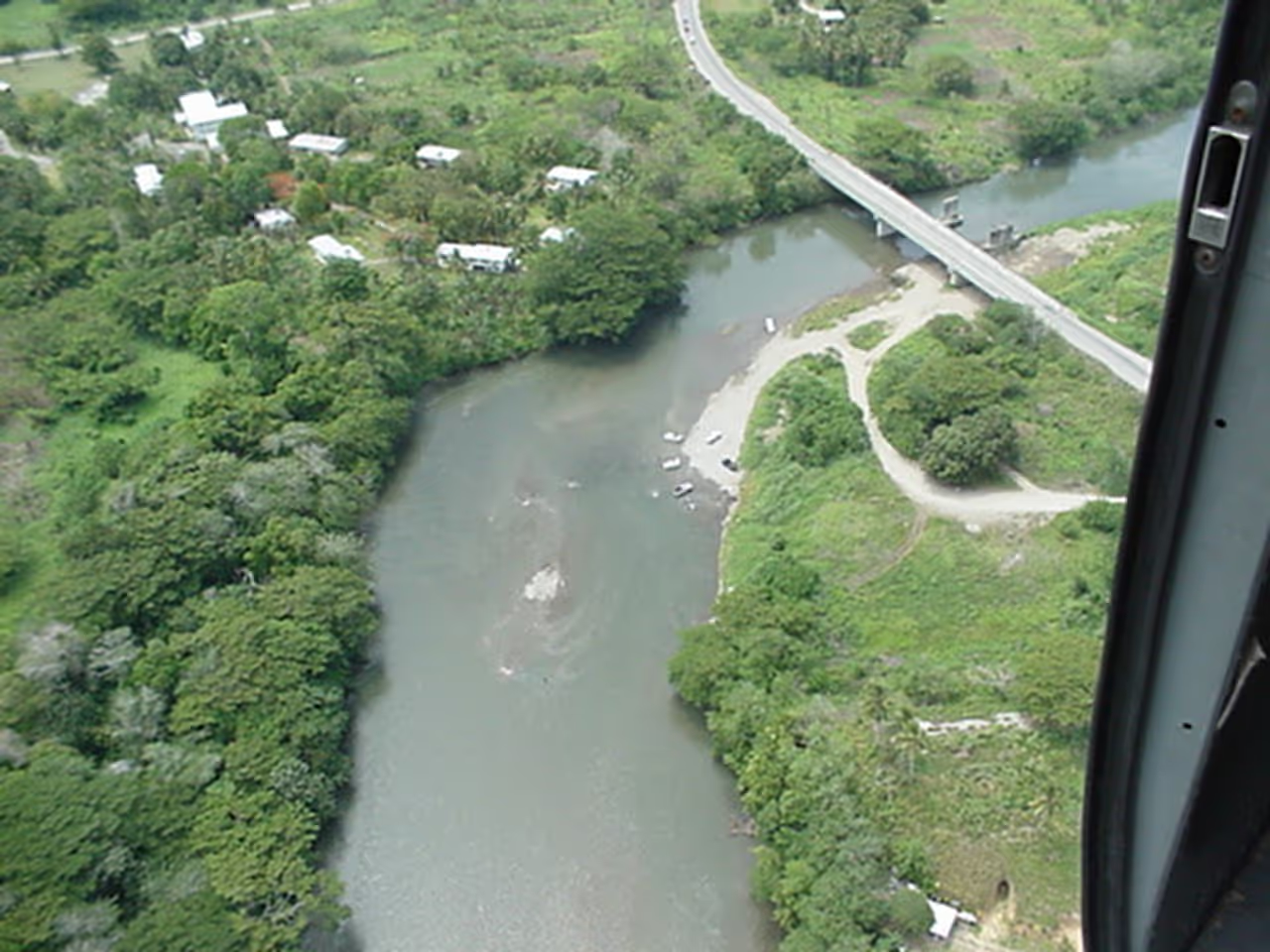
A peaceful excursion on the eastern side of the town that takes you away from the busy main roads. You will cycle past the manicured greens of the local golf club and along the banks of the historically significant Lunga River. The terrain is flat and mostly paved, surrounded by towering tropical trees that provide generous shade. It is a brilliant way to see a quieter, greener side of the city limits.
Town Ground to Marina Ride
A highly concentrated ride through the commercial and maritime heart of the capital. This short route navigates the leafy areas of Town Ground before opening up into the busy seaport at Point Cruz. You will glide past important government buildings, shady parks, and rows of docked yachts. It is an excellent way to feel the modern pulse of the nation while enjoying the sea breeze.
Self-Guided Tours
- HIGHLY RECOMMENDED
World War Two Heritage Trail
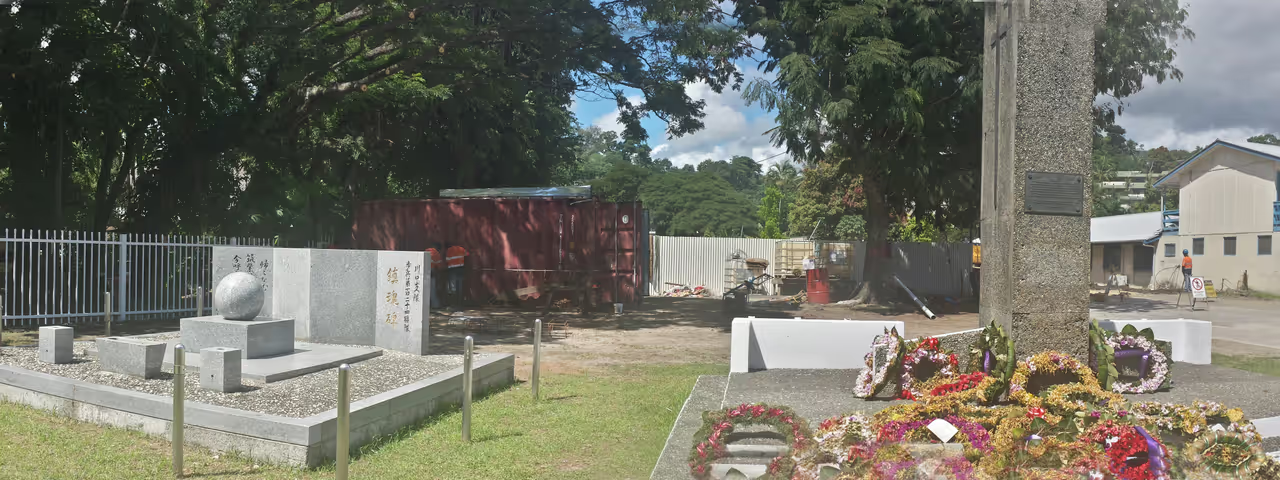
This powerful journey connects the most significant battlegrounds and memorials scattered across the city limits. You will explore areas that witnessed some of the most intense fighting of the Pacific War. The route leads from towering American monuments to solemn Japanese peace parks, ending with rusting artillery left in the jungle. It is a highly moving and educational experience that vividly brings the brutal history of the Guadalcanal Campaign to life.
Honiara Cultural & Art Walk
Dive deep into the rich artistic traditions of Melanesia by following this curated route through the capital. You will visit the finest institutions dedicated to preserving the ancient customs, dances, and crafts of the islanders. The tour highlights the incredibly intricate wood carvings and shell money that are unique to the Solomon Islands. It is a wonderful celebration of human creativity and the enduring spirit of the indigenous population.
Historic Churches & Architecture Tour
Explore the fascinating blend of tropical design and colonial influence that defines the built environment of the city. This route focuses heavily on the massive role that religion plays in island life, leading you through the most significant and architecturally impressive cathedrals. You will see buildings shaped like traditional huts, stunning stained glass, and unique local adaptations of classic religious structures. It is a highly peaceful and visually rewarding architectural journey.
Annual Festivals & Events
- HIGHLY RECOMMENDED
Independence Day Celebrations
This national holiday brings the entire city together to celebrate the sovereignty of the Solomon Islands. Expect colourful parades, traditional dancing, and lively music echoing through the streets. Locals gather in large numbers at the main stadiums and parks to watch cultural performances and official ceremonies. It is a fantastic opportunity to see groups from various provinces showcasing their unique island heritage in one place.
Art in the Park
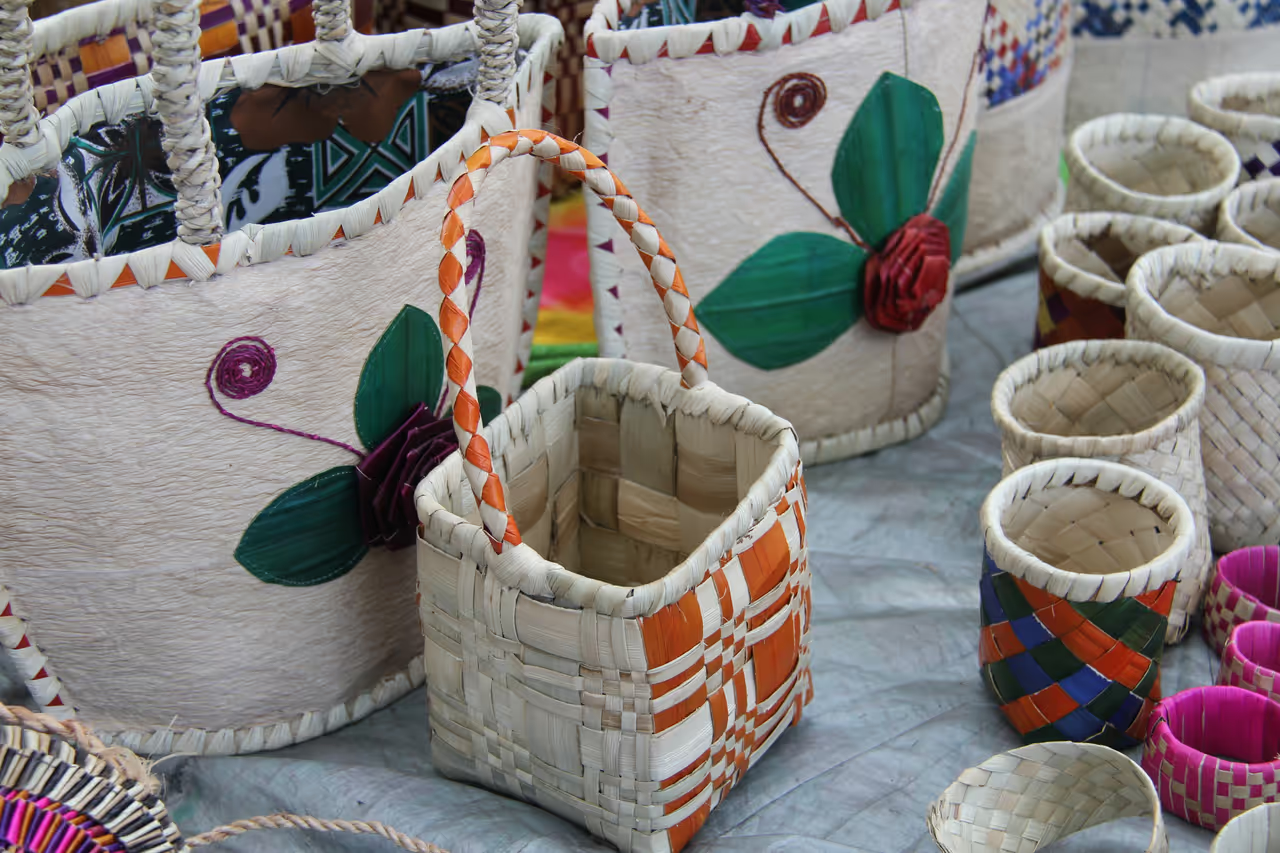
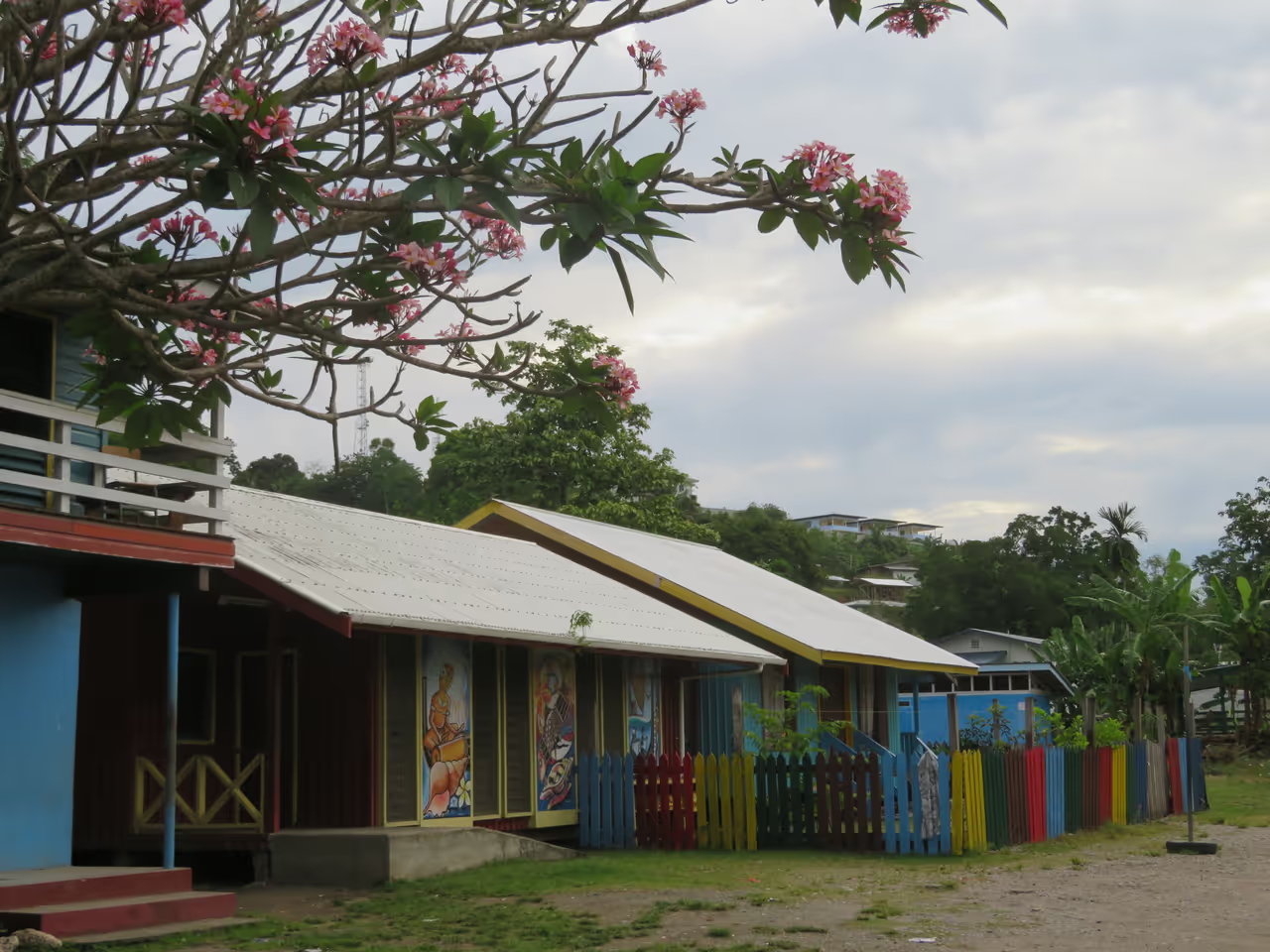
Held regularly on the last Sunday of the month, this event transforms the green space opposite the Rove Police Station into a vibrant cultural hub. Artisans from all over the island come down to sell intricate wood carvings, woven baskets, and traditional jewellery. It is much more relaxed than the daily markets and features a wonderful community atmosphere. Visitors can chat directly with the creators and learn about the stories behind their magnificent crafts.
Easter Church Choirs Festival
Easter is taken very seriously in the capital, marked by several days of intense devotion and breathtaking choral performances. Church groups from surrounding villages travel into the city to participate in singing competitions and massive congregational prayers. The vocal talent on display is truly world class, with many choirs singing a capella in perfect harmony. It is an uplifting experience that welcomes everyone regardless of their personal beliefs.
Insider Tips
Minibuses operate with a flat fare regardless of distance, so always have small change ready when hopping on to avoid payment awkwardness.
When shopping at the Central Market, haggling is not a common practice and is often considered impolite, so respect the asked price.
Internet access can be patchy in hotels, but you can buy a cheap local SIM card at the airport upon arrival for reliable mobile data.
The sun can be incredibly intense, so bringing an umbrella is a smart move for both sudden tropical downpours and midday shade.
Try to learn a few basic phrases in Pijin, as locals highly appreciate the effort even if English is widely spoken in the capital.
Taxis do not usually run on meters, so always negotiate and agree on the fare to your destination before getting inside the vehicle.
PERFECT FOR
Honiara is an exceptional destination for history enthusiasts wanting to trace the steps of major World War Two battles. It also strongly appeals to adventurous travellers eager to experience authentic Melanesian culture and dive into historic shipwrecks. Visitors who appreciate raw and unfiltered island life will be deeply rewarded by this unique capital.
VIBE
Honiara feels like a vibrant frontier town where tropical heat meets a relaxed Pacific island pace. The streets are a colourful mix of lively markets, historic war relics, and friendly locals chatting in Pijin. There is a palpable sense of resilience and community spirit that permeates the warm and humid air.
Frequently Asked Questions about Honiara
While we strive to keep this information accurate and up to date, we recommend verifying any details independently before making decisions based on them.