National Parliament of the Solomon Islands
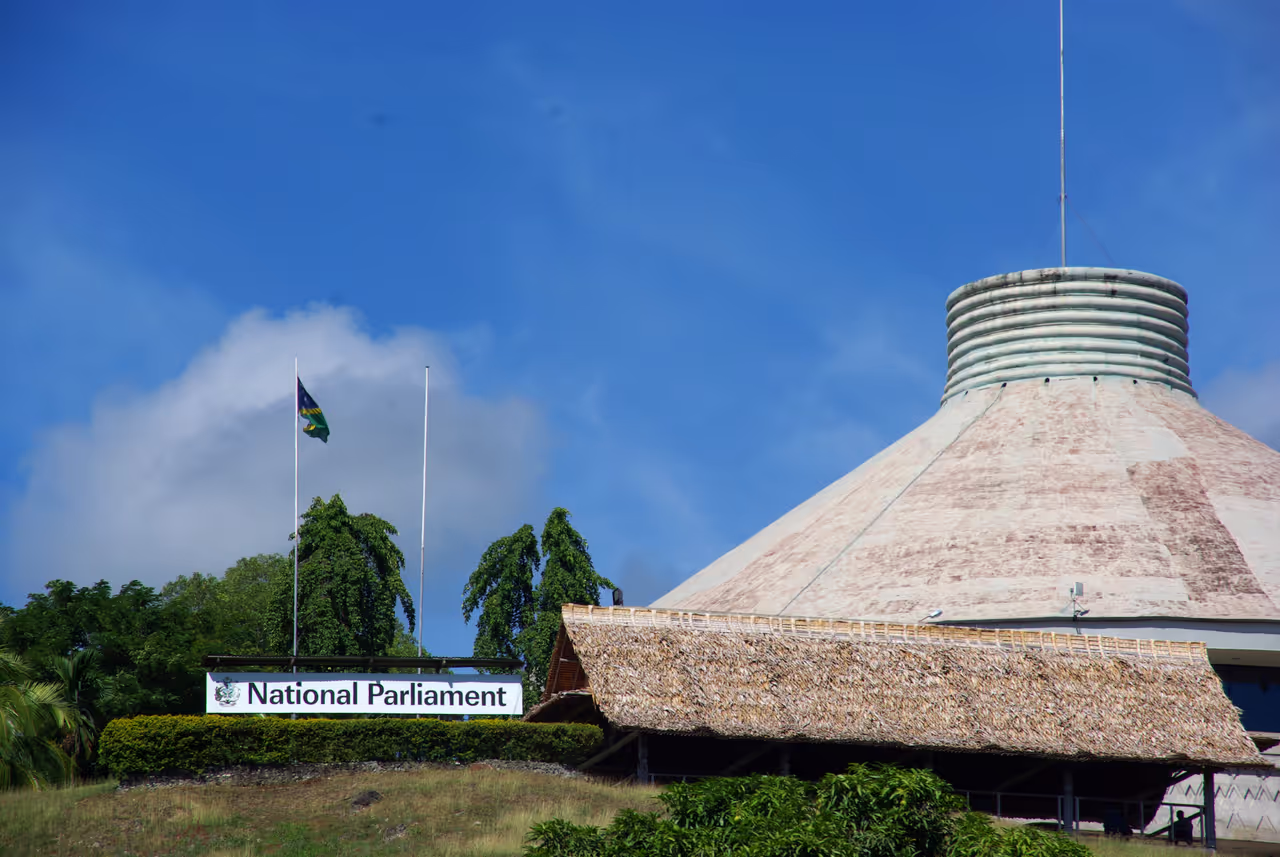
Standing as a striking architectural landmark in Honiara, the National Parliament of the Solomon Islands serves as the democratic heart of the nation. Its unique, conical design is inspired by traditional island meeting houses, blending local heritage with modern governance. Visiting here offers a chance to appreciate both the political significance of the islands and the distinctive style that defines this government seat. It represents the sovereignty of the Solomon Islands and serves as a focal point for the country's legislative journey. Exploring this site is a fascinating way to understand the nation's political evolution and its deep cultural roots.
History of National Parliament of the Solomon Islands
For a nation defined by its scattered archipelagos and rich, diverse cultures, the National Parliament of the Solomon Islands represents a singular point of unity. The journey towards this institution began long before the current building was constructed, rooted in the desire for self determination that culminated in the 1978 independence from British rule. The shift from colonial oversight to a sovereign democratic legislature was a monumental step, requiring the establishment of a new identity that could bridge the gap between many different islands and communities. The architecture of the Parliament building itself tells a story of this reconciliation between tradition and the modern world. Opened in 1993, the building was a gift from the United States, yet its design was intentional in avoiding Western style grandeur. Instead, it adopted the form of a traditional village meeting house, an iconic cone shaped structure that resonates with the local identity. This choice was a powerful statement that the laws governing the nation would be rooted in the communal values and history of the Solomon Islands people, rather than purely imported systems. Despite the challenges the nation has navigated, including periods of internal friction, the Parliament has remained the bedrock of the country's governance. It serves as the arena where the diverse voices of the fifty constituencies are heard and debated. Every session held within its circular walls continues the legacy of the early independence leaders who sought to build a resilient and inclusive future. Visiting the site offers a glimpse into this ongoing project of nation building, where the past is honoured through architecture and the future is actively shaped through democratic debate.
Events spanning 46 years
Fun Facts
- • Before the current parliament building was inaugurated, the nation's legislative business was conducted in various government facilities around Honiara.
- • Elections for the fifty parliamentary seats are held every four years, using a first past the post voting system to ensure local representation.
- • It stands as a symbol of national unity and sovereignty, reflecting the transition from colonial rule to self governance.
- • The building houses a significant collection of parliamentary records that document the history of legislative acts in the Solomon Islands.
- • The grounds surrounding the parliament offer a peaceful environment that provides a stark contrast to the busy political life occurring within the building.
- • The legislature operates as a unicameral system, meaning all fifty members sit in a single chamber rather than having an upper and lower house.
- • The parliament building features a distinctive conical design that mimics the architecture of traditional communal meeting houses found throughout the islands.
- • The parliament's interior layout places members in a semicircle, fostering direct dialogue and debate during sessions.
- • The site of the parliament is situated in Honiara, the capital city, which has been the centre of the nation's political life since independence.
- • The structure was a collaborative international project, funded by the United States government as a gesture of goodwill to the newly independent nation.
National Parliament of the Solomon Islands FAQ
While we strive to keep this information accurate and up to date, we recommend verifying any details independently before making decisions based on them.
National Parliament of the Solomon Islands Map & Neighborhood Explorer
This interactive map is centered on National Parliament of the Solomon Islands. Zoom in and move the map around to automatically discover Wikipedia photos and summaries of other nearby sights, monuments, and historical points of interest and stories in real-time!
Places near National Parliament of the Solomon Islands
Make the most of your trip. Check out these top-rated spots located nearby.
- 174m
Vavaya Ridge
This elevated residential area provides a stunning, unobstructed bird's eye view of the entire capital spreading out below. Looking down, you can clearly trace the path of the main highway and see the colourful roofs of Chinatown and the bustling seaport. The gentle climb up to the ridge takes you away from the noise of the town, offering a highly serene environment to enjoy the scenery. It is widely considered by locals to be the absolute best spot to watch the sun set over the Pacific. The cool breezes at this altitude are a fantastic bonus.
viewpoint view 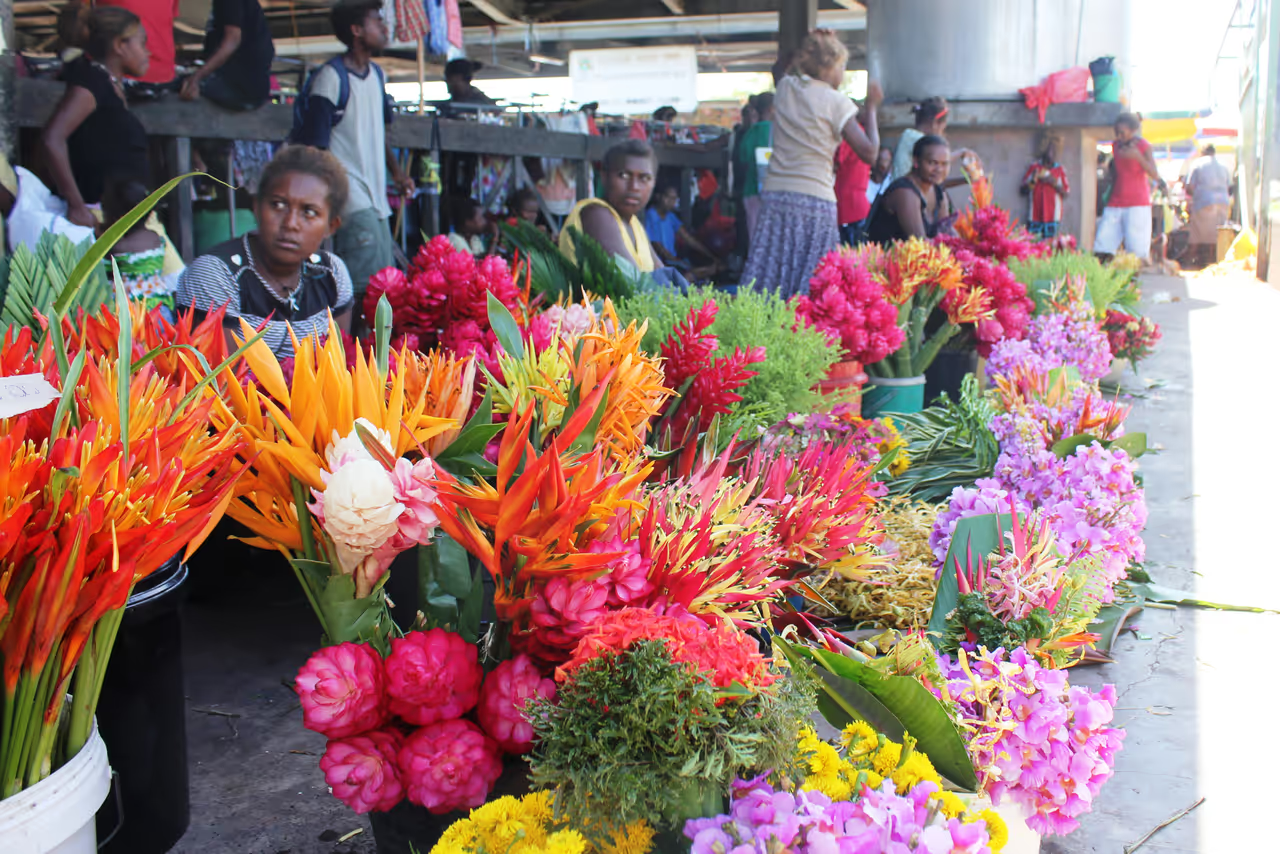 239m
239mHoniara Central Market
This is the absolute beating heart of the capital and a sensory explosion of sights and sounds. Vendors from across Guadalcanal and neighbouring islands arrive by boat to sell massive piles of fresh tropical fruit, vegetables, and the daily ocean catch. You will find colourful sarongs, known locally as lavalavas, swaying in the ocean breeze alongside intricate handmade shell jewellery. The energy here is infectious, providing the perfect window into authentic daily Pacific life.
market view- 315m
National Museum Cultural Show
Periodically throughout the year, the open air stage behind the National Museum comes alive with traditional music and dance. Performers often feature the hypnotic sounds of Panpipe bands and energetic Gilbertese dancing routines. It is a spectacular visual treat that honours the diverse artistic heritage of the Melanesian people. The atmosphere is highly festive, drawing both curious tourists and proud local residents.
festival view 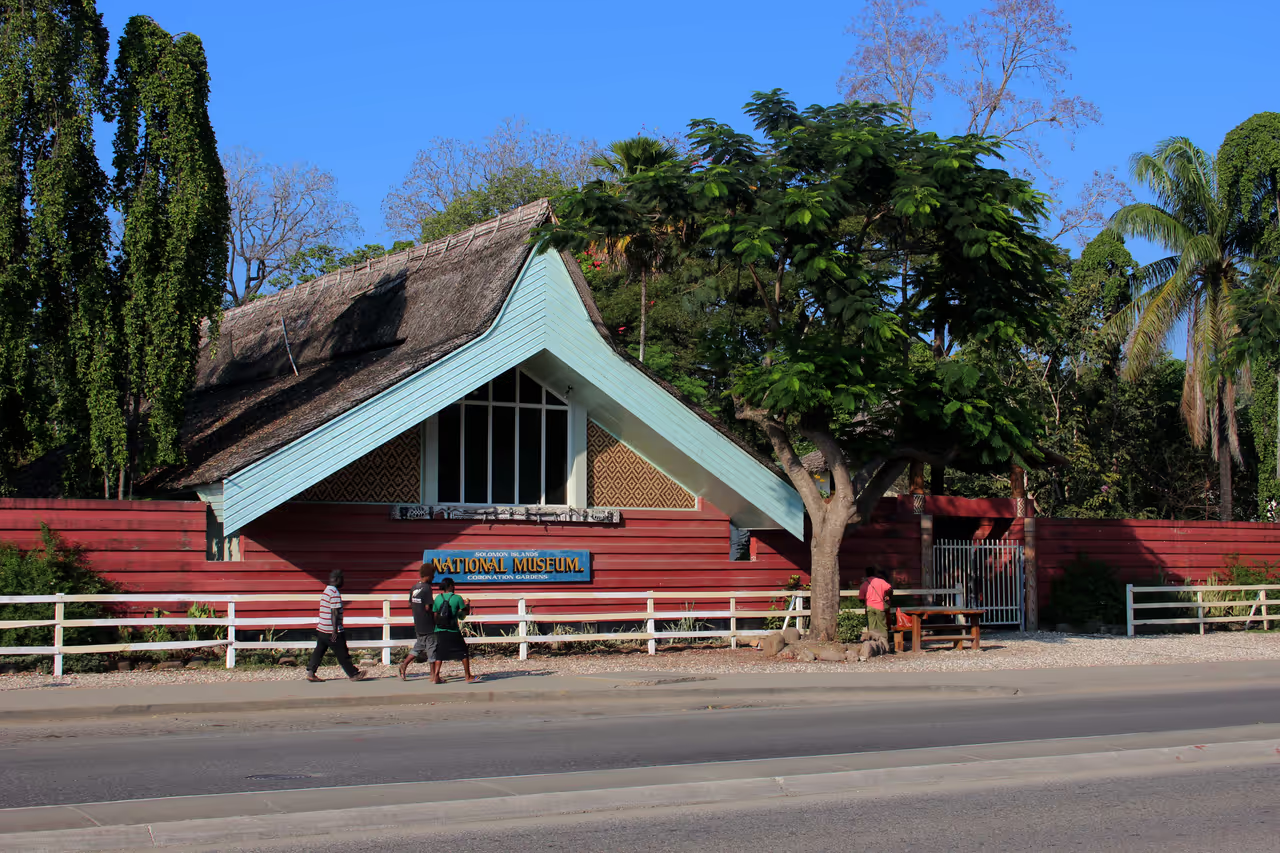 315m
315mSolomon Islands National Museum
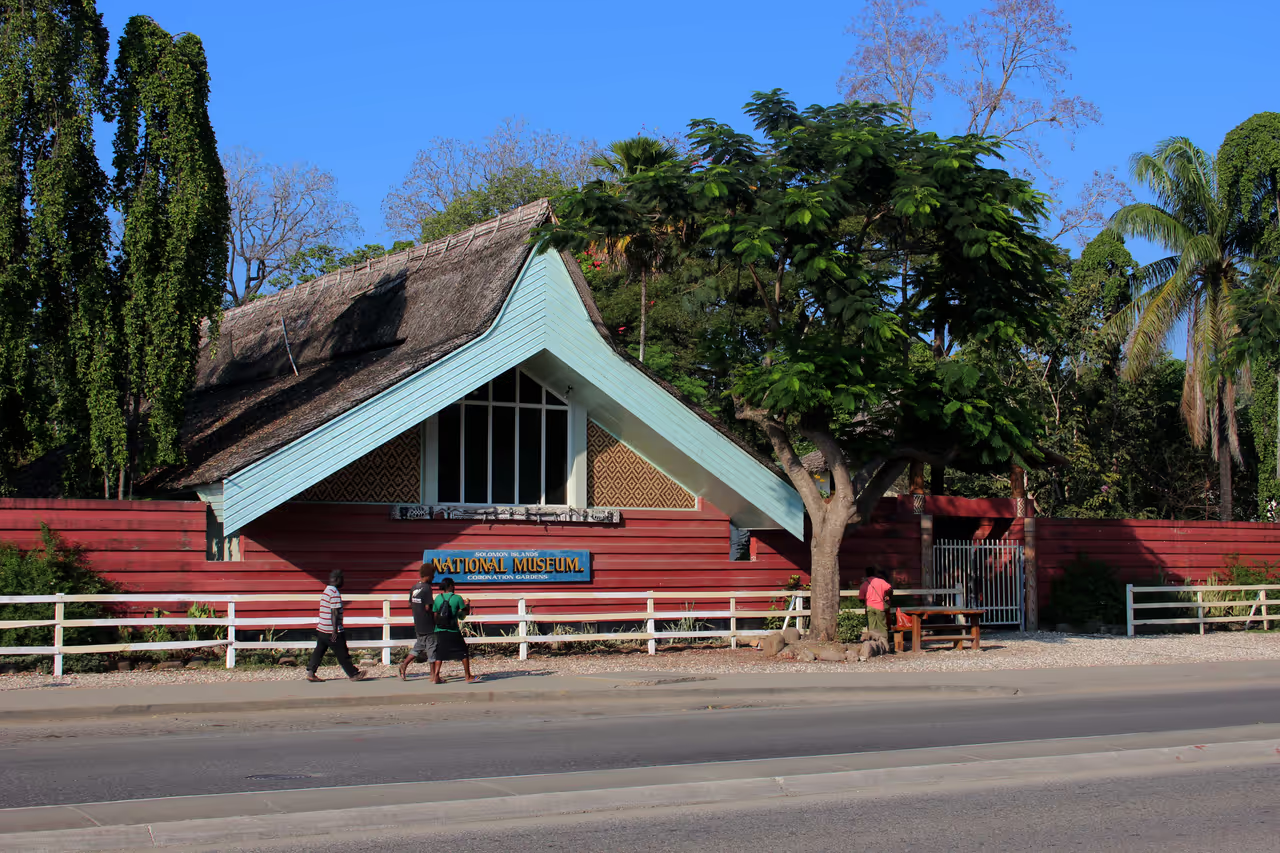
The Solomon Islands National Museum is the cultural heartbeat of Honiara, offering a deep dive into the diverse heritage of this island nation. Located along Mendana Avenue, it serves as a sanctuary for over two thousand objects that tell stories of ancient seafaring, traditional customs, and modern history. Visitors can wander through galleries that showcase everything from intricate shell money to relics from the intense battles of the Second World War. The atmosphere is peaceful and reflective, with an outdoor auditorium that occasionally hosts vibrant local performances. It is a place to connect with the spirit of the islands and understand the complex tapestry of its many provinces. Exploring this site is essential for anyone wanting to see beyond the surface of the Pacific and appreciate the resilience of Solomon culture.
attraction view
Featured on These Itineraries and Routes
3 Days in Honiara Itinerary
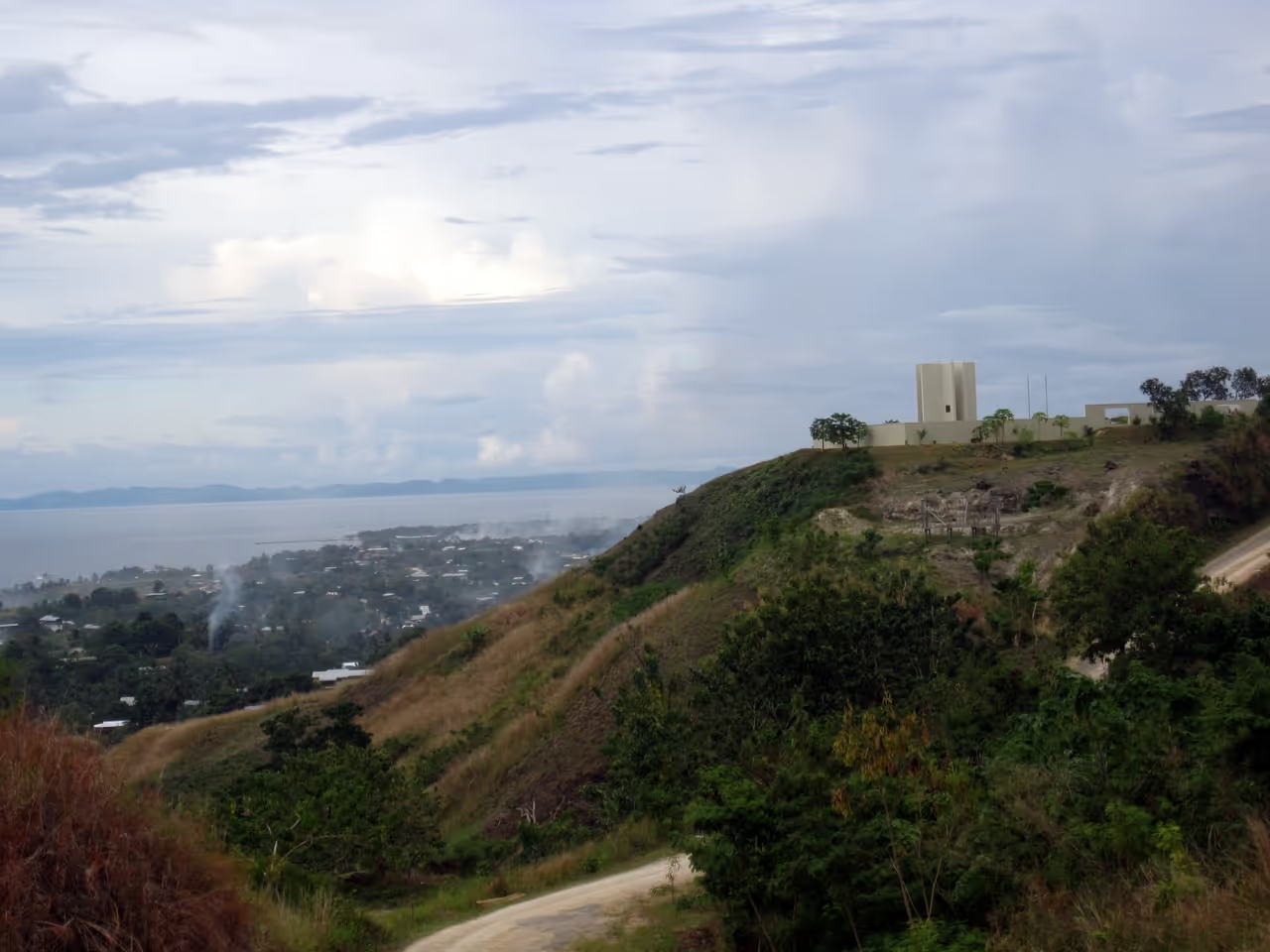
This slightly longer itinerary allows you to dig much deeper into the complex layers of the city. Beyond the main central sights, you will have time to explore the fascinating open air military museums and the lush botanical gardens. It includes a dedicated afternoon for admiring the brilliant local architecture and religious buildings. The pacing is highly comfortable, ensuring you have plenty of time to escape the midday heat. It perfectly captures both the urban energy and the historical solemnity of the region.
view itinerary

5 Days in Honiara Itinerary
For those wanting a truly comprehensive experience, this five day plan leaves no stone unturned. You will cover all the major historical and cultural landmarks while also venturing into the spectacular surrounding nature. It includes a challenging hike into the jungle to see magnificent waterfalls and dedicated time to explore the hidden local settlements. This itinerary allows you to fully adapt to the relaxed island pace and truly connect with the welcoming locals. It is the absolute ultimate way to experience the capital.
view itinerary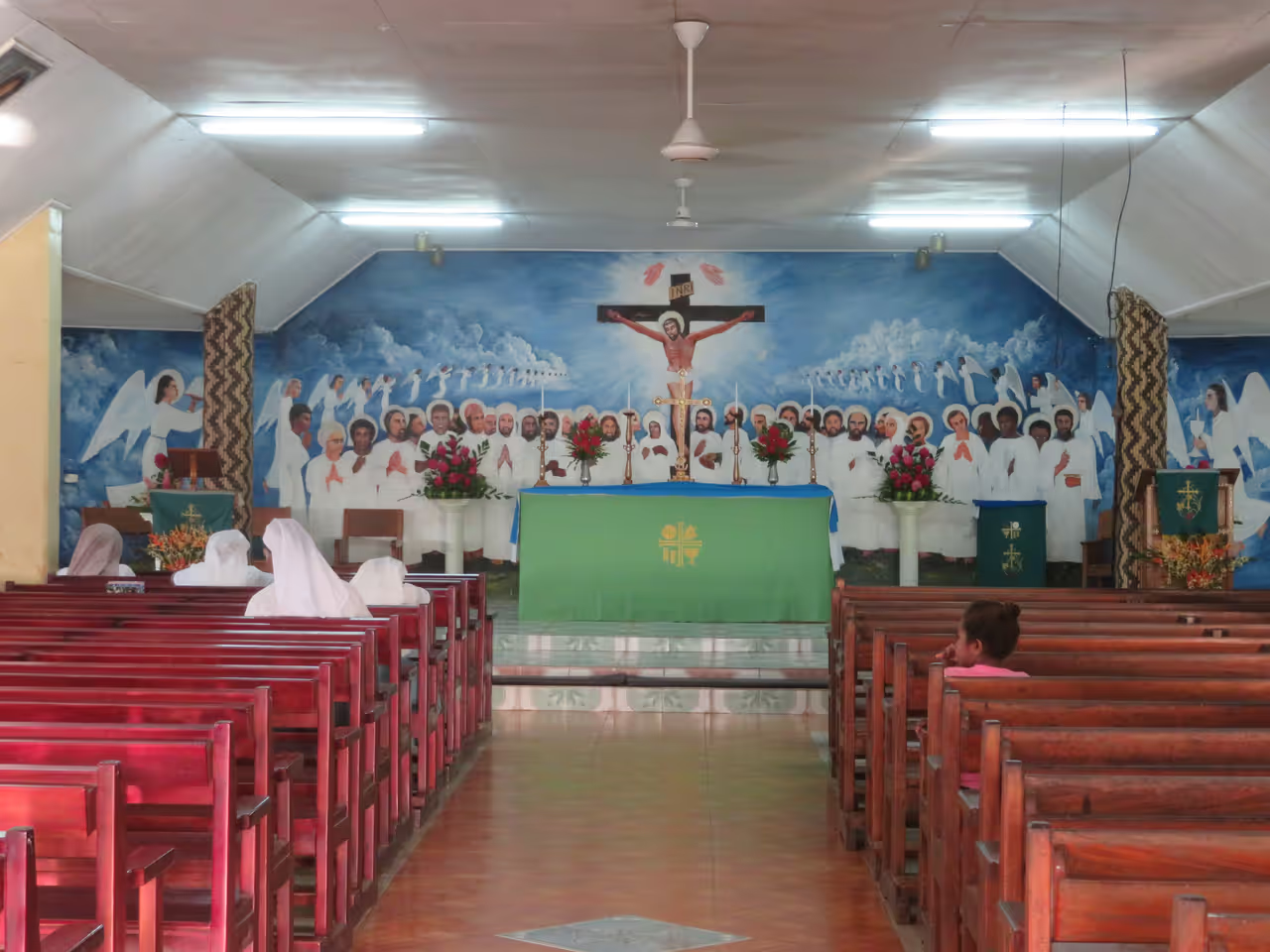
Historic Churches & Architecture Tour
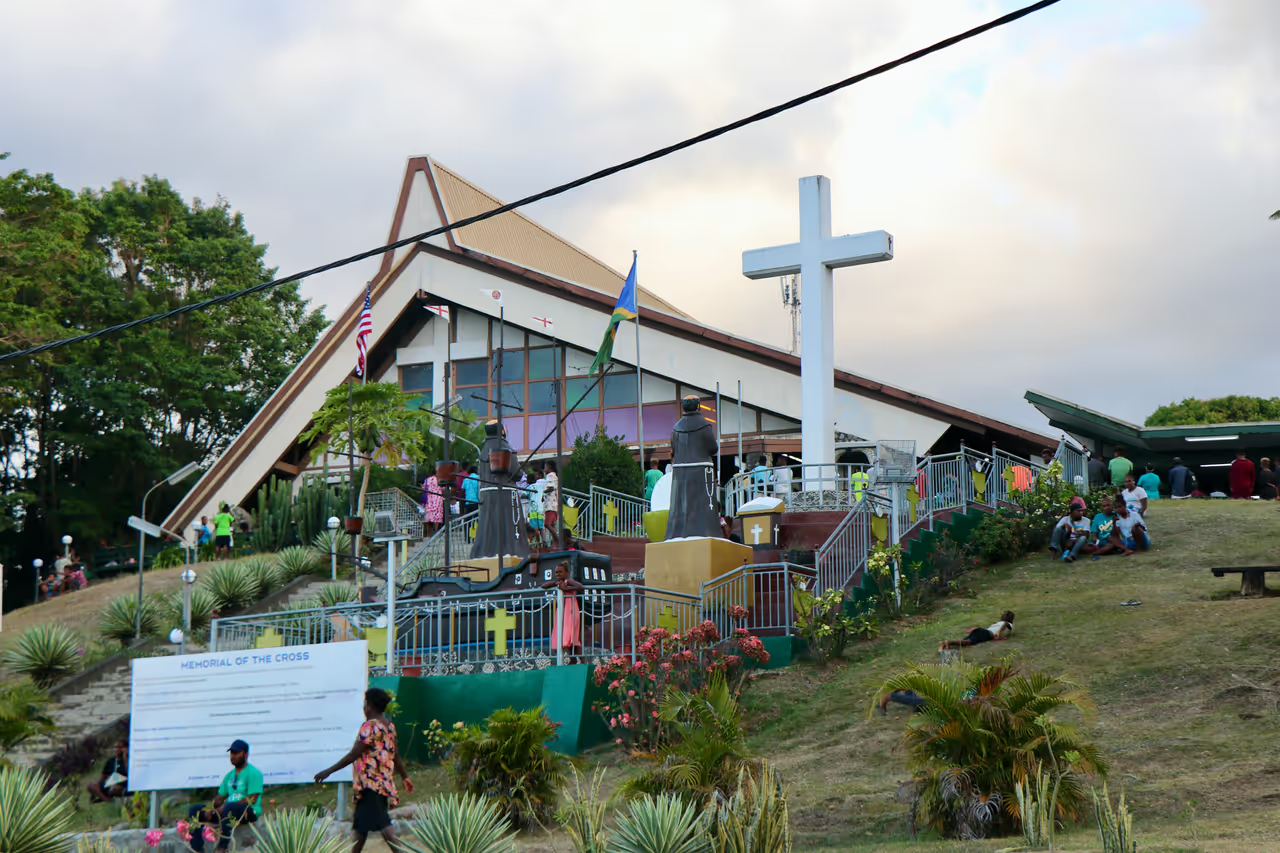
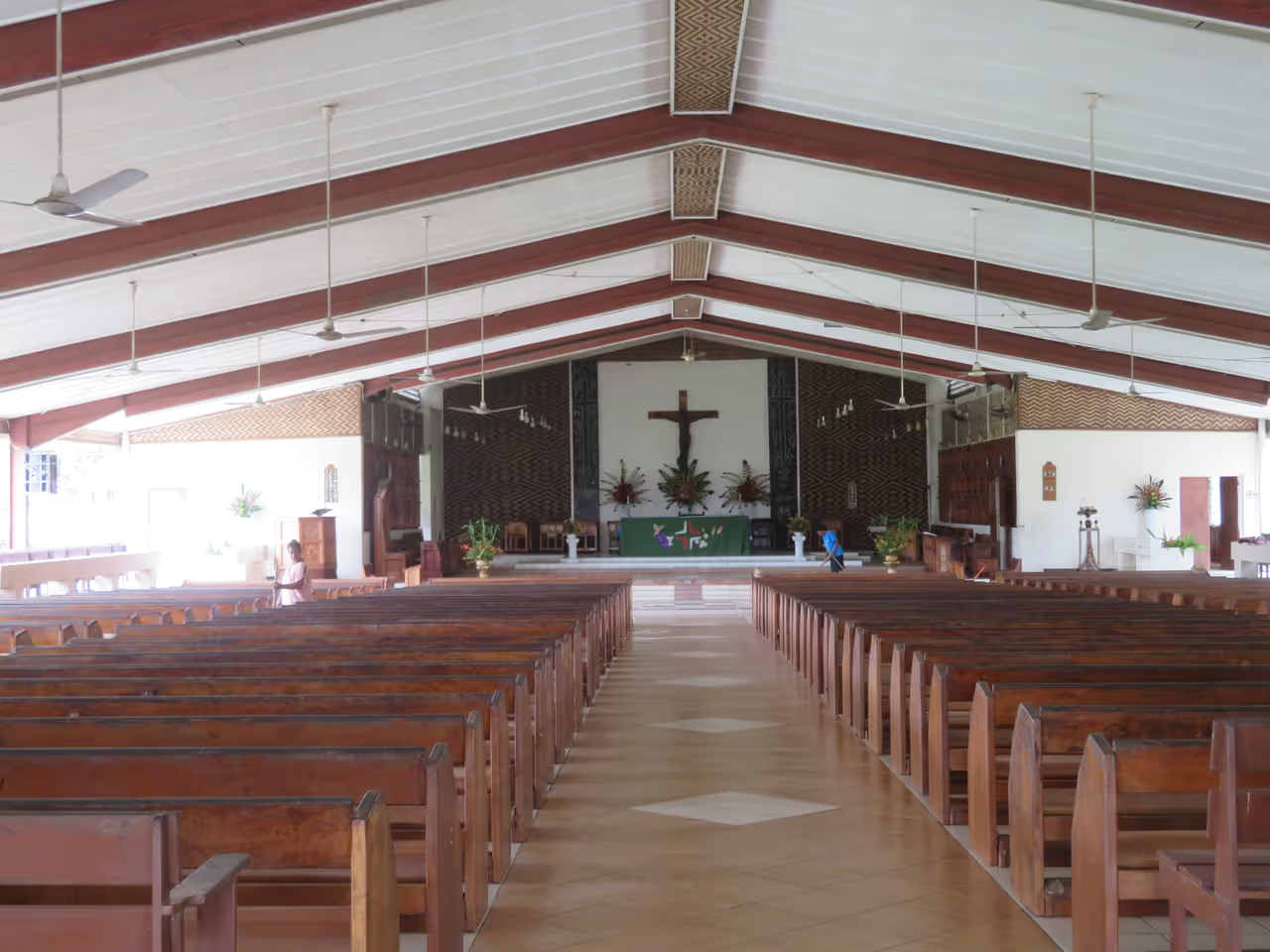
Explore the fascinating blend of tropical design and colonial influence that defines the built environment of the city. This route focuses heavily on the massive role that religion plays in island life, leading you through the most significant and architecturally impressive cathedrals. You will see buildings shaped like traditional huts, stunning stained glass, and unique local adaptations of classic religious structures. It is a highly peaceful and visually rewarding architectural journey.
view self-guided tour
See all attractions in Honiara
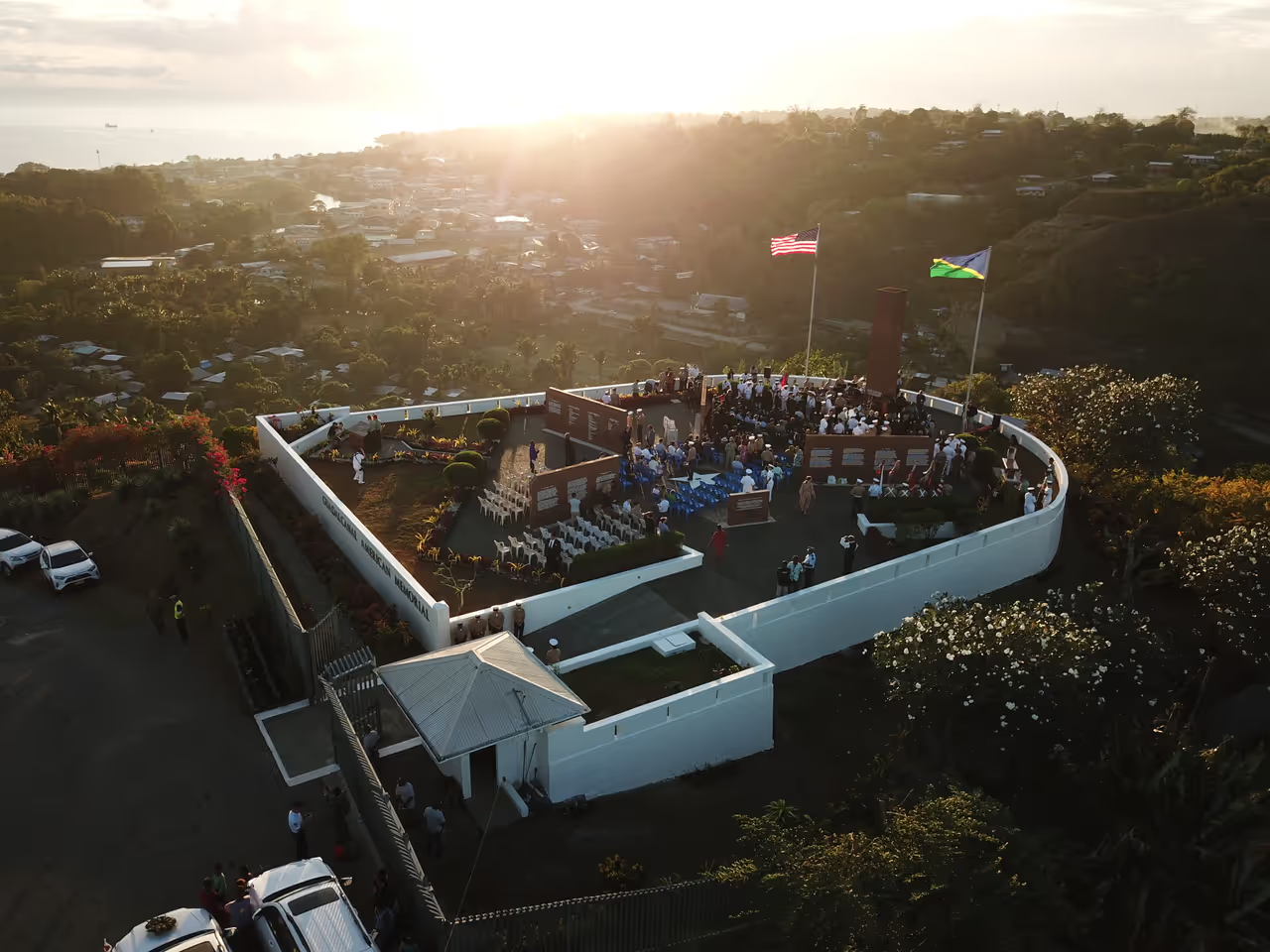
Guadalcanal American Memorial, Solomon Islands National Museum, Vilu Military Museum...