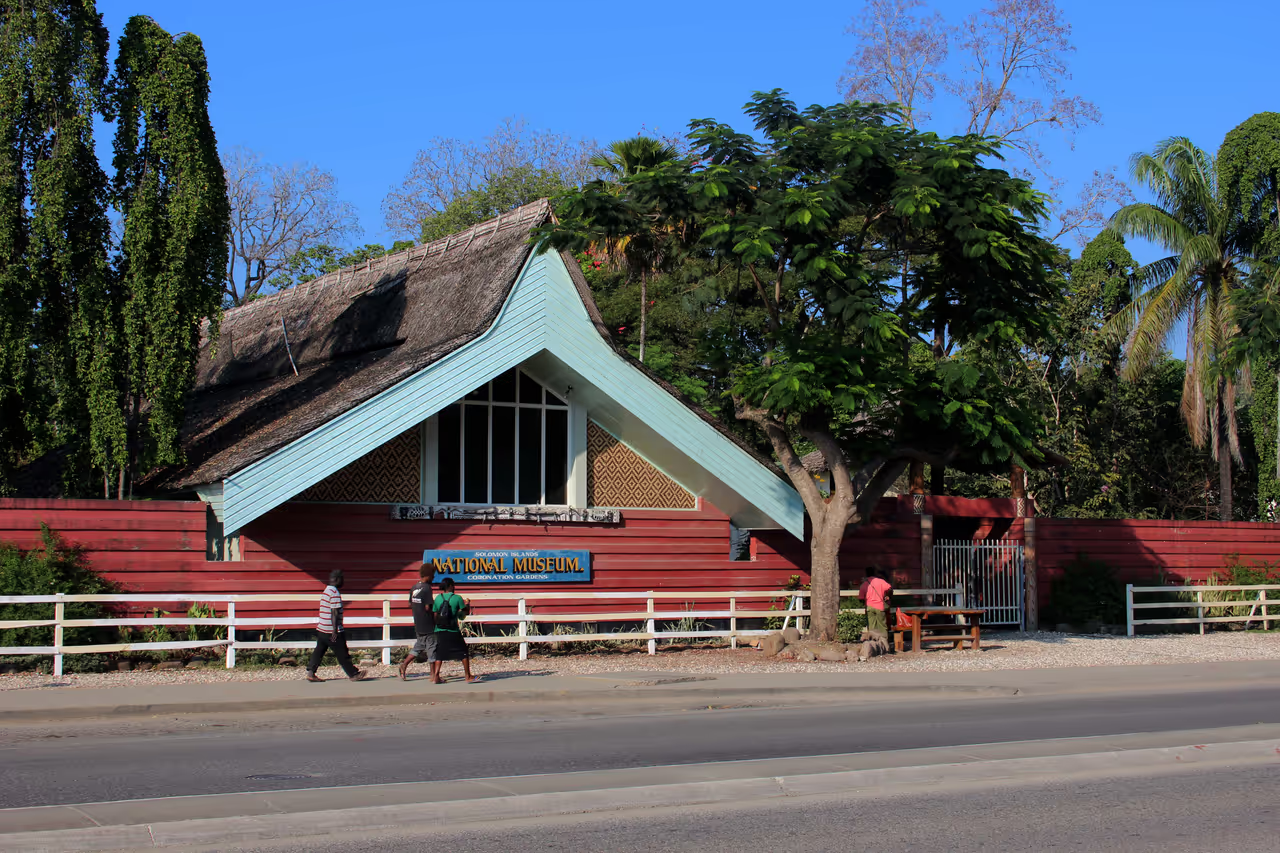
Solomon Islands National Museum
The Solomon Islands National Museum is the cultural heartbeat of Honiara, offering a deep dive into the diverse heritage of this island nation. Located along Mendana Avenue, it serves as a sanctuary for over two thousand objects that tell stories of ancient seafaring, traditional customs, and modern history. Visitors can wander through galleries that showcase everything from intricate shell money to relics from the intense battles of the Second World War. The atmosphere is peaceful and reflective, with an outdoor auditorium that occasionally hosts vibrant local performances. It is a place to connect with the spirit of the islands and understand the complex tapestry of its many provinces. Exploring this site is essential for anyone wanting to see beyond the surface of the Pacific and appreciate the resilience of Solomon culture.
Videos
History of Solomon Islands National Museum
The Solomon Islands National Museum traces its origins back to 1951, long before the nation achieved full sovereignty. It began as a passionate project by colonial officers like Geoffrey F. C. Dennis and James L. O. Tedder, who recognised that the unique material culture of the islands was at risk of being lost to time. These early collectors gathered artifacts from across the provinces, eventually housing them in temporary spaces before the Gulbenkian Foundation provided the funds for a permanent home in 1969. This founding moment marked the transition of the collection from a colonial interest into a symbol of national identity for the people of the Solomon Islands. Throughout the late 20th century, the museum evolved into a vital research hub, documenting music, dance, and archaeological sites that stretch back thousands of years. The institution faced a significant trial during the period of ethnic violence between 1999 and 2003. During these turbulent years, the museum remained open as a beacon of continuity, even as it suffered the tragic loss of irreplaceable artifacts to looters. This era underscored the vulnerability of cultural heritage in times of social unrest and sparked a renewed commitment among staff and locals to protect what remained of the national legacy. In the modern era, the museum has become a vocal advocate for the repatriation of stolen heritage from global institutions. The struggle to bring home items like the famous cannibal feast trough and ancient shell inlaid shields from European museums defines the current spirit of the institution. By balancing traditional preservation with digital innovation and international diplomacy, the museum continues to serve as the definitive guardian of the Solomon Islands story, ensuring that the voices of the past are heard by future generations.
Events spanning 67 years
Fun Facts
- • A unique display at the museum documents the history of Bishop John Selwyn, a significant figure in the islands religious history.
- • Archaeological teams from the museum have discovered pottery fragments on Santa Isabel that date back over three thousand years.
- • Because many physical artifacts are held in London, the museum has participated in digital repatriation where 3D scans are used to study the items remotely.
- • During the ethnic tensions between 1999 and 2003, many pieces of traditional shell money were taken from the museum to be used as actual currency by locals.
- • Geological specimens in the collection showcase the diverse volcanic and marine origins of the different islands in the archipelago.
- • In 1972 the museum began a dedicated programme to collect and promote contemporary sculptures created by local artists.
- • The collection includes a massive war canoe from Vella Lavella which was originally commissioned by a colonial government member in 1910.
- • The museum grounds feature an open air stage that serves as a central venue for Independence Day celebrations and cultural festivals.
- • The museum research team recently uncovered prehistoric stone tools and human remains in a rock shelter at Apunirereha.
- • The museum was built using funds from the Gulbenkian Foundation, a philanthropic organisation based in Portugal.
Solomon Islands National Museum FAQ
While we strive to keep this information accurate and up to date, we recommend verifying any details independently before making decisions based on them.
Solomon Islands National Museum Map & Neighborhood Explorer
This interactive map is centered on Solomon Islands National Museum. Zoom in and move the map around to automatically discover Wikipedia photos and summaries of other nearby sights, monuments, and historical points of interest and stories in real-time!
Places near Solomon Islands National Museum
Make the most of your trip. Check out these top-rated spots located nearby.
- 0m
National Museum Cultural Show
Periodically throughout the year, the open air stage behind the National Museum comes alive with traditional music and dance. Performers often feature the hypnotic sounds of Panpipe bands and energetic Gilbertese dancing routines. It is a spectacular visual treat that honours the diverse artistic heritage of the Melanesian people. The atmosphere is highly festive, drawing both curious tourists and proud local residents.
festival view 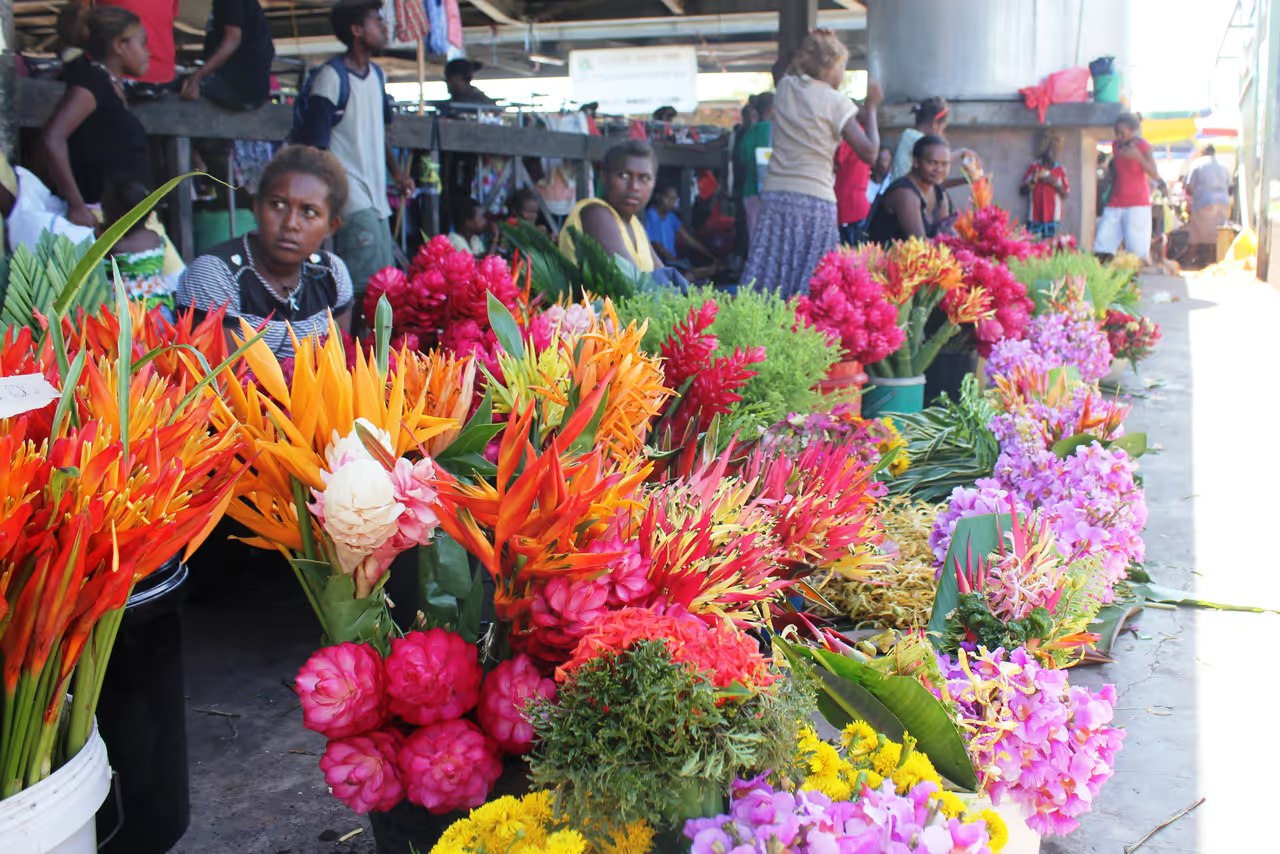 119m
119mHoniara Central Market
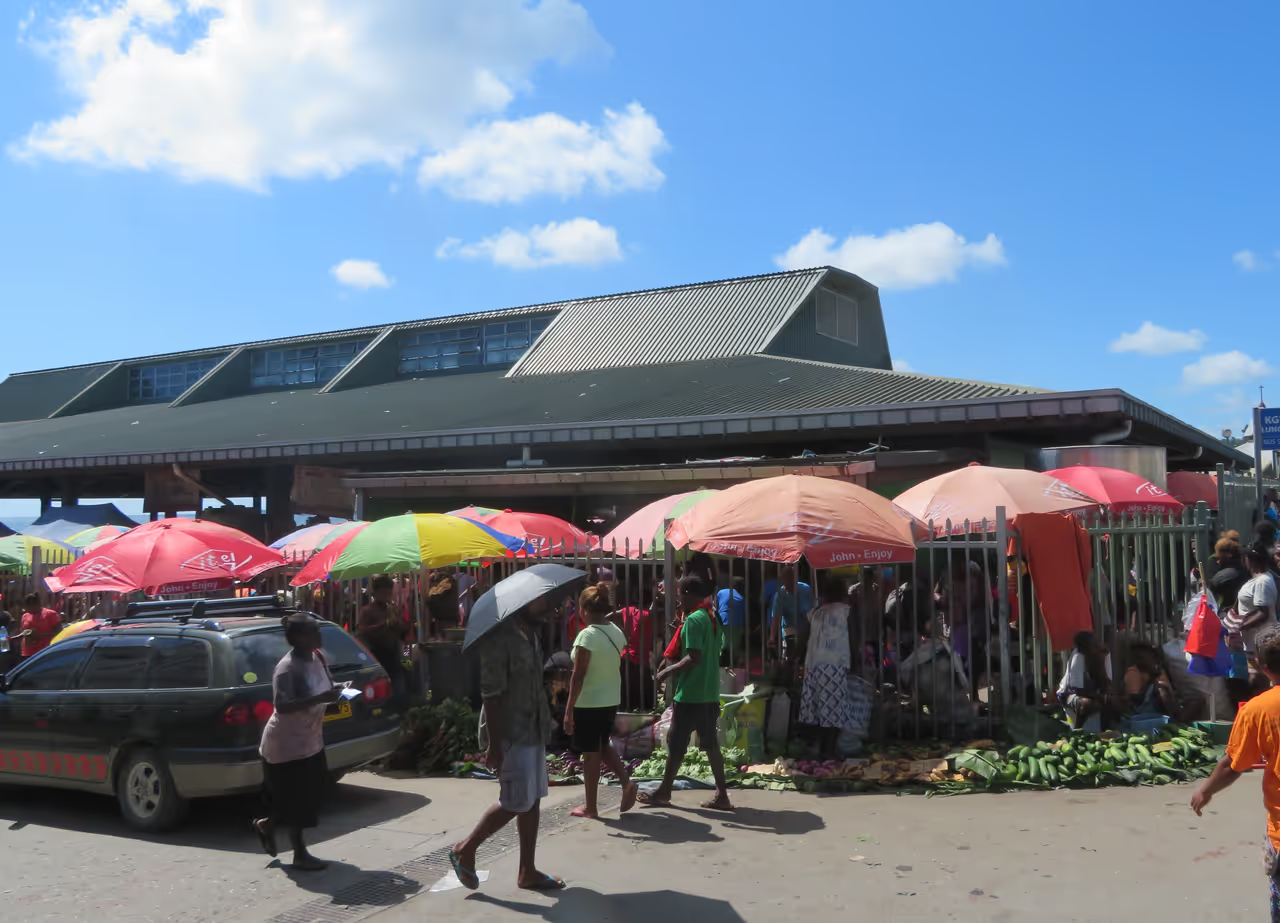
This is the absolute beating heart of the capital and a sensory explosion of sights and sounds. Vendors from across Guadalcanal and neighbouring islands arrive by boat to sell massive piles of fresh tropical fruit, vegetables, and the daily ocean catch. You will find colourful sarongs, known locally as lavalavas, swaying in the ocean breeze alongside intricate handmade shell jewellery. The energy here is infectious, providing the perfect window into authentic daily Pacific life.
market view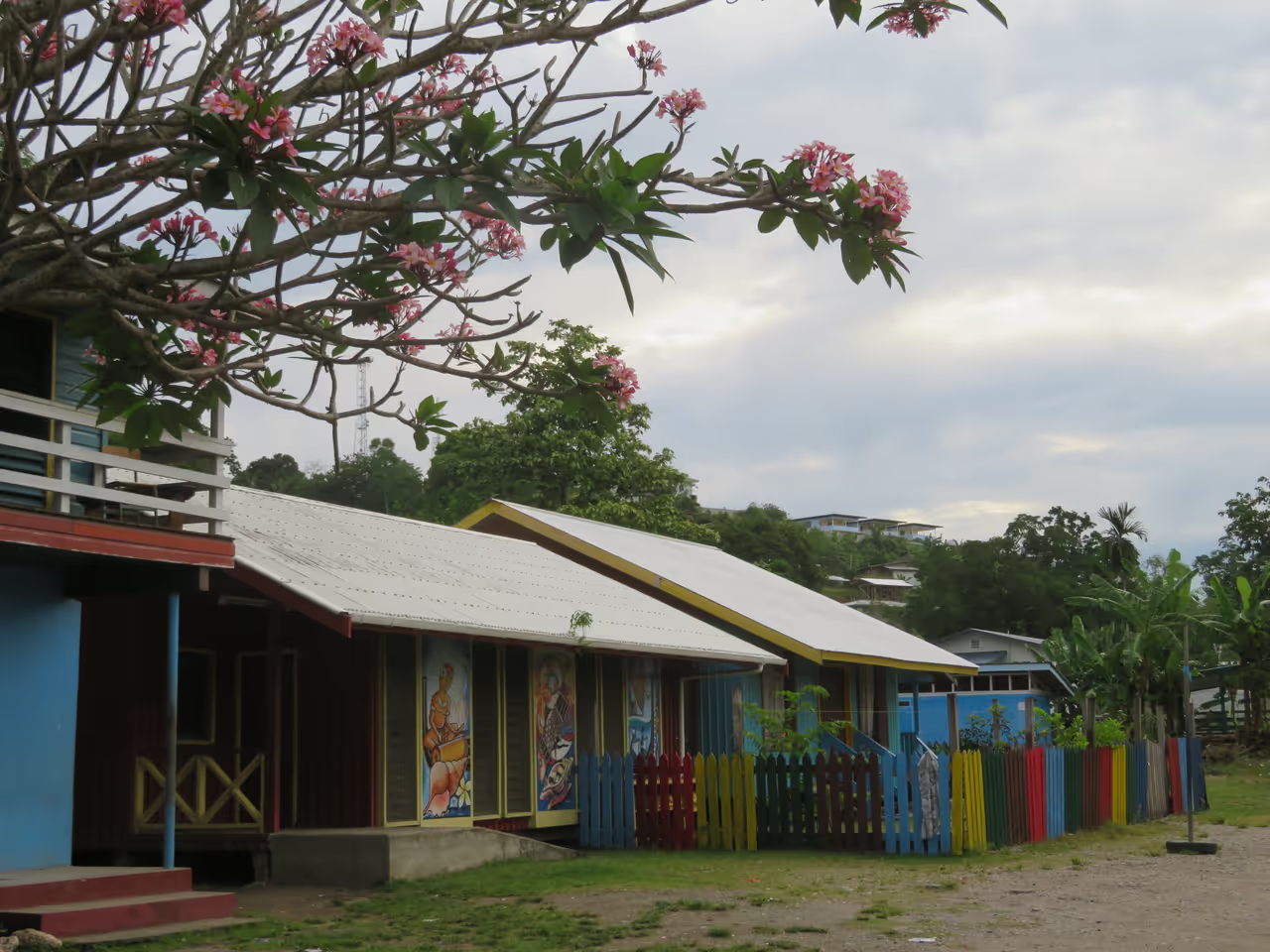 120m
120mArt in the Park
Held regularly on the last Sunday of the month, this event transforms the green space opposite the Rove Police Station into a vibrant cultural hub. Artisans from all over the island come down to sell intricate wood carvings, woven baskets, and traditional jewellery. It is much more relaxed than the daily markets and features a wonderful community atmosphere. Visitors can chat directly with the creators and learn about the stories behind their magnificent crafts.
festival view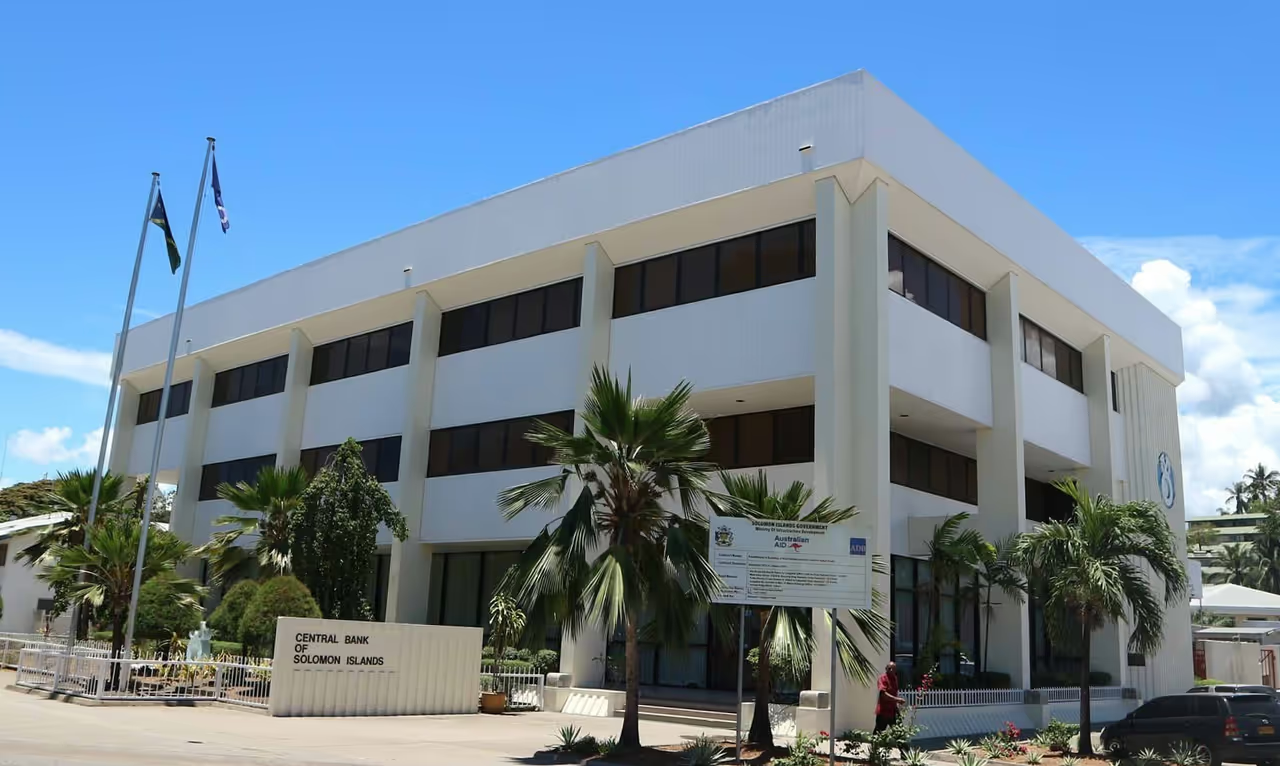 152m
152mCentral Bank Building
Located right in the commercial heart of the capital, this imposing structure represents the modern economic ambitions of the nation. It is a large, solid, and highly functional building that dominates the surrounding low rise streetscape. Inside, it houses a fascinating display of traditional currencies, bridging the gap between ancient trade and modern finance. The clean lines and secure, commanding presence of the architecture make it a key landmark in the town centre. It perfectly anchors the busy commercial district.
architecture view
Explore Similar Places in This Collection
Featured on These Itineraries and Routes
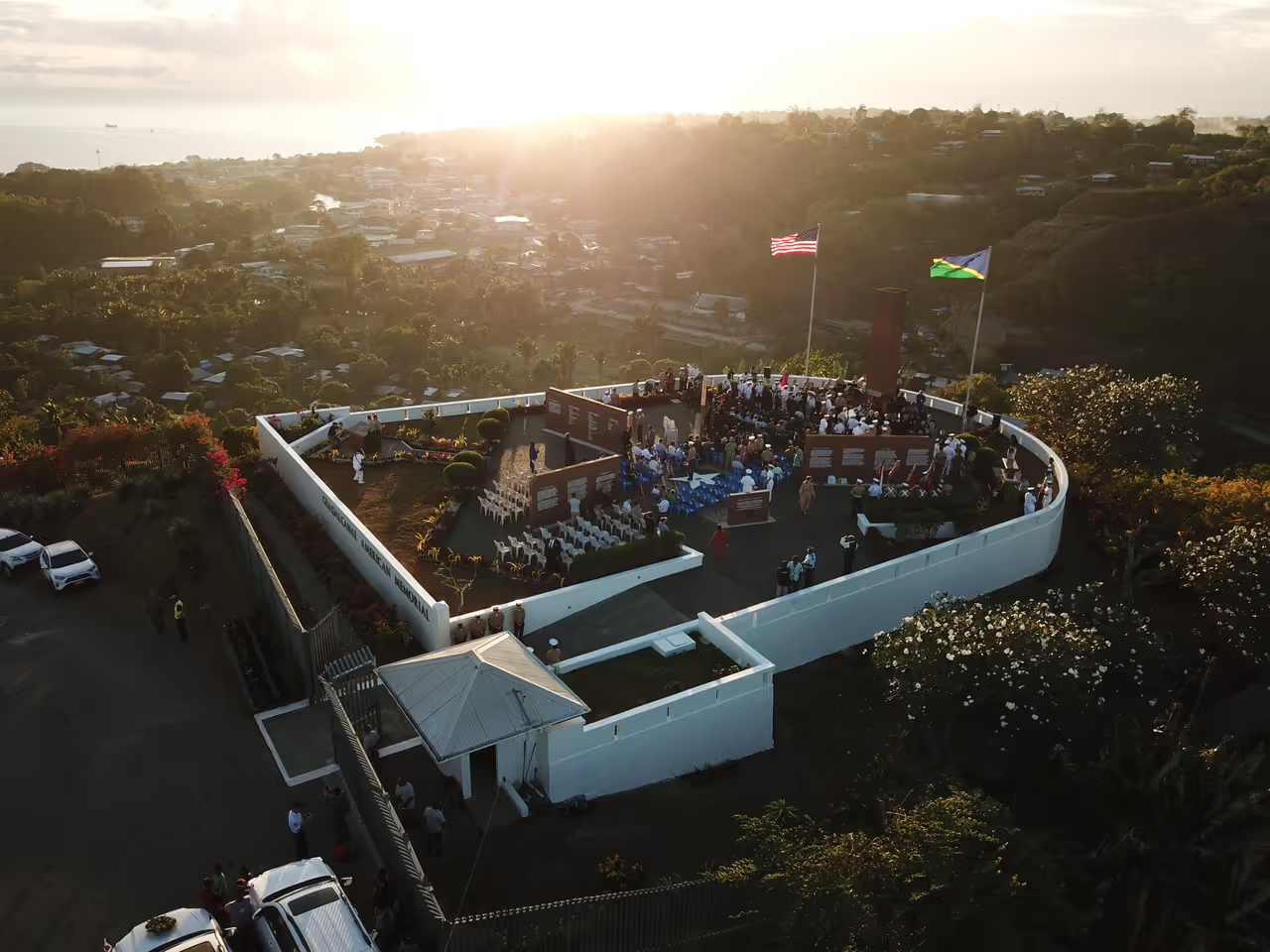
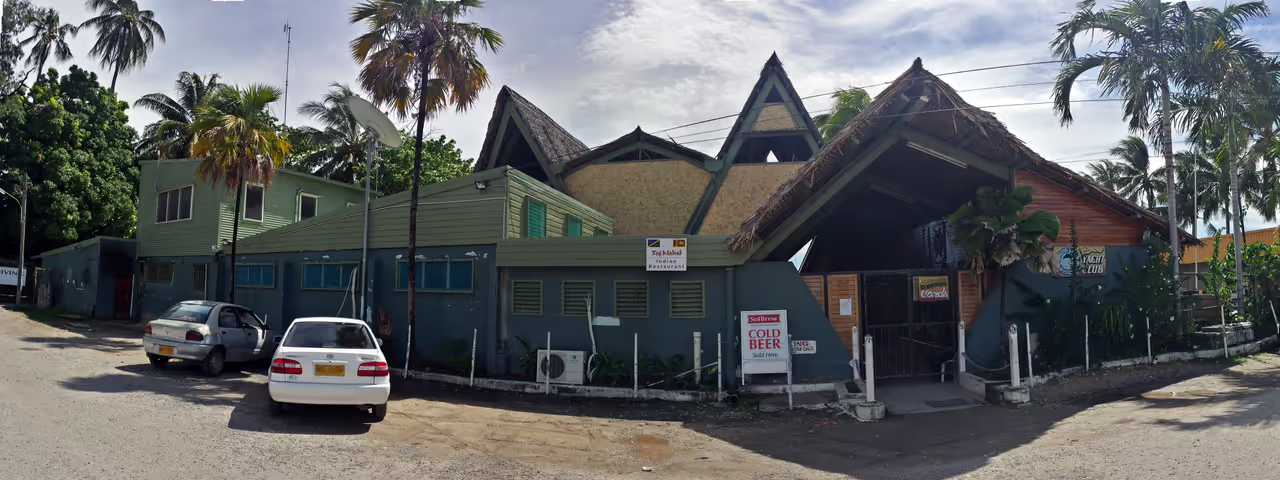
1 Day in Honiara Itinerary
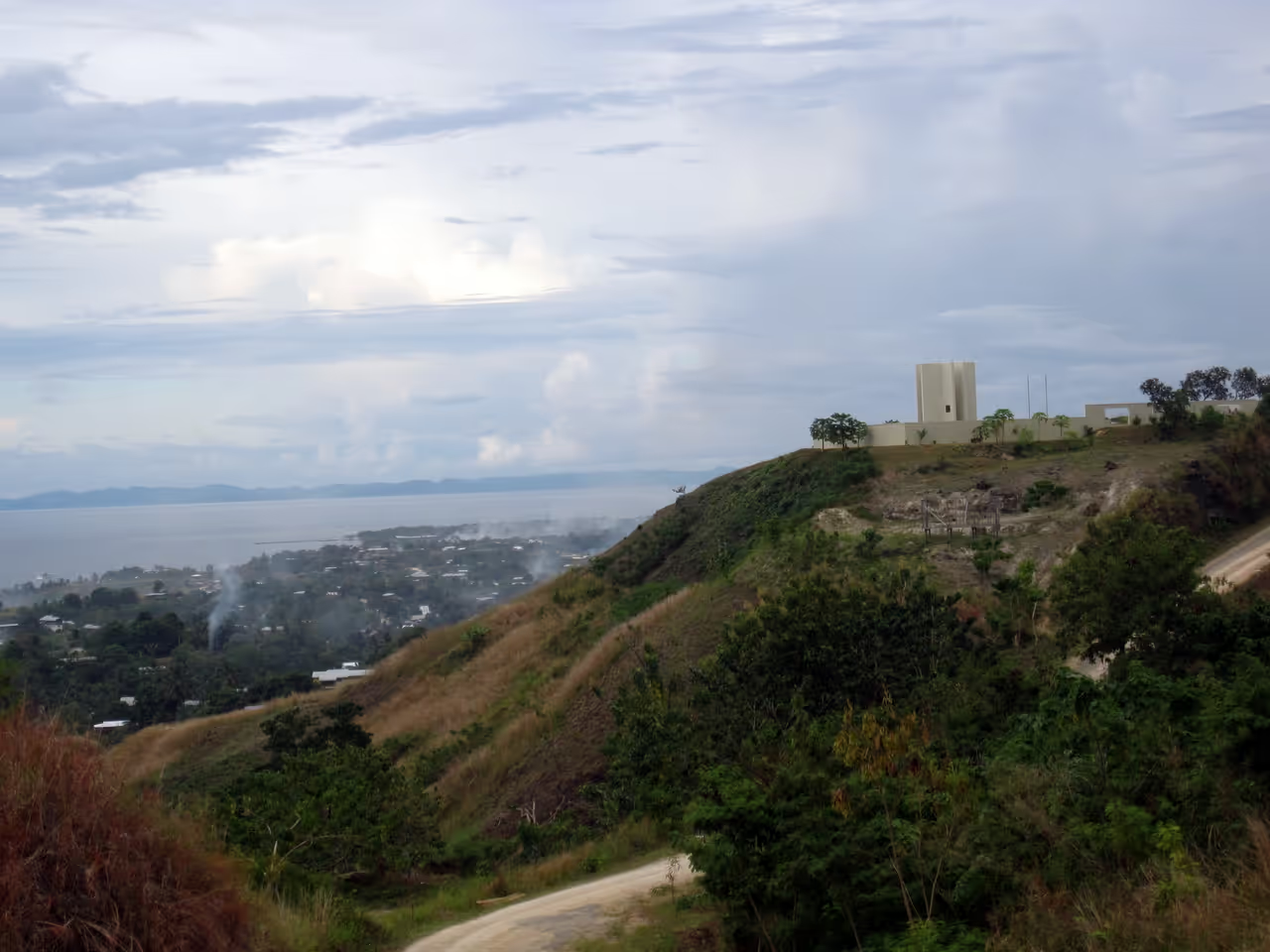
If you only have twenty four hours in the capital, this highly efficient route ensures you hit the absolute cultural and historical essentials. It provides a perfect balance of intense wartime history, vibrant local markets, and beautiful coastal views. You will experience the bustling heart of the city in the morning before moving on to the solemn monuments that define its past. The day concludes with a relaxing evening by the harbour. It is a fast paced but incredibly rewarding introduction to the Solomon Islands.
view itinerary
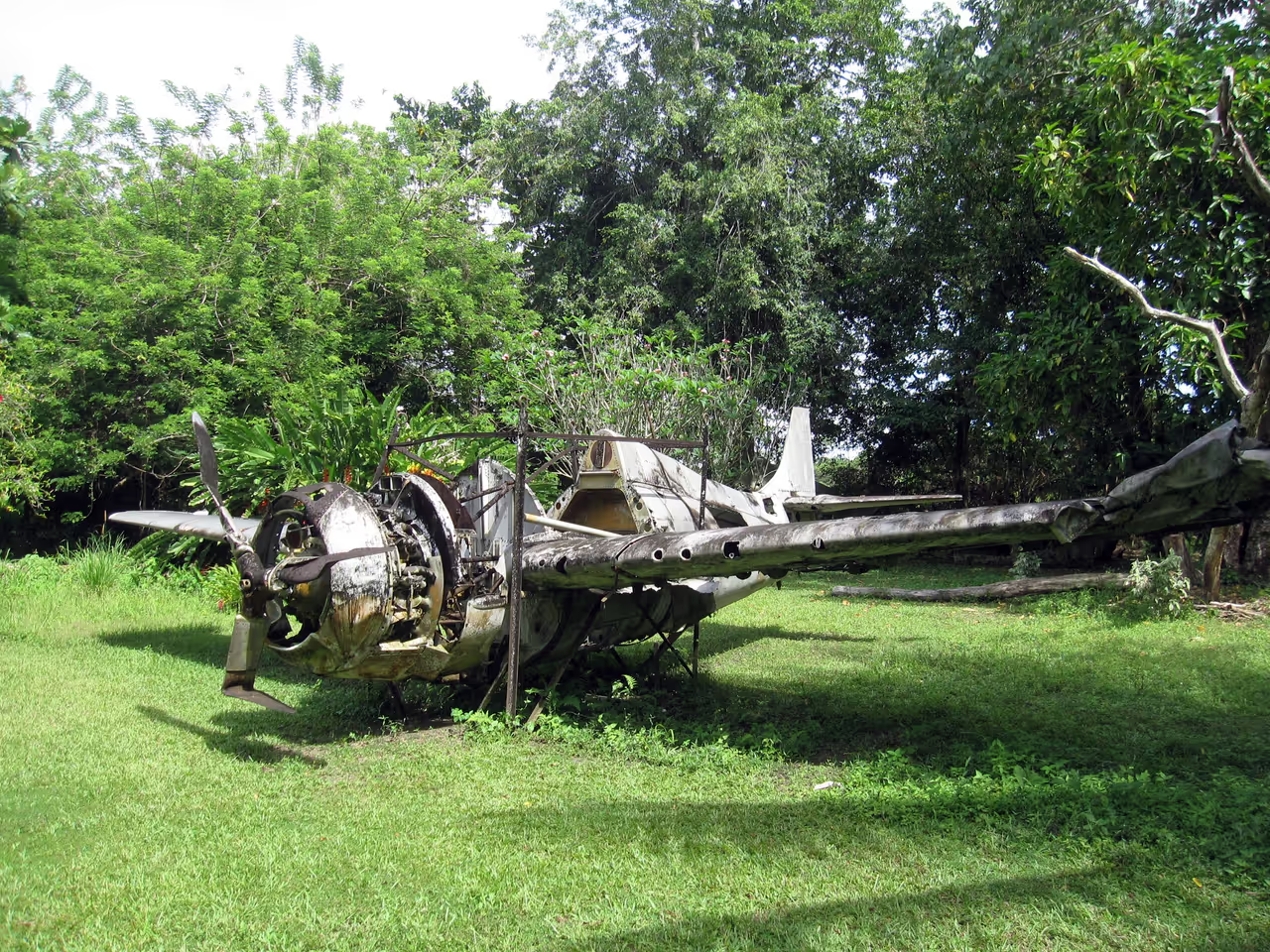
3 Days in Honiara Itinerary
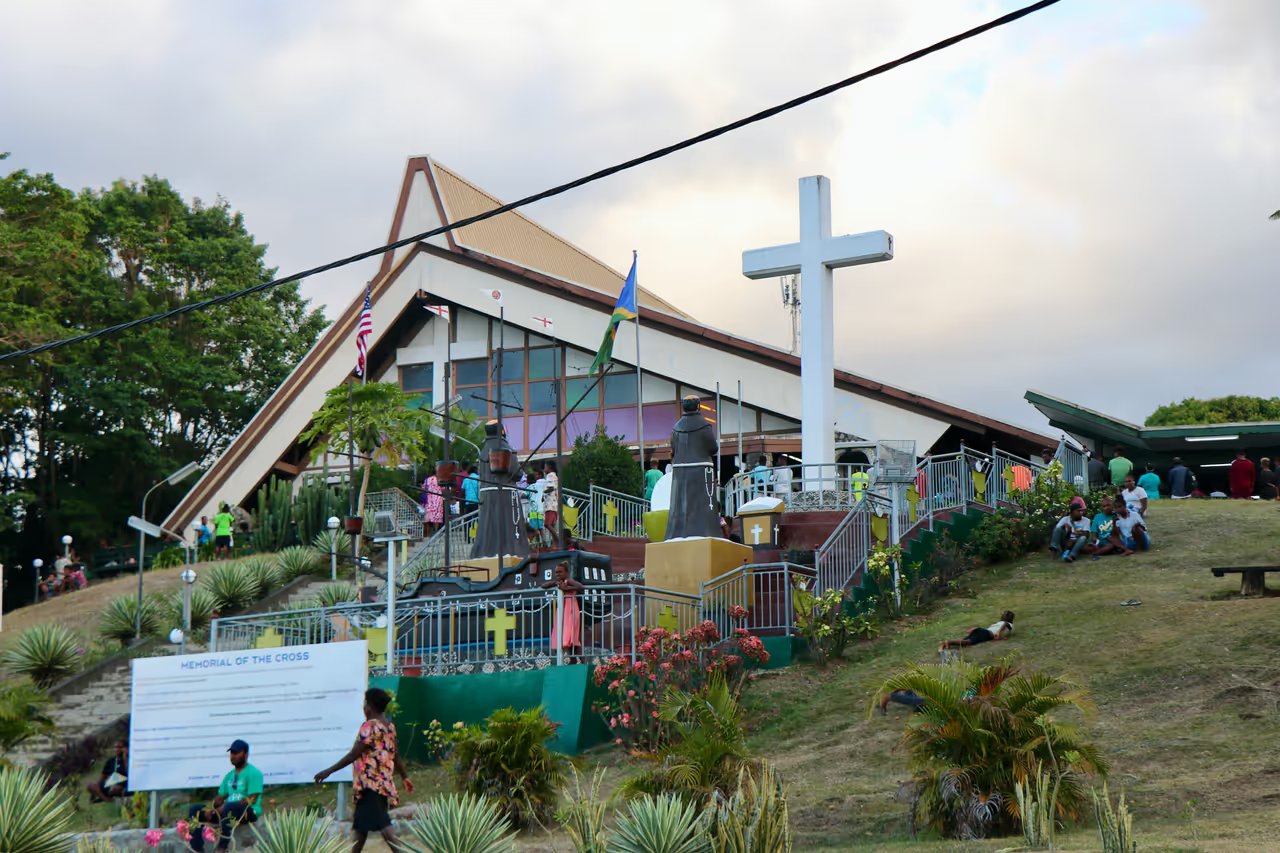
This slightly longer itinerary allows you to dig much deeper into the complex layers of the city. Beyond the main central sights, you will have time to explore the fascinating open air military museums and the lush botanical gardens. It includes a dedicated afternoon for admiring the brilliant local architecture and religious buildings. The pacing is highly comfortable, ensuring you have plenty of time to escape the midday heat. It perfectly captures both the urban energy and the historical solemnity of the region.
view itinerary

5 Days in Honiara Itinerary
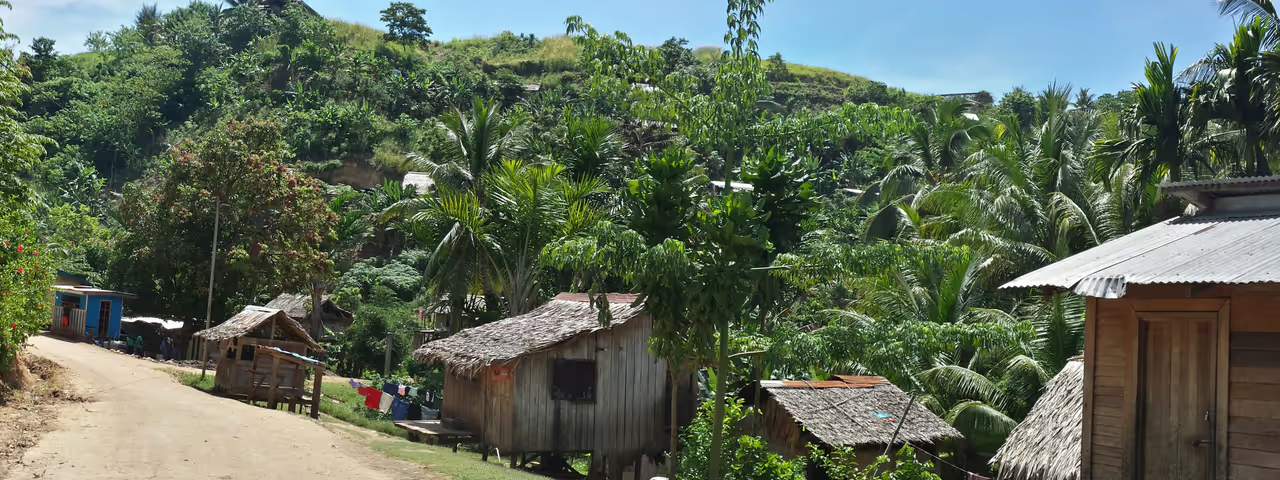
For those wanting a truly comprehensive experience, this five day plan leaves no stone unturned. You will cover all the major historical and cultural landmarks while also venturing into the spectacular surrounding nature. It includes a challenging hike into the jungle to see magnificent waterfalls and dedicated time to explore the hidden local settlements. This itinerary allows you to fully adapt to the relaxed island pace and truly connect with the welcoming locals. It is the absolute ultimate way to experience the capital.
view itinerary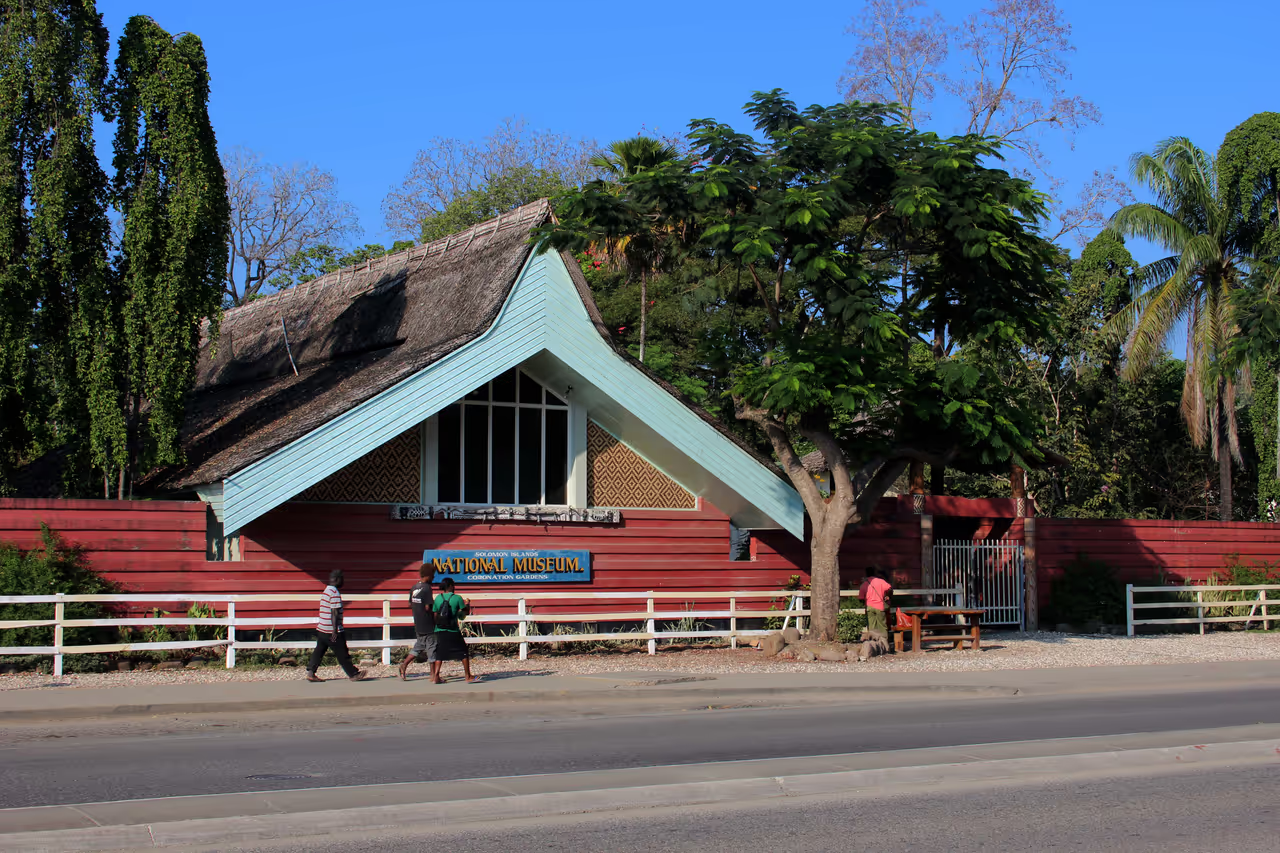
Mendana Avenue Coastal Walk
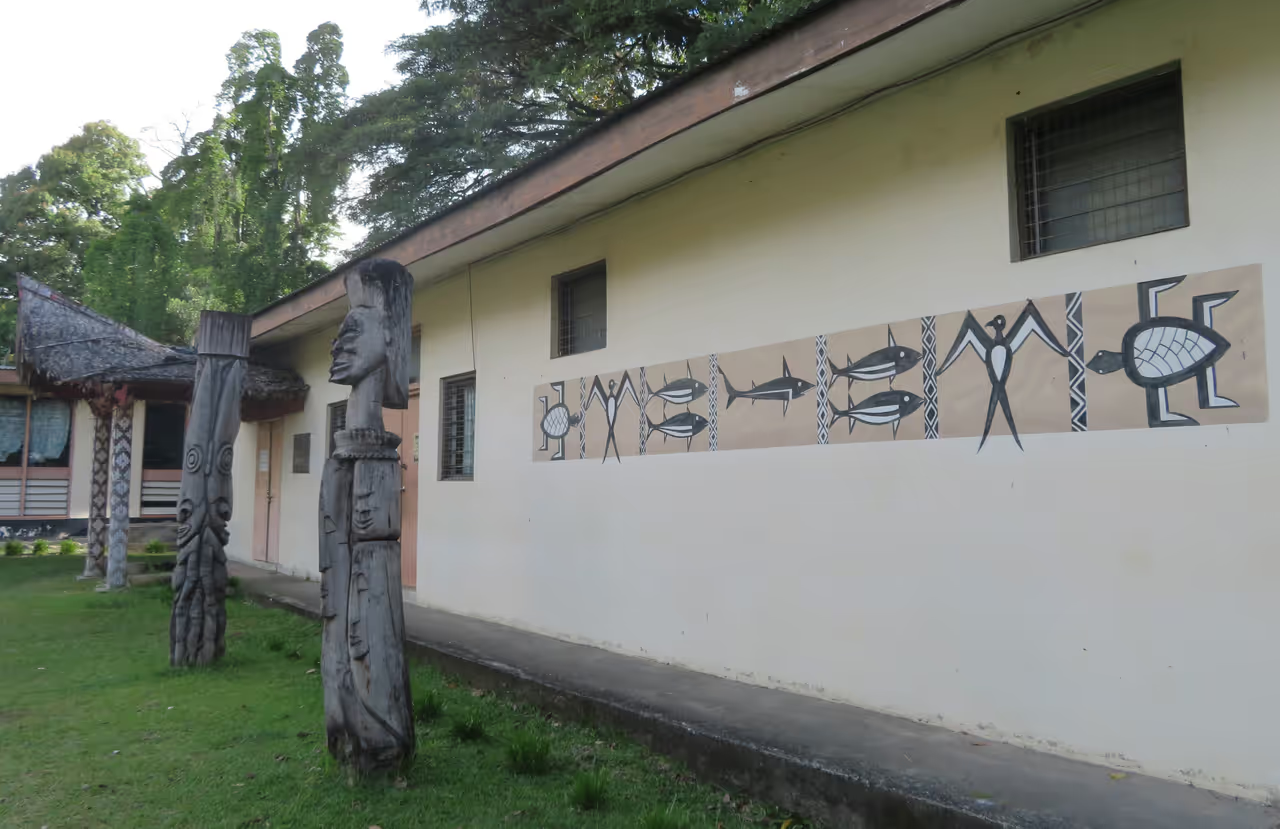
This is the classic capital stroll, taking you straight down the main coastal thoroughfare. You will walk under the shade of massive rain trees while keeping the sparkling ocean constantly in sight. The path leads past highly significant cultural institutions, lively hotel cafes, and beautifully carved wooden monuments. It is the absolute best way to orient yourself and absorb the relaxed tropical pace of the city.
view walking route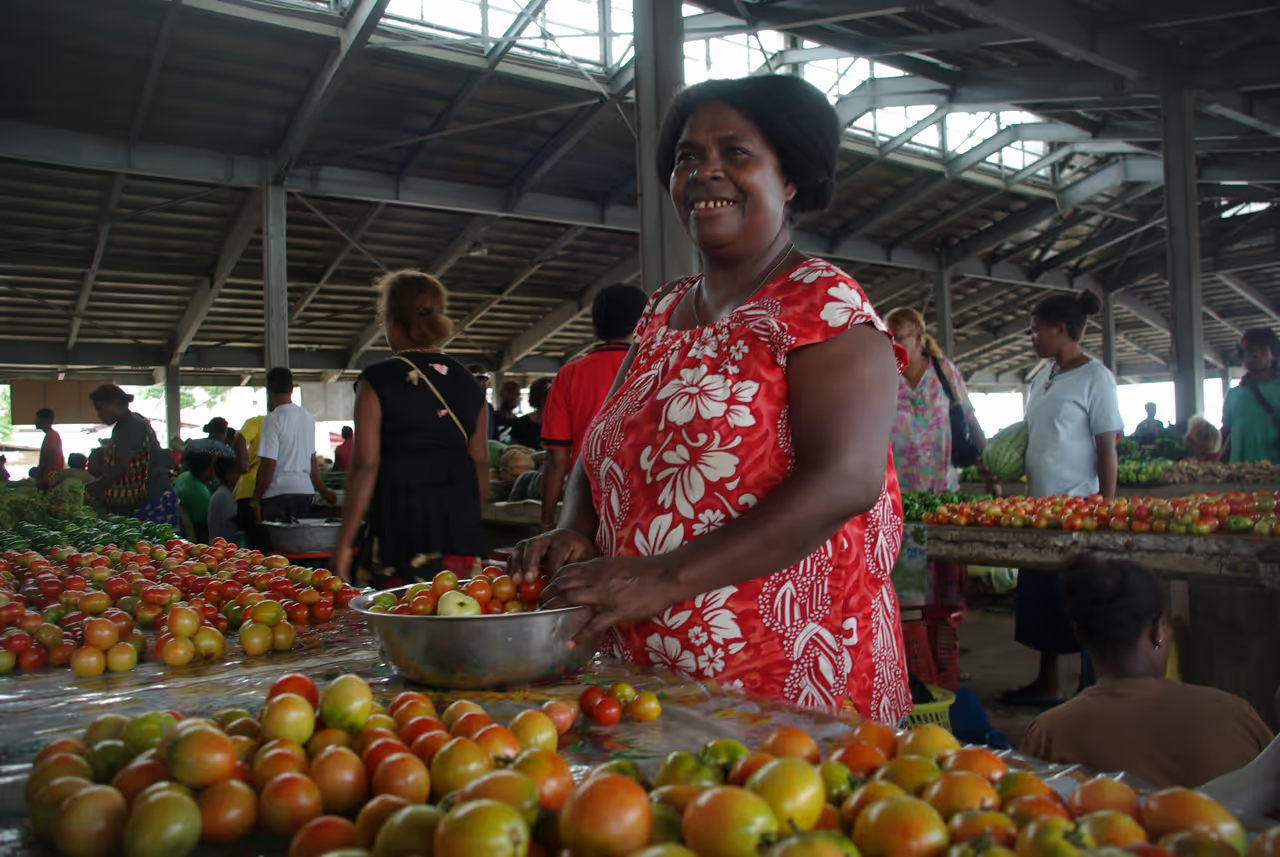
Honiara Cultural & Art Walk
Dive deep into the rich artistic traditions of Melanesia by following this curated route through the capital. You will visit the finest institutions dedicated to preserving the ancient customs, dances, and crafts of the islanders. The tour highlights the incredibly intricate wood carvings and shell money that are unique to the Solomon Islands. It is a wonderful celebration of human creativity and the enduring spirit of the indigenous population.
view self-guided tour
See all attractions in Honiara
Guadalcanal American Memorial, National Parliament of the Solomon Islands, Vilu Military Museum...