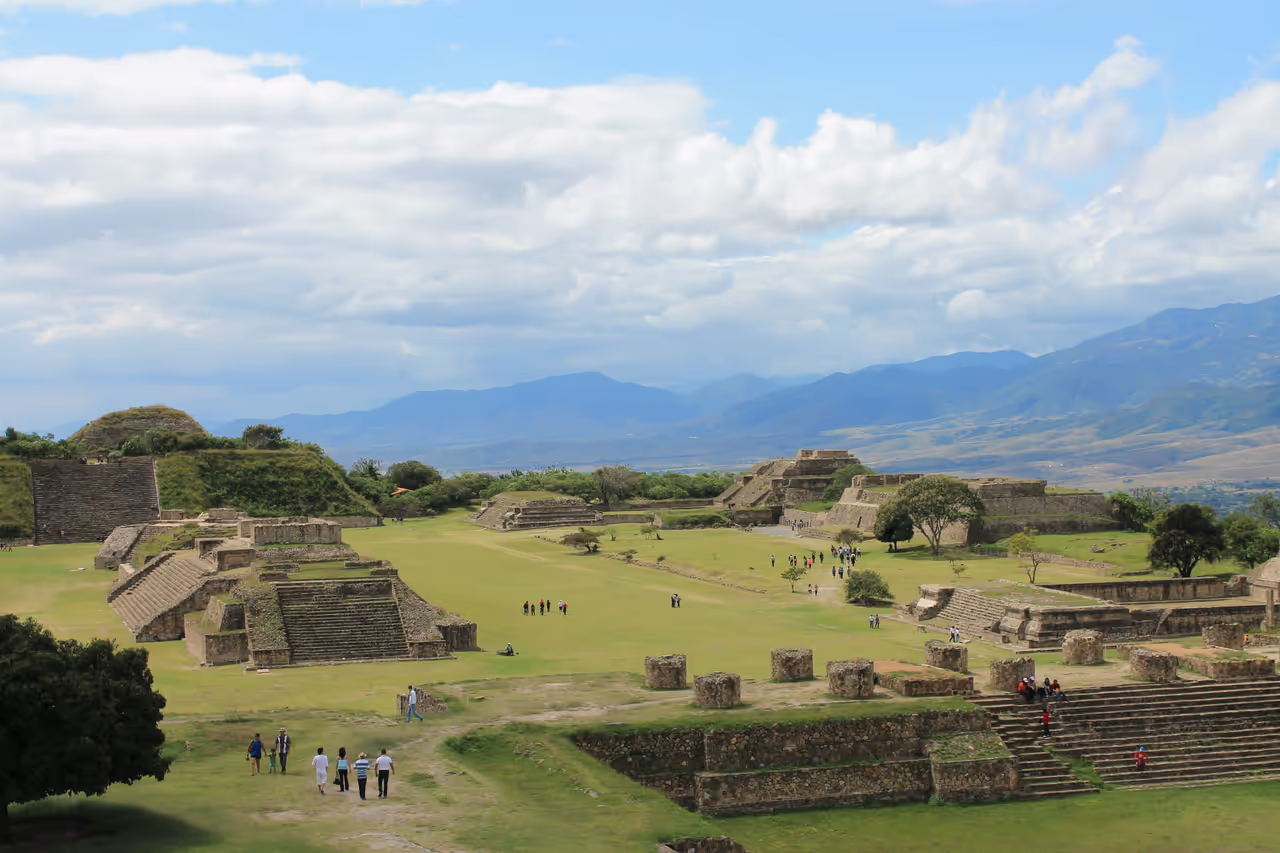
Monte Albán
Perched high above the Oaxaca Valley, Monte Albán stands as a breathtaking testament to the ingenuity of the Zapotec civilisation. This ancient metropolis, carved into the very summit of a flattened mountain, offers visitors an unparalleled connection to Mesoamerican history. As you wander through the expansive main plaza, you are surrounded by pyramids and platforms that were once the heartbeat of a thriving empire. The site provides a profound historical journey along with panoramic views that stretch across the surrounding landscape. Whether you are marvelling at the cryptic stone carvings or contemplating the sheer scale of the engineering required to build a city in the clouds, the atmosphere here is nothing short of magical.
Videos
History of Monte Albán
The history of Monte Albán is a story of human ambition and the sheer will to dominate the landscape. Around 500 BC, the Zapotec people did something remarkable: they looked at a rugged mountain ridge overlooking the fertile valleys and decided to transform it into the epicentre of their world. They did not simply build upon the mountain; they terraformed it, flattening the ridgeline to create a massive, elevated stage for their rituals and governance. This act of urban planning, known as the Monte Alban Synoikism, pulled people from scattered settlements into a singular, powerful capital that would soon command the entire region. At its peak, the city was a thriving metropolis of over 17,000 people, serving as the heartbeat of a complex state that stretched its influence far beyond the valley. The Zapotecs were sophisticated thinkers, astronomers, and rulers who maintained high-level connections with distant cities like Teotihuacan. The architecture here tells the story of this societal hierarchy, with temples and elite residences positioned to oversee the commoners living on the terraces below. Every stone, from the conquest slabs of Building J to the carved Danzantes, was placed with intent, serving to legitimise the authority of the ruling class and document their successes on the battlefield. By the end of the first millennium, the influence of Monte Albán began to wane, and the site was gradually abandoned. While the reasons for this departure remain a subject of intense debate among archaeologists, the legacy of the city remained etched into the landscape. Centuries later, explorers and archaeologists like Alfonso Caso arrived to peel back the layers of history, uncovering everything from classic Zapotec tombs to the exquisite, treasure-filled burial sites of later cultures. Today, the site stands as a proud guardian of Zapotec identity, reminding all who climb its steps of the civilisation that once turned a mountain into a monument.
Events spanning 2487 years
Fun Facts
- • Archaeological evidence confirms that Zapotec elites maintained sophisticated diplomatic and mercantile ties with the distant, powerful city of Teotihuacan.
- • Building J, with its distinct arrow-like shape, served as an ancient observatory aligned perfectly with the star Capella, which held great astronomical significance for the Zapotec people.
- • The famous Danzantes stone carvings were long misunderstood as depictions of dancers, but they are now recognised as representing captured and tortured war leaders.
- • The name Monte Albán remains a mystery; it may be a corruption of a native Zapotec term, a reference to a Spanish soldier, or perhaps a nod to the Alban Hills of Italy.
- • The site continues to face challenges from urban growth, as modern developments slowly creep toward the ancient boundaries of the protected archaeological zone.
- • The site layout suggests distinct social stratification, with monumental mounds positioned to allow the ruling class to maintain visual surveillance over the residential areas of common citizens.
- • The site was intentionally chosen for its defensive capabilities, sitting 400 metres above the valley floor to ensure the Zapotec elites could keep a watchful eye over the surrounding territory.
- • To create the vast main plaza, ancient builders artificially levelled the mountaintop, removing vast quantities of earth to form an enormous, flat ceremonial space capable of holding the city’s entire population.
- • Unlike many other ancient cities, Monte Albán's plaza features structures that were built with precise astronomical alignments in mind, connecting earthbound rituals to the movements of the heavens.
RESOURCES
Heritage UNESCO SiteMonte Albán FAQ
While we strive to keep this information accurate and up to date, we recommend verifying any details independently before making decisions based on them.
Monte Albán Map & Neighborhood Explorer
This interactive map is centered on Monte Albán. Zoom in and move the map around to automatically discover Wikipedia photos and summaries of other nearby sights, monuments, and historical points of interest and stories in real-time!
Places near Monte Albán
Make the most of your trip. Check out these top-rated spots located nearby.
 3529m
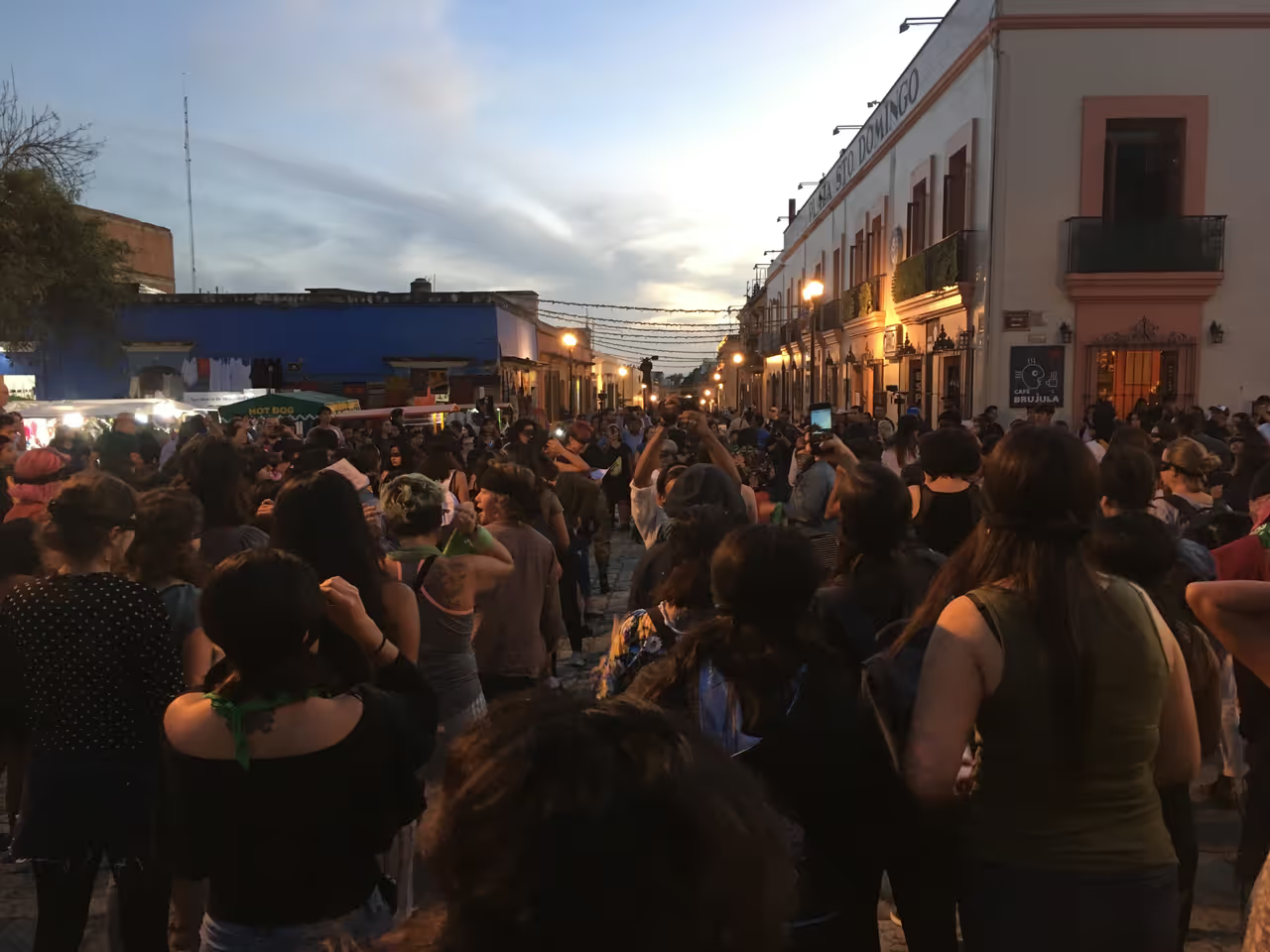
3529mStrolling the Macedonio Alcalá Corridor
This wide, pedestrianised street is the cultural and visual spine of the historic centre, connecting the main square to the Santo Domingo church. Paved entirely with green volcanic stone, it is flanked by some of the city's most magnificent and well-preserved colonial architecture. The corridor is a constant flurry of activity, hosting art galleries, upscale boutiques, and charming cafes. Street performers, indigenous vendors, and slow-strolling locals create a vibrant, continually shifting atmosphere. Taking an unhurried walk here is the absolute best way to absorb the city's cosmopolitan yet deeply traditional character.
highlight view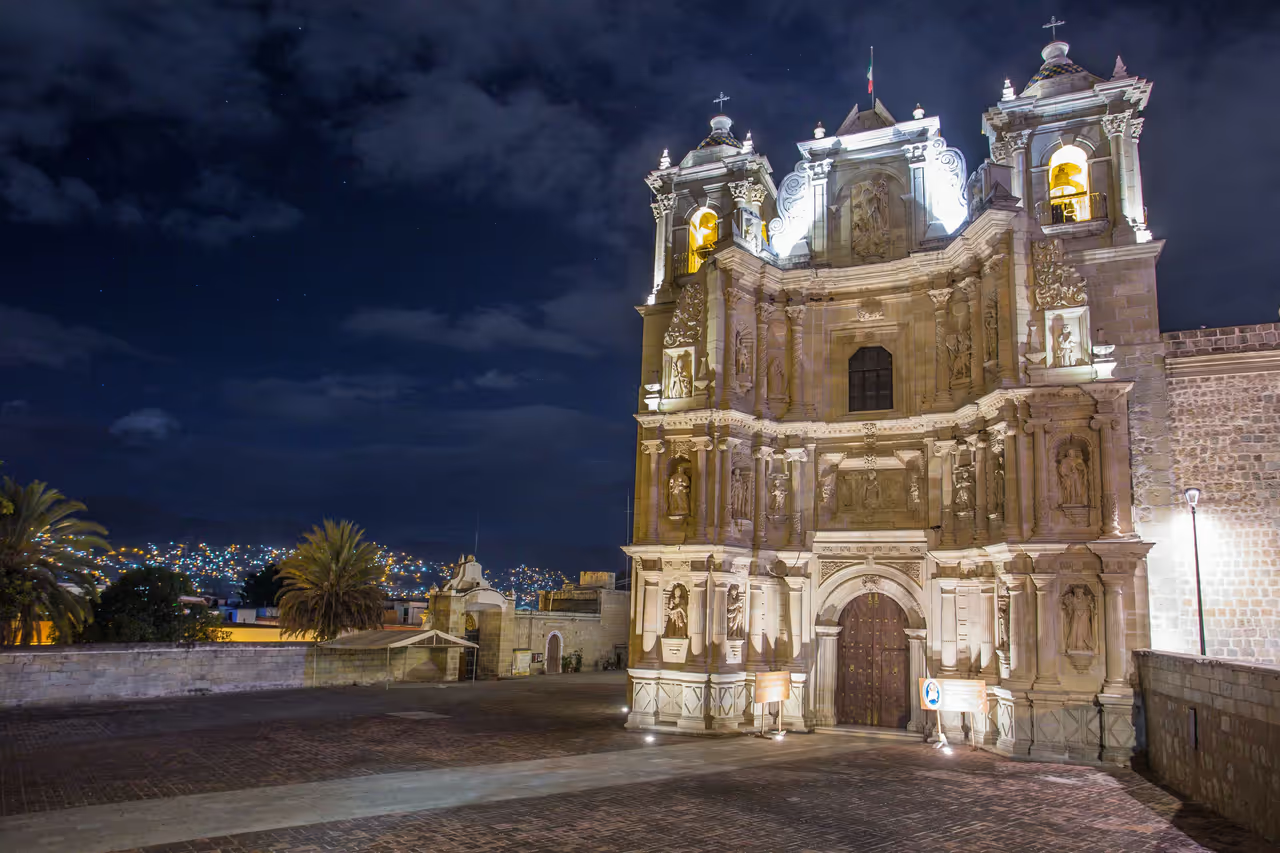 4630m
4630mBasilica of Our Lady of Solitude
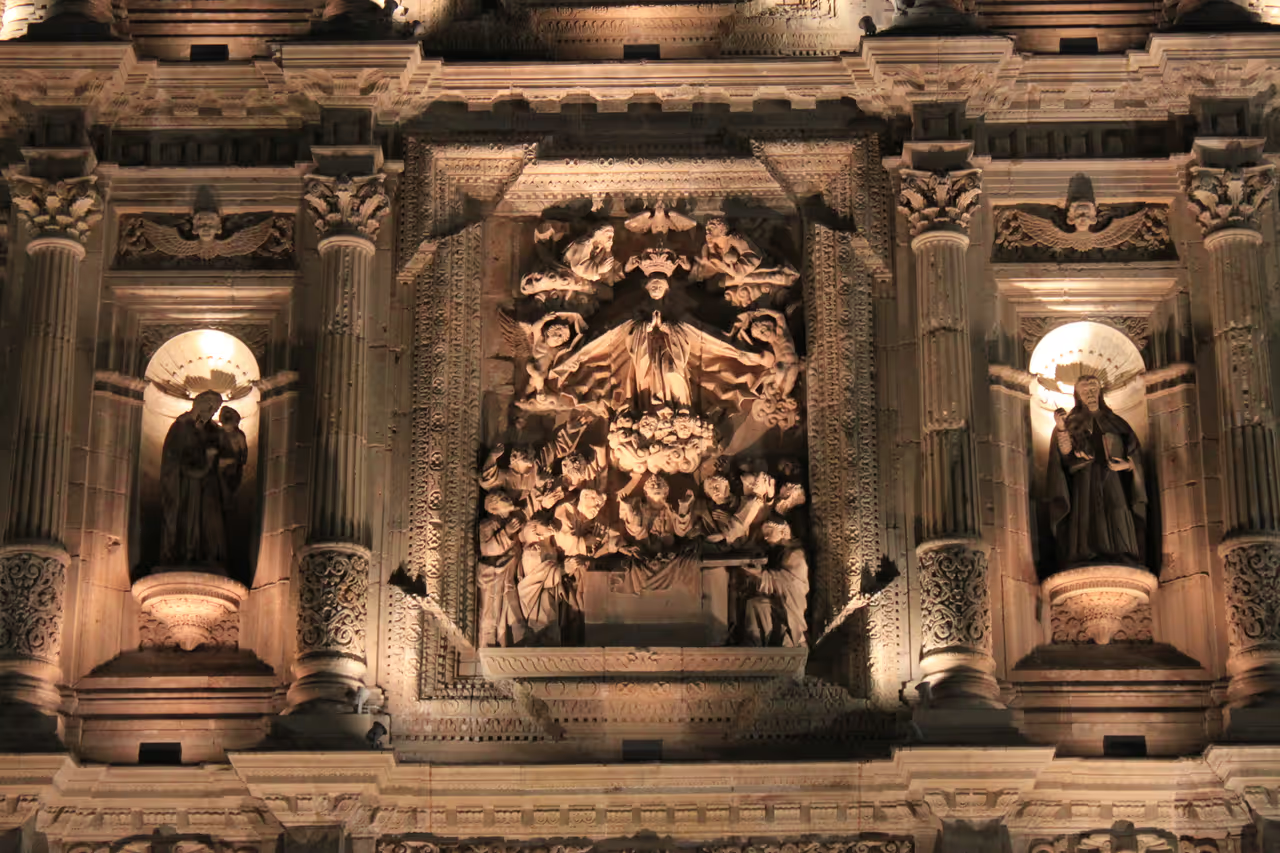
Standing as a majestic sentinel in the heart of Oaxaca City, the Basilica of Our Lady of Solitude is a masterclass in colonial architecture. Carved from local green cantera stone, its magnificent Baroque facade draws visitors in with incredibly intricate detailing that tells stories of deep devotion. Stepping inside, the atmosphere shifts to one of profound peace, offering a welcome respite from the energy of the streets outside. The church holds a special place in the hearts of locals as the home of the patron saint of Oaxaca, creating a spiritual atmosphere that lingers long after you leave. Beyond its religious significance, the building is a triumph of engineering designed to withstand the region's seismic activity with its stout towers. Whether you are an architecture enthusiast or someone seeking a quiet moment of reflection, this basilica provides an unforgettable experience.
attraction view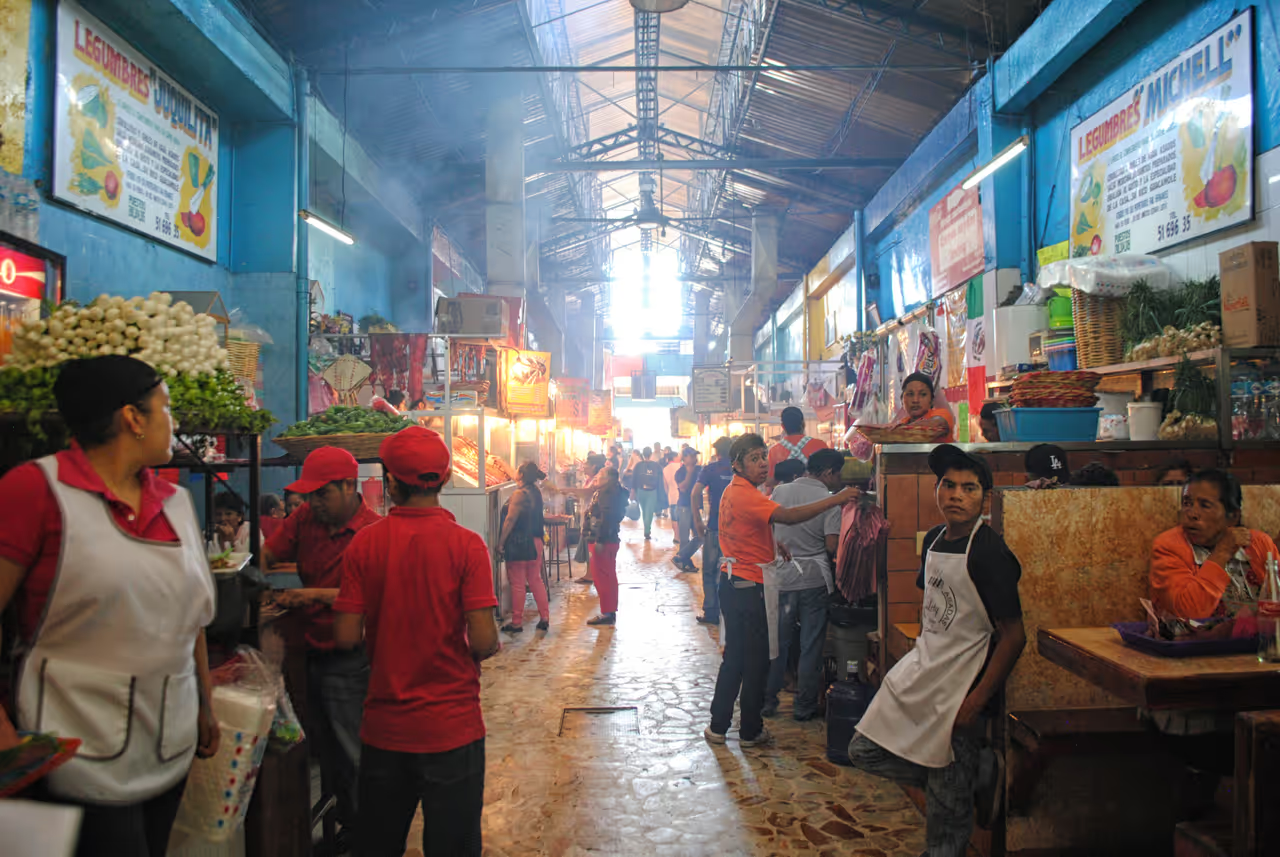 4681m
4681m20th of November Market
This expansive covered market is the ultimate destination for experiencing the intense, authentic flavours of Oaxacan street food and traditional meals. It is famous for the 'Pasillo de Humo' (Hall of Smoke), a narrow aisle lined with vendors grilling thin cuts of beef, pork, and spicy chorizo over roaring charcoal fires. Visitors can purchase meat by weight, grab some fresh tortillas and salsas from neighbouring stalls, and feast at communal tables. Beyond the smoke hall, the market offers fantastic regional breads, rich hot chocolate, and enormous crispy tlayudas. The atmosphere is loud, smoky, and absolutely unforgettable.
market view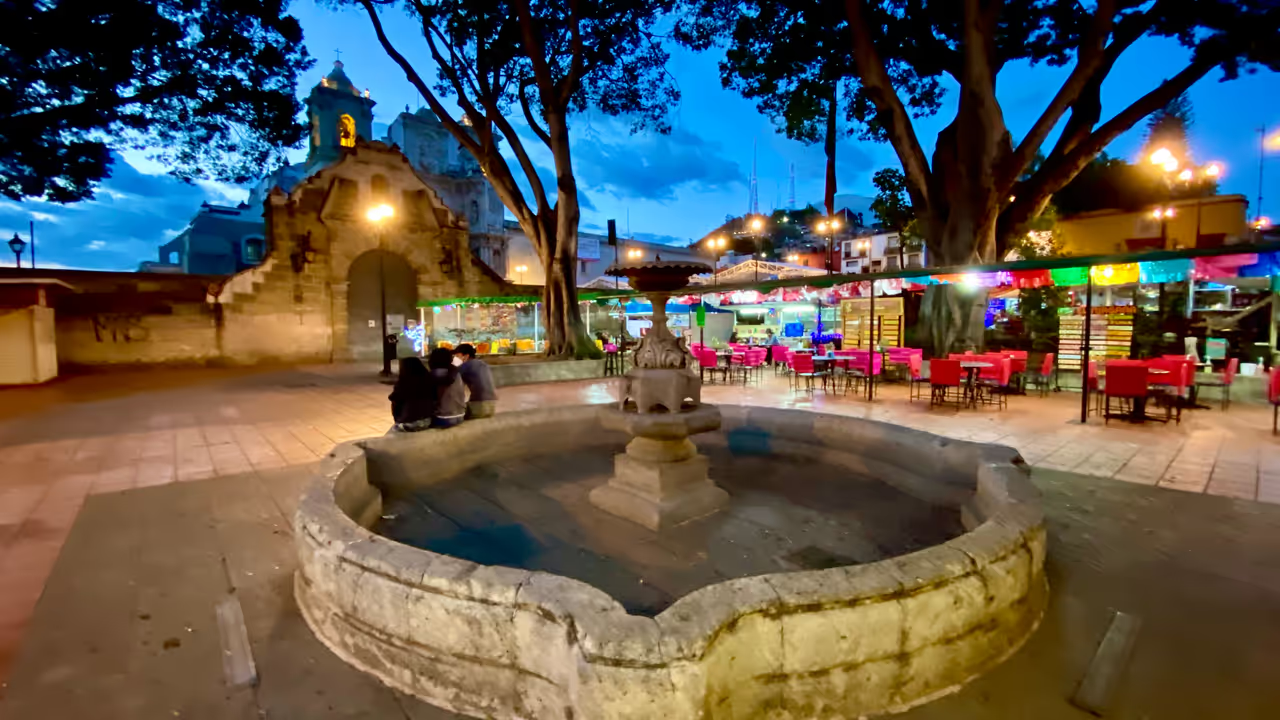 4696m
4696mSocrates Garden
Located right next to the grand Basilica of Our Lady of Solitude, this shaded garden is the city's premier destination for traditional 'nieves' (Oaxacan sorbets). Underneath the canopy of trees, numerous family-run stalls offer an astonishing variety of flavours, from classic burnt milk and tuna (prickly pear cactus fruit) to mezcal and exotic mamey. The garden itself was once the atrium of the basilica before being converted into a public park in 1881. It is the perfect, refreshing retreat after exploring the sun-drenched colonial streets. Sitting here with a sweet treat while listening to the distant church bells is a quintessential local pastime.
hidden gem view
Featured on These Itineraries
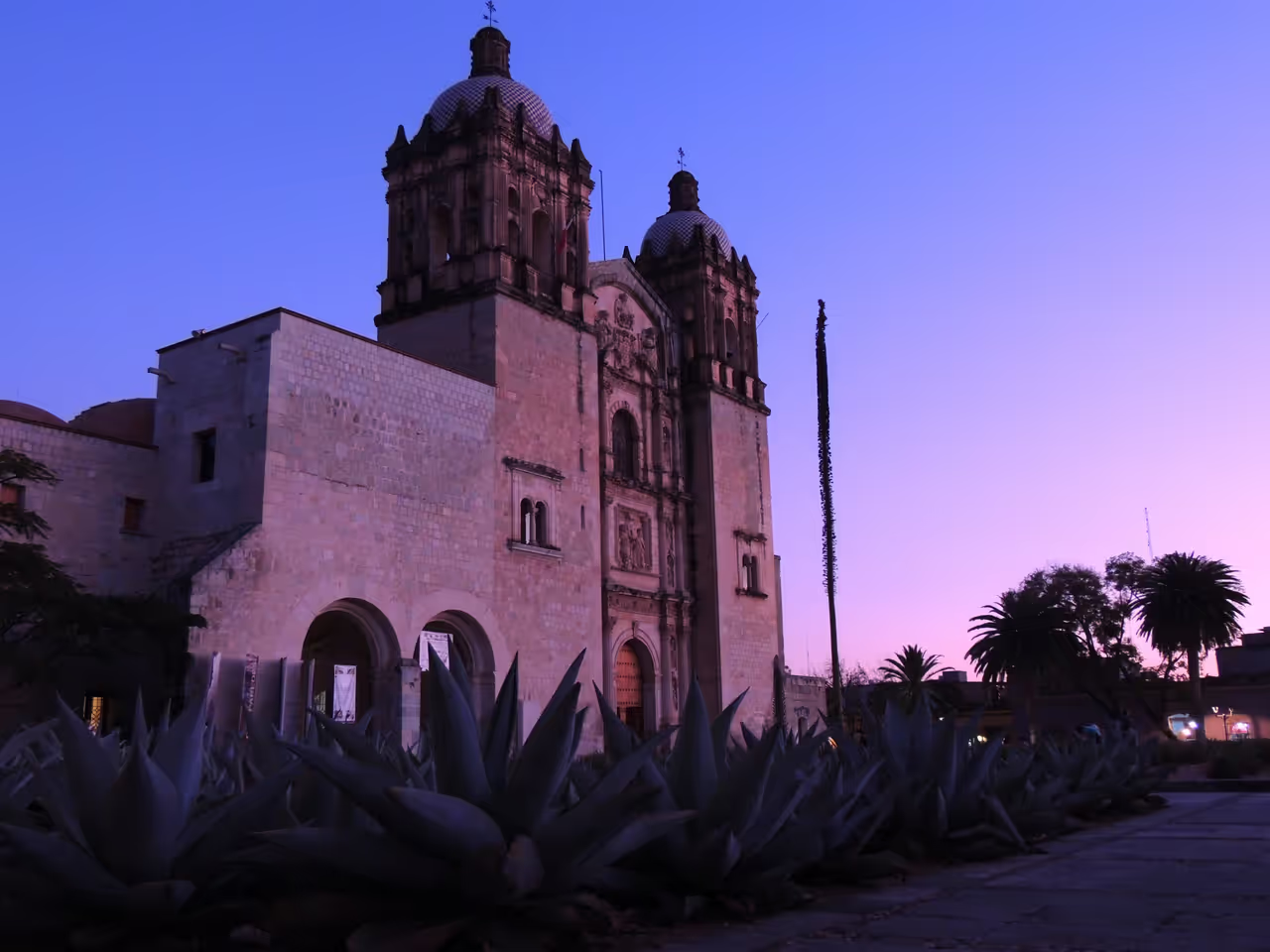
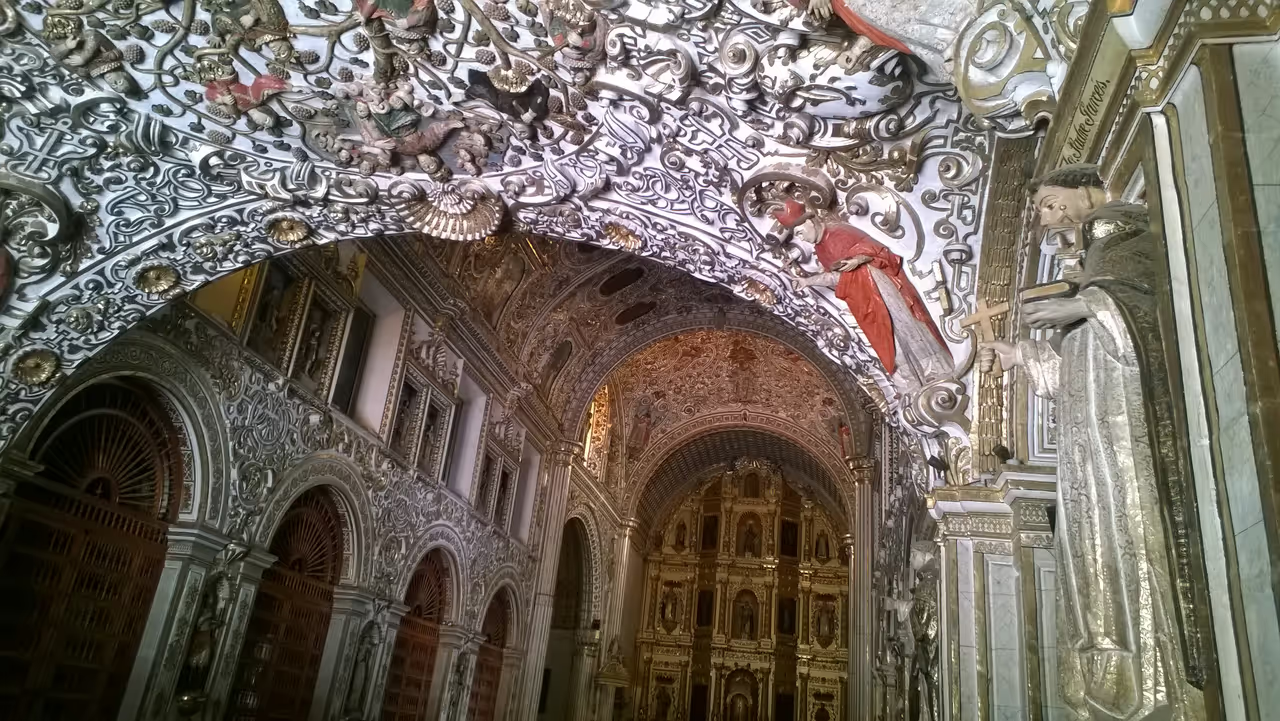
1 Day in Oaxaca: Essentials Itinerary
If you only have one day, this intense but rewarding itinerary hits the absolute must-see highlights of the historic centre. You will experience the monumental colonial architecture, dive headfirst into the chaotic brilliance of the local food markets, and witness the region's finest ancient treasures. It is designed to provide a rapid, sensory immersion into the city's unique blend of indigenous culture and Spanish heritage. Prepare for a full day of walking and eating.
view itinerary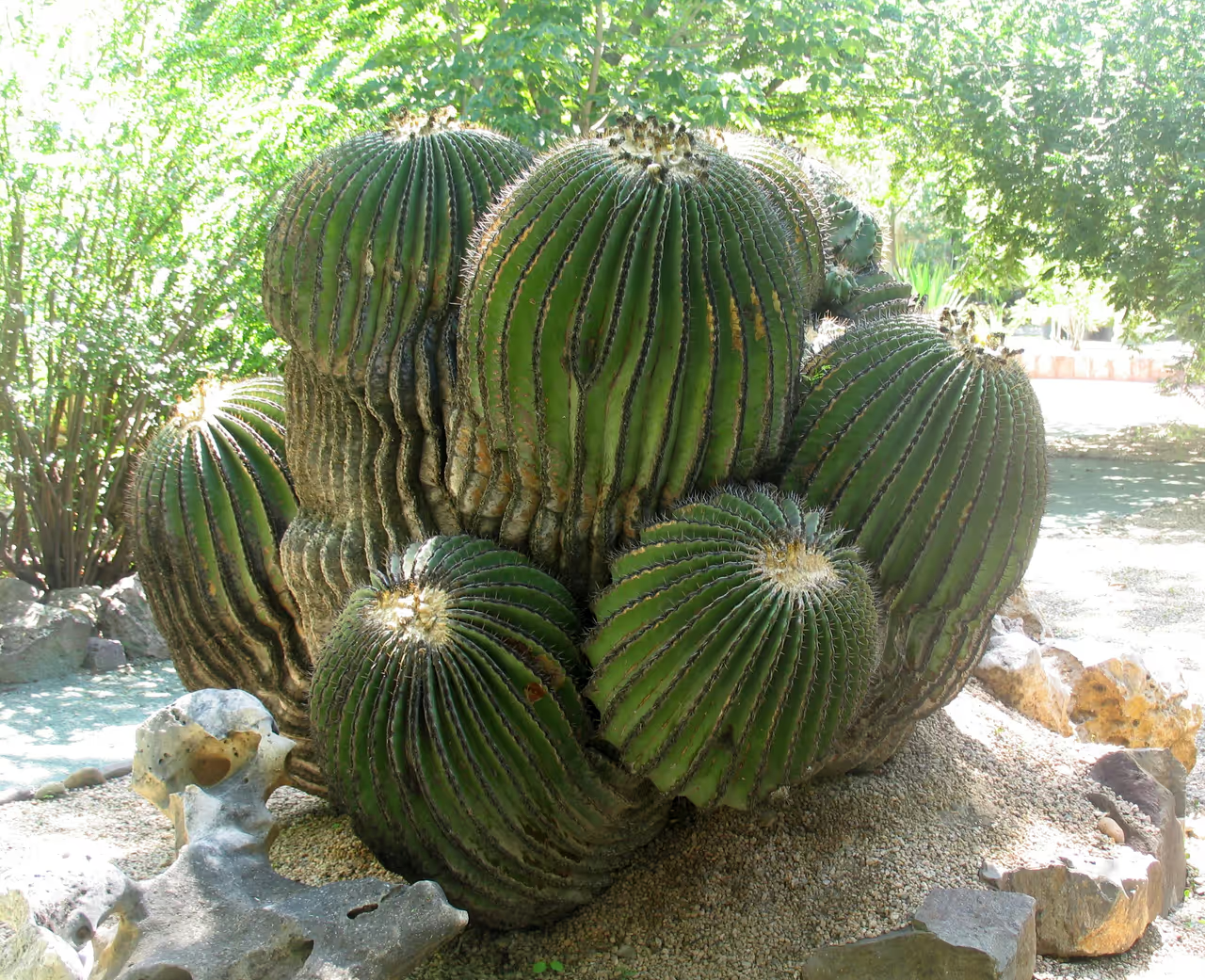
3 Days in Oaxaca Itinerary
Three days allows you to venture beyond the city centre to explore the magnificent ancient ruins overlooking the valley. You will have time to appreciate the deep botanical history of the region and experience the contrasting atmospheres of different historic neighbourhoods. This itinerary balances major archaeological sites with leisurely, culturally enriching strolls and vibrant nightlife. It provides a highly satisfying overview of what makes the city so globally celebrated.
view itinerary