Basilica of Our Lady of Solitude
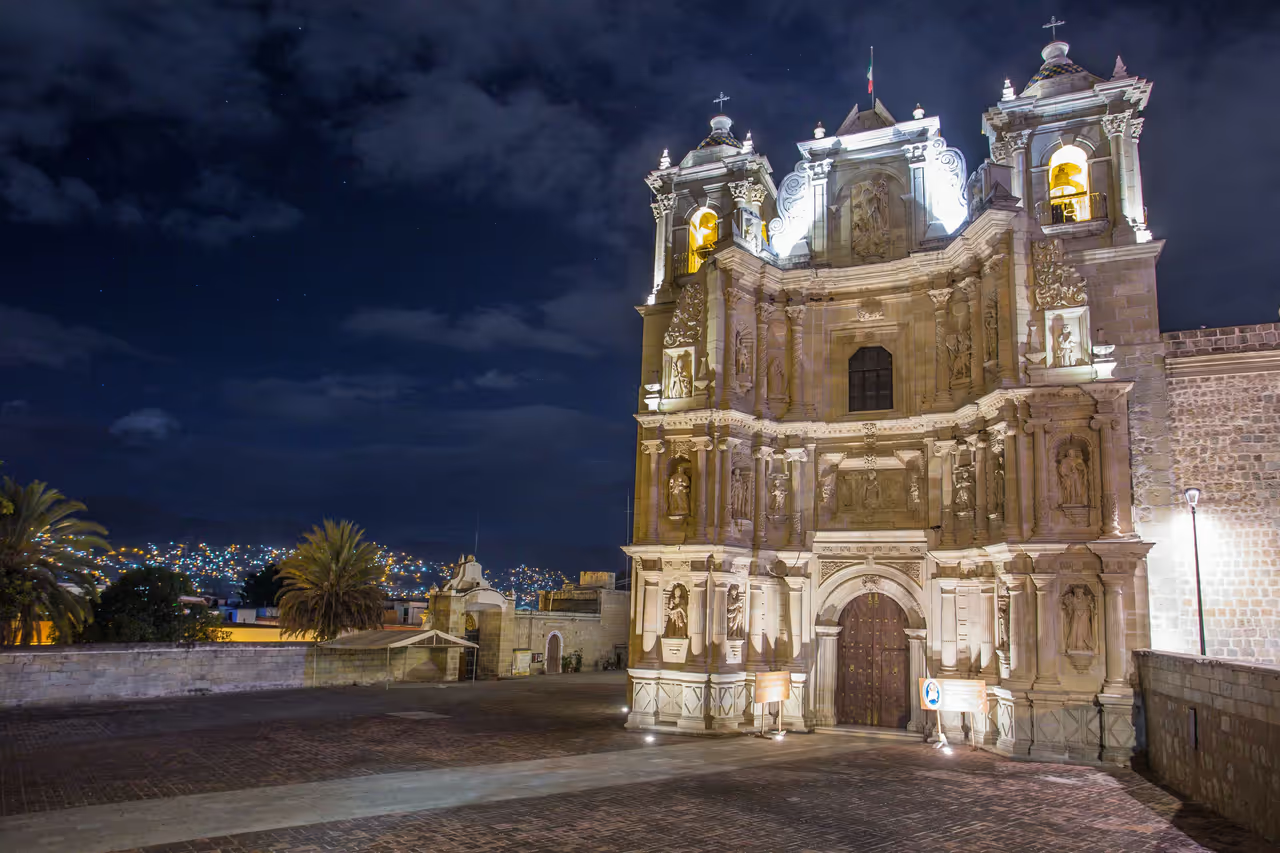
Standing as a majestic sentinel in the heart of Oaxaca City, the Basilica of Our Lady of Solitude is a masterclass in colonial architecture. Carved from local green cantera stone, its magnificent Baroque facade draws visitors in with incredibly intricate detailing that tells stories of deep devotion. Stepping inside, the atmosphere shifts to one of profound peace, offering a welcome respite from the energy of the streets outside. The church holds a special place in the hearts of locals as the home of the patron saint of Oaxaca, creating a spiritual atmosphere that lingers long after you leave. Beyond its religious significance, the building is a triumph of engineering designed to withstand the region's seismic activity with its stout towers. Whether you are an architecture enthusiast or someone seeking a quiet moment of reflection, this basilica provides an unforgettable experience.
Videos
History of Basilica of Our Lady of Solitude
The story of the Basilica begins with a miraculous discovery in the 17th century. Legend tells of a mule appearing in Oaxaca carrying a statue of the Virgin Mary, which was initially thought to be a simple crate. When the creature died at the spot where the church now stands, local authorities opened the cargo to reveal the image of Our Lady of Solitude, leading to the construction of a sanctuary to house this divine arrival. Construction began in 1682, driven by the need for a structure that could survive the frequent earthquakes common to the region. Architect Fernando Méndez and the church authorities made the deliberate choice to build with massive, thick walls and relatively low, sturdy towers. This engineering foresight proved vital as the basilica stood strong while many other colonial structures crumbled around it over the centuries. By 1718, the elaborate Baroque facade was completed, showcasing the exquisite craftsmanship of the era. Today, the church stands as a testament to the resilience of the Oaxacan people. It remains a focal point of the city, housing a historic 17th-century pipe organ that continues to sing out, bridging the gap between the colonial past and the vibrant present of this cultural capital.
Events spanning 318 years
Fun Facts
- • Engineers intentionally designed the structure with low, sturdy towers specifically to resist the frequent and powerful earthquakes common to the valley.
- • Local legend holds that the site was chosen because a mule arrived in town carrying a mysterious crate, only to collapse and die exactly where the church now stands, with the crate found to contain the image of the Virgin.
- • The Basilica serves as the sanctuary for the patron saint of the city, Our Lady of Solitude, making it a primary destination for major religious processions.
- • The church is constructed from a unique variety of green volcanic stone known as cantera verde, which is distinct to the region surrounding Oaxaca.
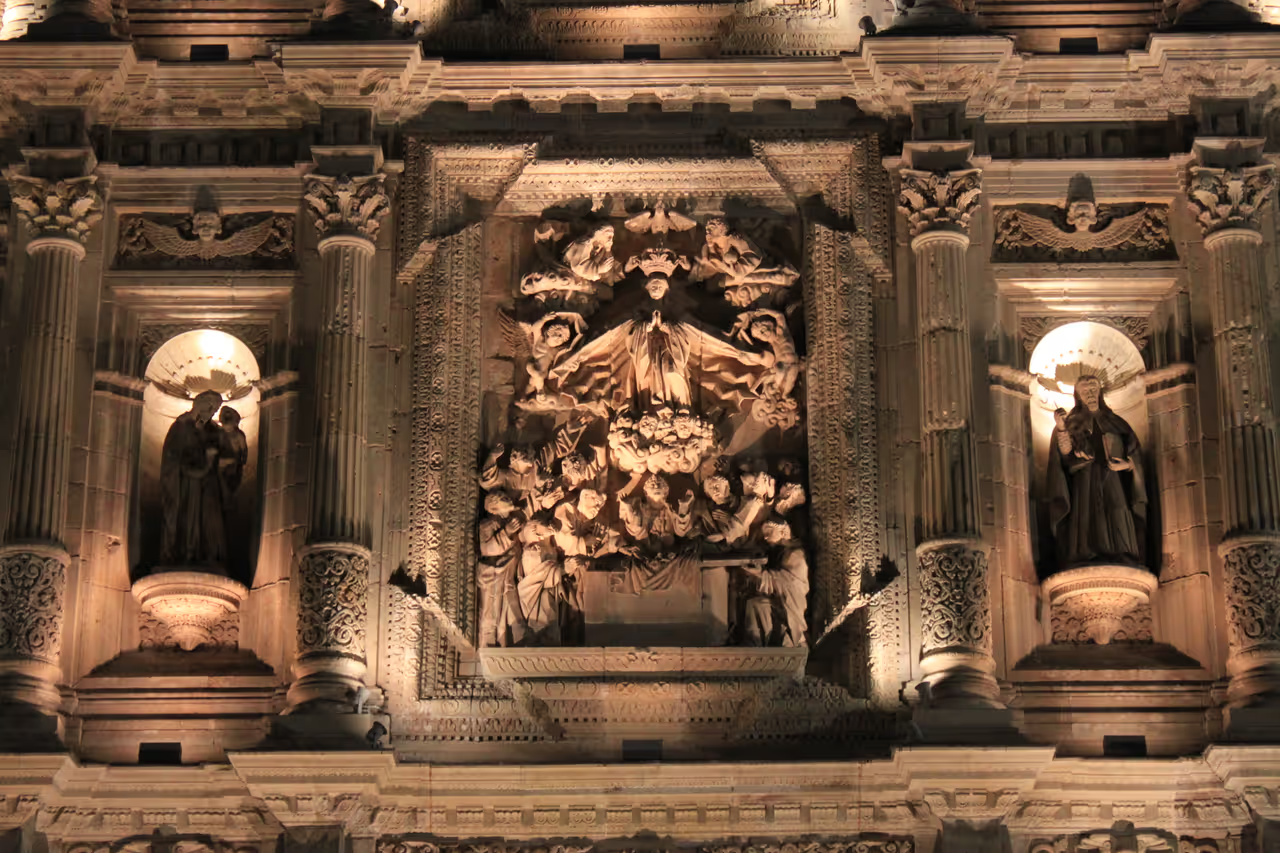
- • The facade is a prime example of the Churrigueresque style, an ultra-ornate form of Baroque architecture that flourished in New Spain.
- • The interior features a stunning dome that captures natural light, illuminating the space in a way that beautifully highlights the gilded altarpiece.
- • The interior houses an impressive pipe organ dating back to 1686, which remains a rare survivor of the colonial period.
- • The intricate stone carving on the main entrance is widely considered one of the finest examples of colonial sculpture in all of Mexico.
- • The structure is a key component of the UNESCO World Heritage site that protects the historic centre of Oaxaca de Juárez.
- • Visitors often witness the local tradition of milagros, which are small charms left by worshippers to ask for favours or offer thanks to the patron saint.
Basilica of Our Lady of Solitude FAQ
While we strive to keep this information accurate and up to date, we recommend verifying any details independently before making decisions based on them.
Basilica of Our Lady of Solitude Map & Neighborhood Explorer
This interactive map is centered on Basilica of Our Lady of Solitude. Zoom in and move the map around to automatically discover Wikipedia photos and summaries of other nearby sights, monuments, and historical points of interest and stories in real-time!
Places near Basilica of Our Lady of Solitude
Make the most of your trip. Check out these top-rated spots located nearby.
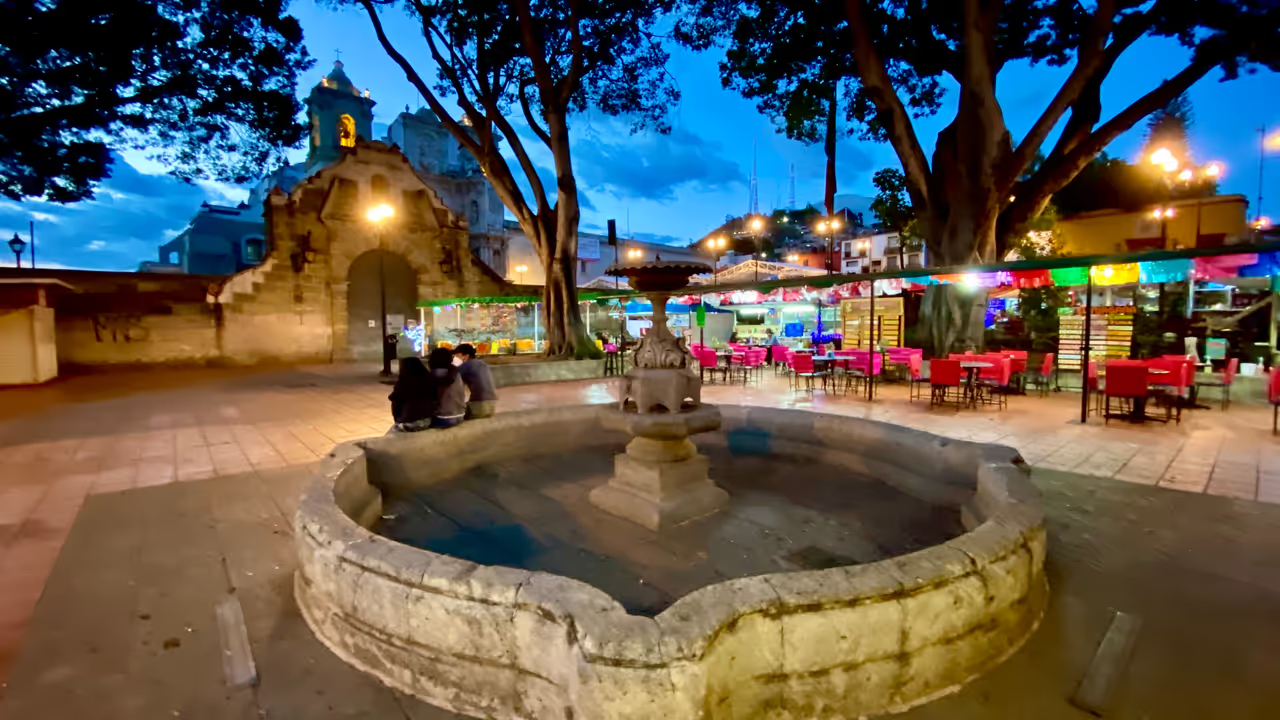 102m
102mSocrates Garden
Located right next to the grand Basilica of Our Lady of Solitude, this shaded garden is the city's premier destination for traditional 'nieves' (Oaxacan sorbets). Underneath the canopy of trees, numerous family-run stalls offer an astonishing variety of flavours, from classic burnt milk and tuna (prickly pear cactus fruit) to mezcal and exotic mamey. The garden itself was once the atrium of the basilica before being converted into a public park in 1881. It is the perfect, refreshing retreat after exploring the sun-drenched colonial streets. Sitting here with a sweet treat while listening to the distant church bells is a quintessential local pastime.
hidden gem view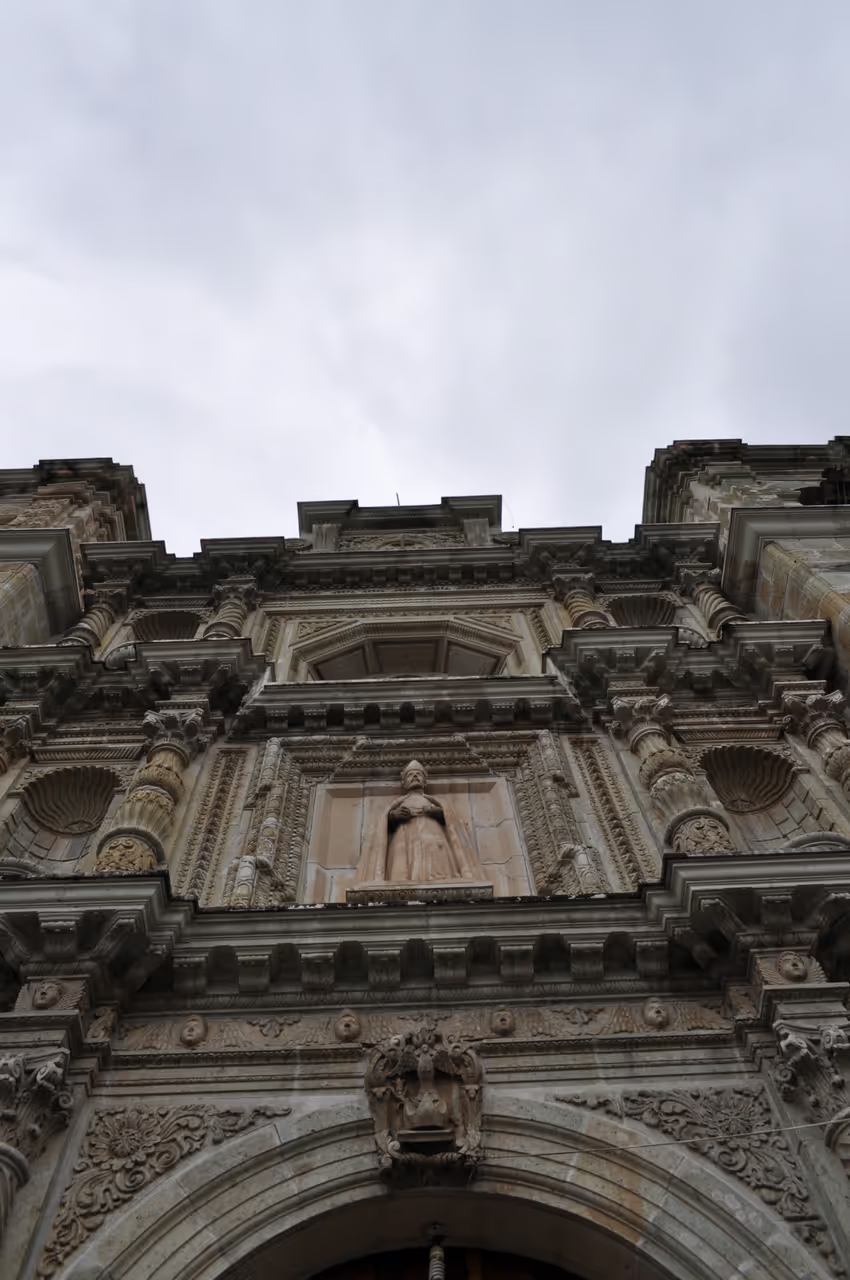 315m
315mSan Felipe Neri Church
This church is a magnificent display of classic baroque architecture, complete with unique inverted, truncated pyramid columns known as 'estípite'. The facade is a masterclass in deeply carved stone ornamentation that demands close inspection. Inside, the church holds historical significance as the site where President Benito Juárez married Margarita Maza in 1841. The absolute highlight is the breathtaking, heavily gilded main altarpiece, which shimmers brilliantly in the dim light. It is a quiet, awe-inspiring space that perfectly captures the fervour of colonial religious artistry.
architecture view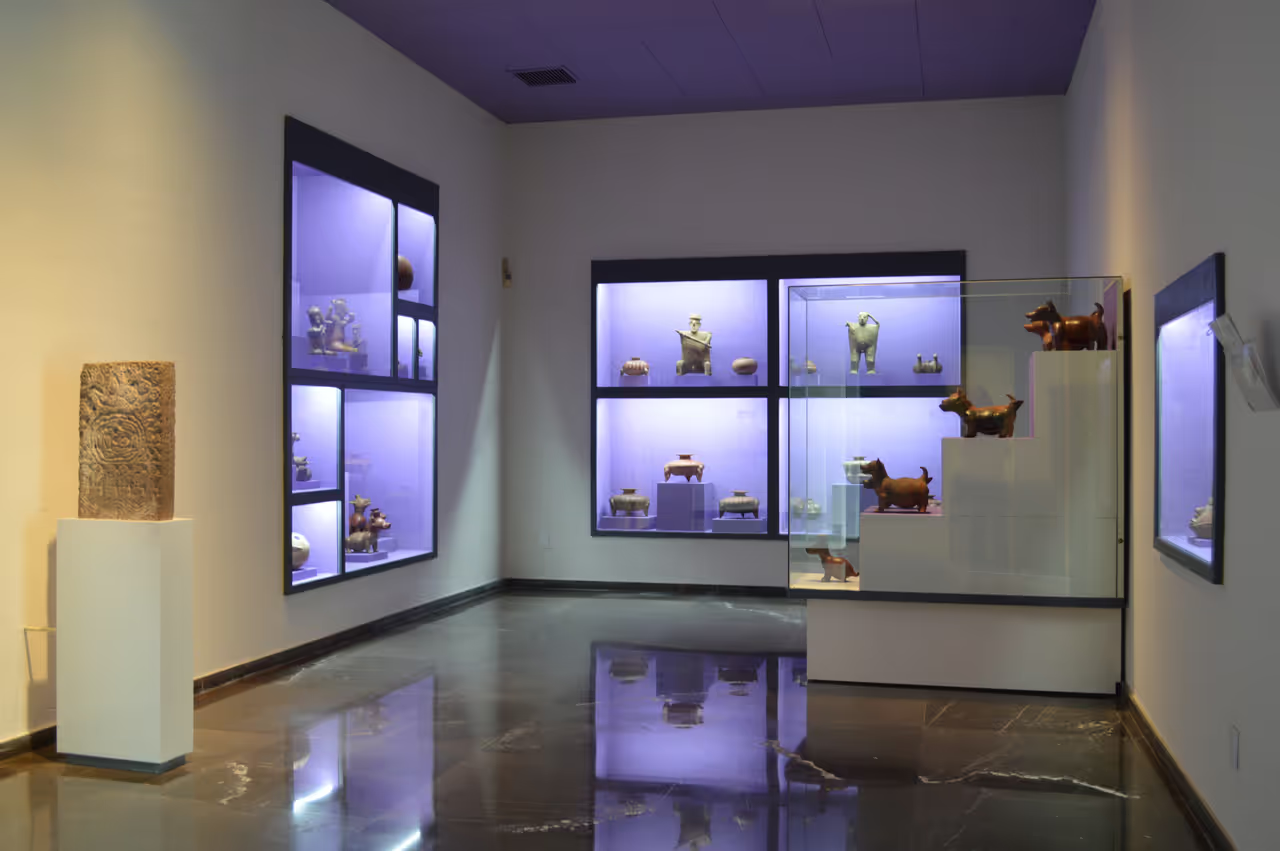 347m
347mRufino Tamayo Museum of Pre-Hispanic Art
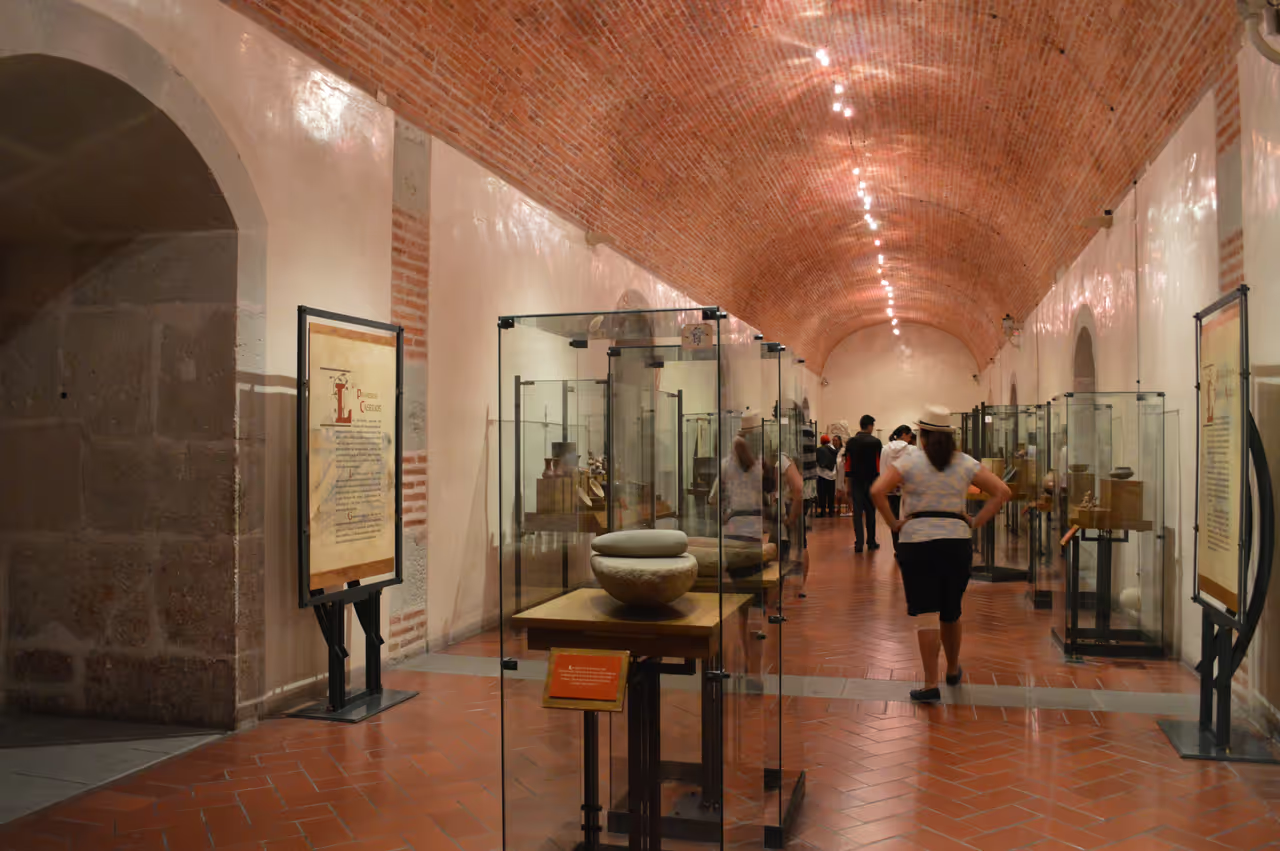
Step into a world where history is viewed through the eyes of an artist, not an archaeologist. The Rufino Tamayo Museum of Pre-Hispanic Art offers a stunning collection of ancient treasures, curated with an emphasis on aesthetic beauty, form, and colour rather than strict timeline sequences. Housed within a beautiful colonial-style mansion, the gallery invites visitors to appreciate the artistry of diverse pre-Columbian cultures that shaped Mexico. It is a deeply personal project by the renowned Zapotec painter Rufino Tamayo, who spent decades salvaging these pieces to protect them from illegal trade and to share their magnificence with his fellow Mexicans. Wandering through these halls, you will find yourself captivated by the expressive power and intimate details of statues and pottery from eras long past. This museum serves as a testament to the continuity of creative spirit, offering a calm and inspiring escape in the heart of Oaxaca.
attraction view- 418m
Tinoco y Palacios Street
This street, running parallel to the main pedestrian corridor, is known for hosting some of the city's most popular dive bars and late-night clubs. It is the go-to destination for those wanting to dance, featuring venues that range from salsa clubs to underground electronic music spots. The crowd here is a lively mix of young locals, students, and adventurous travellers. Many bars feature hidden courtyards or rooftop spaces that only reveal themselves once you step inside. If you are looking to stay out past midnight, this is the street to explore.
nightlife view
Explore Similar Places in This Collection
Featured on These Itineraries and Routes

3 Days in Oaxaca Itinerary
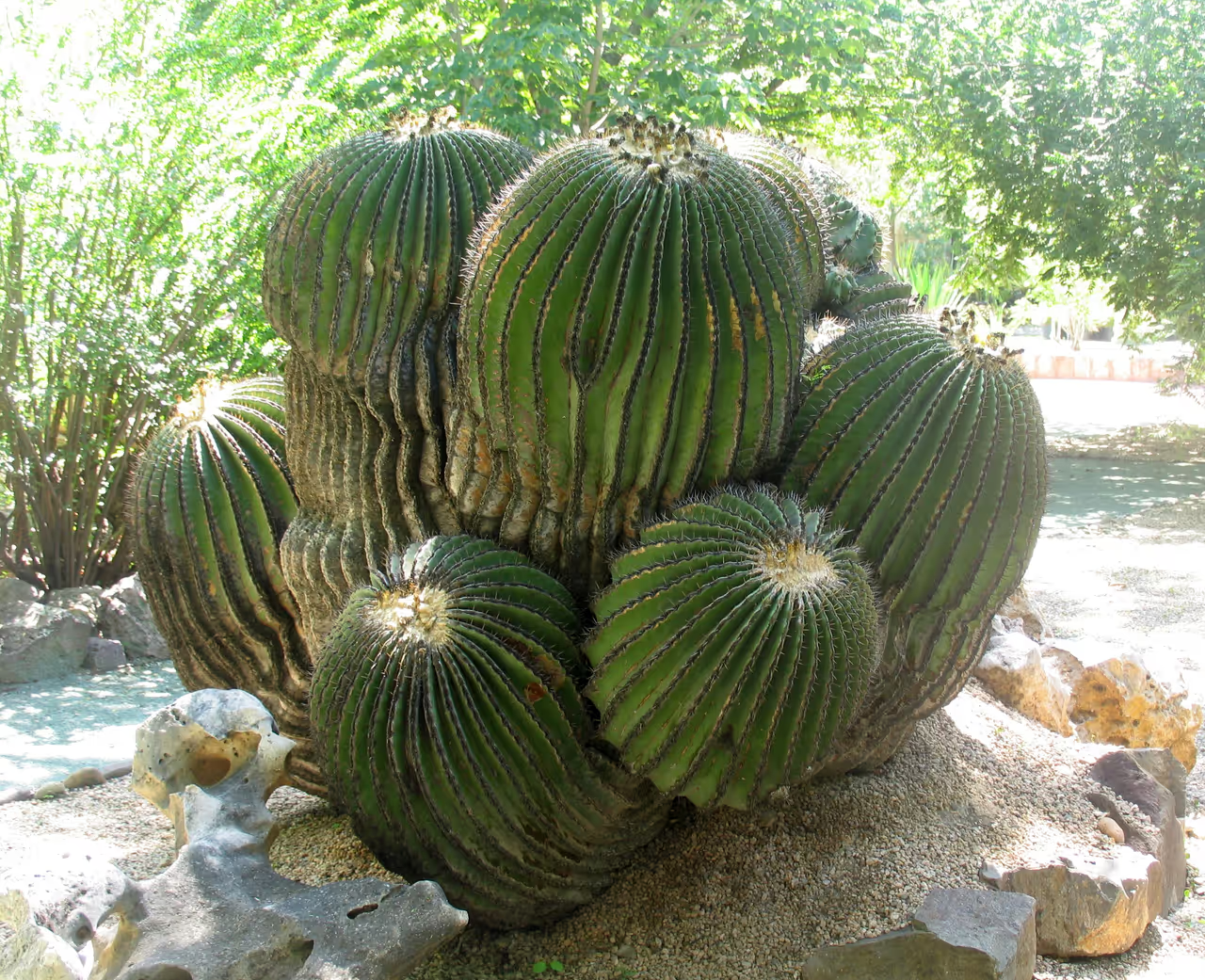
Three days allows you to venture beyond the city centre to explore the magnificent ancient ruins overlooking the valley. You will have time to appreciate the deep botanical history of the region and experience the contrasting atmospheres of different historic neighbourhoods. This itinerary balances major archaeological sites with leisurely, culturally enriching strolls and vibrant nightlife. It provides a highly satisfying overview of what makes the city so globally celebrated.
view itinerary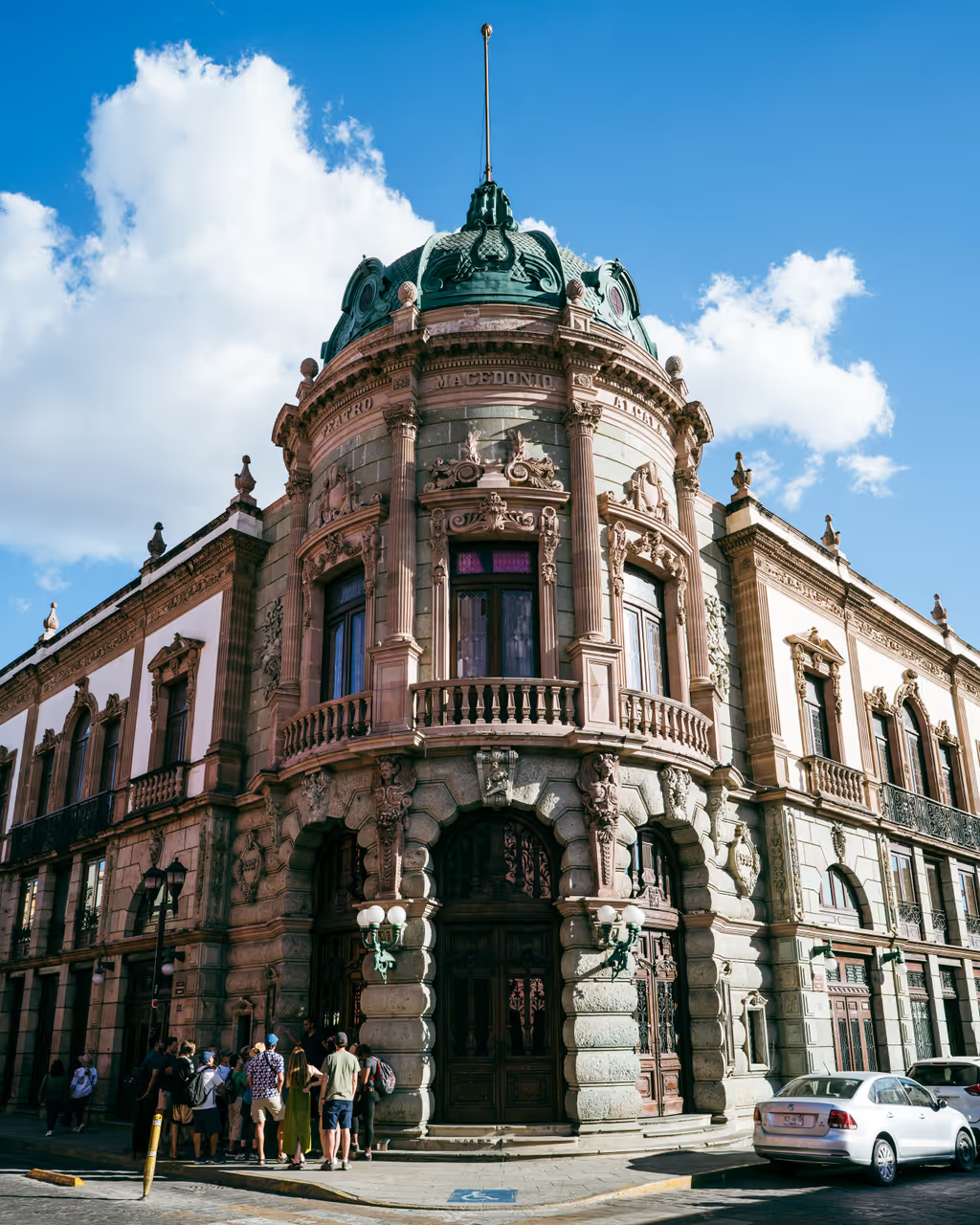

Colonial Grandeur Walk
This route focuses entirely on the monumental stone structures erected following the Spanish conquest. Oaxaca's specific highly seismic environment forced architects to build thick, squat, and incredibly sturdy buildings, resulting in a unique regional style of baroque architecture. The journey highlights the intricate carvings, the distinctive green volcanic stone, and the sheer scale of the religious and civic institutions. It is a visually arresting tour that reveals the immense wealth and power of the colonial era.
view self-guided tour
See all attractions in Oaxaca City
Church and Convent of Santo Domingo de Guzmán, Rufino Tamayo Museum of Pre-Hispanic Art, Santo Domingo Cultural Centre, Mitla, Tree of Tule...