Rufino Tamayo Museum of Pre-Hispanic Art
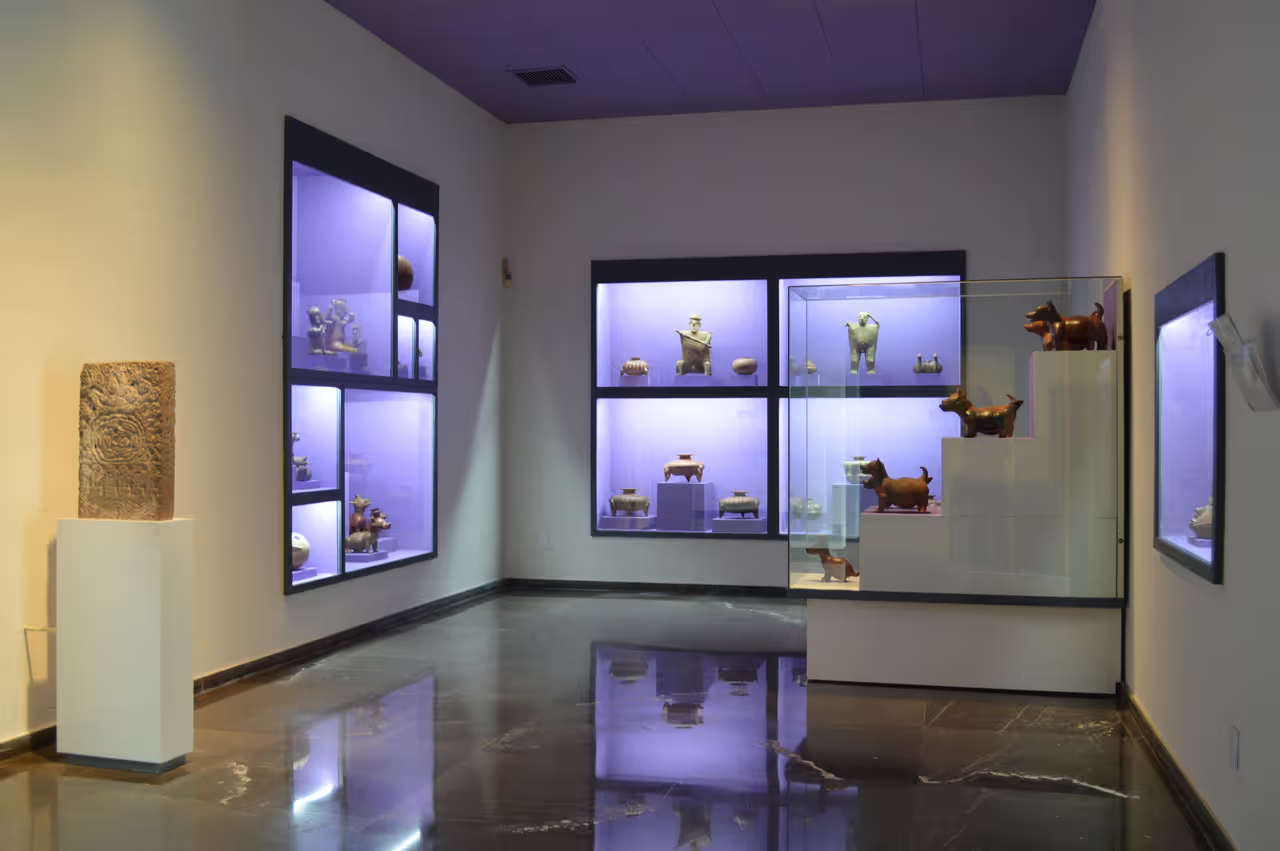
Step into a world where history is viewed through the eyes of an artist, not an archaeologist. The Rufino Tamayo Museum of Pre-Hispanic Art offers a stunning collection of ancient treasures, curated with an emphasis on aesthetic beauty, form, and colour rather than strict timeline sequences. Housed within a beautiful colonial-style mansion, the gallery invites visitors to appreciate the artistry of diverse pre-Columbian cultures that shaped Mexico. It is a deeply personal project by the renowned Zapotec painter Rufino Tamayo, who spent decades salvaging these pieces to protect them from illegal trade and to share their magnificence with his fellow Mexicans. Wandering through these halls, you will find yourself captivated by the expressive power and intimate details of statues and pottery from eras long past. This museum serves as a testament to the continuity of creative spirit, offering a calm and inspiring escape in the heart of Oaxaca.
History of Rufino Tamayo Museum of Pre-Hispanic Art
The story of the Museo Rufino Tamayo begins long before its doors opened in 1979, rooted in the lifelong passion of the Oaxacan-born artist Rufino Tamayo. As a young man, Tamayo travelled extensively, gaining international acclaim for his distinctive style. Amidst his travels, he began a personal mission to collect pre-Columbian ceramics and stone sculptures. This was a dedicated passion for the artist; he witnessed the widespread plunder of Mexico’s heritage and felt a profound need to safeguard these treasures from the illicit artifact market that threatened to strip his homeland of its cultural identity. With a singular vision, Tamayo acquired thousands of pieces over several decades. He did not want to create a dry, academic repository. Instead, he wanted to showcase the sheer artistic genius of the ancient Mexican civilizations. When he finally donated his collection to his home state of Oaxaca, he insisted on a unique approach. He oversaw the installation himself, deciding that the pieces should be arranged according to aesthetic categories rather than chronological orders. This allowed the ancient shapes, colours, and textures to speak for themselves, revealing the emotional and visual depth inherent in the works. Today, the museum stands as a beacon of cultural pride, housed in an elegant colonial building that honours both the history of the city and the spirit of its most famous artistic son. Visitors are invited to connect with the past in a way that transcends textbooks. By focusing on the intrinsic beauty of the objects, the museum ensures that the creativity of ancient Mexican artisans remains a living, breathing part of the national heritage. It is a place where art serves as a bridge, connecting modern viewers with the profound craftsmanship and vision of those who lived millennia ago.
Events spanning 71 years
Fun Facts
- • Each room in the museum is designed to evoke a different mood, matching the specific colour palettes used in the ancient pieces displayed there.
- • Rufino Tamayo was a world-famous Zapotec painter who wanted to create a space where ancient art could be appreciated for its visual beauty.
- • Tamayo founded the museum specifically to rescue these artifacts from looters and the illegal international trade market.
- • The arrangement of pieces creates surprising visual parallels, such as a tiny terracotta figure positioned near a monumental stone sculpture.
- • The building is a restored colonial mansion that provides an elegant, quiet backdrop for the ancient stone and terracotta figures.
- • The collection is arranged by aesthetic themes like colour and form, rather than being organised chronologically or by culture.
- • The institution remains a vital hub for cultural education, focusing on the history of Mexican artistic craftsmanship.
- • The museum houses over 1,000 pieces, all personally selected by Rufino Tamayo for their artistic merit.
- • The museum includes works from diverse civilizations, including the Olmec, Zapotec, Maya, and Colima cultures.
- • This is considered one of the finest private collections of pre-Columbian art anywhere in the world.
RESOURCES
Official WebsiteRufino Tamayo Museum of Pre-Hispanic Art FAQ
While we strive to keep this information accurate and up to date, we recommend verifying any details independently before making decisions based on them.
Rufino Tamayo Museum of Pre-Hispanic Art Map & Neighborhood Explorer
This interactive map is centered on Rufino Tamayo Museum of Pre-Hispanic Art. Zoom in and move the map around to automatically discover Wikipedia photos and summaries of other nearby sights, monuments, and historical points of interest and stories in real-time!
Places near Rufino Tamayo Museum of Pre-Hispanic Art
Make the most of your trip. Check out these top-rated spots located nearby.
 93m
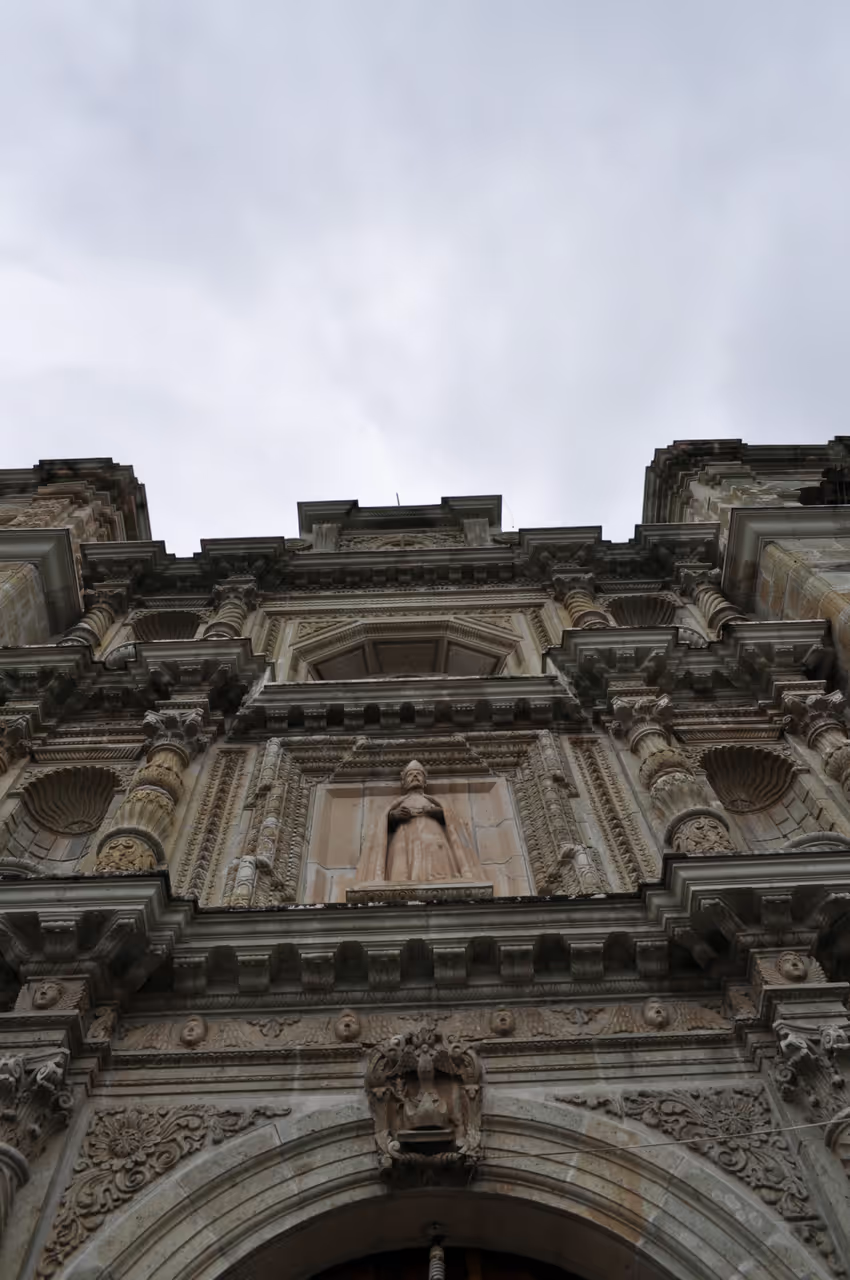
93mSan Felipe Neri Church
This church is a magnificent display of classic baroque architecture, complete with unique inverted, truncated pyramid columns known as 'estípite'. The facade is a masterclass in deeply carved stone ornamentation that demands close inspection. Inside, the church holds historical significance as the site where President Benito Juárez married Margarita Maza in 1841. The absolute highlight is the breathtaking, heavily gilded main altarpiece, which shimmers brilliantly in the dim light. It is a quiet, awe-inspiring space that perfectly captures the fervour of colonial religious artistry.
architecture view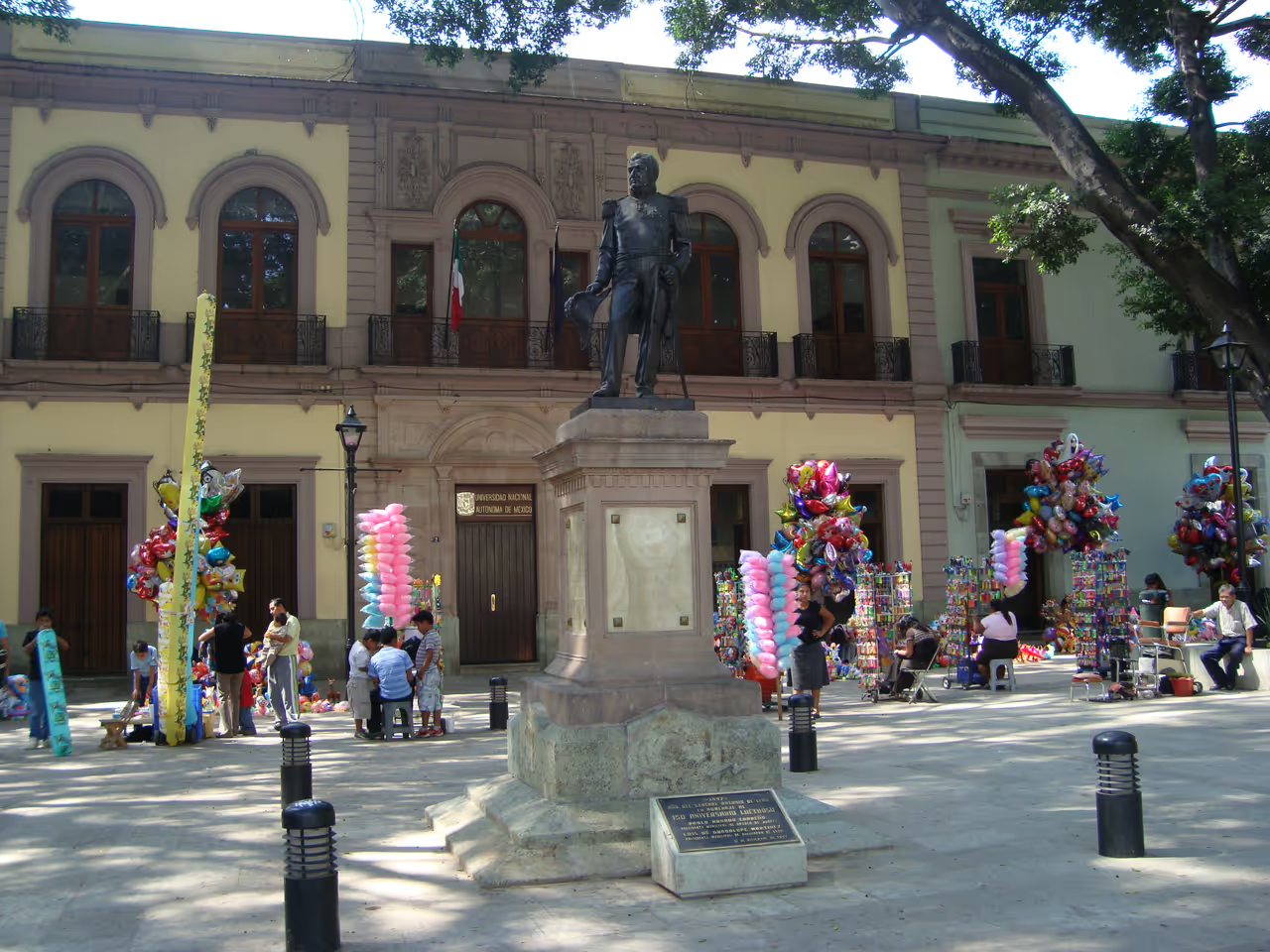 227m
227mPeople-Watch at Alameda de León
Situated directly adjacent to the main Zócalo, this wide, tree-lined plaza is the perfect spot to sit and absorb the city's daily rhythms. It offers a brilliant, unobstructed view of the majestic Oaxaca Cathedral and the surrounding colonial architecture. The plaza is constantly buzzing with local life, from wandering balloon vendors and shoe shiners to impromptu street performances and political gatherings. Finding a shaded bench here provides an immersive, entirely free slice of authentic Oaxacan culture.
free thing to do view- 231m
Tinoco y Palacios Street
This street, running parallel to the main pedestrian corridor, is known for hosting some of the city's most popular dive bars and late-night clubs. It is the go-to destination for those wanting to dance, featuring venues that range from salsa clubs to underground electronic music spots. The crowd here is a lively mix of young locals, students, and adventurous travellers. Many bars feature hidden courtyards or rooftop spaces that only reveal themselves once you step inside. If you are looking to stay out past midnight, this is the street to explore.
nightlife view 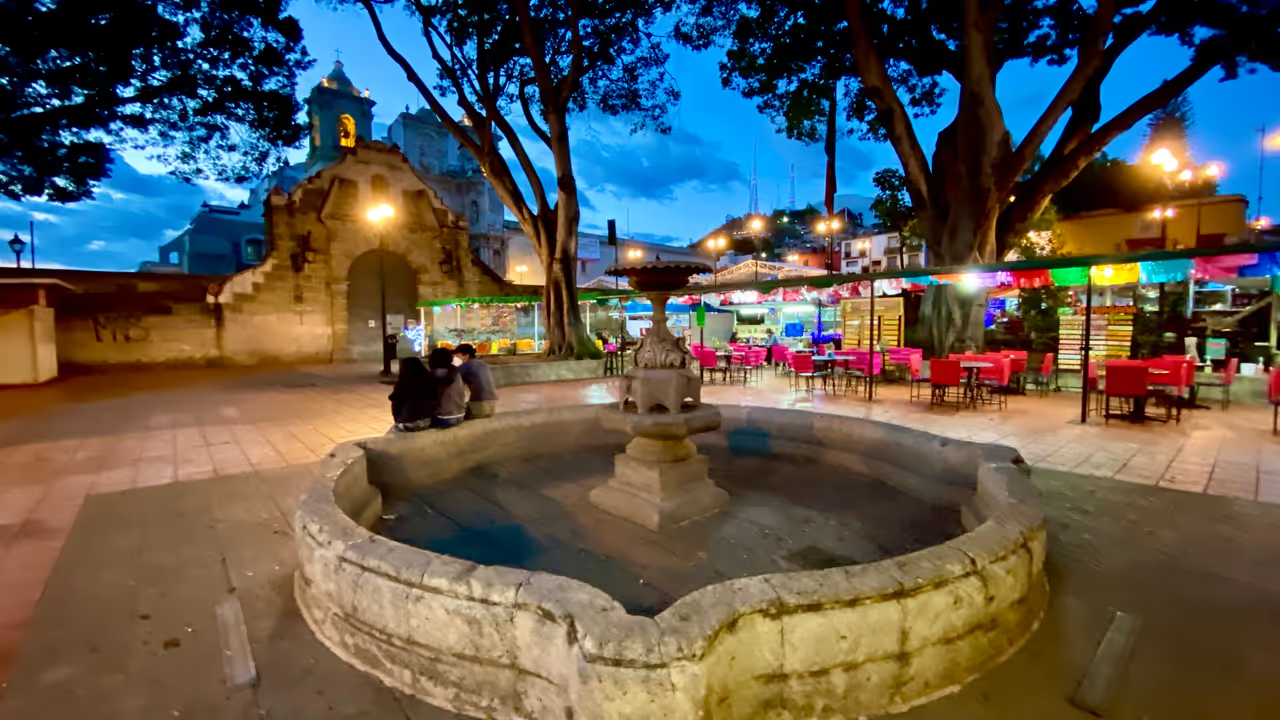 254m
254mSocrates Garden
Located right next to the grand Basilica of Our Lady of Solitude, this shaded garden is the city's premier destination for traditional 'nieves' (Oaxacan sorbets). Underneath the canopy of trees, numerous family-run stalls offer an astonishing variety of flavours, from classic burnt milk and tuna (prickly pear cactus fruit) to mezcal and exotic mamey. The garden itself was once the atrium of the basilica before being converted into a public park in 1881. It is the perfect, refreshing retreat after exploring the sun-drenched colonial streets. Sitting here with a sweet treat while listening to the distant church bells is a quintessential local pastime.
hidden gem view
Explore Similar Places in This Collection

Featured on These Itineraries and Routes
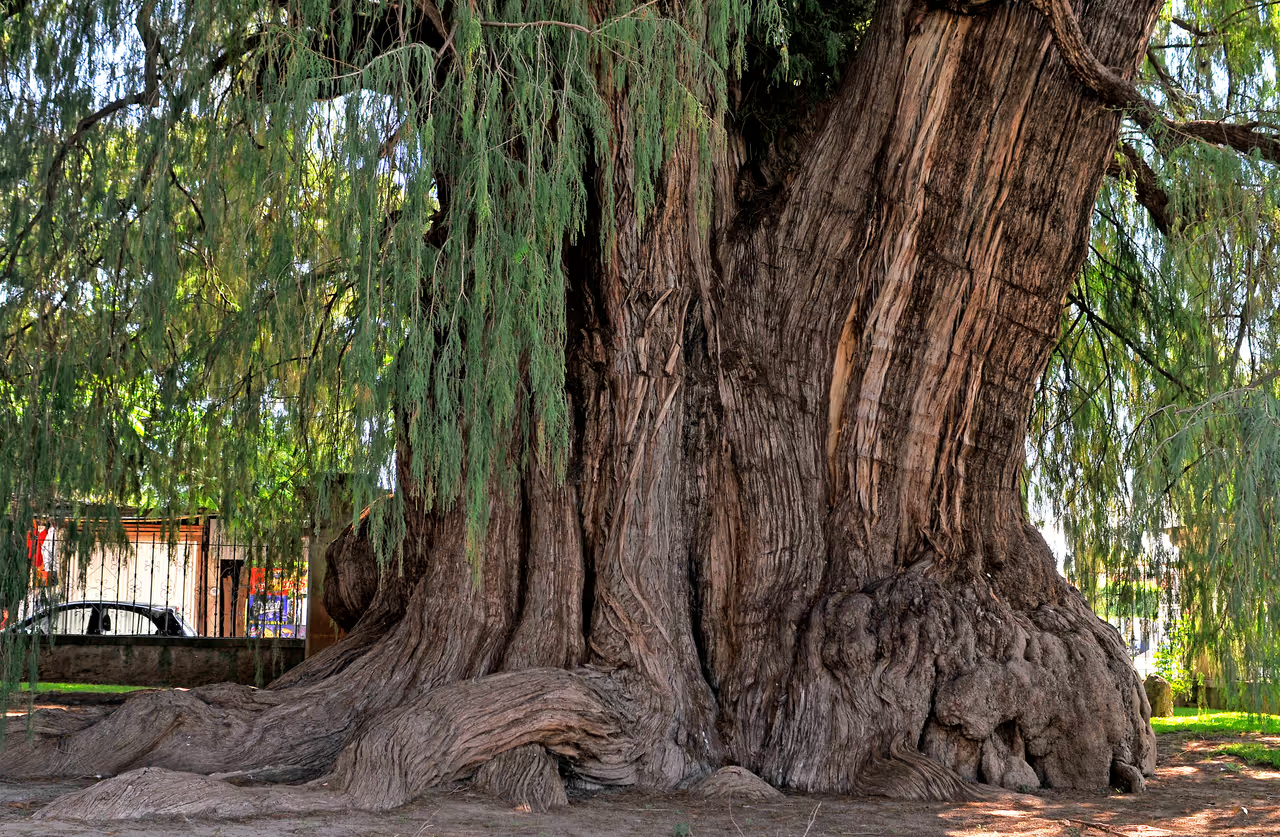

5 Days in Oaxaca: Deep Dive Itinerary
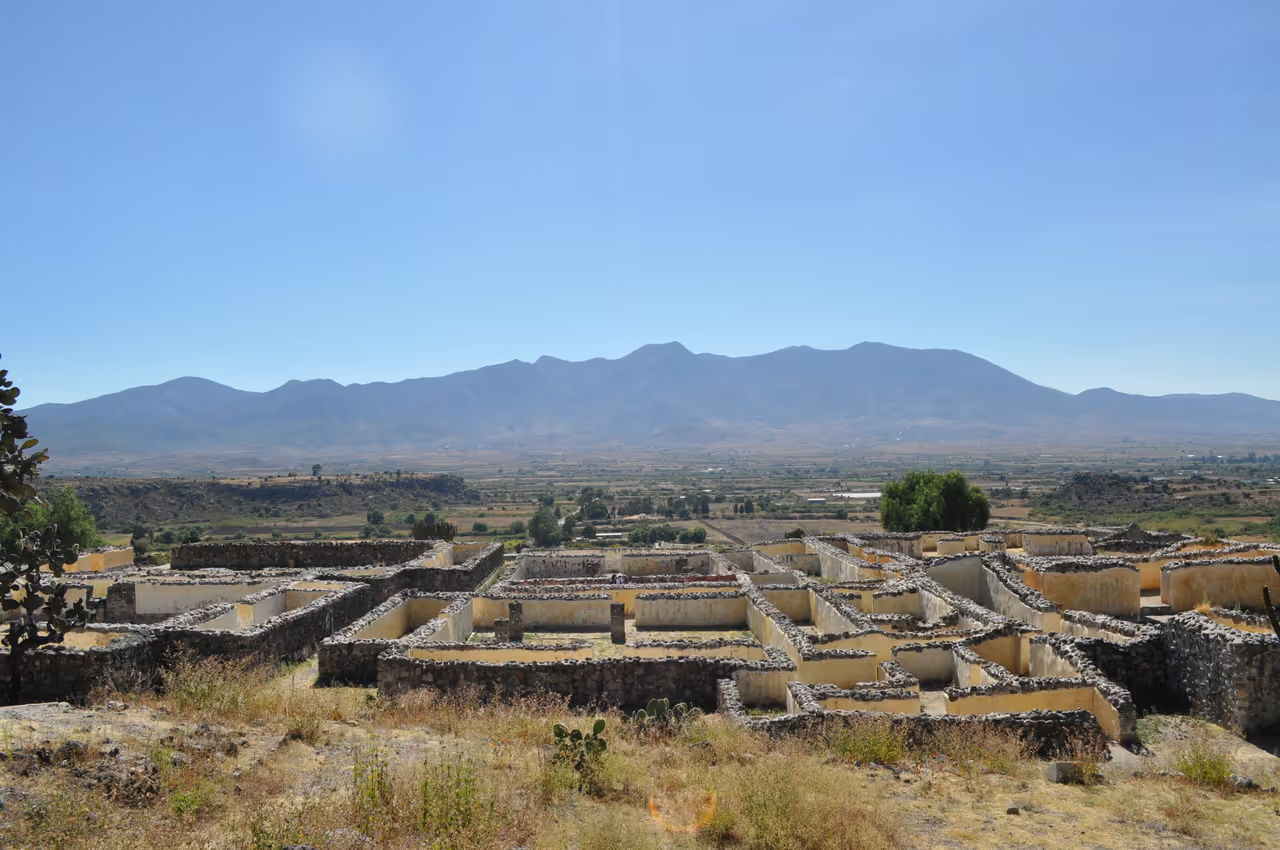
A five-day stay grants you the freedom to thoroughly explore both the city and the diverse, culturally rich valley that surrounds it. You will visit isolated natural wonders, wander through multiple artisan villages, and seek out hidden archaeological gems. It allows for a relaxed pace to truly absorb the art, architecture, and culinary mastery of the region. This is the ultimate, comprehensive journey through the heart of Zapotec and colonial heritage.
view itinerary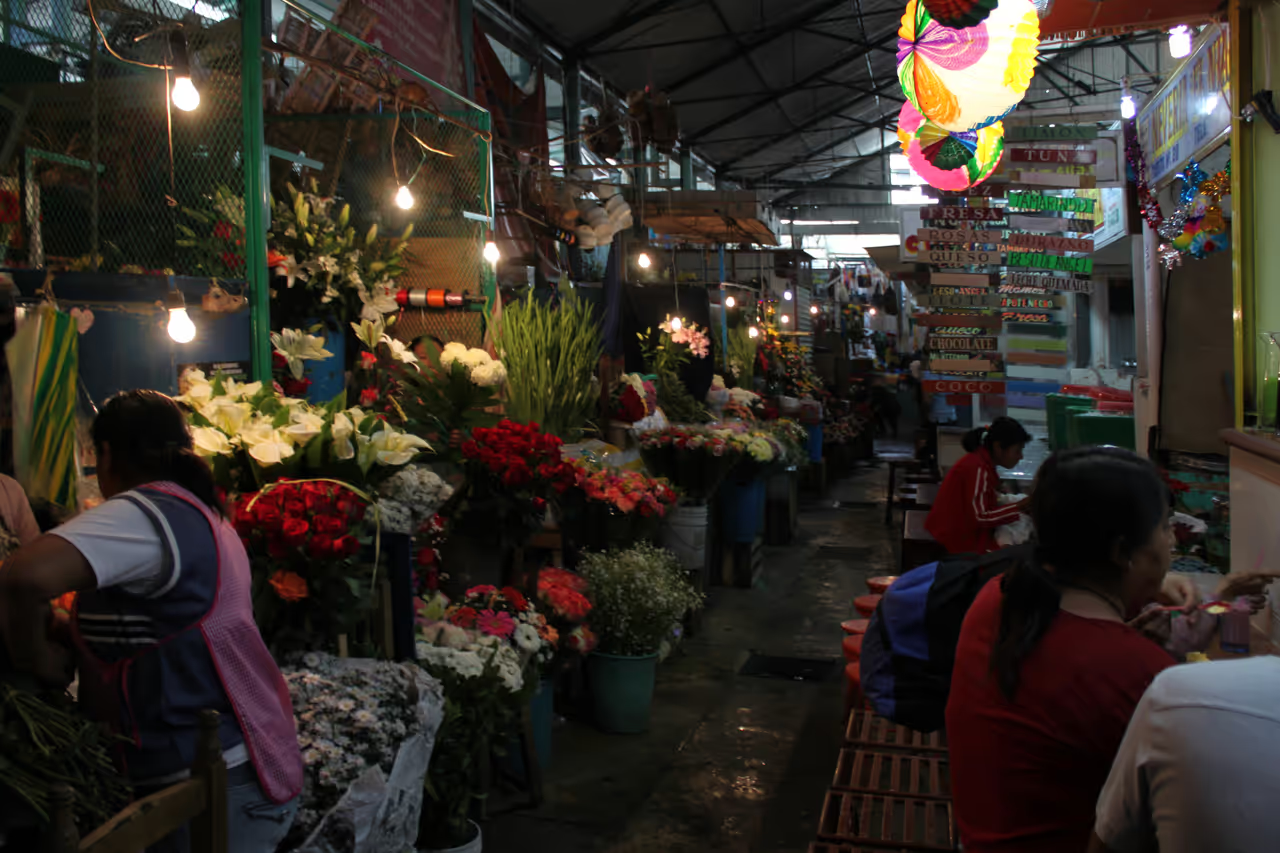
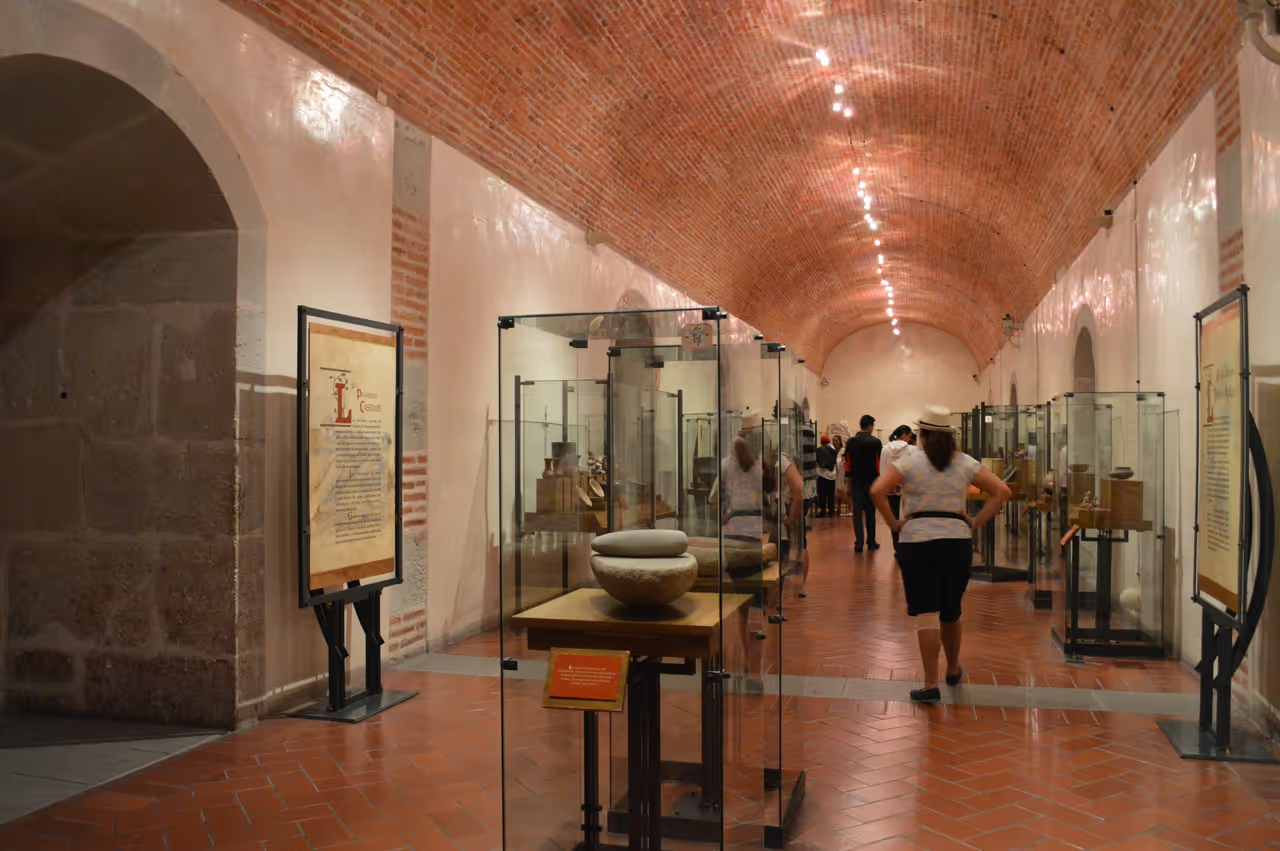
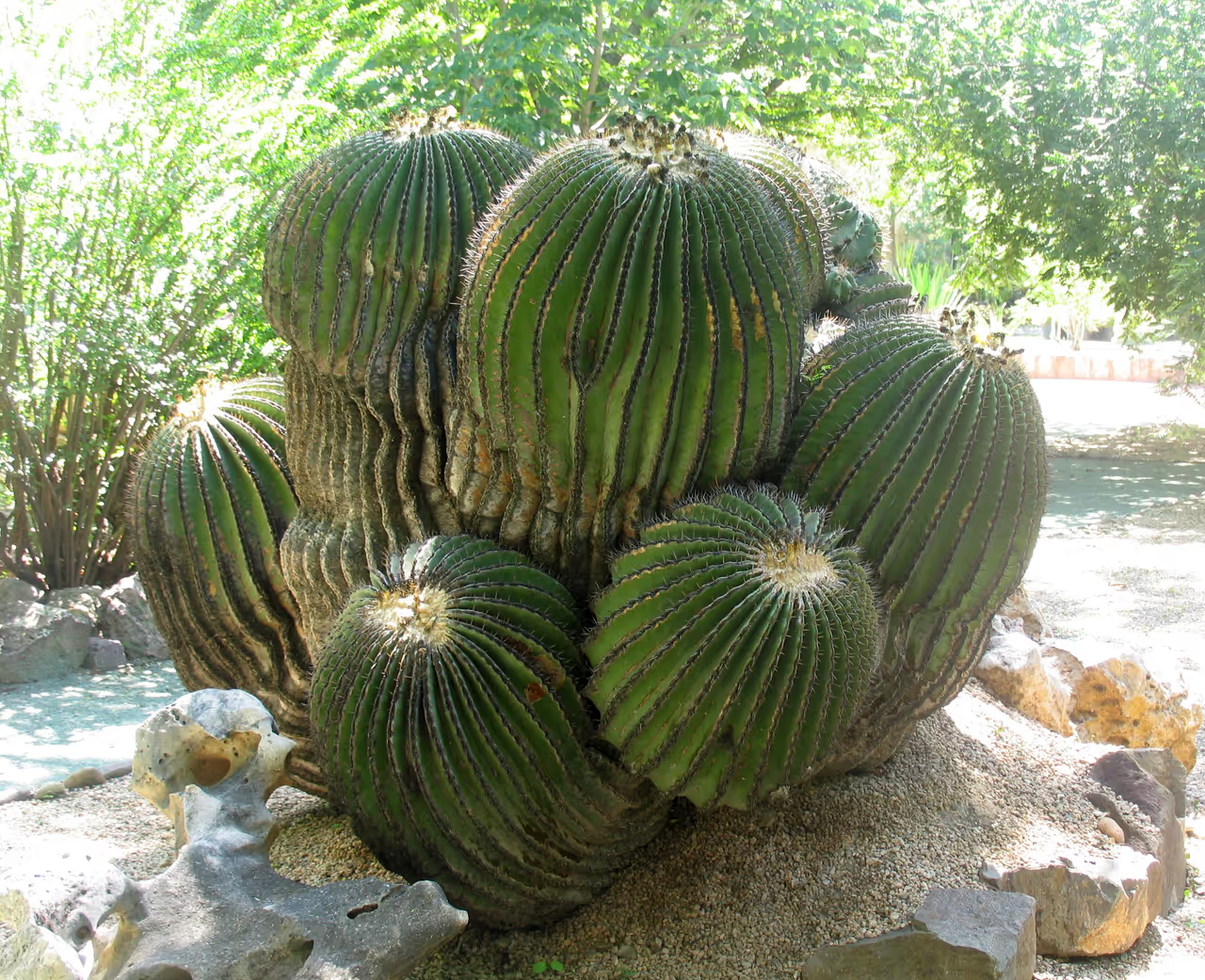
Zapotec Heritage Trail
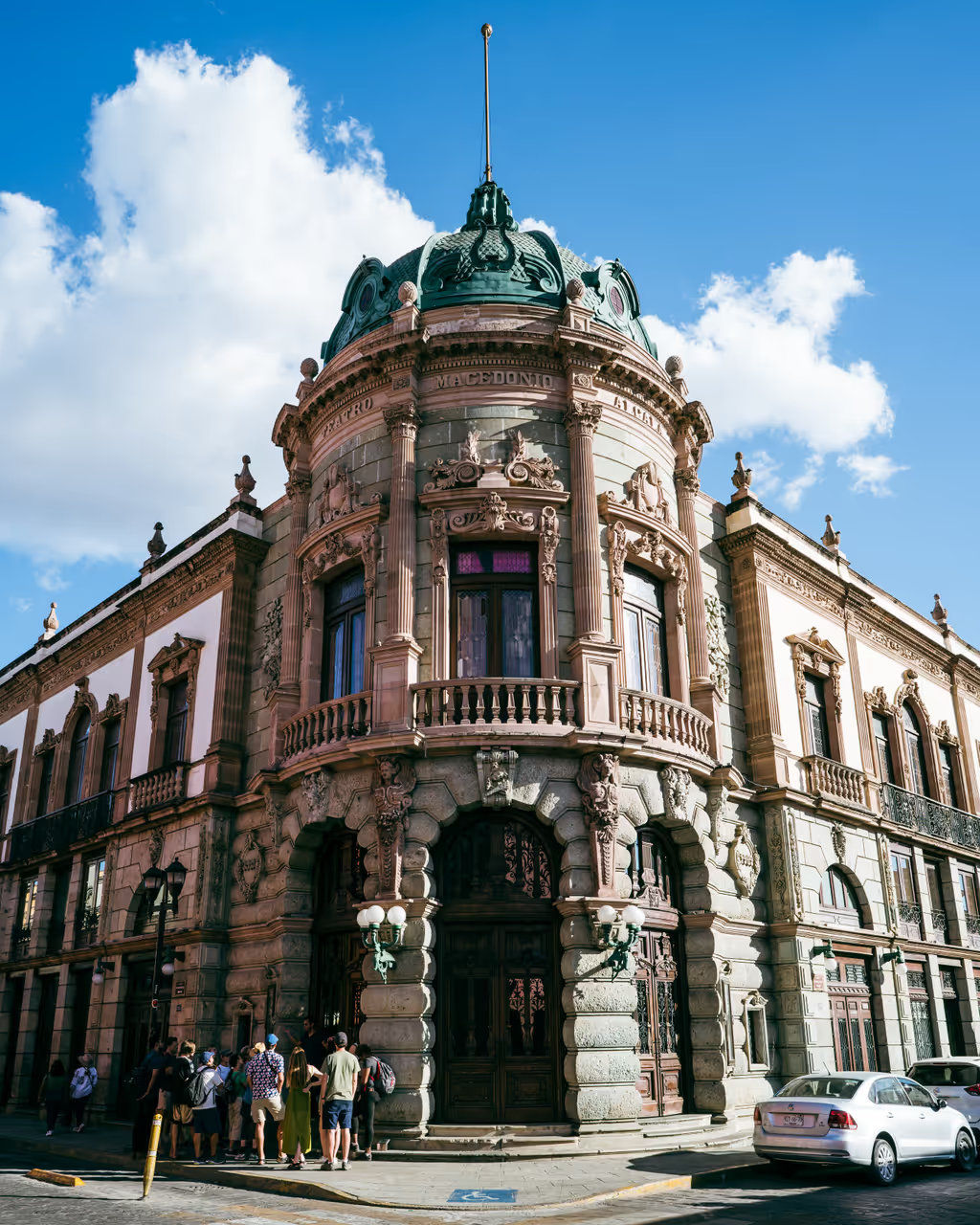
This educational journey connects the city's most important sites related to its profound pre-Hispanic roots. Rather than focusing on colonial architecture, this route highlights the artefacts, natural environment, and living traditions of the indigenous cultures that have inhabited the valley for millennia. By moving between world-class museums and traditional markets, the tour constructs a narrative of a civilisation that survived conquest and continues to thrive. It offers a deep, contextual understanding of the region's true foundational identity.
view self-guided tour
See all attractions in Oaxaca City
Church and Convent of Santo Domingo de Guzmán, Santo Domingo Cultural Centre, Basilica of Our Lady of Solitude, Mitla, Tree of Tule...