Shoseien Garden
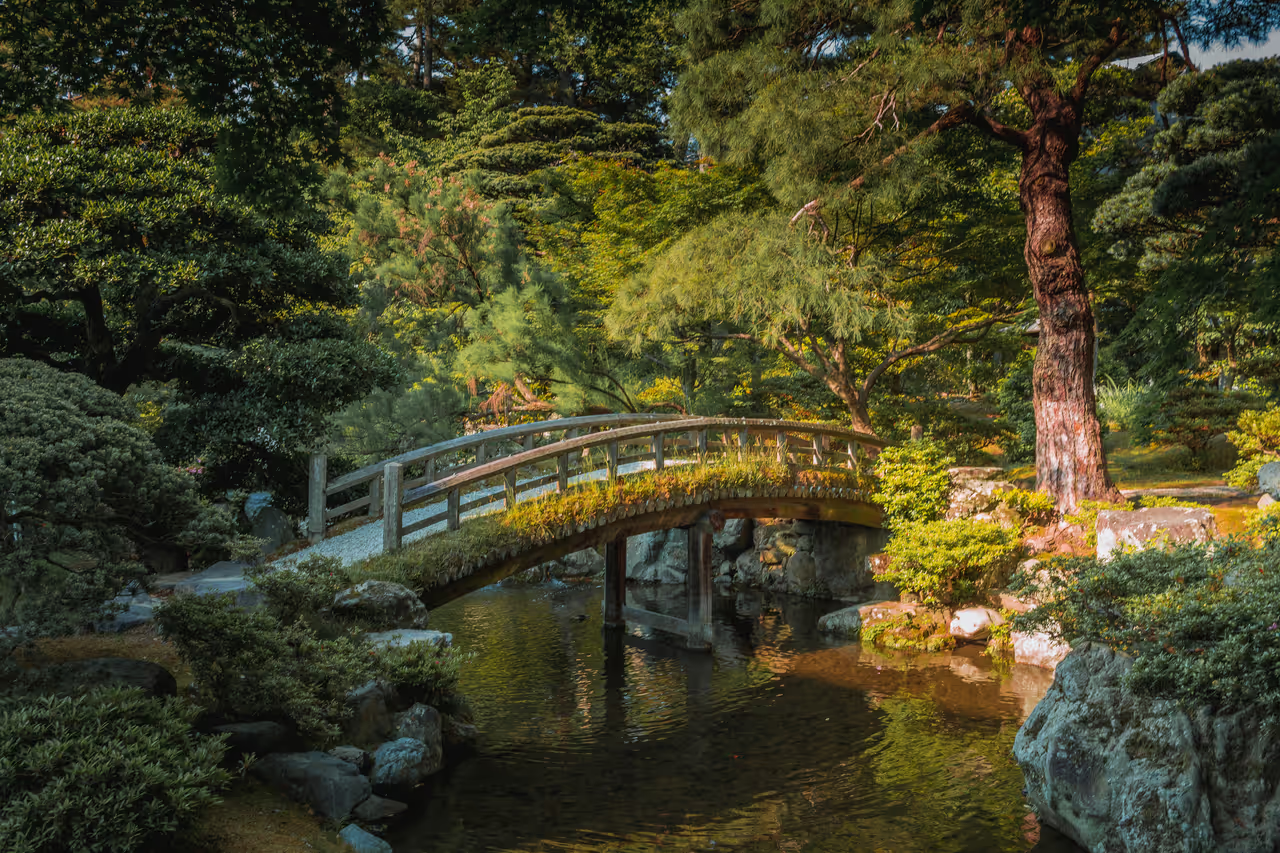
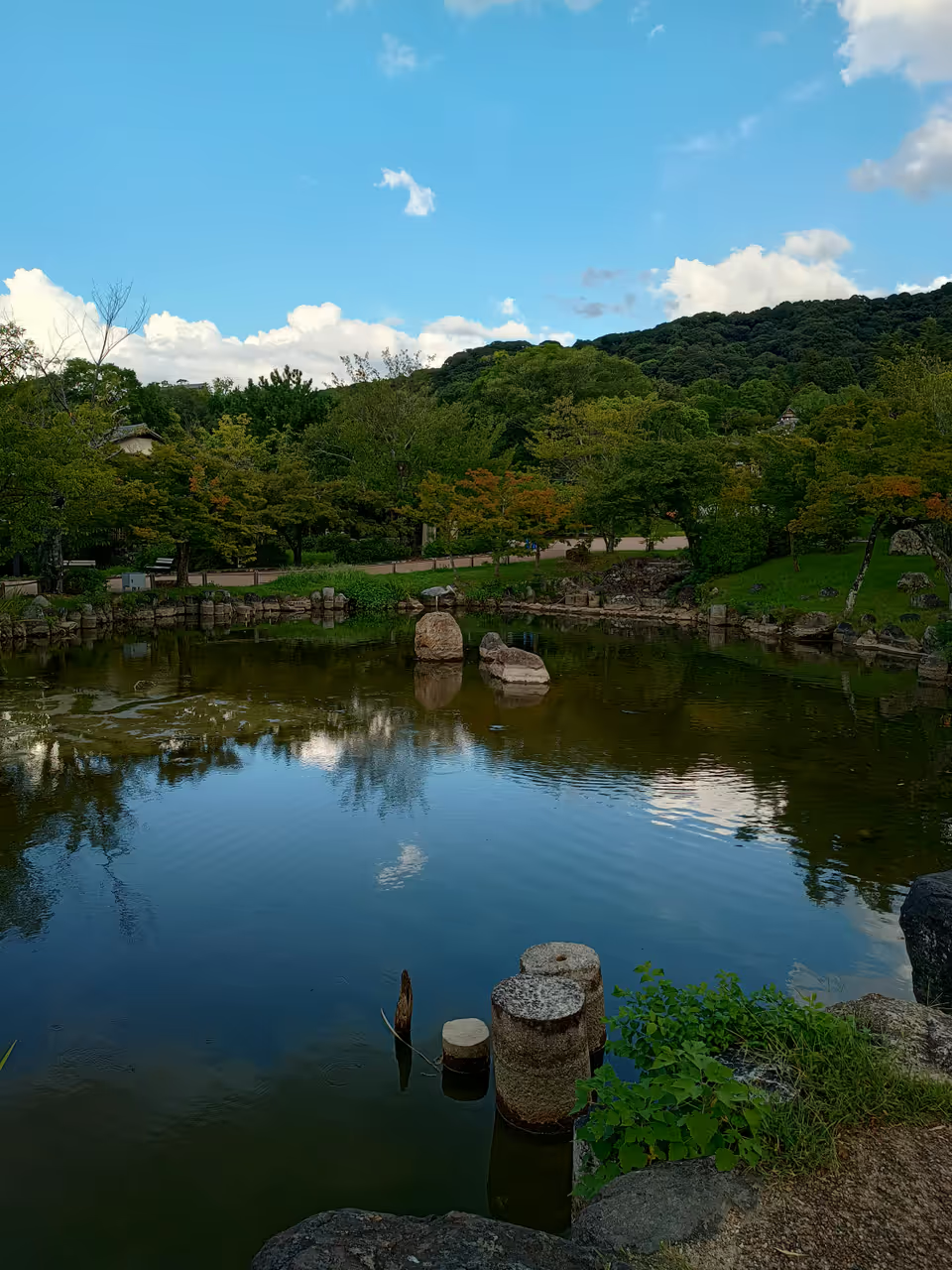
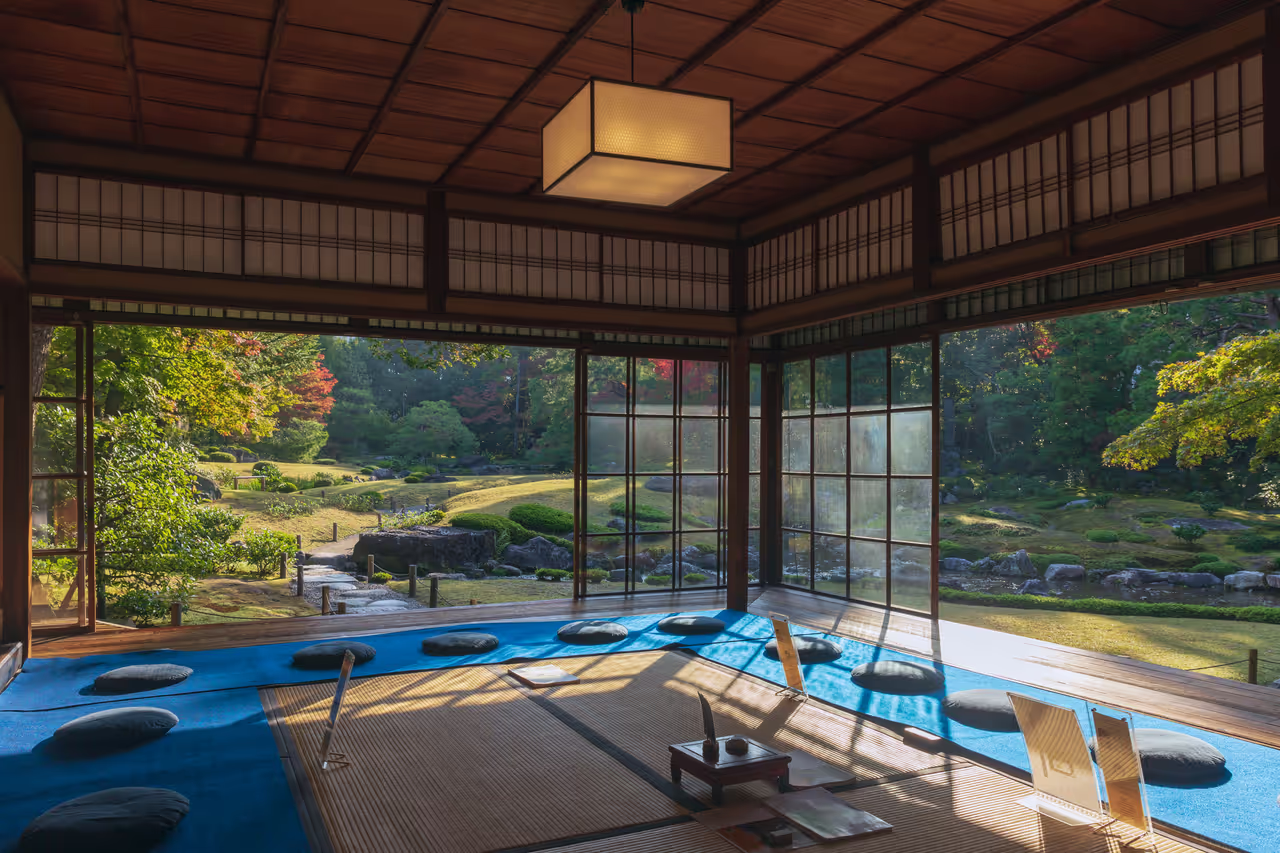
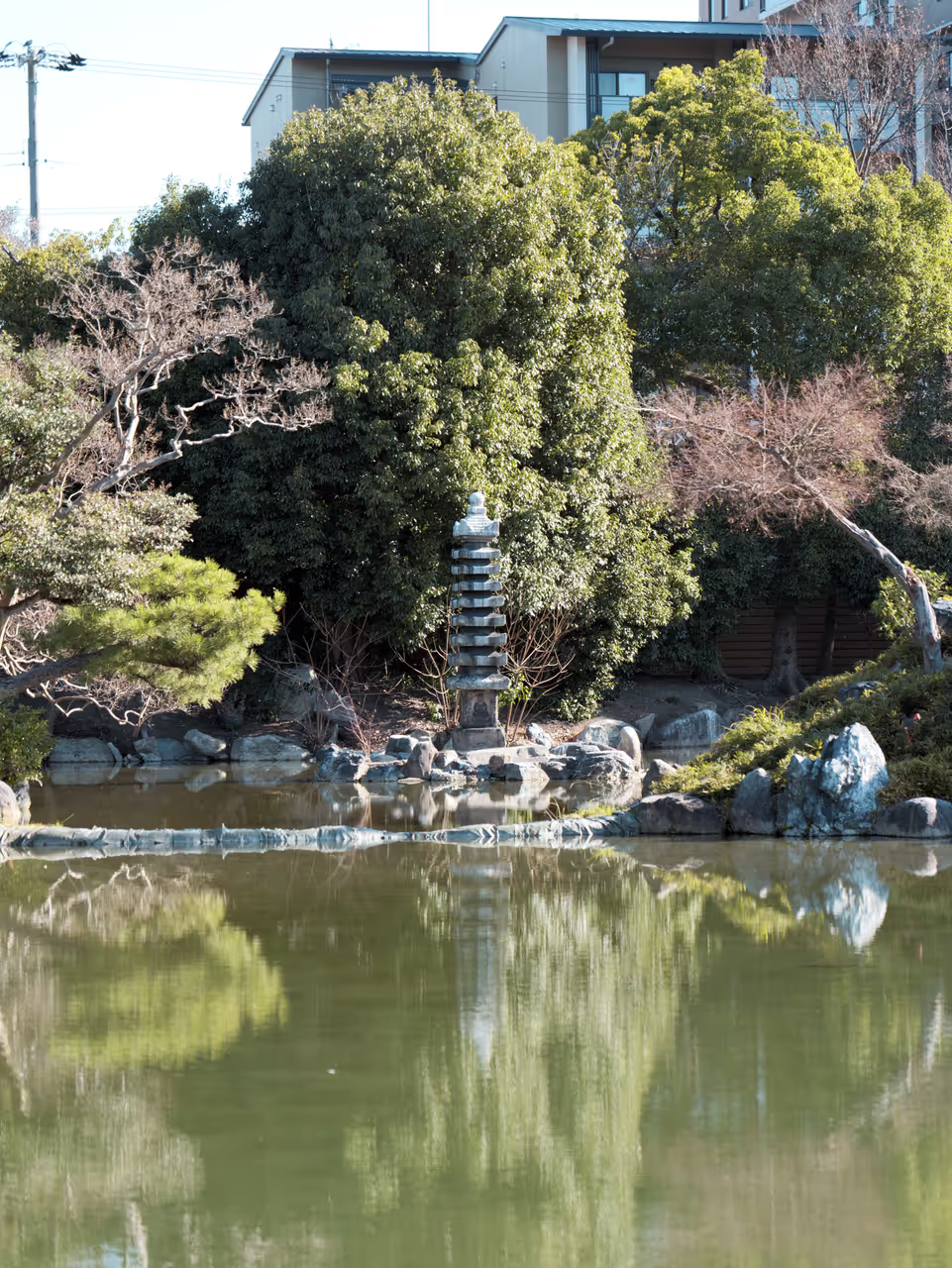
Tucked away just a short walk from the grandeur of Higashi Honganji, Shoseien Garden serves as a tranquil oasis in the heart of Kyoto. This masterful stroll garden invites you to wander through meticulously curated landscapes that feel worlds apart from the surrounding city. Known locally as Kikokutei, or the Orange Tree Residence, the garden captivates visitors with its sprawling pond, elegant teahouses, and the striking sight of distant mountains serving as borrowed scenery. You can spend hours exploring its winding paths and discovering quiet nooks where history and nature converge seamlessly. It is a place where the changing seasons paint vibrant pictures, offering a serene escape that feels both personal and profoundly historic. Visiting allows you to step back in time and experience the refinement of a seventeenth century retreat designed for contemplation.
Videos
History of Shoseien Garden
The history of Shoseien begins with the aristocratic dreams of Minamoto no Toru, a nobleman of the ninth century who sought to recreate the rugged coastal beauty of Shiogama within the capital. His original villa, known as Kawarano in, was a place of immense opulence, serving as a playground for the Heian nobility. Over the centuries, the land changed hands and purpose, eventually falling into the hands of the Tokugawa shogunate. In a pivotal move that would secure the future of the site as a spiritual refuge, Shogun Tokugawa Iemitsu gifted the grounds to Higashi Honganji in 1641. This transfer transformed the property from a site of secular luxury into a refined sanctuary for Buddhist devotion. The temple turned to Ishikawa Jozan, a man of letters and a master of garden design, to reimagine the space in 1653. Jozan did not simply plant trees and dig ponds. He carefully composed a landscape that mirrored the rhythms of nature and literature, with every stone and pavilion placed to evoke the spirit of the poetry he cherished. It became a garden of borrowed scenery, where the hills of Higashiyama were brought into the composition to expand the horizon of the visitor. Through the centuries, the garden has survived fires and social upheaval to remain a living piece of Edo period culture. It has served as a secret hideaway for high priests and a site of diplomatic reception for the shogunate. Today, it stands as a calm survivor, where the legacy of its aristocratic origins and its Buddhist future blend into a singular, tranquil experience. The garden continues to invite everyone to pause and appreciate the enduring craftsmanship that has defined its identity for hundreds of years.
Events spanning 1086 years
Fun Facts
- • Ishikawa Jozan drew deep inspiration from the poetry of the Chinese visionary Tao Yuanming when planning the layout of the space.
- • Meiji Emperor once used the garden as a place of rest, highlighting the prestige and comfort of the retreat during the late nineteenth century.
- • Several teahouses within the grounds are designed to showcase specific views, such as the Rinfu tei which frames the eastern mountains.
- • The garden is affectionately known as Kikokutei because of the bitter orange trees that were once planted along its perimeter.
- • The garden once served as an academic hub, housing a study hall that became a precursor to modern university education for Buddhist monks.
- • The garden serves as a detached territory of the Higashi Honganji temple, maintaining a spiritual link to the main temple complex nearby.
- • The landscape layout is a classic example of an Edo period stroll garden, intended to change perspective as visitors walk around the pond.
- • The site contains exquisite fusuma paintings by the renowned Japanese artist Munakata Shiko, created to honour the memorial of Shinran Shonin.
- • The vast Ingetsu chi pond takes up approximately one sixth of the total garden area and serves as a central feature for the landscape.
- • Water for the pond was historically sourced from the Takase River and later connected to the Lake Biwa Canal for both aesthetic and fire safety purposes.
Shoseien Garden FAQ
While we strive to keep this information accurate and up to date, we recommend verifying any details independently before making decisions based on them.
Shoseien Garden Map & Neighborhood Explorer
This interactive map is centered on Shoseien Garden. Zoom in and move the map around to automatically discover Wikipedia photos and summaries of other nearby sights, monuments, and historical points of interest and stories in real-time!
Places near Shoseien Garden
Make the most of your trip. Check out these top-rated spots located nearby.
 560m
560mKyoto Tower
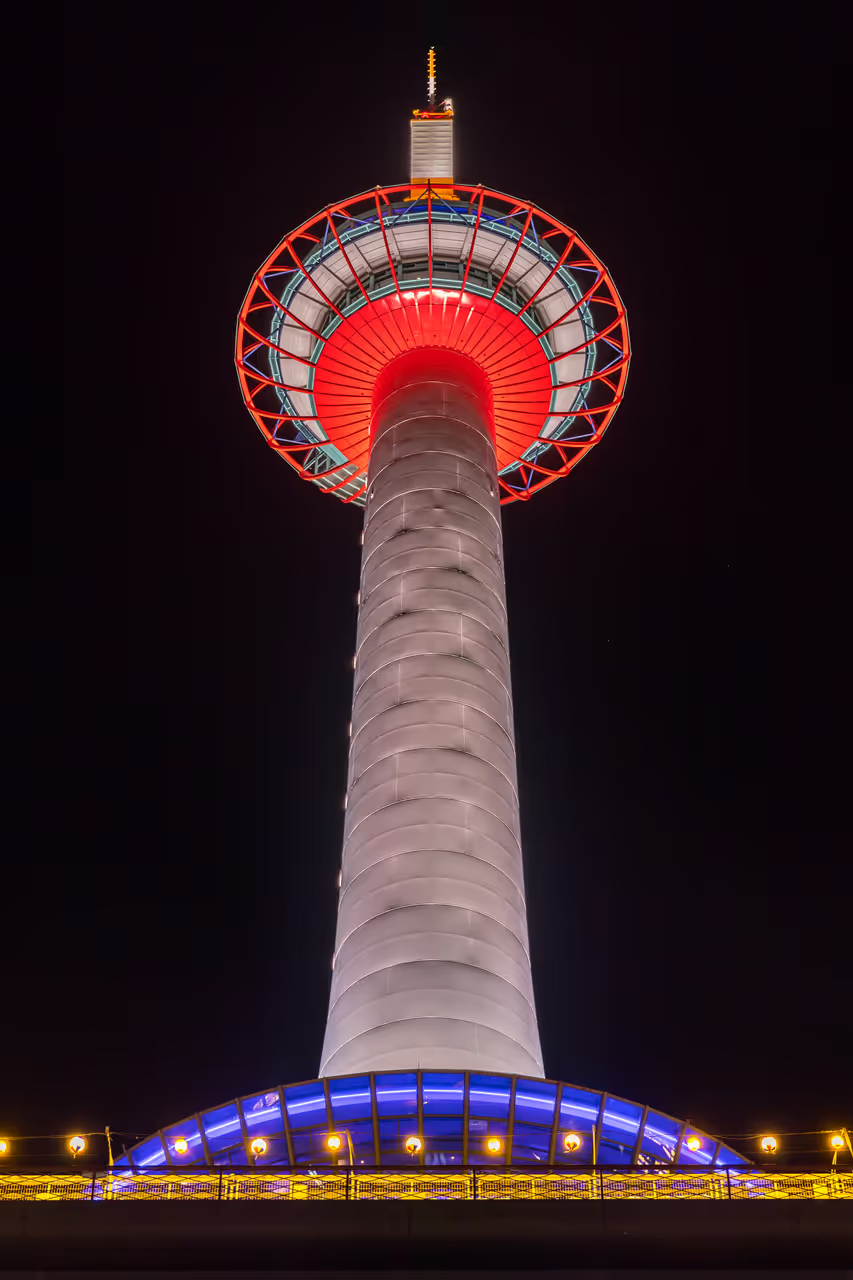
Rising gracefully above the traditional low rise architecture of Japan's ancient capital, Kyoto Tower stands as a striking symbol of modern progress. Some find its stark design a departure from the city's historic charm, yet it offers an unparalleled panoramic perspective that remains unmatched in the region. Visitors enjoy a serene ascent to the observation deck, where the sprawling cityscape reveals mountains framing the horizon on every side. It is the perfect spot for those seeking to contrast the city's revered temples with a glimpse of contemporary life. Whether you visit by day to spot landmarks or at night to see the city lights, the experience provides a fresh context for understanding the evolution of Kyoto.
attraction view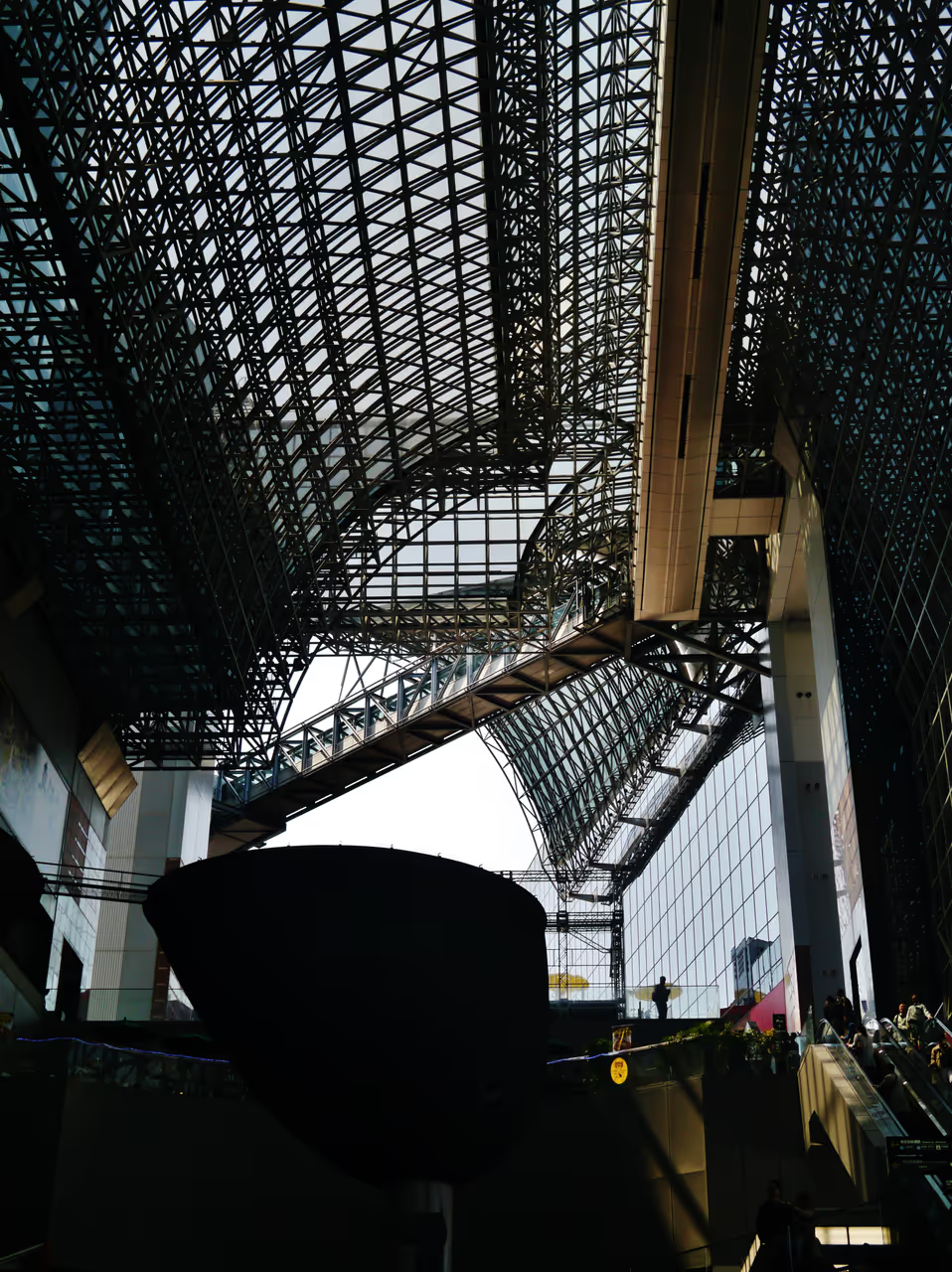 650m
650mKyoto Station Skyway
Suspended high beneath the soaring glass roof of the colossal train station, this completely free pedestrian walkway offers a brilliant urban viewpoint. The glass-enclosed tunnel provides fascinating perspectives looking directly down into the cavernous, futuristic station concourse. More importantly, it offers numerous viewing windows looking outwards across the city streets, with the Kyoto Tower looming directly ahead. It is an incredibly convenient, easily accessible spot to capture the impressive scale of the city's modern heart, particularly striking as the sunset glints off the glass architecture.
viewpoint view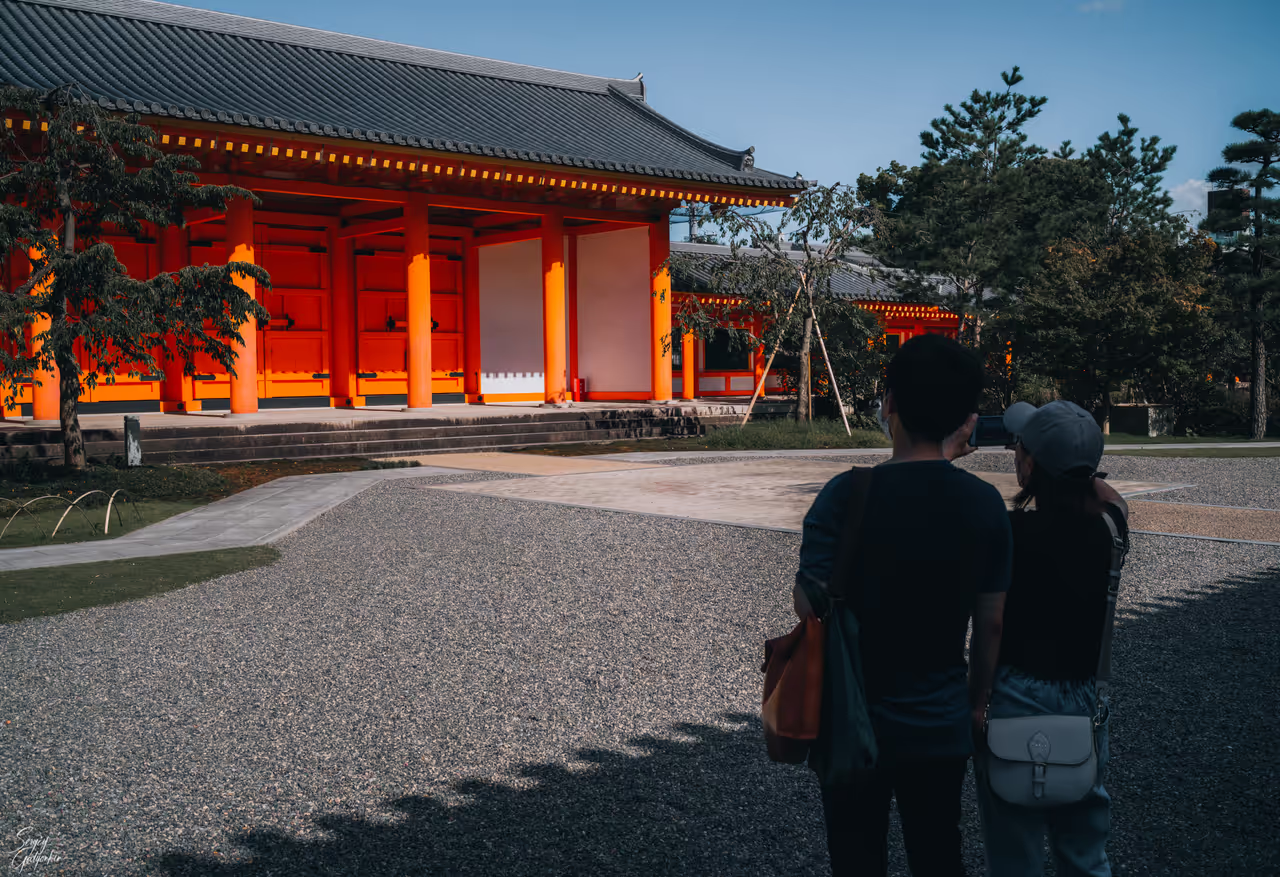 871m
871mSanjusangen-do Hall
This awe-inspiring Buddhist temple is renowned for its incredibly long main hall, measuring an astonishing 120 metres in length. The structure's name translates to 'thirty-three spaces', referencing the spaces between the supporting pillars, a significant number in Buddhist tradition. Inside, the massive, dimly lit wooden hall protects an overwhelming sight: 1,001 life-sized, golden statues of Kannon, the goddess of mercy, standing row upon row in silent ranks. The sheer scale and repetitive visual power of the architecture and statuary make it one of the most uniquely imposing buildings in the country.
architecture view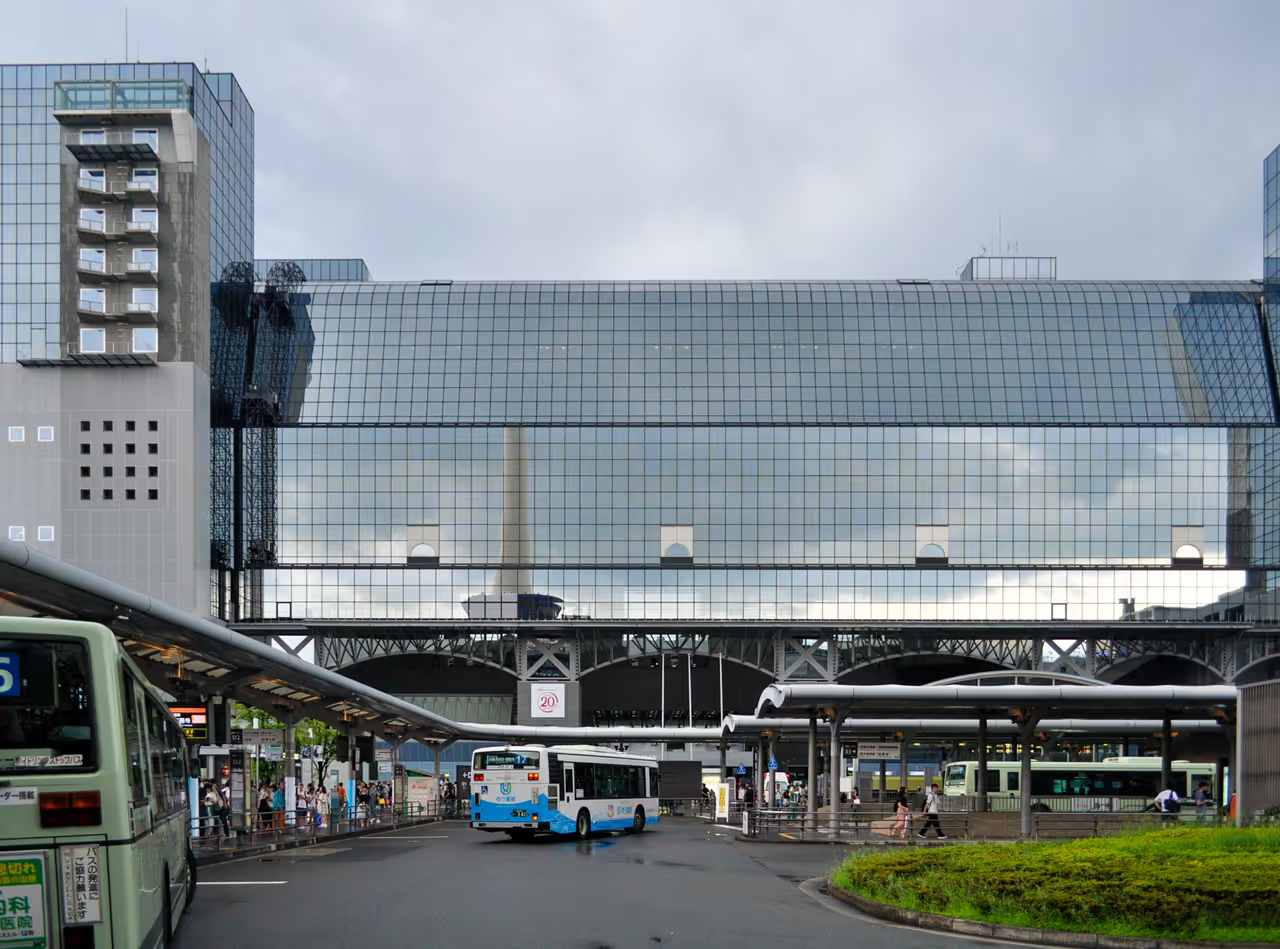 884m
884mKyoto Station Building
Opened in 1997, this massive, futuristic transport hub stands in dramatic contrast to the city's ancient image. Designed by Hiroshi Hara, the striking glass and steel structure features an exposed, cavernous central concourse with a soaring, matrix-like roof. The building was highly controversial upon its construction due to its stark modernism, but it has since become a beloved landmark. It features an enormous grand staircase, elevated aerial walkways, and sweeping views of the city from its open-air rooftop. It serves as a bold, architectural statement that the city is looking forward as much as it looks back.
architecture view
See all nature & parks in Kyoto
Arashiyama, Kyoto Gyoen National Garden, Maruyama Park, Kyoto Botanical Gardens, Murin-an Garden, Ōkōchi Sansō Villa...