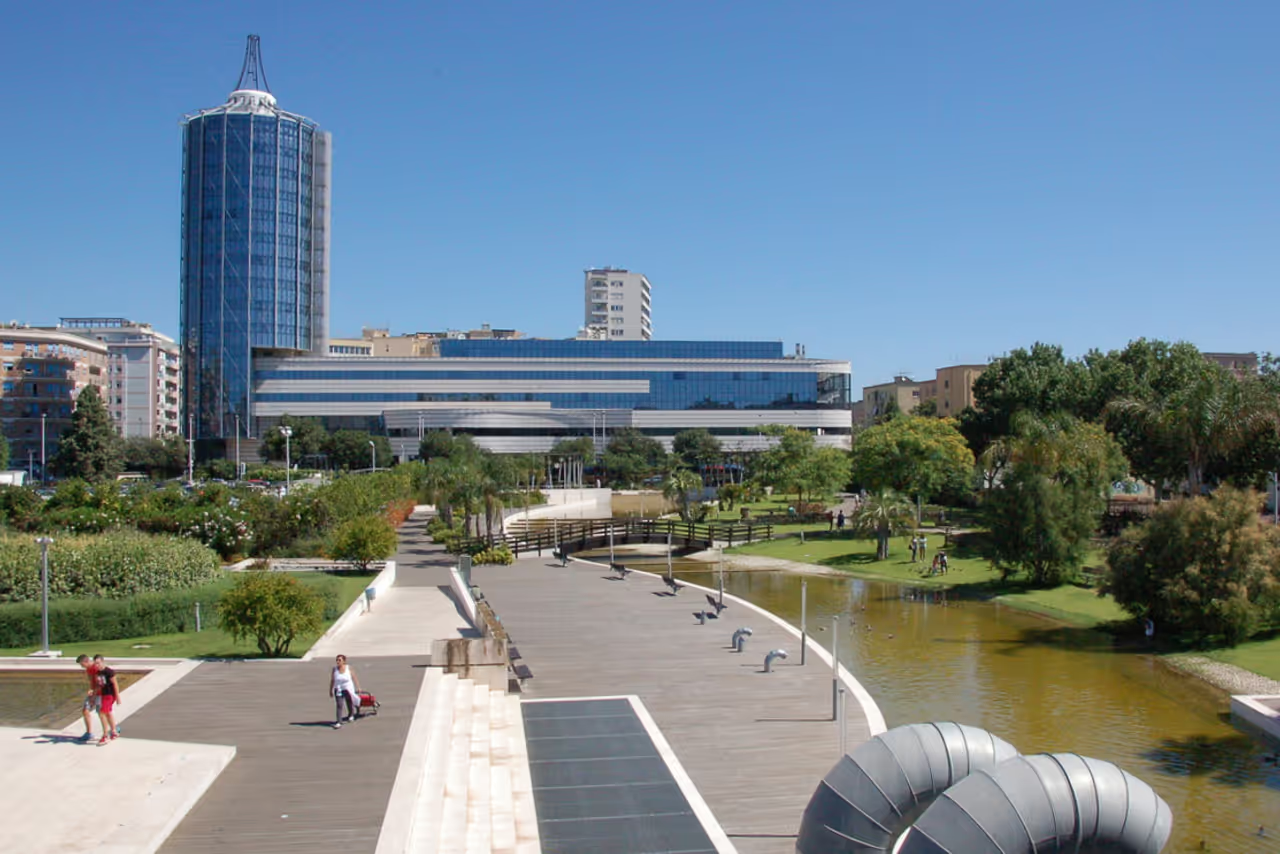
Music Park
Parco della Musica stands as a vibrant testament to Cagliari's dedication to the arts, seamlessly blending urban greenery with high culture. This sprawling five hectare space offers more than a simple park, serving as an architectural bridge between daily life and the world of opera. Visitors can stroll through open squares or enjoy the gentle sounds of water at the musical fountain, which dances in rhythm to the compositions of Handel. It is a place designed for connection, where locals gather to relax while surrounded by the refined acoustics of the nearby Teatro Lirico. Whether you are seeking a quiet moment of reflection or a lively cultural event, this space provides a unique backdrop that captures the spirit of modern Sardinia. Exploring the area reveals a thoughtful integration of public facilities and artistic expression that makes it a cornerstone of the Fonsarda neighbourhood.
Videos
History of Music Park
The conception of the Parco della Musica was driven by a desire to transform the area surrounding the Teatro Lirico into a cohesive cultural heart for Cagliari. While the opera house had stood as an architectural landmark since its completion in 1993, the surrounding landscape lacked a unified purpose until city planners envisioned a space that would bridge the gap between grand performances and everyday public life. The project sought to integrate modern leisure areas with the existing theatrical infrastructure, creating a fluid environment where the boundaries between the stage and the street become pleasantly blurred. Development of the park was a significant undertaking that unfolded in stages throughout the early twenty first century. The first major milestone occurred in May 2011 when the open spaces, including the grand Piazza Amedeo Nazzari, were unveiled to the public during the Monumenti Aperti event. This debut offered locals their first glimpse of the ambitious landscaping and the artificial stream that would define the area. Despite facing challenges, including the logistical complexities of adding extensive underground parking and addressing environmental discoveries during expansion efforts, the site continued to evolve. By January 2014, the final pieces of the puzzle fell into place with the completion of the expanded parking facilities and final landscaping touches. Today, the park serves as a testament to persistent urban renewal, offering a serene sanctuary that respects the history of the opera house while inviting the public to engage with it on a daily basis. It remains a focal point for the community, illustrating how thoughtful design can turn a municipal requirement into a cherished destination where art and public life coexist in perfect harmony.
Events spanning 21 years
Fun Facts
- • A small and elegant wooden bridge spans the artificial stream that runs through the park, providing a picturesque walking path.
- • During the 2012 excavations for the expansion, workers discovered traces of asbestos which required careful and thorough site remediation.
- • Piazza Amedeo Nazzari serves as the primary outdoor square for major city events and public performances.
- • The entire complex spans an impressive fifty thousand square metres within the Fonsarda district of Cagliari.
- • The integration of the park and the theatre was designed to create a continuous cultural flow between indoor stage performances and outdoor public life.
- • The musical fountain is programmed to perform water displays perfectly synchronised with the compositions of Georg Friedrich Handel.
- • The park acts as an essential pedestrian thoroughfare, linking the opera house with local primary and middle schools.
- • The park connects seamlessly with the 1993 Teatro Lirico, effectively merging the historic opera venue into a larger, modern recreational landscape.
- • The site features two distinct levels of underground parking with a combined capacity of six hundred and forty five spaces.
- • The small theatre located within the park provides an intimate venue with three hundred and nineteen seats, ideal for smaller productions.
Music Park FAQ
While we strive to keep this information accurate and up to date, we recommend verifying any details independently before making decisions based on them.
Music Park Map & Neighborhood Explorer
This interactive map is centered on Music Park. Zoom in and move the map around to automatically discover Wikipedia photos and summaries of other nearby sights, monuments, and historical points of interest and stories in real-time!
Places near Music Park
Make the most of your trip. Check out these top-rated spots located nearby.
 513m
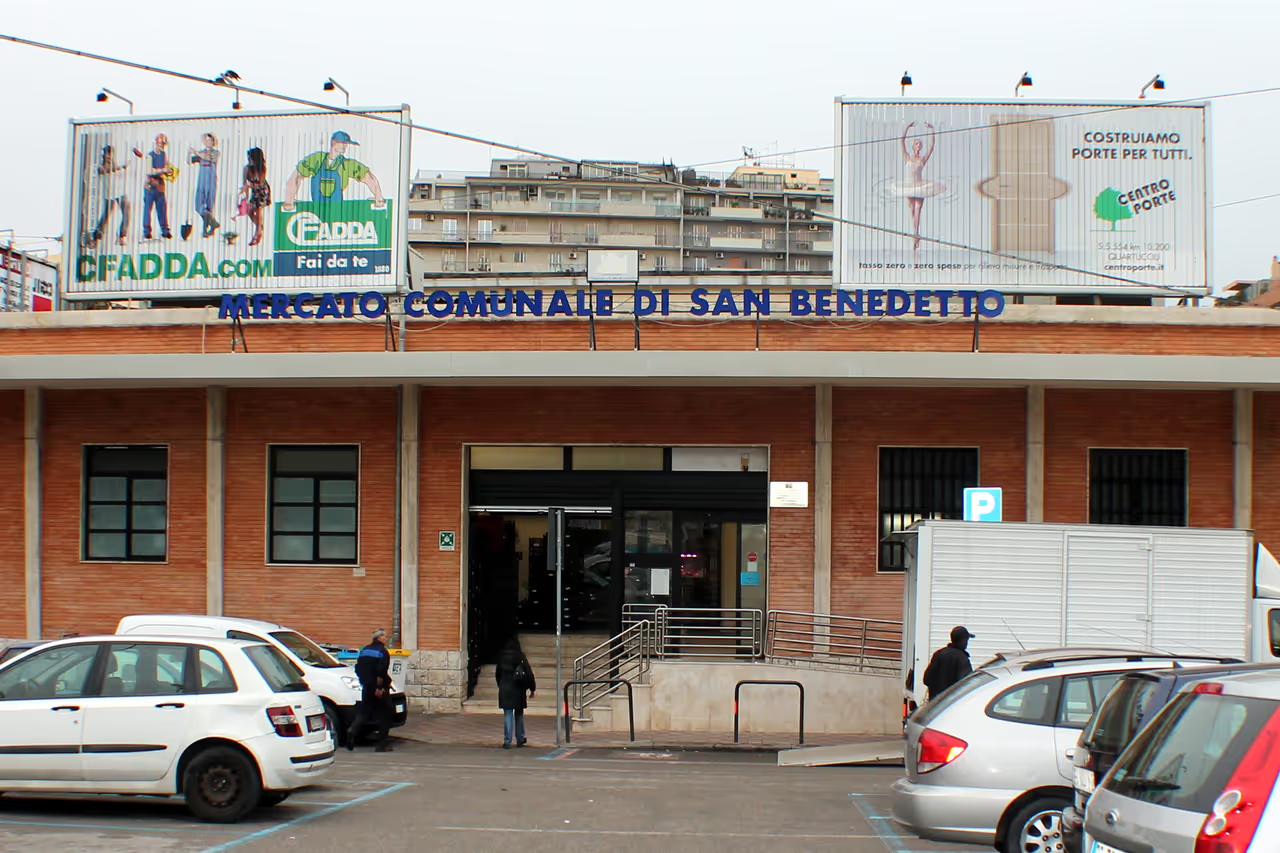
513mSan Benedetto Market
This is widely celebrated as one of the largest and most vibrant indoor markets in Europe, sprawling across two massive floors of culinary delights. The ground floor is a sensory explosion entirely dedicated to the daily fish catch, where vendors enthusiastically shout out their prices amidst mountains of glistening seafood. Upstairs, visitors are greeted by an incredible array of local cheeses, cured meats, fresh pasta, and seasonal produce. It is the absolute beating heart of local gastronomy and an unmissable cultural experience. The sheer volume and quality of ingredients provide a perfect snapshot of the island's rich agricultural and maritime heritage.
market view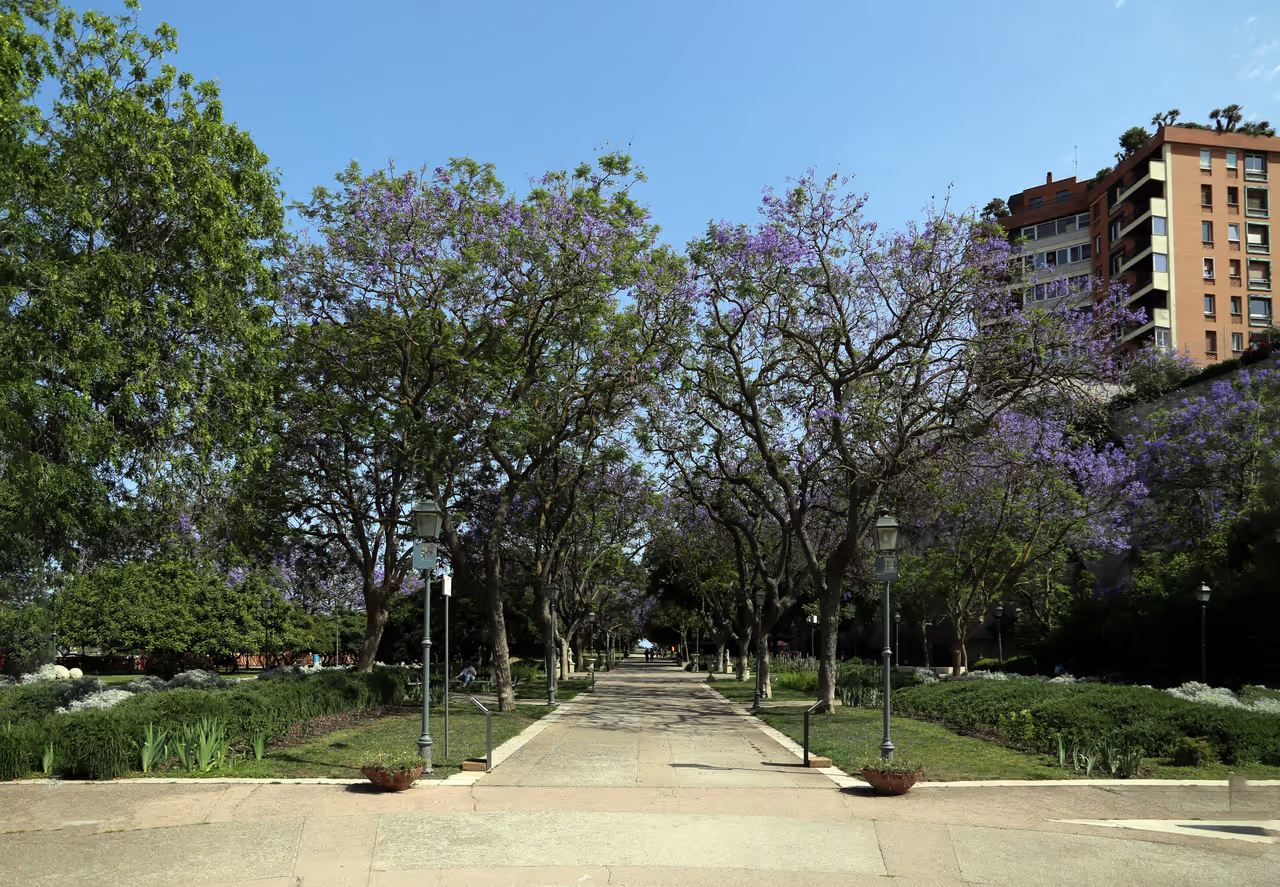 583m
583mPublic Gardens of Cagliari
Tucked away between the historic Castello district and La Vega, the Public Gardens of Cagliari offer a peaceful green sanctuary that feels miles away from the urban energy. Once a site for a gunpowder magazine, this land has transformed into a lush retreat filled with towering palm trees and exotic vegetation. You will find yourself walking under the shade of century old trees, including magnificent ficus specimens that have stood here for over 125 years. The park is home to the Municipal Art Gallery, housed in what was once a military powder magazine, adding a layer of architectural intrigue to your stroll. Whether you are seeking a quiet moment of reflection or a scenic walk, the fountains and manicured paths provide the perfect setting. It is a wonderful example of how Cagliari has reclaimed its military past to create a space of beauty and art for everyone to enjoy.
park & nature view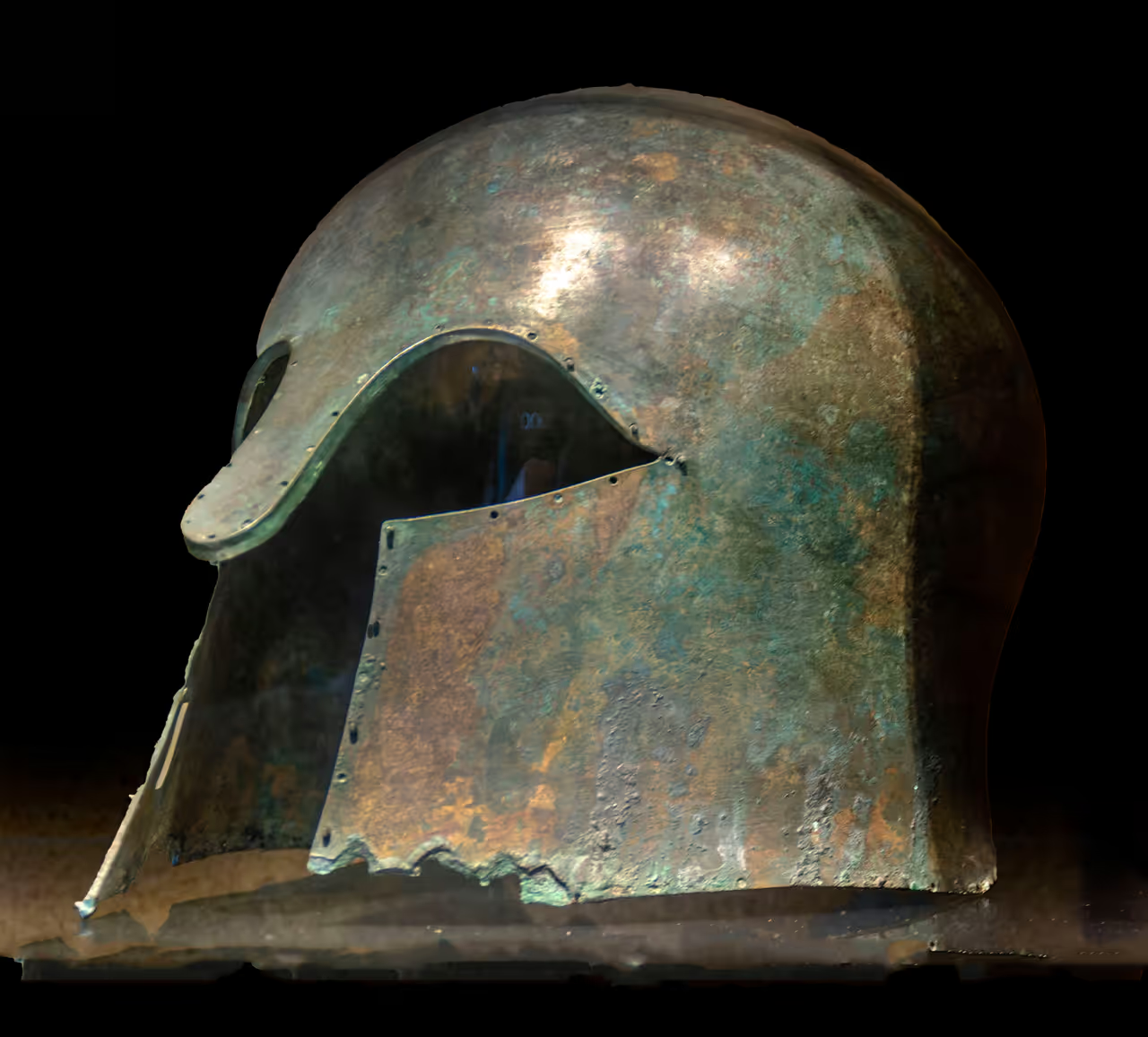 804m
804mNational Archaeological Museum of Cagliari
Step into the most prestigious treasury of Sardinian history, a place where the ancient past feels remarkably present. This museum serves as the island's primary storyteller, housing a collection that spans from the Neolithic age to the Byzantine era. You will encounter the mysterious Giants of Mont'e Prama, towering stone figures that represent some of the oldest large-scale sculptures in the Mediterranean. The atmosphere is one of quiet awe, set within a modern architectural masterpiece that cleverly repurposes the city's old defensive bastions. Beyond the statues, the museum showcases exquisite Nuragic bronzes and delicate Phoenician jewellery that reveal the island's deep-rooted connections across the sea. It is a vital stop for anyone wanting to understand the unique cultural identity of Sardinia and its strategic importance in the ancient world.
attraction view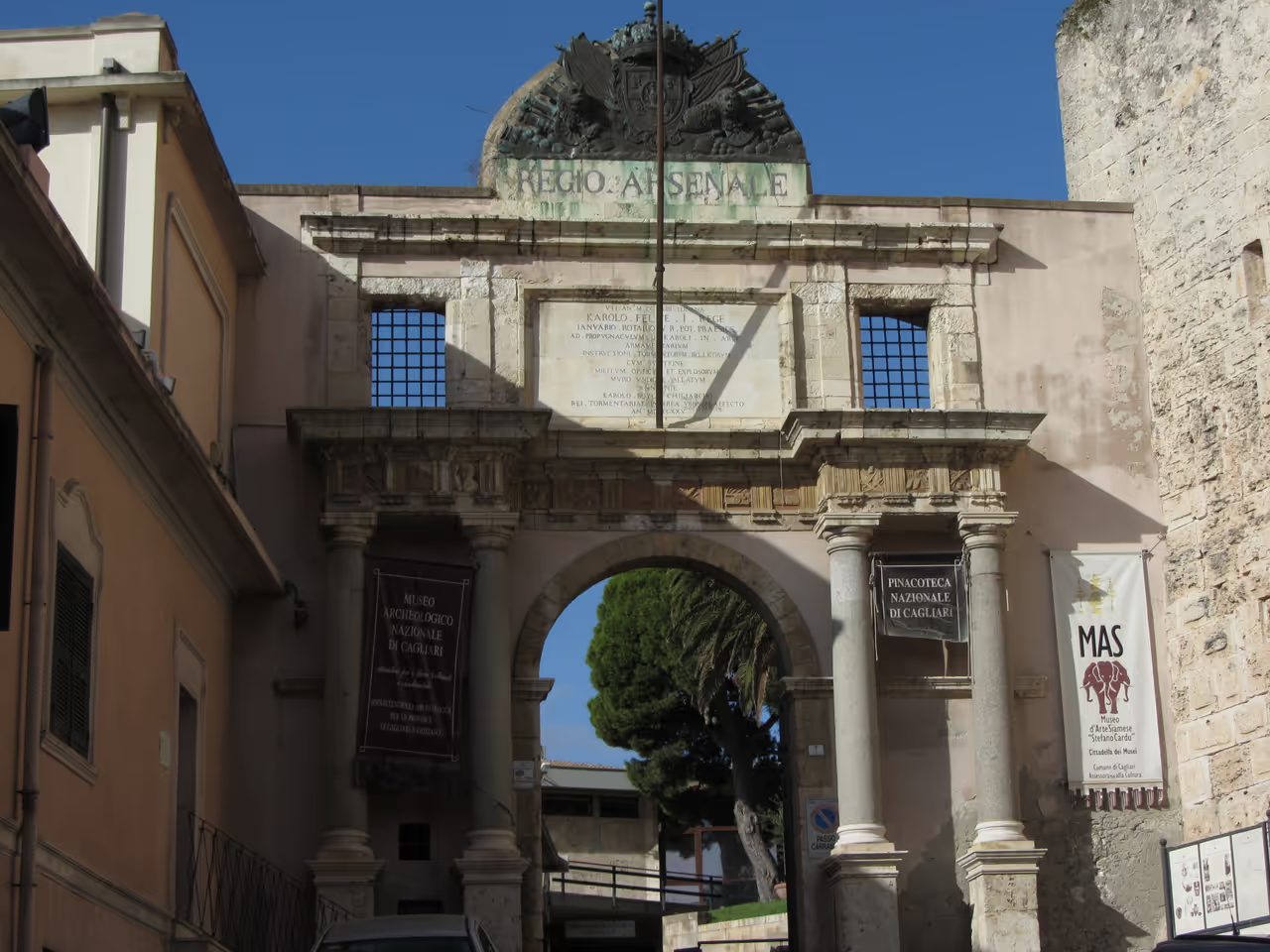 816m
816mCitadel of Museums
Perched at the highest northern point of the Castello district, this modern complex was brilliantly constructed over the ruins of an ancient arsenal. It now serves as the primary cultural hub of the city, housing multiple distinct institutions in one convenient location. Visitors pass through a majestic historic gateway to enter a tranquil courtyard surrounded by world-class exhibitions. Beyond the impressive National Archaeological Museum, it also hosts fascinating collections of Siamese art and anatomical wax models. It is an essential stop for anyone wanting to delve deep into the island's rich heritage.
highlight view
Explore Similar Places in These Collections
Featured on This Route
See all nature & parks in Cagliari
Cagliari Botanical Garden, Capuchin Garden, Molentargius-Saline Regional Park, Monte Urpinu, Public Gardens of Cagliari...