St. Sebald Church
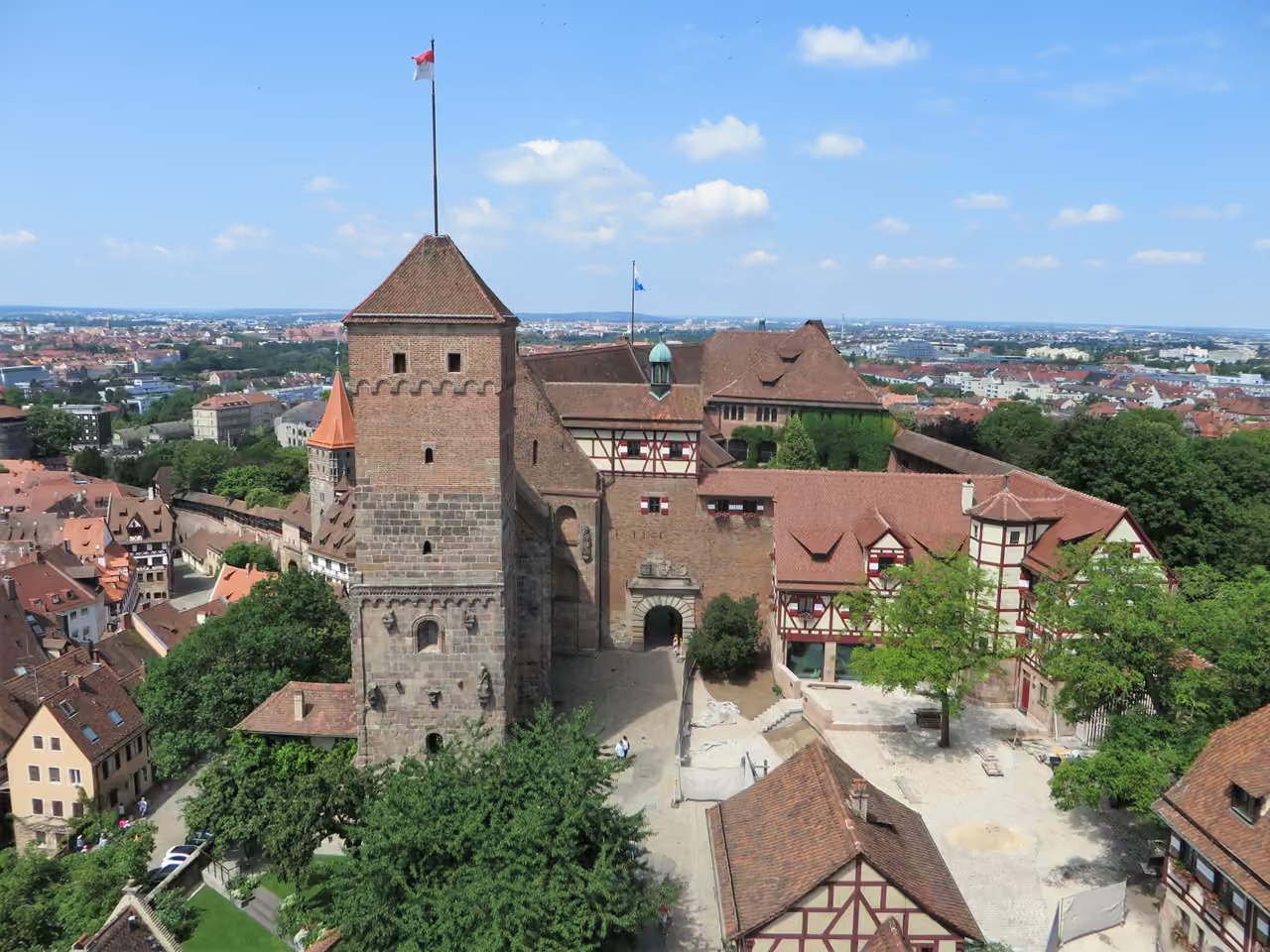
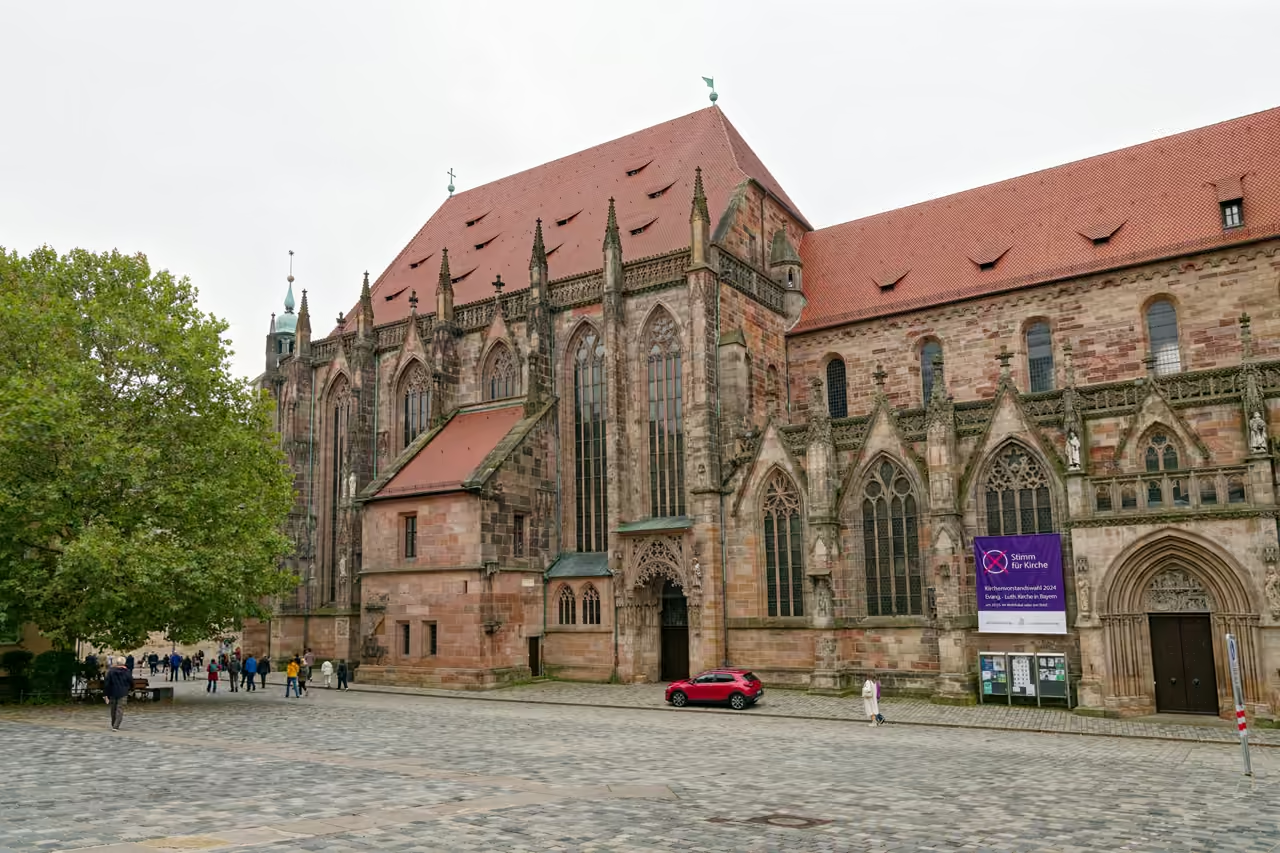
Climbing the gentle cobblestone rise from the main market square toward Nuremberg Castle, the twin towers of St. Sebald Church dominate the skyline. Inside, warm sandstone arches shelter an extraordinary gathering of pre-Reformation masterpieces that survived fires and aerial bombardments. The visual anchor of the eastern hall choir is Peter Vischer's colossal bronze monument, holding the silver reliquary of Sebaldus, the city's hermit patron saint. Sunlight filters through fourteenth-century stained glass designed by Albrecht Dürer's circle, splashing kaleidoscopic heraldry onto intricate stone epitaphs. Echoes of Johann Pachelbel, who once commanded the organ pipes here, seem to linger in the vaulted acoustics. Outside, the delicate relief carvings of the Bride's Doorway and the sculpted Last Judgement present an evocative glance into medieval civic pride.
Videos
History of St. Sebald Church
When medieval stonemasons laid the first foundation blocks around 1225, they were not merely constructing a parish church; they were staking Nuremberg's claim as an imperial powerhouse. Replacing an older chapel consecrated to Saint Peter, the builders fashioned a double-choired basilica that borrowed heavily from the prestigious Romanesque cathedral in Bamberg. Within decades, however, local ambition outgrew that conservative framework. The town had adopted Sebaldus, a shadowy eighth-century hermit rumoured to have worked miracles in the surrounding Frankish forests, as its celestial protector. Pilgrims began trickling in, and the city council decided the church required a far bolder architectural statement. Between 1361 and 1372, master masons demolished the old eastern apse to make room for a soaring Gothic hall choir. Working under the stylistic influence of the renowned Parler family of Prague, they raised walls of slender piers and broad tracery windows that flooded the shrine with sunlight. It became Nuremberg's council church, intimately linked to the patrician dynasties who governed from the town hall directly opposite. These wealthy merchants competed fiercely for prestige, funding lavish stained glass panes, stone epitaphs, and carved wooden altars to guarantee spiritual salvation and earthly remembrance. By the dawn of the sixteenth century, the church became a laboratory for artistic revolution. The foundry master Peter Vischer the Elder, working alongside his sons, spent over a decade casting an immense bronze canopy over the saint's silver coffin. Their creation melded intricate German Gothic spires with muscular putti, mythical beasts, and pagan mythological figures imported from the Italian Renaissance. Albrecht Dürer designed stained glass panes for the windows, while woodcarver Veit Stoss chiselled expressive figures for aristocratic burial monuments. Even as Martin Luther's theological earthquake swept Germany in 1525, Nuremberg embraced the Reformation peacefully; remarkably, the Lutheran city council chose to preserve rather than destroy the pre-Reformation shrines, treating them as heirlooms of civic nobility. Catastrophe arrived during the Second World War when aerial raids burned out the roofs and collapsed the vaulting. Foresighted civic caretakers had already moved the stained glass and portable carvings into secure subterranean cellars, and encased Vischer's mammoth bronze monument in thick masonry. Reconstruction after 1945 brought the twin spires and the soaring nave back to life, culminating in a festive reconsecration in 1957. Today, St. Sebald stands as a living dialogue across eight centuries, where ancient stone heads peer down at organists playing modern compositions, and Coventry's Cross of Nails hangs as an enduring sign of postwar reconciliation.
11 events spanning 774 years
Fun Facts
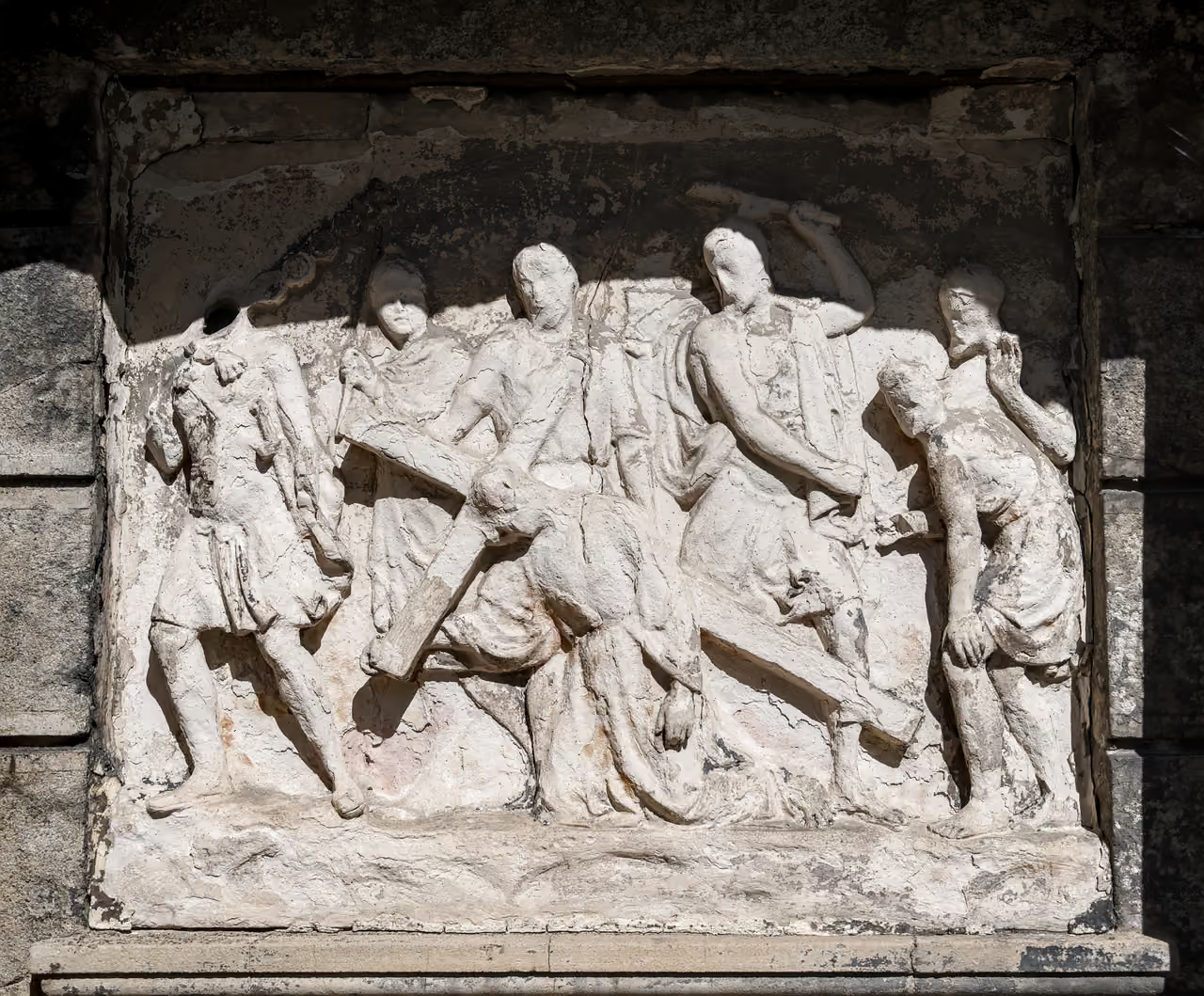
- • An exterior wall carving by Adam Kraft depicts the Passion of Christ with such delicate undercutting that locals long whispered the sculptor possessed an alchemical secret for softening stone.
- • Before wartime destruction in 1945, the church contained an organ case constructed by Heinrich Traxdorf between 1440 and 1443, widely recognised by music historians as the oldest preserved organ casing in the world.
- • During the Second World War, conservators protected Peter Vischer's massive bronze shrine of Saint Sebaldus by building a solid concrete and brick bunker directly around it inside the church.
- • In 1999, St. Sebald was officially granted the Coventry Cross of Nails, joining an international fellowship dedicated to peace and postwar healing after both Nuremberg and Coventry endured devastating bombing raids.
- • In 2019 and 2020, during restorations of the adjacent rectory courtyard, workers uncovered a Jewish gravestone dating from 1334 and a wooden door inscribed with Hebrew letters from around 1500, sparking a joint memorial project with Nuremberg's Jewish community.
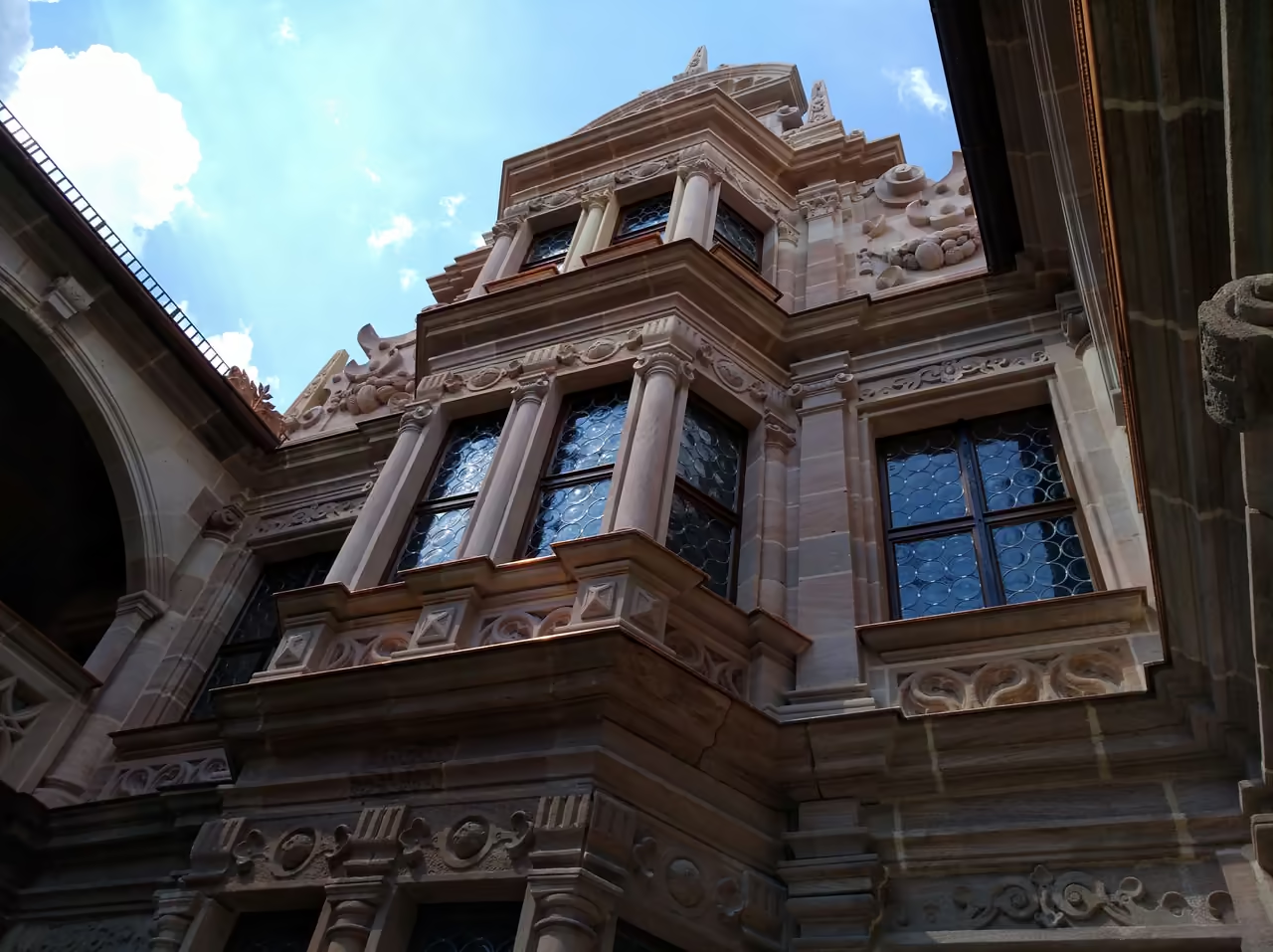
- • Melchior Pfinzing, provost of St. Sebald and trusted adviser to Holy Roman Emperor Maximilian I, raised the roof of the rectory opposite the church in 1514 to create a Renaissance study lined with an elaborate timber coffered ceiling.
- • Nuremberg's adoption of the Protestant Reformation in 1525 transformed St. Sebald into one of the earliest Lutheran parish churches, yet its patrician council refused to purge Catholic shrines and saintly relics from the interior.
- • The central Kaiserfenster, or Emperor's Window, installed in the choir in 1514, was crafted by master glazier Veit Hirsvogel based on preparatory drawings provided by Albrecht Dürer.
- • The church's northern entrance, known as the Brautpforte or Bride's Door, served as an open-air ceremonial gateway where medieval couples were wed under church law before entering to hear Nuptial Mass.
- • The famous composer Johann Pachelbel, best known for his Canon in D, served as the principal organist at St. Sebald Church from 1695 until his death in 1706.
FULL PLACE DETAILS
OVERVIEW & STATS
- Established
- In 1225, making it 801 years old
ARCHITECTURE & HERITAGE
- Heritage Status
- Architectural Heritage Monument In Bavaria
- Architectural Styles
- Gothic
- Architects
- Parler Family
WEB & AMENITIES
St. Sebald Church Map & Neighborhood Explorer
This interactive map is centered on St. Sebald Church. Zoom in and move the map around to automatically discover Wikipedia photos and summaries of other nearby sights, monuments, and historical points of interest and stories in real-time!
St. Sebald Church FAQ
While we strive to keep this information accurate and up to date, we recommend verifying any details independently before making decisions based on them.
Places near St. Sebald Church
Make the most of your trip. Check out these top-rated spots located nearby.
 57m
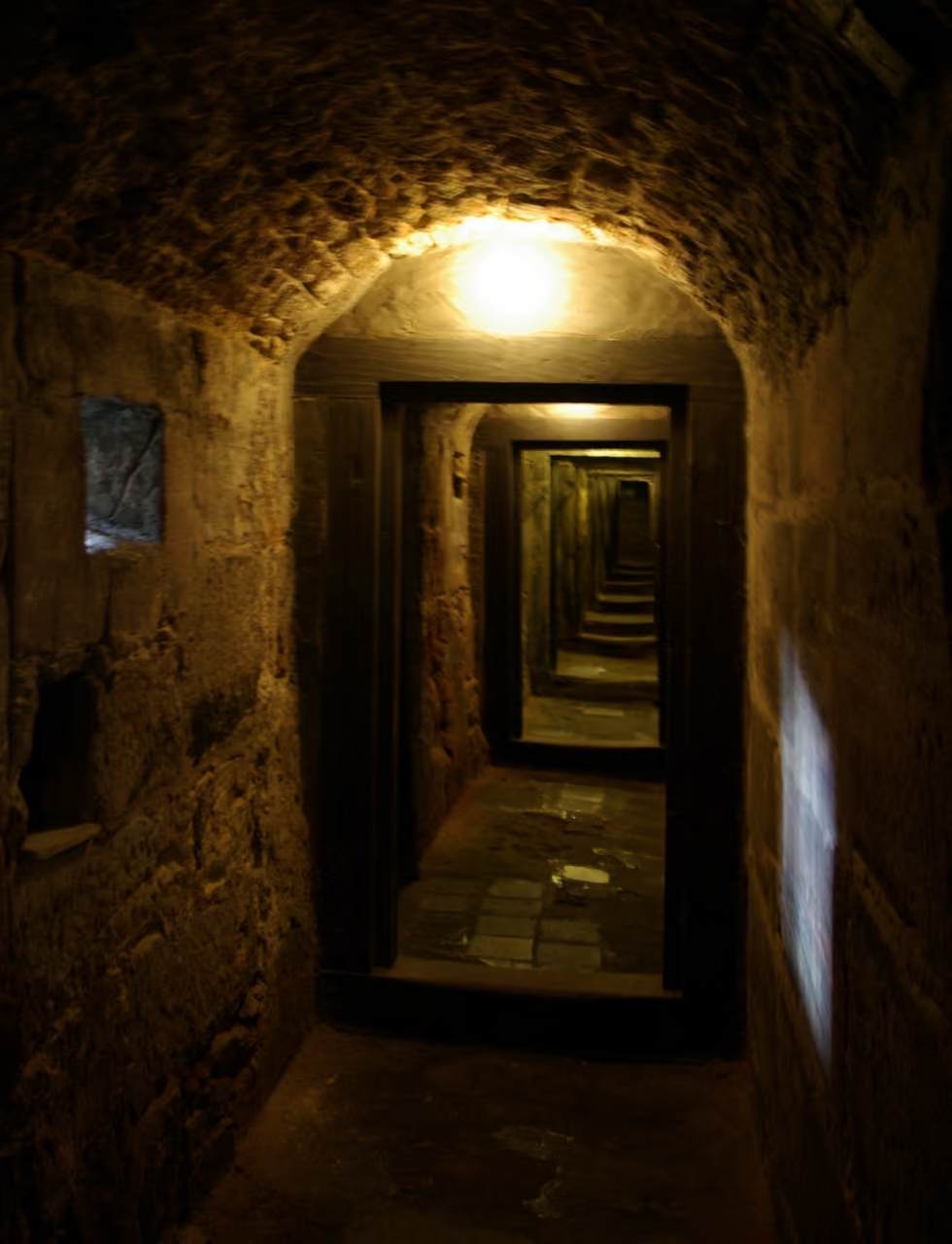
Medieval Dungeons
Deep beneath the cobblestones of the Old Town Hall lie the chilling, vaulted stone cells of the city's 14th-century prison. Visitors walk through the cramped, windowless holding pens and view the central interrogation room where the executioner extracted confessions. The heavy wooden doors, original iron shackles, and pitch-black solitary confinement cells paint a grim picture of medieval justice. The guided tour avoids theatrical jump-scares, relying instead on the oppressive physical reality of the architecture to unsettle guests.
highlight view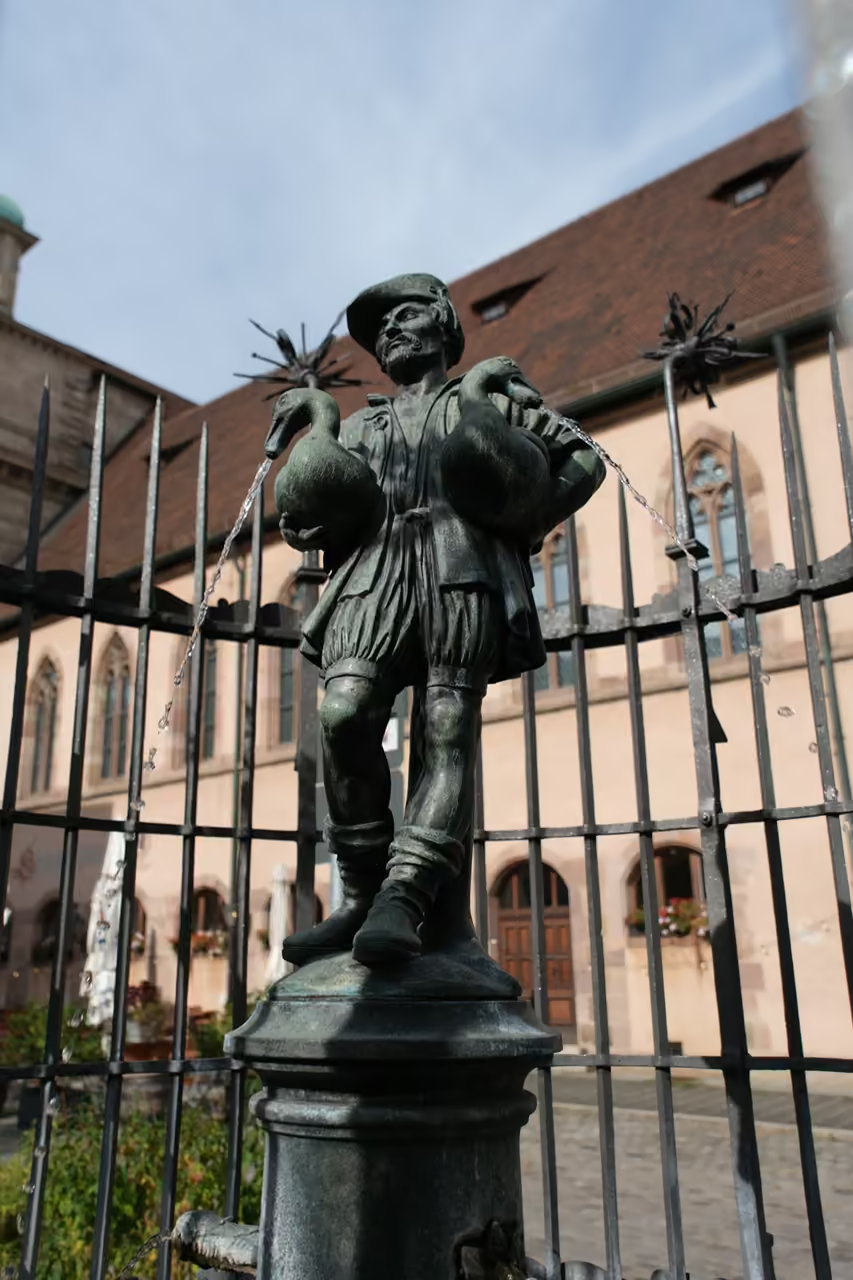 105m
Goose Man Fountain
A bronze peasant stands on a stone pedestal with two geese tucked tightly under his arms, water constantly pouring from the birds' open beaks. Cast in the mid-16th century, the intricate, highly expressive facial details of the figure provide an excellent subject for tight, close-up photography. The surrounding cobblestones and timber frames help contextualise the historical water feature.
photo spot view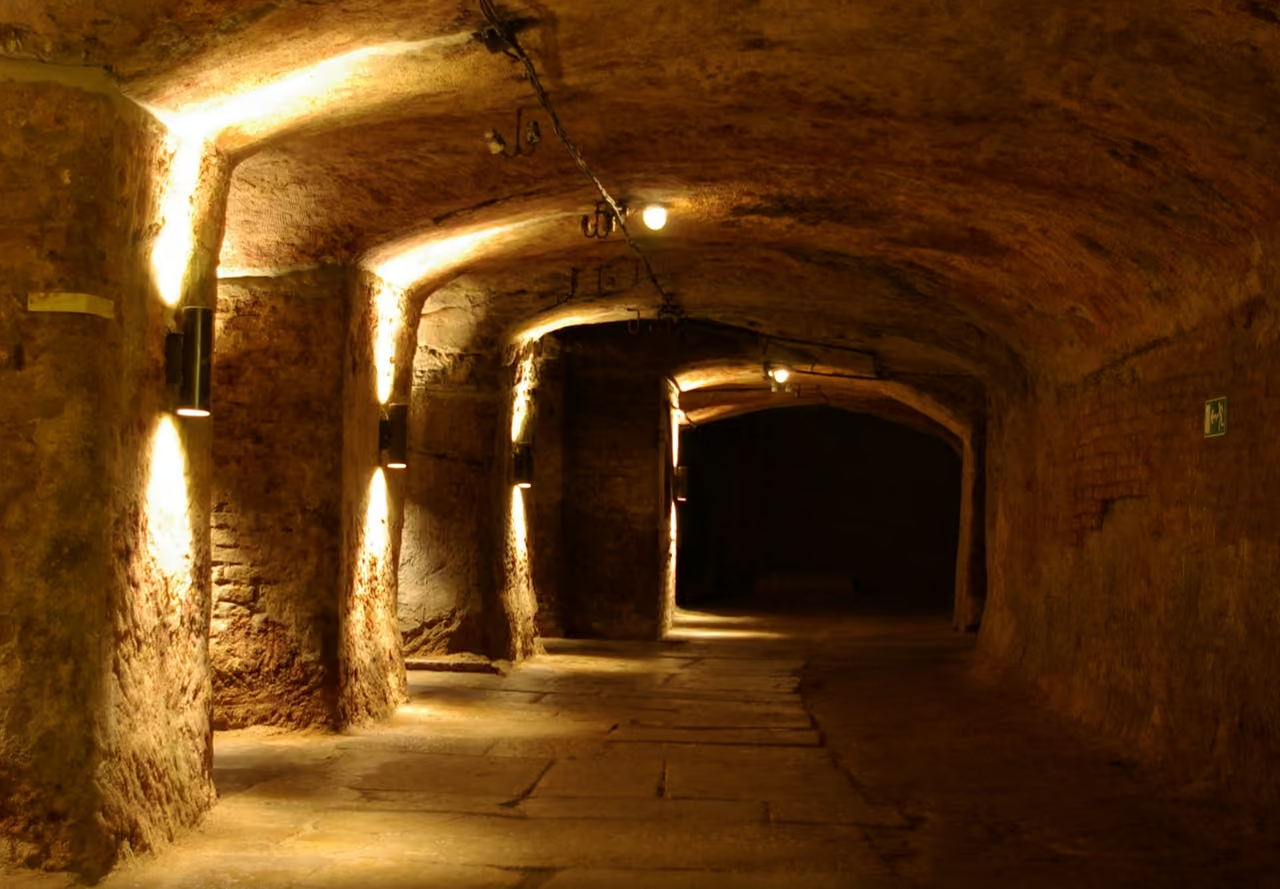 116m
Historic Rock-Cut Cellars
A vast, multi-level labyrinth of sandstone tunnels snakes directly underneath the imperial castle and the northern old town. Citizens originally carved these cool, dark cellars in the 14th century to ferment and store the local red beer, mandated by municipal brewing laws. During the intense bombing raids of World War II, the sprawling subterranean network saved thousands of lives by serving as emergency air-raid shelters. Water drips constantly from the low ceilings, keeping the air damp and chilly regardless of the season outside. Guided tours lead visitors through the echoing corridors, eventually exiting through the cellar of a modern brewery.
hidden gem view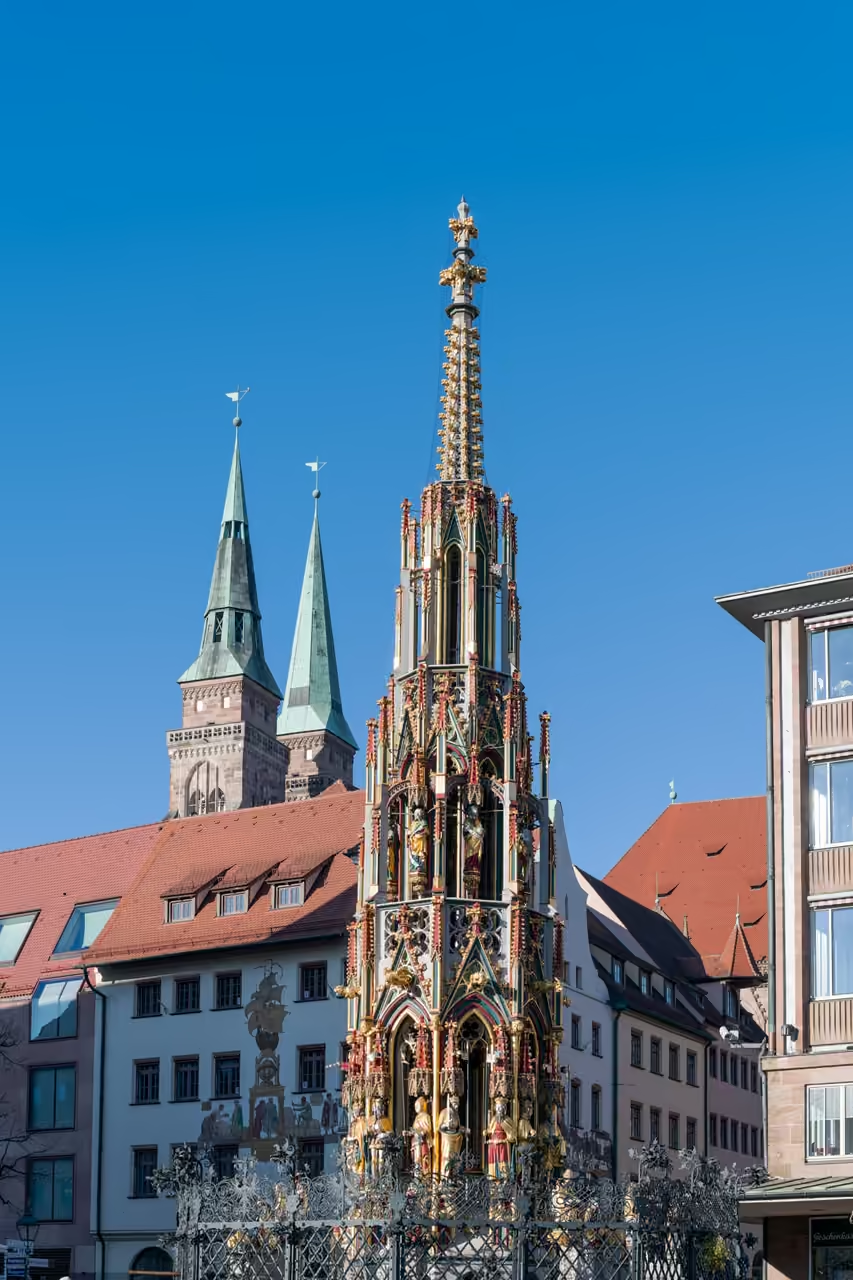 125m
Beautiful Fountain
A dazzling, nineteen-metre-tall Gothic spire rises directly from the cobblestones of the main market square, painted in brilliant gold, red, and blue. Forty intricate stone figures adorn the tiers, representing philosophers, evangelists, and electors of the Holy Roman Empire. The structure is actually an early 20th-century replica, built to preserve the deteriorating 14th-century original from the elements. A heavy wrought-iron grill surrounds the base, featuring two seamlessly forged rings. Crowds constantly gather to spin the brass ring, adhering to a local legend that doing so grants a wish.
highlight view
Explore Similar Places in This Collection
Featured on These Itineraries and Routes
3 Days in Nuremberg
Adding two days allows the pace to relax, mixing heavy historical museums with leisurely strolls through the artisan districts and green spaces. The itinerary breaks the city down geographically, dedicating distinct days to the northern castle quarter, the southern medieval core, and the 20th-century history stretching beyond the walls. Time opens up to explore the massive art collections and sit for extended periods in traditional brewpubs. It strikes a perfect balance between education and casual exploration. Visitors leave with a comprehensive understanding of how the city layered its modern identity over its medieval bones.
view itinerary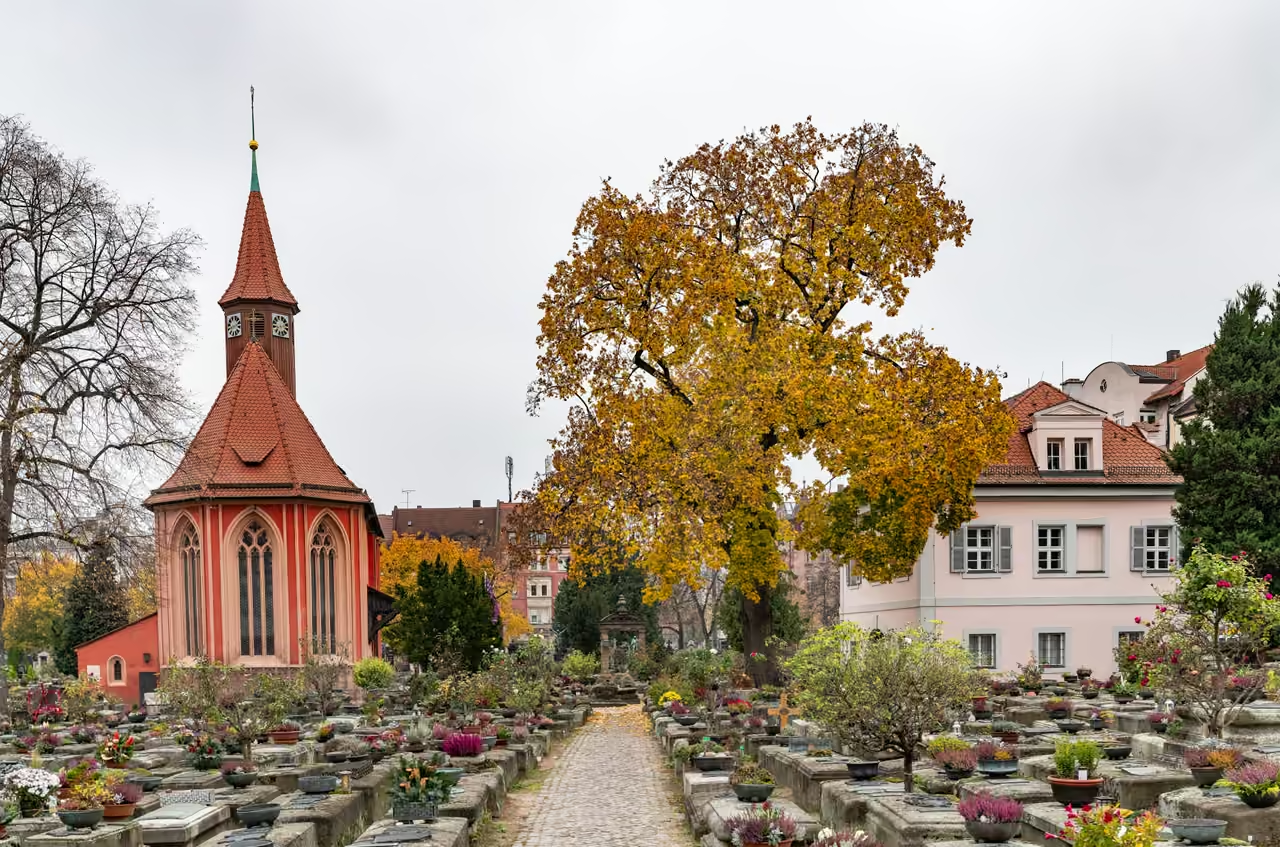
5 Days in Nuremberg
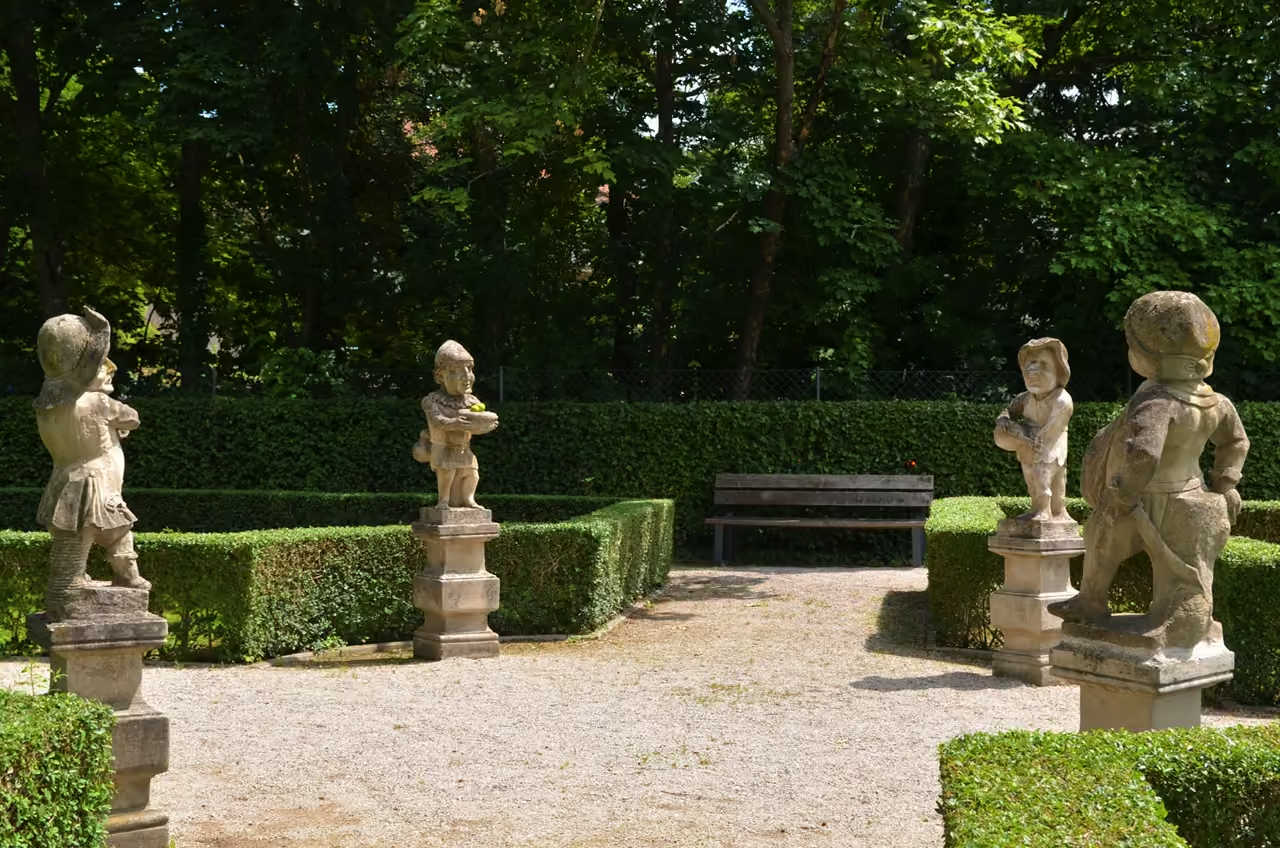
A full working week allows visitors to treat the city like a local, diving into highly specific museums and exploring the outer green belts. The schedule incorporates deep dives into the transport history and hidden patrician gardens that most tourists never see. It factors in time for long walks along the Pegnitz river and cycling trips into the vast eastern forests. The itinerary assumes a desire to experience the quiet, residential pockets of the city alongside the major monuments. This timeline transforms a rushed sightseeing trip into a relaxed cultural immersion.
view itinerary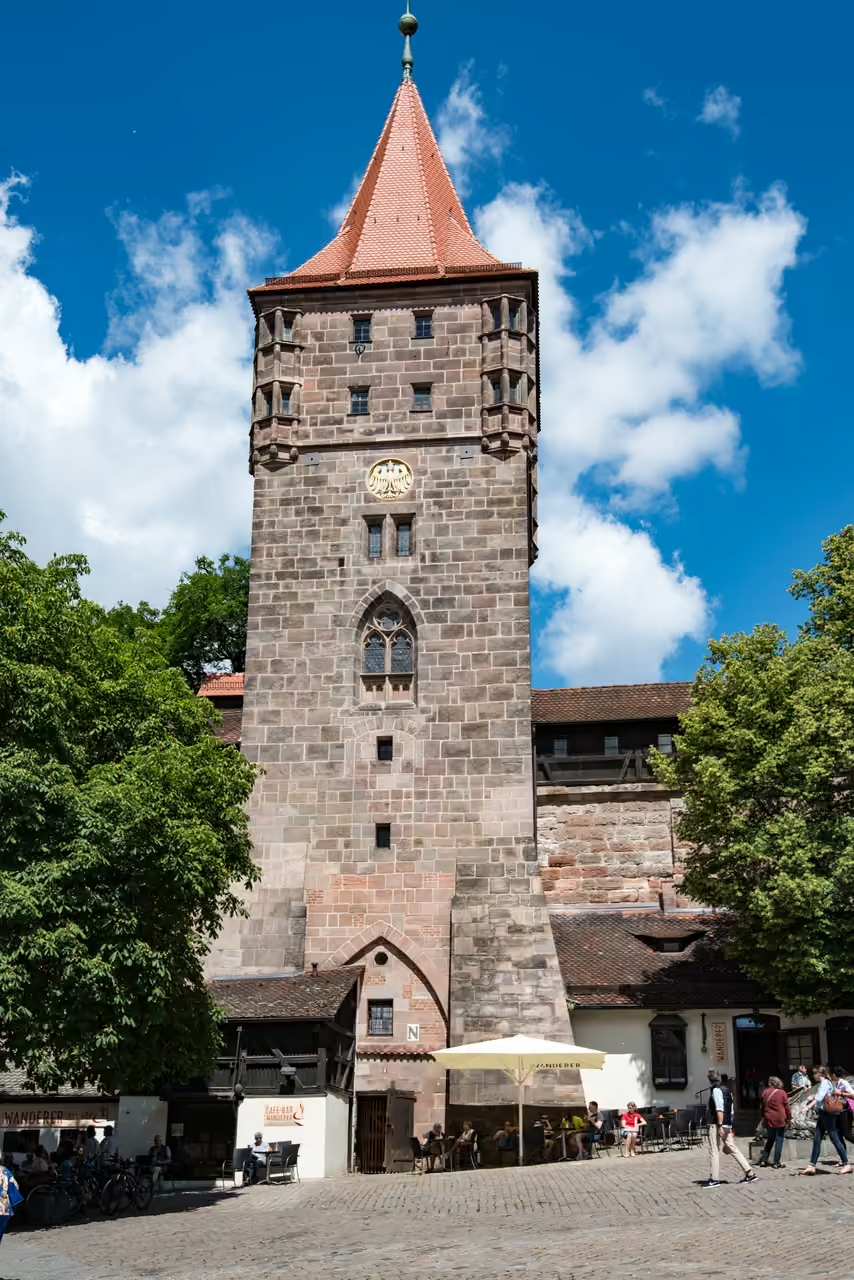
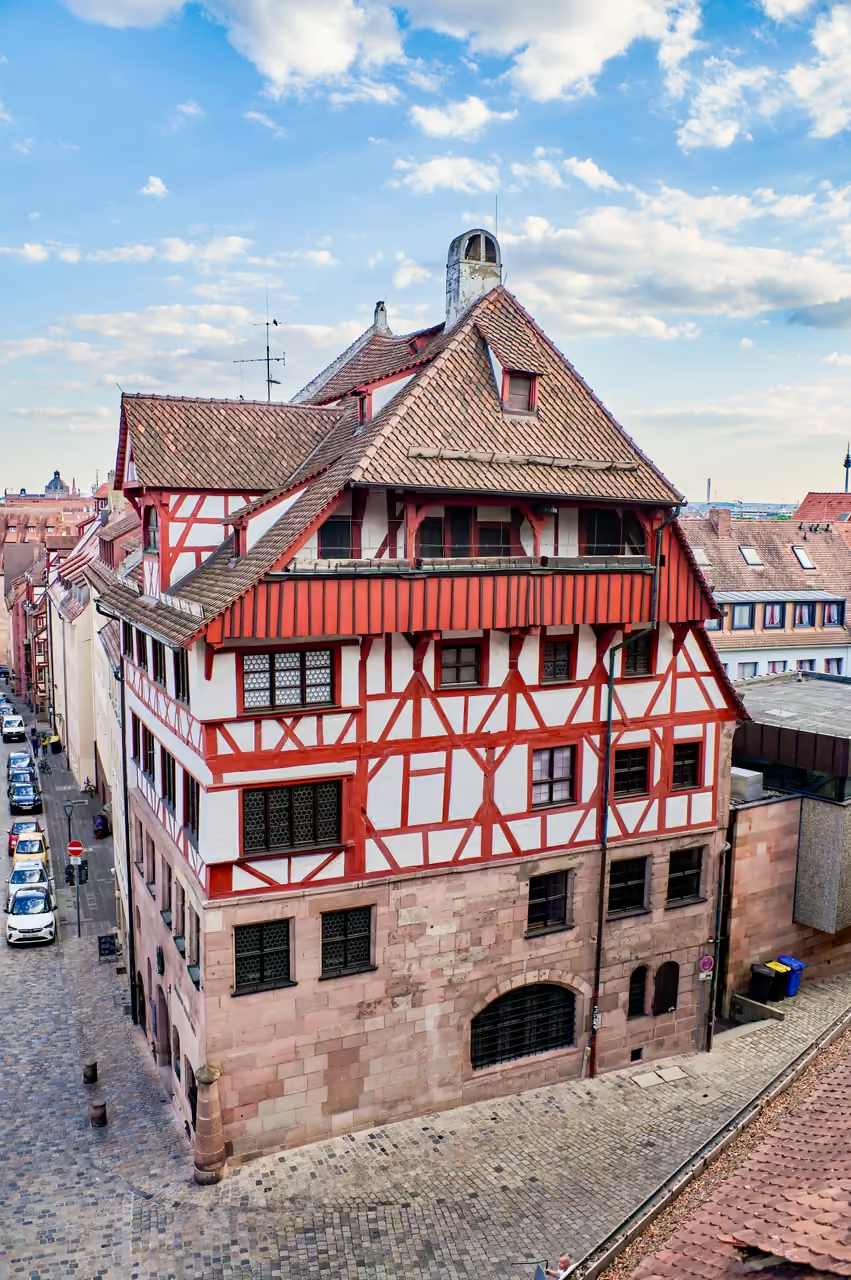
Dürer Art Trail
Tracing the footsteps of the city's most famous son, this route uncovers the environment that shaped the Northern Renaissance. The walk connects the heavily fortified northern district where Dürer lived with the churches and civic buildings that commissioned his work. It highlights the transition from late Gothic artisanship to the humanist ideals that swept through the city in the early 1500s. The path climbs steep, cobbled streets, peering into hidden courtyards that have barely changed since the 16th century. It offers a deep dive into the artistic wealth of the Free Imperial City.
view self-guided tour
See all attractions in Nuremberg
Including Albrecht Dürer House, Germanic National Museum, Nazi Party Rally Grounds, and more