Jacques Cartier Manor House and Museum
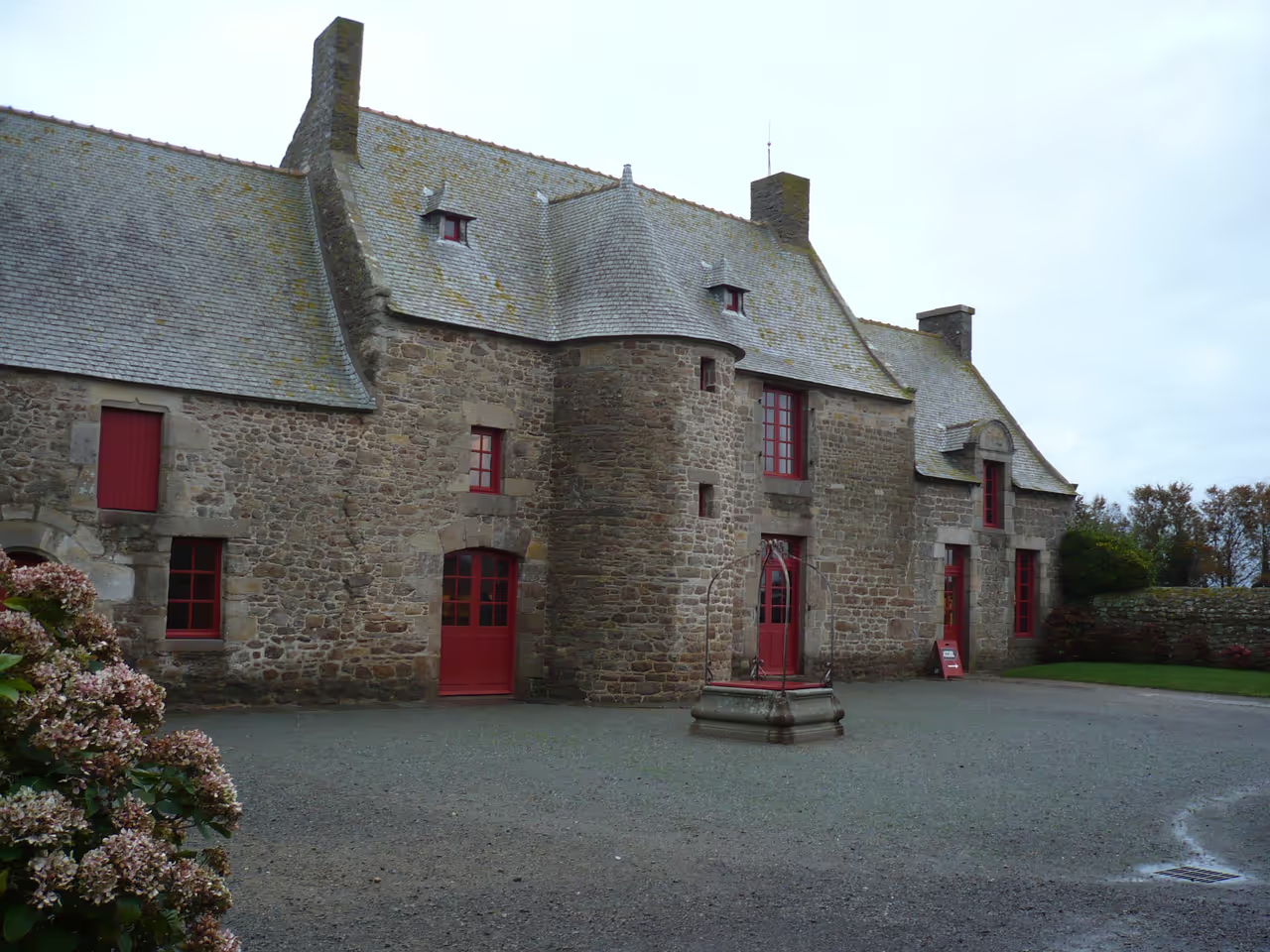
Step into the 16th century at the Manoir de Limoëlou, the authentic Breton home of legendary explorer Jacques Cartier. This beautifully preserved manor, a precursor to the grand malouinières, offers a unique window into the personal world of the man who charted the St. Lawrence River. Wander through rooms furnished with period pieces, from the dining hall to Cartier's private chamber, where he spent his final years dreaming of distant lands. Visiting here isn't just a history lesson; it's an immersive journey into the life of a pivotal figure, revealing the character of a true adventurer. The tranquil setting in Rothéneuf, just outside Saint-Malo, provides a perfect backdrop to reflect on his incredible voyages and the enduring spirit of exploration. Discover why this humble farm transformed into a gentleman's residence became the final refuge of a national hero.
History of Jacques Cartier Manor House and Museum
The origins of the Manoir de Limoëlou trace back to the 15th and early 16th centuries as a working farm, a simple structure in the countryside of Rothéneuf near Saint-Malo. Its destiny dramatically shifted in 1541 when Jacques Cartier, already a seasoned navigator and the famed discoverer of Canada, purchased the property at the age of 50. Having completed two significant voyages for King François I, charting the Gulf of Saint-Lawrence and laying claim to New France, Cartier sought a peaceful retreat for his later years with his wife, Catherine des Granches. Cartier, a man of ambition and vision, soon transformed the modest farm. Around 1545, he began converting it into a more substantial manor house, effectively creating an early example of what would become the distinctive malouinières of the Breton coast. He incorporated elements of contemporary English hall-houses, adding an upper floor and a prominent tower to the facade. Intriguingly, it is believed he utilised ship timber in the construction, a material deeply symbolic of his life at sea. A particularly poignant detail of his design was a chamber specifically arranged to offer a distant view of the sea, a constant reminder of the voyages that defined his legacy. Jacques Cartier lived out his remaining years within these walls, passing away in the manor in 1557 without an heir. For centuries after his death, the once-grand residence slowly reverted to its original function as a farm, its historical significance largely forgotten by time. It was not until 1978 that a new chapter began: the Macdonald Stewart Foundation, a philanthropic couple from Montreal, Canada, acquired the dilapidated manor. Driven by a desire to honour Cartier's connection to Canada, they undertook an extensive and sensitive restoration project. After years of meticulous work to return it to its 16th-century appearance, the Manoir de Limoëlou reopened in 1984 as a museum dedicated to Jacques Cartier, coinciding with the 450th anniversary of his first voyage to Canada. The foundation later gifted this unique and tangible link to the explorer's life to the city of Saint-Malo in 2012, ensuring its preservation for future generations. Today, the museum showcases period-furnished rooms and exhibits, allowing visitors to walk through the very spaces where the great explorer contemplated his discoveries and lived his final days.
8 Events spanning 512 years
Fun Facts
- • A significant district in Quebec City, Canada, as well as an electoral constituency, bear the name 'Limoilou' in honour of Jacques Cartier's manor and his time spent in the area during his explorations.
- • Cartier specifically designed a room in the manor that offered a distant view of the sea, a poignant detail suggesting his continued connection to the ocean and his voyages.
- • Jacques Cartier acquired the property in Rothéneuf, on the outskirts of Saint-Malo, after returning from his first two groundbreaking expeditions to Canada for King François I.
- • The Manoir de Limoëlou holds the 'Maisons des Illustres' label, recognising it as a place that preserves the memory of remarkable figures in French history.
- • The explorer, a man well-versed in maritime construction, is believed to have incorporated ship timber into the manor's renovation, a subtle nod to his life at sea.
- • The extensive restoration of the manor in the late 20th century was funded and spearheaded by a Canadian philanthropic couple, David and Liliane Stewart, reflecting the enduring ties between France and Canada.
- • The manor is considered an early example and ancestor of the 'malouinières', distinctive country houses built by wealthy shipowners and privateers from Saint-Malo in subsequent centuries.
- • The name 'Limoëlou' translates to 'bald hillock' in Breton, referring to its elevated position where strong winds often prevented trees from growing densely.
RESOURCES
Official WebsiteJacques Cartier Manor House and Museum FAQ
While we strive to keep this information accurate and up to date, we recommend verifying any details independently before making decisions based on them.
Jacques Cartier Manor House and Museum Map & Neighborhood Explorer
This interactive map is centered on Jacques Cartier Manor House and Museum. Zoom in and move the map around to automatically discover Wikipedia photos and summaries of other nearby sights, monuments, and historical points of interest and stories in real-time!
Places near Jacques Cartier Manor House and Museum
Make the most of your trip. Check out these top-rated spots located nearby.
 836m
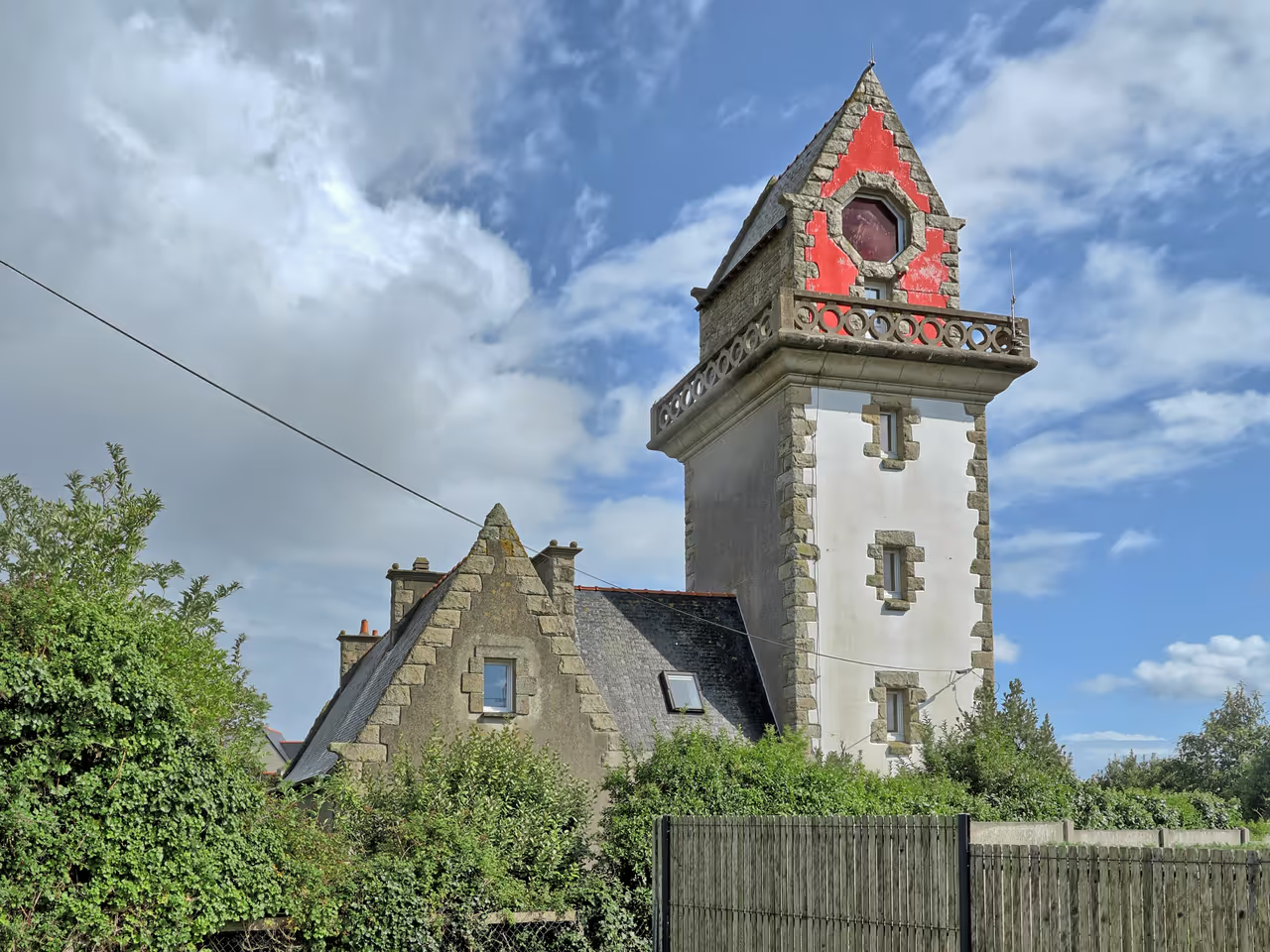
836mRochebonne Point
Located at the far eastern end of the long Sillon beach, where the sand finally gives way to steep cliffs. Standing on the edge, you can look straight down the entire 3 kilometre curve of the bay back toward the walled city. Surfers often gather in the water below this point to catch the incoming swells. It offers the best perspective to appreciate the sheer length of the coastal defences.
viewpoint view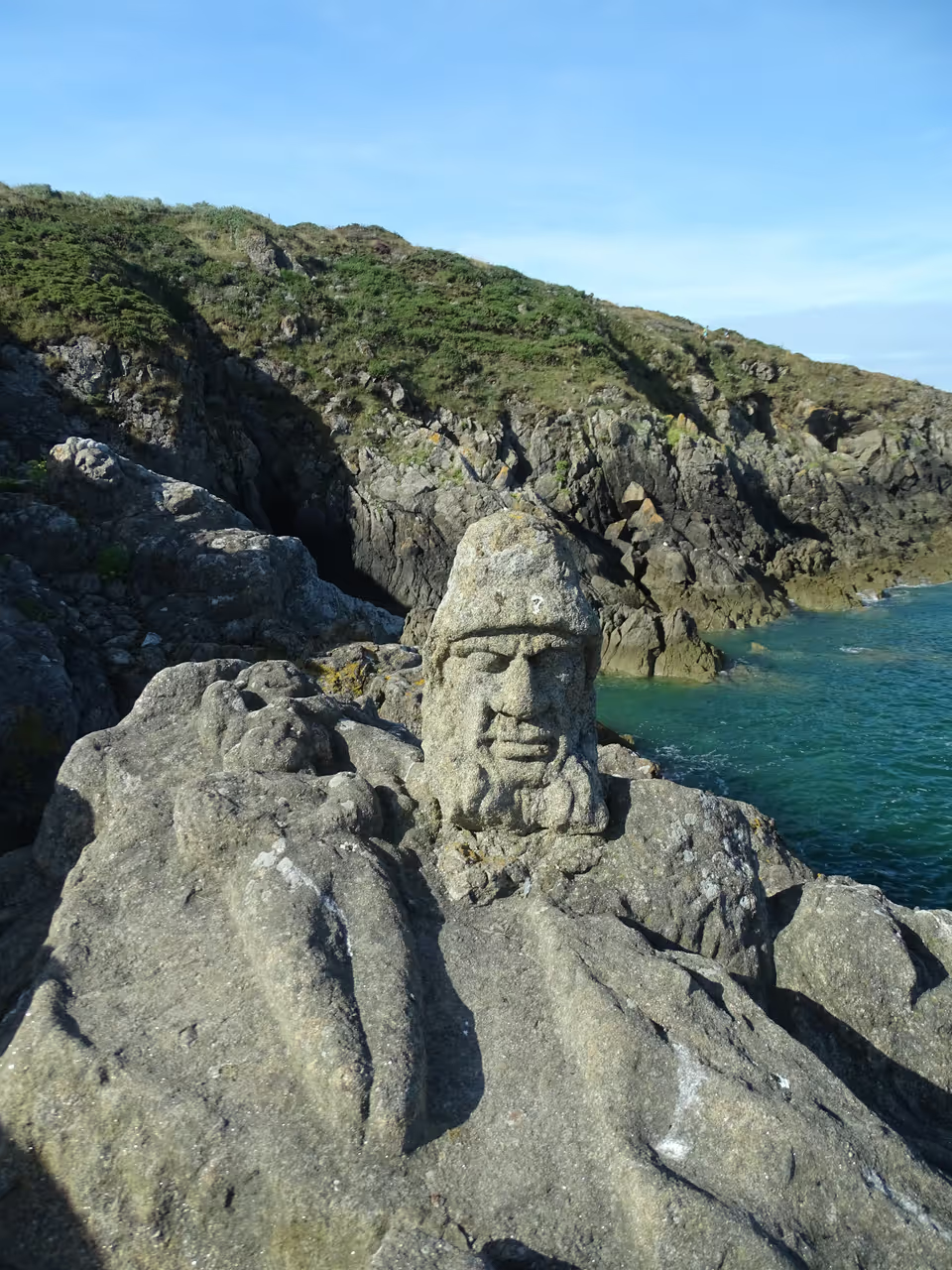 1426m
1426mSculpted Rocks of Rothéneuf
Cut off from his parish by a sudden stroke, an eccentric late-19th-century priest spent thirteen years single-handedly reshaping a jagged stretch of Breton coastline. Abbé Fouré chipped away at the raw granite to create over 300 eerie, weather-beaten figures staring directly into the English Channel. Spotting these characters feels like an archaeological puzzle. Among the mossy crevices, you can identify jagged portrayals of the notorious Rothéneuf smuggling dynasty alongside the stoic profile of French explorer Jacques Cartier. The relentless Atlantic winds and salty sea spray are steadily eroding these intricate folk-art carvings, meaning the rock faces look slightly different with every passing decade. Step carefully down the narrow stone path toward the water’s edge to examine the fading chisel marks of a granite gargoyle slowly dissolving back into the cliff.
highlight view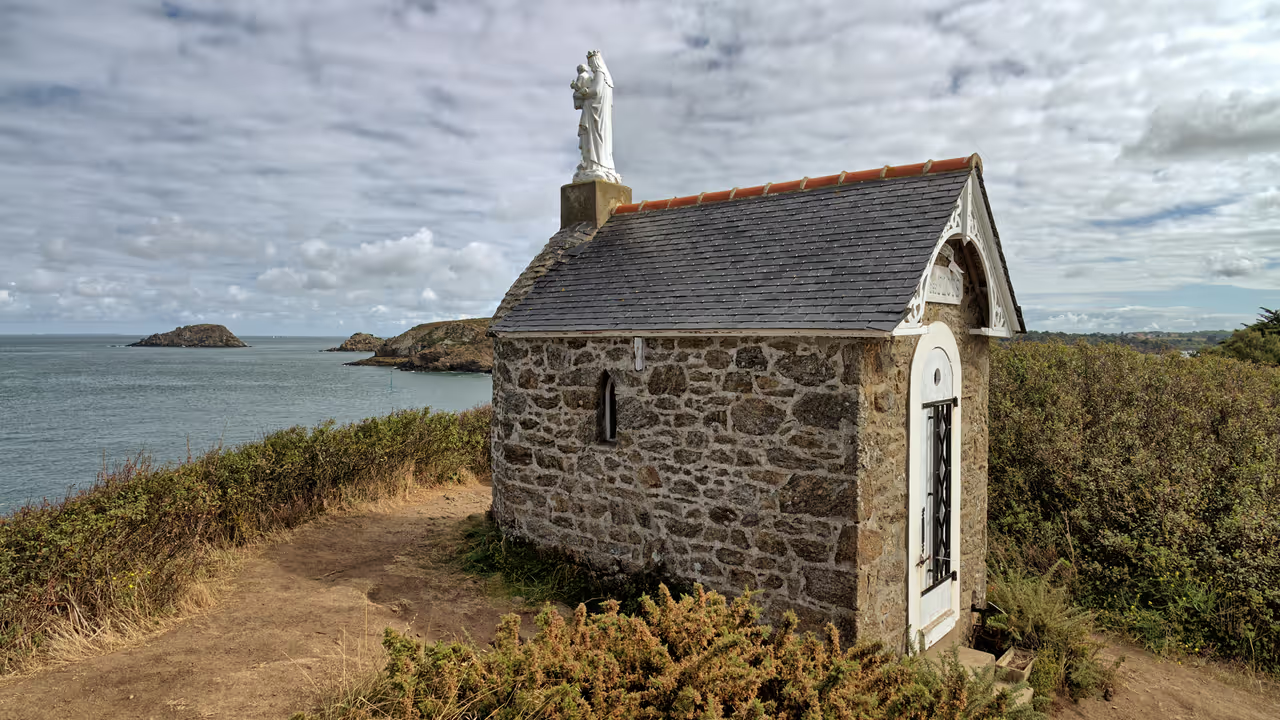 1545m
1545mChapel of the Waves
Perched precariously on a cliff edge near Rothéneuf, this tiny stone structure looks like it could slide into the ocean at any moment. It was originally built as a small guardhouse for customs officers watching for smugglers on the rocky coast below. In 1889, it was converted into a religious sanctuary dedicated to protecting sailors facing the brutal channel storms. Inside, the walls are covered with small plaques and maritime offerings left by the families of fishermen. It offers a deeply quiet, contemplative space with a viciously rugged view.
hidden gem view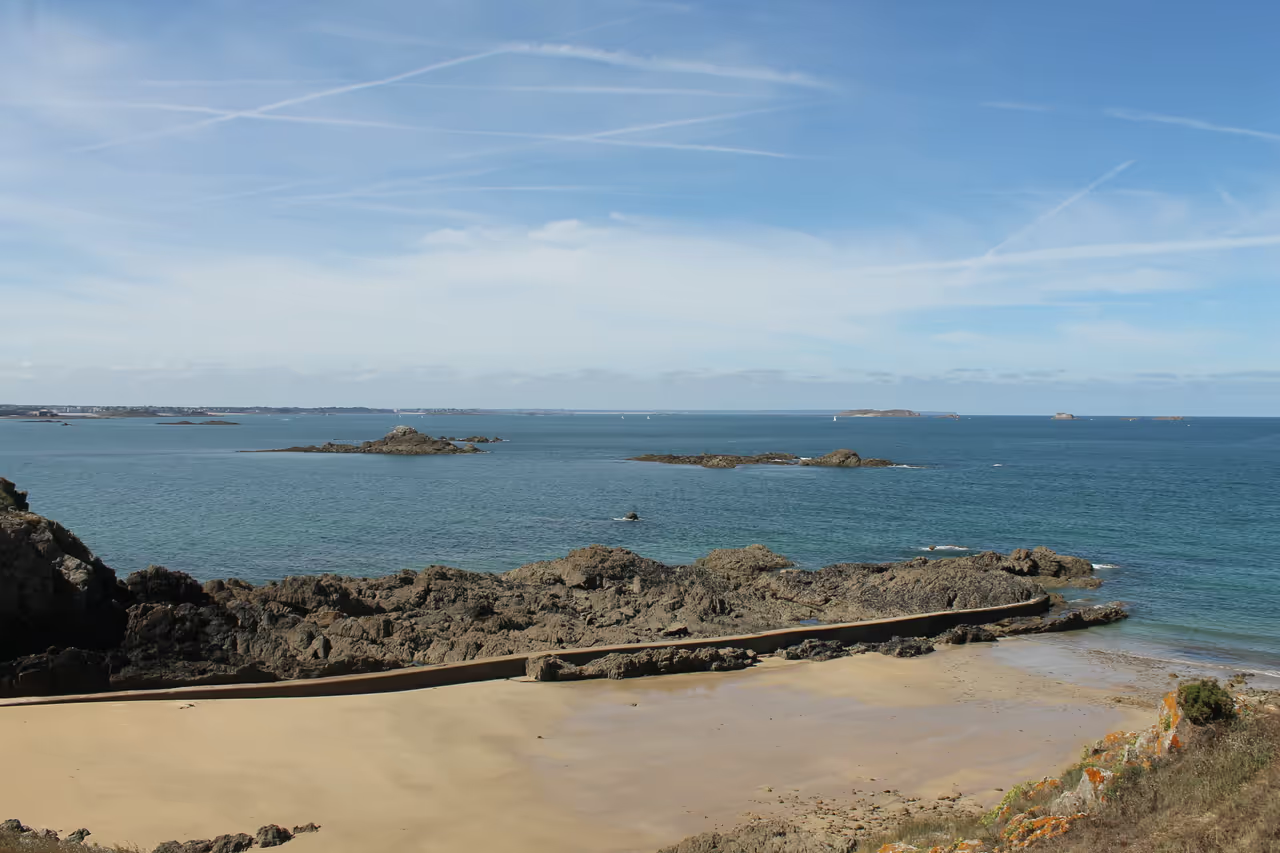 1923m
1923mPointe de la Varde
Perched majestically on Saint-Malo's eastern flank, Pointe de la Varde offers an exceptional vantage point over the shimmering Emerald Coast. This protected natural haven, rising 32 metres above the sea, invites exploration of its rugged landscape and expansive views across the bay. Visitors can wander along designated paths, flanked by two charming beaches: the grande Plage du Pont and the intimate Plage du Nicet. Beyond its visual splendour, the point carries centuries of strategic military history, evidenced by the remnants of fortifications that once guarded the Malouin port. It's a compelling destination where nature's beauty and historical echoes create a truly memorable experience.
park & nature view
Explore Similar Places in This Collection
Featured on These Itineraries and Routes
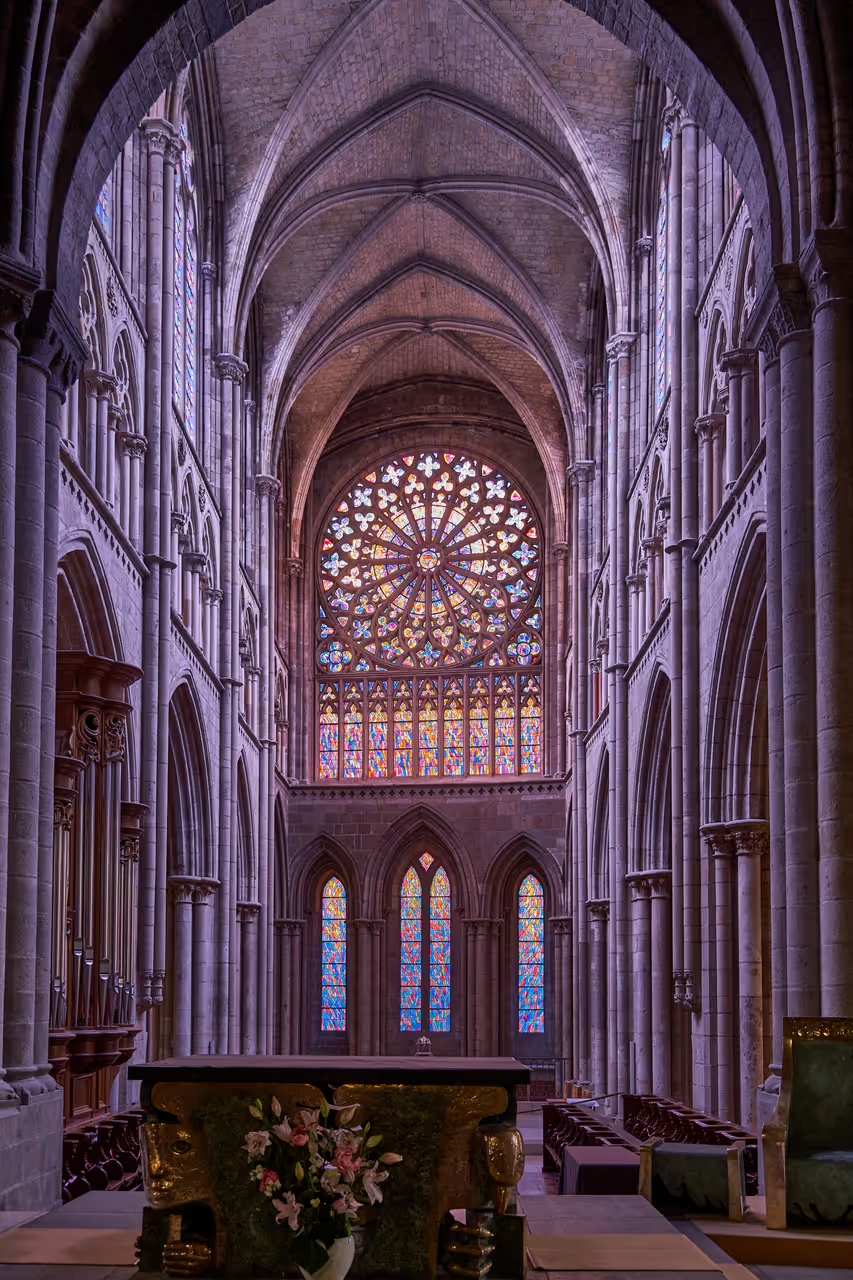
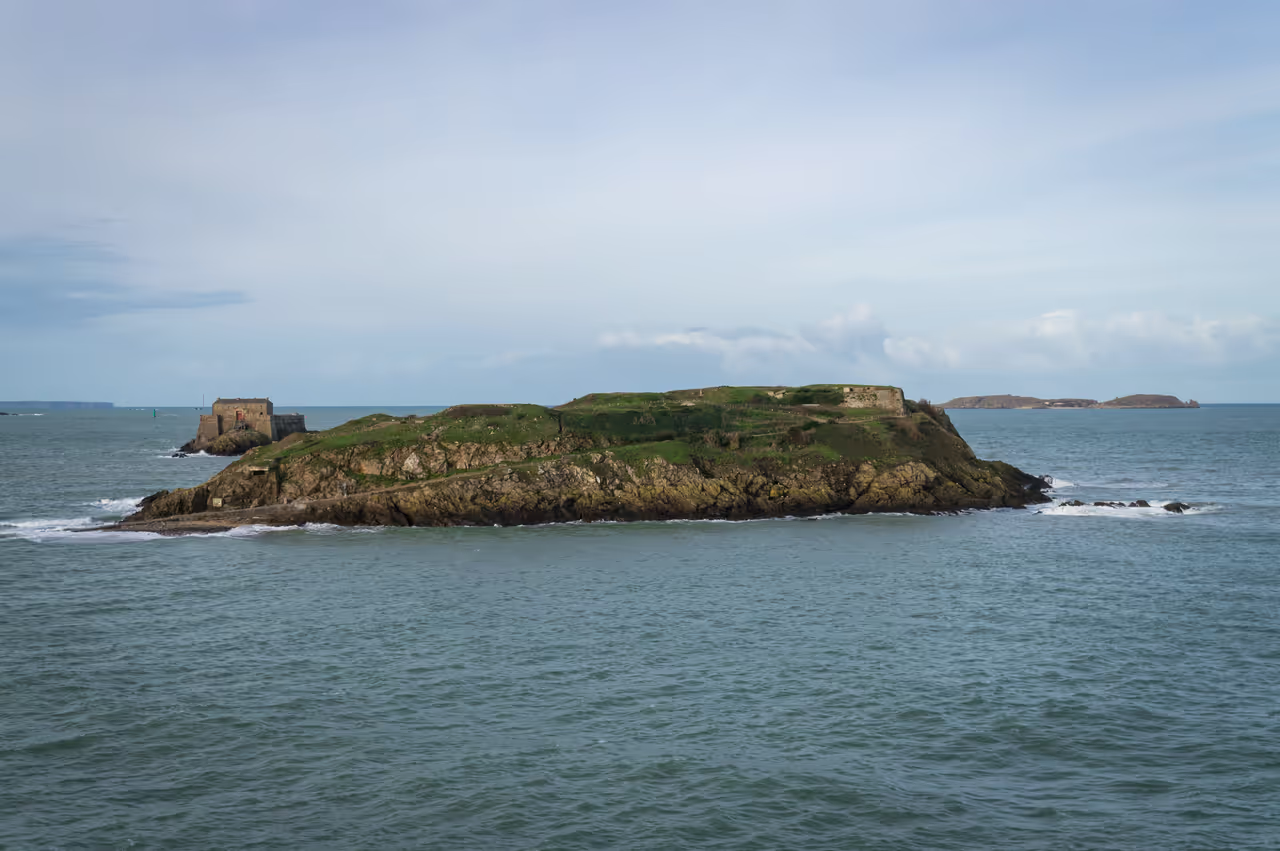
5 Days in Saint Malo: Emerald Coast Itinerary
A five day stay turns a city break into a comprehensive exploration of the surrounding Breton coastline. You will cover the essential historical sights within the walls, but also have time to push out into the rural landscapes. You will see bizarre cliff sculptures, cross the river to elegant seaside resorts, and stand in the shadow of massive tidal engineering. It is a varied, active plan that requires renting a bike or a car for the later days.
view itinerary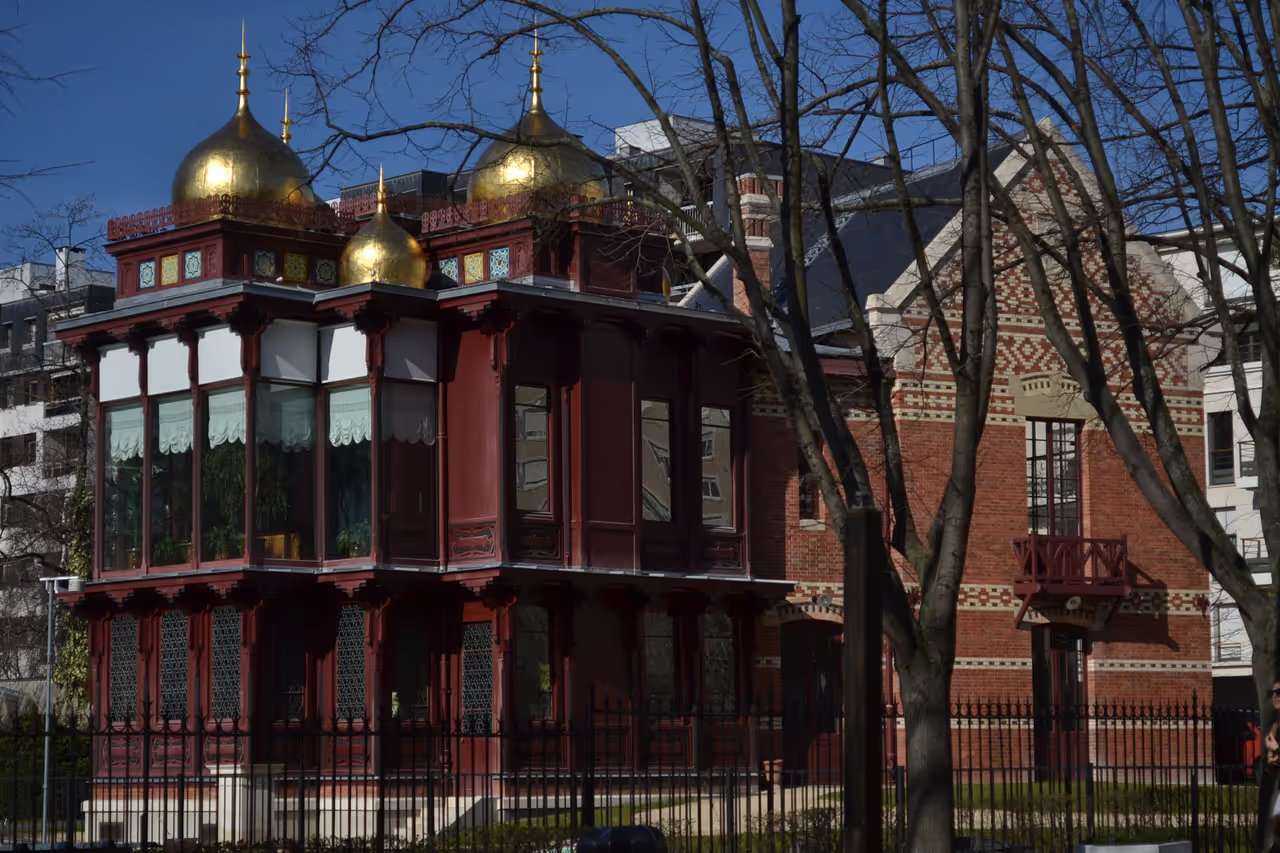
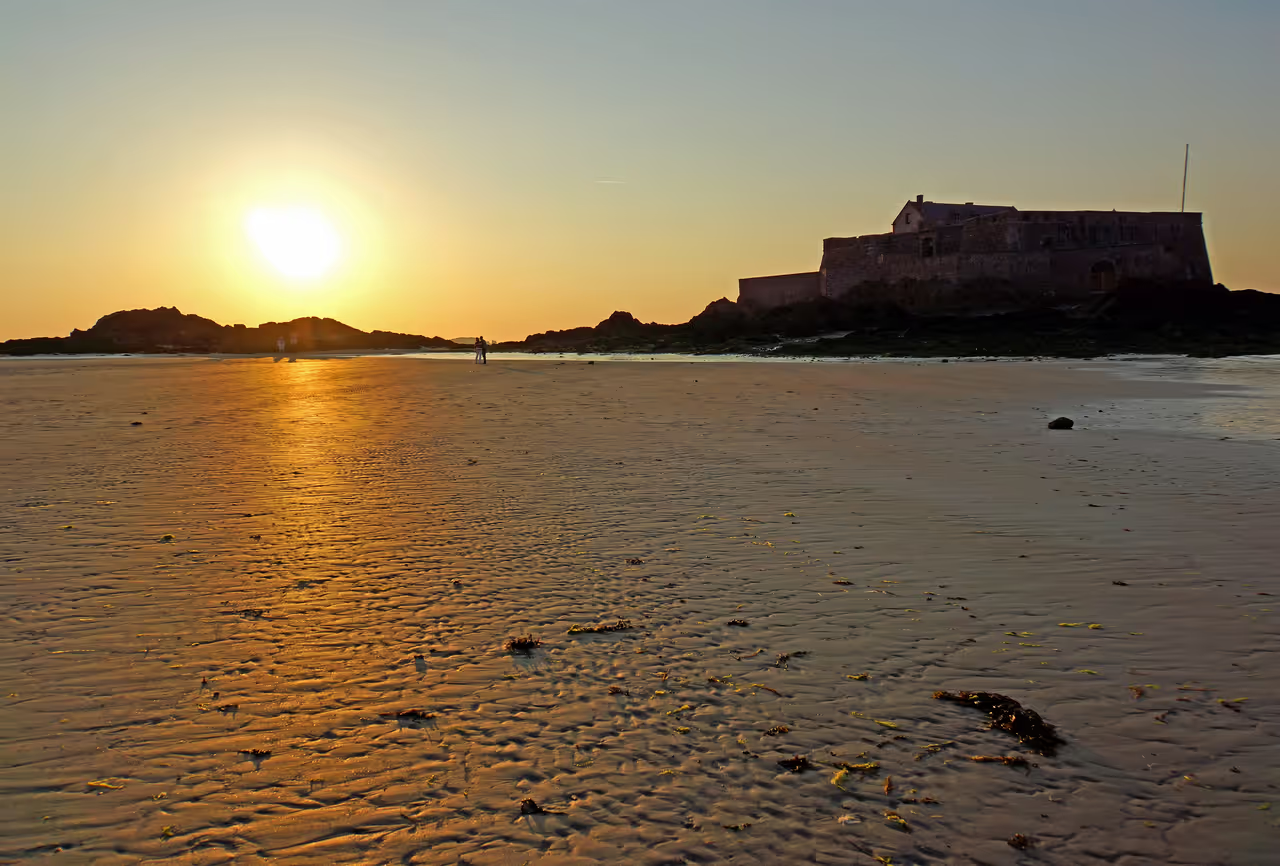
Rothéneuf Coastal Trail
Heading east along the main beach promenade, this ride takes you away from the heavy crowds into quieter residential districts. You pass long stretches of sand before the terrain begins to rise and become rocky. The path ducks inland slightly to pass historic manor houses surrounded by thick stone walls. The journey ends at a bizarre, open air sculpture gallery carved directly into the coastal cliffs by a solitary priest.
view cycling route
See all attractions in Saint-Malo
Ancient Ramparts of Saint-Malo, Fort National, Saint-Vincent Cathedral of Saint-Malo, Grand Aquarium, Grand Bé Island, Rance Tidal Power Plant, Solidor Tower...