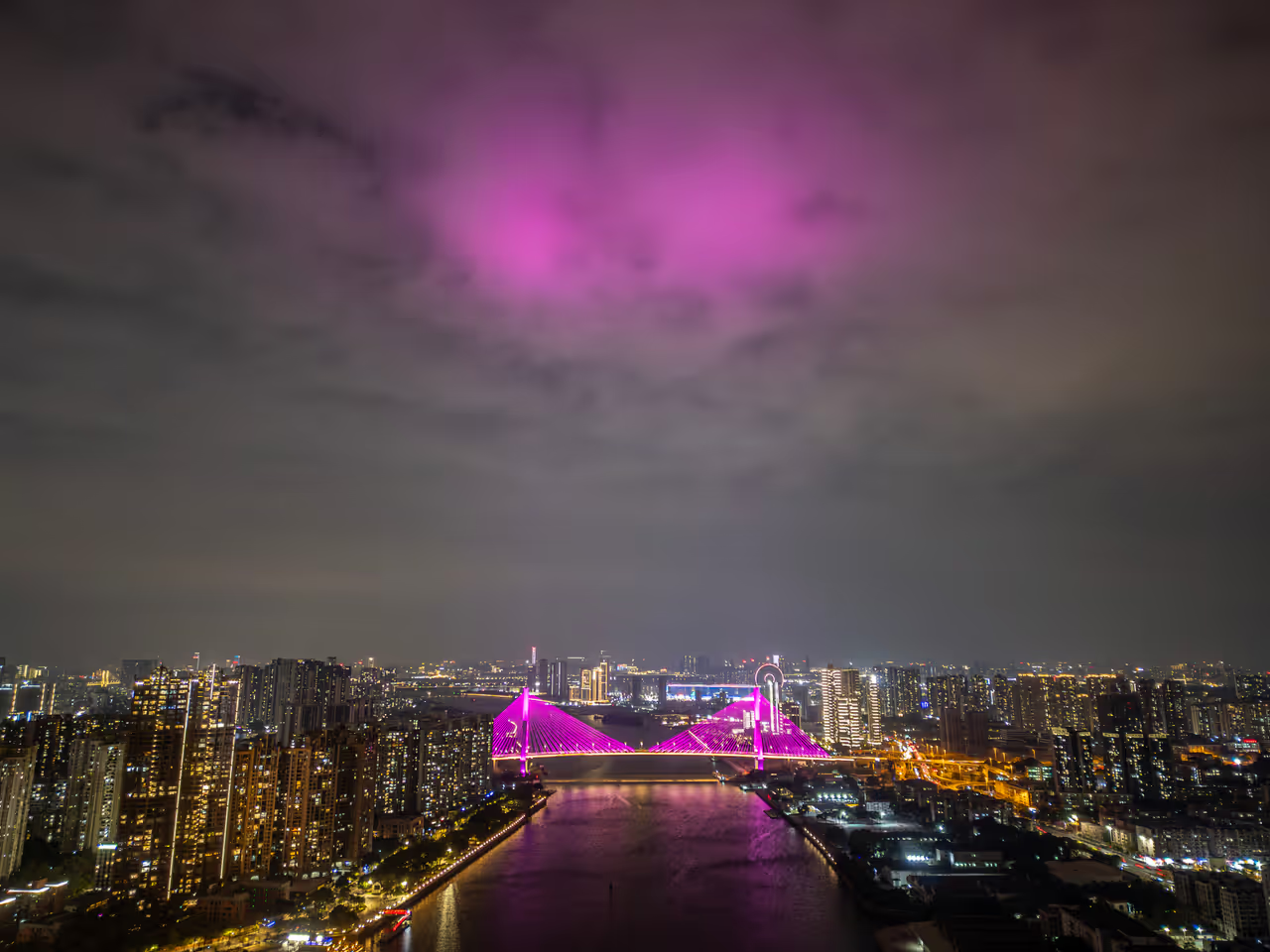
Guangzhou
Full City Guide, Map & 116 Things To Do
18,676,605 people live here.
That's 1.32% of the entire population of China.
Guangzhou serves as the energetic capital of Guangdong Province and a massive hub of commerce and culture in southern China. Located along the Pearl River, this vibrant metropolis has been a vital international trading port for centuries. It seamlessly blends its ancient heritage with a futuristic skyline featuring architectural marvels. Visitors can explore traditional temples hidden among modern high rises or enjoy world class culinary experiences. The local Cantonese culture permeates every street, offering a unique lifestyle that celebrates both hard work and leisurely tea drinking. It is a city where history meets rapid innovation at every turn.
Guangzhou DNA
History of Guangzhou
Zhao Tuo sealed the gates of Panyu in 204 BC and declared himself king. The Qin dynasty commander had conquered this humid southern frontier for an empire that rapidly collapsed in his wake. Instead of retreating, he founded the Nanyue Kingdom on a high plateau between the White Cloud Mountain and the Pearl River. His capital established a rebellious, independent streak that defined the territory for the next two millennia. A local legend claims five immortals rode into this early settlement on coloured rams bearing stalks of grain, ensuring the locals would never starve. Today, a stone sculpture of those rams crowns Yuexiu Park, where elderly residents gather at dawn to practice Tai Chi under the banyan trees. Monsoon winds dictated the rhythm of medieval trade. By the Tang dynasty, foreign merchant ships relied on these seasonal gales to reach the Pearl River estuary, bringing frankincense and rhinoceros horn. Arab and Persian navigators called the port Khānfū. They established a massive foreign quarter near the Guangxiao Temple. A massive rebel army led by Huang Chao sacked the area in 879, disrupting the lucrative spice routes and sending shockwaves all the way to the Abbasid Caliphate. Trade recovered centuries later, and the local authorities eventually set up the Shibosi, the earliest maritime customs office in Chinese history. Piles of ceramics bound for Java and India lined the docks at Tianzi Wharf. Imperial paranoia restricted all Western maritime commerce to a single strip of land along the Pearl River in 1757. The Thirteen Factories emerged as a tightly controlled monopoly where foreign merchants lived and traded, forbidden from learning Chinese or bringing their families. The narrow alleyways outside these trading houses smelled intensely of raw silk and fermented tea leaves. The humid summer air still makes shirts cling uncomfortably to the skin during an afternoon walk down these old avenues. Opium eventually shattered this contained system. The ensuing conflict forced the Qing government to surrender nearby Hong Kong and cede Shamian Island to the British and French, who built grand neoclassical mansions and tennis courts on a reclaimed sandbank. The European facades on Shamian Island now cast long shadows over couples taking wedding photographs along the waterfront. Political agitators gathered in the teahouses of Xiguan throughout the early twentieth century. Sun Yat-sen established a military government here to challenge the warlords dominating Beijing, reshaping the urban landscape by tearing down the ancient city walls to build paved roads. He founded the Whampoa Military Academy on Changzhou Island in 1924 to train a new generation of officers. Communist figures like Mao Zedong simultaneously ran the Peasant Movement Training Institute in a former Confucian temple on Zhongshan Road. The city became a chaotic incubator for competing revolutionary ideologies. The Nationalist forces eventually launched their Northern Expedition from the Dongjiaochang parade ground, marching out to unify a fractured nation. Economic isolation gripped the mainland in the 1950s, leaving the local docks unusually quiet. The central government broke this blockade by launching the Chinese Export Commodities Fair in 1957. Known globally as the Canton Fair, it served as the sole legal channel for foreign buyers to acquire mainland goods. Buyers negotiated contracts for everything from heavy machinery to delicately painted Guangcai porcelain. This commercial tradition exploded during the economic reforms of the late twentieth century, transforming former agricultural zones like Tianhe into dense grids of glass skyscrapers. The colossal steel lattice of the Canton Tower now reflects in the muddy currents of the Pearl River at night.
14 Events spanning 2224 years
Map of Guangzhou
Interactive Destination & Itinerary Map
This map blends our curated city guides—featuring best photo spots, scenic walks, viewpoints, hidden gems and much more—with a live Wikipedia explorer. Click on our numbered pins to plan your routes, or zoom in on the surrounding neighborhoods to discover verified local landmarks, museums, and stories with dynamic Wikipedia summaries and photos!
Fun Facts
- • Locals famously joke that they will eat anything with four legs except a table, and anything that flies except an aeroplane.
- • The city owes its nickname City of Rams to a legend involving five celestial beings who descended from heaven riding on goats.
- • It hosts the largest African population in Asia, creating a unique and diverse community within specific districts.
- • The local dialect spoken here is considered the purest form of Cantonese, remaining largely untouched by foreign vocabulary compared to neighbouring regions.
- • During the annual trade fair, hotel prices can skyrocket by up to four hundred percent due to the massive influx of international merchants.
Did You Know?
- • The metropolitan region forms part of the Pearl River Delta, which is the most populous built up urban agglomeration in the world.
- • The name Canton originated from a Portuguese mispronunciation of the regional province name Guangdong.
- • The local underground transport network is the third busiest metro system globally, handling millions of passengers daily.
- • This location ranks sixth globally for scientific output and academic research, housing numerous top tier universities.
- • It contains one of the most expensive real estate markets in the nation, driven by its status as a major financial hub.
RESOURCES
Official WebsiteVideos of Guangzhou
Seasons
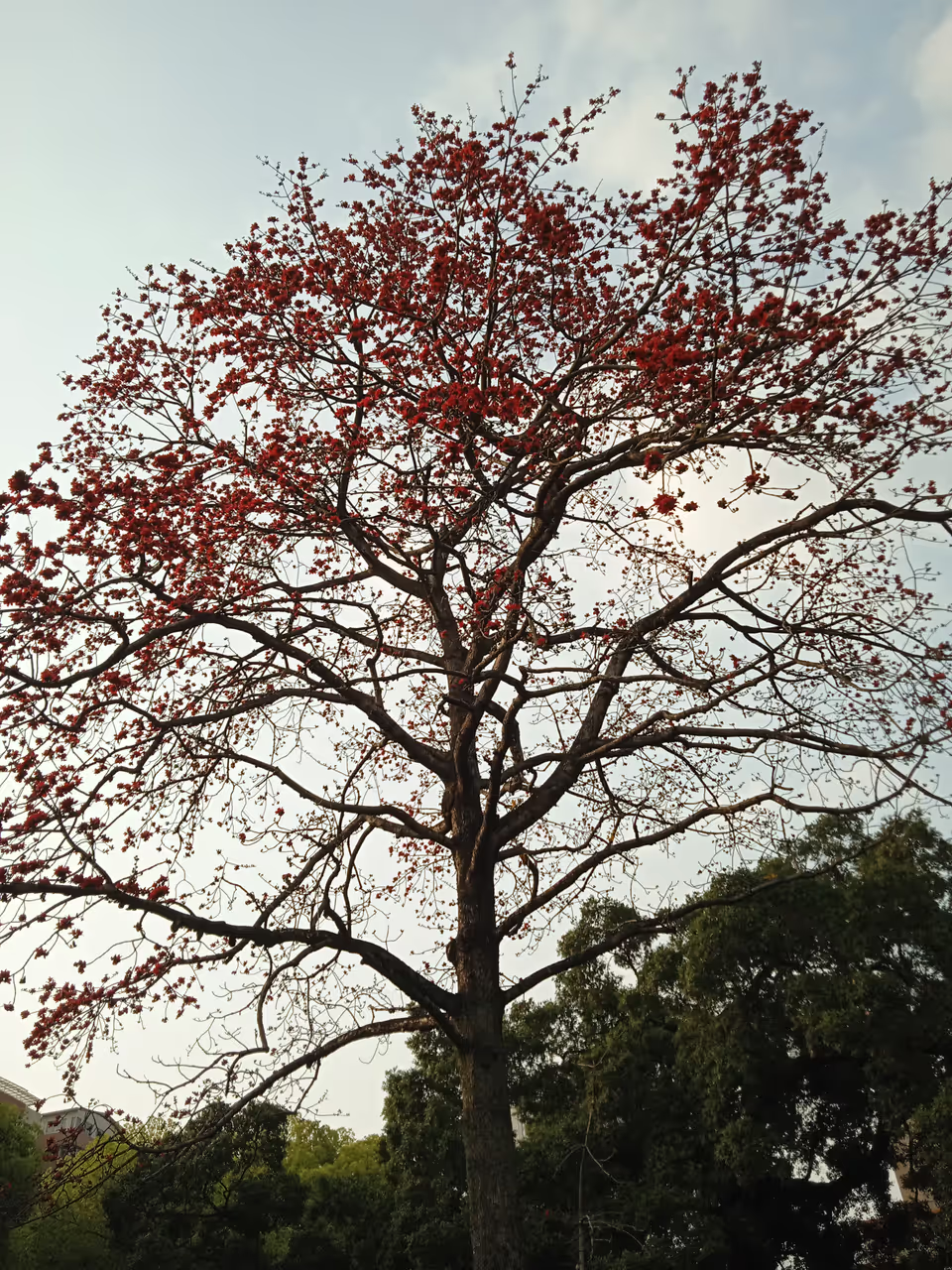
Spring
The city truly lives up to its floral nickname during these months. Parks and avenues explode with vibrant colours as blossoms...
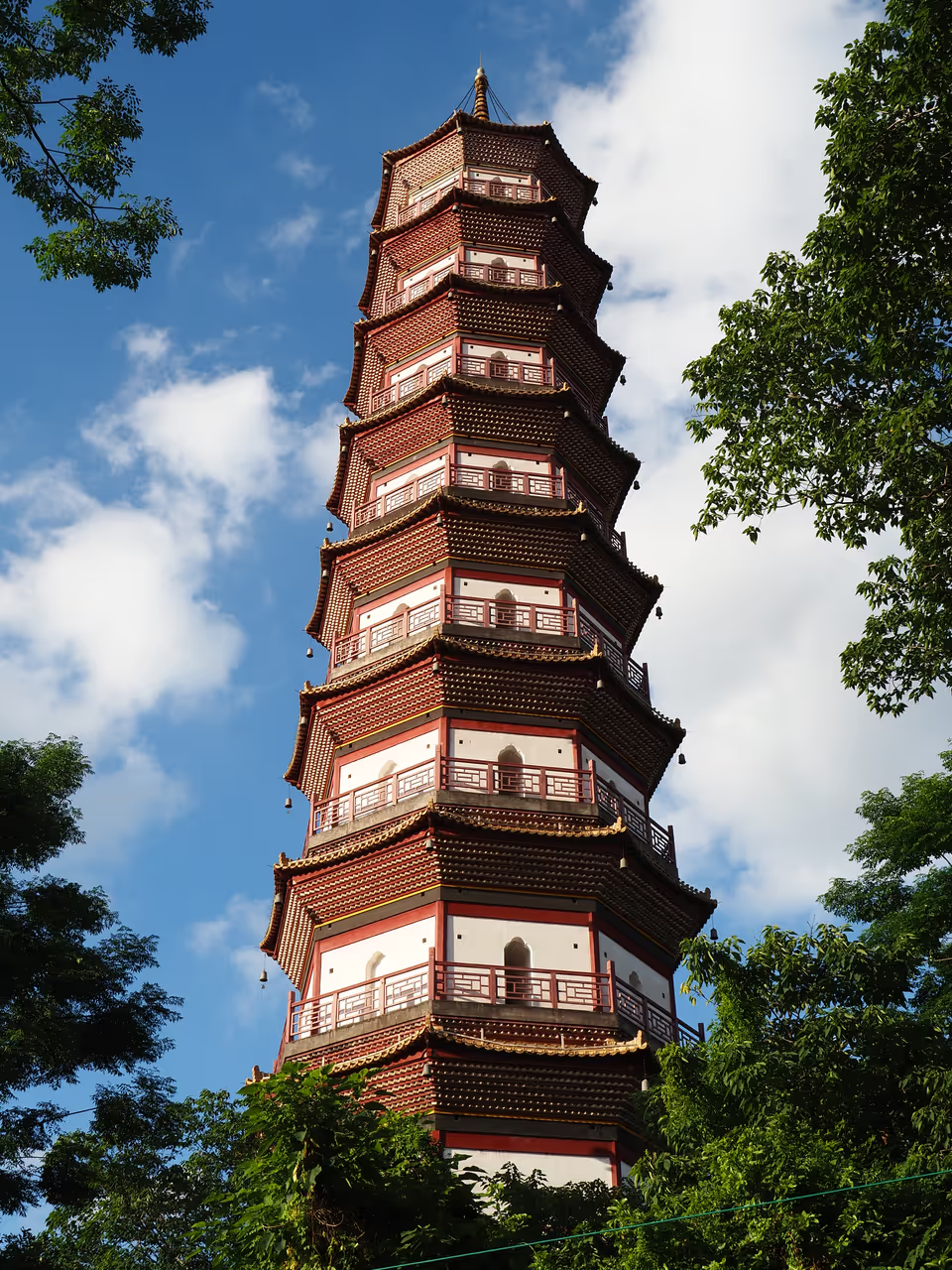
Summer
The daytime heat and intense humidity can be highly oppressive during these months. However, the evenings become the focal point...
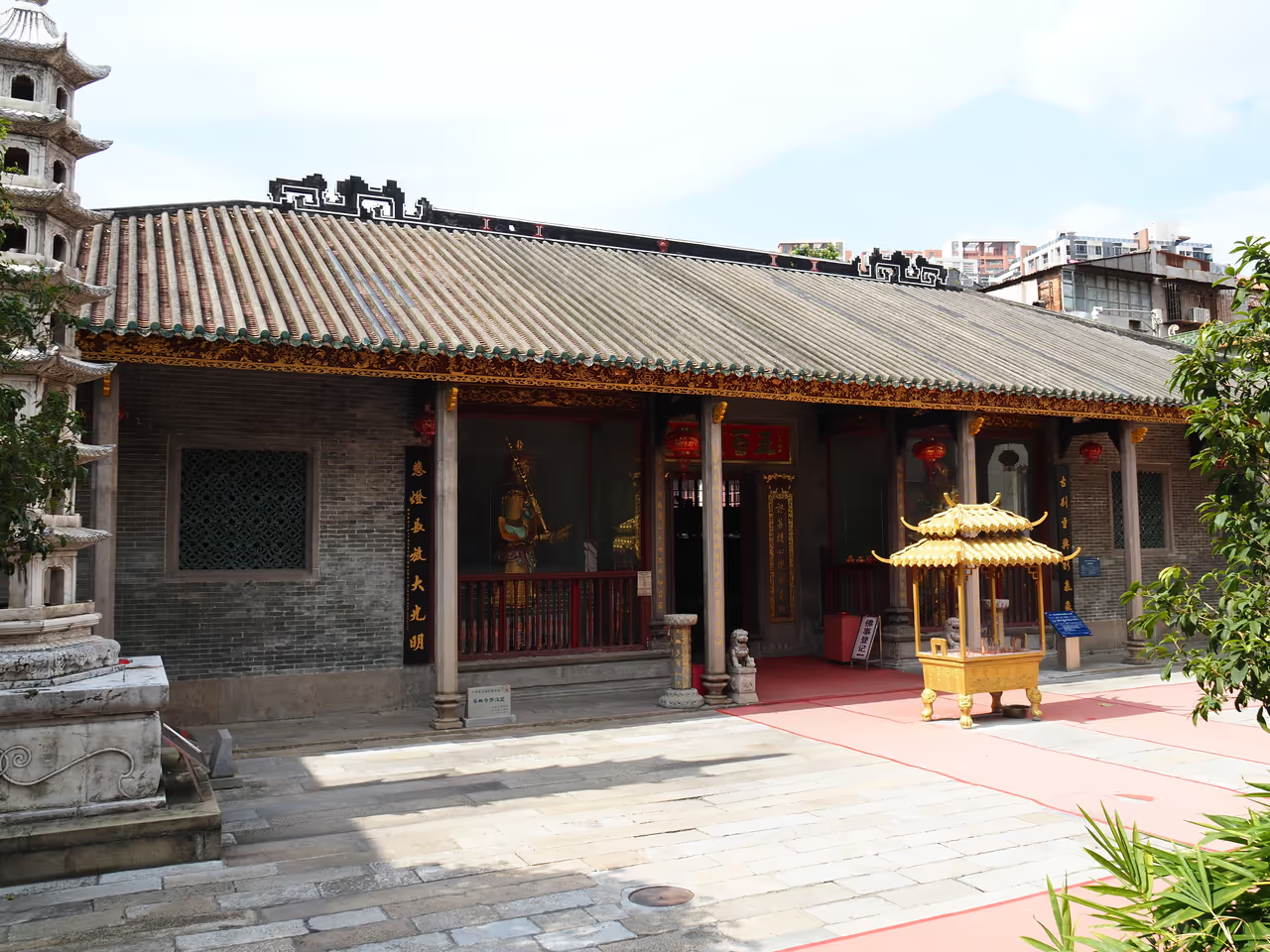
Autumn
This is arguably the most comfortable and pleasant time to visit the region. The oppressive heat breaks, leaving clear skies and...
Winter
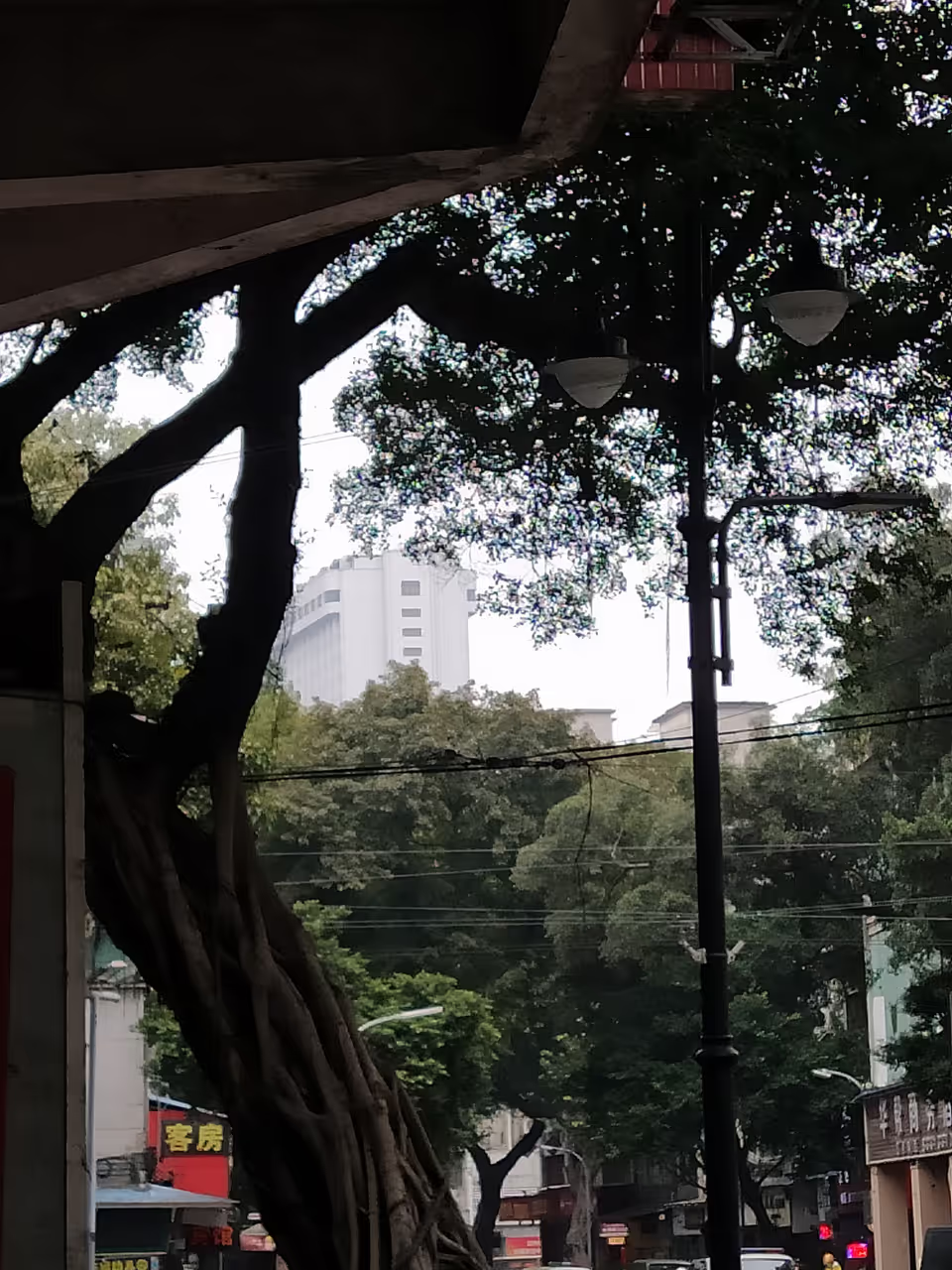
While temperatures rarely drop to freezing, the damp chill makes the air feel surprisingly crisp. This is the ultimate season to...
Top Attractions in Guangzhou
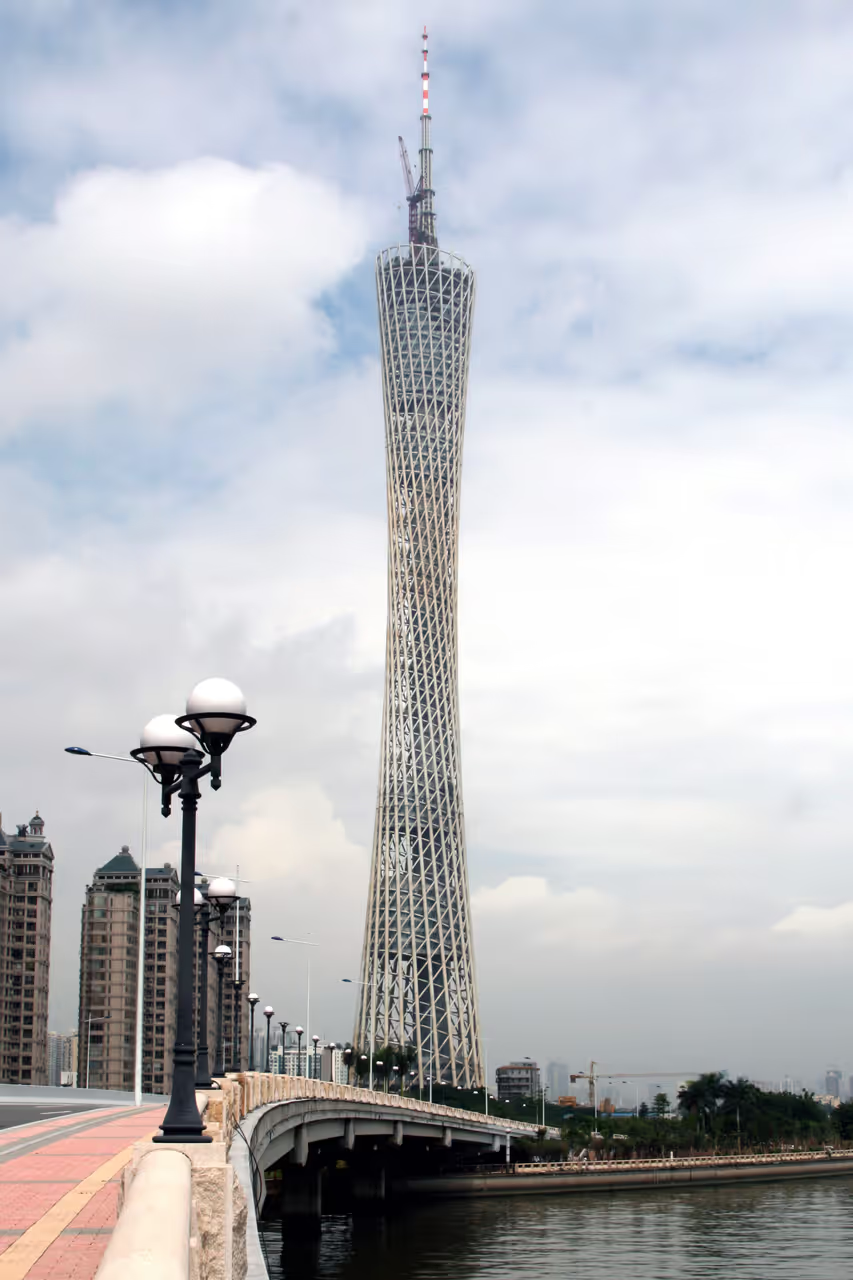
Canton Tower
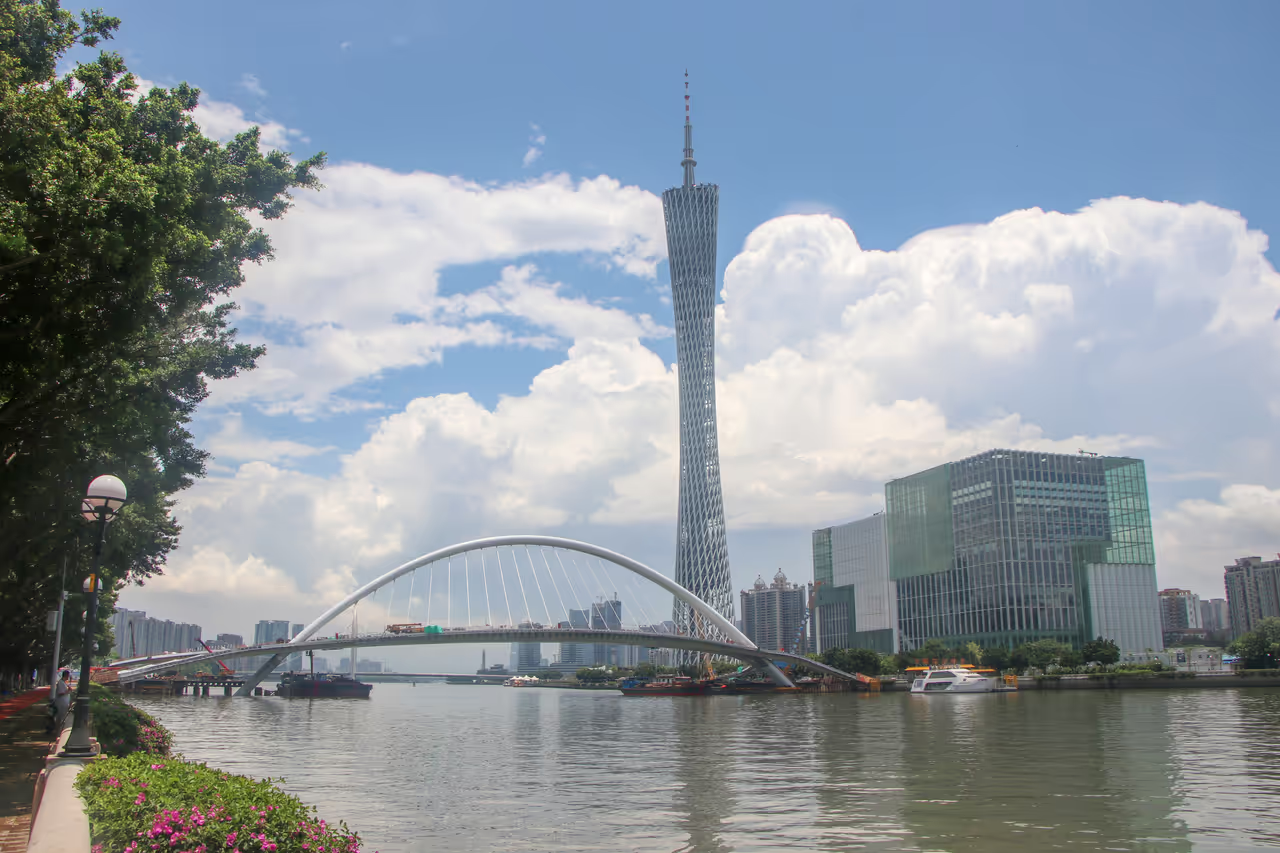
Dominating the Guangzhou skyline, the Canton Tower is a marvel of modern engineering that is instantly recognisable by its...
view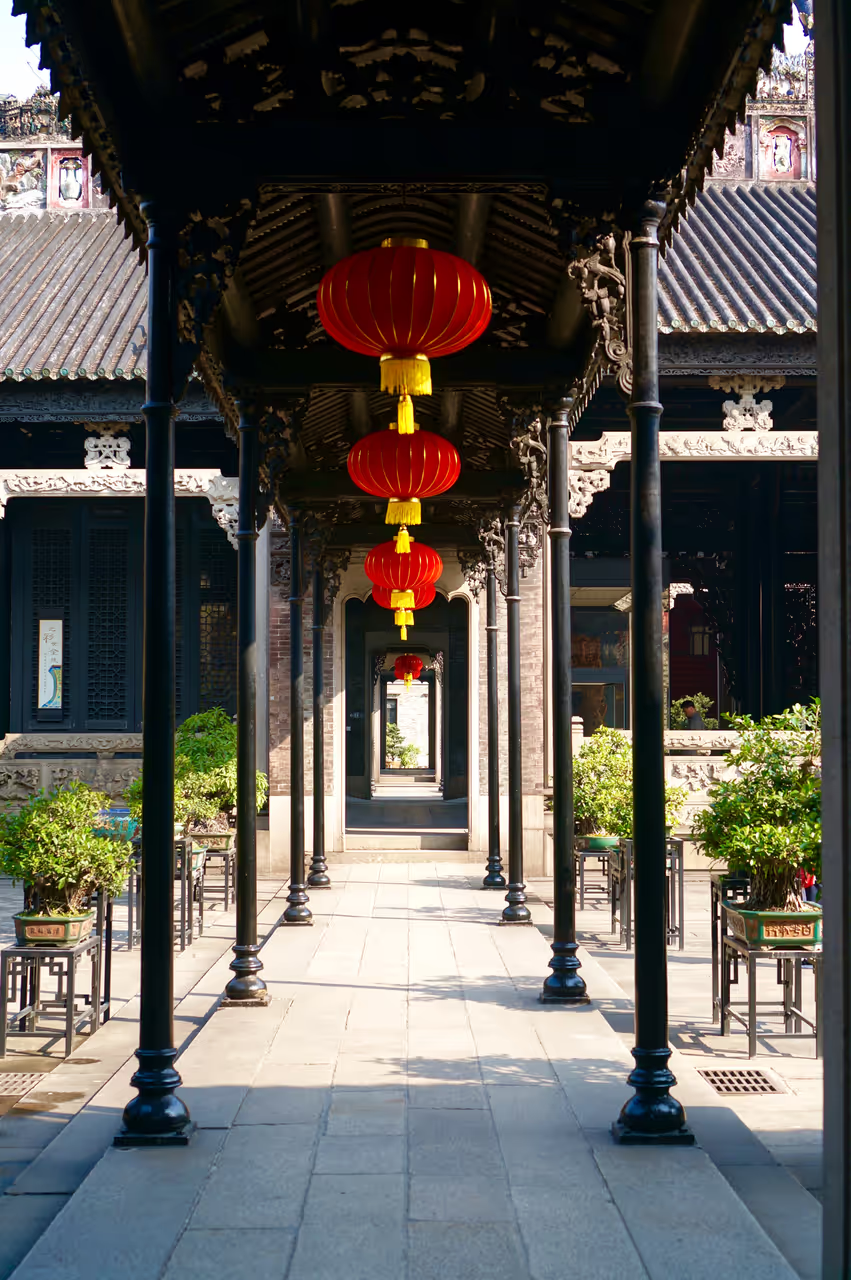
Chen Clan Ancestral Hall
Step into a world of exquisite craftsmanship at the Chen Clan Ancestral Hall, often hailed as the crown jewel of Lingnan...
view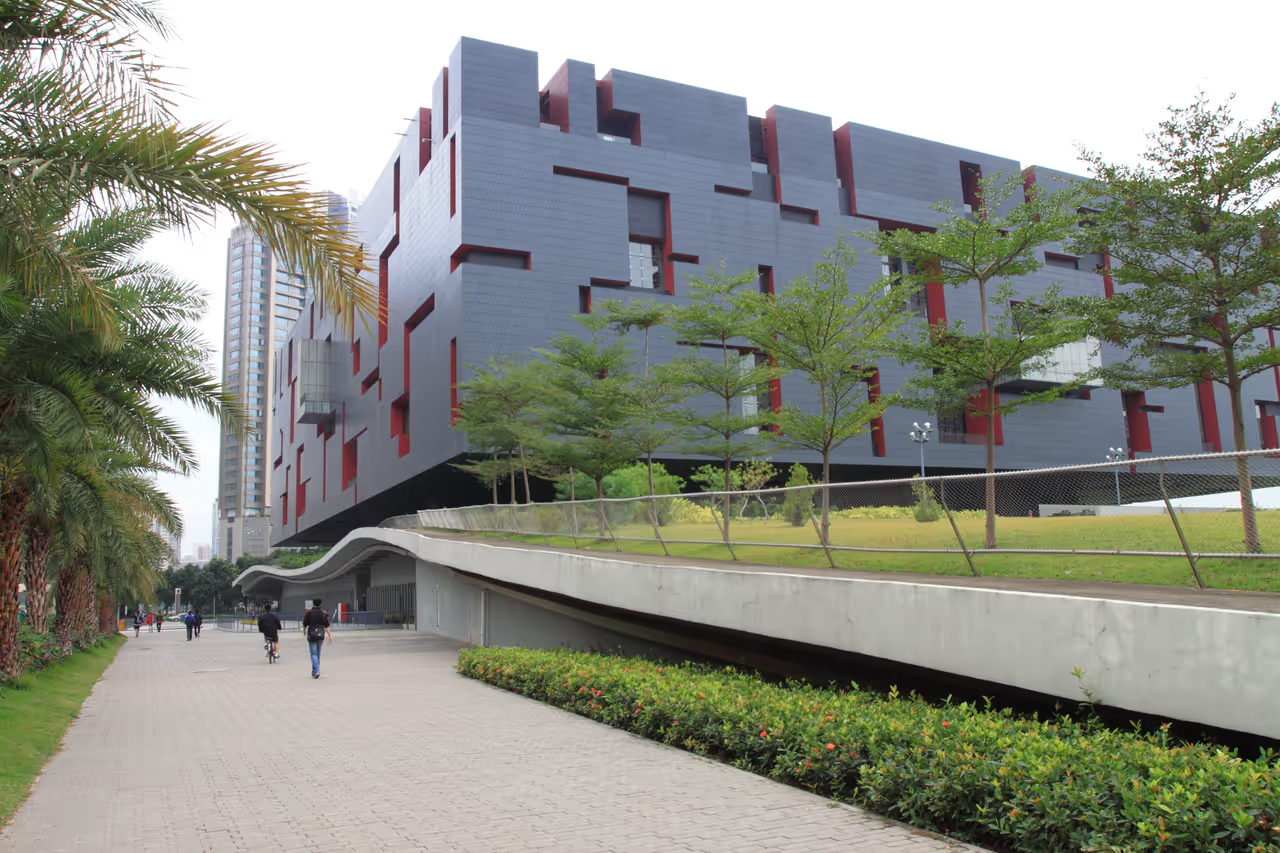
Guangdong Museum
Step inside the Guangdong Museum and discover a treasure trove of art, history, and nature housed within one of Guangzhou’s most...
view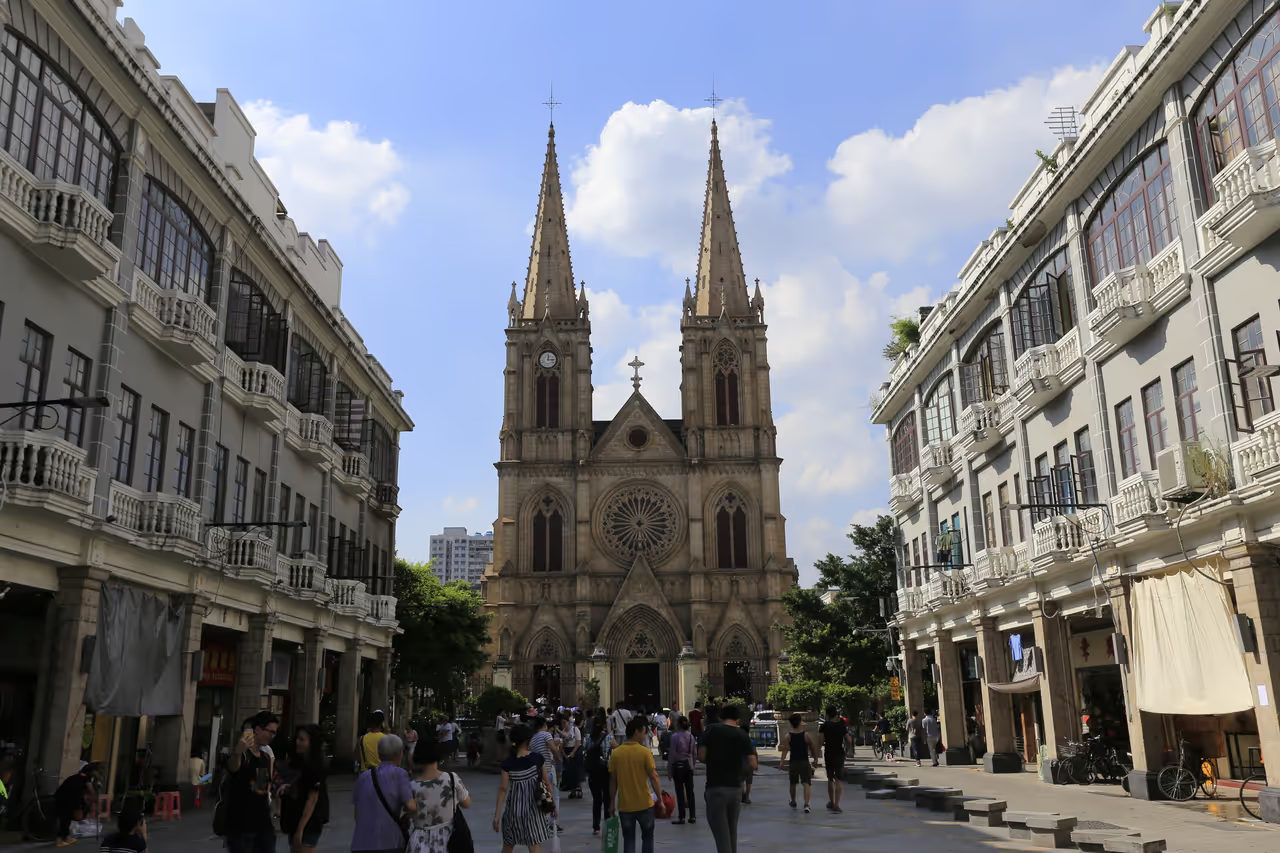
Sacred Heart Cathedral
The Sacred Heart Cathedral stands as a magnificent Gothic masterpiece right in the heart of Guangzhou. Often called the Stone...
view
Best Views
Guangzhou Itineraries
TRIP PLANNER
4 Days Recommended
Four days provides a balanced pace to explore the vast metropolitan area without exhaustion. It allows enough time to dedicate full days to the historic core, the modern business district, and the surrounding natural parks. This duration ensures you can enjoy leisurely dim sum mornings and river cruises in the evenings.
1 Day in Guangzhou: Essential Highlights Itinerary
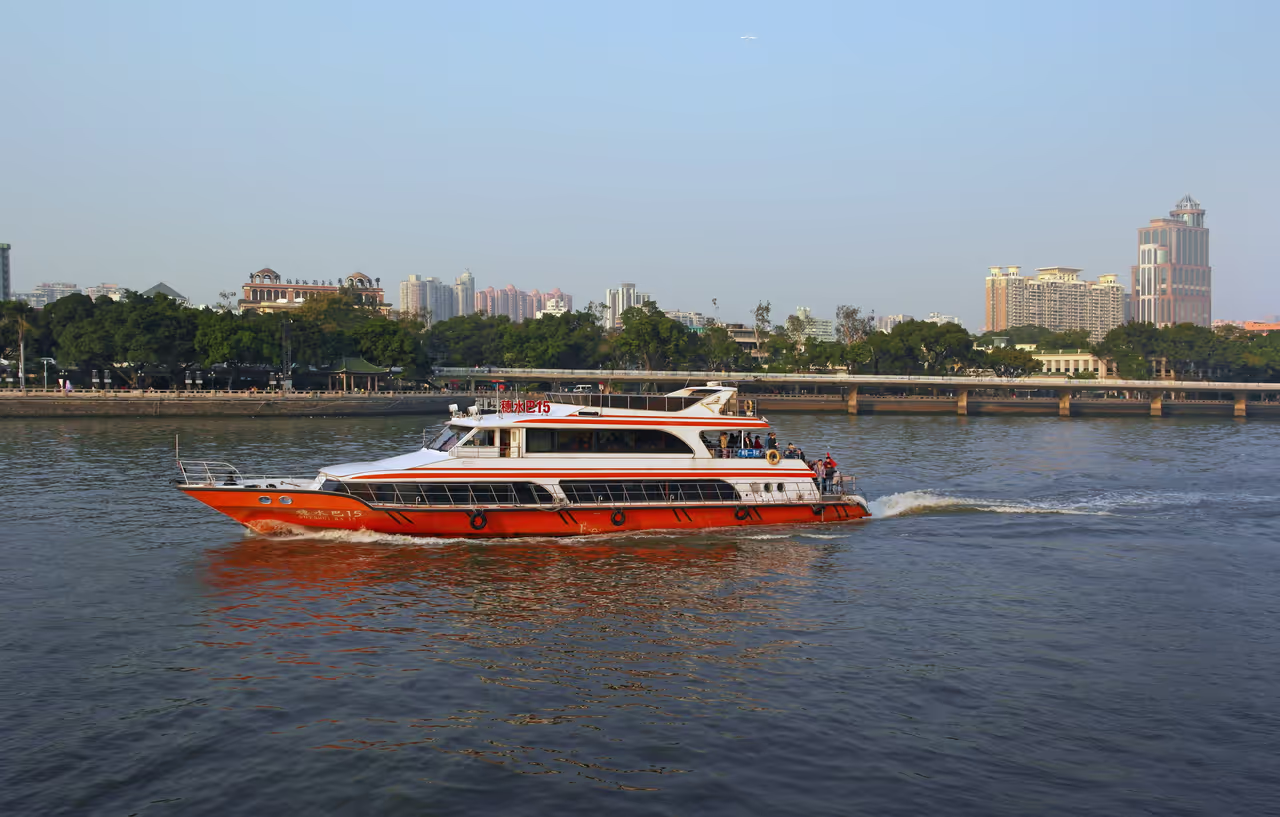
If you only have twenty four hours, this highly efficient route captures the extreme contrasts that define the city. You will experience the pinnacle of modern architecture, delve into colonial history, and witness the dazzling skyline from the water. The pace is rapid but incredibly rewarding, ensuring you do not miss the most iconic sights. It provides a perfect snapshot of a metropolis caught between the past and the future. Make sure to keep your camera ready throughout the entire journey.
view itinerary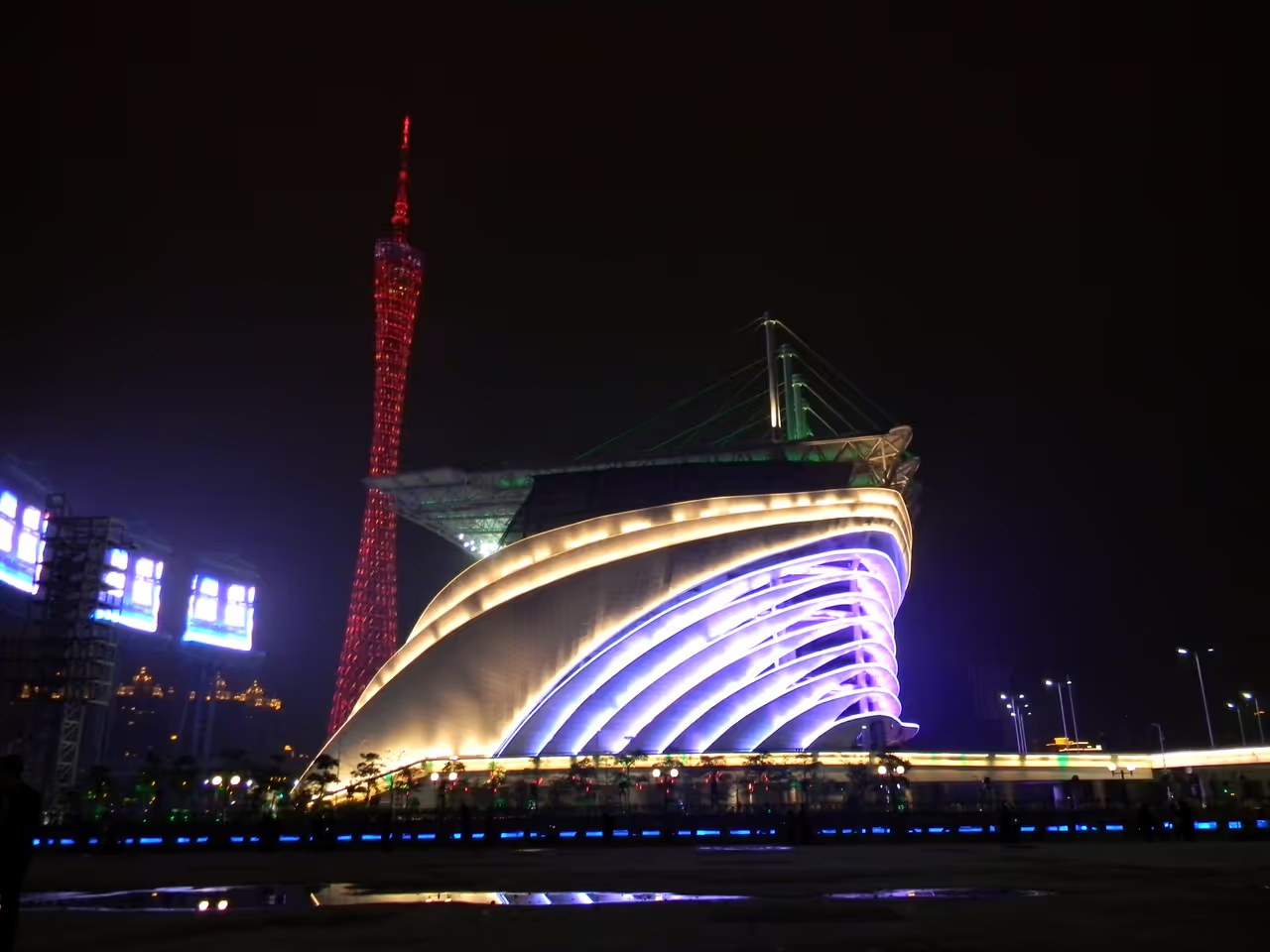
3 Days in Guangzhou: Cultural Immersion Itinerary
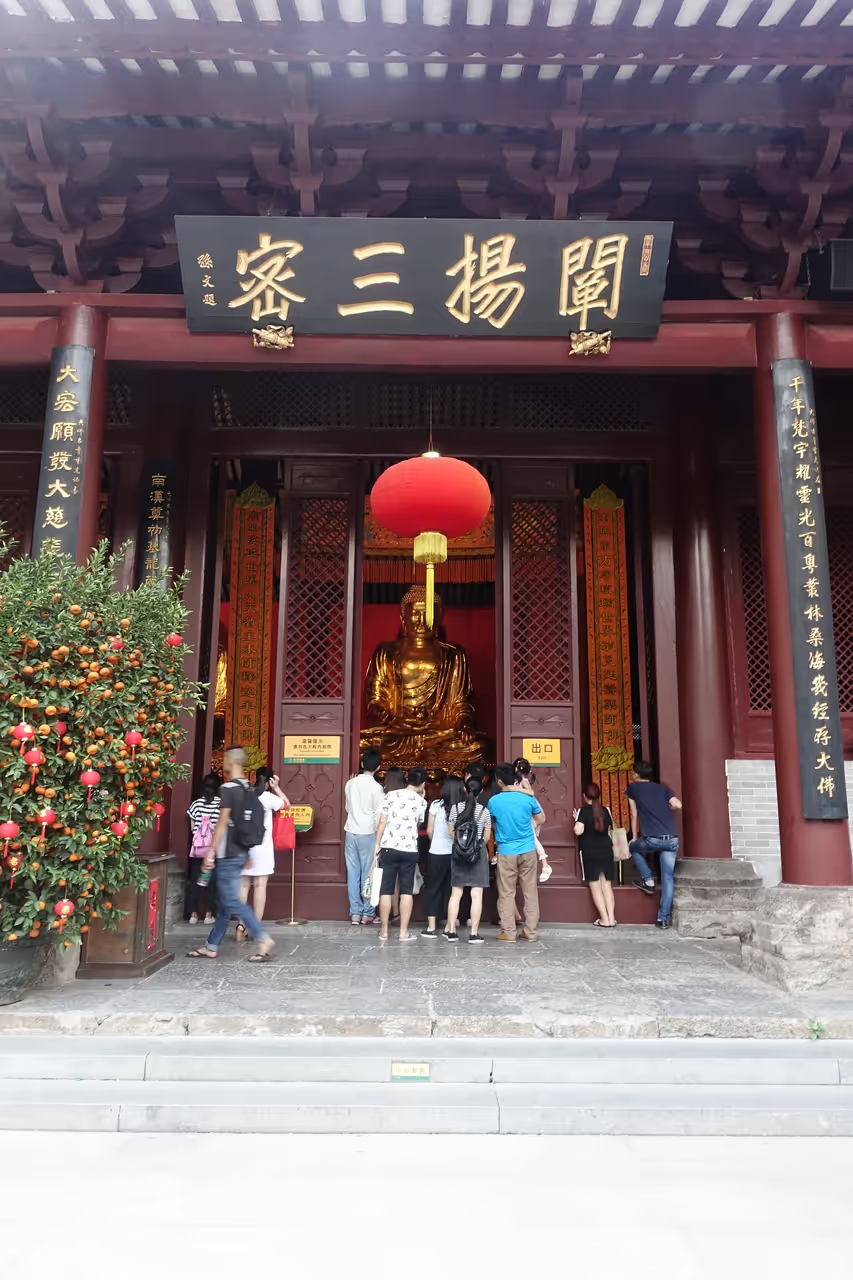
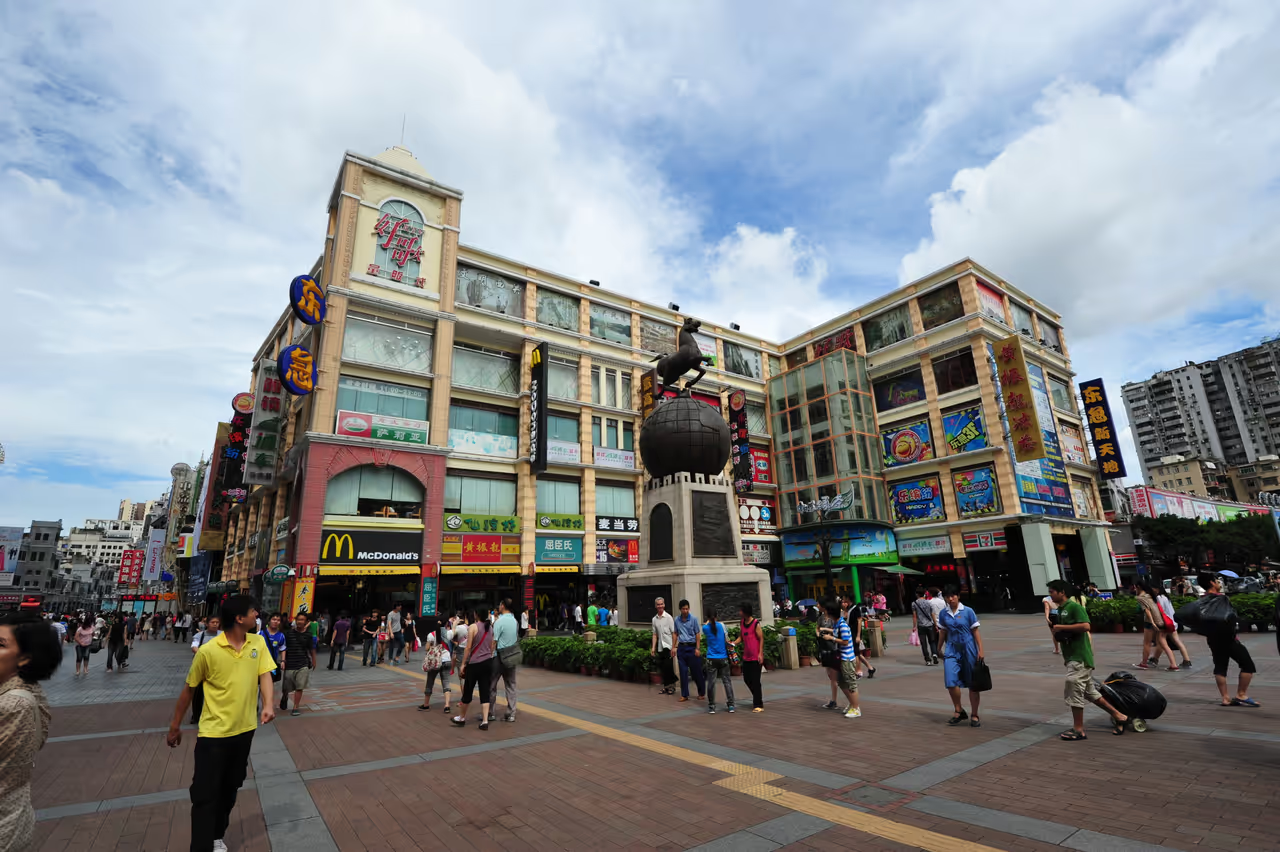
This balanced journey allows you to deeply explore the various distinct personalities of the city. One day is dedicated entirely to the cutting edge modern district, showcasing extreme engineering and wealth. Another day delves into the highly traditional western suburbs, focusing on ancient temples and historic shopping streets. The final day uncovers royal history and massive green parks. It is the ideal timeframe for a comprehensive, highly satisfying metropolitan adventure.
view itinerary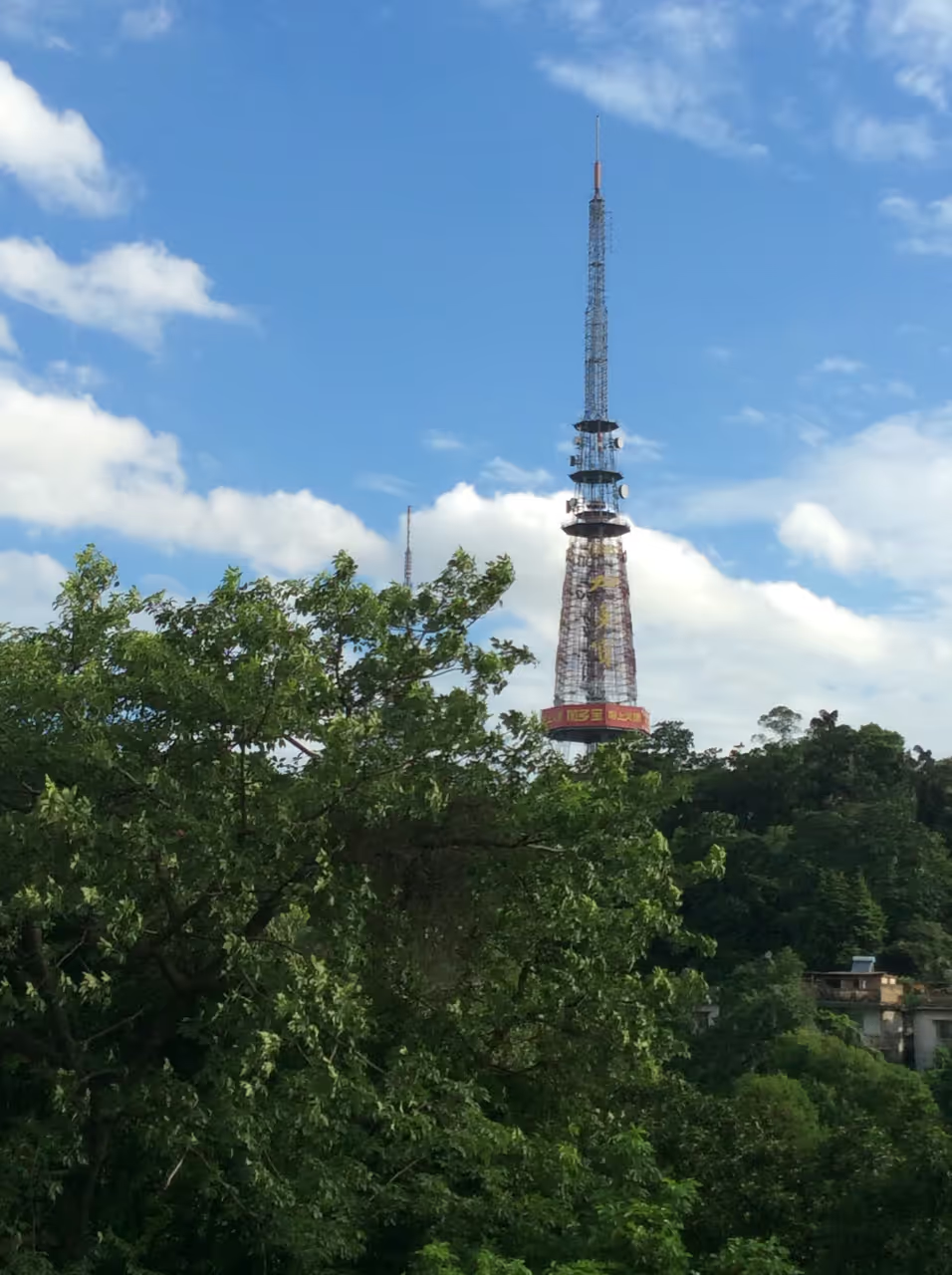
5 Days in Guangzhou: Comprehensive Exploration Itinerary
With five days, you can transition from the frantic urban core to the highly peaceful natural and historical suburbs. This itinerary covers all the monumental sights but also allows time for mountain hiking and botanical discovery. You will venture into historic river ports where the global tea trade once thrived. It offers a highly nuanced, expansive view of the entire region. This is the ultimate way to truly understand the depth of southern Chinese culture.
view itinerary
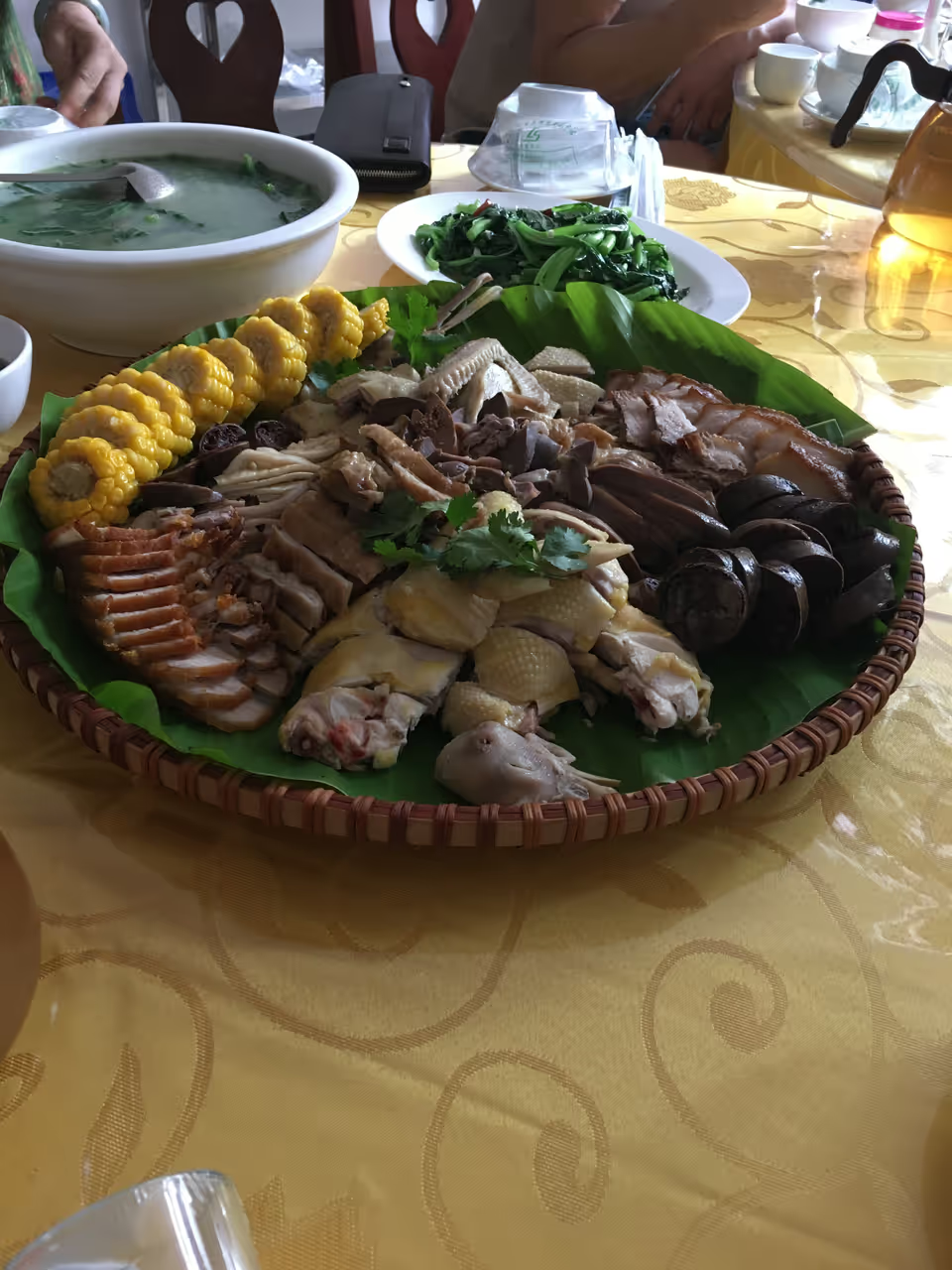
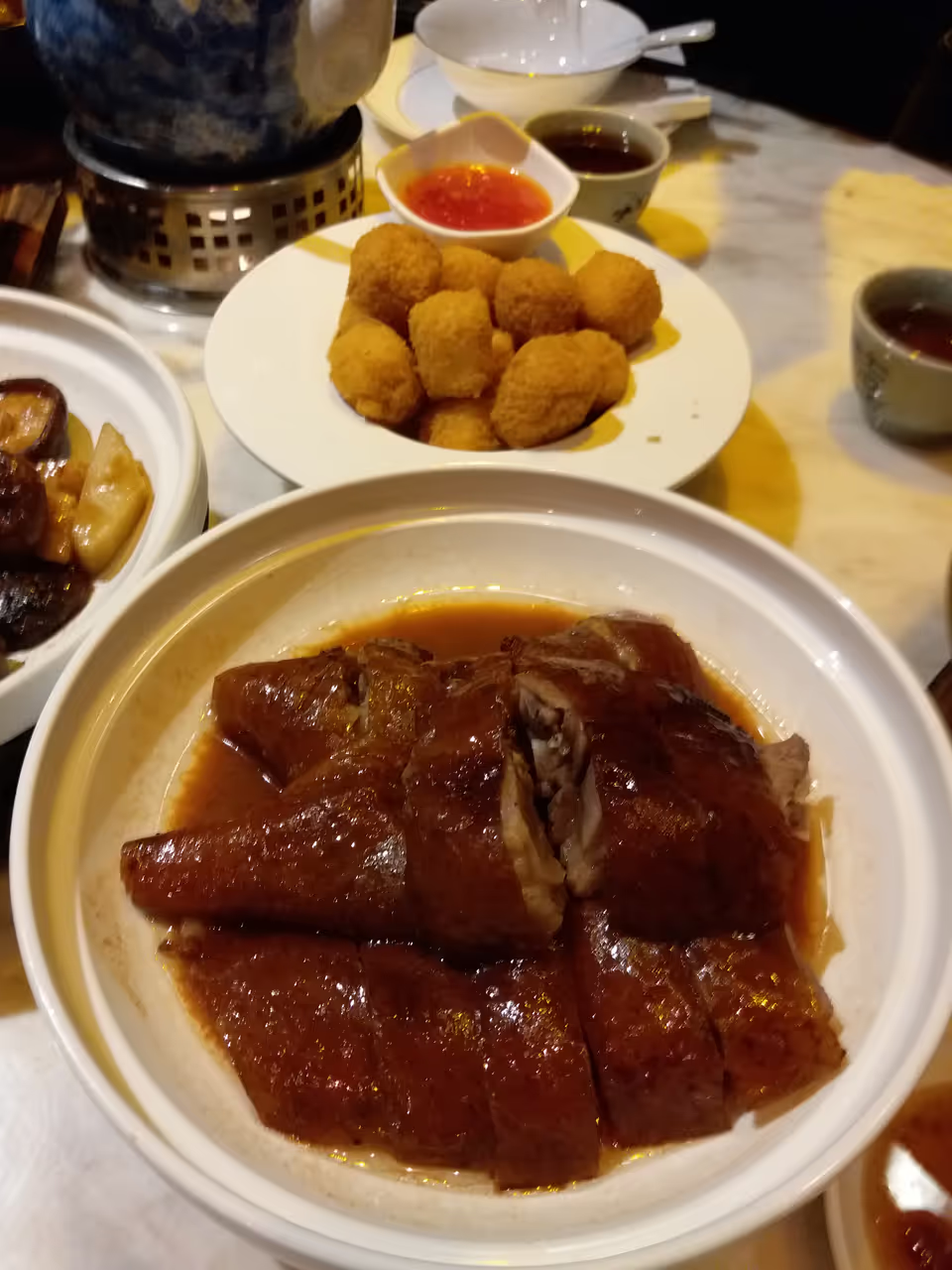
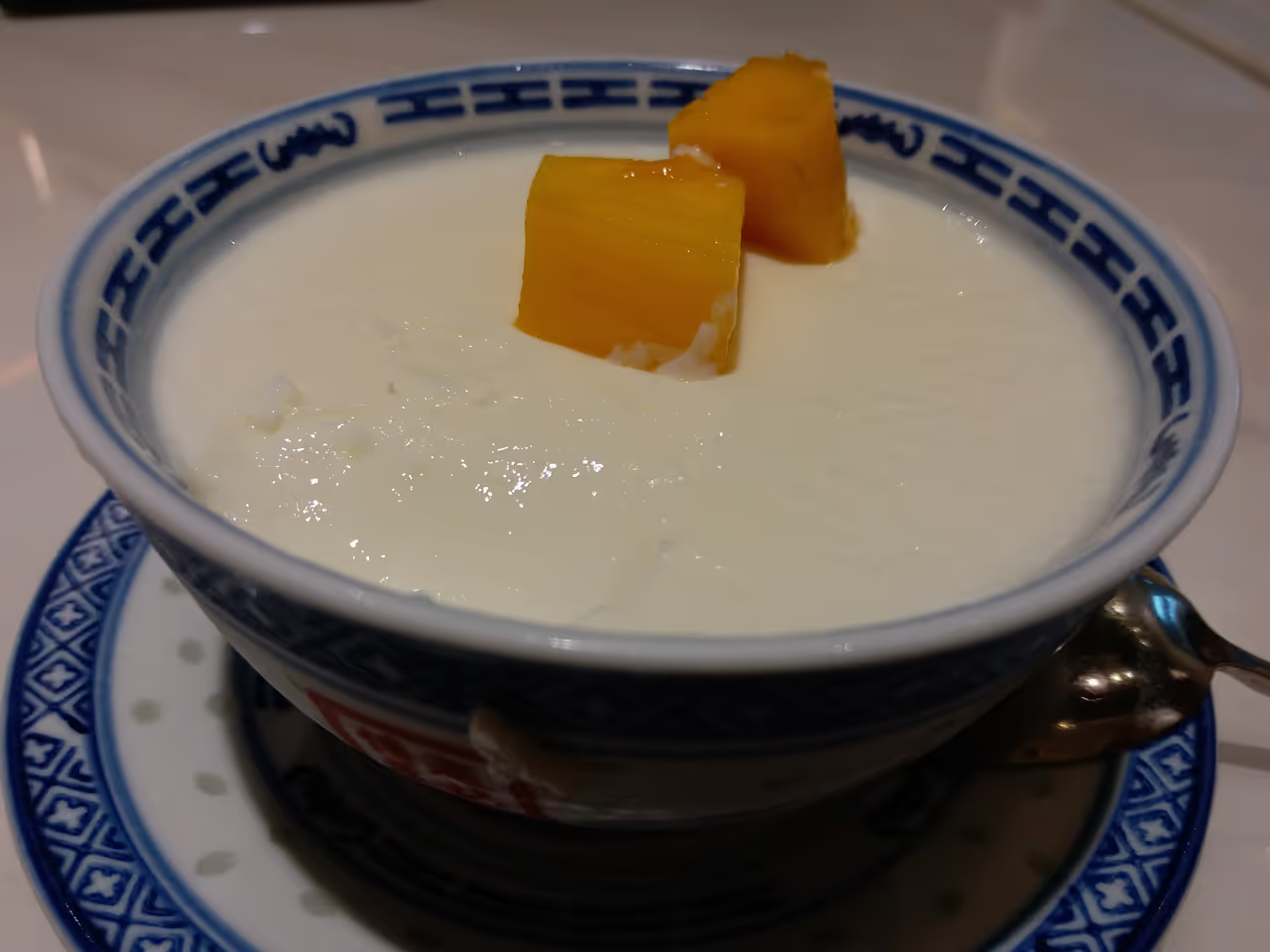
Food in Guangzhou
Free Things to do in Guangzhou
Parks & Nature
Baiyun Mountain
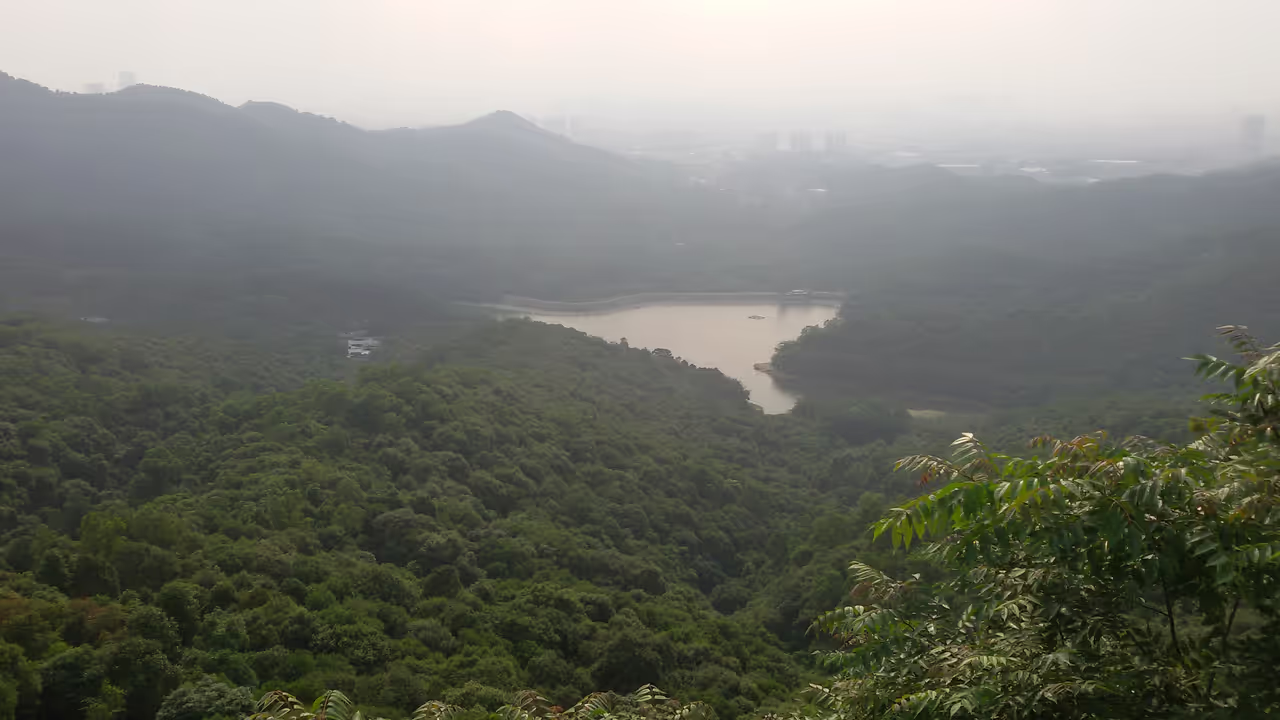
Rising gently above the cityscape of Guangzhou, Baiyun Mountain offers a refreshing escape from the urban environment. Often...
view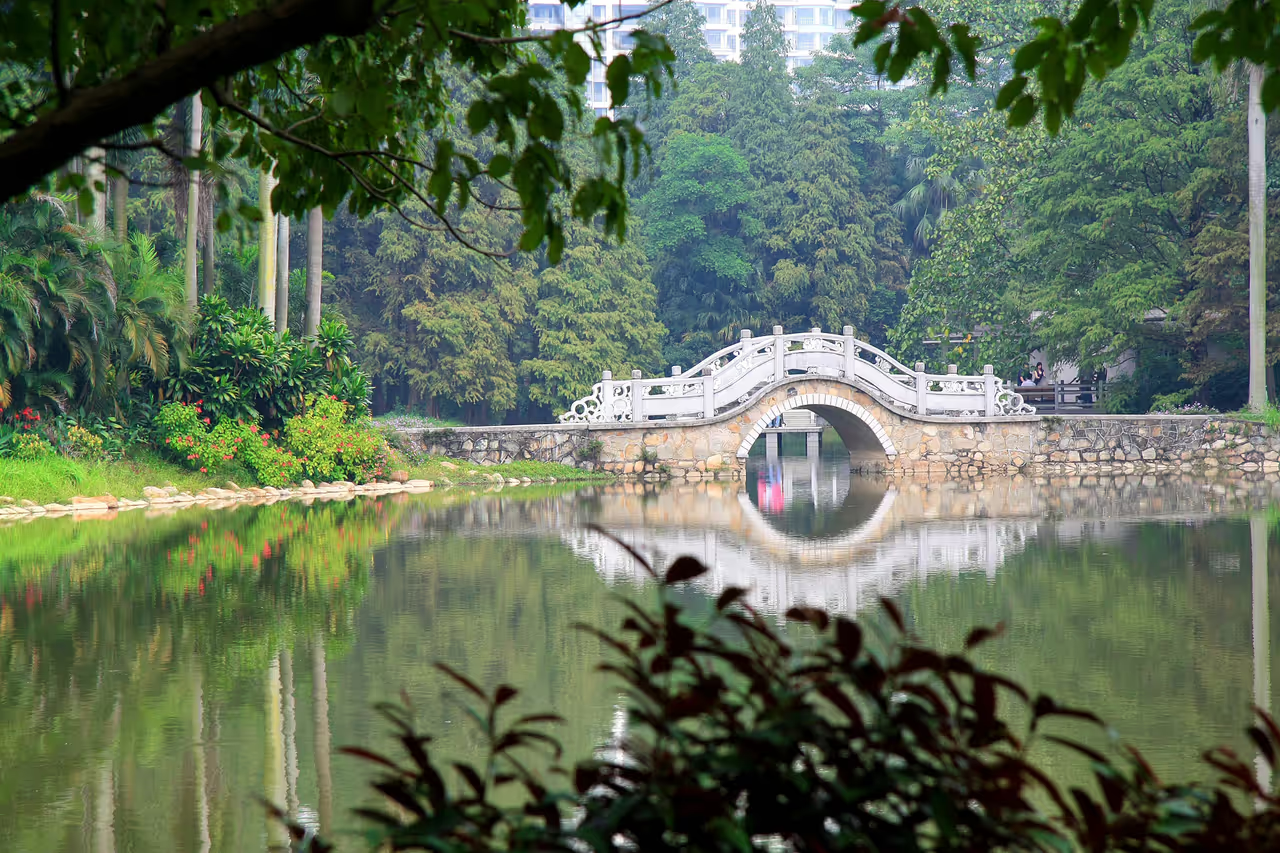
South China National Botanical Garden
Spanning over a thousand hectares in the Tianhe District, this garden is a lush sanctuary that serves as one of the oldest and...
viewYuexiu Park
Yuexiu Park stands as the verdant heart of Guangzhou, offering a serene escape that seamlessly blends historical depth with...
view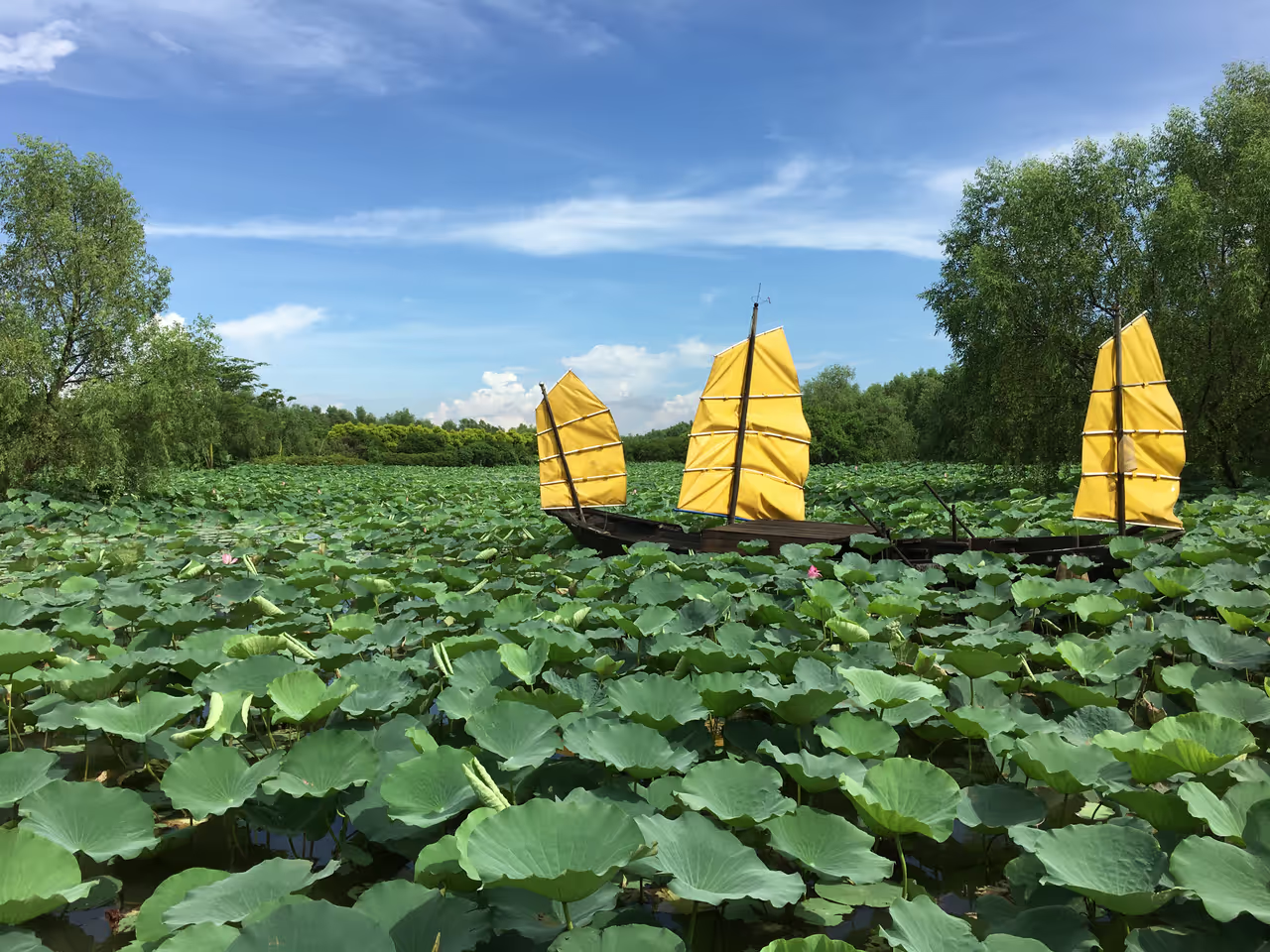
Nansha Wetland Park
Tucked away on the edge of the Pearl River estuary lies Nansha Wetland Park, a tranquil escape often called the green kidney of...
view
Highlights & Must-Sees
Beijing Road Pedestrian Street
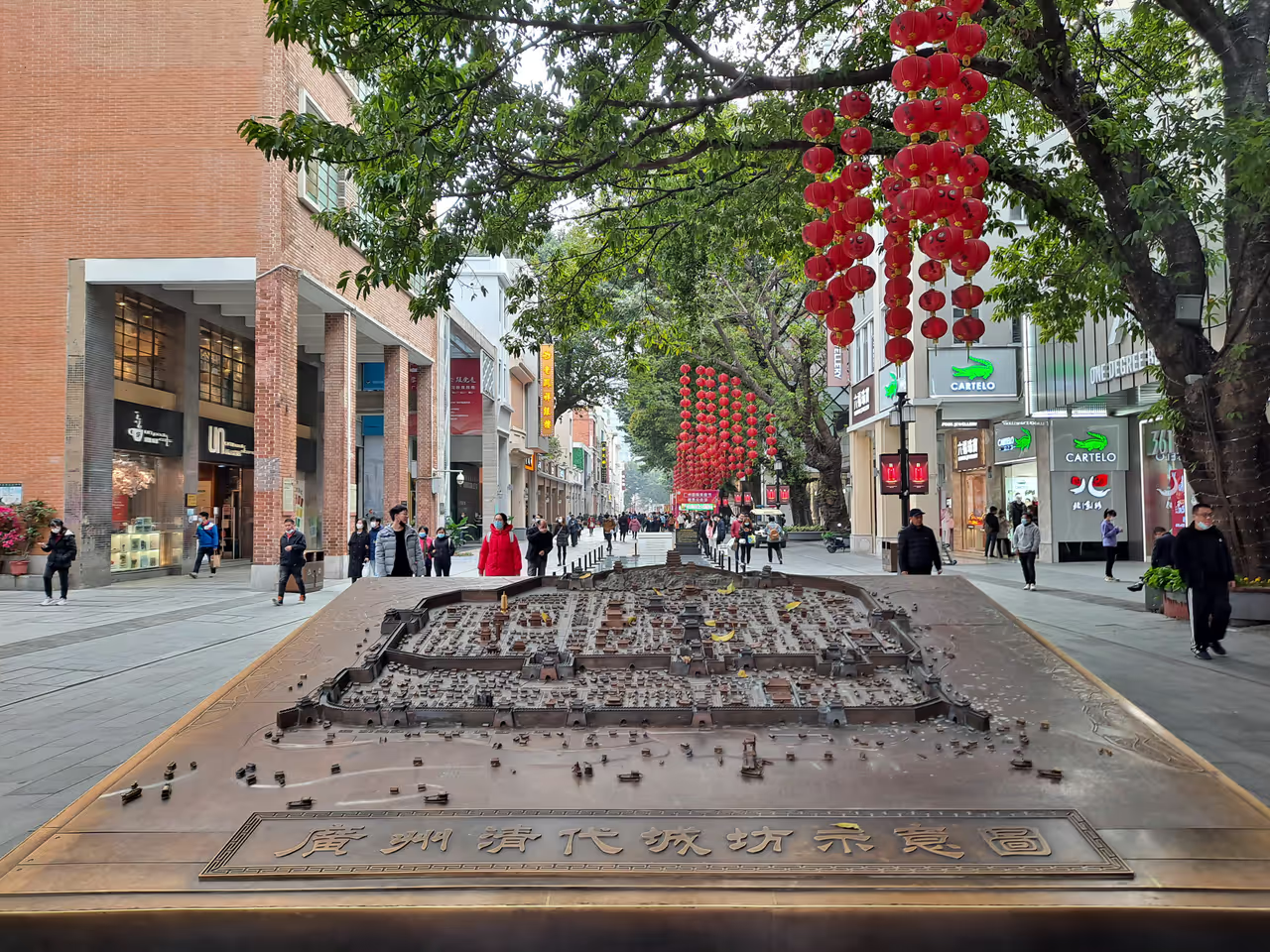
This is the bustling commercial heart of the old city, where neon lights and historic ruins coexist. Glass panels in the...
viewPearl River Night Cruise
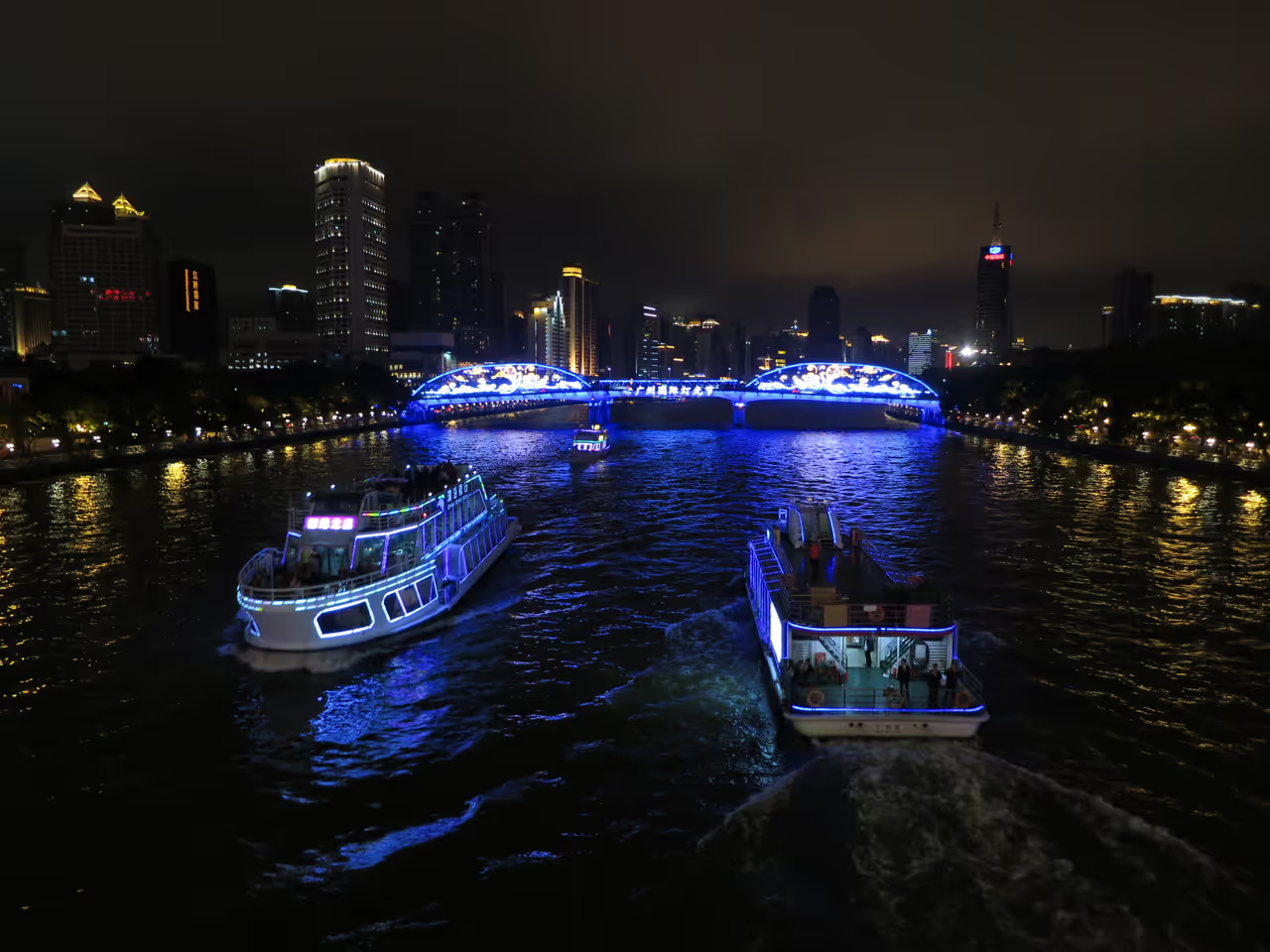
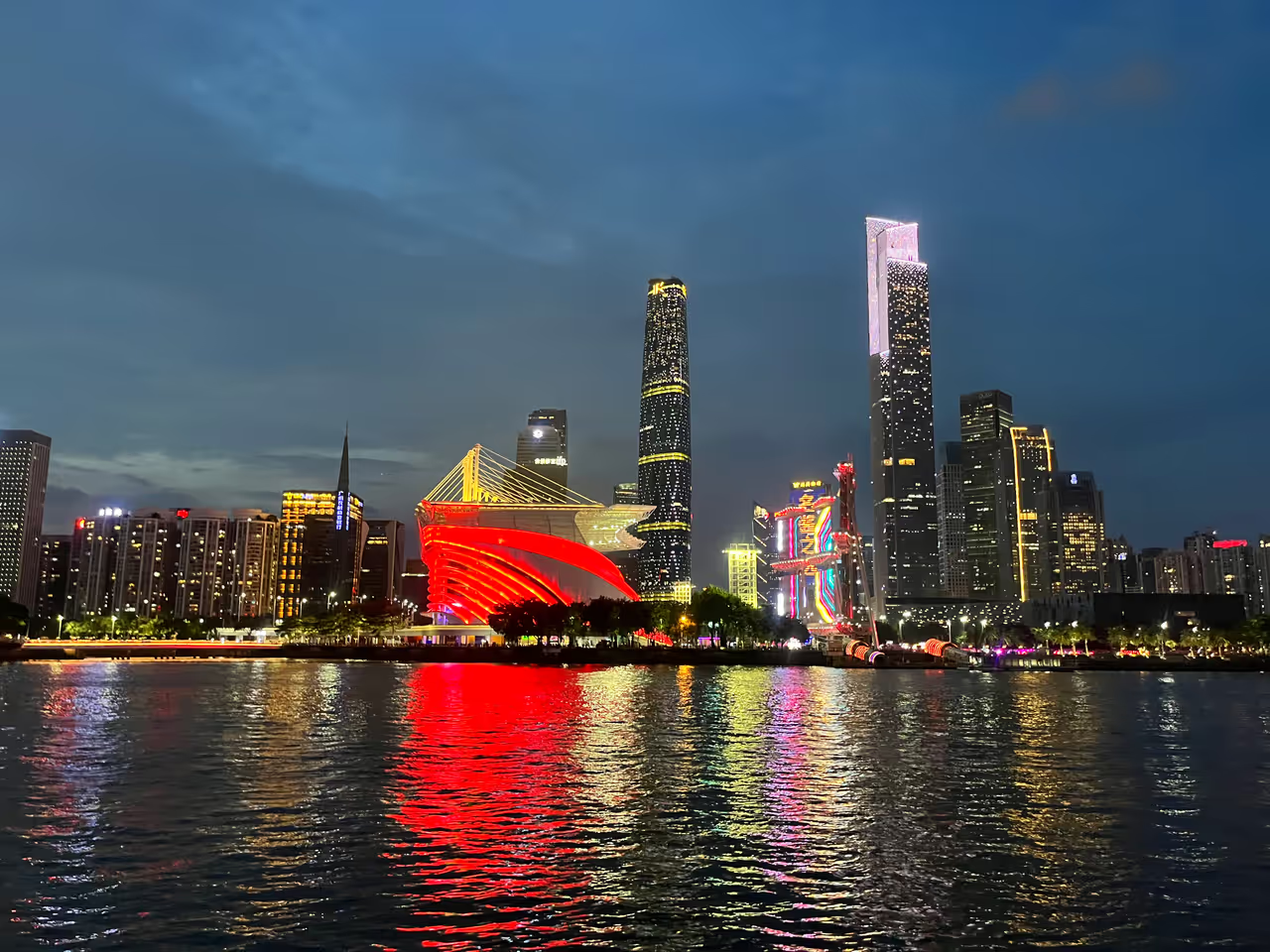
Boarding a boat as darkness falls reveals the city in its most dazzling and glamorous state. The cruise glides past illuminated...
view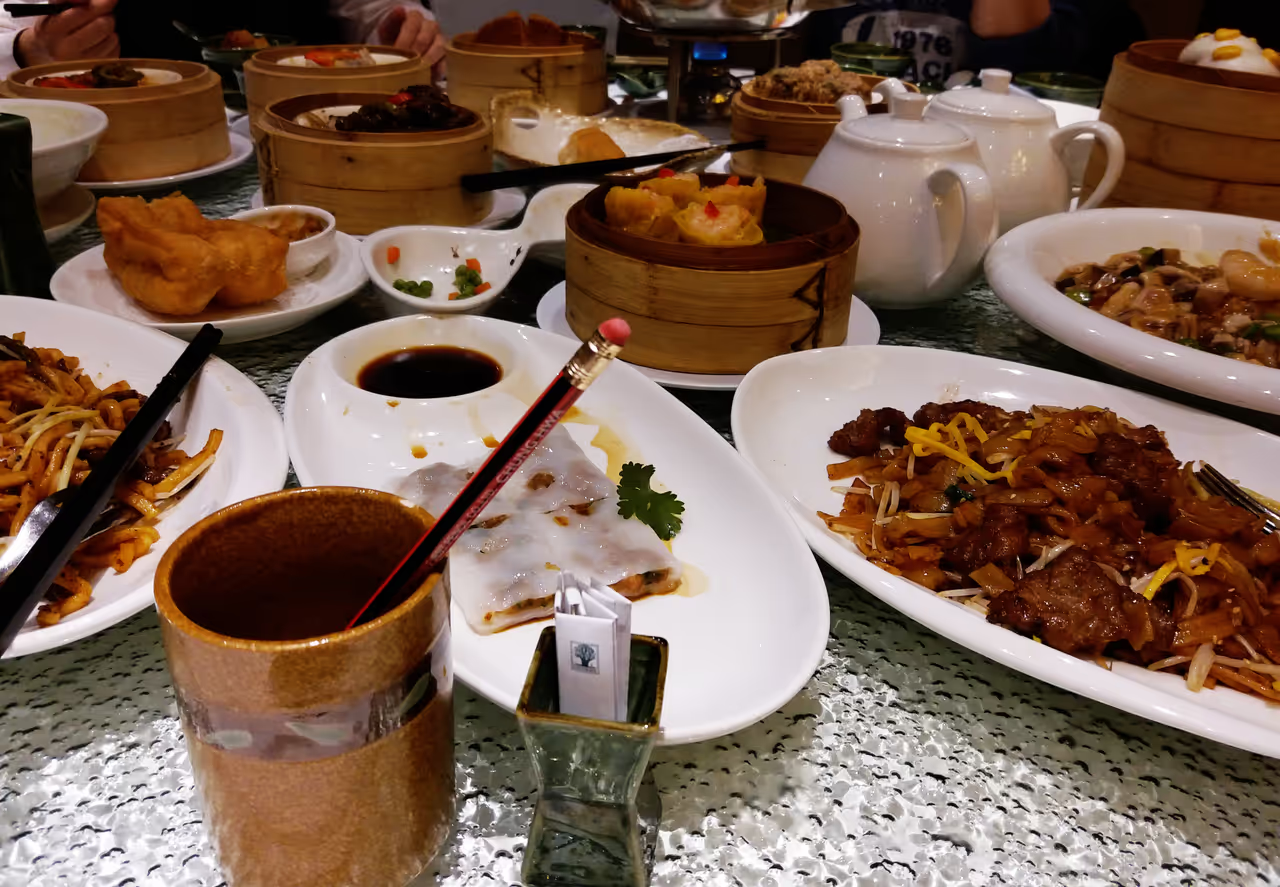
Yum Cha Morning Routine
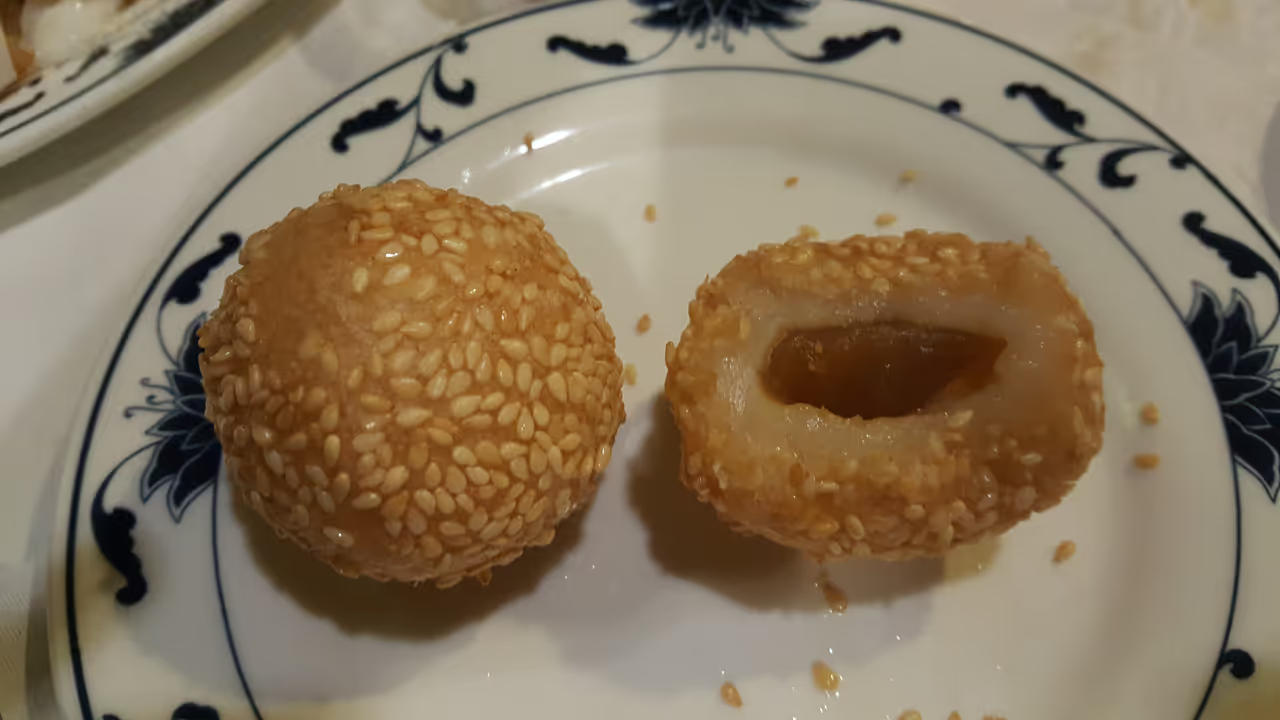
Participating in the traditional morning tea service is the most authentic way to experience local life. Massive, ornate dining...
view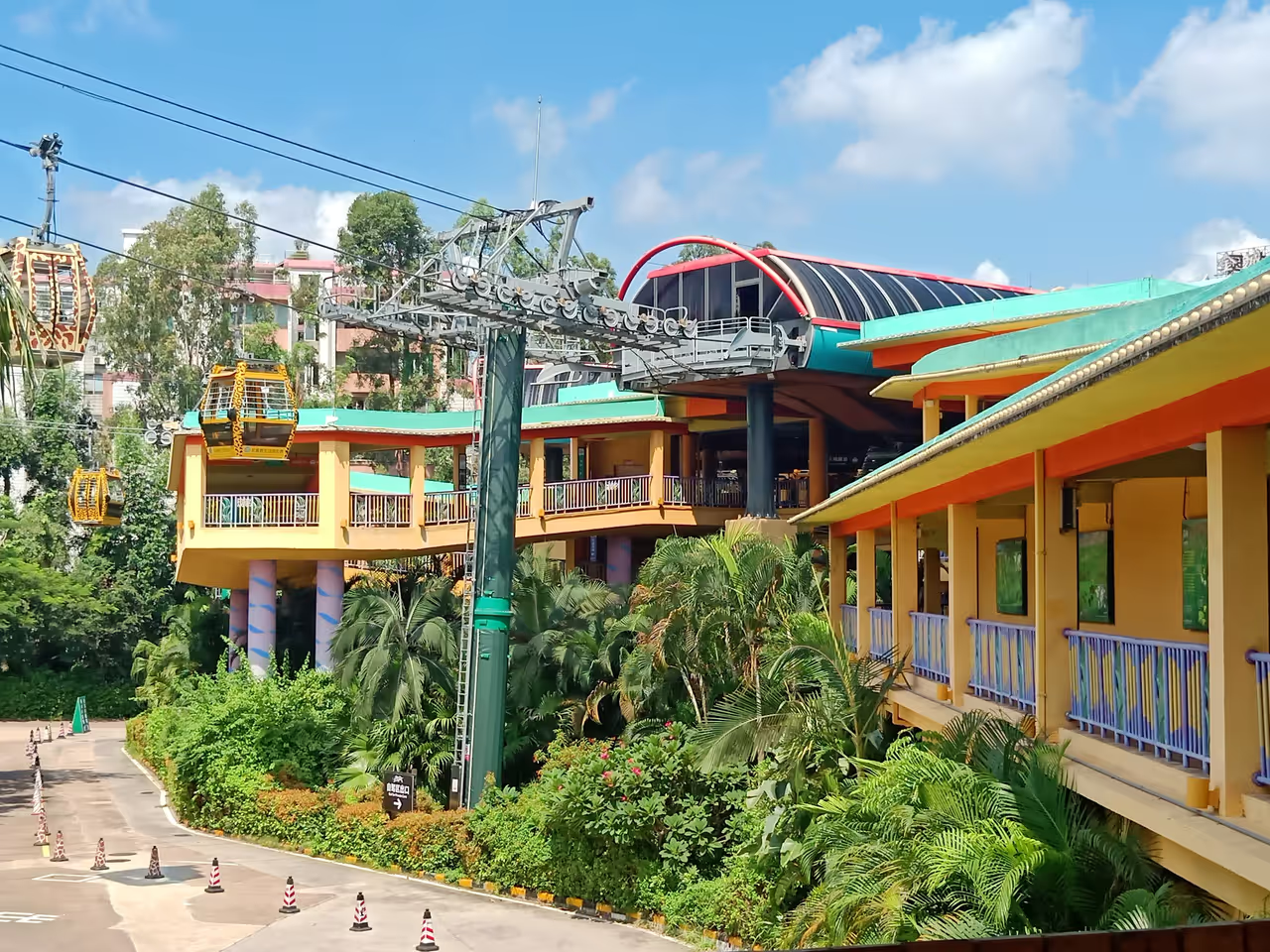
Chimelong Safari Park
This immense wildlife park is renowned for its vast, open enclosures and incredible variety of rare species. Visitors can ride a...
view
Best Walks in Guangzhou
 HIGHLY RECOMMENDED
Shamian Island Colonial Walk
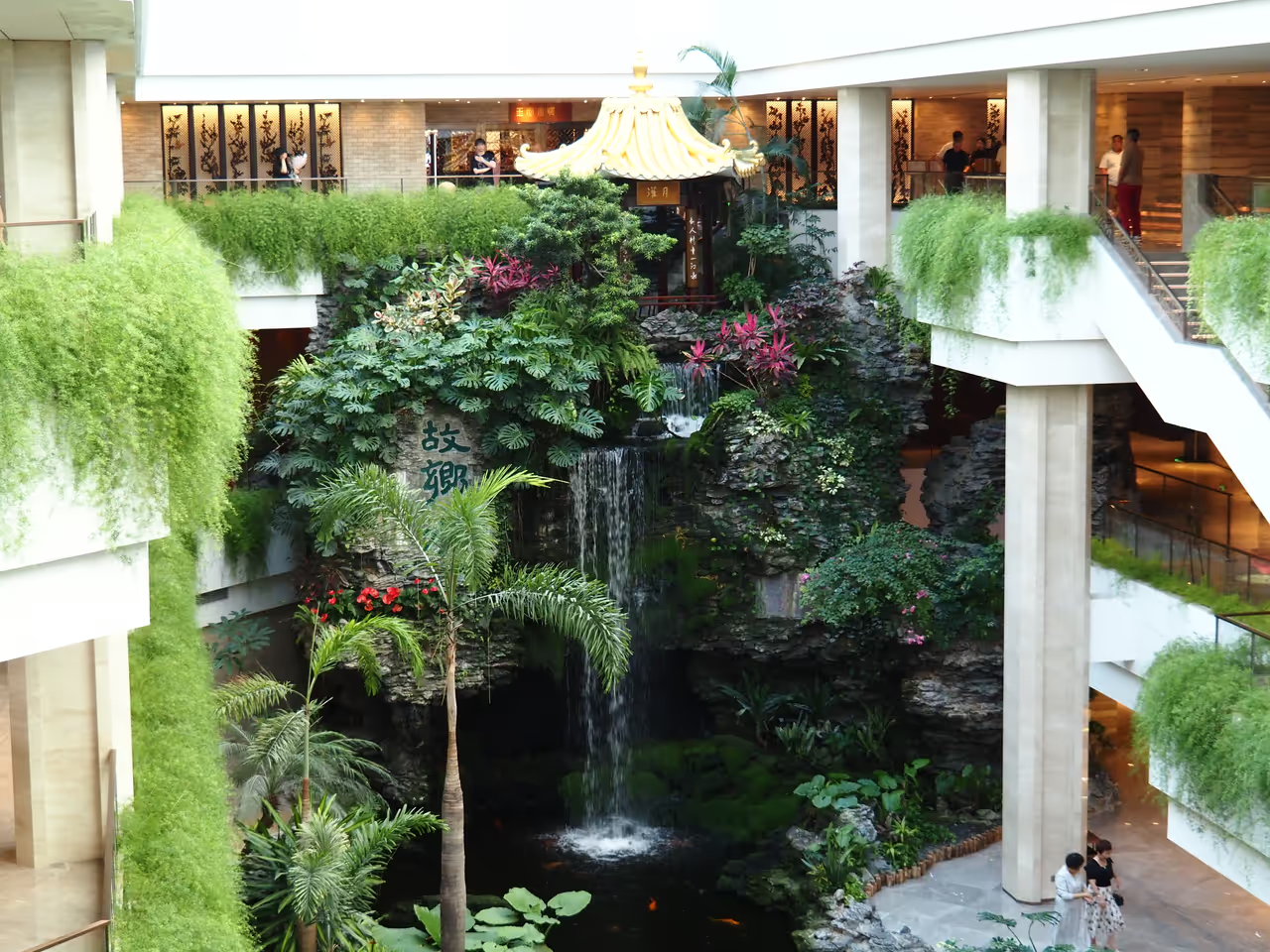
This tranquil stroll transports you back to the nineteenth century, far away from the modern urban rush. The pedestrianised avenues are shaded by ancient, massive banyan trees that drape over beautifully restored European mansions. Every corner reveals bronze statues depicting historical scenes of trade and daily life. It is highly peaceful, with locals gathering to play instruments or practice slow martial arts in the gardens. The intricate facades make it a paradise for leisurely photography.
Donghaoyong Green Walk
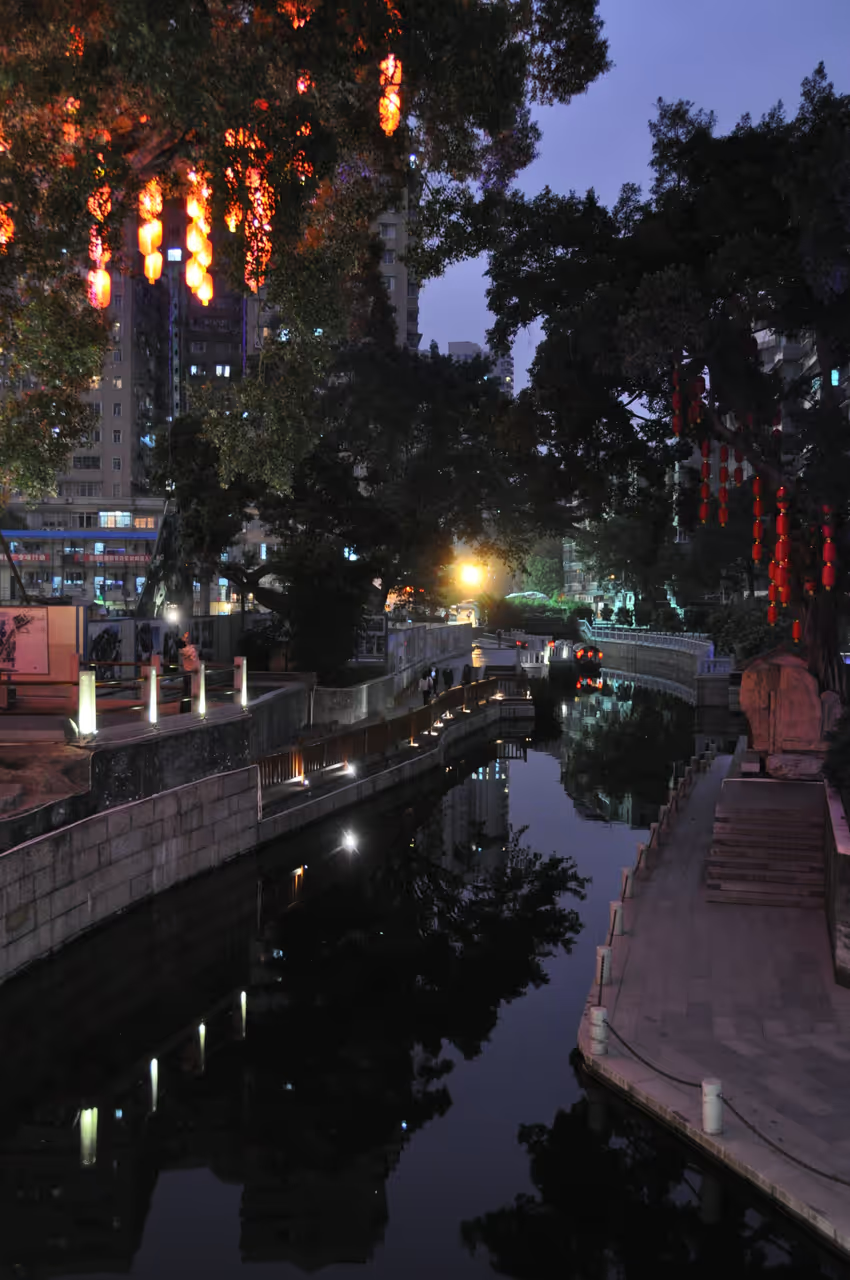
This innovative urban renewal project transformed a neglected canal into a stunning linear park. The walking path meanders directly underneath a massive elevated highway, creating a fascinating contrast of nature and concrete. Clear water now flows through the restored stream, surrounded by dense landscaping and small waterfalls. It is a brilliant example of how cities can reclaim space for pedestrians. The continuous shade provided by the highway above makes it perfect for warm days.
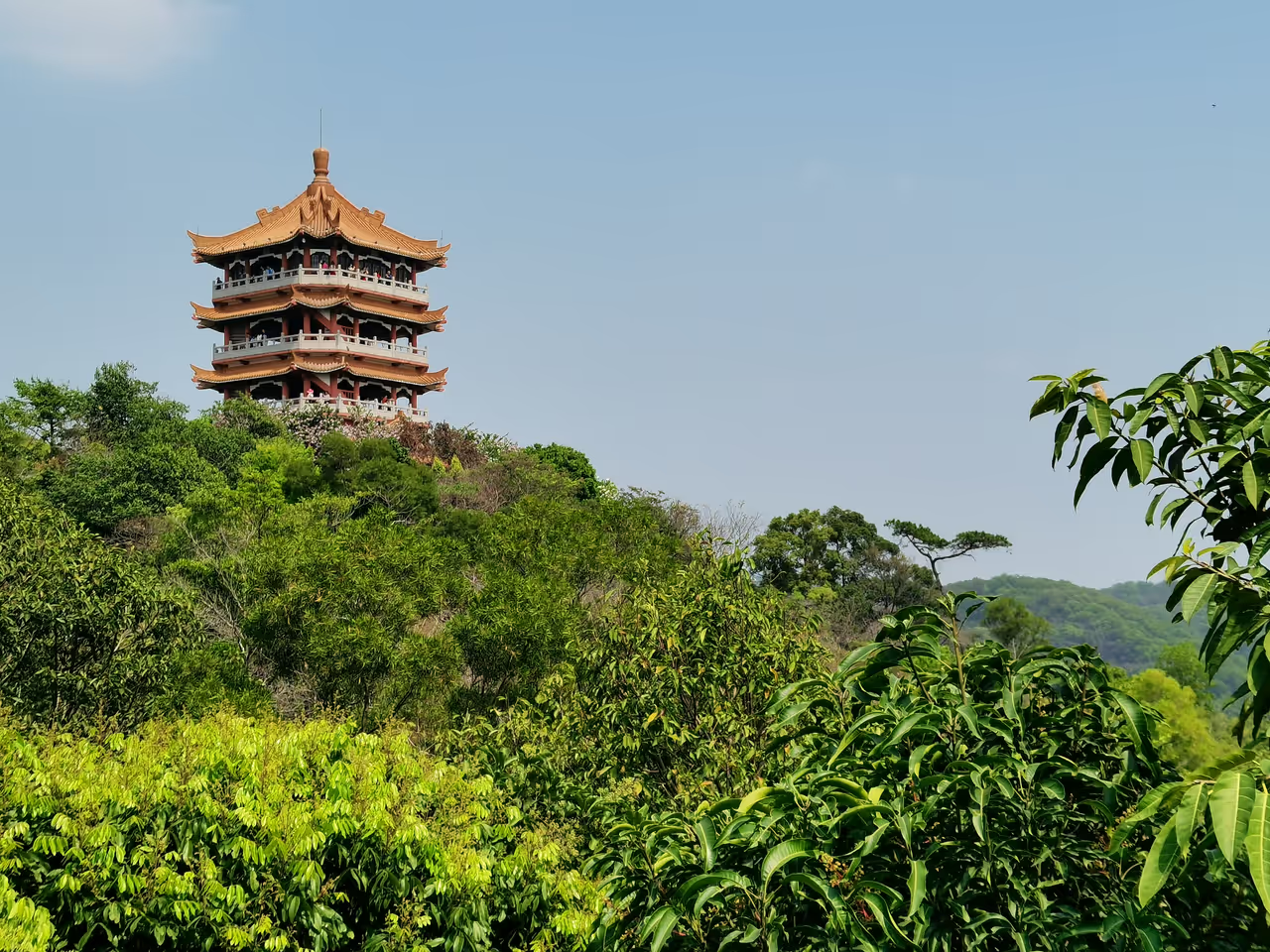
Luhu Park Boardwalk
Constructed around a massive, tranquil lake at the foot of the mountains, this wooden boardwalk offers a highly immersive nature walk. The path weaves through dense, marshy foliage and hovers directly over the calm water. It is a haven for birdwatchers and those seeking a quiet meditative space. The vibrant reflections of the autumn trees in the water are particularly famous. It feels worlds away from the nearby traffic and commerce.
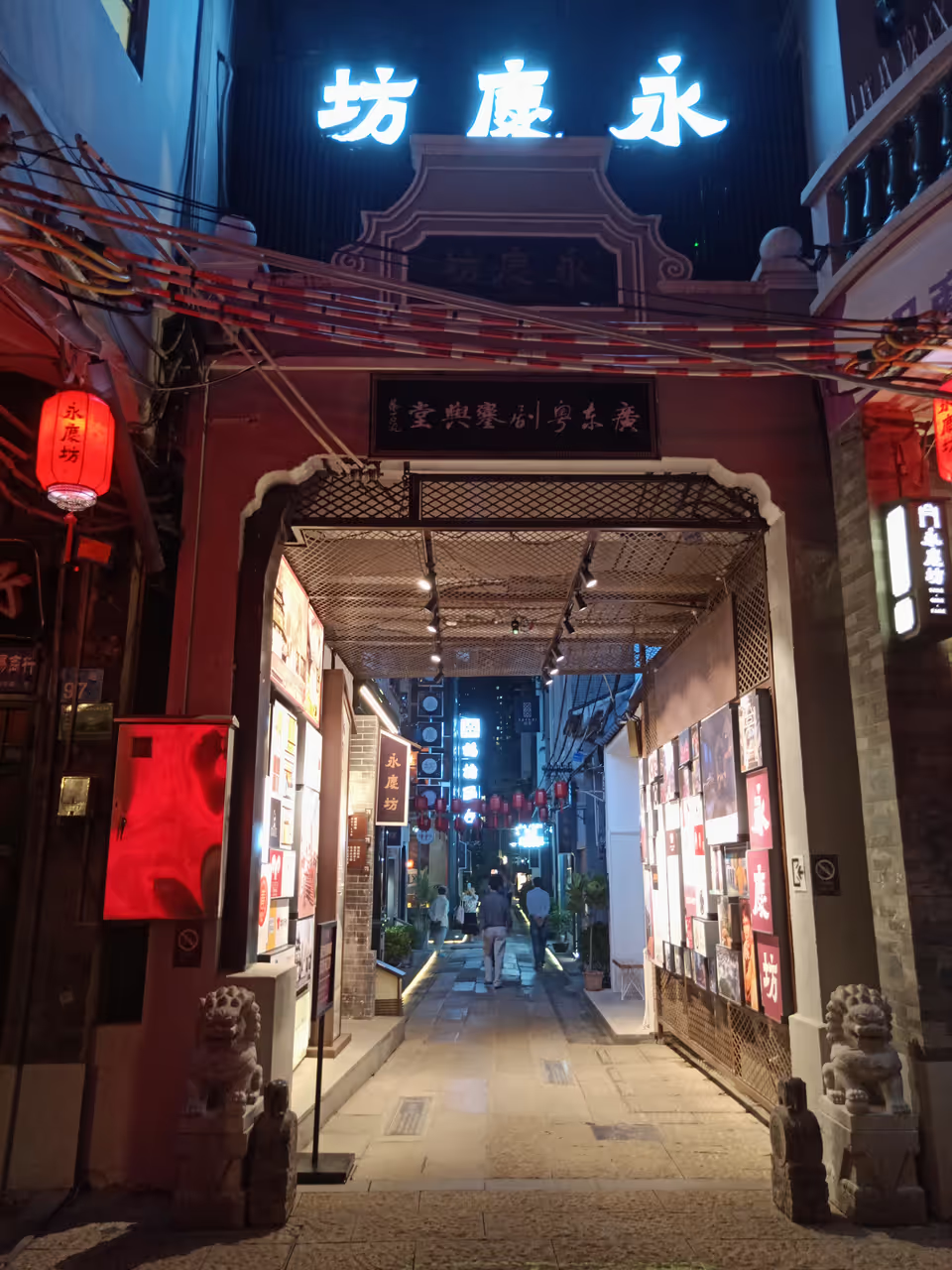
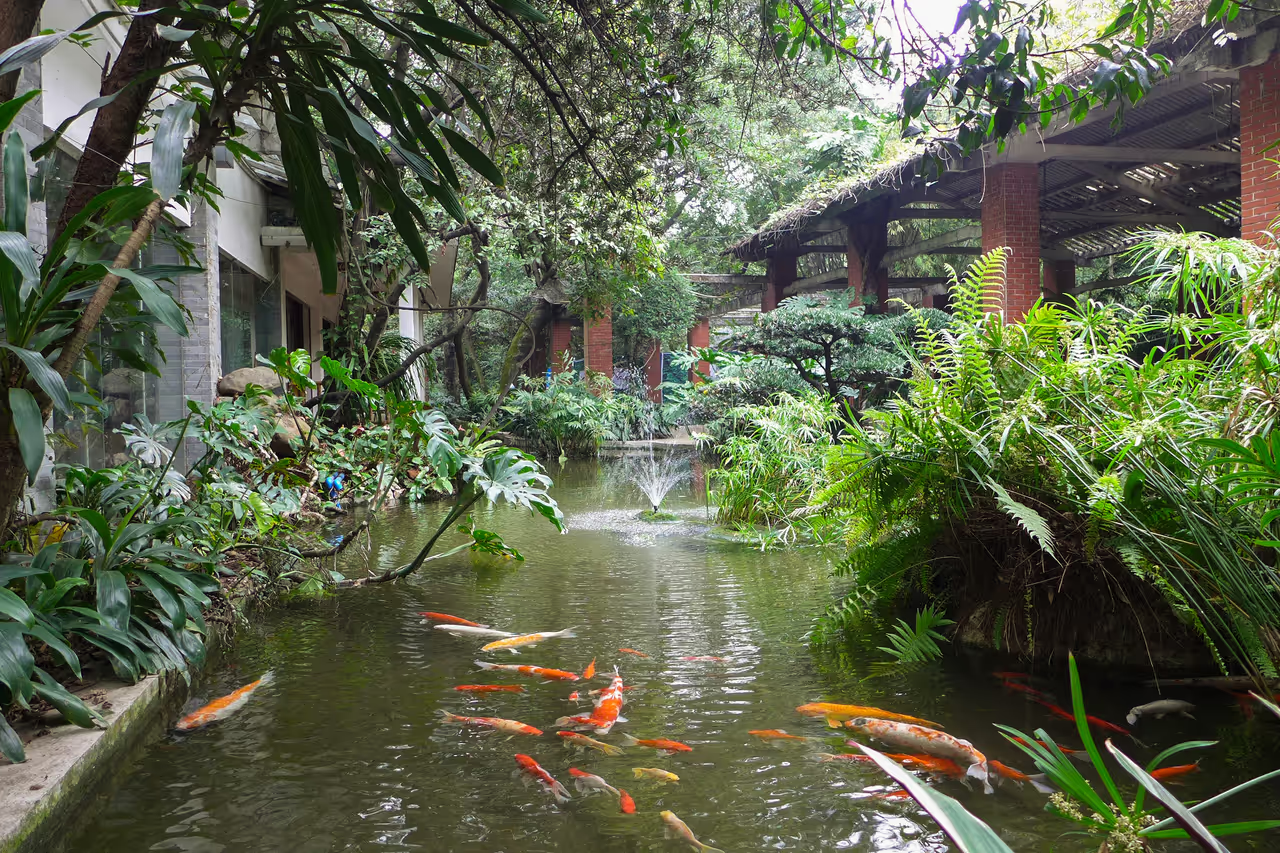
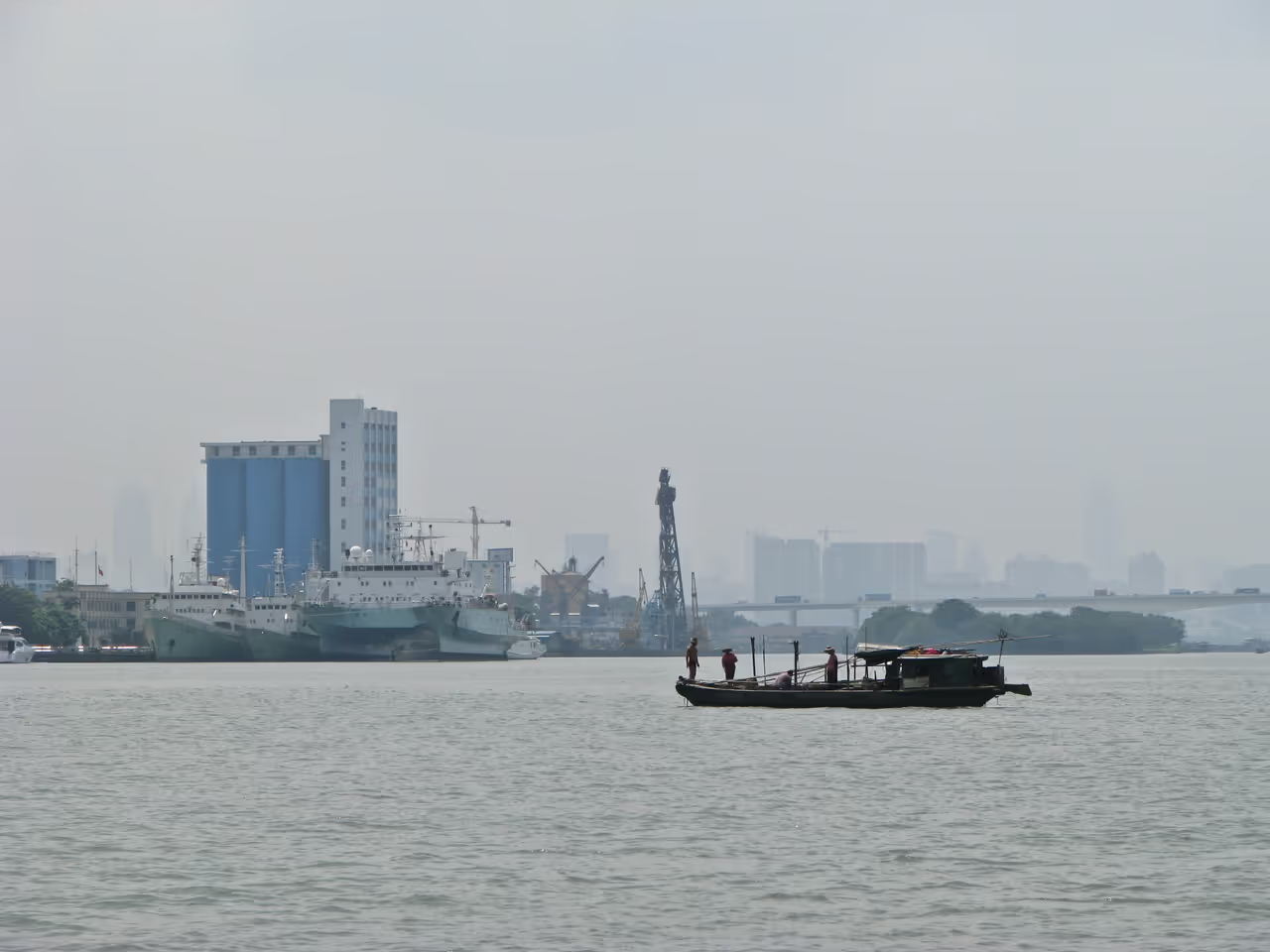
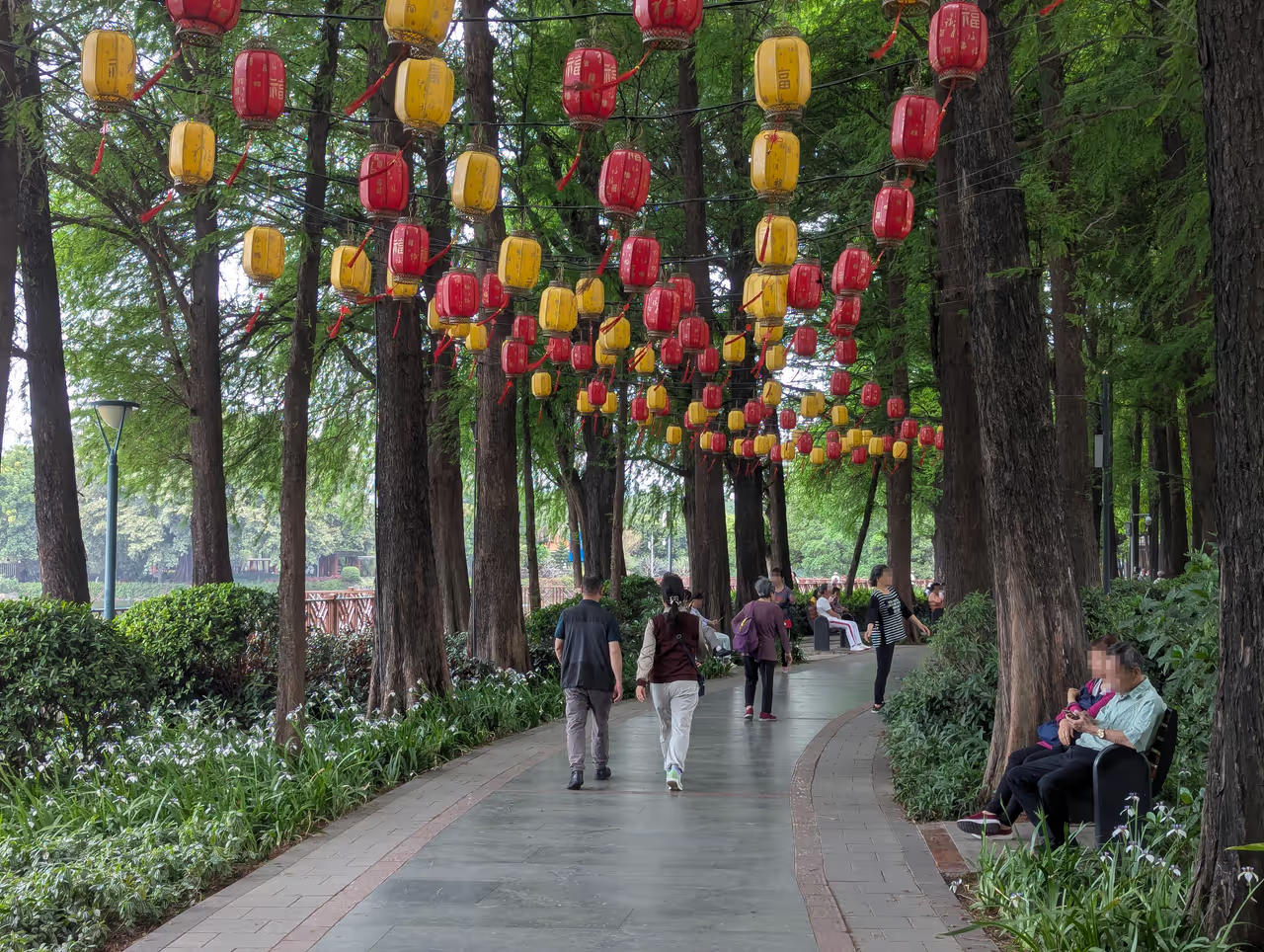
Architecture & Landmarks
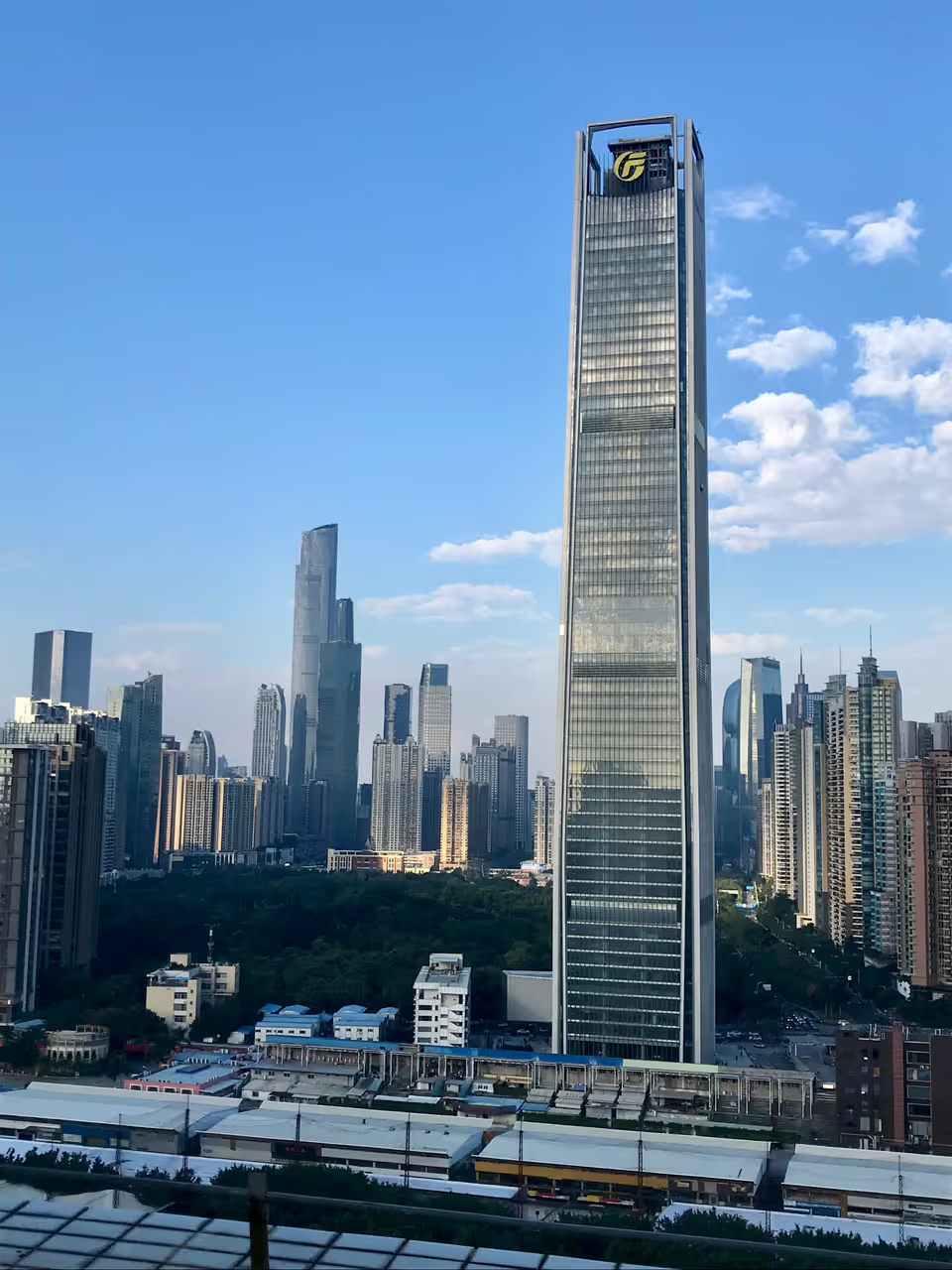
CTF Finance Centre
Reaching an astonishing height, this supertall skyscraper dominates the eastern skyline of the modern business district. Its...
viewGuangzhou Opera House
Conceived by the legendary architect Zaha Hadid, this structure is a masterpiece of contemporary design. Its flowing...
viewGuangdong Customs Museum
Locally known as the Big Bell Tower, this imposing building represents the early twentieth century European influence on the...
view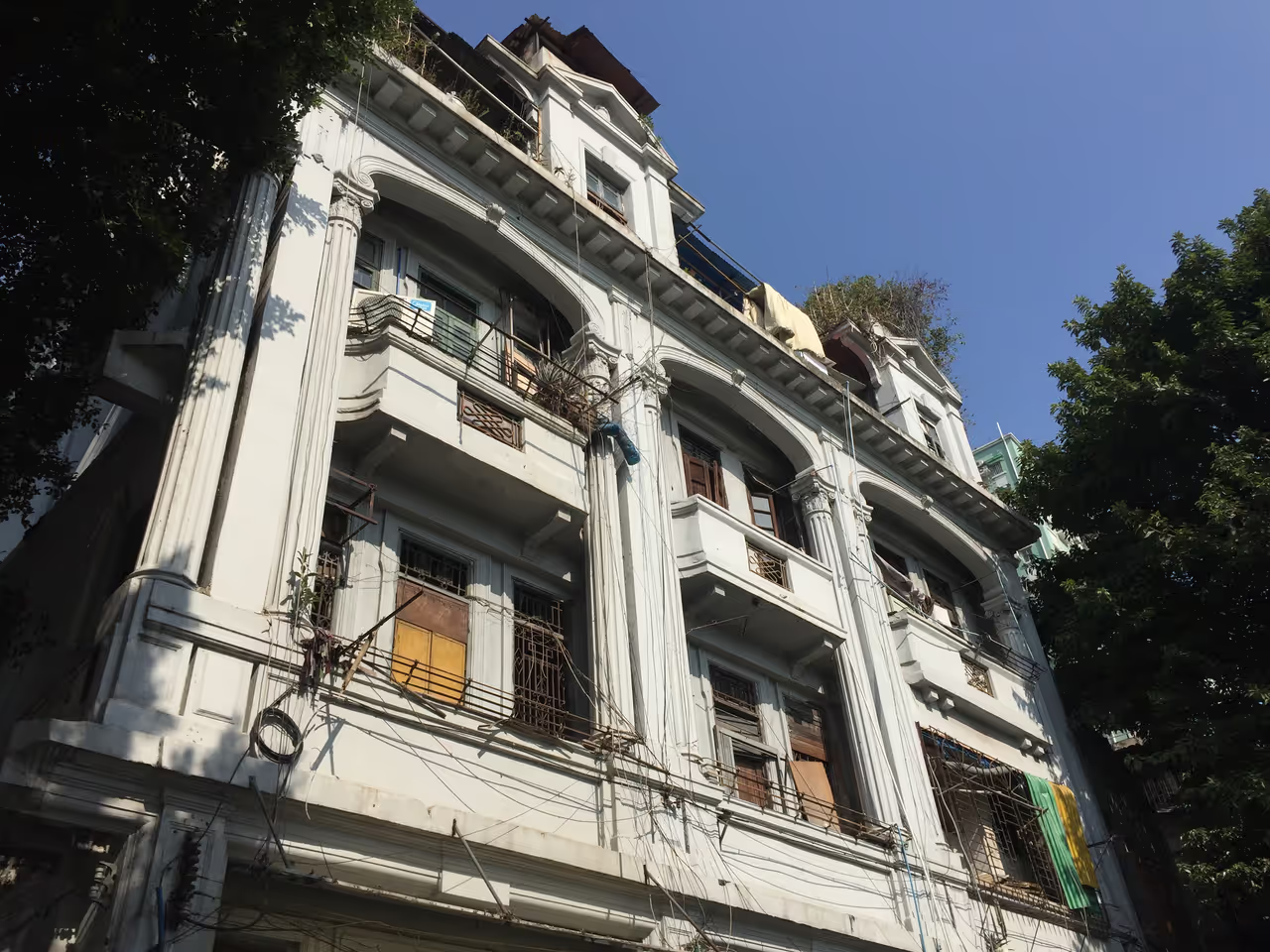
Xiguan Traditional Residences
These historic courtyard houses were once the opulent homes of the local upper class and wealthy merchants. They are...
view
Markets & Shopping
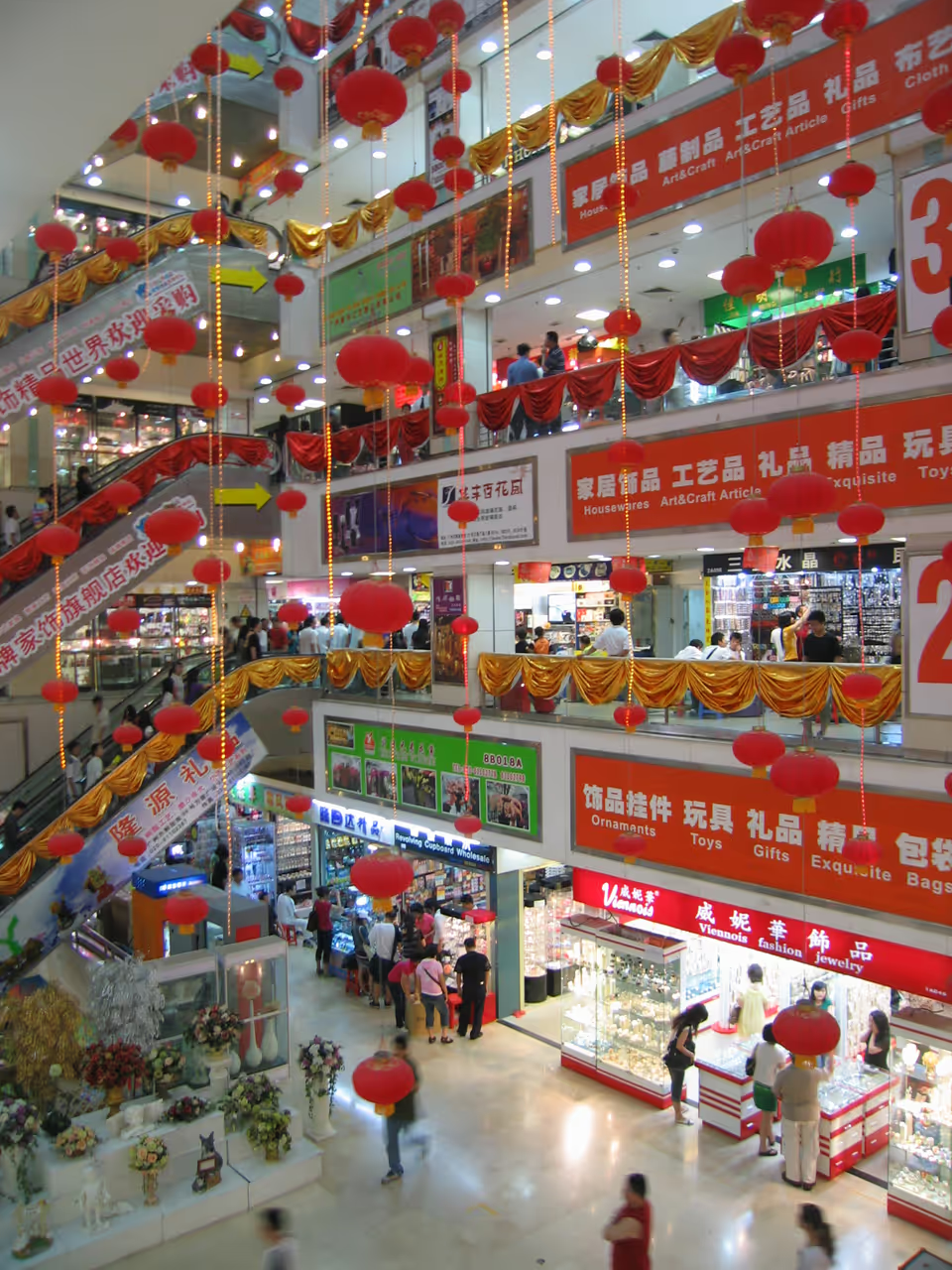
Guangzhou Nightlife
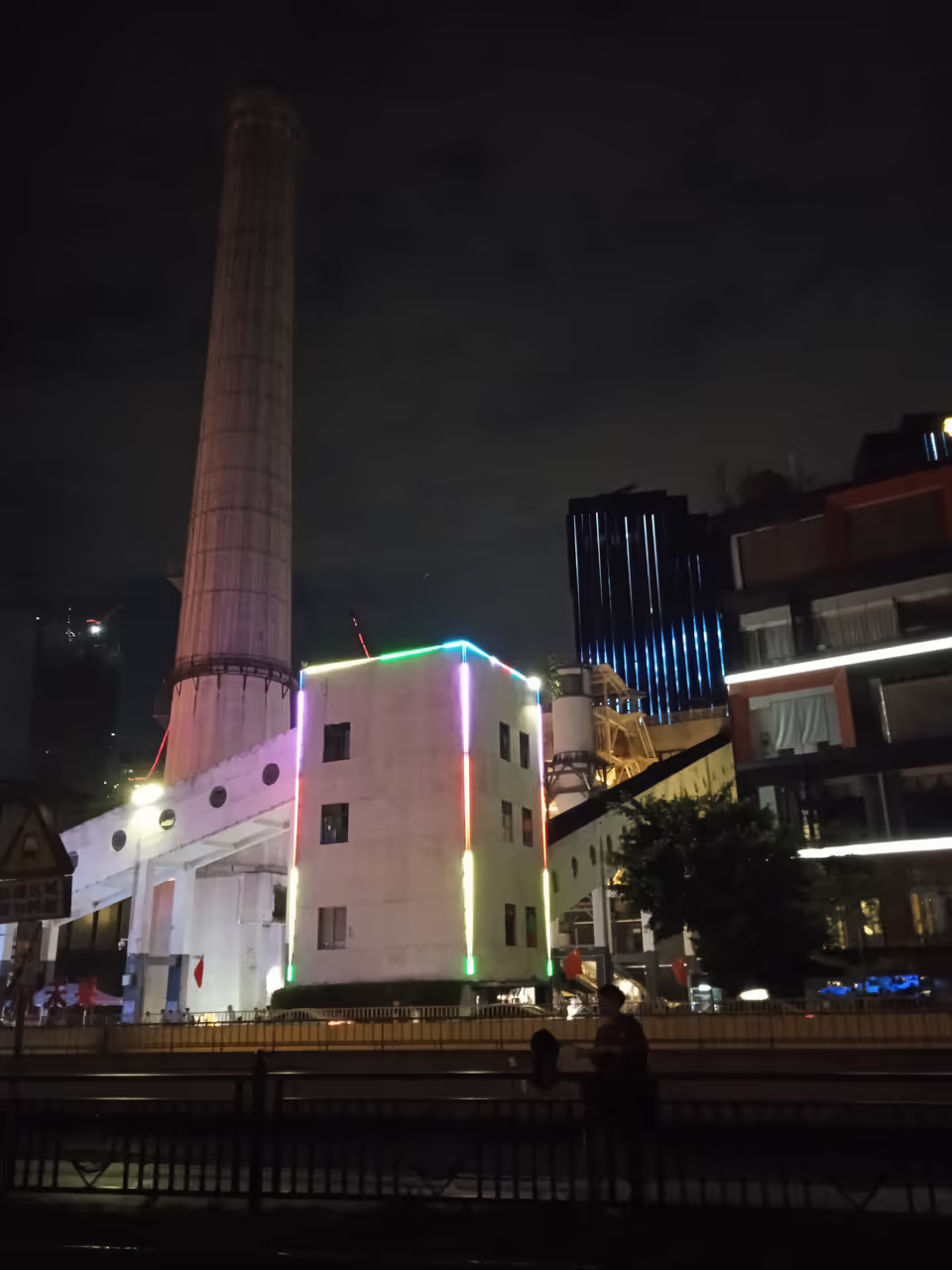
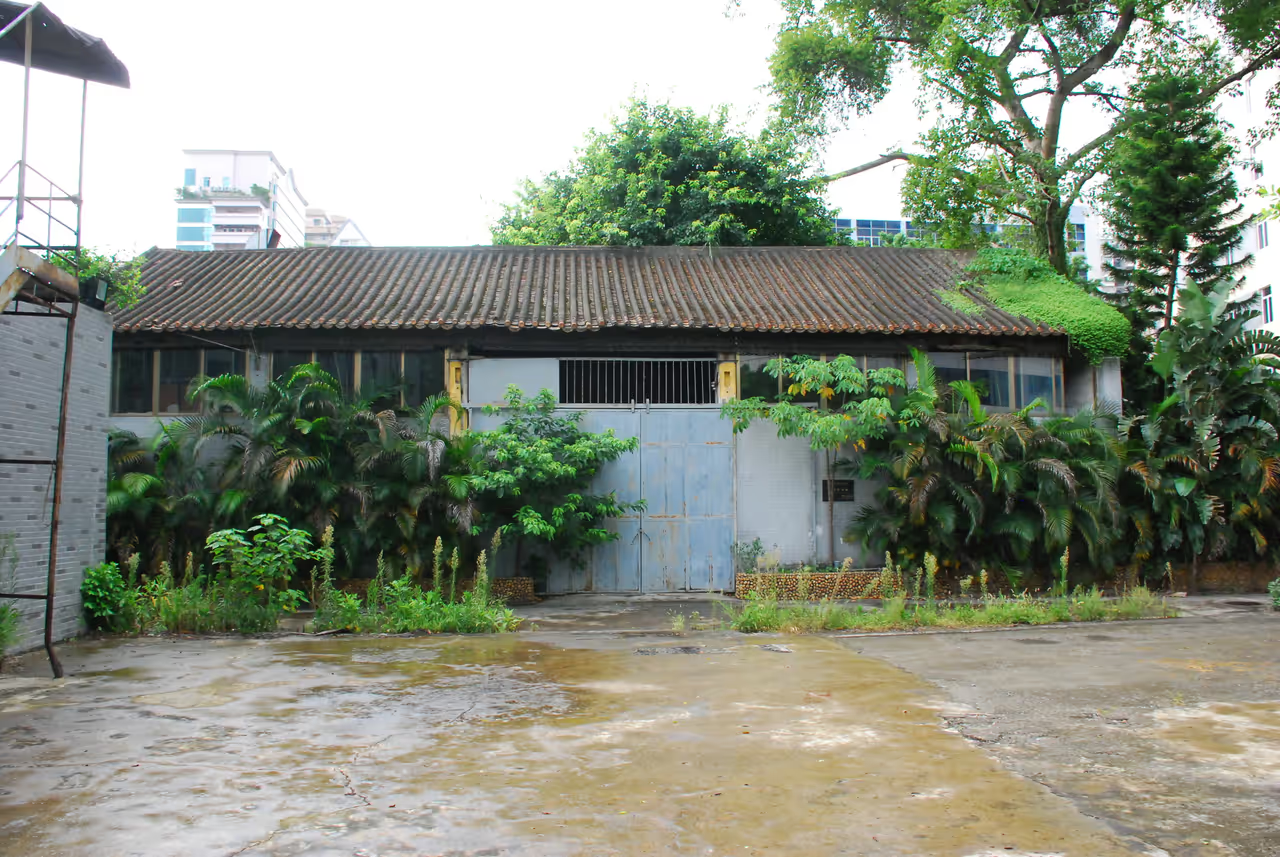
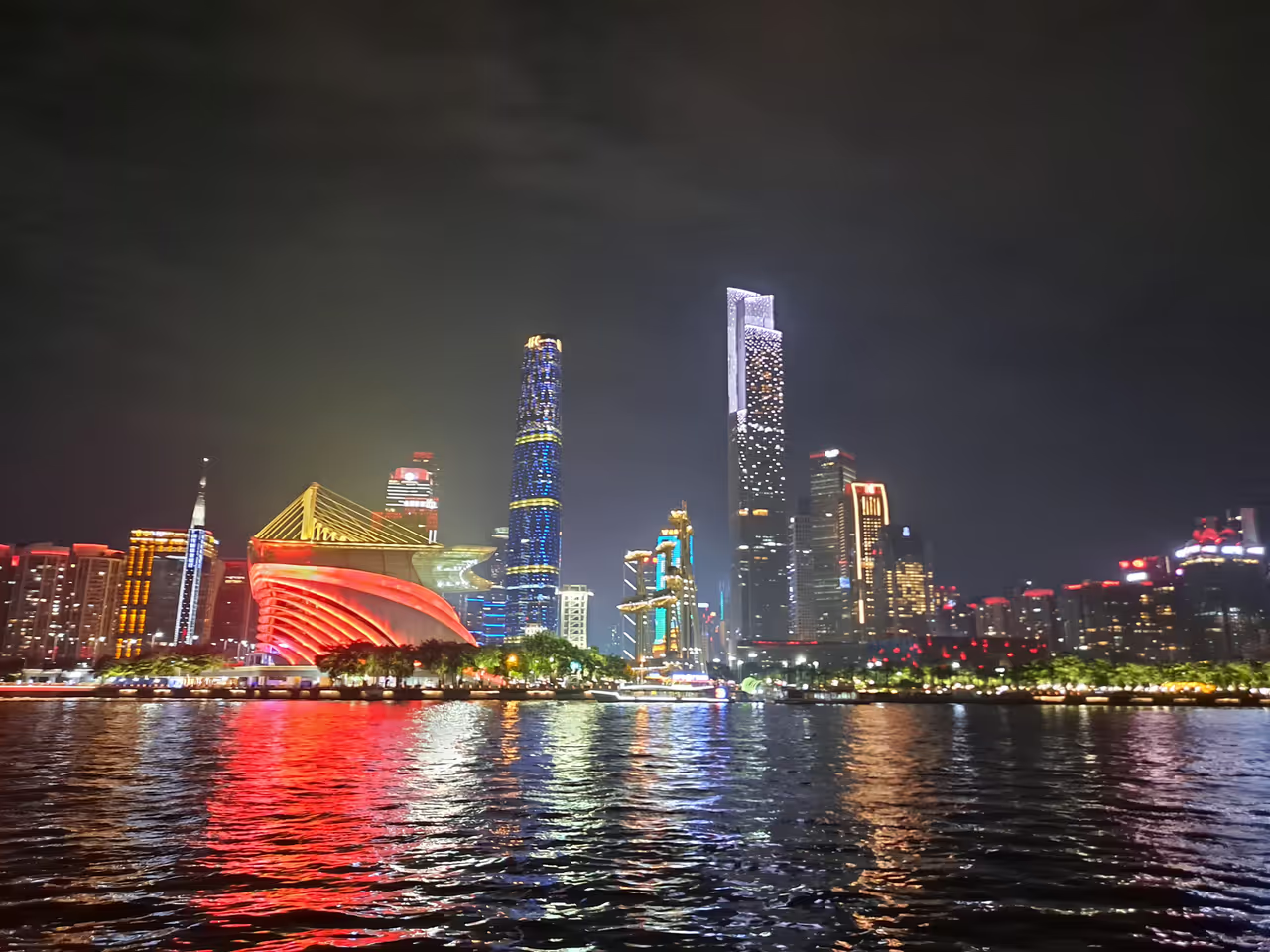
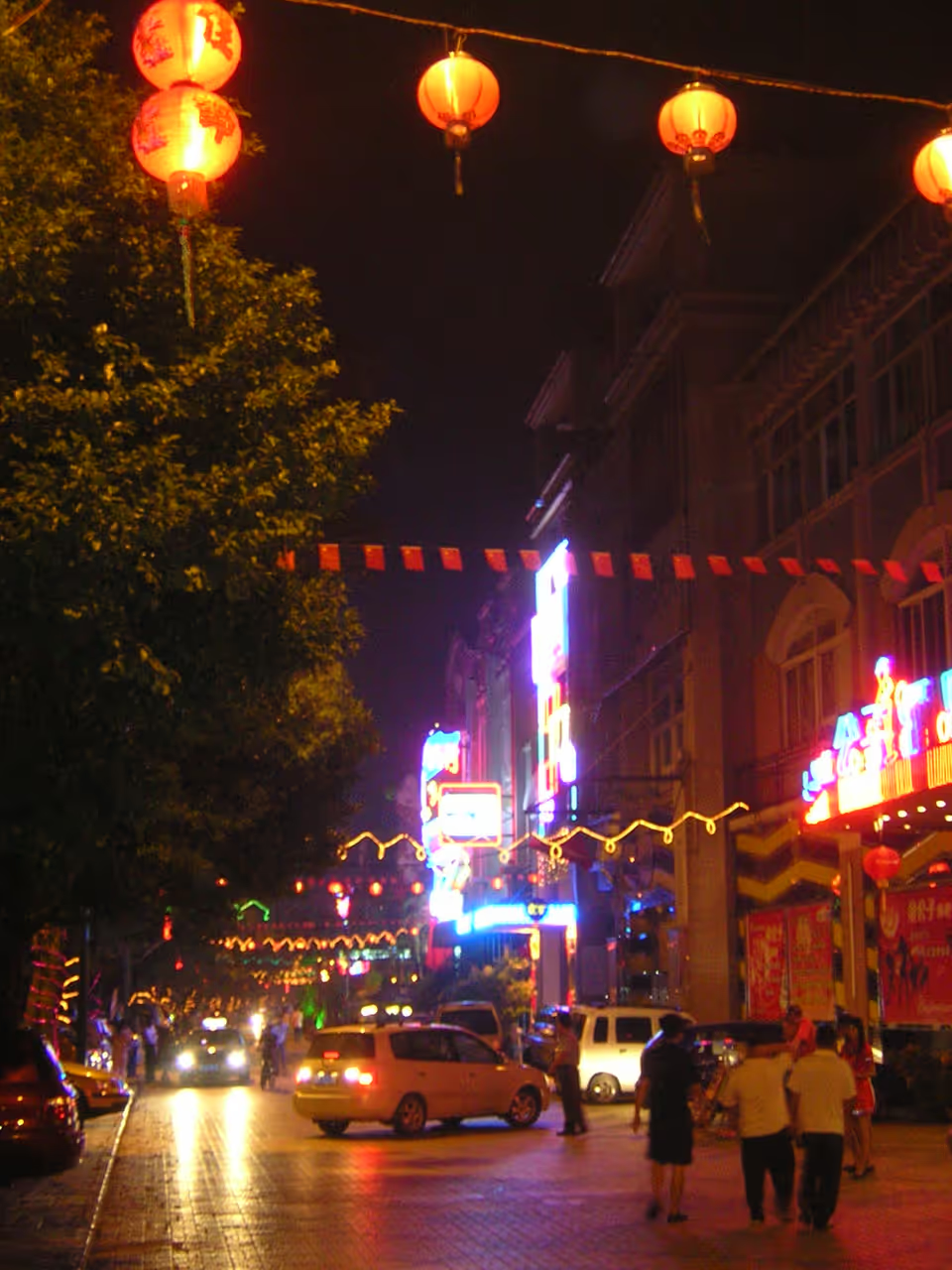
Photo Spots
Activities & Experiences
Cycling Routes
 HIGHLY RECOMMENDED
Pearl River South Bank Ride
This smooth and continuous path hugs the southern edge of the major waterway, offering endless skyline views. The dedicated cycle lanes keep you safely away from heavy motor traffic. You will pass by historic university gates, towering modern landmarks, and repurposed industrial zones now buzzing with cafes. It is a leisurely journey that beautifully showcases the city's architectural evolution. The reflections on the water during late afternoon are particularly stunning.
University Town Loop
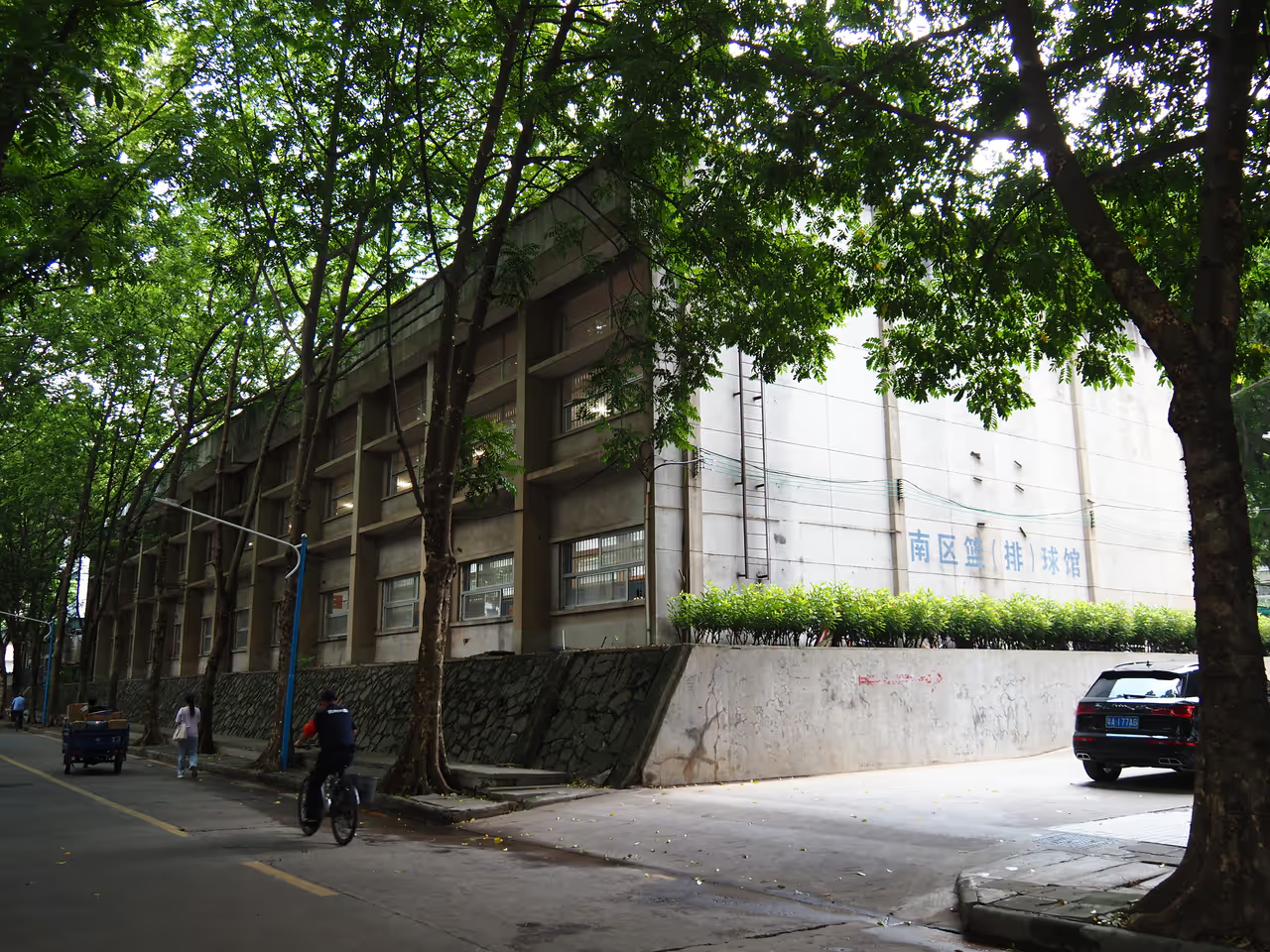
Located on an island dedicated entirely to higher education, this route is famous for its quiet, tree lined avenues. The absence of heavy commercial traffic makes it a cyclist's paradise. The path circles massive modern campuses, serene lakes, and expansive green parks. It offers a youthful, energetic vibe as you share the road with thousands of local students. It feels like a peaceful retreat completely separated from the urban chaos.
Ersha Island Art Ride
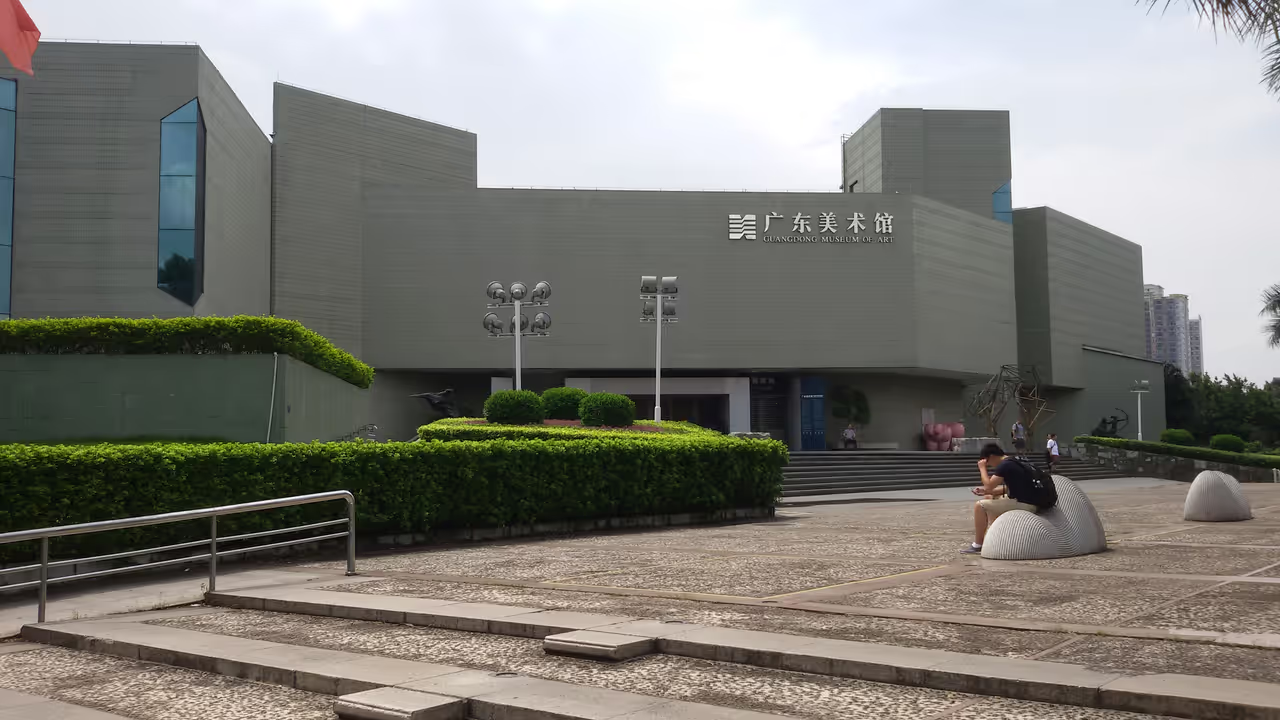
This gentle ride explores the most affluent and culturally rich island in the city center. The wide, immaculate pavements guide you through luxurious residential zones and sprawling sculpture parks. Breathtaking views of the futuristic skyline are visible from every angle across the water. You will cycle past premier art museums and dramatic concert halls. It is a highly civilised, visually delightful experience that requires minimal effort.
Self-Guided Tours
- HIGHLY RECOMMENDED
Old Canton Heritage
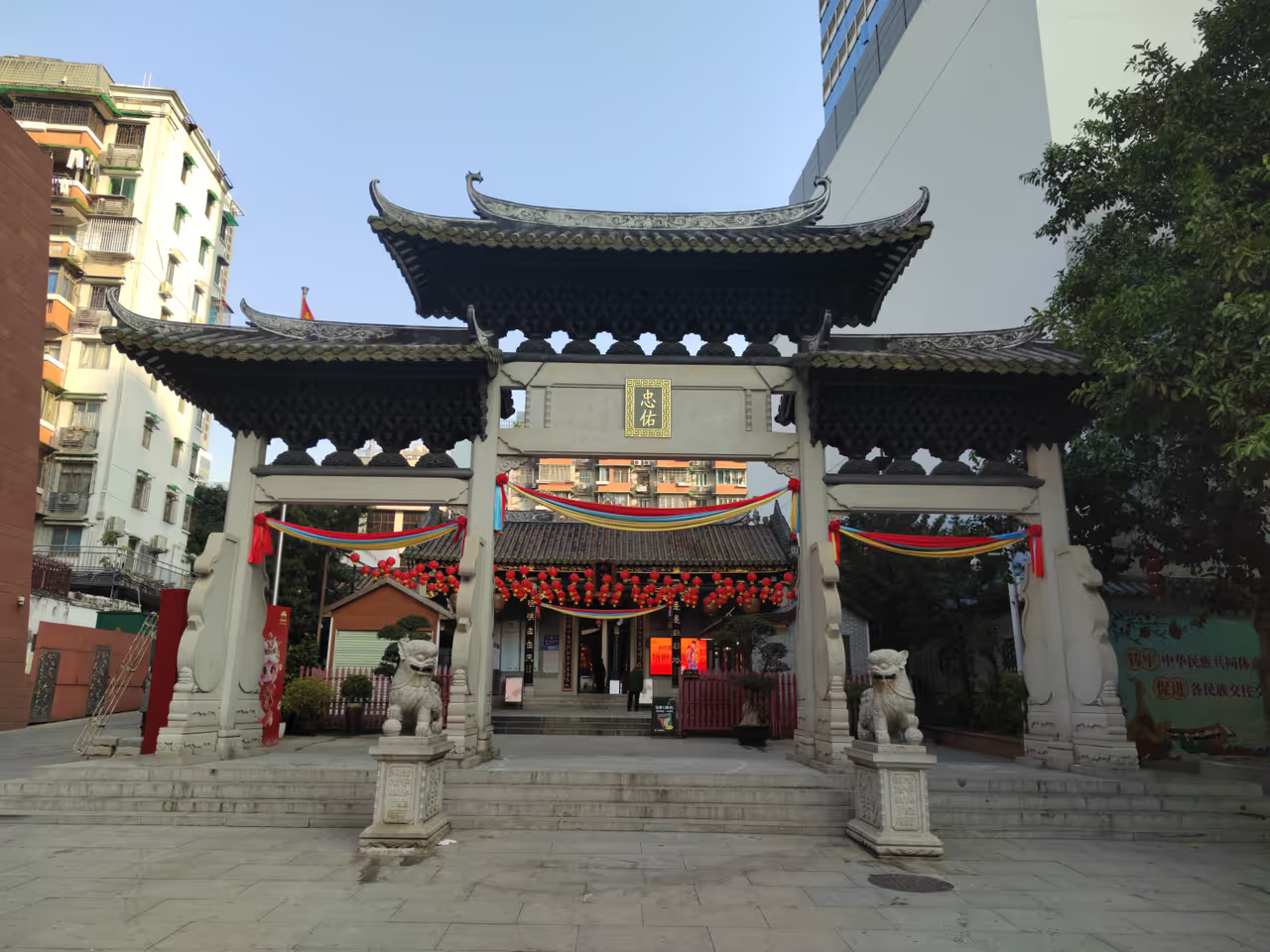
This journey delves deep into the traditional heart of the city, exploring its most sacred and historic sites. You will navigate through bustling alleyways where the scent of burning incense mixes with street food. The architecture transitions from majestic Buddhist temples to intricately carved ancestral halls. It provides a profound understanding of how ancient traditions survive in a highly modernised society. This is the ultimate route for history buffs and culture lovers.
- HIGHLY RECOMMENDED
Modern Architectural Marvels
Trace the city's meteoric rise into the twenty first century by exploring its newest and most ambitious district. The route is dominated by towering glass monoliths, avant garde cultural buildings, and massive civic squares. You will wander through wide, impeccably clean plazas designed to showcase extreme engineering. It is a visual feast of steel, glass, and bold geometric shapes. This journey highlights the immense financial power and future focused vision of the metropolis.
Revolutionary History
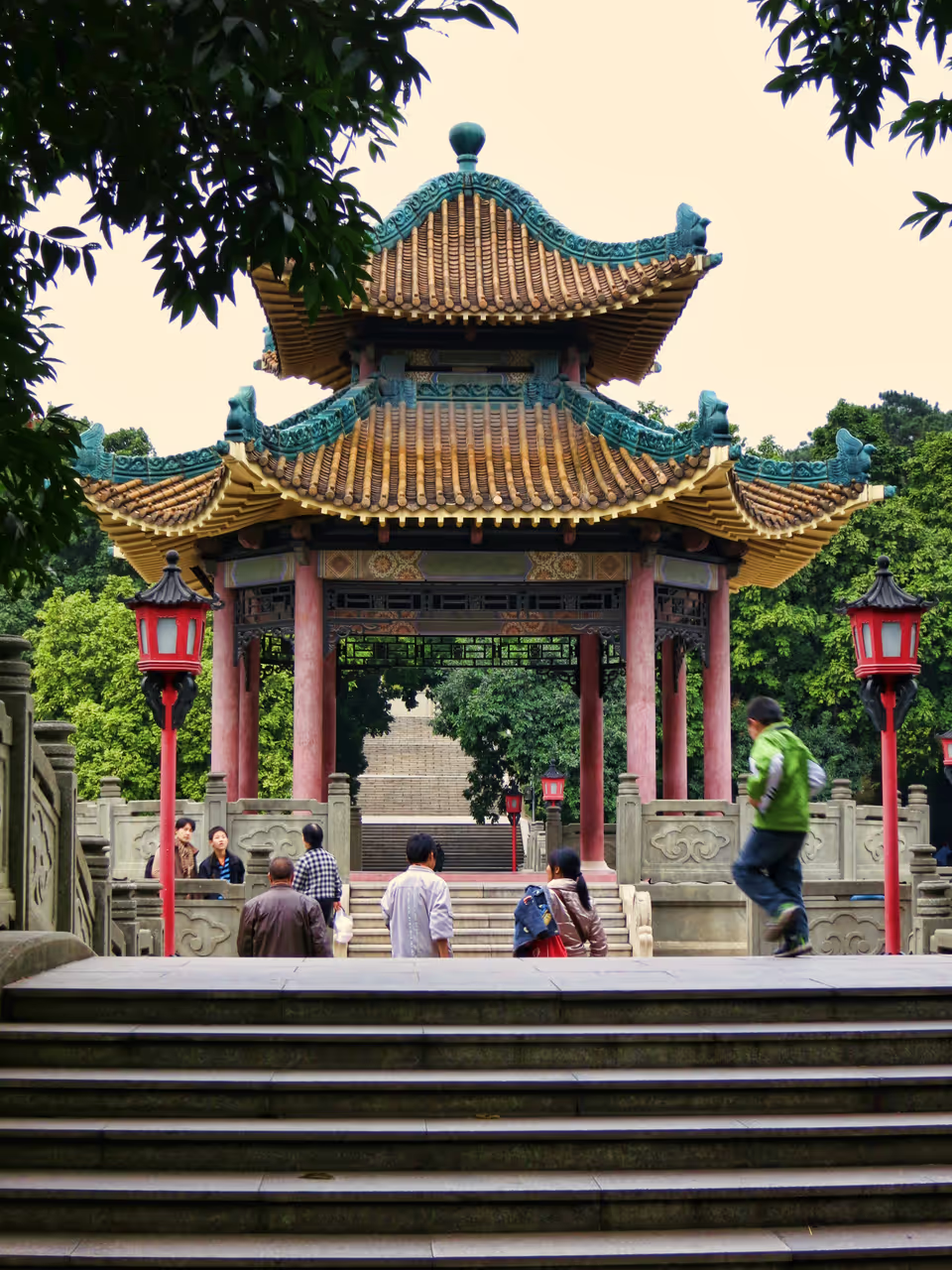
This narrative explores the pivotal role the city played in shaping modern Chinese politics and government. You will visit sites where idealism clashed with empire, leading to dramatic uprisings and societal shifts. The route connects solemn memorials, historic training institutes, and grand civic halls. It provides crucial context for understanding how twentieth century China evolved. The monuments here carry a heavy, respectful weight.
Annual Festivals & Events
 HIGHLY RECOMMENDED
Spring Festival Flower Fairs
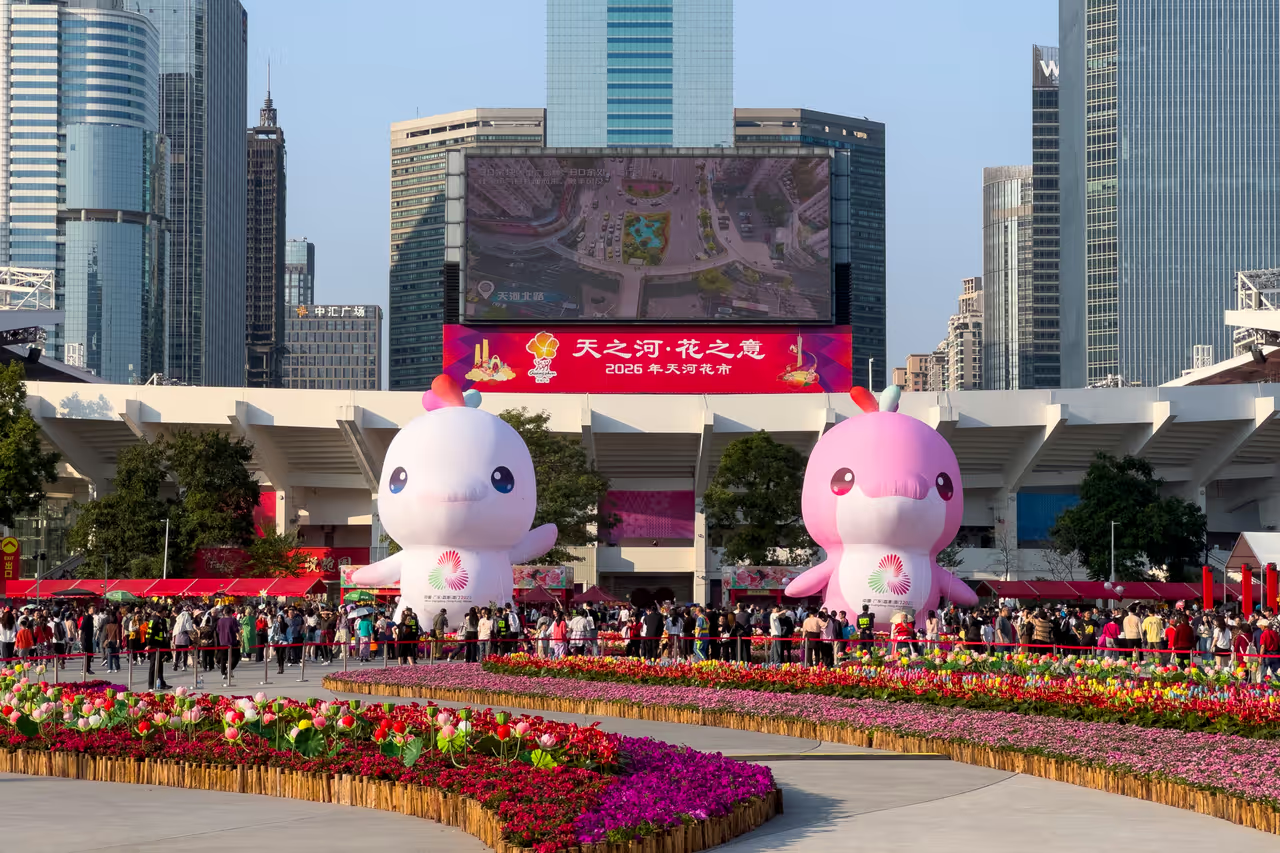
The entire city transforms into a massive, colourful botanical garden just before the lunar new year. Streets are closed to traffic and lined with stalls selling auspicious plants, fresh flowers, and traditional crafts. Locals flock here to buy decorations that will bring good luck for the coming year. The atmosphere is joyous, crowded, and filled with festive music. It is a fantastic opportunity to witness traditional holiday preparations in the City of Flowers.
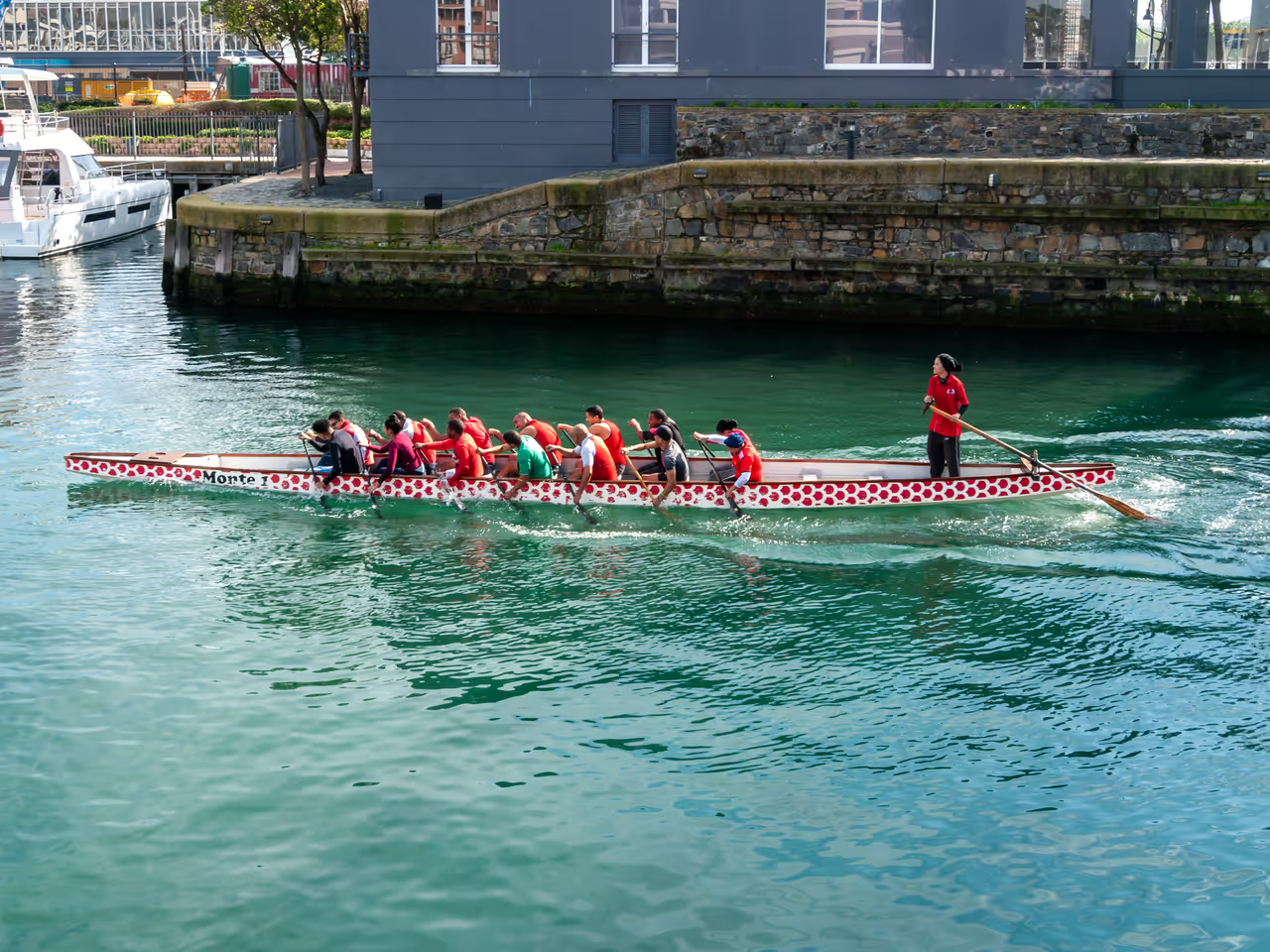
Dragon Boat Festival
This ancient celebration honours a legendary poet with thrilling races along the Pearl River. Teams paddle fiercely in long, beautifully decorated wooden boats to the rhythm of beating drums. The riverbanks are packed with cheering spectators enjoying the intense competition. Traditional sticky rice dumplings wrapped in bamboo leaves are the classic snack of the day. It provides a highly energetic glimpse into historical sporting traditions.
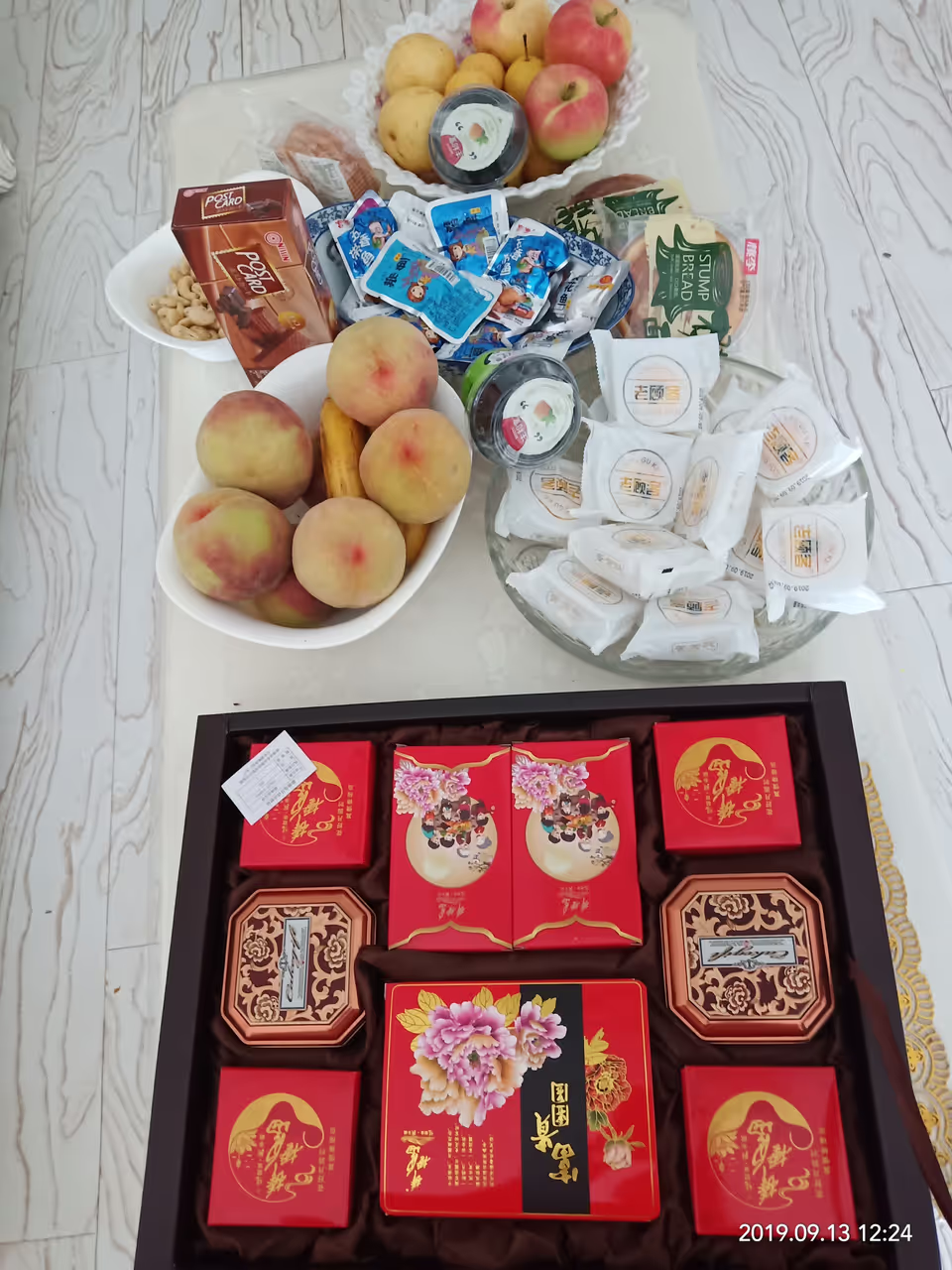
Mid Autumn Festival
Families gather across the city to admire the full moon and share sweet, dense mooncakes. Parks and public spaces are decorated with thousands of glowing paper lanterns, creating a magical evening atmosphere. Many residents take to the river on ferries to get the best view of the moon reflecting on the water. It is a peaceful, family oriented holiday that brings a warm glow to the urban landscape. The historic bakeries produce their finest pastries during this period.
Insider Tips
Purchase a Yang Cheng Tong transit card immediately upon arrival to save money and skip long queues at metro ticket machines.
Avoid trying to catch a taxi between three and five in the afternoon, as this is when most drivers change shifts and refuse passengers.
When riding public buses, have exact change ready or use your transit card, as drivers cannot provide change for cash payments.
Arrive at traditional dim sum restaurants early in the morning to experience the authentic lively atmosphere and secure a table with the locals.
Keep a close eye on your cash when paying in taxis, as some dishonest drivers might try to swap your genuine notes for counterfeit ones.
Always carry a card from your hotel with the address written in Chinese characters, as very few taxi drivers understand spoken English.
PERFECT FOR
This destination is perfect for adventurous food lovers eager to explore the birthplace of authentic Cantonese cuisine. Architecture enthusiasts will be mesmerised by the stark contrast between colonial mansions and futuristic skyscrapers. It also deeply appeals to business travellers and urban explorers who thrive in a fast paced, globally connected environment.
VIBE
A dynamic collision of ultra modern skyscrapers and incense filled ancient temples. The air is thick with the scent of roasted meats and steaming tea, reflecting a culture that takes its culinary heritage incredibly seriously. It feels energetic and relentlessly forward looking, yet firmly anchored by deep historical roots.
Frequently Asked Questions about Guangzhou
While we strive to keep this information accurate and up to date, we recommend verifying any details independently before making decisions based on them.