Chen Clan Ancestral Hall
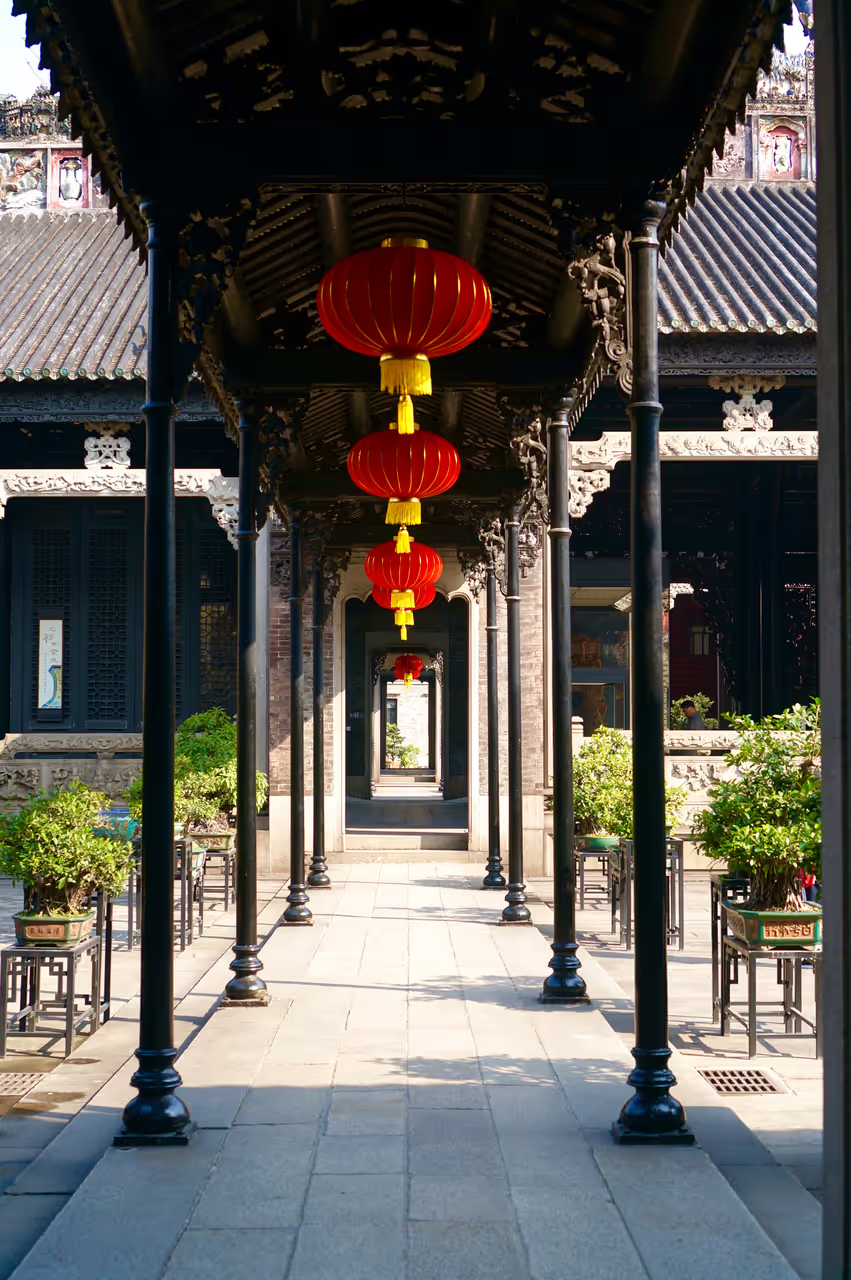
Step into a world of exquisite craftsmanship at the Chen Clan Ancestral Hall, often hailed as the crown jewel of Lingnan architecture. This sprawling complex is a visual feast, where every roof ridge, doorway, and pillar tells a story through incredibly detailed carvings and vibrant pottery. Originally built as a hub for students preparing for imperial exams, it now serves as a serene sanctuary for traditional folk art in the heart of Guangzhou. You will find yourself mesmerised by the intricate 'flying cod' figures on the rooftops and the delicate double-sided wood carvings that seem to defy the limits of the material. It is a place that feels both grand and intimate, offering a unique glimpse into the communal spirit and artistic pride of the Cantonese people. Visiting here is more than just a history lesson; it is an immersive experience into the soul of southern China's decorative traditions.
Videos
History of Chen Clan Ancestral Hall
In the late 19th century, two Cantonese men returning from America, Chen Ruinan and Chen Zhaonan, envisioned a grand sanctuary that would unite their vast lineage. They proposed a site that would serve dual purposes: a place to venerate their ancestors and an academy to house young clansmen as they prepared for the rigours of the imperial examinations. This was no small feat, as it required the financial backing of 72 different Chen clans spread across Guangdong province and the overseas diaspora. The result was a masterpiece of Lingnan architecture, completed in 1894, which stood as a testament to the wealth and cultural ambition of the family. The buildings themselves act as a silent library of Cantonese folklore and values. Every inch of the structure is saturated with meaning; the wood, stone, and brick carvings are not merely decorative but depict scenes from classic literature like the Romance of the Three Kingdoms and the Biography of Yue Fei. Symbols of prosperity, such as peonies and bats, are woven into the very fabric of the halls. This 'Three-Dimensional Book of Folk Art' allowed even those who could not read to understand the moral tales and historical legends of their heritage through visual storytelling. The hall's survival into the modern era is a story of ingenuity. During the turbulent years of the Cultural Revolution, when many historical sites faced destruction, local guardians devised a clever plan. By installing a printing press to publish the works of Chairman Mao within the temple walls, they rendered the building 'revolutionary' and untouchable, effectively shielding its ancient carvings from harm. Today, as the Guangdong Folk Art Museum, the hall continues to celebrate the artisan spirit of the region, standing as a proud survivor of Guangzhou's ever-changing urban landscape.
Events spanning 94 years
Fun Facts
- • Inside the Back Hall, ancestral tablets were historically arranged on massive 21-step wooden shelves.
- • Look up to see the flying cod figures on the roof; these half-dragon, half-fish creatures were believed to protect the building from fire.
- • One of the most famous brick carvings depicts the Northern Song story of Liu Qing taming a wild horse named 'the Wolf'.
- • The academy was nicknamed 'Chun-Ka-Che' in early Western maps and travel guides based on its Cantonese pronunciation.
- • The complex consists of 19 buildings, nine halls, and six courtyards, all perfectly arranged along a symmetric north-south axis.
- • The construction was funded by contributions from Chen family members living as far away as America, demonstrating the global reach of the clan.
- • The hall features iron engravings on its railings, a decorative technique that is surprisingly rare in traditional Cantonese architecture.
- • The plaster carvings, known locally as 'grass tails', extend up to 60 centimetres from the walls to create a dramatic 3D effect.
- • The ridge crest on the Gathering Hall is a staggering 27 metres long and contains 224 individual figures depicting traditional drama scenes.
- • The sixteen double-sided wood-carved screen doors in the Gathering Hall are so detailed that you can distinguish the individual facial expressions of the figures.
Chen Clan Ancestral Hall FAQ
While we strive to keep this information accurate and up to date, we recommend verifying any details independently before making decisions based on them.
Chen Clan Ancestral Hall Map & Neighborhood Explorer
This interactive map is centered on Chen Clan Ancestral Hall. Zoom in and move the map around to automatically discover Wikipedia photos and summaries of other nearby sights, monuments, and historical points of interest and stories in real-time!
Places near Chen Clan Ancestral Hall
Make the most of your trip. Check out these top-rated spots located nearby.
 1399m
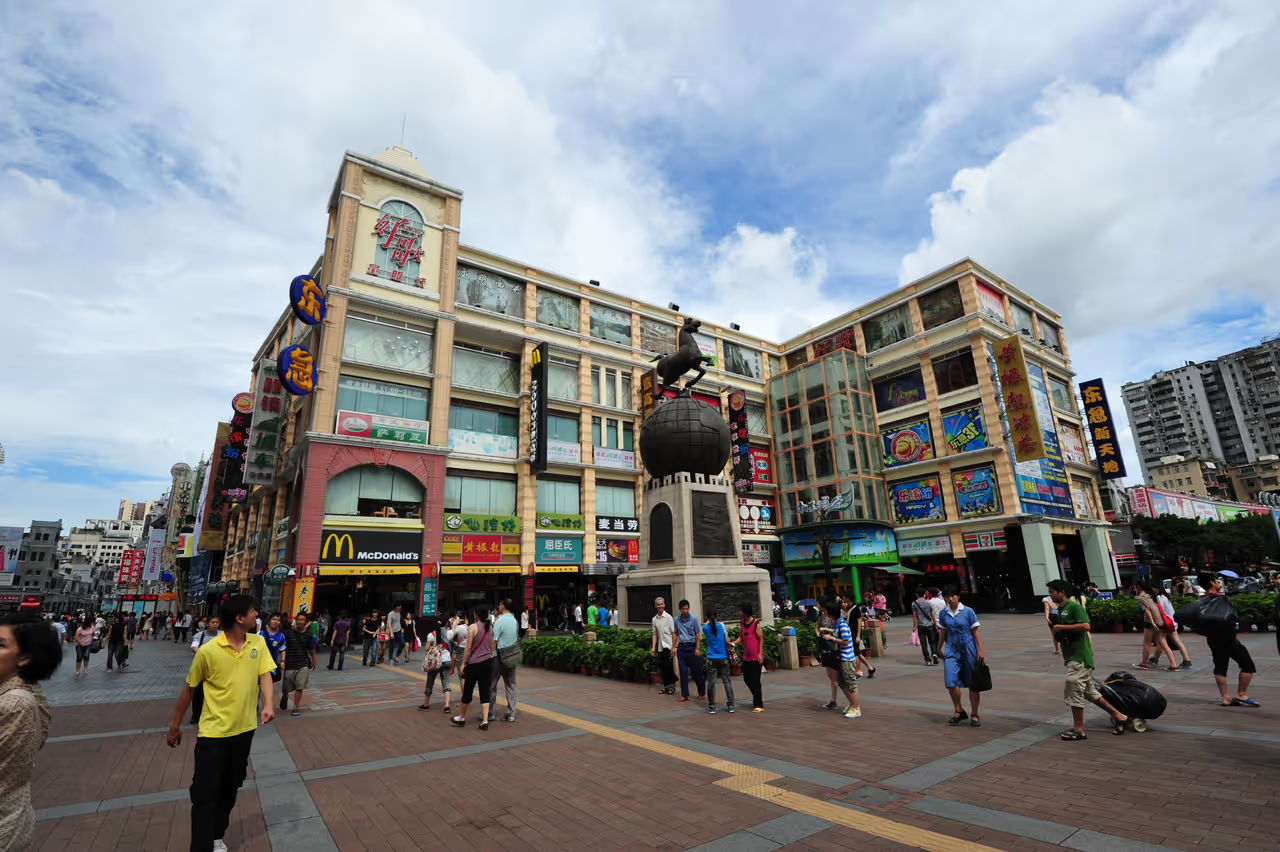
1399mShangxiajiu Pedestrian Street
Famous for its beautifully preserved arcade style architecture, this avenue offers a highly nostalgic shopping experience. It feels slightly more traditional and budget friendly compared to other major retail areas in the city. The street is heavily populated by historic bakeries selling traditional pastries and mooncakes. The illuminated facades create a wonderful, cinematic atmosphere once the sun goes down. Bargaining is common here, adding a fun element to browsing the local shops.
highlight view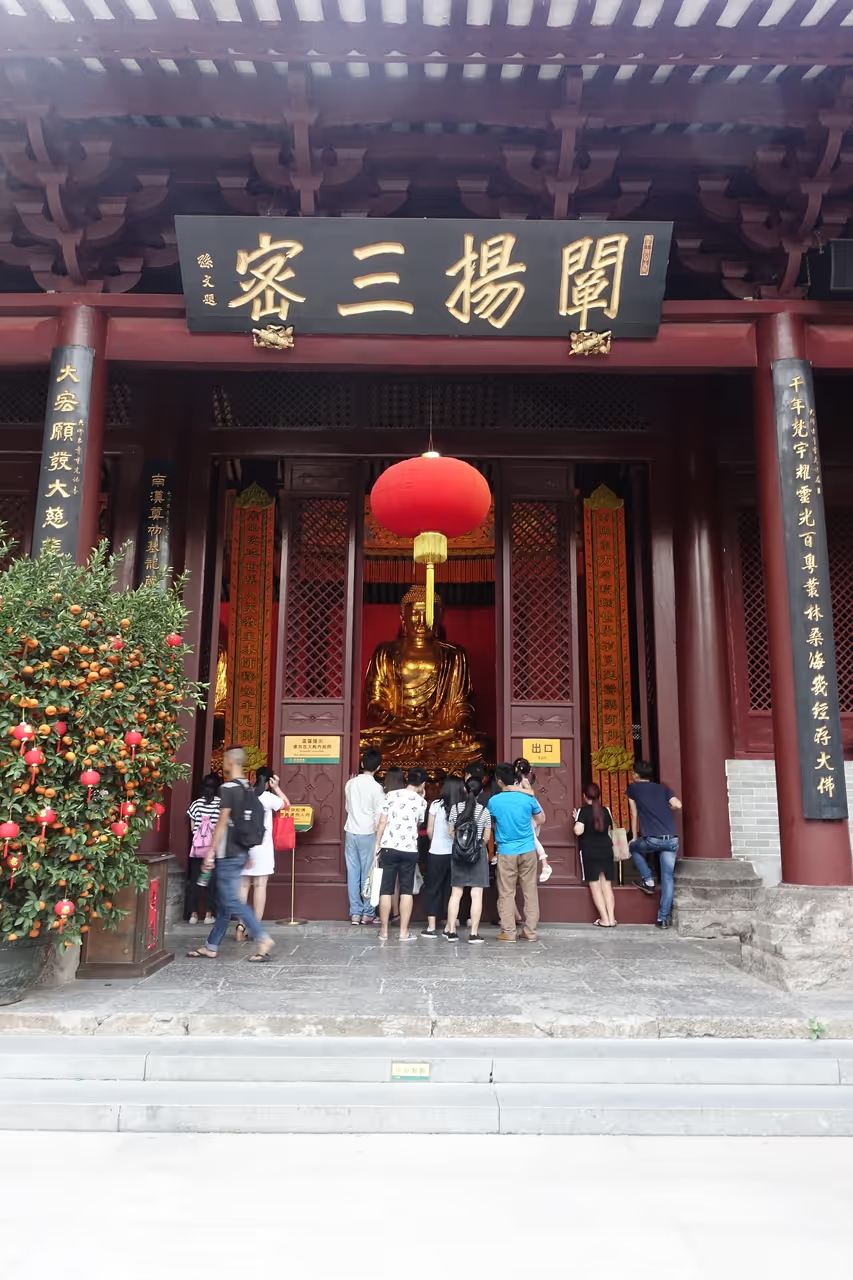 1474m
1474mTemple of the Six Banyan Trees
The Temple of the Six Banyan Trees stands as a serene sanctuary in the heart of Guangzhou, offering a glimpse into the city's profound spiritual heritage. Its most iconic feature, the Flower Pagoda, pierces the skyline with its colourful and ornate design, serving as a testament to the masterful architecture of the Song Dynasty. Wandering through the peaceful courtyards, you can escape the city's frenetic pace and appreciate the intricate statues and the scent of incense that drifts through the air. This site is deeply meaningful for many international families who visit to seek blessings for their adopted children, adding a layer of emotional warmth to its long history. Visiting provides a rare opportunity to connect with ancient traditions and find a quiet moment of reflection. The temple remains a living piece of history where the legacy of great poets and devoted monks continues to be honoured today.
attraction view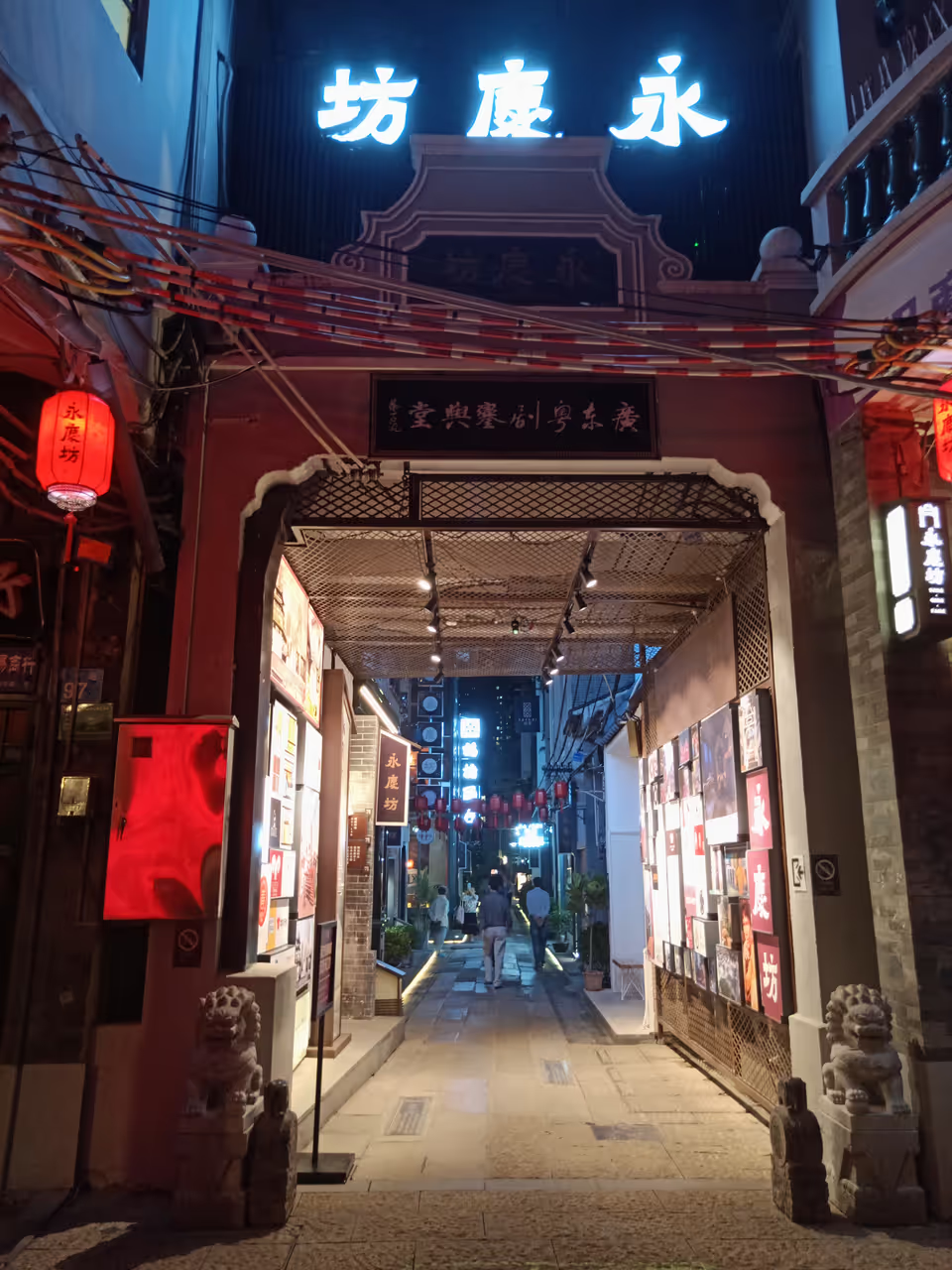 1487m
1487mYongqing Fang
This beautifully revitalised historical alleyway is a masterclass in urban regeneration. Traditional brick houses have been restored to house boutique tea shops, independent bookstores, and cultural exhibits, including the ancestral home of Bruce Lee. Walking through here gives a highly polished, aesthetic view of the old western suburbs. It is particularly enchanting during traditional festivals when fish lanterns illuminate the cobblestones. It is a fantastic spot for picking up high quality, artisan souvenirs.
hidden gem view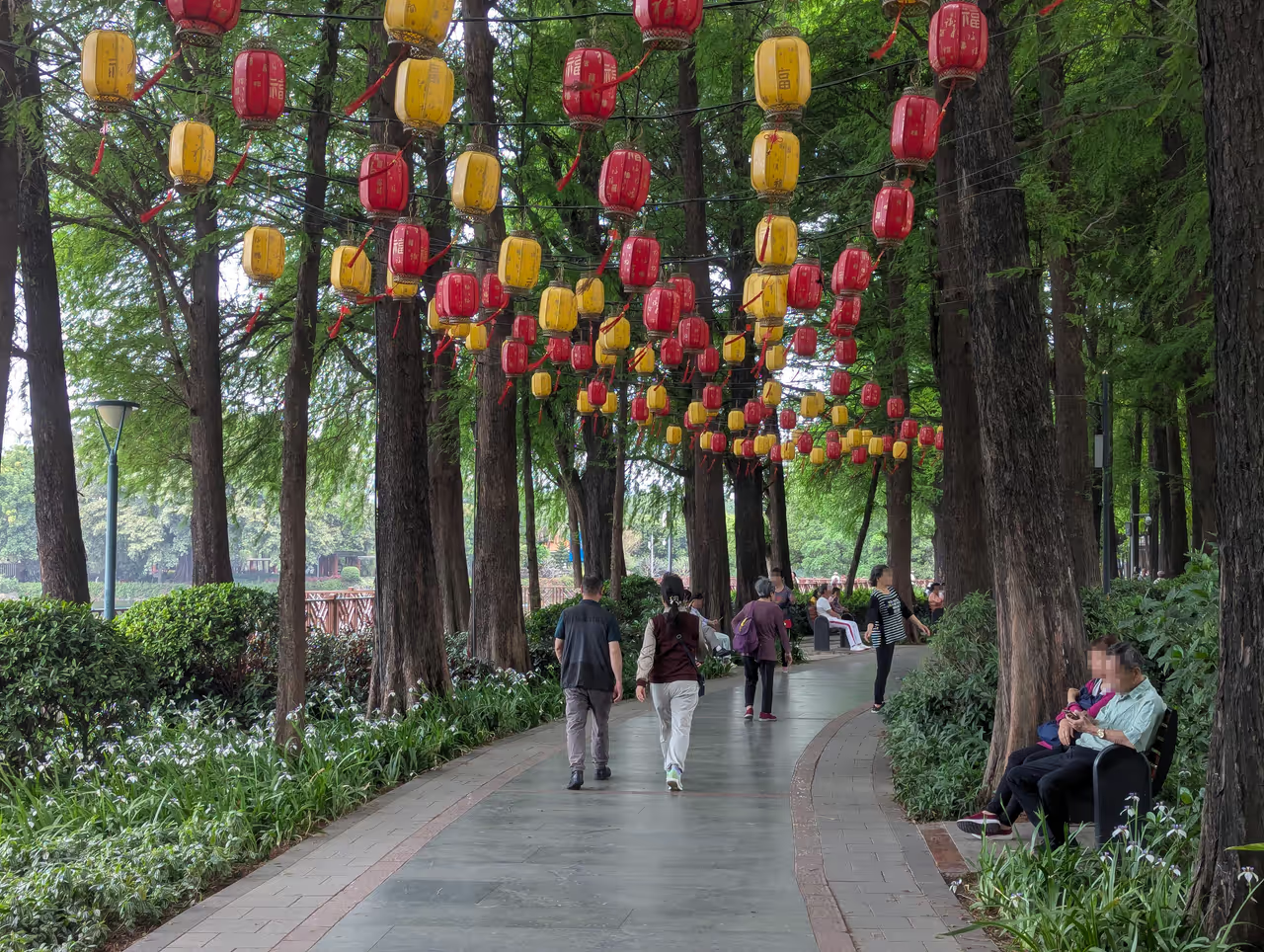 1547m
1547mLiuhua Lake Park
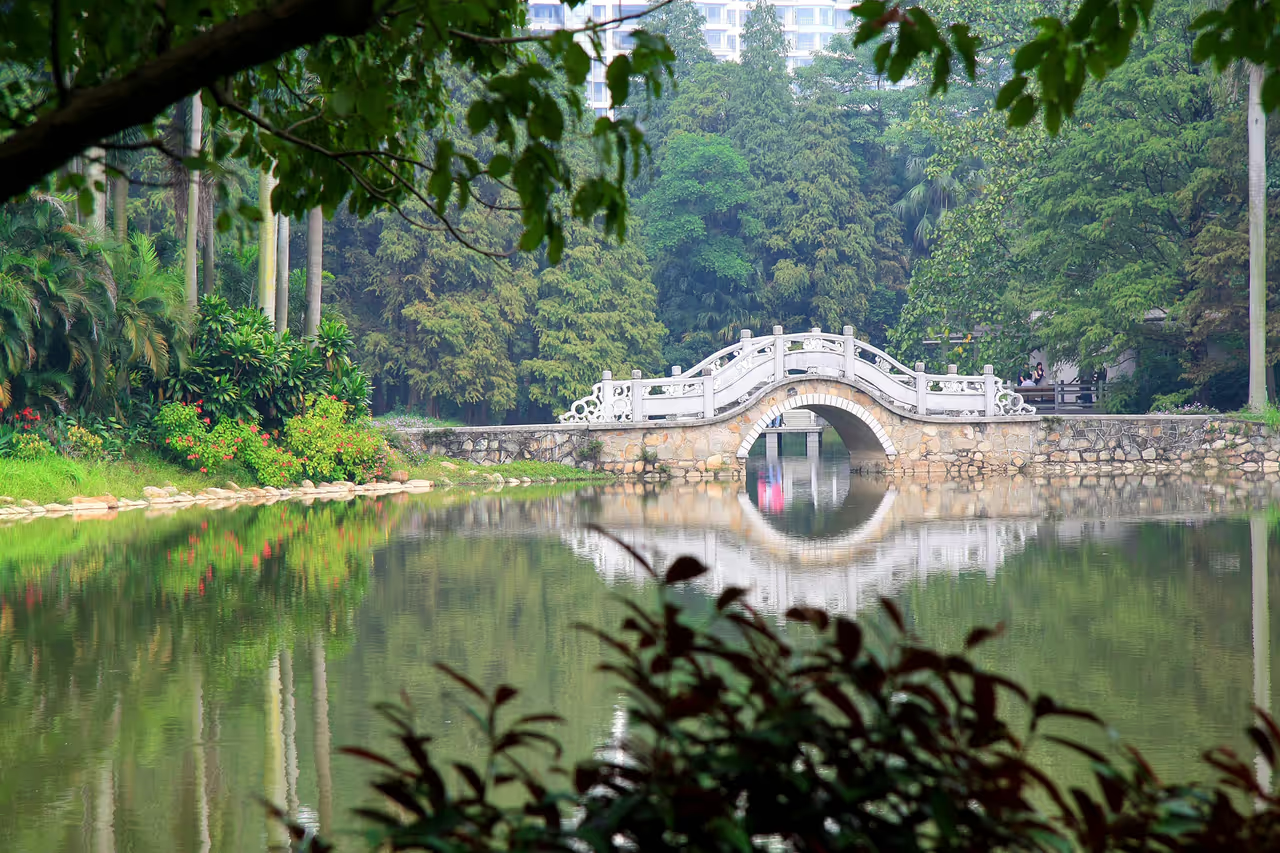
Built around an expansive artificial lake, this historic park was originally constructed to combat city flooding before blossoming into a beloved local sanctuary. It features classical southern Chinese landscaping, complete with arched bridges, quiet pavilions, and lush palm trees. Tucked away from the main tourist trails, it is overwhelmingly frequented by locals practising slow martial arts, playing traditional instruments, or engaging in spirited games of badminton. One of its most quirky features is the White House, a striking, European style castle sitting mysteriously in the middle of the water. It offers an incredibly authentic, deeply relaxing slice of everyday civic life.
hidden gem view
Explore Similar Places in This Collection
Featured on These Itineraries and Routes
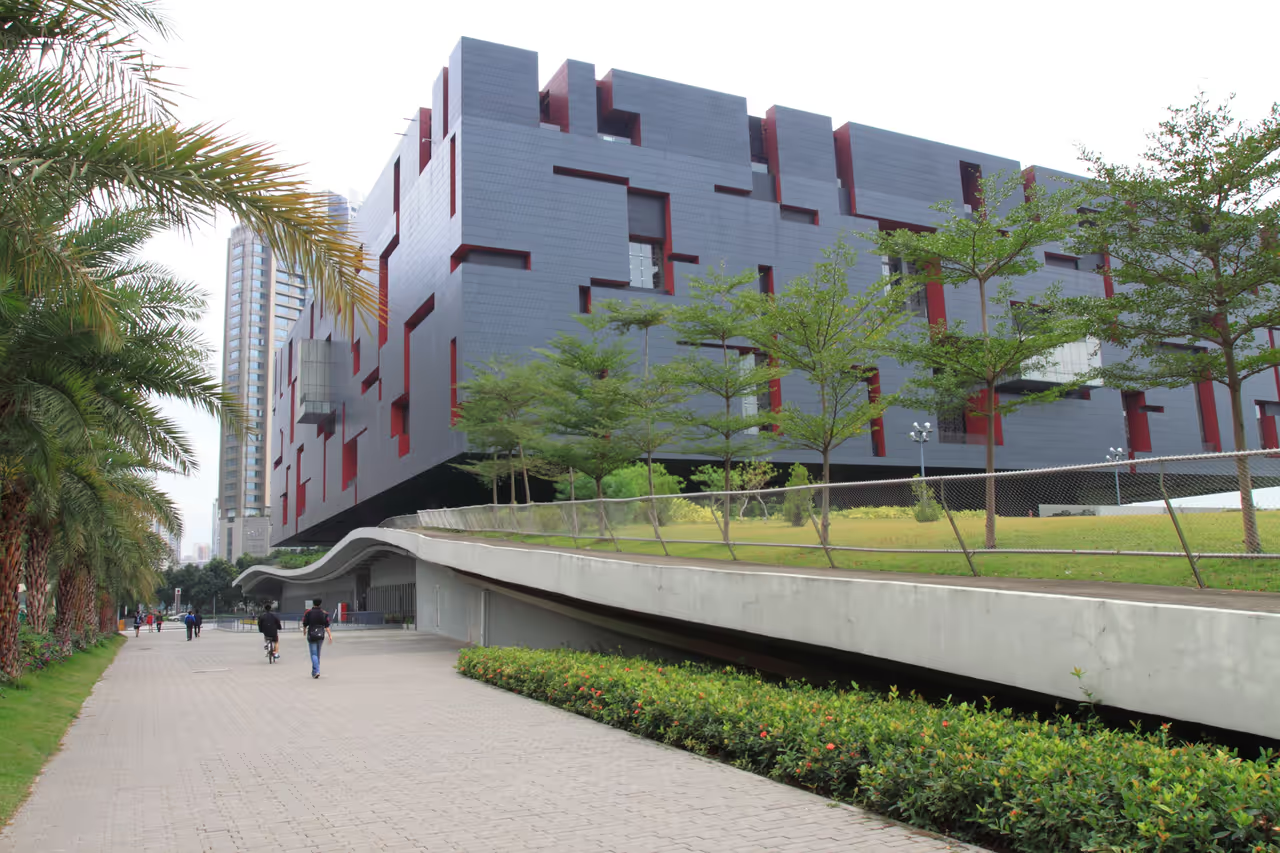
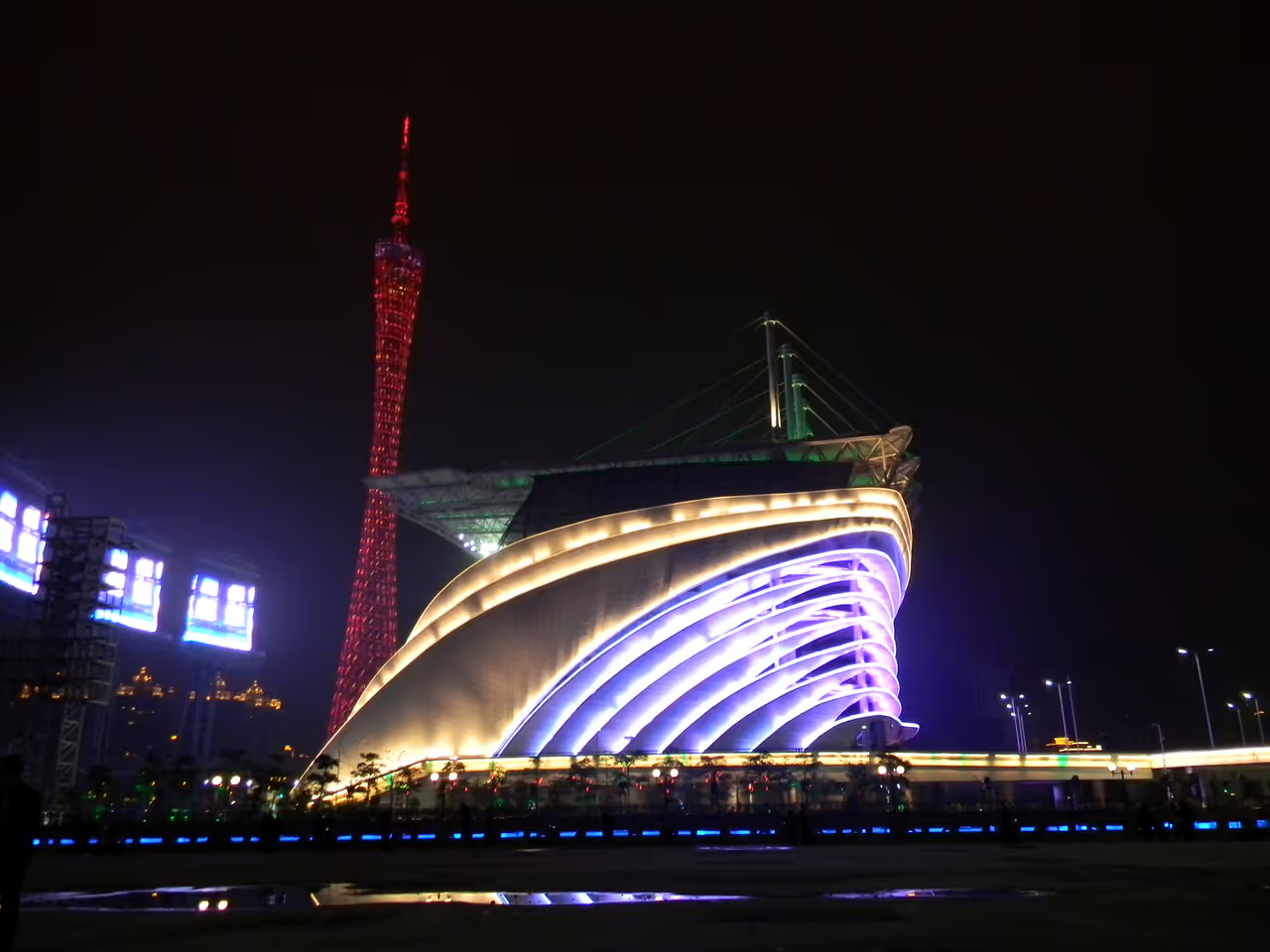
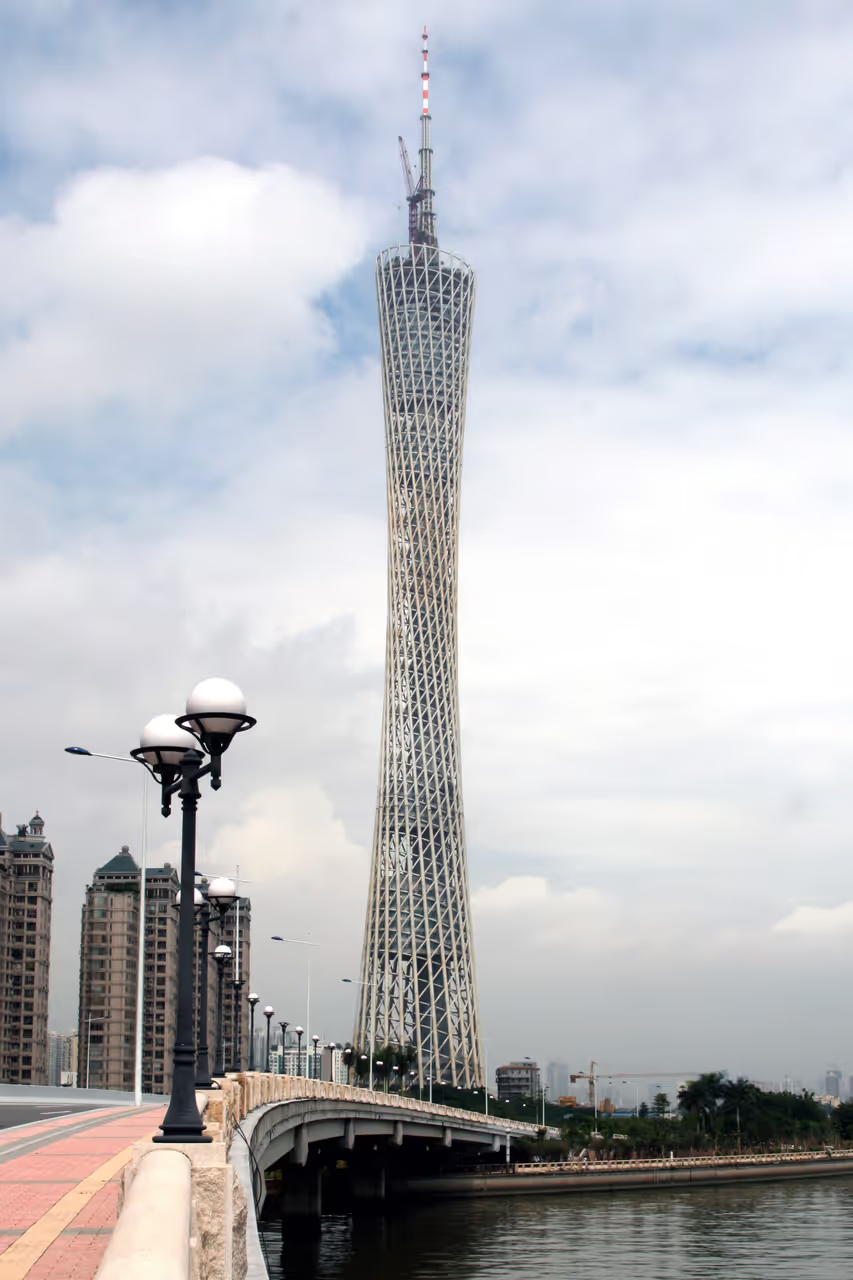

3 Days in Guangzhou: Cultural Immersion Itinerary
This balanced journey allows you to deeply explore the various distinct personalities of the city. One day is dedicated entirely to the cutting edge modern district, showcasing extreme engineering and wealth. Another day delves into the highly traditional western suburbs, focusing on ancient temples and historic shopping streets. The final day uncovers royal history and massive green parks. It is the ideal timeframe for a comprehensive, highly satisfying metropolitan adventure.
view itinerary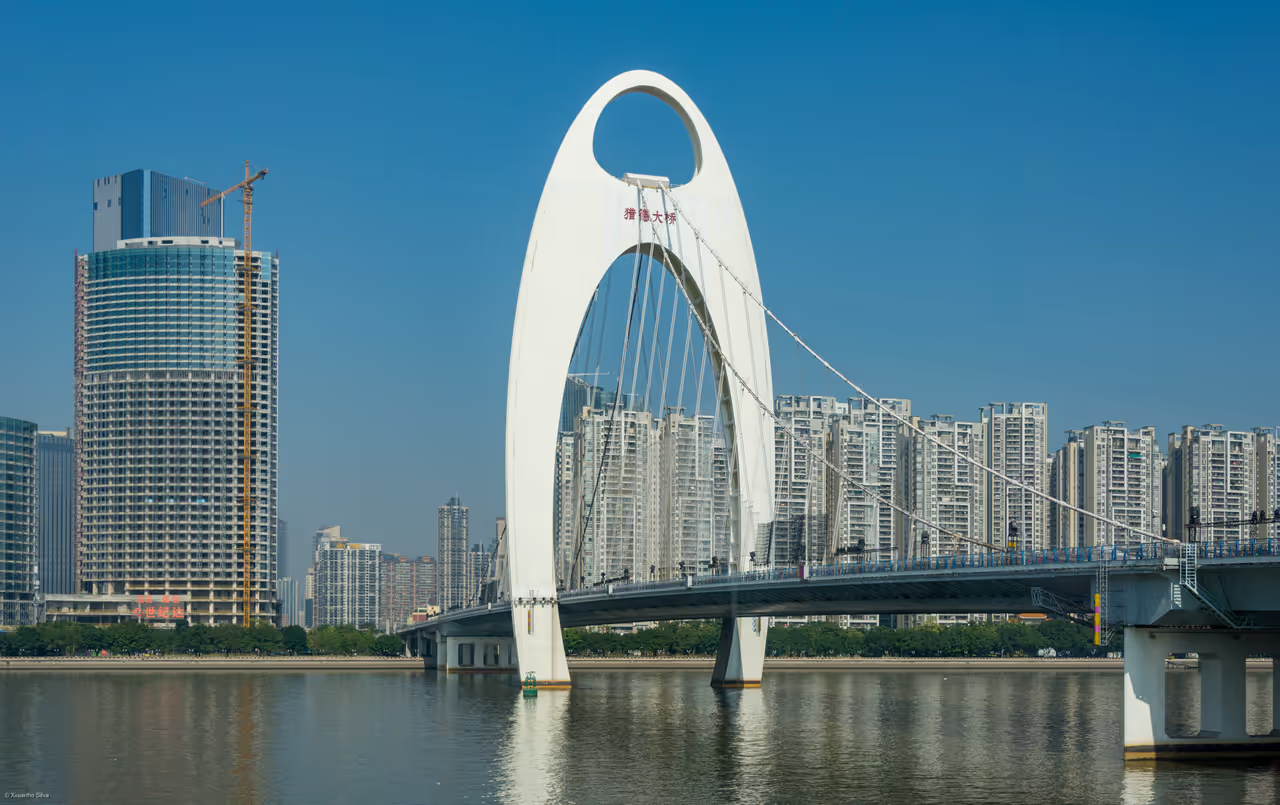
5 Days in Guangzhou: Comprehensive Exploration Itinerary
With five days, you can transition from the frantic urban core to the highly peaceful natural and historical suburbs. This itinerary covers all the monumental sights but also allows time for mountain hiking and botanical discovery. You will venture into historic river ports where the global tea trade once thrived. It offers a highly nuanced, expansive view of the entire region. This is the ultimate way to truly understand the depth of southern Chinese culture.
view itinerary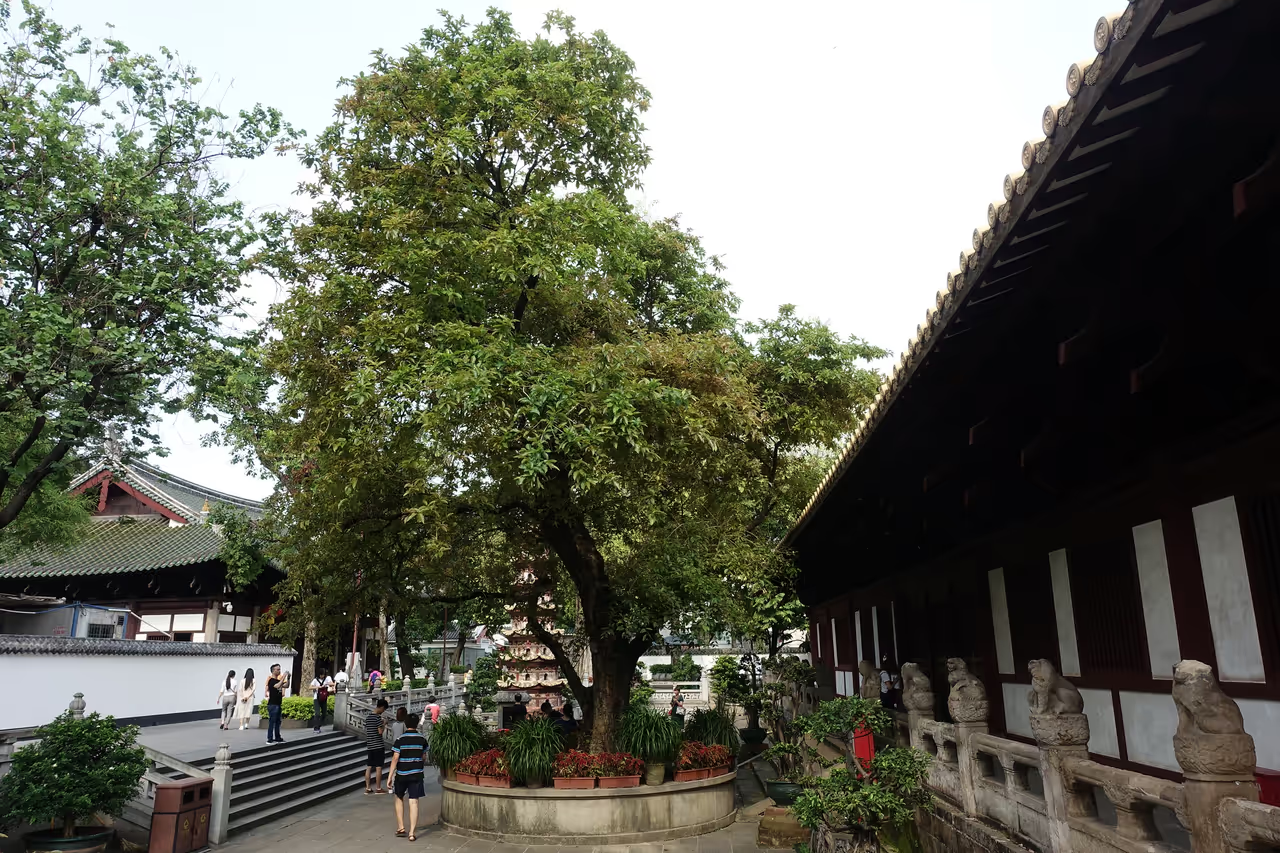
Old Canton Heritage
This journey delves deep into the traditional heart of the city, exploring its most sacred and historic sites. You will navigate through bustling alleyways where the scent of burning incense mixes with street food. The architecture transitions from majestic Buddhist temples to intricately carved ancestral halls. It provides a profound understanding of how ancient traditions survive in a highly modernised society. This is the ultimate route for history buffs and culture lovers.
view self-guided tour
See all attractions in Guangzhou
Canton Tower, Guangdong Museum, Sacred Heart Cathedral, Mausoleum Of The Nanyue King, Shamian Island, Sun Yat-sen Memorial Hall, Temple of the Six Banyan Trees...