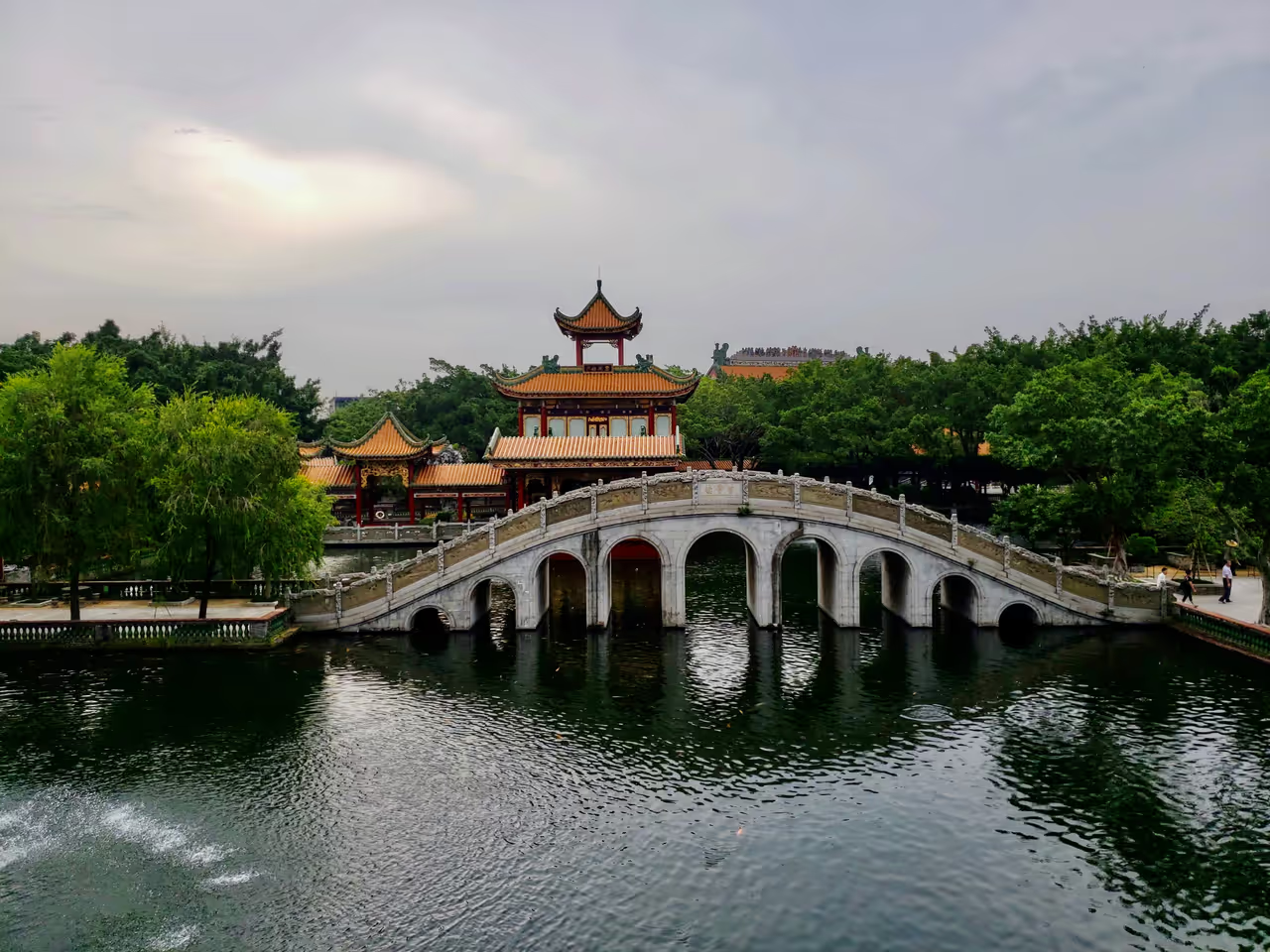
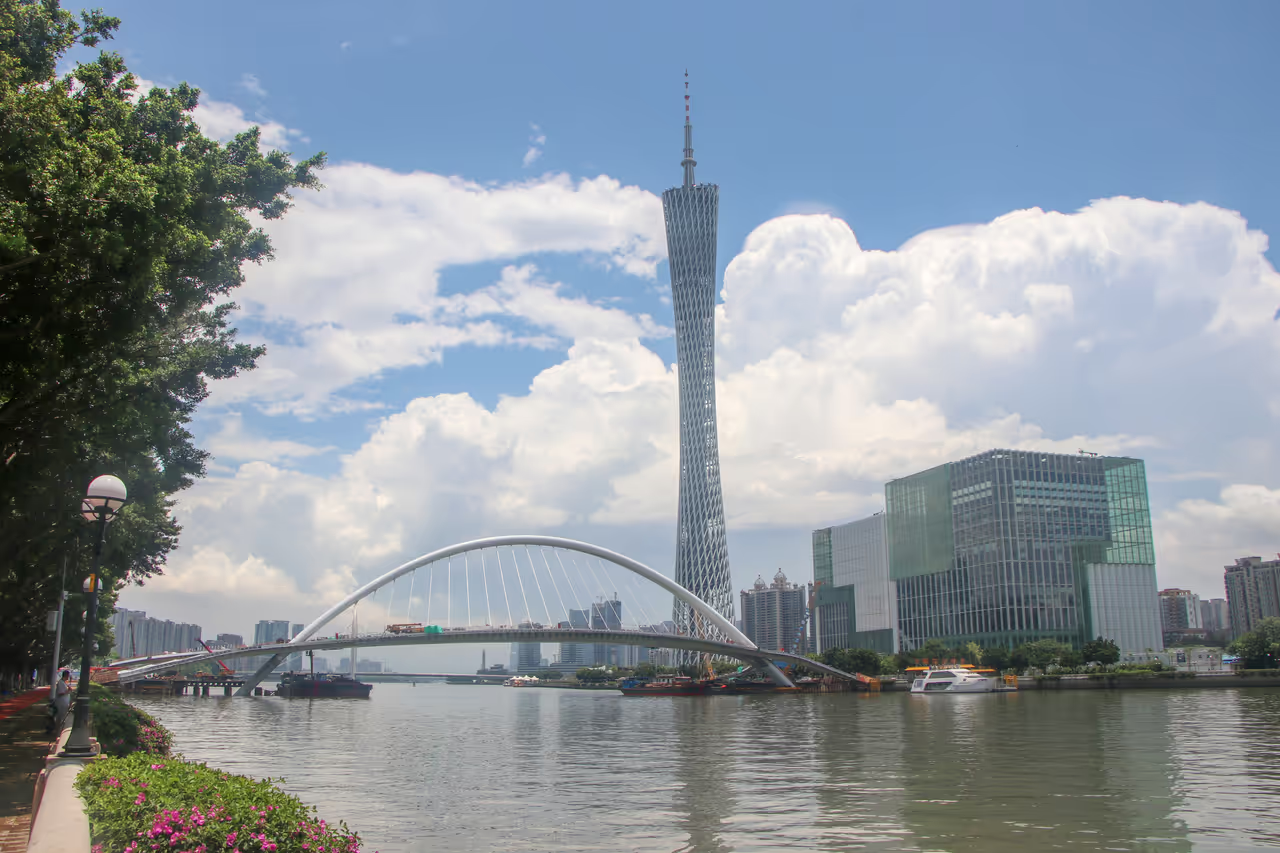
Hidden Gems & Local Secrets in Guangzhou

Step off the tourist trail and experience the authentic side of the city. We've bypassed the crowded landmarks to uncover the best-kept local secrets—from quiet neighborhood courtyards to underground art scenes. Dive into the forgotten histories and unique stories that make these spots truly special.

  • Yongqing Fang

    永庆坊
    2 H

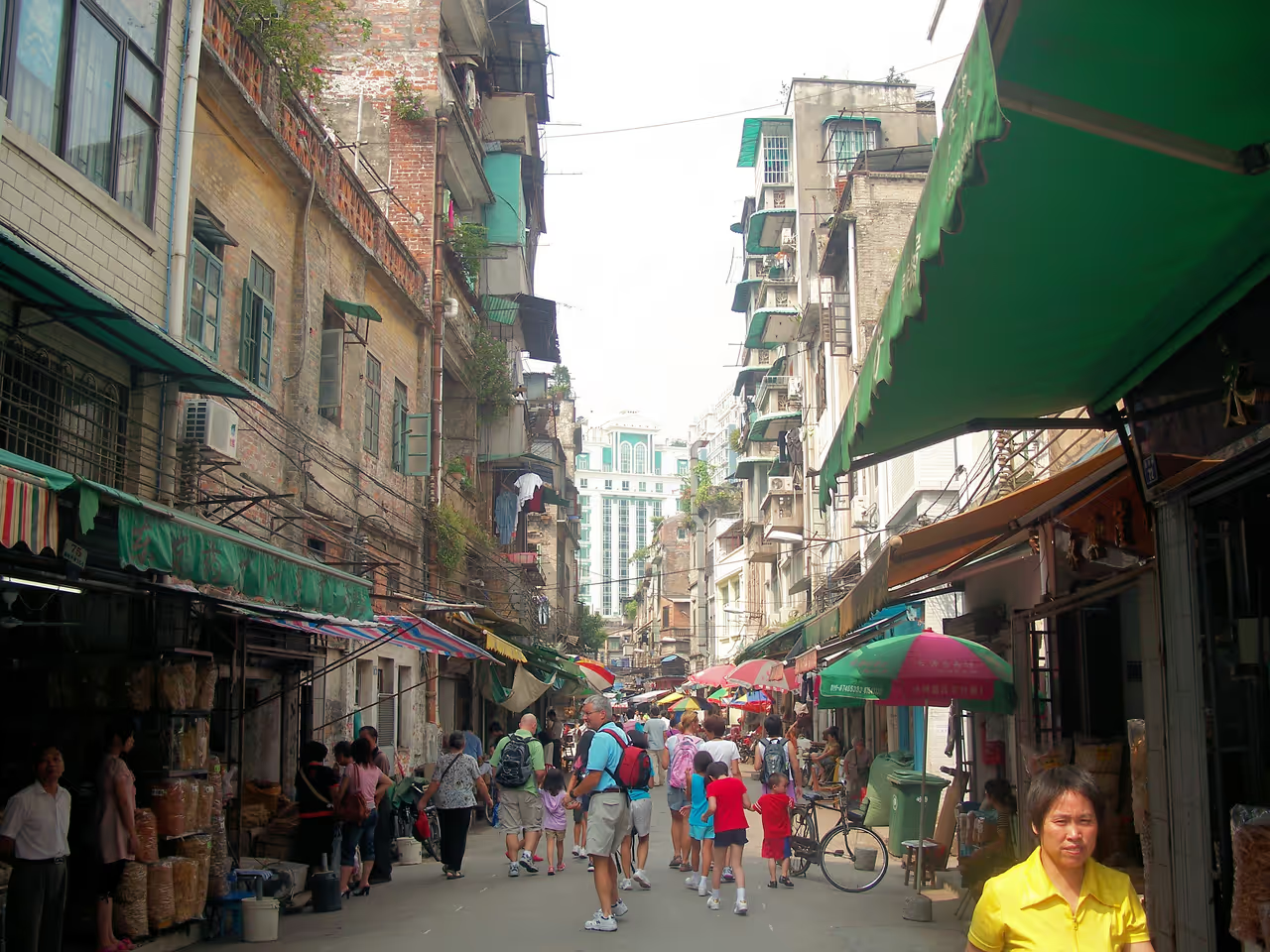
    This beautifully revitalised historical alleyway is a masterclass in urban regeneration. Traditional brick houses have been restored to house boutique tea shops, independent bookstores, and cultural exhibits, including the ancestral home of Bruce Lee. Walking through here gives a highly polished, aesthetic view of the old western suburbs. It is particularly enchanting during traditional festivals when fish lanterns illuminate the cobblestones. It is a fantastic spot for picking up high quality, artisan souvenirs.

    HISTORY & HIGHLIGHTS

    Situated in the heart of the historic western suburbs, this densely packed neighbourhood was once the vibrant centre of local commerce and traditional opera. It was characterised by densely built residential compounds that housed multiple generations of prominent merchant families. However, as the city expanded eastward in the late twentieth century, the area fell into severe disrepair, facing the threat of total demolition. Rather than bulldozing the history, a massive preservation effort was launched to carefully restore the architectural heritage while injecting new economic life. The meticulous restoration transformed the decaying alleyways into a highly celebrated cultural district. It now stands as a proud testament to the city's commitment to honouring its past, successfully blending the nostalgia of old Cantonese life with contemporary arts and retail.
    Events spanning 166 years

    YEAR 1850

    Initial Settlement

    The area developed as a wealthy merchant enclave outside the original city walls during the Qing dynasty.

    YEAR 1940

    Bruce Lee Ancestral Home Built

    The family of the legendary martial artist established their residence in this vibrant neighbourhood.

    YEAR 2016

    Urban Regeneration Project

    The city launched a highly successful micro renovation project to save the historic street from demolition.

    LOCATION

    Loading map...
  • Guangzhou Orchid Garden

    广州兰圃
    1 H 30 M

    Tucked away just steps from one of the heaviest transport hubs in the city, this exquisite botanical sanctuary is a masterclass in classical southern landscape design. The garden specialises in cultivating thousands of rare orchids that bloom in a staggering variety of colours and fragrances. Narrow winding paths lead visitors past trickling waterfalls, koi ponds, and beautifully sculpted stone archways. It is astonishingly peaceful, offering a profound sense of quiet observation away from the urban chaos. Several traditional tea houses are hidden within the foliage, where you can sip highly aromatic local brews while admiring the meticulous horticulture. It is a deeply authentic, meditative retreat that most tourists walk right past.

    HISTORY & HIGHLIGHTS

    Long before it became a highly revered sanctuary for delicate flora, this plot of land served a much more utilitarian purpose as a humble botanical nursery. In the mid twentieth century, city planners recognised the urgent need to cultivate subtropical plants to decorate the expanding urban avenues. It was a purely functional space, focused entirely on growing saplings and researching plant hardiness for the rapidly modernising metropolis. As the city developed, a profound appreciation for traditional horticulture sparked a magical transformation of the grounds. The modest nursery was painstakingly redesigned to highlight the elegant, refined beauty of the orchid, a flower deeply revered in local culture as a symbol of nobility and quiet grace. Master landscape architects were brought in to sculpt the terrain, adding classical pavilions, moon gates, and serene water features that perfectly mimicked ancient southern estates. Today, the garden stands as a triumphant celebration of indigenous landscaping and botanical preservation. It successfully masks the intense noise of the surrounding commercial districts, offering a pristine environment where historic tea drinking rituals are still practised daily. It represents a beautiful commitment to protecting delicate natural heritage amidst relentless concrete expansion.

    Events spanning 46 years

    YEAR 1952

    Botanical Nursery Established

    The grounds were originally cleared and organised to serve as a functional plant specimen nursery for the growing municipality.

    YEAR 1957

    Transformation into an Orchid Sanctuary

    The space was completely redesigned with classical pavilions and dedicated exclusively to the cultivation and study of rare orchids.

    YEAR 1998

    Comprehensive Landscape Restoration

    The gardens underwent meticulous upgrades to enhance their traditional southern architecture and expand the historic tea houses.

    LOCATION

    Loading map...
  • Huangpu Gu Gang

    黄埔古港
    3 H

    This peaceful waterfront village is the actual historic anchorage where countless foreign trading ships docked centuries ago. Today, it retains a wonderfully slow paced atmosphere, with old stone paths and heritage ancestral halls. It is a fantastic place to sample highly authentic, cheap local snacks like ginger milk curd directly from small vendors. The area feels like a time capsule, entirely removed from the commercial intensity of the modern centre. Exploring the small museums here reveals the fascinating history of maritime trade.

    HISTORY & HIGHLIGHTS

    For centuries, this quiet harbour was the beating heart of global commerce, acting as the mandatory checkpoint for all foreign vessels entering the region. During the height of the Canton System, grand clipper ships from Europe and America would drop anchor here, unable to proceed further up the shallow river. It was a chaotic, cosmopolitan meeting point where foreign sailors, local merchants, and imperial customs officials interacted. The immense wealth generated from the tea and silk trades funded the grand ancestral halls that still stand in the village today. As steamships replaced sails and deep water ports were constructed closer to the ocean, the bustling harbour gradually fell into obsolescence. The foreign merchants moved away, and the village reverted to a quiet, rural existence. This economic decline, however, perfectly preserved its historic architecture and traditional way of life. Today, it stands as a poignant, living museum of the maritime silk road, offering a rare glimpse into the era when a small local port connected an empire to the rest of the world.

    Events spanning 103 years

    YEAR 1757

    Establishment as a Customs Checkpoint

    The imperial court designated this harbour as the official anchorage and customs inspection point for all foreign trading vessels.

    YEAR 1784

    Arrival of the Empress of China

    The first American merchant ship arrived at the port, establishing direct trade relations with the newly formed United States.

    YEAR 1860

    Port Obsolescence

    Following the opening of deeper ports and the introduction of large steamships, commercial maritime traffic abandoned the historic anchorage.

    LOCATION

    Loading map...
  • Liuhua Lake Park

    流花湖公园
    2 H

    Built around an expansive artificial lake, this historic park was originally constructed to combat city flooding before blossoming into a beloved local sanctuary. It features classical southern Chinese landscaping, complete with arched bridges, quiet pavilions, and lush palm trees. Tucked away from the main tourist trails, it is overwhelmingly frequented by locals practising slow martial arts, playing traditional instruments, or engaging in spirited games of badminton. One of its most quirky features is the White House, a striking, European style castle sitting mysteriously in the middle of the water. It offers an incredibly authentic, deeply relaxing slice of everyday civic life.

    HISTORY & HIGHLIGHTS

    In the mid twentieth century, the city faced severe challenges with seasonal flooding that frequently devastated the surrounding neighbourhoods. To solve this, a massive civic engineering project was launched, mobilising thousands of local volunteers to manually dig a vast reservoir system. The resulting artificial lakes effectively managed the floodwaters and laid the foundation for an expansive public green space. Over the decades, the utilitarian reservoir was meticulously landscaped with classical pavilions, winding causeways, and vibrant tropical flora. It evolved into a vital community hub where generations of residents have come to socialise, exercise, and escape the dense urban environment. Today, it remains a proud testament to the collective effort of the citizens, transforming a natural hazard into one of the most serene and culturally rich parks in the metropolis.

    Events spanning 34 years

    YEAR 1958

    Reservoir Excavation

    Thousands of local volunteers were mobilised to manually dig the artificial lake to control seasonal flooding.

    YEAR 1959

    Public Park Inauguration

    The meticulously landscaped area was officially opened to the public, providing a massive new green space for residents.

    YEAR 1992

    Construction of the White House

    A highly unusual, European style palatial structure was built on the water, becoming an iconic and quirky local landmark.

    LOCATION

    Loading map...

    FULL PLACE DETAILS

    WEB & AMENITIES

  • Taikoo Warehouse Pier

    太古仓码头
    2 H

    Once a bustling storage facility for a British shipping company, these massive red brick warehouses have been converted into a highly atmospheric entertainment district. Situated right on the river, it is now filled with chic wine bars, seafood restaurants, and a boutique cinema. The industrial architecture provides a striking backdrop for evening strolls and waterfront dining. It is significantly less crowded than the main bar streets, making it popular for dates and quiet dinners. The sunset views over the water here are spectacular.

    HISTORY & HIGHLIGHTS

    Constructed in the early twentieth century by a massive British trading conglomerate, these sturdy brick warehouses were essential to the global logistics network. They stored immense quantities of sugar, tea, and manufactured goods waiting to be loaded onto ocean going freighters. For decades, the wharves were a hive of intense, backbreaking labour, operating around the clock to fuel international trade. As shipping container technology revolutionised global transport, these historic shallow water piers became obsolete. The massive warehouses sat empty and decaying for years until a visionary redevelopment plan was enacted. Today, the industrial grit has been perfectly preserved and repurposed, transforming a symbol of heavy manual labour into a sophisticated leisure destination that celebrates its maritime heritage.

    Events spanning 106 years

    YEAR 1904

    Warehouse Construction

    The British firm Butterfield and Swire constructed the massive brick storage facilities to support their expanding shipping empire.

    YEAR 1990

    Cease of Commercial Shipping

    Modern container ships forced the closure of the historic shallow wharves, leaving the warehouses abandoned.

    YEAR 2010

    Transformation into Leisure District

    The historic structures were officially reopened as a trendy waterfront entertainment and dining zone.

    LOCATION

    Loading map...

    FULL PLACE DETAILS

    ARCHITECTURE & HERITAGE

    Architects
    ArquitectonicaThornton Tomasetti

    WEB & AMENITIES

  • Xiaozhou Village

    小洲村
    2 H 30 M

    Tucked away in the southern districts, this village is a maze of ancient canals, fruit orchards, and historic oyster shell houses. In recent years, it has attracted a bohemian crowd of artists and students who have opened quirky cafes and small studios. Wandering the narrow alleys feels highly adventurous, as you constantly stumble upon hidden galleries and quiet waterside patios. It offers a rare look at the traditional water village lifestyle that once dominated the delta. The contrast between local farmers and young creatives makes for excellent people watching.

    HISTORY & HIGHLIGHTS

    Founded hundreds of years ago, this settlement was built around a highly complex network of tidal canals that served as the primary roads for local farmers. The residents ingeniously utilised oyster shells harvested from the nearby coast to build their homes, creating walls that were incredibly durable and naturally insulated. For generations, life here was dictated by the rhythm of the tides and the seasonal harvests of local fruit orchards. As the metropolis rapidly expanded in the late twentieth century, this isolated pocket managed to resist heavy industrialisation. Its affordable rents and highly picturesque scenery eventually caught the attention of artists and creatives seeking an escape from the concrete city. Today, it exists as a fascinating cultural hybrid, where elderly locals selling homegrown produce share the narrow alleys with avant garde galleries and independent coffee shops.

    Events spanning 637 years

    YEAR 1368

    Village Foundation

    The settlement was established during the Yuan dynasty by families seeking fertile land along the tidal waterways.

    YEAR 1600

    Construction of Oyster Shell Houses

    Locals began utilising massive oyster shells from the delta to construct highly weather resistant homes, a technique unique to the region.

    YEAR 2005

    Artistic Revival

    A wave of artists and university students began moving into the historic houses, transforming the agricultural village into a creative hub.

    LOCATION

    Loading map...
  • Xifang Compound

    西坊大院
    1 H 30 M

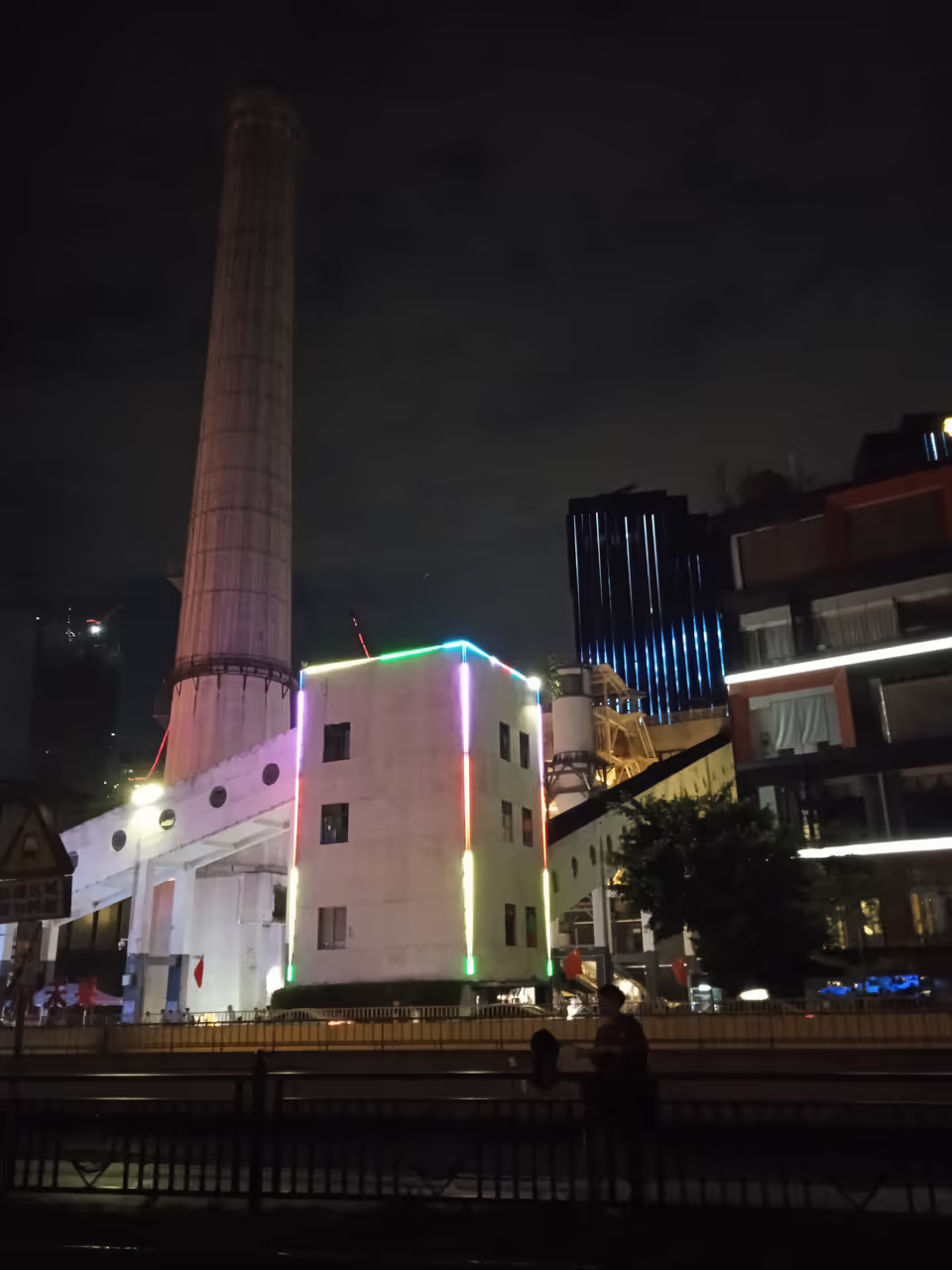
    Located in the older suburban district, this area is a wonderfully nostalgic tribute to local mid century history. Old factory buildings and dormitories have been transformed into highly creative spaces filled with vintage memorabilia and small workshops. Walking around feels like stepping onto a retro film set, complete with classic neon signs and old bicycles. It is a fantastic, highly photogenic location to discover independent designers and local craft makers. It remains largely unknown to international tourists.

    HISTORY & HIGHLIGHTS

    Originally built as a state owned agricultural machinery factory, this massive compound was a microcosm of mid century industrial life. It contained not just workshops, but highly organised worker dormitories, canteens, and communal spaces, representing the planned economy era. For decades, it was a self sustaining community that drove local agricultural development. When the factory eventually closed, the vast compound lay dormant until creative entrepreneurs recognised its highly nostalgic potential. Rather than demolishing the utilitarian buildings, they carefully curated the space to celebrate the aesthetics of the past. It has blossomed into a thriving creative park that honours the hardworking spirit of the previous generation while fostering modern artistic enterprise.

    Events spanning 62 years

    YEAR 1958

    Factory Establishment

    The state constructed the massive industrial complex to produce agricultural machinery for the surrounding farming communities.

    YEAR 2000

    Industrial Decommissioning

    The factory ceased operations as the local economy transitioned away from heavy manufacturing.

    YEAR 2020

    Creative Park Opening

    The revitalised compound opened to the public, offering a highly nostalgic space for art and commerce.

    LOCATION

    Loading map...
KEEP EXPLORING

More to see in Guangzhou