Temple of the Six Banyan Trees
The Temple of the Six Banyan Trees stands as a serene sanctuary in the heart of Guangzhou, offering a glimpse into the city's profound spiritual heritage. Its most iconic feature, the Flower Pagoda, pierces the skyline with its colourful and ornate design, serving as a testament to the masterful architecture of the Song Dynasty. Wandering through the peaceful courtyards, you can escape the city's frenetic pace and appreciate the intricate statues and the scent of incense that drifts through the air. This site is deeply meaningful for many international families who visit to seek blessings for their adopted children, adding a layer of emotional warmth to its long history. Visiting provides a rare opportunity to connect with ancient traditions and find a quiet moment of reflection. The temple remains a living piece of history where the legacy of great poets and devoted monks continues to be honoured today.
Videos
History of Temple of the Six Banyan Trees
The Temple of the Six Banyan Trees has witnessed the ebb and flow of empires since its founding in the sixth century. Commissioned by Emperor Wu of the Liang Dynasty to house sacred relics brought from Cambodia, the site, then called Baozhuangyan Temple, became an immediate beacon for Buddhist devotion. This early establishment set a precedent for spiritual significance that would endure for over a millennium, surviving political upheavals and architectural decay. The identity of the temple shifted dramatically during the Song Dynasty, a golden age for the arts and culture in China. The celebrated poet Su Shi, known for his deep appreciation of the natural world, visited the temple and was struck by the sight of six ancient banyan trees shading the grounds. His tribute to the trees through his poetry was so profound that the temple was renamed in their honour, a title that has persisted through the centuries and reflects the deep connection between Chinese spirituality and nature. During this same period, the iconic Flower Pagoda was erected, fundamentally changing the landscape of the temple. Designed with an octagonal base and a multi-storeyed silhouette that seemed to bloom like a petal toward the sky, the pagoda became a masterclass in Song Dynasty architectural engineering. Despite facing the threat of fire and the passage of time, the temple and its pagoda have been meticulously maintained, preserving a lineage of devotion that allows modern visitors to walk the same paths as monks and scholars from a thousand years ago.
Events spanning 1363 years
Fun Facts
- • In 1918, the pagoda appeared on a one dollar specimen banknote issued by the Kwangtung Provincial Bank, cementing its status as a local icon.
- • It has served as a pivotal centre for international families, specifically those from the West adopting children from China, who seek spiritual blessings in front of the Guan Yin statue.
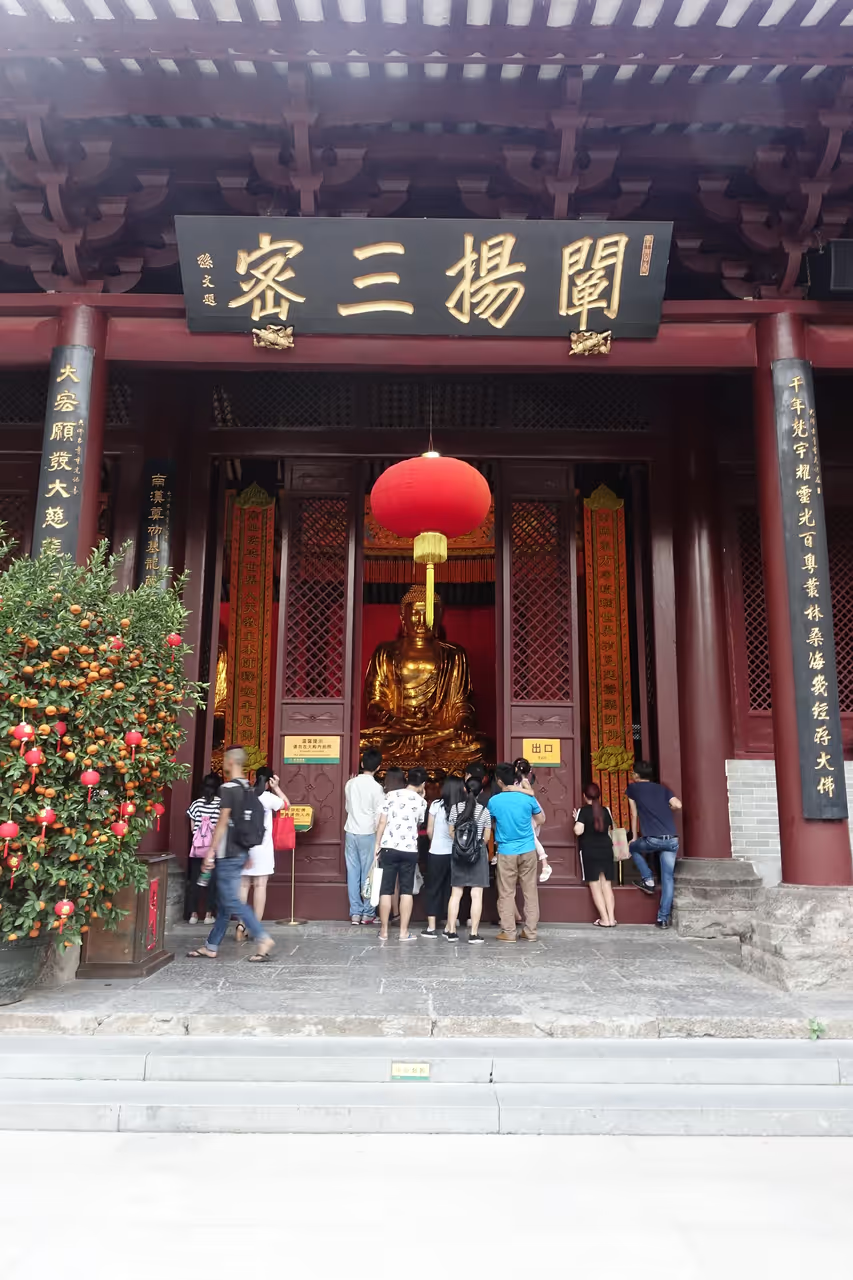
- • It houses a magnificent bronze statue of the Amitabha Buddha, which is one of the oldest and largest in Guangdong Province.
- • Originally known as Baozhuangyan Temple, the site was constructed to house sacred relics of Buddhist saints brought from Cambodia.
- • The famous name comes from the renowned Song Dynasty poet Su Shi, who visited the temple and observed six banyan trees, inspired enough to pen a poem about them.
- • The pagoda earned its evocative name because its colourful, patterned exterior resembles a vibrant flower rising towards the heavens.
- • The temple complex acts as an active place of worship where daily rituals and chanting can still be heard by visitors.
- • The temple has survived multiple fires and destructions throughout the centuries, requiring major reconstructions during both the Song and Ming Dynasties.
- • Unlike many other pagodas of its era which featured square bases, the Flower Pagoda stands out for its unique octagonal design.
Temple of the Six Banyan Trees FAQ
While we strive to keep this information accurate and up to date, we recommend verifying any details independently before making decisions based on them.
Temple of the Six Banyan Trees Map & Neighborhood Explorer
This interactive map is centered on Temple of the Six Banyan Trees. Zoom in and move the map around to automatically discover Wikipedia photos and summaries of other nearby sights, monuments, and historical points of interest and stories in real-time!
Places near Temple of the Six Banyan Trees
Make the most of your trip. Check out these top-rated spots located nearby.
 802m
802mSun Yat-sen Memorial Hall
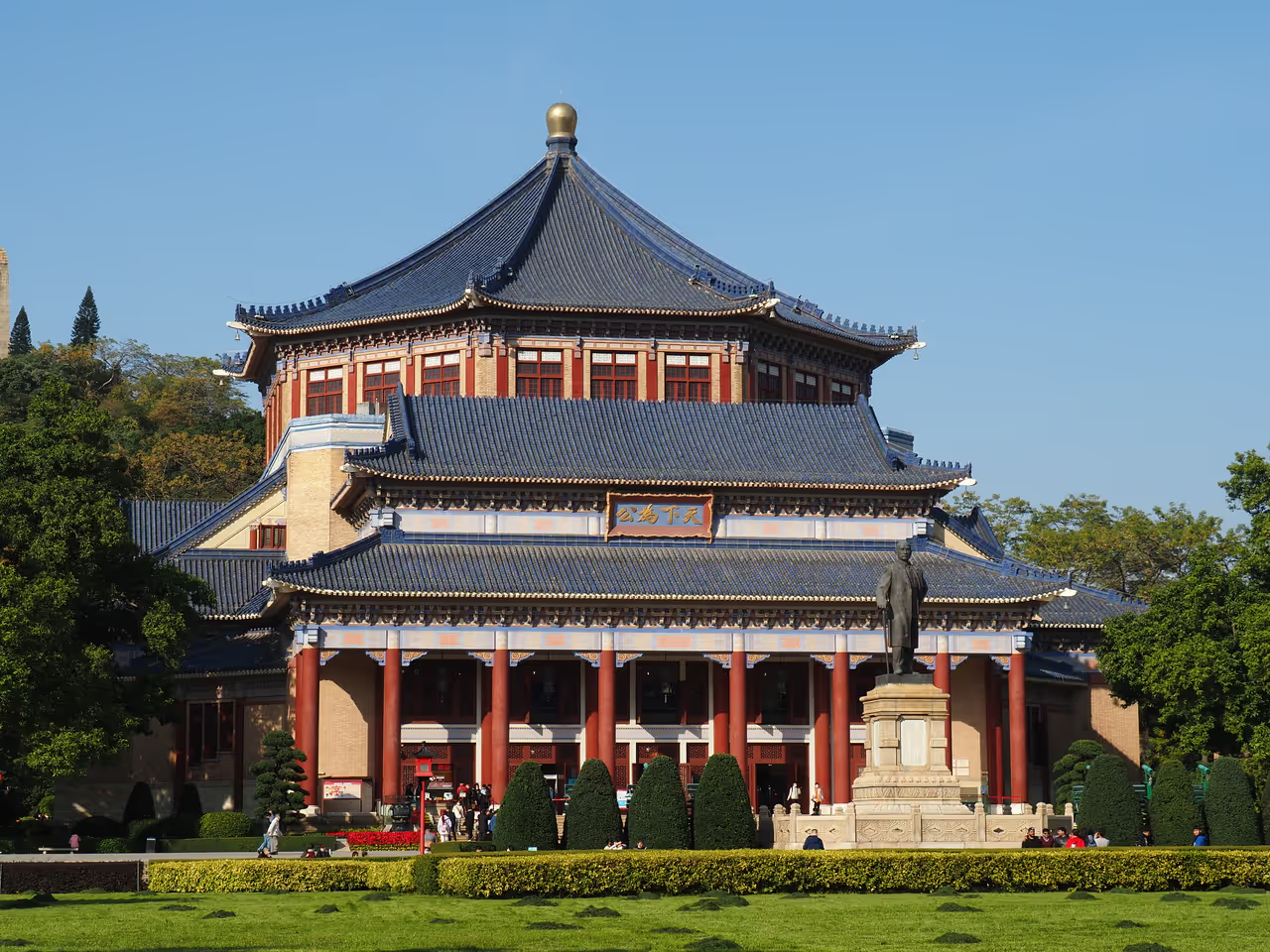
Standing as a powerful testament to China's modern history, the Sun Yat-sen Memorial Hall is a striking architectural marvel in the heart of Guangzhou. Its unique octagonal design, which spans a massive area without the use of interior pillars, showcases the impressive engineering capabilities of the early 20th century. Visitors are often drawn to the profound sense of legacy that permeates the site, marking the former location of the Presidential Palace during a volatile political era. Beyond the historic structure, the surrounding grounds offer a serene and well-maintained park atmosphere, providing a pleasant escape from the urban pace. It serves as an essential stop for anyone wanting to appreciate the blend of traditional aesthetics and revolutionary history.
attraction view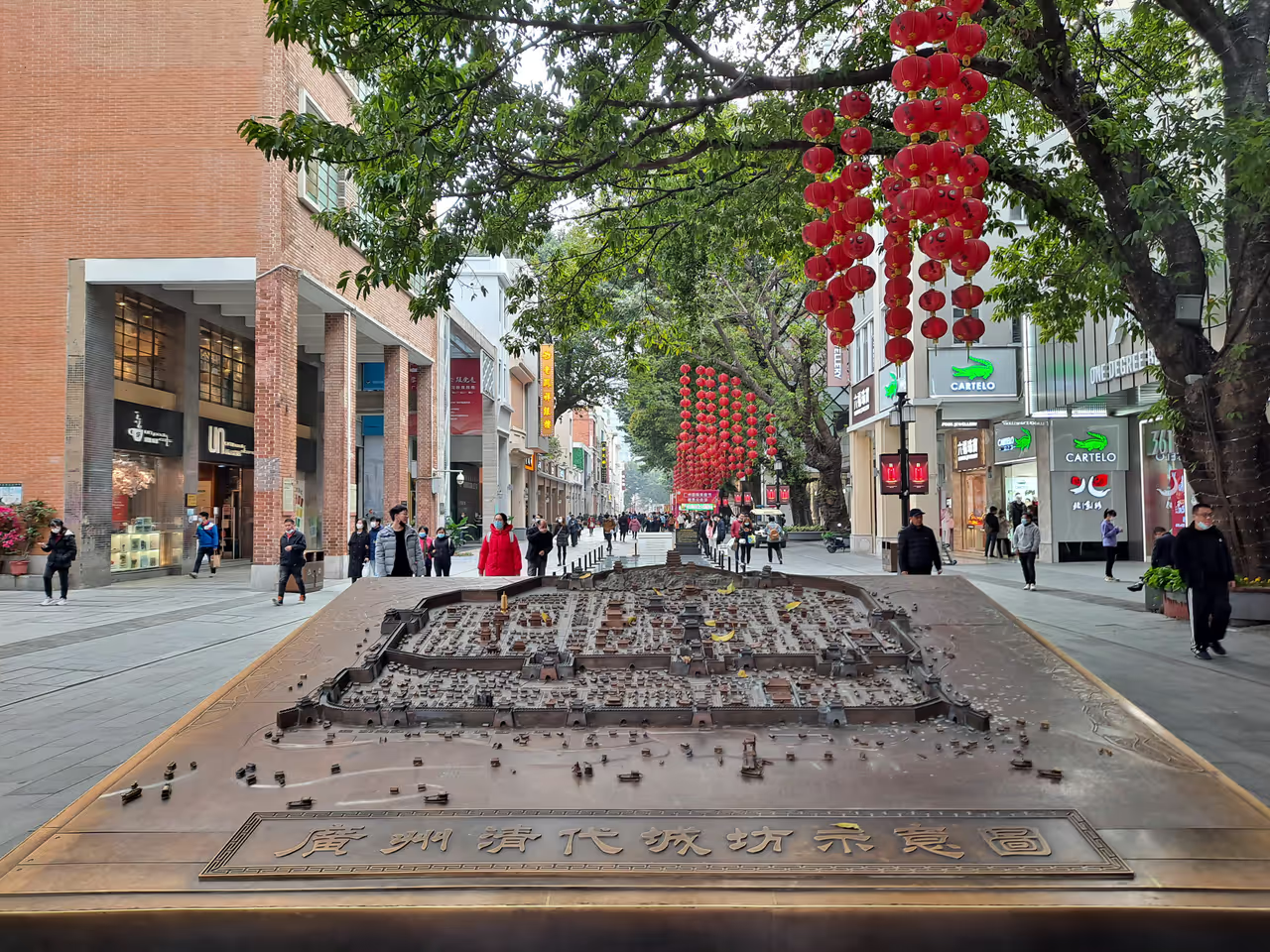 1056m
1056mBeijing Road Pedestrian Street
This is the bustling commercial heart of the old city, where neon lights and historic ruins coexist. Glass panels in the pavement reveal layers of ancient roads dating back centuries, right beneath the feet of modern shoppers. The street is packed with department stores, fashion boutiques, and countless food vendors selling local snacks. It is intensely energetic, noisy, and absolutely essential for understanding modern consumer culture here. The area stays highly active well into the late evening.
highlight view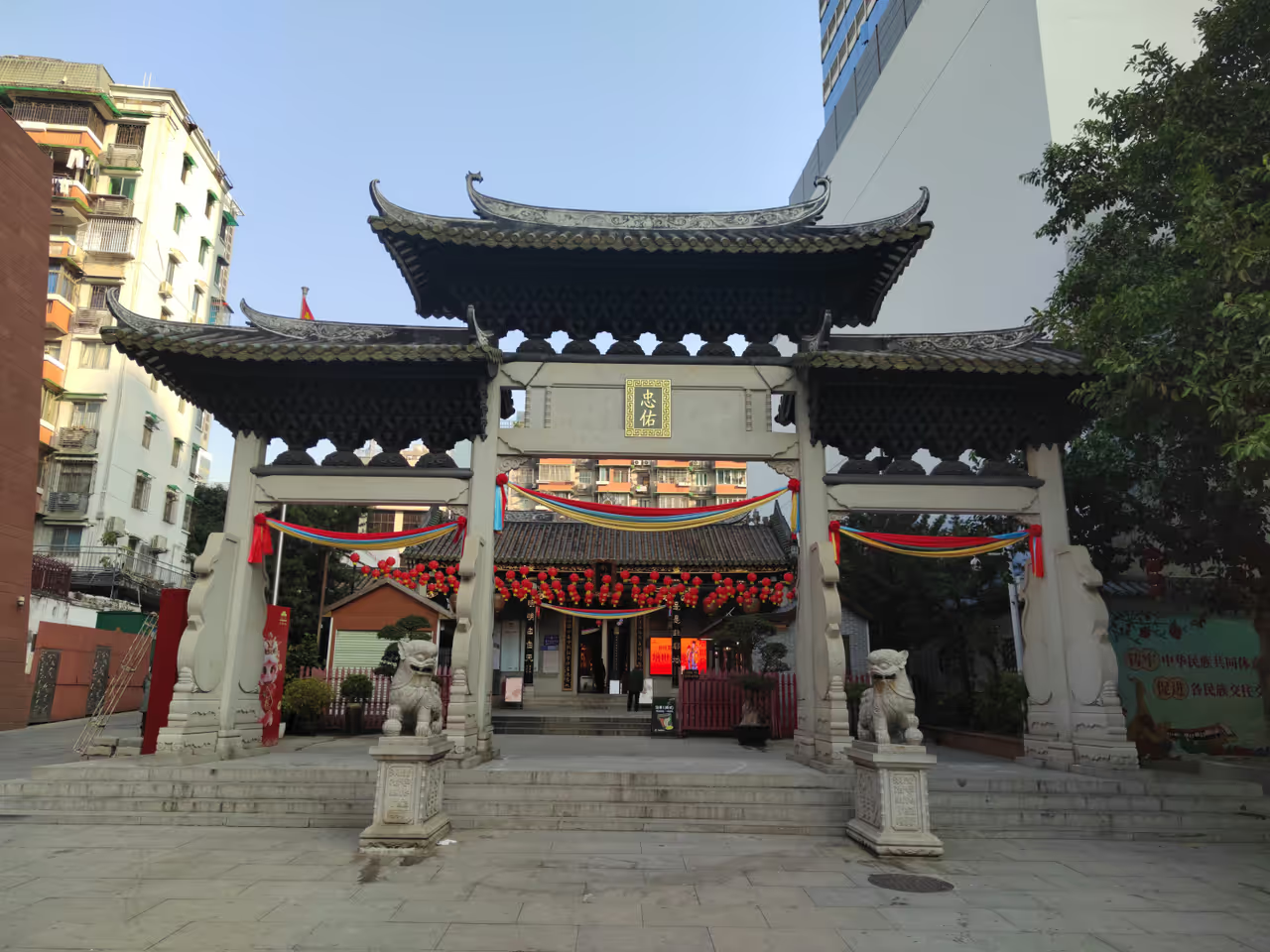 1142m
1142mMausoleum Of The Nanyue King
Descend twenty metres into the earth to explore a hidden chamber that has remained undisturbed for two millennia. This museum preserves the opulent tomb of Zhao Mo, the second king of the Nanyue Kingdom, which was found by pure chance during a construction project in 1983. You will be amazed by the exquisite jade burial suit held together by silk thread, a singular masterpiece found nowhere else on the planet. The collection reveals Guangzhou as a historic crossroads, displaying artefacts that connect ancient China with Persia and Central Asia. It is an evocative experience that brings the early Western Han period to life with haunting and beautiful clarity.
attraction view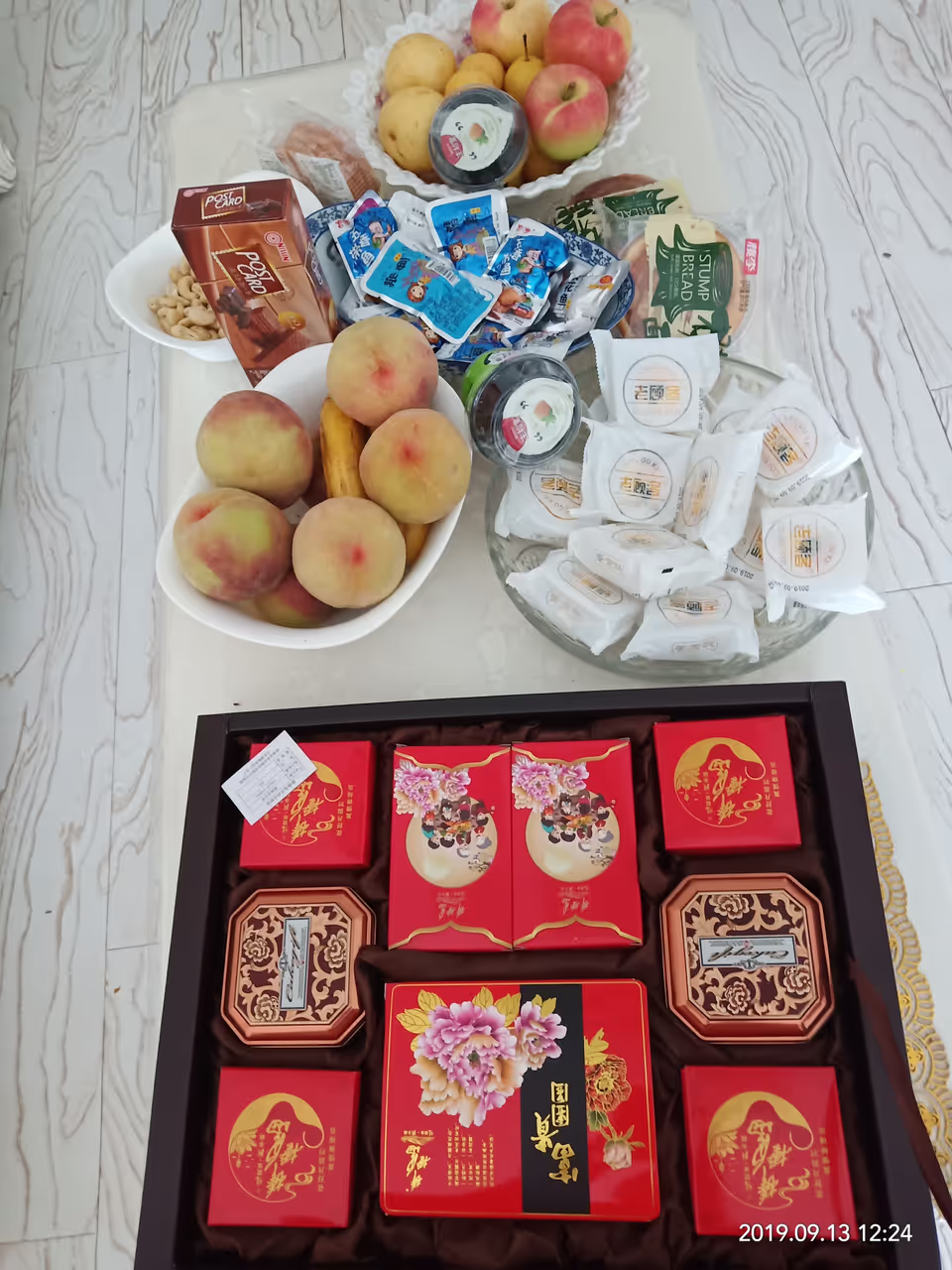 1337m
1337mMid Autumn Festival
Families gather across the city to admire the full moon and share sweet, dense mooncakes. Parks and public spaces are decorated with thousands of glowing paper lanterns, creating a magical evening atmosphere. Many residents take to the river on ferries to get the best view of the moon reflecting on the water. It is a peaceful, family oriented holiday that brings a warm glow to the urban landscape. The historic bakeries produce their finest pastries during this period.
festival view
Explore Similar Places in This Collection

Featured on These Itineraries and Routes
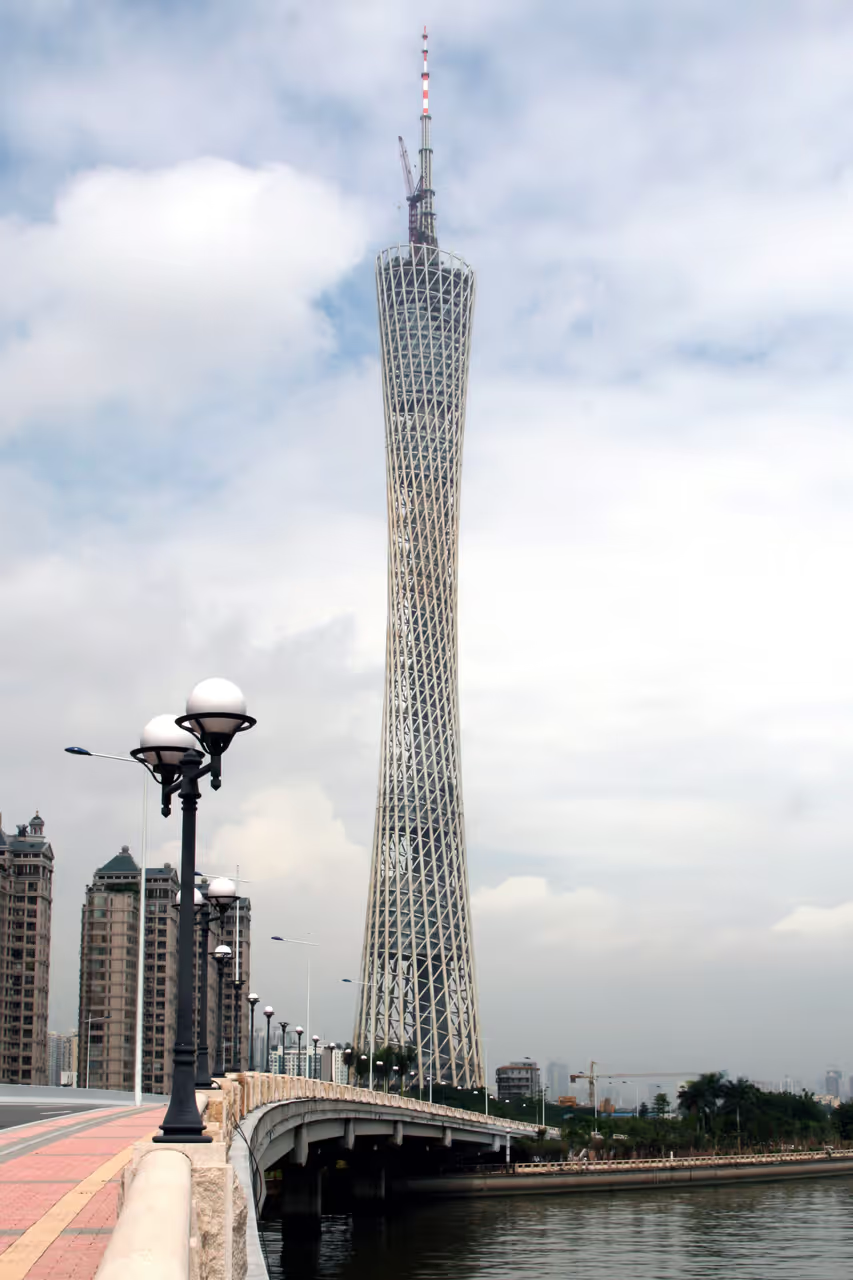

3 Days in Guangzhou: Cultural Immersion Itinerary
This balanced journey allows you to deeply explore the various distinct personalities of the city. One day is dedicated entirely to the cutting edge modern district, showcasing extreme engineering and wealth. Another day delves into the highly traditional western suburbs, focusing on ancient temples and historic shopping streets. The final day uncovers royal history and massive green parks. It is the ideal timeframe for a comprehensive, highly satisfying metropolitan adventure.
view itinerary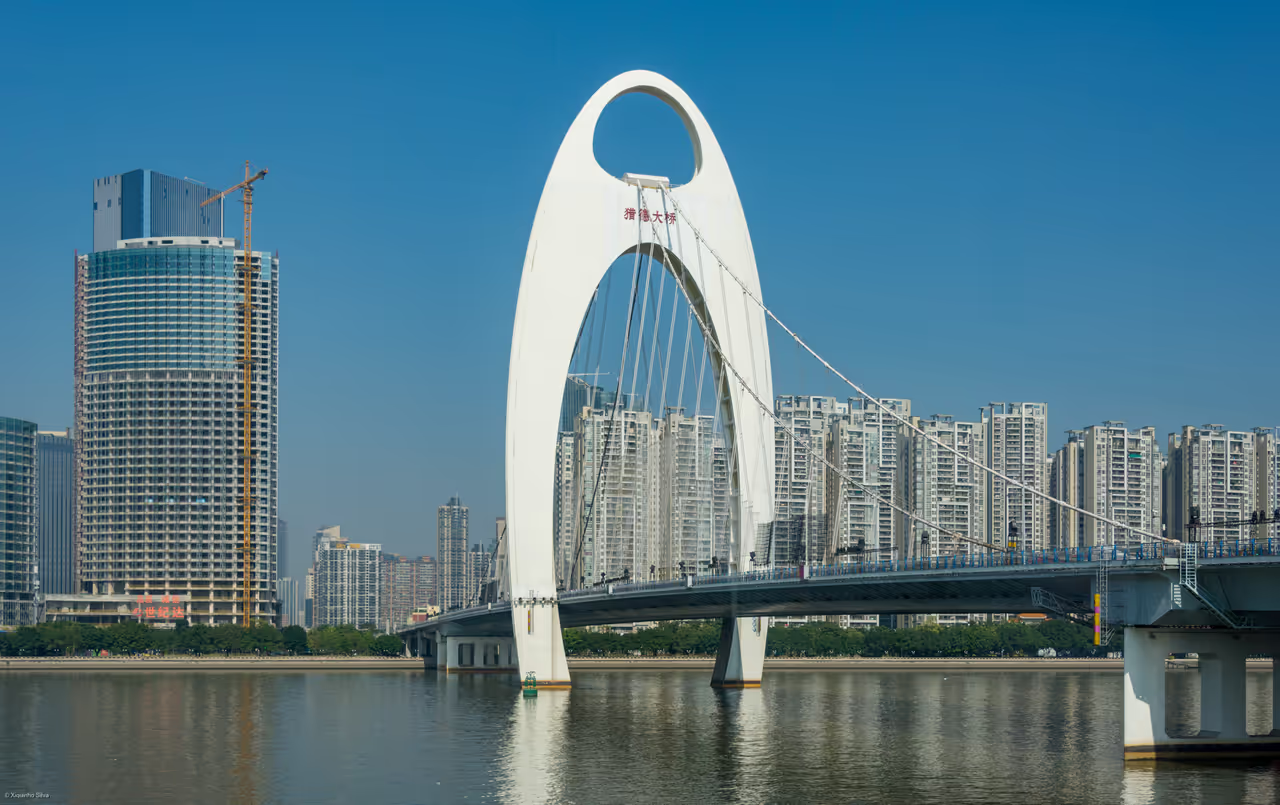
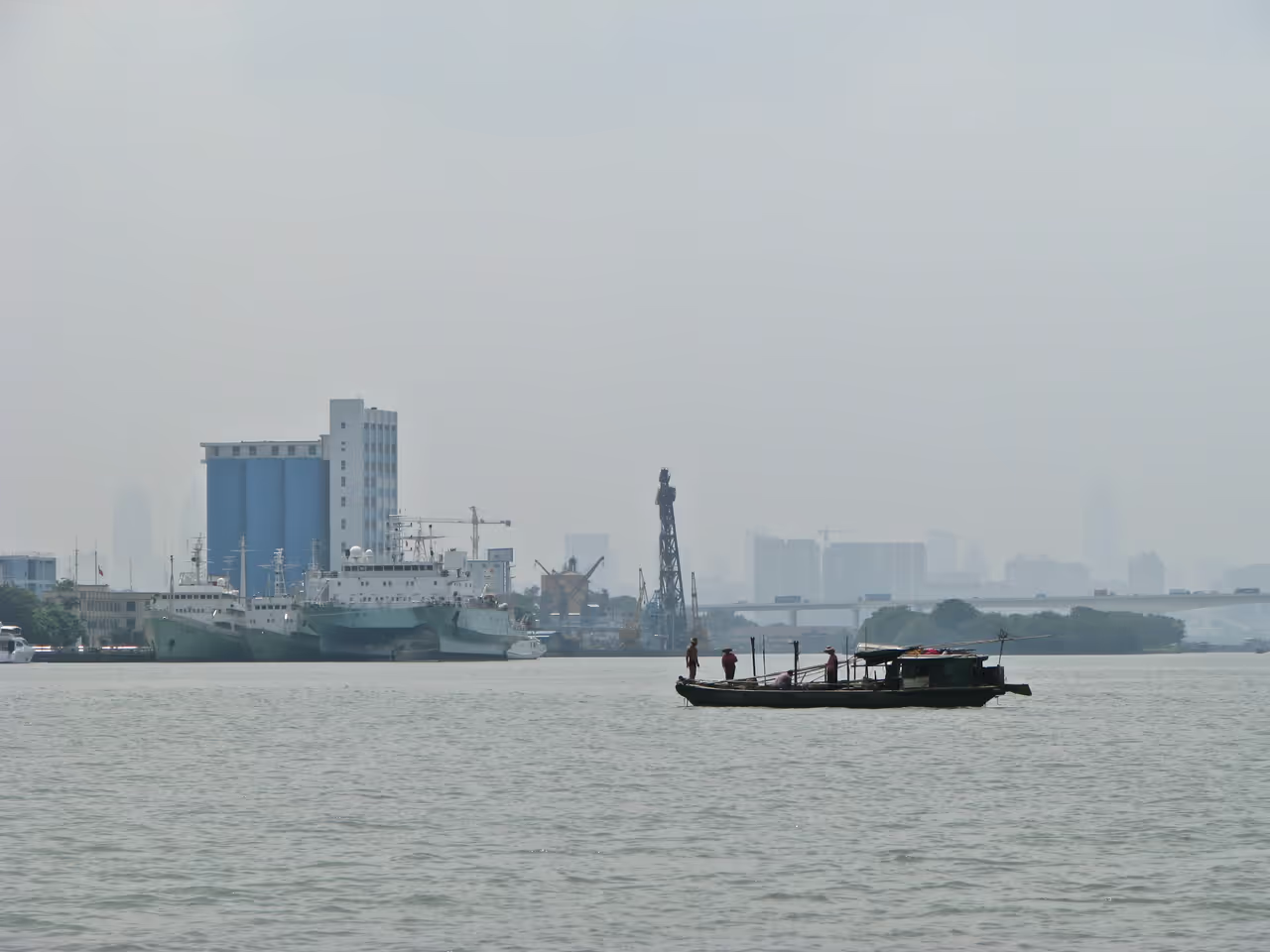
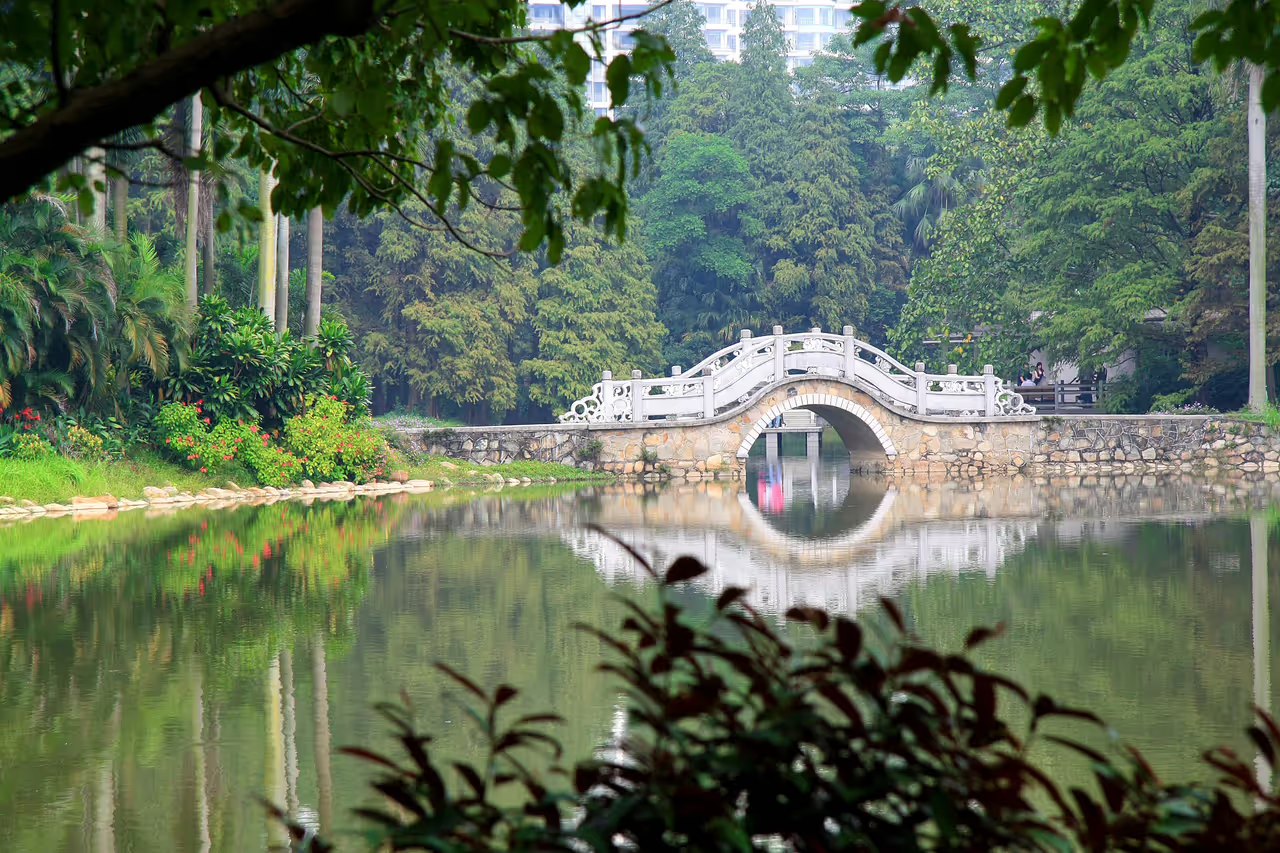
5 Days in Guangzhou: Comprehensive Exploration Itinerary
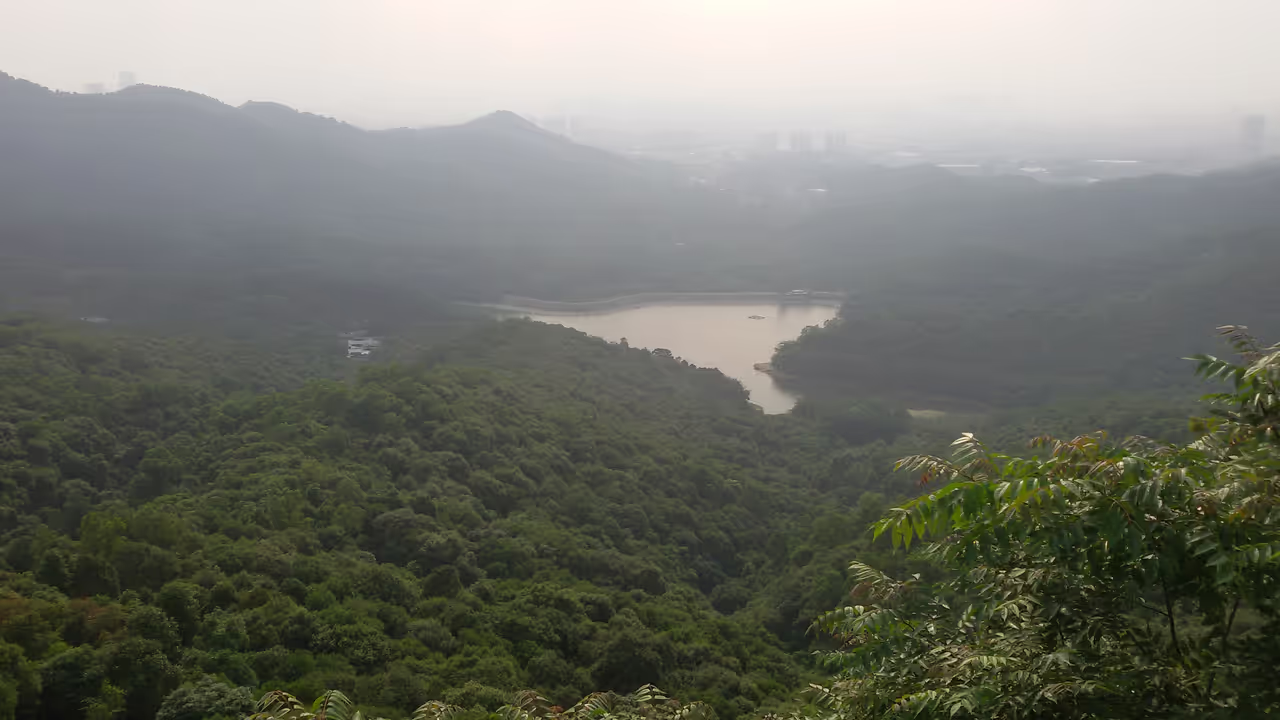
With five days, you can transition from the frantic urban core to the highly peaceful natural and historical suburbs. This itinerary covers all the monumental sights but also allows time for mountain hiking and botanical discovery. You will venture into historic river ports where the global tea trade once thrived. It offers a highly nuanced, expansive view of the entire region. This is the ultimate way to truly understand the depth of southern Chinese culture.
view itinerary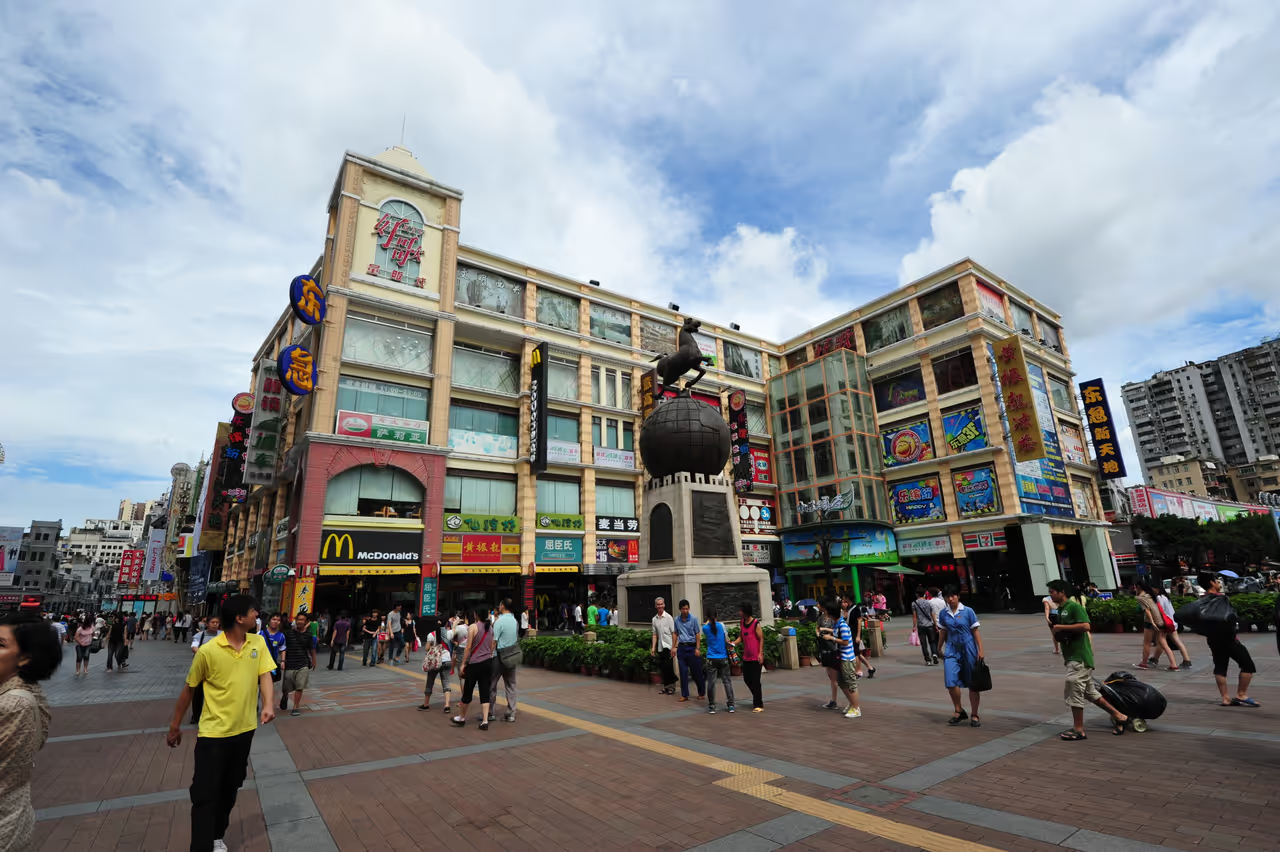
Old Canton Heritage
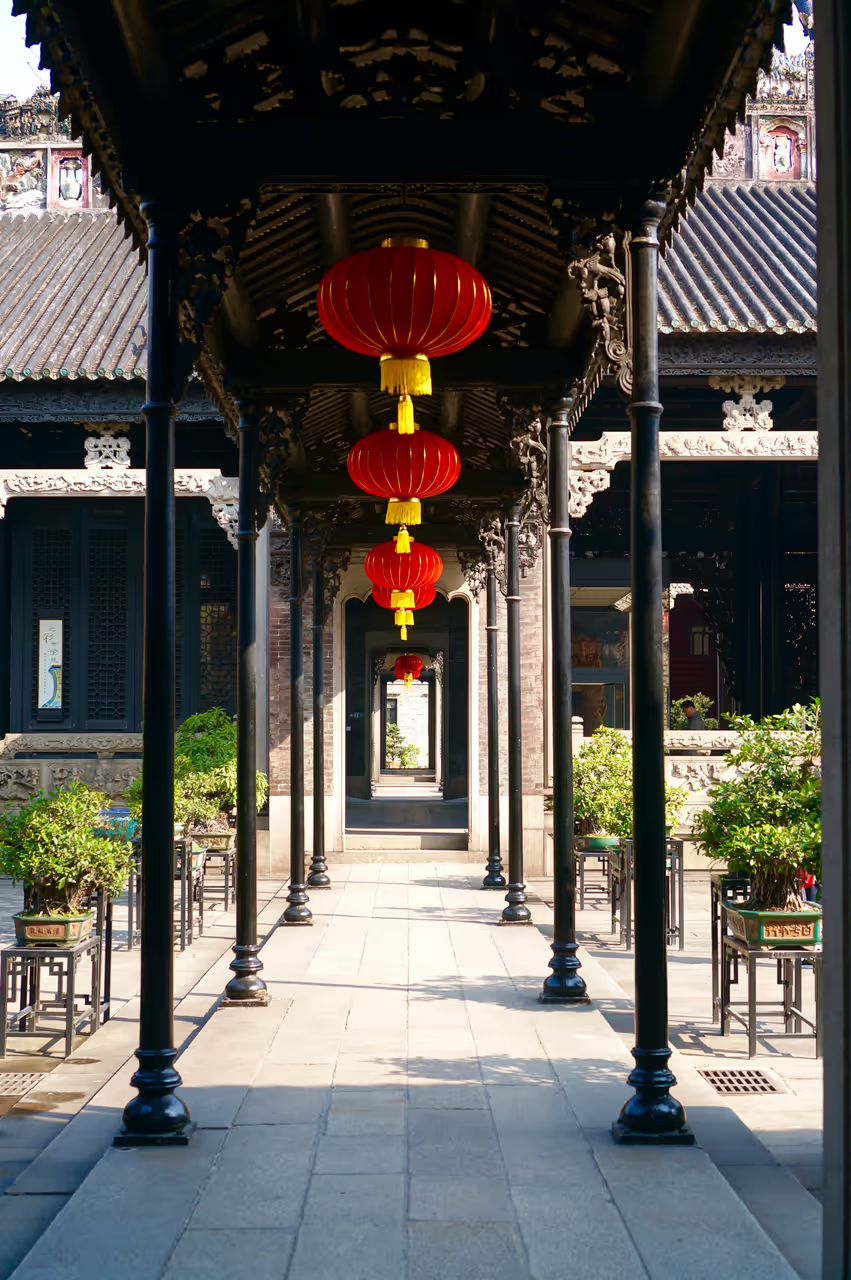
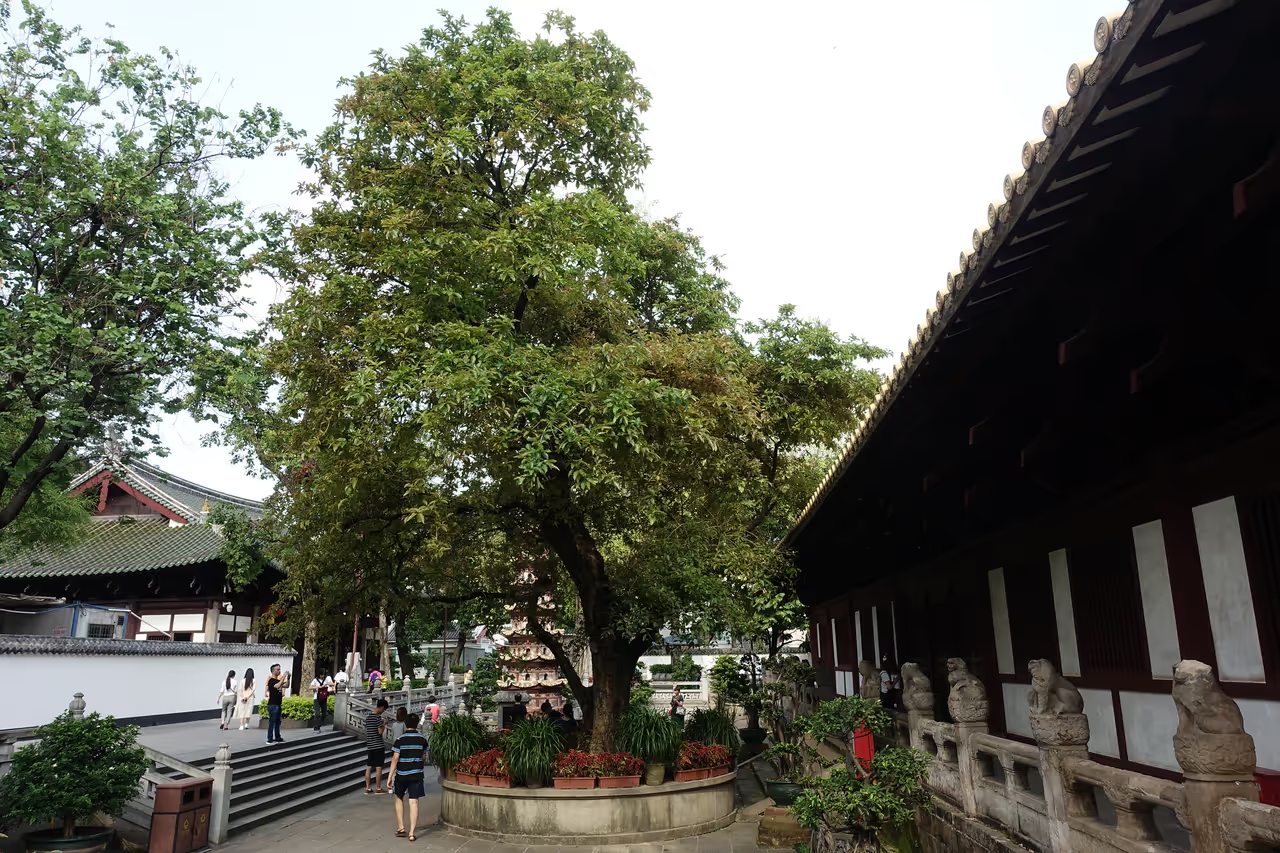
This journey delves deep into the traditional heart of the city, exploring its most sacred and historic sites. You will navigate through bustling alleyways where the scent of burning incense mixes with street food. The architecture transitions from majestic Buddhist temples to intricately carved ancestral halls. It provides a profound understanding of how ancient traditions survive in a highly modernised society. This is the ultimate route for history buffs and culture lovers.
view self-guided tour
See all attractions in Guangzhou
Canton Tower, Chen Clan Ancestral Hall, Guangdong Museum, Sacred Heart Cathedral, Mausoleum Of The Nanyue King, Shamian Island, Sun Yat-sen Memorial Hall...