Sun Yat-sen Memorial Hall
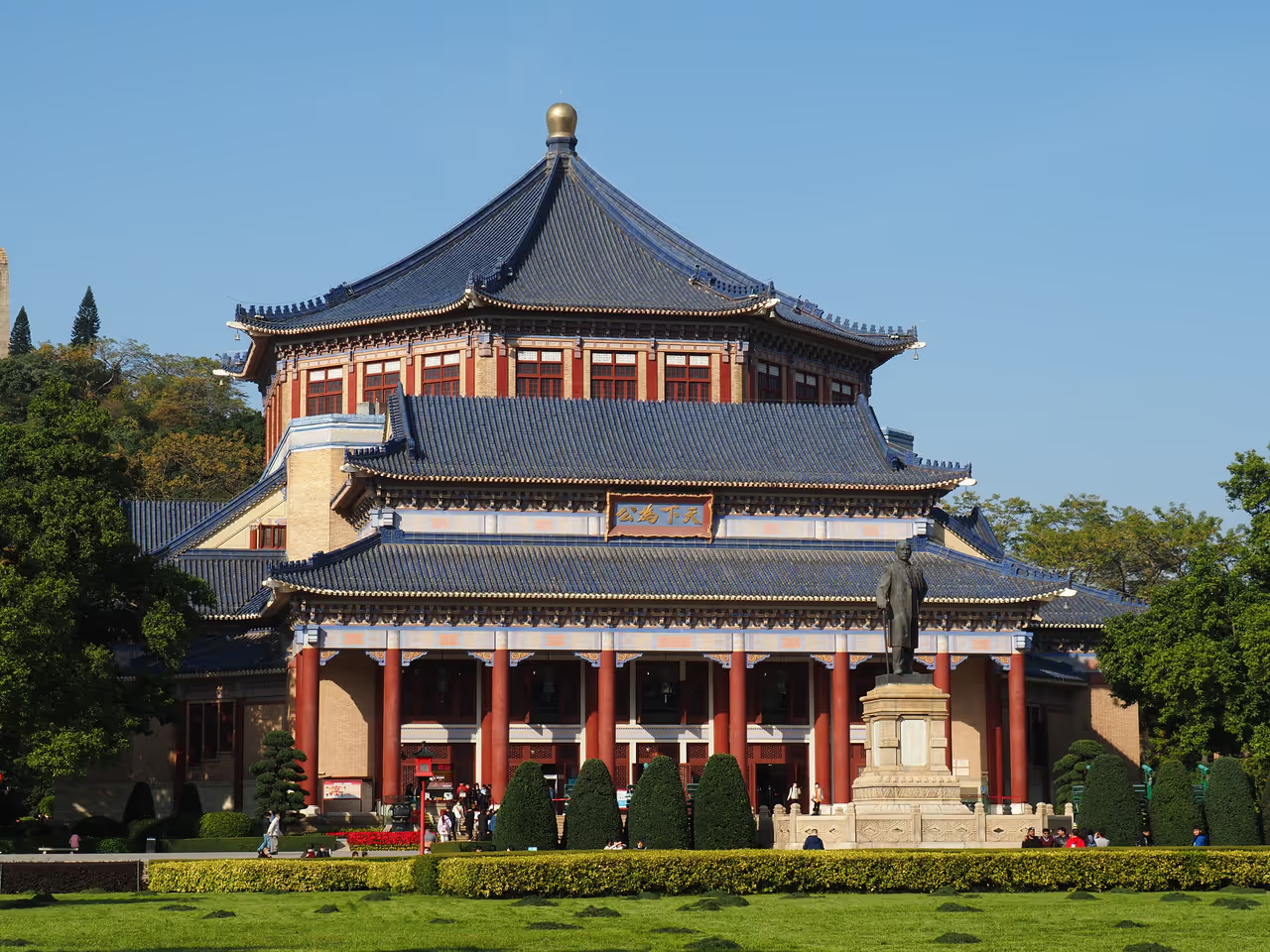
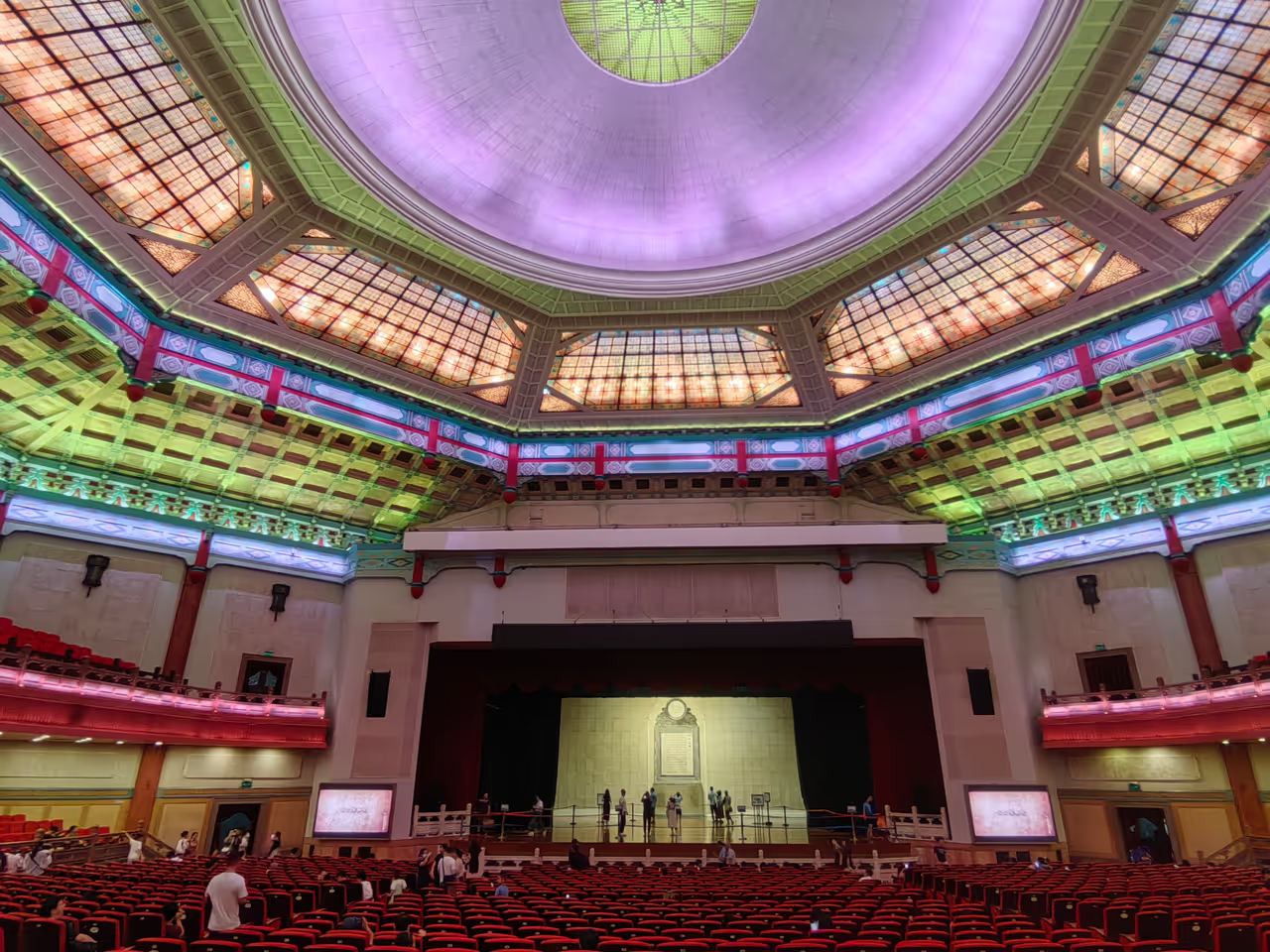
Standing as a powerful testament to China's modern history, the Sun Yat-sen Memorial Hall is a striking architectural marvel in the heart of Guangzhou. Its unique octagonal design, which spans a massive area without the use of interior pillars, showcases the impressive engineering capabilities of the early 20th century. Visitors are often drawn to the profound sense of legacy that permeates the site, marking the former location of the Presidential Palace during a volatile political era. Beyond the historic structure, the surrounding grounds offer a serene and well-maintained park atmosphere, providing a pleasant escape from the urban pace. It serves as an essential stop for anyone wanting to appreciate the blend of traditional aesthetics and revolutionary history.
Videos
History of Sun Yat-sen Memorial Hall
The history of the Sun Yat-sen Memorial Hall is deeply rooted in the turbulent years of the early 20th century. Before the elegant building stood here, the location was the site of the Presidential Palace, a hub of power during the Constitutional Protection Movement. In 1922, this site became the stage for a dramatic conflict. When an attack was launched against the Nationalists, Sun Yat-sen and his wife, Soong Ching-ling, found themselves in mortal danger. Amidst the chaos of shelling and gunfire, Soong Ching-ling managed to escape, eventually reuniting with her husband on the gunboat Yongfeng. This narrow escape became a defining moment for the revolutionary cause, and the ground where the palace once stood was later chosen to honour Sun Yat-sen. In 1929, work began on a memorial to commemorate the revolutionary leader, fuelled by the contributions of Chinese citizens at home and those living abroad. Designed by the visionary architect Lu Yanzhi, the building was crafted to embody a spirit of unity and resilience. The design was ambitious, calling for an octagonal structure that would span a massive interior space without the use of pillars, a testament to the forward-thinking nature of the era's architects. By the time the hall was completed in 1931, it stood as a symbol of aspiration for a new China. Throughout the decades, the hall has weathered many changes, serving various purposes and undergoing repairs to maintain its architectural integrity. The most significant modern intervention occurred in 1998, when the structure received a comprehensive upgrade, ensuring that it would remain a centre for culture and remembrance. Today, the hall acts as more than just a monument; it is a vibrant venue for performances and a quiet space for reflection. The legacy of Sun Yat-sen is woven into the very structure of the building, making it a place where history feels tangible and close.
Events spanning 76 years
Fun Facts
- • A large statue of Sun Yat-sen stands in front of the main entrance, welcoming visitors and serving as a focal point for the site.
- • Funding for the project was provided by generous contributions from the Chinese diaspora, reflecting the international support for Sun Yat-sen.
- • It can accommodate 3,240 people, making it a significant venue for major cultural performances and public events in Guangzhou.
- • It features a distinct octagonal roof that spans 71 metres, an architectural feat achieved without a single interior support pillar.
- • The 1922 incident involving the Presidential Palace is a pivotal moment in Chinese history, illustrating the danger Sun Yat-sen and his wife faced during the revolutionary era.
- • The building was designed by the renowned architect Lu Yanzhi, who was also responsible for the Sun Yat-sen Mausoleum in Nanjing.
- • The facility is widely recognised as a Major National Historical and Cultural Site, highlighting its immense importance to Chinese history.
- • The hall was constructed on the historic ground where the Presidential Palace once stood during the Constitutional Protection Movement.
- • The interior design reflects a perfect harmony between traditional Chinese style and modern concrete construction techniques of the 1930s.
RESOURCES
Official WebsiteSun Yat-sen Memorial Hall FAQ
While we strive to keep this information accurate and up to date, we recommend verifying any details independently before making decisions based on them.
Sun Yat-sen Memorial Hall Map & Neighborhood Explorer
This interactive map is centered on Sun Yat-sen Memorial Hall. Zoom in and move the map around to automatically discover Wikipedia photos and summaries of other nearby sights, monuments, and historical points of interest and stories in real-time!
Places near Sun Yat-sen Memorial Hall
Make the most of your trip. Check out these top-rated spots located nearby.
 630m
630mMausoleum Of The Nanyue King
Descend twenty metres into the earth to explore a hidden chamber that has remained undisturbed for two millennia. This museum preserves the opulent tomb of Zhao Mo, the second king of the Nanyue Kingdom, which was found by pure chance during a construction project in 1983. You will be amazed by the exquisite jade burial suit held together by silk thread, a singular masterpiece found nowhere else on the planet. The collection reveals Guangzhou as a historic crossroads, displaying artefacts that connect ancient China with Persia and Central Asia. It is an evocative experience that brings the early Western Han period to life with haunting and beautiful clarity.
attraction view 697m
697mYuexiu Park
Yuexiu Park stands as the verdant heart of Guangzhou, offering a serene escape that seamlessly blends historical depth with natural beauty. This expansive space invites you to wander through ancient woodlands, admire reflective lakes, and discover cultural landmarks that reveal the fascinating layers of the city's past. Whether you are climbing the hill for panoramic views or simply enjoying a peaceful stroll away from the urban pace, the atmosphere here is restorative and inspiring. It is a place where locals practise tai chi in the quiet mornings and families gather under the shade of banyan trees, providing a genuine glimpse into the daily rhythm of life. With its iconic monuments and centuries-old pagodas, the park serves as a testament to Guangzhou's enduring identity and spirit.
park & nature view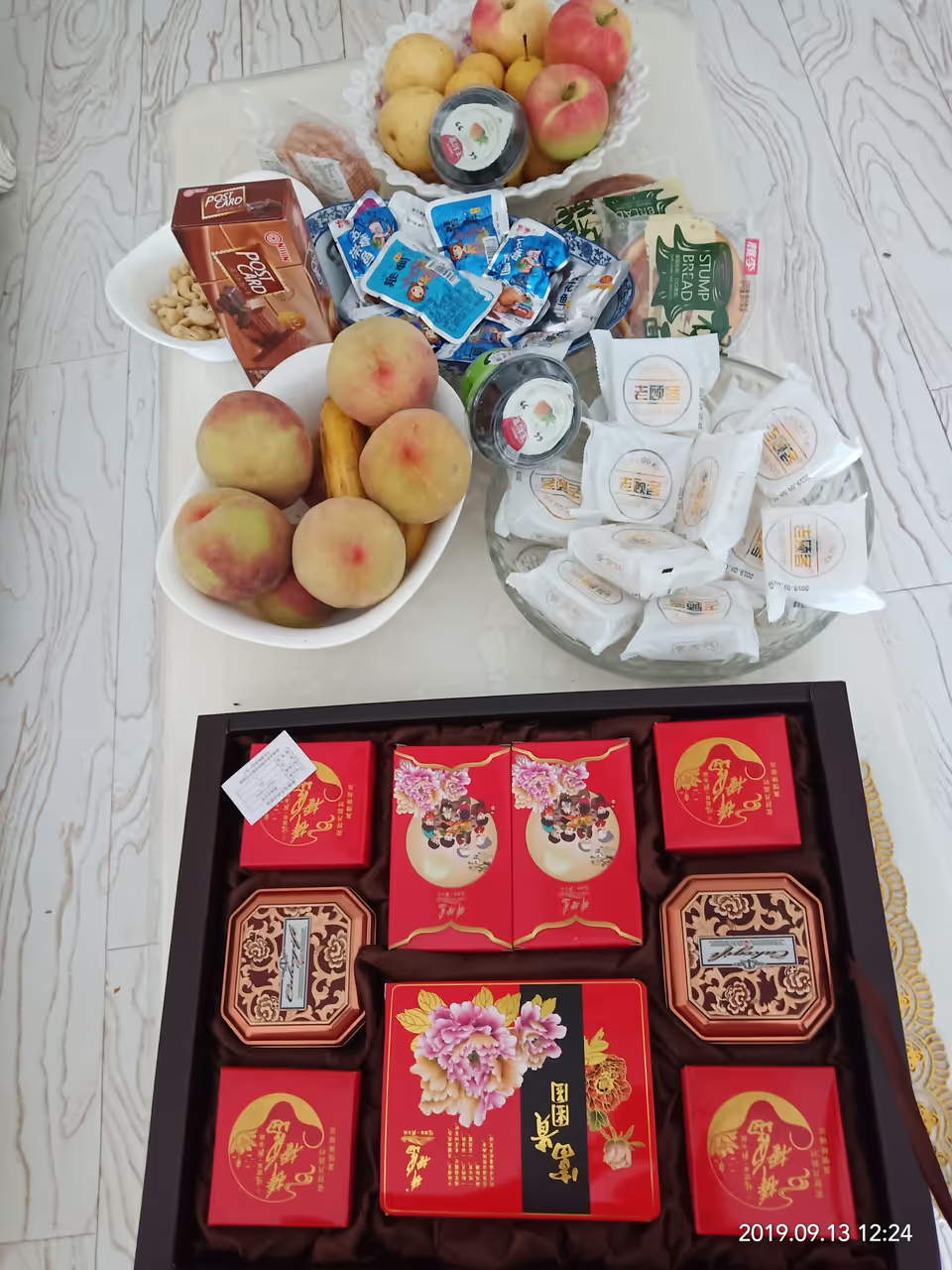 769m
769mMid Autumn Festival
Families gather across the city to admire the full moon and share sweet, dense mooncakes. Parks and public spaces are decorated with thousands of glowing paper lanterns, creating a magical evening atmosphere. Many residents take to the river on ferries to get the best view of the moon reflecting on the water. It is a peaceful, family oriented holiday that brings a warm glow to the urban landscape. The historic bakeries produce their finest pastries during this period.
festival view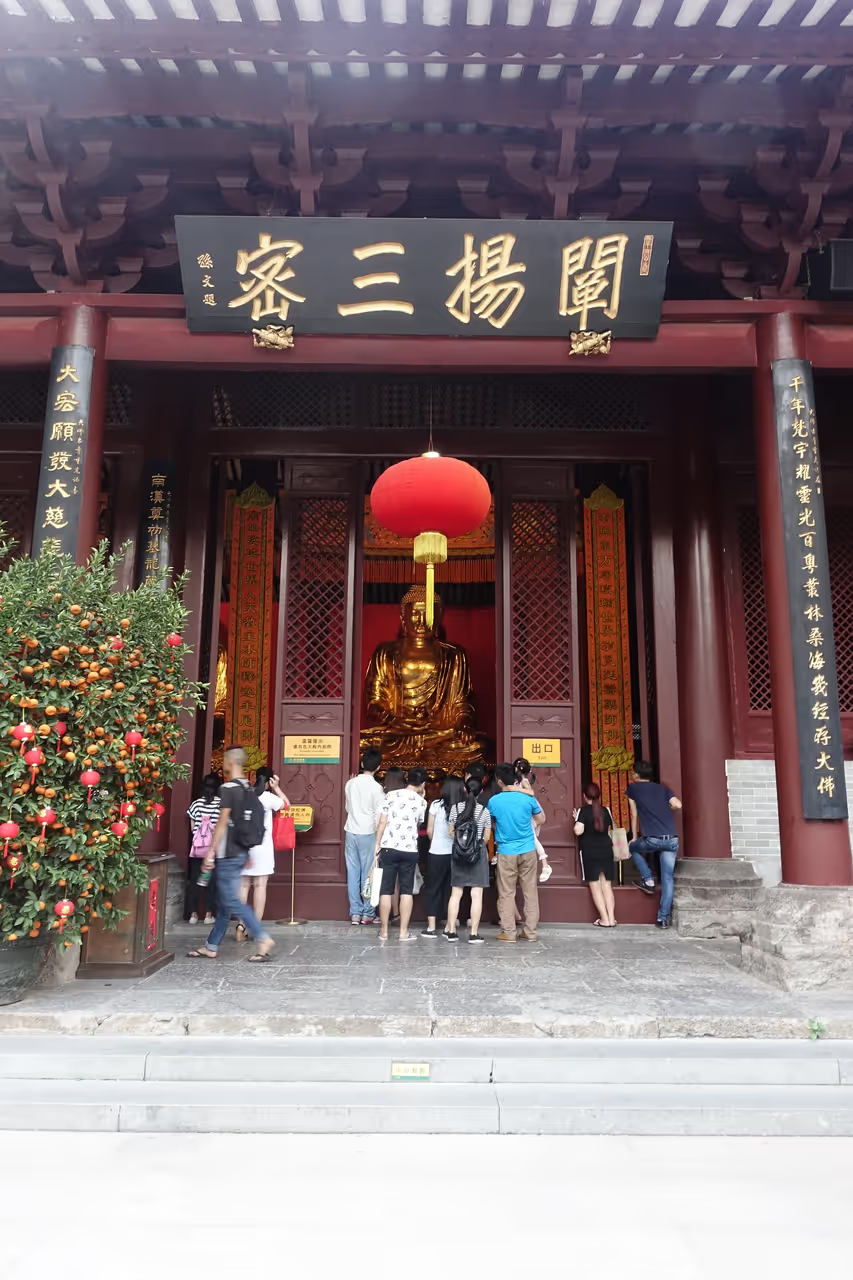 802m
802mTemple of the Six Banyan Trees
The Temple of the Six Banyan Trees stands as a serene sanctuary in the heart of Guangzhou, offering a glimpse into the city's profound spiritual heritage. Its most iconic feature, the Flower Pagoda, pierces the skyline with its colourful and ornate design, serving as a testament to the masterful architecture of the Song Dynasty. Wandering through the peaceful courtyards, you can escape the city's frenetic pace and appreciate the intricate statues and the scent of incense that drifts through the air. This site is deeply meaningful for many international families who visit to seek blessings for their adopted children, adding a layer of emotional warmth to its long history. Visiting provides a rare opportunity to connect with ancient traditions and find a quiet moment of reflection. The temple remains a living piece of history where the legacy of great poets and devoted monks continues to be honoured today.
attraction view
Explore Similar Places in This Collection
Featured on This Route
See all attractions in Guangzhou
Canton Tower, Chen Clan Ancestral Hall, Guangdong Museum, Sacred Heart Cathedral, Mausoleum Of The Nanyue King, Shamian Island, Temple of the Six Banyan Trees...