Baiyun Mountain
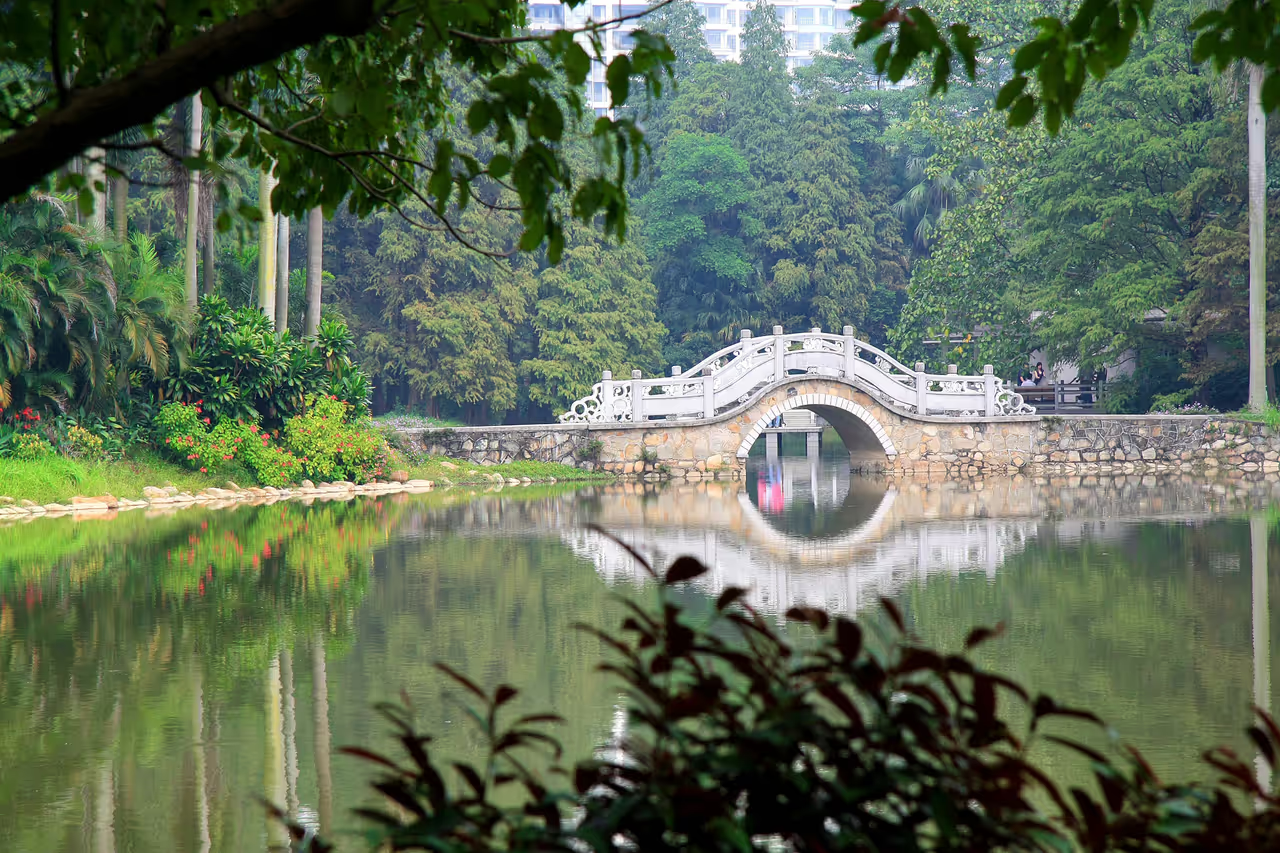
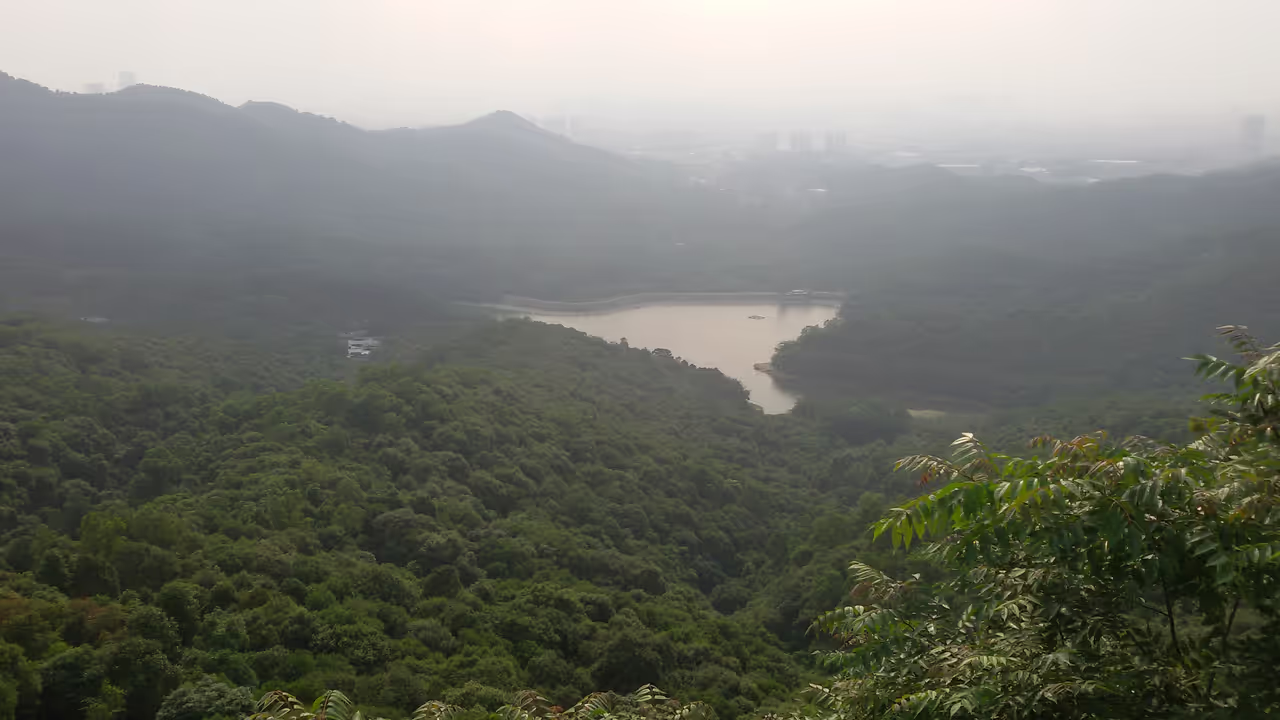
Rising gently above the cityscape of Guangzhou, Baiyun Mountain offers a refreshing escape from the urban environment. Often referred to as the City's Lung, this sprawling landscape is a haven for those looking to swap concrete for lush greenery and mist kissed trails. Visiting is a journey through history, as the peaks have been celebrated in poetry and art for centuries. Whether you are trekking to Moxing Peak for a panoramic view or simply wandering through the pine forests, the atmosphere is serene and deeply restorative. It serves as a beautiful reminder of the region's natural grandeur, standing as a tranquil guardian over the energetic metropolis below.
Videos
History of Baiyun Mountain
The story of Baiyun Mountain is woven into the very fabric of Guangzhou's ancient history. Long before the city swelled into a modern economic powerhouse, the mountain was already capturing the imagination of poets and philosophers. As far back as the Warring States period, travellers sought out its slopes, captivated by the ethereal beauty of its peaks emerging from the clouds after a spring rain. This natural spectacle earned it the name White Cloud Mountain, and throughout the Jin and Tang dynasties, its landscapes became synonymous with the artistic and spiritual aspirations of the region. The mountain holds a unique place in the cultural psyche of Guangzhou, frequently appearing in the revered Eight Sights of Ram City. For centuries, writers and painters flocked to the ridges to document the shifting light and the hidden springs, cementing the mountain's reputation as the premier scenic beauty in Southern China. It was a place where monks returned to quiet temples and where the changing seasons were marked with reverence. These historical accolades transformed the peaks from mere geological formations into a cultural treasure, revered by generations who saw the landscape as a spiritual sanctuary. Today, the mountain serves a vital role as the City's Lung, providing an essential green reprieve for millions. The legacy of the past remains, even if the ancient walled city views have evolved into a sprawling panorama of steel and glass. While the landscape has adapted to modernity, the spirit of the mountain persists in the small Kung Fu communities that train under the pines and in the families who climb the trails every weekend. It remains a timeless connection to the land, offering a quiet, enduring contrast to the rapid pace of the city at its feet.
Events spanning 2461 years
Fun Facts
- • During the Jin and Tang dynasties, the mountain was a favoured retreat for artists and poets seeking inspiration.
- • It holds the title of the City's Lung due to the vast, oxygen rich forest cover it provides to the urban area.
- • Local Kung Fu communities have long used the quiet mountain trails as a space for training and meditation.
- • The White Cloud Mountain minnow, a species now famous among aquarium hobbyists, was first identified in the local streams here during the 1930s.
- • The highest point, Moxing Peak, rises 427 metres and is often called the First Peak under the Southern Sky.
- • The landscape has evolved from a remote, wild retreat into a beloved public park that balances nature with modern urban accessibility.
- • The mountain is more accurately a range of peaks rather than a singular mountain, sprawling across the city landscape.
- • The name Baiyun translates to White Clouds, a poetic reference to the mist that frequently blankets the peaks after spring rains.
Baiyun Mountain FAQ
While we strive to keep this information accurate and up to date, we recommend verifying any details independently before making decisions based on them.
Baiyun Mountain Map & Neighborhood Explorer
This interactive map is centered on Baiyun Mountain. Zoom in and move the map around to automatically discover Wikipedia photos and summaries of other nearby sights, monuments, and historical points of interest and stories in real-time!
Places near Baiyun Mountain
Make the most of your trip. Check out these top-rated spots located nearby.
 829m
829mDouble Ninth Festival
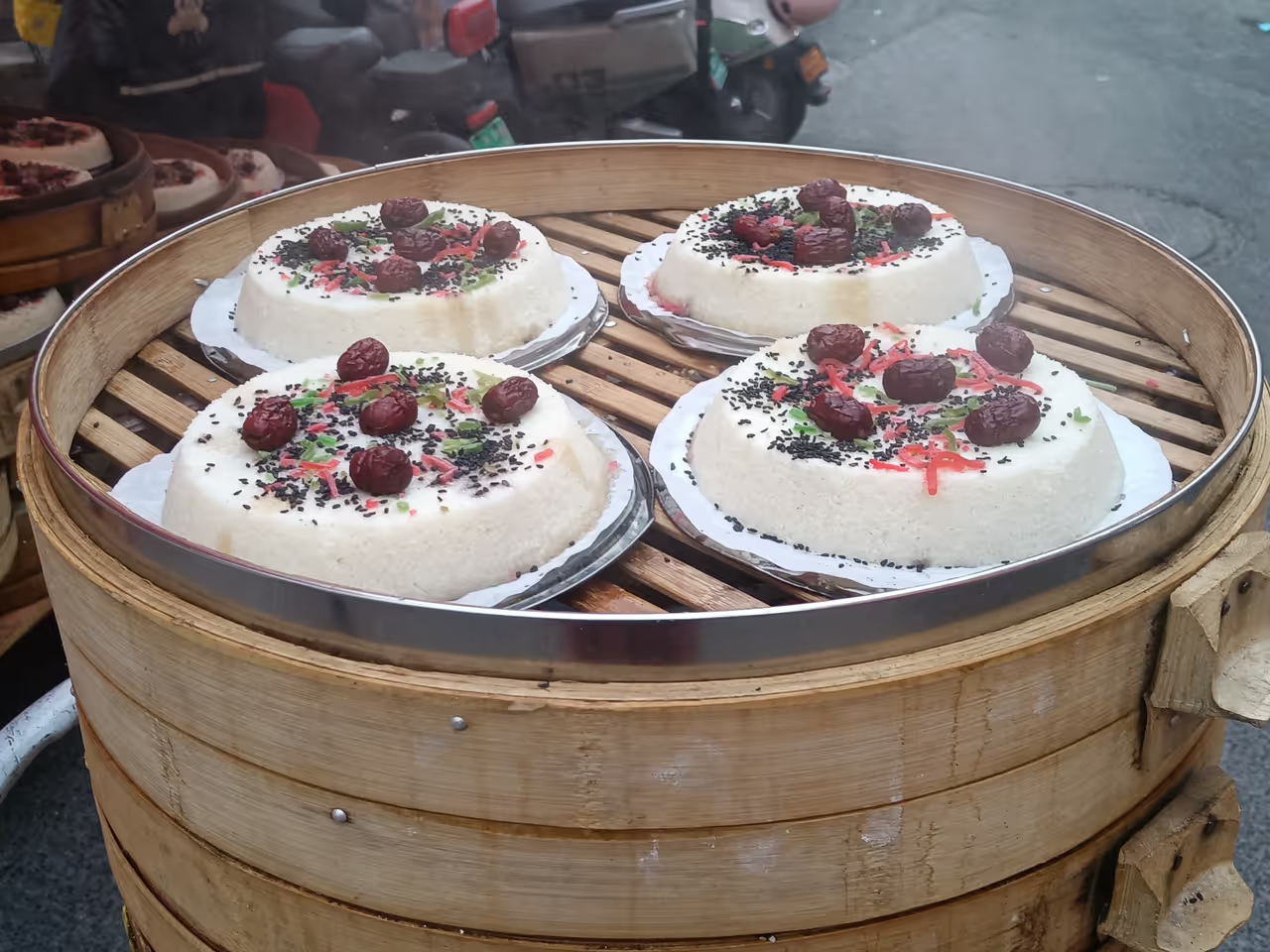
Following an ancient custom, thousands of locals spend this autumn day hiking up the nearby hills and mountains. Baiyun Mountain becomes incredibly lively as families climb the trails to enjoy the crisp air and ward off misfortune. Chrysanthemum tea and special cakes are consumed at the summit. It is a wonderful blend of physical activity and cultural preservation. The panoramic views from the top are particularly rewarding on this clear day.
festival view- 1516m
Jade Street Market
Dedicated entirely to the precious green stone, this pedestrian street is lined with countless shops and stalls offering intricate carvings. Shoppers can find everything from affordable trinkets to incredibly expensive, museum quality sculptures. The craftsmanship on display is remarkable, with artisans often working right in the open. It is a superb place to hunt for unique souvenirs or simply admire the artistry. Haggling is expected here, making it a fun challenge for visitors.
market view 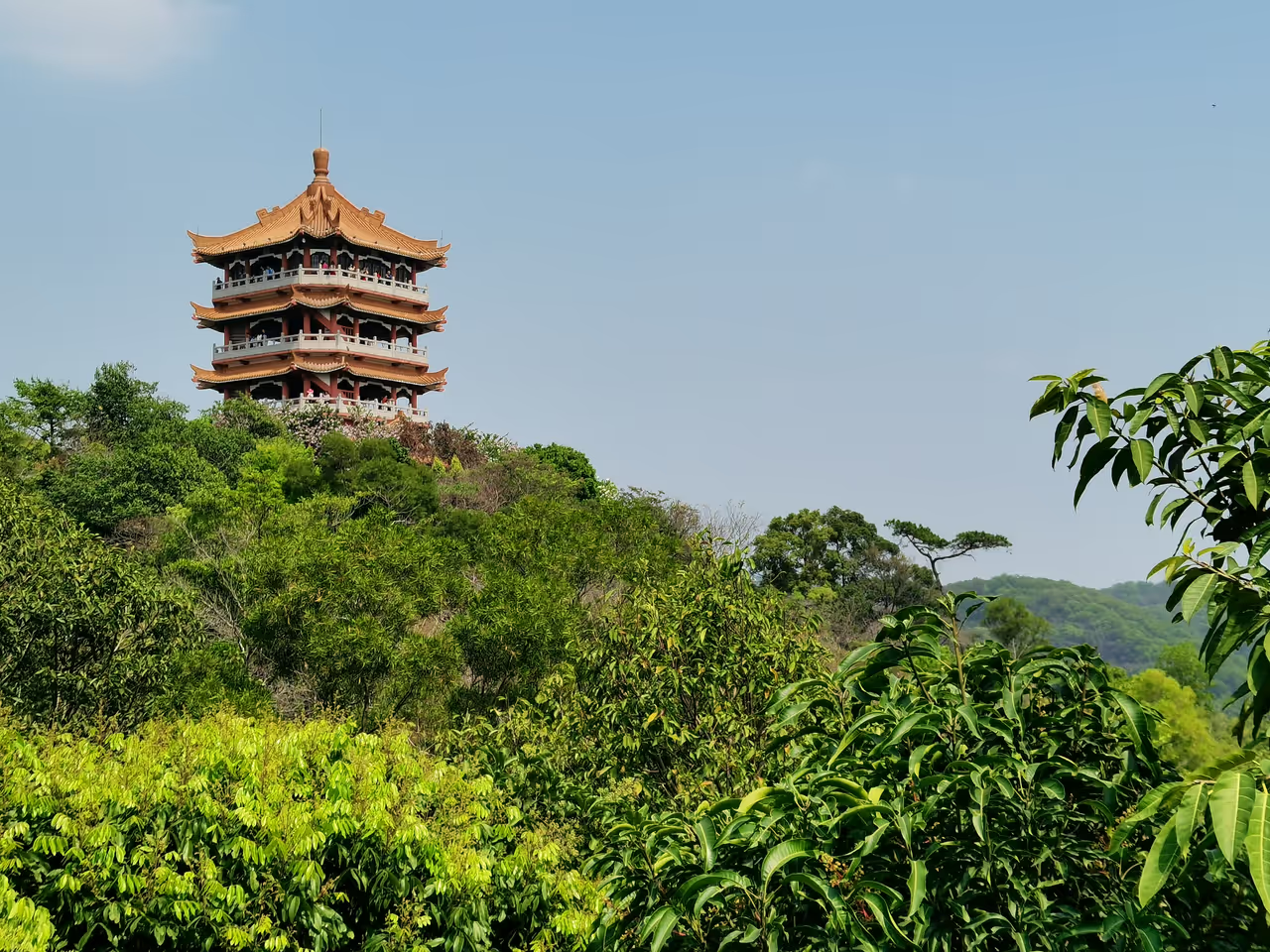 3952m
3952mHonghu Tower
Located within a lush park, climbing this traditional multi story pagoda reveals a majestic, three hundred and sixty degree panorama. The view encompasses the serene lake below, rolling green hills, and the distant modern skyline. It is rarely crowded, allowing for quiet contemplation of the scenic landscape. The architecture of the tower itself frames the photos perfectly. It provides a highly classic, traditional perspective of the sprawling urban growth.
viewpoint view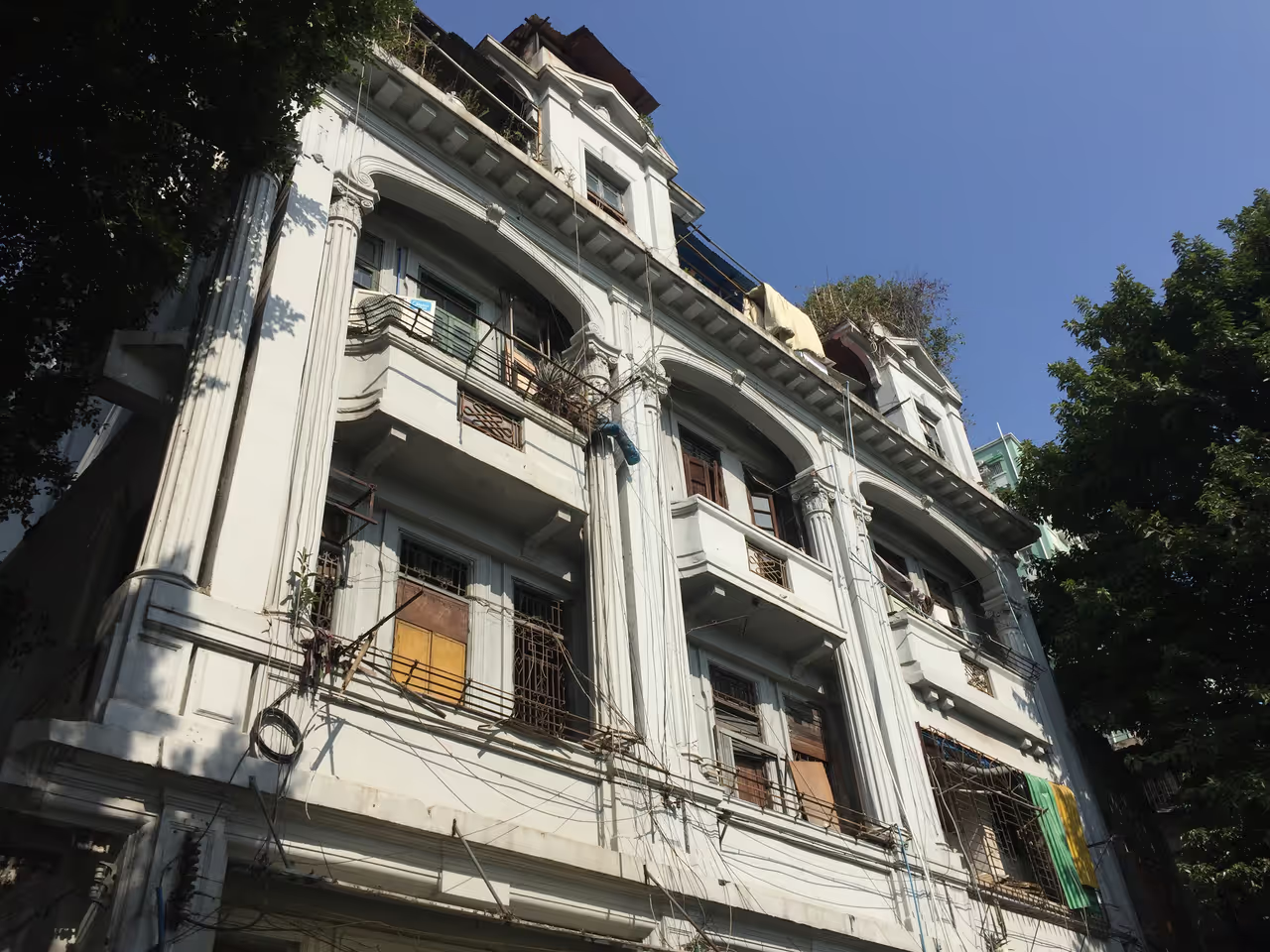 5146m
5146mXiguan Traditional Residences
These historic courtyard houses were once the opulent homes of the local upper class and wealthy merchants. They are characterised by heavy wooden doors, intricate stained glass windows, and highly practical layouts designed for the humid climate. Walking past them offers a tangible connection to the traditional lifestyle of the late imperial era. Many have been beautifully restored to showcase their classic brickwork and ornate carvings. They represent the absolute pinnacle of indigenous southern residential architecture.
architecture view
Explore Similar Places in This Collection
Featured on This Itinerary
See all nature & parks in Guangzhou
South China National Botanical Garden, Yuexiu Park, Nansha Wetland Park...