South China National Botanical Garden
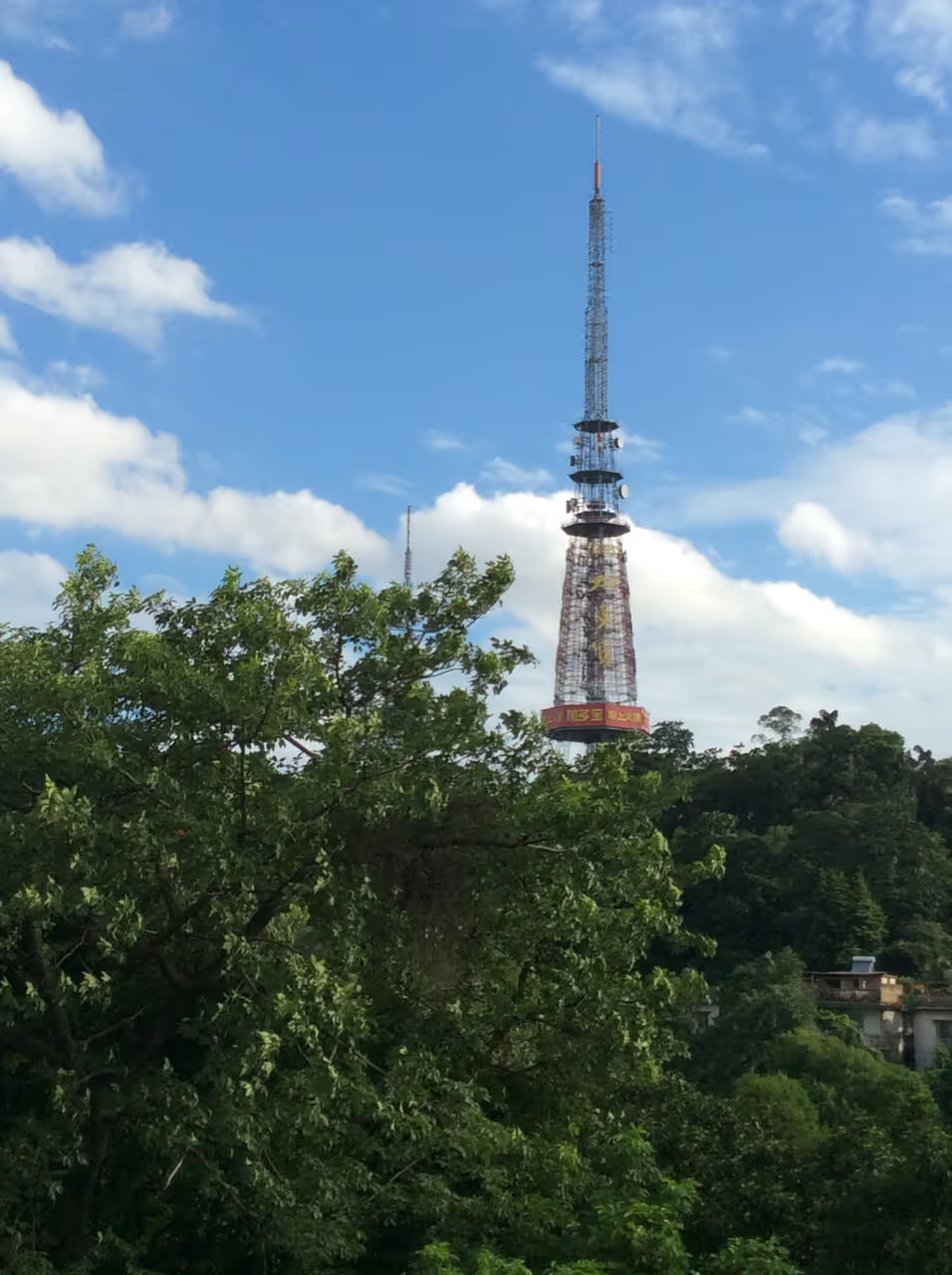
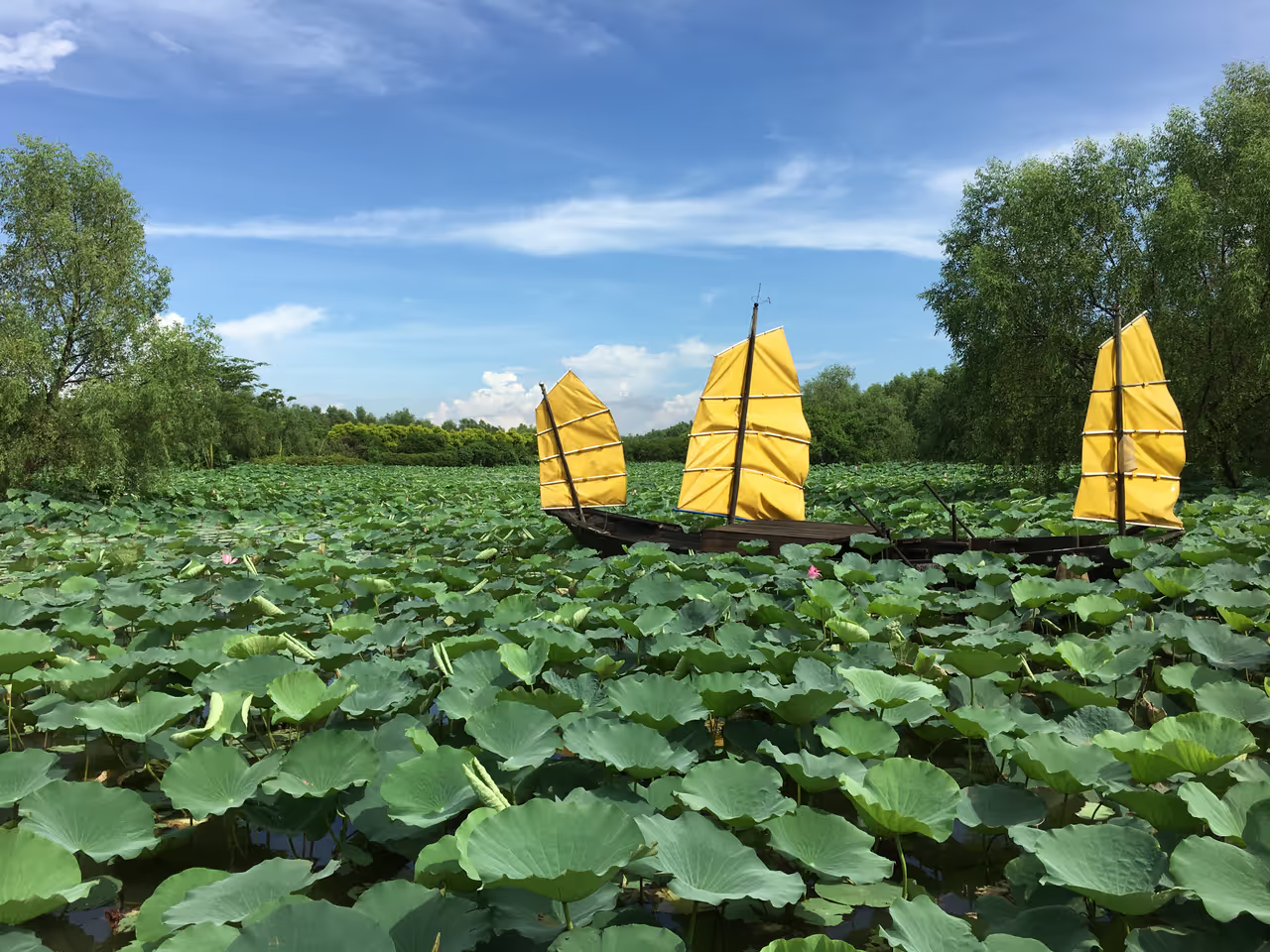
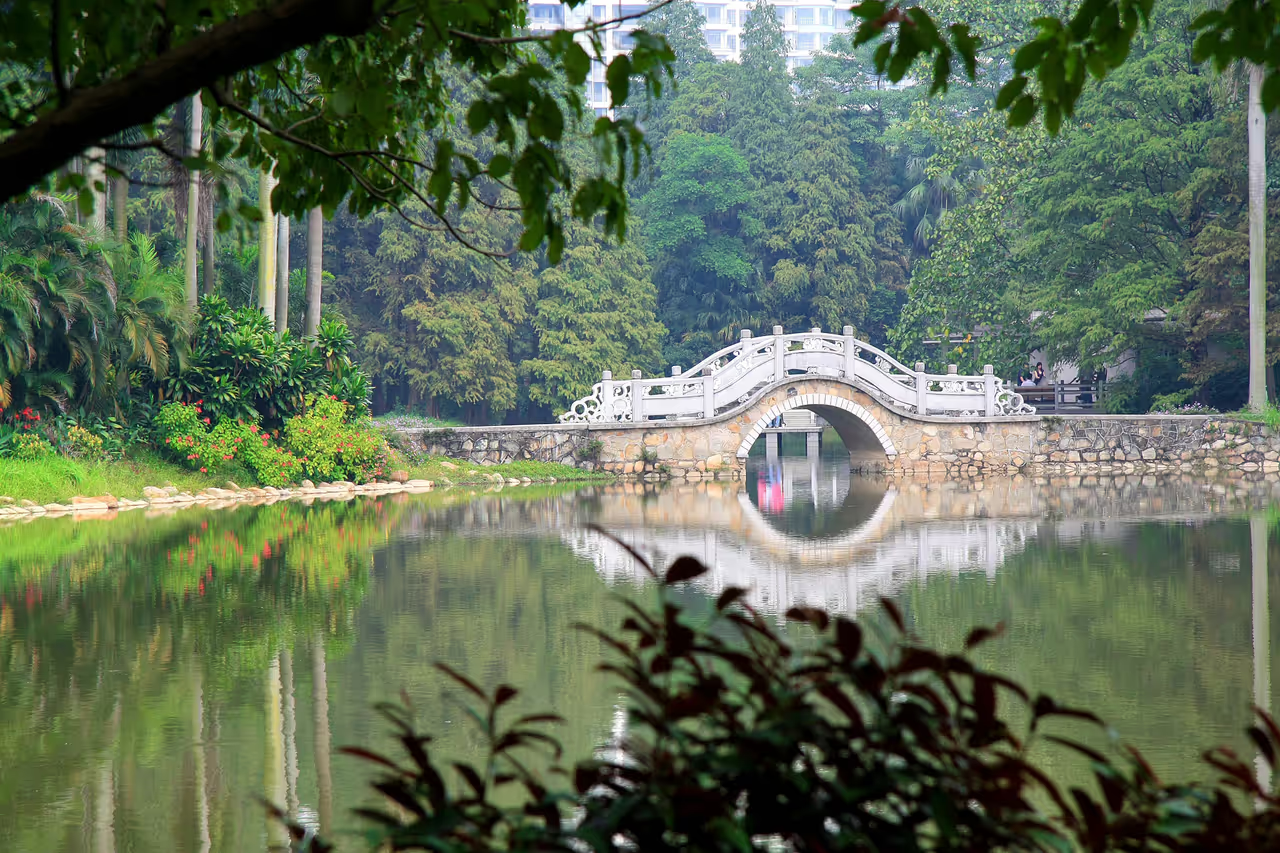
Spanning over a thousand hectares in the Tianhe District, this garden is a lush sanctuary that serves as one of the oldest and most significant botanical research sites in China. It is a place where you can travel through different climates in a single afternoon, moving from the humid depths of a tropical rainforest to the crisp air of alpine peaks within its world-class conservatory complex. The garden is particularly famous for its magnolia collection and its role in preserving 'living fossils' that have existed since the time of the dinosaurs. Visiting offers a rare chance to see endangered species thriving in meticulously designed habitats that feel entirely natural. The atmosphere is one of profound peace, making it a favourite for those looking to escape the urban pace and reconnect with the green heart of the city. Whether you are a photography enthusiast or a nature lover, the sheer scale and variety of plant life here provide an unforgettable experience.
Videos
History of South China National Botanical Garden
The story of the South China National Botanical Garden is inextricably linked to the birth of modern Chinese botany. In 1929, Chen Huanyong, a Harvard-educated visionary, returned to his homeland with the dream of documenting China's immense and then largely unexplored flora. He established a small research institute that would survive through periods of immense social change and conflict, eventually growing into a powerhouse of global plant science. This garden was not built as a simple park but as a living laboratory intended to safeguard the natural heritage of the region. Throughout the mid-20th century, the garden became a symbol of resilience. While the city around it transformed into a modern metropolis, the garden expanded its mission, moving from mere classification to active conservation and biotechnology. It became a sanctuary for plants that were losing their habitats to industrialisation. The scientists here have spent decades traveling to remote mountain ranges to bring back seeds of near-extinct species, ensuring that future generations can still witness the incredible diversity of the natural world. Today, the garden's legacy is visible in its striking architecture and its vast, serene landscapes. The 2022 designation as a National Botanical Garden solidified its role as a global leader in environmental protection. Walking through its groves today, you are walking through a testament to nearly a century of dedication. It is a place that celebrates the quiet power of nature, reminding every visitor that even in a city of millions, the roots of the wild remain deep and strong.
Events spanning 93 years
Fun Facts
- • It covers an area of roughly 2,854 acres, making it one of the largest urban botanical gardens on the planet.
- • It houses a massive herbarium containing more than one million plant specimens, serving as a vital record of Asian biodiversity.
- • It serves as a primary site for the 'Ex-situ' conservation of rare and endangered plants from across Southern China and Southeast Asia.
- • The 'Tree of Life' sculpture in the main plaza represents the evolutionary connections between all living organisms on Earth.
- • The conservatory complex is designed to look like a giant kapok flower, which is the official city flower of Guangzhou.
- • The garden is home to the world's most comprehensive collection of Magnoliaceae, featuring over 200 species of these ancient and beautiful flowering plants.
- • The garden was the first place in China to successfully cultivate several rare species that were previously thought to be extinct in the wild.
- • The garden's research team was instrumental in discovering the 'dawn redwood' or Metasequoia, a tree species once known only from fossils.
- • The site includes a dedicated ginger garden that displays one of the largest varieties of Zingiberaceae in the world, used for both medicine and cooking.
- • Within the grounds, visitors can find the Longdong Qilin, a scenic area named after the local legend of a mythical creature that appeared amongst the rocks and water.
RESOURCES
Official WebsiteSouth China National Botanical Garden FAQ
While we strive to keep this information accurate and up to date, we recommend verifying any details independently before making decisions based on them.
South China National Botanical Garden Map & Neighborhood Explorer
This interactive map is centered on South China National Botanical Garden. Zoom in and move the map around to automatically discover Wikipedia photos and summaries of other nearby sights, monuments, and historical points of interest and stories in real-time!
Places near South China National Botanical Garden
Make the most of your trip. Check out these top-rated spots located nearby.
 6834m
6834mTaikoo Warehouse Pier
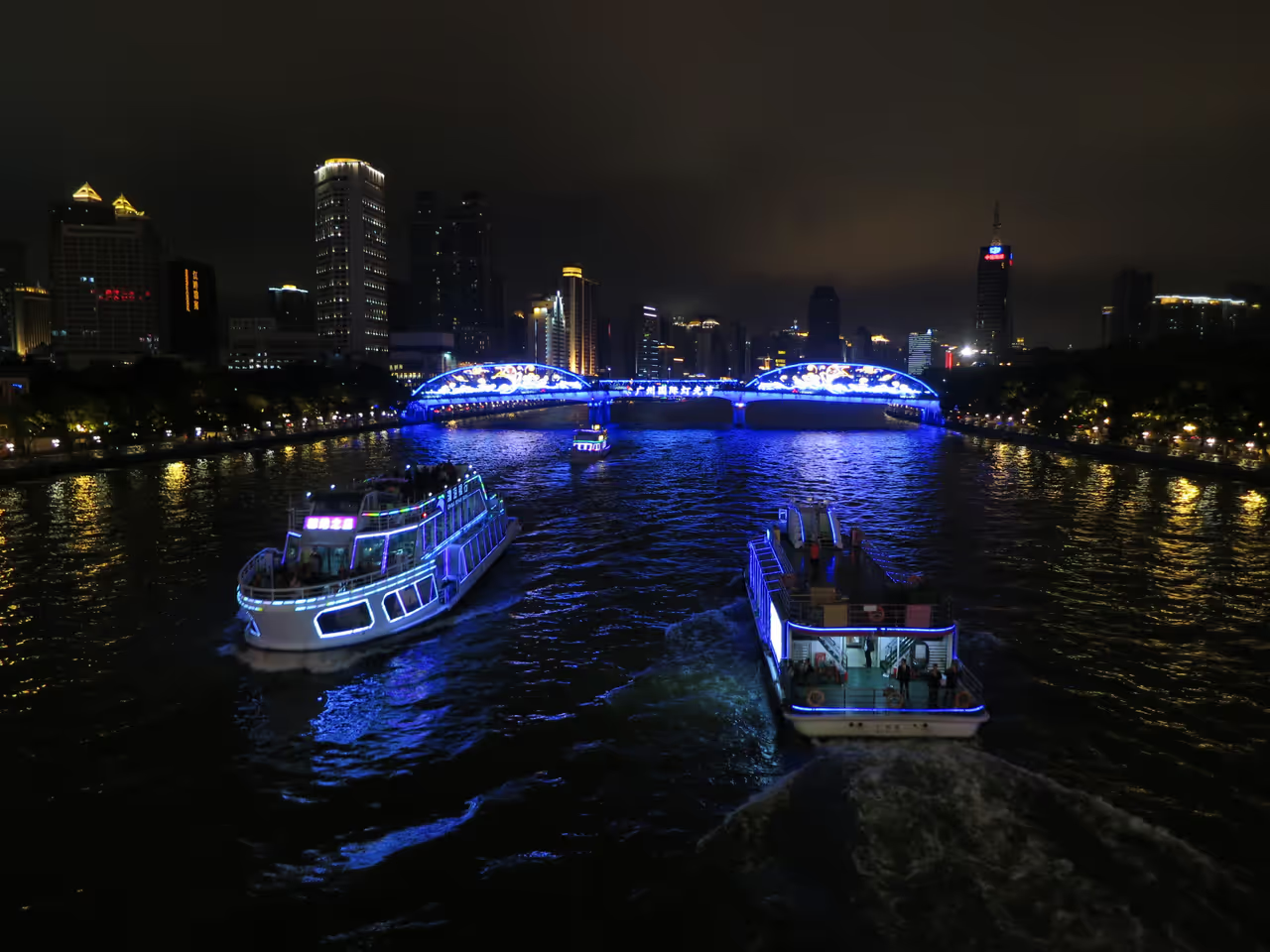
Once a bustling storage facility for a British shipping company, these massive red brick warehouses have been converted into a highly atmospheric entertainment district. Situated right on the river, it is now filled with chic wine bars, seafood restaurants, and a boutique cinema. The industrial architecture provides a striking backdrop for evening strolls and waterfront dining. It is significantly less crowded than the main bar streets, making it popular for dates and quiet dinners. The sunset views over the water here are spectacular.
hidden gem view 7037m
7037mSpring Festival Flower Fairs
The entire city transforms into a massive, colourful botanical garden just before the lunar new year. Streets are closed to traffic and lined with stalls selling auspicious plants, fresh flowers, and traditional crafts. Locals flock here to buy decorations that will bring good luck for the coming year. The atmosphere is joyous, crowded, and filled with festive music. It is a fantastic opportunity to witness traditional holiday preparations in the City of Flowers.
festival view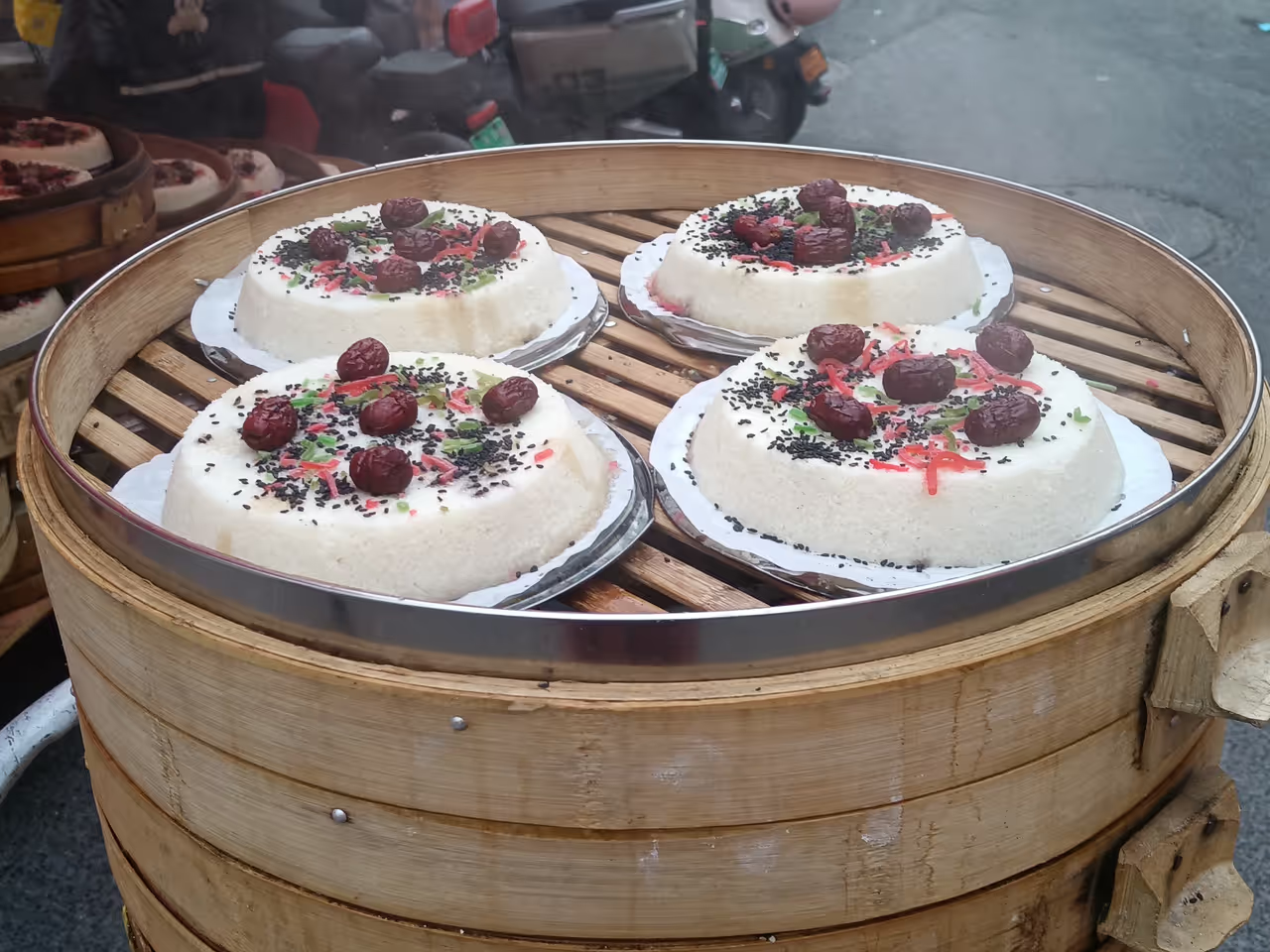 7046m
7046mDouble Ninth Festival
Following an ancient custom, thousands of locals spend this autumn day hiking up the nearby hills and mountains. Baiyun Mountain becomes incredibly lively as families climb the trails to enjoy the crisp air and ward off misfortune. Chrysanthemum tea and special cakes are consumed at the summit. It is a wonderful blend of physical activity and cultural preservation. The panoramic views from the top are particularly rewarding on this clear day.
festival view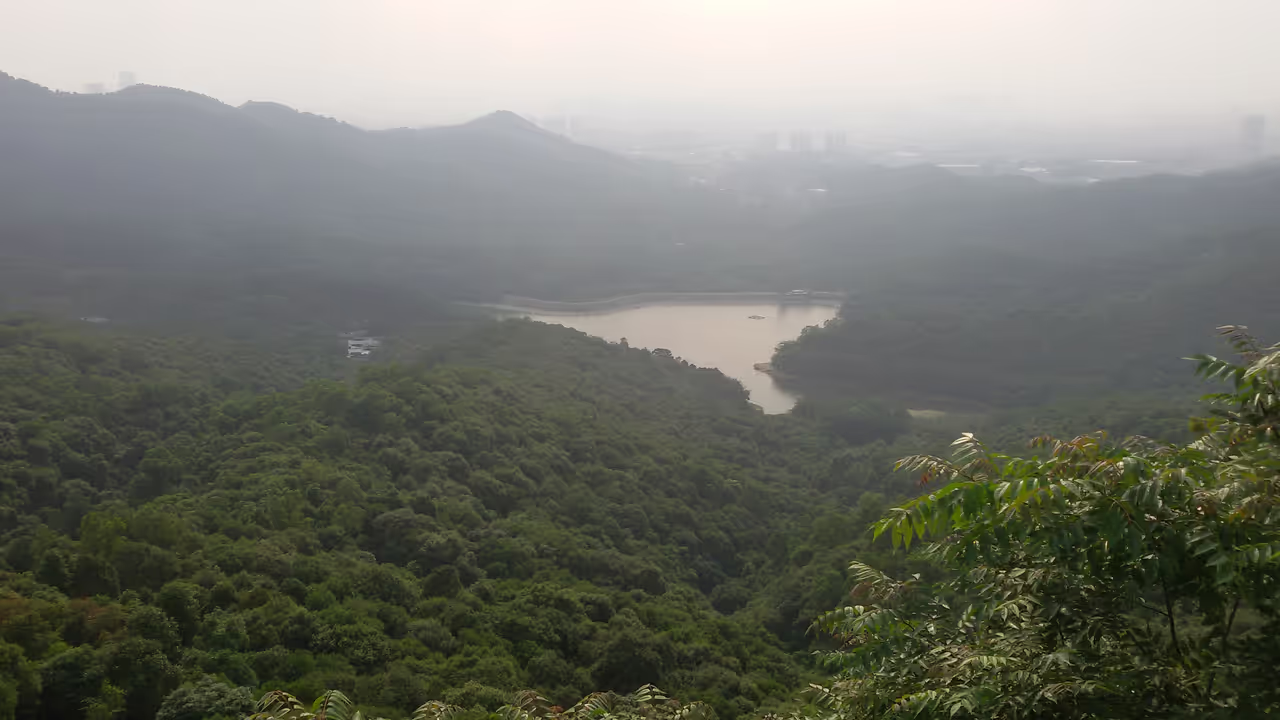 7163m
7163mBaiyun Mountain
Rising gently above the cityscape of Guangzhou, Baiyun Mountain offers a refreshing escape from the urban environment. Often referred to as the City's Lung, this sprawling landscape is a haven for those looking to swap concrete for lush greenery and mist kissed trails. Visiting is a journey through history, as the peaks have been celebrated in poetry and art for centuries. Whether you are trekking to Moxing Peak for a panoramic view or simply wandering through the pine forests, the atmosphere is serene and deeply restorative. It serves as a beautiful reminder of the region's natural grandeur, standing as a tranquil guardian over the energetic metropolis below.
park & nature view
Featured on This Itinerary
See all nature & parks in Guangzhou
Baiyun Mountain, Yuexiu Park, Nansha Wetland Park...