Yerevan
Full City Guide, Map & 123 Things To Do
1,054,698 people live here.
That's 35.28% of the entire population of Armenia.
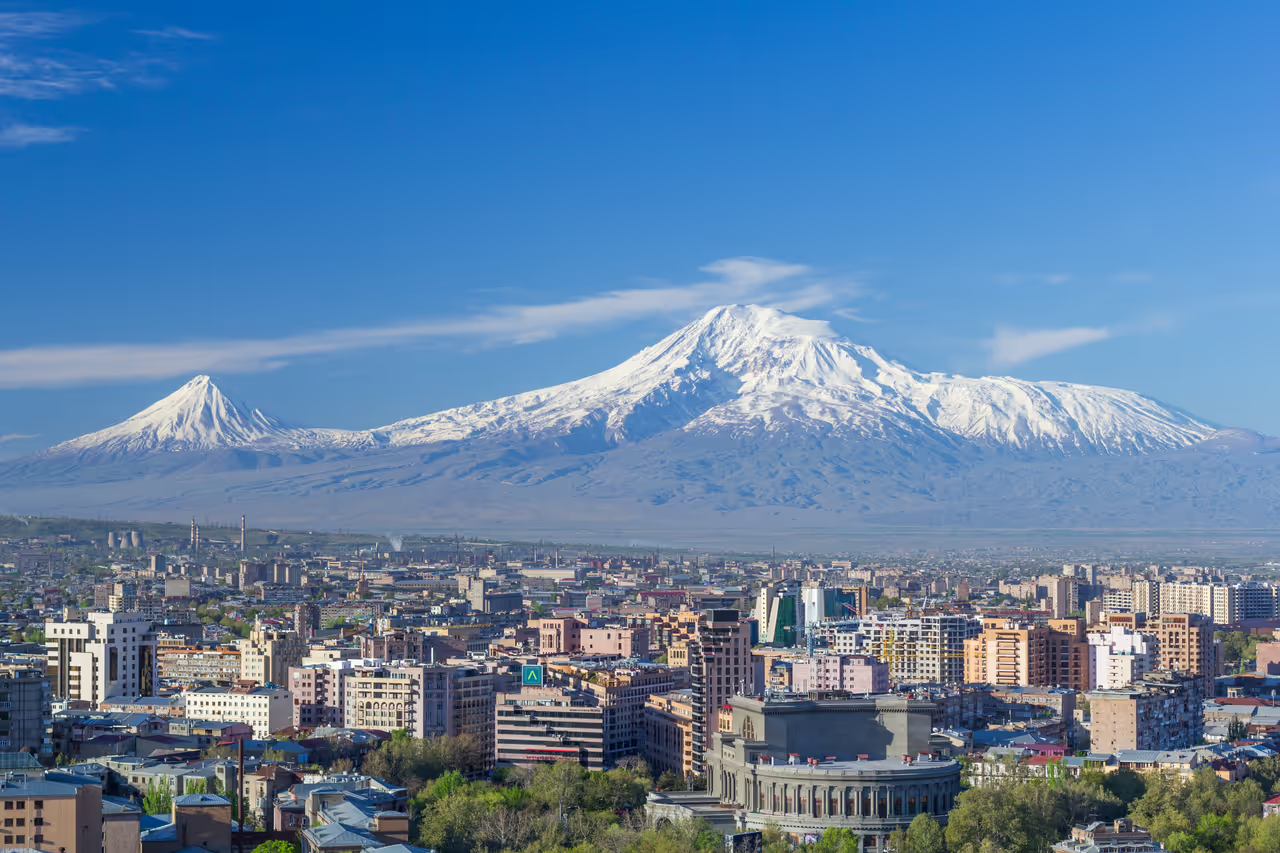
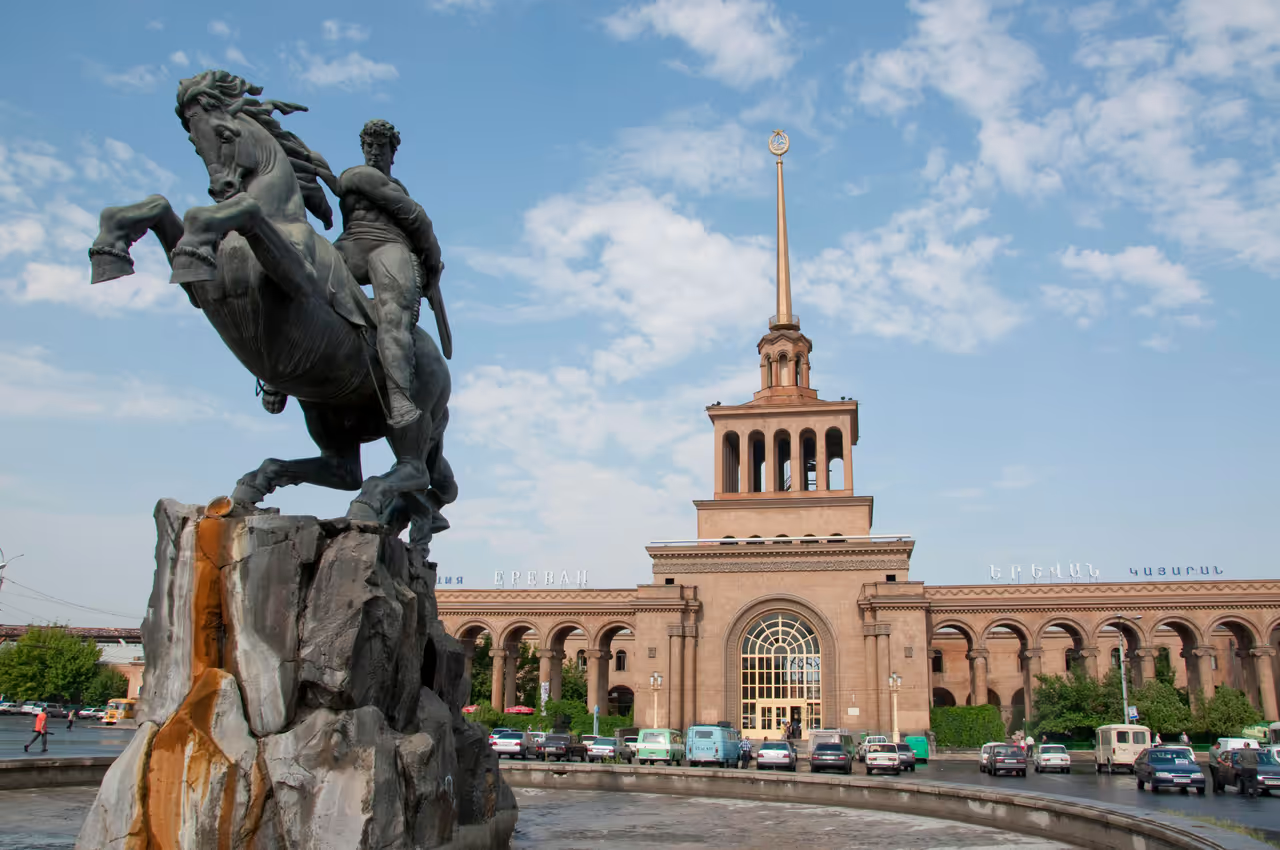
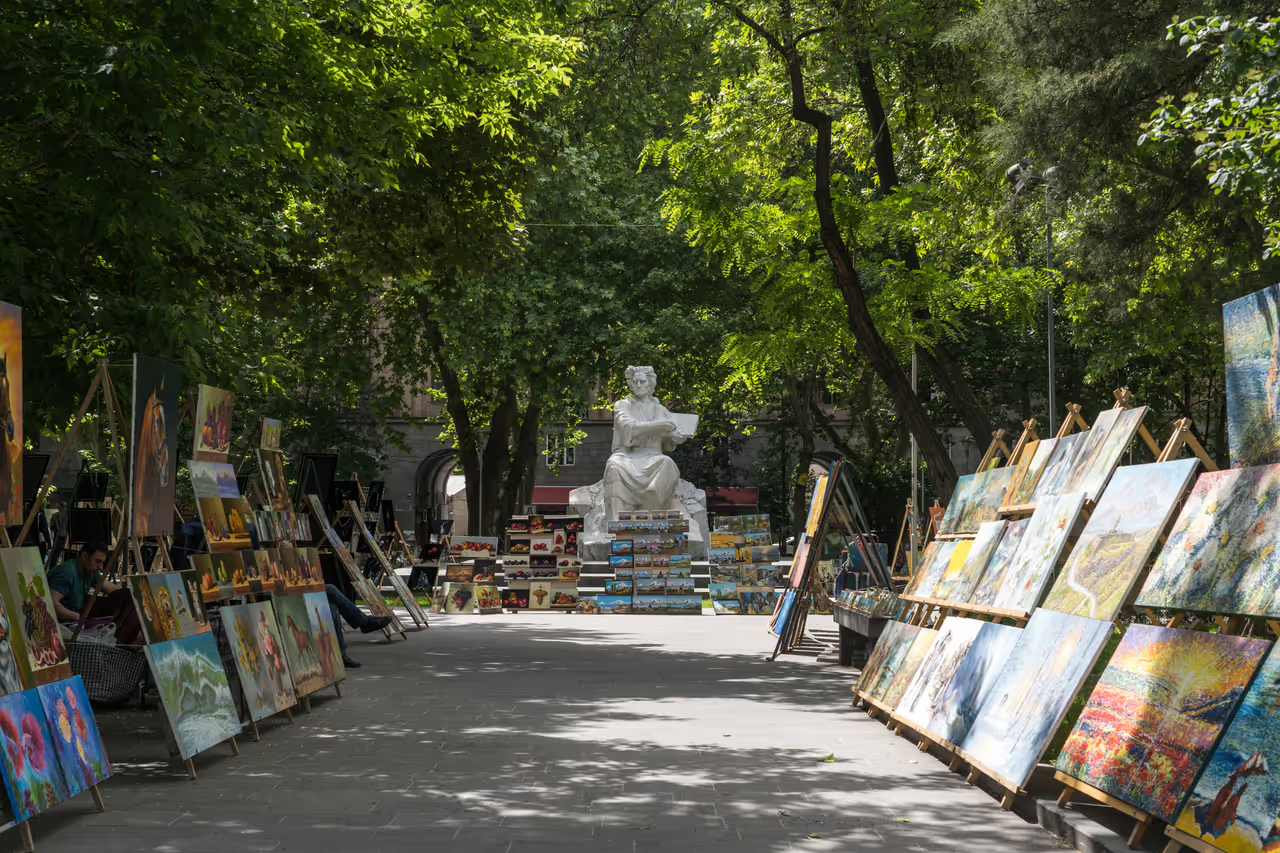
Yerevan was founded as the fortress of Erebuni, whose excavated walls and cuneiform inscriptions still stand on a hill at the city's edge. Much of the centre was rebuilt in the 1920s under Soviet architect Alexander Tamanyan, who used pink and orange volcanic tufa for the boulevards and Republic Square, giving the city its nickname. The Cascade, a giant tiered stone stairway climbing the hillside, doubles as an open-air museum of modern sculpture and ends at a platform where, on clear days, Mount Ararat is visible across the border in Turkey, close enough to see snow on its slopes despite sitting outside Armenia's current territory. Vernissage market fills a downtown square each weekend with everything from Soviet medals to hand-carved backgammon sets, bargained over in a mix of Armenian and Russian. Yerevan also has a deep-rooted brandy culture, with the Ararat distillery producing since the 1880s and Winston Churchill once reportedly requesting cases sent to him personally. By night, the streets around Saryan and Pushkin fill with jazz bars, a scene that took hold in the Soviet era when jazz was semi-tolerated in Armenia even as it was restricted elsewhere in the USSR.
Yerevan DNA
History of Yerevan
In 782 BC, King Argishti I carved a message into a basalt slab at the edge of the Ararat Plain. He wanted to instil fear in his enemies by building a royal citadel, and that cuneiform inscription remains intact today at the Erebuni Fortress. The Urartian military stronghold guarded against northern invaders and gave the future Armenian capital its name, as linguistic shifts gradually morphed Erebuni into Yerevan. Christian chroniclers later preferred a different origin story, claiming Noah looked out from Mount Ararat as the floodwaters receded and yelled "Yerevats!" upon seeing land. The mountain itself still dominates the city skyline today, its snow-capped peak visible from almost every street corner. Centuries of warfare between the Ottoman and Safavid empires turned the surrounding Ayrarat province into a heavily contested frontier. Control of the local fortress passed back and forth until the earth itself intervened. On a June morning in 1679, a catastrophic earthquake levelled nearly every structure in sight. Rebuilding took decades. The survivors constructed new homes along the narrow, winding alleys of the Kond neighbourhood, which still retains its seventeenth-century layout today. Iranian influence from this era of reconstruction survives at the Blue Mosque on Mashtots Avenue, where the original intricate tilework remains intact on the facade. Russian troops breached the city walls in October 1827, permanently ending Persian rule and ushering in an era of European style development. Breweries, printing houses, and telephone lines slowly modernised the provincial town. The true turning point arrived in May 1918, when Turkish forces advanced toward the city limits. Church bells rang continuously for six days as local peasants, poets, and blacksmiths armed themselves, eventually halting the invasion at the Battle of Sardarabad. Barely a week later, independence was declared. Yerevan became the capital of the First Republic of Armenia, absorbing thousands of refugees who crowded into the central Shahar quarter. Soviet authority arrived in 1920 and completely erased the old street map. Architect Alexander Tamanian drafted an ambitious circular and radial plan designed for a modern industrial metropolis. He mandated the use of local volcanic tuff, a construction choice that gave Yerevan its enduring nickname as the Pink City. Entire historic districts were bulldozed to make way for grand neoclassical projects. The fifth-century Saint Paul and Peter Church was demolished, and the Moscow Cinema now stands in its place. A massive bronze monument to Joseph Stalin loomed over the central square for decades until locals tore it down in 1962, replacing it with the colossal sword-wielding statue of Mother Armenia that still watches over the Hrazdan River gorge. The Soviet collapse sparked a chaotic transition period, marked by mass demonstrations in Freedom Square and severe electricity shortages. Today, a new wave of development has transformed the urban landscape. Glass towers line Northern Avenue, where pedestrians walk past outdoor jazz cafes and local vendors selling intricate woodwork. The traditional spirit of the city remains highly visible, especially during the mid-summer festival of Vardavar. Anyone walking past the Swan Lake near the Opera House on this specific Sunday is guaranteed to be doused with buckets of water by laughing teenagers, a modern survival of an ancient ritual echoing right across the wet pavement of the city centre.
13 Events spanning 2800 years
Map of Yerevan
Interactive Destination & Itinerary Map
This map blends our curated city guides—featuring best photo spots, scenic walks, viewpoints, hidden gems and much more—with a live Wikipedia explorer. Click on our numbered pins to plan your routes, or zoom in on the surrounding neighborhoods to discover verified local landmarks, museums, and stories with dynamic Wikipedia summaries and photos!
Fun Facts
- • The city is affectionately known as the Pink City because most of its buildings are constructed from naturally rosy volcanic tufa stone.
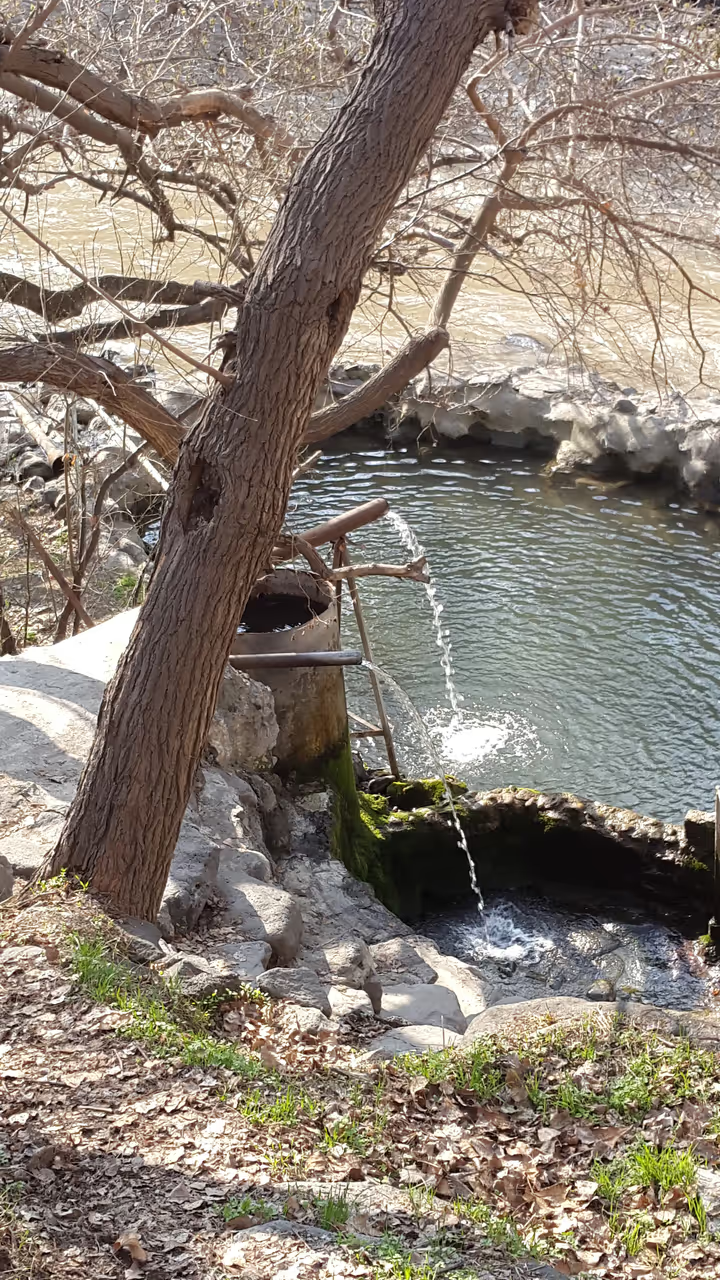
- • Clean, refreshing drinking water flows constantly from small, artistically carved public fountains called pulpulaks scattered across every neighbourhood.
- • The local dialect heavily incorporates ancient Classical Armenian words that date back over a thousand years.
- • During the Soviet era, 'Radio Yerevan' jokes became a widely popular form of subversive, deadpan political humour across the entire Eastern Bloc.
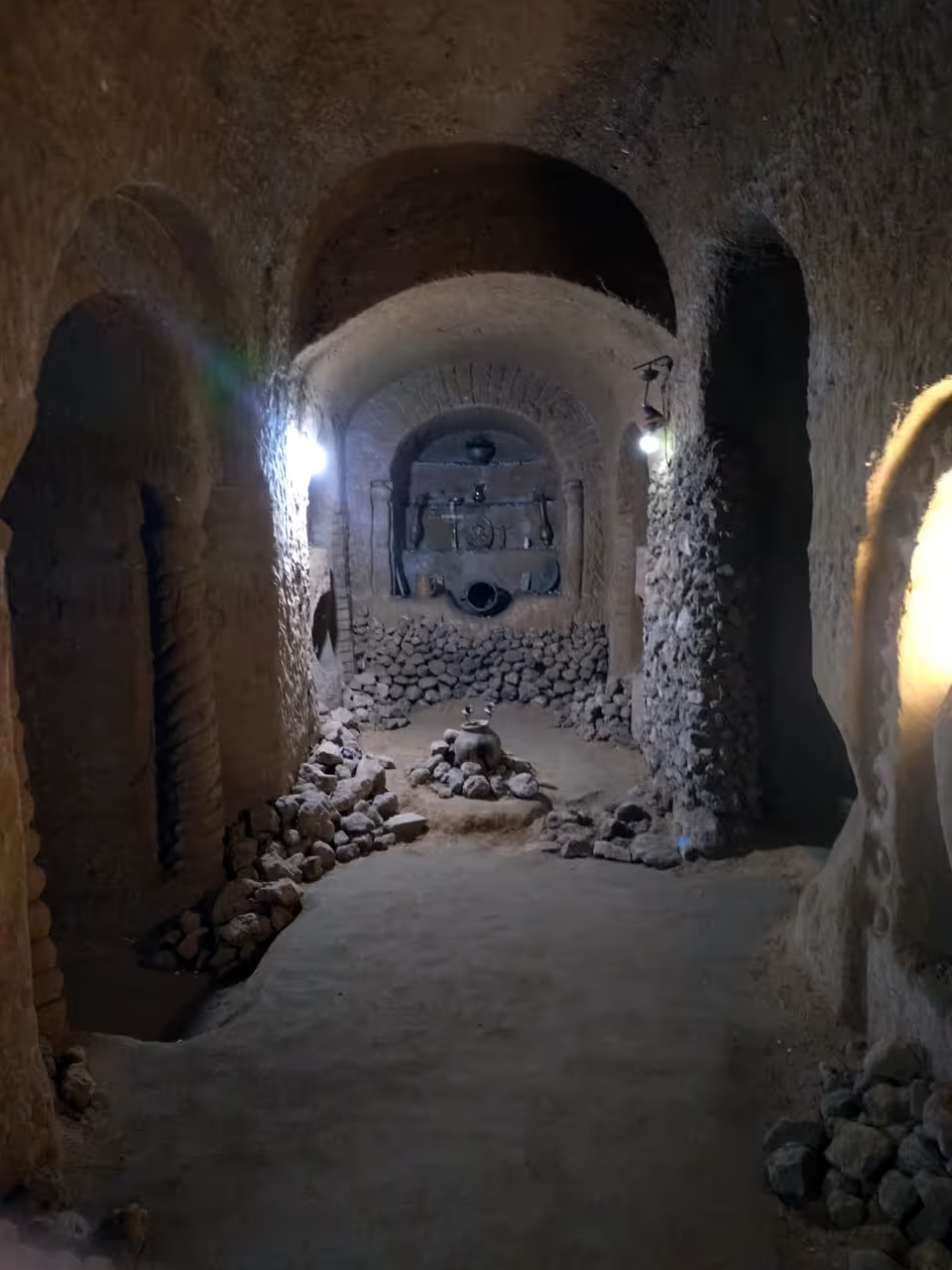
- • A local resident spent twenty three years digging a massive subterranean temple complex beneath his house simply because his wife asked him for a potato cellar.
Did You Know?
- • The ancient Erebuni Fortress was founded in 782 BC, making the city twenty nine years older than Rome.
- • The Matenadaran institute holds an incredible repository of over seventeen thousand ancient manuscripts, preserving centuries of global scientific and philosophical thought.
- • Armenia was the first nation to adopt Christianity as its official state religion in 301 AD, a legacy reflected deeply in the capital's historical sites.
- • The entire central layout was masterfully redesigned in the 1920s to resemble a sunburst, integrating nature and civic spaces in a radial pattern.
- • Following geopolitical shifts in 2022, the capital absorbed over forty thousand IT professionals, transforming the local economy into a major tech hub.
Videos of Yerevan
Seasons
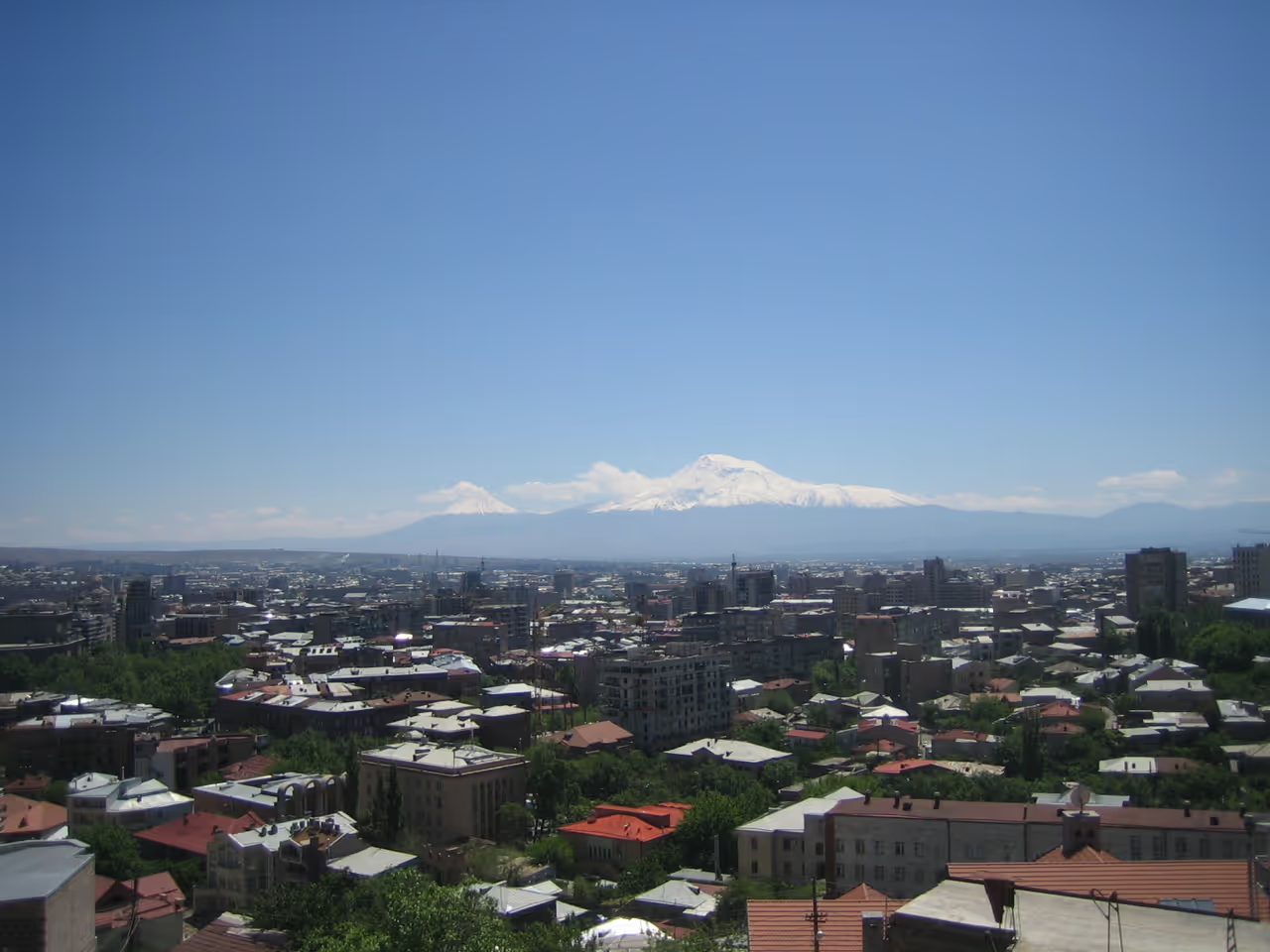
Spring
The weather becomes wonderfully mild, breaking the chill of the winter. The surrounding hills and parks erupt in vibrant green...
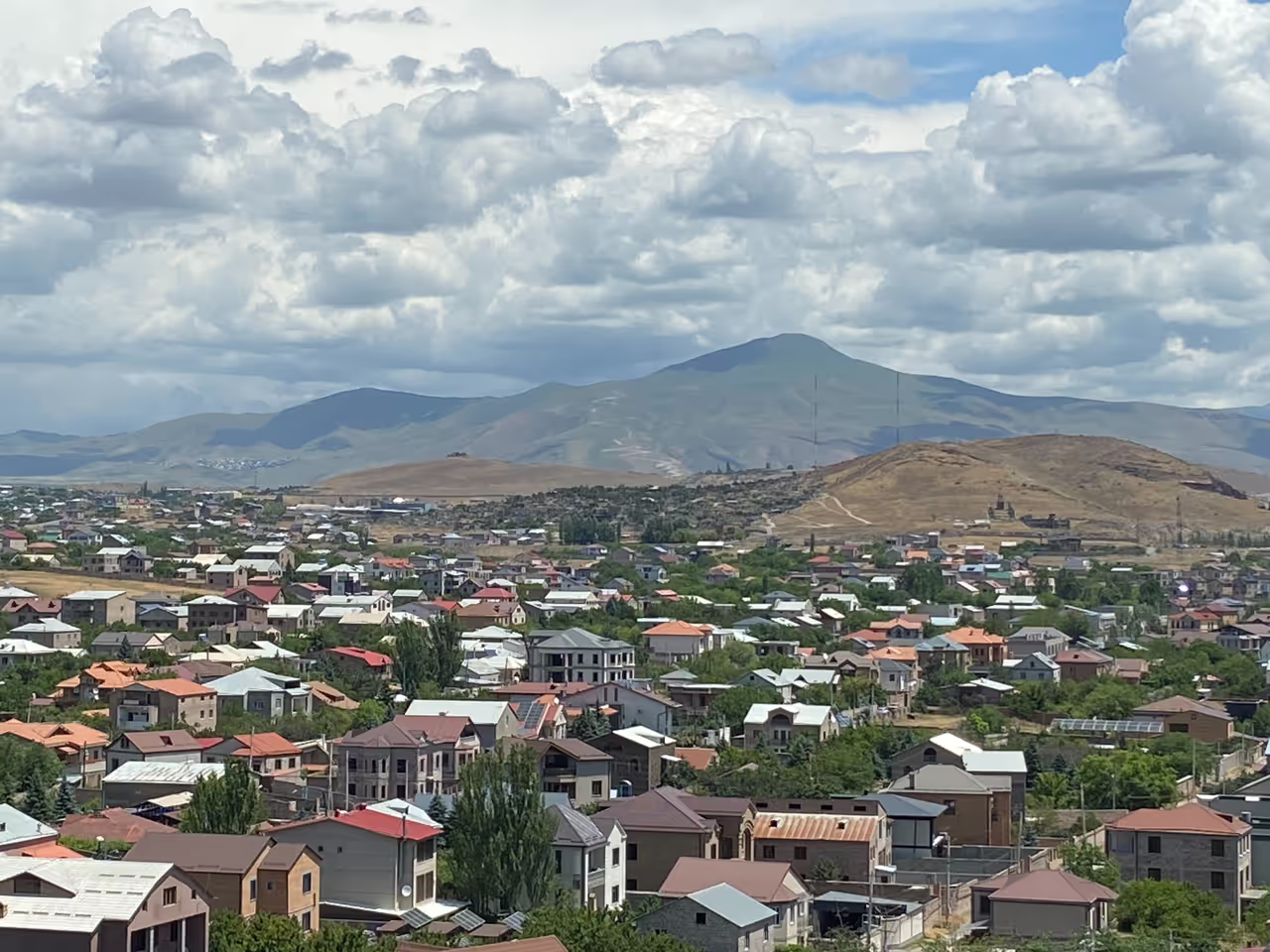
Summer
Temperatures soar, making the middle of the day intensely hot and dry. The city truly comes alive after sunset, with locals...
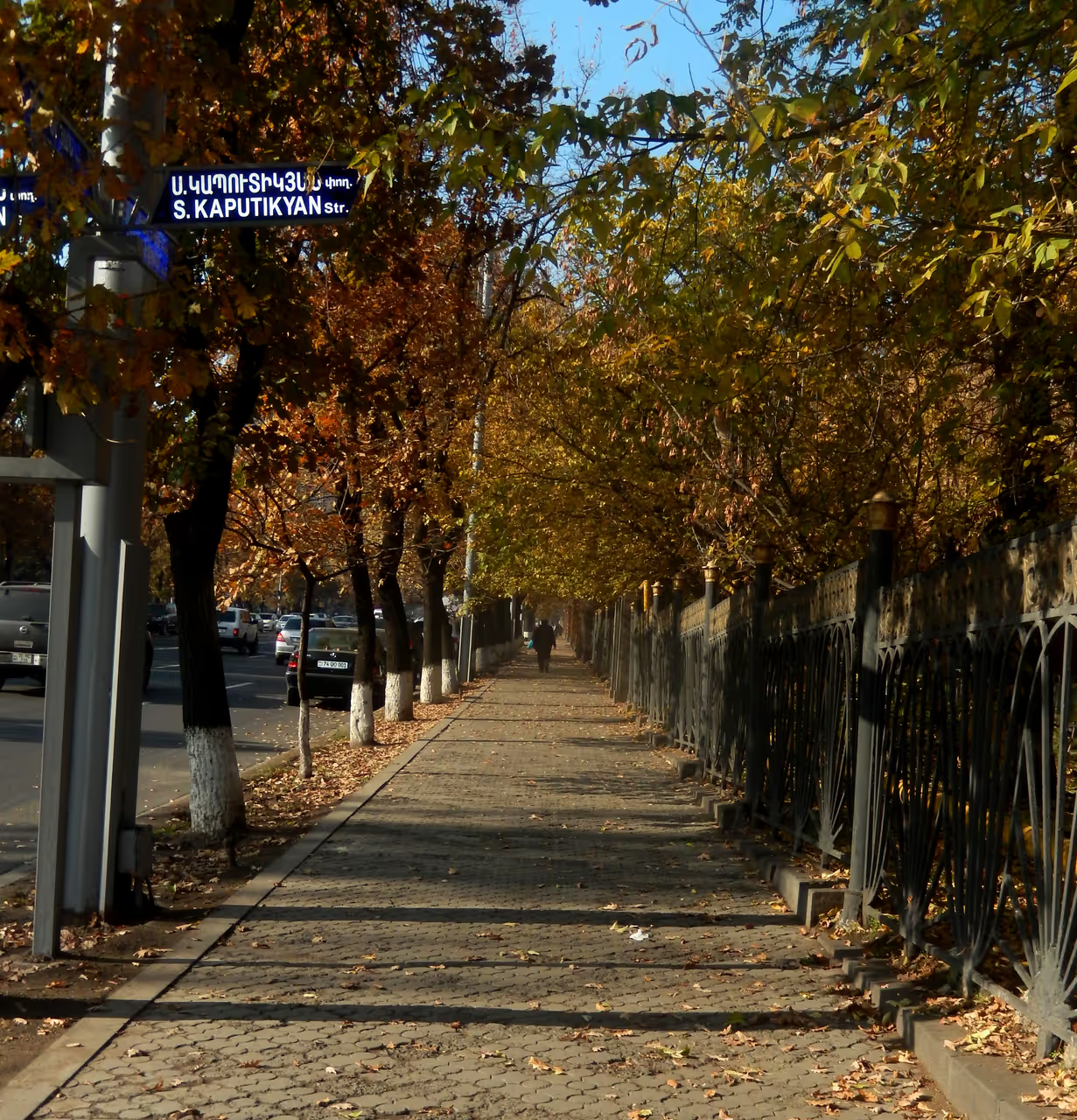
Autumn
Considered by many locals to be the absolute best time to visit the capital. The intense summer heat fades into crisp...

Winter
The city experiences cold temperatures and occasional snowfall, transforming the pink buildings with a beautiful white dusting...
Top Attractions in Yerevan
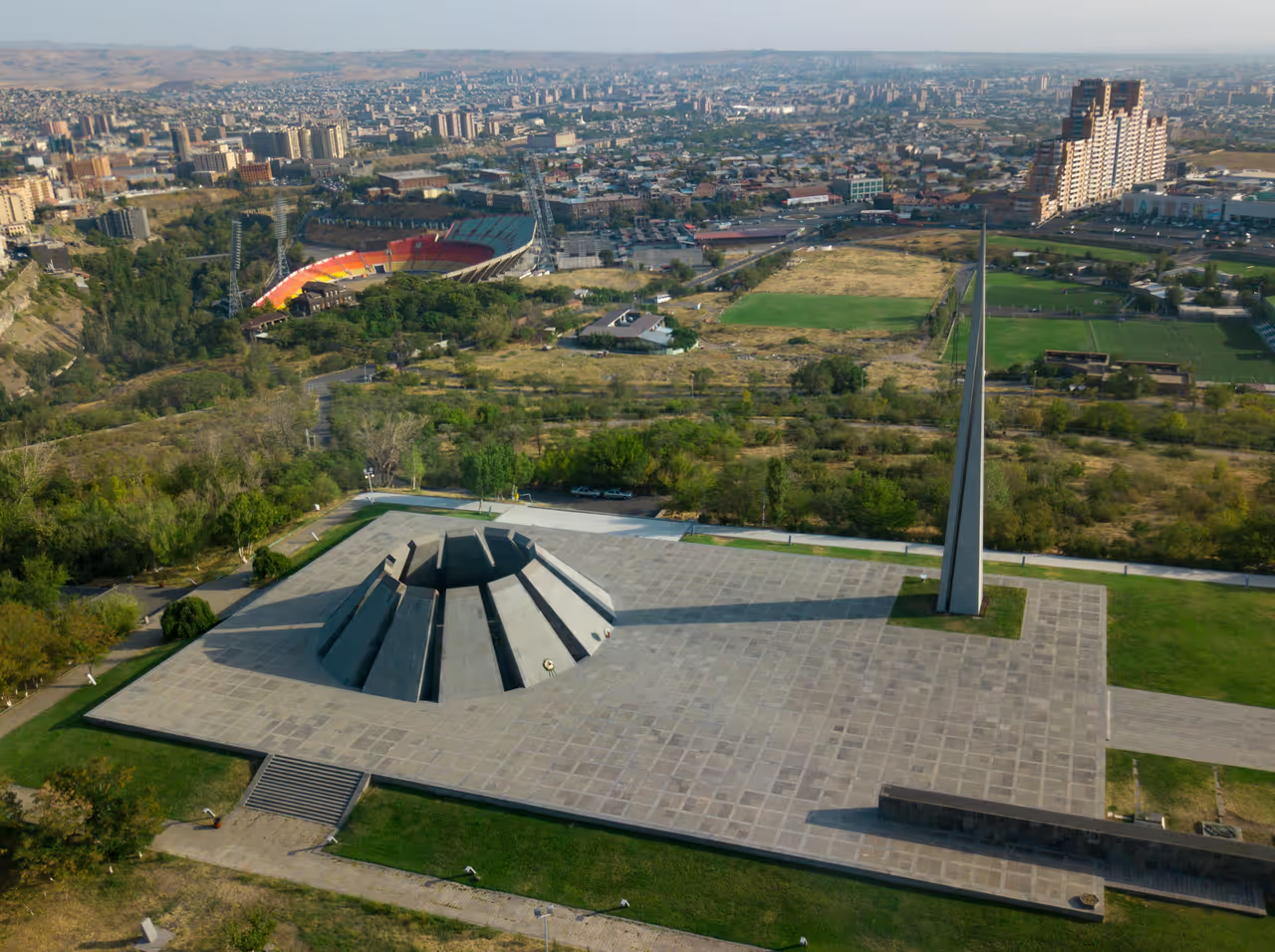
Armenian Genocide Memorial complex (Tsitsernakaberd)
Perched atop a hill with sweeping views of the city and Mount Ararat, the Tsitsernakaberd memorial complex stands as a powerful...
view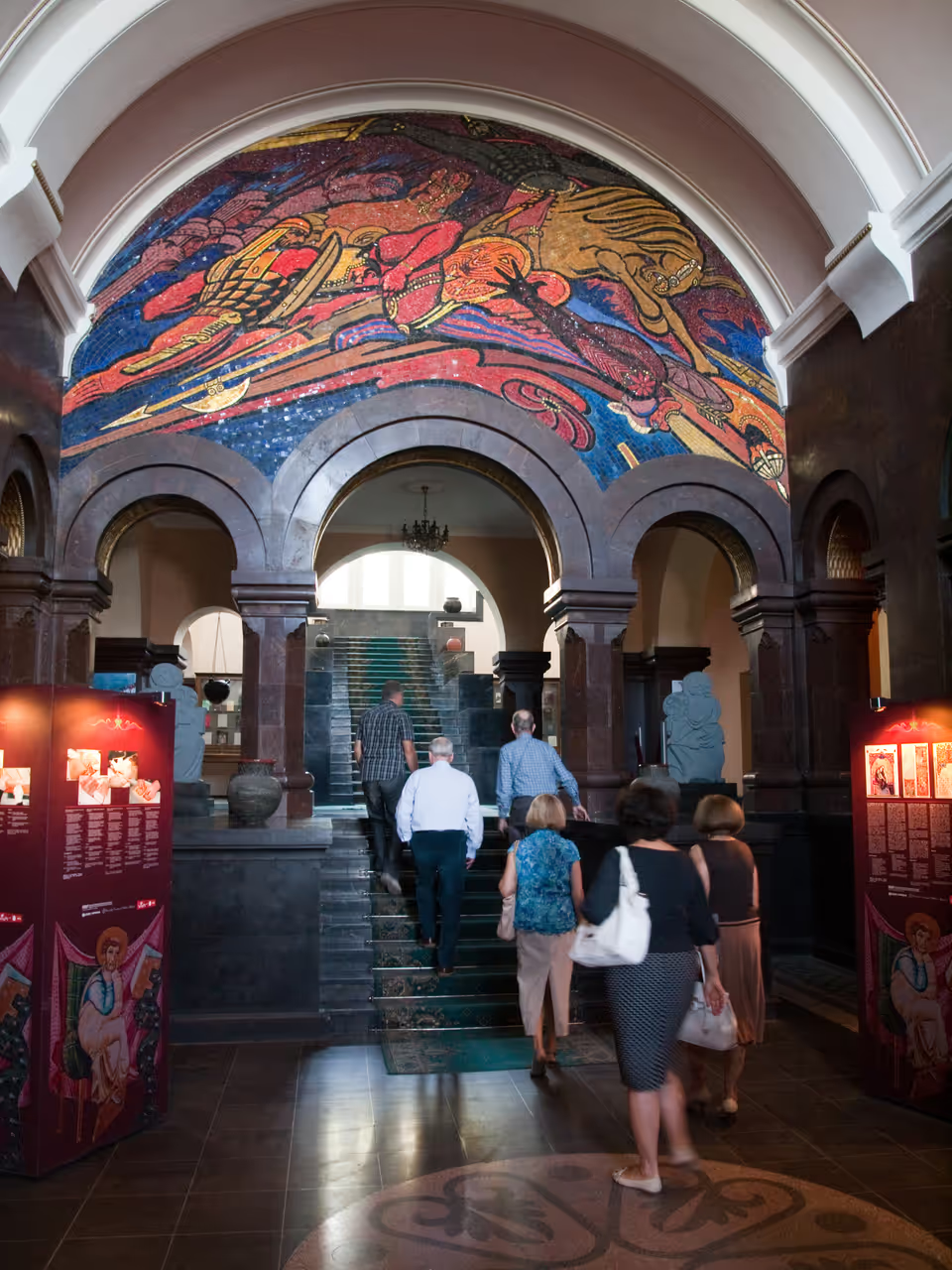
Matenadaran
Standing as the guardian of Armenian history, this striking museum houses one of the world's most impressive collections of...
view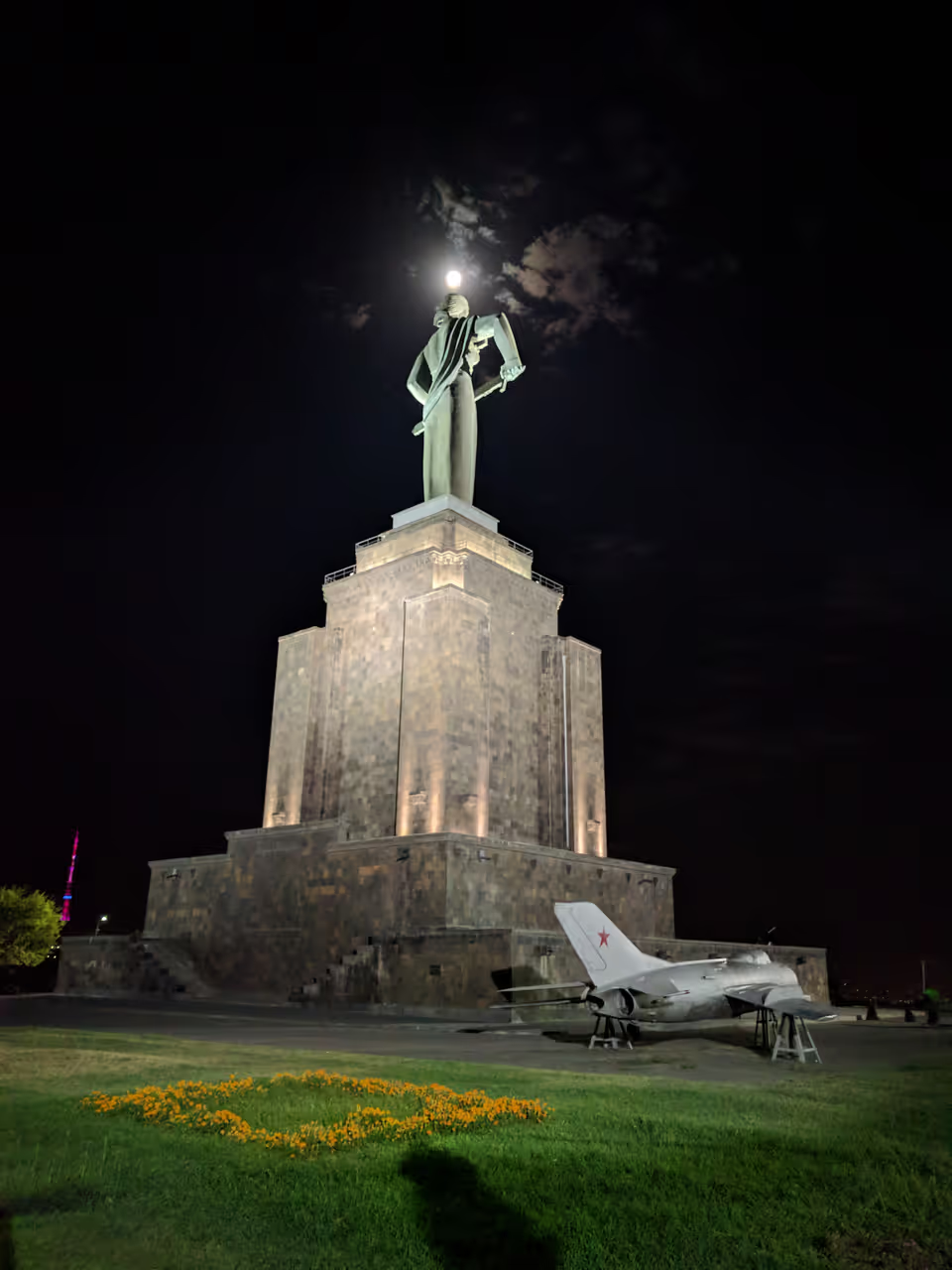
Mother Armenia
Standing tall over the capital, Mother Armenia serves as the powerful personification of the nation. She watches over Yerevan...
view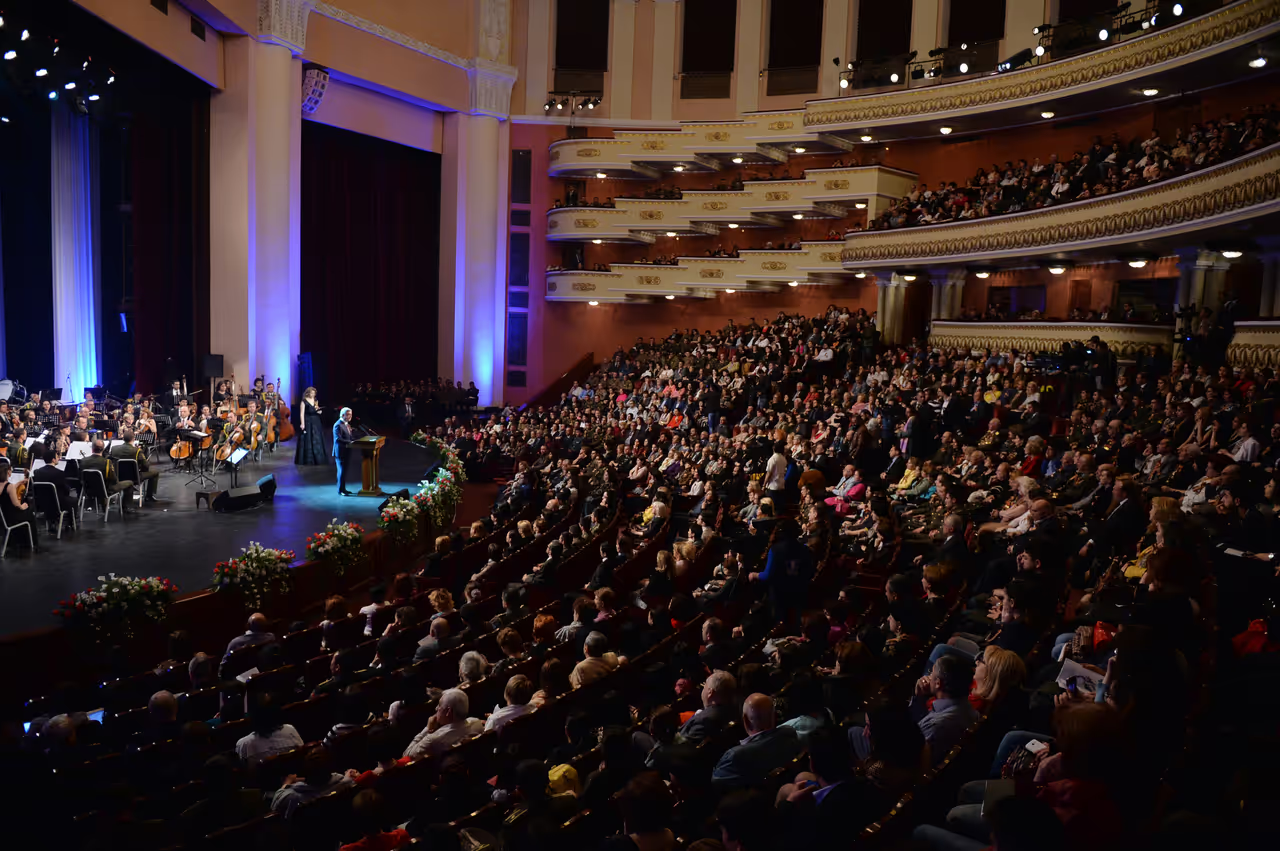
National Academic Opera and Ballet Theatre
The Opera Theatre stands as the cultural heart of Yerevan, a magnificent architectural landmark that anchors the city's social...
view
Best Views
Yerevan Itineraries
TRIP PLANNER
3 Days Recommended
Three days provides the perfect window to comfortably explore the central architectural landmarks, world class museums, and the vibrant culinary scene. This timeframe allows for unhurried evenings in the local wine bars while still leaving enough time for a half day excursion to nearby historical sites. It strikes the ideal balance between seeing the major attractions and soaking in the local atmosphere.
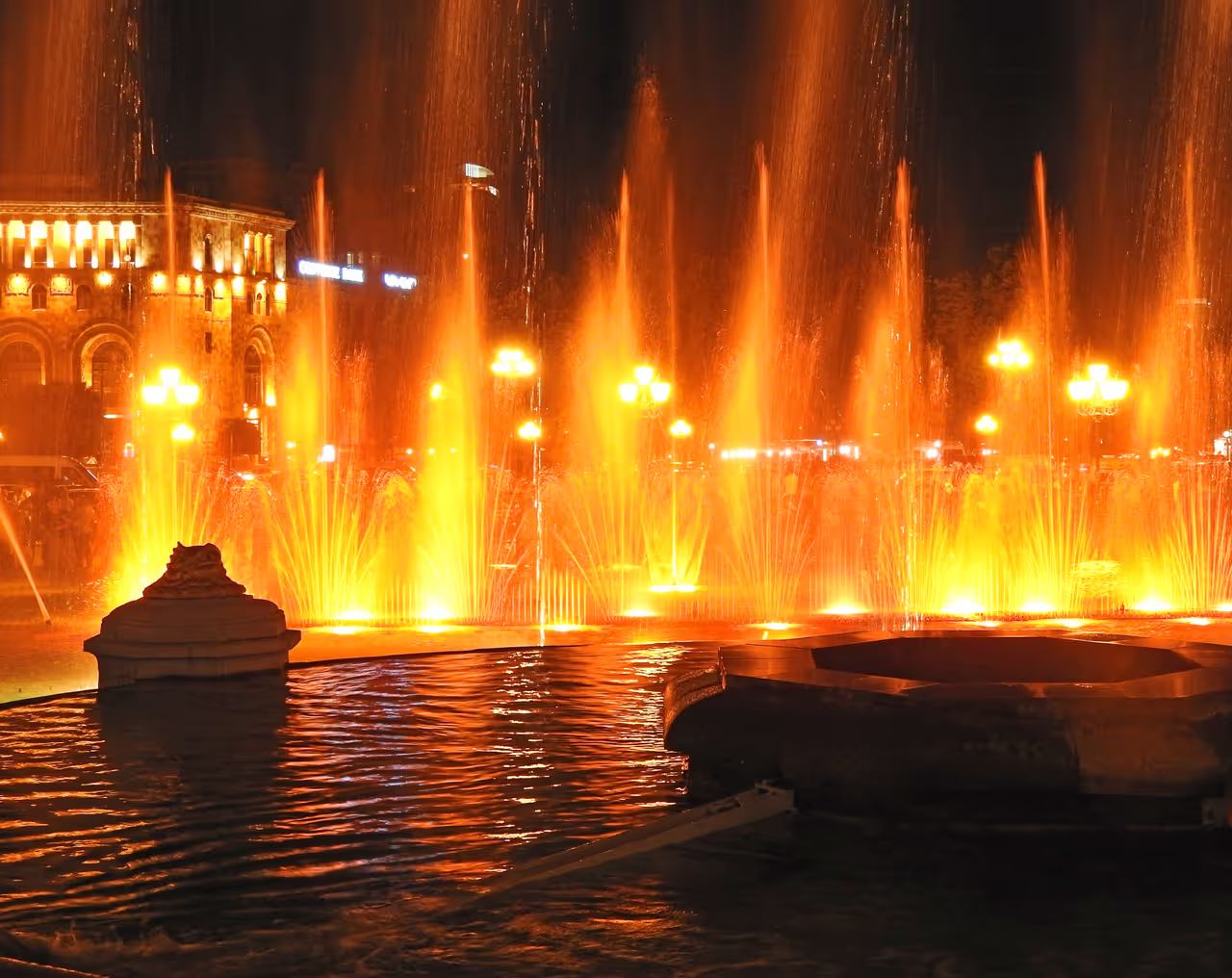
1 Day in Yerevan: The Pink City Itinerary
A highly concentrated tour designed to showcase the absolute essentials of the capital in a single, energetic day. It focuses heavily on the grand architecture, key cultural monuments, and the lively pedestrian avenues of the city centre. Travellers will experience the dramatic visual transitions from monumental Soviet squares to sleek, modern promenades. It requires a brisk walking pace but rewards you with a comprehensive overview of the local character. Perfect for a quick layover or weekend dash.
view itinerary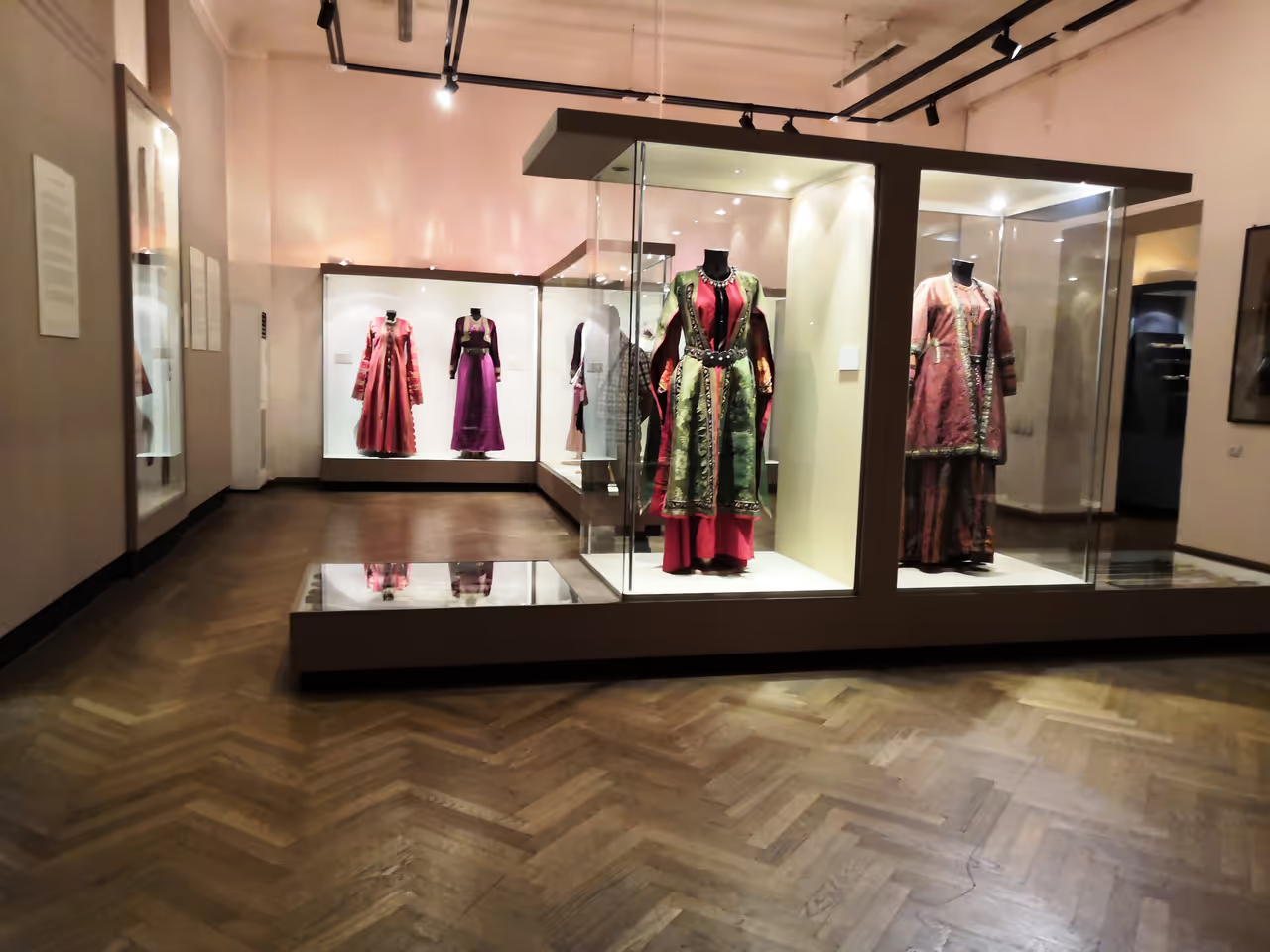
3 Days in Yerevan: Culture and History Itinerary
This balanced itinerary allows you to dig much deeper into the historical and artistic foundations of the city. Beyond the central squares, you will explore world class museums, ancient manuscripts, and vibrant local markets. It offers a steady pace that leaves plenty of time to enjoy long lunches and the famous evening wine culture. You will gain a profound understanding of the national heritage and the profound resilience of its people.
view itinerary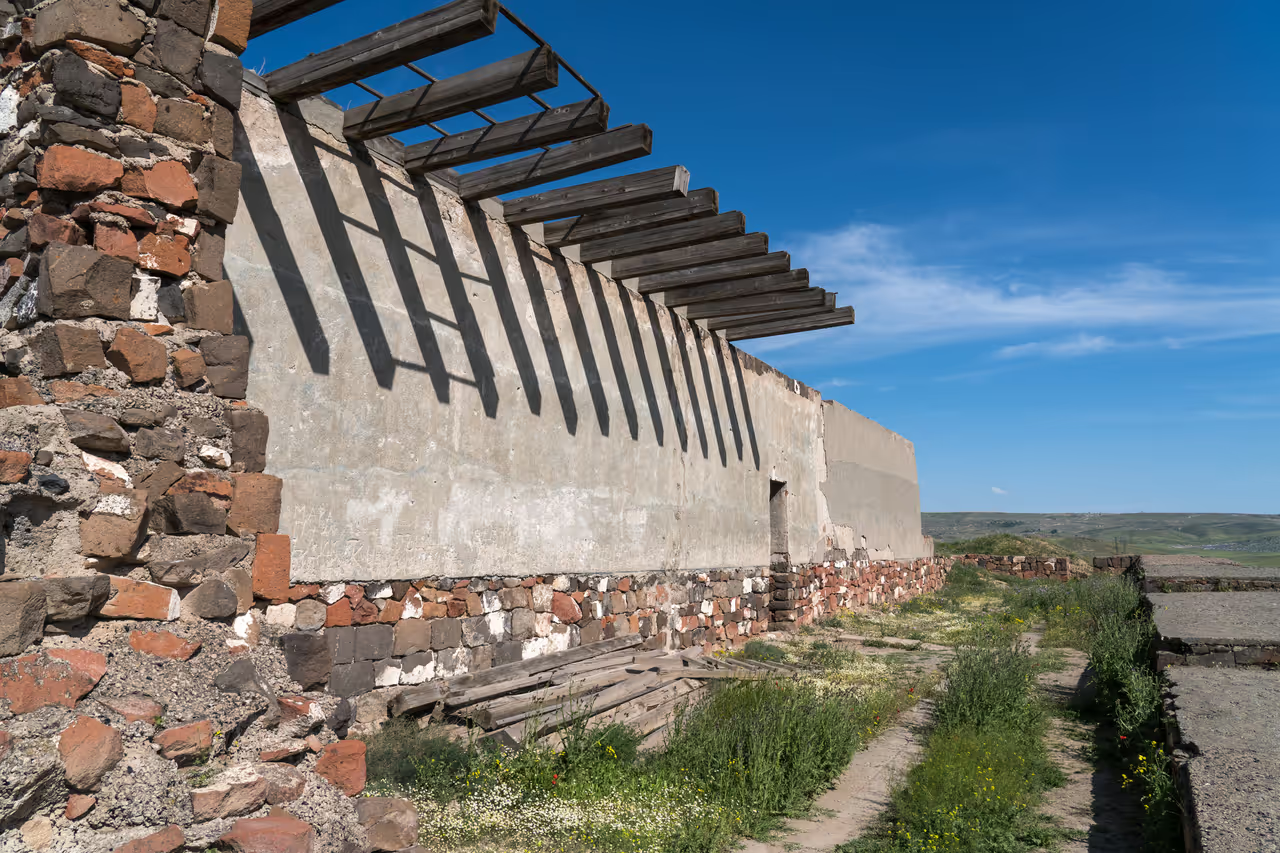
5 Days in Yerevan: In-Depth Exploration Itinerary
An extensive, unhurried journey that covers the iconic sights alongside hidden neighbourhoods and obscure museums. This itinerary is for the traveller who wants to truly feel the rhythm of local life, from bustling bazaars to quiet, rustic alleys. It includes time for solemn historical reflection as well as joyous engagement with the thriving nightlife. By the end, you will have experienced the many complex, beautiful layers of this ancient capital.
view itinerary
Food in Yerevan
Free Things to do in Yerevan
Parks & Nature
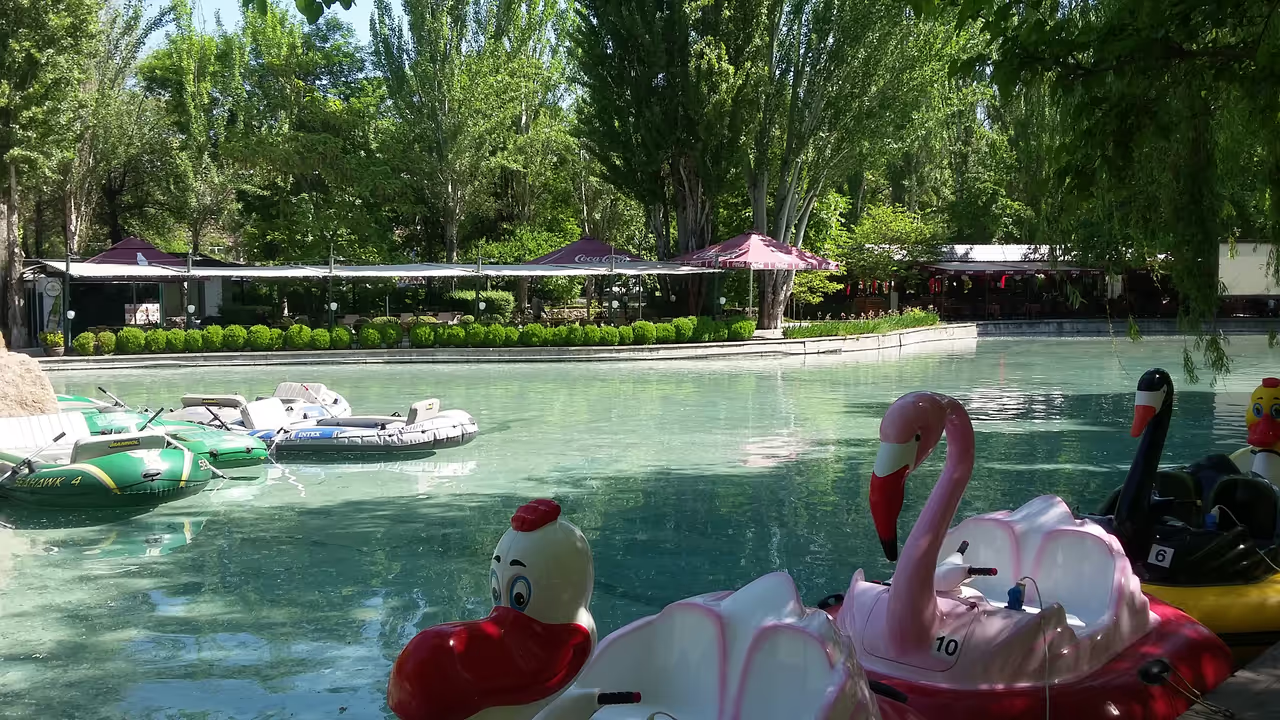
Circular Park
Circular Park serves as the green heart of Yerevan, offering a long, inviting promenade that stretches through the city centre...
view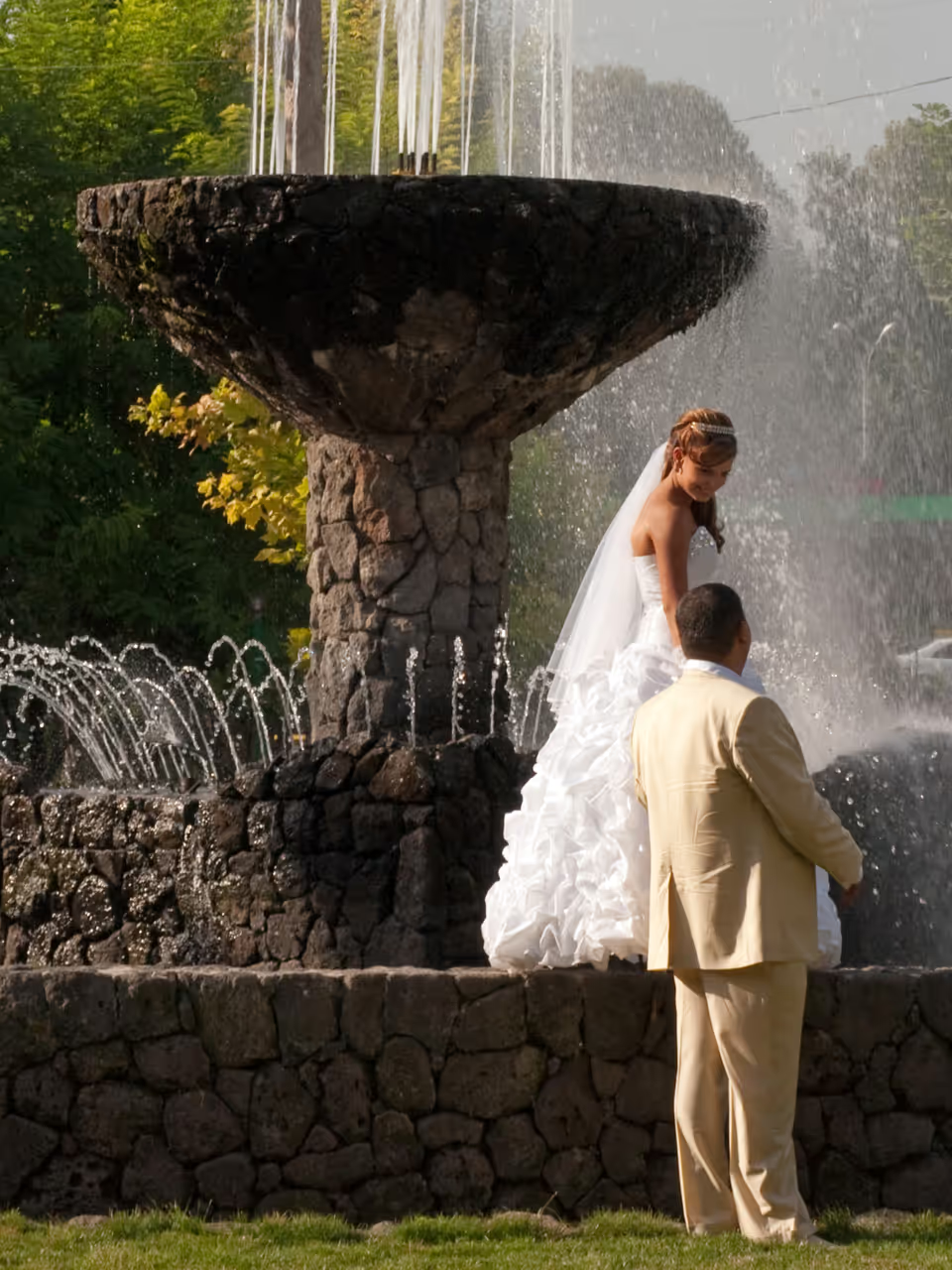
English Park
Nestled in the heart of Yerevan’s Kentron district, English Park serves as a tranquil escape just steps away from the grandeur...
view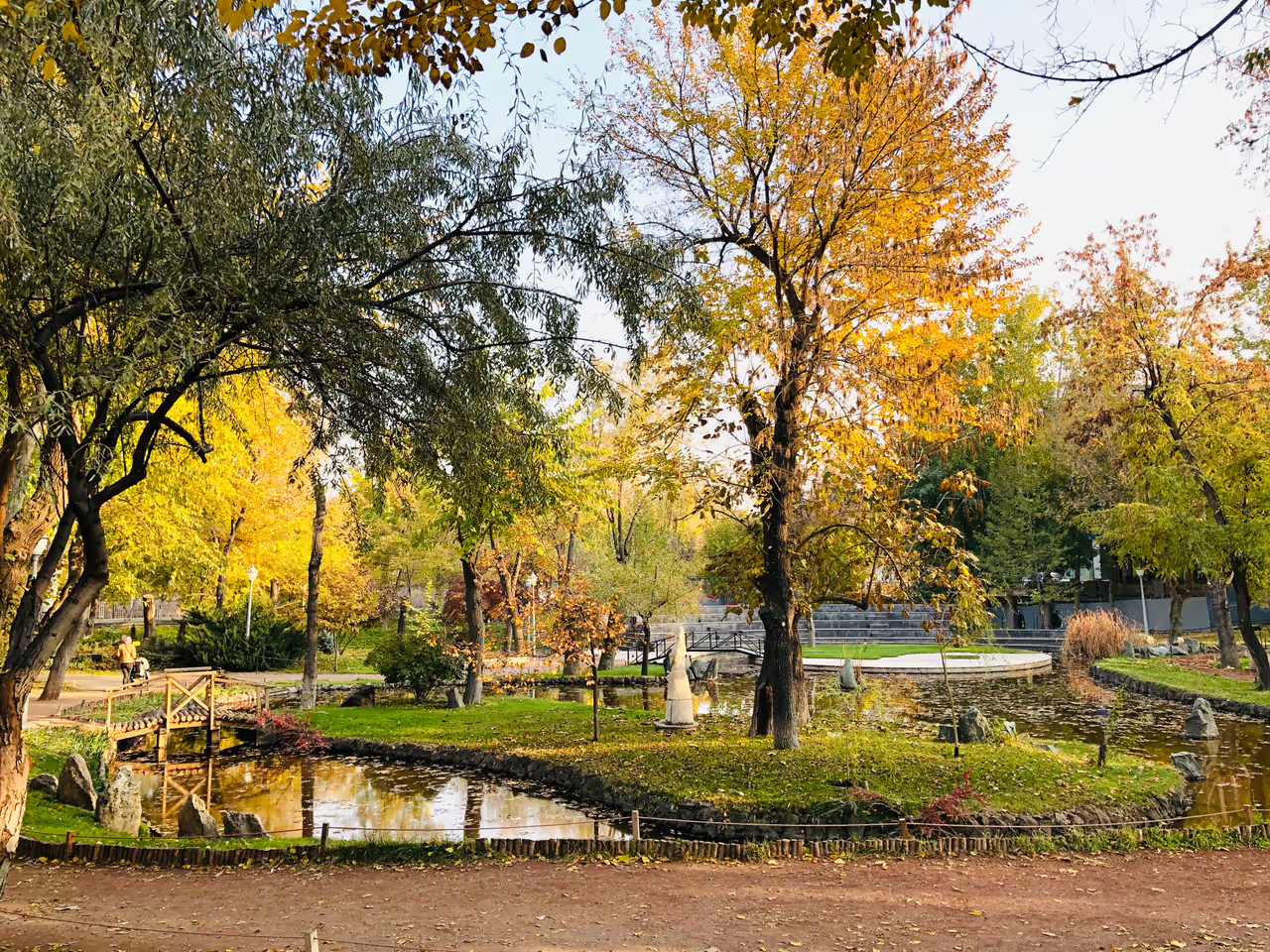
Lovers' Park
Nestled along the grand Baghramyan Avenue, this tranquil urban sanctuary offers a serene escape from the energetic pulse of...
view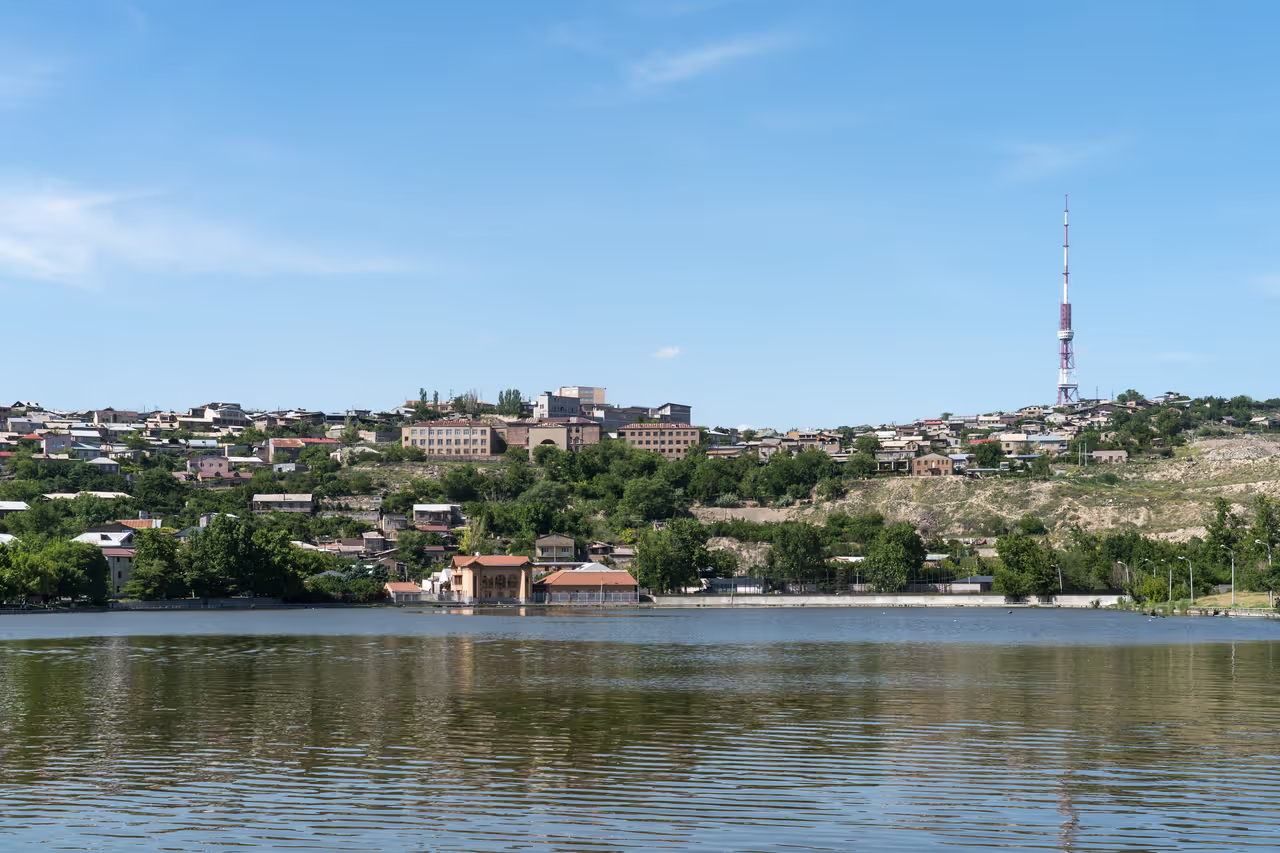
Lyon Park
Lyon Park offers a serene escape within the Erebuni district and serves as a beautiful testament to the friendship between...
view
Highlights & Must-Sees
History Museum of Armenia
Located majestically on the main central plaza, this museum offers an exhaustive look into the ancient and modern heritage of...
viewVernissage Outdoor Market
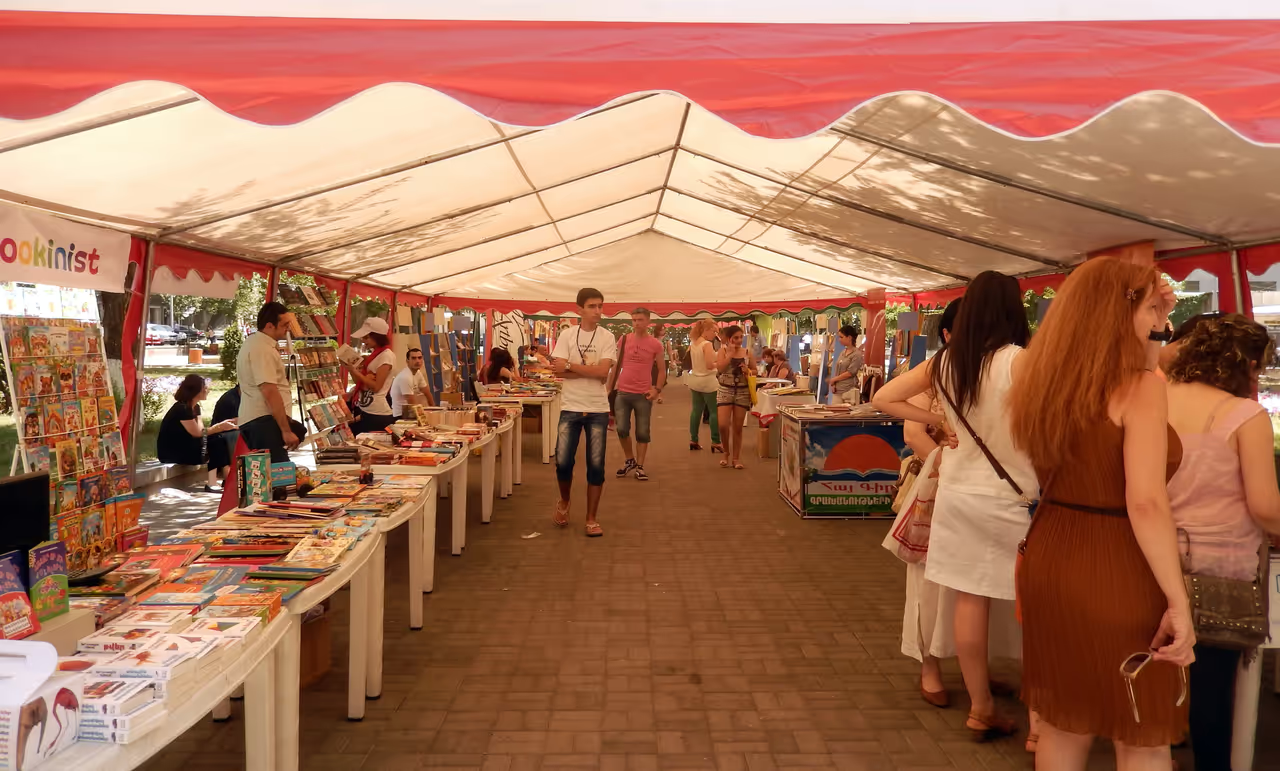
This sprawling open air market is an absolute treasure trove for art lovers and souvenir hunters. Stretching extensively between...
viewArarat Brandy Factory
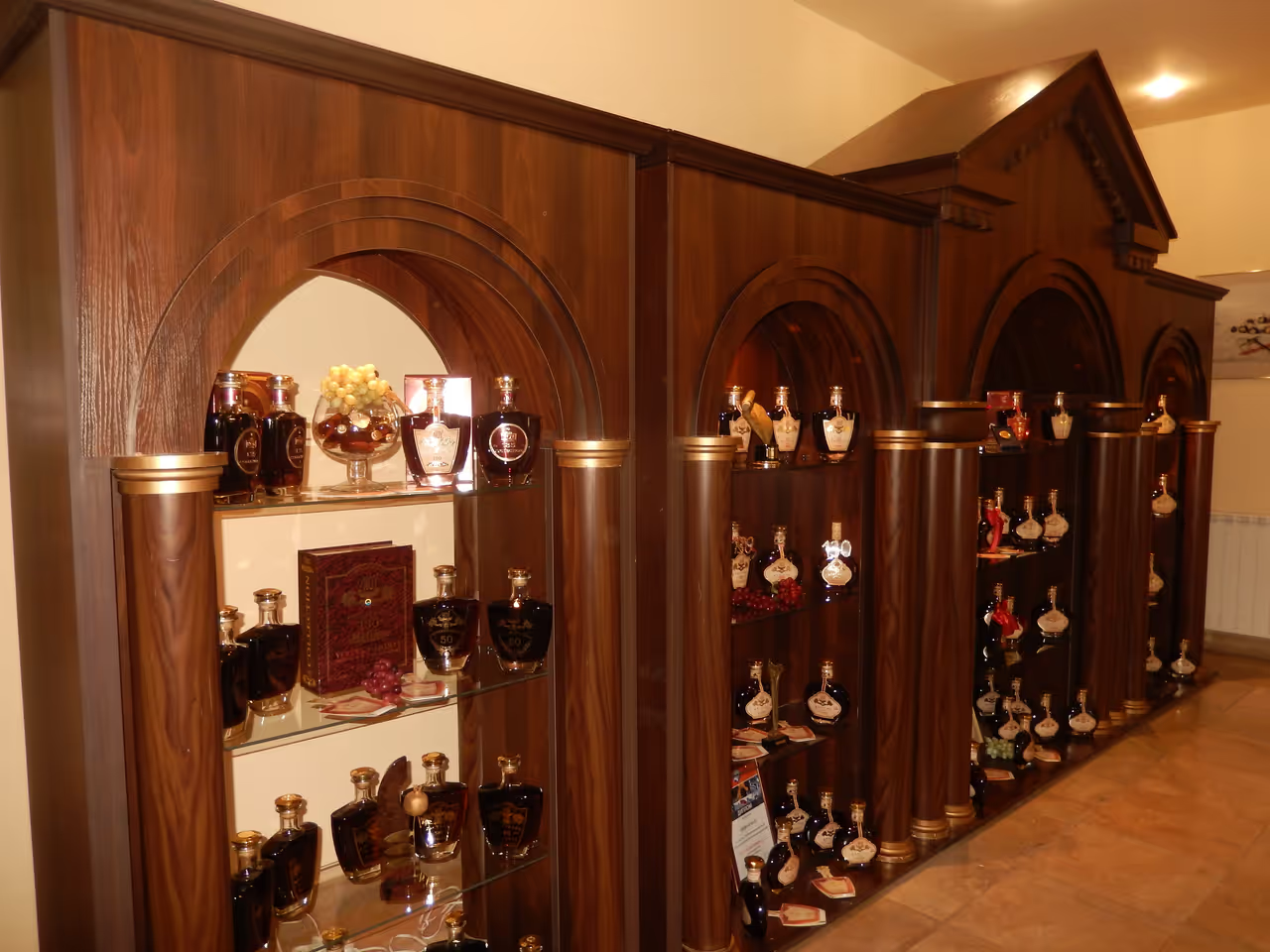
Perched on a hill overlooking the river gorge, this monumental factory produces some of the most highly regarded brandy in the...
viewGUM Fresh Food Market
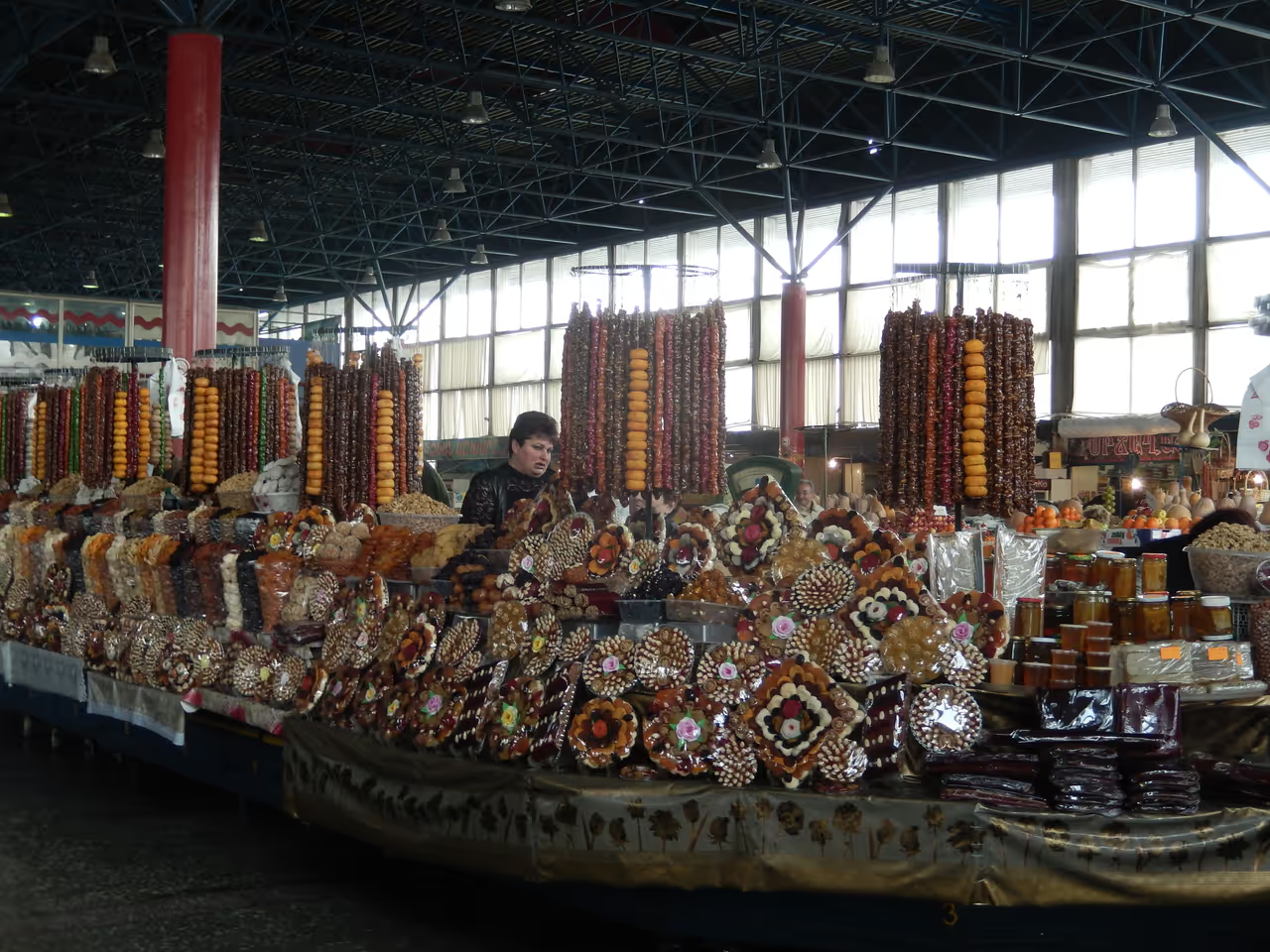
Stepping into this lively covered bazaar is a feast for the senses. Colourful displays of candied fruits, massive sheets of...
view
Best Walks in Yerevan
- HIGHLY RECOMMENDED
Cascade and Monument Stroll
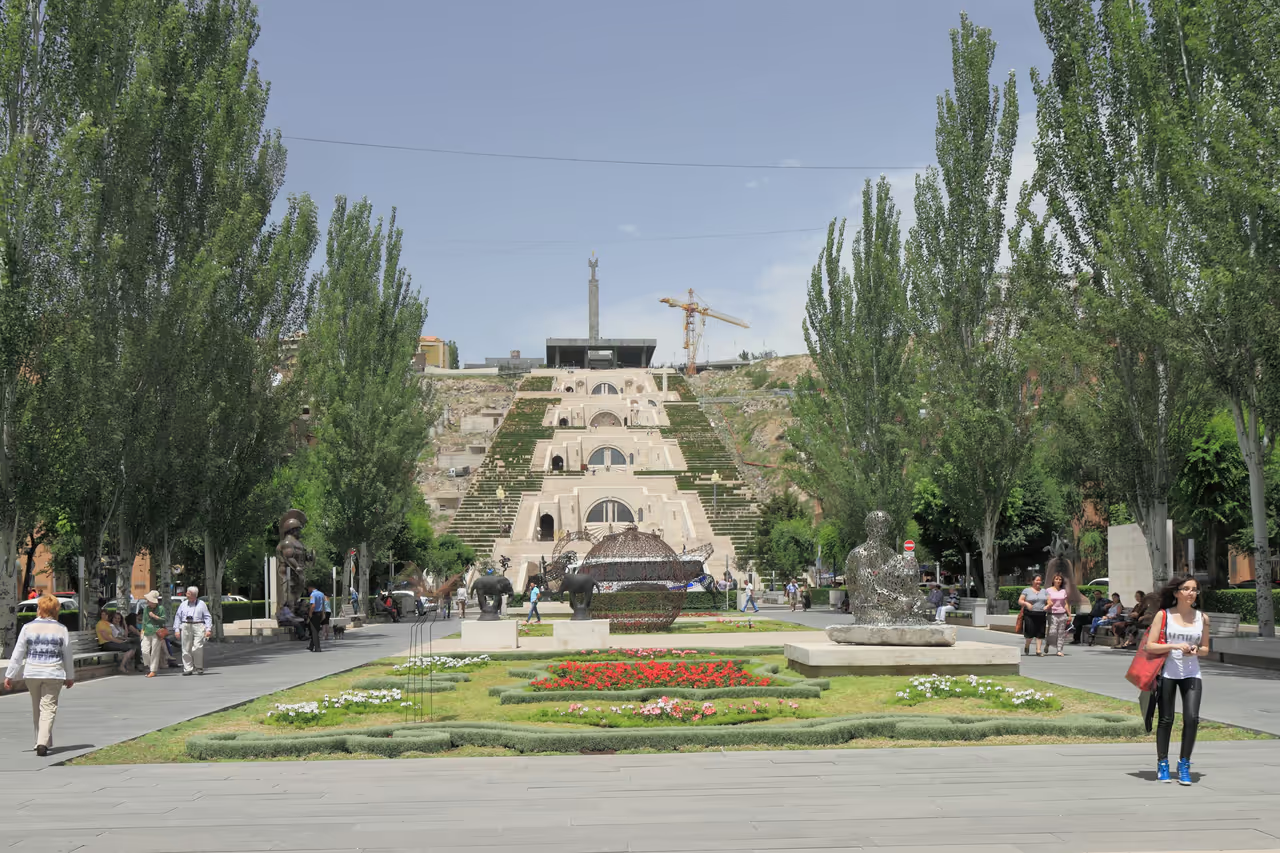
This walk tackles the city's most famous architectural feature and its surrounding green spaces. It combines world class contemporary art with stunning panoramic views of the entire valley. The path ascends through terraced gardens, fountains, and sculptures. It represents the perfect harmony between nature, art, and urban design in the capital.
Old City and Kond Stroll
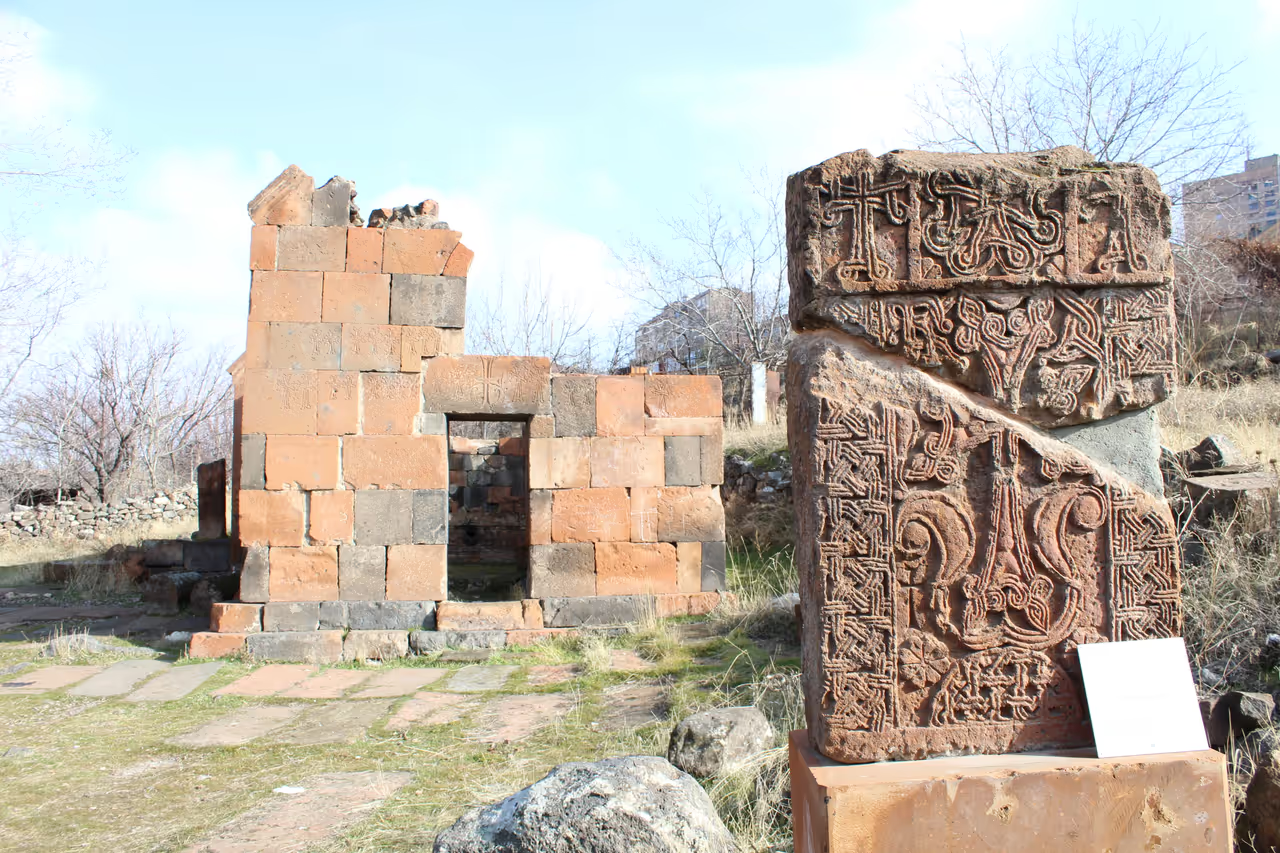
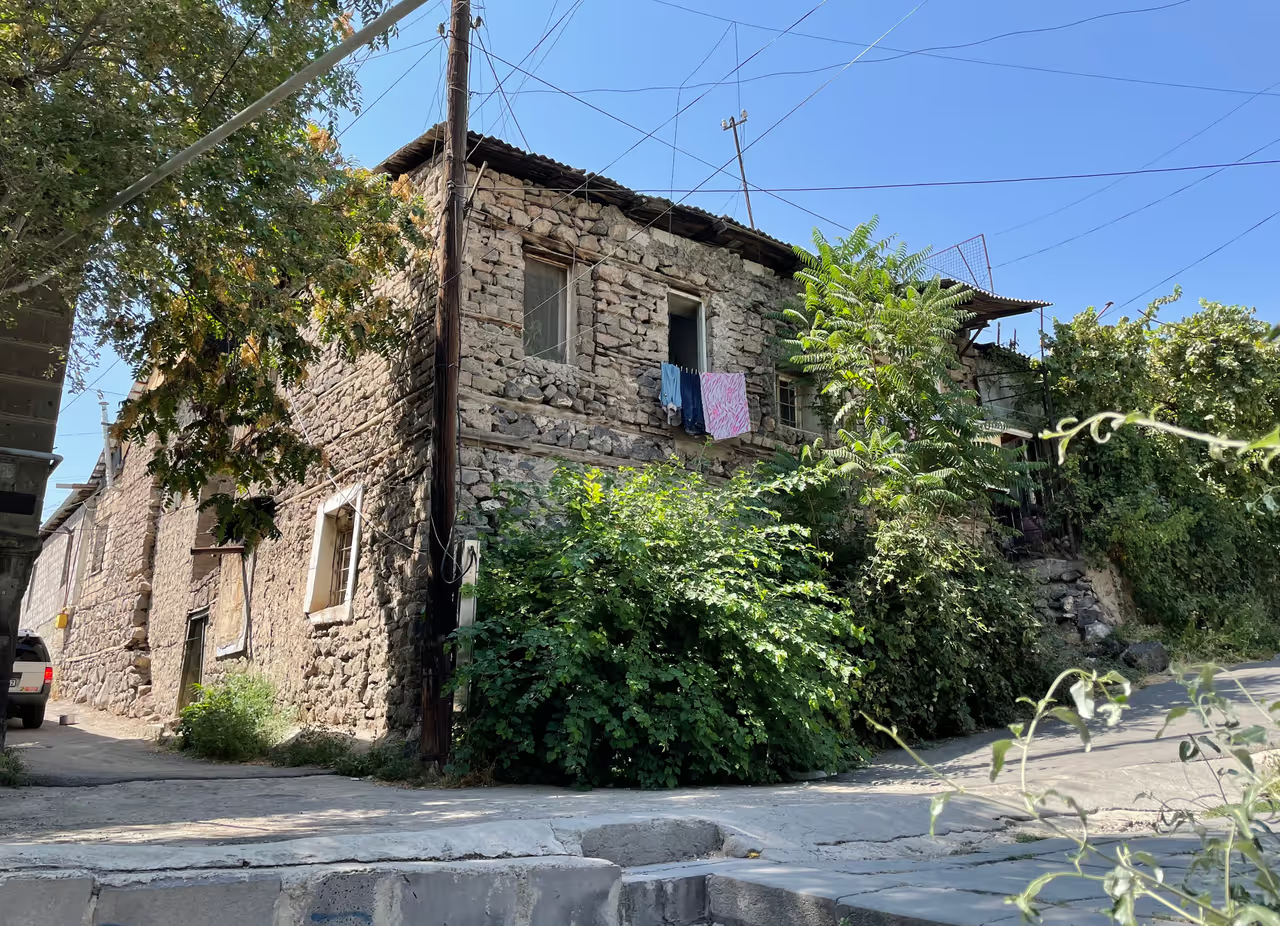
A journey away from the polished avenues and into the oldest surviving quarter of the capital. The route navigates a labyrinth of narrow, winding alleys and rustic stone houses perched on a hill. It provides a rare glimpse into what the city looked like before the massive Soviet reconstruction. The walk is incredibly atmospheric, offering a raw, untouched slice of history.
Grand Avenue Promenade
This route showcases the polished, modern face of the city. It traces a line between the two most important cultural and civic plazas. The wide, pedestrianised boulevards are lined with high end boutiques, street musicians, and luxury cafes. It is a highly sociable walk designed for people watching and enjoying the upscale urban vibe.
Architecture & Landmarks
Cascade Complex
A monumental limestone stairway adorned with intricate modernist carvings and cascading water features. Each terraced level...
viewOpera Theatre
This majestic circular structure stands as the elegant cultural anchor of the downtown area. The architect brilliantly combined...
viewRepublic Square
The sweeping, curved facades of the governmental buildings crafted from pink tufa are truly magnificent. The scale and harmony...
viewBlue Mosque
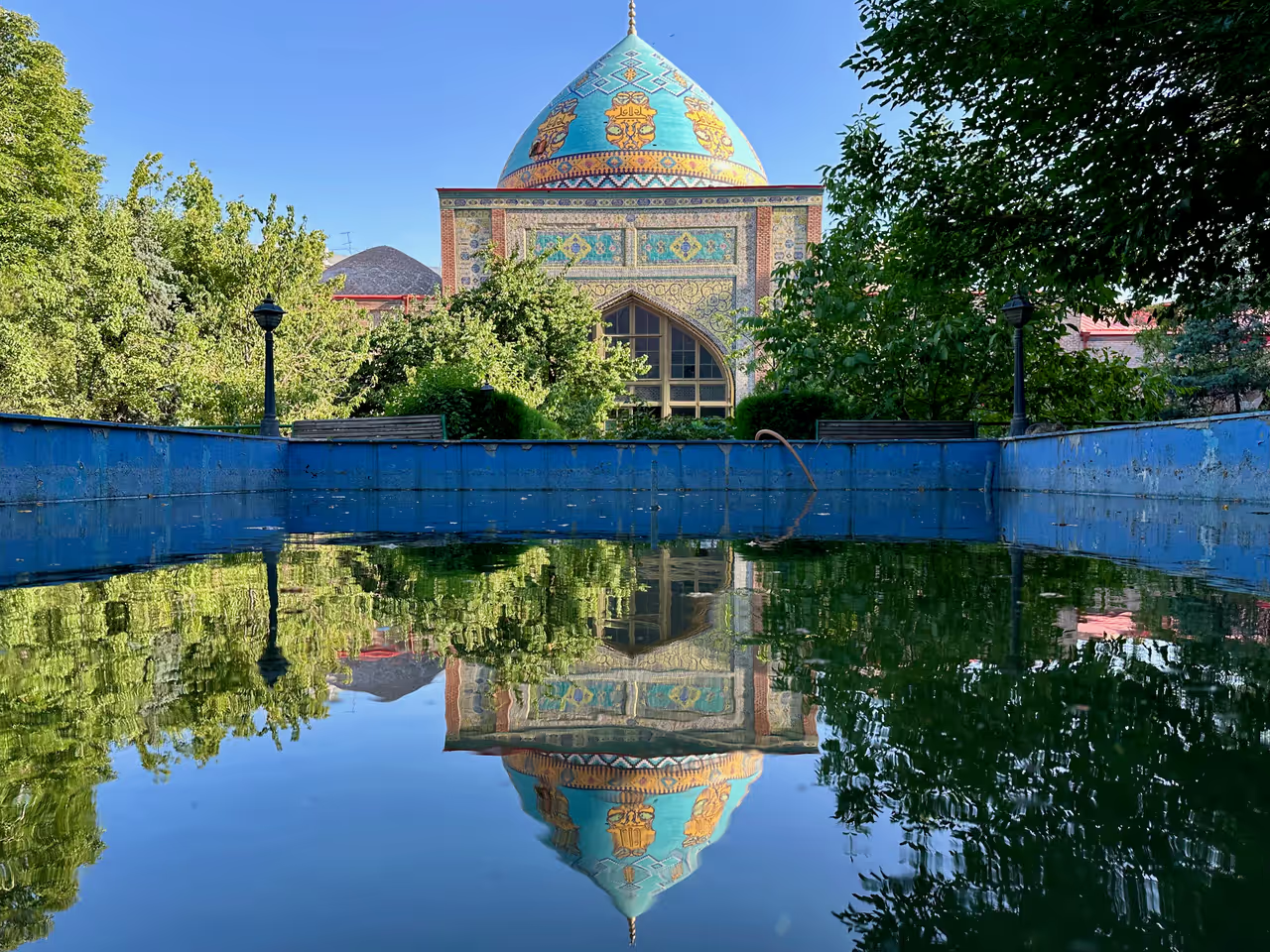
An eighteenth century masterpiece of Persian architecture with a spectacular, intricately tiled blue dome. The peaceful interior...
view
Markets & Shopping
Yerevan Nightlife
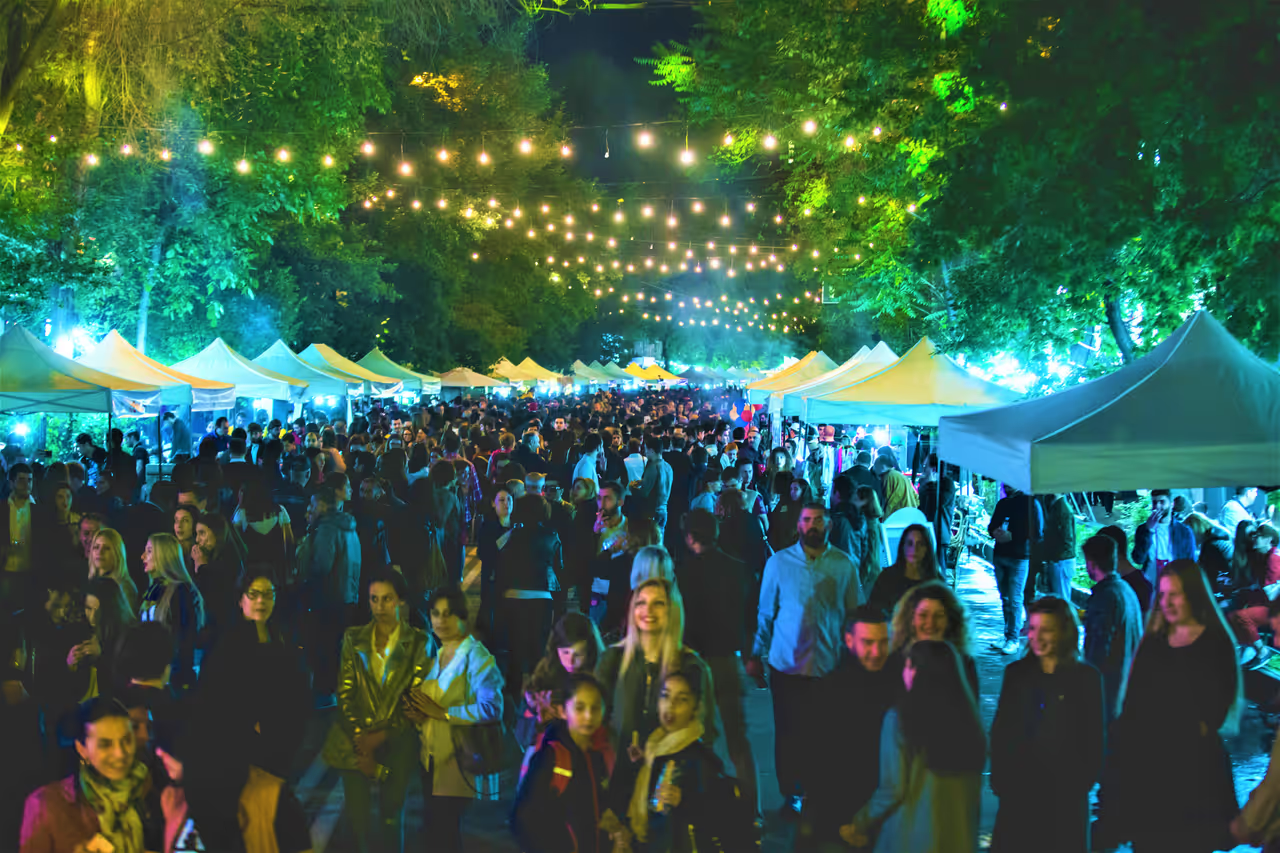
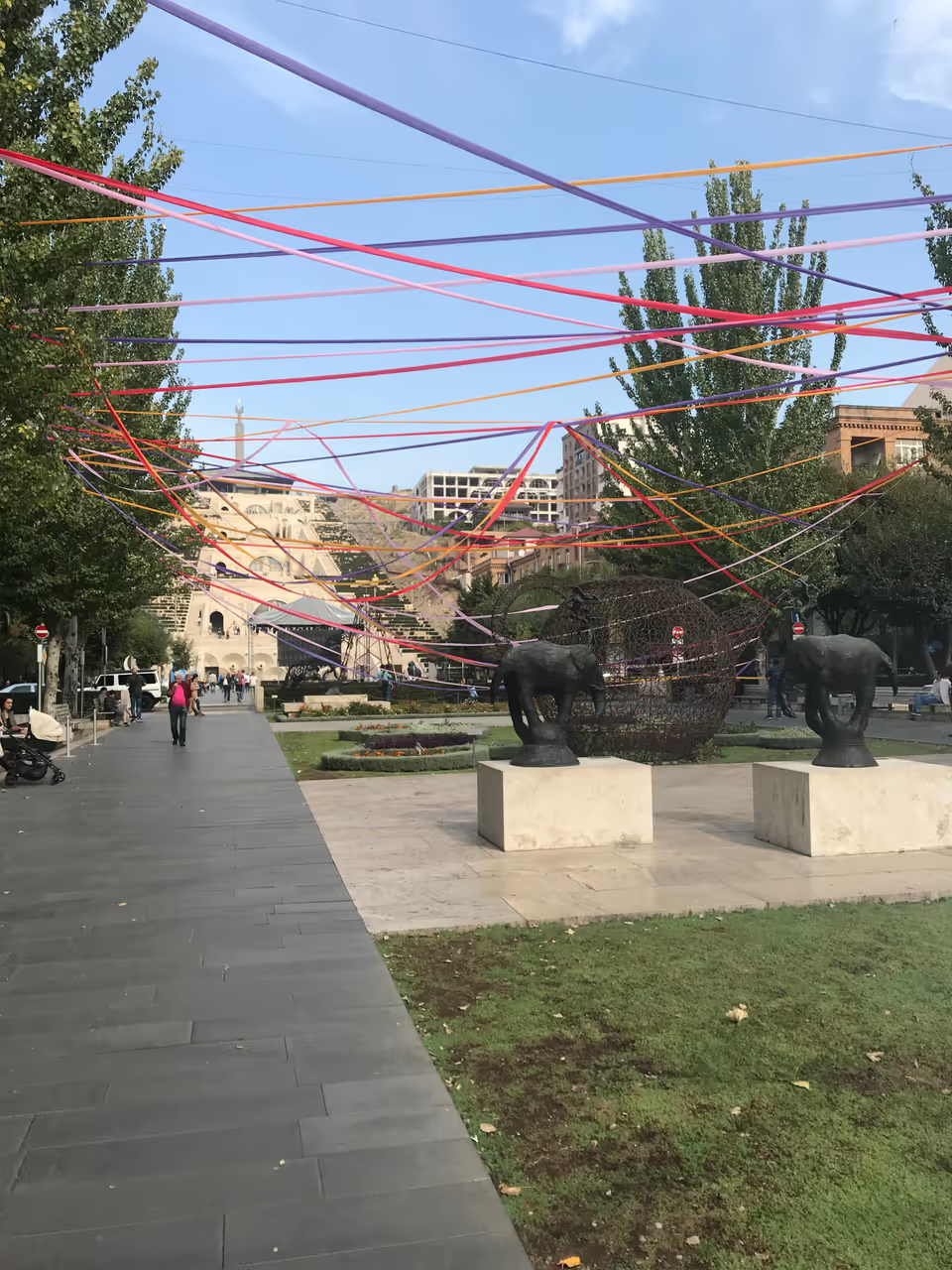
Photo Spots
Activities & Experiences
Cycling Routes
Ancient Fortress Route
This ride connects the modern city centre to the ancient, foundational roots of the capital. Cyclists navigate southwards from the grand plazas towards the quieter, residential districts. The journey culminates at the foot of the hill where the ruins of the original Urartian citadel stand. It is a fantastic way to grasp the immense historical timeline of the region while seeing diverse neighbourhoods.
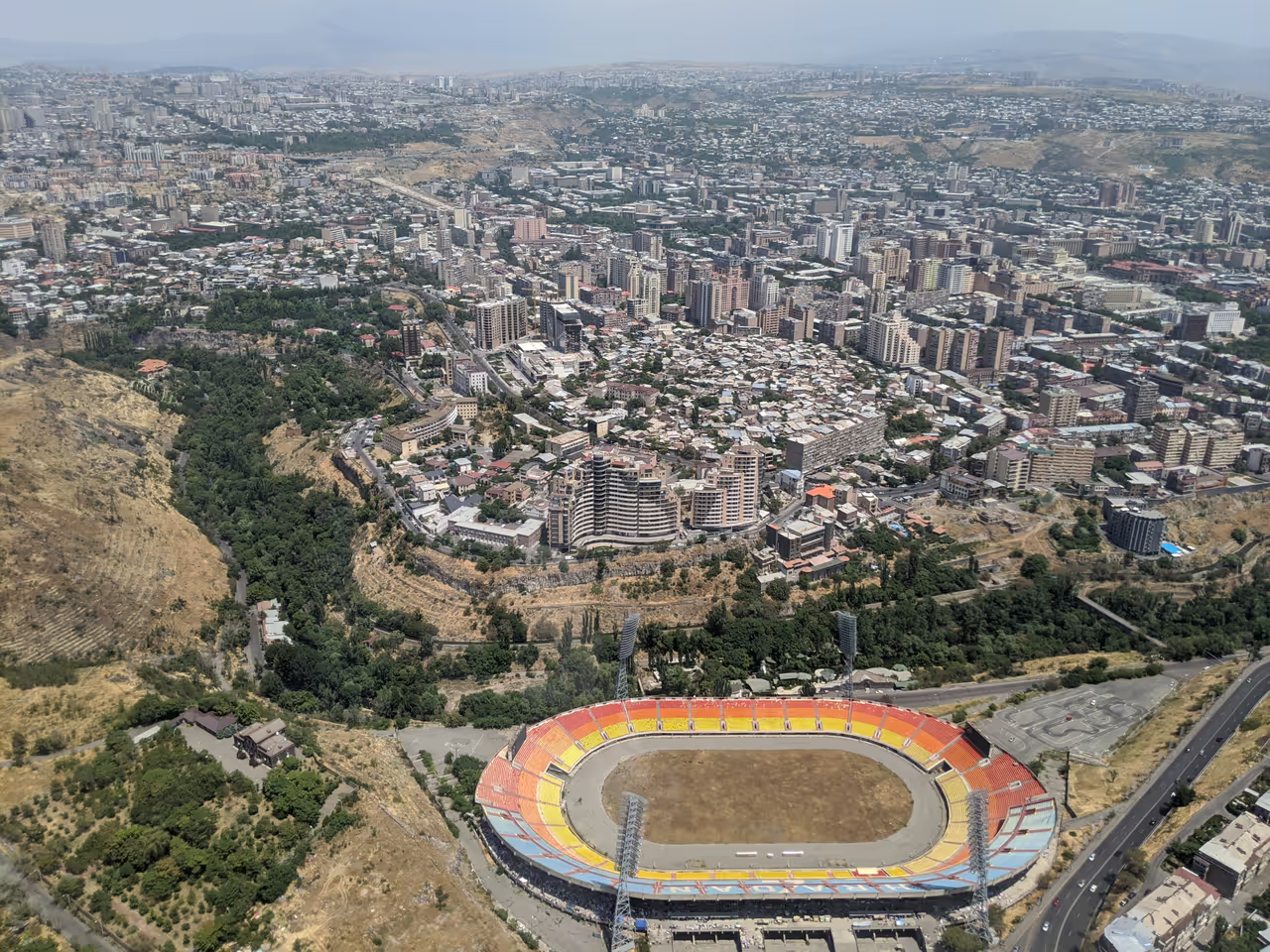
Hrazdan Gorge Trail
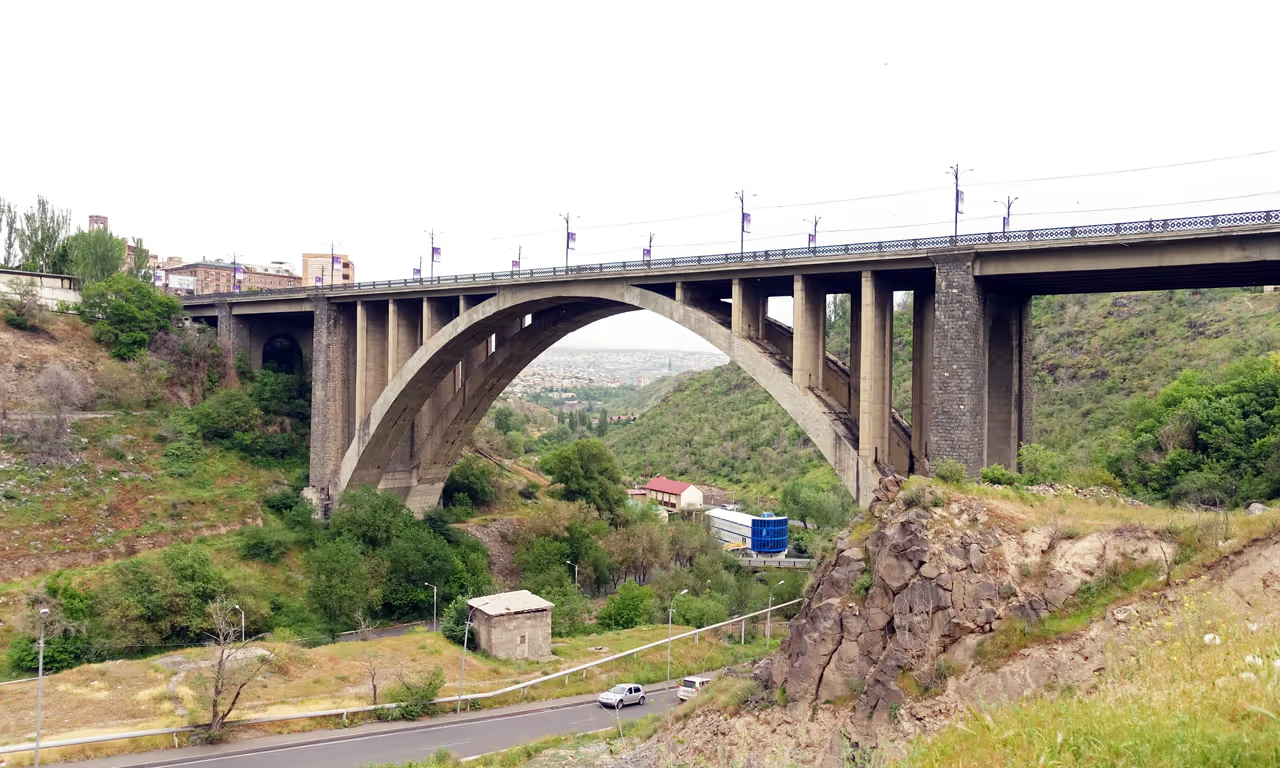
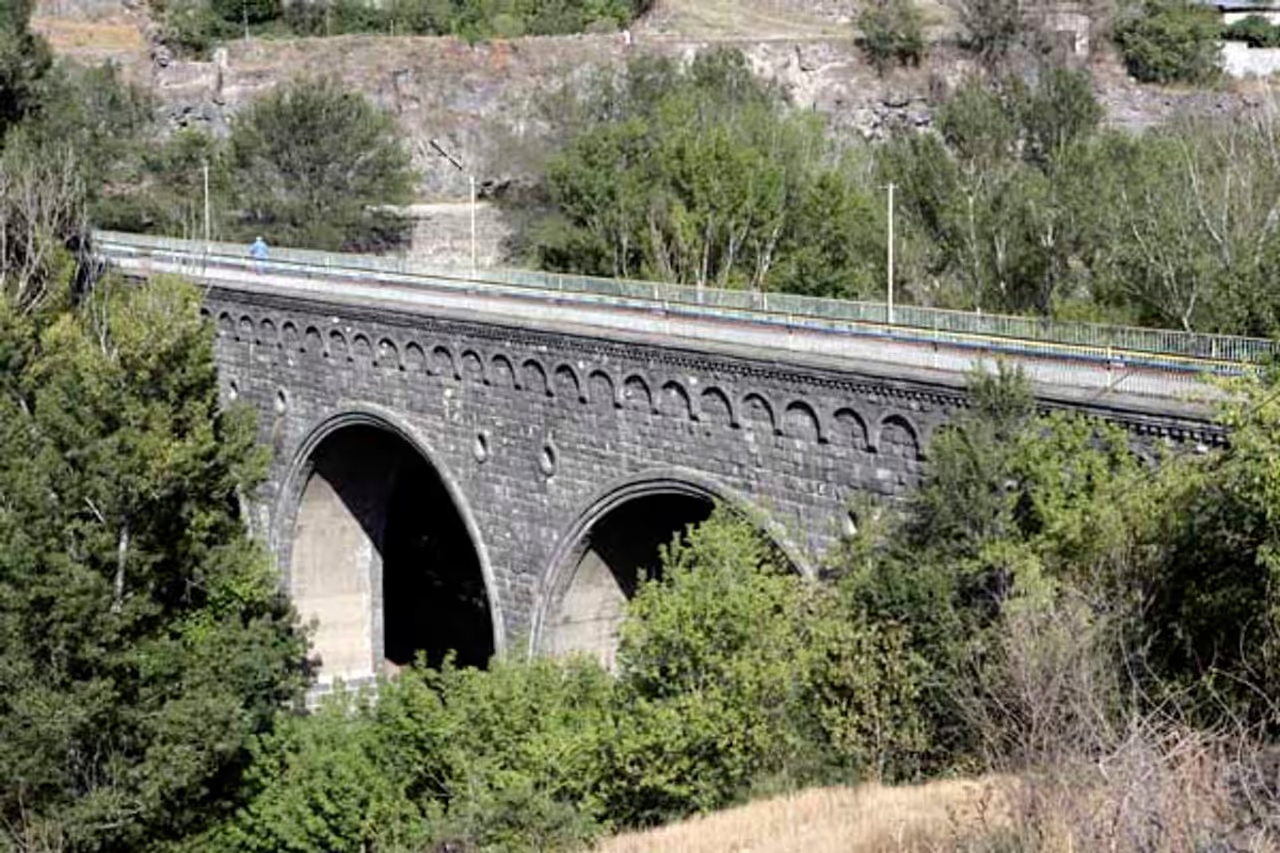
This path takes cyclists away from the traffic heavy avenues and down into the lush, sunken river valley that borders the city centre. It provides a unique contrast between the bustling streets above and the quiet, wooded trails below. Riders will pass beneath massive bridges and alongside the rushing water. It is a spectacular way to observe the city's dramatic geography and uncover hidden recreational spots.
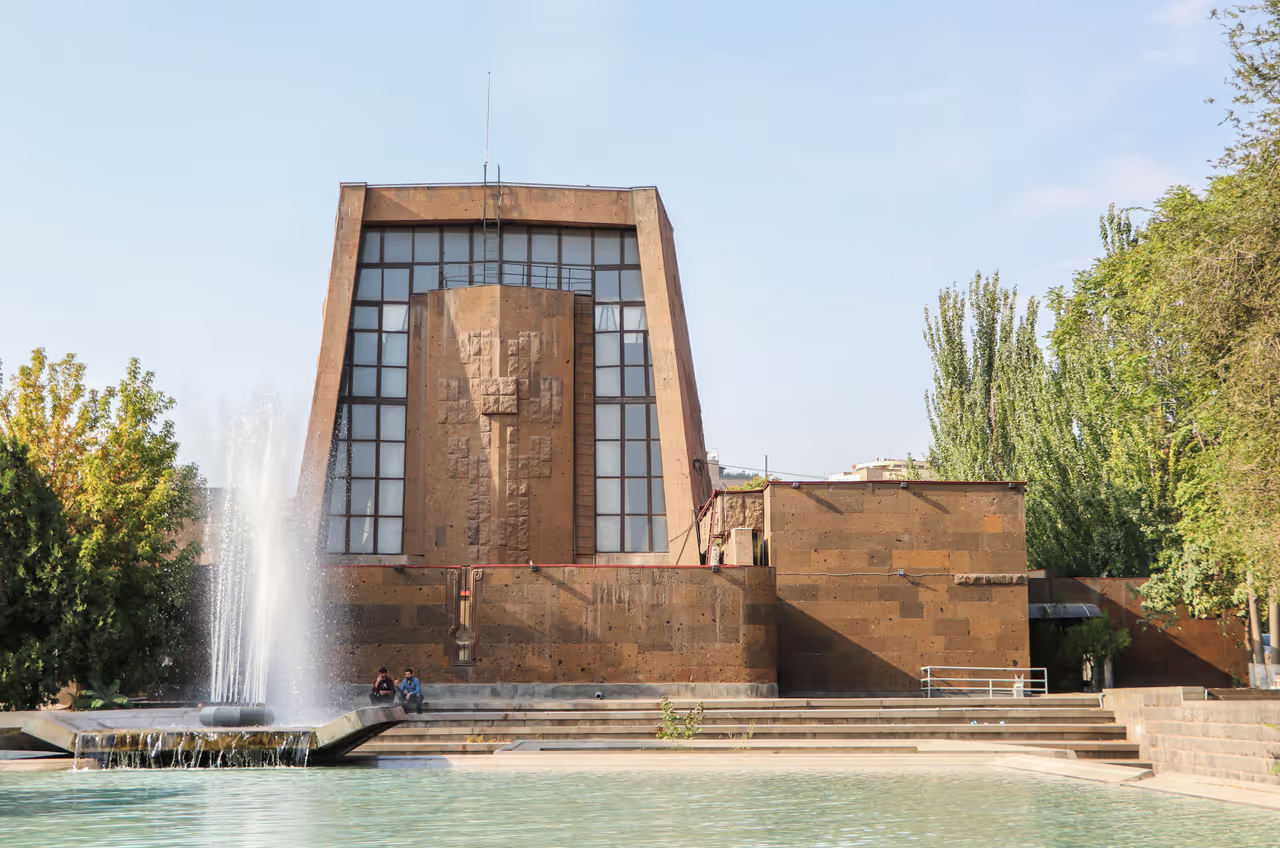
Green Belt Circuit
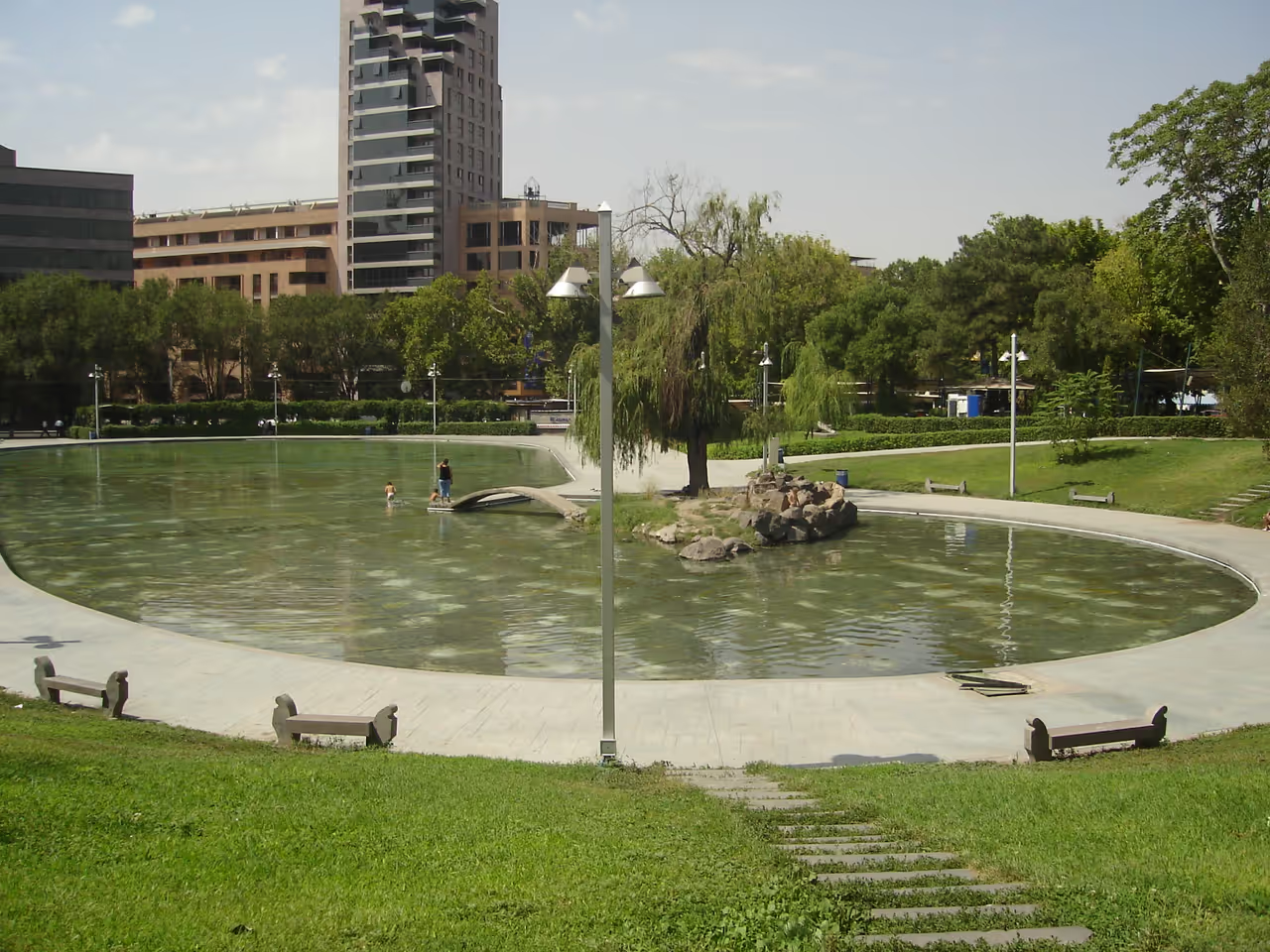
A completely flat and highly accessible ride through the crescent shaped park that wraps around the eastern side of downtown. This route is entirely paved and largely separated from cars. It weaves through multiple connected gardens, past numerous monuments and fountains. It serves as an excellent, stress free introduction to the city's layout and outdoor café culture.
Self-Guided Tours
- HIGHLY RECOMMENDED
Evolution of Art Walk
This journey traces the creative spirit of the nation from illuminated medieval manuscripts to bold contemporary installations. It connects the most important galleries and museums in the city centre. The tour provides deep insight into how traditional motifs have influenced modern creators. It is a highly visual and intellectual exploration of the local culture.
Soviet Monumentalism Trail
This tour focuses on the grand, imposing structures built during the decades of Soviet rule. It highlights the unique architectural style that blended severe constructivist lines with traditional local motifs and pink tufa stone. The route allows visitors to appreciate the immense scale and ideological ambition behind the city's twentieth century redesign. It is a visually striking journey through a defined historical era.
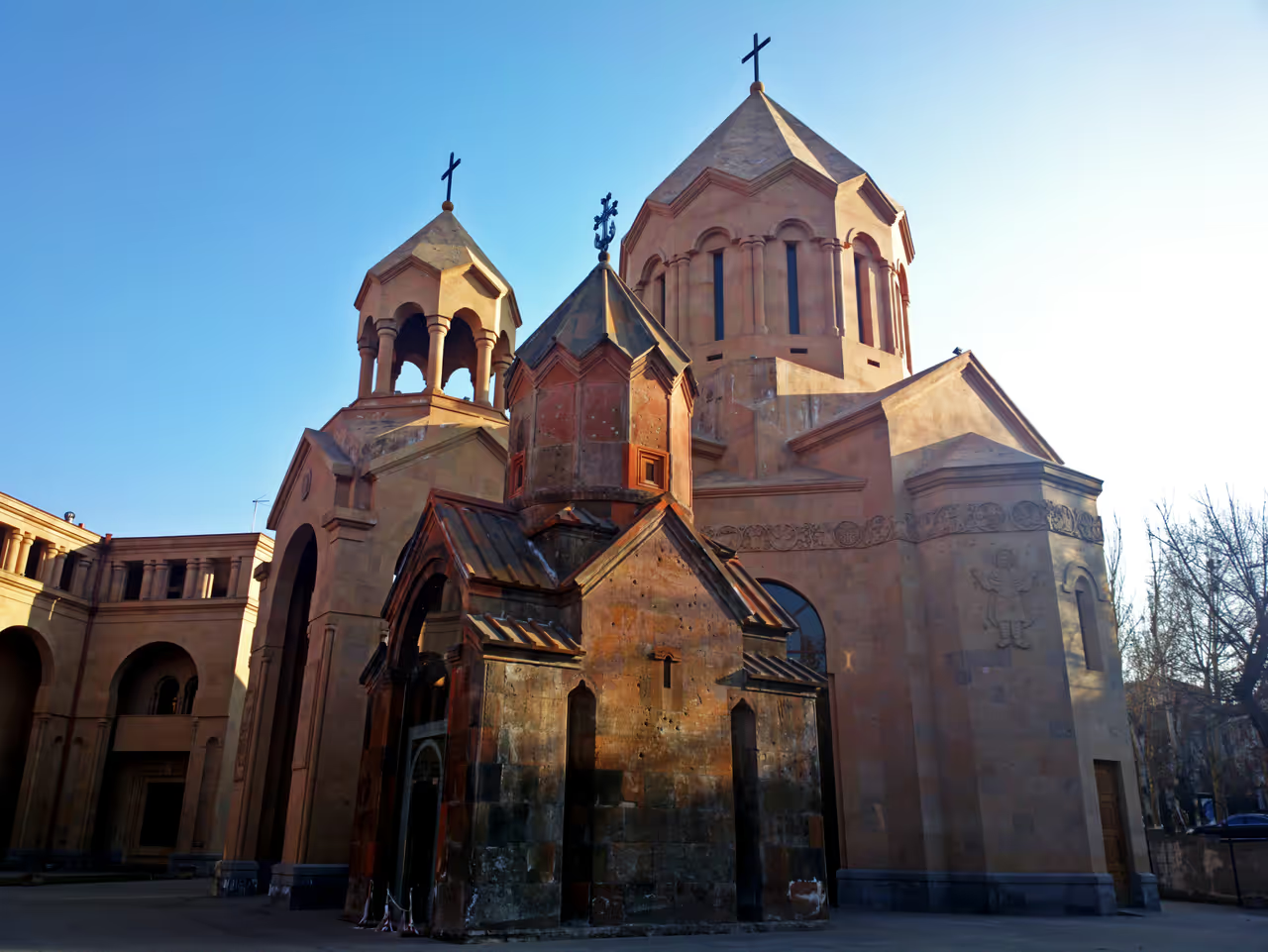
Spiritual and Sacred Trail
Explore the religious architecture and sacred history of the first nation to adopt Christianity. This tour visits ancient surviving chapels, monumental new cathedrals, and rare Islamic heritage sites. It provides a quiet, contemplative experience amidst the urban environment. The varied structures reflect centuries of devotion and changing demographics.
Annual Festivals & Events
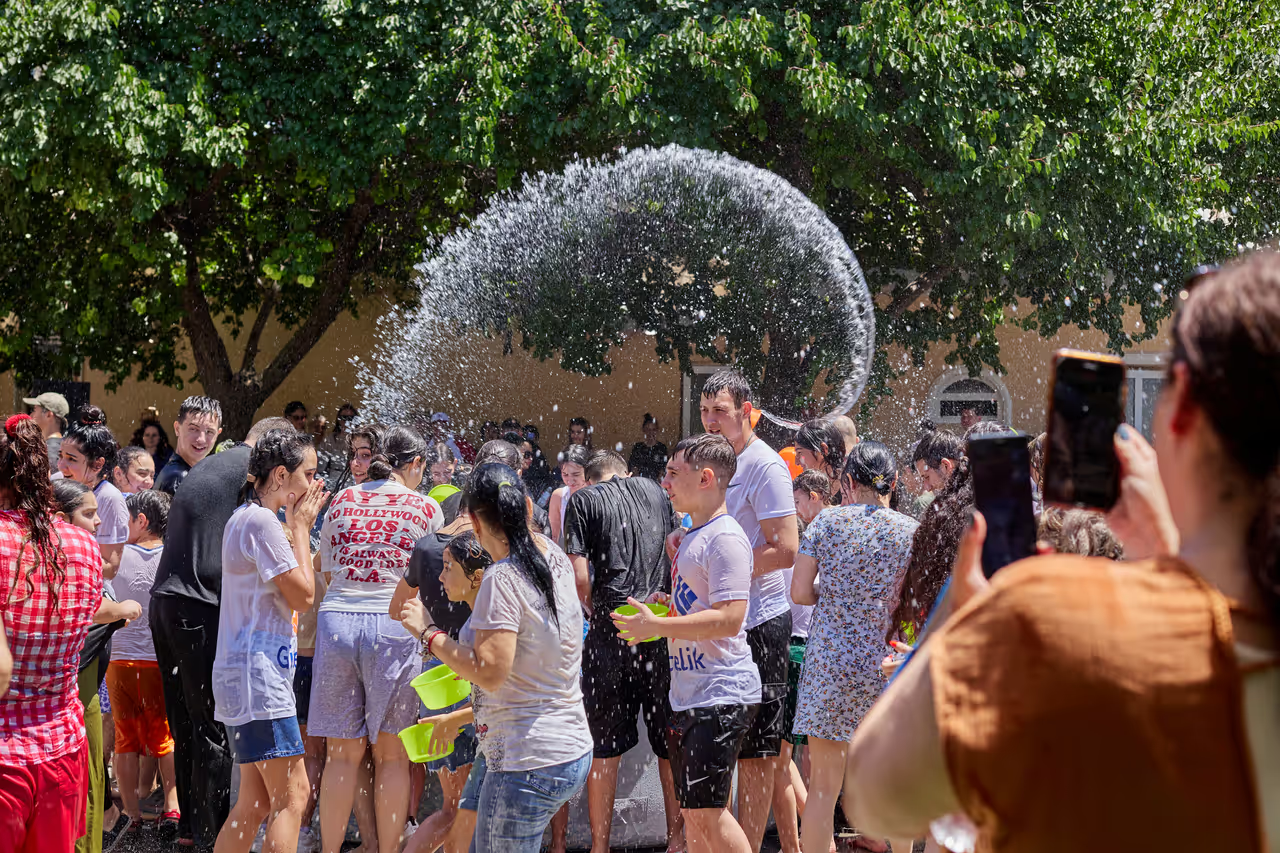 HIGHLY RECOMMENDED
Vardavar Water Festival
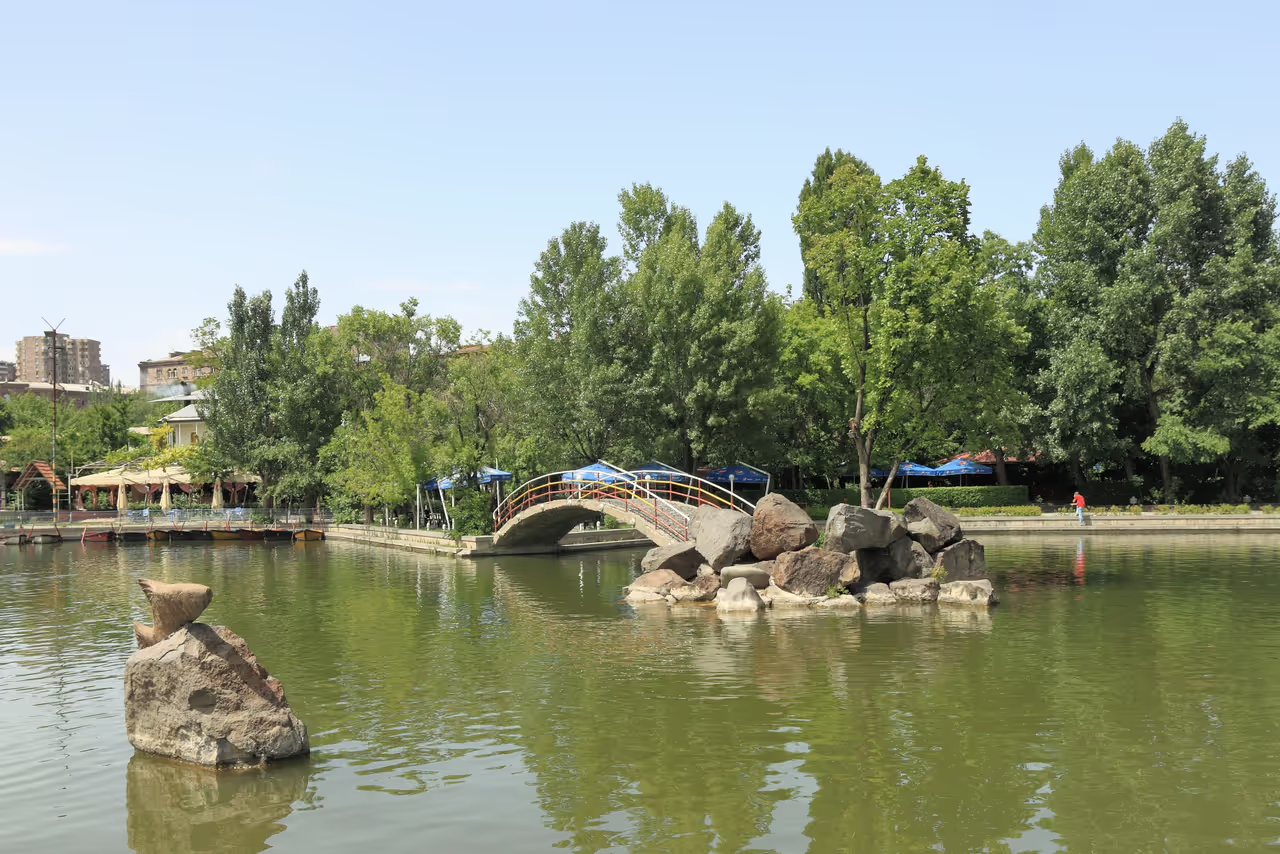
This is arguably the most beloved and chaotic public celebration of the year. Rooted in pagan traditions, it involves citizens of all ages drenching each other with buckets of water in the streets. The central Swan Lake area becomes the epicentre of a massive, joyful water battle. It provides an incredible way to cool down during the intense summer heat. Nobody is safe from getting wet, so leave your electronics in a waterproof bag and join the fun.
 HIGHLY RECOMMENDED
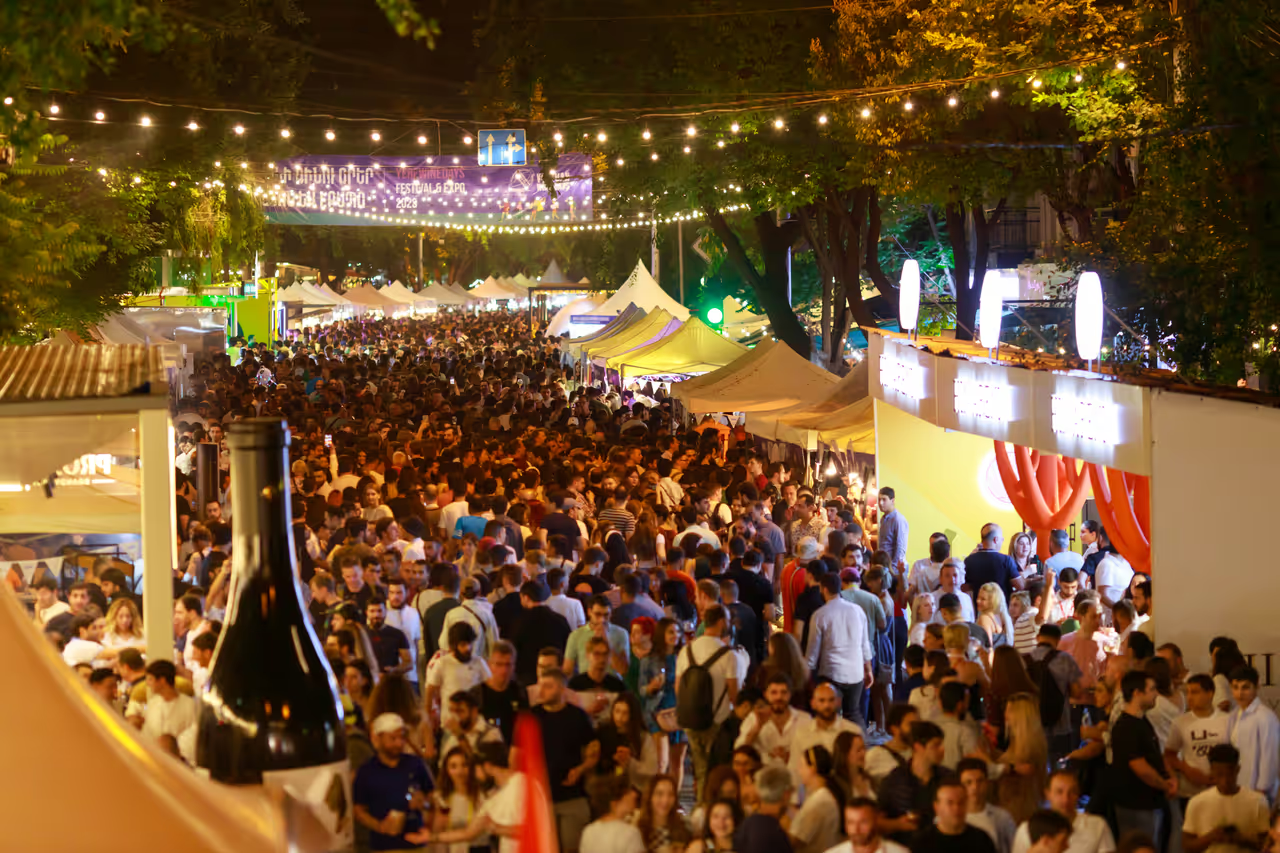
Yerevan Wine Days
This massive street festival celebrates the country's ancient winemaking heritage. Saryan Street and its surrounding avenues are closed to traffic, transforming into a massive outdoor tasting venue. Dozens of local vineyards set up stalls pouring their finest vintages alongside delicious local street food. Live jazz and folk music fill the air as thousands of people gather to toast the evening. It is a spectacular display of local hospitality and culinary pride.
Erebuni-Yerevan City Birthday
A vibrant celebration marking the ancient foundation of the city in 782 BC. The main avenues become pedestrian zones hosting theatrical performances, traditional folk dancing, and live concerts. Artisans display their crafts while food vendors offer traditional snacks across the central squares. The festivities usually culminate in a massive concert and fireworks display at Republic Square. It is a brilliant time to witness deep national pride and joyous community spirit.
Insider Tips
Download ride-hailing apps like GG or Yandex to secure fair, metered prices and avoid negotiating with street taxi drivers.
Always carry smaller dram notes and coins, as independent taxi drivers and small market vendors frequently lack correct change.
Bring a reusable bottle to fill up at the numerous pulpulak fountains; the mountain spring water is safe, cold, and delicious.
A ten percent service charge is automatically added to most restaurant bills, though leaving a small additional cash tip for exceptional service is a common courtesy.
Use the underground pedestrian walkways to cross major avenues, as surface level traffic can be unpredictable and fines exist for jaywalking.
Plan your museum visits carefully as the vast majority of cultural institutions and galleries are closed to the public on Mondays.
PERFECT FOR
This destination is perfect for curious travellers seeking authentic cultural experiences away from overcrowded tourist hotspots. Food enthusiasts, history lovers, and architecture fans will find endless fascination in the juxtaposition of ancient ruins and Soviet modernist design. It appeals greatly to those who enjoy long, leisurely evenings indulging in fine wine and lively conversation.
VIBE
The atmosphere is a captivating mix of relaxed Mediterranean warmth and striking post Soviet monumentalism. Tree lined avenues hum with energetic chatter as locals spend hours sipping coffee or wine at outdoor terraces. There is a deep sense of pride and history in the air, balanced by a youthful, forward looking energy that comes alive after sunset.
Frequently Asked Questions about Yerevan
While we strive to keep this information accurate and up to date, we recommend verifying any details independently before making decisions based on them.