Matenadaran
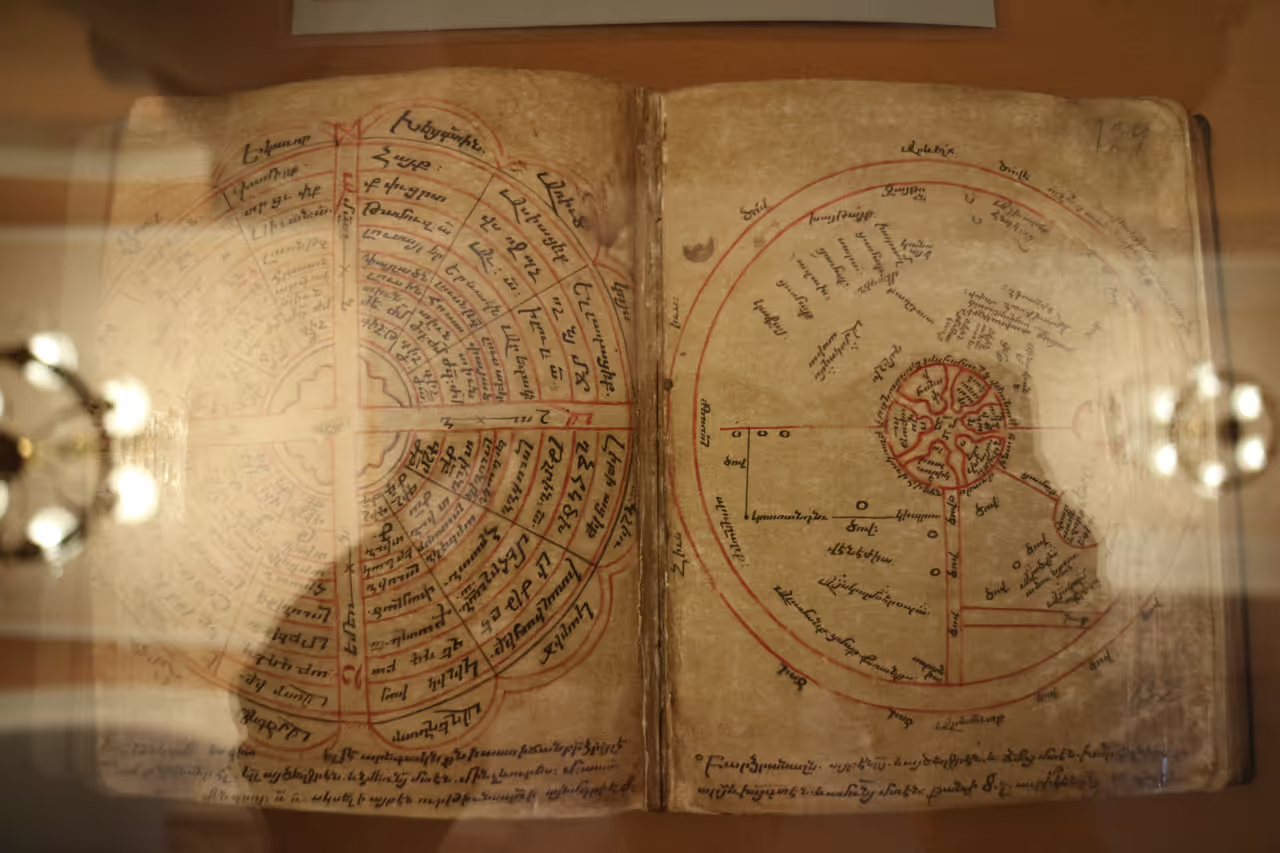
Standing as the guardian of Armenian history, this striking museum houses one of the world's most impressive collections of ancient manuscripts. You can marvel at illuminated gospels that have survived centuries of upheaval, ranging from the earliest parchment fragments to medieval scientific treatises. The architecture itself is a masterpiece, blending Soviet modernism with inspiration from ancient Armenian churches like those in Ani. Wander through the halls to discover a world where science, art, and spirituality converge in the written word. It serves as a profound testament to the resilience and intellect of a nation that preserved its culture against all odds. Visiting this site offers a rare glimpse into the medieval mind, connecting you directly to the roots of a deeply literate civilization.
Videos
History of Matenadaran
The origins of the Matenadaran are deeply intertwined with the very survival of the Armenian written language. For centuries, monastic scribes laboured in remote highland sanctuaries, painstakingly copying sacred texts on parchment. These collections found a home at the Mother See of Holy Etchmiadzin, serving as an intellectual lighthouse during eras of persecution and foreign invasion. When these priceless documents were nationalised following the collapse of the First Republic of Armenia, the move to Yerevan ensured their physical safety while shifting them into a secular, scientific realm. The construction of the modern Matenadaran building in the late 1950s was a daring architectural project. Architect Mark Grigorian drew heavily upon the aesthetic language of medieval Armenian churches to create a structure that felt both ancient and revolutionary. By placing it on a prominent slope overlooking the capital, the authorities created a physical manifestation of Armenia’s deep historical roots. The project was not without controversy, as critics debated the use of traditional motifs in a Soviet landscape, yet the resulting monument stands as a triumph of national self assertion. Today, the institution serves as the custodian of the Armenian spirit. With the completion of a massive new research facility in 2011, the Matenadaran secured the future of these fragile materials for generations to come. It holds a unique position as a place where the scholarly and the spiritual meet. For those who study its shelves, the institute is a living archive, breathing life into a narrative of resistance and cultural continuity that stretches back nearly two millennia.
Events spanning 570 years
Fun Facts
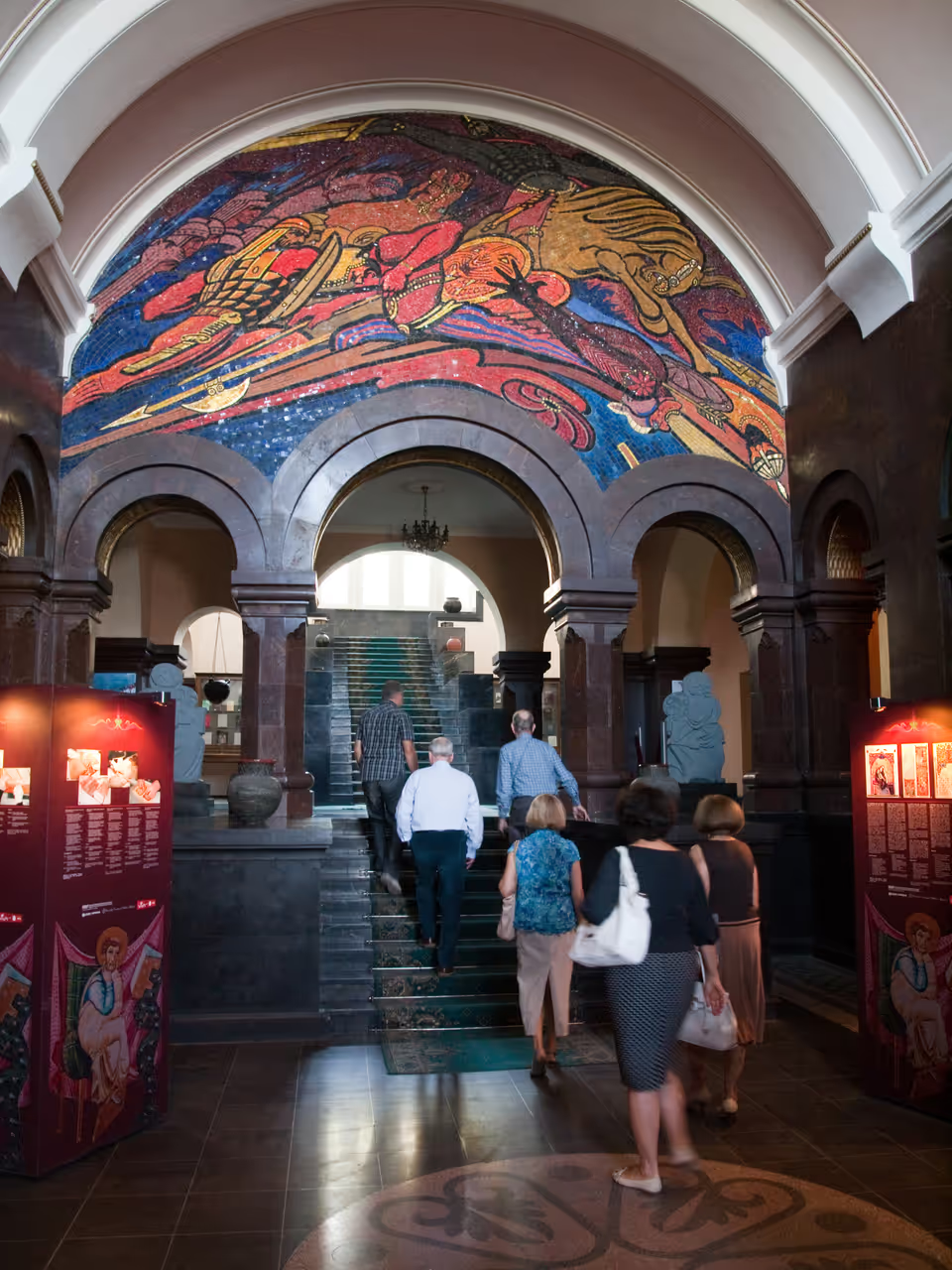
- • A massive, vibrant mosaic in the entrance hall depicts the pivotal Battle of Avarayr, a defining moment in Armenian history.
- • During the 1170 Seljuk Turk invasion, an estimated 10,000 Armenian manuscripts were burned at Baghaberd, a devastating loss for historical records.
- • In 1997, UNESCO included the Matenadaran’s vast collection in its Memory of the World Register, acknowledging its global cultural significance.
- • It holds the Vehamor Gospel, which dates to the 7th century and serves as the book upon which all Presidents of Armenia take their oath of office.
- • It holds translations of works written in other languages where the original copies have been lost to history, effectively saving them for the world.
- • It houses over 23,000 manuscripts and scrolls, including fragments, forming the largest collection of Armenian manuscripts globally.
- • Several manuscripts are so revered that they are allowed to leave the building annually for blessings at specific churches like Oshakan and Mughni.
- • The collection contains rare medieval maps, including the very first map ever printed in the Armenian language, which appeared in Amsterdam in 1695.
- • The exterior features a grand arched entrance directly inspired by the 12th century southern narthex of the Church of the Holy Apostles in Ani.
- • The institution is named after Mesrop Mashtots, the legendary inventor of the Armenian alphabet, whose statue guards the entrance.
- • The institution maintains a state of the art laboratory dedicated specifically to the restoration and preservation of these delicate, ancient materials.
- • The main building was designed by Mark Grigorian, who famously incorporated medieval Armenian architectural motifs despite facing political pressure in the Soviet era.
- • The name is a compound word derived from Middle Persian, with matean meaning book or parchment and daran meaning repository.
Matenadaran FAQ
While we strive to keep this information accurate and up to date, we recommend verifying any details independently before making decisions based on them.
Matenadaran Map & Neighborhood Explorer
This interactive map is centered on Matenadaran. Zoom in and move the map around to automatically discover Wikipedia photos and summaries of other nearby sights, monuments, and historical points of interest and stories in real-time!
Places near Matenadaran
Make the most of your trip. Check out these top-rated spots located nearby.
 370m
370mVictory Park
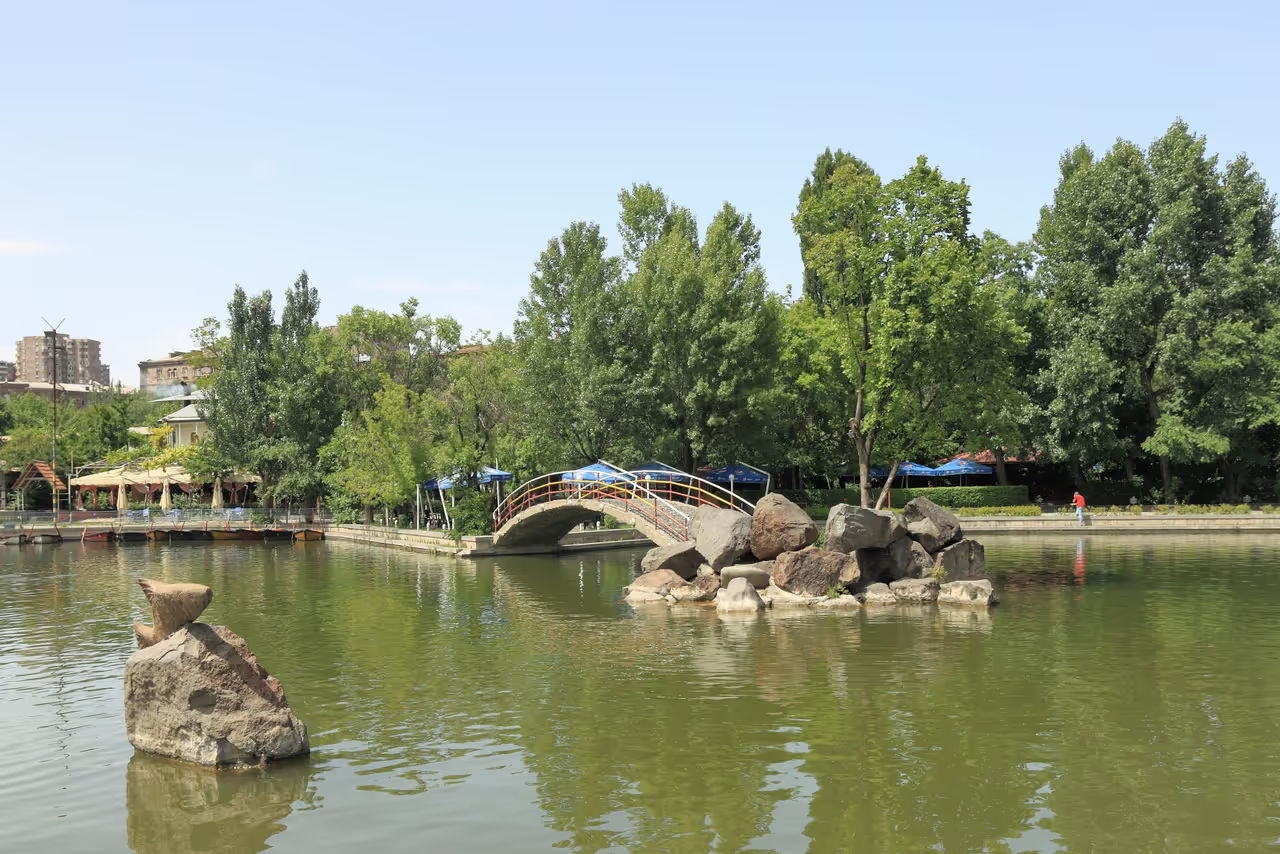
High above the heart of Yerevan, Victory Park offers a profound blend of quiet contemplation and lively family fun. This sprawling green space serves as a striking memorial to the sacrifices of the Second World War, anchored by the iconic Mother Armenia statue which gazes stoically over the capital. Visitors can walk through history along the Heroes Alley or find a moment of peace by the artificial lake. For families, the amusement section adds a playful touch, ensuring that the park remains a favourite spot for locals and travellers alike. It stands as a testament to Armenia's resilience and its ability to transform heavy history into a place of recreation. Whether you come for the panoramic city views or to pay your respects at the military museum, the park offers a unique vantage point on the nation's past and its vibrant present.
park & nature view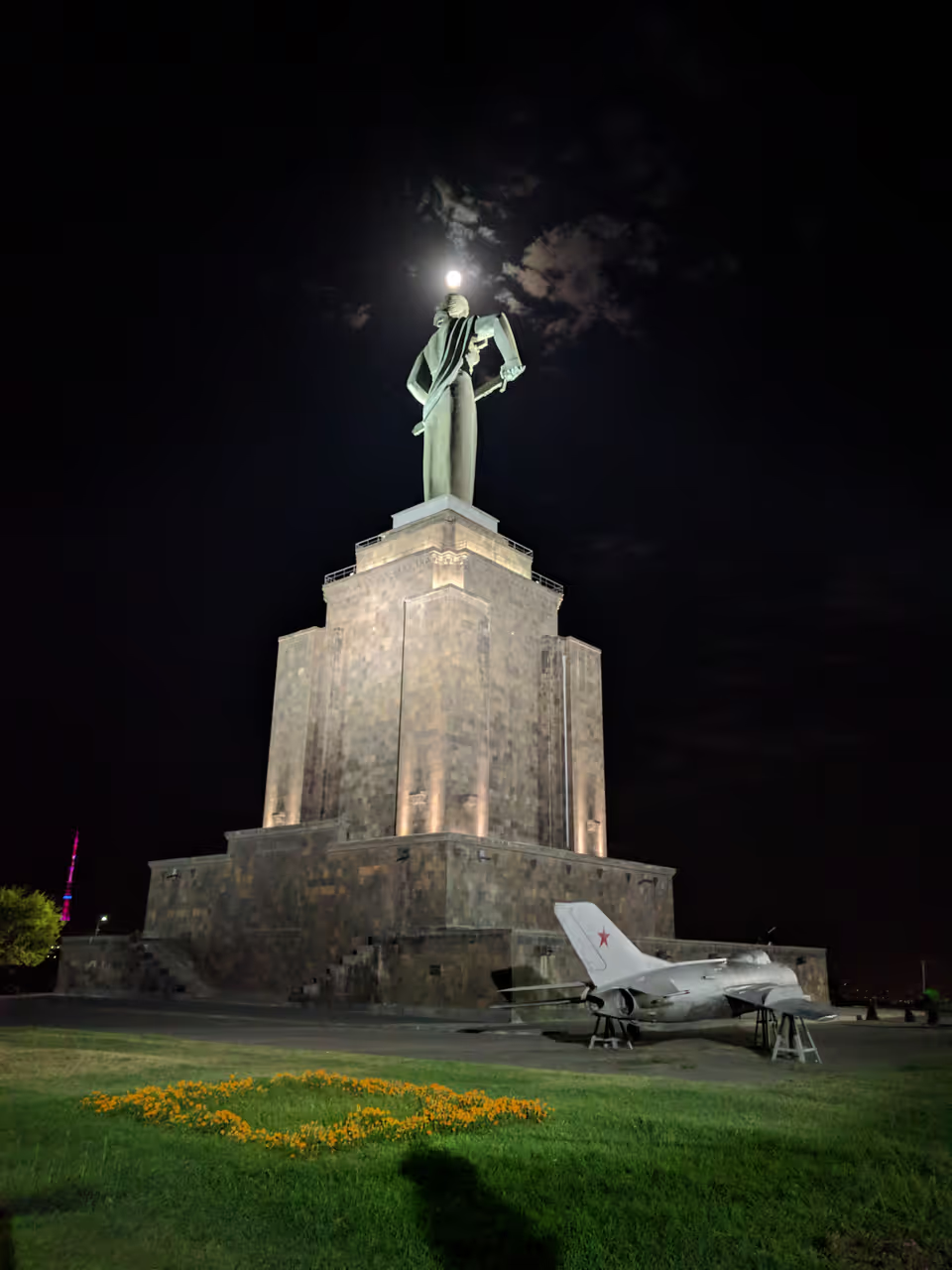 459m
459mMother Armenia
Standing tall over the capital, Mother Armenia serves as the powerful personification of the nation. She watches over Yerevan from the vantage point of Victory Park, radiating strength and peace to everyone below. Visitors find themselves drawn to her imposing silhouette, which replaced a former monument to Joseph Stalin. The pedestal serves as a dedicated military museum, offering deep insights into the country's turbulent yet resilient past. Whether you are exploring the park or admiring the architecture, the statue captures the essence of the Armenian spirit. It remains an essential stop for anyone wanting to connect with the heritage and heart of the city.
attraction view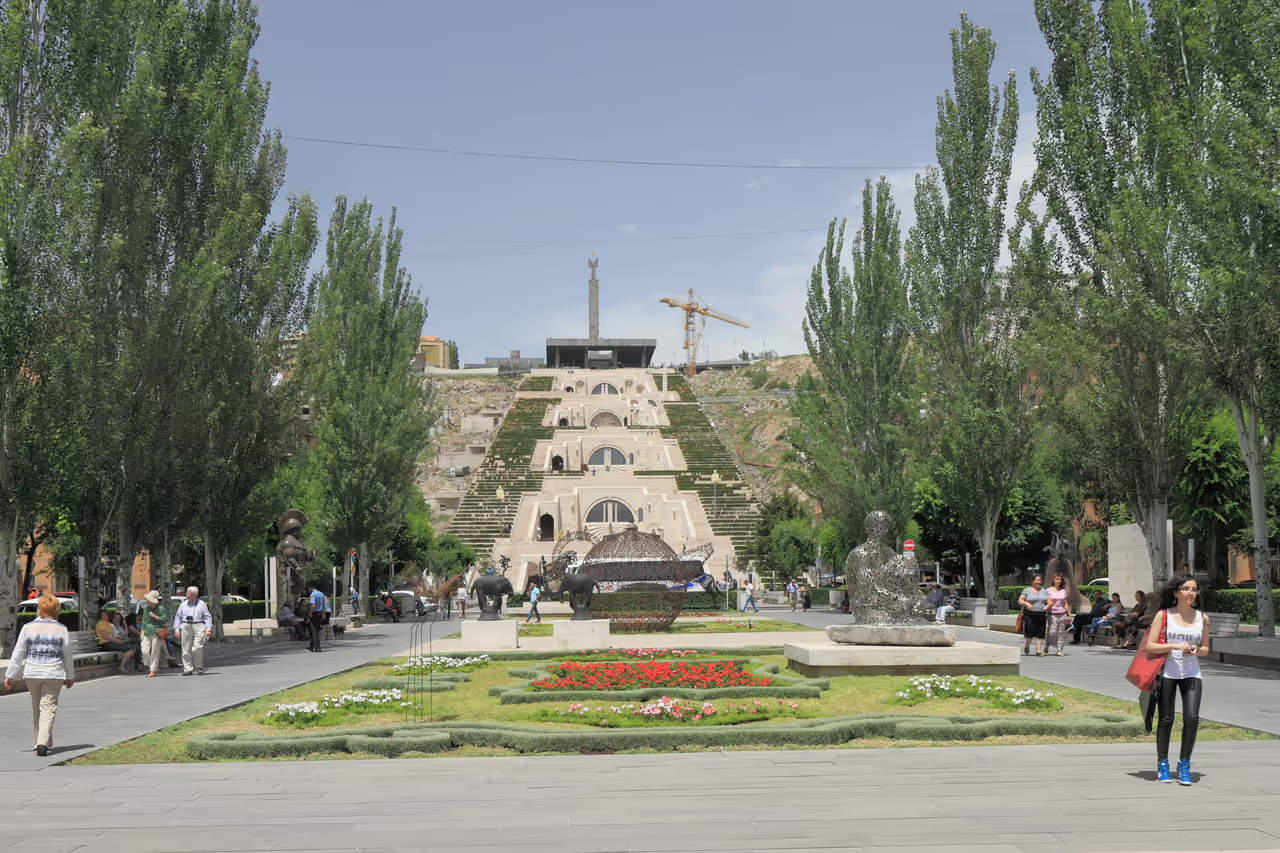 472m
472mYerevan Cascade
Standing as a colossal testament to Armenian ingenuity, the Yerevan Cascade is far more than a simple staircase. This monumental complex serves as the city's vibrant social heart, where cascading fountains and lush greenery meet a world-class outdoor sculpture garden. As you ascend the 572 steps, you are rewarded with breathtaking panoramic views of Yerevan, often highlighted by the majestic, snow-capped peak of Mount Ararat on the horizon. It is a place where art lovers, casual wanderers, and local families converge to enjoy the unique fusion of Soviet modernist architecture and traditional Armenian ornamentation. Whether you are exploring the hidden galleries within or simply enjoying a sunset from the terraces, the Cascade offers an unforgettable experience that perfectly captures the spirit and resilience of Armenia's capital.
attraction view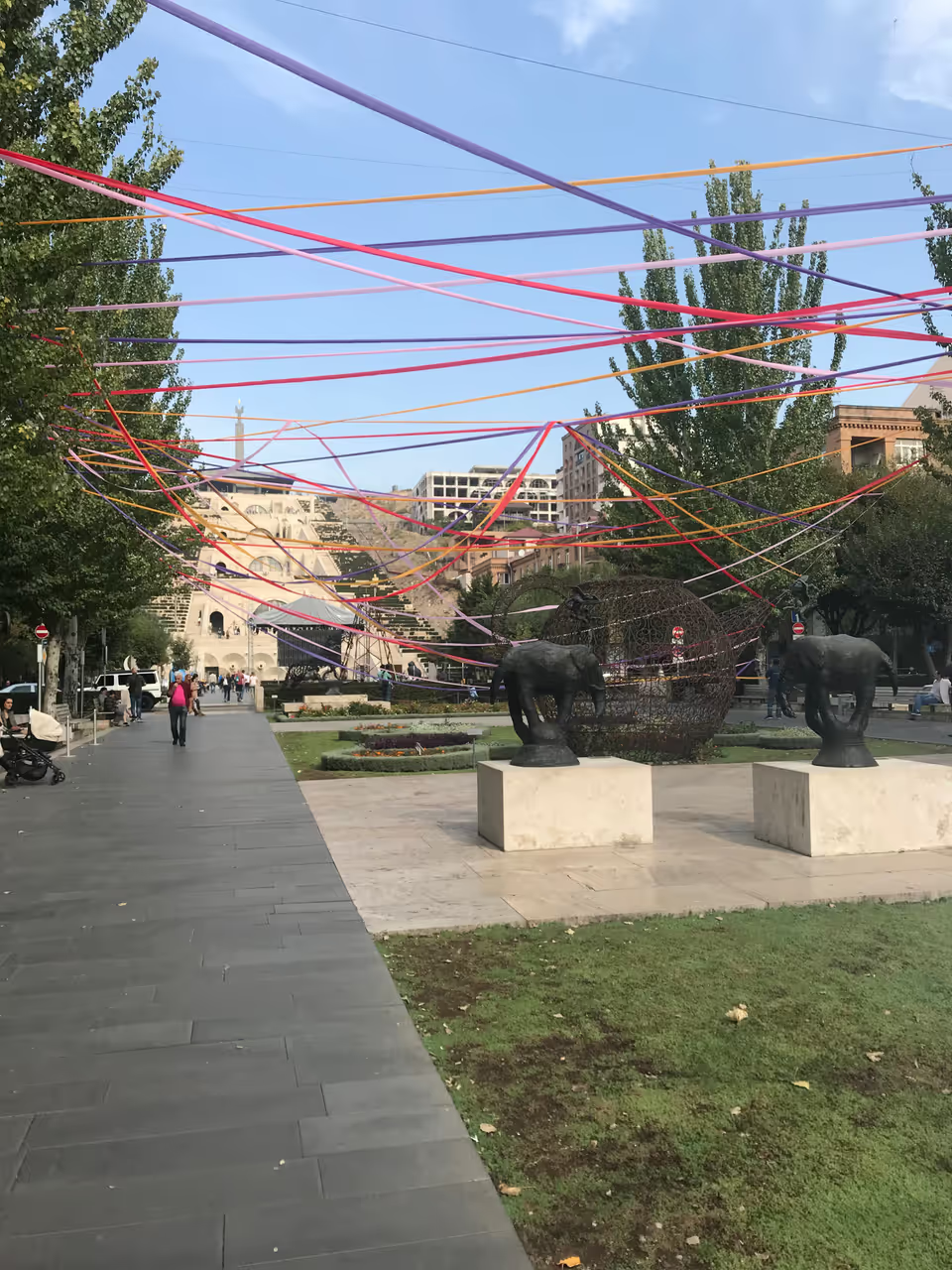 589m
589mCascade District
The base of the magnificent staircase monument is flanked by an impressive array of sophisticated cafes and cocktail lounges. It is one of the most visually stunning places to enjoy an evening drink while admiring the surrounding art installations. As the sun sets, the area transitions smoothly from relaxed coffee drinking to stylish late night socialising. Many venues feature live jazz or acoustic sets on their patios. It is a fantastic location for people watching and enjoying the upscale urban ambience.
nightlife view
Explore Similar Places in These Collections
Featured on These Itineraries and Routes
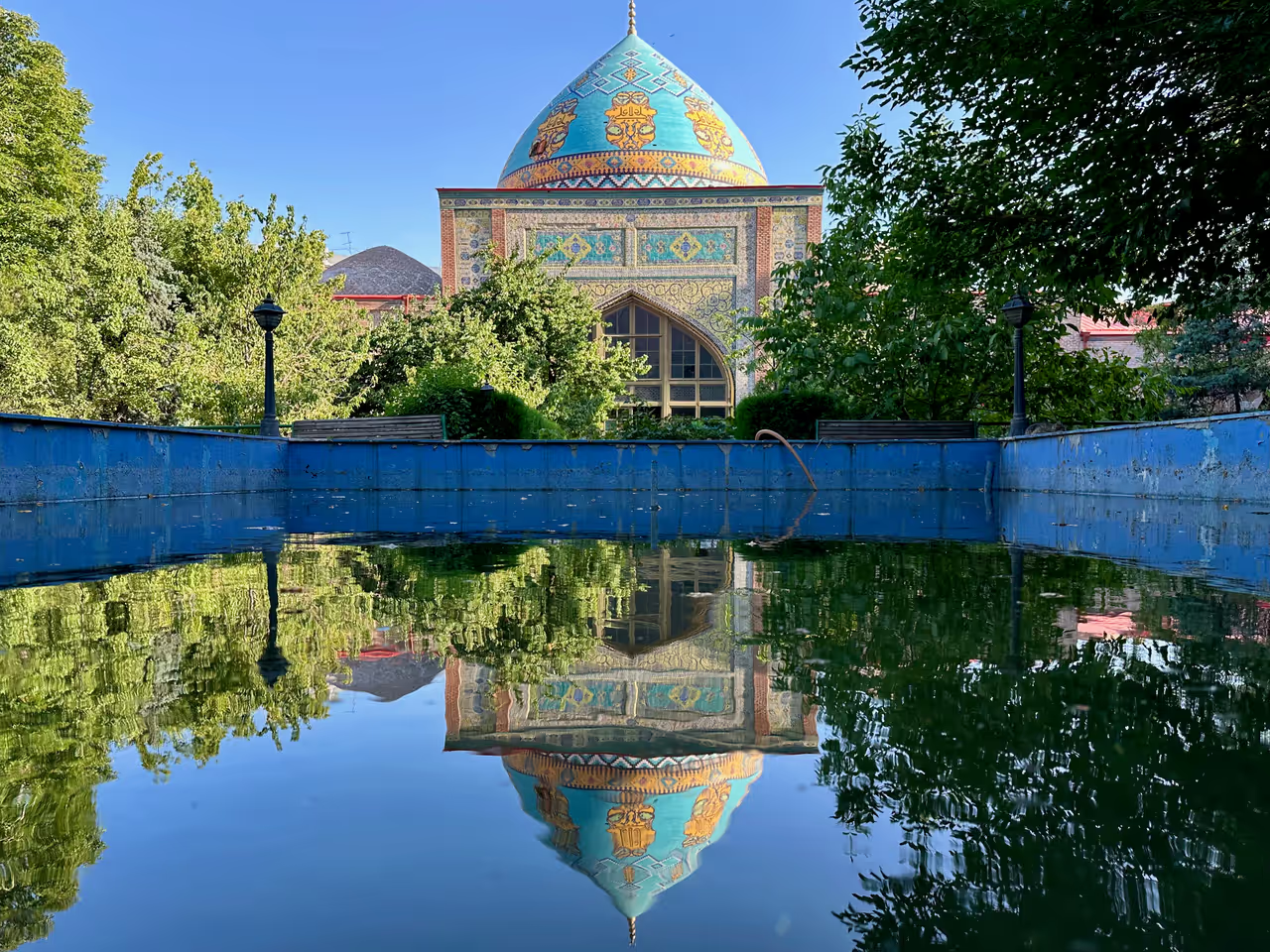
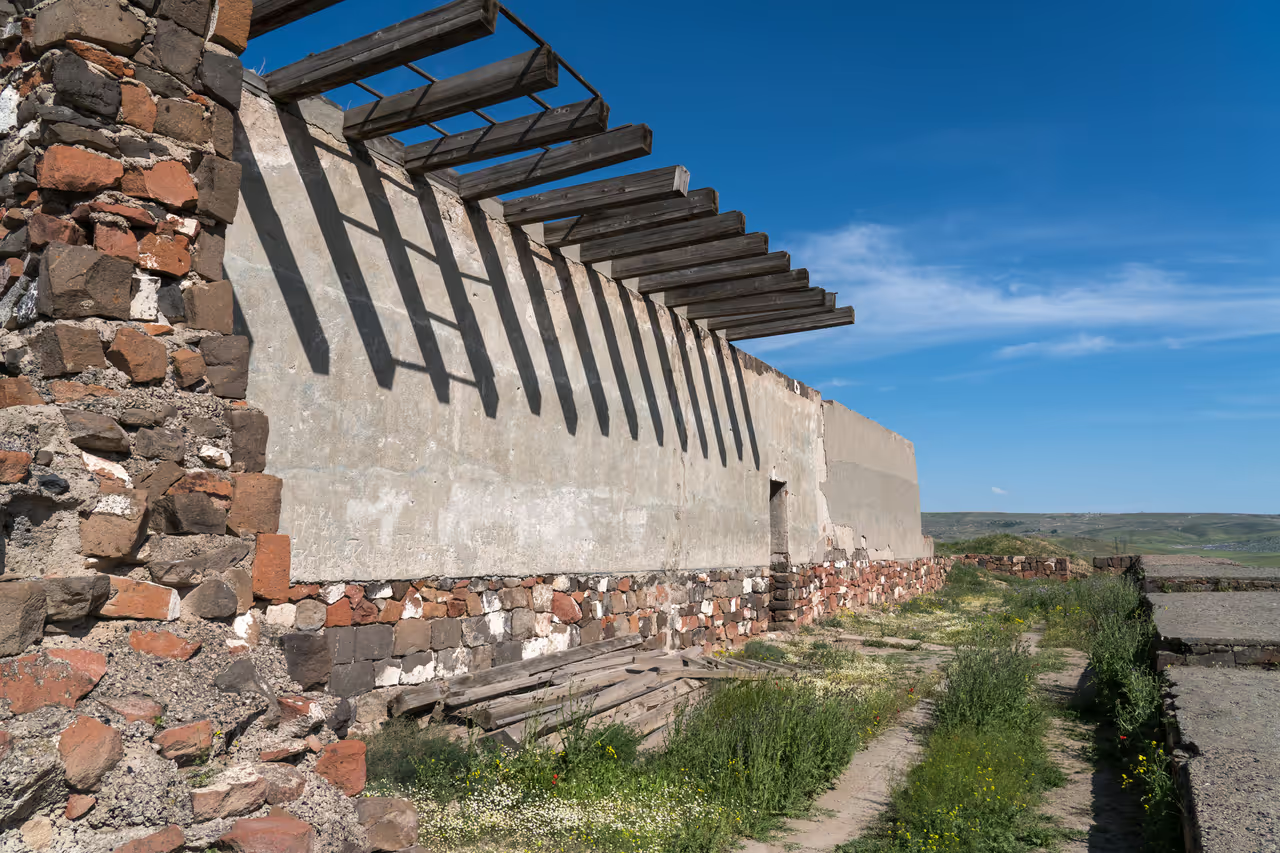
3 Days in Yerevan: Culture and History Itinerary
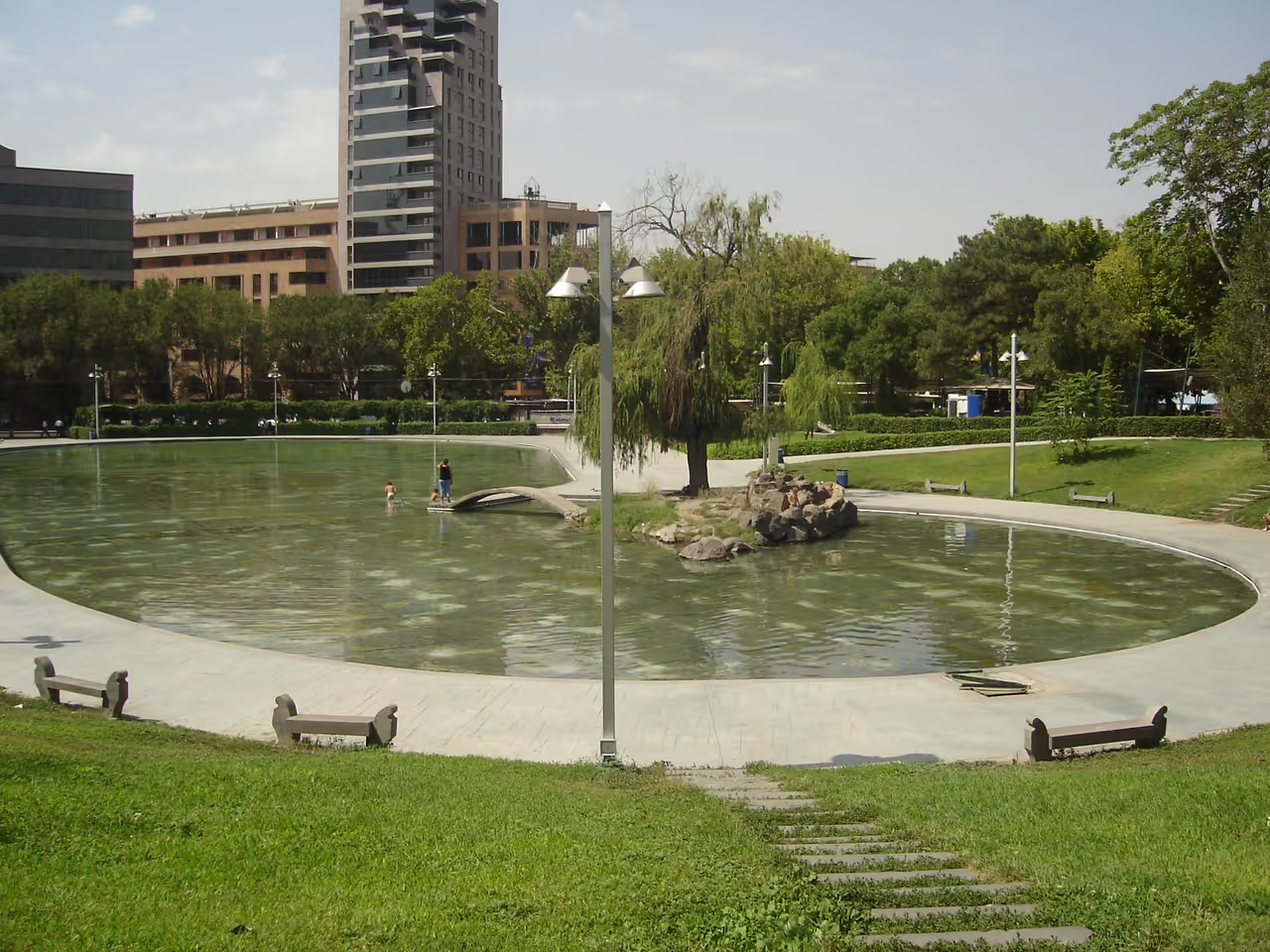
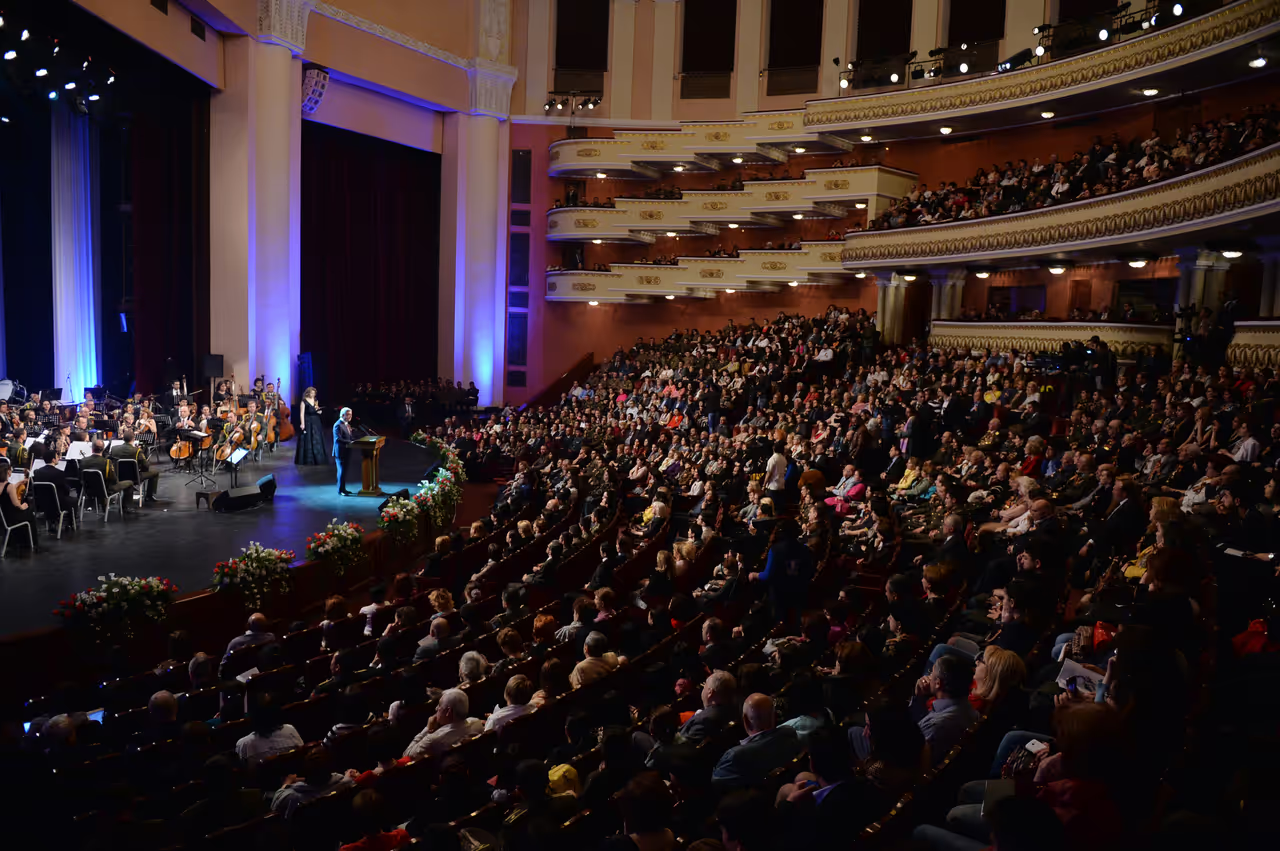
This balanced itinerary allows you to dig much deeper into the historical and artistic foundations of the city. Beyond the central squares, you will explore world class museums, ancient manuscripts, and vibrant local markets. It offers a steady pace that leaves plenty of time to enjoy long lunches and the famous evening wine culture. You will gain a profound understanding of the national heritage and the profound resilience of its people.
view itinerary
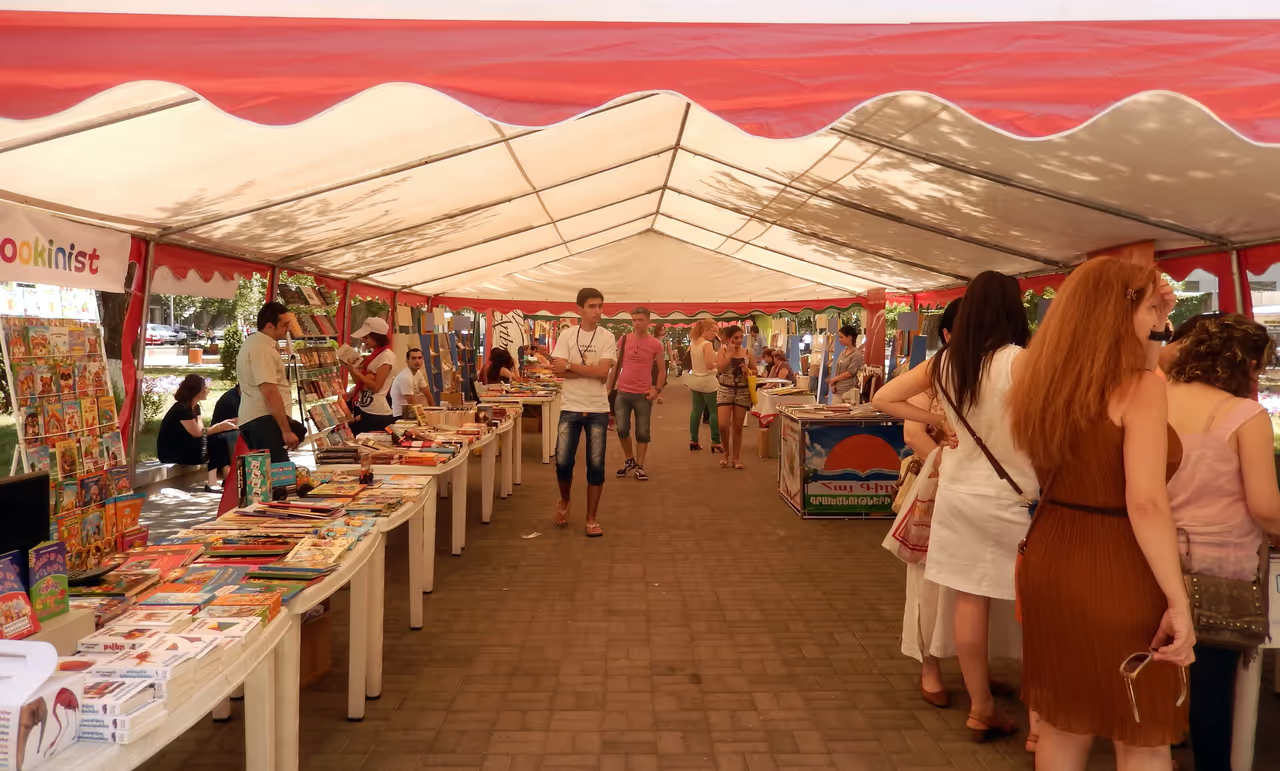
5 Days in Yerevan: In-Depth Exploration Itinerary
An extensive, unhurried journey that covers the iconic sights alongside hidden neighbourhoods and obscure museums. This itinerary is for the traveller who wants to truly feel the rhythm of local life, from bustling bazaars to quiet, rustic alleys. It includes time for solemn historical reflection as well as joyous engagement with the thriving nightlife. By the end, you will have experienced the many complex, beautiful layers of this ancient capital.
view itinerary
Evolution of Art Walk
This journey traces the creative spirit of the nation from illuminated medieval manuscripts to bold contemporary installations. It connects the most important galleries and museums in the city centre. The tour provides deep insight into how traditional motifs have influenced modern creators. It is a highly visual and intellectual exploration of the local culture.
view self-guided tour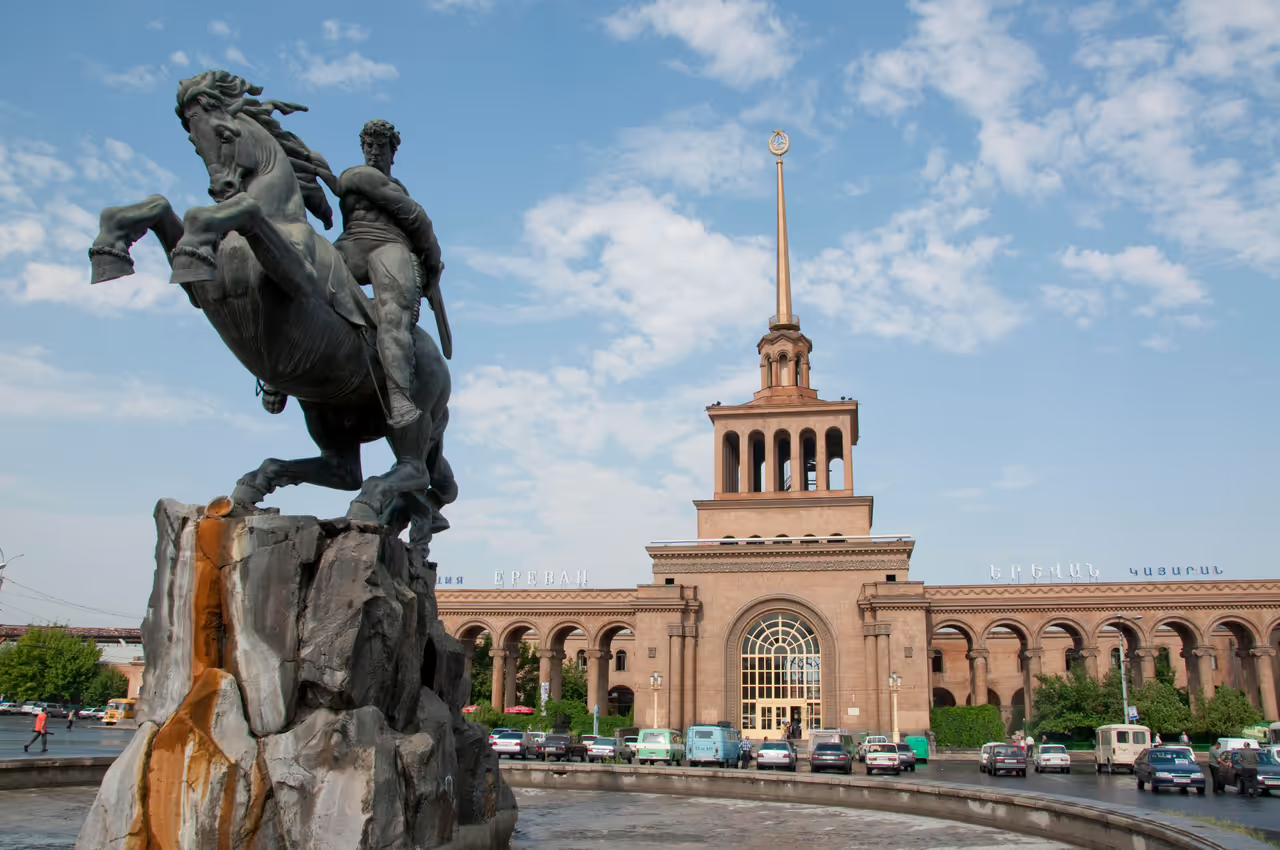
Soviet Monumentalism Trail
This tour focuses on the grand, imposing structures built during the decades of Soviet rule. It highlights the unique architectural style that blended severe constructivist lines with traditional local motifs and pink tufa stone. The route allows visitors to appreciate the immense scale and ideological ambition behind the city's twentieth century redesign. It is a visually striking journey through a defined historical era.
view self-guided tour
See all attractions in Yerevan
Armenian Genocide Memorial complex (Tsitsernakaberd), Mother Armenia, National Academic Opera and Ballet Theatre, Republic Square, Yerevan Cascade, Ancient Citadel of Erebuni, Blue Mosque...