Armenian Genocide Memorial complex (Tsitsernakaberd)
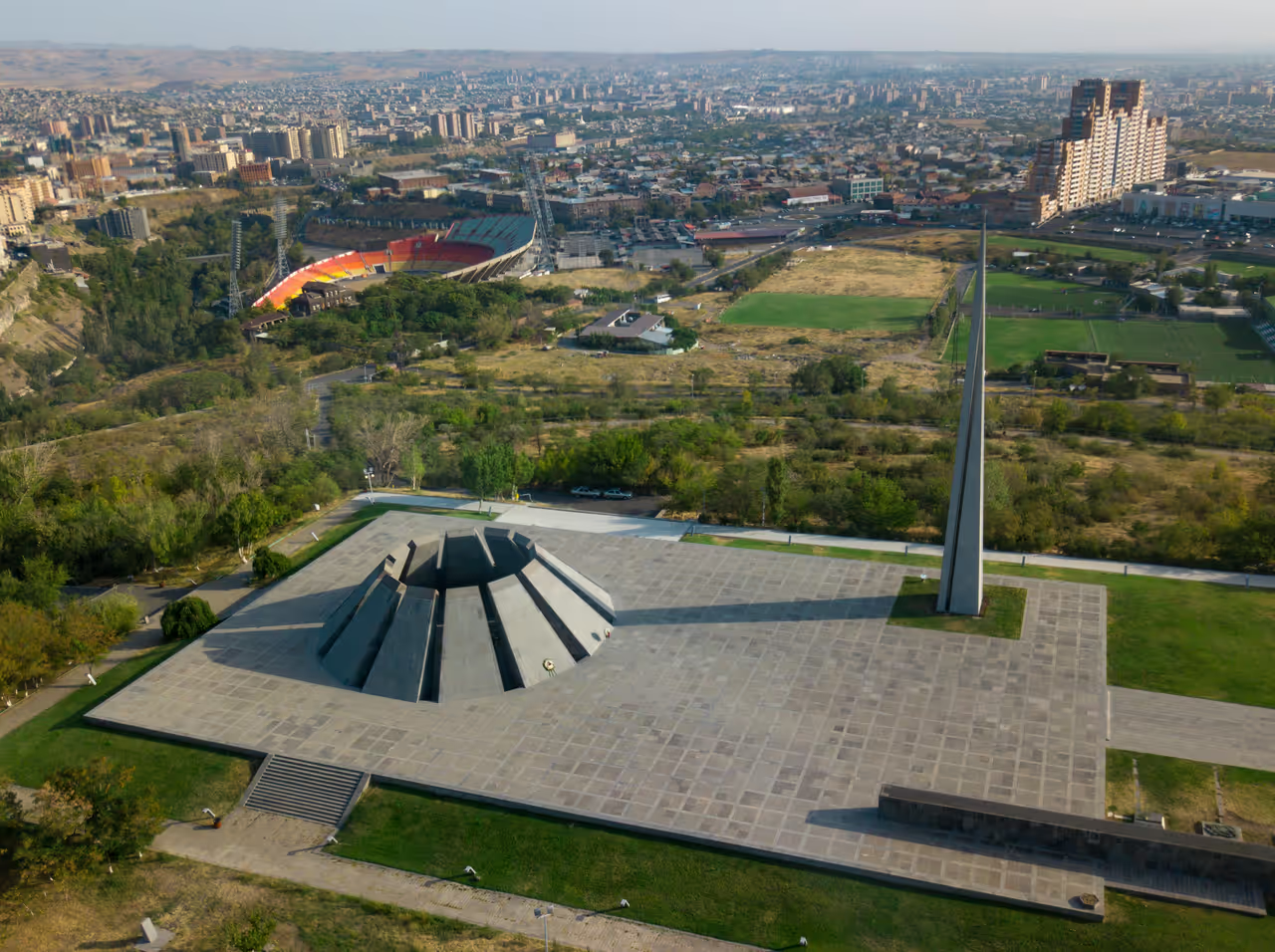
Perched atop a hill with sweeping views of the city and Mount Ararat, the Tsitsernakaberd memorial complex stands as a powerful testament to memory and human resilience. This site serves as the official memorial dedicated to the victims of the Armenian Genocide, offering visitors a space for quiet contemplation and historical understanding. The striking architecture, including twelve inward curving stone slabs and an eternal flame, creates an atmosphere of profound solemnity that resonates deeply with everyone who walks through its grounds. Beyond the memorial columns, you can explore the underground museum which houses moving historical documents and exhibits that tell the story of a nation’s survival. It is an essential destination for those wanting to grasp the soul of modern Armenia and pay respects to its enduring spirit.
Videos
History of Armenian Genocide Memorial complex (Tsitsernakaberd)
The creation of Tsitsernakaberd emerged from a powerful, grassroots awakening. In the mid 1960s, when the topic of the Armenian Genocide remained largely suppressed under Soviet policy, a collective desire for remembrance began to swell. This movement reached a turning point in 1965 when tens of thousands of people gathered in the streets of Yerevan to mark the 50th anniversary of the atrocities. The authorities recognised the scale and depth of public sentiment and permitted the construction of a monument that would honour the victims while symbolising the rebirth of the Armenian nation. The design of the complex, led by architects Arthur Tarkhanyan and Sashur Kalashyan, became a triumph of symbolic architecture. They chose to carve the structures into the very landscape of the hill, ensuring the monument commands the horizon without dominating the natural beauty of the area. The twelve stone slabs, leaning inward, evoke a sense of shared grief, yet the central eternal flame and the towering column speak clearly of life and continuity. It was an ambitious project designed to create a permanent, physical space for collective mourning that could stand the test of time. By 1995, the addition of the Genocide Museum Institute transformed the site from a place of static commemoration into a vibrant centre for academic research and global education. This expansion allowed the institute to preserve archival materials and promote international awareness, ensuring that the lessons of history are maintained for future generations. Today, the complex remains a focal point for official state protocols, hosting world leaders and visitors from every corner of the globe who come to acknowledge the past and advocate for a future free from such tragedies.
Events spanning 46 years
Fun Facts
- • A 100 metre long wall at the site bears the names of towns and villages that suffered through deportations and massacres.
- • Architects designed the museum to be located underground so it would remain unobtrusive, ensuring the focus stayed entirely on the memorial monument above.
- • Komitas Hall, located on the first floor of the museum, provides a space for concerts and lectures, seating 170 people.
- • Legends say the hill, Tsitsernakaberd, took its name from swallows that nested there, as these birds were historically considered messengers for pagan gods.
- • Many international figures, including Popes and heads of state, have visited the site to pay their respects, marking it as a globally recognised centre for remembrance.
- • The memorial column stands 44 metres high and is split into two distinct parts to signify the fracture and eventual rebirth of the nation.
- • The memorial complex acts as a site of constant environmental renewal, where flowers laid by thousands of visitors after the annual commemoration are collected and recycled.
- • The petals of the collected flowers are processed into paper for museum use, while the stems are turned into organic fertiliser for the park.
- • The twelve stone slabs are arranged in a circular formation, with each representing a lost province of Western Armenia.
- • Visitors can view the Ararat Valley from the museum roof, a location chosen specifically to frame the view of the historic Mount Ararat.
RESOURCES
Official WebsiteArmenian Genocide Memorial complex (Tsitsernakaberd) FAQ
While we strive to keep this information accurate and up to date, we recommend verifying any details independently before making decisions based on them.
Armenian Genocide Memorial complex (Tsitsernakaberd) Map & Neighborhood Explorer
This interactive map is centered on Armenian Genocide Memorial complex (Tsitsernakaberd). Zoom in and move the map around to automatically discover Wikipedia photos and summaries of other nearby sights, monuments, and historical points of interest and stories in real-time!
Places near Armenian Genocide Memorial complex (Tsitsernakaberd)
Make the most of your trip. Check out these top-rated spots located nearby.
 566m
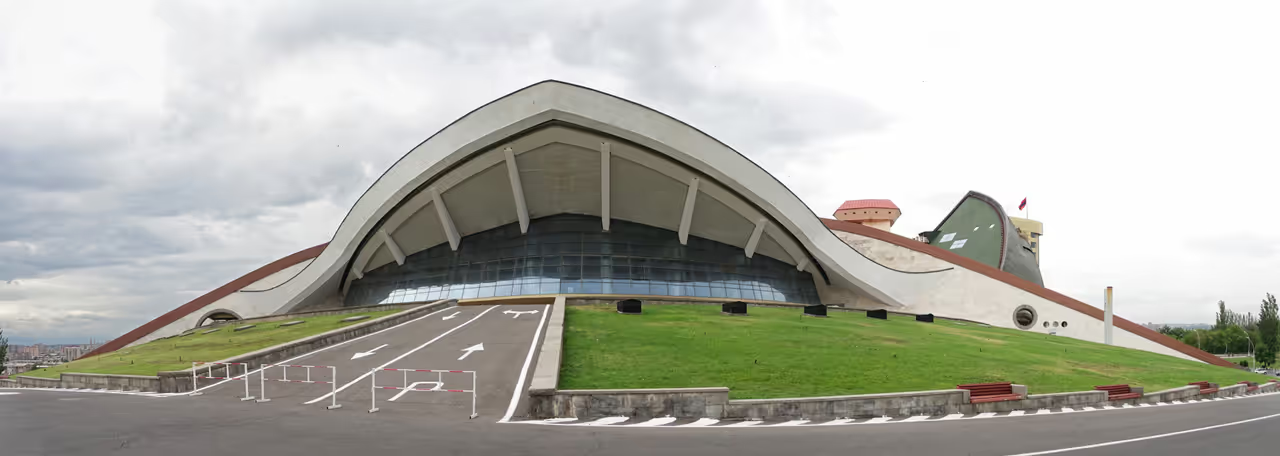
566mYerevan Jazz Fest
An annual gathering that highlights the city's long standing love affair with jazz music. Local and international musicians take to various stages, from grand concert halls to intimate underground clubs. The festival honours the legacy of the local jazz scene which first blossomed in the 1930s. Music enthusiasts can enjoy a mix of classic big band sounds and modern ethno jazz fusion. It perfectly complements the crisp autumn evenings in the capital.
festival view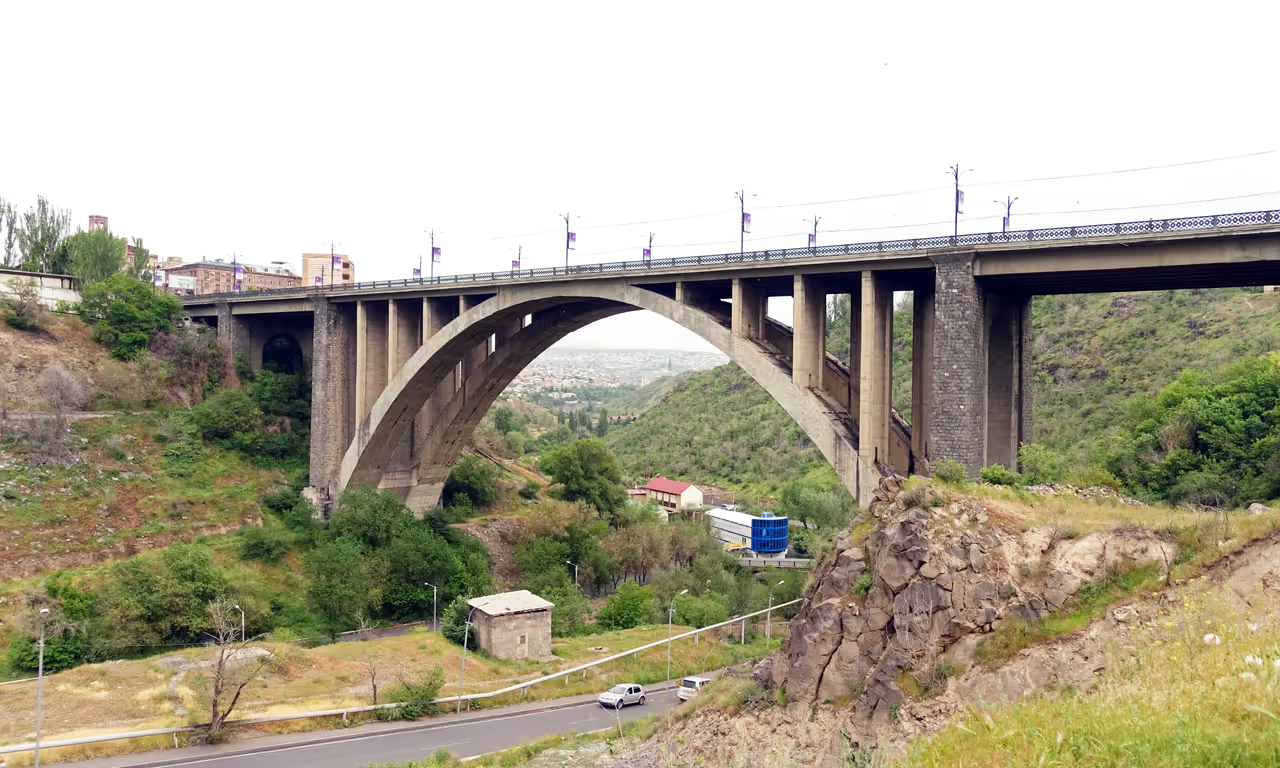 779m
779mKievyan Bridge
Standing on the pedestrian walkway of this massive arched bridge offers dizzying, vertical views straight down into the lush river canyon. The sheer drop showcases the dramatic natural topography that splits the city in two. You can see the tiny tracks of the children's railway winding through the dense forest below. It is a fantastic spot for capturing the intersection of heavy engineering and wild nature.
viewpoint view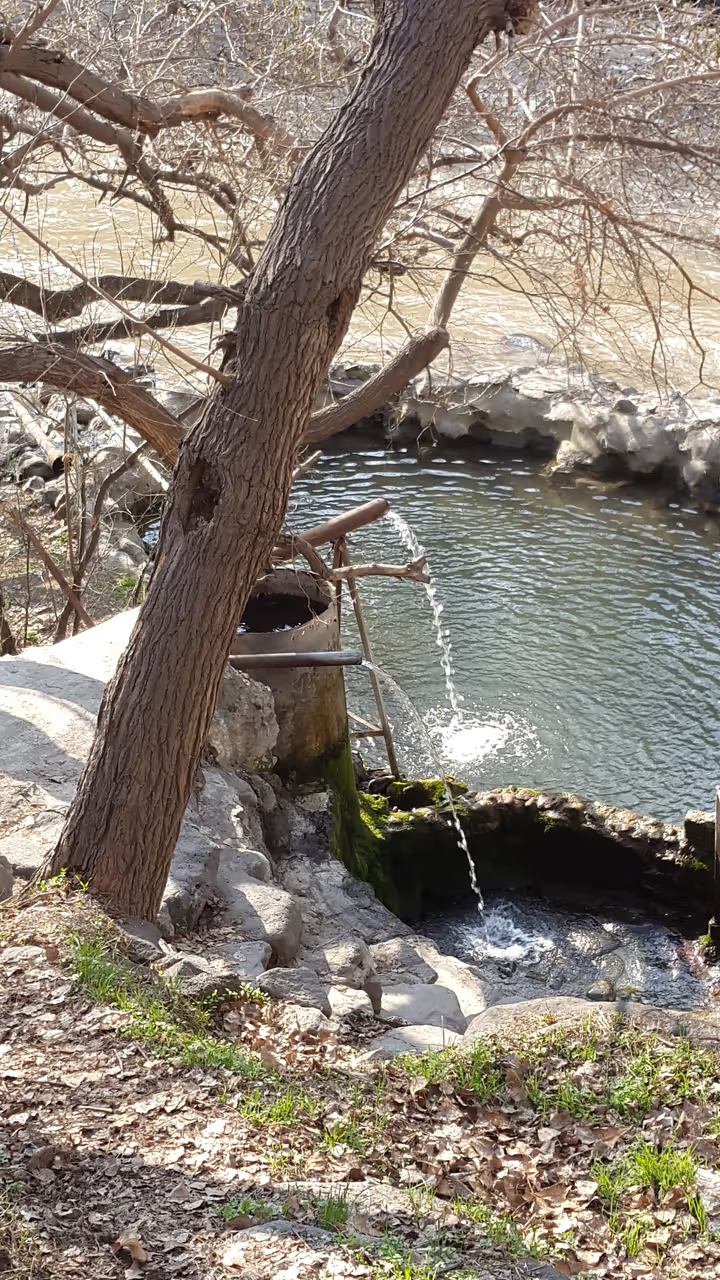 963m
963mChildren's Railway
Hidden deep within the wooded Hrazdan Gorge lies this fascinating, slightly eerie relic of Soviet leisure infrastructure. The ornate, beautifully carved main station building looks like a grand palace in miniature. Vintage, brightly painted miniature trains still sit on the narrow gauge tracks, occasionally running short trips for local families. The surrounding park features decaying carnival rides that add a distinct, nostalgic charm. Accessing the area involves walking through a long, atmospheric pedestrian tunnel from the city centre. It is a fantastic spot for urban exploration and distinctive photography.
hidden gem view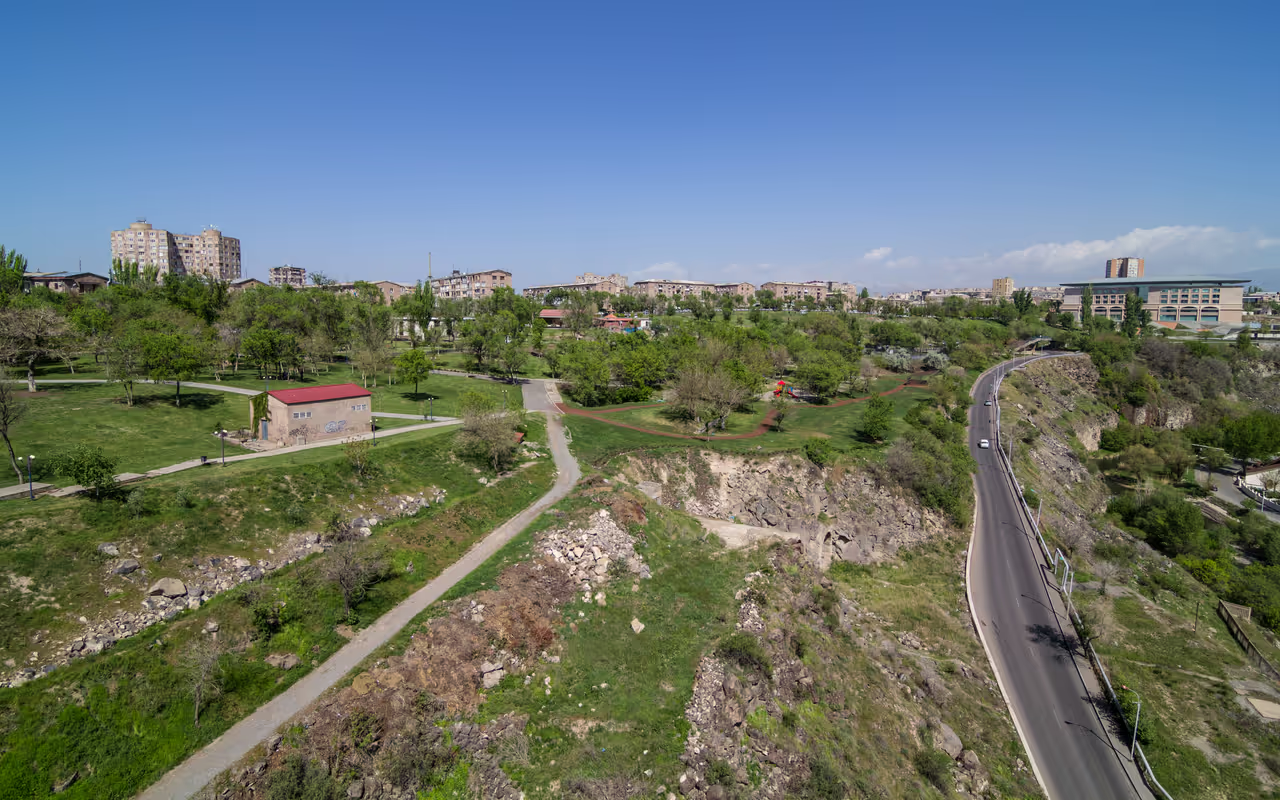 1124m
1124mTumanyan Park
Tumanyan Park is a delightful green escape tucked along the dramatic gorge of the Hrazdan River, offering a refreshing contrast to the urban energy of Yerevan. Named in honour of the beloved Armenian poet Hovhannes Tumanyan, this park captures the literary spirit of the nation with its charming character and cultural landmarks. Visitors can stroll along tree lined paths, enjoy the artistic sculptures of famous literary characters, or simply find a peaceful spot to relax with a view of the river. It serves as a popular neighbourhood hub where families, creative minds from the nearby Tumo Centre, and travellers alike can pause and recharge. With its sprawling 7 hectares, the park provides an ideal setting for a leisurely afternoon under the Armenian sun.
park & nature view
Explore Similar Places in These Collections
Featured on This Itinerary
See all attractions in Yerevan
Matenadaran, Mother Armenia, National Academic Opera and Ballet Theatre, Republic Square, Yerevan Cascade, Ancient Citadel of Erebuni, Blue Mosque...