Lovers' Park
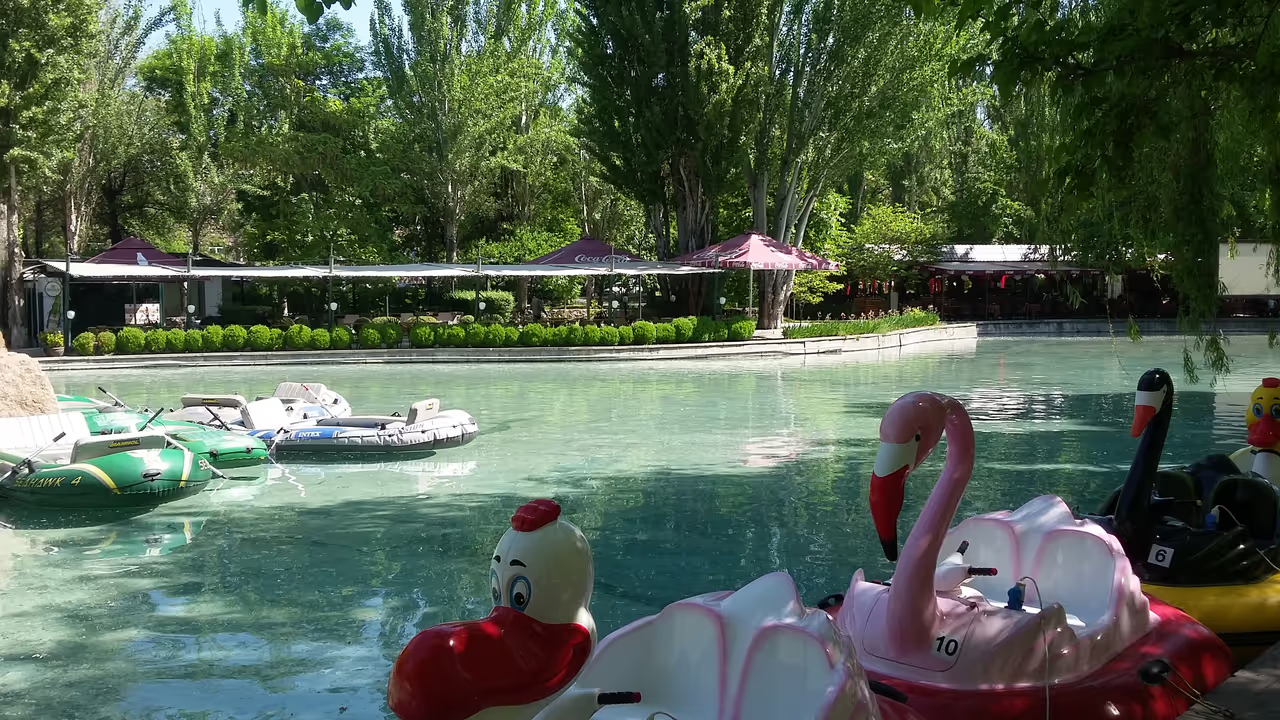
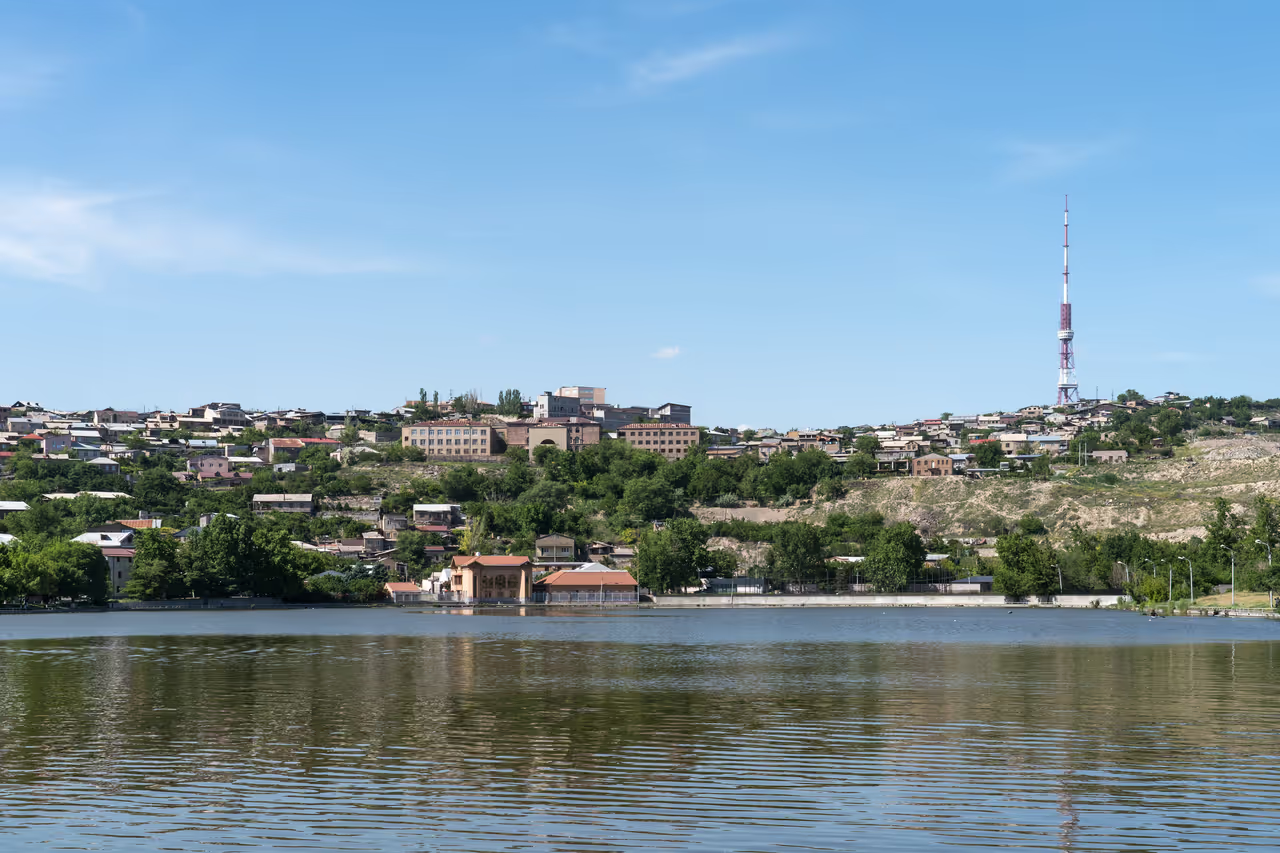
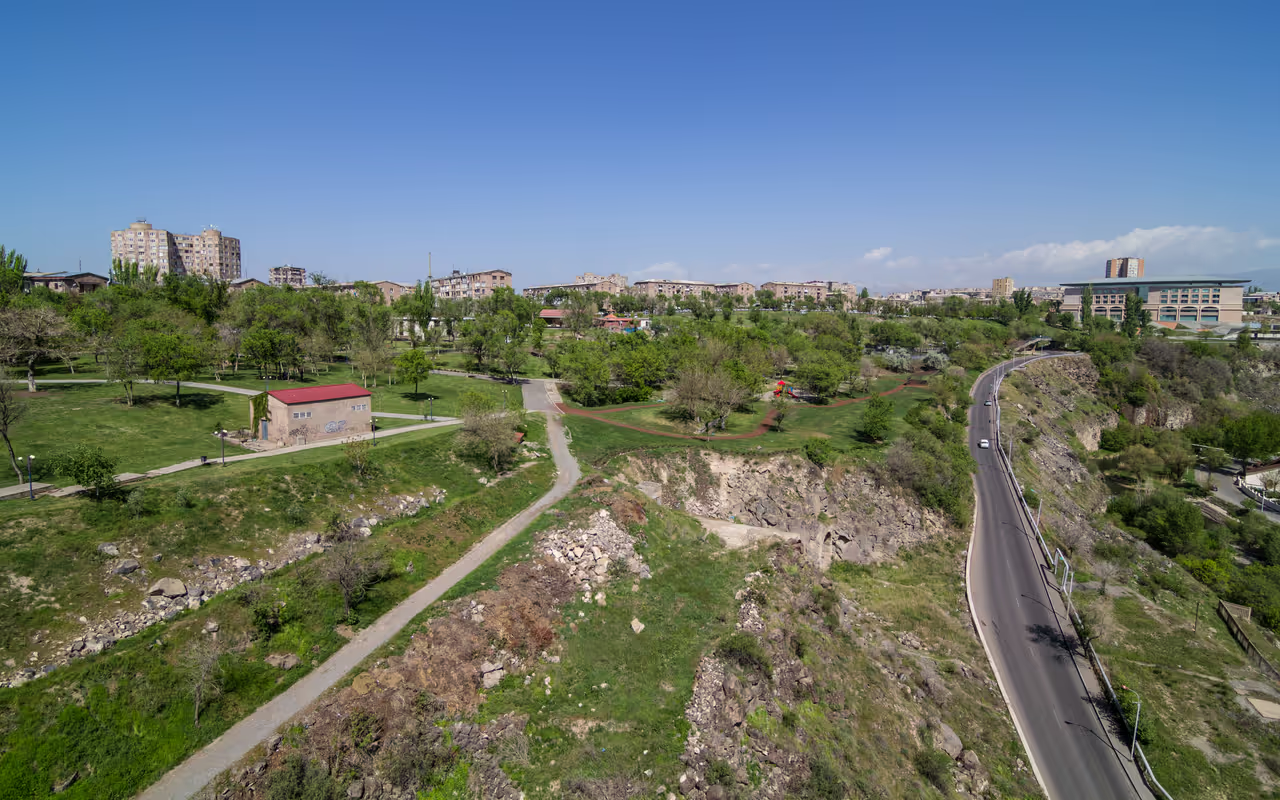
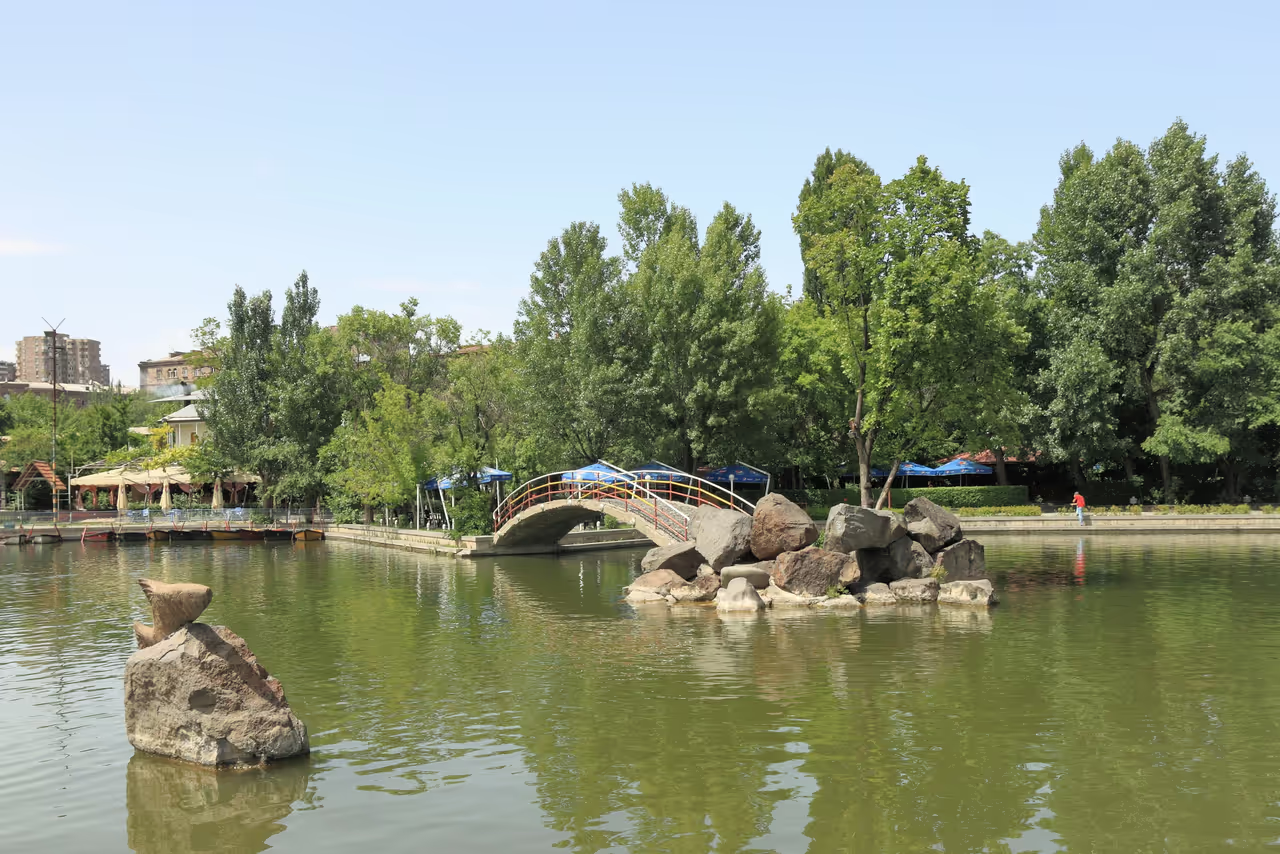
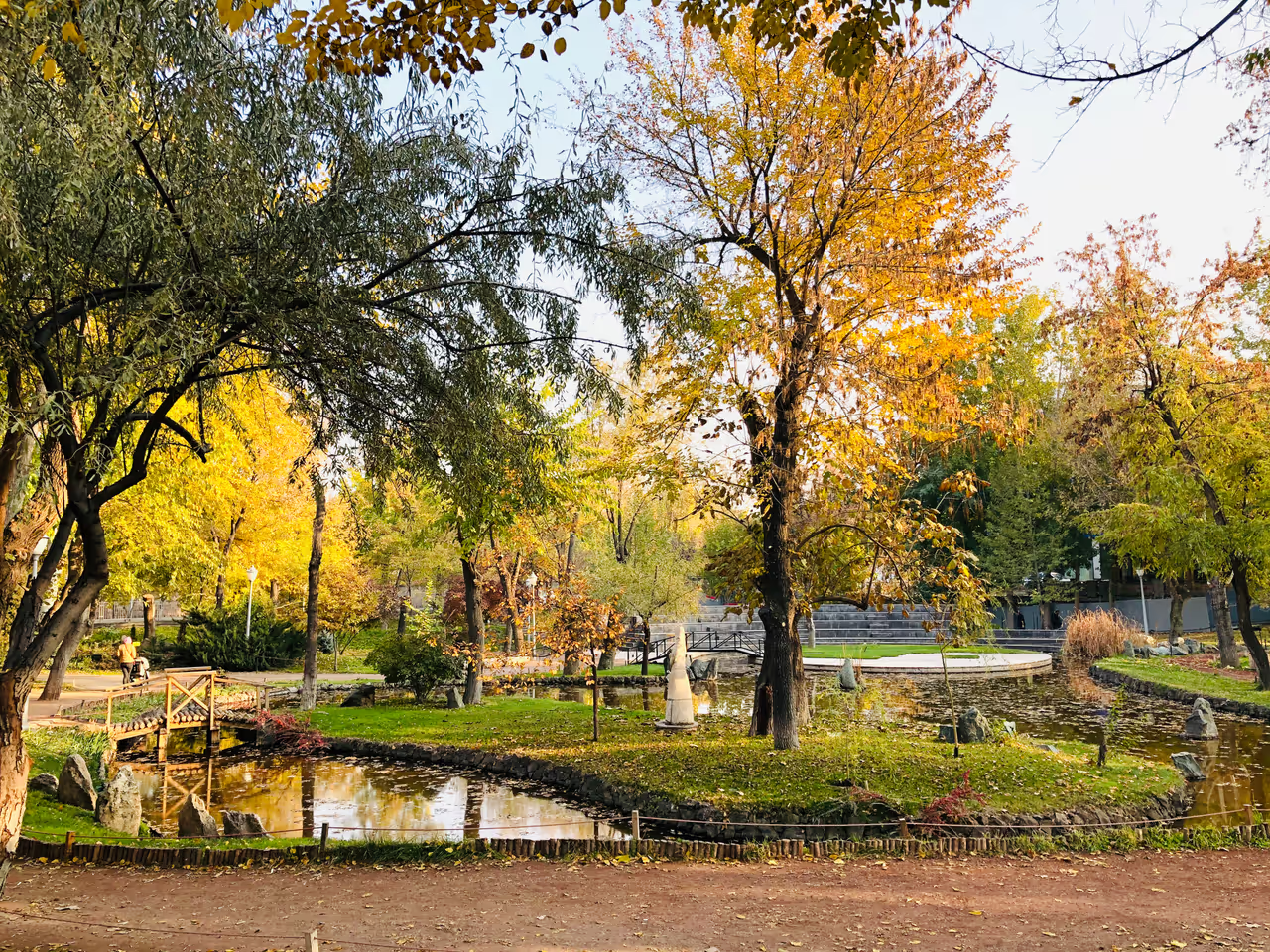
Nestled along the grand Baghramyan Avenue, this tranquil urban sanctuary offers a serene escape from the energetic pulse of Yerevan. The park stands out for its unique landscape design, which beautifully marries rigorous Japanese gardening principles with the distinct character of the Armenian spirit. It serves as a beloved meeting point where locals and visitors alike gather to unwind, stroll through verdant paths, and enjoy the calming sound of its cascading waterfalls. Whether you are catching an open-air film screening or simply relaxing at the café, the park radiates a welcoming atmosphere that feels both historic and thoroughly modern. It acts as the beating heart of local social life in the city centre.
Videos
History of Lovers' Park
Long before it became the leafy retreat we see today, this land began its journey in the eighteenth century as Kozern Park. It was tied closely to the old Kozern district, known for its historic cemetery and a chapel that anchored the community. Over the centuries, the space evolved alongside the city, taking on new names and identities that mirrored the changing political landscape of the region. Following the Second World War, authorities dedicated it to the Russian poet Alexander Pushkin, before later renaming it to reflect the spirit of friendship among Soviet nations. The most significant transformation, however, arrived in the twenty-first century. As the city transitioned into a new era of independence, the space naturally claimed the title Lovers' Park because residents had long treated the grounds as their favourite romantic meeting spot. Recognising this deep cultural connection, the Boghossian Foundation stepped in to reimagine the area. They brought in French landscape architect Pierre Rambach to craft a new vision. He spent time travelling throughout Armenia, drawing inspiration from local scenery to ensure the new design felt authentically Armenian while incorporating the deliberate, peaceful structure of a traditional Japanese garden. Reopening in 2008, the renovated park became a triumph of inclusive urban design. The developers ensured that every corner remained accessible, eliminating steps to welcome everyone regardless of mobility. Today, it stands as a testament to how careful planning can revitalise a public space. It preserves the historic legacy of a site that has watched Yerevan grow for centuries while providing a contemporary venue for concerts, film festivals, and quiet reflection under the trees.
Events spanning 314 years
Fun Facts
- • Designer Pierre Rambach extensively researched Armenian landscapes to ensure his new plan felt authentic to the local spirit.
- • In 1970, the park was renamed Barekamutyun, or Friendship, to reflect the unity among Soviet nations.
- • It contains a purpose-built amphitheatre that can seat 215 people for concerts and festivals.
- • It serves as an important venue for the Golden Apricot International Film Festival, hosting open-air screenings.
- • It was known as Pushkin Park between 1949 and 1970 to mark the 150th anniversary of the famous Russian poet's birth.
- • The Marshal Baghramyan metro station provides direct access to the park's northwestern corner.
- • The modern design focuses on complete accessibility, featuring a step-free layout throughout.
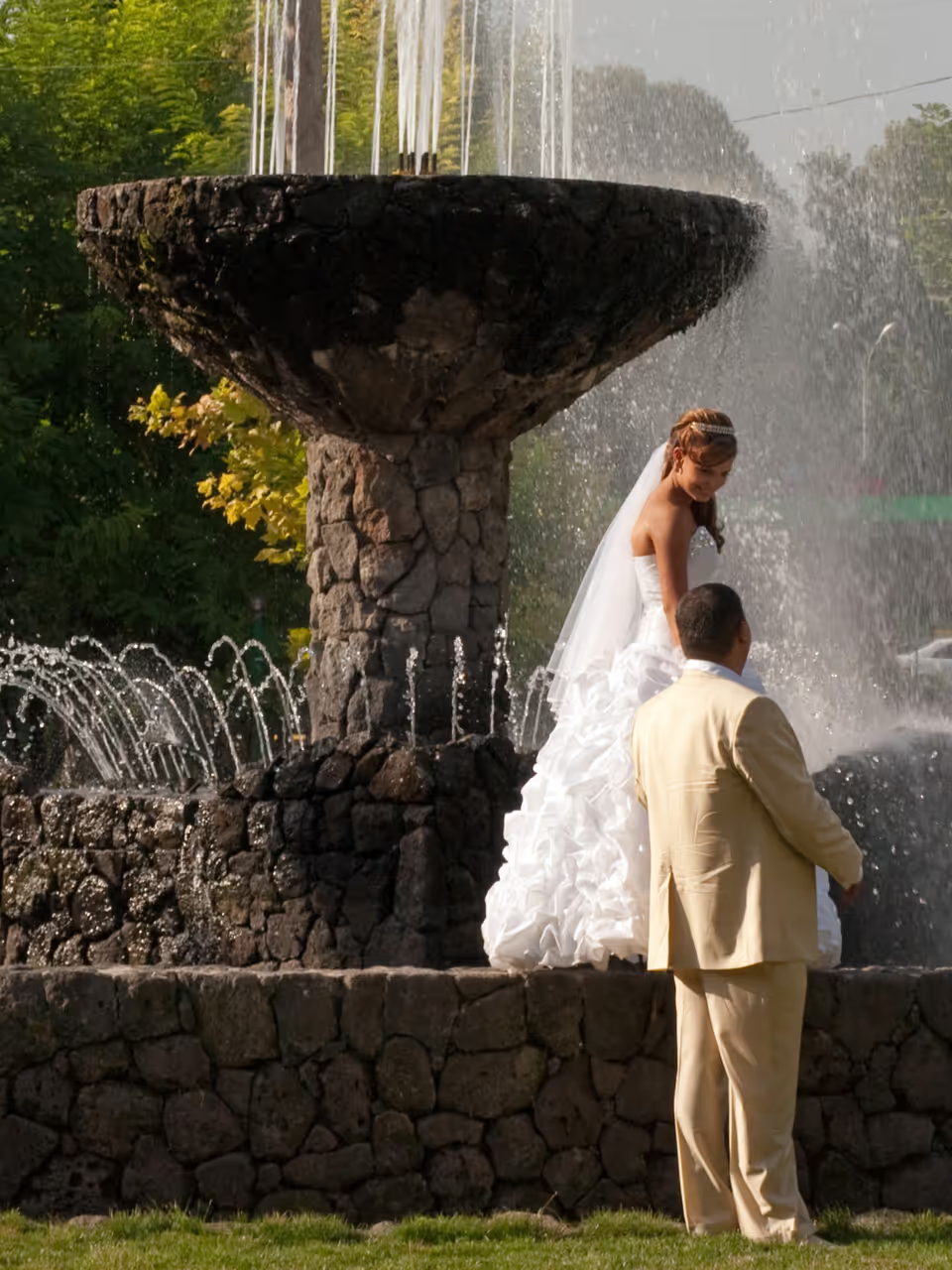
- • The park acquired its current, romantic name because it had naturally become the city's premier meeting spot for couples.
- • The park features 370 trees and four distinct waterfalls within its compact 2.5 hectare footprint.
- • The site originally served as a cemetery and chapel area for the old Kozern district.
RESOURCES
Official WebsiteLovers' Park FAQ
While we strive to keep this information accurate and up to date, we recommend verifying any details independently before making decisions based on them.
Lovers' Park Map & Neighborhood Explorer
This interactive map is centered on Lovers' Park. Zoom in and move the map around to automatically discover Wikipedia photos and summaries of other nearby sights, monuments, and historical points of interest and stories in real-time!
Places near Lovers' Park
Make the most of your trip. Check out these top-rated spots located nearby.
 733m
733mChildren's Railway
Hidden deep within the wooded Hrazdan Gorge lies this fascinating, slightly eerie relic of Soviet leisure infrastructure. The ornate, beautifully carved main station building looks like a grand palace in miniature. Vintage, brightly painted miniature trains still sit on the narrow gauge tracks, occasionally running short trips for local families. The surrounding park features decaying carnival rides that add a distinct, nostalgic charm. Accessing the area involves walking through a long, atmospheric pedestrian tunnel from the city centre. It is a fantastic spot for urban exploration and distinctive photography.
hidden gem view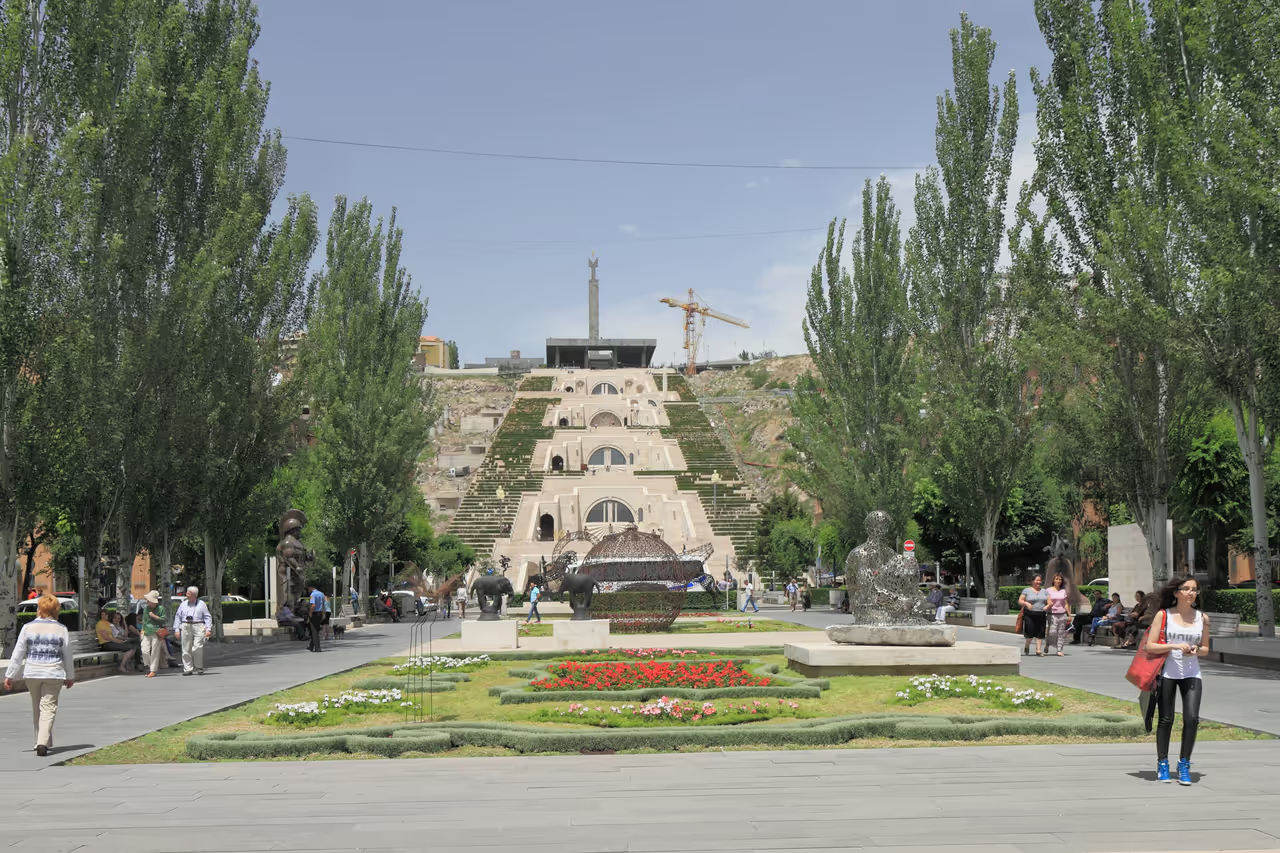 812m
812mYerevan Cascade
Standing as a colossal testament to Armenian ingenuity, the Yerevan Cascade is far more than a simple staircase. This monumental complex serves as the city's vibrant social heart, where cascading fountains and lush greenery meet a world-class outdoor sculpture garden. As you ascend the 572 steps, you are rewarded with breathtaking panoramic views of Yerevan, often highlighted by the majestic, snow-capped peak of Mount Ararat on the horizon. It is a place where art lovers, casual wanderers, and local families converge to enjoy the unique fusion of Soviet modernist architecture and traditional Armenian ornamentation. Whether you are exploring the hidden galleries within or simply enjoying a sunset from the terraces, the Cascade offers an unforgettable experience that perfectly captures the spirit and resilience of Armenia's capital.
attraction view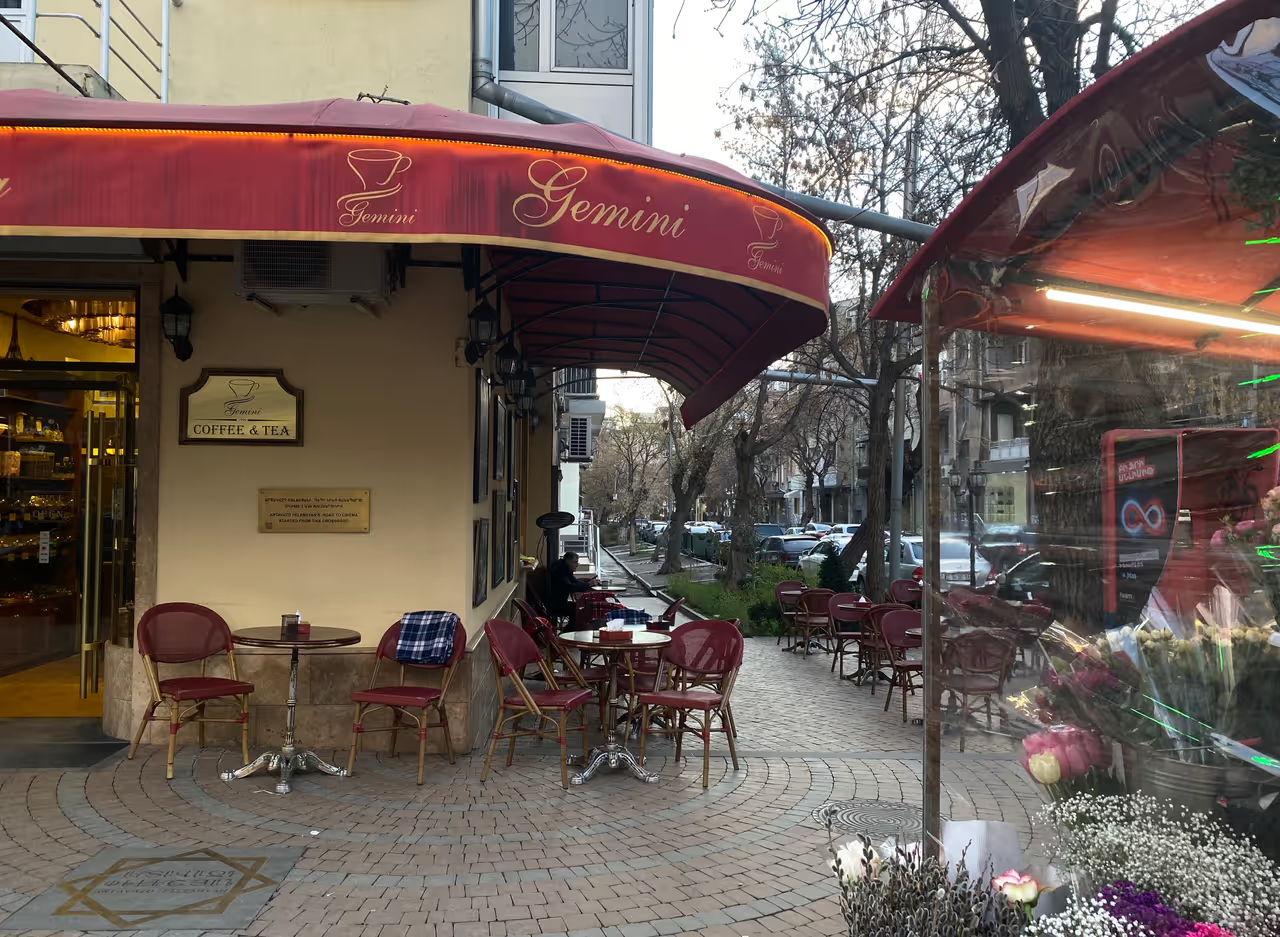 816m
816mParpetsi Street
This charming, slightly quieter street intersects with the main nightlife hubs but maintains its own distinct character. It features several highly regarded pubs and relaxed lounges favoured by locals. It offers a slightly more intimate setting for catching up with friends over well crafted drinks. Many venues here pride themselves on excellent playlists and welcoming bartenders. It is an ideal spot if you want to avoid the massive crowds while still enjoying a brilliant night out.
nightlife view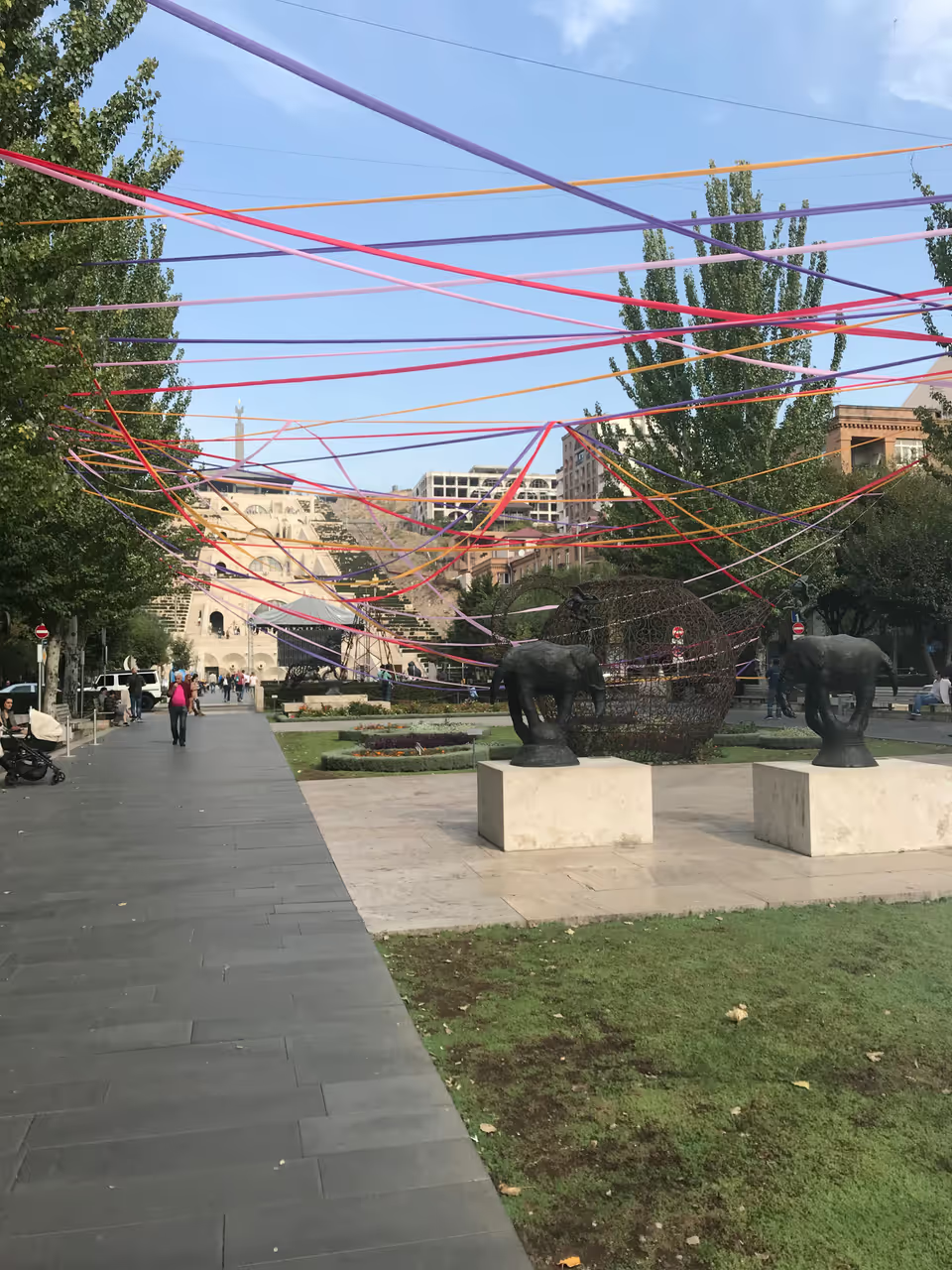 833m
833mCascade District
The base of the magnificent staircase monument is flanked by an impressive array of sophisticated cafes and cocktail lounges. It is one of the most visually stunning places to enjoy an evening drink while admiring the surrounding art installations. As the sun sets, the area transitions smoothly from relaxed coffee drinking to stylish late night socialising. Many venues feature live jazz or acoustic sets on their patios. It is a fantastic location for people watching and enjoying the upscale urban ambience.
nightlife view
Featured on This Itinerary
See all nature & parks in Yerevan
Circular Park, English Park, Lyon Park, Tumanyan Park, Victory Park, Yerevan Botanical Garden...