Palais des Rais
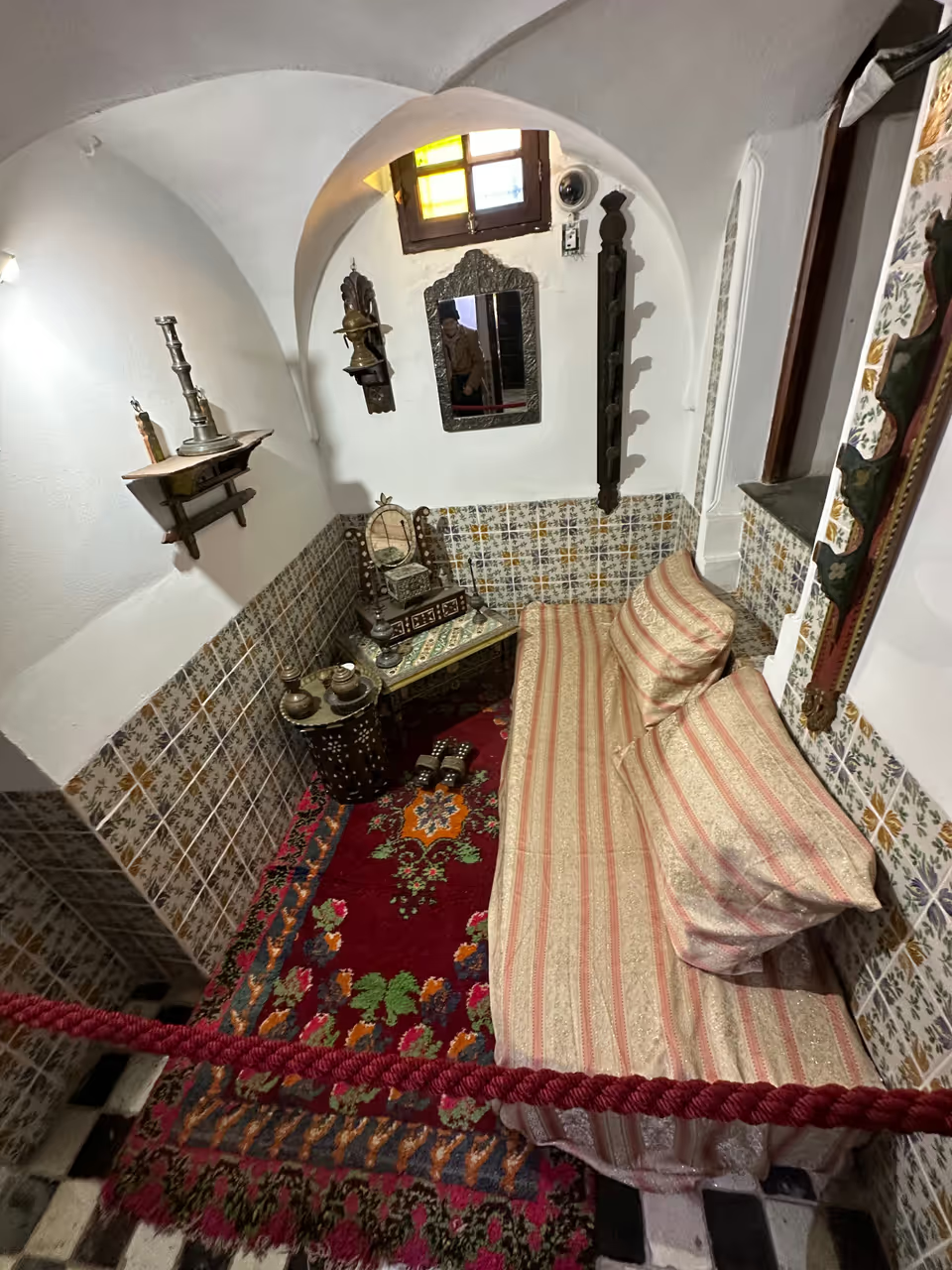
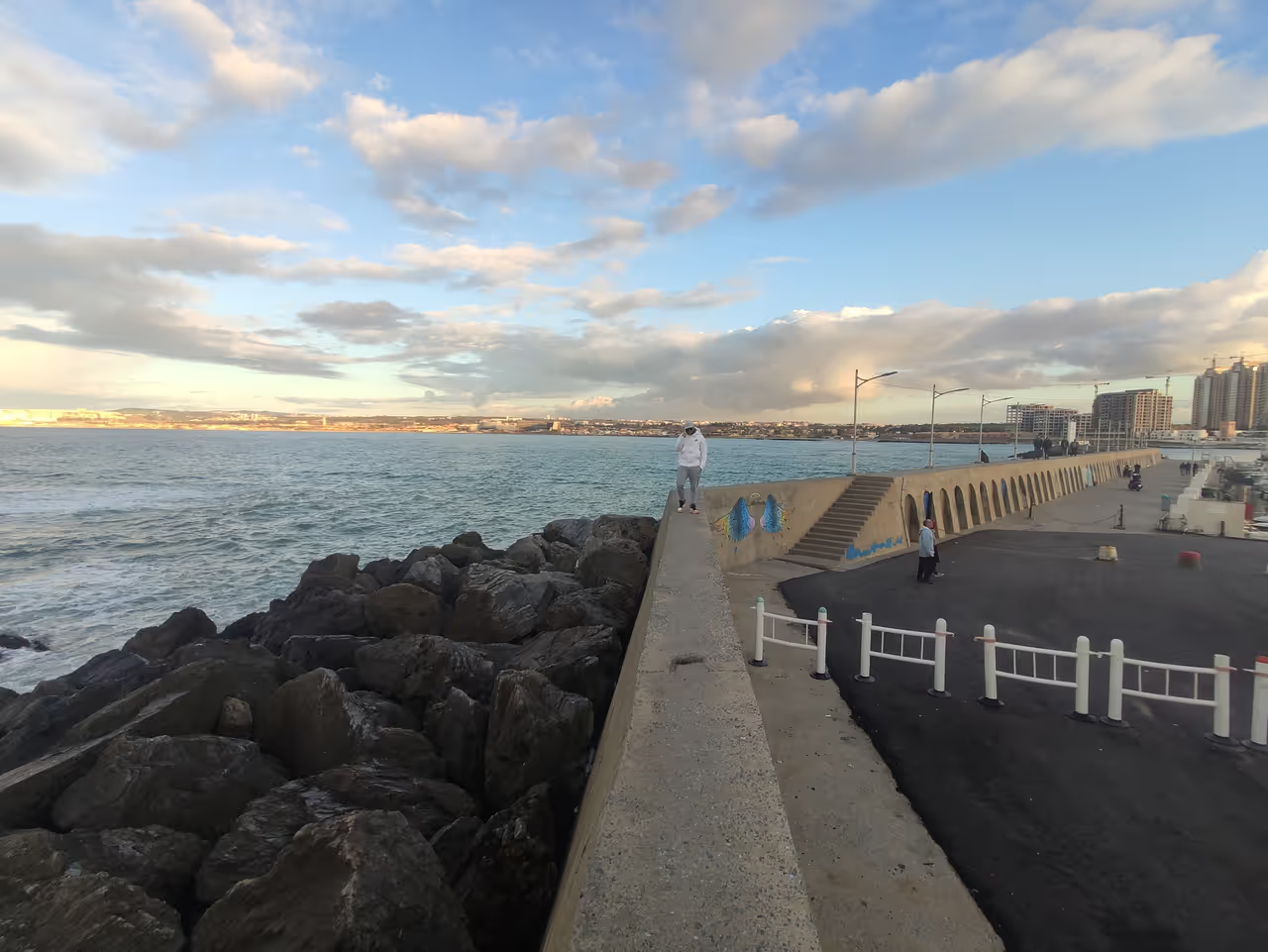
Perched right on the water's edge, the Palais des Rais, also known as Bastion 23, offers an intimate glimpse into the architectural elegance of Algiers' past. It stands as the last remaining maritime quarter of the historic Casbah, a rare survivor that narrowly escaped the heavy urban restructuring of the colonial era. Stepping inside, you are transported into a maze of three interconnected palaces and several fishermen's houses, all showcasing exquisite Moorish craftsmanship. The intricate tilework, carved wooden ceilings, and sun-drenched courtyards create a serene atmosphere that contrasts beautifully with the crashing Mediterranean waves outside. It serves not only as a museum and cultural centre but as a poignant reminder of Algiers' identity as a bridge between cultures. Visiting this UNESCO World Heritage site feels like stepping into a living history book, where every corridor whispers tales of sea captains, diplomats, and local families.
History of Palais des Rais
The Palais des Rais began its life not as a home for luxury, but as a formidable guardian of Algiers. In 1576, Dey Ramdhan Pasha commissioned the construction of the Bordj-Ez-zoubia, a tower intended to reinforce the city's coastal defences against potential invaders. Positioned at the very edge of the sea, this structure was designed for strength and strategic foresight, serving as a vigilant protector of the Medina. It was a place of steel and stone, where the focus was entirely on the safety of the harbour and the capital behind it. As time progressed, the site evolved into a sprawling residential quarter for the elite, specifically the Rais, or privateer captains, who commanded the Mediterranean. These men transformed the stern military fort into a collection of three interconnected palaces and six fishermen's houses, blending the harsh exterior defences with a surprisingly delicate and sophisticated interior. These homes became masterclasses in Moorish design, featuring intricate zellij tilework, carved cedarwood ceilings, and serene courtyards that offered a private sanctuary from the outside world. The legacy of the Palais des Rais is one of profound transformation, having served as a colonial administrative centre, a girls' school, and a municipal library before becoming a residential complex for local families after independence. The final chapter in its preservation began in the 1980s, when a concerted effort was launched to rescue the crumbling structures from the ravages of the sea and neglect. Today, the palace stands as the last surviving maritime quarter of the historic Casbah, offering a rare and unfiltered window into the soul of old Algiers.
Events spanning 418 years
Fun Facts
- • During the early 20th century, the site acted as a municipal library and a girls' boarding school, showcasing the many different lives these walls have led.
- • Following independence, the site became a home for local Algerian families, a period that, while causing some wear, actually protected the structural integrity of the wooden elements within.
- • Palace 18 served as the United States Consulate Office during the colonial period, making it a surprising diplomatic hotspot in the heart of the city.
- • The 'Beyt el ma' or 'Water House' is a highlight of the complex, demonstrating the sophisticated Ottoman hydraulic engineering used to bring fresh water into the household.
- • The architecture is a marvel of adaptation, where thick exterior walls designed to withstand cannon fire seamlessly hide delicate, ornate interiors filled with light and greenery.
- • The complex includes a secret path that once allowed the Rais, or corsair captains, to access the sea directly from their homes, facilitating trade and naval operations.
- • The restoration work in the late 1980s was an international effort, involving experts who meticulously peeled back layers of paint and debris to reveal original tiling and carvings.
- • Unlike many other parts of the Casbah which were drastically altered or demolished, this site survived thanks to its status as a fortress, effectively sealing it off from wider urban changes.
RESOURCES
Official WebsitePalais des Rais FAQ
While we strive to keep this information accurate and up to date, we recommend verifying any details independently before making decisions based on them.
Palais des Rais Map & Neighborhood Explorer
This interactive map is centered on Palais des Rais. Zoom in and move the map around to automatically discover Wikipedia photos and summaries of other nearby sights, monuments, and historical points of interest and stories in real-time!
Places near Palais des Rais
Make the most of your trip. Check out these top-rated spots located nearby.
 330m
330mMuseum of Popular Arts and Traditions
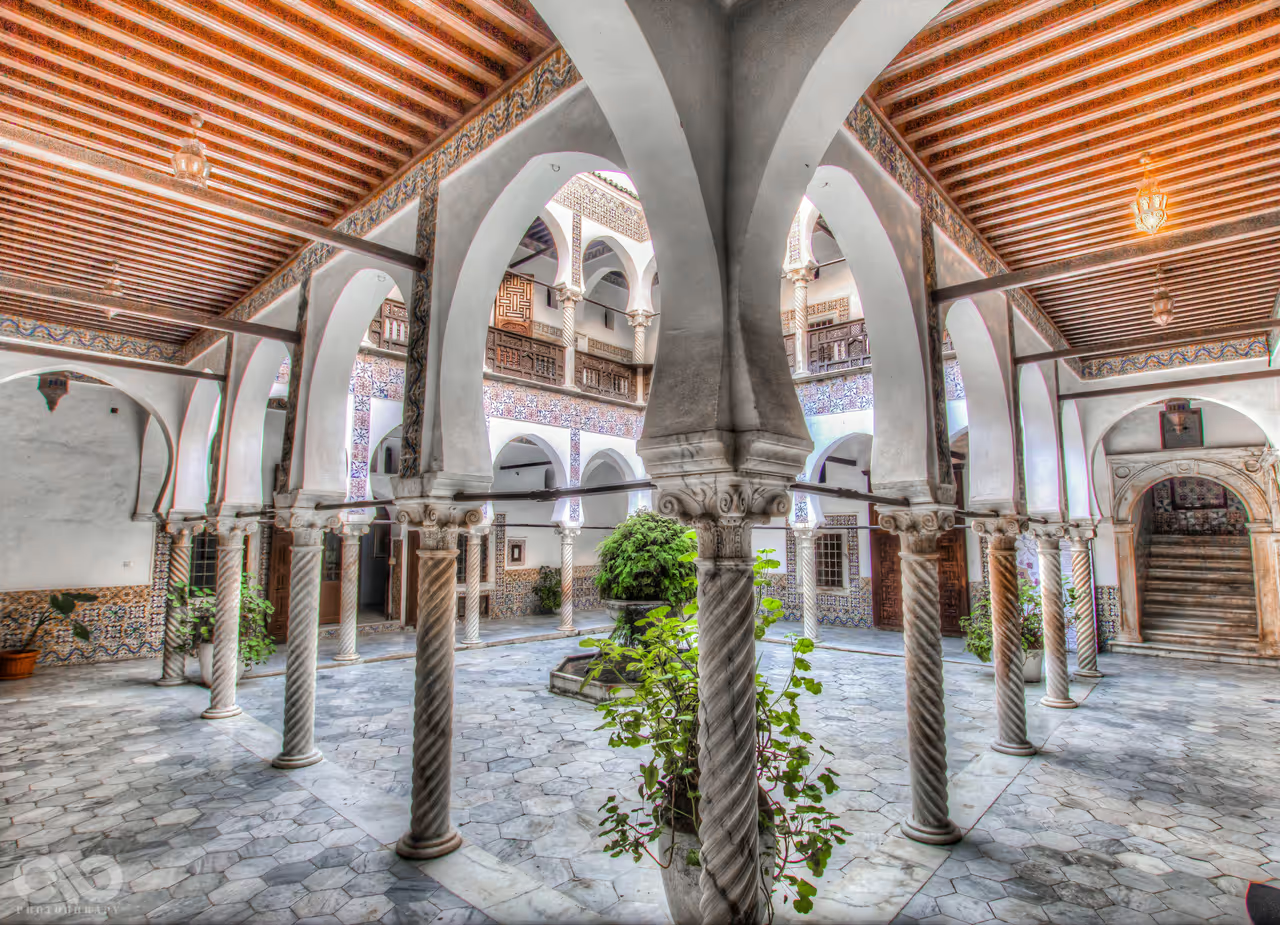
Housed within a stunning sixteenth century Ottoman palace, this museum offers a fascinating glimpse into the daily lives of previous generations. The collection includes exquisite traditional clothing, ornate Berber jewellery, intricate carpets and beautiful ceramics sourced from across the country. The building itself is an architectural masterpiece, featuring a peaceful inner courtyard adorned with original tiles and carved wooden galleries. Wandering through the cool, quiet rooms provides an excellent understanding of the diverse regional crafts that make up the national identity. It is a visually rich experience that contrasts sharply with the busy streets outside. The craftsmanship on display is truly exceptional.
highlight view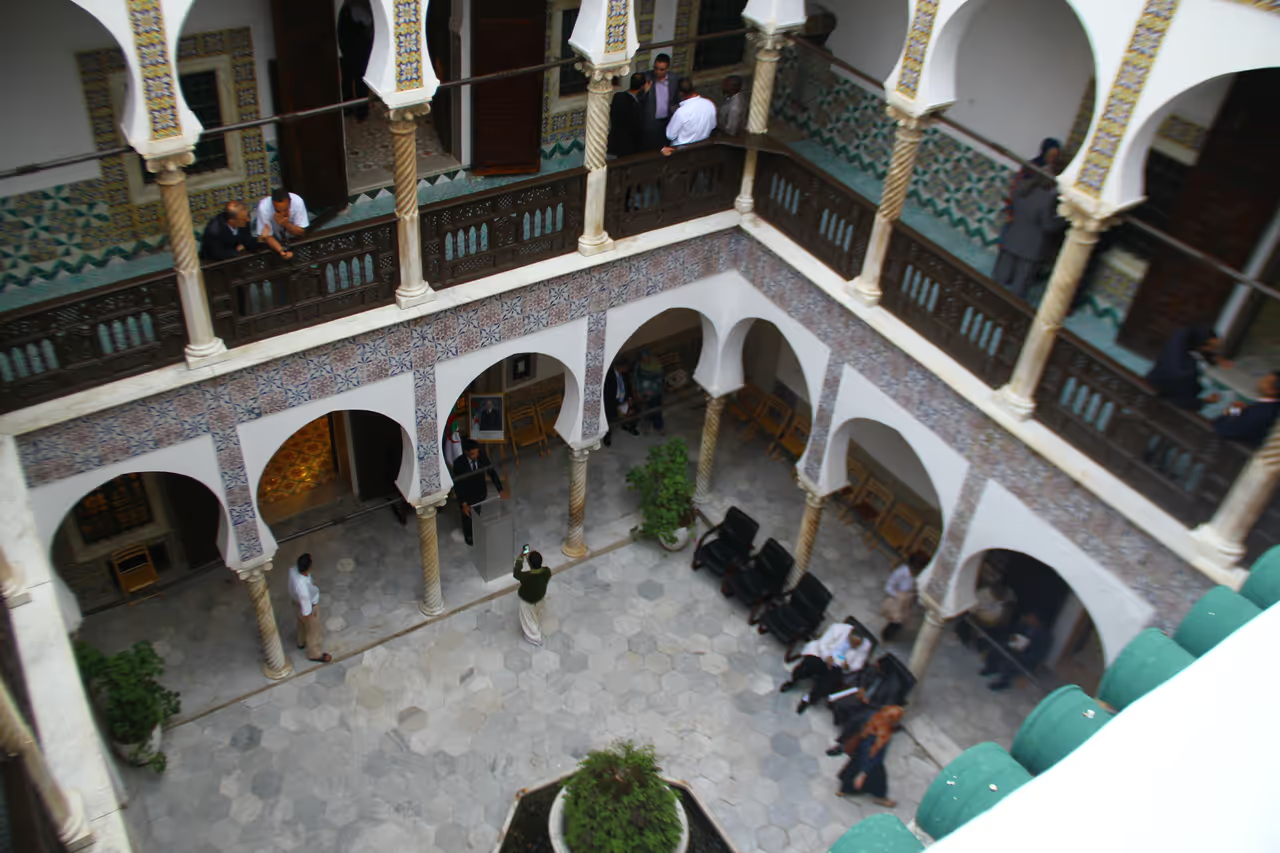 404m
404mDar Mustapha Pacha
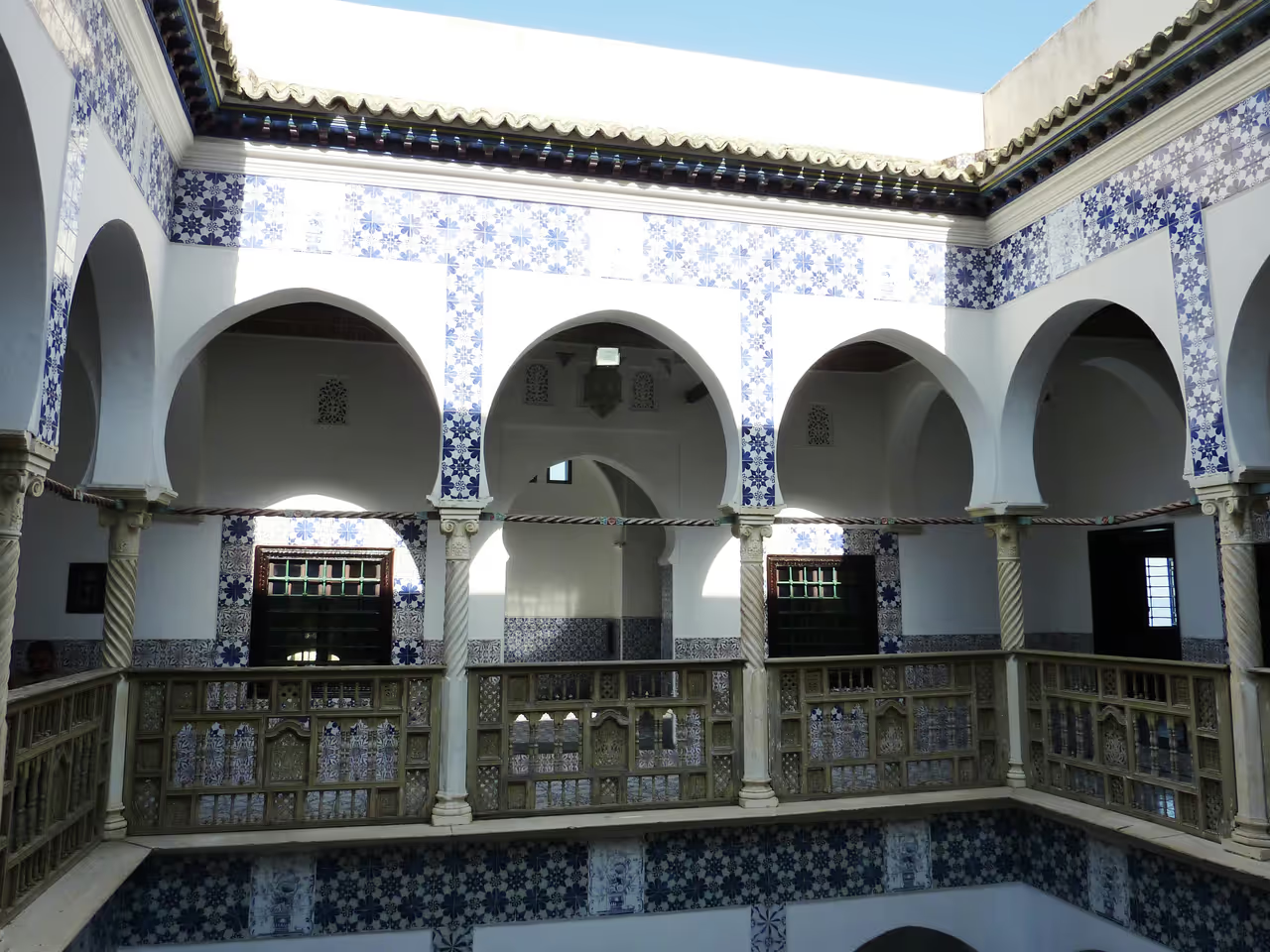
Hidden behind a heavy, unassuming wooden door in the lower Casbah lies one of the most magnificent eighteenth century palaces in the city. The interior courtyard is an absolute masterpiece of Ottoman design, featuring marble columns, intricate archways and thousands of imported Dutch Delft tiles. It originally belonged to a powerful Dey and perfectly encapsulates the extraordinary wealth accumulated during the corsair era. The building now quietly hosts the National Museum of Miniatures, Illumination and Calligraphy. Escaping the noisy streets into this cool, perfectly proportioned courtyard feels like a genuine revelation. It is a brilliant, quiet spot for admiring historic interior design.
hidden gem view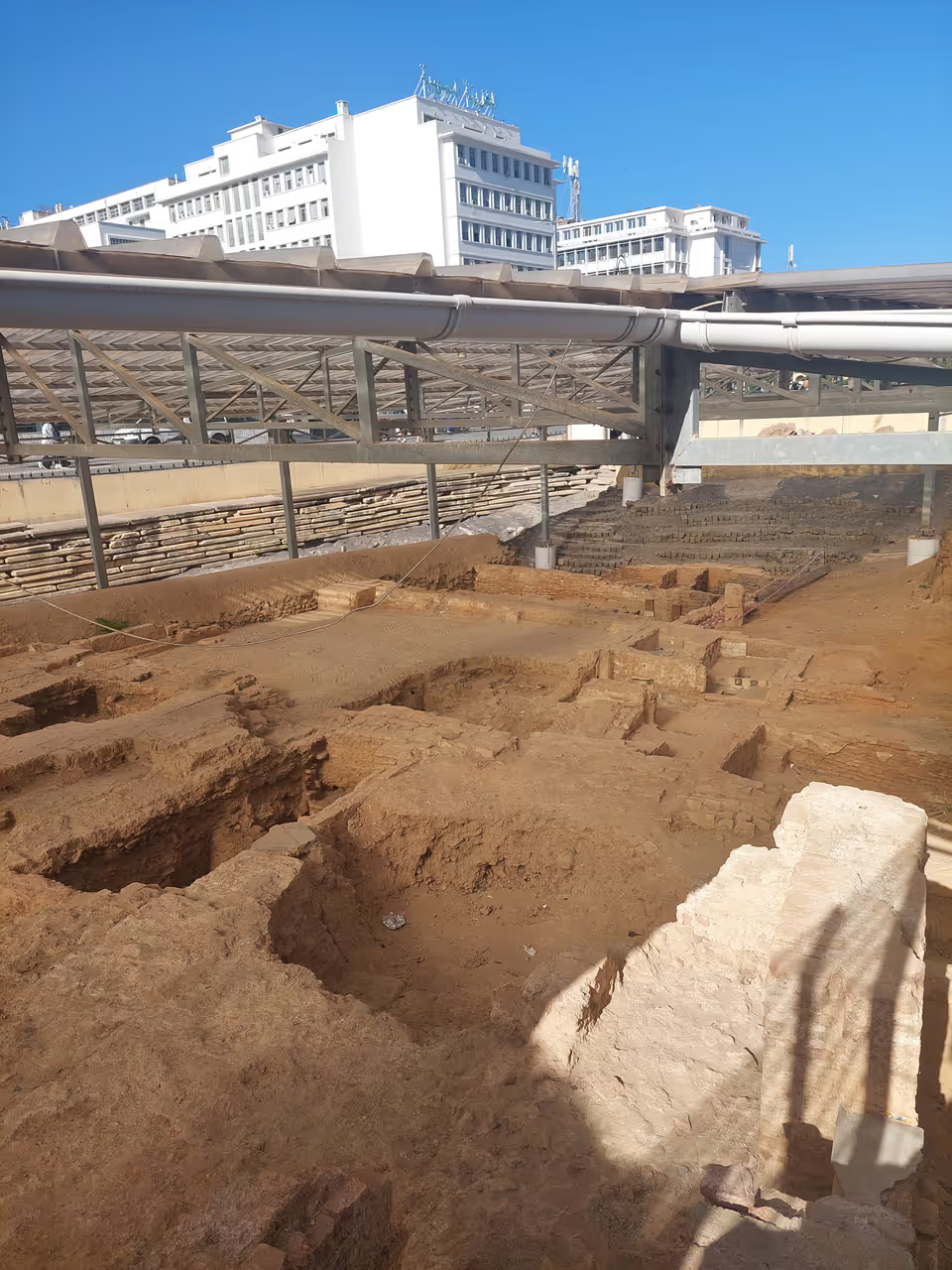 415m
415mMartyrs Square
This enormous public plaza acts as the main transitional space between the waterfront, the commercial district and the ancient Casbah. It was created by the French who demolished lower sections of the old medina, and today it serves as a chaotic, energetic hub of daily life. The square is framed by the striking El Djedid Mosque and offers sweeping views of the port. Recent excavations for the metro line unearthed fascinating Roman and Ottoman ruins right in the middle of the square, which have been preserved for public viewing. It is an essential place to absorb the complex, layered history and frantic pace of the capital. You will feel the true pulse of the city here.
highlight view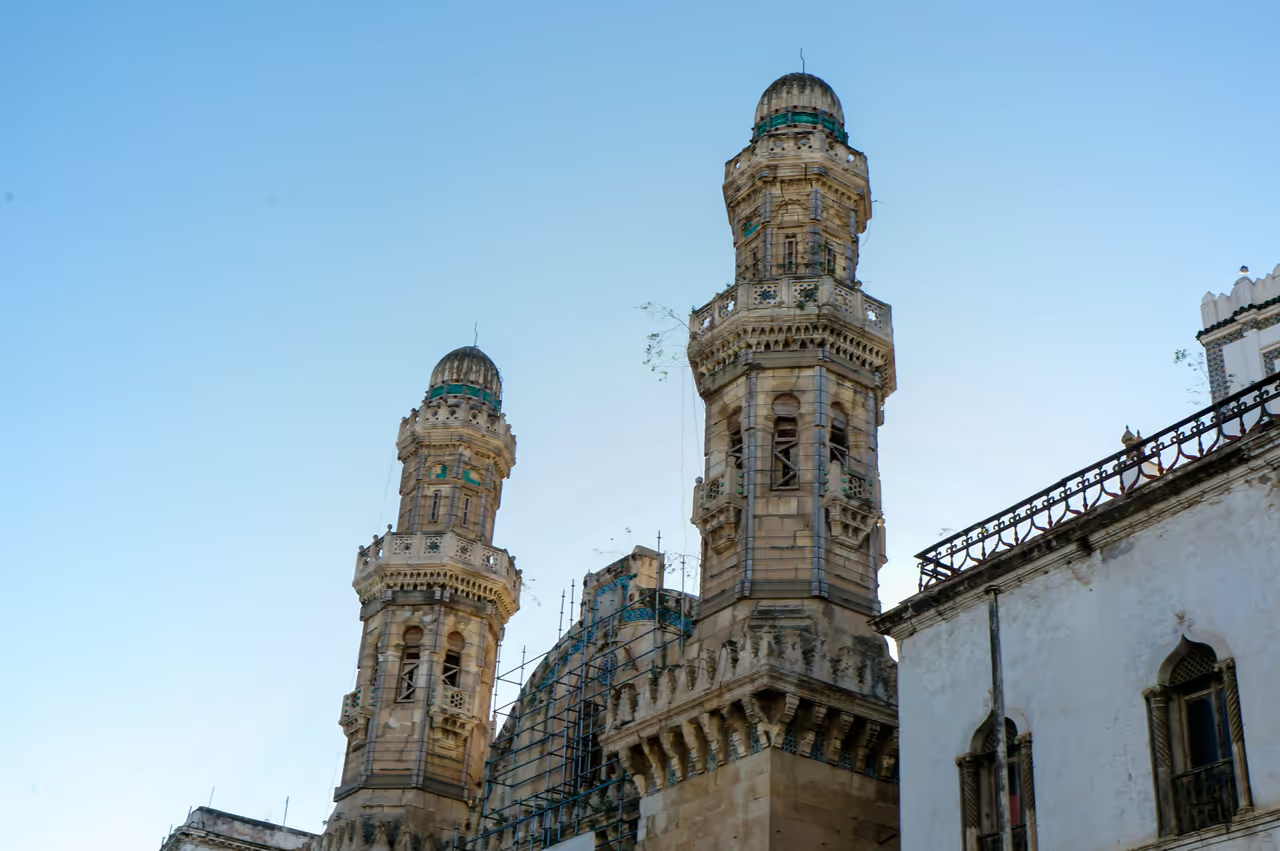 463m
463mKetchaoua Mosque
The Ketchaoua Mosque stands as a powerful testament to the layered history of Algiers, perched dramatically at the foot of the Casbah. Its stunning facade, a unique fusion of Moorish and Byzantine design, captures the eye, while the white marble columns and intricate plasterwork inside evoke a sense of deep serenity. This site serves as a symbol of endurance that has navigated centuries of upheaval to remain a spiritual heart of the city. Exploring it offers a profound connection to the past, from its 17th-century origins to its modern-day restoration, making it an unmissable highlight for anyone wandering the labyrinthine streets of the old city. Visitors will find that the mosque provides a quiet, reflective counterpoint to the vibrant energy of the surrounding neighbourhood.
attraction view
Explore Similar Places in These Collections
Featured on This Itinerary
See all attractions in Algiers
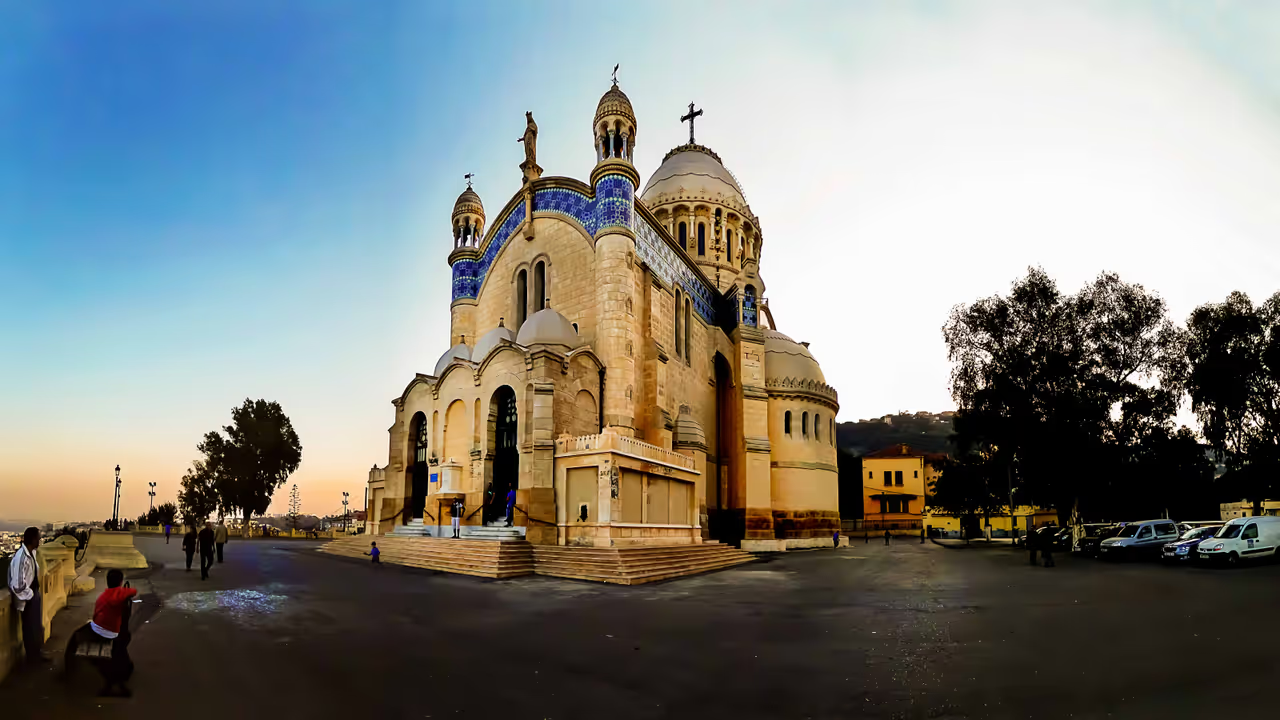
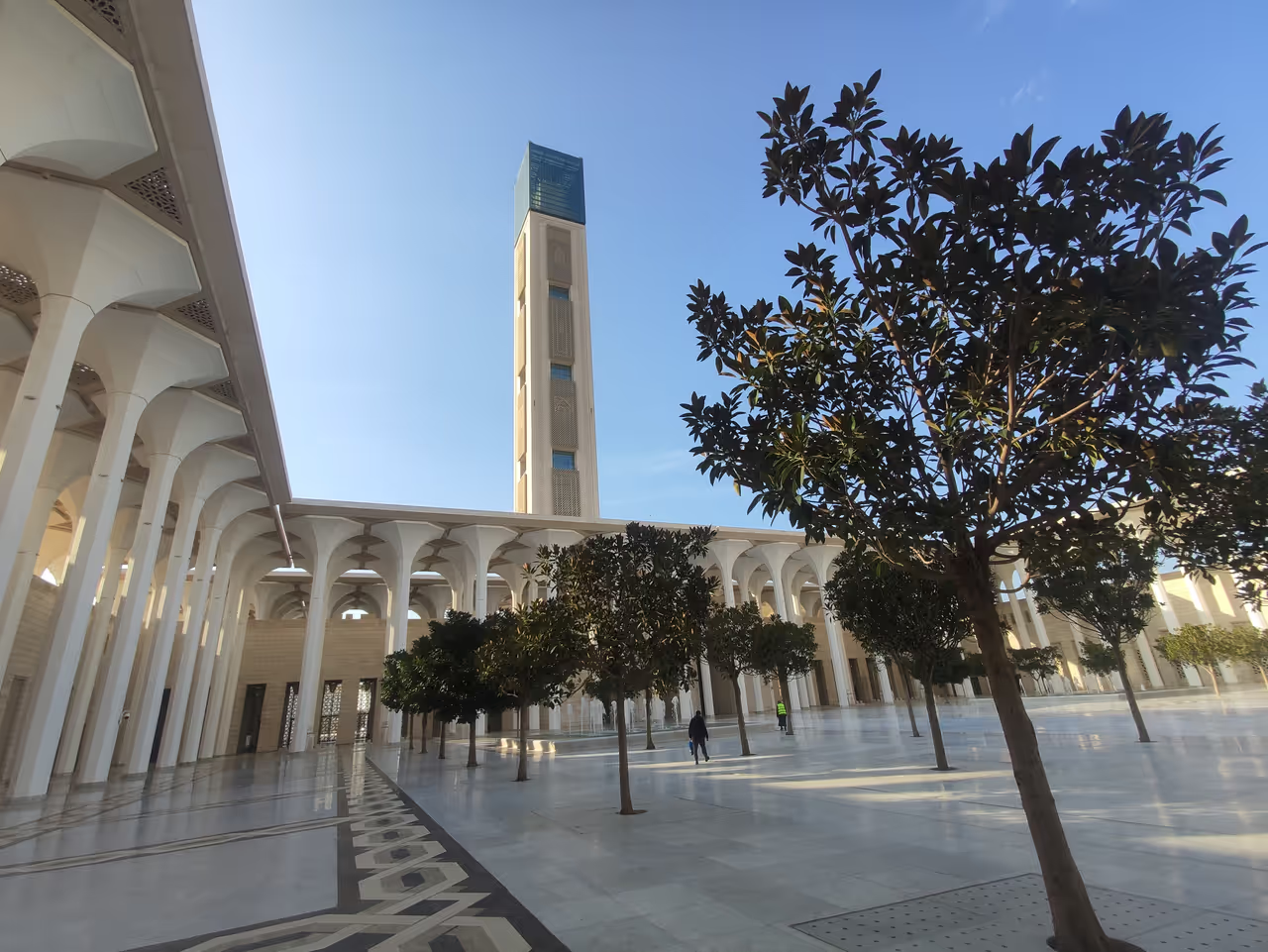
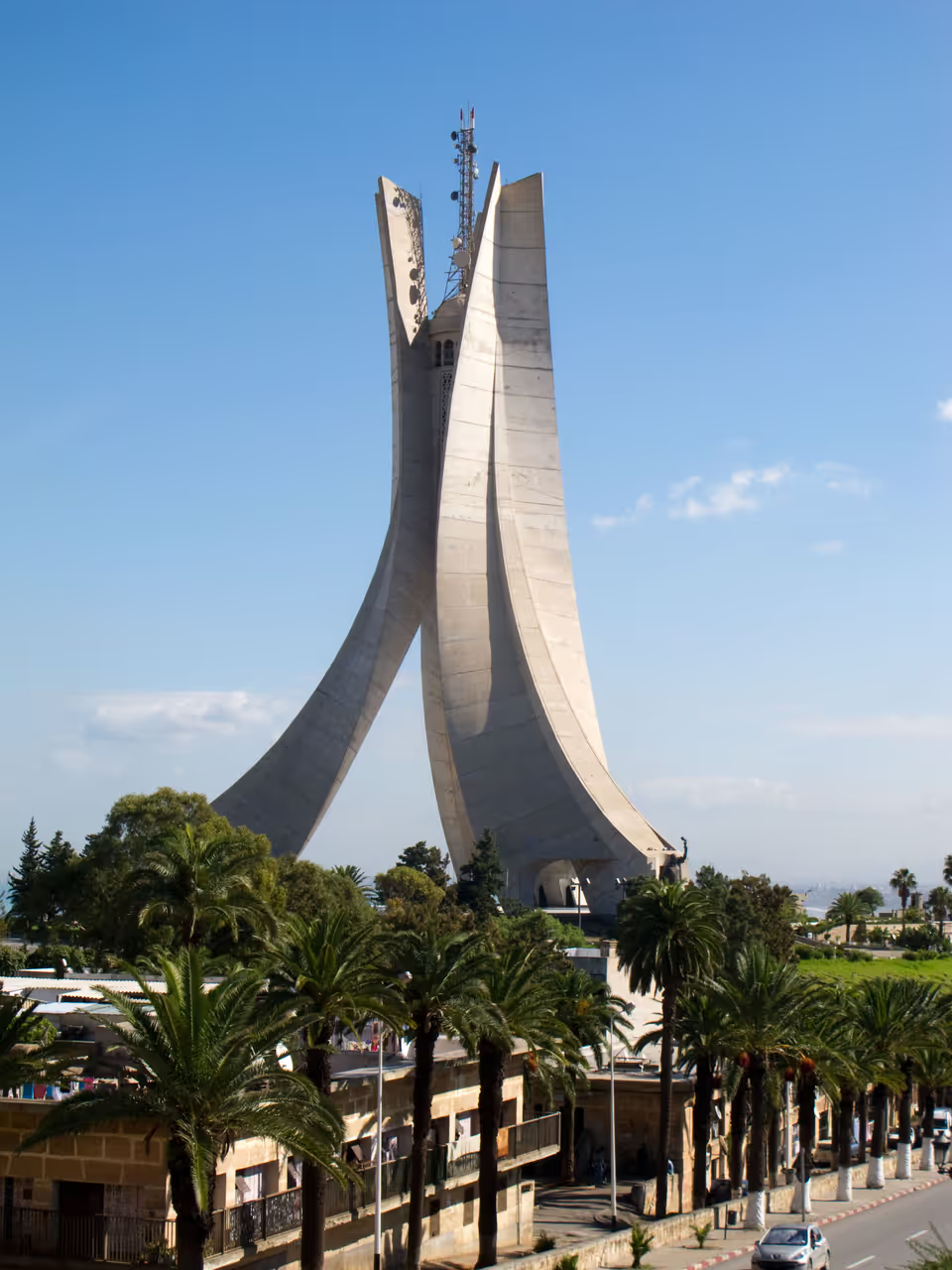
Basilica of Our Lady of Africa, Great Mosque of Algiers, Ketchaoua Mosque, Martyrs' Memorial, National Museum of Fine Arts, Algiers Central Post Office, Bardo National Museum of Prehistory and Ethnography...