Tirana
Full City Guide, Map & 109 Things To Do
389,323 people live here.
That's 12.55% of the entire population of Albania.
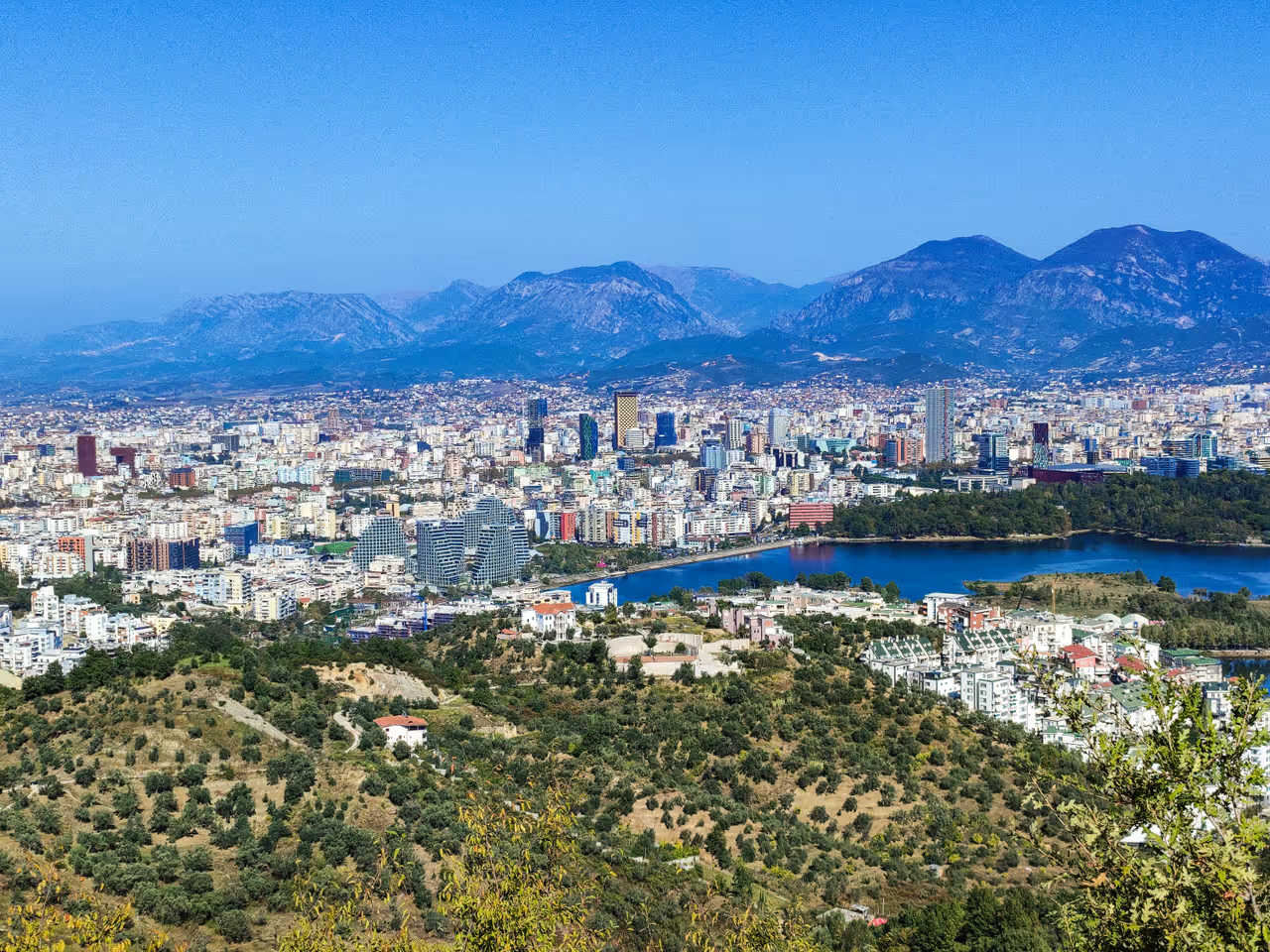
Tirana serves as the vibrant and colourful heart of Albania, blending Ottoman heritage with Italian architecture and stark communist monuments. Once known for its grey brutalist blocks, the city has undergone a remarkable transformation over the past decades, with buildings painted in bright patterns that reflect its energetic spirit. The city sits in a scenic valley flanked by mountains, offering a unique mix of urban exploration and easy access to lush nature. Coffee culture rules the streets here, with locals filling countless cafes at all hours of the day to socialise and relax. You will find a youthful atmosphere that feels incredibly welcoming, alongside deeply fascinating historical layers just waiting to be uncovered. From grand boulevards to quirky hidden museums, the capital promises a highly memorable European adventure.
Tirana DNA
History of Tirana
Roman mosaic tiles from a third-century villa sit just below the modern pavement, mapping out the earliest traces of domestic life here. The settlement remained a quiet cluster of dwellings along the Lana River until 1614, when an Ottoman nobleman named Sulejman Pasha Bargjini commissioned a bathhouse, a bakery, and a mosque. This single act of urban planning transformed a muddy crossroads into a vital commercial hub. Craftsmen set up shop to forge iron and weave cotton. By the early nineteenth century, Orthodox Aromanians migrated from the southern mountains, building a new neighbourhood near the site of today's Grand Park artificial lake. The city's elevation to a national capital in 1920 happened almost by default. Following the Albanian Declaration of Independence and the chaos of the First World War, the Congress of Lushnjë selected Tirana as a temporary seat of government simply to avoid the Italian-occupied coastal city of Durrës. It stuck. In 1928, a local politician named Zog crowned himself King of the Albanians inside a modest officers' club. A grander stage was soon required. Italian architects Florestano Di Fausto and Armando Brasini soon arrived to impose a monumental grid over the Ottoman street plan. They carved the massive Dëshmorët e Kombit Boulevard straight through the city, flanked by imposing ministerial buildings that still house the government today. An angry local resistance activist took a shot at the visiting Italian King Victor Emmanuel III in 1939, signalling the start of a bitter struggle against fascist occupation. Communist partisans fought brutal street battles against German forces in November 1944, eventually seizing control of the capital. Enver Hoxha's isolationist regime rapidly altered the streetscape. The centuries-old local bazaar and an Orthodox cathedral were bulldozed into dust to clear space for the stark, Soviet-styled Palace of Culture. Because private car ownership was strictly banned, the wide Italian boulevards fell eerily quiet, navigated primarily by a daily tide of bicycles and the occasional government truck. Paranoia shaped the subterranean city. Hoxha commanded the construction of massive underground bunkers, complete with decontamination rooms and assembly halls, right beneath the urban core. Decades of severe isolation finally fractured in the early 1990s. University of Tirana students poured into Skanderbeg Square and attached ropes to a towering bronze statue of Enver Hoxha, pulling the dictator down to the pavement. The subsequent transition to capitalism was chaotic and visually loud. Unregulated concrete kiosks sprouted like weeds across every park and pavement. In the early 2000s, an artist turned mayor named Edi Rama initiated a radical, low-cost urban repair programme. He dispatched municipal workers to paint the city's drab, decaying socialist apartment blocks in jarring patterns of bright yellow, green, and pink. Bulldozers swept away the illegal structures choking the banks of the Lana River, replacing them with neat rows of trees. The paranoia of the old regime has been entirely repurposed. The House of Leaves, a leafy villa that once housed the Gestapo and later the communist secret police, now operates as a museum exposing the old regime's wiretapping equipment. A massive concrete pyramid initially built to serve as a mausoleum for Hoxha has been hollowed out and climbed upon by local teenagers for decades. Nearby, residents crowd into cafes around the Air Albania Stadium to drink strong espresso. The morning call to prayer from the Et'hem Bey Mosque drifts over the steady mechanical clatter of construction cranes lifting steel beams into the sky.
13 Events spanning 408 years
Map of Tirana
Interactive Destination & Itinerary Map
This map blends our curated city guides—featuring best photo spots, scenic walks, viewpoints, hidden gems and much more—with a live Wikipedia explorer. Click on our numbered pins to plan your routes, or zoom in on the surrounding neighborhoods to discover verified local landmarks, museums, and stories with dynamic Wikipedia summaries and photos!
Fun Facts
- • Albania surpassed Spain in 2016 for having the most coffee houses per capita in the world, making the capital a true haven for espresso lovers.
- • The city underwent a massive visual transformation when Mayor Edi Rama used literal buckets of bright paint to cover the drab communist apartment blocks.
- • You can stroll down a street officially named after US President George W. Bush, dedicated to him after his highly celebrated visit in 2007.
- • Before the fall of communism in the 1990s, private car ownership was completely banned, meaning residents navigated the streets entirely on bicycles or on foot.
- • The Albanian word for 'car' is 'makinë', largely because the actual word 'kar' translates to a crude swear word, often causing hilarious misunderstandings with English speakers.
- • The city ranks among the sunniest capitals in Europe, basking in an impressive 2,544 hours of sunshine every single year.
- • During the communist era, the entire Blloku neighbourhood was strictly sealed off from the public, reserved exclusively for high ranking government officials.
Did You Know?
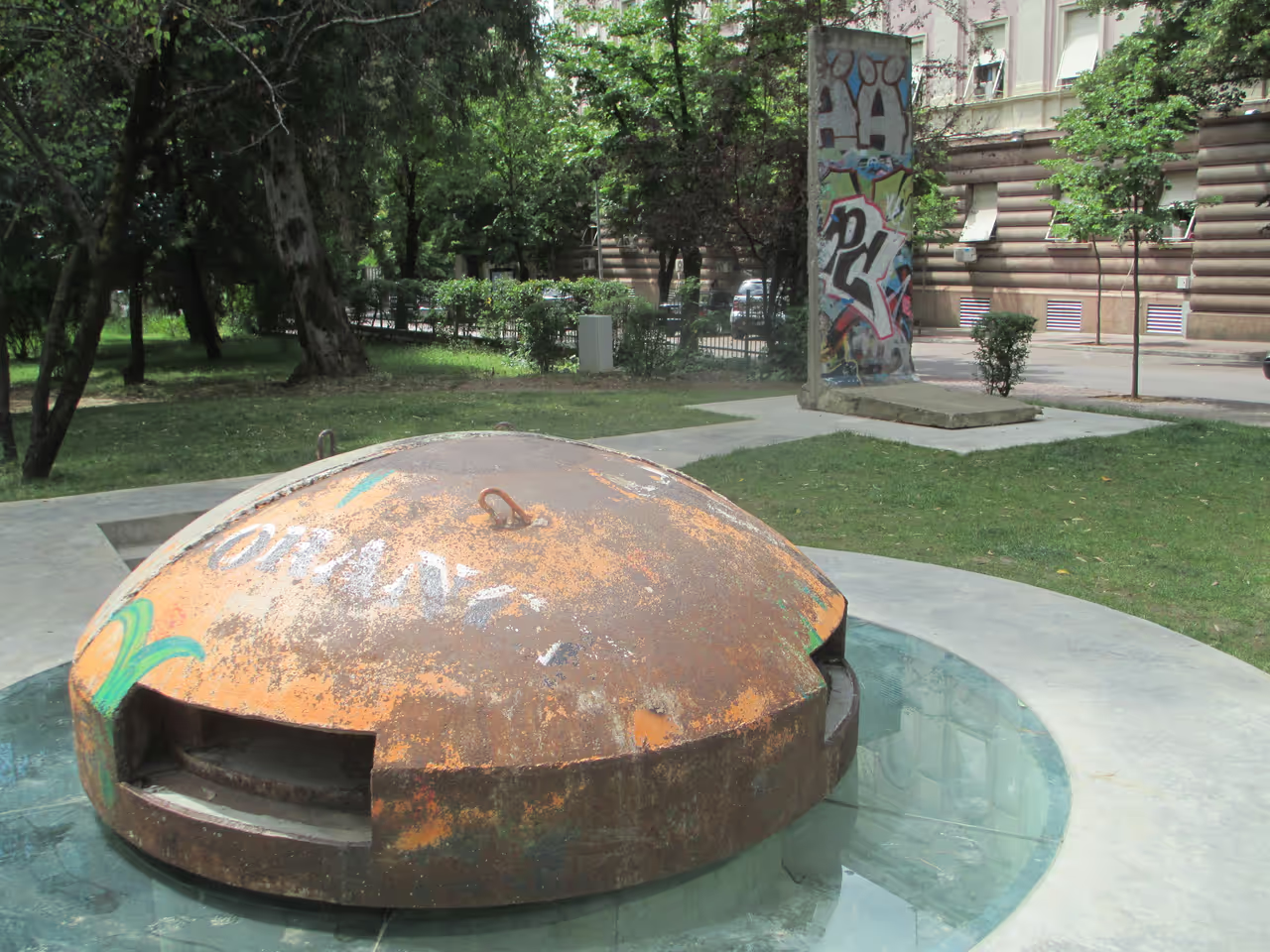
- • The communist regime constructed over 170,000 concrete bunkers across the country, including massive, multi story underground nuclear command centres hidden directly beneath the capital's streets.
- • The city's population experienced an explosive surge after the fall of communism, growing from around 250,000 in 1989 to nearly 600,000 today due to rapid internal migration.
- • The capital hosts the World Headquarters of the Bektashi Order, a unique Sufi Islamic movement known for its peaceful philosophy and promotion of interfaith harmony.
- • Despite its warm Mediterranean latitude, the city is one of the wettest in Europe, receiving over 1,200 millimetres of rainfall annually, mostly concentrated in the winter months.
- • The central Skanderbeg Square covers a massive 40,000 square metres and was completely redesigned to be pedestrian friendly, featuring paving stones sourced from all over Albania.
- • The city is officially classified as a gamma world city, cementing its crucial role as an economic, financial, and political powerhouse within the Balkan region.
Videos of Tirana
Seasons
Spring
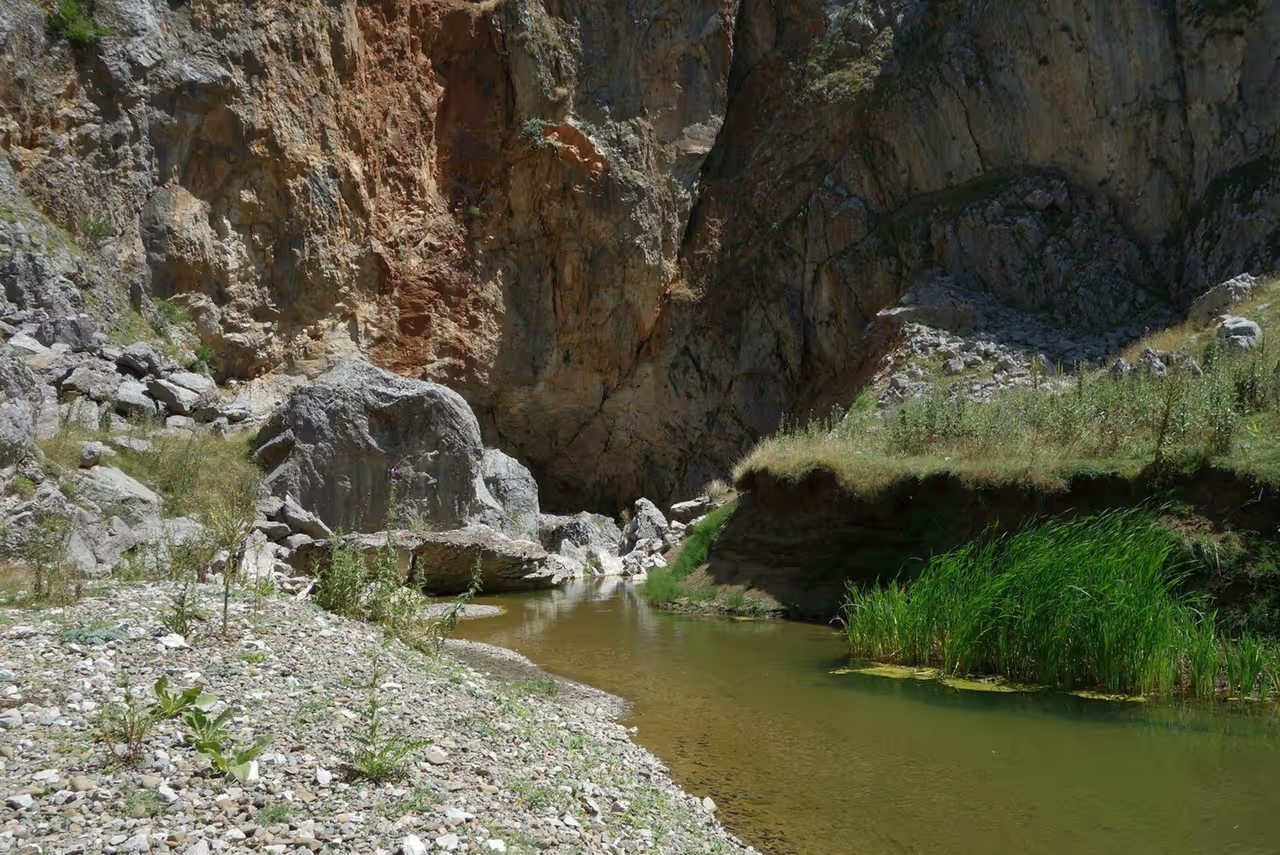
The city awakens with a massive burst of energy and colour as the heavy winter rains finally subside. The massive Grand Park...
Summer
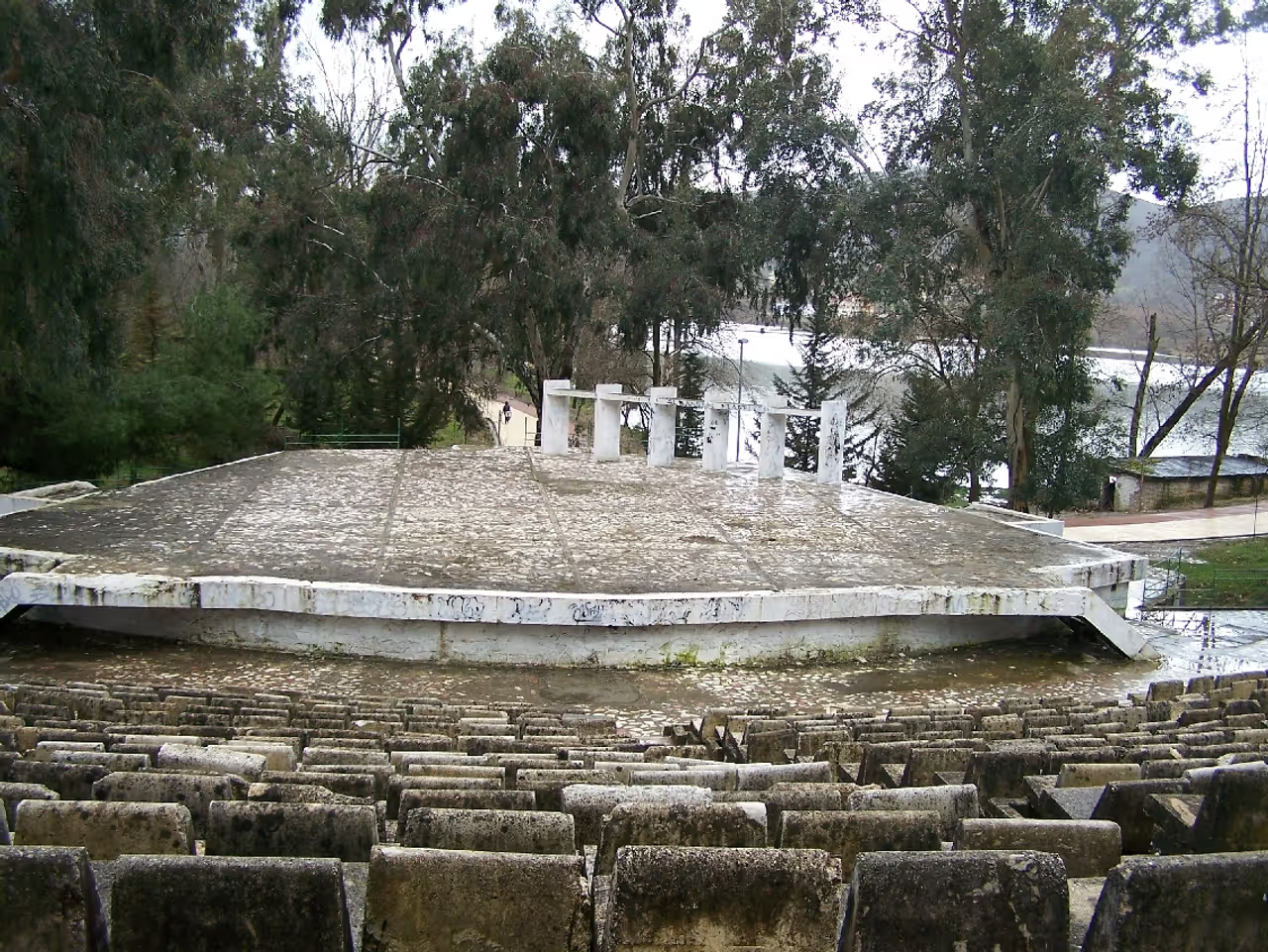
Temperatures soar during these months, baking the city in intense, relentless heat. Many locals flee to the coastal beaches on...
Autumn
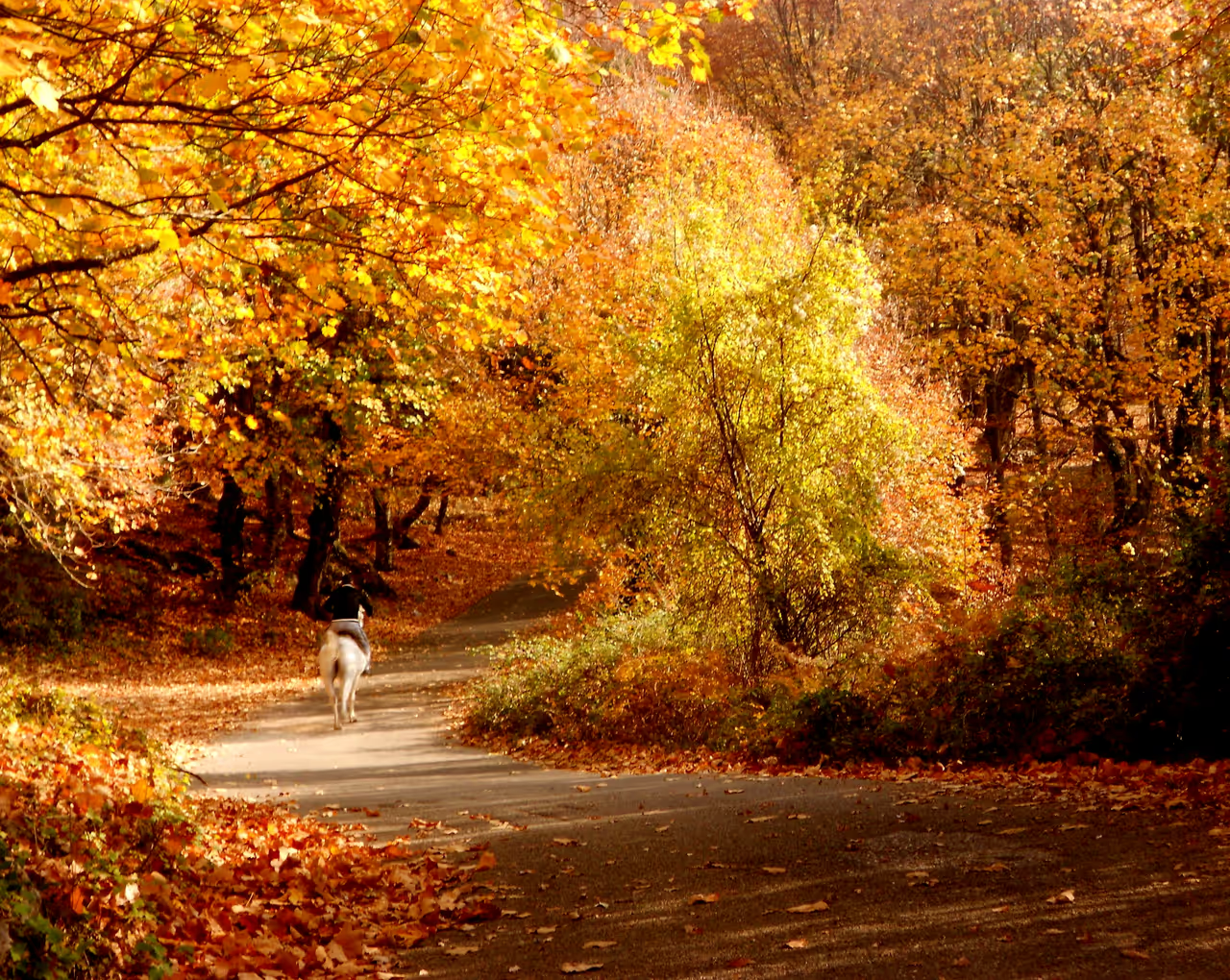
The intense summer heat breaks, replacing it with incredibly comfortable, mild temperatures that are perfect for long walking...
Winter
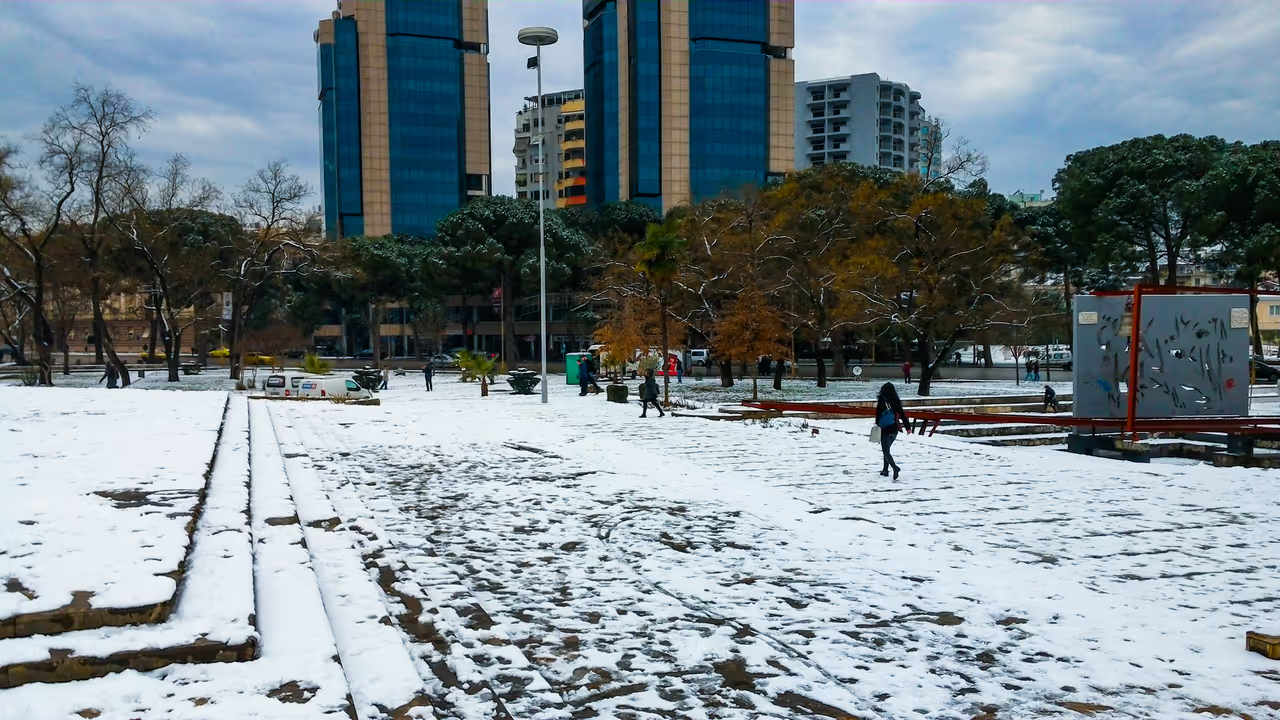
The city experiences exceptionally heavy rainfall during this season, making it one of the wettest capitals in Europe. While it...
Top Attractions in Tirana
Et'hem Bey Mosque
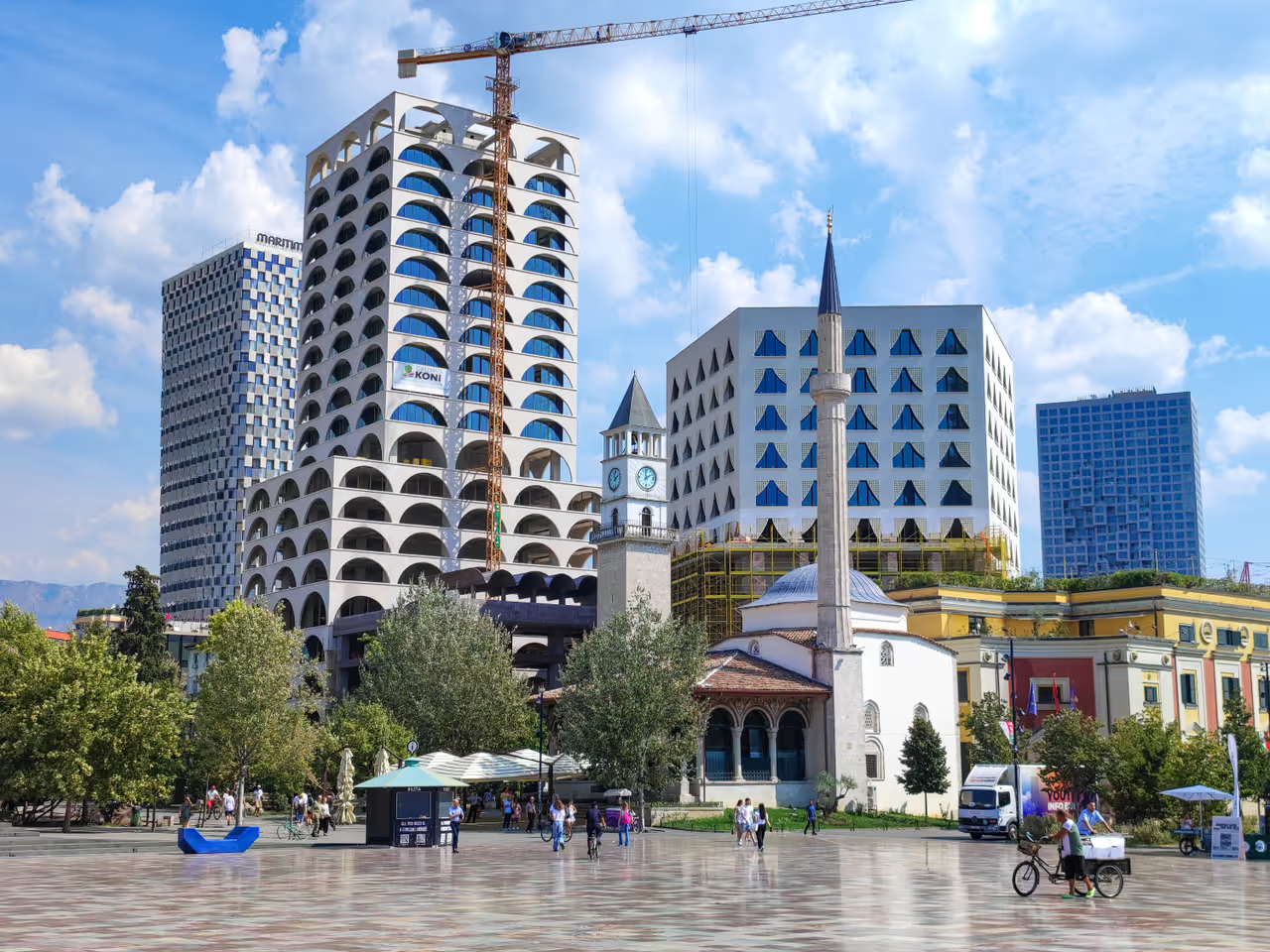
This stunning mosque serves as the captivating heart of Tirana, standing as a beautiful testament to the city’s resilience and...
view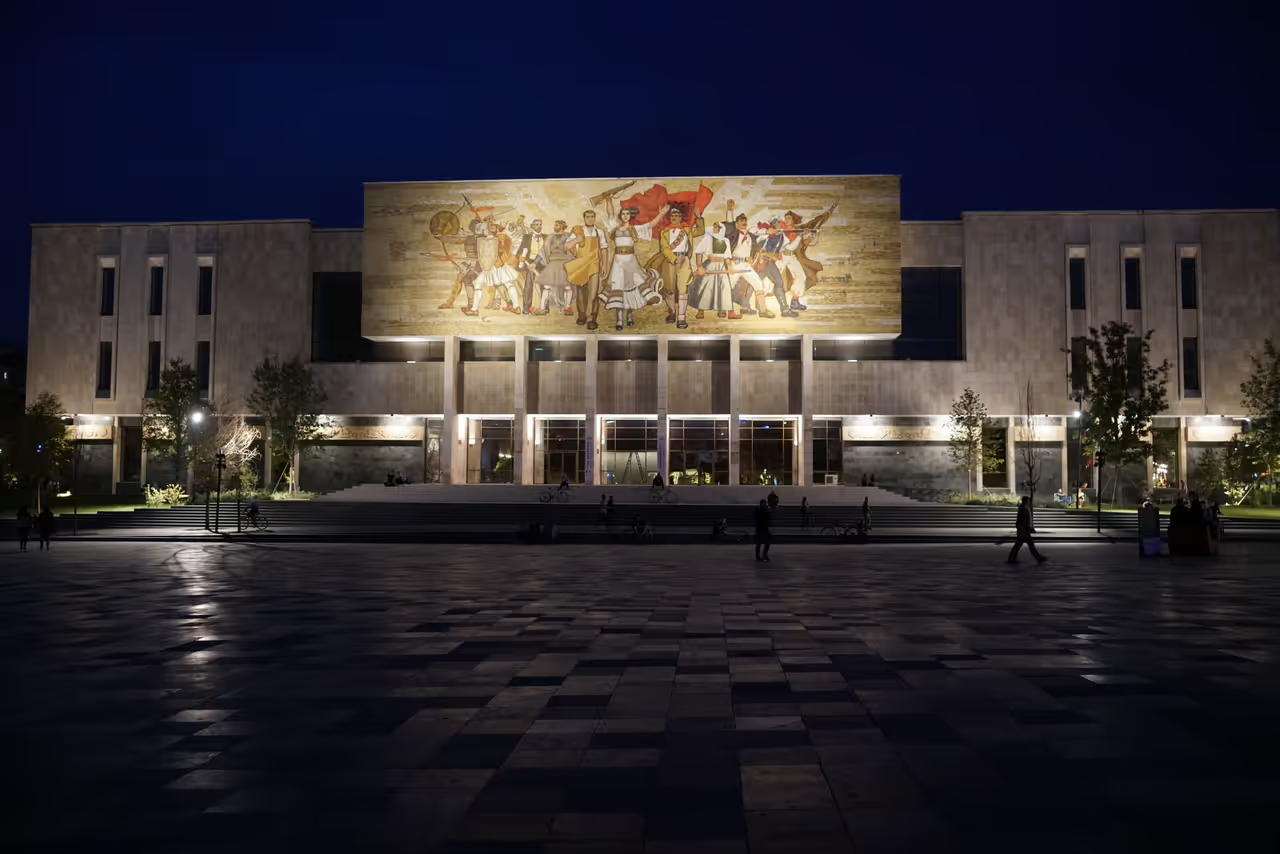
National History Museum
Located prominently on Skanderbeg Square, the National History Museum stands as the ultimate gateway to understanding the soul...
view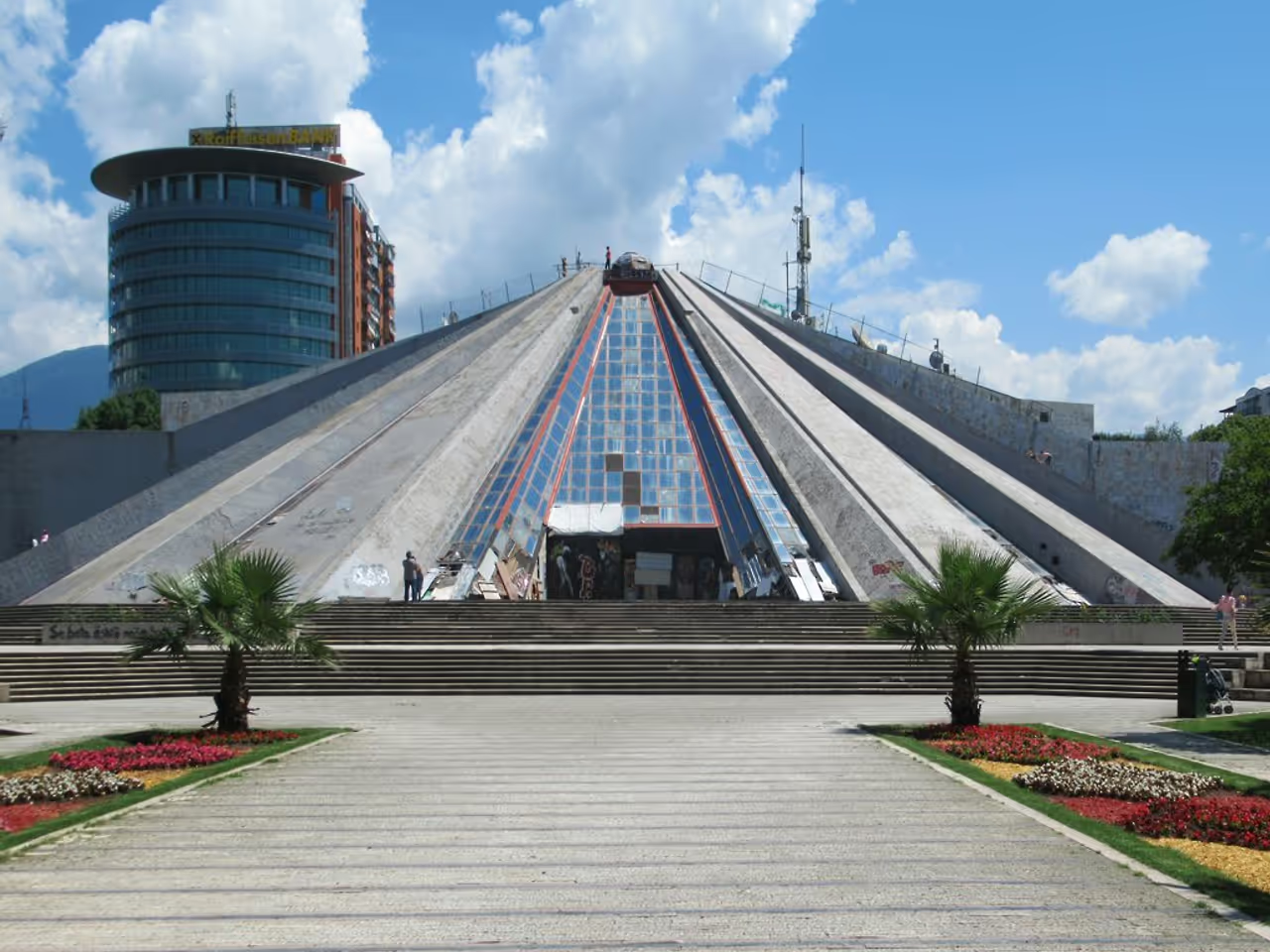
Pyramid of Tirana
Once a somber monument to a dictator, the Pyramid of Tirana has been reborn as a vibrant hub for technology and creativity. Its...
view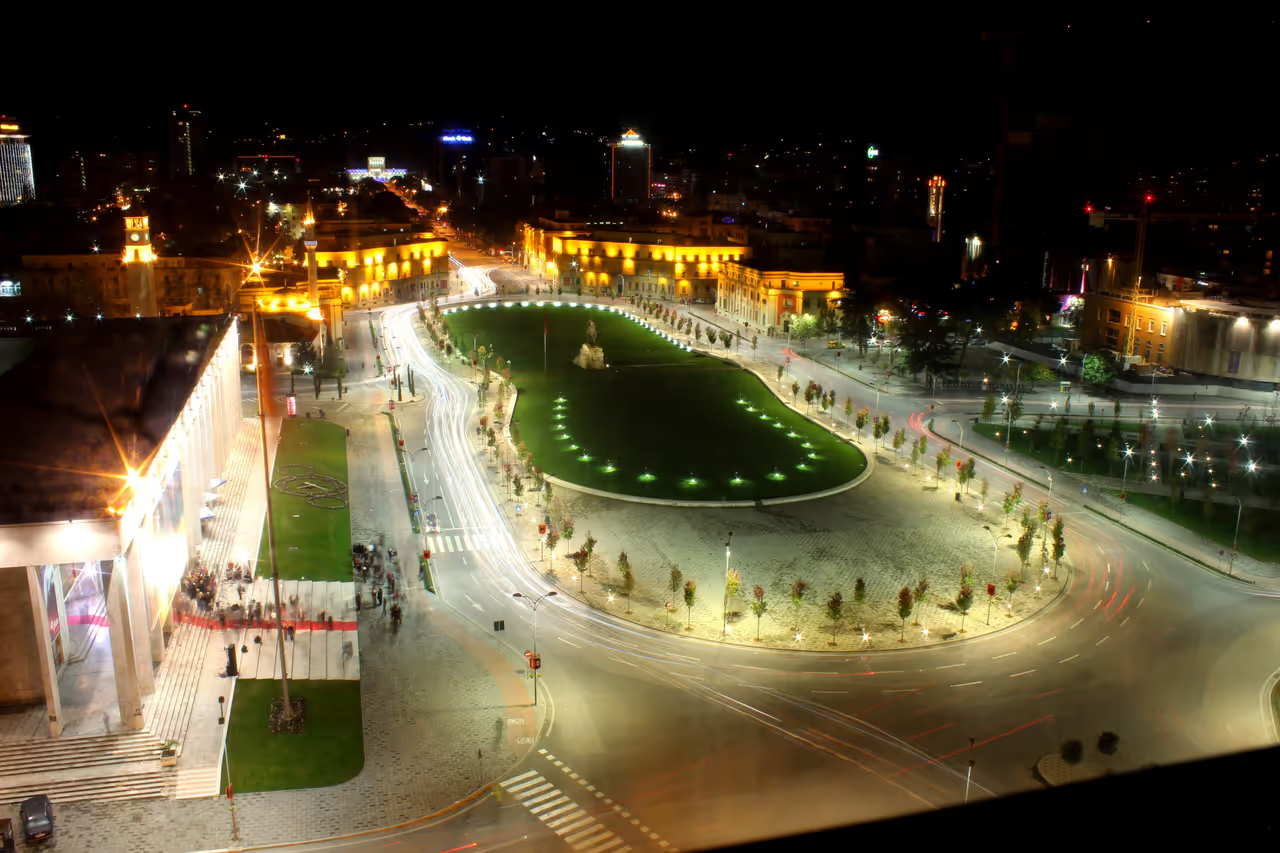
Skanderbeg Square
Skanderbeg Square is the beating heart of Tirana, a vast urban space that perfectly captures the city's journey from a quiet...
view
Best Views
Tirana Itineraries
TRIP PLANNER
3 Days Recommended
Three days provides the perfect amount of time to explore the main historical museums, enjoy the vibrant cafe culture in the Blloku district, and take the cable car up Mount Dajti. It allows for a relaxed pace to soak in the city's unique atmosphere without rushing through the dense Cold War history. You will have ample opportunity to taste the local cuisine and experience the lively nightlife.
1 Day in Tirana Itinerary
This highly intensive, fast paced route captures the absolute essence of the capital in a single day. You will traverse the monumental central square, dive deep into the chilling history of the communist secret police, and finish in the city's most vibrant nightlife district. It is designed to expose you to the stark, incredible contrasts of the city, from ancient Ottoman mosques to massive concrete bunkers. The walking distances are short, allowing you to absorb maximum history and culture without spending time in transit. It is the perfect introduction for those on a tight schedule.
view itinerary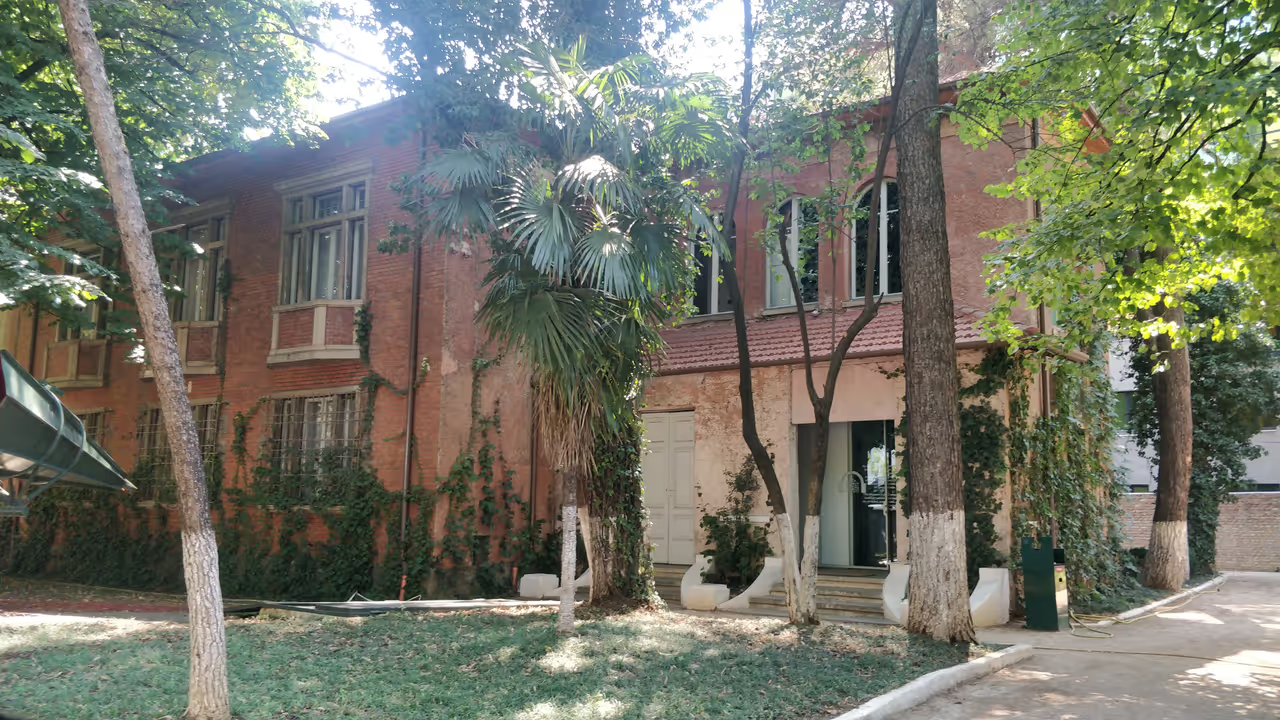
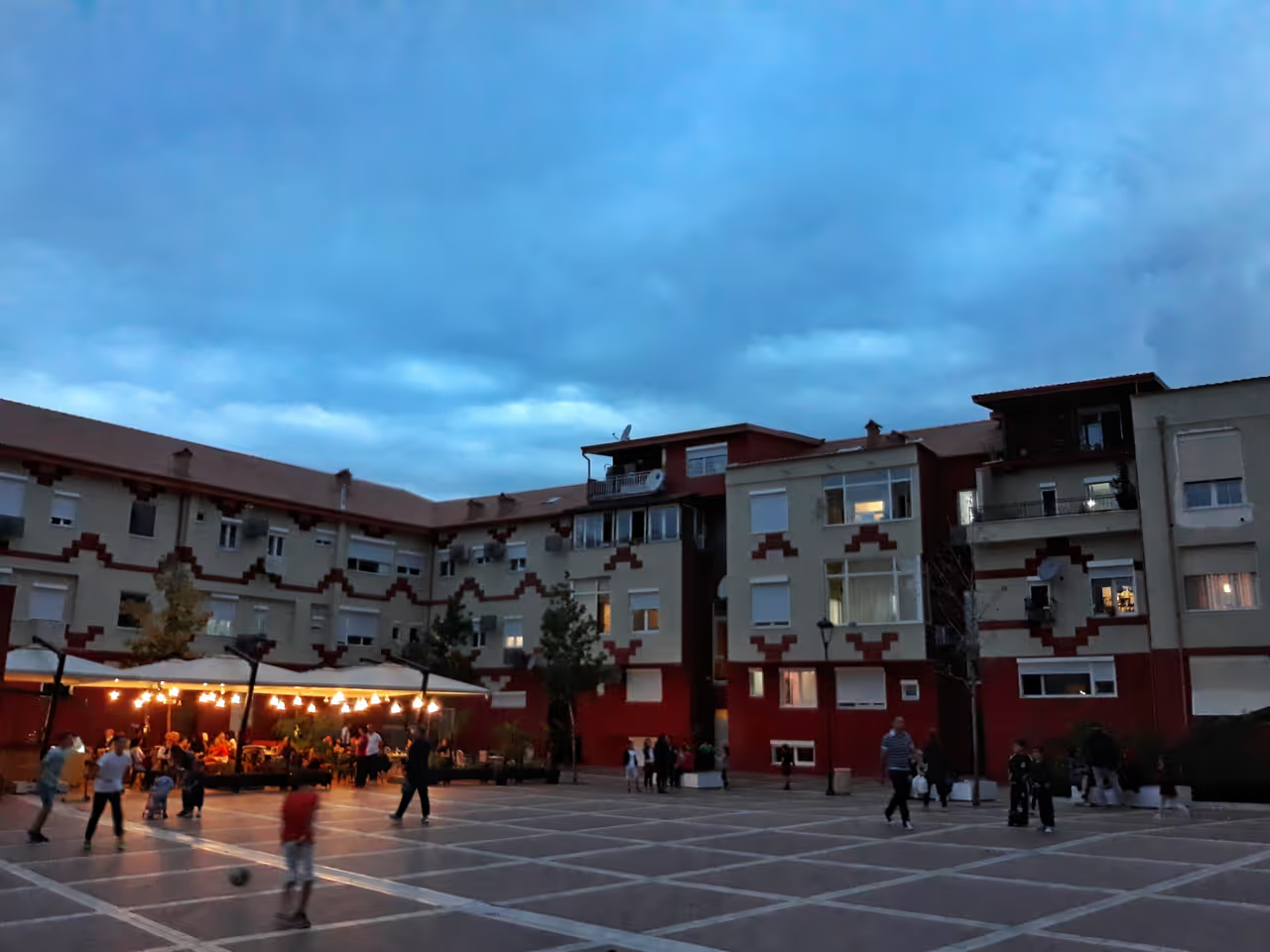
3 Days in Tirana: History, Heights & Horizons Itinerary
This balanced itinerary allows you to thoroughly explore the heavy history of the city centre while dedicating a full day to the spectacular surrounding nature. You will uncover the secrets of the communist surveillance state, scale the brutalist Pyramid, and take a thrilling cable car ride up the mountains. It perfectly mixes intense museum visits with highly relaxing outdoor activities and cafe lounging. You will have ample time to sample the fresh produce at the local bazaars and enjoy the bustling evening entertainment complexes. It offers a complete, highly satisfying picture of the modern capital.
view itinerary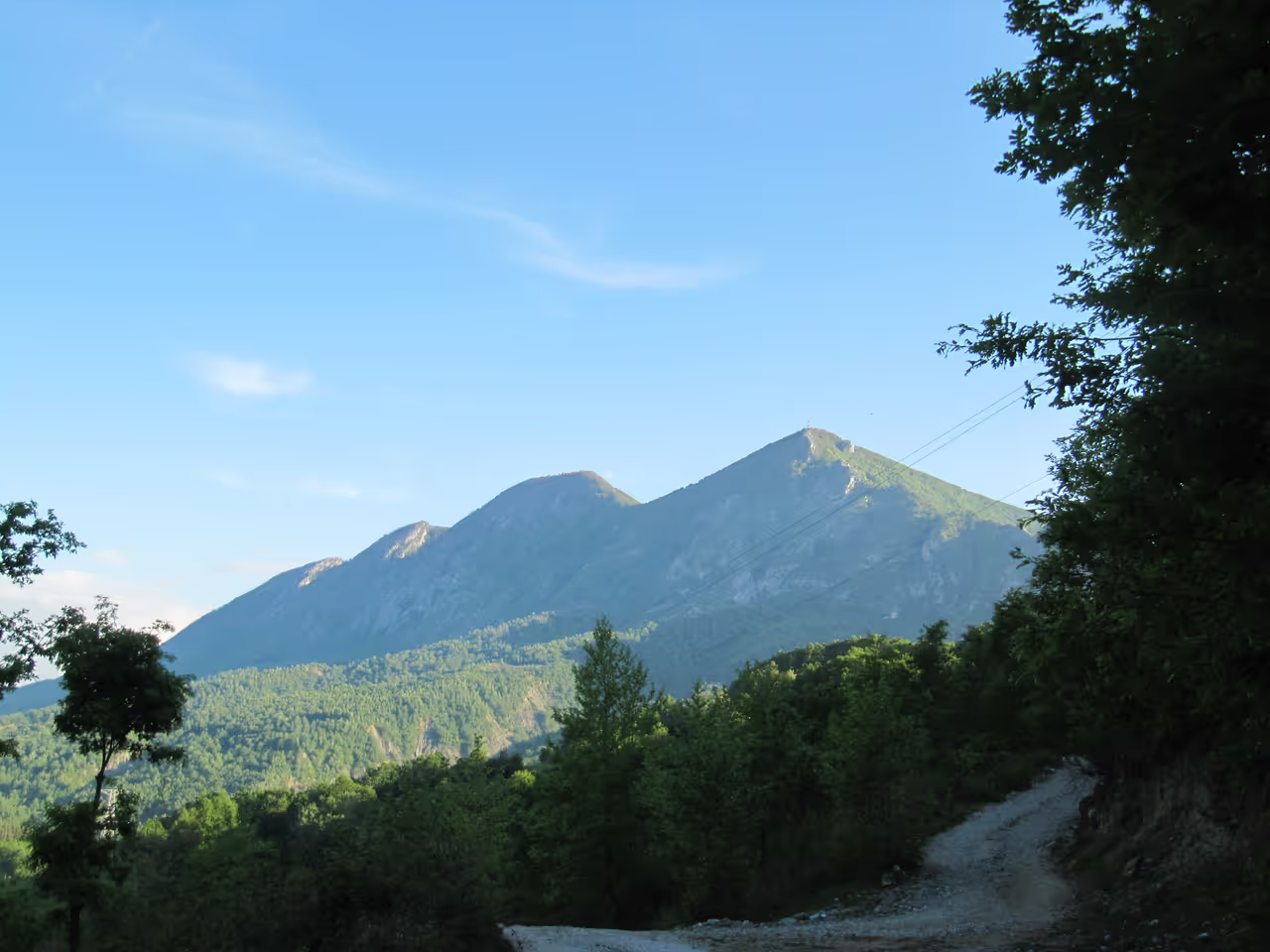
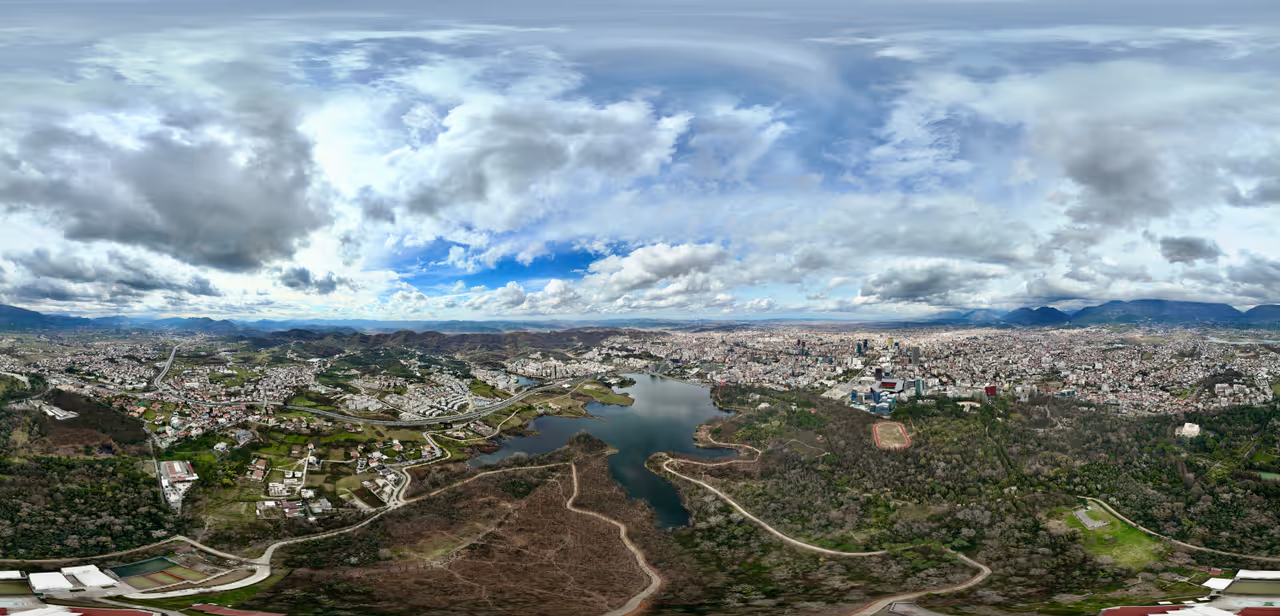
5 Days in Tirana: The Complete Explorer Itinerary
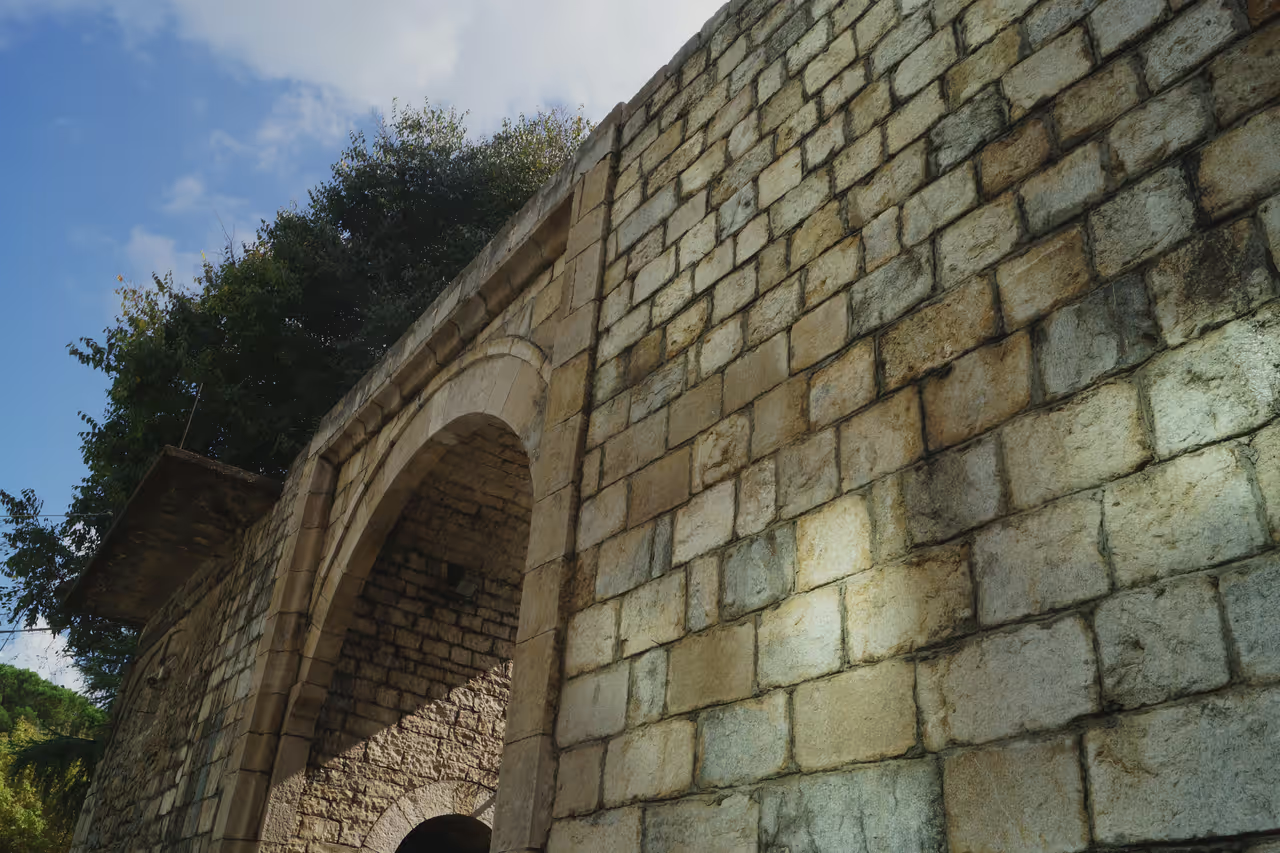
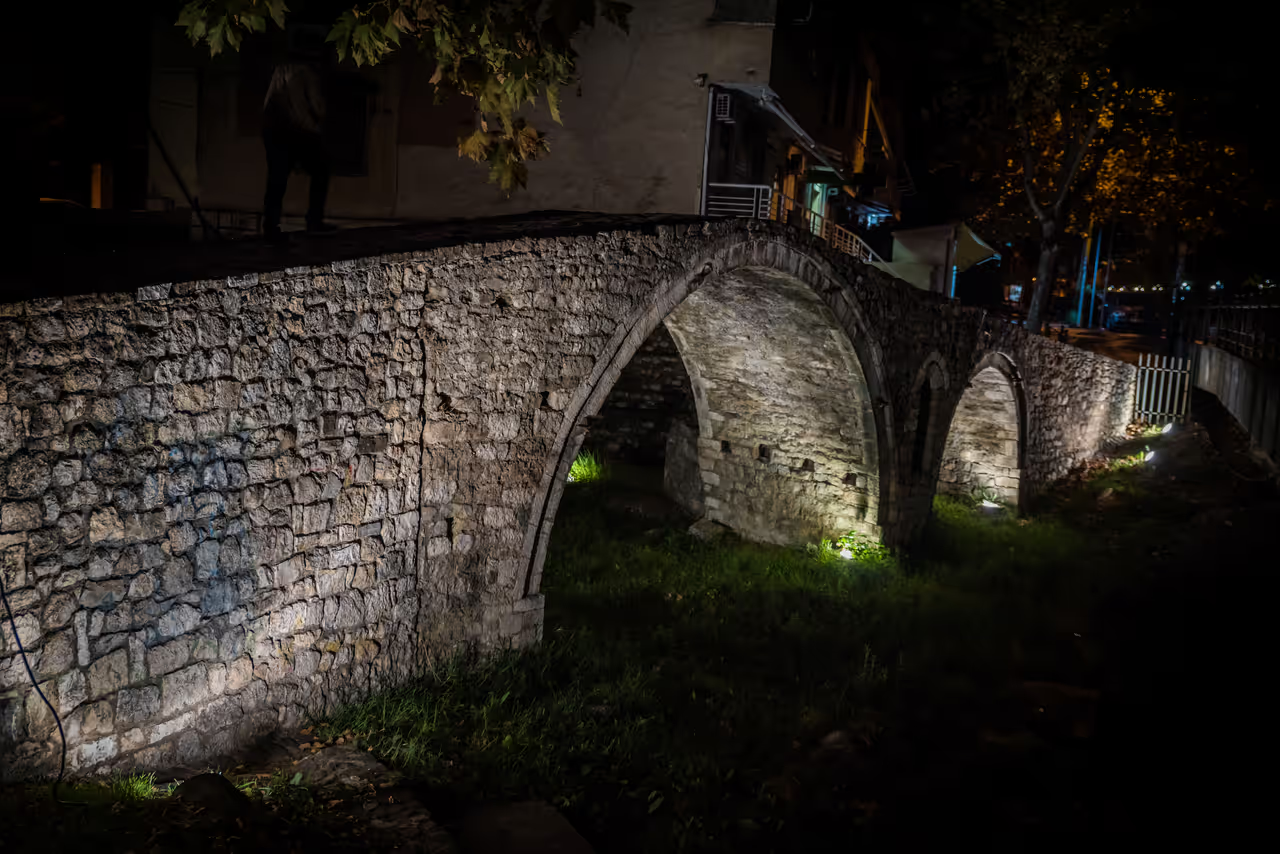
This extensive plan goes far beyond the typical tourist checklist, allowing you to discover the deeply hidden gems and tranquil suburbs of the capital. You will uncover ancient stone bridges, visit the private homes of celebrated artists, and explore quiet, rural lakes hidden just outside the city. It allows for a beautifully slow pace, meaning you can fully embrace the local cafe culture and spend hours enjoying the spectacular viewpoints. The extra days provide a highly immersive dive into the city's complex architecture, religious harmony, and surrounding natural beauty. You will leave feeling like you have truly uncovered the authentic soul of the city.
view itinerary
Food in Tirana
Free Things to do in Tirana
Parks & Nature
Dajti Mountain National Park
Rising majestically over the capital, Dajti Mountain National Park serves as the ultimate escape from the urban energy of...
viewGrand Park of Tirana
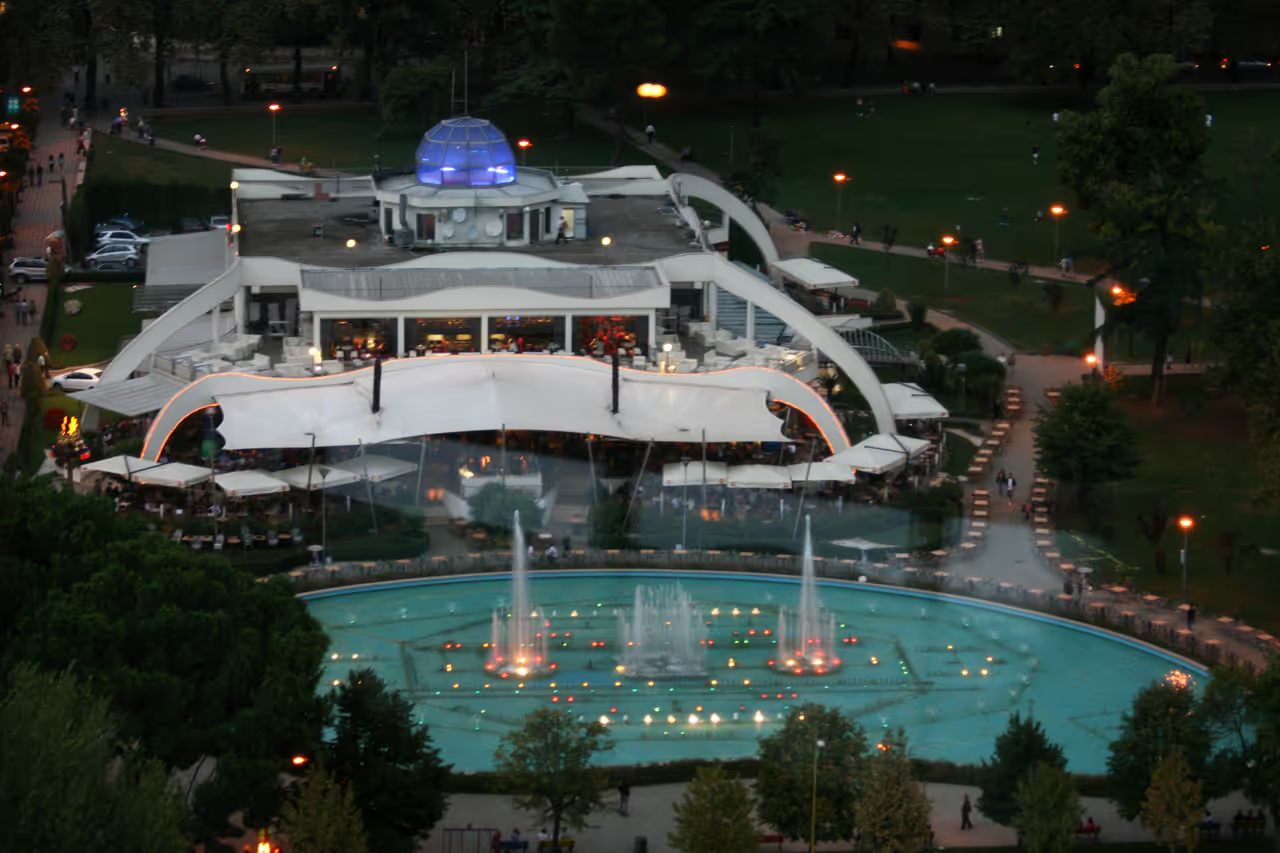
The Grand Park of Tirana is the cherished green sanctuary where the city comes to breathe. Often referred to as the Lung of the...
view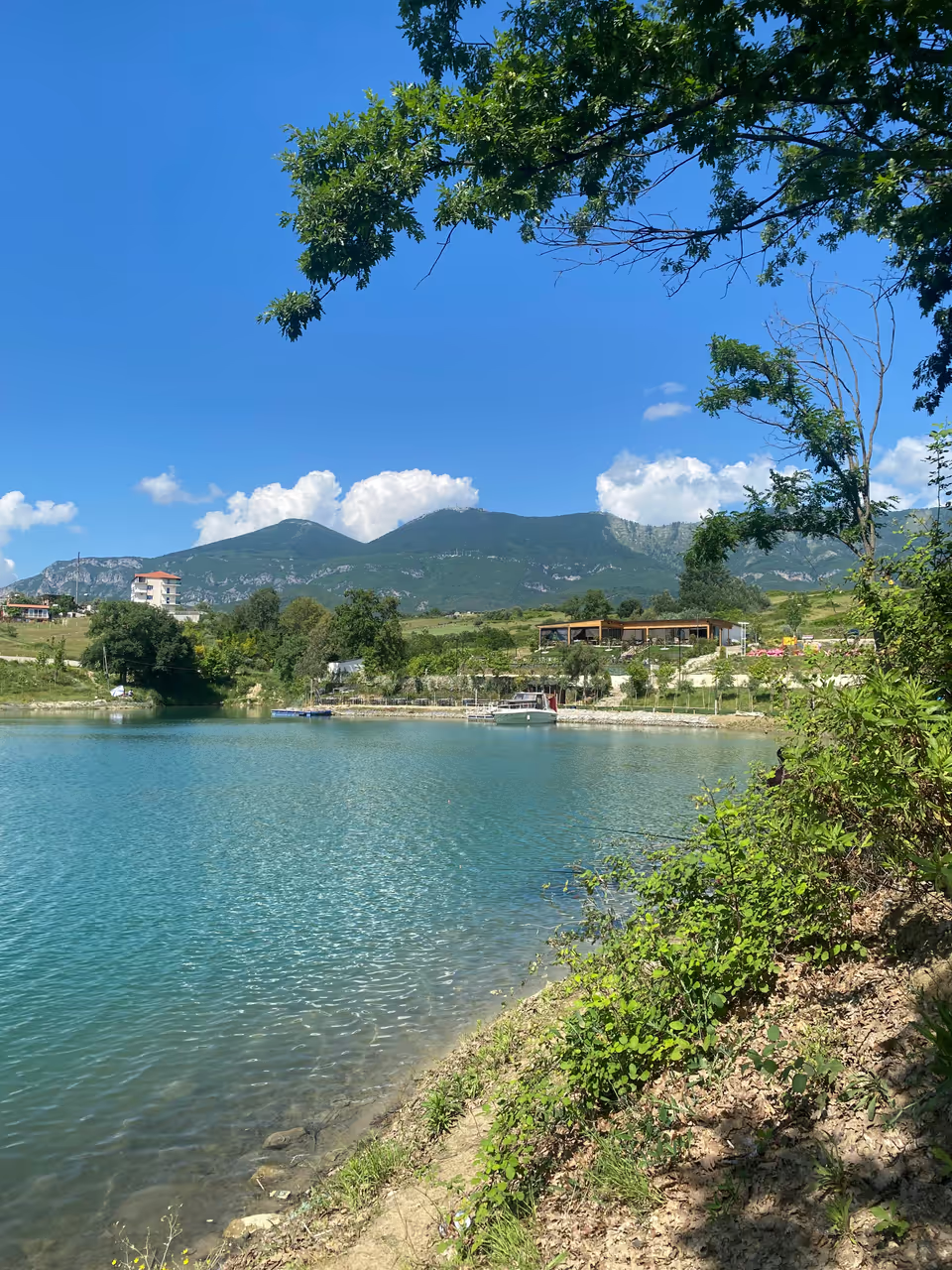
Farka Lake
Tucked away in the southeastern reaches of Tirana, Farka Lake offers a serene escape from the urban energy of the Albanian...
view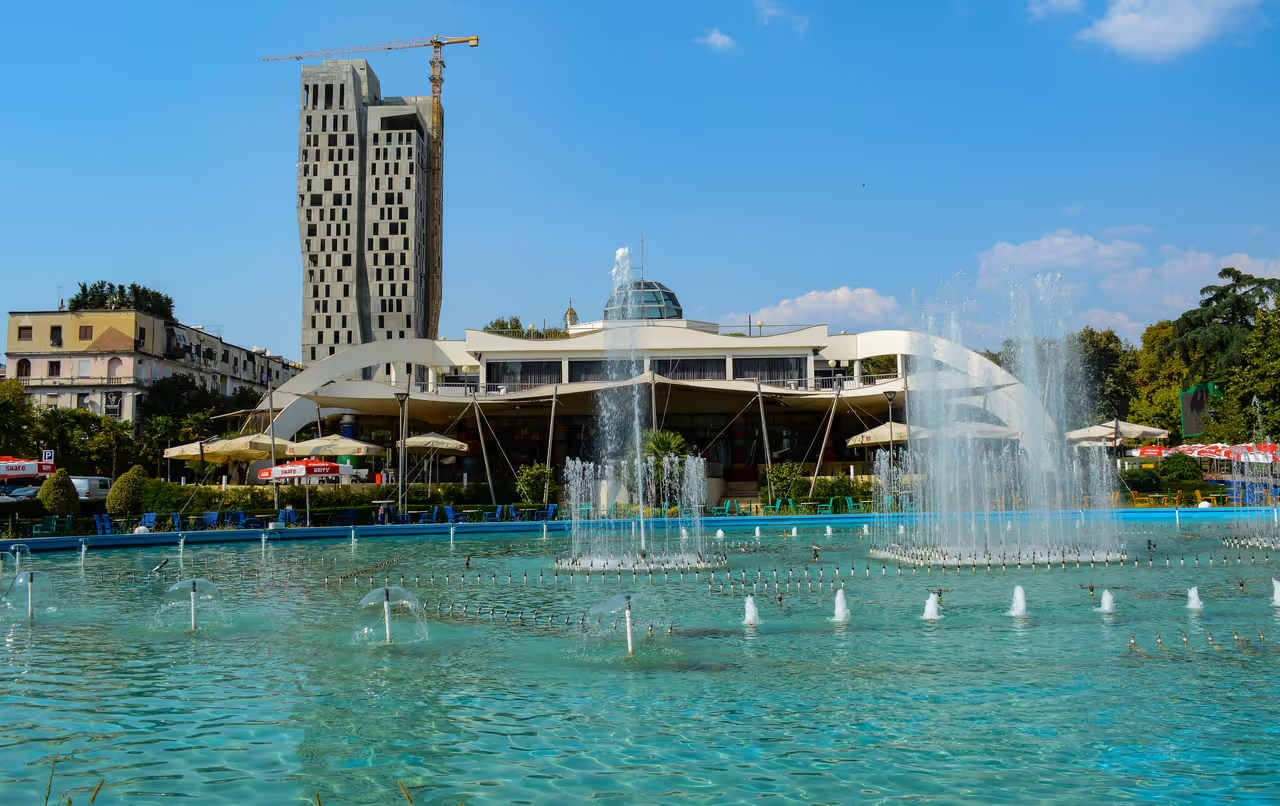
Rinia Park
Rinia Park stands as the beating heart of Tirana's social life, offering a lush escape right in the middle of the city...
view
Highlights & Must-Sees
Bektashi World Centre
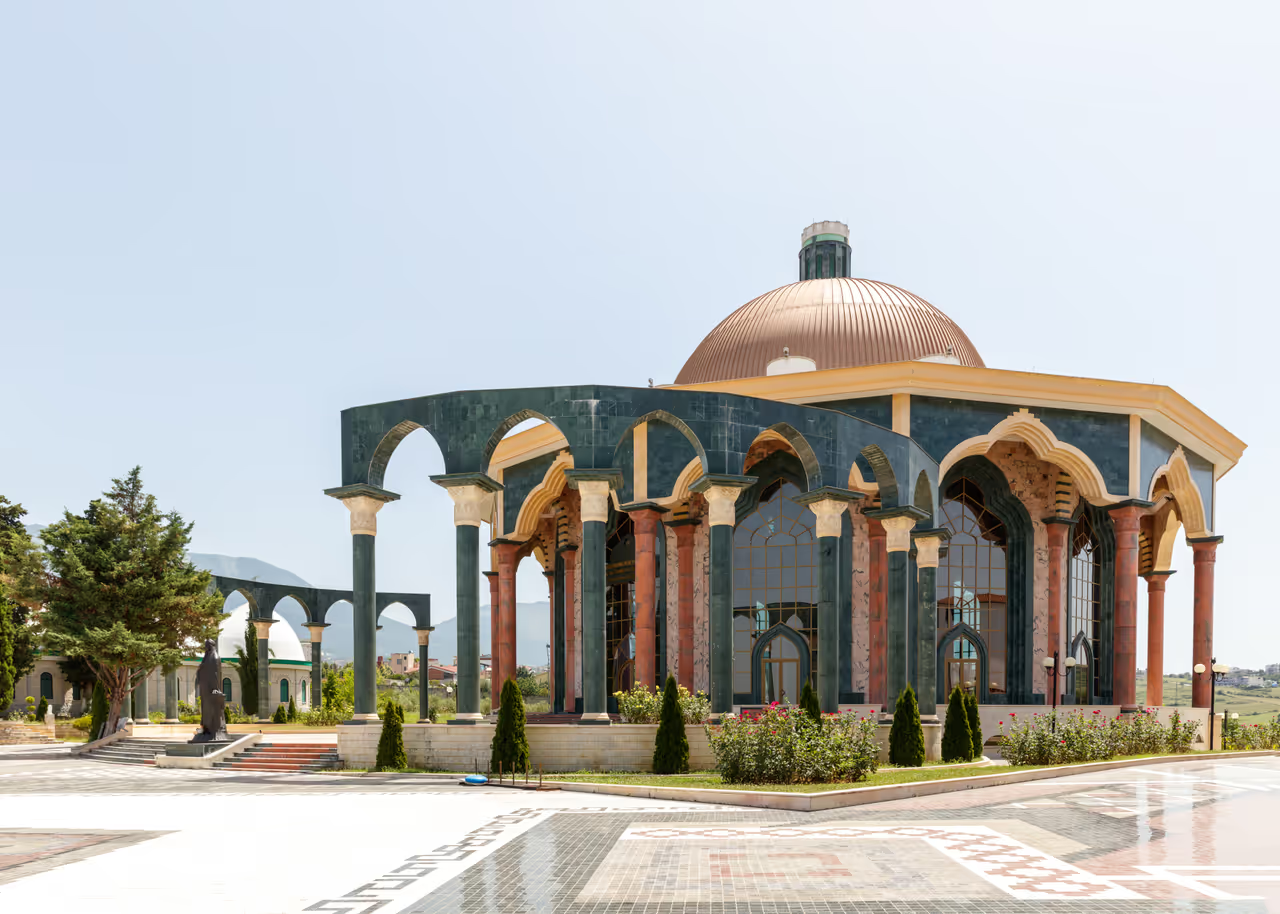
This magnificent complex serves as the global headquarters for the Bektashi Order, a peaceful and highly tolerant Sufi Islamic...
view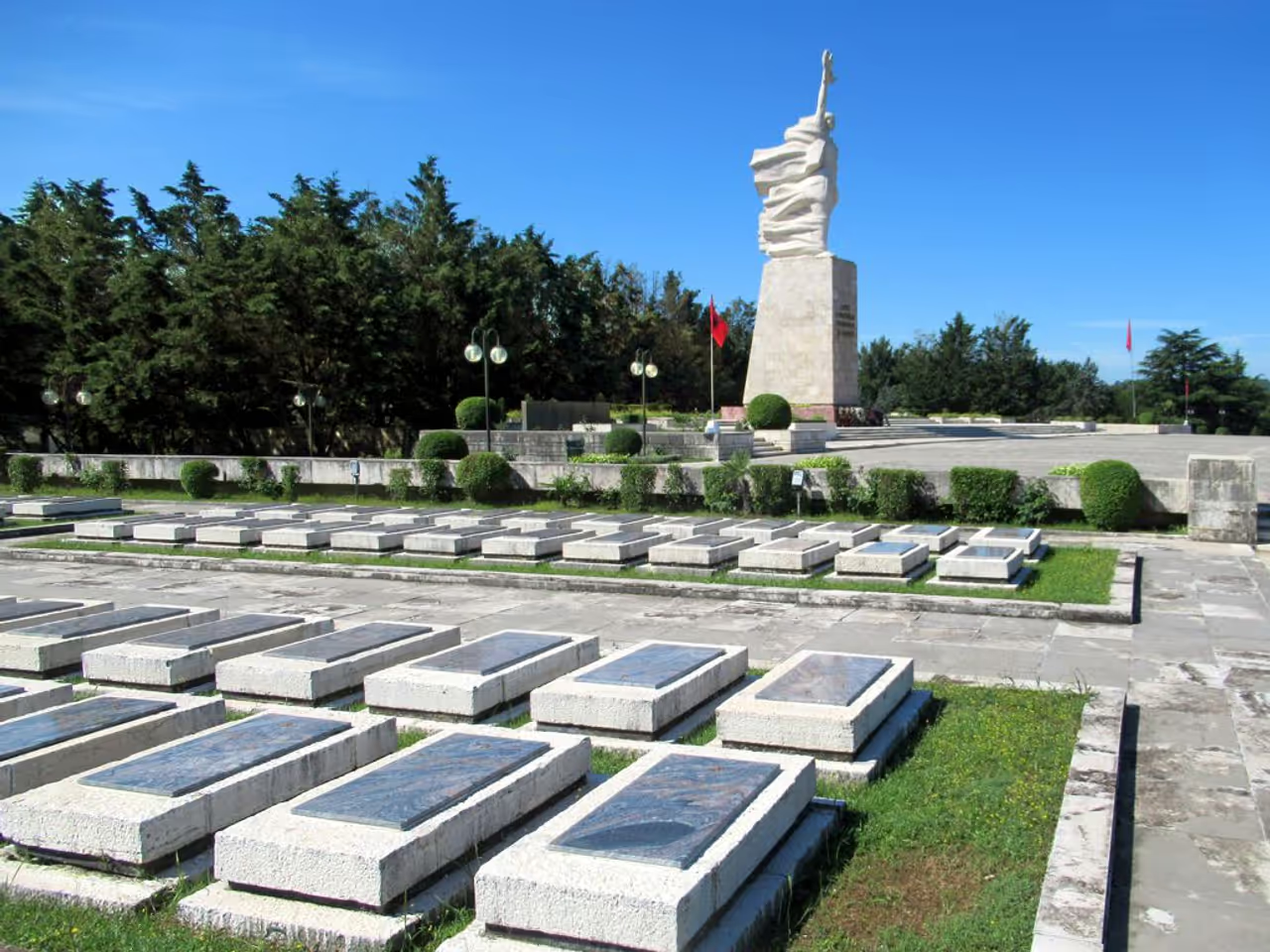
Mother Albania Monument
Standing proudly at a height of 12 metres, this monumental statue guards the National Martyrs Cemetery where 900 partisans are...
view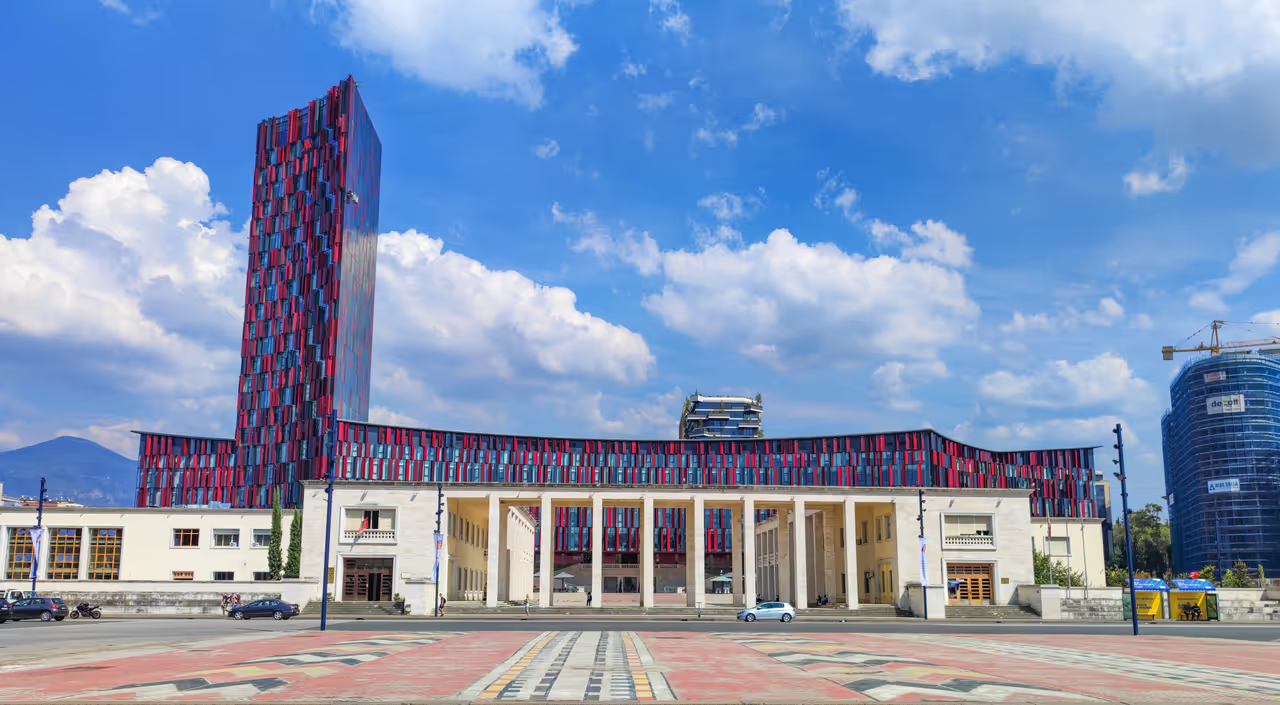
National Archaeological Museum
This institution houses an incredibly impressive collection of artifacts that trace the region's history from prehistory through...
view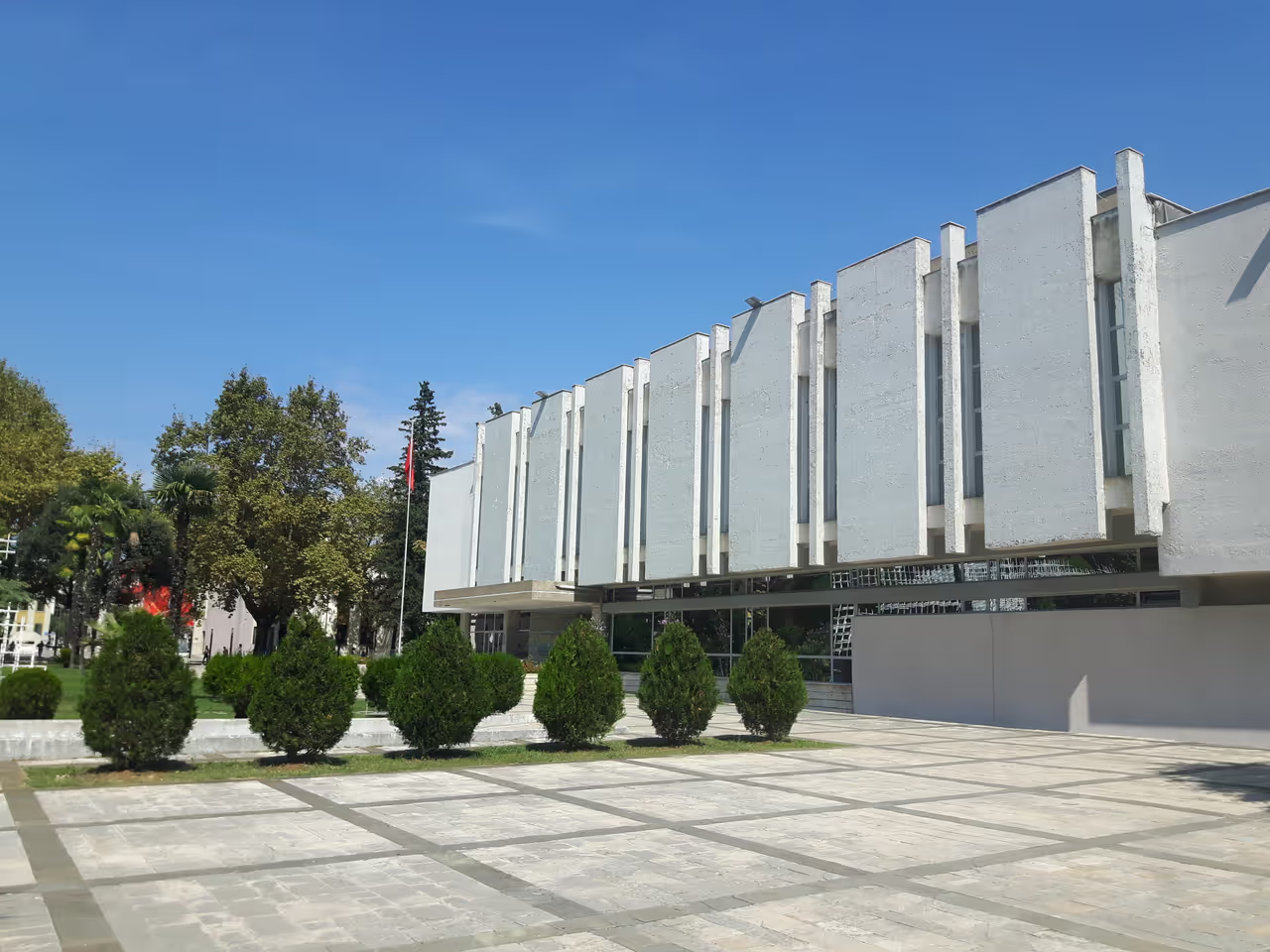
National Art Gallery
This striking gallery is the premier destination for tracking the evolution of the country's visual arts. The permanent...
view
Best Walks in Tirana
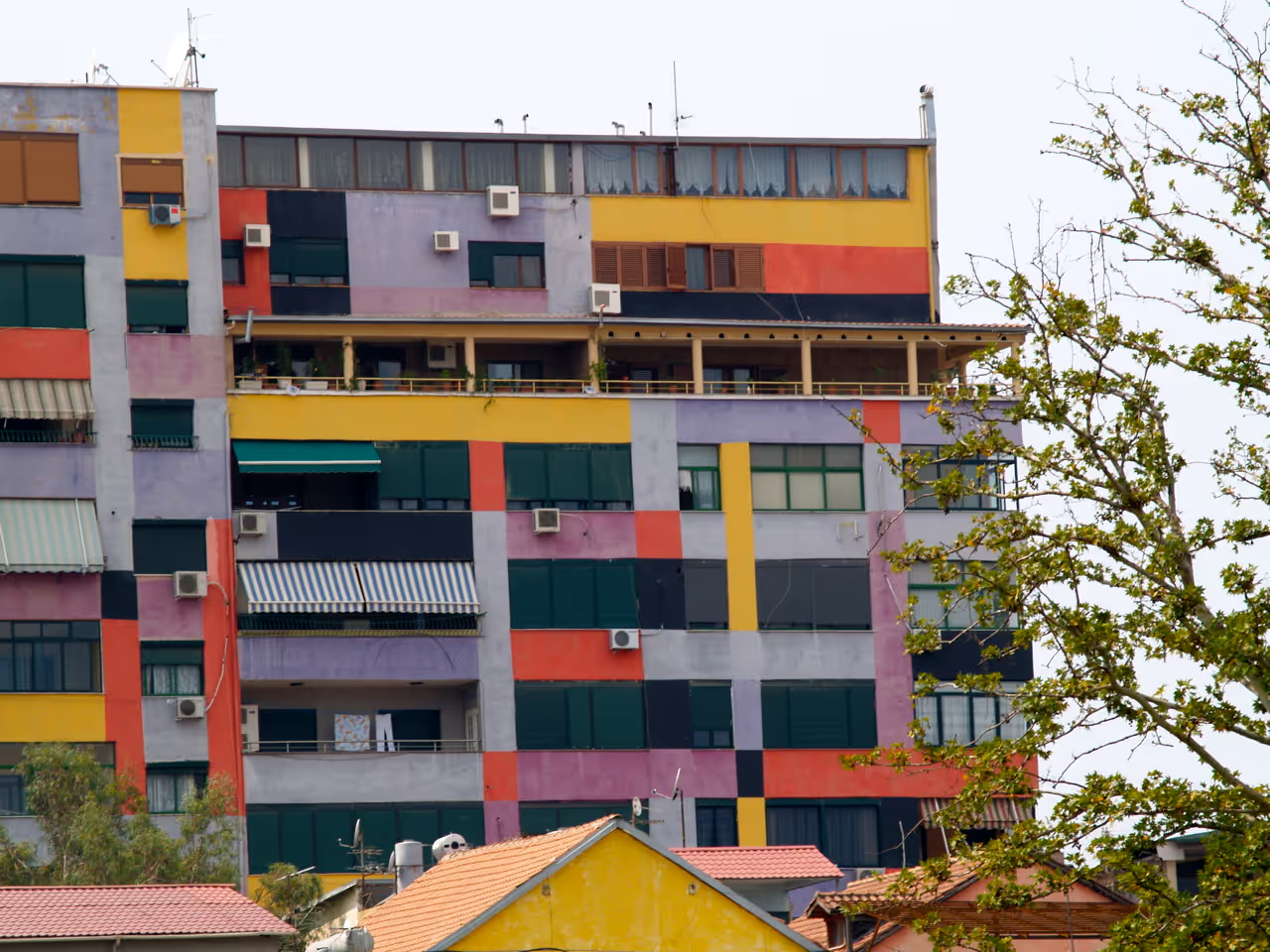
Lana River Boulevards
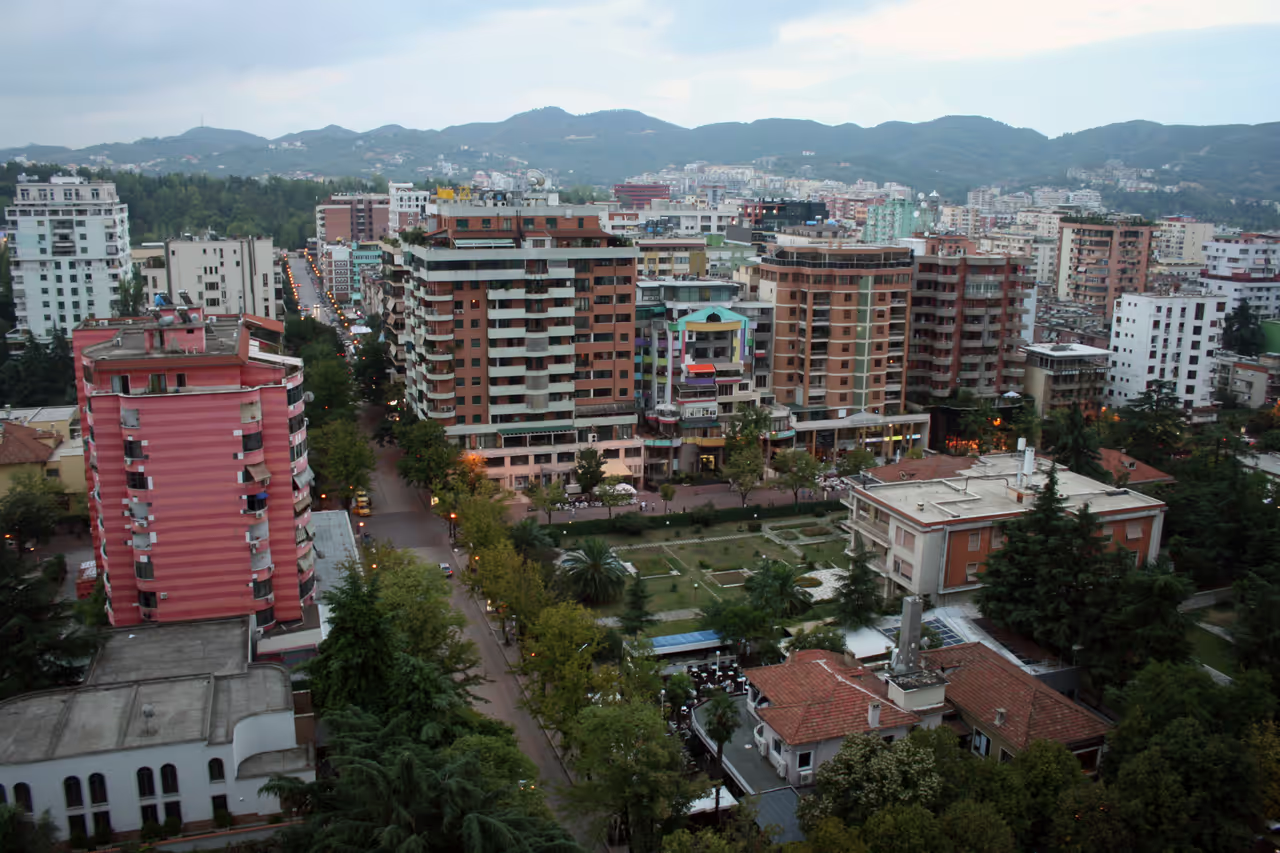
This walk follows the canalised river that acts as a vital artery running through the capital. The sidewalks are lined with large, leafy trees that provide excellent shade during the warmer months. You will stroll past an endless parade of eclectic cafes, bustling intersections, and vividly painted brutalist apartment blocks. It is a highly dynamic route that perfectly captures the daily rhythm and the colourful transformation of the city. The continuous flow of water and people makes it a deeply engaging urban experience.
 HIGHLY RECOMMENDED
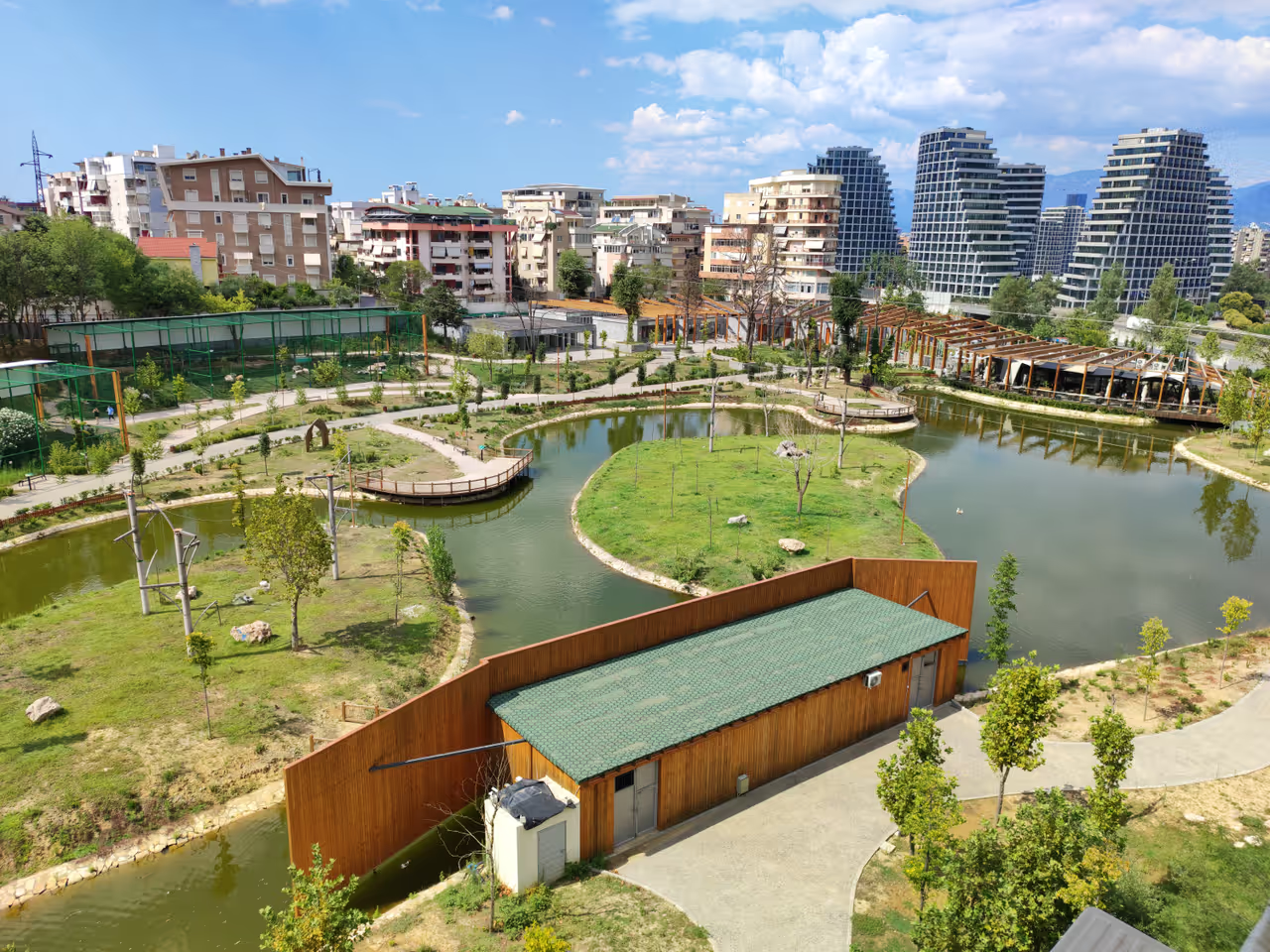
Grand Park Walk
This sprawling green oasis is the ultimate escape from the concrete and noise of the city centre. You will wander through thick woodland paths and along the serene edges of a massive artificial lake. The air here feels remarkably fresher, and the atmosphere is entirely focused on relaxation and family leisure. It is heavily populated by locals going for their evening walks, drinking coffee at lakeside terraces, or enjoying a picnic. The sheer size of the park ensures you can always find a quiet, scenic corner to yourself.
New Bazaar to Skanderbeg
This vibrant walk connects the city's lively traditional market district with its grand, monumental centre. You will start amidst the colourful stalls and geometric glass roof of the newly renovated bazaar, soaking in the sights and smells of fresh local produce. The route then transitions through bustling commercial streets filled with small shops and bakeries. Finally, the dense city opens up into the massive, pedestrianised expanse of the main square. It offers a fantastic progression from intimate local commerce to grand civic space.
Architecture & Landmarks
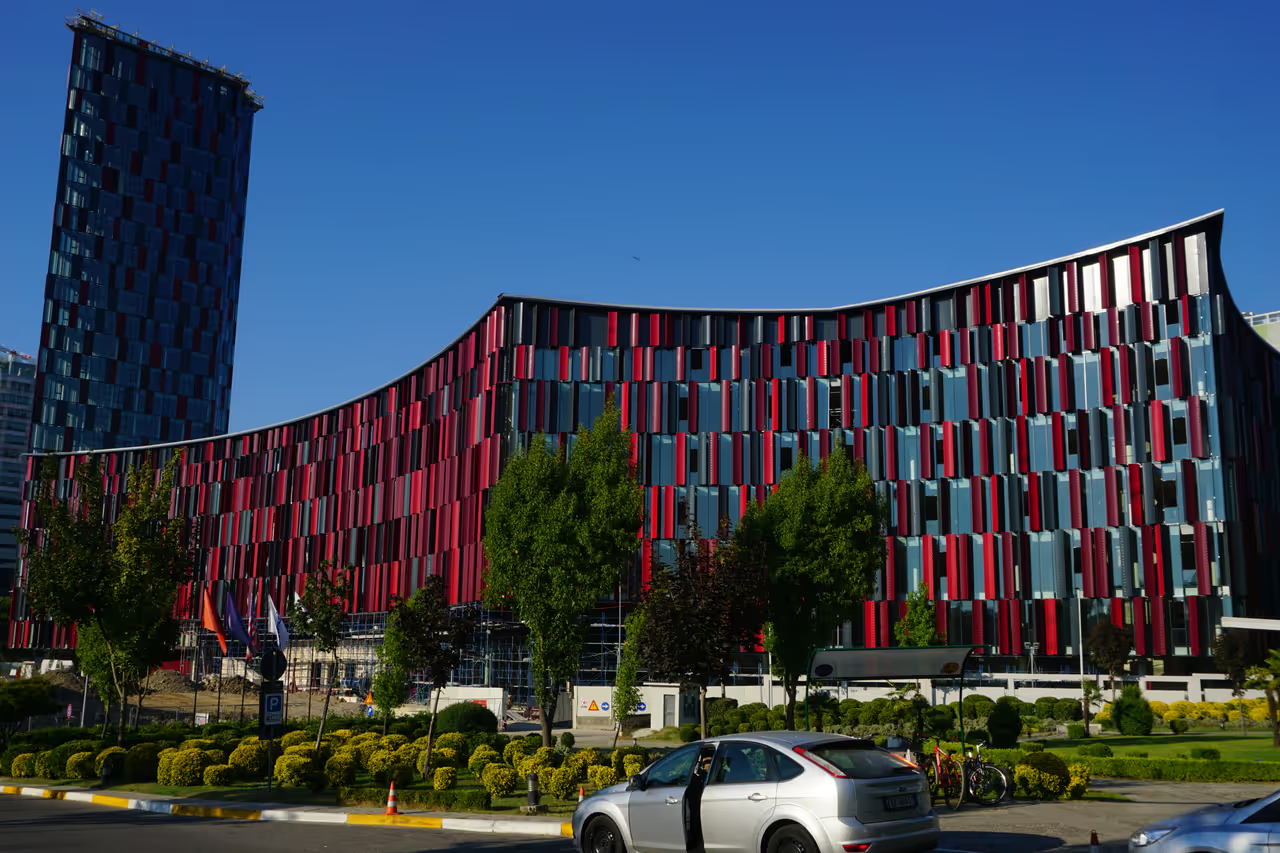
Air Albania Stadium
This state of the art sports arena is the most striking piece of contemporary architecture in the entire country. The exterior...
viewFortress of Justinian
Dating back to the Byzantine era, these ancient stone walls are the absolute oldest surviving structures in the city. While only...
view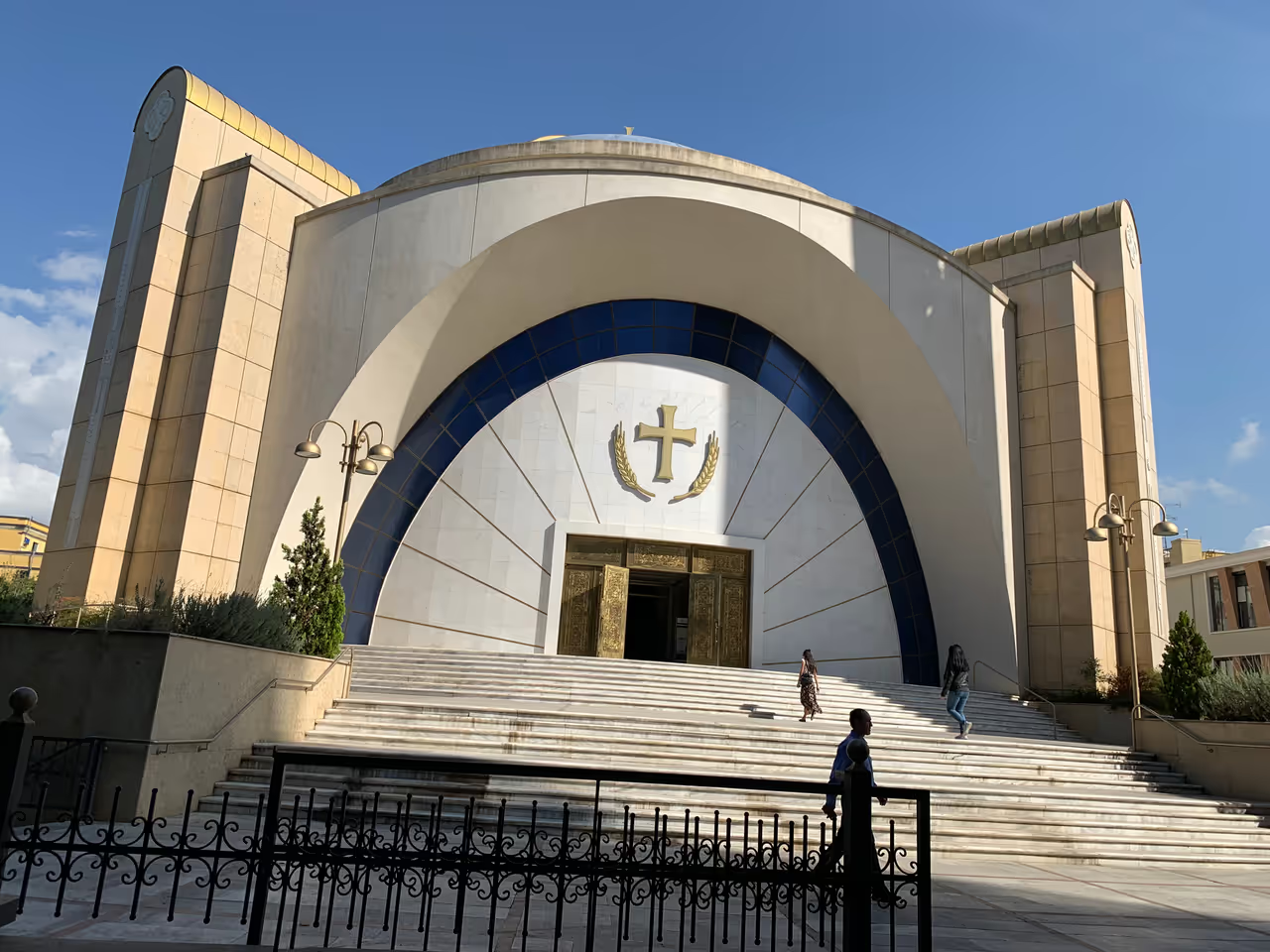
Resurrection of Christ Cathedral
This massive, gleaming modern cathedral completely redefines the concept of traditional Orthodox church architecture. Instead of...
view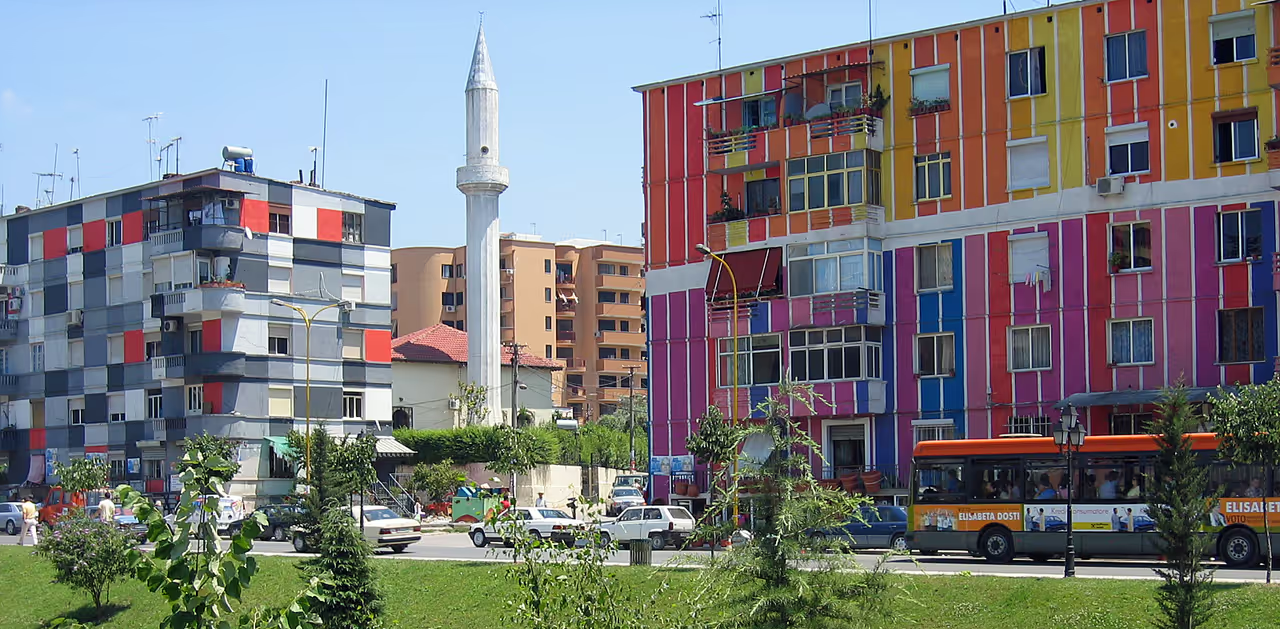
Tanners' Mosque
Built in the 17th century, this modest yet highly significant mosque served the guild of leather workers and butchers. It is one...
view
Markets & Shopping
Tirana Nightlife
Photo Spots
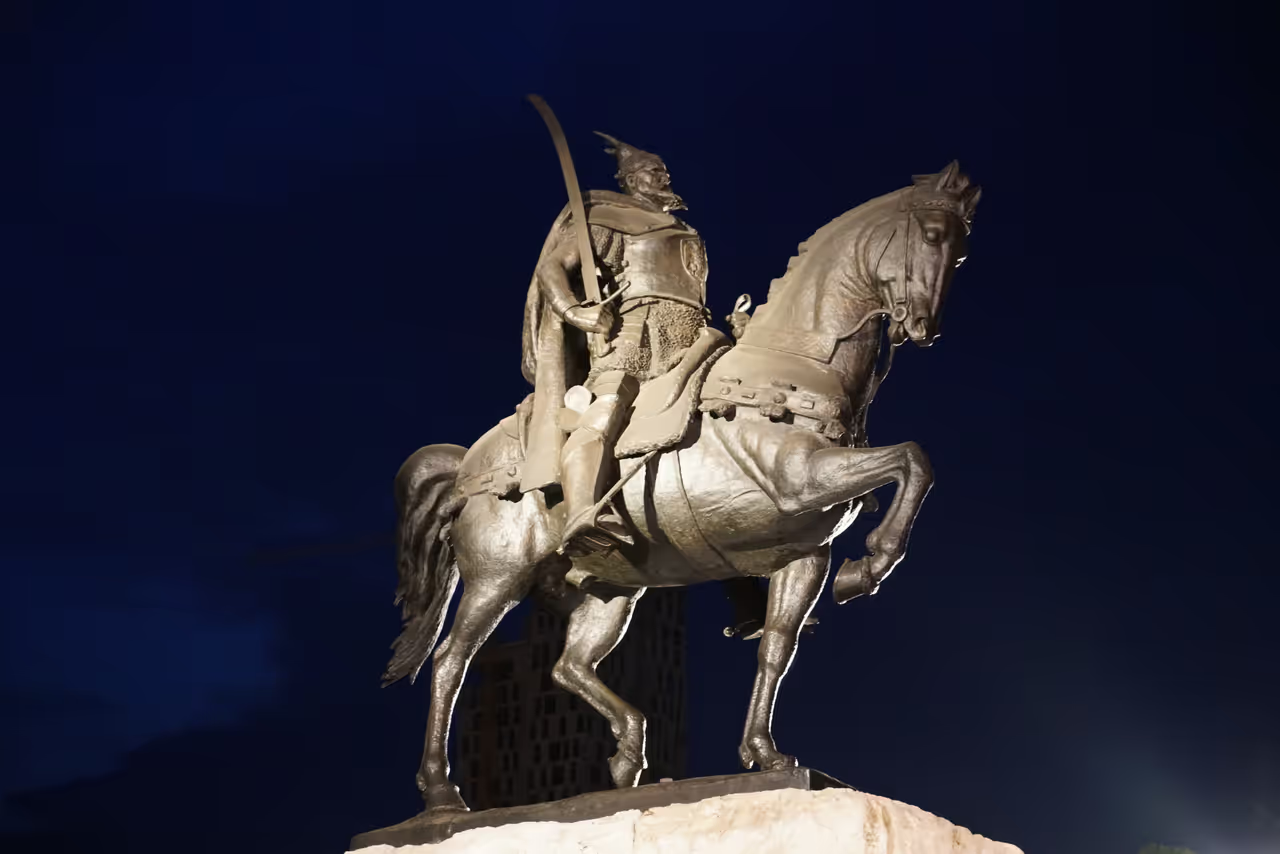
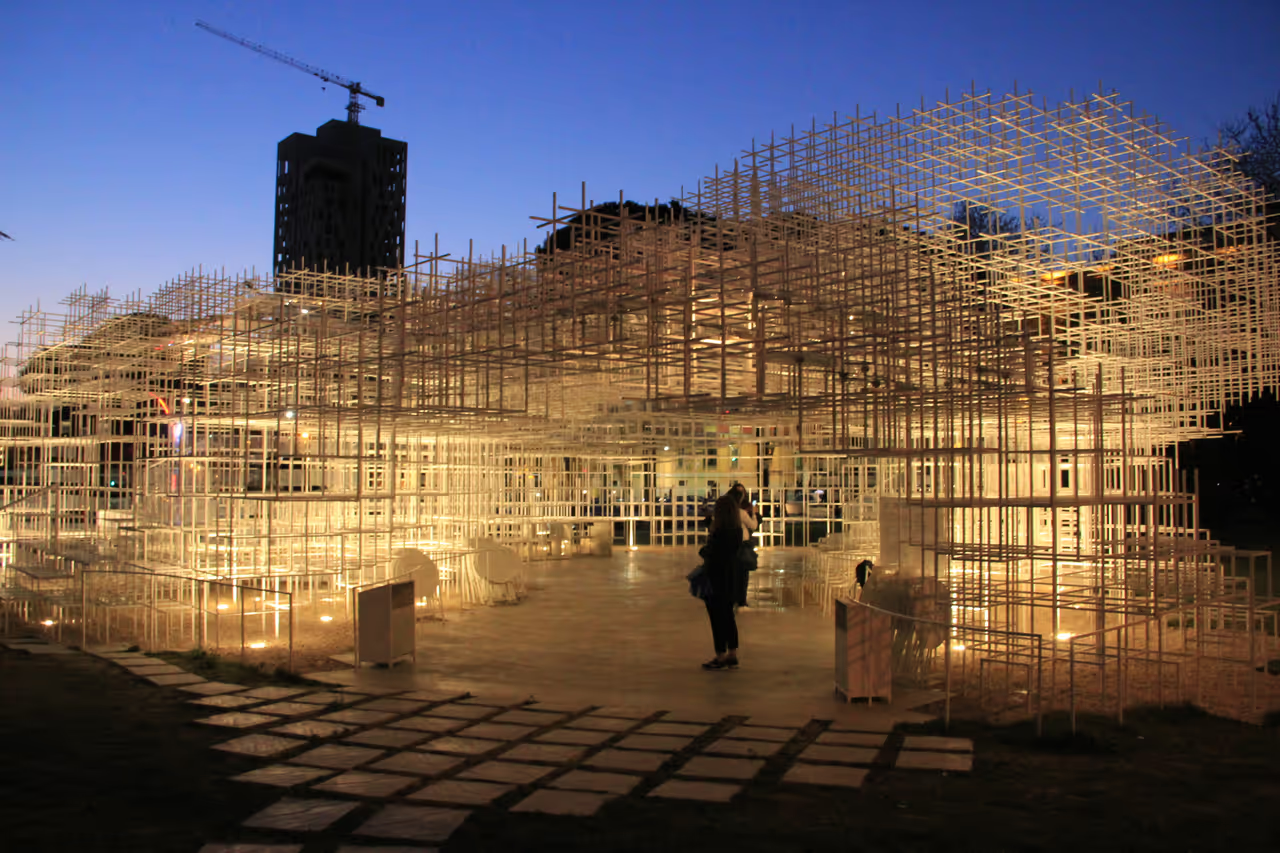
Activities & Experiences
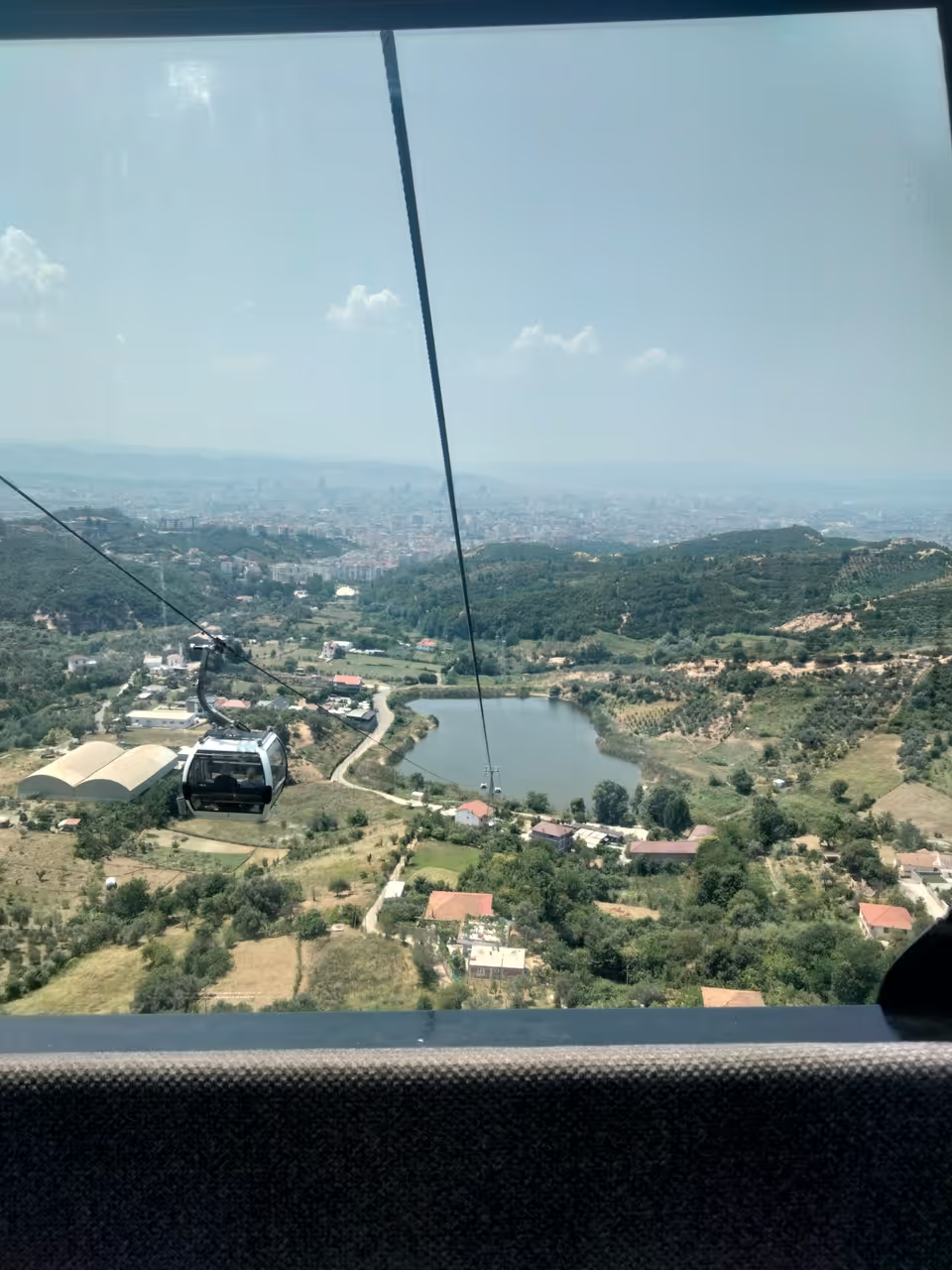
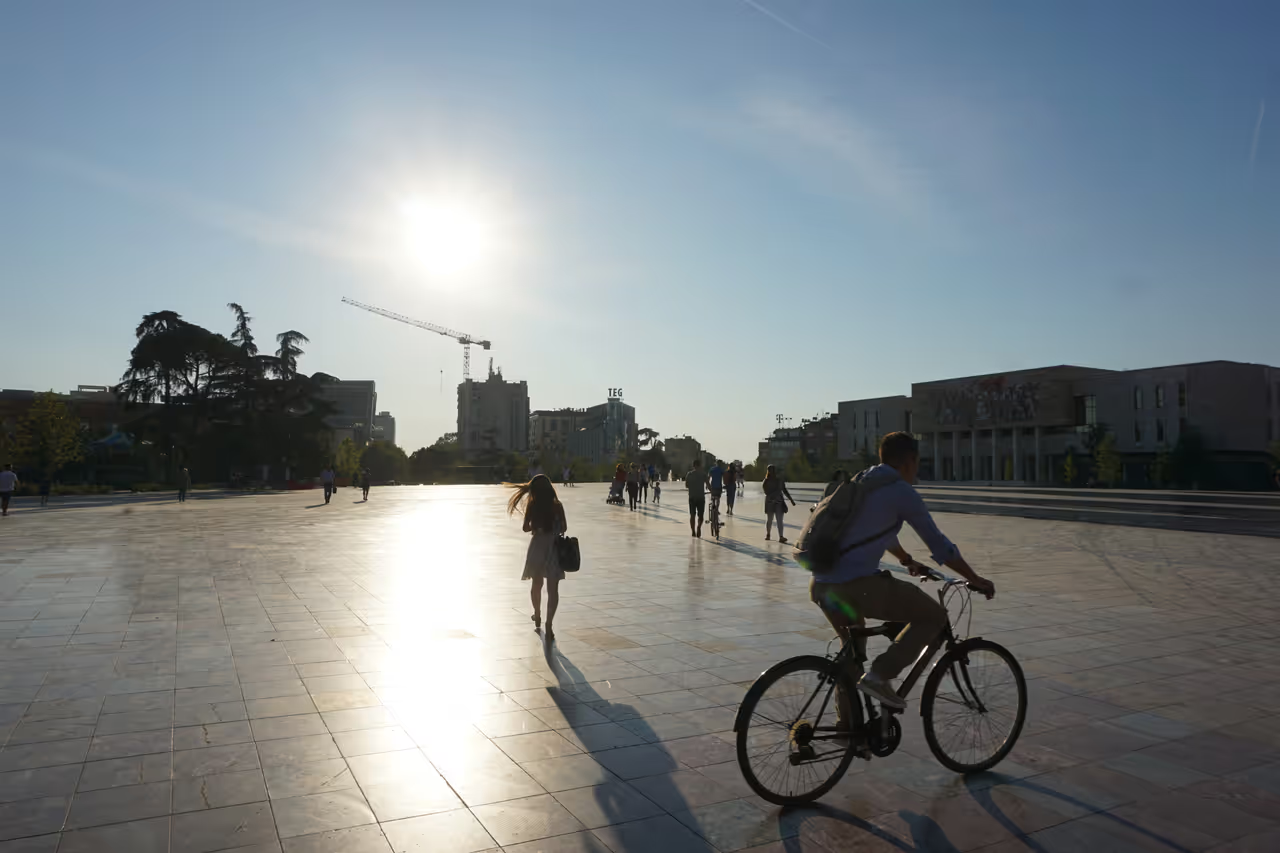
Cycling Routes
 HIGHLY RECOMMENDED
Grand Park Circuit
This leisurely ride is entirely focused on the expansive pathways within the city's most beloved recreational area. You will weave through dense woodland and cruise right along the water's edge of the large artificial lake. It is completely car free, making it an incredibly safe and relaxing experience for cyclists of all abilities. The route is dotted with charming cafes where you can stop for a quick espresso break. It offers a wonderful immersion into how the locals spend their downtime in nature.
Lana River Trail
This straight and highly urban route follows the canalised Lana River right through the heart of the city. It utilises some of the city's newest dedicated bicycle lanes, keeping you safely separated from the aggressive car traffic. You will ride under a canopy of trees lining the riverbanks, passing by some of the most colourful painted apartment blocks. It provides a fascinating cross section of the city's daily life and architectural evolution. It is a fast, efficient, and visually stimulating way to cross the capital from east to west.
Tirana Greenbelt Route
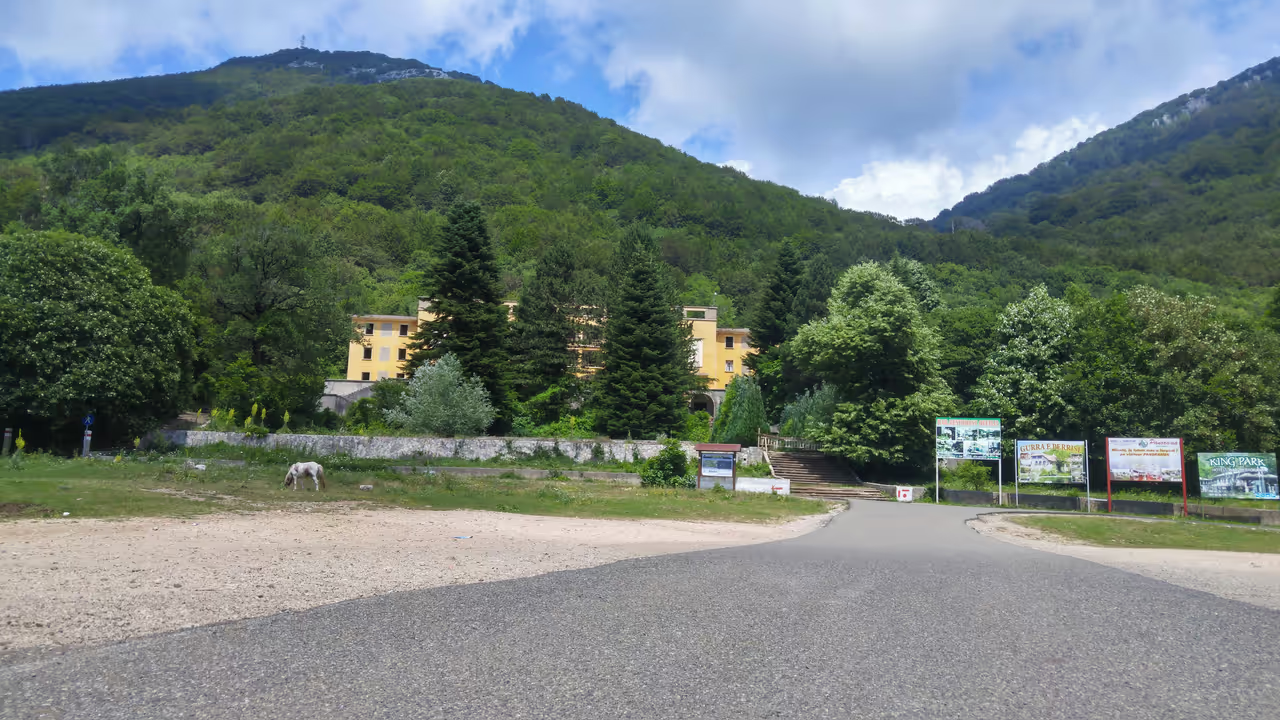
This route takes you out of the dense city centre and into the peaceful, rolling hills of the city's designated greenbelt. You will pedal past small resorts, traditional farmhouses, and lush olive groves that define the rural outskirts. It provides a fantastic opportunity to see the slower, agricultural side of local life just minutes from the capital. The paths are generally quiet and offer continuous views of the towering mountain range in the distance. It is a highly refreshing escape that showcases the natural beauty surrounding the urban sprawl.
Self-Guided Tours
 HIGHLY RECOMMENDED
Communist History Tour
This intense journey dives deep into the dark, paranoid decades when the city was entirely cut off from the rest of the world. You will explore chilling former secret police headquarters and descend into massive, highly classified nuclear bunkers. The route connects the most prominent and imposing architectural relics left behind by Enver Hoxha's totalitarian regime. It provides a sobering, educational, and utterly fascinating look at the harsh realities of mid 20th century life here. The transformation of these sites into modern museums is a powerful testament to the city's resilience.
Ottoman Heritage Tour
Before the grand Italian boulevards and the imposing communist concrete, this was a modest trading town defined by exquisite Ottoman craftsmanship. This tour seeks out the rare, beautiful architectural survivors from the 18th and 19th centuries that escaped demolition. You will find intricately painted mosques, historic stone bridges, and beautifully preserved traditional mansions hidden among the modern high rises. It highlights a delicate, artistic period of the city's history that feels almost miraculous to discover today. It is a journey into the deep, foundational roots of the capital.
Architectural Evolution Tour
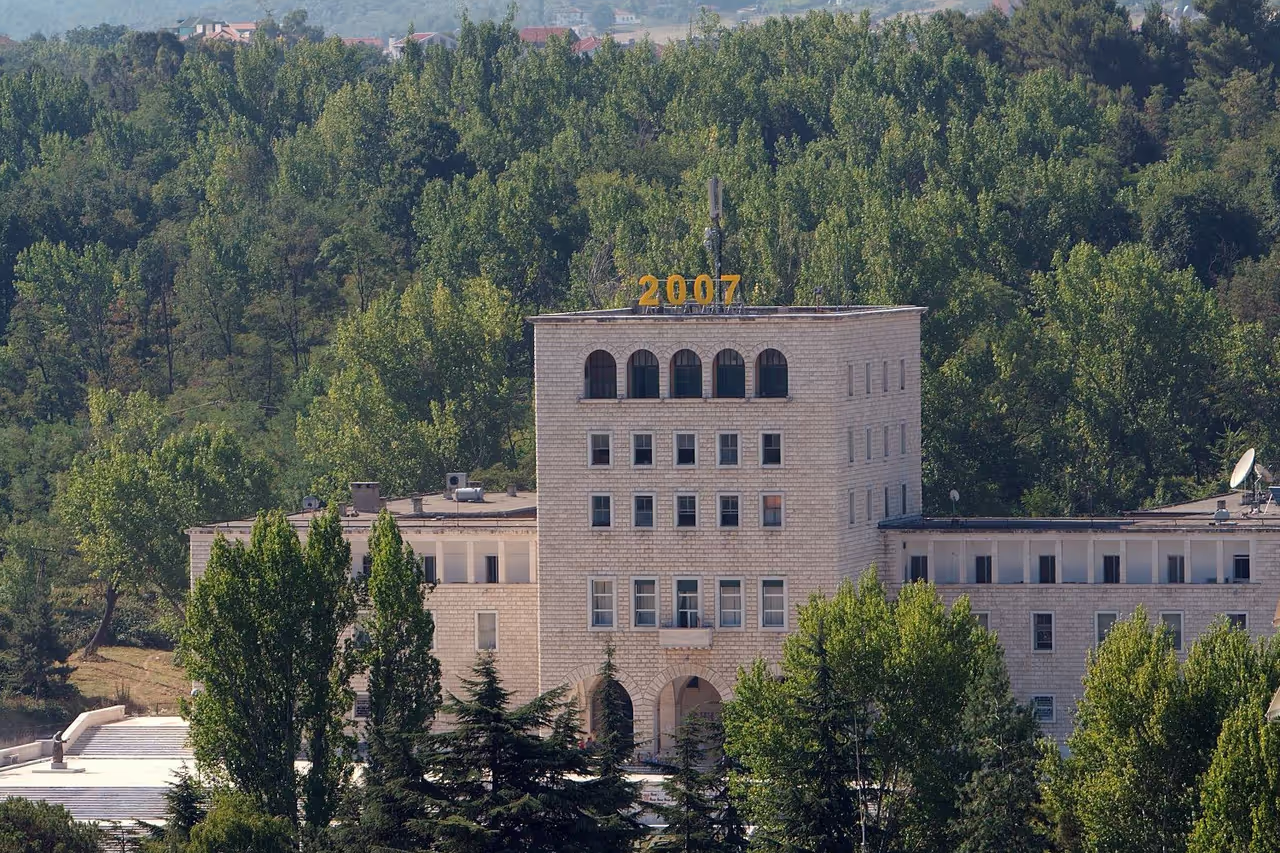
This route serves as a visual timeline, showcasing how drastically different political regimes have shaped the city's skyline. You will encounter the grand neo Renaissance masterplans of Italian fascists, the heavy brutalism of the socialist era, and the sleek, modern towers of the 21st century. The stark contrasts between these structures are highly photogenic and deeply revealing of the country's turbulent history. It is a walk that forces you to constantly look up and appreciate the chaotic, eclectic beauty of the urban environment. The journey tells the story of a city constantly reinventing itself.
Annual Festivals & Events
 HIGHLY RECOMMENDED
Summer Day
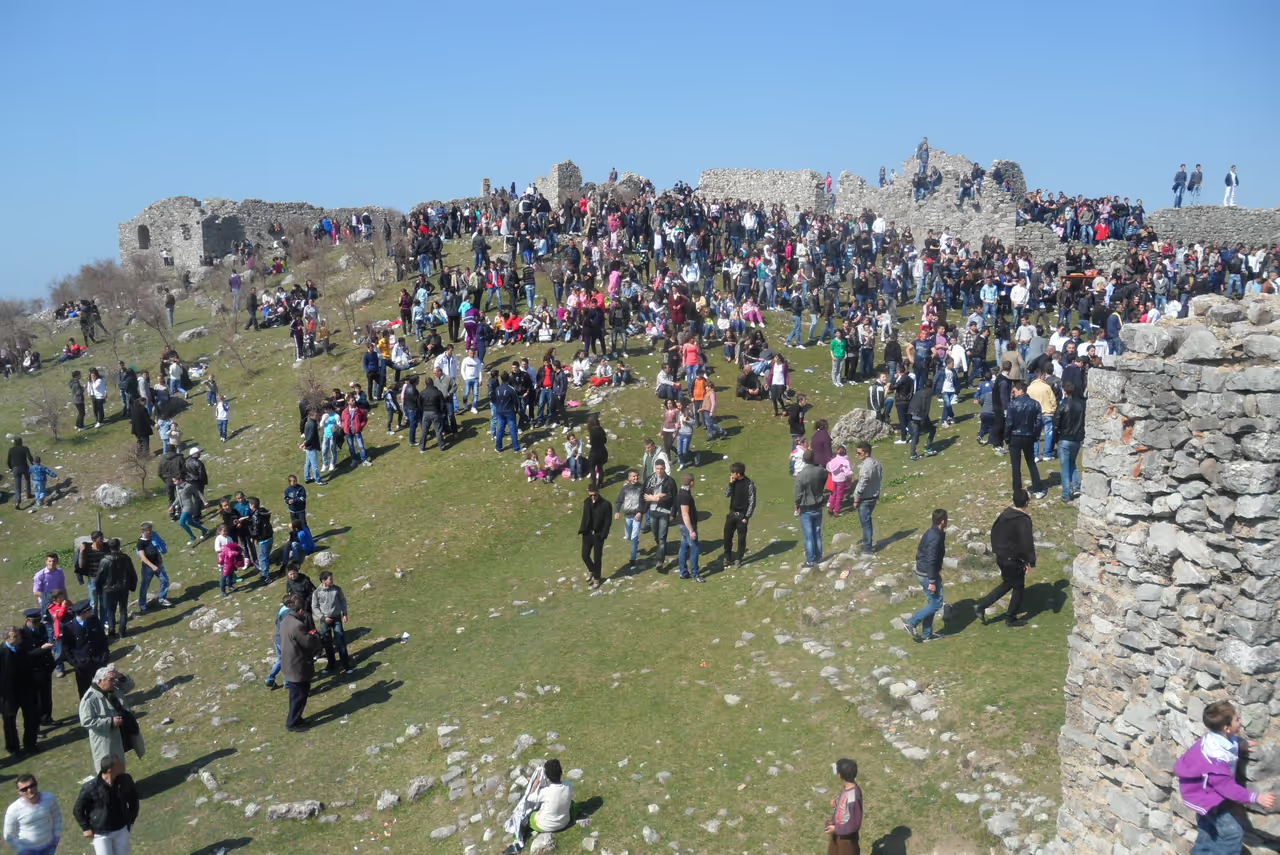
This joyous pagan festival celebrates the end of winter and the rebirth of nature. The entire city comes alive with outdoor concerts, street food stalls, and family friendly activities filling the parks and boulevards. Locals wear traditional red and white bracelets called 'verore' to bring good luck. You will find a wonderfully festive atmosphere that truly captures the local spirit. It is the perfect time to try traditional sweets and enjoy the blooming green spaces.
Tirana International Film Festival
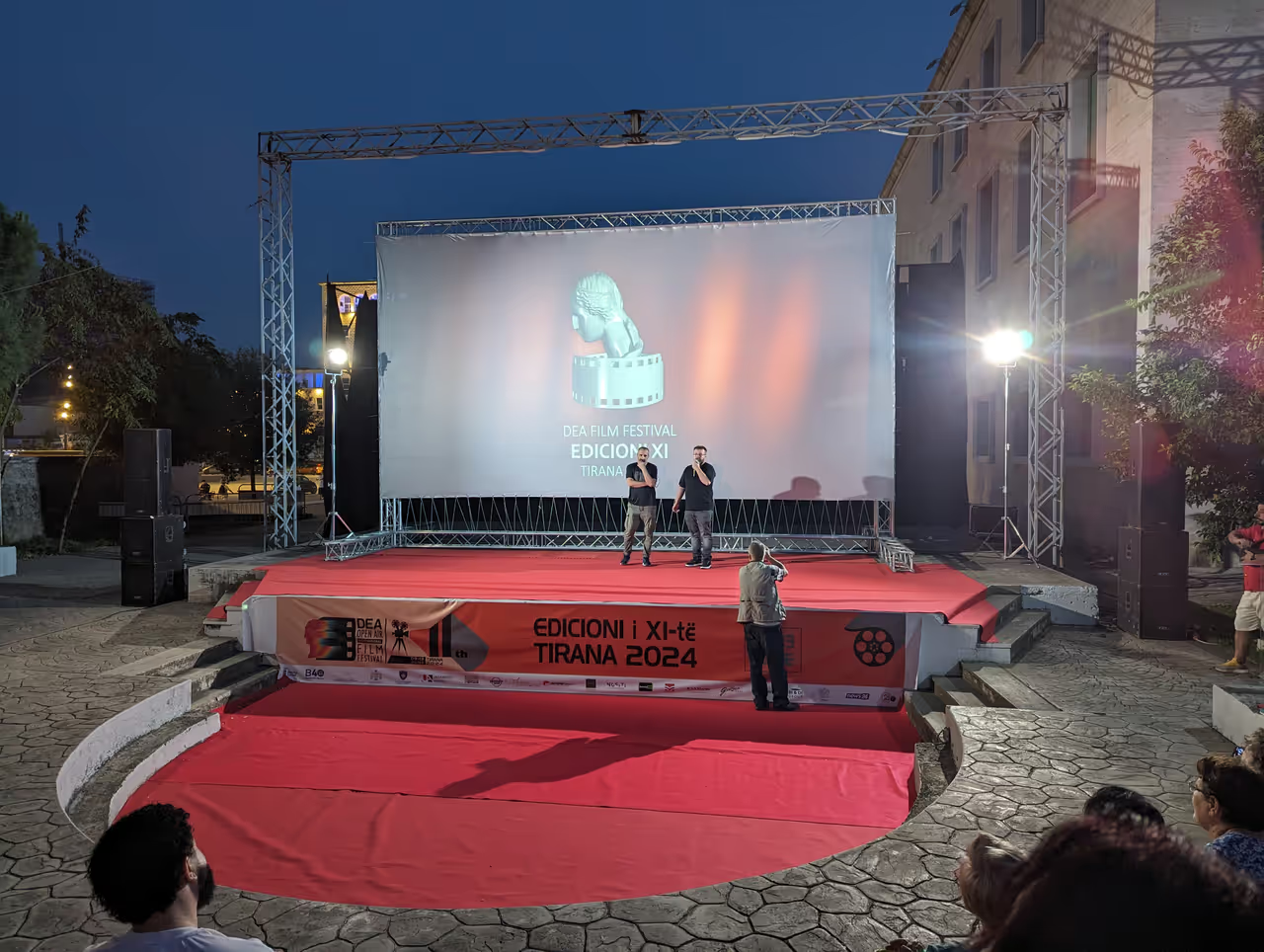
This prestigious annual event highlights the creative work of ethnic Albanian artists alongside international filmmakers. It brings a sophisticated cultural buzz to the city, with screenings hosted in various cinemas and cultural centres. You can catch a diverse array of short films, documentaries, and feature length movies. It serves as an excellent opportunity to mingle with the local arts community and discover new cinematic voices. The festival has grown significantly in reputation, attracting talent from all over the region.
Tirana Marathon
This major sporting event sees thousands of runners take over the main boulevards of the capital. The route offers a fantastic tour of the city's key landmarks, making it visually rewarding for both participants and spectators. The atmosphere is highly supportive, with locals lining the streets to cheer on the athletes. It promotes a healthy lifestyle and brings a strong sense of community and international camaraderie. Even if you are not running, the festive energy around the finish line is highly contagious.
Insider Tips
Always carry some cash in the local currency (Lek), as many smaller cafes, buses, and markets do not accept credit cards.
When crossing the street, do not assume cars will stop even if you have a green pedestrian light; follow the locals and cross when they do.
If you are prone to motion sickness, take precautions before riding the intercity furgons (minibuses), as local driving styles can be quite erratic.
Do not exchange all your money at the airport due to poor exchange rates; pay for the airport bus in Euros and exchange the rest in the city centre.
Street names frequently change and locals rarely use them for navigation; it is much easier to ask for directions using well known landmarks.
Avoid drinking the tap water; it is highly recommended to buy bottled water for drinking during your stay.
PERFECT FOR
Tirana is a dream destination for curious travellers who love uncovering layered histories and seeing a city in the midst of a vibrant transition. It heavily appeals to budget conscious adventurers, cafe culture enthusiasts, and history lovers eager to explore Cold War relics. Those who enjoy a mix of lively urban nightlife and easily accessible mountain nature will find themselves right at home here.
VIBE
The city pulses with a chaotic yet incredibly charming energy, where the aroma of strong espresso fills the air at every corner. You will find a striking contrast between raw historical monuments and trendy, modern cafes overflowing with youthful chatter. It feels remarkably welcoming and safe, inviting you to embrace its slow paced cafe culture while exploring its rapidly modernising streets.
Frequently Asked Questions about Tirana
While we strive to keep this information accurate and up to date, we recommend verifying any details independently before making decisions based on them.