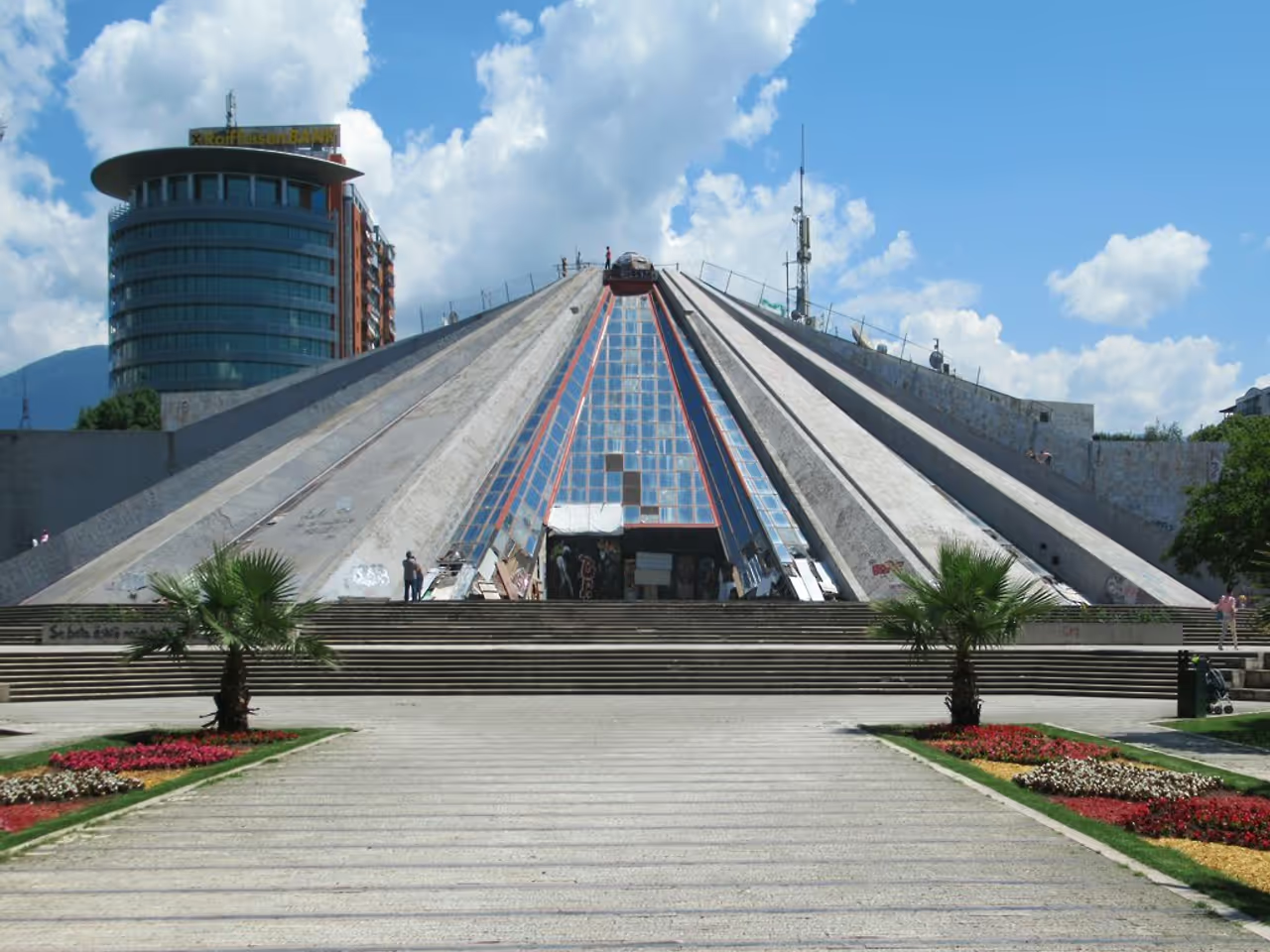
Pyramid of Tirana
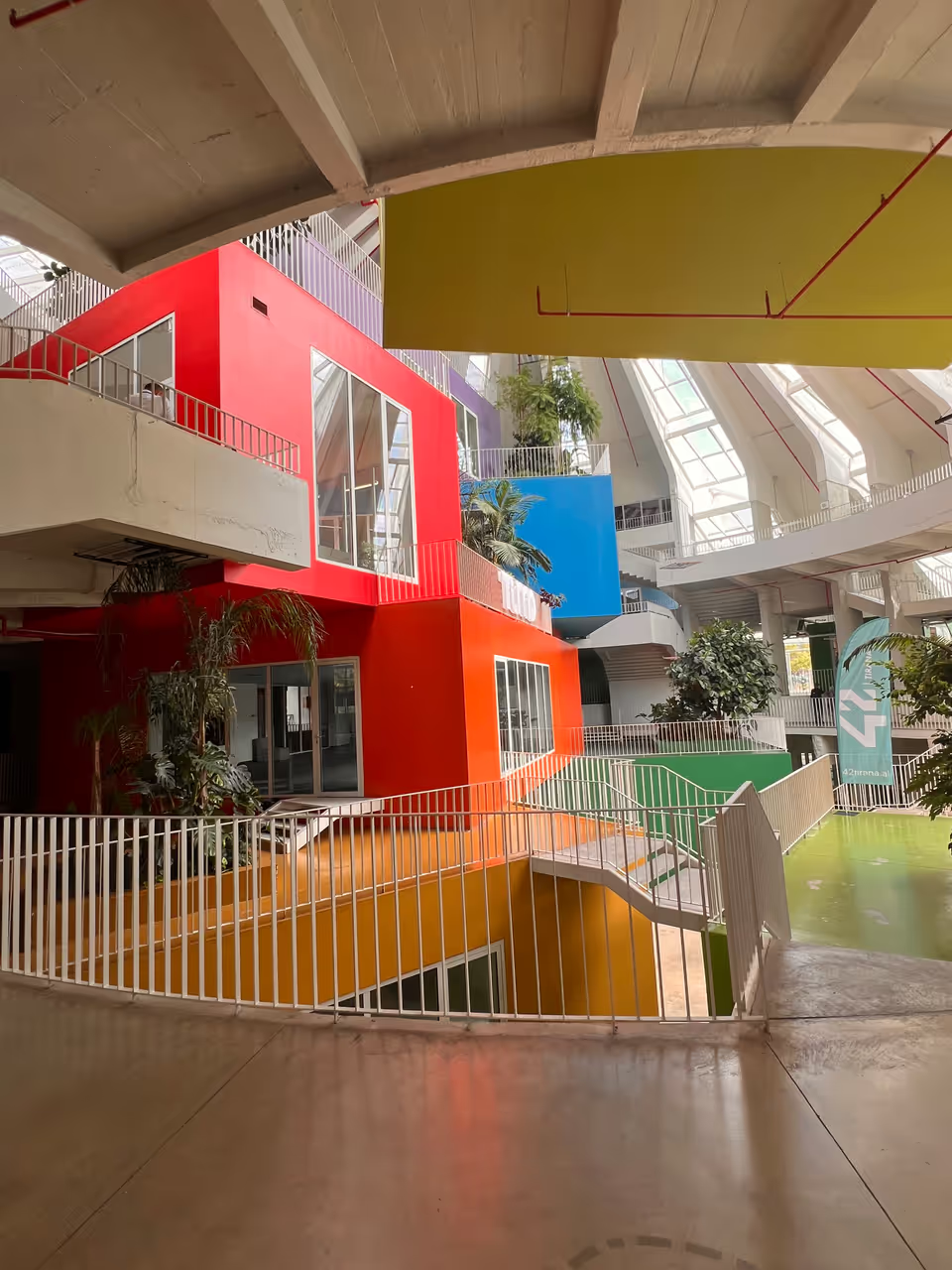
Once a somber monument to a dictator, the Pyramid of Tirana has been reborn as a vibrant hub for technology and creativity. Its striking concrete slopes, which locals used to slide down for fun, are now covered in accessible stairs leading to a spectacular rooftop view. Visiting here allows you to feel the pulse of modern Albania, where a dark past is literally being stepped over to reach a brighter future. You can explore the colourful glass boxes housing startups and coding classes or simply relax in the open-air cafes nestled within its base. It serves as a unique architectural bridge, blending brutalist history with contemporary, light-filled design. This is the ultimate symbol of Tirana's resilience and its exciting shift toward becoming a regional tech leader.
Videos
History of Pyramid of Tirana
The structure emerged in 1988 as a grand, final tribute to Enver Hoxha, the long serving communist leader of Albania. Designed by a team including Hoxha’s own daughter, it was intended to be a museum chronicling his life and legacy. At the time of its completion, it stood as the most expensive project ever undertaken in the country, reflecting the immense resources poured into state symbolism even as the regime neared its end. Its brutalist aesthetic and imposing presence were meant to inspire awe and loyalty, yet the political tide turned almost immediately after its doors opened. Following the collapse of the communist government in 1991, the building entered a long period of identity crisis. It served various purposes, from a conference centre to a NATO base during the Kosovo War, and even housed a major radio station. For decades, the marble tiles were stripped away and the walls were covered in graffiti. Despite the decay, the site became an unofficial playground for the youth of Tirana, who famously used the steep, inclined walls as giant slides. This period of neglect transformed the pyramid from a formal monument into a rugged, organic part of the urban landscape, deeply cherished by residents despite its crumbling state. The most recent chapter began with an ambitious renovation led by the architectural firm MVRDV, which sought to reclaim the monument for the people. Rather than demolishing the controversial structure, the design team added staircases to its exterior, allowing everyone to climb to the summit for views of the city. Today, the interior is filled with vibrant, glass fronted classrooms and cafes, serving as a hub for technology and education. It has become a symbol of Tirana’s ability to confront its difficult history by repurposing the remnants of the past into a platform for future innovation and community life.
Events spanning 35 years
Fun Facts
- • A cult horror film remake, Castle Freak, used the pyramid's eerie and dilapidated basement as a filming location in 2019.
- • During the 1990s, the pyramid was the site of Tirana's most famous nightclub, representing the city's chaotic shift to capitalism.
- • For decades, the smooth concrete sides were used by local children as a giant, unofficial slide, creating a unique urban tradition.
- • In 1999, the pyramid transitioned from a communist monument to a strategic NATO headquarters during the Kosovo War.
- • The 2023 renovation by the firm MVRDV added exactly 20 tonnes of steel to create the new staircases and walkways.
- • The architectural design was originally intended to symbolise the mountain of Dajti, which overlooks the city of Tirana.
- • The building was designed by a team led by Pranvera Hoxha, the daughter of the longtime Albanian leader, and her husband.
- • The interior now houses the TUMO Center, where thousands of Albanian teenagers receive free education in robotics and design.
- • The renovation preserved the original concrete shell to ensure the complex history of the site remained visible to future generations.
- • Upon its completion in 1988, it was widely considered the most expensive individual structure ever built in Albania.
Pyramid of Tirana FAQ
While we strive to keep this information accurate and up to date, we recommend verifying any details independently before making decisions based on them.
Pyramid of Tirana Map & Neighborhood Explorer
This interactive map is centered on Pyramid of Tirana. Zoom in and move the map around to automatically discover Wikipedia photos and summaries of other nearby sights, monuments, and historical points of interest and stories in real-time!
Places near Pyramid of Tirana
Make the most of your trip. Check out these top-rated spots located nearby.
- 90m
Komiteti Kafe Muzeum
This highly unusual venue perfectly blurs the line between a hip, bohemian cafe and a densely packed historical museum. Every single centimetre of the walls and ceiling is crammed with authentic relics from the communist era, ranging from old televisions and propaganda posters to rustic farming implements. It feels incredibly nostalgic and slightly chaotic, providing a fascinating visual overload. It is the absolute best place in the city to sample local raki, offering over 25 unique, infused varieties of the fiery spirit. You can easily spend hours here just examining the quirky artifacts while sipping strong coffee.
hidden gem view 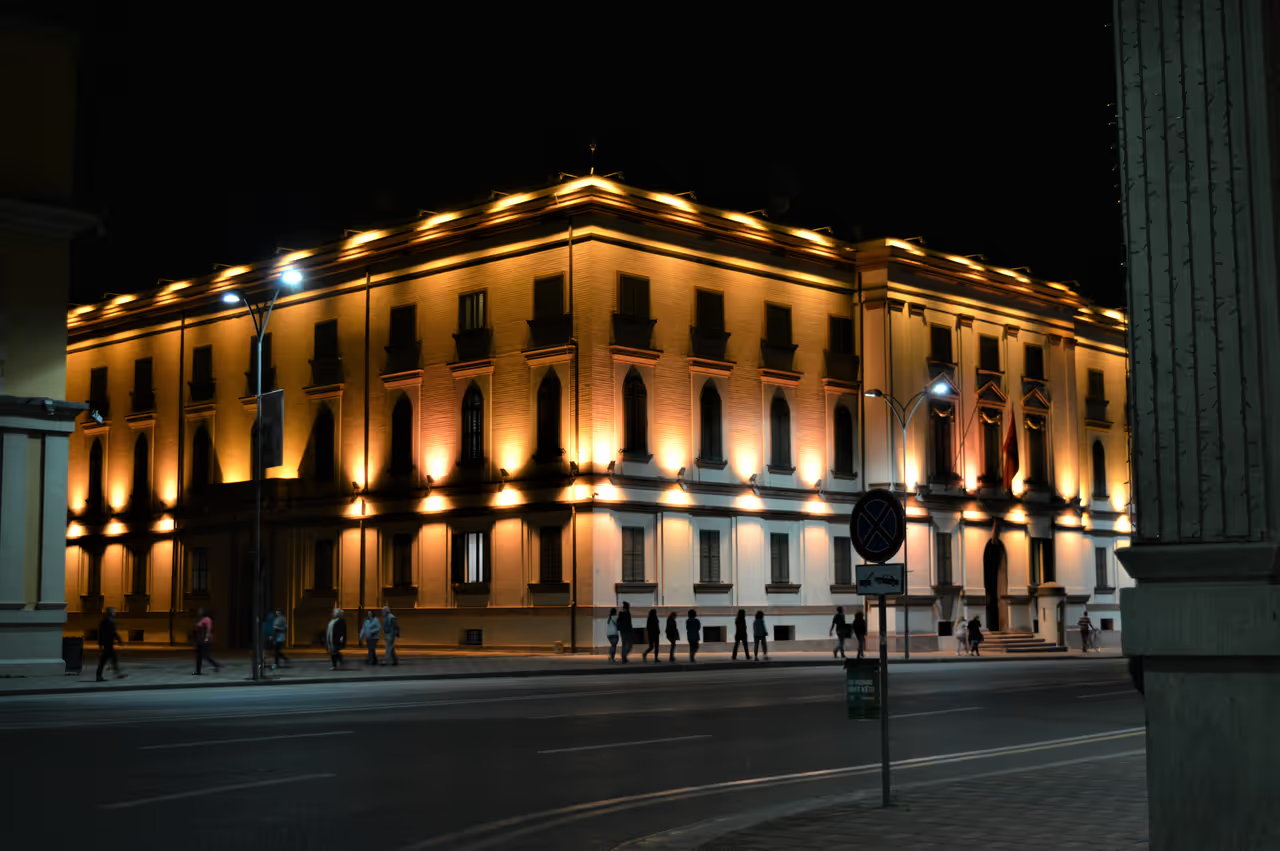 168m
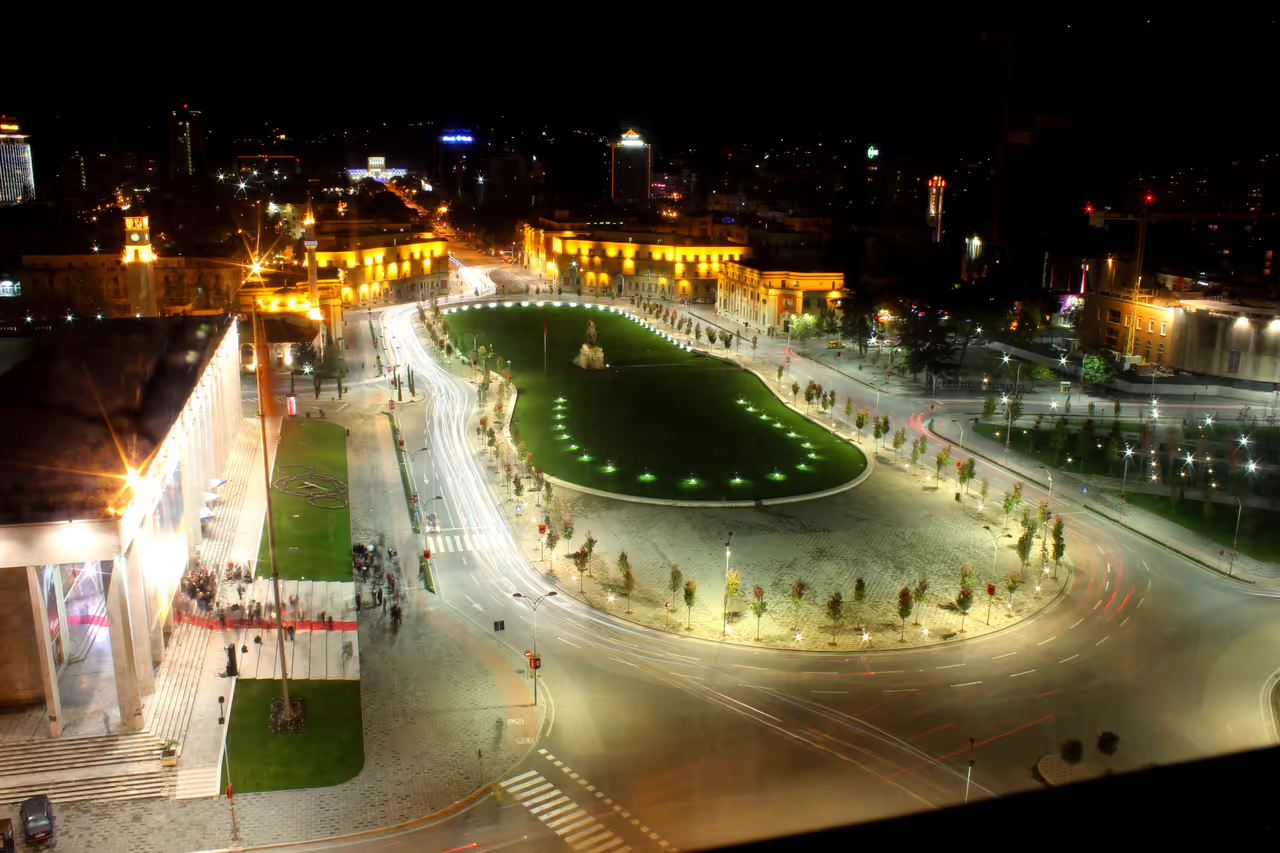
168mDëshmorët e Kombit Boulevard at Night
This grand, exceptionally wide boulevard was designed to impress, and it truly comes alive after the sun goes down. The long lines of trees and the imposing government ministries are beautifully illuminated with warm, dramatic lighting. Setting up a camera here allows you to capture stunning light trails from the passing cars stretching down the long, straight road. The glowing facade of the Polytechnic University at the far end creates a perfect, symmetrical vanishing point. It highlights the city's grandiose, heavily planned architectural history.
photo spot view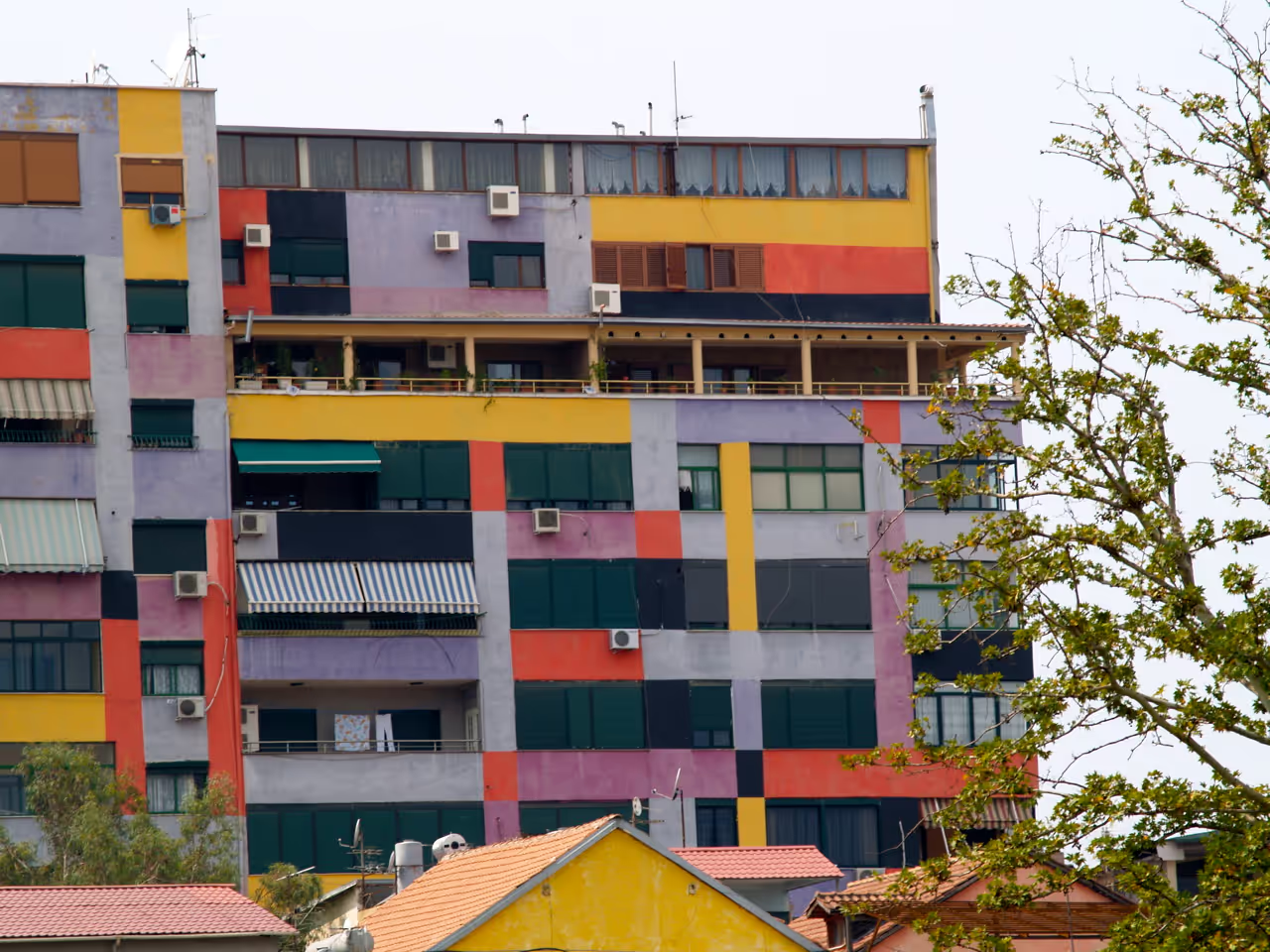 182m
182mColourful Painted Buildings
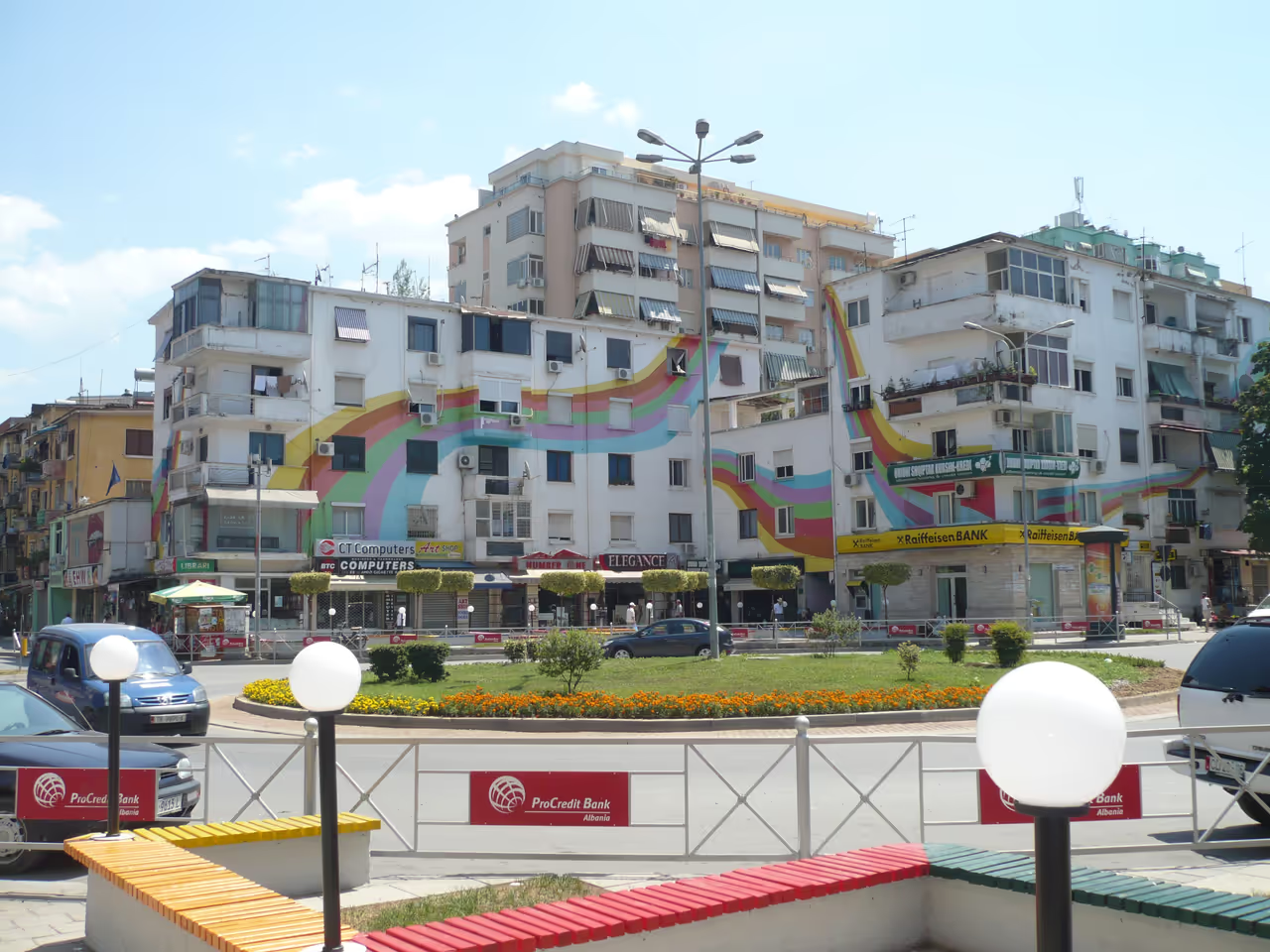
The city is internationally famous for its brightly painted apartment blocks, and the ones along Bajram Curri Boulevard are some of the most striking. Huge, bold geometric patterns and vibrant colours cover the otherwise dreary, brutalist concrete facades. It creates an incredibly surreal and highly photogenic urban landscape that pops brilliantly on camera, especially against a bright blue sky. Framing the flowing river in the foreground with these artistic buildings makes for an iconic city shot. It is the absolute perfect place to capture the city's quirky, modern rebirth.
photo spot view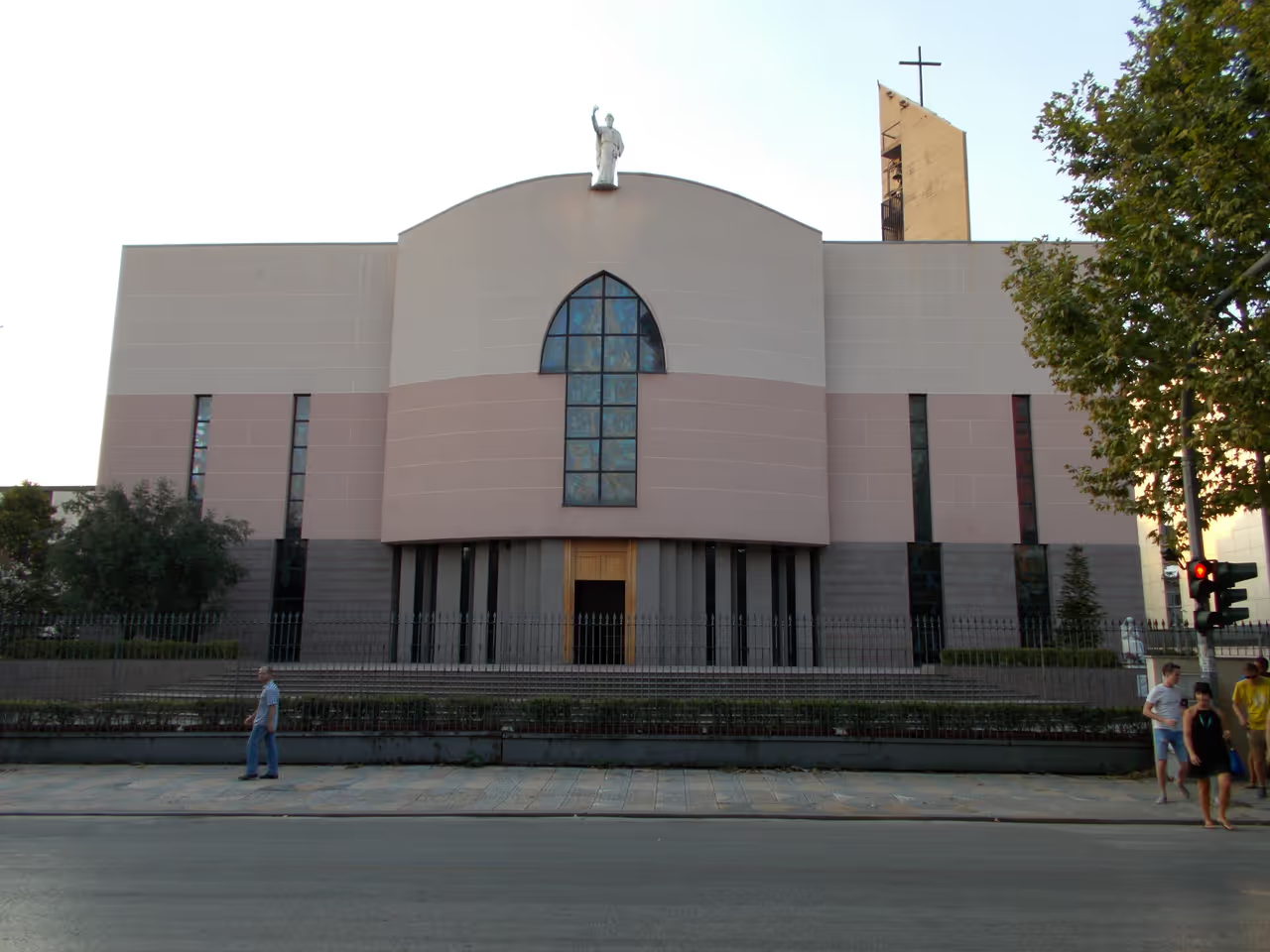 199m
199mSt Paul's Cathedral
This highly unusual Catholic cathedral throws away traditional gothic or romanesque rulebooks in favour of a striking postmodern design. From the outside, the roofline features dramatic, sharp triangular peaks that immediately grab your attention. The interior is bathed in colourful light thanks to the fascinating, modern stained glass window murals. It is a quiet, contemplative space that feels deeply modern and structurally unique. The architectural boldness here perfectly matches the city's overall eclectic and rebuilding spirit.
architecture view
Explore Similar Places in This Collection
Featured on These Itineraries and Routes
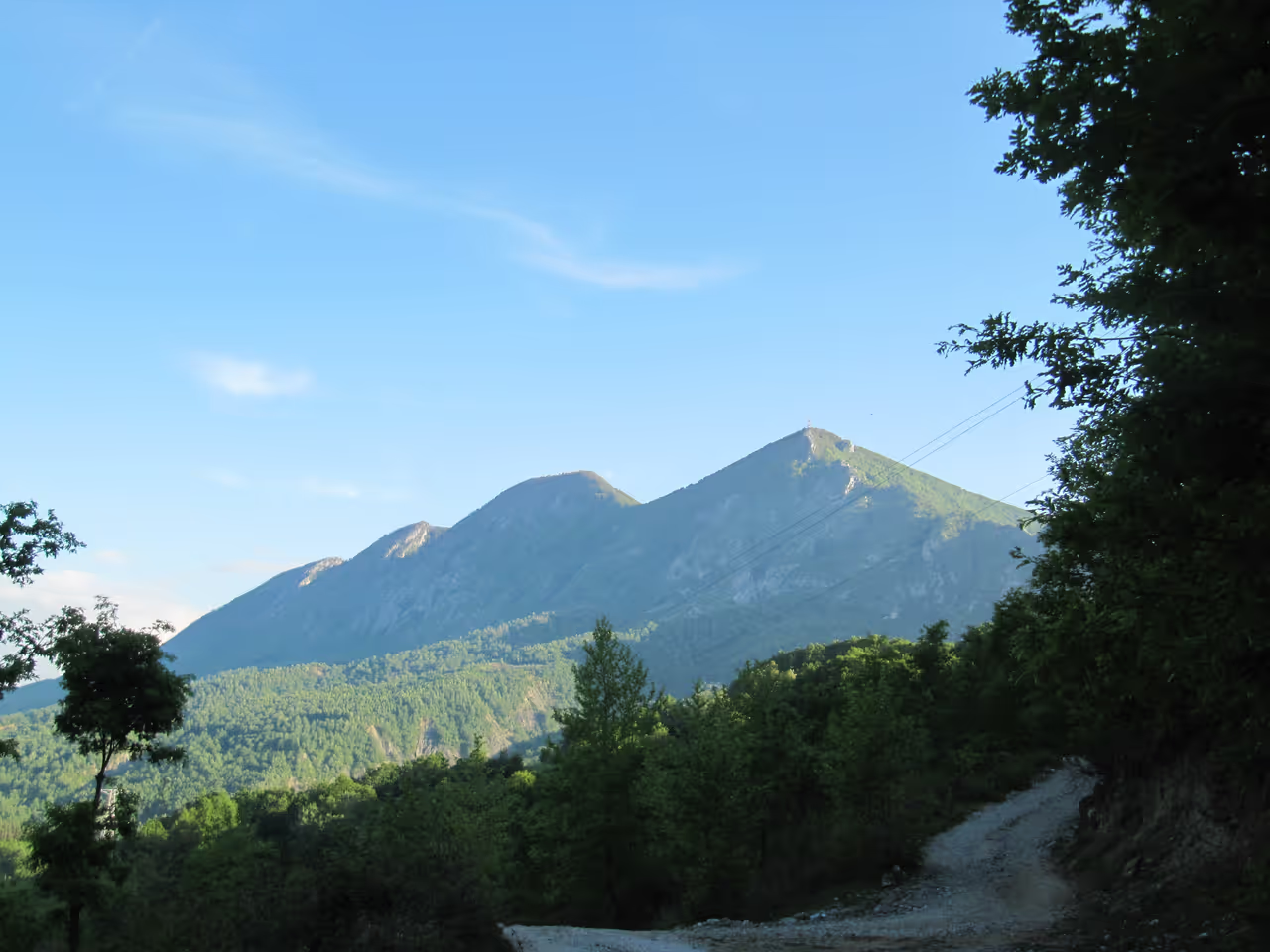
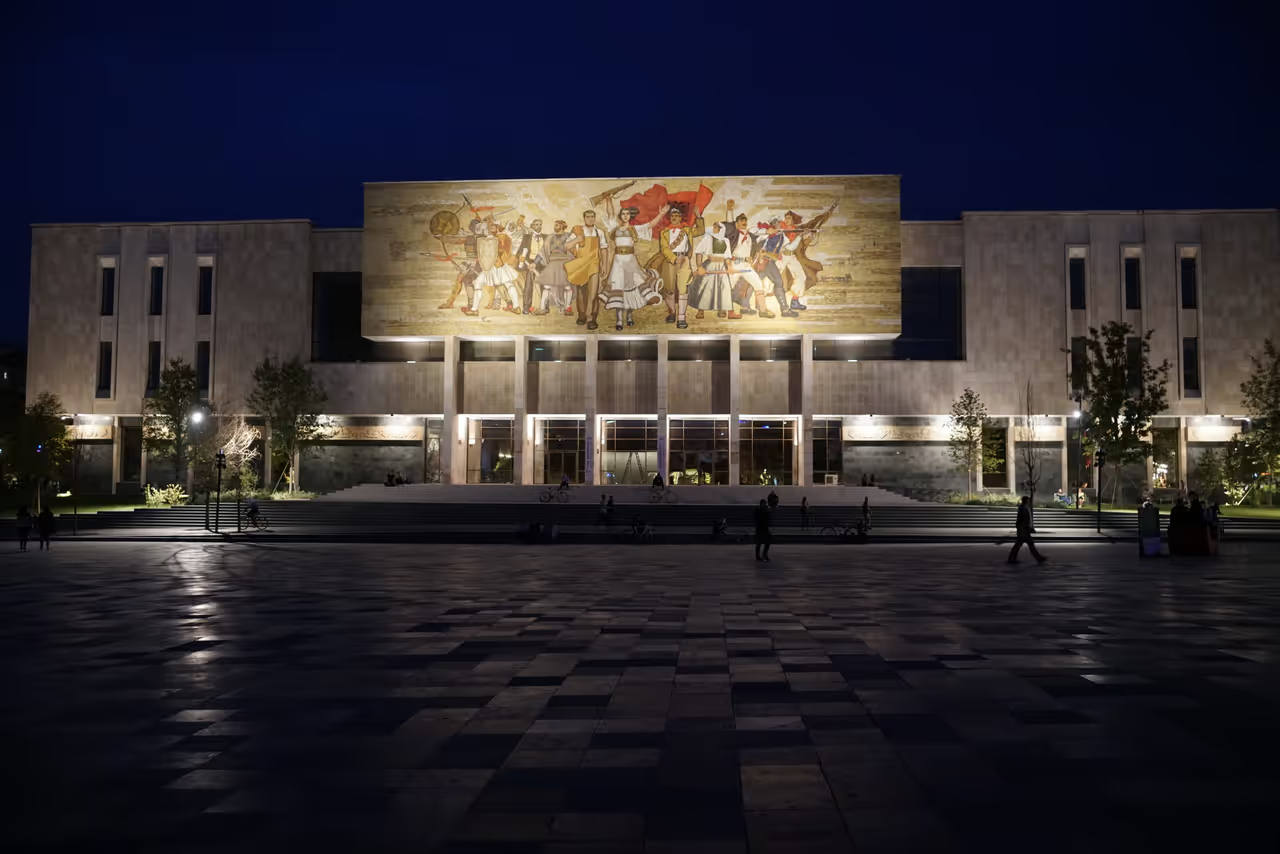
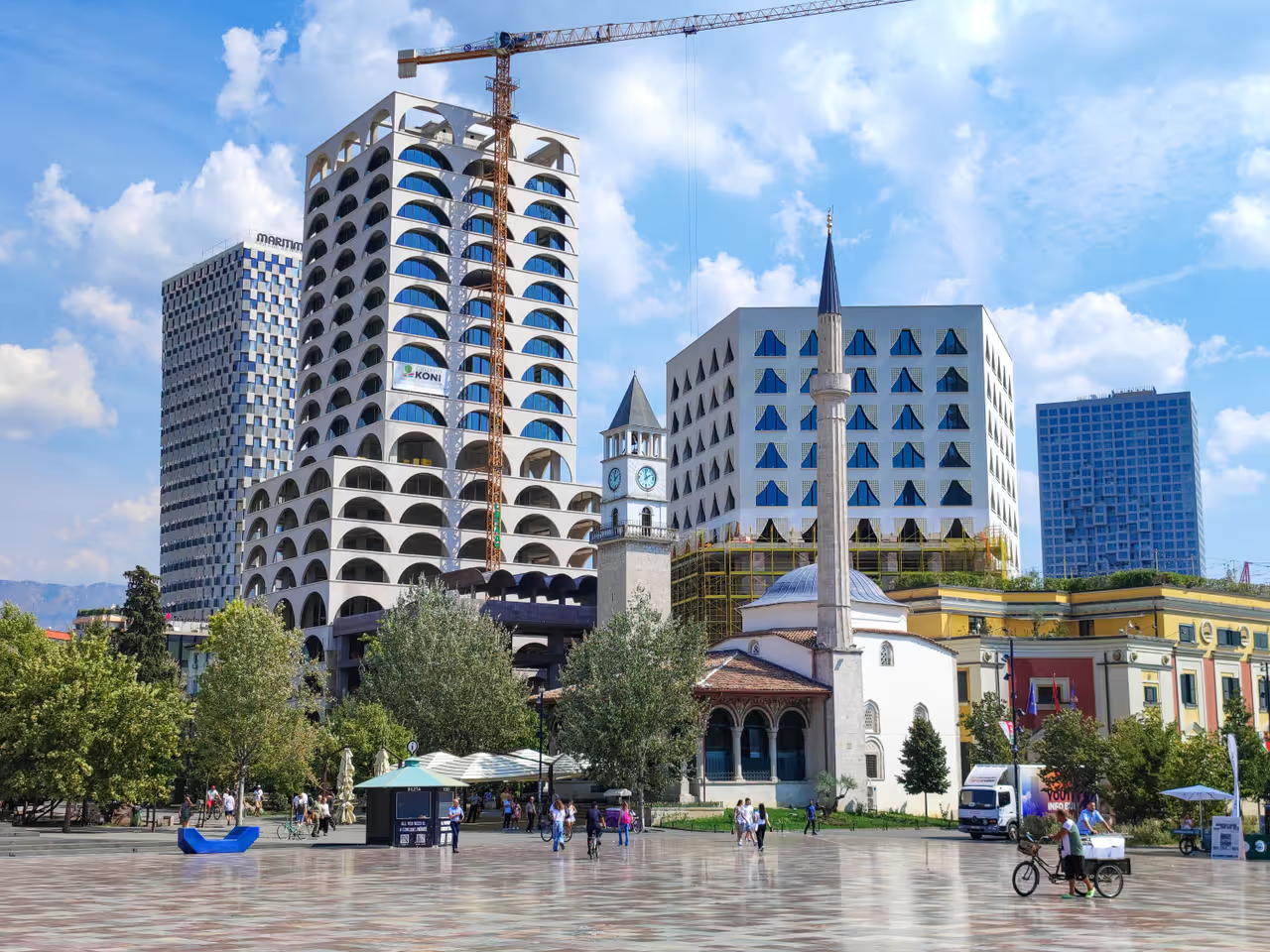
3 Days in Tirana: History, Heights & Horizons Itinerary
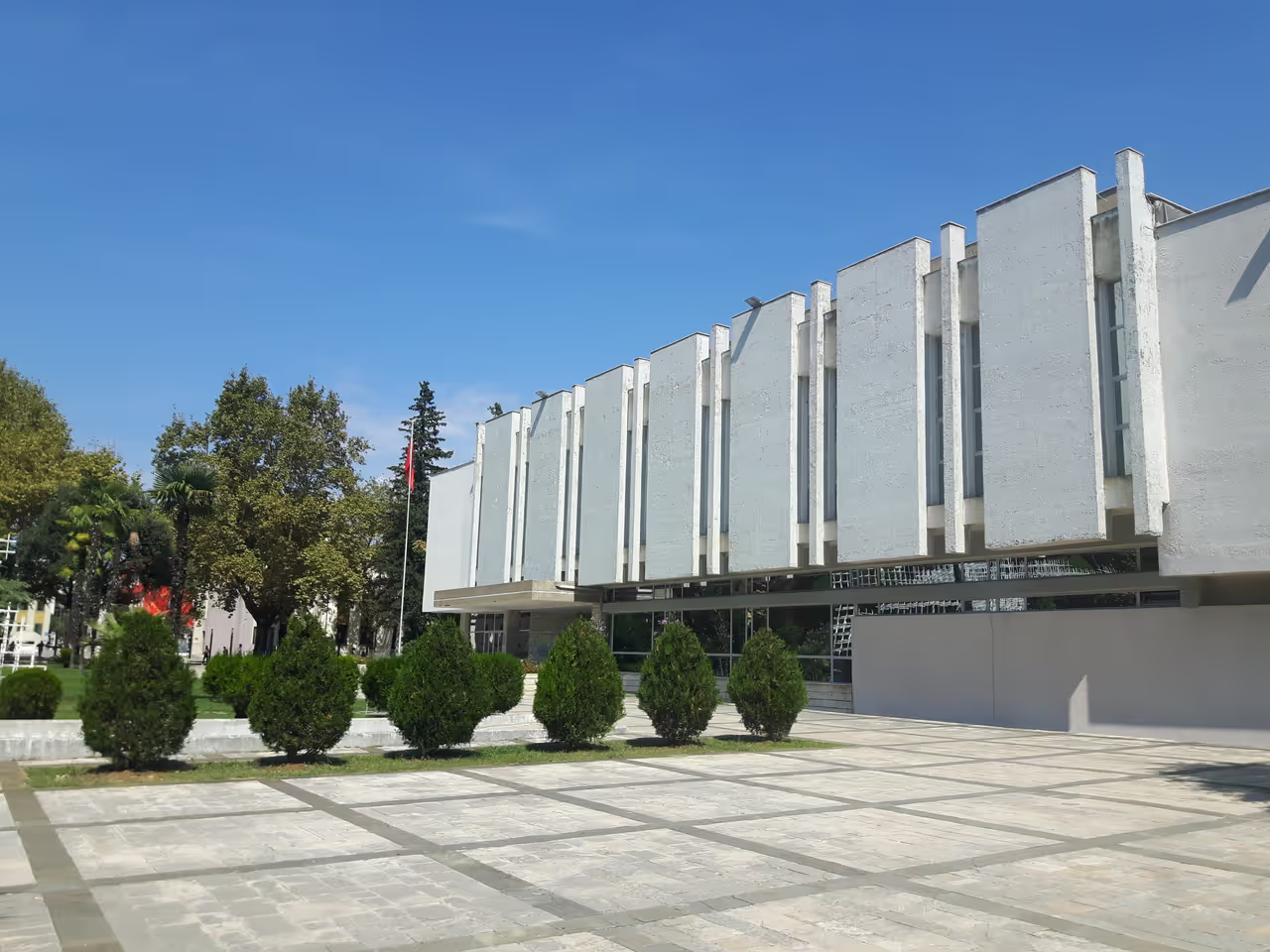
This balanced itinerary allows you to thoroughly explore the heavy history of the city centre while dedicating a full day to the spectacular surrounding nature. You will uncover the secrets of the communist surveillance state, scale the brutalist Pyramid, and take a thrilling cable car ride up the mountains. It perfectly mixes intense museum visits with highly relaxing outdoor activities and cafe lounging. You will have ample time to sample the fresh produce at the local bazaars and enjoy the bustling evening entertainment complexes. It offers a complete, highly satisfying picture of the modern capital.
view itinerary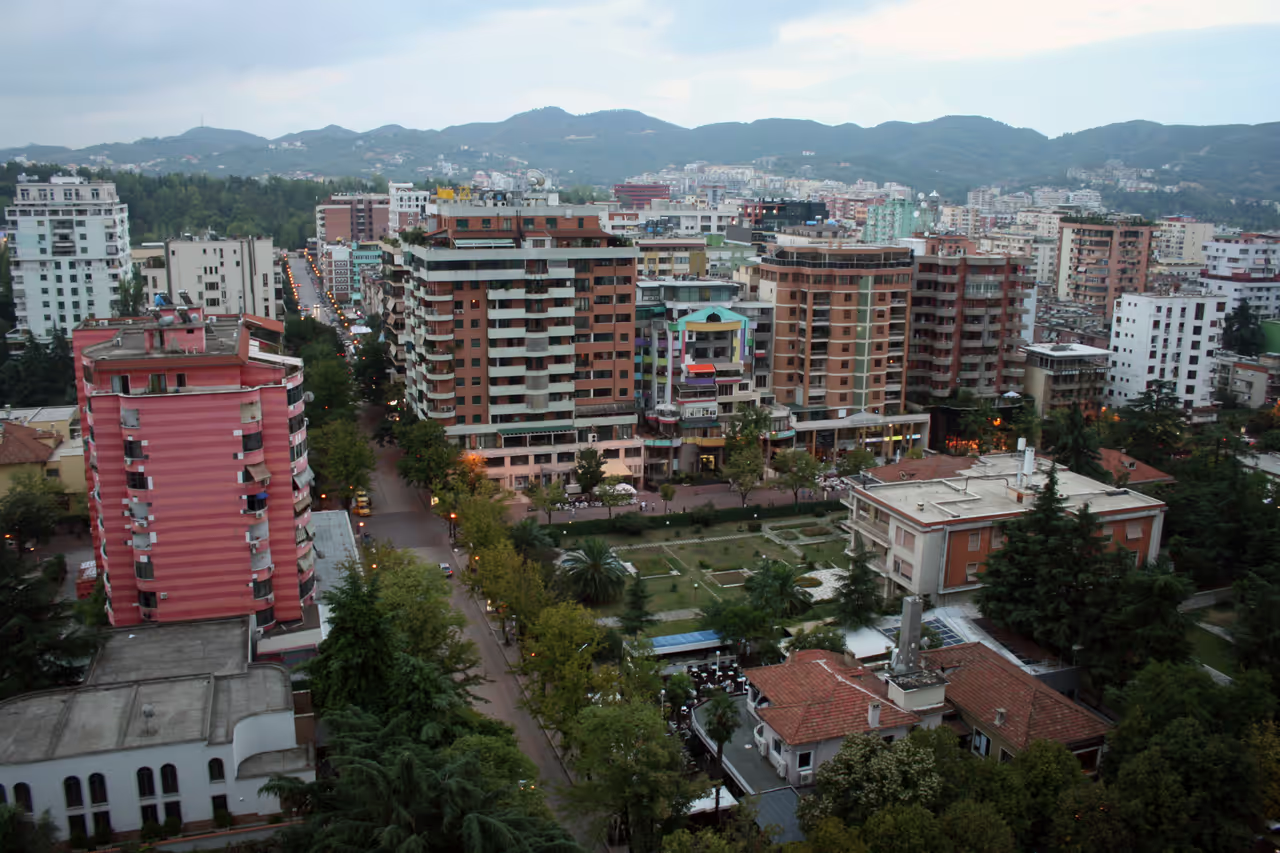
5 Days in Tirana: The Complete Explorer Itinerary
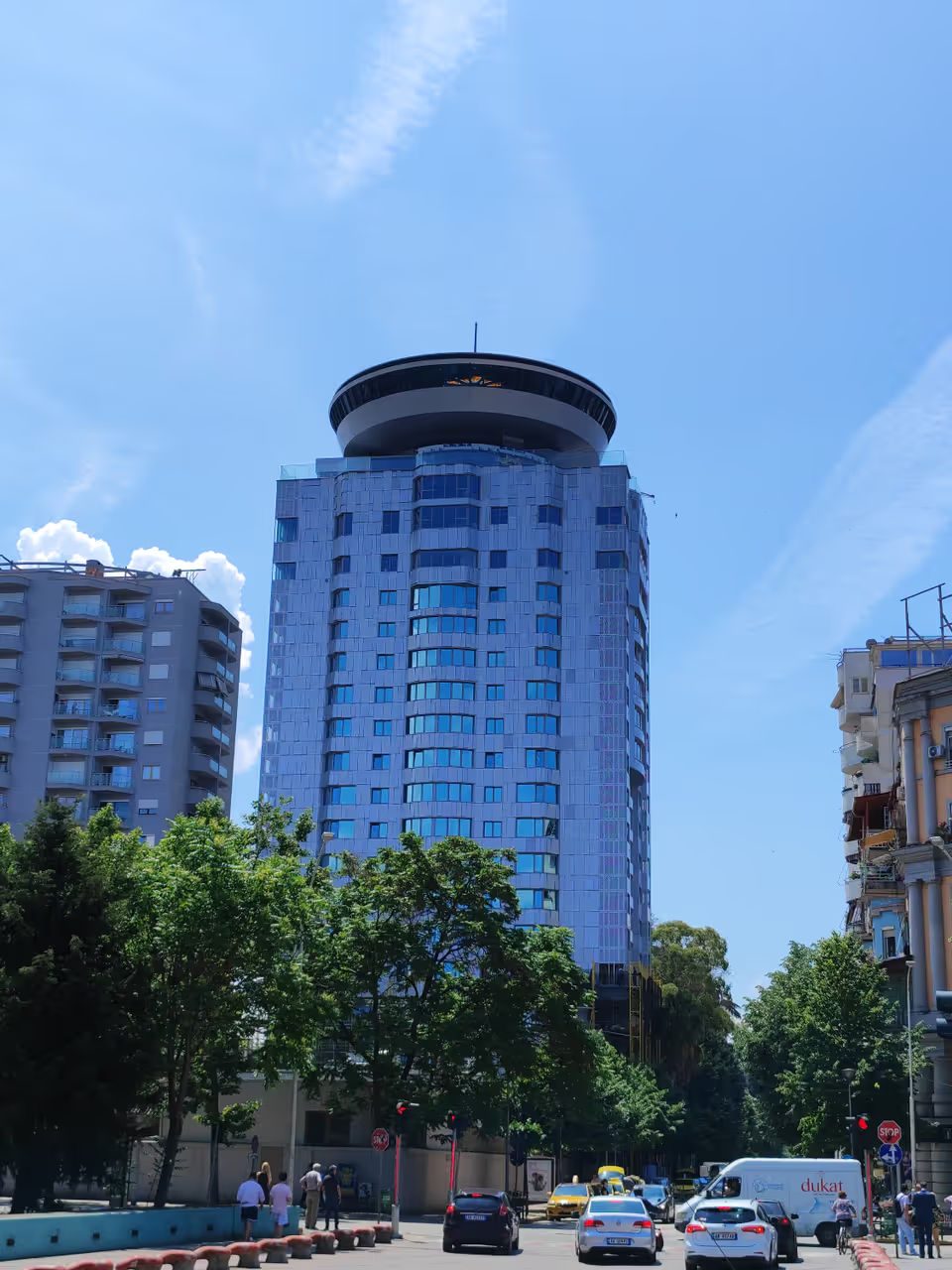
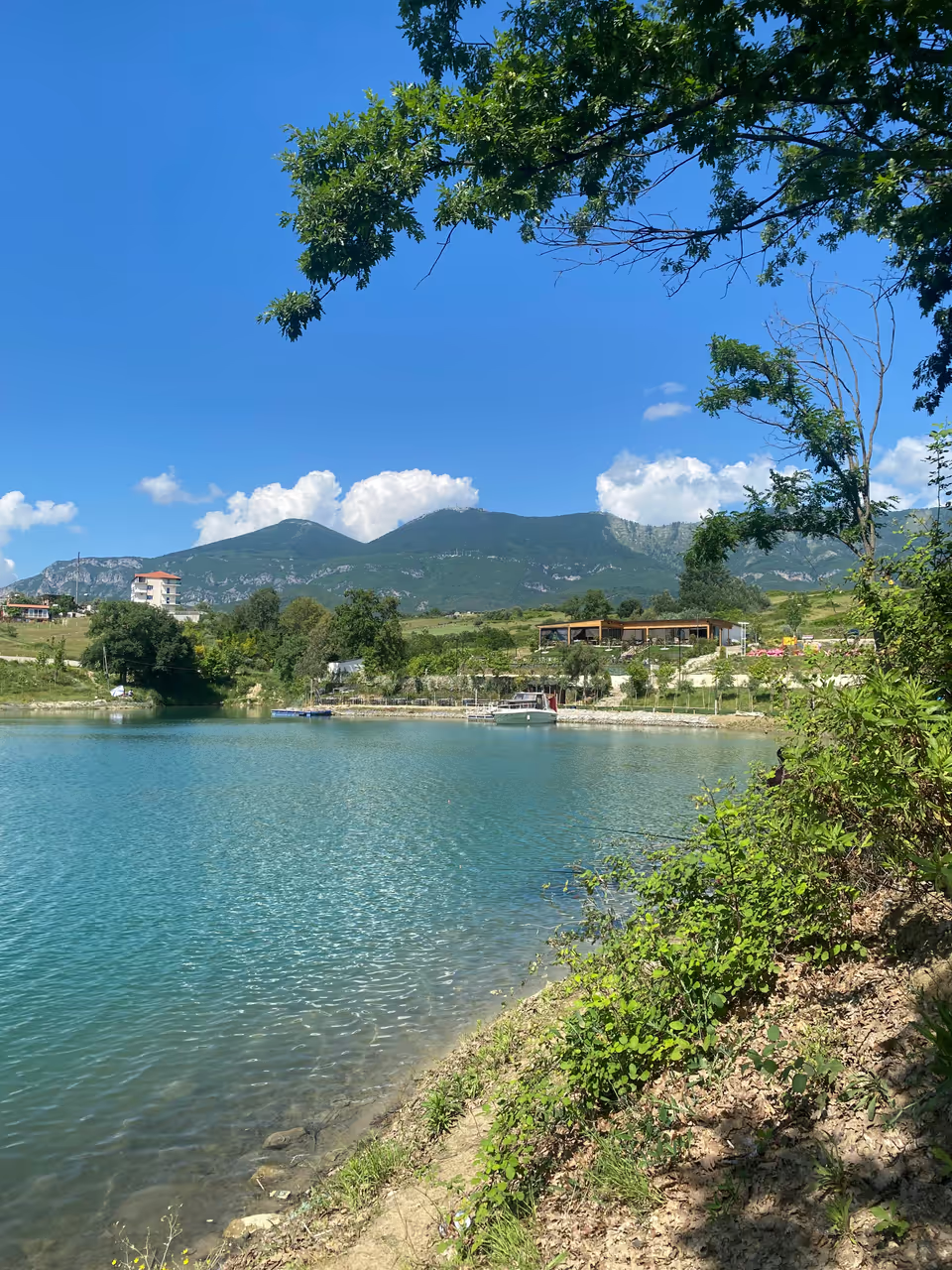
This extensive plan goes far beyond the typical tourist checklist, allowing you to discover the deeply hidden gems and tranquil suburbs of the capital. You will uncover ancient stone bridges, visit the private homes of celebrated artists, and explore quiet, rural lakes hidden just outside the city. It allows for a beautifully slow pace, meaning you can fully embrace the local cafe culture and spend hours enjoying the spectacular viewpoints. The extra days provide a highly immersive dive into the city's complex architecture, religious harmony, and surrounding natural beauty. You will leave feeling like you have truly uncovered the authentic soul of the city.
view itinerary
Lana River Trail
This straight and highly urban route follows the canalised Lana River right through the heart of the city. It utilises some of the city's newest dedicated bicycle lanes, keeping you safely separated from the aggressive car traffic. You will ride under a canopy of trees lining the riverbanks, passing by some of the most colourful painted apartment blocks. It provides a fascinating cross section of the city's daily life and architectural evolution. It is a fast, efficient, and visually stimulating way to cross the capital from east to west.
view cycling route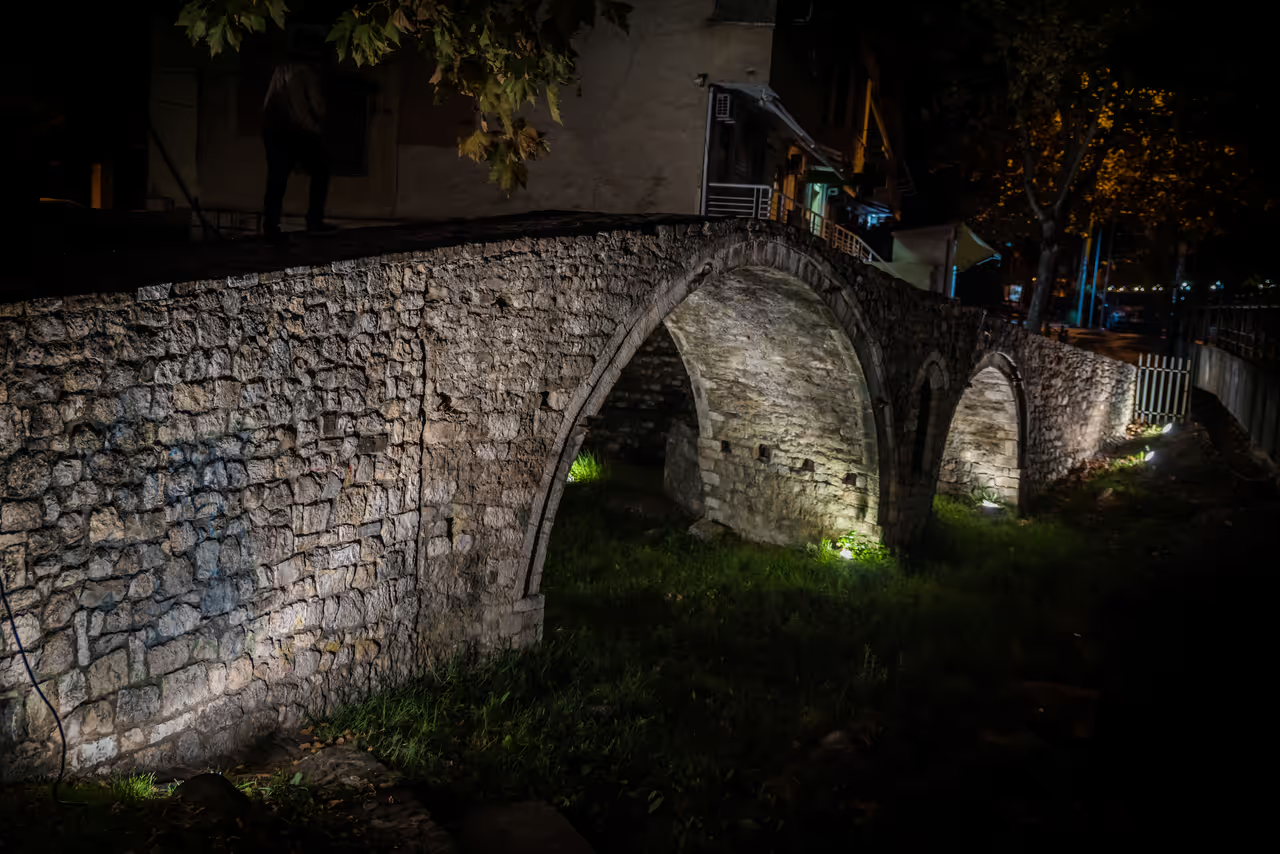
Lana River Boulevards
This walk follows the canalised river that acts as a vital artery running through the capital. The sidewalks are lined with large, leafy trees that provide excellent shade during the warmer months. You will stroll past an endless parade of eclectic cafes, bustling intersections, and vividly painted brutalist apartment blocks. It is a highly dynamic route that perfectly captures the daily rhythm and the colourful transformation of the city. The continuous flow of water and people makes it a deeply engaging urban experience.
view walking route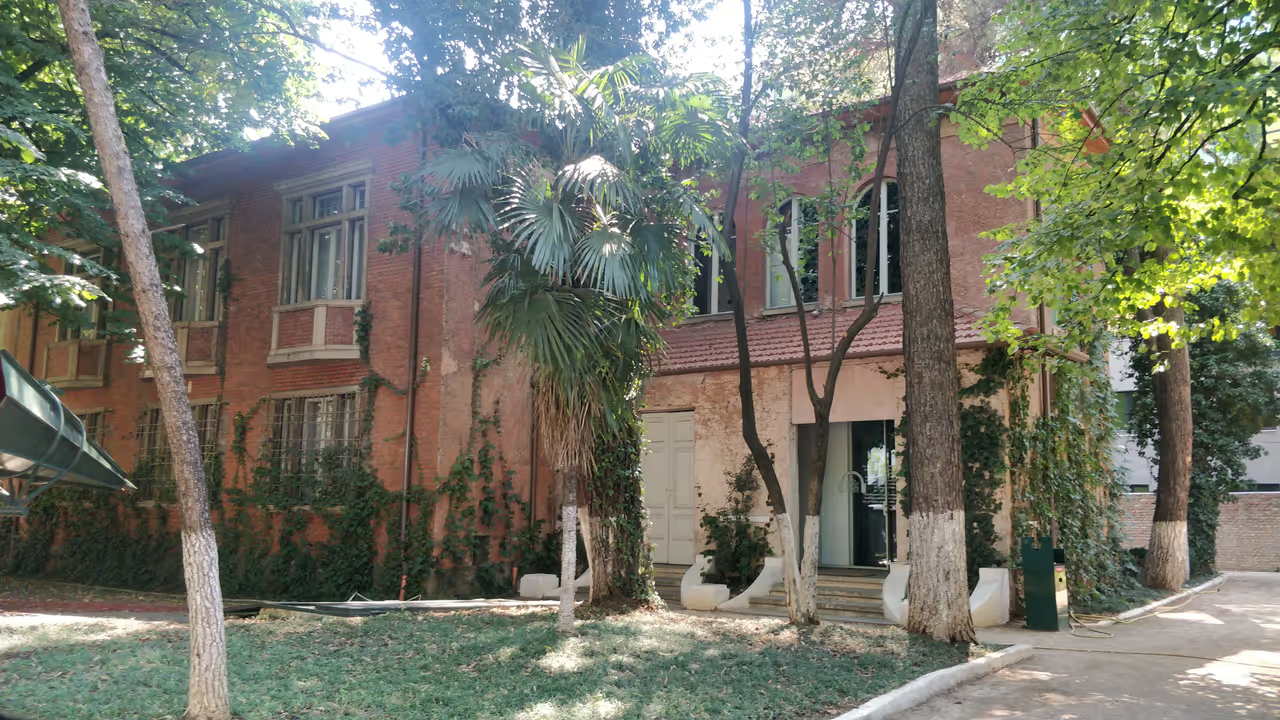
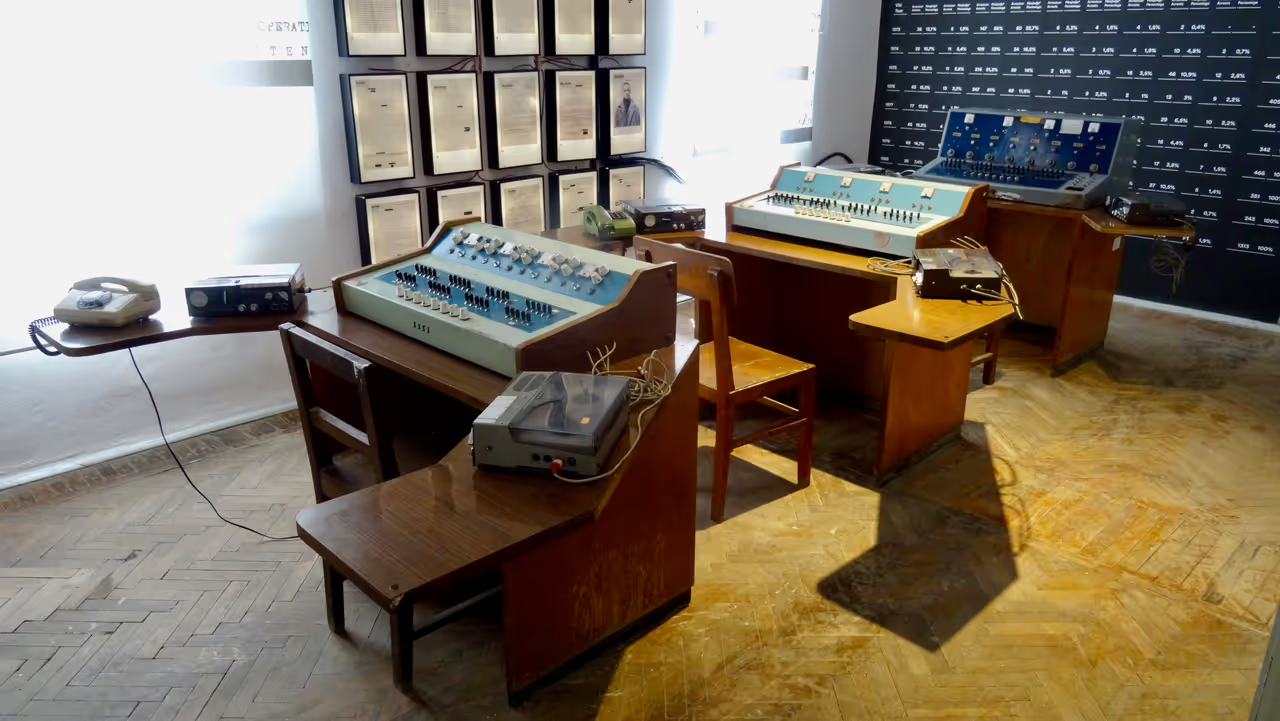
Communist History Tour
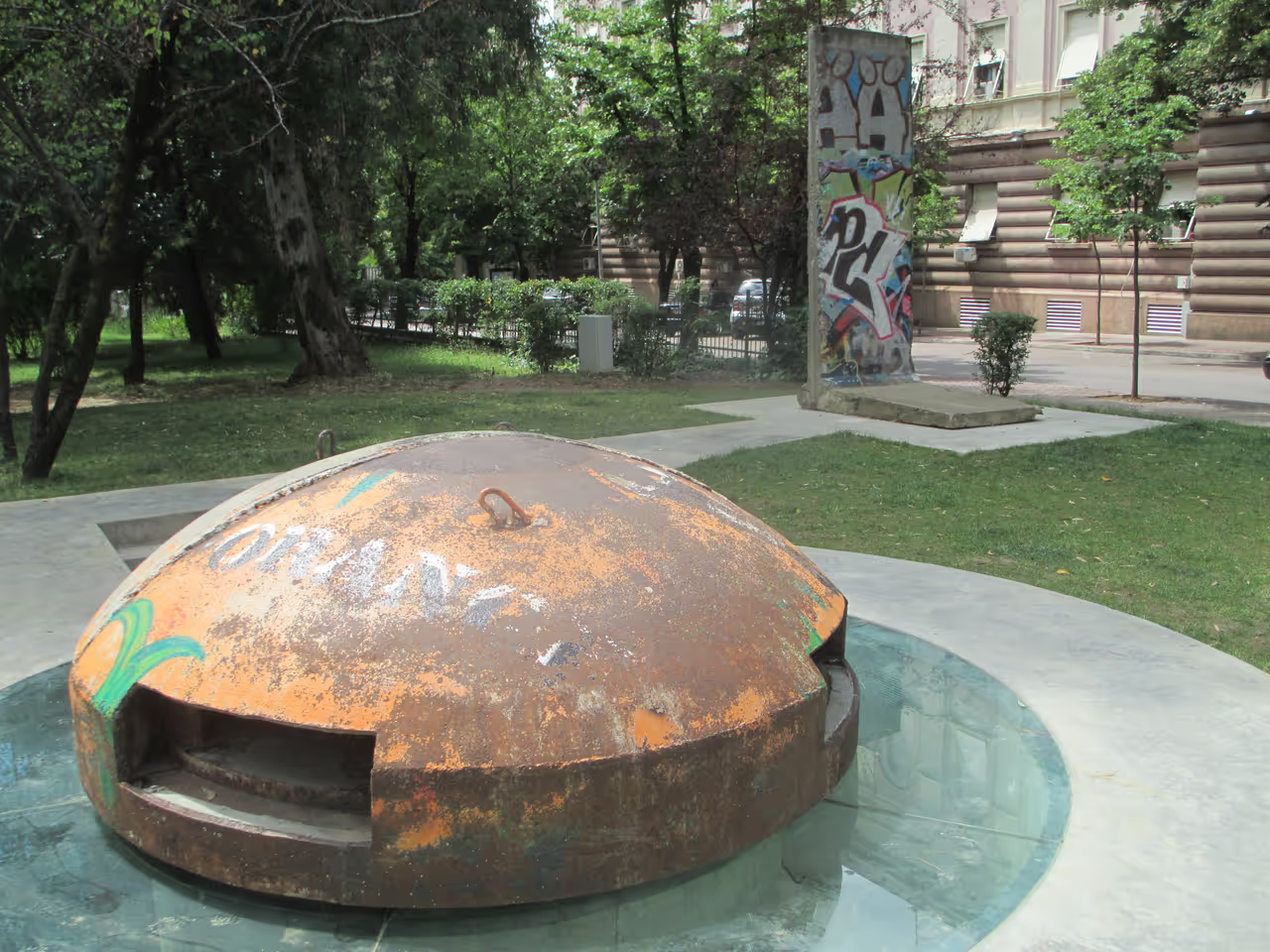
This intense journey dives deep into the dark, paranoid decades when the city was entirely cut off from the rest of the world. You will explore chilling former secret police headquarters and descend into massive, highly classified nuclear bunkers. The route connects the most prominent and imposing architectural relics left behind by Enver Hoxha's totalitarian regime. It provides a sobering, educational, and utterly fascinating look at the harsh realities of mid 20th century life here. The transformation of these sites into modern museums is a powerful testament to the city's resilience.
view self-guided tour
See all attractions in Tirana
Et'hem Bey Mosque, National History Museum, Skanderbeg Square, House of Leaves...