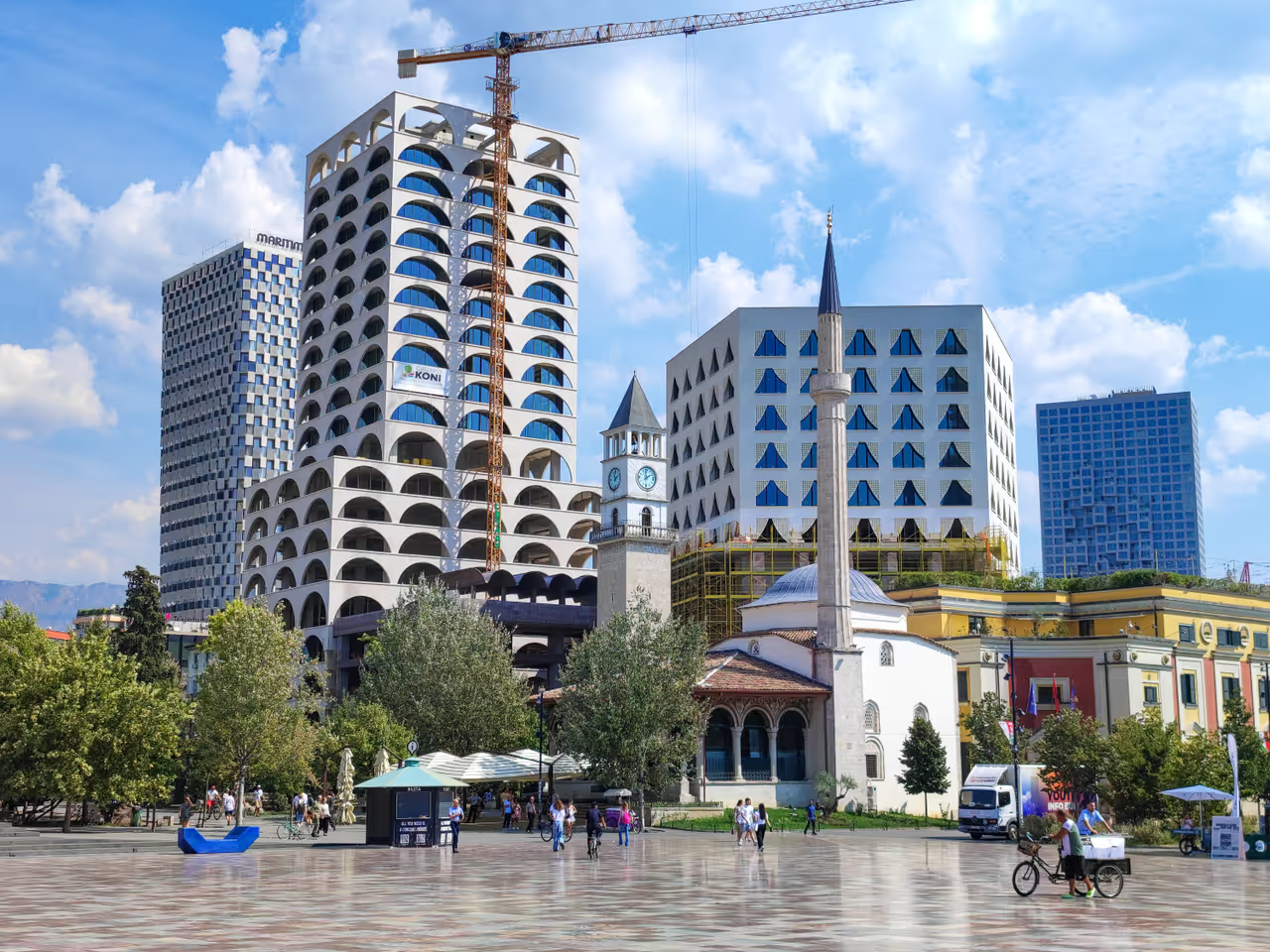
Et'hem Bey Mosque
This stunning mosque serves as the captivating heart of Tirana, standing as a beautiful testament to the city’s resilience and artistic spirit. Unlike many historic buildings that faced destruction, this structure survived the tumultuous twentieth century, offering visitors a rare glimpse into Ottoman architectural elegance. You will be mesmerised by the intricate frescoes adorning the portico, which feature unique depictions of waterfalls, trees, and bridges. It remains an active place of worship, providing a serene escape from the lively city streets just outside. Exploring its interior reveals a masterful blend of faith and artistry, making it an essential stop for anyone wanting to feel the authentic pulse of the capital.
Videos
History of Et'hem Bey Mosque
The Et'hem Bey Mosque tells a story of survival, artistry, and the indomitable human spirit. Initiated in the late eighteenth century by Molla Bey and brought to completion by his son, Haxhi Ethem Bey, this structure was never intended to be merely a place of prayer. It was crafted as a centrepiece for Tirana, designed to bring eternal beauty to the city. Its construction came at a time when the Ottoman influence was woven deeply into the fabric of the region, and the mosque stands as one of the finest remaining examples of that era's dedication to detail and aesthetic harmony. Throughout the twentieth century, the mosque faced its greatest test. When the communist regime banned all religious activity in the late 1960s, the mosque was forced into silence. While many other religious buildings were destroyed or repurposed, the Et'hem Bey Mosque was designated as a monument of culture. This status protected its walls, yet the vibrant, artistic heart of the building remained dormant. The murals, with their whimsical landscapes of distant bridges and waterfalls, stayed hidden from the public eye for decades. The turning point arrived in early 1991, as the iron grip of the socialist state began to fracture. In a spontaneous and brave act, thousands of citizens marched to the mosque and forced the doors open, carrying flags and reclaiming their right to worship. This event served as a powerful signal that the country was ready to embrace religious freedom once more. Today, the mosque functions as a vibrant symbol of Albania's transition, welcoming all who wish to admire its frescoes and experience the quiet beauty that has anchored the city through its most turbulent chapters.
Events spanning 197 years
Fun Facts
- • During the communist era, the building was preserved as a cultural monument, which protected it from the demolition that befell many other religious sites in the country.
- • Its inscriptions compare the mosque to the Hagia Sophia, highlighting the pride of the local community in creating a structure of eternal beauty for the city.
- • One of the interior murals features the famous Suleymaniye Mosque of Istanbul, painted as a homage to the architectural heritage of the Ottoman Empire.
- • The mosque is renowned for its unconventional mural paintings, which depict imaginary landscapes including bridges, waterfalls, and trees, rather than traditional geometric patterns.
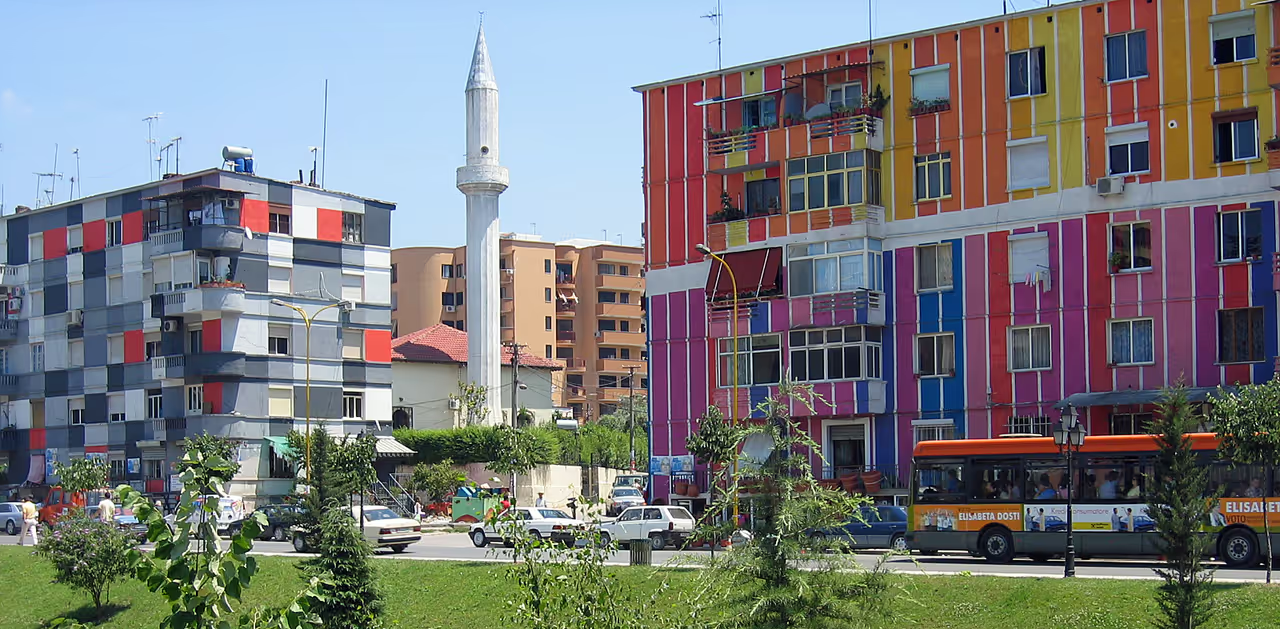
- • The mosque sits uniquely in the main square of the city, serving as a peaceful counterpoint to the busy administrative buildings surrounding it.
- • The reopening in 1991 is widely celebrated as the symbolic end of state atheism in Albania, representing a profound shift in the national consciousness.
- • The site includes a legendary clock tower that, when paired with the mosque, defines the historic centre of Tirana.
- • Visitors often remove their shoes before entering the prayer hall, a practice that maintains the sanctity of the beautiful, carpeted interior space.
Et'hem Bey Mosque FAQ
While we strive to keep this information accurate and up to date, we recommend verifying any details independently before making decisions based on them.
Et'hem Bey Mosque Map & Neighborhood Explorer
This interactive map is centered on Et'hem Bey Mosque. Zoom in and move the map around to automatically discover Wikipedia photos and summaries of other nearby sights, monuments, and historical points of interest and stories in real-time!
Places near Et'hem Bey Mosque
Make the most of your trip. Check out these top-rated spots located nearby.
 0m
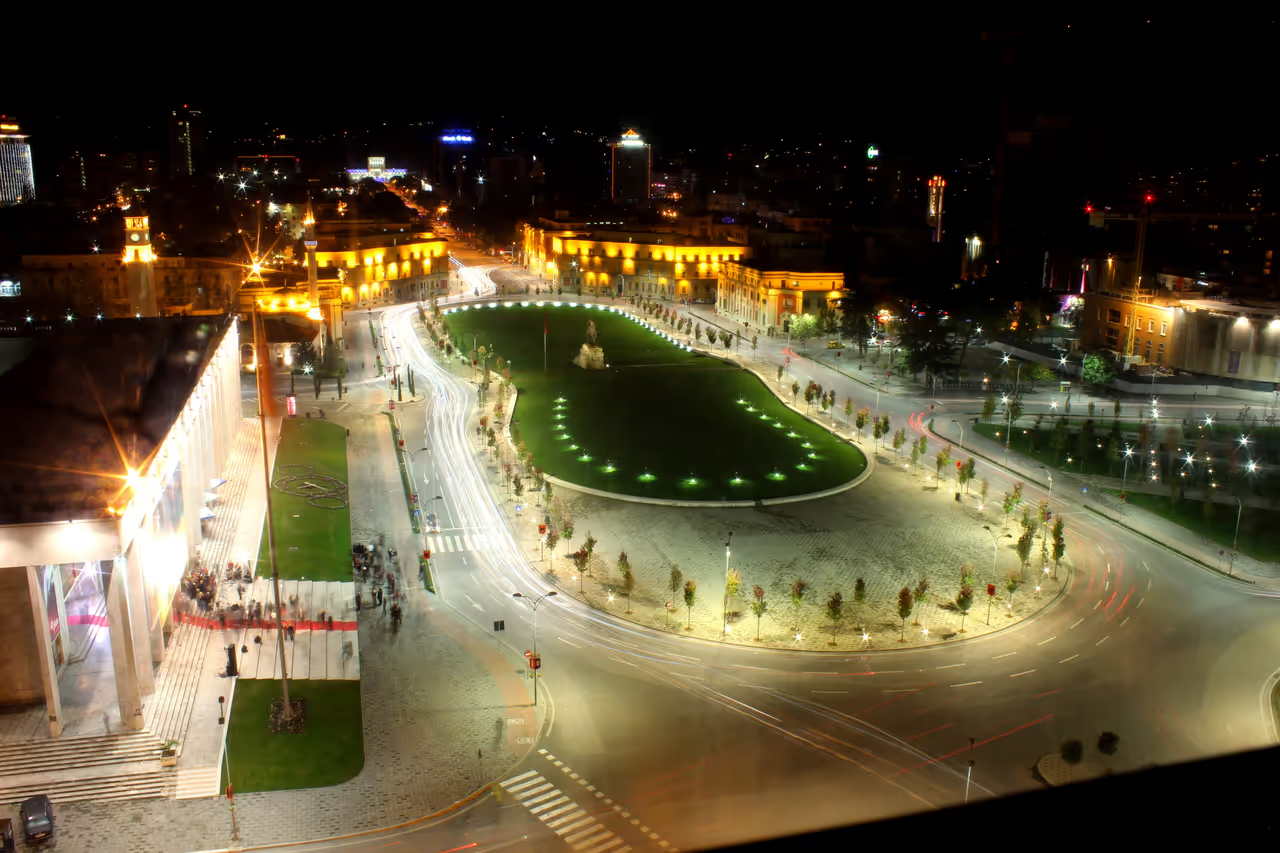
0mSkanderbeg Square
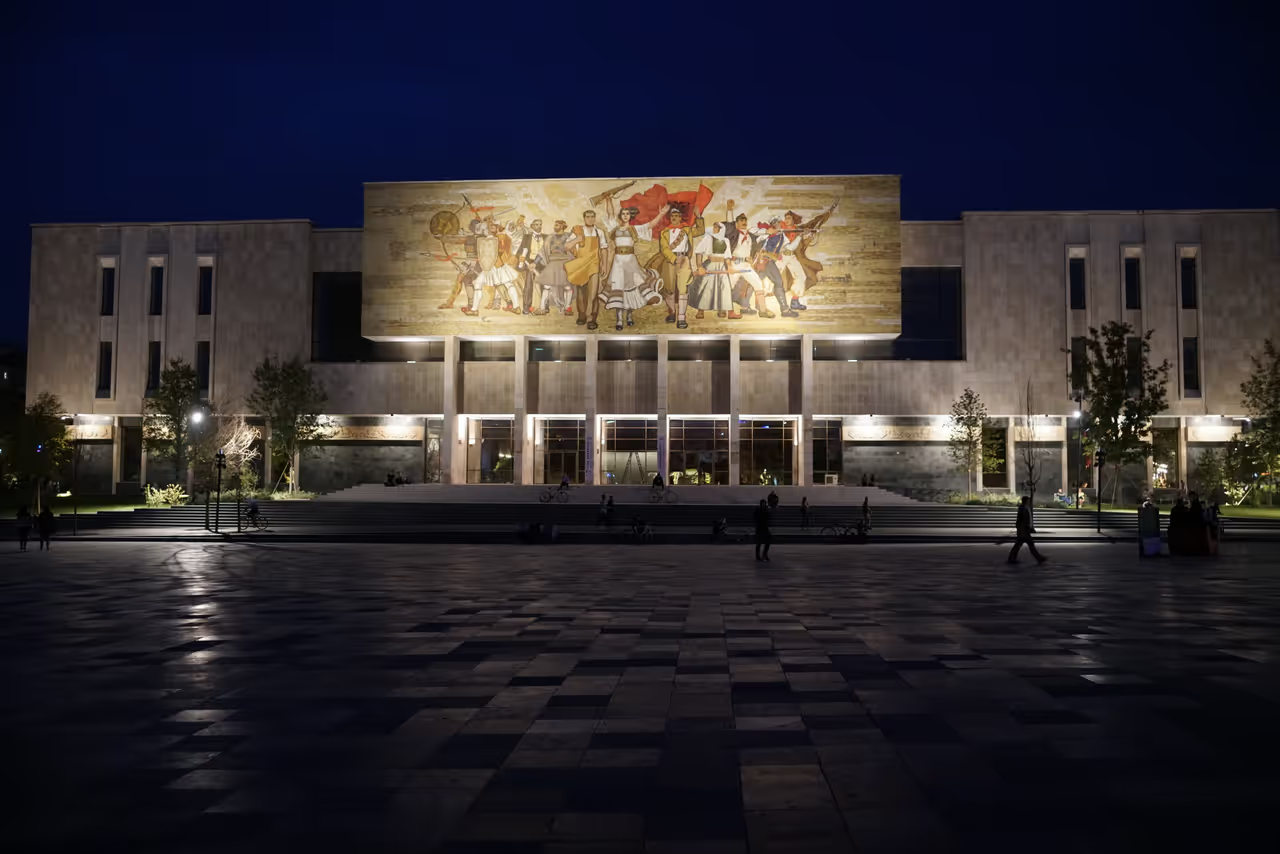
Skanderbeg Square is the beating heart of Tirana, a vast urban space that perfectly captures the city's journey from a quiet market town to a vibrant modern capital. Walking across its expansive stone paved expanse, you are surrounded by the architectural echoes of different eras, from the Ottoman inspired Et'hem Bey Mosque and Clock Tower to the grand Soviet style National Historical Museum. It is a fantastic place to start your exploration, serving as a social hub where locals gather, children play, and major cultural events unfold. The recent transformation into a huge pedestrian island has turned it into a peaceful oasis in the middle of a lively city, inviting you to wander, relax, and soak in the unique Albanian spirit. Whether you are grabbing a coffee at a nearby cafe or marveling at the statue of the national hero himself, the square offers an essential glimpse into the character of Albania.
attraction view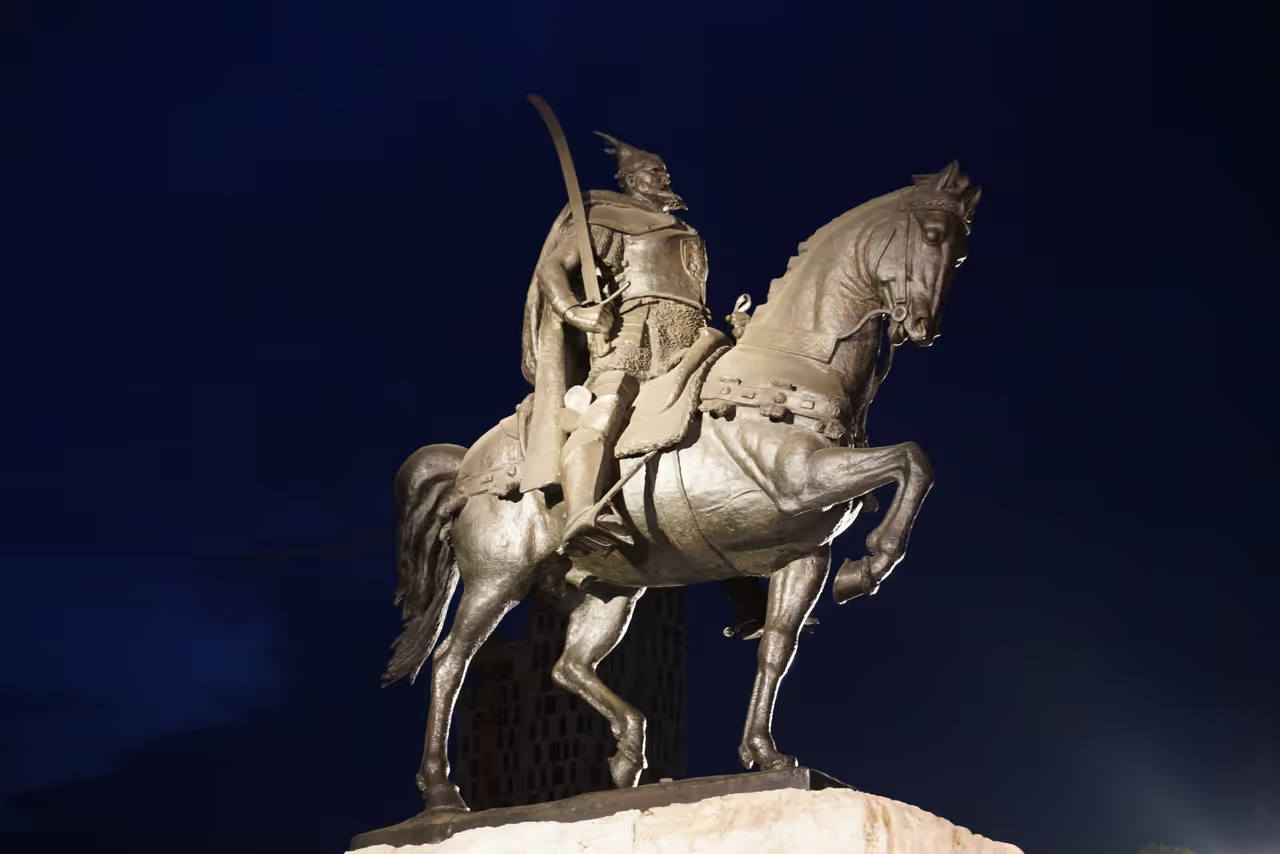 38m
38mSkanderbeg Monument at Sunset
The massive bronze equestrian statue of the national hero dominates the immense, wide open central square. Taking a photo here during golden hour is highly recommended, as the setting sun casts a gorgeous, warm glow across the vast paving stones. You can perfectly frame the fierce silhouette of the statue against the modern, colourful high rises in the background. The lack of cars on the pedestrianised plaza allows for clean, wide angle architectural shots. It captures the absolute monumental heart and pride of the country.
photo spot view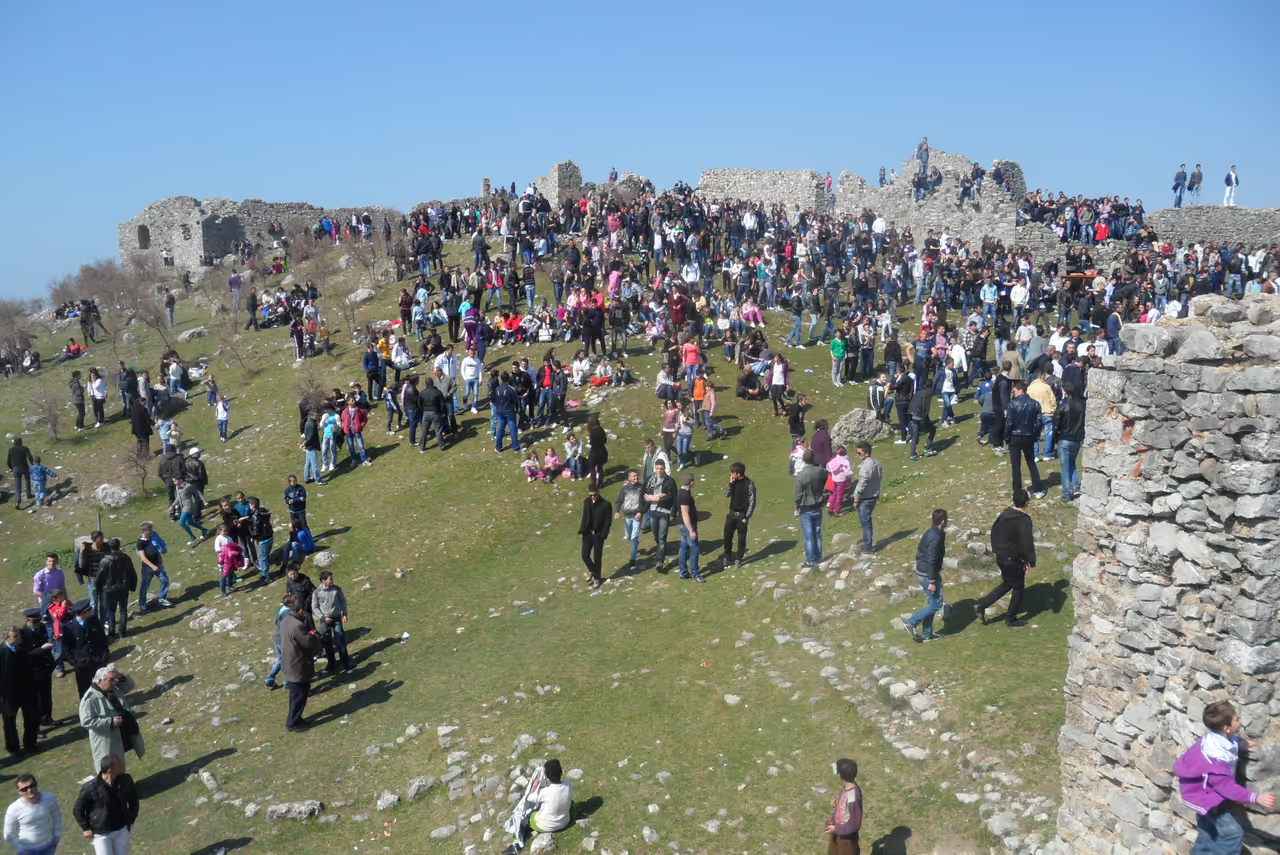 182m
182mSummer Day
This joyous pagan festival celebrates the end of winter and the rebirth of nature. The entire city comes alive with outdoor concerts, street food stalls, and family friendly activities filling the parks and boulevards. Locals wear traditional red and white bracelets called 'verore' to bring good luck. You will find a wonderfully festive atmosphere that truly captures the local spirit. It is the perfect time to try traditional sweets and enjoy the blooming green spaces.
festival view- 182m
Travel Fest Albania
A vibrant celebration of travel, nature, and adventure captured through film and photography. This festival screens breathtaking documentaries and hosts stunning photographic exhibitions that inspire wanderlust. It draws outdoor enthusiasts and environmentalists who share a deep passion for exploring the globe. You will find engaging panel discussions and interactive sessions with the creators behind the lenses. It is a fantastic event for those looking to discover new destinations through visual storytelling.
festival view
Explore Similar Places in This Collection
Featured on These Itineraries and Routes
1 Day in Tirana Itinerary
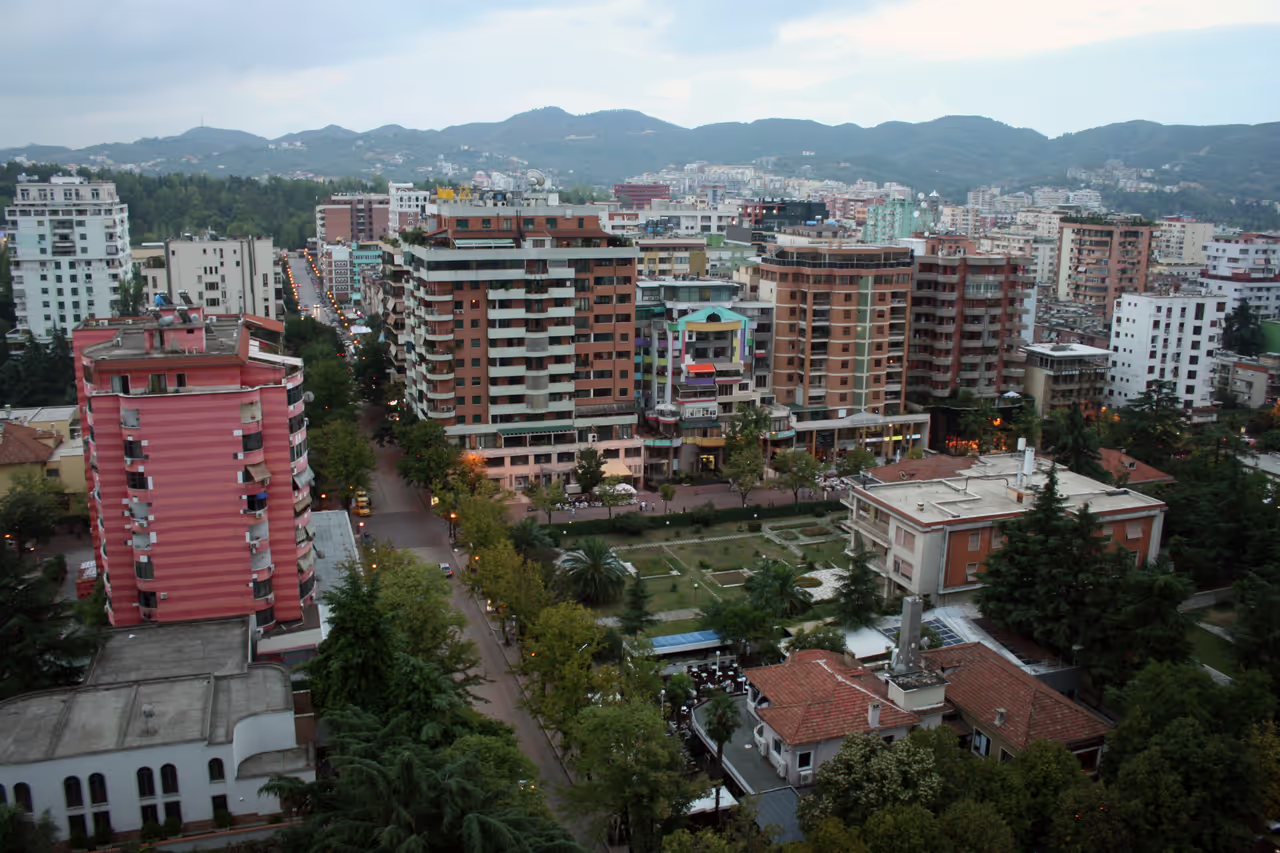
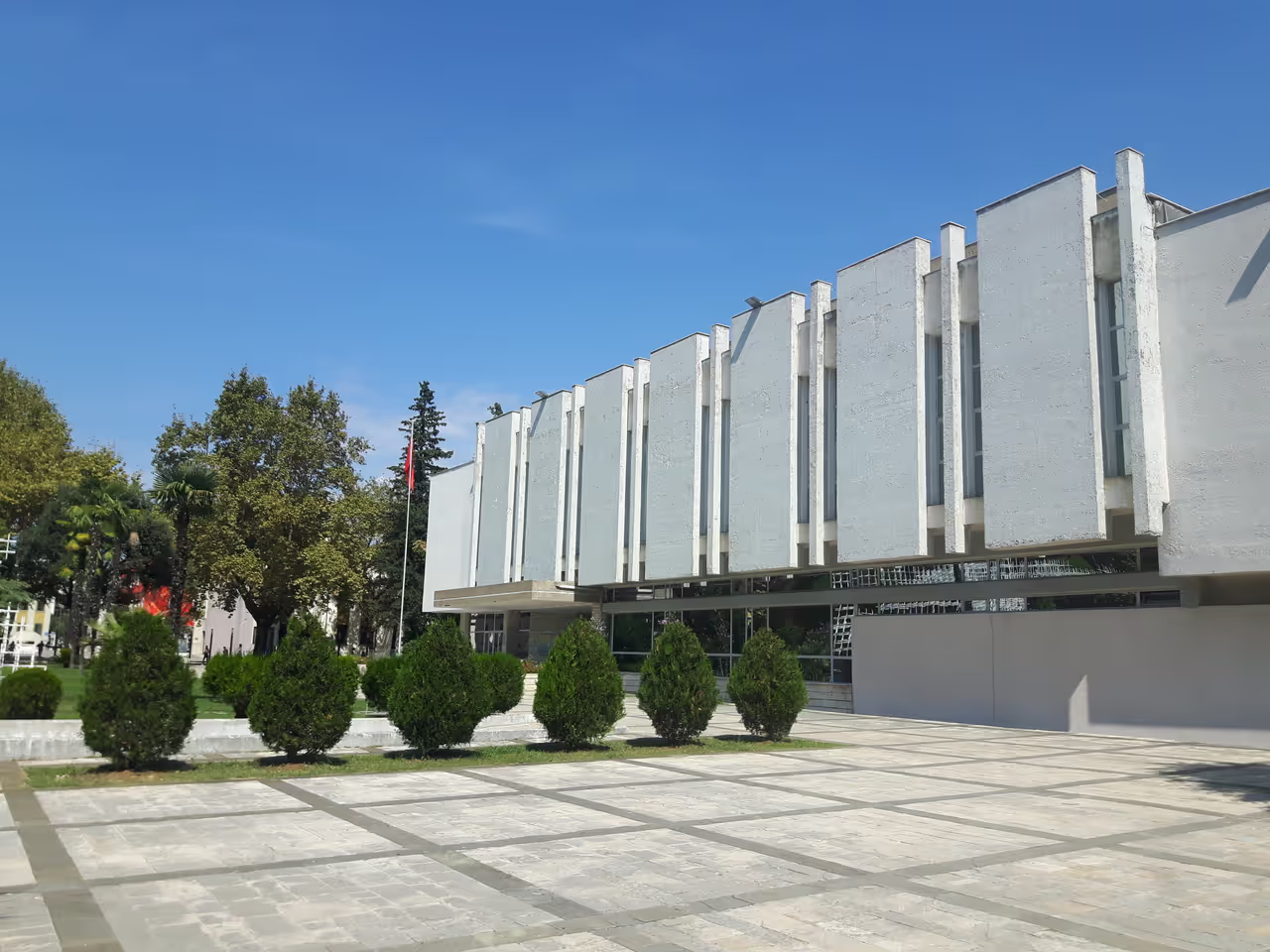
This highly intensive, fast paced route captures the absolute essence of the capital in a single day. You will traverse the monumental central square, dive deep into the chilling history of the communist secret police, and finish in the city's most vibrant nightlife district. It is designed to expose you to the stark, incredible contrasts of the city, from ancient Ottoman mosques to massive concrete bunkers. The walking distances are short, allowing you to absorb maximum history and culture without spending time in transit. It is the perfect introduction for those on a tight schedule.
view itinerary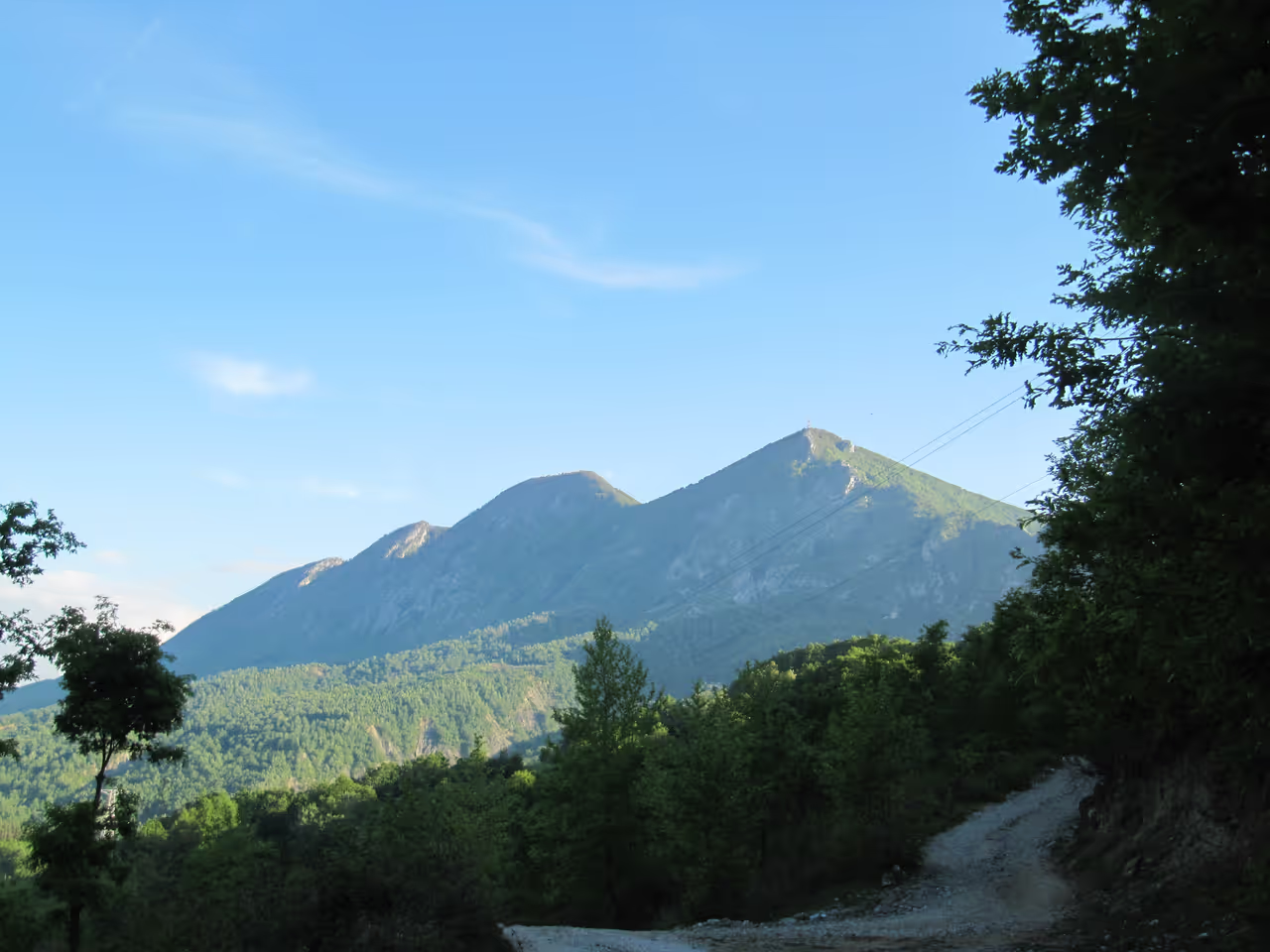
3 Days in Tirana: History, Heights & Horizons Itinerary
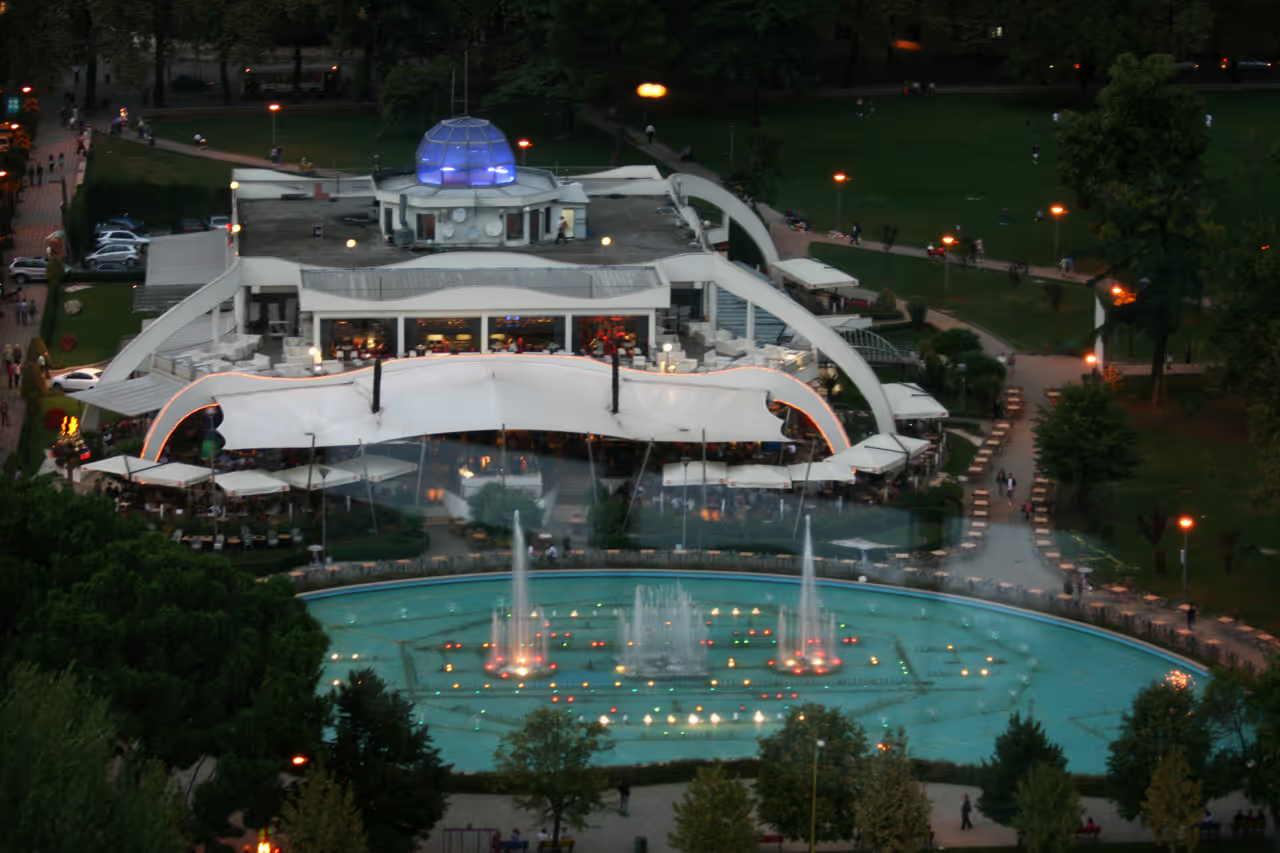
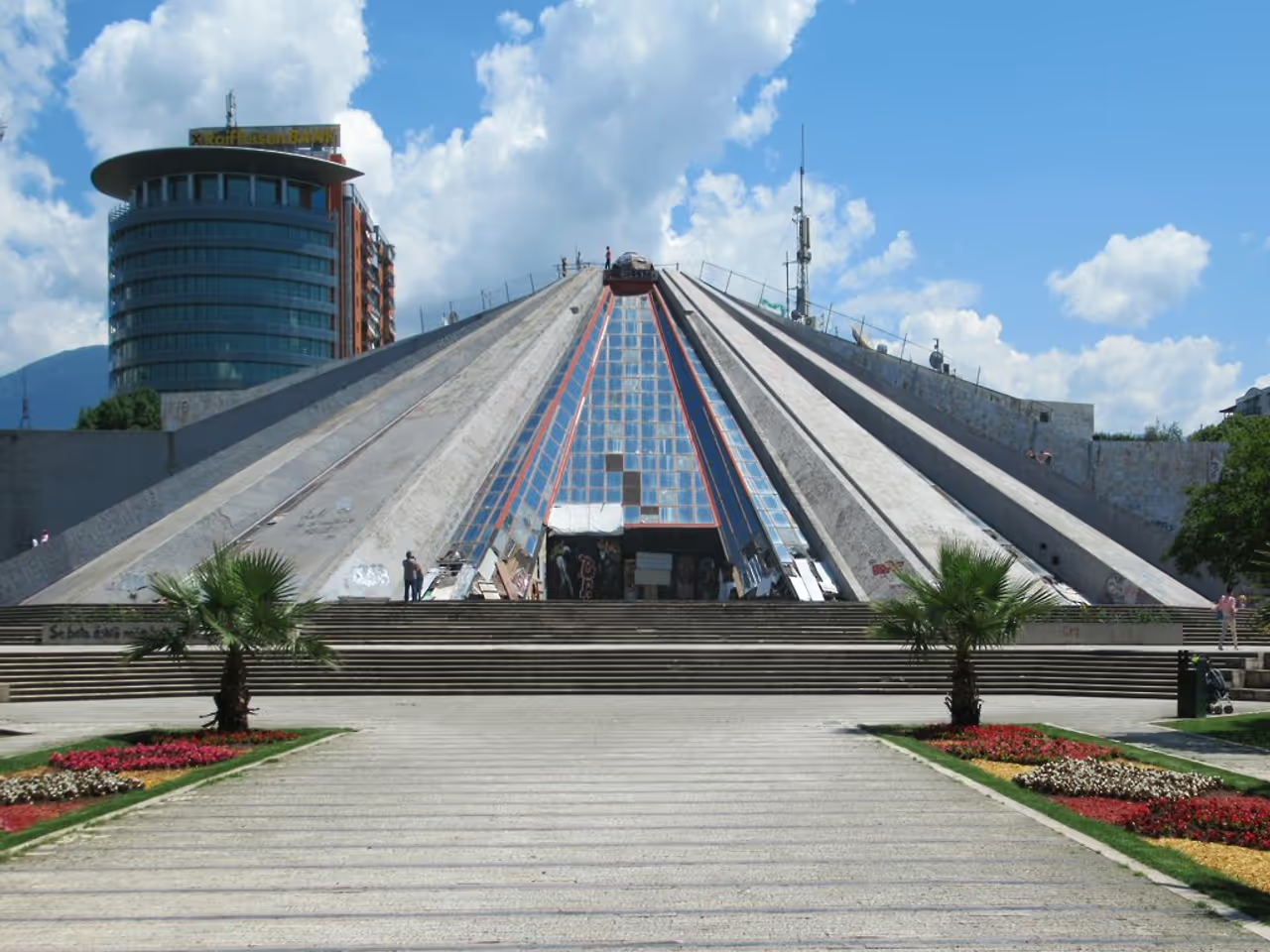
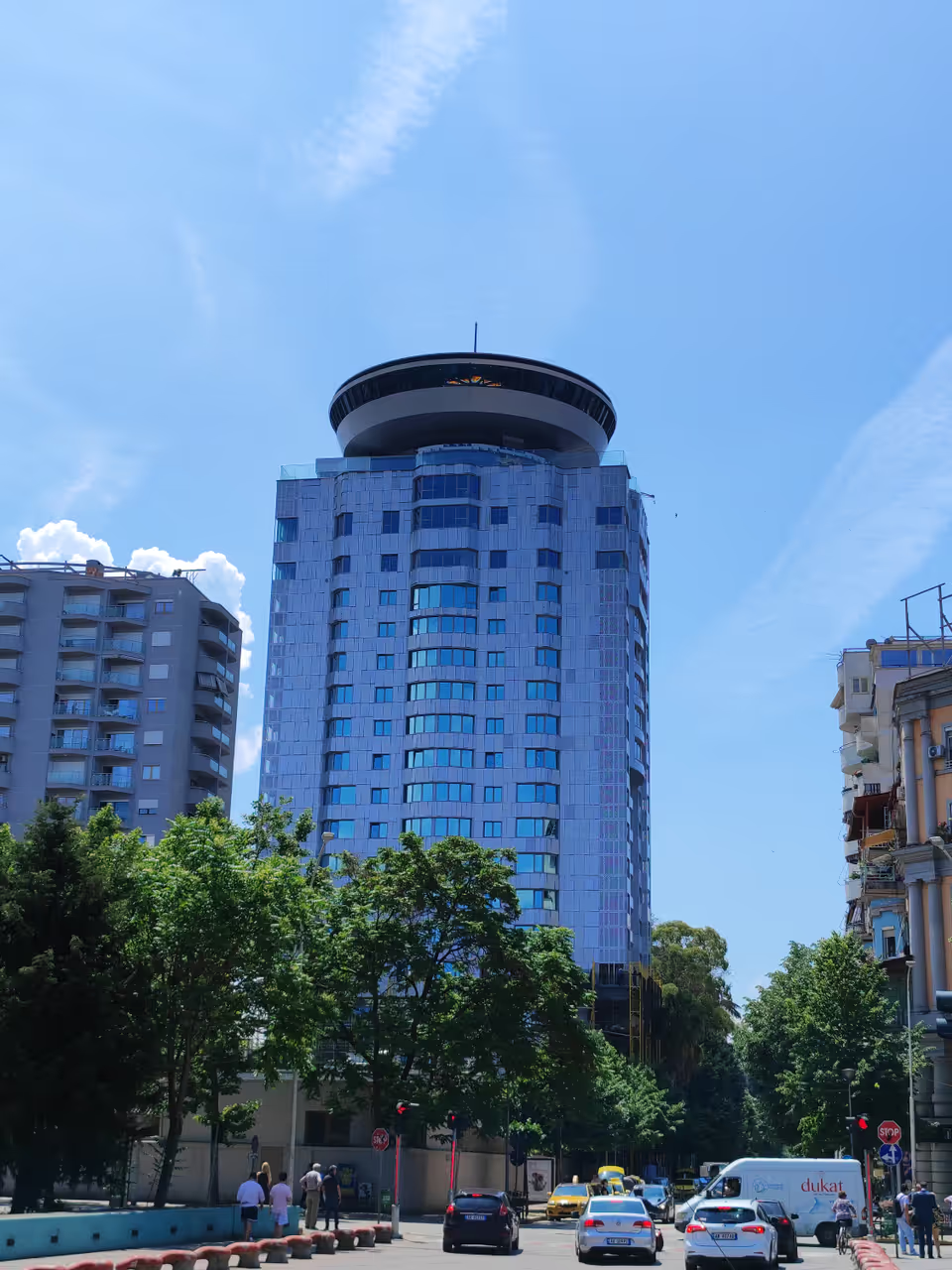
This balanced itinerary allows you to thoroughly explore the heavy history of the city centre while dedicating a full day to the spectacular surrounding nature. You will uncover the secrets of the communist surveillance state, scale the brutalist Pyramid, and take a thrilling cable car ride up the mountains. It perfectly mixes intense museum visits with highly relaxing outdoor activities and cafe lounging. You will have ample time to sample the fresh produce at the local bazaars and enjoy the bustling evening entertainment complexes. It offers a complete, highly satisfying picture of the modern capital.
view itinerary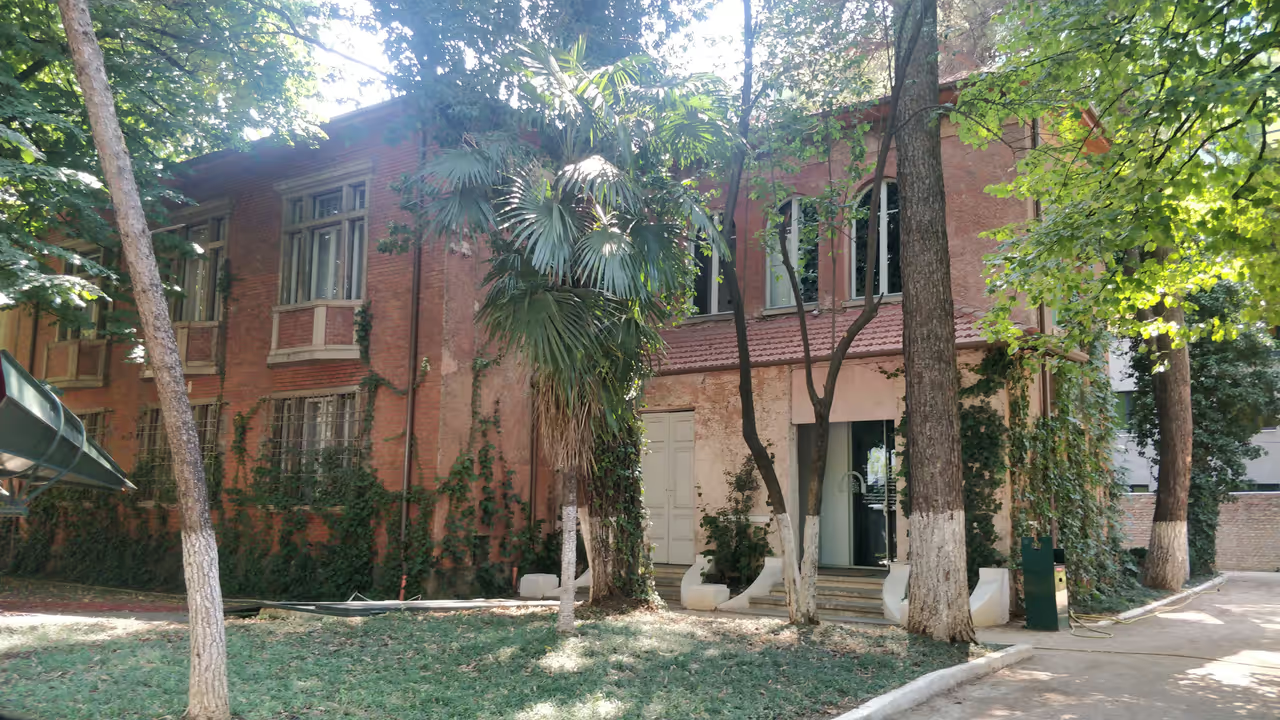
5 Days in Tirana: The Complete Explorer Itinerary
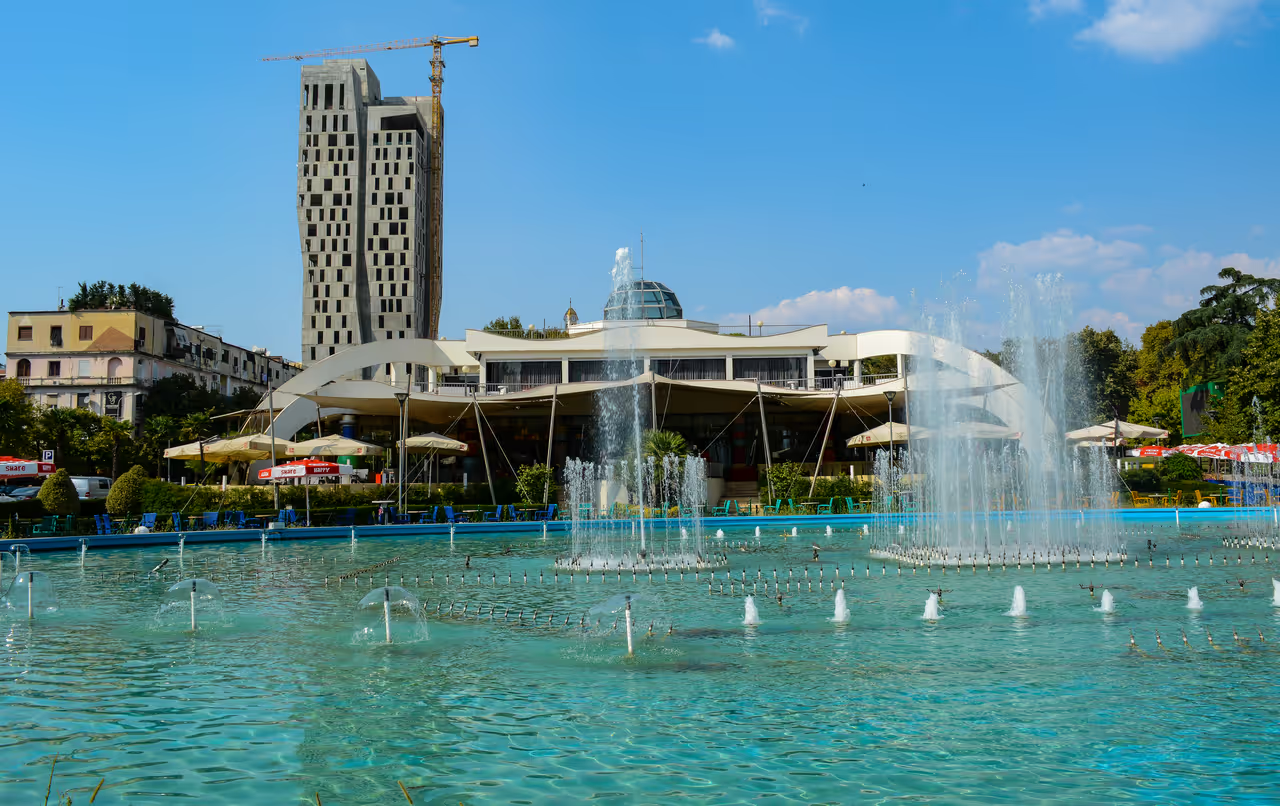
This extensive plan goes far beyond the typical tourist checklist, allowing you to discover the deeply hidden gems and tranquil suburbs of the capital. You will uncover ancient stone bridges, visit the private homes of celebrated artists, and explore quiet, rural lakes hidden just outside the city. It allows for a beautifully slow pace, meaning you can fully embrace the local cafe culture and spend hours enjoying the spectacular viewpoints. The extra days provide a highly immersive dive into the city's complex architecture, religious harmony, and surrounding natural beauty. You will leave feeling like you have truly uncovered the authentic soul of the city.
view itinerary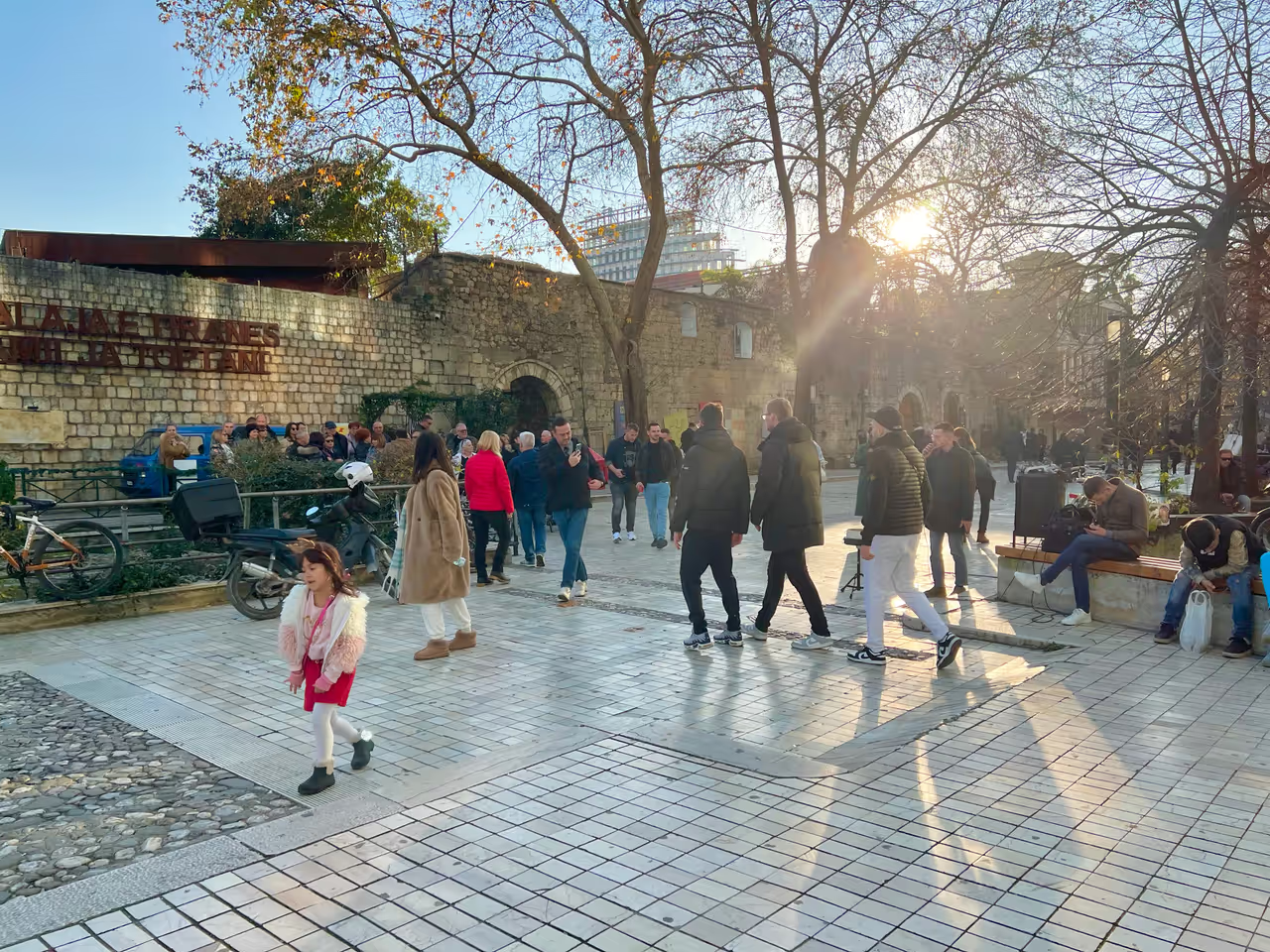
New Bazaar to Skanderbeg
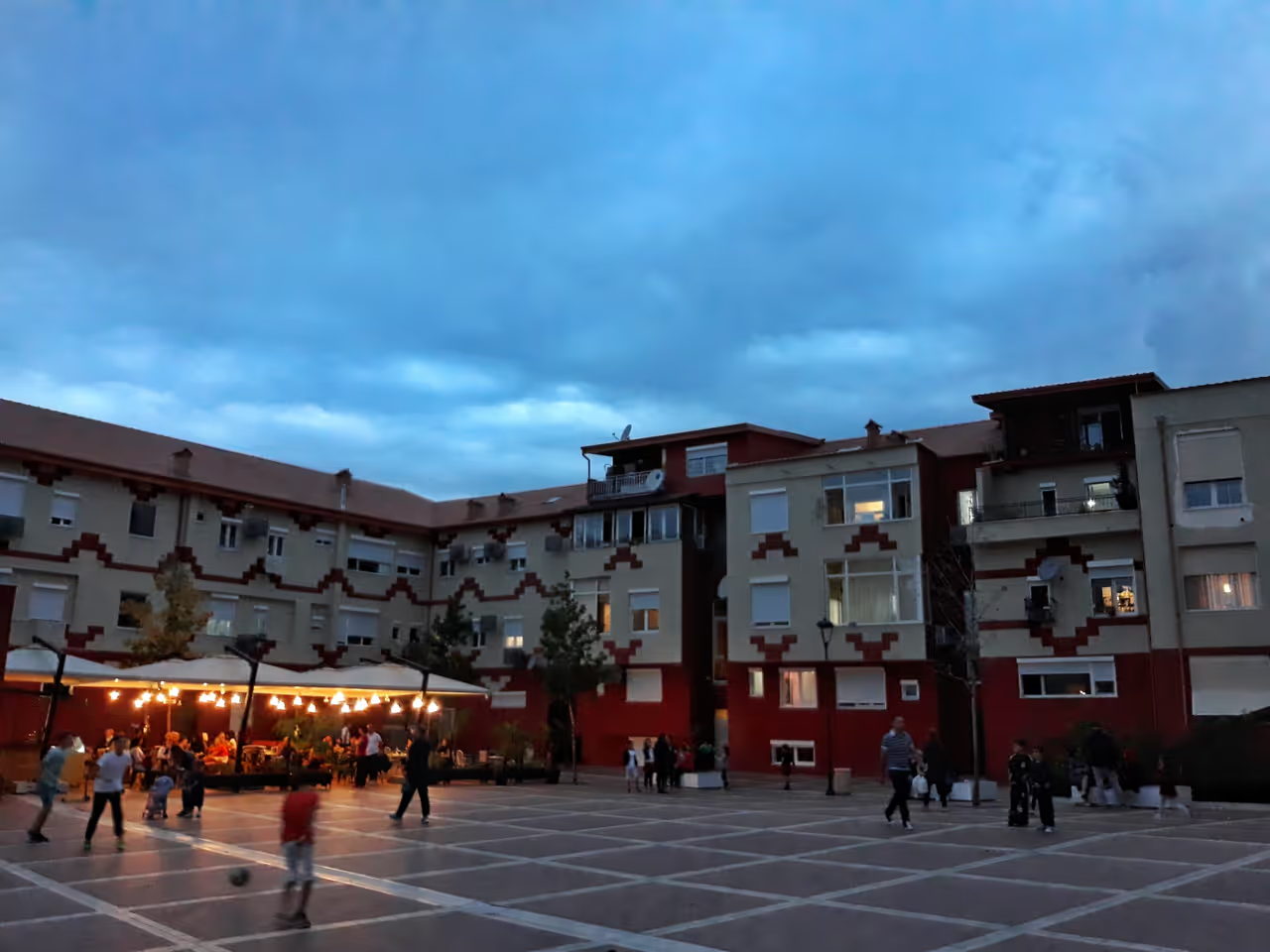
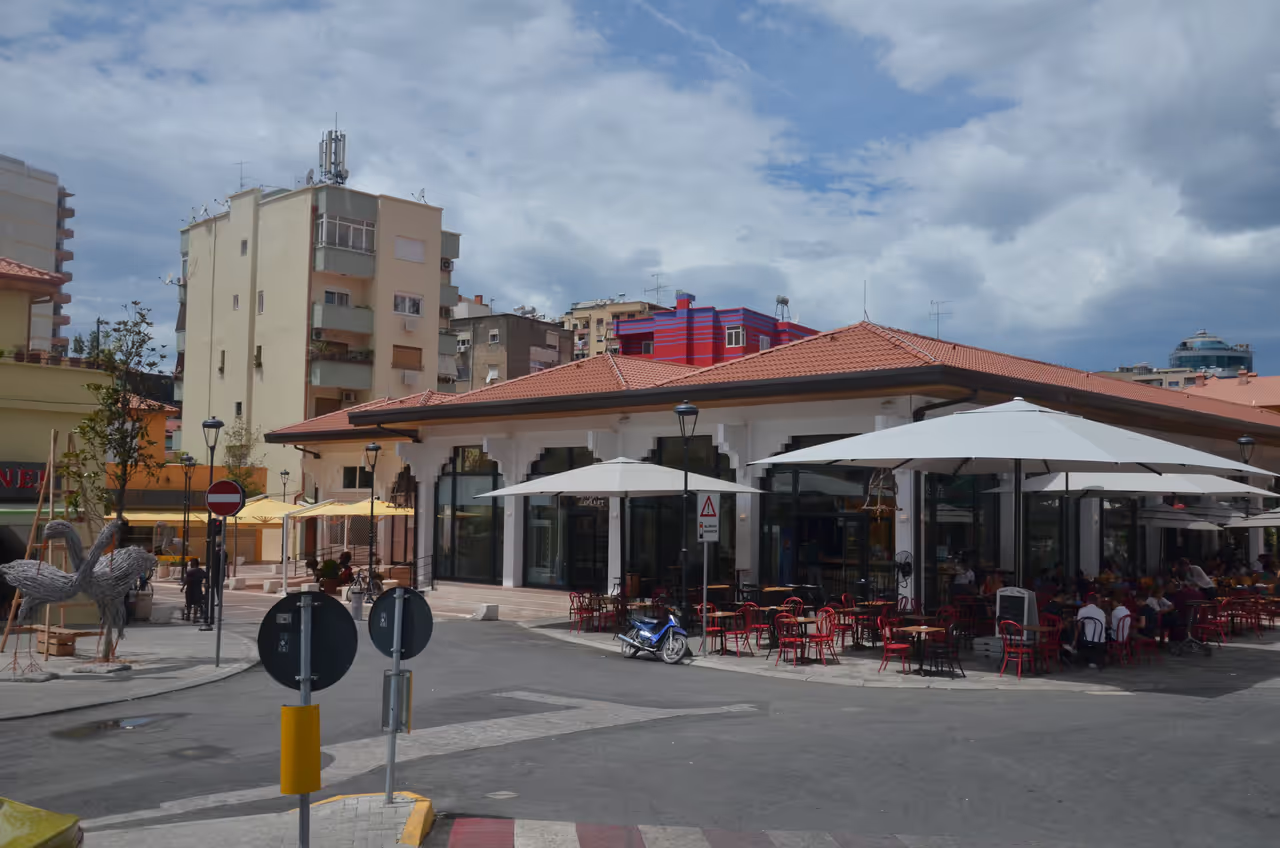
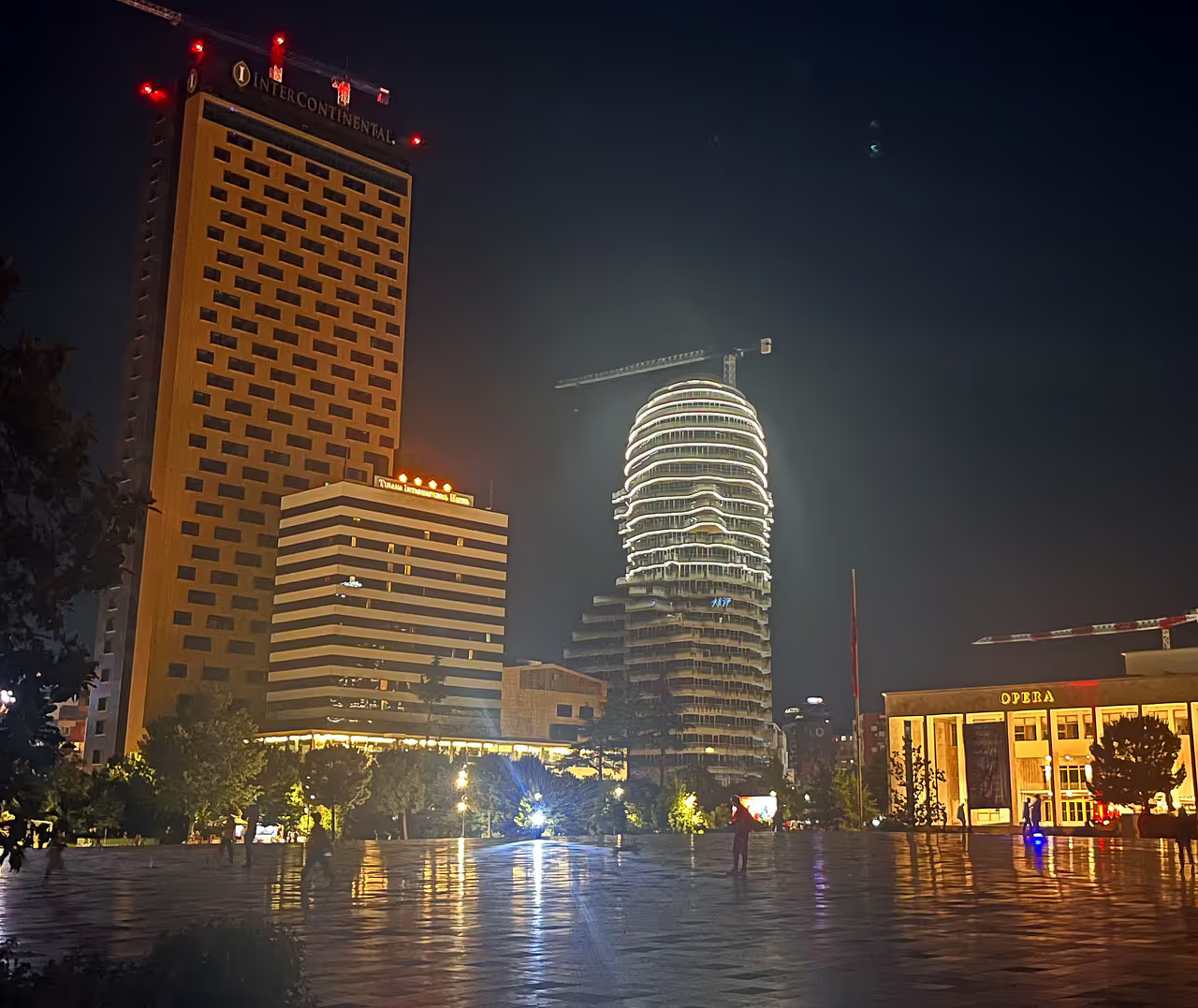
This vibrant walk connects the city's lively traditional market district with its grand, monumental centre. You will start amidst the colourful stalls and geometric glass roof of the newly renovated bazaar, soaking in the sights and smells of fresh local produce. The route then transitions through bustling commercial streets filled with small shops and bakeries. Finally, the dense city opens up into the massive, pedestrianised expanse of the main square. It offers a fantastic progression from intimate local commerce to grand civic space.
view walking route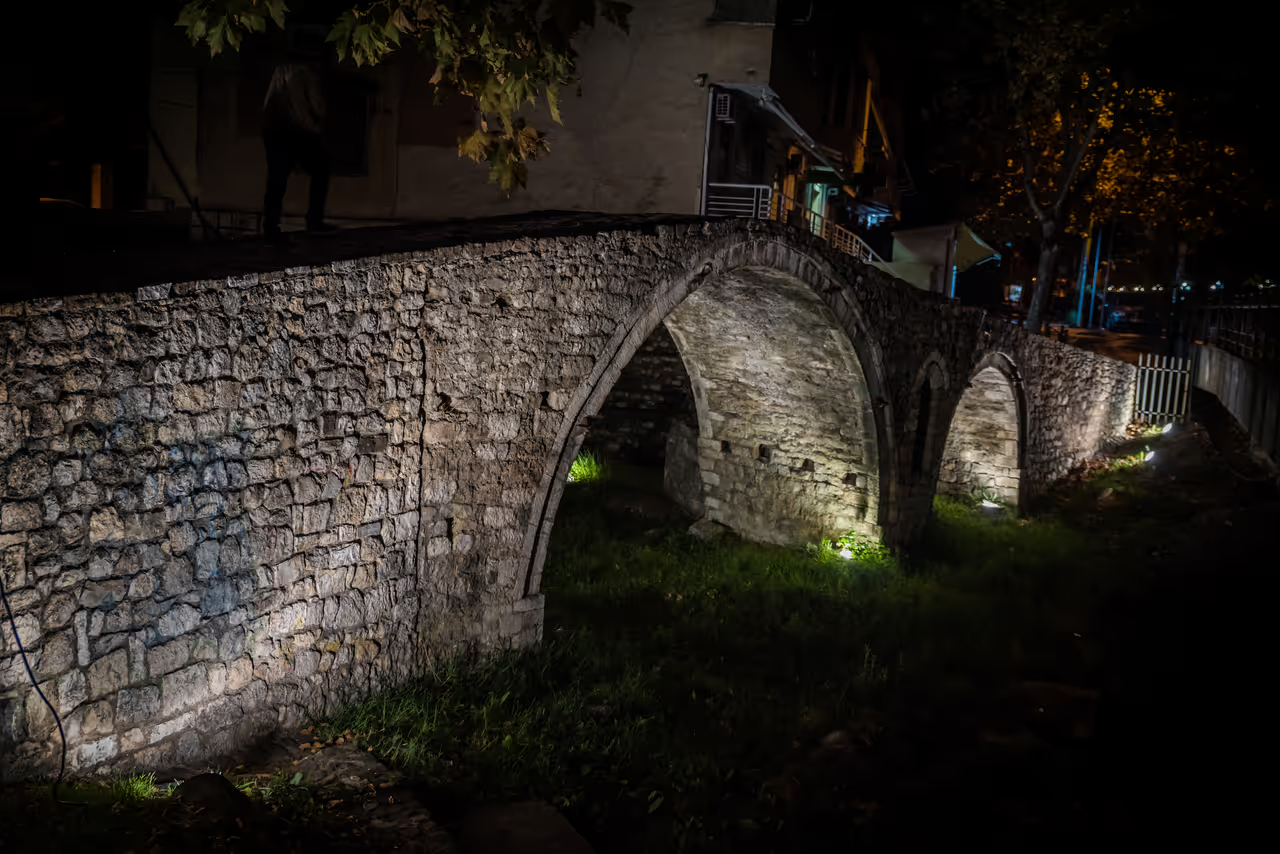
Ottoman Heritage Tour
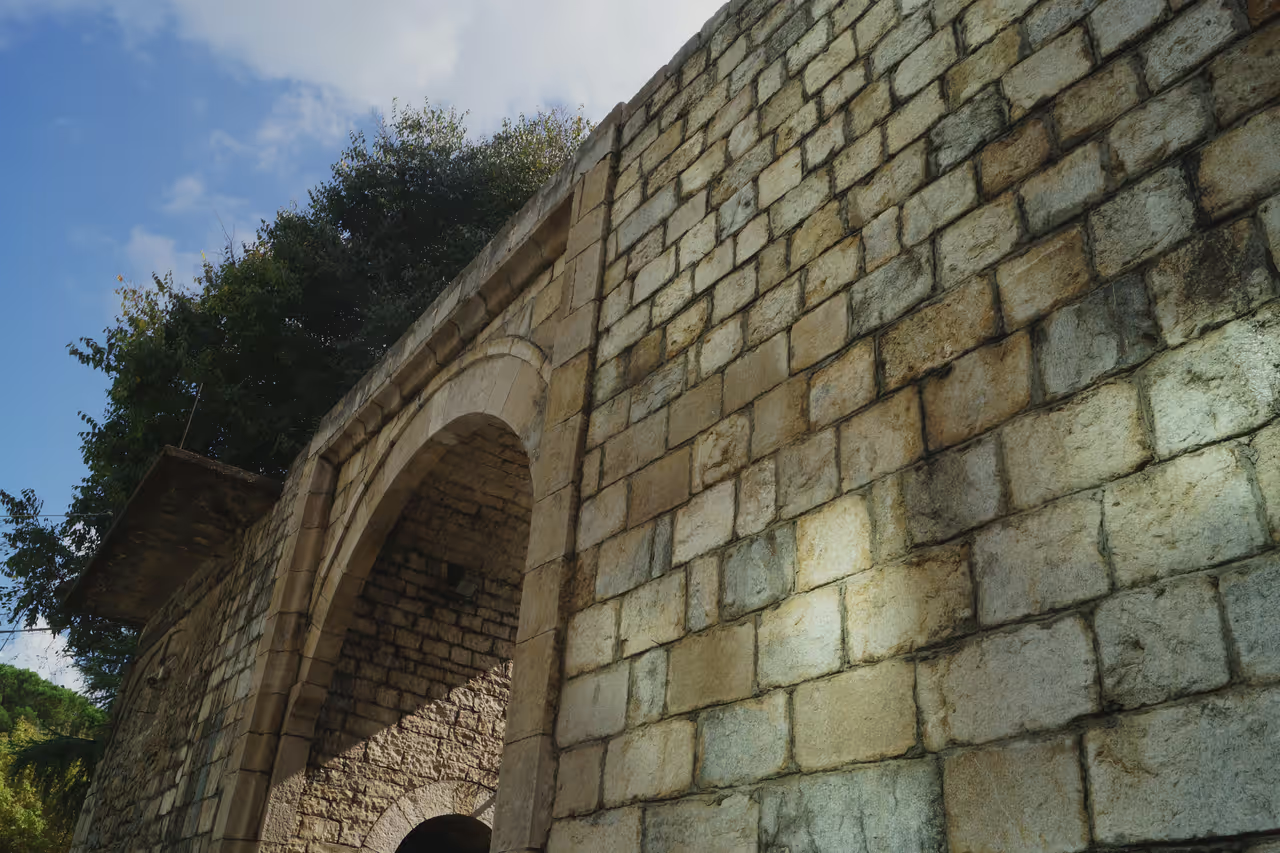
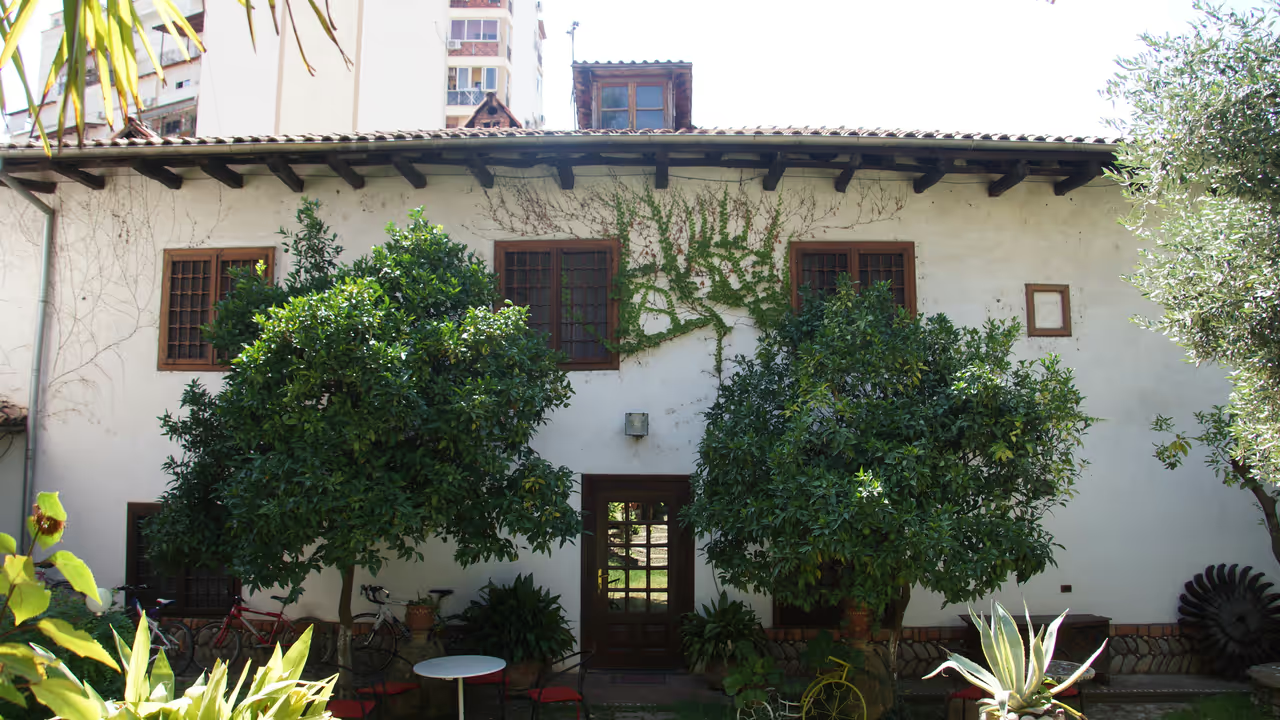
Before the grand Italian boulevards and the imposing communist concrete, this was a modest trading town defined by exquisite Ottoman craftsmanship. This tour seeks out the rare, beautiful architectural survivors from the 18th and 19th centuries that escaped demolition. You will find intricately painted mosques, historic stone bridges, and beautifully preserved traditional mansions hidden among the modern high rises. It highlights a delicate, artistic period of the city's history that feels almost miraculous to discover today. It is a journey into the deep, foundational roots of the capital.
view self-guided tour
See all attractions in Tirana
National History Museum, Pyramid of Tirana, Skanderbeg Square, House of Leaves...