Maurice A. Ferré Park
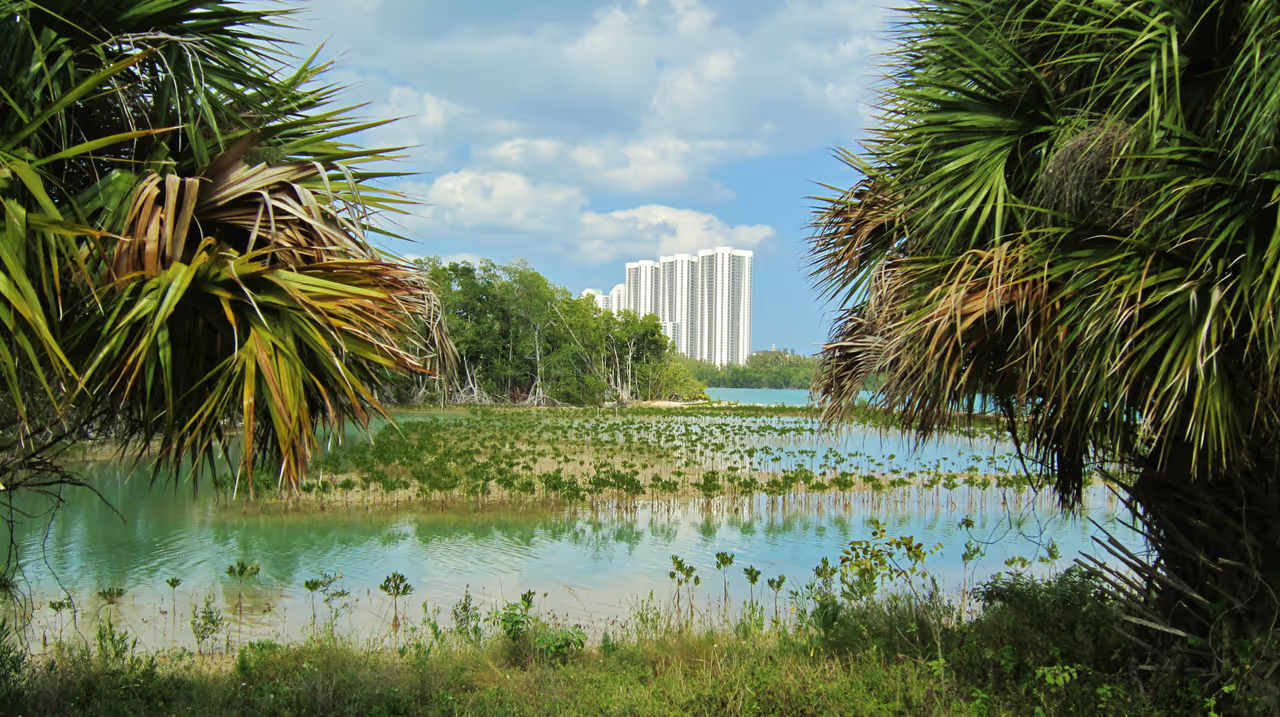
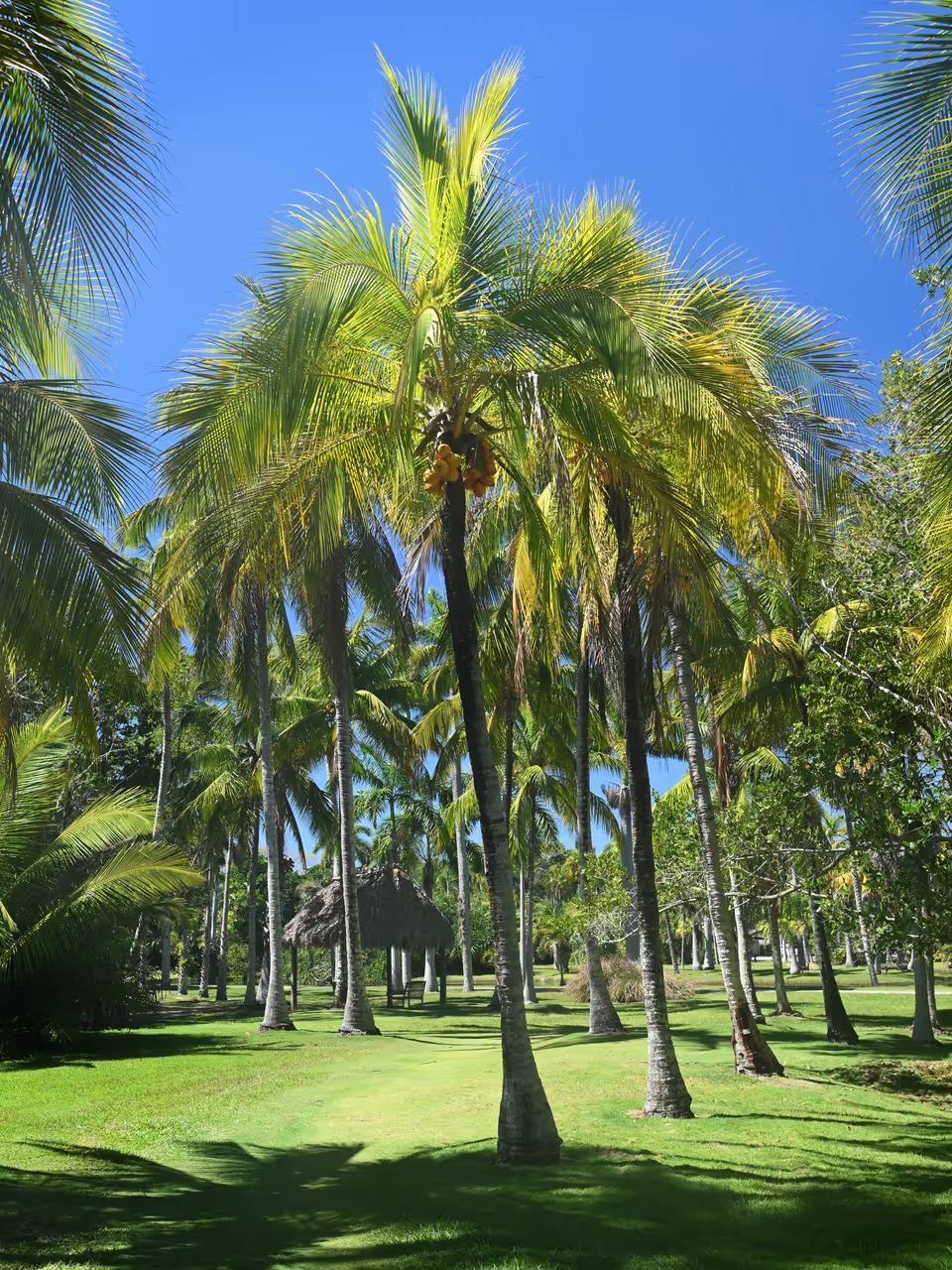
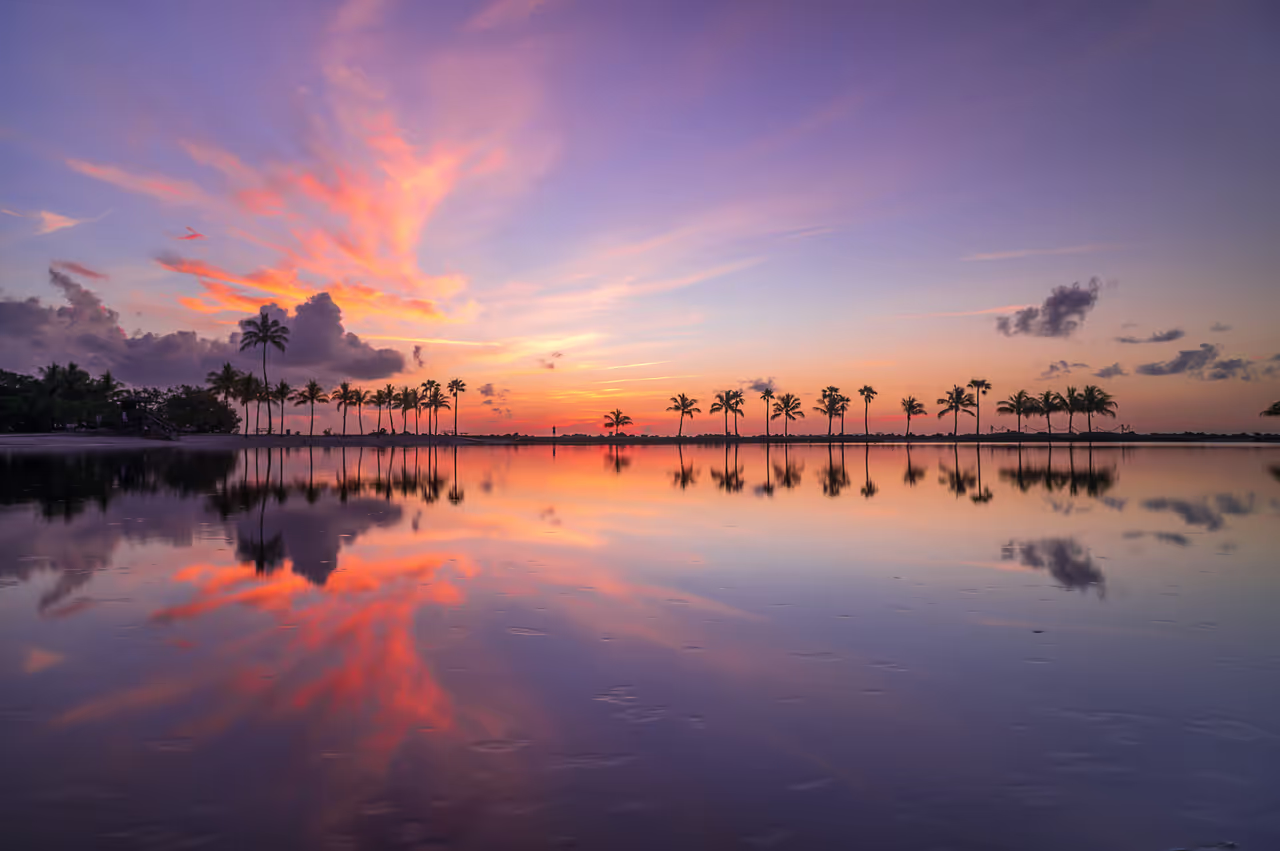
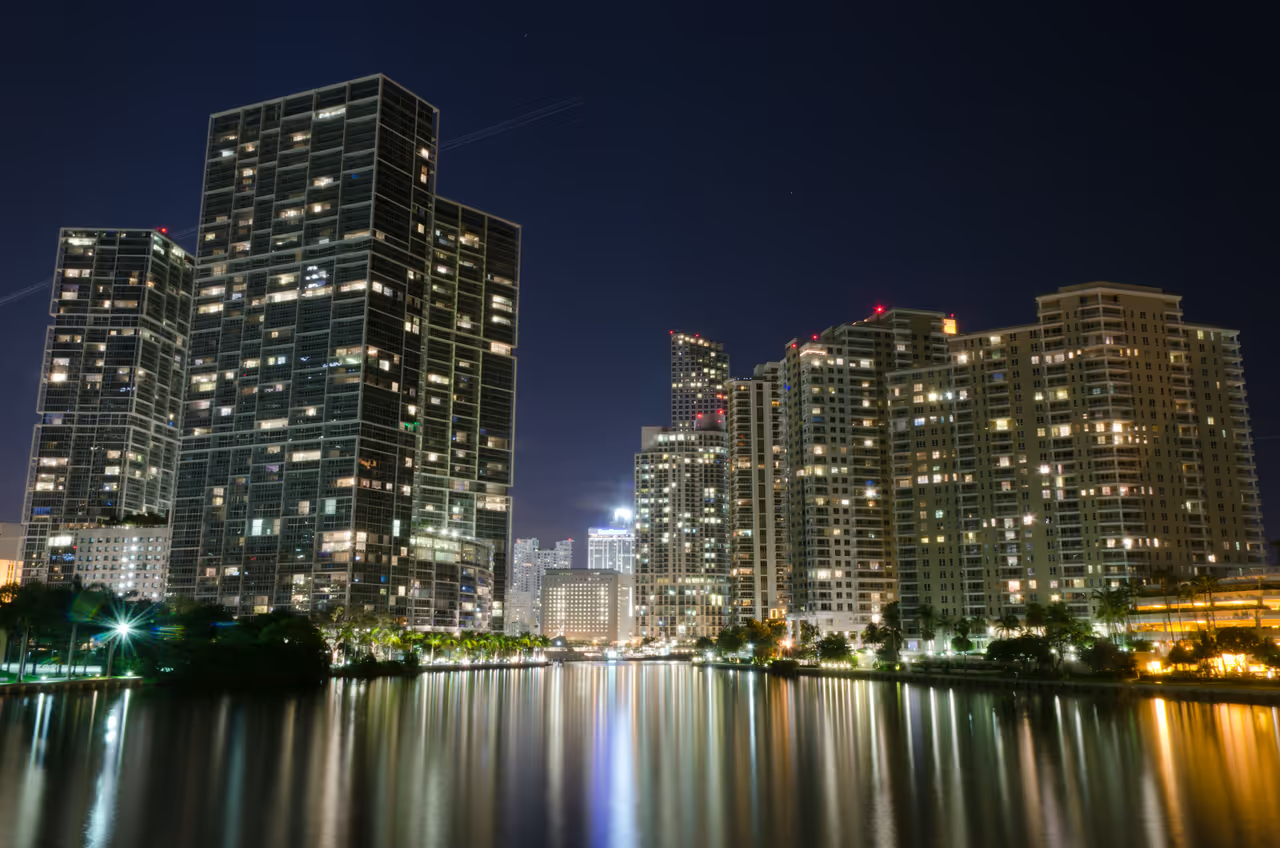
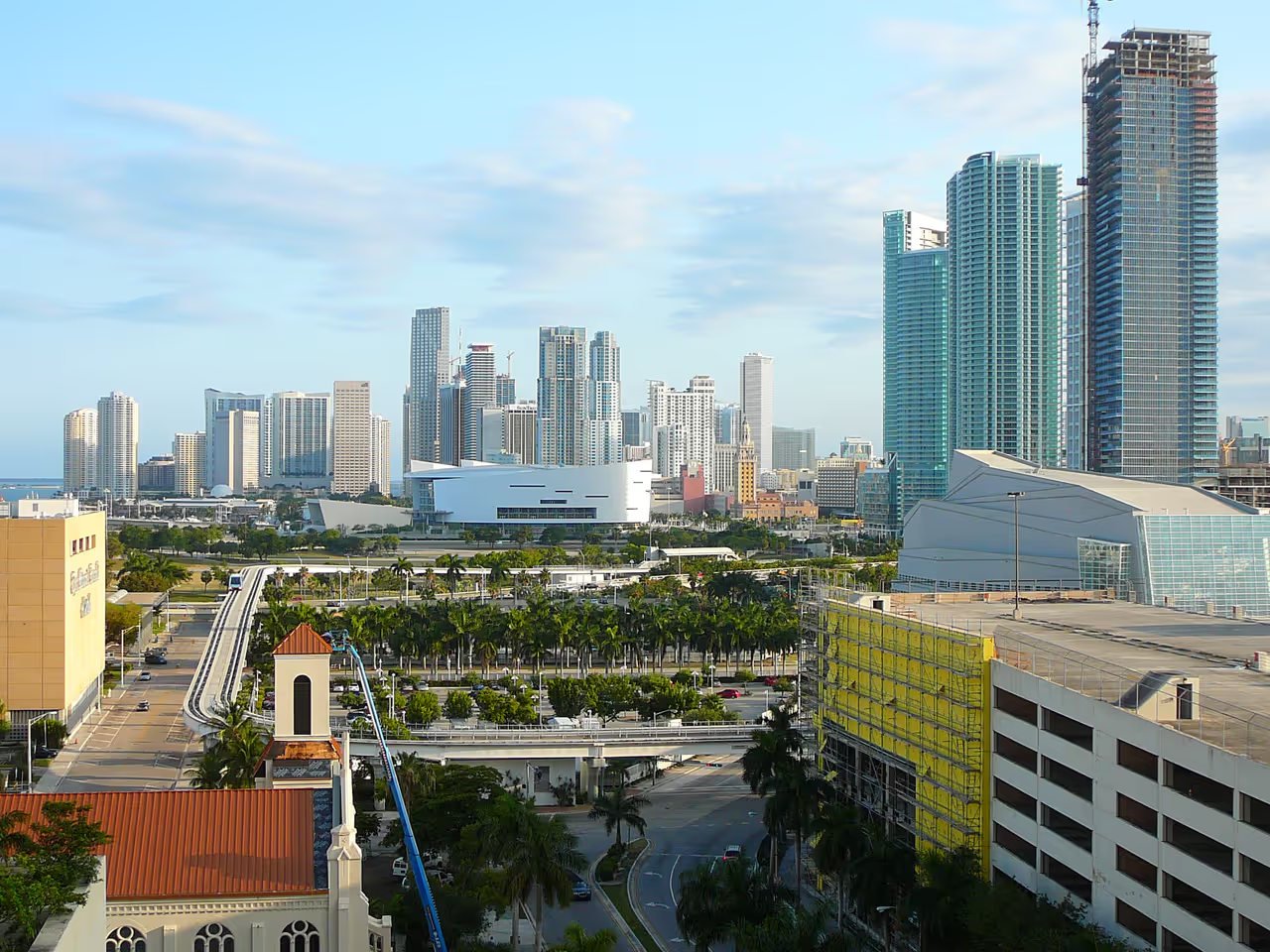
Perched on the sparkling edge of Biscayne Bay, Maurice A. Ferré Park is a revitalised urban oasis in downtown Miami, a place where art, science, and the open air converge. What began as an industrial port transformed into a lush 30-acre green space, now home to architectural marvels like the Pérez Art Museum Miami and the Phillip and Patricia Frost Museum of Science. Beyond its cultural offerings, the park is a grand stage for major gatherings, from the pulsating beats of the Ultra Music Festival to serene waterfront strolls. Its strategic location offers panoramic views of the bay, making it a perfect spot to watch boats glide by or simply enjoy the sea breeze. Visitors can explore the innovative Miami Science Barge, a floating laboratory focusing on sustainability, adding an educational twist to this lively public space. With its blend of natural beauty and intellectual stimulation, it’s a dynamic outdoor experience that truly captures Miami’s forward-thinking spirit.
Videos
History of Maurice A. Ferré Park
For decades, the area now known as Maurice A. Ferré Park bustled with the industrial rhythm of Miami's port, a vital hub of trade and shipping from the early 1900s until the mid-1960s. After the port relocated to Dodge Island, the city embarked on an ambitious transformation, cleaning the residue of years of commerce to create a much-needed public green space. This new park, christened "Bicentennial Park" in 1976, celebrated the nation's 200th birthday and quickly became a cherished urban escape. It wasn't just a place for picnics; in a surprising turn, the park's expansive grounds transformed into a temporary street circuit for high-speed auto races from 1983 to 1995, attracting major racing series like IMSA and CART, where the roar of engines replaced the clang of cargo. Then, in 2015, electric racing returned to the park for the FIA Formula E Championship. As the city evolved, so did the park's vision. Initially served by an ill-fated Metromover station that closed due to underuse in 1996, the park prepared for its next great reinvention. A multi-million pound revamp began, paving the way for the arrival of world-class institutions. In December 2013, the sleek Pérez Art Museum Miami opened its doors, followed by the futuristic Phillip and Patricia Frost Museum of Science in May 2017, transforming the park into a dynamic cultural district. The Metromover station, now reimagined, reopened to provide direct access to these new beacons of art and knowledge. The park’s continuous evolution reached another milestone in early 2019 when it was officially renamed Maurice A. Ferré Park, honouring the visionary former Miami Mayor who championed urban development and cultural enrichment. Today, the park is not only a tranquil spot along Biscayne Bay but also a significant venue for large-scale events, hosting everything from the energetic Ultra Music Festival to community gatherings. The addition of the Miami Science Barge, a floating marine laboratory, further cements its role as a nexus of public engagement and education, blending recreation with intellectual discovery, and reflecting Miami's dynamic spirit.
11 events spanning 123 years
Fun Facts
- • Before its transformation into a park, the site was home to a significant portion of the Port of Miami from the early 1900s until the mid-1960s, playing a crucial role in the city's maritime trade.
- • From 1983 to 1995, and again in 2015 for Formula E, the park's grounds were converted into a temporary street circuit that hosted prestigious auto racing events, including IMSA GT, Trans-Am Series, and CART.
- • Maurice A. Ferré Park is home to two major institutions: the Pérez Art Museum Miami, which opened in December 2013, and the Phillip and Patricia Frost Museum of Science, which opened in May 2017.
- • Opened in January 2023, the park features a dedicated Dogs and Cats Walkway and Sculpture Gardens, providing a unique artistic and recreational space for pet owners and art enthusiasts alike.
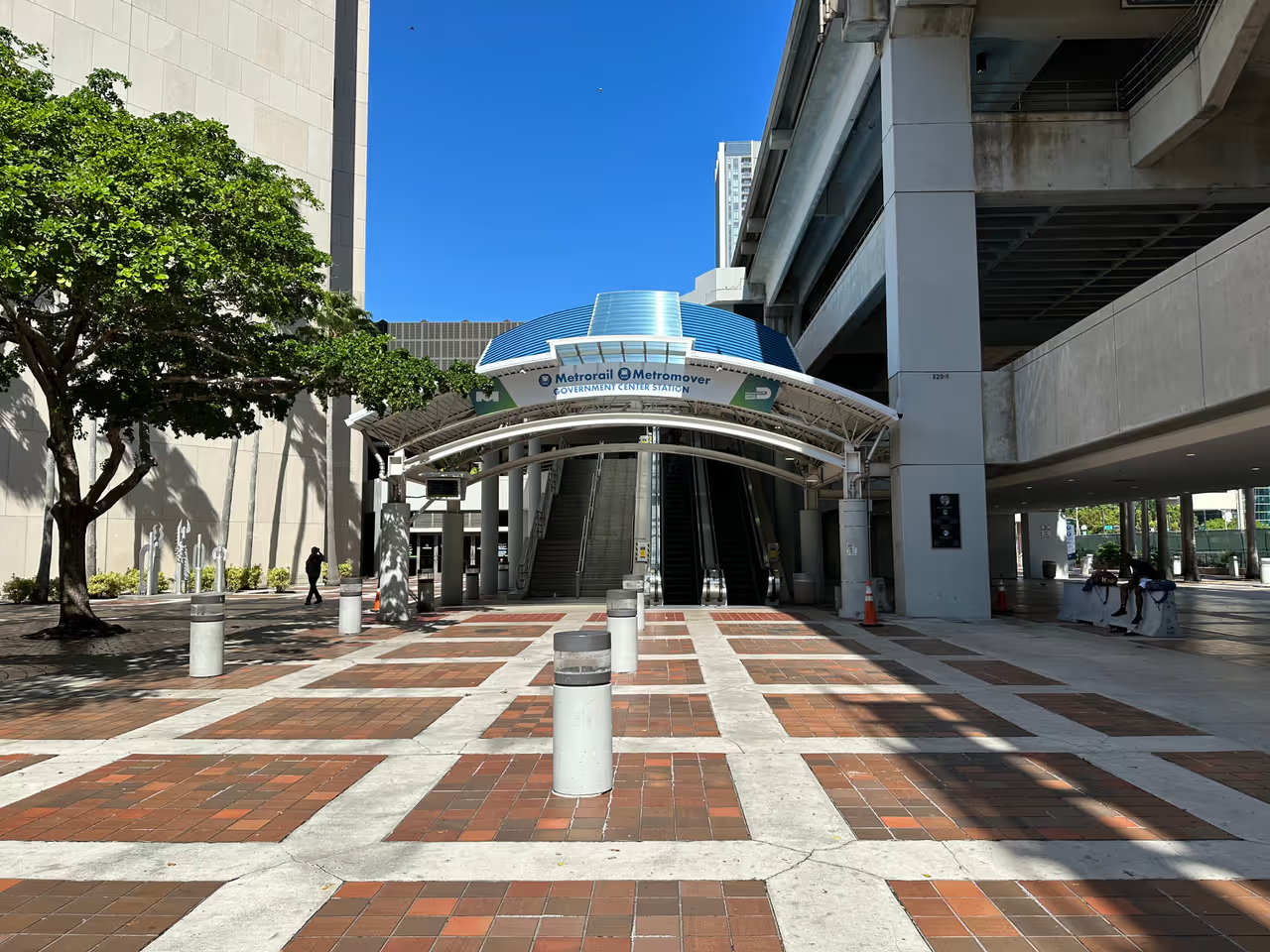
- • The Metromover station designed for the park, part of the Omni Loop which opened in 1994, was closed in 1996 due to a lack of public use, only to be renovated and reopened in 2013 with the arrival of the new museums.
- • The Miami Science Barge, a floating marine laboratory and education platform focused on sustainability, alternative agriculture, and marine conservation, is docked within the park since 2016, offering unique interactive learning experiences.
- • The park is capable of accommodating approximately 45,000 people, making it a primary venue for large-scale gatherings such as the internationally renowned Ultra Music Festival.
- • The park underwent a significant $10 million revamp that included the construction of a new baywalk and a promenade connecting Biscayne Boulevard to Biscayne Bay, enhancing pedestrian access to the cultural institutions.
- • The park was officially renamed in early 2019 to honour Maurice A. Ferré, a former Miami Mayor credited with spearheading significant urban development during his tenure.
- • The park was originally named 'Bicentennial Park' in 1976 to commemorate the United States Bicentennial, celebrating 200 years since the nation's founding.
Maurice A. Ferré Park FAQ
While we strive to keep this information accurate and up to date, we recommend verifying any details independently before making decisions based on them.
Maurice A. Ferré Park Map & Neighborhood Explorer
This interactive map is centered on Maurice A. Ferré Park. Zoom in and move the map around to automatically discover Wikipedia photos and summaries of other nearby sights, monuments, and historical points of interest and stories in real-time!
Places near Maurice A. Ferré Park
Make the most of your trip. Check out these top-rated spots located nearby.
 327m
327mKaseya Center
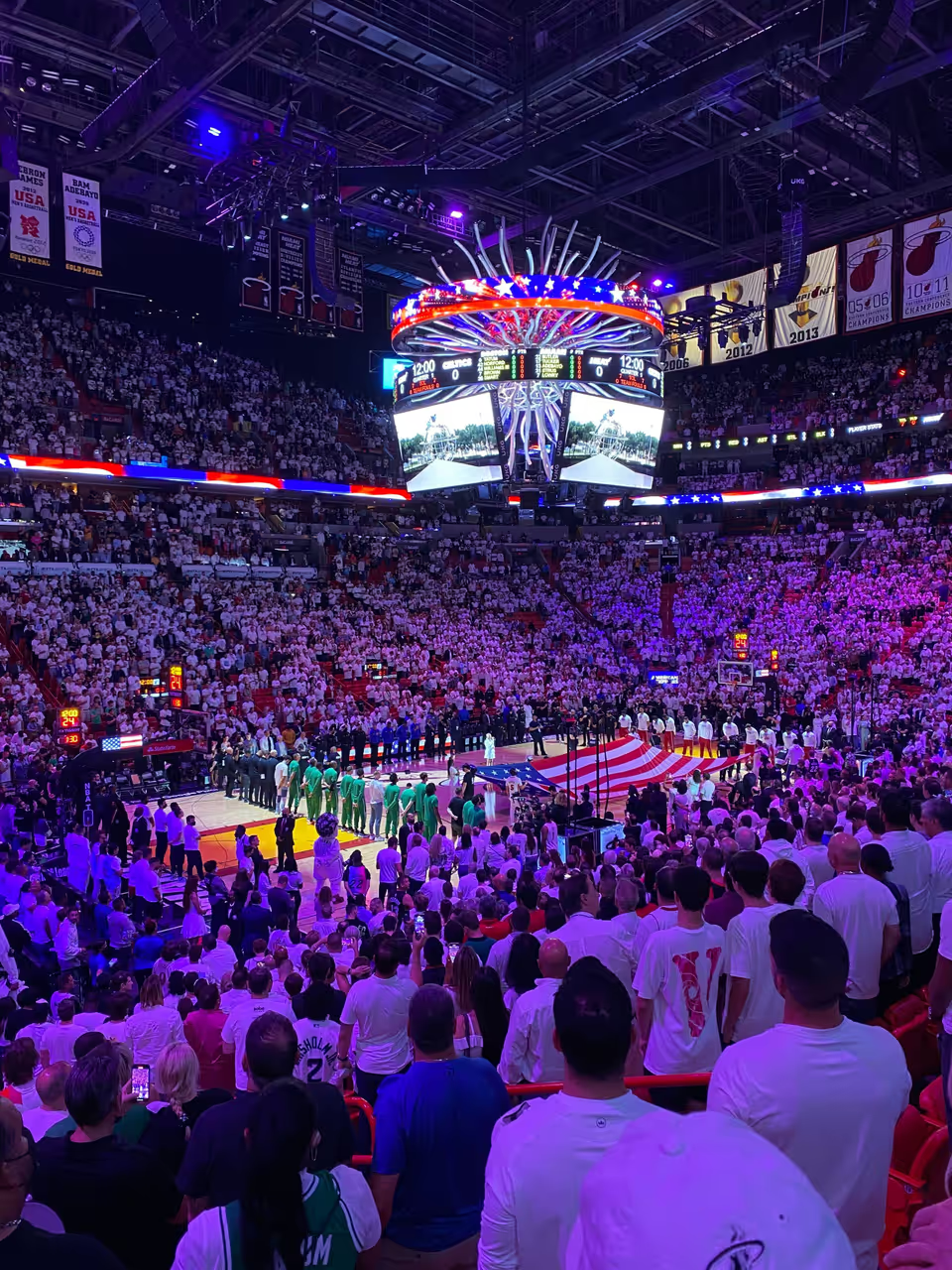
Kaseya Center stands as a glittering beacon on Biscayne Bay, a dynamic hub where Miami's passion for sports and entertainment truly comes alive. This multipurpose arena isn't just the home of the legendary Miami Heat; it's a stage for global music stars, electrifying UFC fights, and grand award ceremonies, drawing immense crowds with its vibrant energy. Designed with a striking contemporary flair, its unique "underwater anemone" scoreboard pulses with ever-changing colours, creating an immersive experience that begins the moment you step inside. Visiting offers more than just a game or a show; it's an opportunity to feel the city's pulse, witness historic moments, and immerse yourself in an atmosphere of collective excitement right in the heart of downtown. From championship triumphs to unforgettable concerts by artists like Gloria Estefan and Taylor Swift, this venue consistently delivers electrifying moments, solidifying its place as a cornerstone of Miami's cultural landscape.
attraction view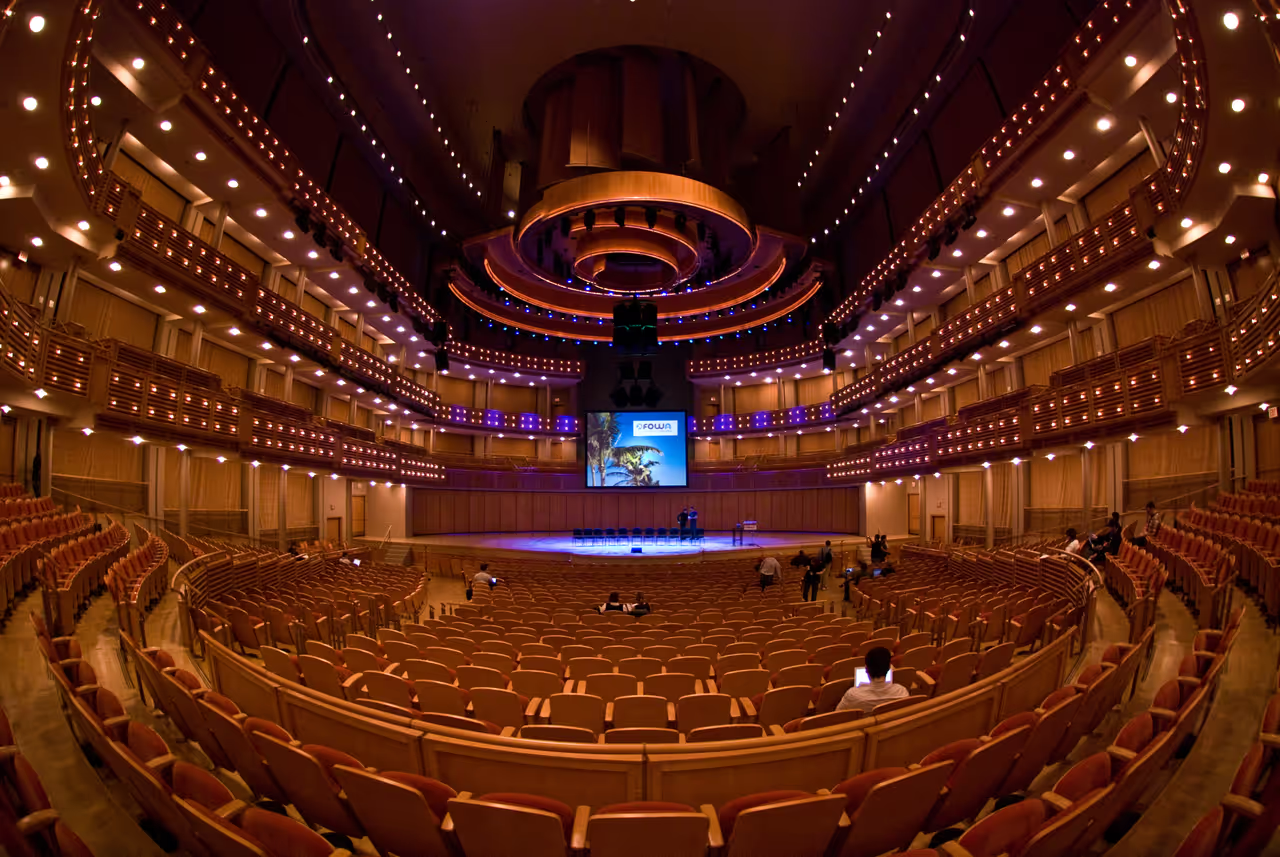 422m
422mAdrienne Arsht Center
Massive sweeps of white steel and glass cut sharply across the skyline, dominating the northern edge of the downtown core. The complex straddles a major boulevard, connecting its two massive acoustic halls via an elevated pedestrian bridge. Inside, the grand opera house features intricate, tiered balconies designed to deliver flawless acoustics for unamplified voices. It visually anchors the city's push to be taken seriously as a global destination for high culture. The aggressive, modern angles starkly contrast with the older, boxy high-rises nearby.
architecture view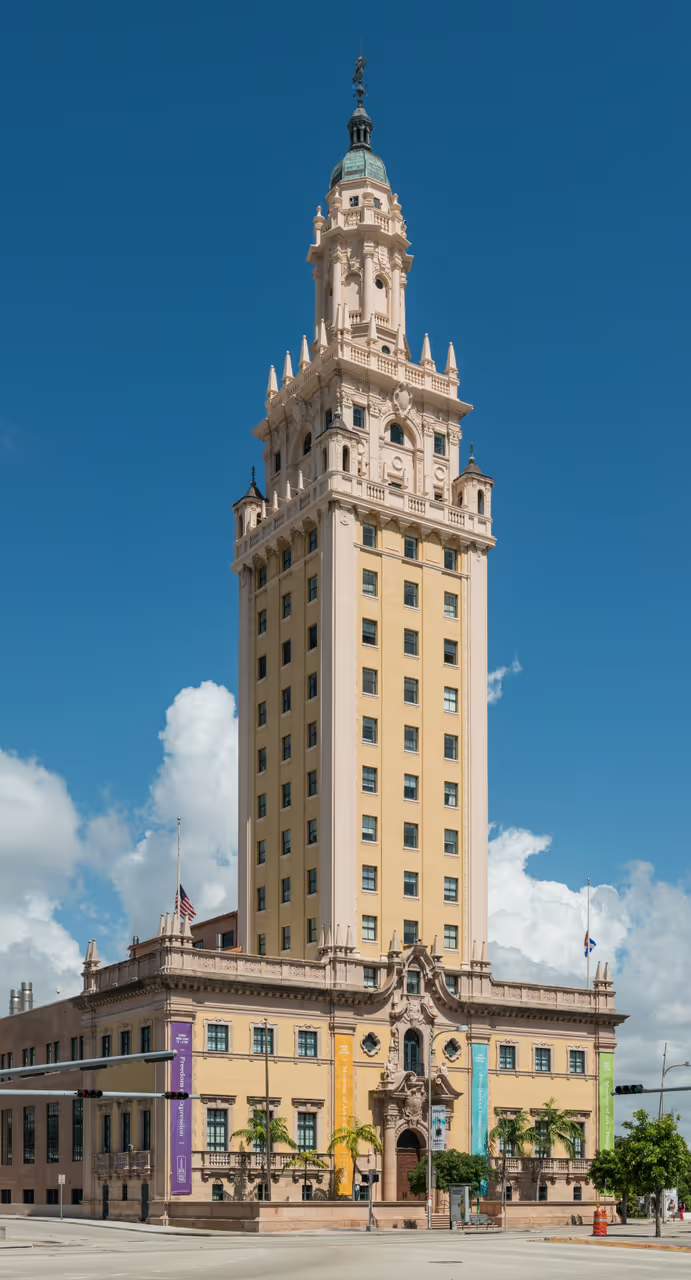 545m
545mFreedom Tower
This yellow, cupola-topped skyscraper was modeled explicitly after the Giralda bell tower in Seville, Spain. Constructed in 1925, it originally housed a major local newspaper before being abandoned and subsequently repurposed by the federal government. In the 1960s, it operated as the main processing centre for hundreds of thousands of Cuban refugees fleeing the Castro regime, earning its current name. It stands today as a highly emotional symbol of the immigrant experience in South Florida. The ornate, Mediterranean details provide a stark visual break from the glass towers rising behind it.
architecture view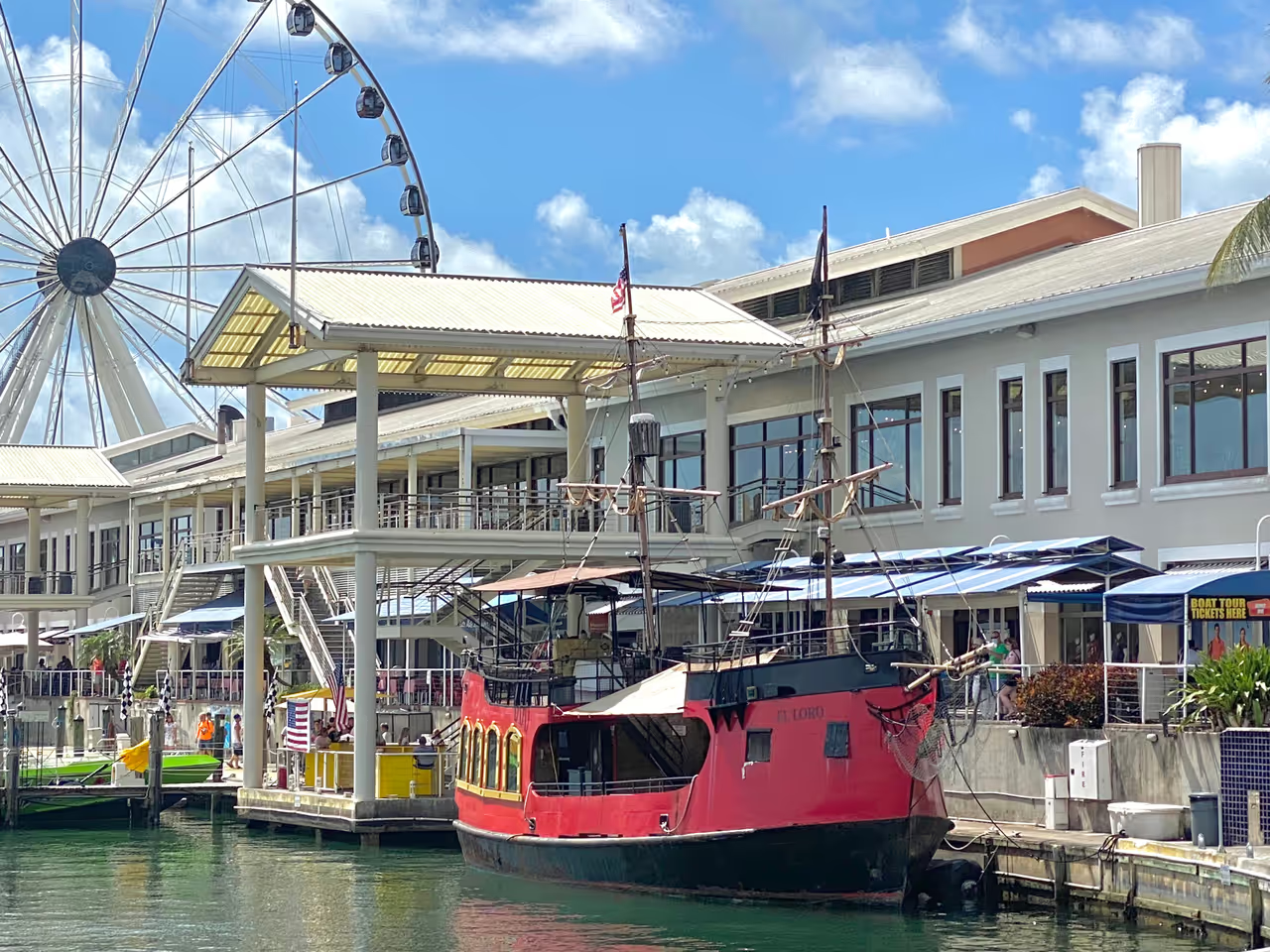 648m
648mBayside Marketplace
This open-air commercial centre sits directly on Biscayne Bay, catching the ocean breeze alongside the downtown marina. Independent kiosks selling sunglasses and souvenirs share space with larger retail chains and busy seafood restaurants. Live bands frequently perform on the central stage, providing a Caribbean soundtrack to the shopping experience. Tour boats depart continuously from the adjacent docks, ferrying passengers out to view the celebrity mansions on Star Island.
market view
Featured on These Itineraries and Routes
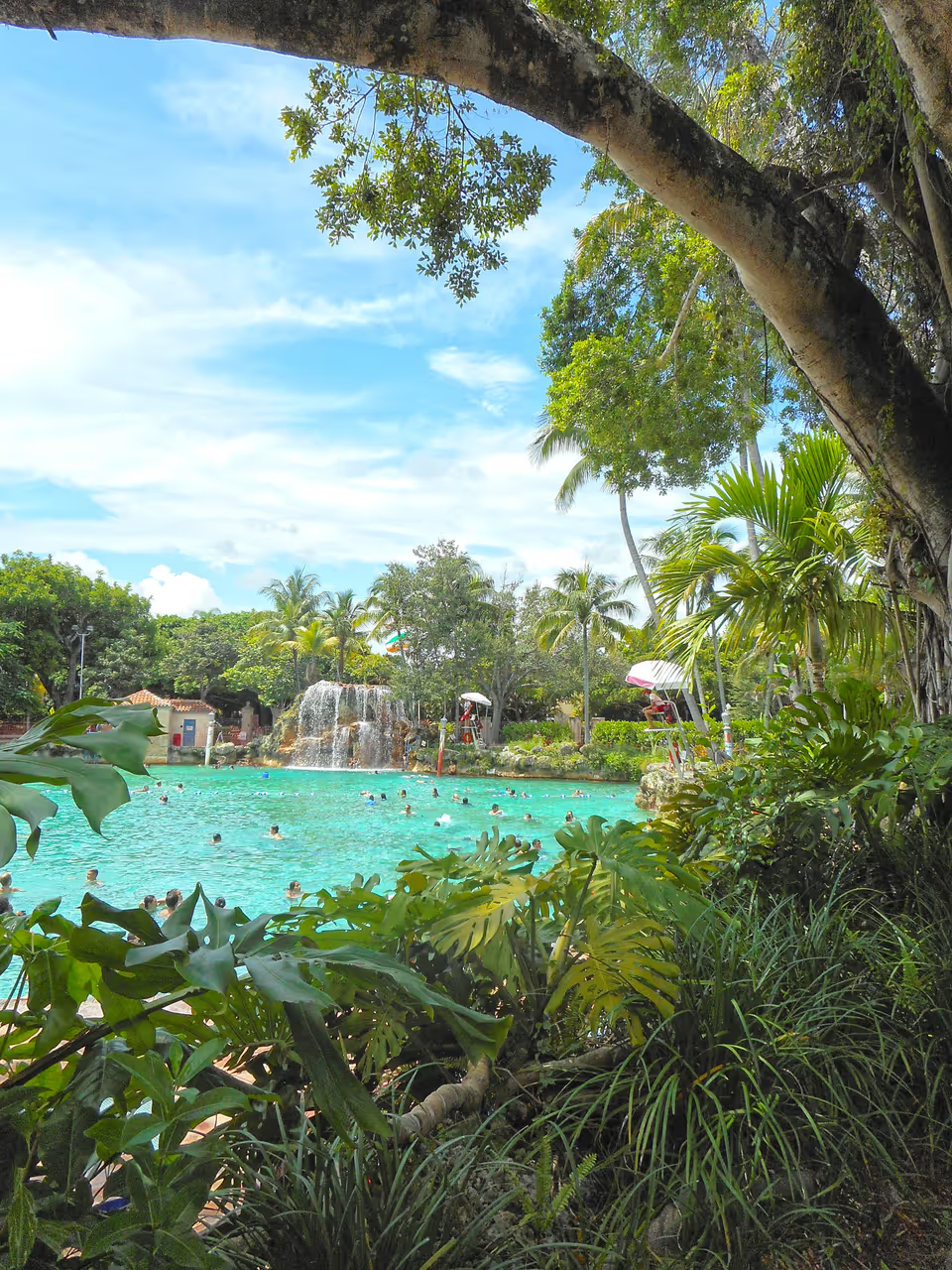
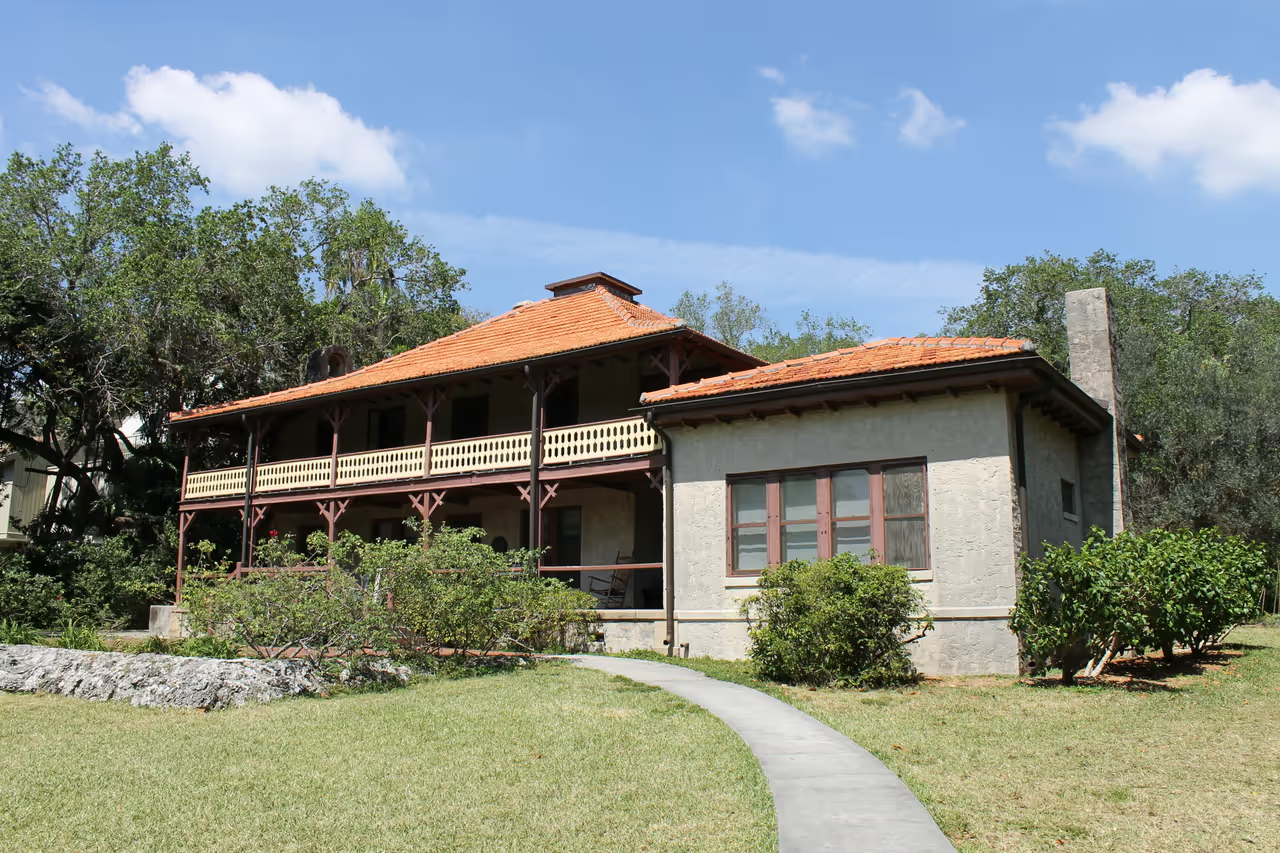
3 Days in Miami
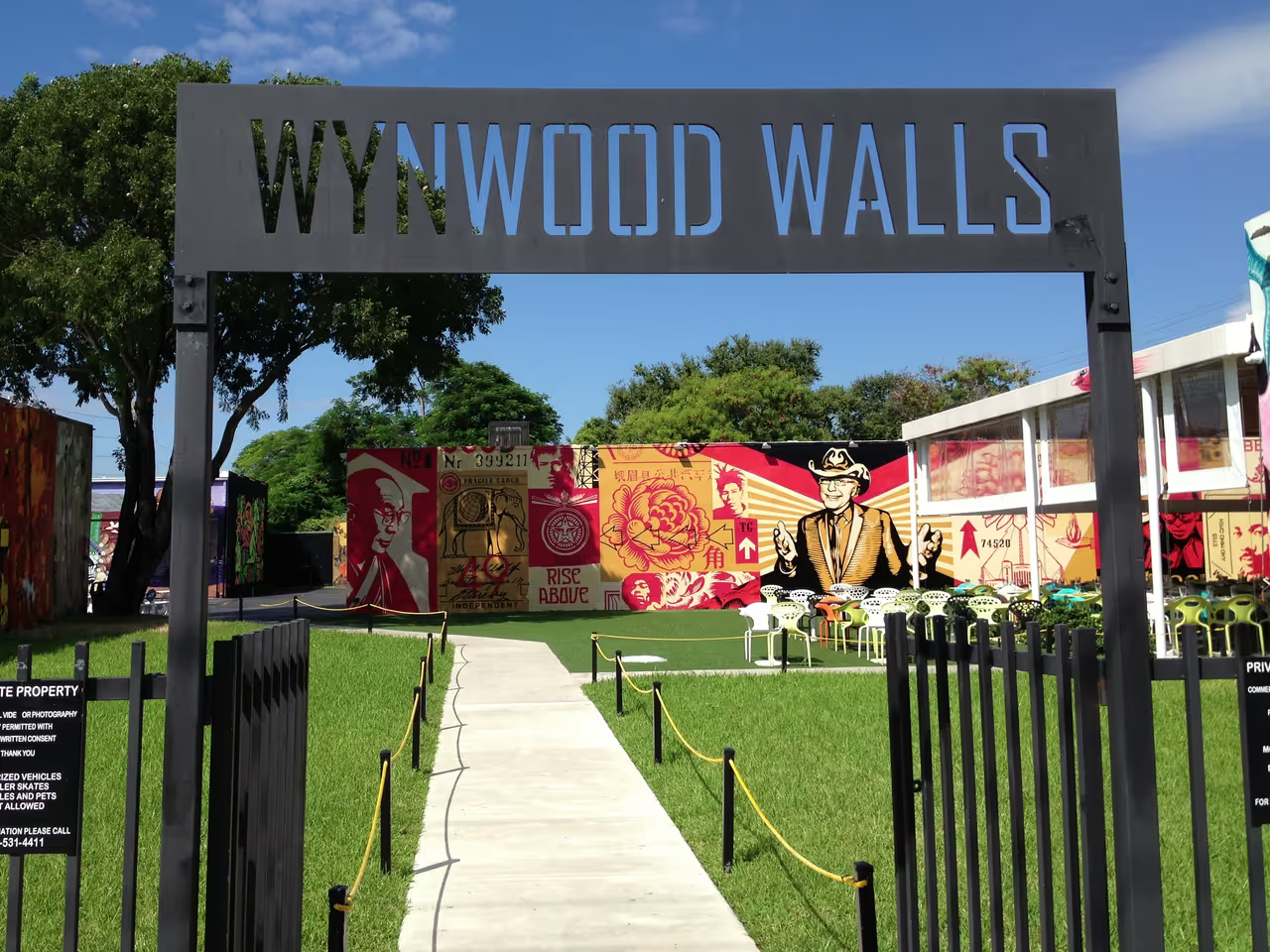
This plan balances the heavy concrete of the downtown core with the lush, shaded history of the southern suburbs. The first day tackles the urban centre, utilising the elevated train to view the skyline before heading out on the water. The second day slows the pace entirely, exploring the bohemian roots and historic pioneer homes hidden in the dense canopy of Coconut Grove. The final day pivots to modern art and nature, contrasting high-end retail architecture with a dense mangrove forest. It offers a well-rounded look at the city beyond just the famous beaches.
view itinerary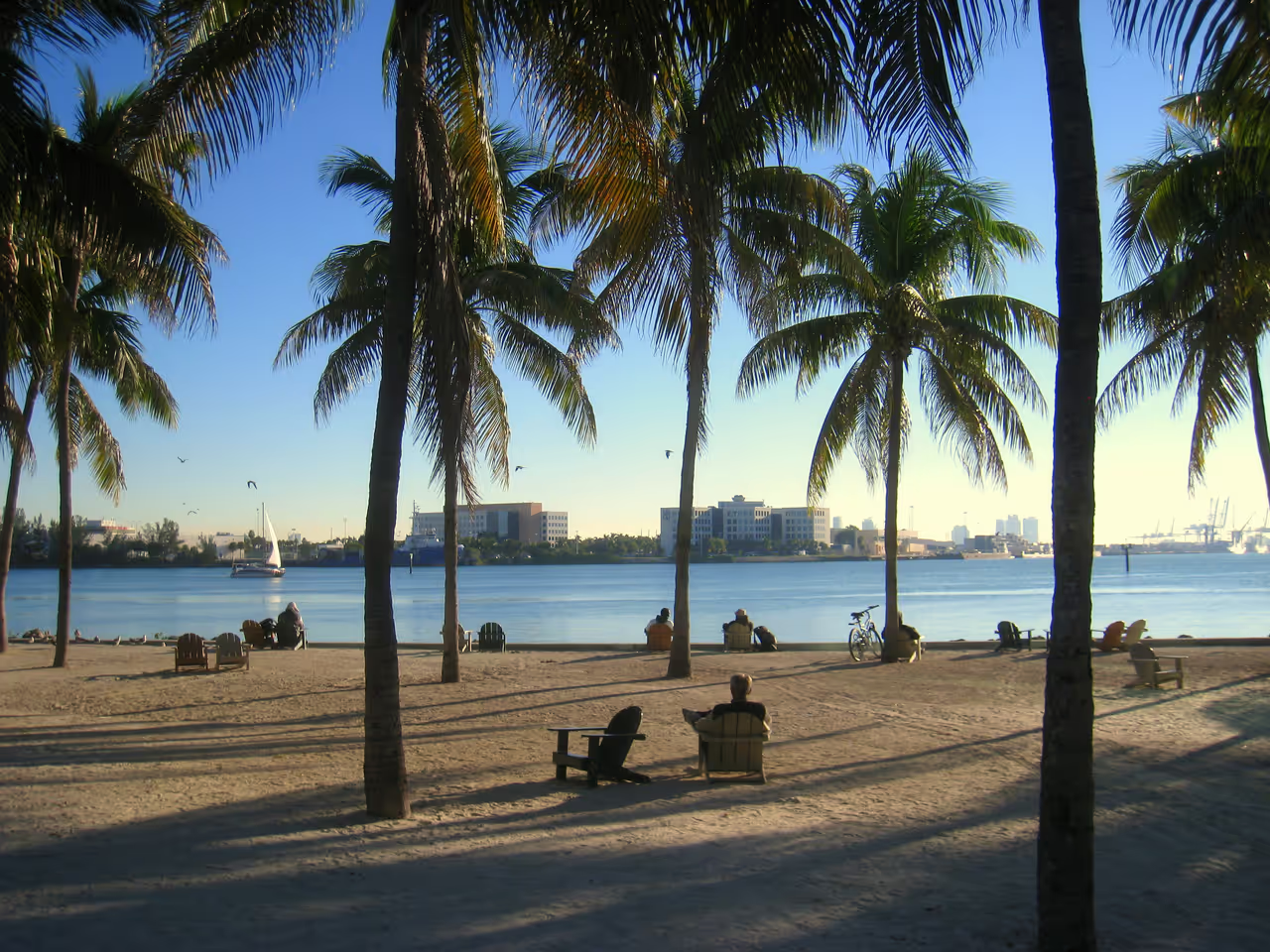
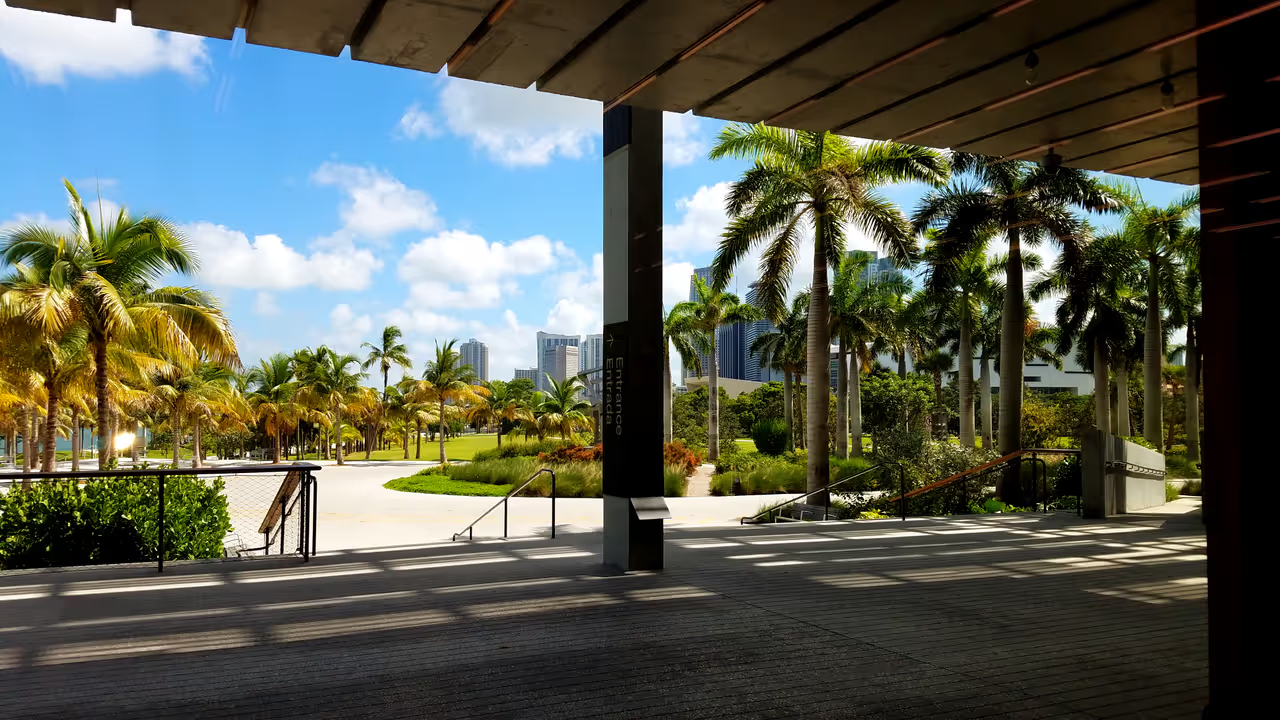

Downtown Bayfront Walk
This route connects several major civic parks along the edge of the deepwater basin. It offers a wide, unobstructed view of the cruise ships docked at PortMiami just across the channel. The concrete paths weave past large public art installations and an outdoor amphitheatre. It remains one of the few places in the urban core where the skyline completely recedes behind you.
view walking route
See all nature & parks in Miami
Including Bayfront Park, Oleta River State Park, Fairchild Tropical Botanic Garden, and more