Kaseya Center
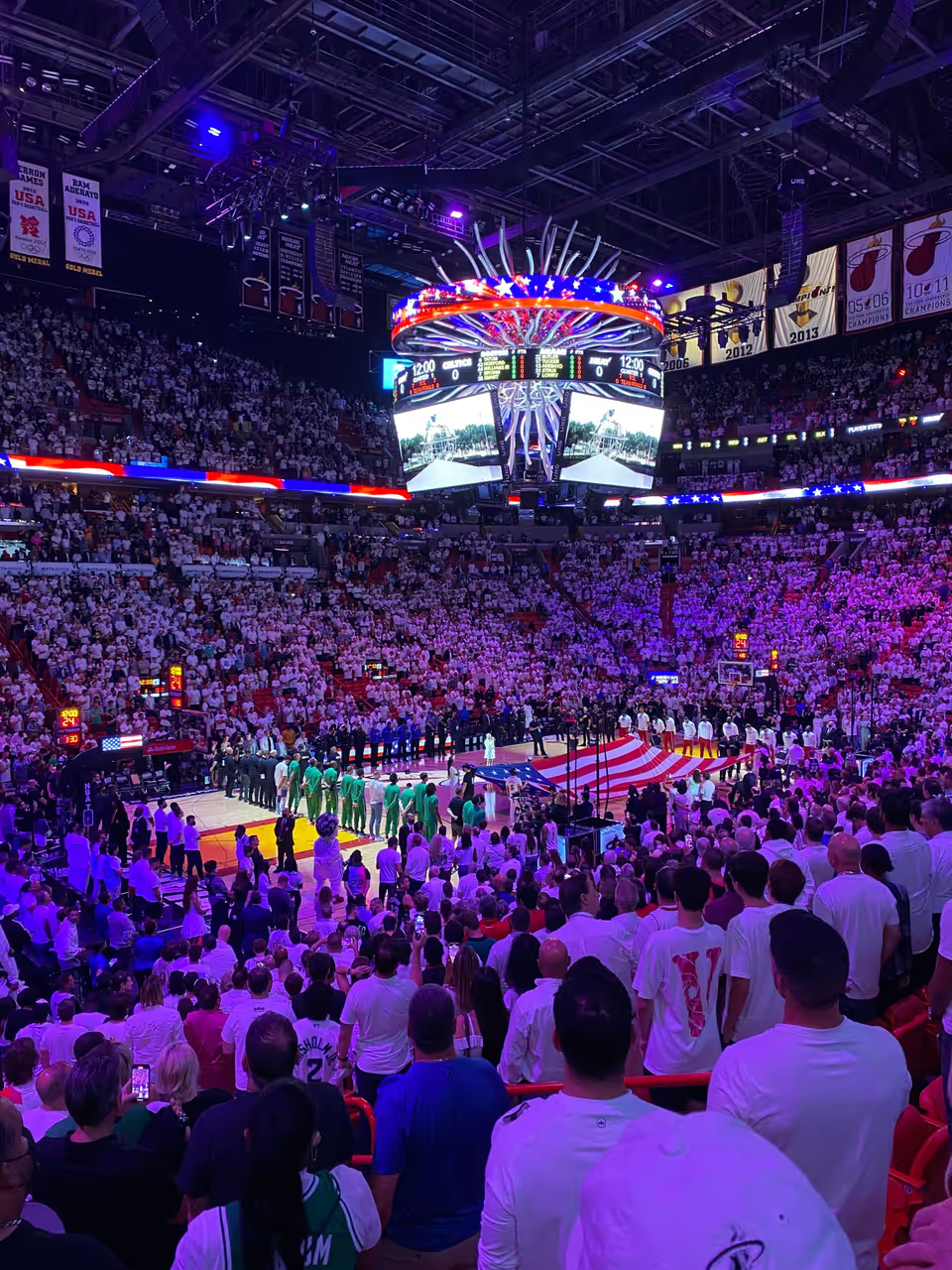
Kaseya Center stands as a glittering beacon on Biscayne Bay, a dynamic hub where Miami's passion for sports and entertainment truly comes alive. This multipurpose arena isn't just the home of the legendary Miami Heat; it's a stage for global music stars, electrifying UFC fights, and grand award ceremonies, drawing immense crowds with its vibrant energy. Designed with a striking contemporary flair, its unique "underwater anemone" scoreboard pulses with ever-changing colours, creating an immersive experience that begins the moment you step inside. Visiting offers more than just a game or a show; it's an opportunity to feel the city's pulse, witness historic moments, and immerse yourself in an atmosphere of collective excitement right in the heart of downtown. From championship triumphs to unforgettable concerts by artists like Gloria Estefan and Taylor Swift, this venue consistently delivers electrifying moments, solidifying its place as a cornerstone of Miami's cultural landscape.
Videos
History of Kaseya Center
The story of the Kaseya Center, a landmark on Miami's waterfront, is one of ambition, evolution, and a persistent drive to remain at the heart of the city’s identity. Its genesis in the late 1990s was not without drama; the owners of the Miami Heat, then playing in the aging Miami Arena, pushed aggressively for a new home. They leveraged the threat of relocating to secure a prime Biscayne Bay parcel from Miami-Dade County, setting the stage for a modern, state-of-the-art facility. This contentious beginning underscored the vital role a major sports arena plays in a city’s civic pride and economic landscape. Opened on New Year’s Eve in 1999 as the American Airlines Arena, it immediately became a symbol of Miami's forward-looking spirit. The inaugural concert by hometown hero Gloria Estefan cemented its place as a premier entertainment venue, swiftly followed by the Miami Heat’s first game. For over two decades, it hosted countless iconic moments, from multiple NBA Finals—including the Heat's championship victory in 2012—to unforgettable concerts by global superstars. Its unique anemone-inspired scoreboard, designed by artist Christopher Janney, became an architectural signature, a dynamic visual element complementing the electrifying events within. The arena’s journey through the 21st century has also mirrored the rapid changes in corporate branding. After a long tenure as the American Airlines Arena, it entered a new era in 2021 as the FTX Arena, a reflection of the burgeoning cryptocurrency industry’s influence. However, this chapter was short-lived and turbulent, culminating in the termination of the naming rights deal amidst the FTX bankruptcy scandal. For a brief period, it stood as the Miami-Dade Arena, a temporary designation that highlighted the county's direct ownership and resilience. By April 2023, a new partnership with Miami-based software company Kaseya restored stability and a fresh identity, firmly establishing it as the Kaseya Center. This latest chapter, coupled with the recent dedication of the basketball court to legendary coach Pat Riley, ensures the arena continues its legacy as a vibrant centrepiece for Miami’s sports, music, and cultural scene, perpetually adapting and thriving in the city's dynamic embrace.
9 events spanning 26 years
Fun Facts
- • Despite its multiple naming rights changes, the arena used the 1967-2013 logo of American Airlines for its branding until the 2020-21 season.
- • Even though it features a regulation NHL ice rink, the Kaseya Center has never hosted professional ice hockey, as the Florida Panthers play in Sunrise.
- • For more intimate performances, the arena complex houses The Waterfront Theatre, the largest indoor theatre in Florida, capable of seating between 3,000 and 5,800 patrons.
- • In 1997, Miami Heat owners leveraged a threat to move to Broward County to secure the $38 million land parcel for the arena from Miami-Dade County Mayor Alex Penelas.
- • The Kaseya Center's architectural design features an unusual scoreboard by artist Christopher Janney, crafted to resemble underwater anemones, which dynamically changes colours to match the atmosphere of events.
- • The Miami Heat paid rent on the arena for the very first time in 2013, making a payment of $3.32 million, 13 years after the arena's opening, under a percentage rent agreement with the county.
- • The Sahara Arena in the 2026 video game Grand Theft Auto VI is directly based on the Kaseya Center, cementing its place in popular culture.
- • The arena previously featured luxury skyboxes named "Flagship Lounges," a direct nod to American Airlines' premium-class lounges found in certain airports.
- • WTVJ, Miami's NBC-owned and operated station, had its Downtown Miami Studios in the back of the arena for a decade, from 2001 to 2011.
- • When it first opened as the American Airlines Arena, a giant aircraft image with the airline's logo was painted on the roof, making it visible to planes flying in and out of Miami International Airport.
Kaseya Center FAQ
While we strive to keep this information accurate and up to date, we recommend verifying any details independently before making decisions based on them.
Kaseya Center Map & Neighborhood Explorer
This interactive map is centered on Kaseya Center. Zoom in and move the map around to automatically discover Wikipedia photos and summaries of other nearby sights, monuments, and historical points of interest and stories in real-time!
Places near Kaseya Center
Make the most of your trip. Check out these top-rated spots located nearby.
 241m
241mFreedom Tower
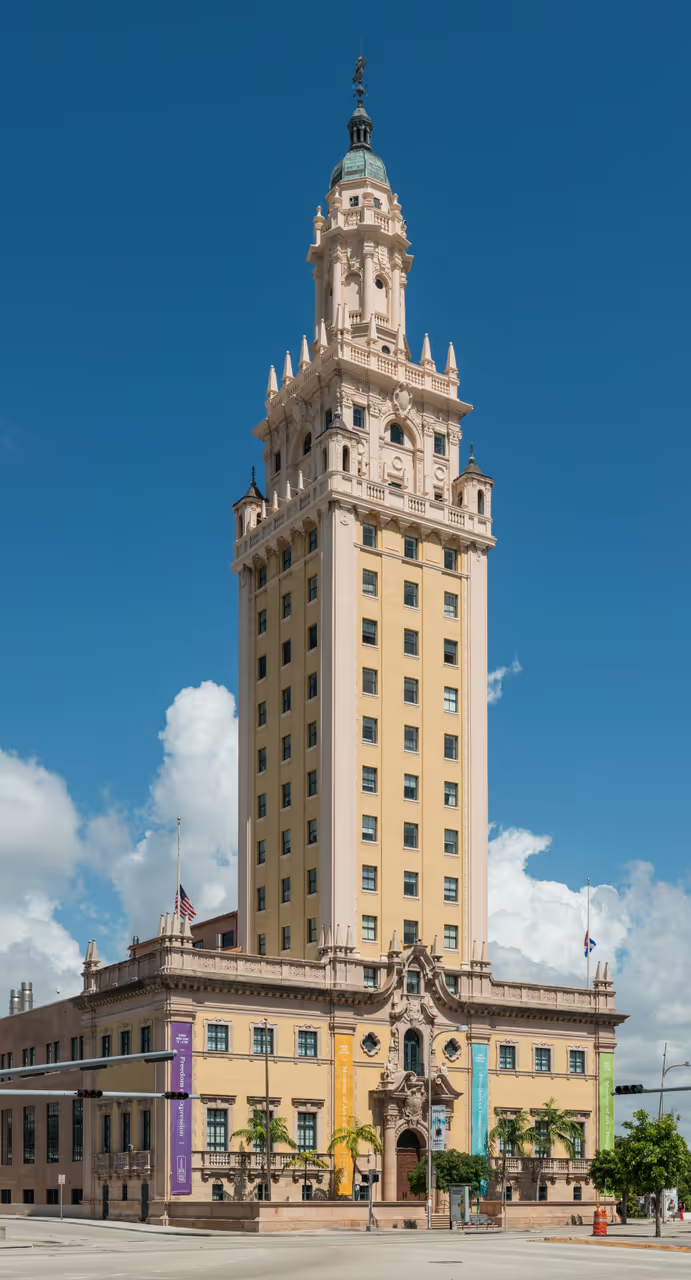
This yellow, cupola-topped skyscraper was modeled explicitly after the Giralda bell tower in Seville, Spain. Constructed in 1925, it originally housed a major local newspaper before being abandoned and subsequently repurposed by the federal government. In the 1960s, it operated as the main processing centre for hundreds of thousands of Cuban refugees fleeing the Castro regime, earning its current name. It stands today as a highly emotional symbol of the immigrant experience in South Florida. The ornate, Mediterranean details provide a stark visual break from the glass towers rising behind it.
architecture view 327m
327mMaurice A. Ferré Park
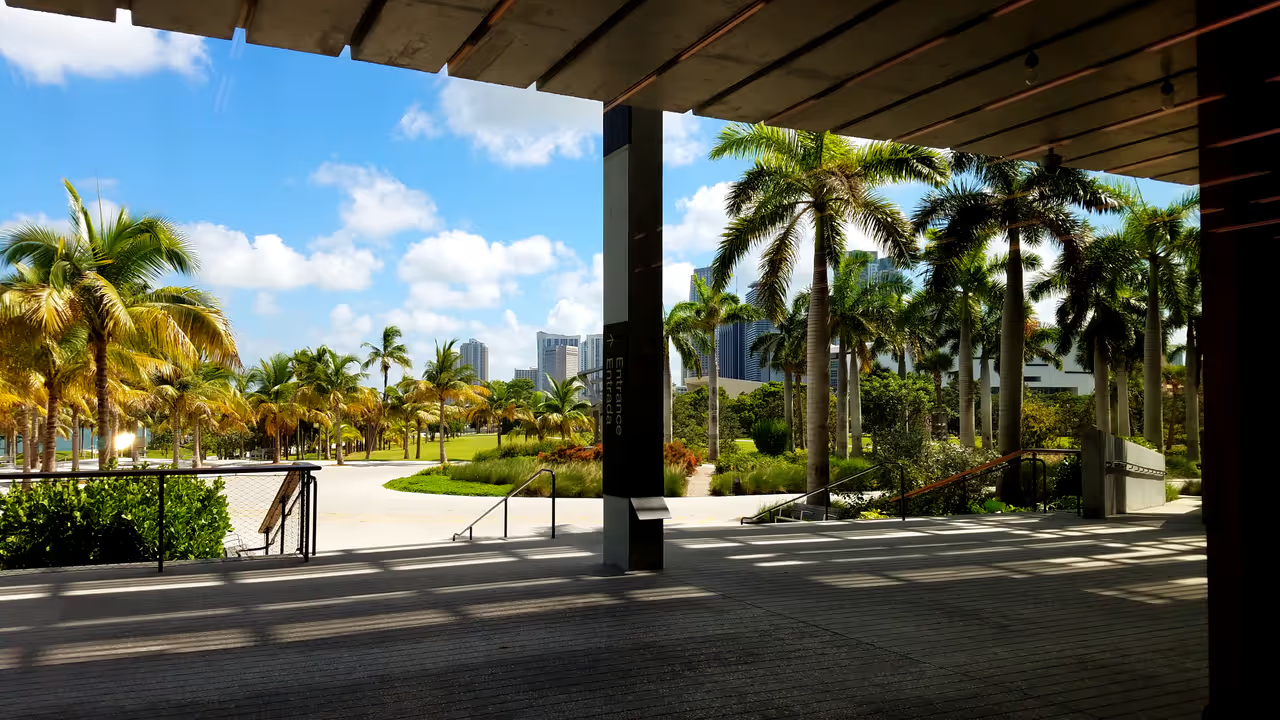
Perched on the sparkling edge of Biscayne Bay, Maurice A. Ferré Park is a revitalised urban oasis in downtown Miami, a place where art, science, and the open air converge. What began as an industrial port transformed into a lush 30-acre green space, now home to architectural marvels like the Pérez Art Museum Miami and the Phillip and Patricia Frost Museum of Science. Beyond its cultural offerings, the park is a grand stage for major gatherings, from the pulsating beats of the Ultra Music Festival to serene waterfront strolls. Its strategic location offers panoramic views of the bay, making it a perfect spot to watch boats glide by or simply enjoy the sea breeze. Visitors can explore the innovative Miami Science Barge, a floating laboratory focusing on sustainability, adding an educational twist to this lively public space. With its blend of natural beauty and intellectual stimulation, it’s a dynamic outdoor experience that truly captures Miami’s forward-thinking spirit.
park & nature view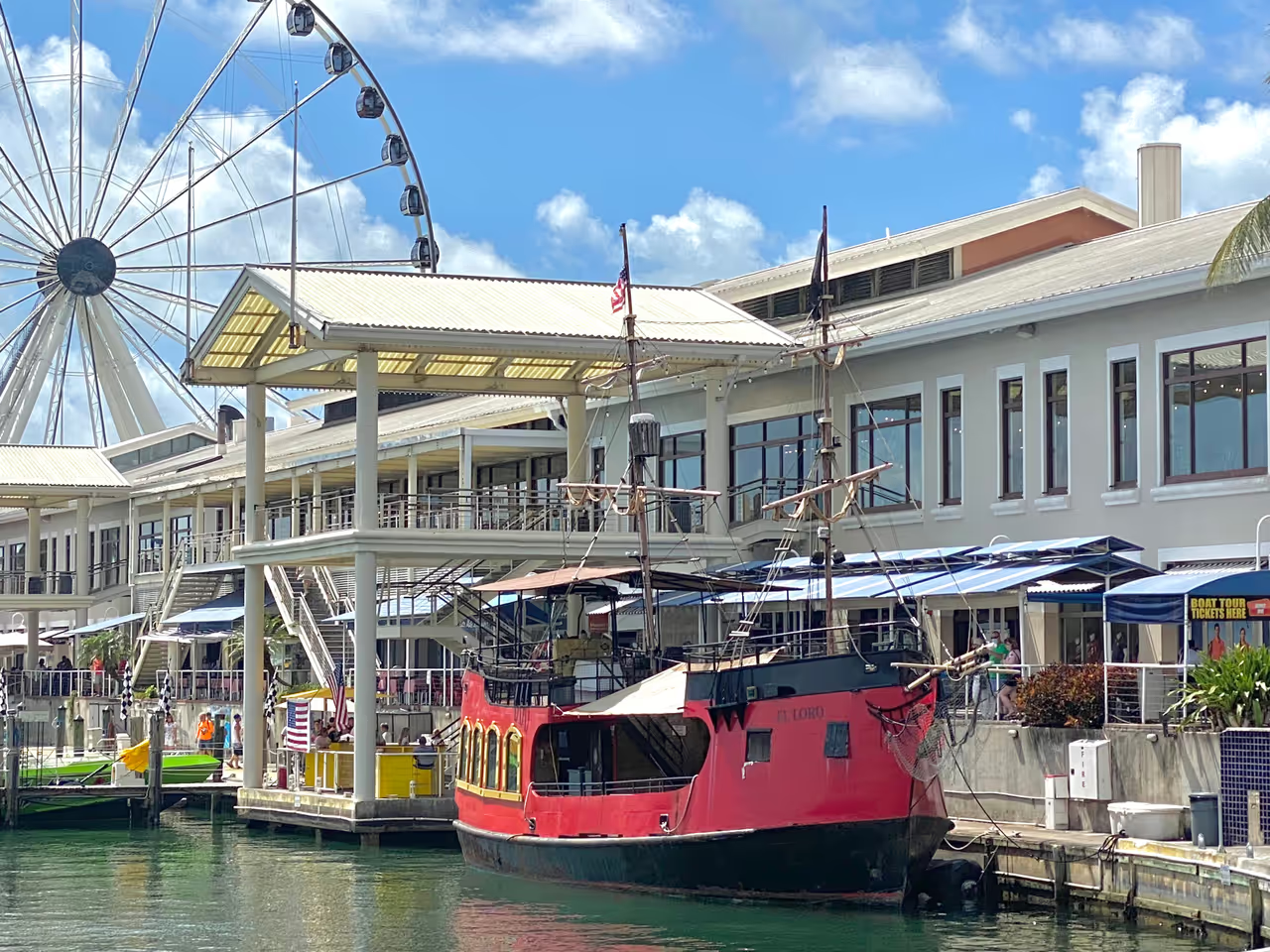 363m
363mBayside Marketplace
This open-air commercial centre sits directly on Biscayne Bay, catching the ocean breeze alongside the downtown marina. Independent kiosks selling sunglasses and souvenirs share space with larger retail chains and busy seafood restaurants. Live bands frequently perform on the central stage, providing a Caribbean soundtrack to the shopping experience. Tour boats depart continuously from the adjacent docks, ferrying passengers out to view the celebrity mansions on Star Island.
market view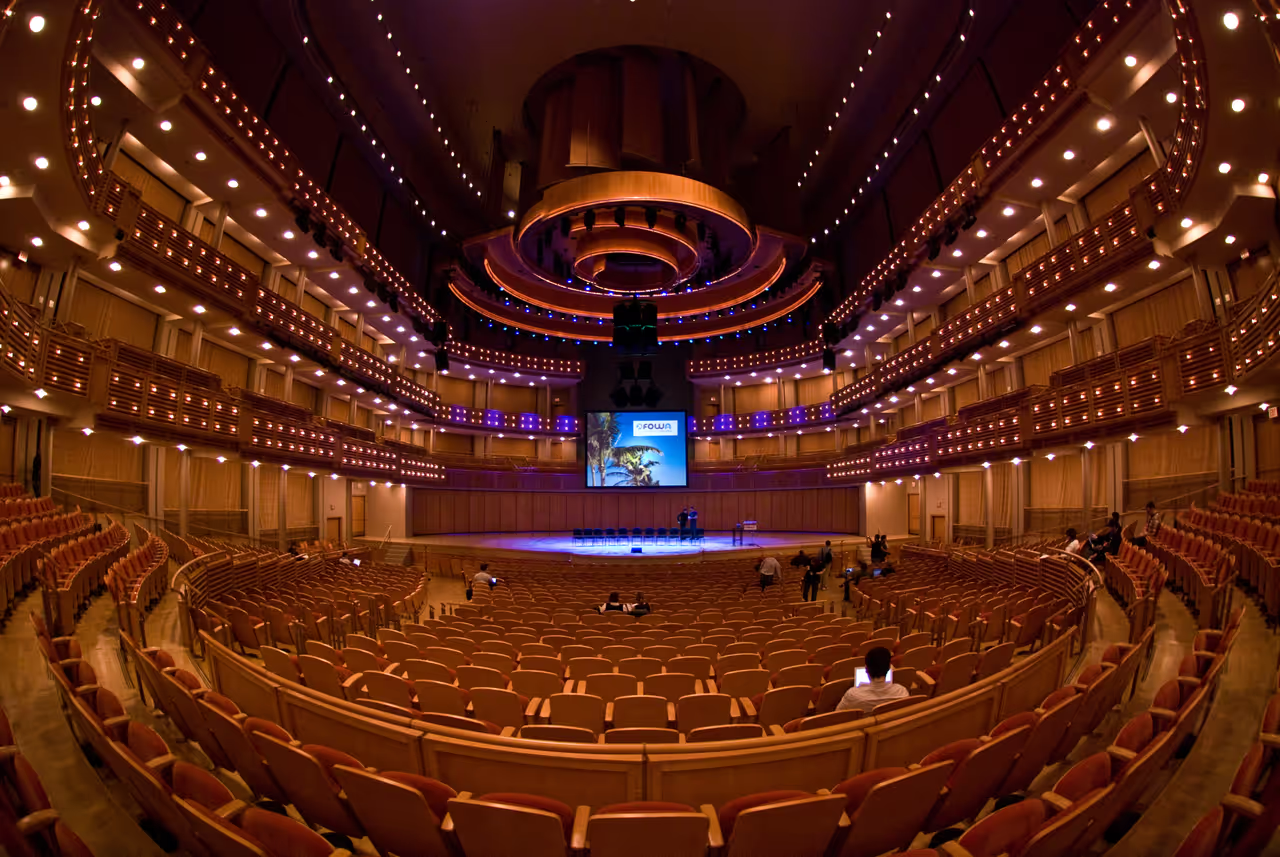 650m
650mAdrienne Arsht Center
Massive sweeps of white steel and glass cut sharply across the skyline, dominating the northern edge of the downtown core. The complex straddles a major boulevard, connecting its two massive acoustic halls via an elevated pedestrian bridge. Inside, the grand opera house features intricate, tiered balconies designed to deliver flawless acoustics for unamplified voices. It visually anchors the city's push to be taken seriously as a global destination for high culture. The aggressive, modern angles starkly contrast with the older, boxy high-rises nearby.
architecture view
Explore Similar Places in This Collection
Featured on These Itineraries and Routes
3 Days in Miami
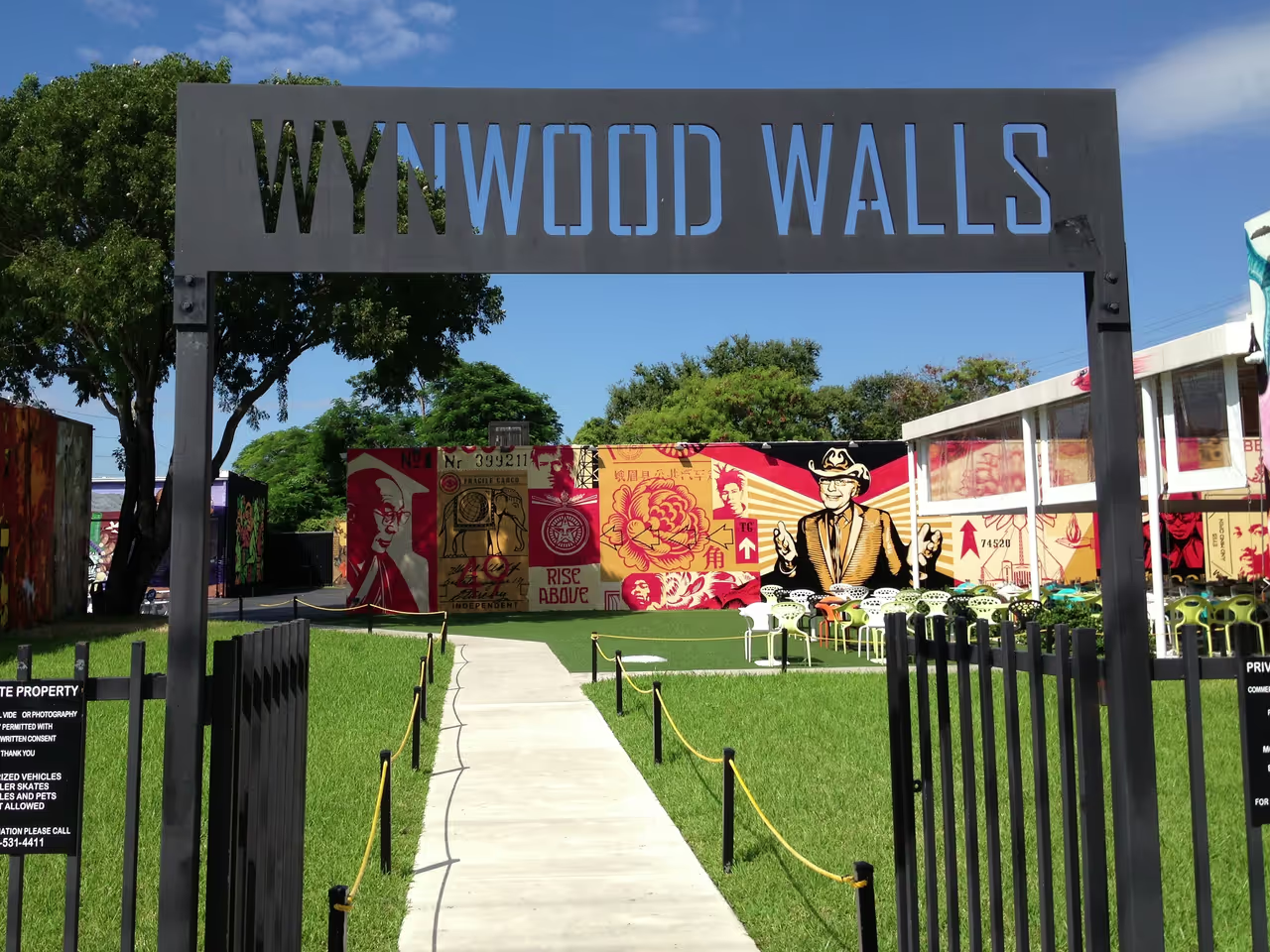
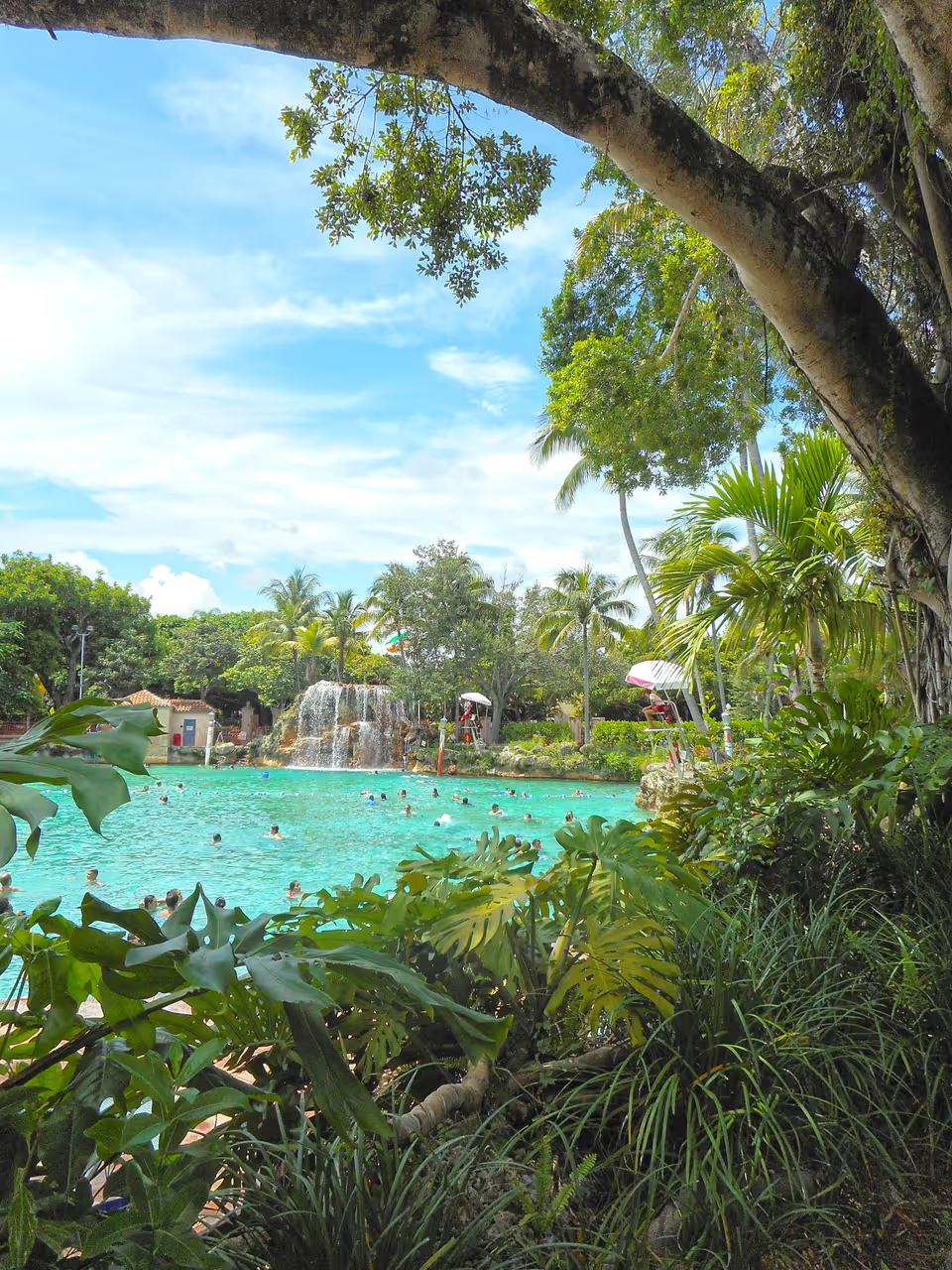
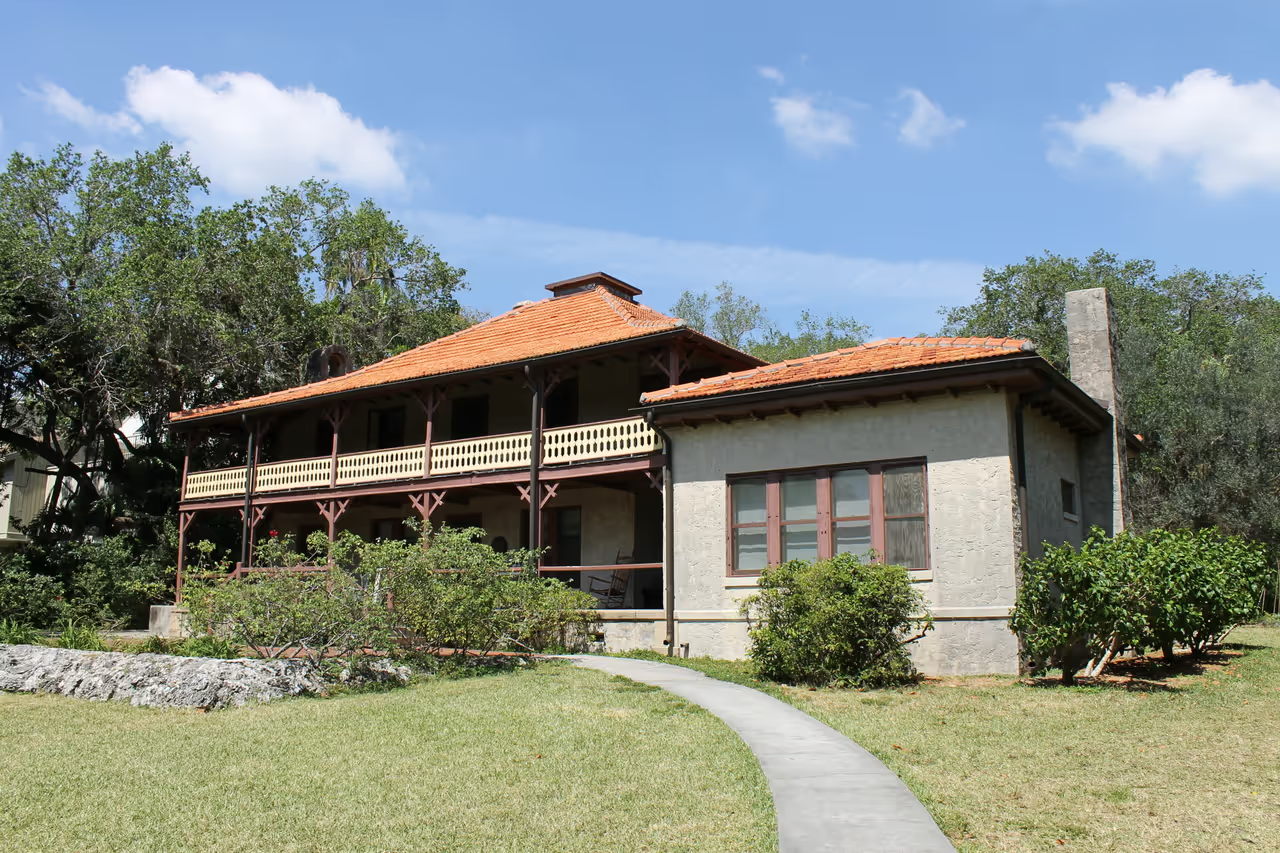
This plan balances the heavy concrete of the downtown core with the lush, shaded history of the southern suburbs. The first day tackles the urban centre, utilising the elevated train to view the skyline before heading out on the water. The second day slows the pace entirely, exploring the bohemian roots and historic pioneer homes hidden in the dense canopy of Coconut Grove. The final day pivots to modern art and nature, contrasting high-end retail architecture with a dense mangrove forest. It offers a well-rounded look at the city beyond just the famous beaches.
view itinerary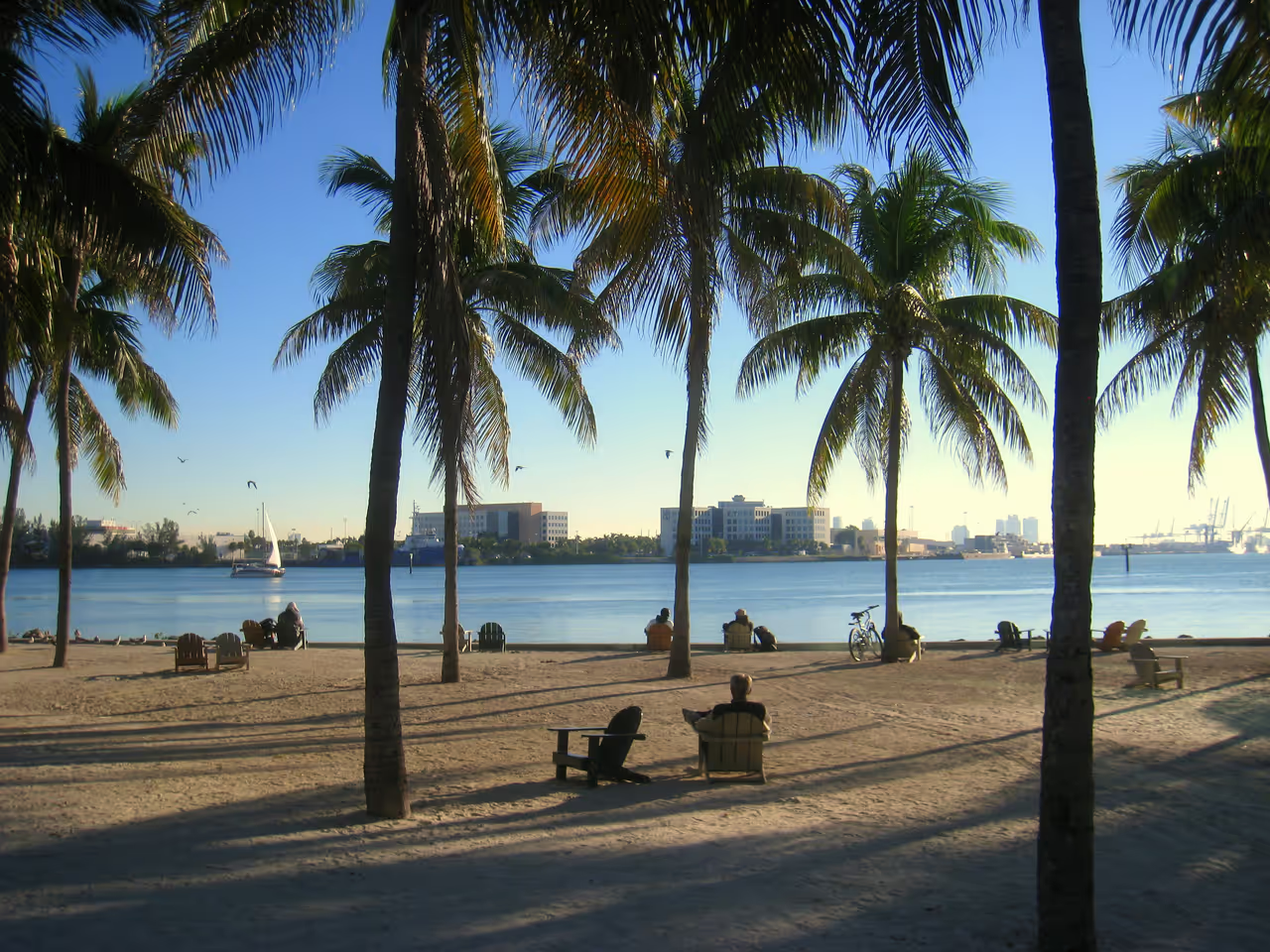

Downtown Bayfront Walk
This route connects several major civic parks along the edge of the deepwater basin. It offers a wide, unobstructed view of the cruise ships docked at PortMiami just across the channel. The concrete paths weave past large public art installations and an outdoor amphitheatre. It remains one of the few places in the urban core where the skyline completely recedes behind you.
view walking route
See all attractions in Miami
Including Ancient Spanish Monastery, Hard Rock Stadium, Phillip and Patricia Frost Museum of Science, and more