Dunedin
Full City Guide, Map & 115 Things To Do
132,800 people live here.
That's 2.6% of the entire population of New Zealand.
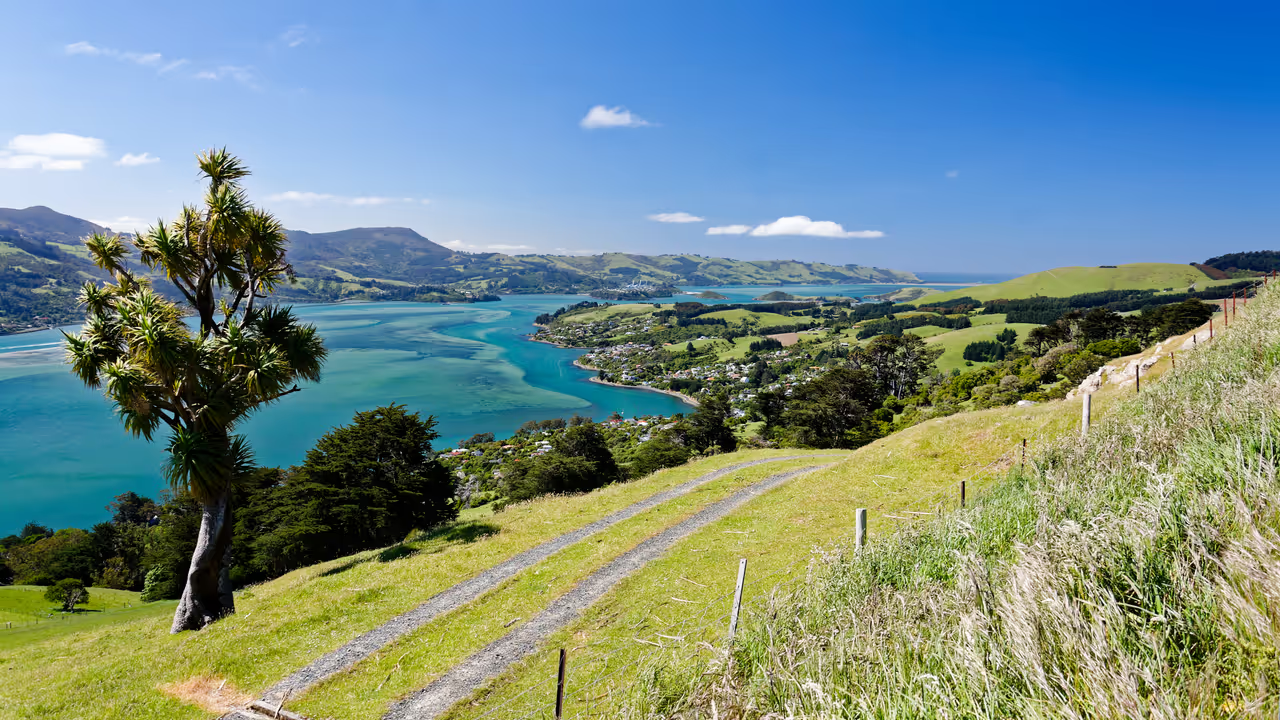
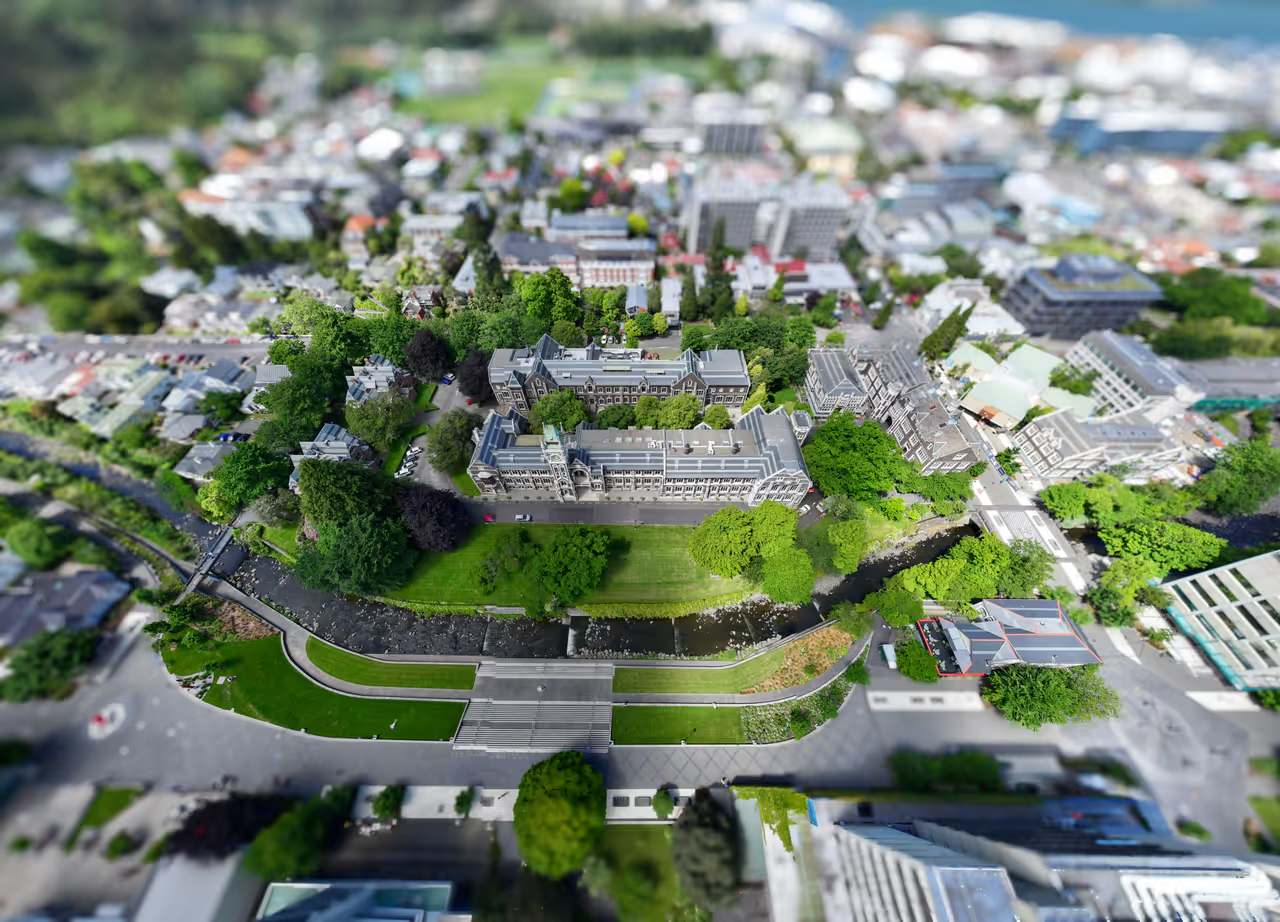
Dunedin is a fiercely independent city where dramatic coastal scenery meets a proud intellectual heritage. It was built on the sudden wealth of the 1860s gold rush, leaving behind a legacy of grand Victorian and Edwardian architecture that feels beautifully out of place in the rugged South Pacific. The city curves around the head of the Otago Harbour, shadowed by the remnants of an extinct volcano, giving it a topography defined by absurdly steep streets and lush green hills. It is home to New Zealand's oldest university, which infuses the historic streets with a youthful, highly energetic student culture known locally as the 'scarfie' scene. Beyond the city limits, the Otago Peninsula stretches into the ocean, offering sanctuary to rare penguins and the world's only mainland breeding colony of royal albatrosses. Visitors will find a place that embraces its quirky character, celebrates a rich literary tradition, and encourages exploration of its moody, captivating landscapes.
Dunedin DNA
History of Dunedin
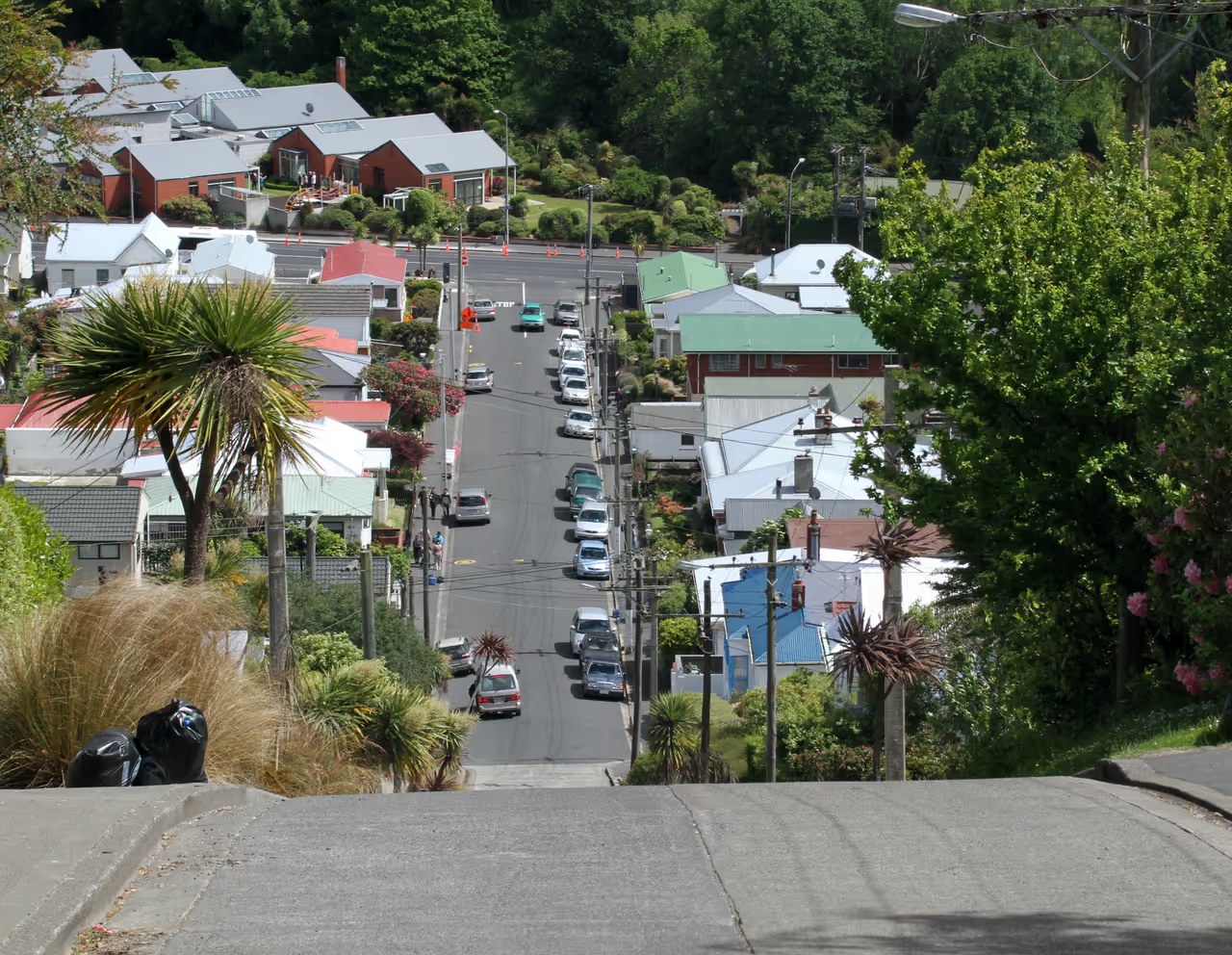
Māori hunters discarded their stone tools in the white sand of Kaikai Beach sometime in the thirteenth century. The landscape around the extinct volcanic cone of the Otago Harbour later became a highly contested frontier. An argument between local Ngāi Tahu and European sealers ignited a feud that escalated into a prolonged coastal war. Soon after the fighting subsided, the Weller brothers dragged whaling boats ashore at Ōtākou. They built a lucrative export operation out of blubber and bone. By 1840, pioneer Johnny Jones was operating a farming outpost at Waikouaiti, watching the southern right whales vanish from the ocean entirely. Searching for a suitable location for a new Scottish colony, surveyor Frederick Tuckett sailed south from Nelson in 1844. He took one look at the swampy ground around the Avon River further north, rejected it entirely, and chose these steep, forested hills instead. The Lay Association of the Free Church of Scotland named their new home Dunedin, borrowing the Gaelic translation of Edinburgh. Town planner Charles Kettle was handed the impossible task of dropping a rigid European grid onto this wildly uneven terrain. Builders cursed the blueprints as they carved streets out of bedrock and clay. Even today, walking up the absurd gradient of Baldwin Street requires leaning forward just to keep your balance against Kettle's stubborn street plan. Reverend Thomas Burns stood before his congregation to preach while the sound of picks and shovels echoed across the newly flattened crest of Bell Hill. A glint in the dirt at Gabriel's Gully in 1861 permanently altered the trajectory of the settlement. The ensuing gold rush brought tens of thousands of opportunists, temporarily turning this southern port into the most populous urban centre in New Zealand. Lebanese merchants, Italian prospectors, and Chinese miners from Guangdong walked alongside Scottish Presbyterians on Princes Street. Flush with sudden wealth, the civic leaders funded a massive architectural boom. Architect R. A. Lawson designed the towering white spire of First Church. Local investors backed the maiden voyage of the ship Dunedin, which successfully transported the first commercial cargo of frozen meat to London in 1881. Businessmen read the country's first daily newspaper under the elaborate gingerbread stonework of the new railway station. As the gold reserves dried up at the turn of the twentieth century, commercial power drifted north towards Auckland. Dunedin leaned heavily into education instead, expanding the University of Otago along the banks of the Water of Leith. A heavy student population earned the local nickname Scarfies. They dominated the draughty Victorian flats in the northern suburbs. The damp weather and cheap rent fostered an underground music movement in the 1980s that gained global traction. Bands like The Chills and The Clean plugged in their guitars in cramped bedrooms, pioneering the jangly indie rock that came to be known as the Dunedin Sound. Today, students still lug amplifiers out of flat parties on Castle Street, carrying on a local tradition in the shadow of the same basalt clocktower that has watched over the campus since 1878.
13 Events spanning 714 years
Map of Dunedin
Interactive Destination & Itinerary Map
This map blends our curated city guides—featuring best photo spots, scenic walks, viewpoints, hidden gems and much more—with a live Wikipedia explorer. Click on our numbered pins to plan your routes, or zoom in on the surrounding neighborhoods to discover verified local landmarks, museums, and stories with dynamic Wikipedia summaries and photos!
Fun Facts
- • The city planners in Scotland designed the street grid without ever seeing the actual landscape. This blind planning resulted in streets that go straight up incredibly steep hills rather than winding around them.
- • The local student population is so large that it makes up nearly a quarter of the entire city's residents. This creates a distinct culture known as 'scarfie' life, named after the traditional thick scarves worn during the cold winters.
- • The city has its own signature musical genre. Known as the 'Dunedin Sound', this 1980s indie rock movement pioneered by bands on the Flying Nun label went on to influence global alternative acts like Pavement and R.E.M.
- • A local culinary obsession is the humble cheese roll. Affectionately called 'southern sushi', it consists of a slice of white bread coated in a specific mixture of cheese and onion soup powder, rolled into a tube, and toasted until crispy.
- • The central plaza is uniquely shaped as a perfect octagon rather than a traditional square. It was originally a deep gully that had to be filled in during the mid nineteenth century to create a usable civic space.
- • An asteroid floating out in space shares the city's name. Asteroid 101461 was discovered by a British astronomer in 1998 and officially named in honour of the city in 2019.
Did You Know?
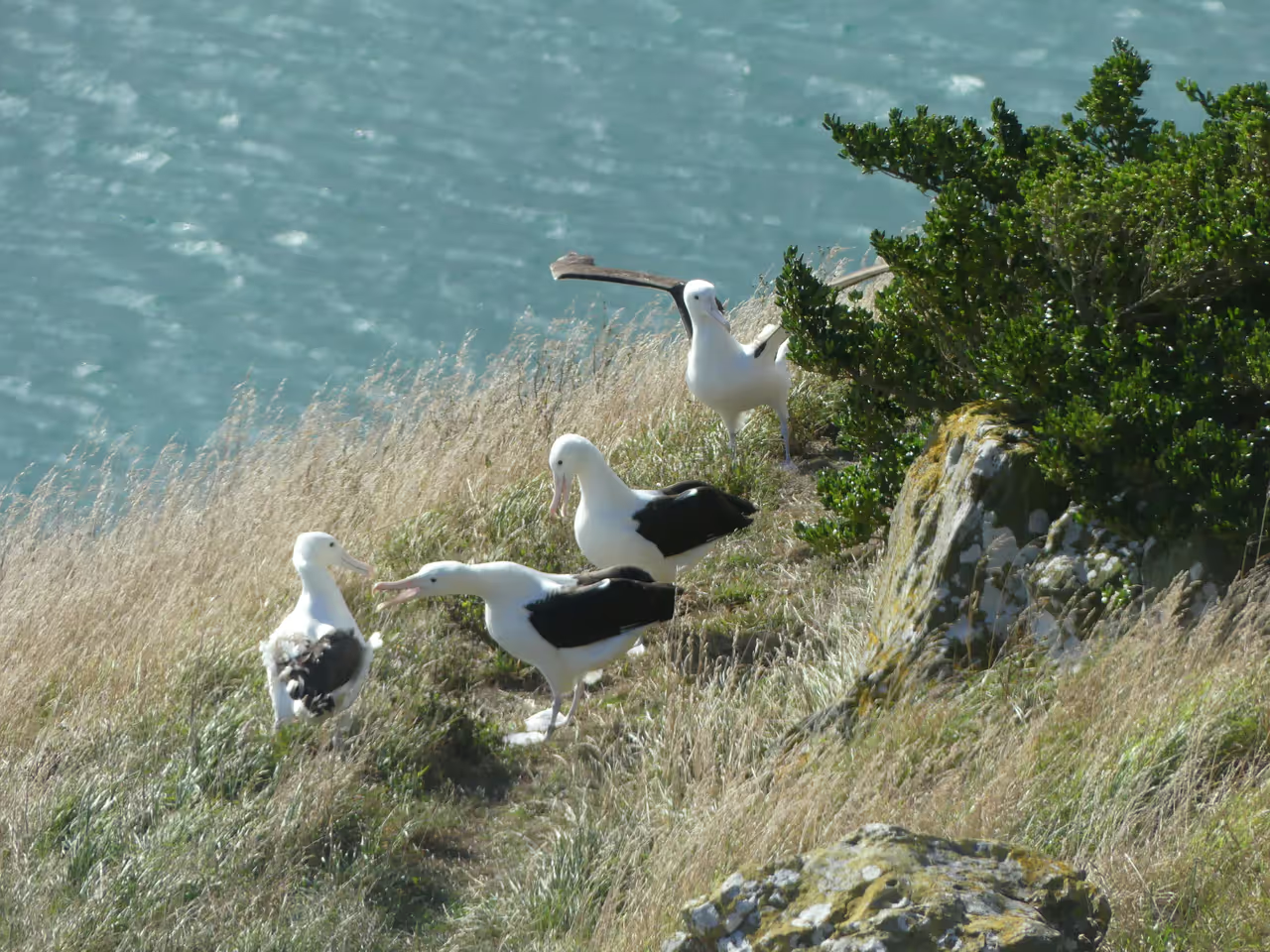
- • The city is home to the world's only mainland breeding colony of the majestic royal albatross. Located at Taiaroa Head, this conservation site allows researchers and visitors to observe these massive seabirds without travelling to remote, uninhabited islands.
- • The local university leads one of the most detailed studies of human health in global history. The Multidisciplinary Health and Development Study has continuously tracked over 1,000 individuals born in the city in 1972, providing unprecedented medical and psychological data.
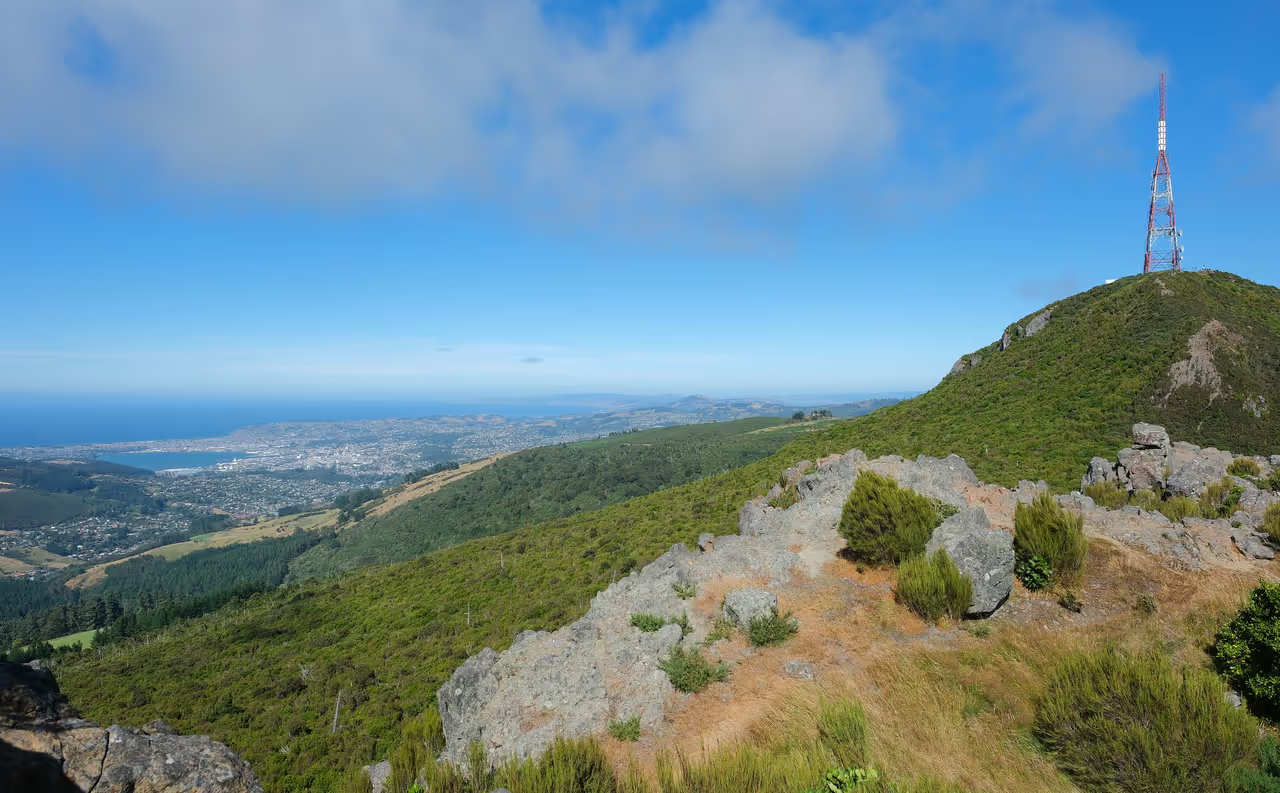
- • The entire city is built upon the remnants of a massive extinct shield volcano. The picturesque harbour is actually the result of the ocean flooding two ancient river valleys that formed within the volcanic crater over millions of years.
- • In 1881, the city changed global trade dynamics by launching the first successful shipment of frozen meat. The ship 'Dunedin' departed Port Chalmers equipped with experimental refrigeration, proving that perishable goods could survive the journey to Europe.
- • The city preserves one of the few functional Armstrong Disappearing Guns left on earth. Installed in 1889 during a panic over potential Russian naval attacks, the weapon uses a hydro pneumatic system to lower itself behind concrete walls after firing.
- • For a brief period during the late 19th century gold rush, this was the wealthiest and most populous urban area in New Zealand. This temporary economic dominance financed the construction of the magnificent stone buildings that still define the skyline today.
RESOURCES
Official WebsiteVideos of Dunedin
Seasons

Spring
As the weather begins to warm and the frequent drizzle gives way to brighter days, the city's green spaces explode into vibrant...
Summer
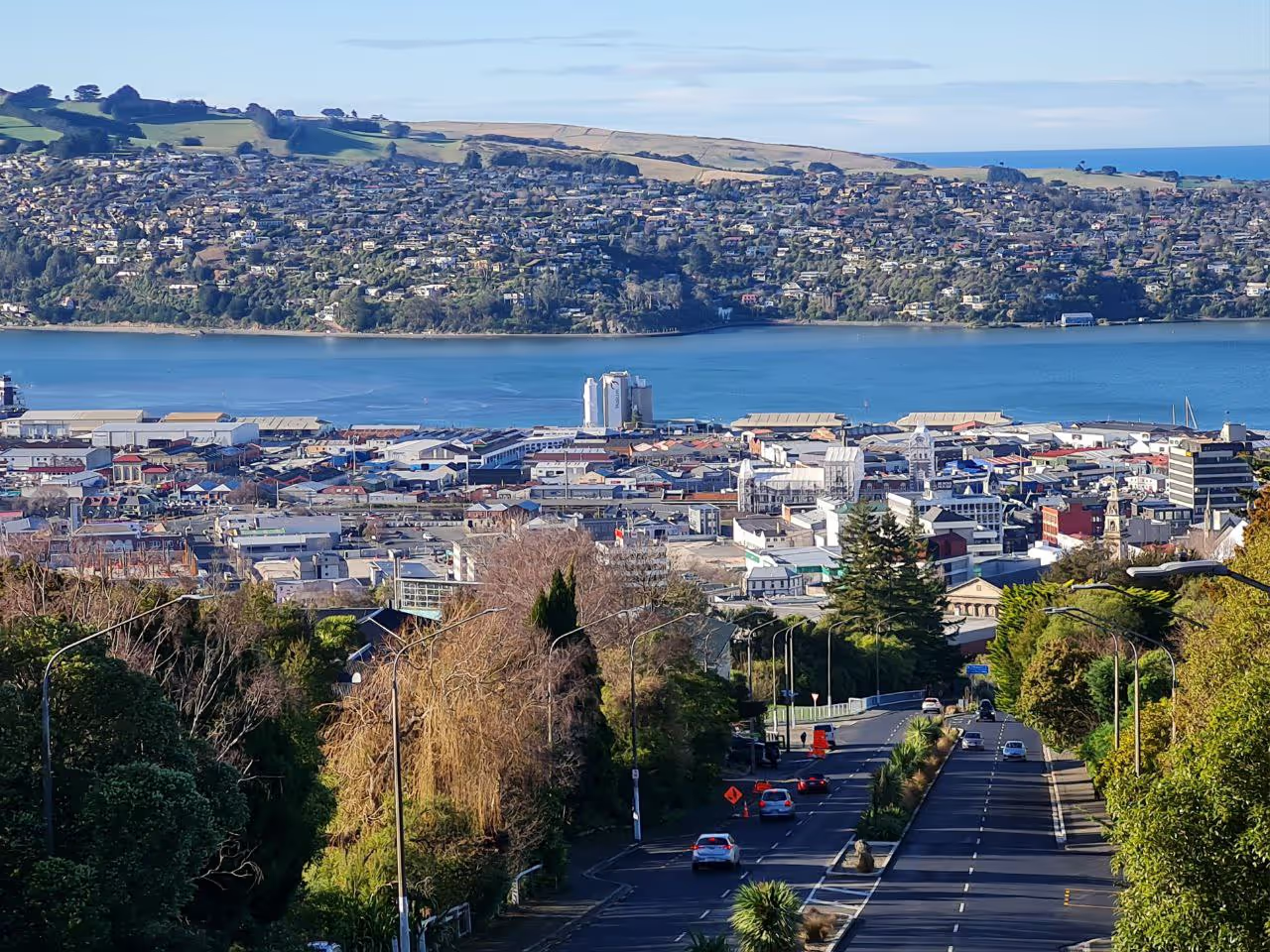
This is the absolute peak season for exploring the rugged coastal environments and heading out to the peninsula. The warmer...
Autumn
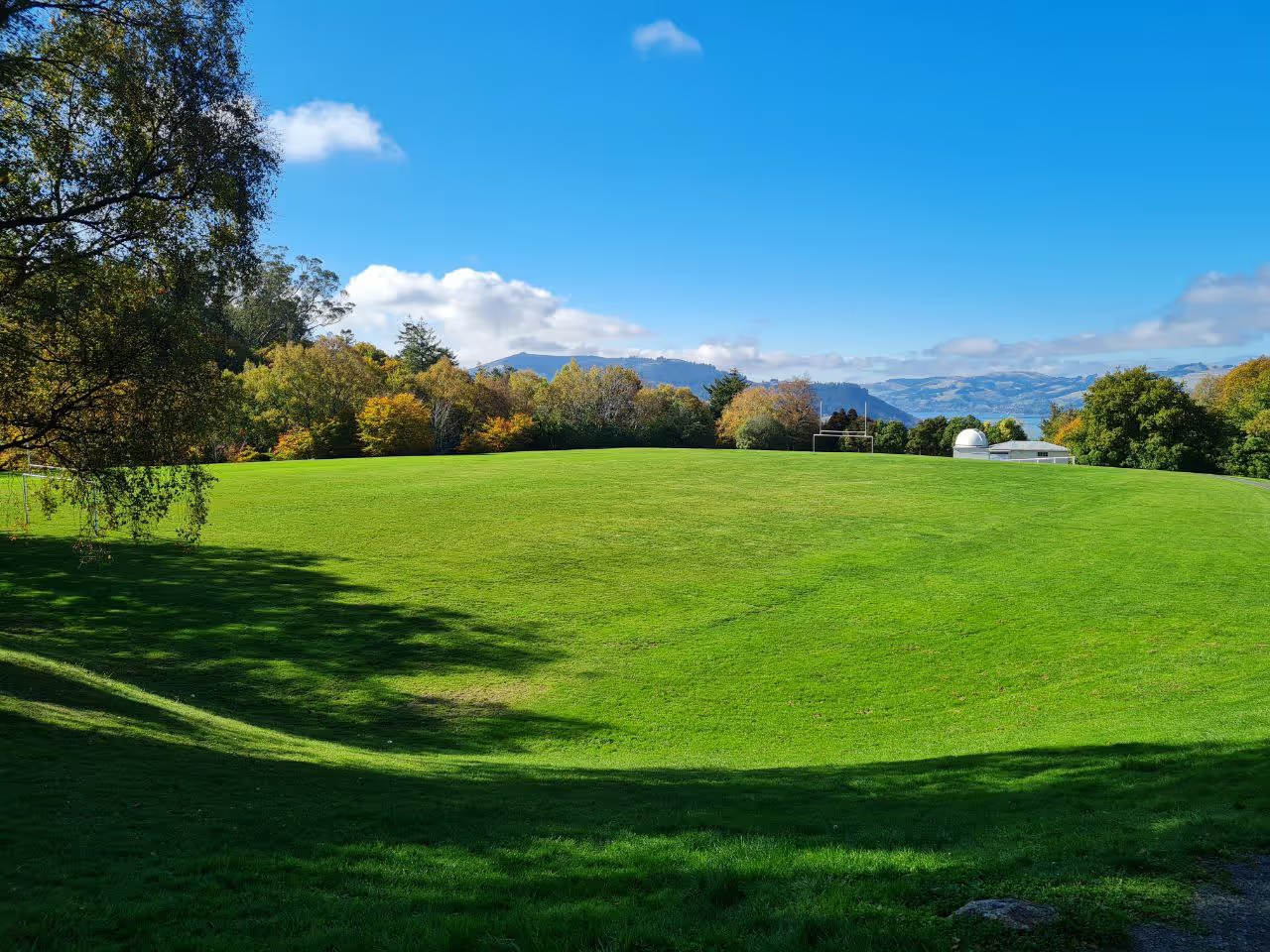
The crisp, clear days of autumn provide some of the most visually stunning scenery of the year, particularly around the heritage...
Winter
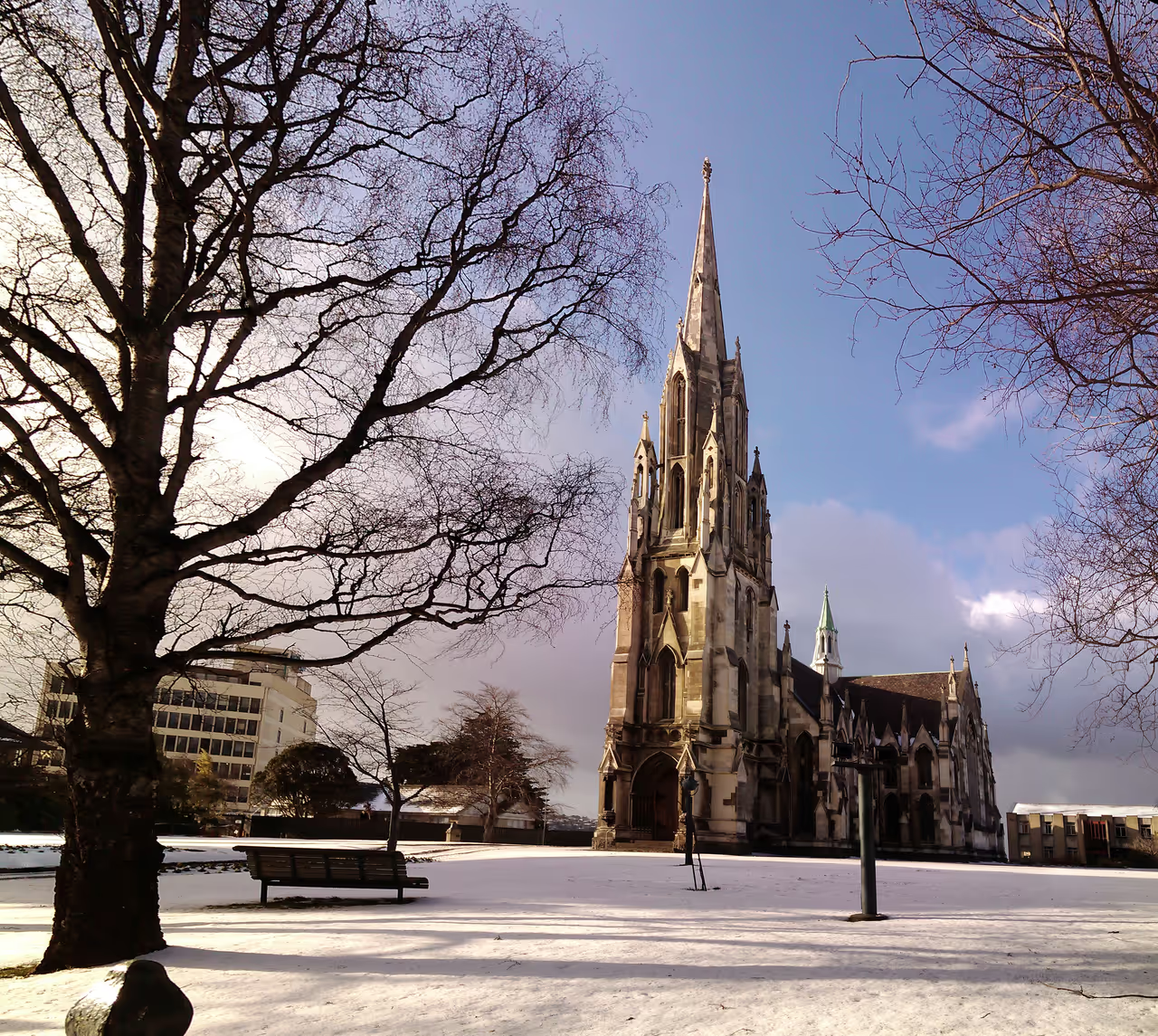
When the cold southerly winds blow in, the city retreats indoors, relying on its cosy, historic pubs and roaring fires. The...
Top Attractions in Dunedin
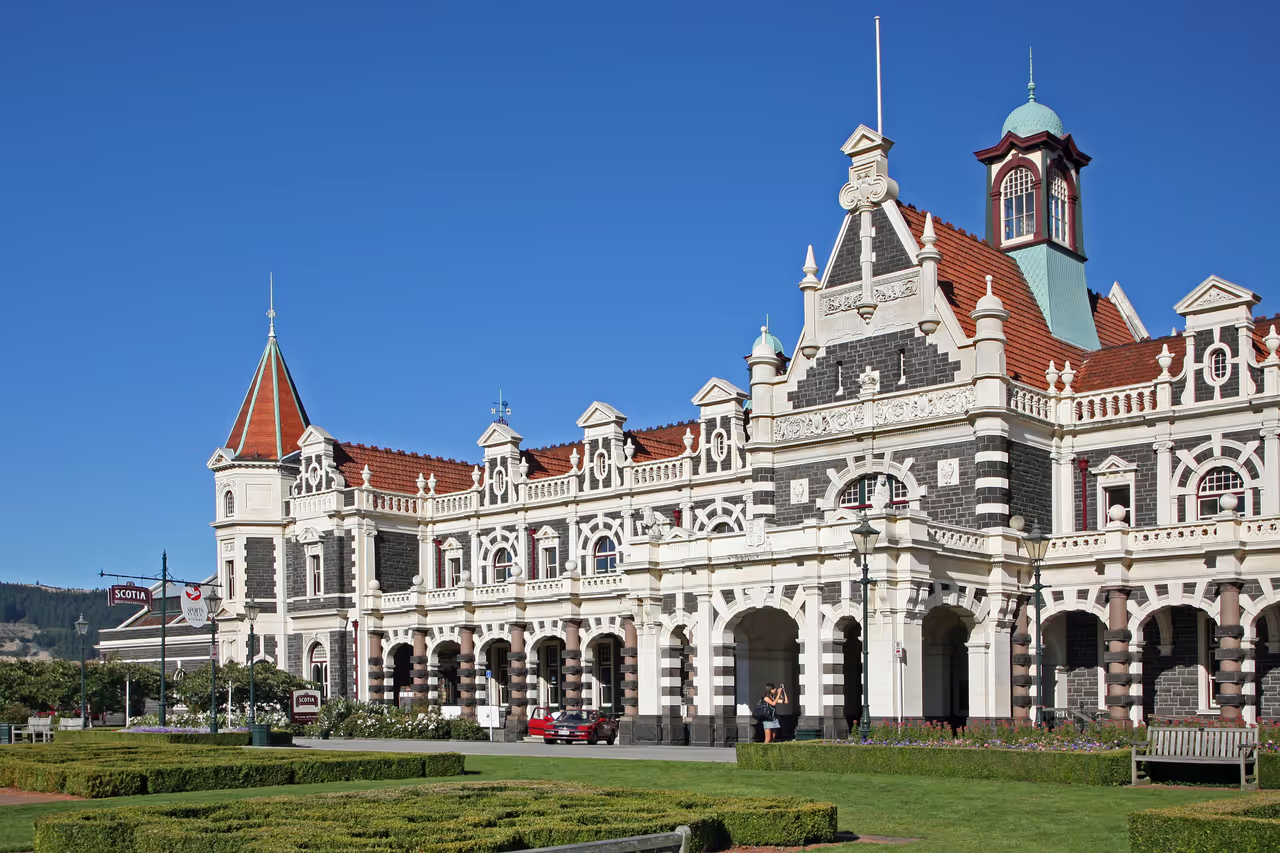
Dunedin Railway Station
The Dunedin Railway Station is a masterpiece of Flemish Renaissance architecture that commands attention in the heart of the...
view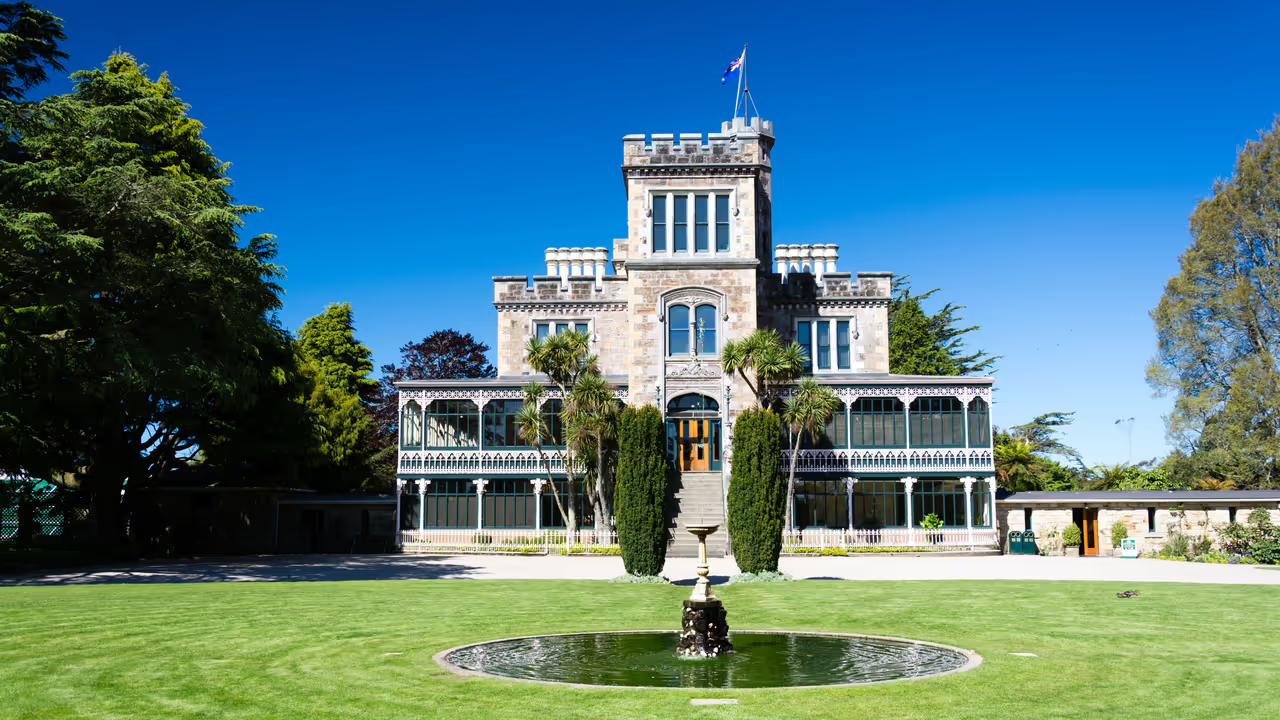
Larnach Castle
Step into a real-life fairytale at Larnach Castle, New Zealand's only castle, perched dramatically on the Otago Peninsula. This...
view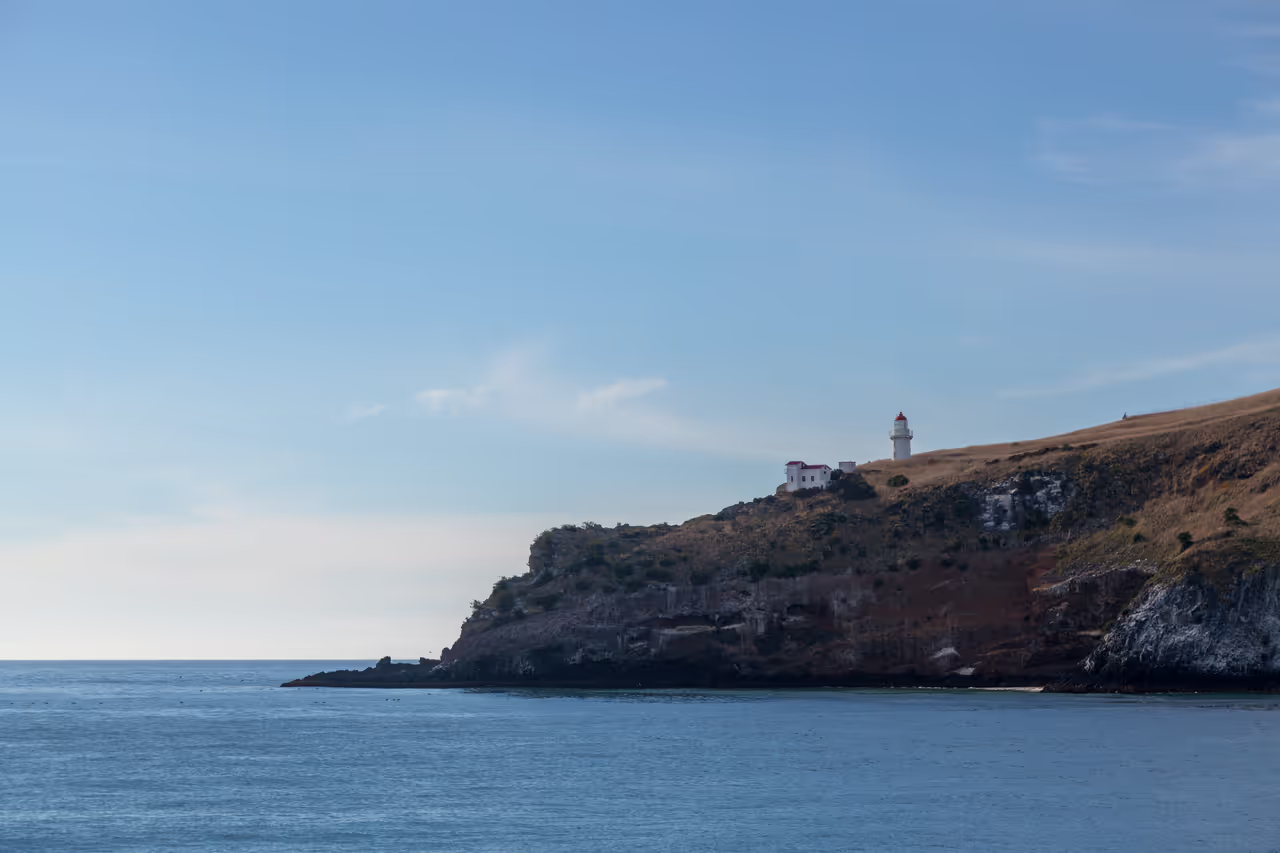
Taiaroa Head
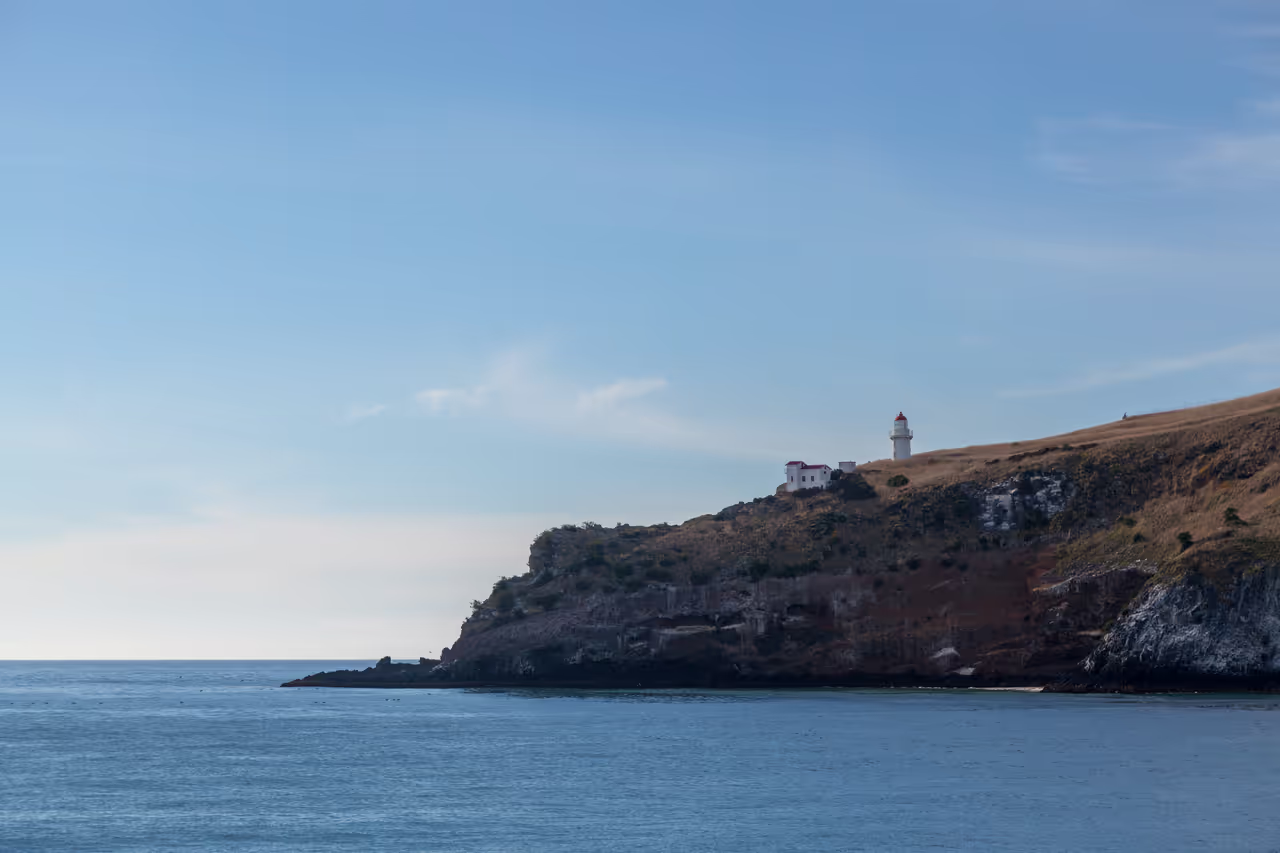
Perched at the very tip of the Otago Peninsula, Taiaroa Head is a spectacular fusion of nature and history. It is famous as the...
view
Toitū Otago Settlers Museum
This museum stands as the oldest history museum in New Zealand and offers an immersive journey through the stories of the people...
view
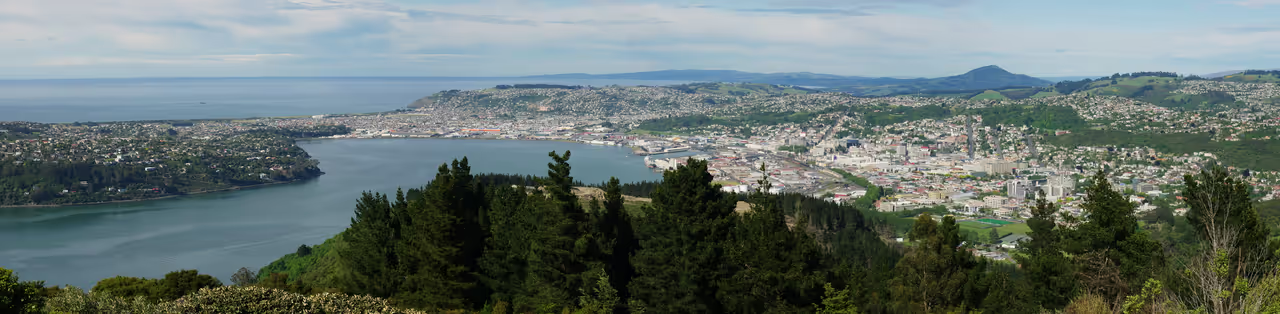
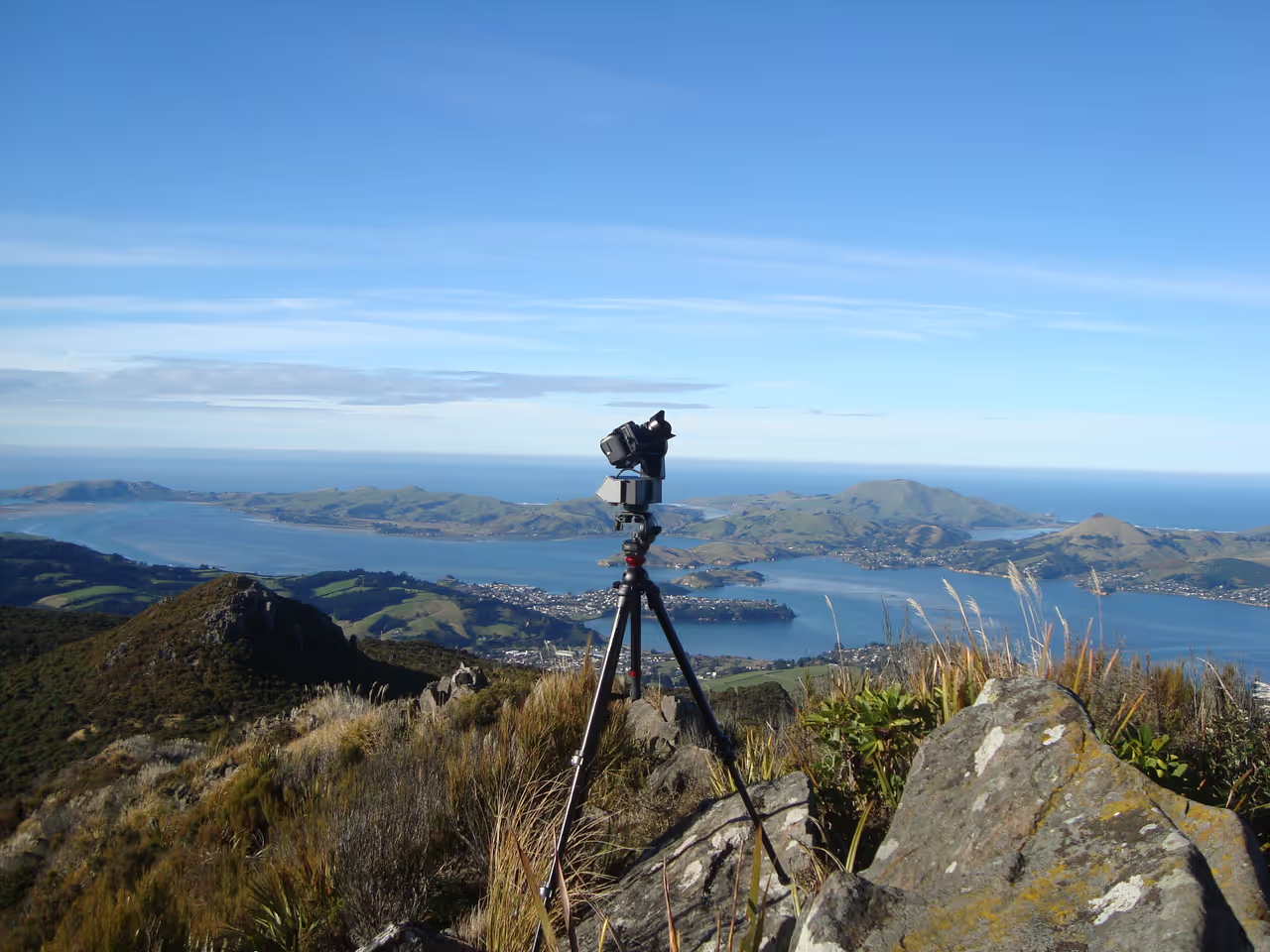
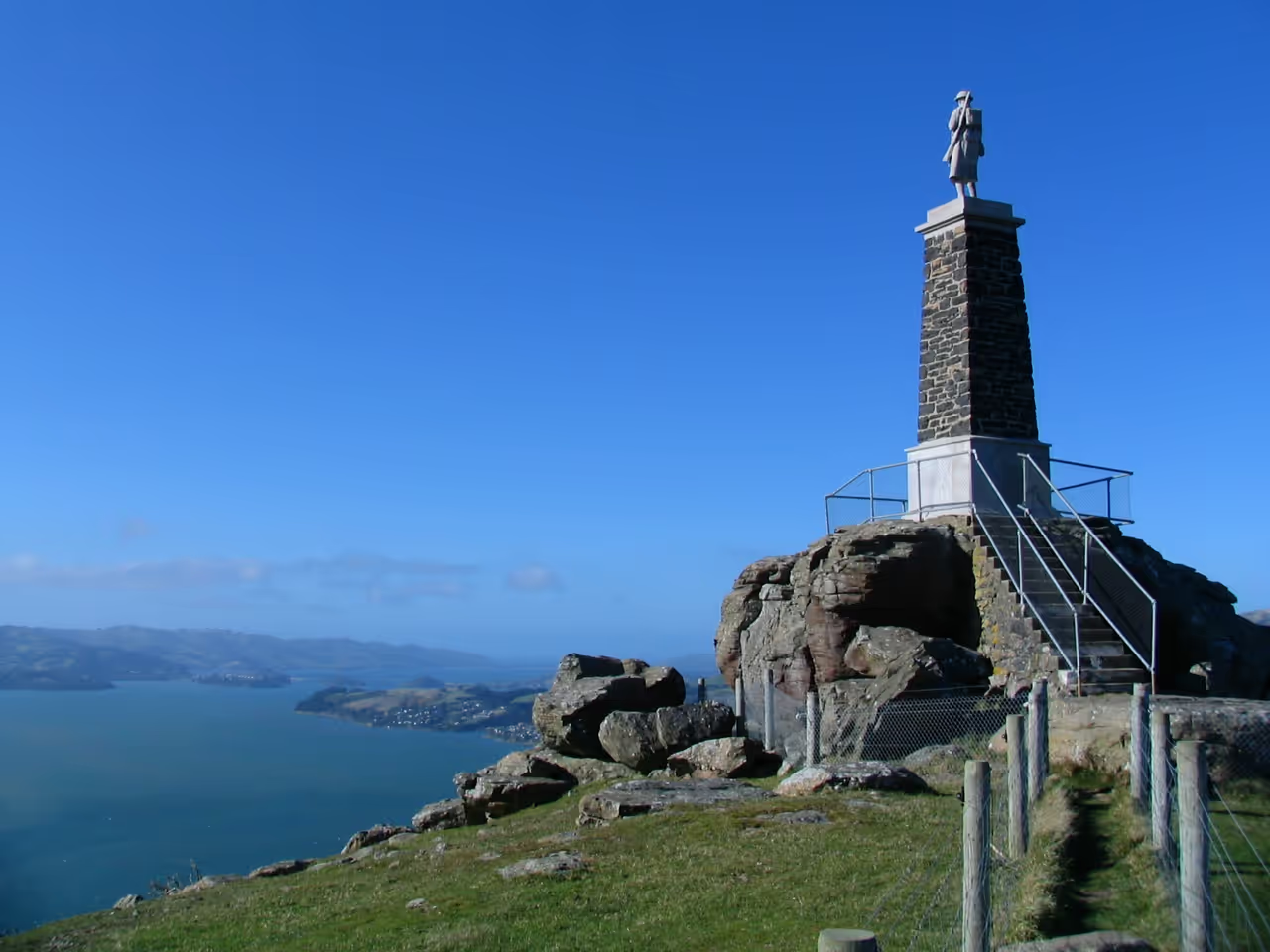
Best Views
Dunedin Itineraries
TRIP PLANNER
3 Days Recommended
Three days offers the perfect window to absorb the distinct atmosphere without feeling rushed. You can dedicate one day to exploring the central heritage buildings and museums, spend a full second day navigating the winding roads of the peninsula for wildlife and castles, and use the third day to hunt down street art and enjoy the local culinary scene.
1 Day in Dunedin: Heritage and Harbour Itinerary
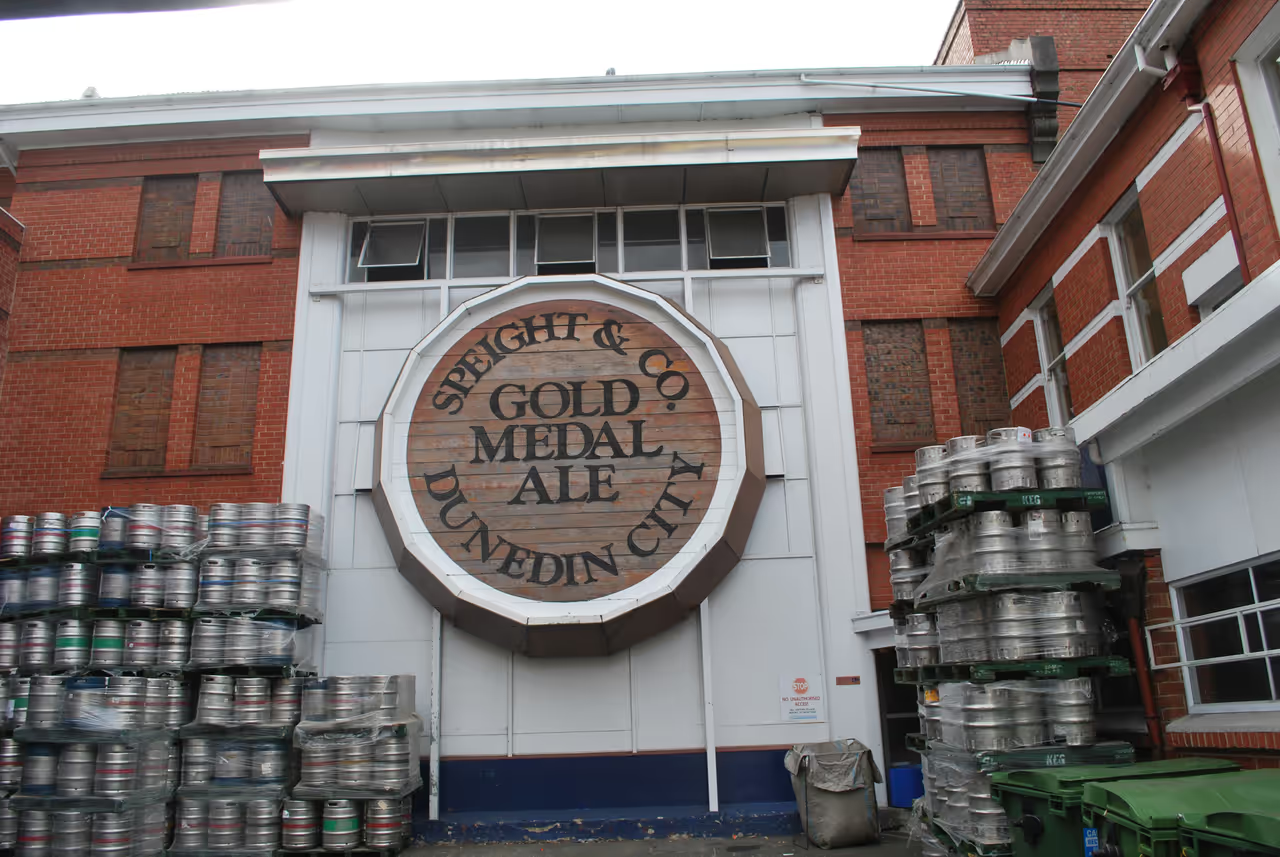
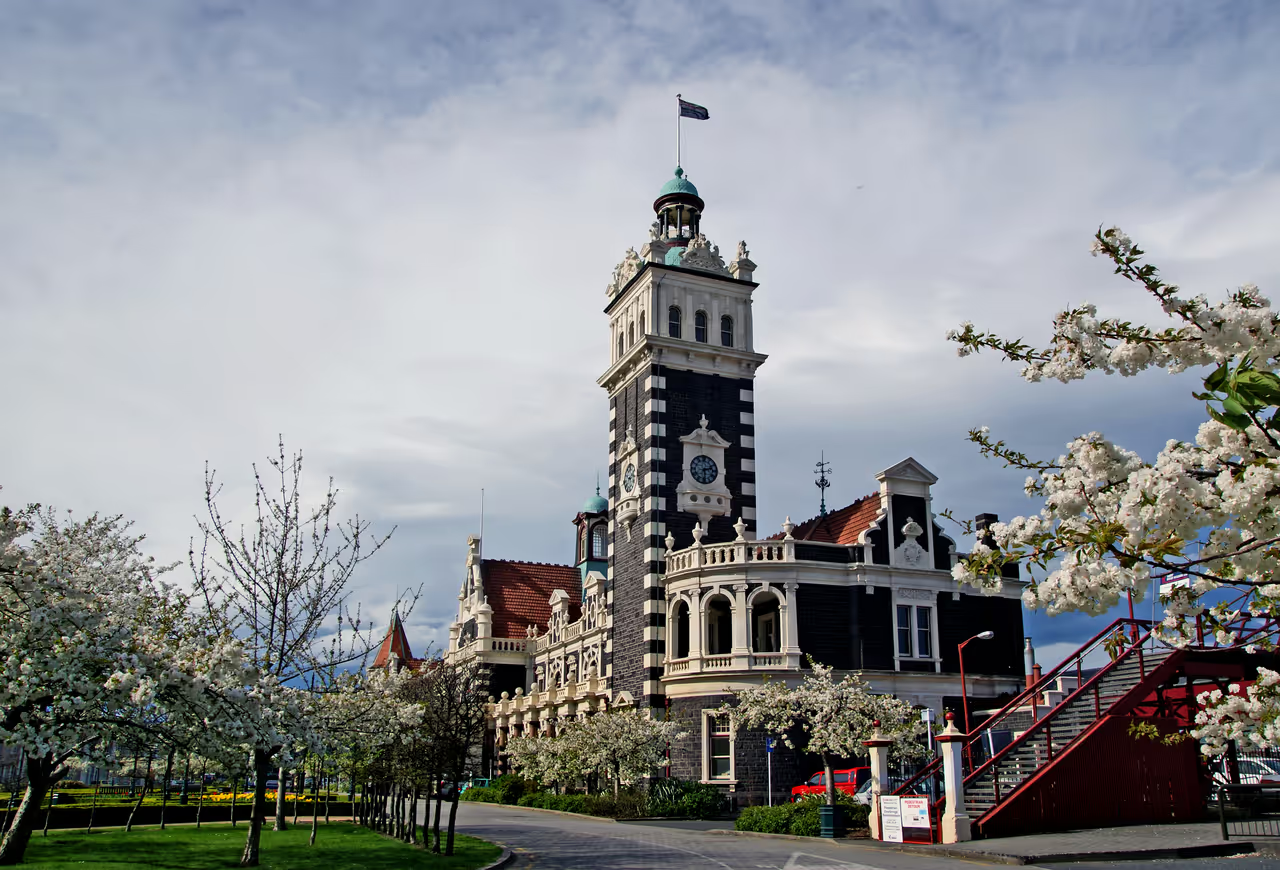
If you only have one day, this fast-paced itinerary ensures you witness the grand architectural legacy of the gold rush and sample the legendary local brews. You will explore the monumental stone buildings that define the city centre, dive into the fascinating settler history, and end the day with hearty southern food. It is designed to keep you within the highly walkable central grid, avoiding the time-consuming drive out to the peninsula.
view itinerary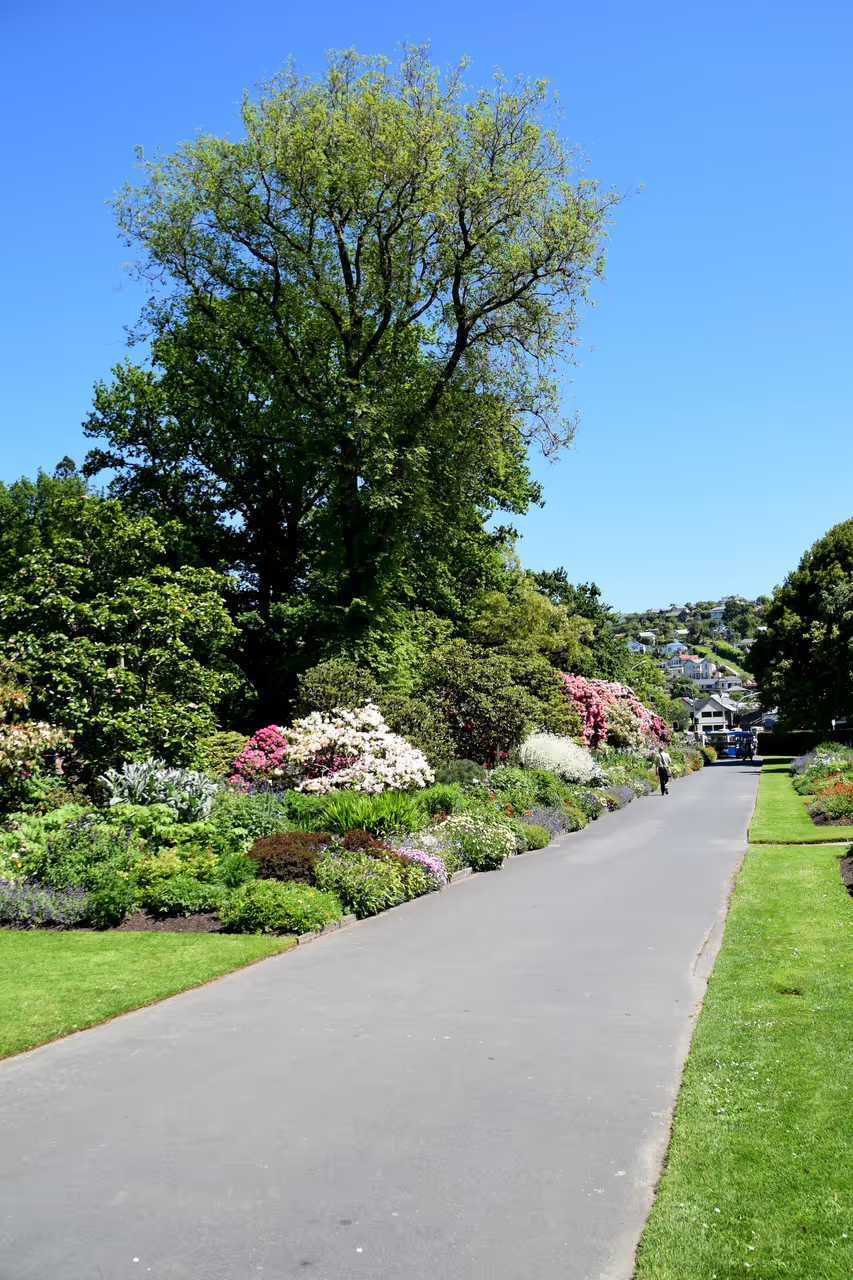
3 Days in Dunedin: Culture and Coastline Itinerary
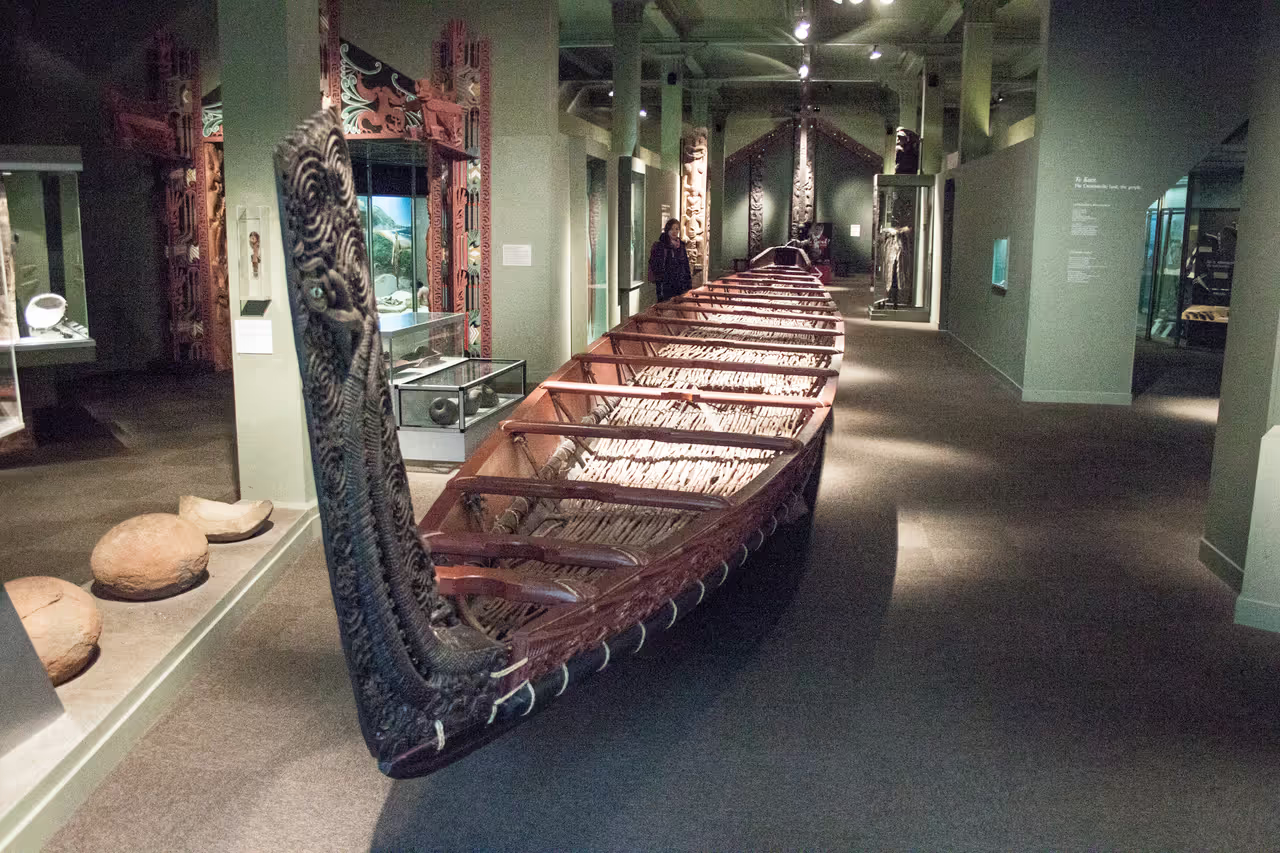
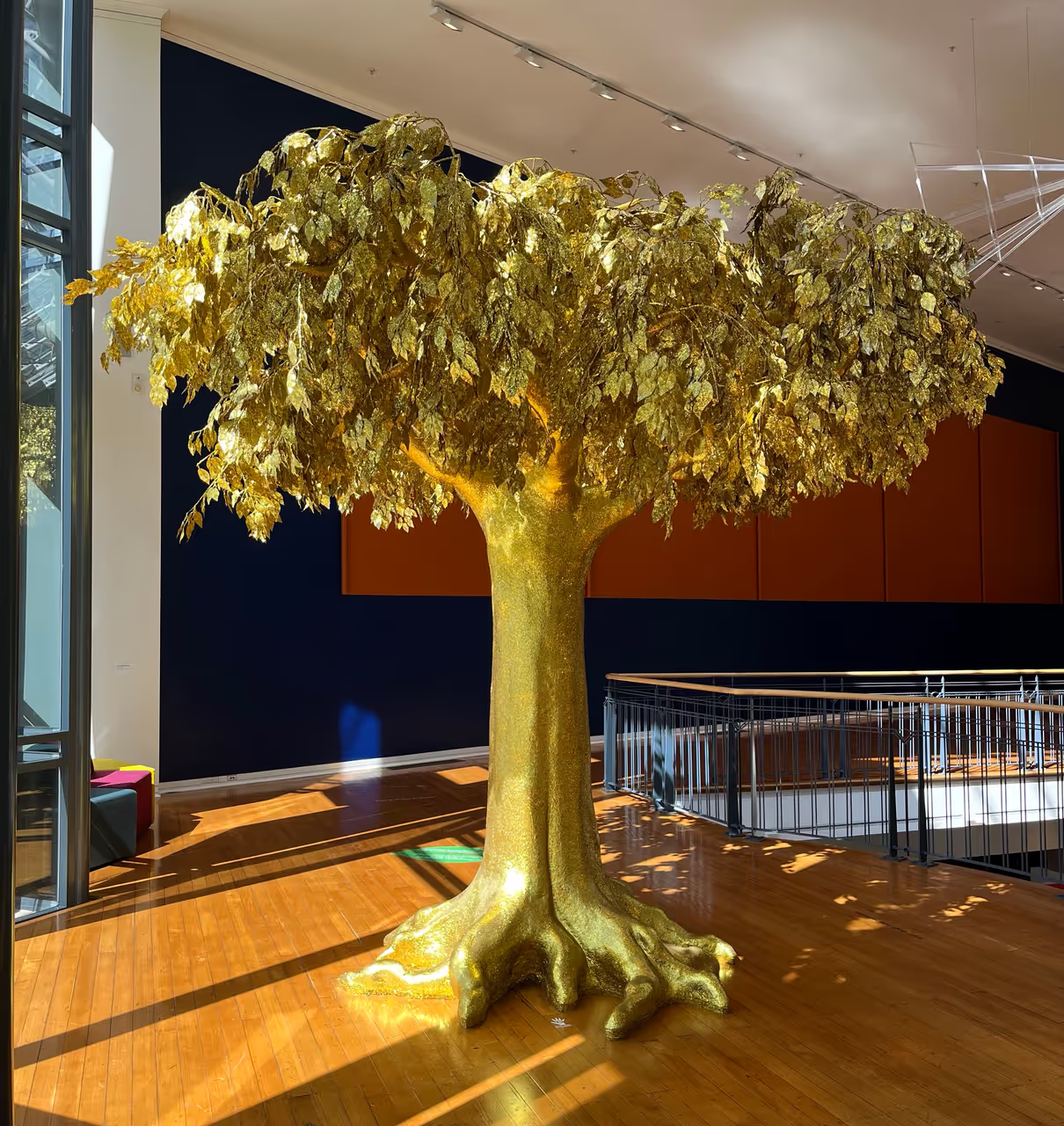
This balanced three-day journey allows you to experience the striking contrast between the refined, academic city centre and the raw, untamed wildlife of the peninsula. You will spend time wandering the serene green spaces and major museums, before dedicating a full day to navigating the winding coastal roads to spot rare seabirds. The final day focuses on quirky local oddities and the wild southern beaches, providing a comprehensive view of the region's diverse character.
view itinerary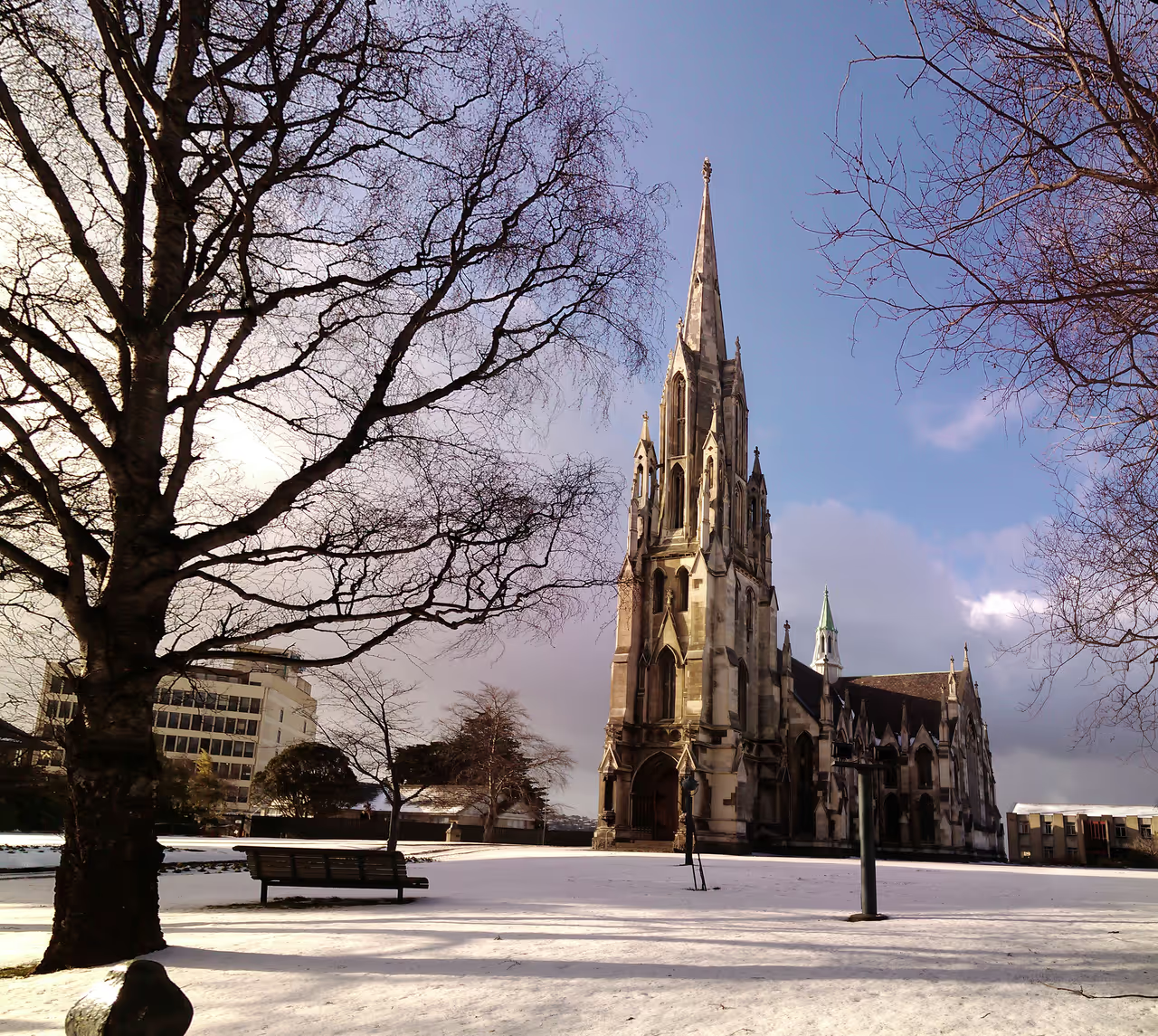
5 Days in Dunedin: Southern Immersion Itinerary
For those who want to uncover every facet of the city's complex identity, this five-day itinerary leaves no stone unturned. You will have time to delve into the eerie, alternative art scenes, explore the pristine native bush sanctuaries, and tackle the spectacular local cycle trails. It affords a much slower, more authentic pace, allowing you to linger in historic pubs, visit secluded coastal bays, and truly understand the moody, intellectual atmosphere that the locals fiercely protect.
view itinerary
Food in Dunedin


Free Things to do in Dunedin
Parks & Nature
Dunedin Botanic Garden
The Dunedin Botanic Garden serves as a lush, peaceful sanctuary that acts as the green heart of the city. As New Zealand's...
view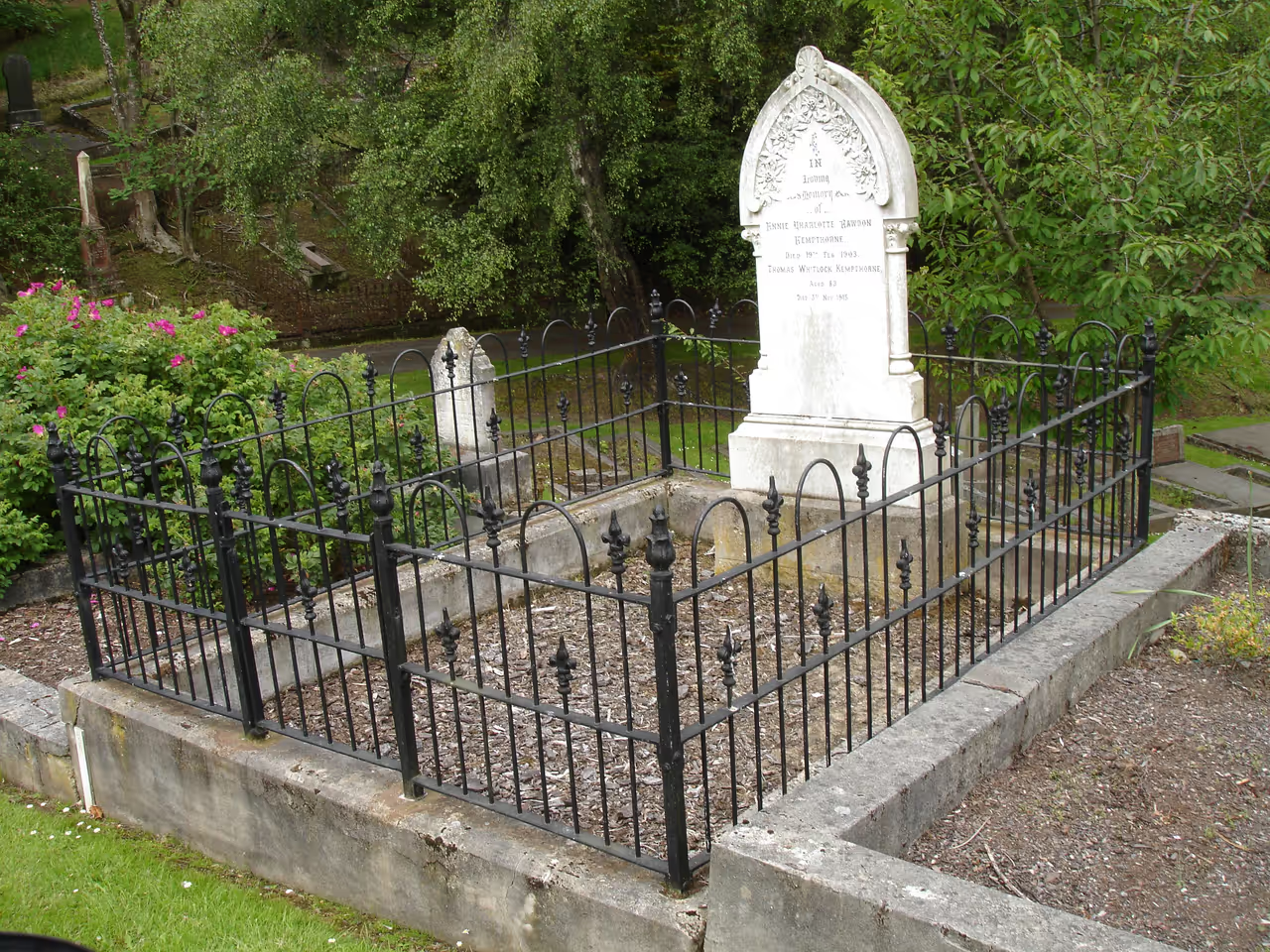
Dunedin Northern Cemetery
Perched on the wooded slopes of Signal Hill, the Dunedin Northern Cemetery offers a tranquil perspective on the city's rich...
view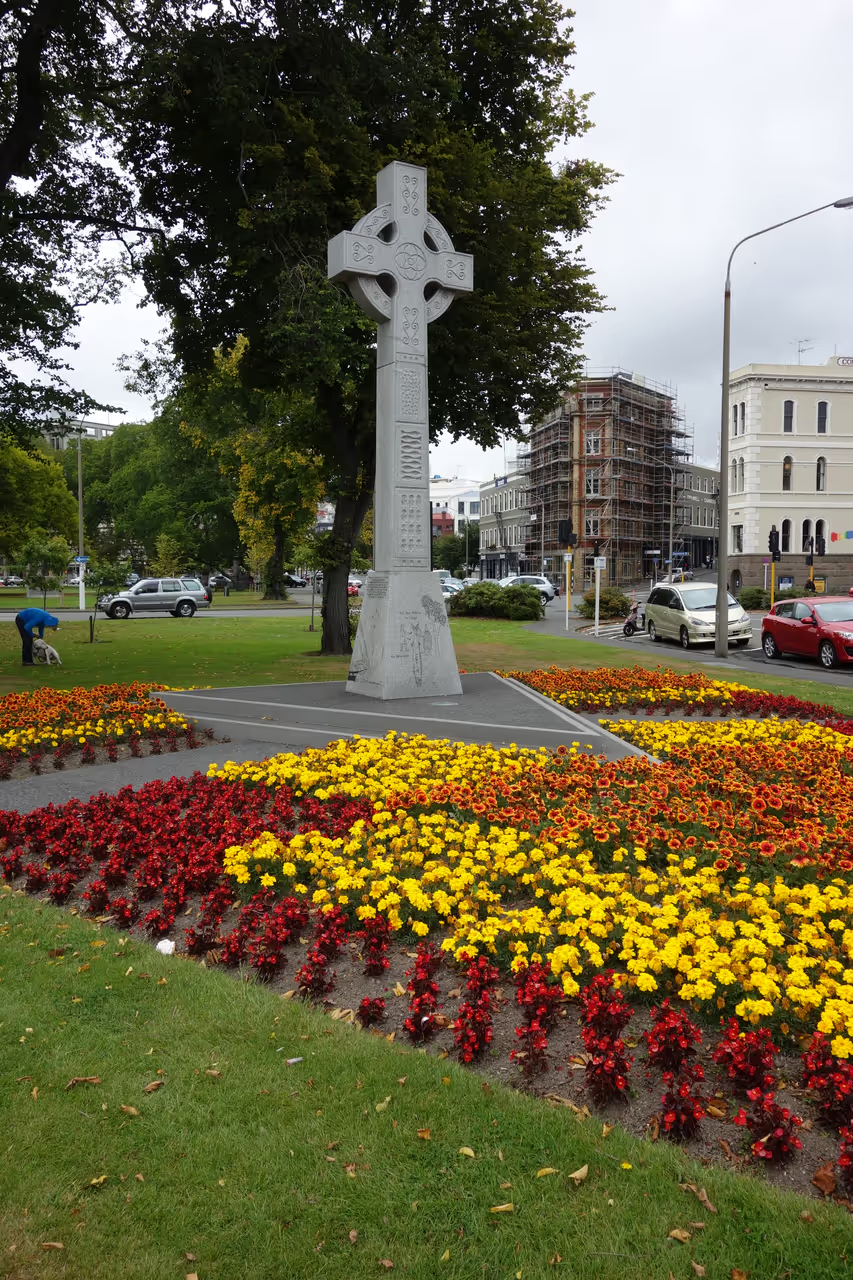
Queens Gardens
A green sanctuary nestled in the heart of Dunedin, Queens Gardens offers a peaceful retreat amidst the city's rich heritage...
view
Highlights & Must-Sees
Orokonui Ecosanctuary
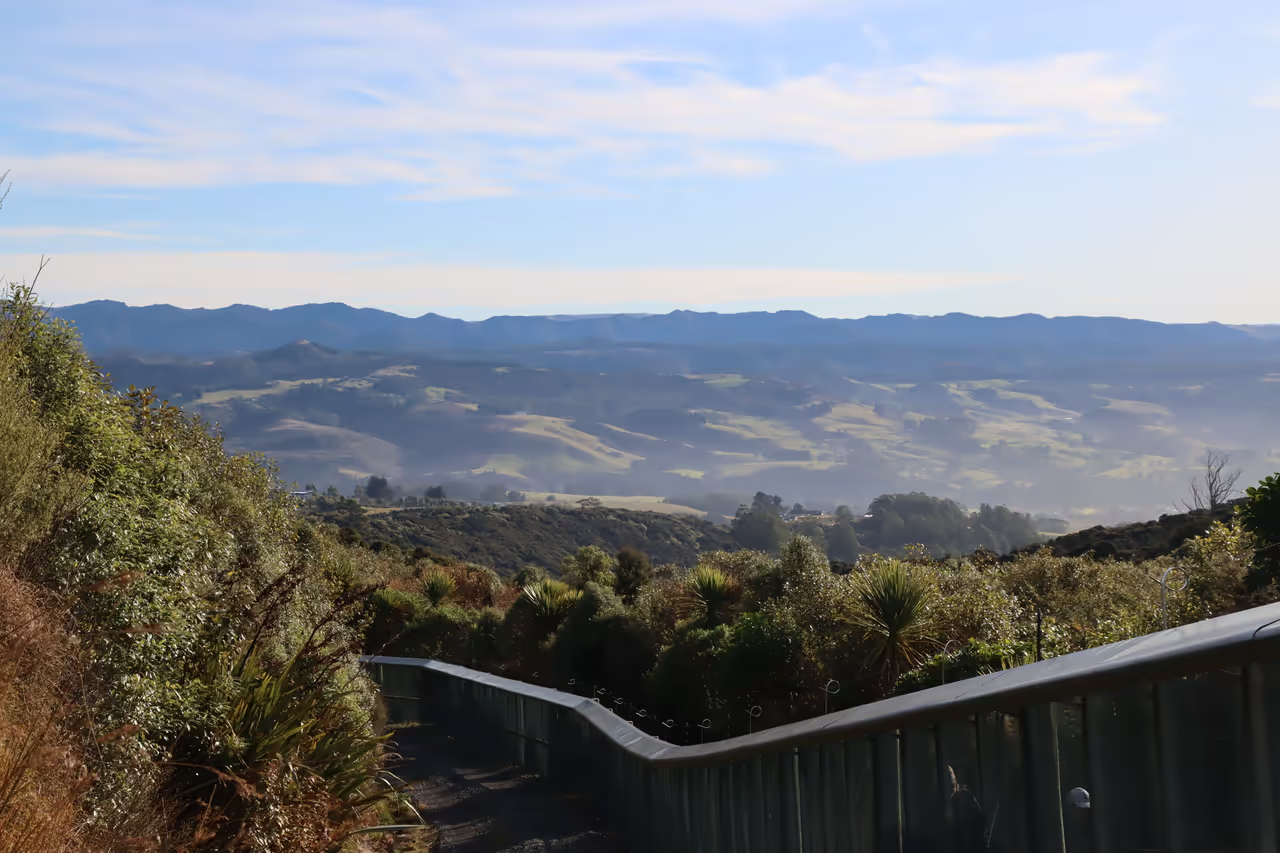
Located in a lush valley north of the city, this massive conservation project protects 307 hectares of native forest behind an...
viewOtago Museum
This expansive cultural and scientific institution is one of the premier museums in the country, holding over two million...
view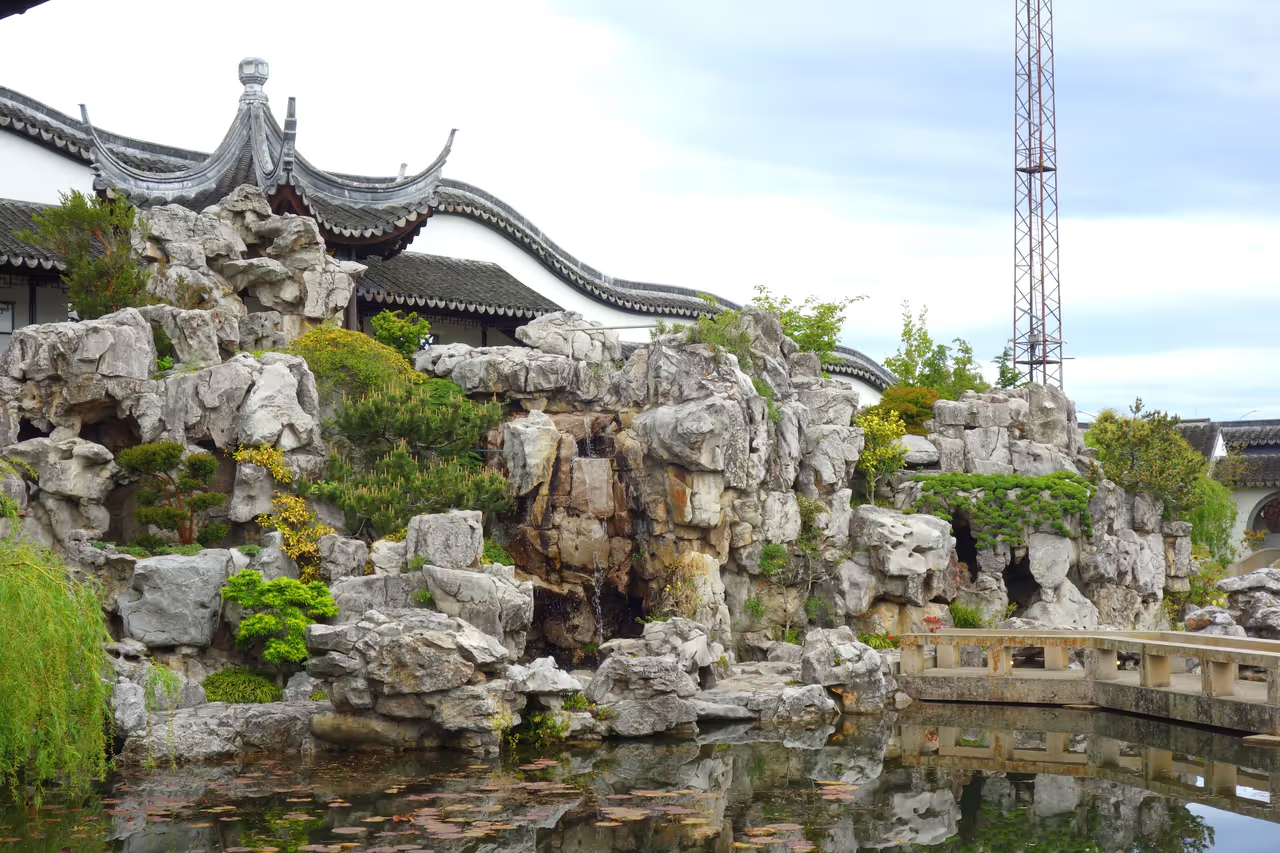
Dunedin Chinese Garden
Hidden behind high walls near the industrial edge of the city, this is the only authentic, traditional Chinese scholar's garden...
viewDunedin Public Art Gallery
Established in 1884, this is New Zealand's oldest public art gallery and holds a collection of profound national significance...
view
Best Walks in Dunedin
Botanic Garden to University Walk
This highly picturesque walk connects the sprawling greenery of the northern hills directly to the heart of the intellectual quarter. Meandering alongside the Water of Leith, the path is shaded by massive, mature trees and features beautifully maintained floral displays. As you move south, the landscape seamlessly transitions from quiet nature reserves into the stunning, gothic revival campuses of the university. It is an idyllic, flat stroll that perfectly captures the learned, peaceful vibe of the city.
 HIGHLY RECOMMENDED
St Clair Esplanade and Ocean Beach
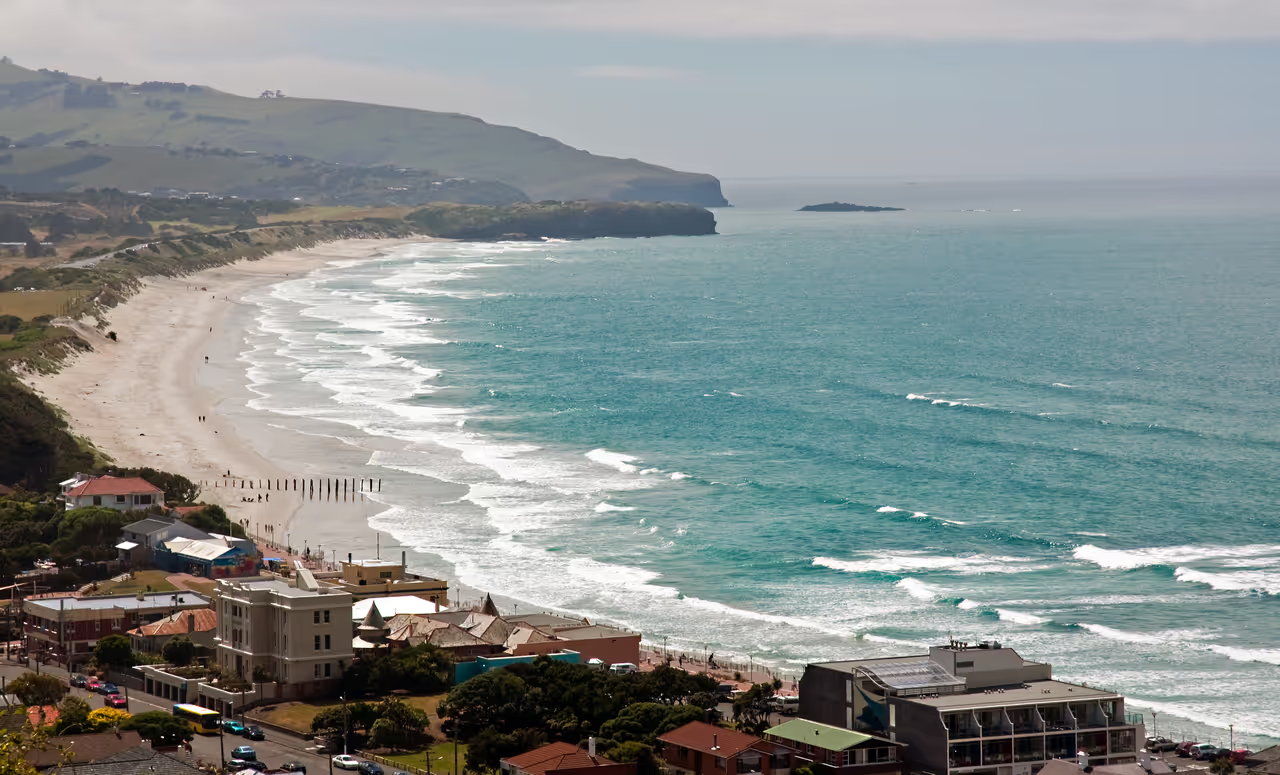
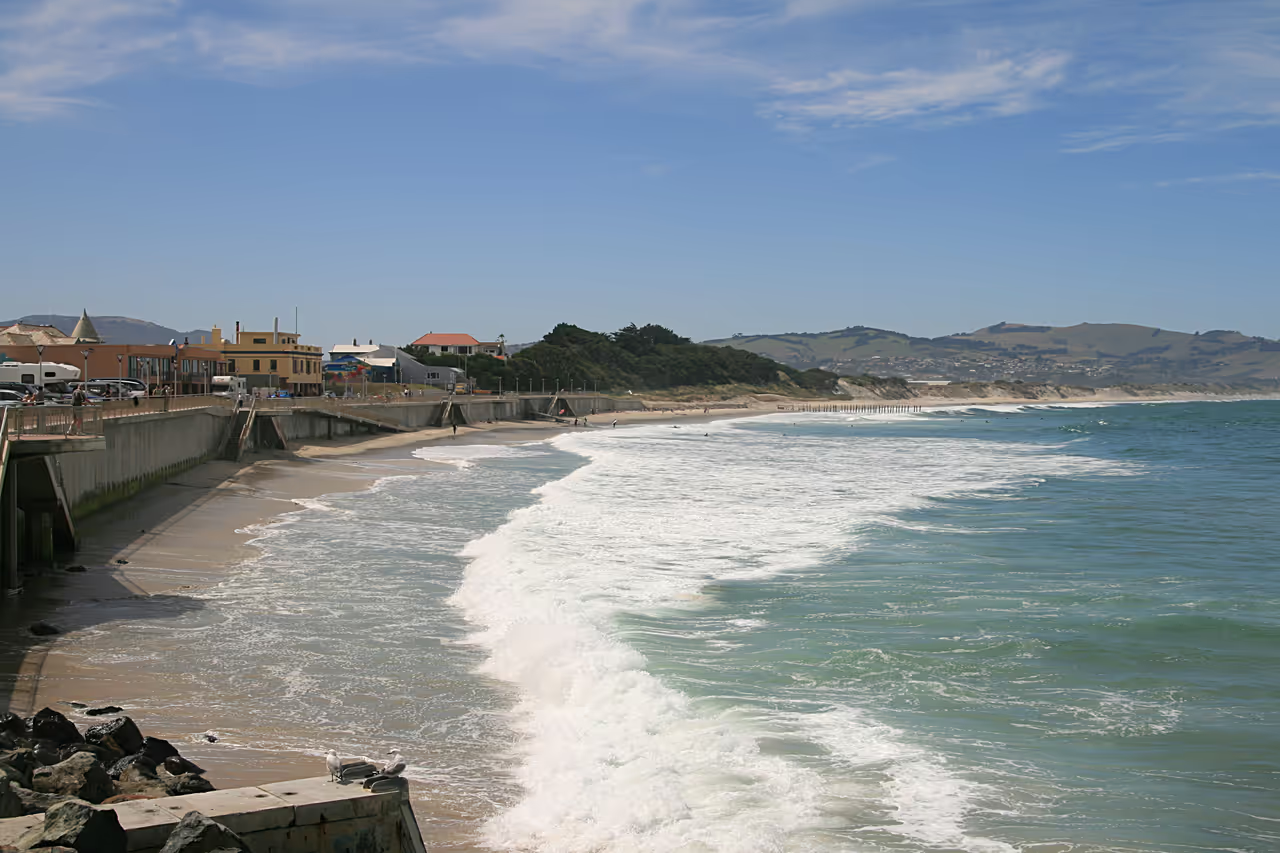
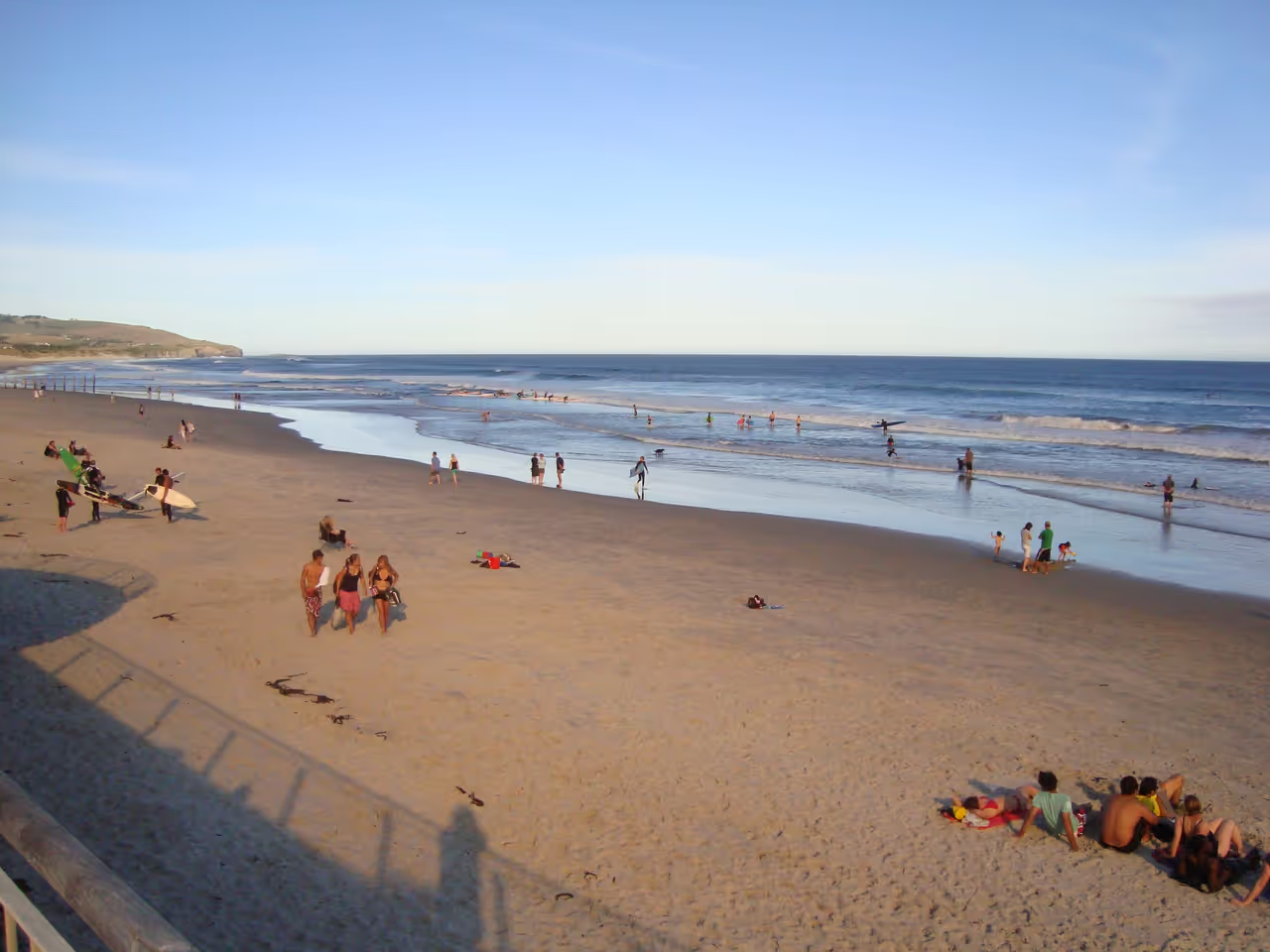
Facing the wild Southern Ocean, this walk offers a blast of fresh, salty air and sweeping views of the rugged coastline. The paved esplanade is lined with chic cafes and restaurants, allowing you to watch surfers tackle the heavy swells from a comfortable distance. Leaving the pavement, you can walk for miles along the wide, unbroken stretch of white sand towards St Kilda. It is raw, powerful nature paired with excellent coffee, making it a beloved local weekend ritual.
 HIGHLY RECOMMENDED
Heritage Heart Stroll
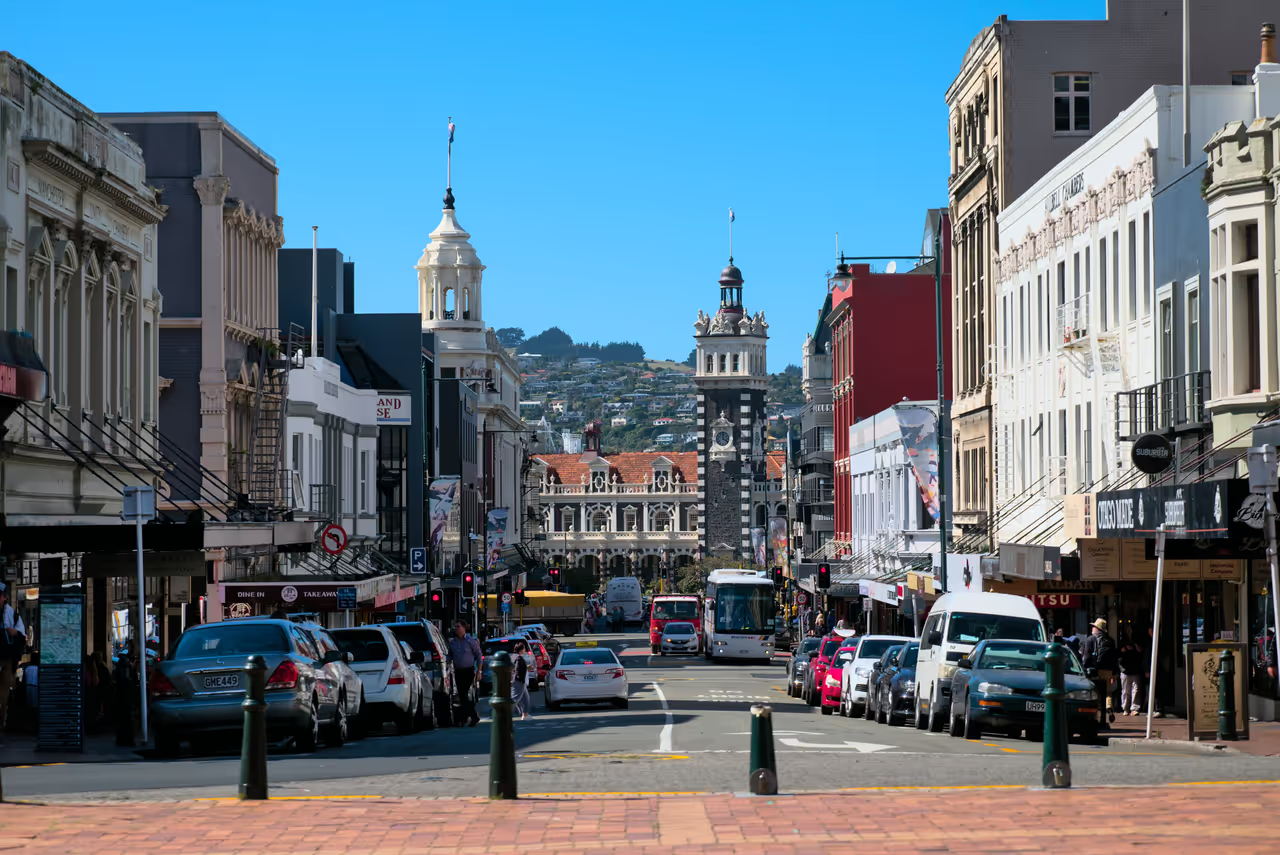
This short but incredibly dense walk takes you through the very epicentre of the city's gold rush wealth and civic pride. Starting in the uniquely octagonal central plaza, you pass under the shadow of towering cathedrals and municipal buildings. The route moves gently downhill through historic streets, showcasing beautifully preserved facades and grand public monuments. It serves as an effortless journey back to an era when this was the most important city in the nation.

Architecture & Landmarks
Dunedin Town Hall
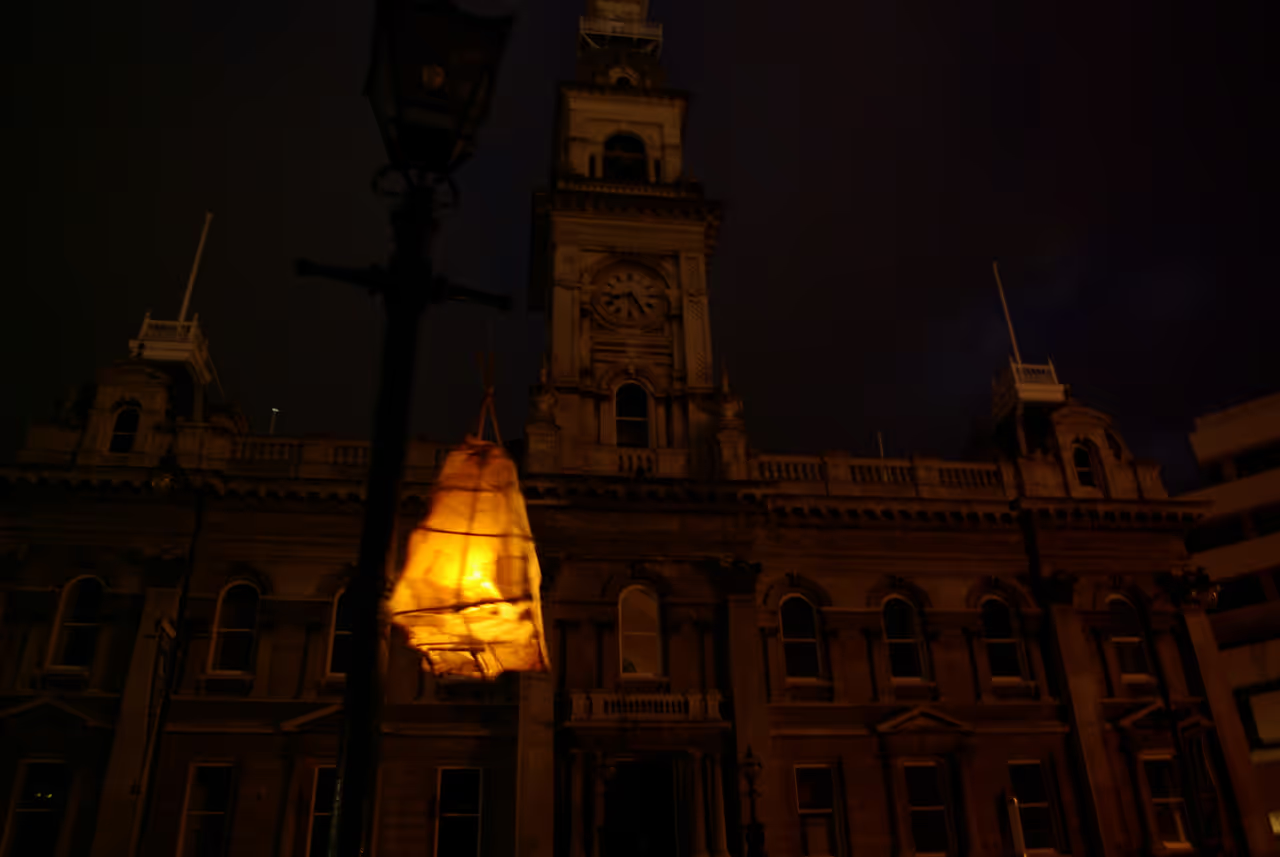
Anchoring the central plaza, this monumental structure is the only surviving significant Victorian town hall in New Zealand...
viewFirst Church of Otago
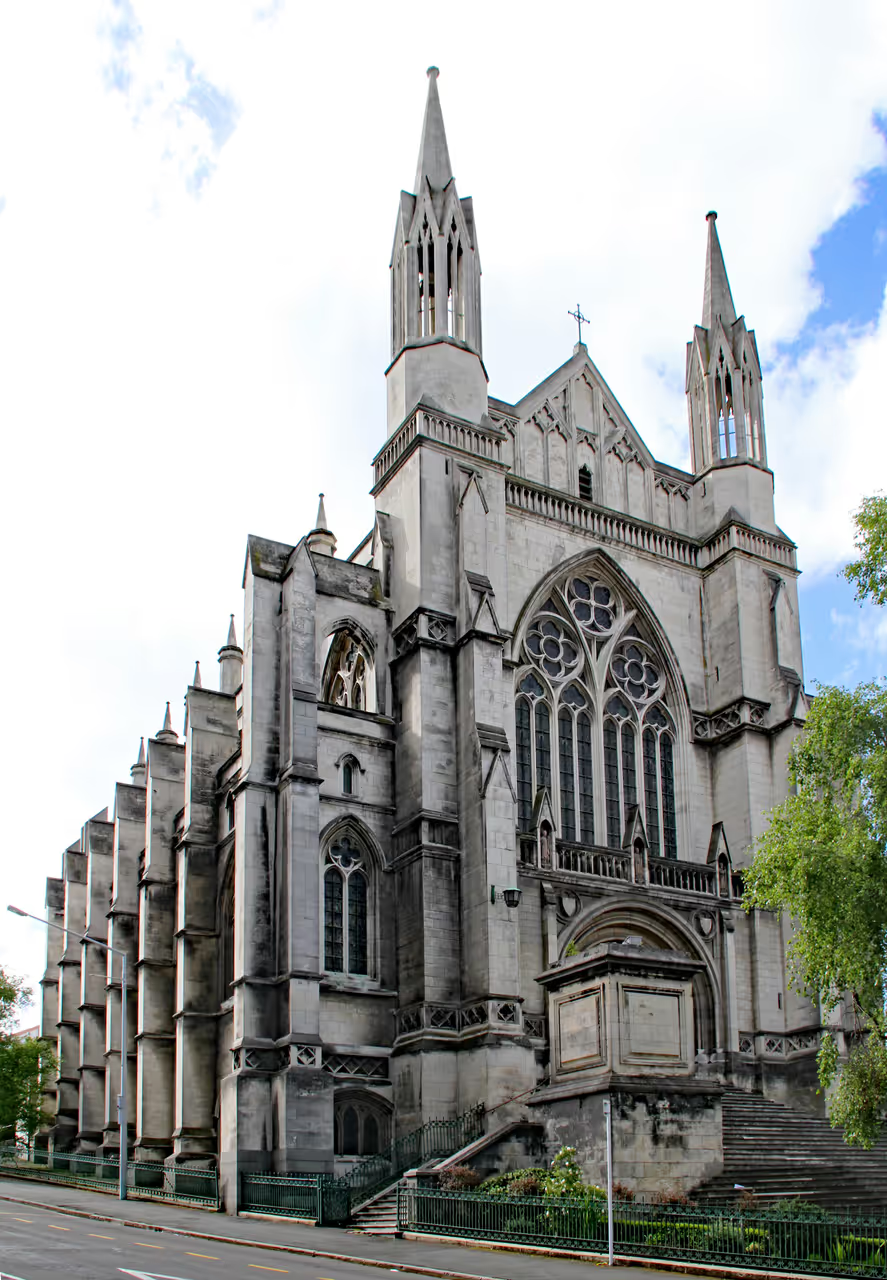
Standing proudly on an excavated hill, this awe-inspiring gothic masterpiece is the spiritual and architectural heart of the...
view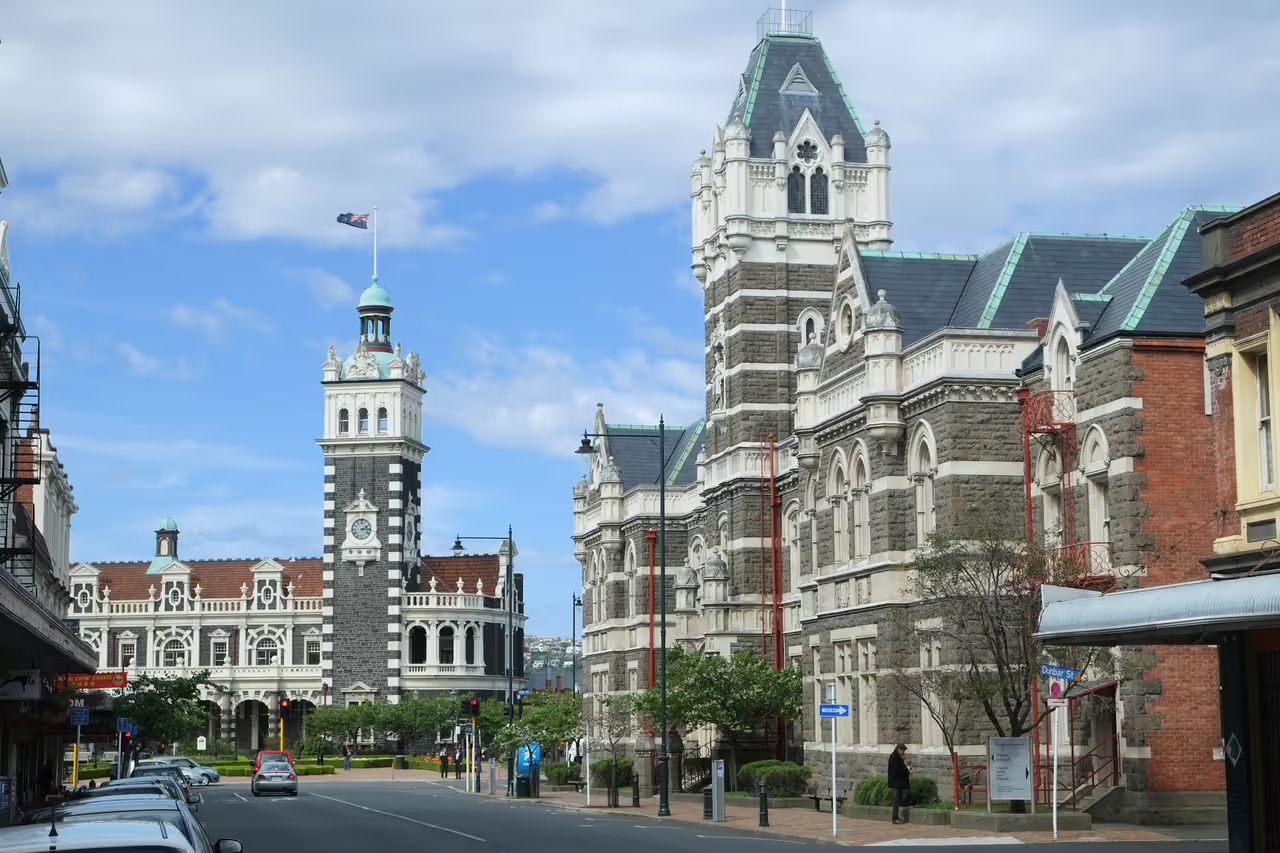
Dunedin Law Courts
This formidable building projects an undeniable sense of authority and permanence, perfectly suiting its judicial purpose...
view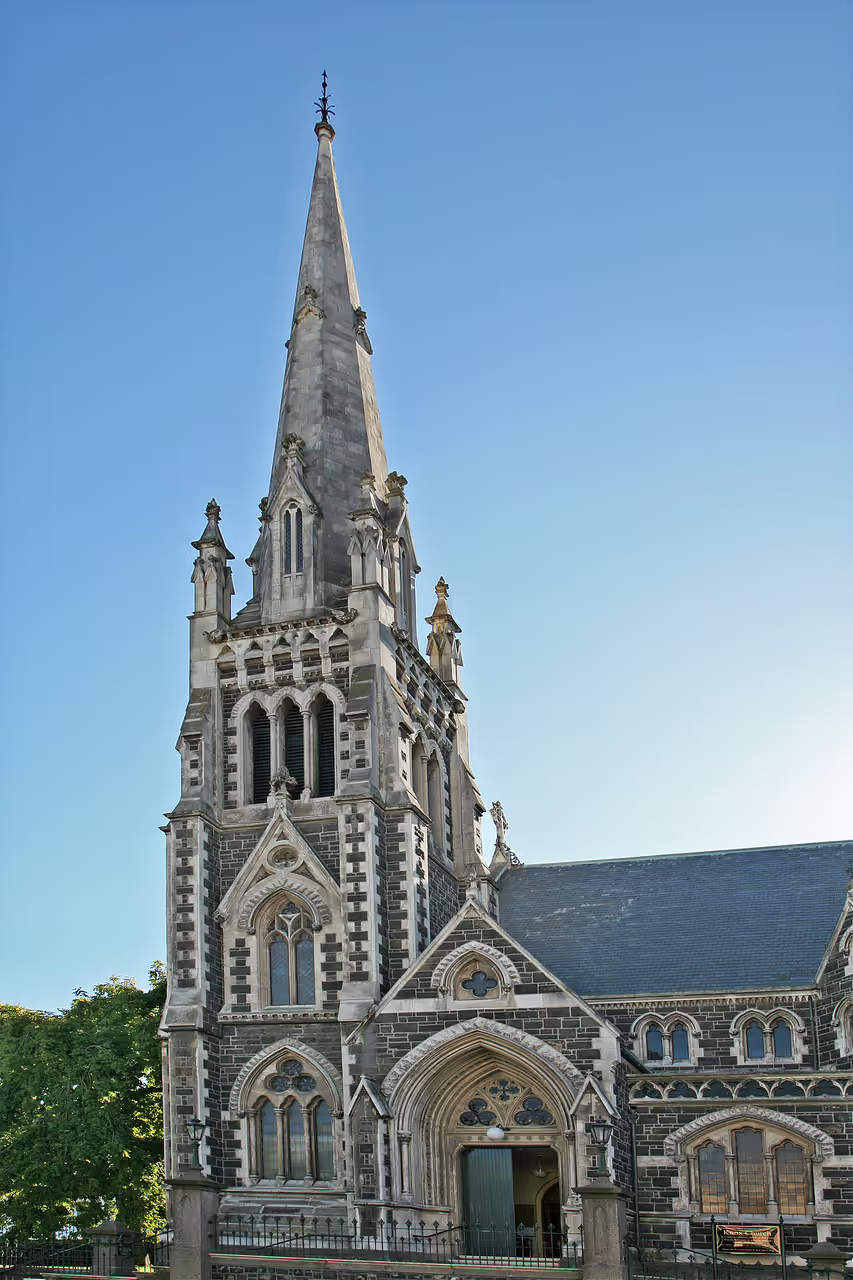
Knox Church
Dominating the busy northern commercial street, this massive, imposing structure is the largest church in the city. Also...
view
Markets & Shopping
Dunedin Nightlife
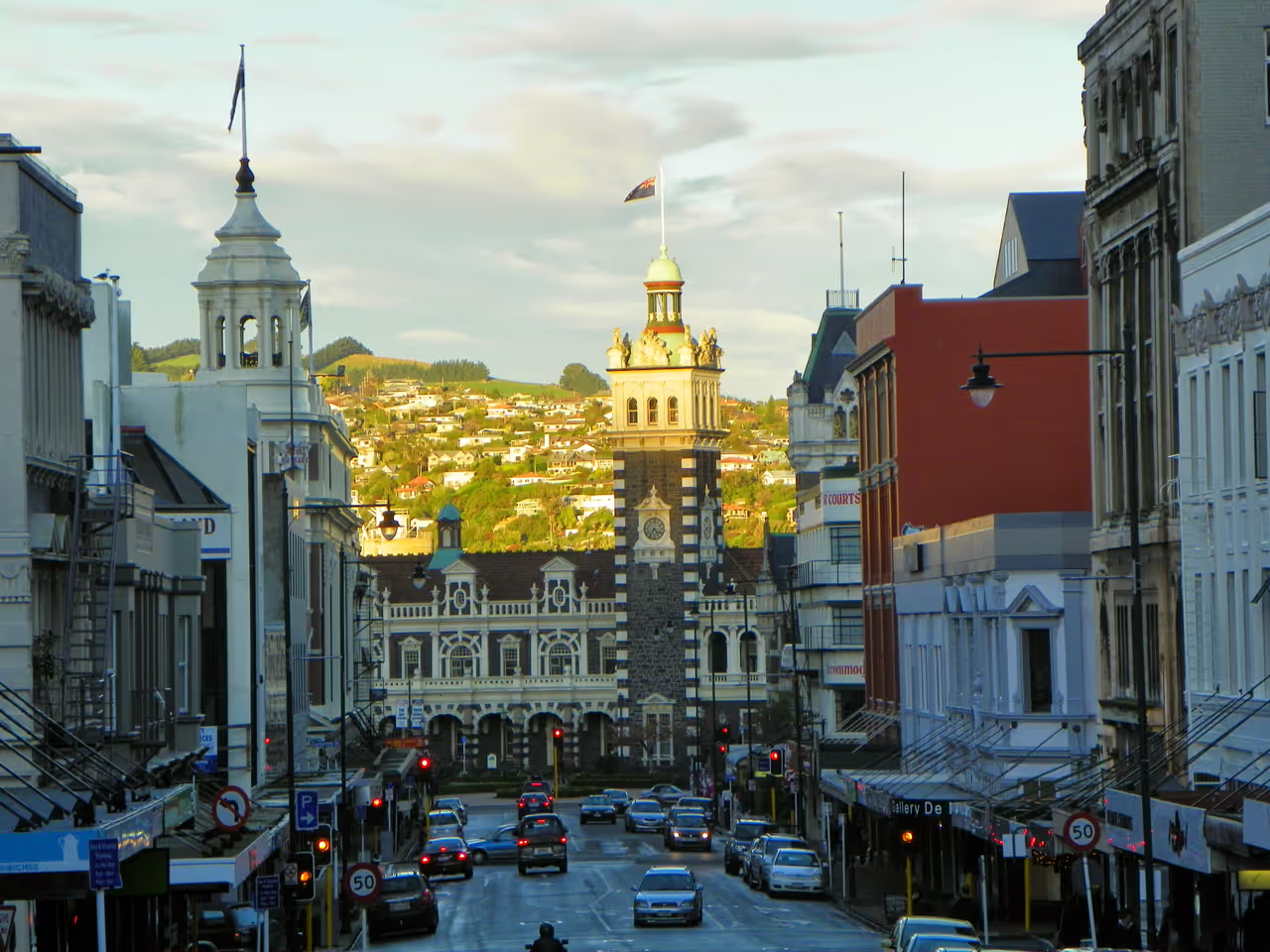
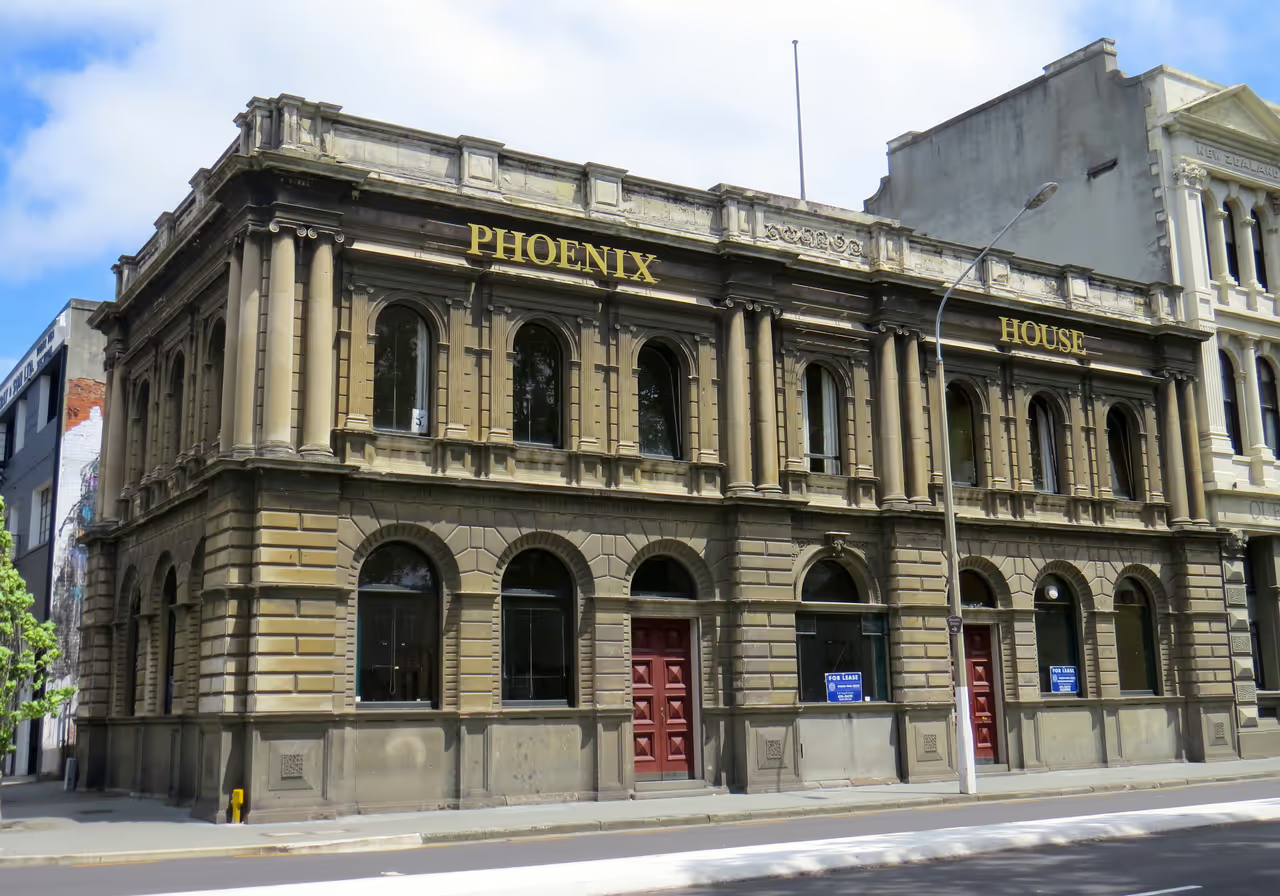
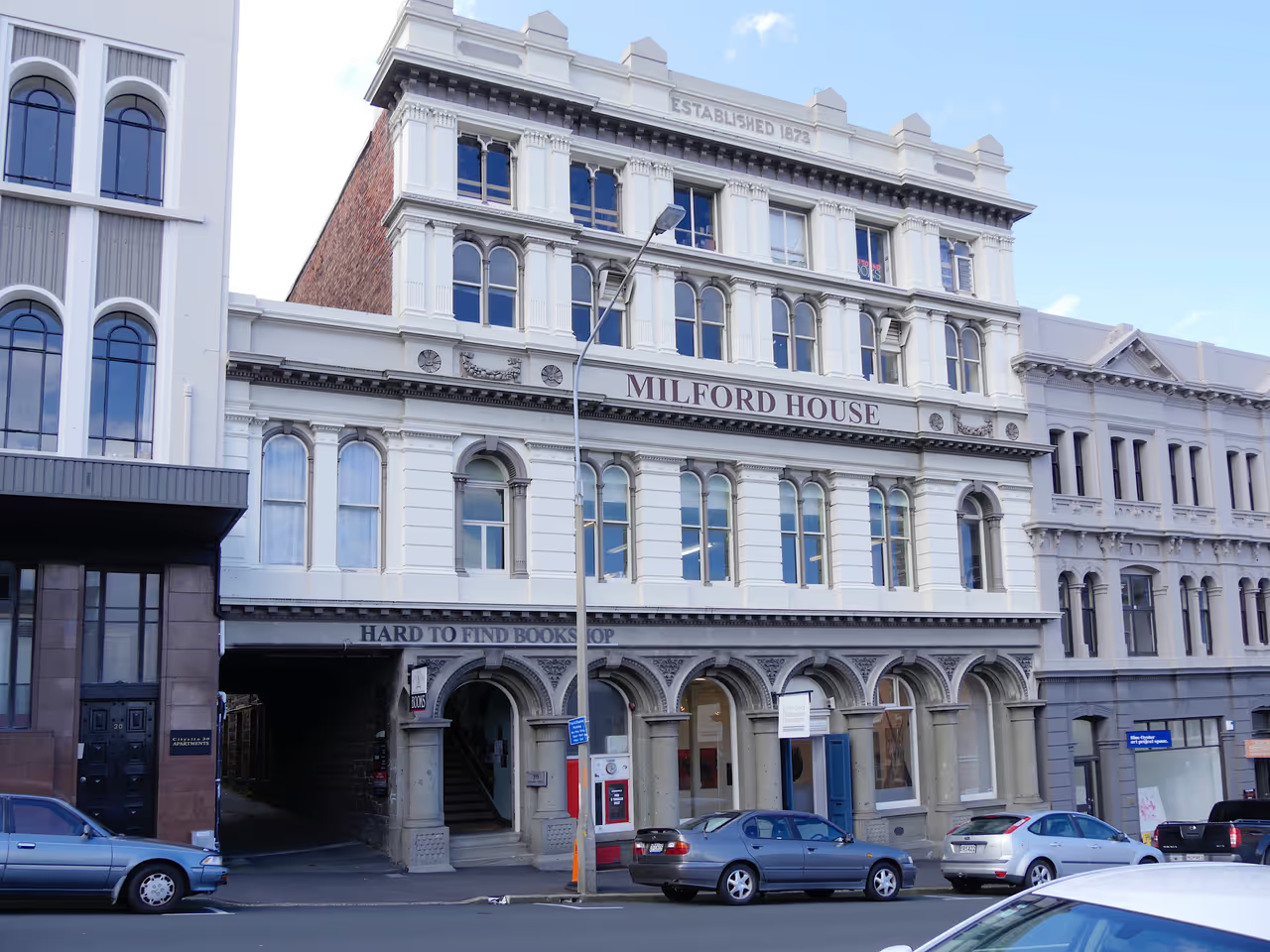
Photo Spots
Activities & Experiences

Cycling Routes
Te Aka Ōtākou Harbour Ride
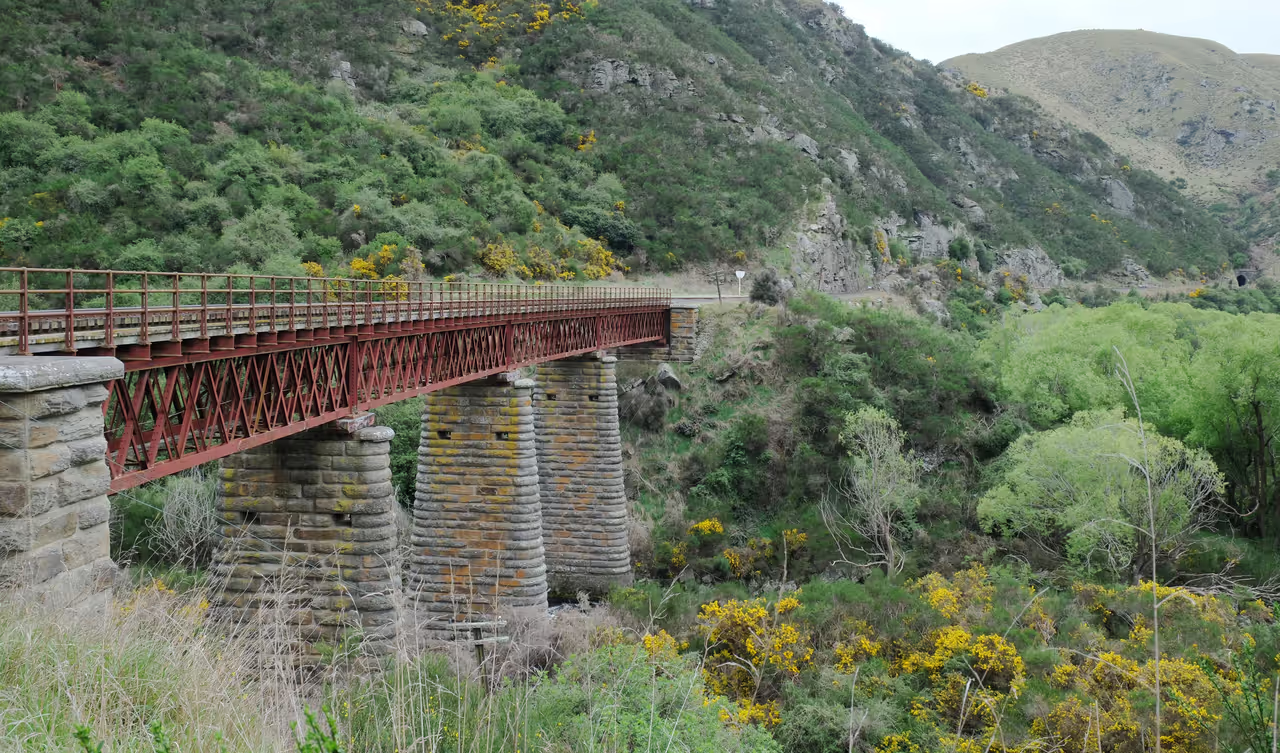
This newly developed shared pathway offers a remarkably flat and accessible ride right along the edge of the scenic harbour. It connects the central city out to the historic maritime villages, taking you past quiet bays and old boat sheds. The route provides constant, sparkling water views and safely separates cyclists from the winding coastal highway. It is an ideal, leisurely way to experience the dramatic topography of the submerged volcanic crater.
Highcliff Ridge Ride
For those willing to push their legs, this high altitude route follows the spine of the peninsula, offering some of the most dramatic scenery in the region. The road winds past ancient stone walls and lush green paddocks, providing alternating aerial views of the Pacific Ocean and the inner harbour. It requires significant effort to conquer the initial steep ascents out of the city. However, the sweeping, cinematic descents and absolute isolation make it a highly rewarding adventure.
North Valley to Organ Pipes
This ride takes you straight out of the city grid and up into the steep, heavily forested hills to the north. Following the winding valley road, you quickly leave the urban environment behind, entering a quiet zone of native bush and birdsong. The route involves a steady, prolonged climb that will test your fitness. The ultimate destination is a trailhead leading to fascinating geological formations, showcasing the raw, volcanic geology of the region.
Self-Guided Tours
- HIGHLY RECOMMENDED
Victorian Architecture Trail
This thematic journey explores the extraordinary legacy of the 1860s gold rush, a period that transformed a muddy settlement into a metropolis of stone. The route guides you past the city's most ambitious and ornate buildings, highlighting the intricate masonry and imposing gothic designs. You will learn how rival architects competed to build the grandest structures, leaving behind a skyline that looks as if it was lifted directly from Scotland. It is a deep dive into the physical manifestation of sudden, immense wealth.
Street Art & Warehouse Precinct
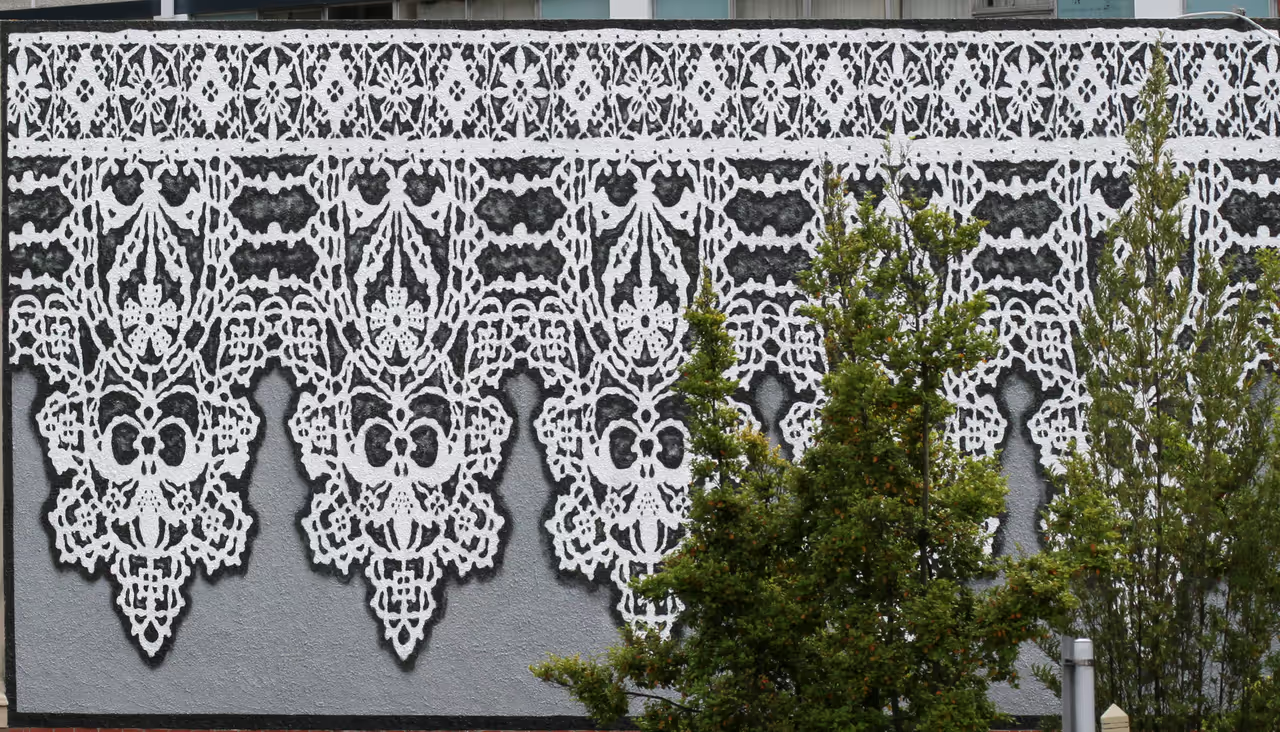
Moving away from the traditional stone monuments, this tour uncovers the gritty, colourful modern rebirth of the city's industrial southern edge. Following an informal trail, you will wander through alleys and historic brick warehouses adorned with massive, world class murals by international and local artists. The area showcases how derelict spaces have been reclaimed by creative communities, coffee roasters, and tech startups. It provides a striking, contemporary contrast to the formal Victorian heritage.
Scarfie Life and University Heritage
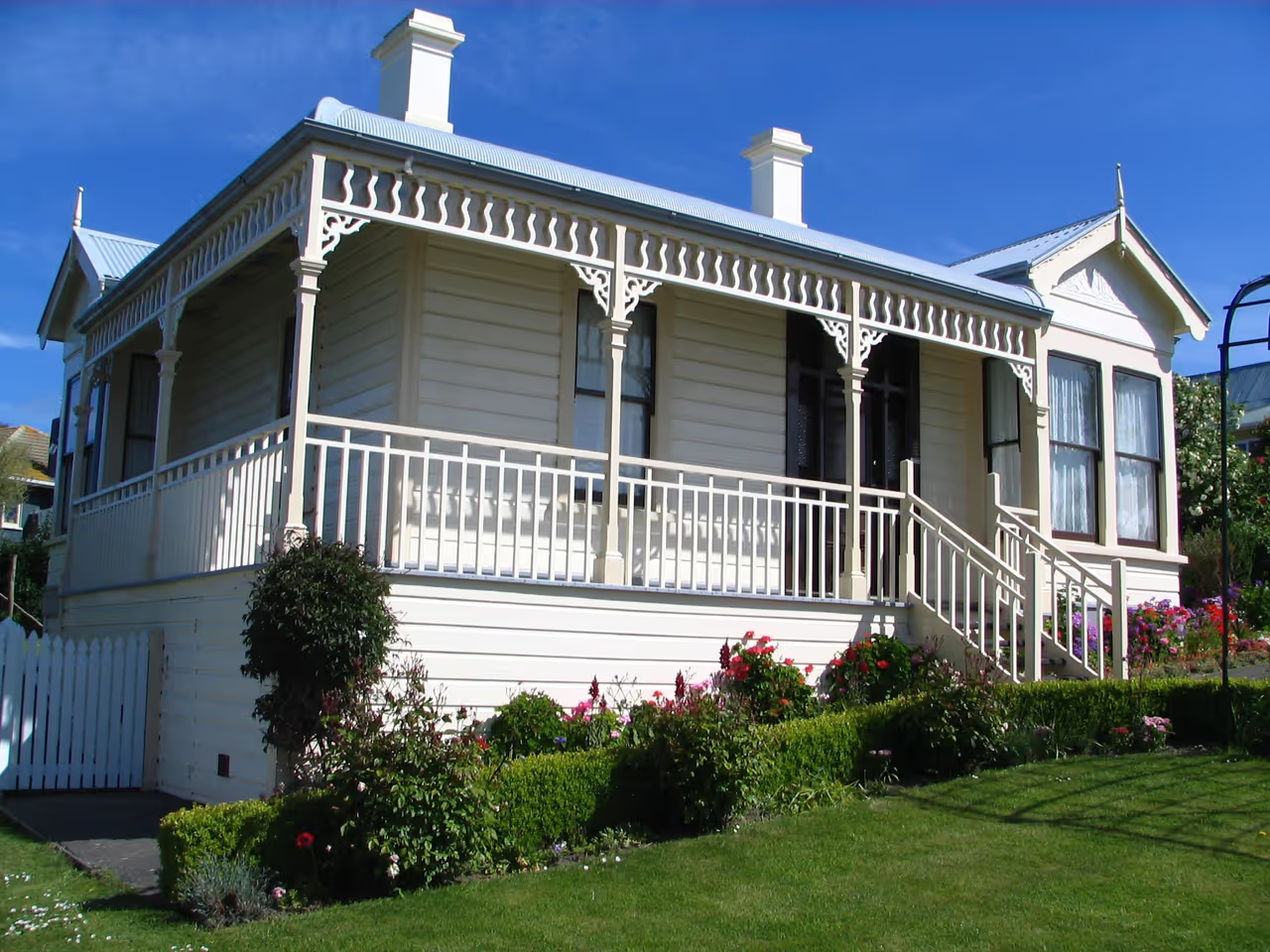
This engaging tour delves into the unique subculture of the local university students, known affectionately as 'scarfies'. You will wander through the densely packed streets of North Dunedin, observing the famous, notoriously dilapidated student flats with their humorous, painted names. The route contrasts these chaotic living arrangements with the stunning, pristine gothic architecture of the academic buildings. It is a fascinating look at the youth culture that brings the city to life during the academic year.
Annual Festivals & Events
 HIGHLY RECOMMENDED
Dunedin Fringe Festival
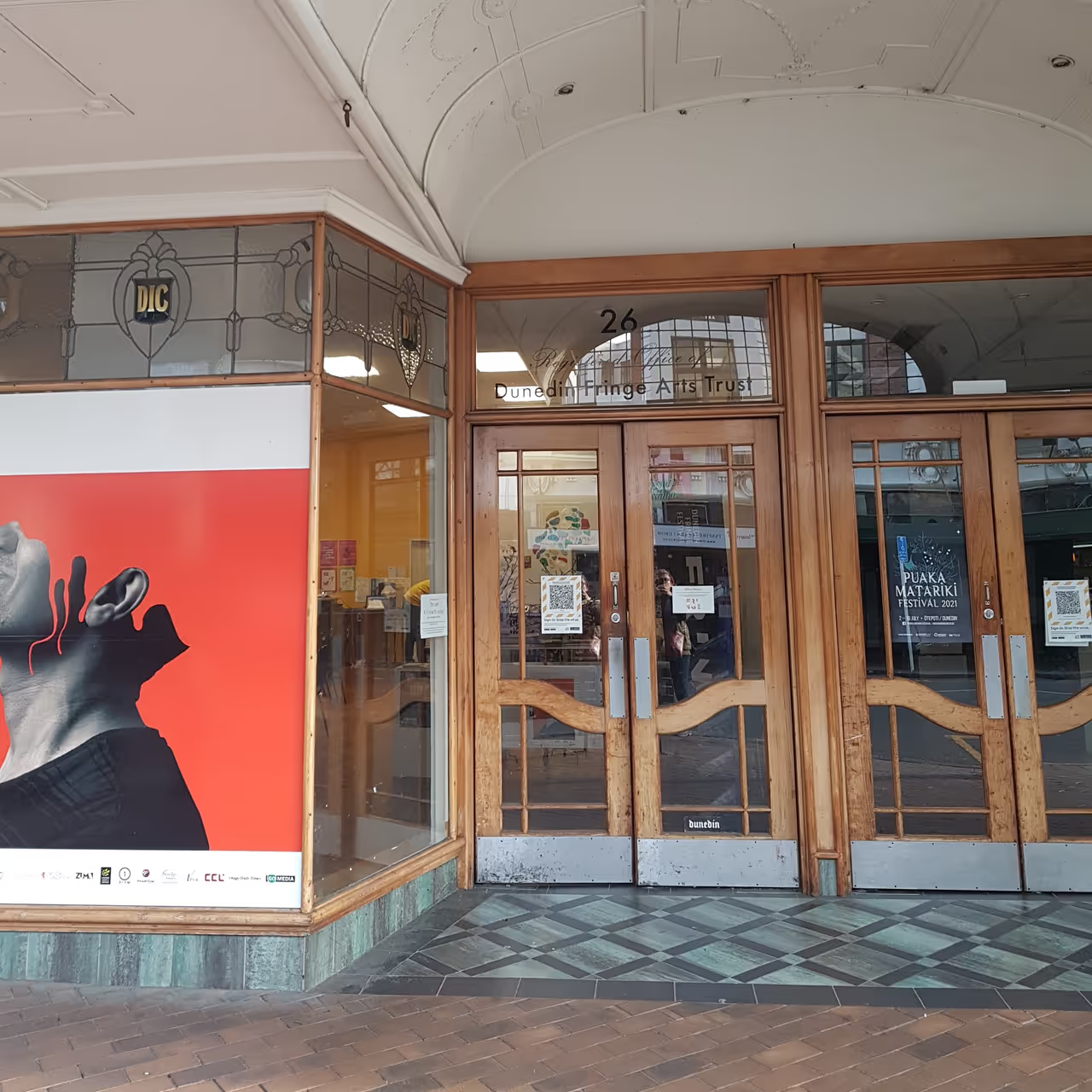
This vibrant festival takes over the city for eleven days, showcasing an eclectic mix of experimental and contemporary art. It serves as a vital platform for emerging artists across comedy, theatre, music, and visual arts, often utilising unconventional spaces around town. The atmosphere is highly creative and slightly chaotic, bringing a burst of colour and energy as autumn begins. It is the perfect opportunity to experience the cutting edge of the local cultural scene.
 HIGHLY RECOMMENDED
Dunedin Midwinter Carnival
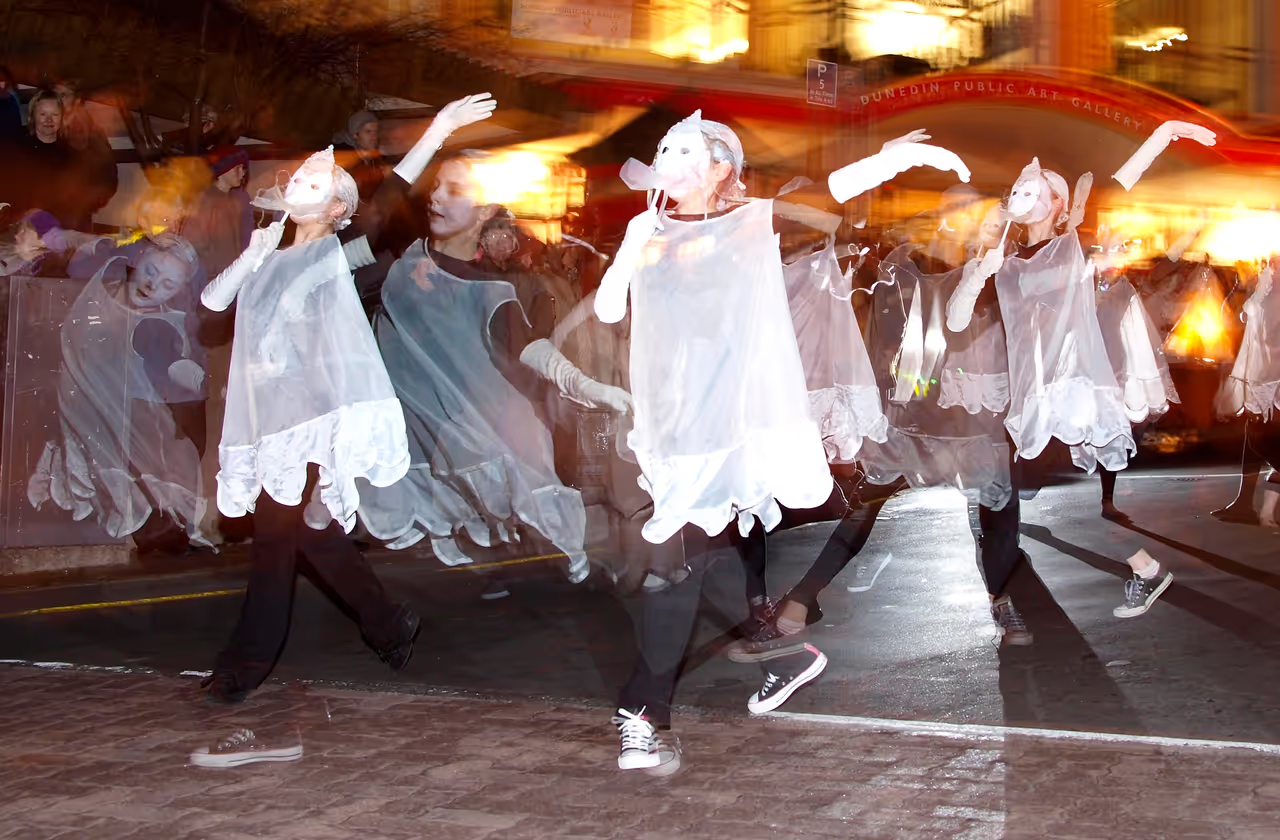
Celebrating the winter solstice, this enchanting evening event transforms the city centre into a glowing wonderland of light and community spirit. Thousands of locals gather to watch a mesmerising procession of giant, handcrafted paper lanterns moving to the rhythm of live percussion. The festival embraces the cold, dark season, bringing warmth through fire performances, food stalls, and artistic installations. It is a deeply atmospheric experience that perfectly captures the creative heart of the local community.
iD Dunedin Fashion Week
A premier event on the national calendar, this festival celebrates high fashion with a distinctively alternative, southern edge. It famously features a spectacular runway show set against the stunning backdrop of the historic railway station. The week highlights both established local designers and international emerging talent, blending commercial fashion with avant-garde creativity. The city buzzes with pop up exhibitions, designer talks, and stylish late night events.
Insider Tips
Purchase a local 'Bee Card' for the bus network if you plan to venture out of the centre. It significantly reduces the fare compared to paying cash, and you can easily use it to take the spectacular, winding bus ride out along the peninsula.
When visiting the famous steep streets or hiking the nearby hills during winter mornings, watch your step very carefully. Black ice is a common and dangerous occurrence on the pavements before the sun hits them.
If you are driving out to the royal albatross colony, prepare for a challenging route. The coastal road is incredibly narrow, often lacks guardrails, and is shared with large tour buses, so drive slowly and pull over to let locals pass.
The city has a unique student flatting culture where houses are given quirky names displayed on handmade signs. While it is fun to look at them in North Dunedin, remember these are private homes and avoid walking onto their porches for photos.
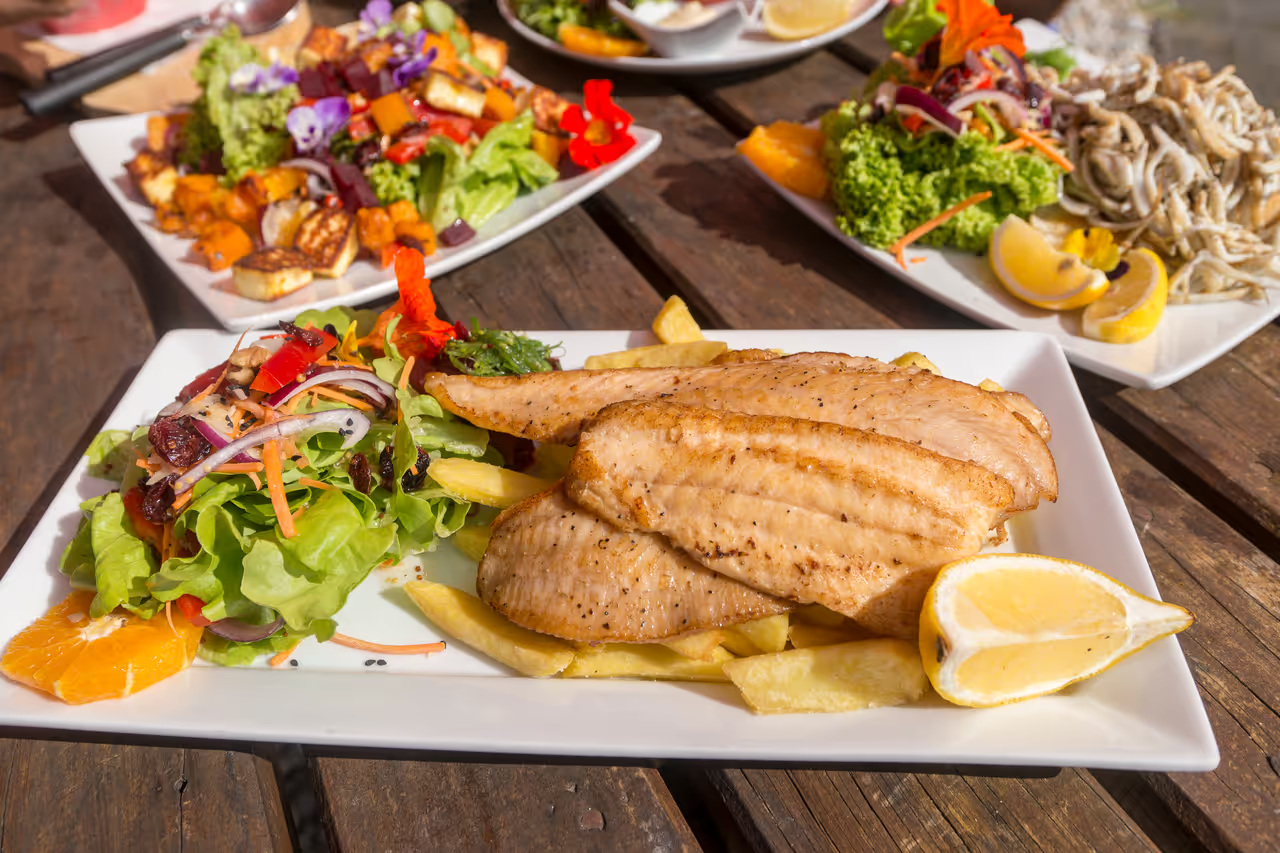
Skip the generic fast food and seek out a local bakery to try a freshly toasted cheese roll. Pair it with a locally brewed craft beer or a strong flat white coffee for the quintessential local lunch experience.
If you plan to swim at the local beaches, seriously consider renting a thick wetsuit. The water comes directly from the Southern Ocean and remains bracingly cold even during the height of summer.
PERFECT FOR
This destination is perfect for independent travellers who appreciate striking heritage architecture, rugged coastal landscapes, and rare wildlife encounters. It appeals strongly to culture enthusiasts drawn to literary history, vibrant indie music scenes, and cosy historic pubs. Those seeking an authentic, less polished, and deeply atmospheric alternative to typical resort towns will find it incredibly rewarding.
VIBE
The city exudes an atmosphere of refined history clashing brilliantly with untamed youth. Grand stone facades and dark, moody gothic spires provide a dramatic backdrop for a remarkably energetic student population that fills the cafes and indie pubs. There is a creative, slightly eccentric undercurrent here, fuelled by the often misty, changeable weather rolling in off the wild southern ocean. It feels intellectual, deeply connected to nature, and fiercely proud of its unique character.
Frequently Asked Questions about Dunedin
While we strive to keep this information accurate and up to date, we recommend verifying any details independently before making decisions based on them.