Dunedin Northern Cemetery
Perched on the wooded slopes of Signal Hill, the Dunedin Northern Cemetery offers a tranquil perspective on the city's rich past. This historic landmark serves as more than a final resting place, acting as an essential segment of the Victorian landscape and lush green belt. Visitors can wander through eight hectares of beautifully maintained grounds, where ornate headstones and the striking architecture of private mausoleums tell the stories of those who helped build the city. The site provides panoramic views over Logan Park and the University of Otago, making it an excellent spot for a contemplative walk. With its inclusive layout and deep historical resonance, the cemetery invites exploration by anyone interested in the legacy of early colonial New Zealand.
Videos
History of Dunedin Northern Cemetery
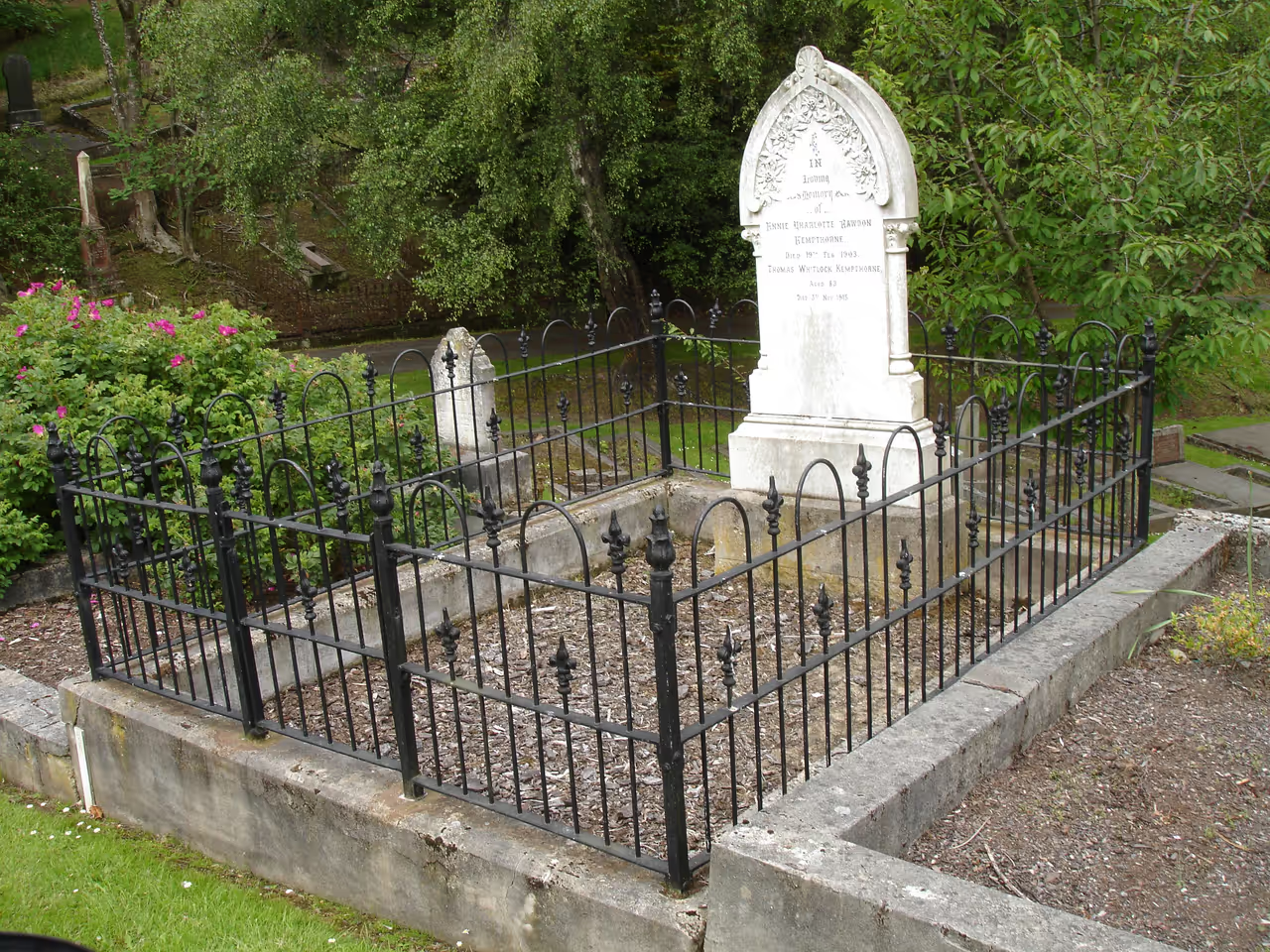
The Dunedin Northern Cemetery stands as a serene, living museum that tracks the rapid evolution of this southern city. Established in 1872, it occupies a prime position on a spur of Signal Hill, chosen for its commanding outlook and proximity to the growing residential areas below. During the Victorian era, the design of such public spaces was taken seriously, and this site remains a testament to that era, blending natural beauty with ornate, carefully crafted memorials that capture the aspirations of Dunedin's early settlers. Walking these slopes reveals a microcosm of colonial society. One finds the grand final resting place of William Larnach, a man of immense influence and tragic personal history, interred in a stone replica of the First Church of Otago. Nearby rest figures like the architect Robert Lawson, who left his mark on the city's skyline, and various other pioneers whose decisions helped define the region. The cemetery serves as a physical archive of the people who shaped Dunedin, preserving their stories in granite and marble for future generations to consider. Today, the cemetery functions as an integral part of the Dunedin Town Belt, a cherished green corridor that wraps around the city. It has evolved from a sombre place of finality into a peaceful destination for locals and travellers alike. Visitors come to enjoy the quietude, the historic architecture, and the expansive views over Logan Park and the university. It is a place that invites quiet reflection on the lives lived in this corner of New Zealand, serving as a tranquil counterpoint to the activity within the city below.
Events spanning 139 years
Fun Facts
- • More than 13,000 people are interred at the site, with each headstone providing a unique glimpse into the lives of Dunedin's early residents.
- • Robert Lawson, the esteemed architect responsible for designing many of Dunedin's most iconic buildings, including the Larnach mausoleum, is also buried here.
- • Seventeen Commonwealth service personnel from the First World War and three from the Second World War are laid to rest here.
- • The Bracken Lookout offers spectacular vistas across the university campus and the central city, rewarding visitors with a prime vantage point.
- • The cemetery spans eight hectares, creating a vast green space that contributes significantly to the Dunedin Town Belt.
- • The former sexton's cottage, situated at the entrance, serves as a visitor centre, offering historical context for those wandering the grounds.
- • Unlike most cemeteries of the Victorian era, this site was designed without division by religious denomination, reflecting a progressive approach to social organisation at the time.
- • William Larnach, a prominent politician and businessman, is interred in a stone replica of the First Church of Otago.
RESOURCES
Official WebsiteDunedin Northern Cemetery FAQ
While we strive to keep this information accurate and up to date, we recommend verifying any details independently before making decisions based on them.
Dunedin Northern Cemetery Map & Neighborhood Explorer
This interactive map is centered on Dunedin Northern Cemetery. Zoom in and move the map around to automatically discover Wikipedia photos and summaries of other nearby sights, monuments, and historical points of interest and stories in real-time!
Places near Dunedin Northern Cemetery
Make the most of your trip. Check out these top-rated spots located nearby.
 430m
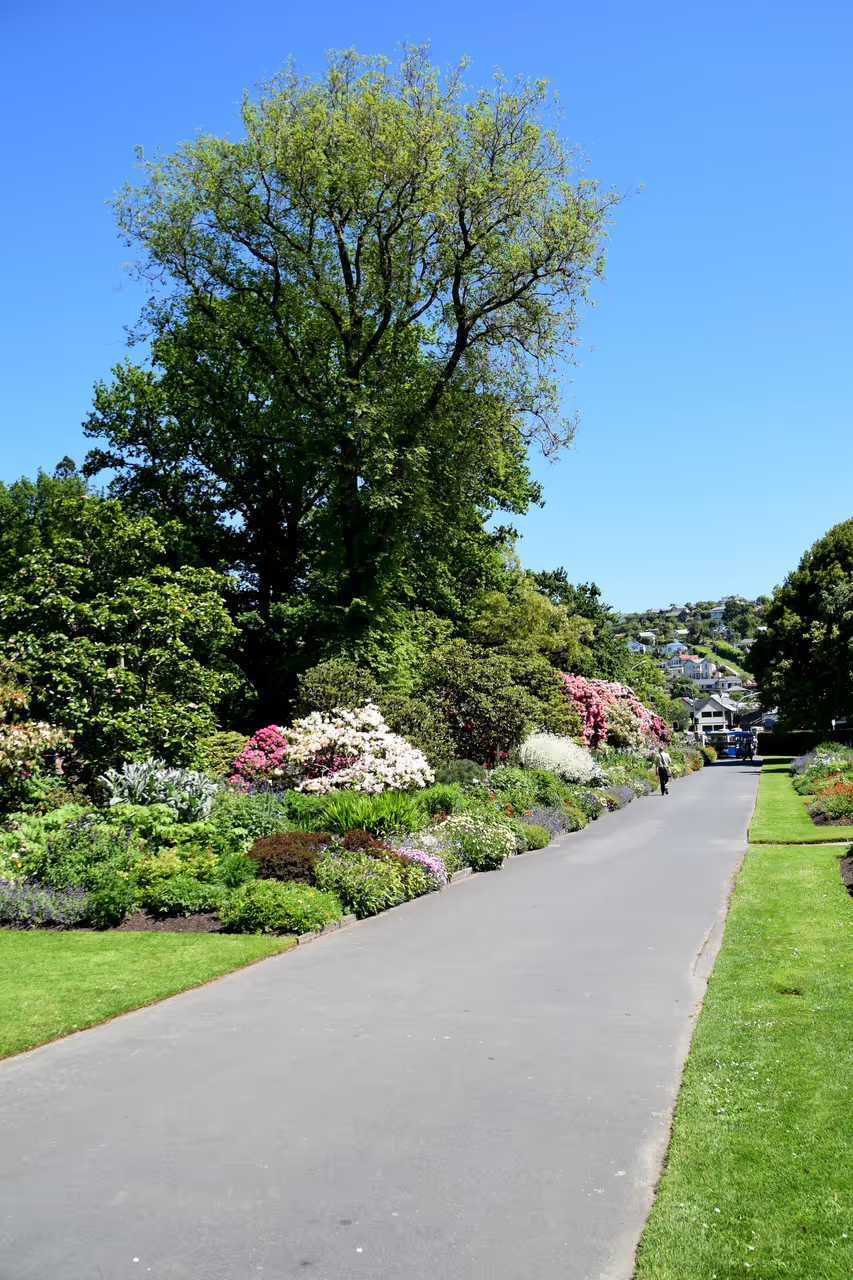
430mDunedin Botanic Garden
The Dunedin Botanic Garden serves as a lush, peaceful sanctuary that acts as the green heart of the city. As New Zealand's oldest botanical garden, this space offers a captivating journey from the manicured, heritage listed lower gardens to the wilder, elevated bush walks of the upper grounds. Visitors can explore a heated Edwardian glasshouse, wander through a vibrant rhododendron dell, or simply enjoy a quiet moment by the duck pond. The garden captures the city's character perfectly, blending historical elegance with natural landscapes shaped by volcanic history. It remains a beloved spot for students, locals, and travellers seeking a refreshing escape just moments from the university and city centre. Whether you are hunting for rare plant species or a scenic path for a leisurely stroll, this garden delivers a remarkable experience in every season.
park & nature view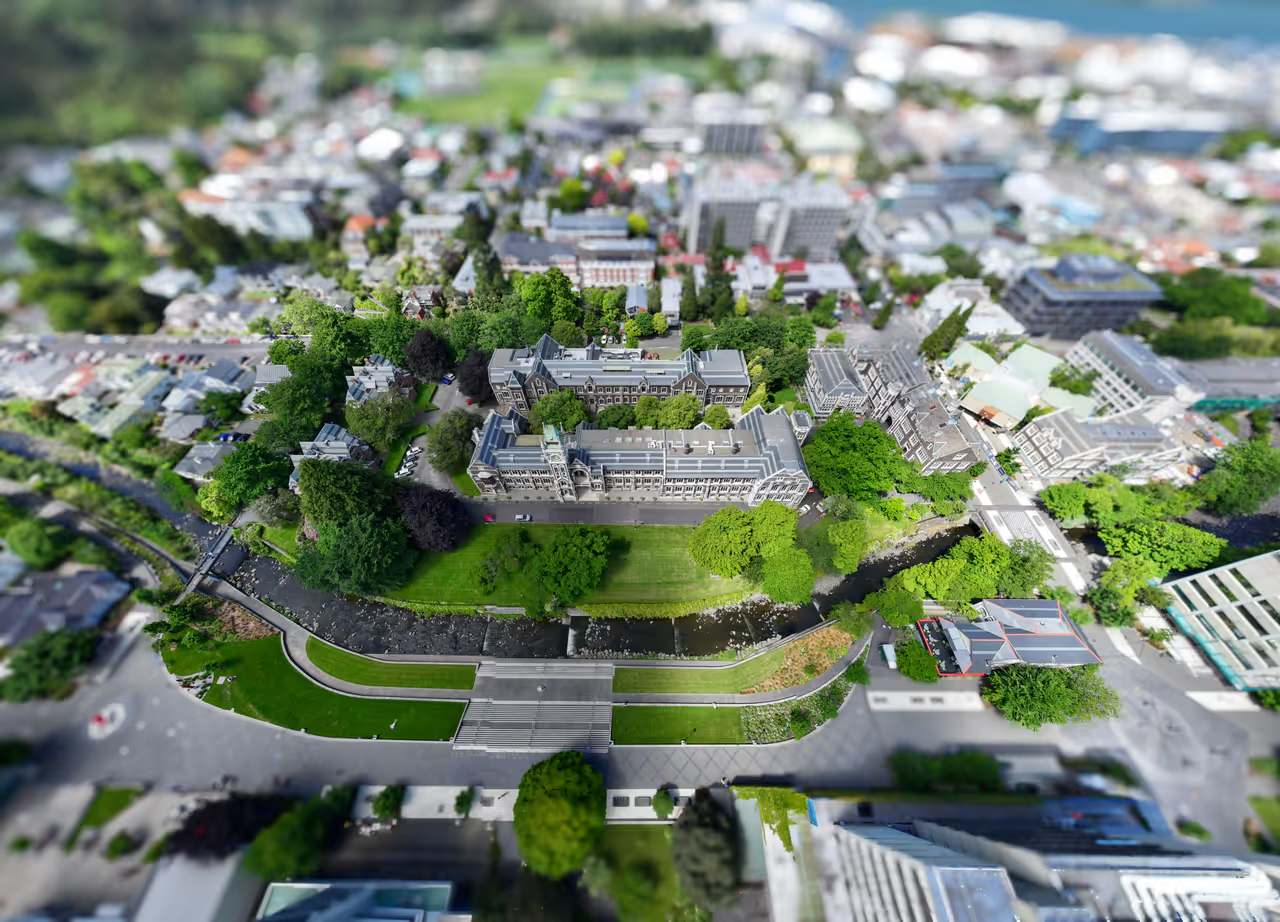 858m
858mUniversity of Otago
As the oldest university in New Zealand, this sprawling campus is the intellectual and cultural engine of the city. The grounds are a stunning mix of dark, gothic revival stone buildings and ultra-modern glass research facilities, all bisected by the gentle Leith river. Walking through the campus provides a real sense of the intense academic history and the vibrant, youthful energy that defines the local atmosphere. It is widely considered one of the most beautiful university campuses in the world.
highlight view 866m
866mNorth Dunedin Student Quarter
The area surrounding the university is the engine room of the city's legendary youthful nightlife. Driven by tens of thousands of students, the streets here are packed with cheap takeaway joints and cavernous, loud pubs designed for heavy socialising. The energy is raw, unapologetic, and highly entertaining if you are in the mood for a chaotic night out. Expect to see throngs of young people moving between house parties and venues playing loud indie and electronic music.
nightlife view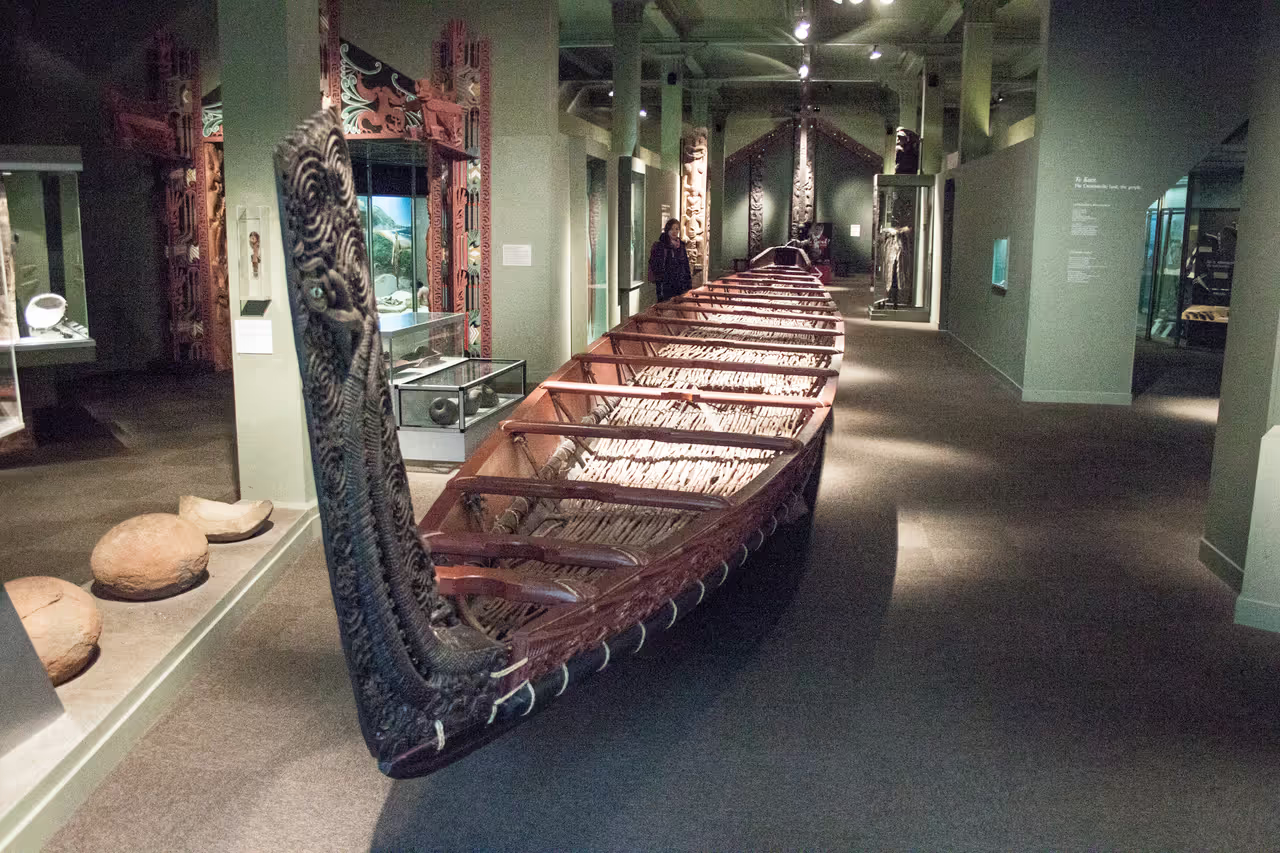 1080m
1080mOtago Museum
This expansive cultural and scientific institution is one of the premier museums in the country, holding over two million artifacts. The galleries cover a vast array of topics, from deeply moving exhibits on southern Māori history to impressive collections of ancient Egyptian antiquities and towering moa skeletons. Beyond history, the site features a massive, multi-level indoor tropical forest where hundreds of exotic butterflies flutter freely around visitors. It provides a warm, colourful escape on a cold southern day and offers an incredibly comprehensive look at the natural and cultural world.
highlight view
See all nature & parks in Dunedin
Dunedin Botanic Garden, Queens Gardens...