Taiaroa Head
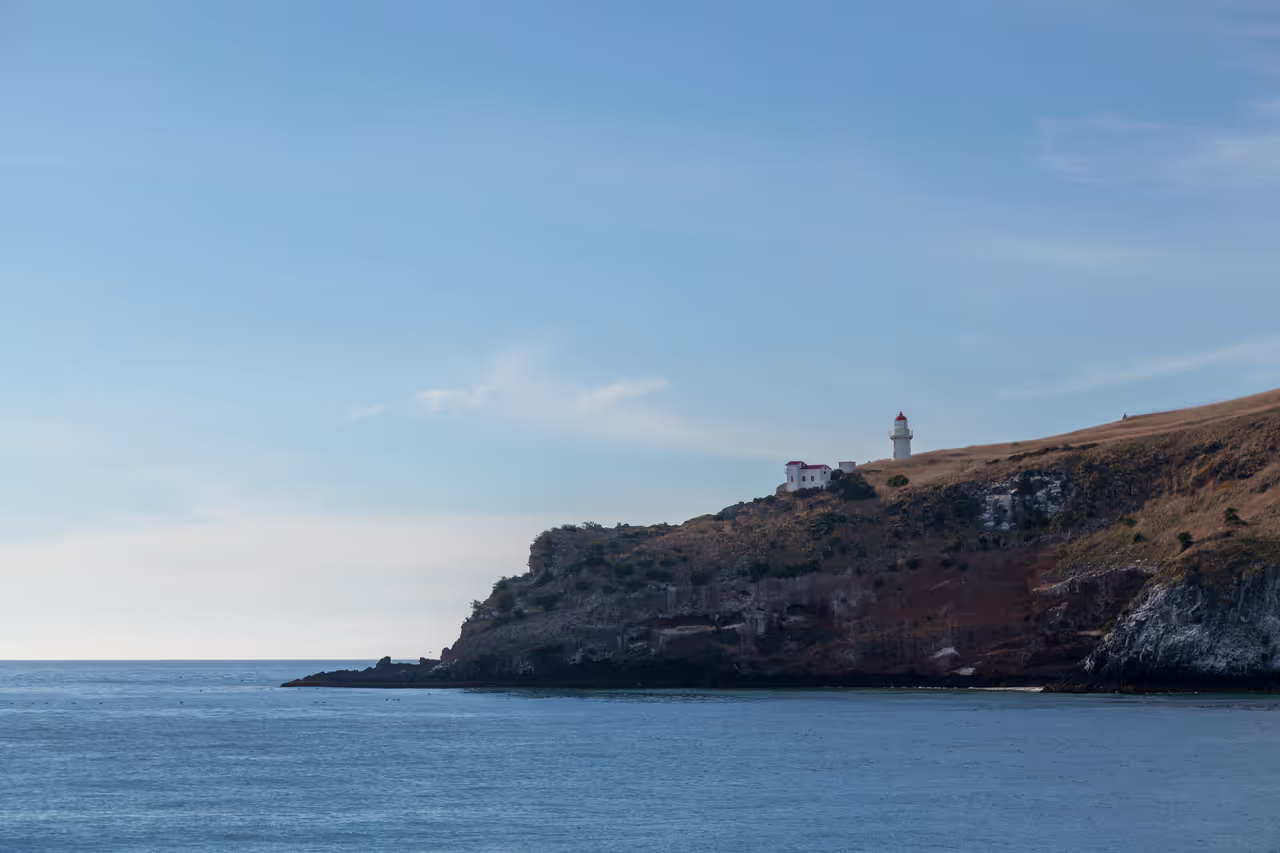
Perched at the very tip of the Otago Peninsula, Taiaroa Head is a spectacular fusion of nature and history. It is famous as the only mainland breeding ground for the majestic northern royal albatross which captivates every visitor. Beyond these gentle giants you can watch seals and sea lions lounging on Pilots Beach or explore the fascinating military remnants of the 19th century coastal defences. The headland offers breathtaking vistas of the Pacific Ocean meeting the harbour mouth making it a perfect spot for photography and quiet contemplation. Whether you are here for the unique wildlife encounters or to step back into the colonial and Māori past the atmosphere is profoundly peaceful and ruggedly beautiful. This is truly a must see location that captures the untamed spirit of Dunedin.
Videos
History of Taiaroa Head
Long before the lighthouse beacons or the military fortifications appeared this headland was known as Pukekura. For centuries it served as a vital strategic settlement for the local Ngāi Tahu iwi. Perched at the dramatic entrance to the harbour the pā stood as a sentinel witnessing the passage of generations. The legacy of this site is deeply woven into the local Māori history representing a place of strength and cultural significance that remains a foundation of the peninsula identity today. As the 19th century arrived the headland transformed into a focal point of colonial activity. Whaling stations emerged along the shores bringing men from as far as Hobart to exploit the bounty of the sea. By the late 1800s global tensions reached these quiet shores. Fearing a potential Russian invasion the colonial authorities hastily constructed defensive fortifications installing the impressive Armstrong disappearing gun. This mechanical marvel could be cranked down behind a protective wall after firing a clever piece of engineering that still stands as a relic of a time when the world felt much smaller and far more dangerous. Today the narrative of Taiaroa Head has shifted from defence to preservation. In 1919 a wandering albatross decided to nest here marking the beginning of an extraordinary conservation success story. Through the dedication of rangers and ornithologists what began as a chance arrival grew into the world only mainland breeding colony of northern royal albatrosses. Visitors now walk the same ground where ancient warriors once stood surrounded by some of the most remarkable wildlife on the planet. It is a place where history and nature coalesce offering a profound look at how we can protect and coexist with the wild.
Events spanning 269 years
Fun Facts
- • Conservation experts use advanced husbandry methods including the use of brooders to protect chick survival.
- • It features a rare Armstrong disappearing gun from the 1886 defensive fortifications.
- • Little blue penguins and yellow-eyed penguins breed on the nearby shoreline.
- • Pilots Beach was once named Measly Beach following a measles outbreak in 1835.
- • Taiaroa Head is home to the only mainland royal albatross colony in the world.
- • The area serves as a living museum of colonial military engineering and indigenous history.
- • The headland offers a unique chance to view wild marine mammals and rare sea birds in their natural environment.
- • The lighthouse has been operational since 1864 and remains a vital maritime beacon.
- • The location acts as a premier vantage point for spotting orcas and migrating humpback whales.
- • The site was known as Pukekura and served as a strategic Māori settlement for centuries.
Taiaroa Head FAQ
While we strive to keep this information accurate and up to date, we recommend verifying any details independently before making decisions based on them.
Taiaroa Head Map & Neighborhood Explorer
This interactive map is centered on Taiaroa Head. Zoom in and move the map around to automatically discover Wikipedia photos and summaries of other nearby sights, monuments, and historical points of interest and stories in real-time!
Places near Taiaroa Head
Make the most of your trip. Check out these top-rated spots located nearby.
 134m
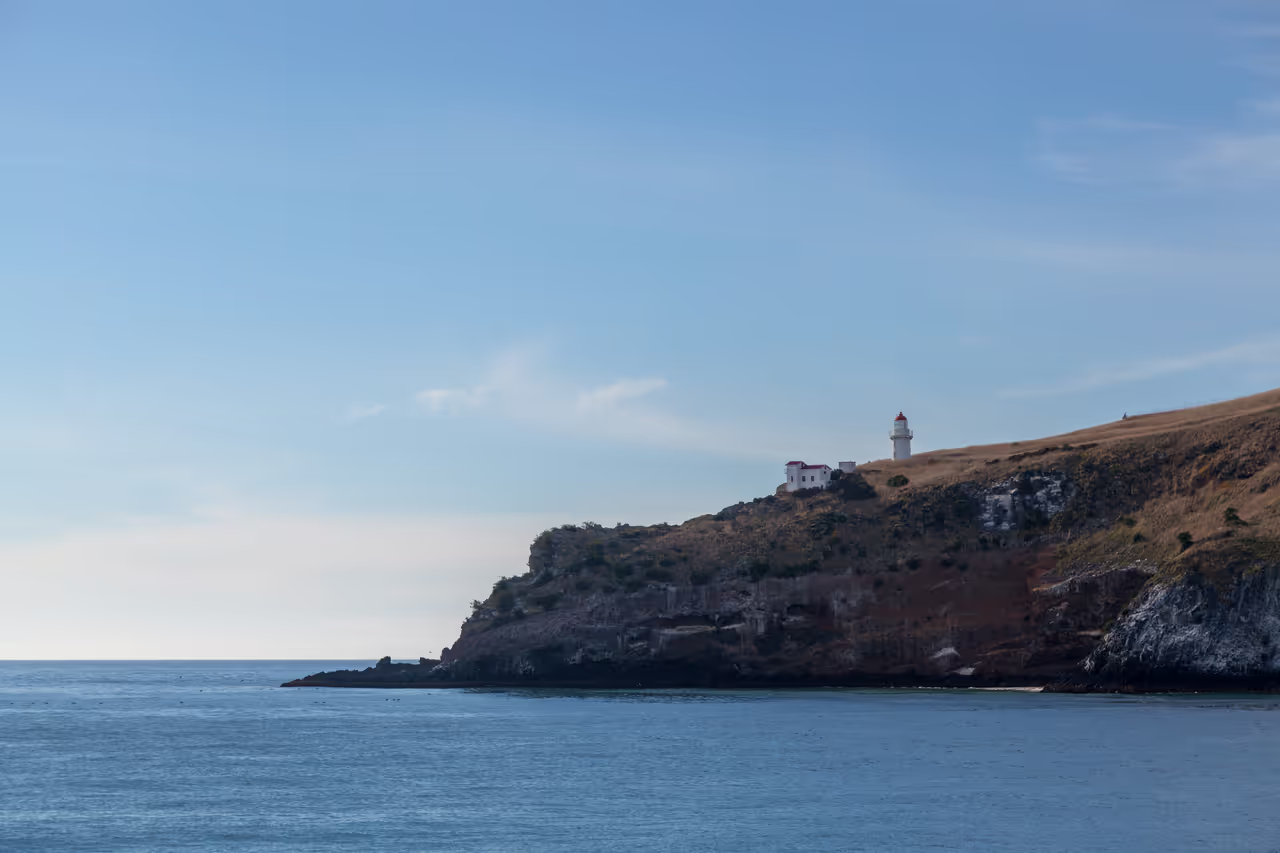
134mTaiaroa Head Lighthouse
Perched on the extreme, windswept tip of the peninsula, this historic white lighthouse stands starkly against the deep blue of the Pacific Ocean. The dramatic, rocky cliffs and the potential to capture a massive albatross soaring through the frame make this a world-class wildlife and landscape location. The harsh, salty wind ensures the lighting is often incredibly moody.
photo spot view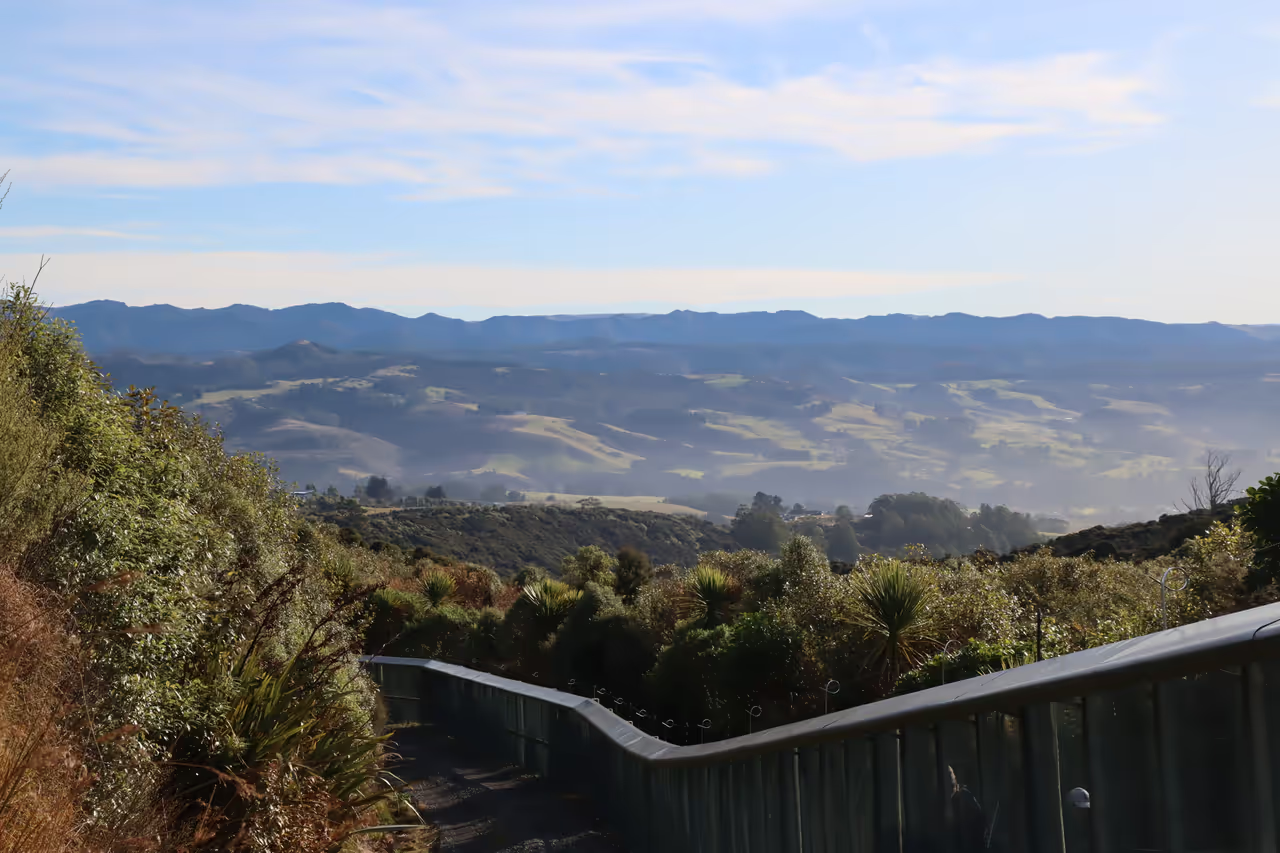 9639m
9639mOrokonui Ecosanctuary
Located in a lush valley north of the city, this massive conservation project protects 307 hectares of native forest behind an impressive predator-proof fence. It serves as a vital safe haven where New Zealand's rarest, highly vulnerable wildlife can thrive exactly as they did before human arrival. Visitors can walk the extensive bush tracks and spot ancient tuatara reptiles, cheeky kaka parrots, and potentially even the elusive kiwi. It provides a rare, deeply moving glimpse into the pristine natural history of the country.
highlight view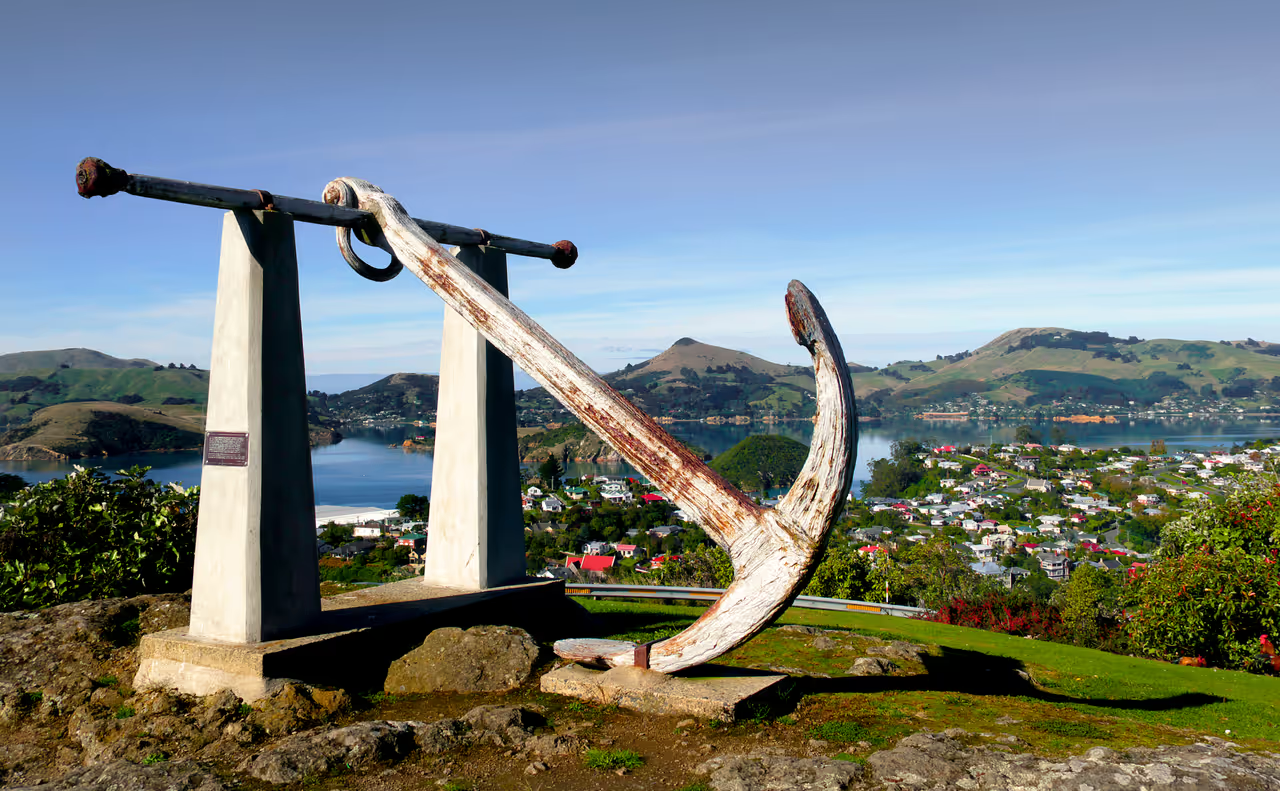 9700m
9700mPort Chalmers
A short drive from the main city, this historic deep water port town offers a deeply authentic and characterful evening out. Frequented by local artists, musicians, and maritime workers, the pubs here are steeped in working class history and often feature roaring fires. Live alternative music is a staple, echoing the town's reputation as a creative enclave. It provides a warm, rough around the edges charm that is completely distinct from the inner city scene.
nightlife view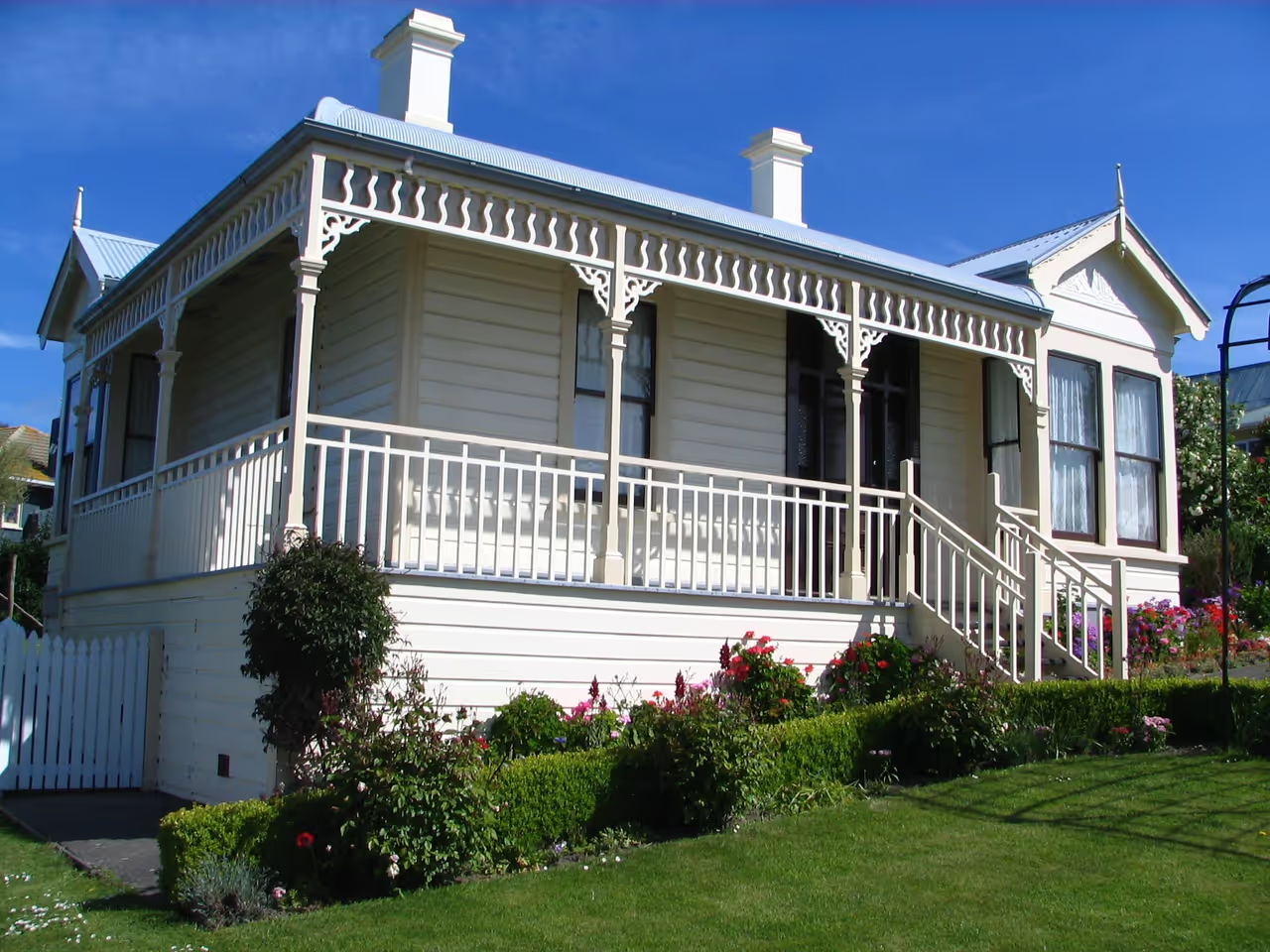 11082m
Fletcher House
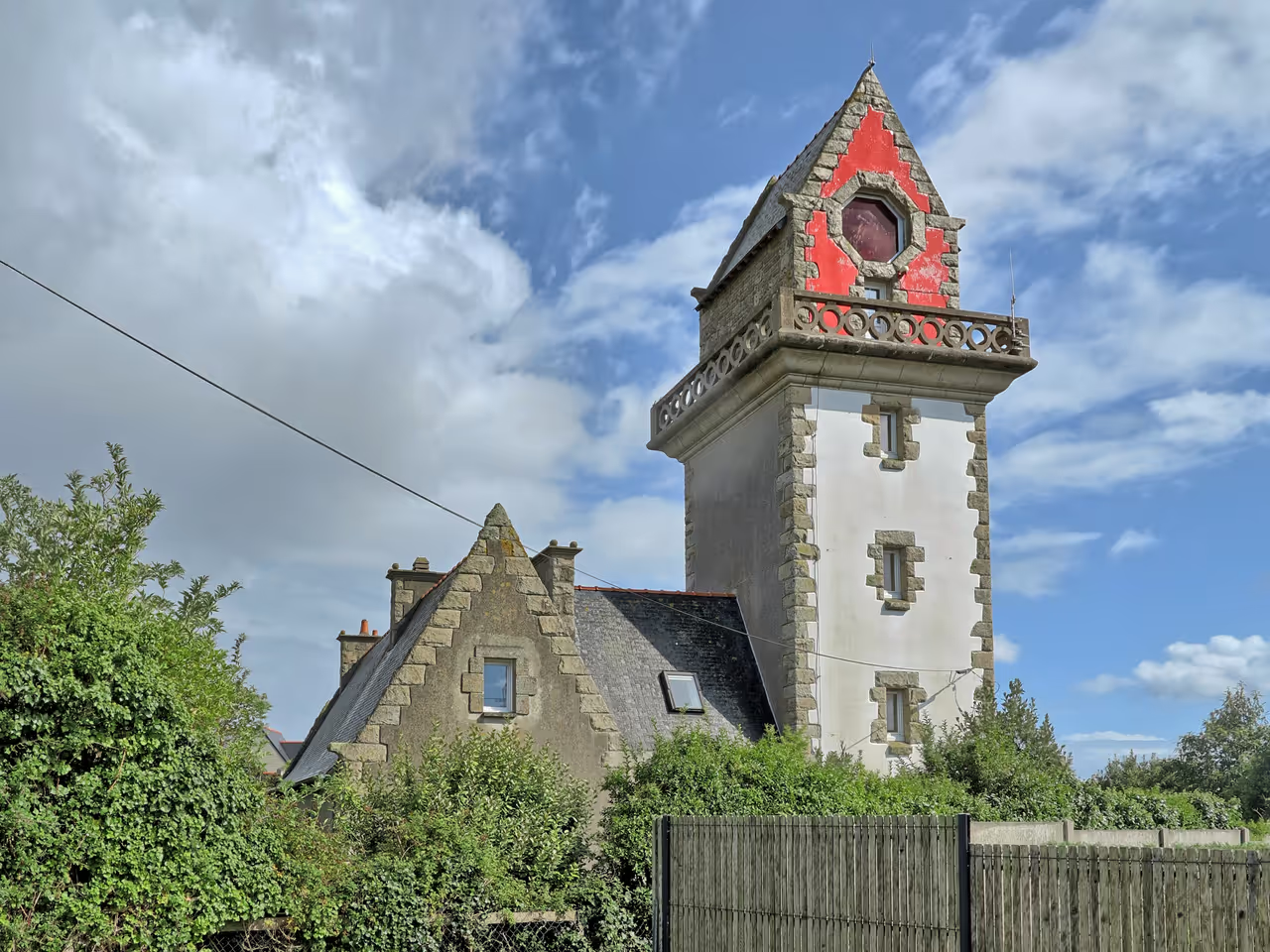
Located quietly on the scenic road out to the peninsula, this perfectly preserved 1909 villa offers an incredibly authentic snapshot of early 20th-century domestic life. Built by Sir James Fletcher, who went on to found one of the country's largest construction empires, the house remains surprisingly modest. It has been meticulously restored and furnished exactly in the style of the Edwardian period, right down to the kitchen utensils and wallpaper. It provides a quiet, deeply nostalgic contrast to the grand stone castles and public buildings in the city centre.
hidden gem view
Explore Similar Places in This Collection
Featured on These Itineraries and Routes
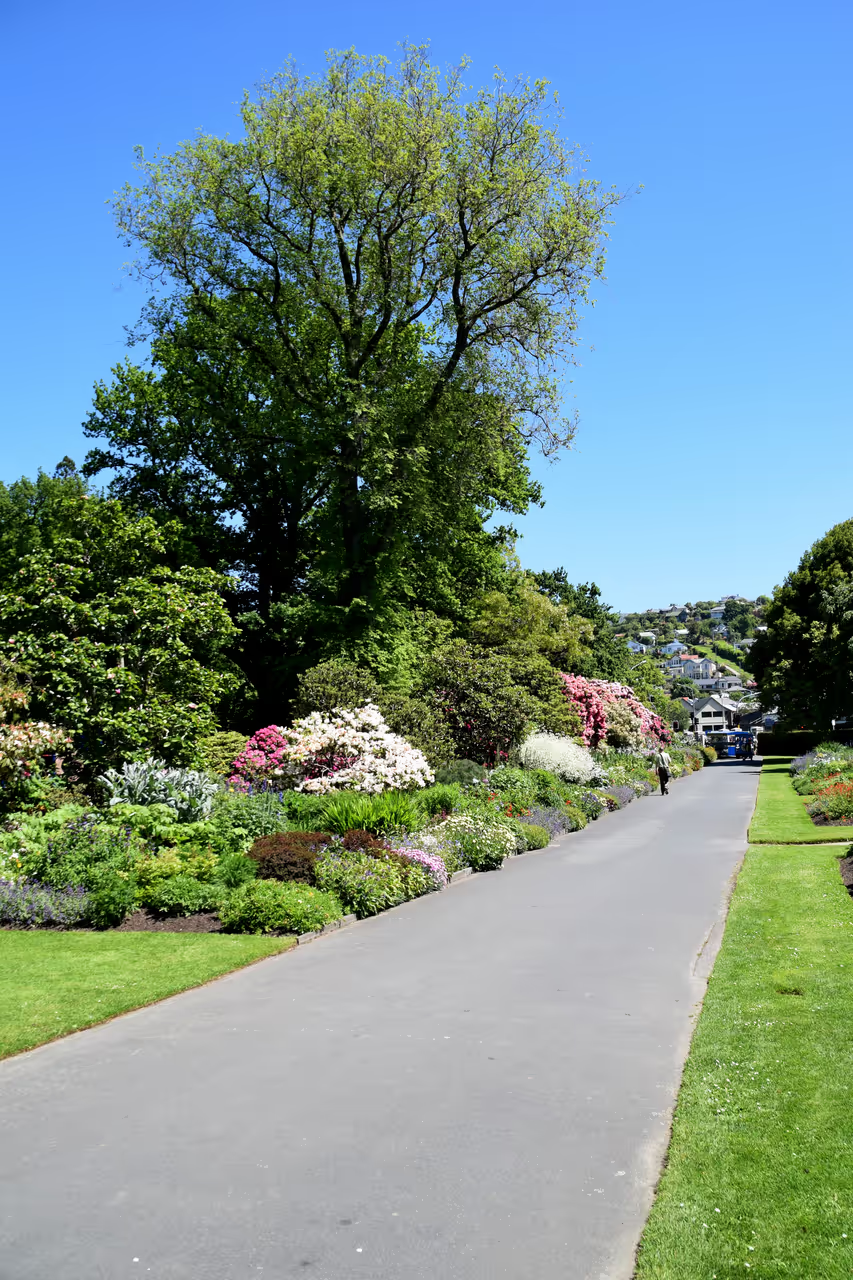
3 Days in Dunedin: Culture and Coastline Itinerary
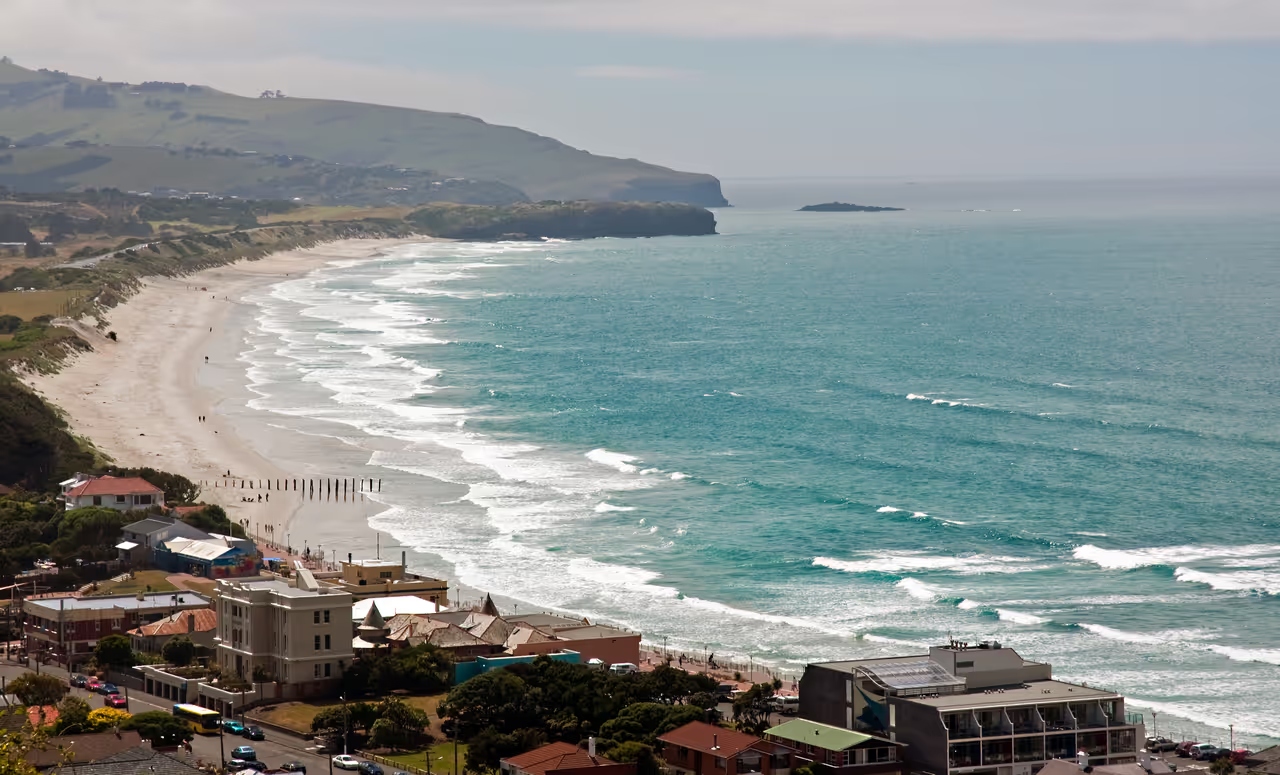
This balanced three-day journey allows you to experience the striking contrast between the refined, academic city centre and the raw, untamed wildlife of the peninsula. You will spend time wandering the serene green spaces and major museums, before dedicating a full day to navigating the winding coastal roads to spot rare seabirds. The final day focuses on quirky local oddities and the wild southern beaches, providing a comprehensive view of the region's diverse character.
view itinerary

5 Days in Dunedin: Southern Immersion Itinerary
For those who want to uncover every facet of the city's complex identity, this five-day itinerary leaves no stone unturned. You will have time to delve into the eerie, alternative art scenes, explore the pristine native bush sanctuaries, and tackle the spectacular local cycle trails. It affords a much slower, more authentic pace, allowing you to linger in historic pubs, visit secluded coastal bays, and truly understand the moody, intellectual atmosphere that the locals fiercely protect.
view itinerary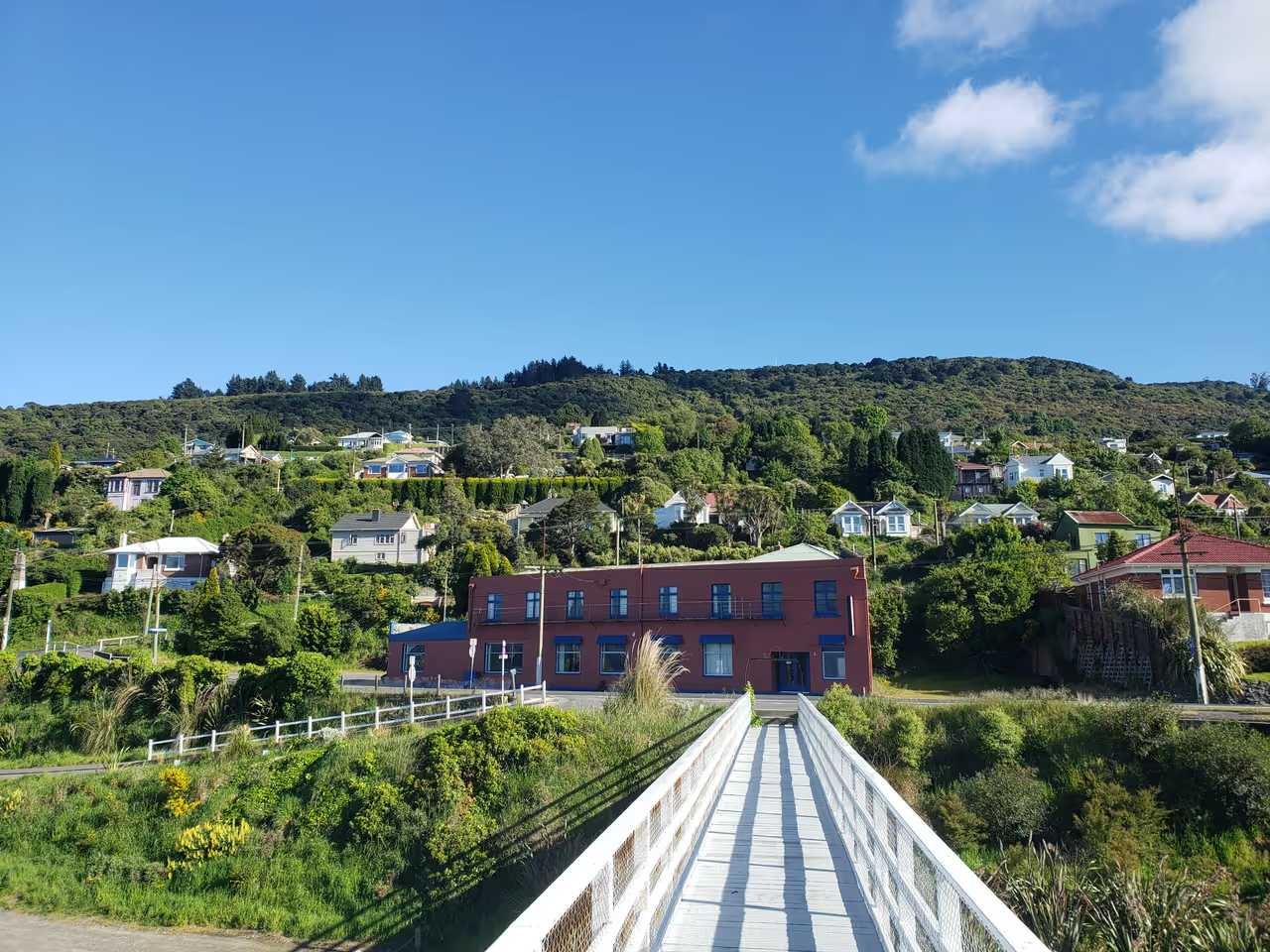
Te Aka Ōtākou Harbour Ride
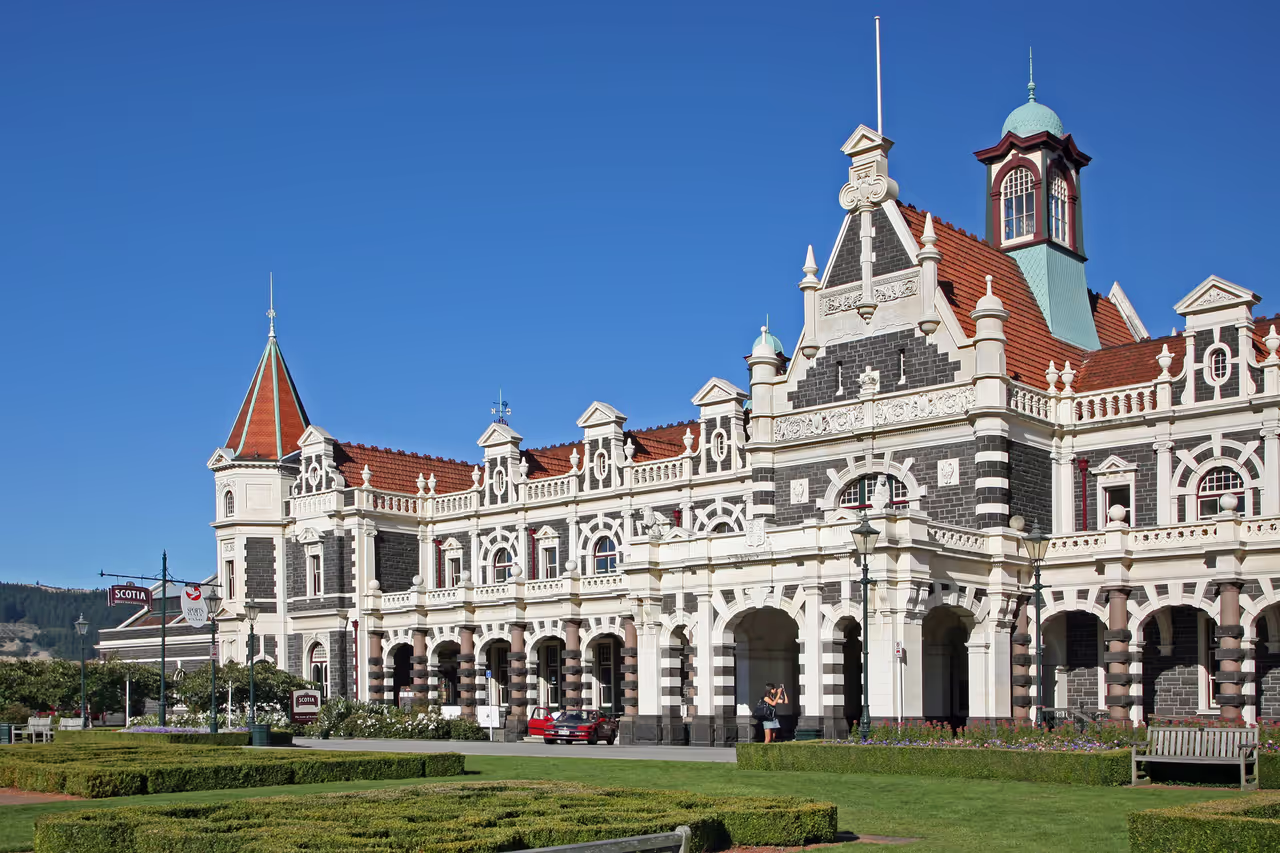
This newly developed shared pathway offers a remarkably flat and accessible ride right along the edge of the scenic harbour. It connects the central city out to the historic maritime villages, taking you past quiet bays and old boat sheds. The route provides constant, sparkling water views and safely separates cyclists from the winding coastal highway. It is an ideal, leisurely way to experience the dramatic topography of the submerged volcanic crater.
view cycling route
See all attractions in Dunedin
Dunedin Railway Station, Larnach Castle, Toitū Otago Settlers Museum, Baldwin Street, Speight's Brewery...