Ethnobotanical Garden of Oaxaca
This garden is a living testament to the deep relationship between the people of Oaxaca and the land. Walking through its paths feels like stepping into a curated showcase of regional history where every succulent and shade tree tells a story of survival, artistry, and tradition. Unlike traditional botanical gardens that prioritise aesthetics above all else, this space focuses on the cultural uses of flora, displaying plants essential for food, medicine, and spiritual practice. The grounds are tucked behind the stunning Church of Santo Domingo, offering a peaceful escape from the city streets. It is an ideal spot to learn about the biodiversity that sustains local communities, ranging from agave used for mezcal to ancient maize varieties. A visit here offers a rare glimpse into the botanical heritage that shapes the identity of the Zapotec and Mixtec cultures.
Videos
History of Ethnobotanical Garden of Oaxaca
The existence of the Ethnobotanical Garden is a victory for community activism and cultural preservation. In the early 1990s, the space behind the former Convent of Santo Domingo de Guzmán was slated to become a parking lot. Local artist Francisco Toledo, along with the group PRO OAX, fought to protect this historic site. Their successful campaign transformed a potential urban concrete slab into a sanctuary for indigenous botanical knowledge. This act of defiance preserved not only the land but also the living heritage of Oaxaca. The garden serves as a bridge between the past and the present, reflecting the ancestral knowledge of Zapotec and Mixtec communities. Every section of the garden highlights plants that have supported human life in the region for centuries. From the cochineal dye that historically funded the neighbouring monastery to the various types of agave essential for mezcal production, the collection is deeply rooted in local history. It is a place where ecology meets anthropology. Today, the garden stands as a testament to the idea that land use should reflect local values and heritage. By focusing on ethnobotany, the garden ensures that traditional knowledge remains alive and accessible. Visitors can see the diversity of plants used for everything from traditional drinks to complex medicinal rituals. It is a living library, an outdoor laboratory, and a peaceful monument to the creative spirit of the people of Oaxaca.
Events spanning 12 years
Fun Facts
- • Francisco Toledo was a legendary local artist and activist who fought tirelessly to protect the cultural and natural heritage of the region.
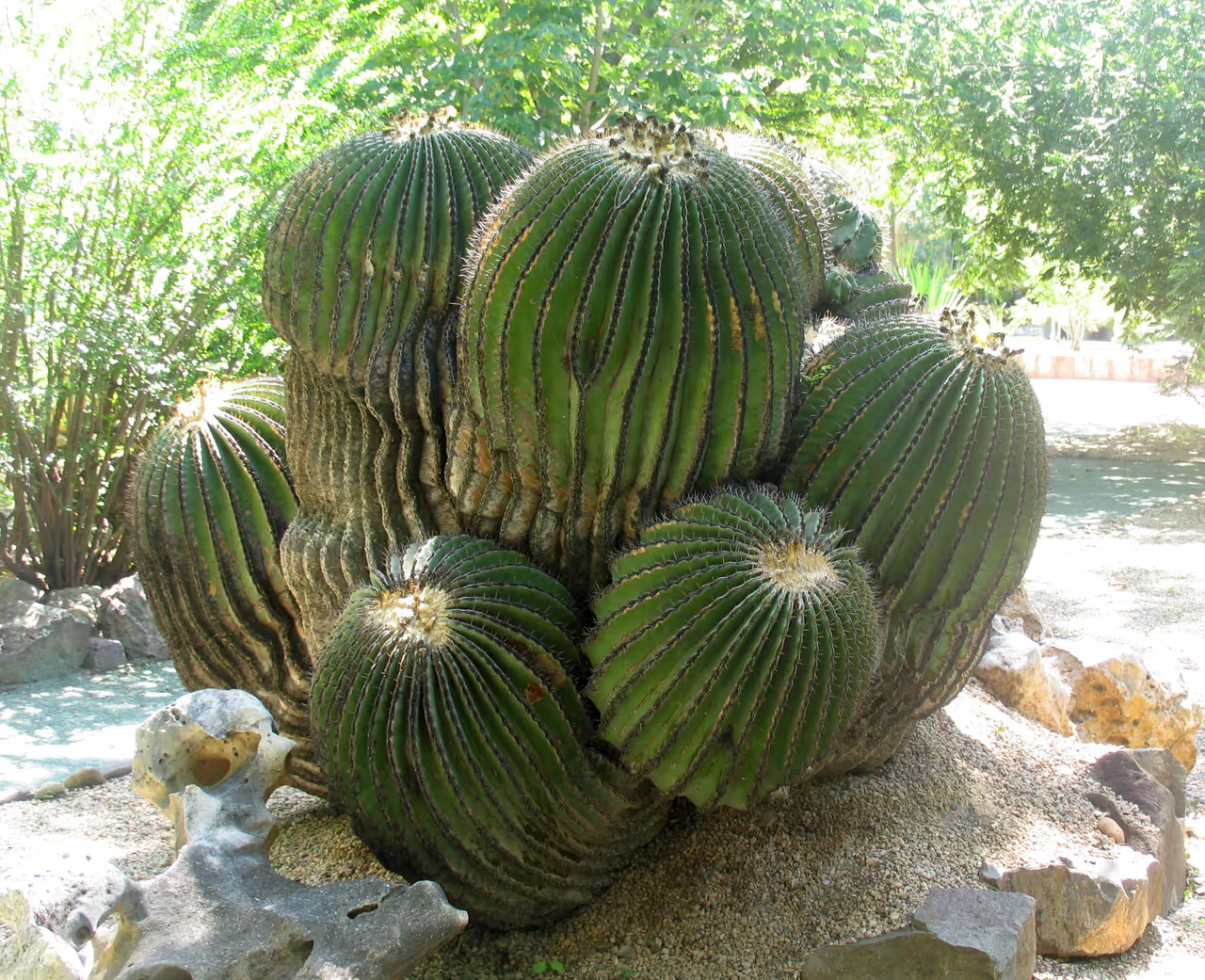
- • It features a rare collection of columnar cacti, some of which are hundreds of years old and were salvaged from construction sites throughout the region.
- • The facility is more than a park, housing a dedicated herbarium, a specialist library, and a scientific laboratory for ongoing ethnobotanical research.
- • The garden functions as a living library of maize, including wild relatives known as teosinte, which offers vital genetic resources for the history of agriculture.
- • The garden sits on the grounds of a former 16th century convent that was once nearly paved over to create a car park before local activists intervened.
- • The original monastery construction was financed by the sale of cochineal, a vibrant red dye extracted from insects living on the Opuntia cacti found in the garden today.
- • The site provides a deep look at the production of mezcal, showcasing the specific agave species that have defined Oaxacan economic and social life for generations.
- • Unlike many gardens that group plants by scientific family, this collection is arranged entirely by its cultural significance to the indigenous peoples of Oaxaca.
- • Visitors can view the specific plants used for centuries to flavour traditional Oaxacan drinks like tejate and atole, including the distinctive funeral tree.
RESOURCES
Official WebsiteEthnobotanical Garden of Oaxaca FAQ
While we strive to keep this information accurate and up to date, we recommend verifying any details independently before making decisions based on them.
Ethnobotanical Garden of Oaxaca Map & Neighborhood Explorer
This interactive map is centered on Ethnobotanical Garden of Oaxaca. Zoom in and move the map around to automatically discover Wikipedia photos and summaries of other nearby sights, monuments, and historical points of interest and stories in real-time!
Places near Ethnobotanical Garden of Oaxaca
Make the most of your trip. Check out these top-rated spots located nearby.
- 152m
Casa Oaxaca Rooftop
For a highly refined viewing experience, the rooftop terrace of this acclaimed restaurant offers unparalleled, intimate views of the Templo de Santo Domingo. Situated directly across from the church, the elevated perspective allows you to appreciate the intricate stone carvings of the facade and the surrounding agave gardens without the crowds of the plaza. As evening approaches, the church is dramatically illuminated against the darkening sky. It is an exceptional spot to enjoy world-class culinary creations while absorbing the city's most iconic architectural view.
viewpoint view 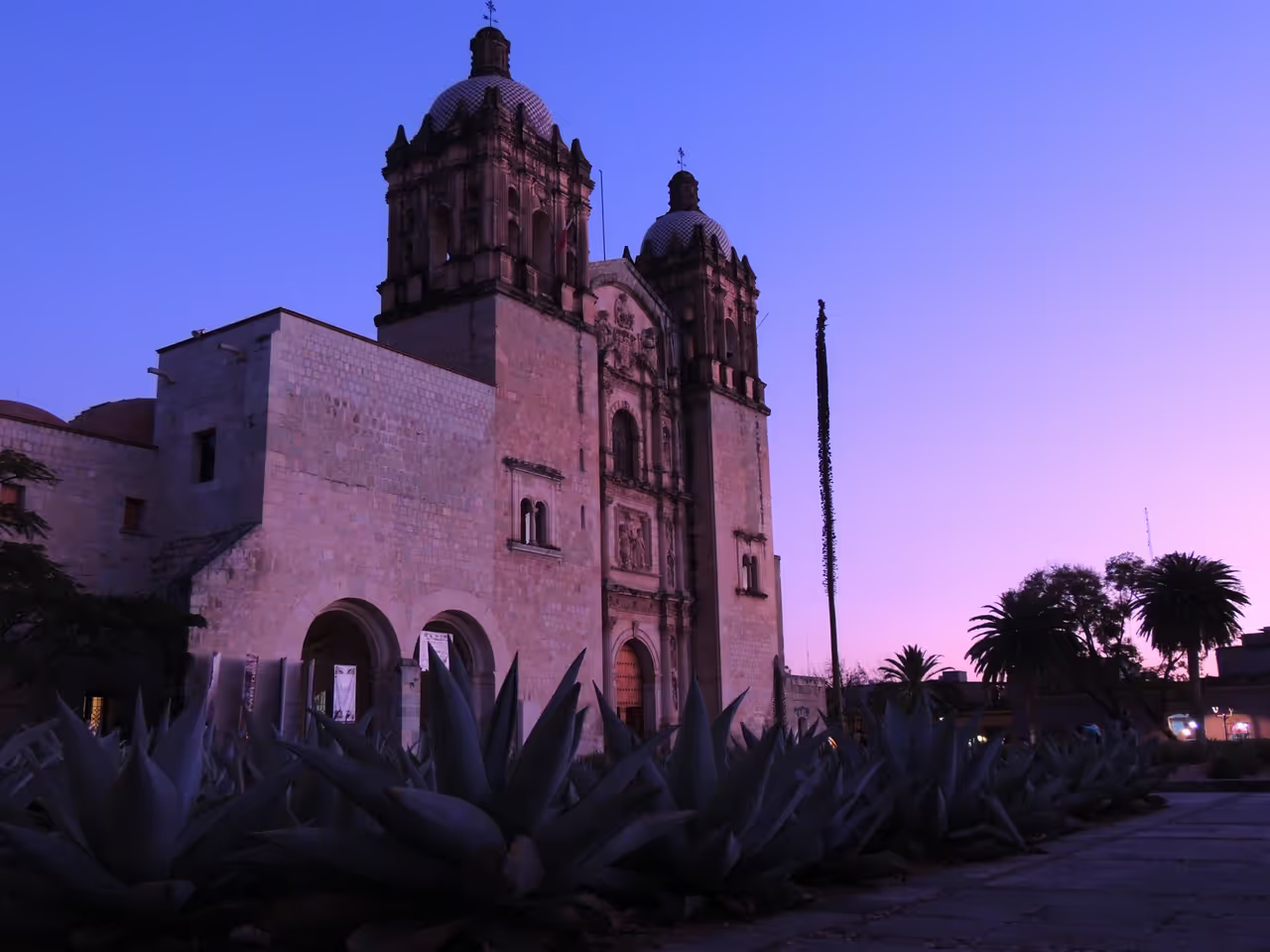 185m
185mChurch and Convent of Santo Domingo de Guzmán
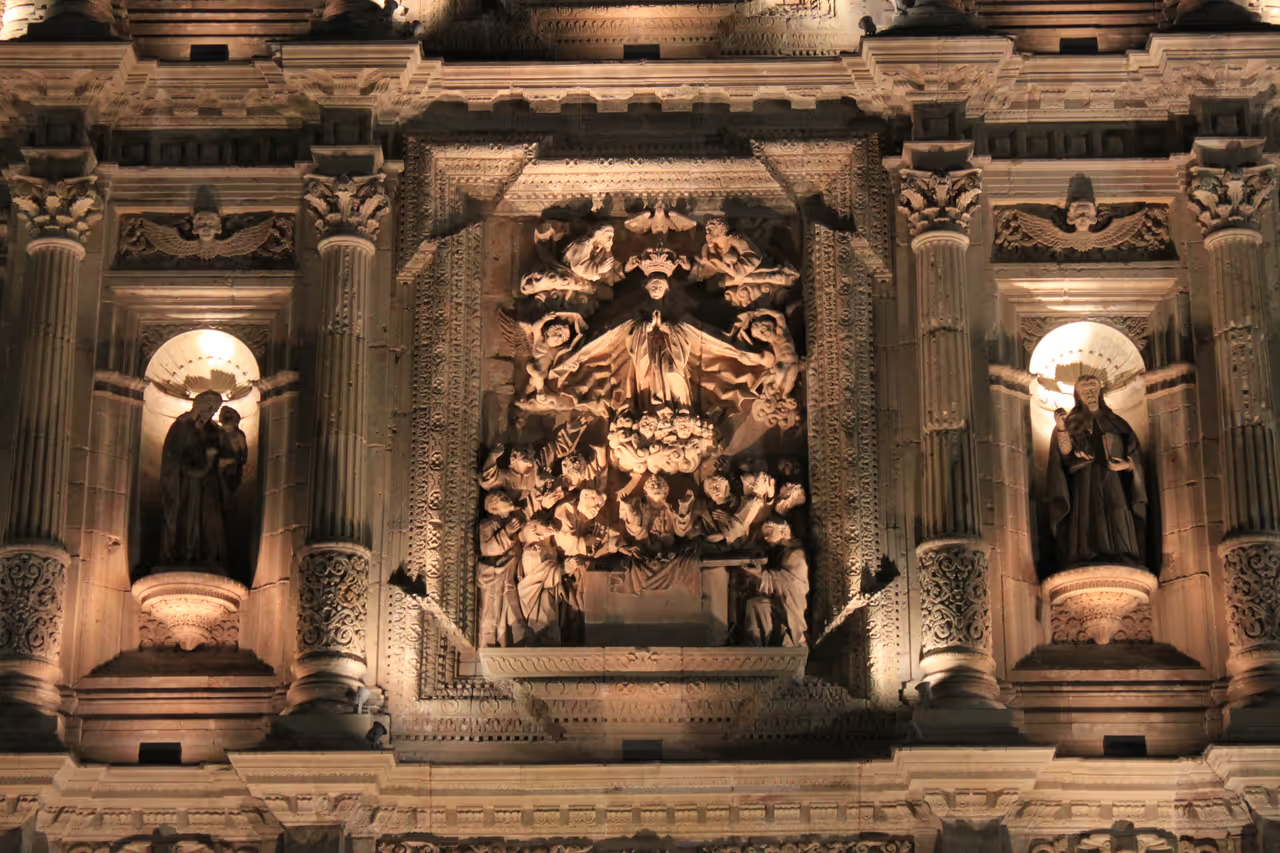
Step inside the Templo de Santo Domingo de Guzmán and prepare to be completely mesmerised by the sheer scale and intricate detail of its New Spanish Baroque architecture. This monumental complex serves as the beating heart of Oaxaca, offering a serene escape that effortlessly blends centuries of spiritual history with a rich, tangible past. As you wander through the quiet cloisters or admire the ornate gilded interiors, you feel the weight of history that spans from colonial conquests to modern cultural preservation. The site operates as both a place of worship and a vibrant cultural hub, housing the celebrated Regional Museum of Oaxaca and a breathtaking ethnobotanical garden filled with native desert flora. Whether you are a history enthusiast, an architecture admirer, or simply someone looking for the most photogenic spot in the city, this site is an absolute must. Make sure to visit as the sun begins to set, when the stone facade glows with a warm, golden light that makes the entire square feel magical.
attraction view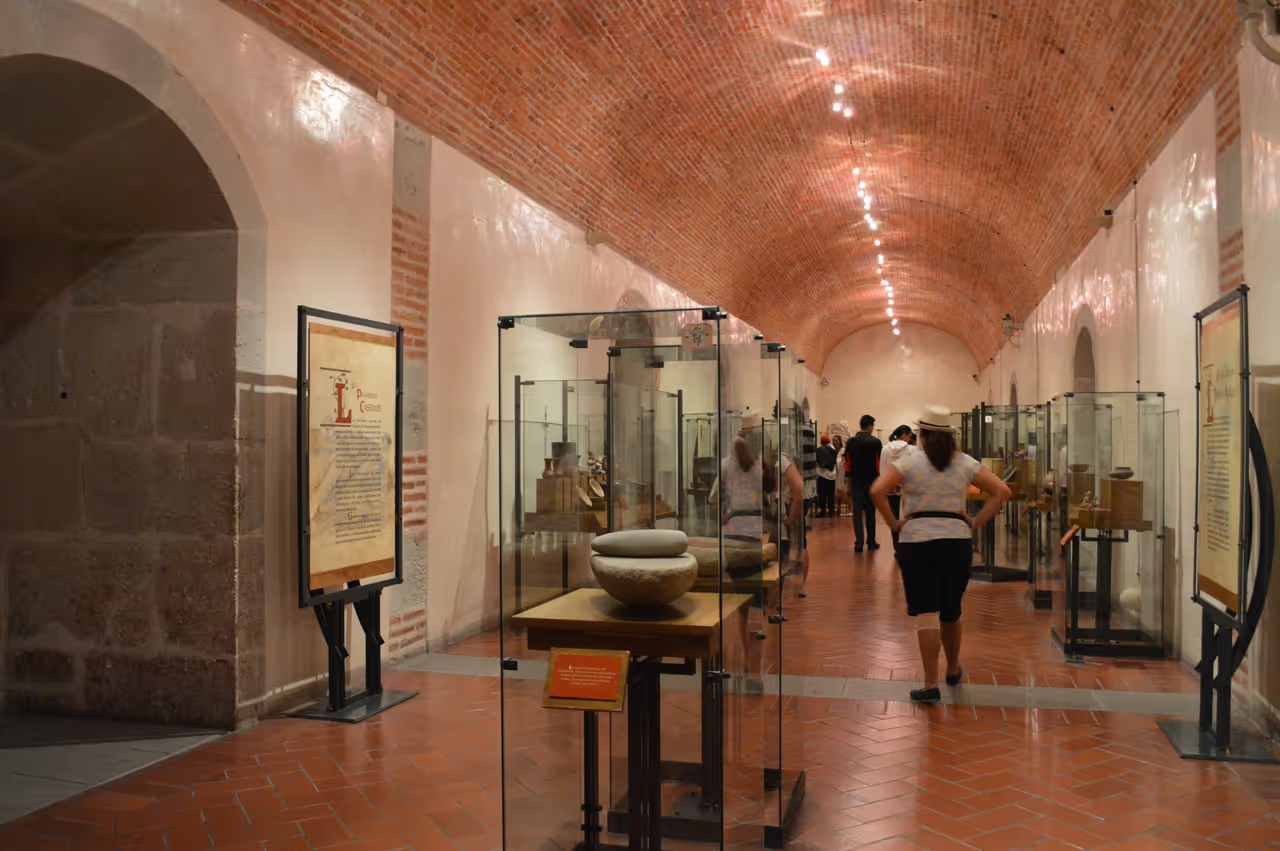 191m
191mSanto Domingo Cultural Centre
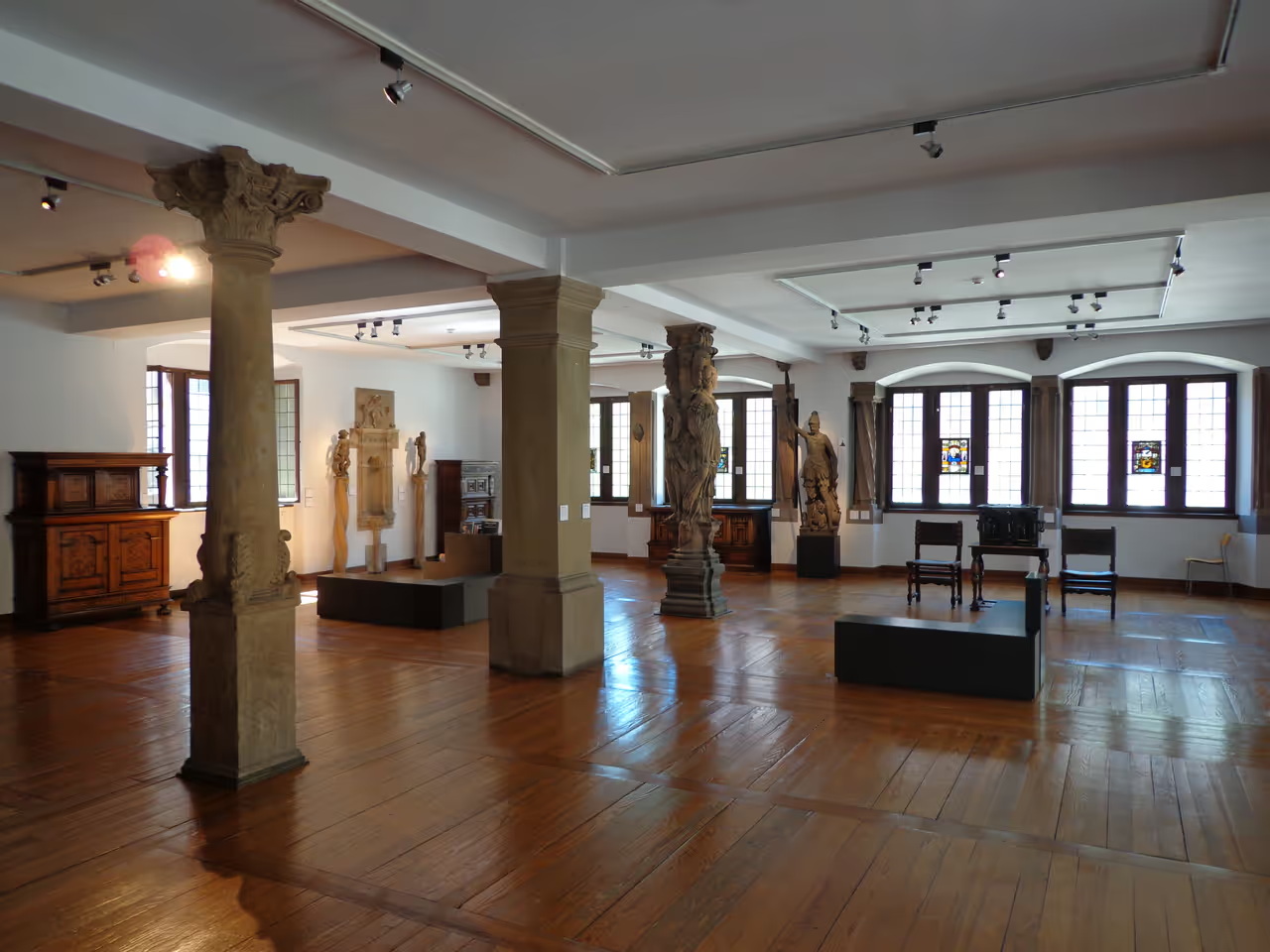
Imagine walking into a place where 17th-century religious devotion meets world-class archaeology. The Santo Domingo Cultural Centre is the beating heart of Oaxaca, housed within a magnificently restored former Dominican convent. You will find yourself mesmerised by the intricate gold-leaf interiors of the adjacent church before stepping into the museum to witness the legendary treasures of Tomb 7. It is a place where history feels alive, from the ancient Zapotec jewels to the rare incunables in the library. Visiting here is an experience that stays with you, serving as a profound journey through the soul of Mexico.
attraction view 231m
231mGraphic Arts Institute (IAGO)
Founded by the legendary Oaxacan artist Francisco Toledo, this institute is a vital hub for the city's fiercely independent and politically active art scene. It houses an astonishing collection of graphic artworks from around the world, alongside an extensive public library dedicated to art and culture. The building functions as an open, welcoming space where students, artists, and visitors can read, study, and view rotating exhibitions. Shaded courtyards filled with plants offer a tranquil environment for contemplation. It is a profound testament to the city's enduring commitment to accessible creativity and arts education.
highlight view
Explore Similar Places in This Collection



Featured on These Itineraries and Routes


3 Days in Oaxaca Itinerary
Three days allows you to venture beyond the city centre to explore the magnificent ancient ruins overlooking the valley. You will have time to appreciate the deep botanical history of the region and experience the contrasting atmospheres of different historic neighbourhoods. This itinerary balances major archaeological sites with leisurely, culturally enriching strolls and vibrant nightlife. It provides a highly satisfying overview of what makes the city so globally celebrated.
view itinerary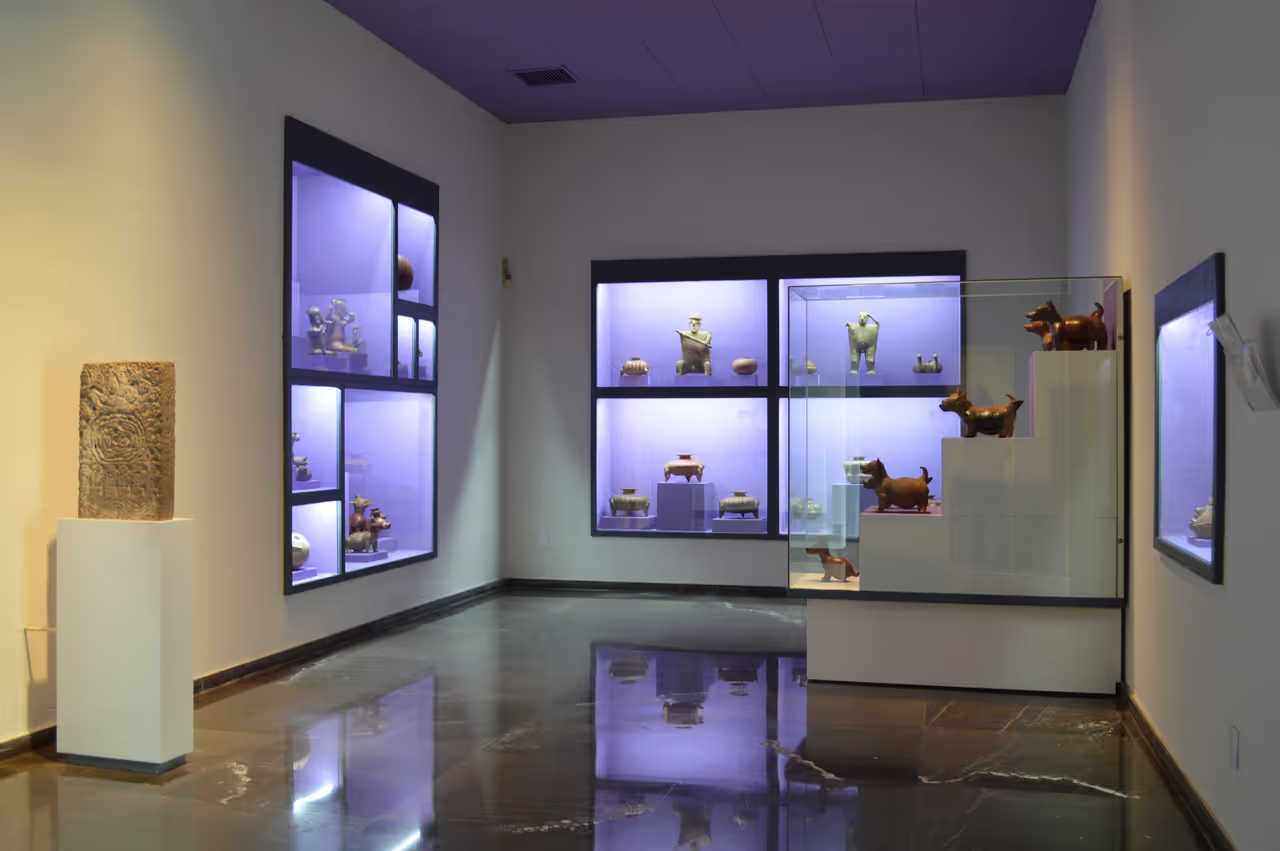
Zapotec Heritage Trail
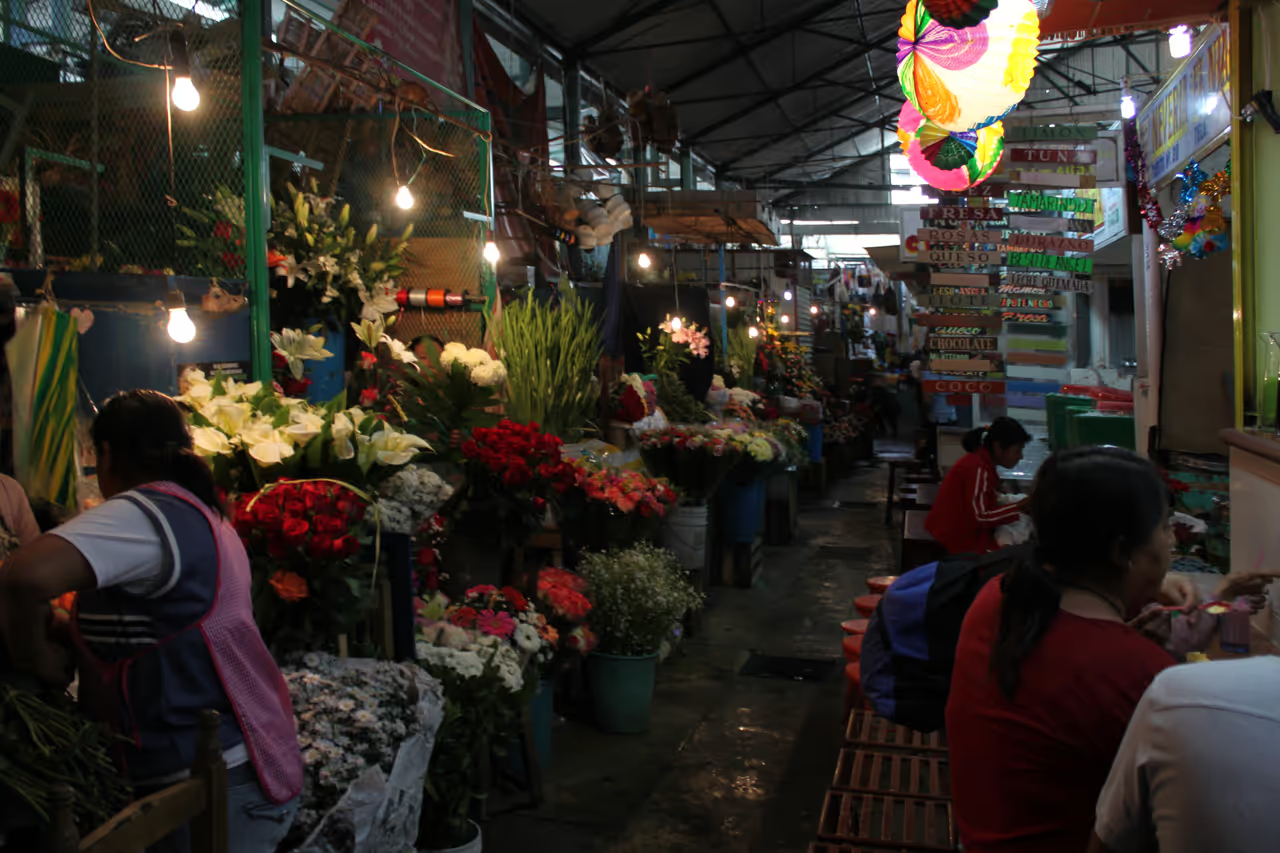
This educational journey connects the city's most important sites related to its profound pre-Hispanic roots. Rather than focusing on colonial architecture, this route highlights the artefacts, natural environment, and living traditions of the indigenous cultures that have inhabited the valley for millennia. By moving between world-class museums and traditional markets, the tour constructs a narrative of a civilisation that survived conquest and continues to thrive. It offers a deep, contextual understanding of the region's true foundational identity.
view self-guided tour
See all nature & parks in Oaxaca City
Benito Juárez National Park, Paseo Juarez El Llano...