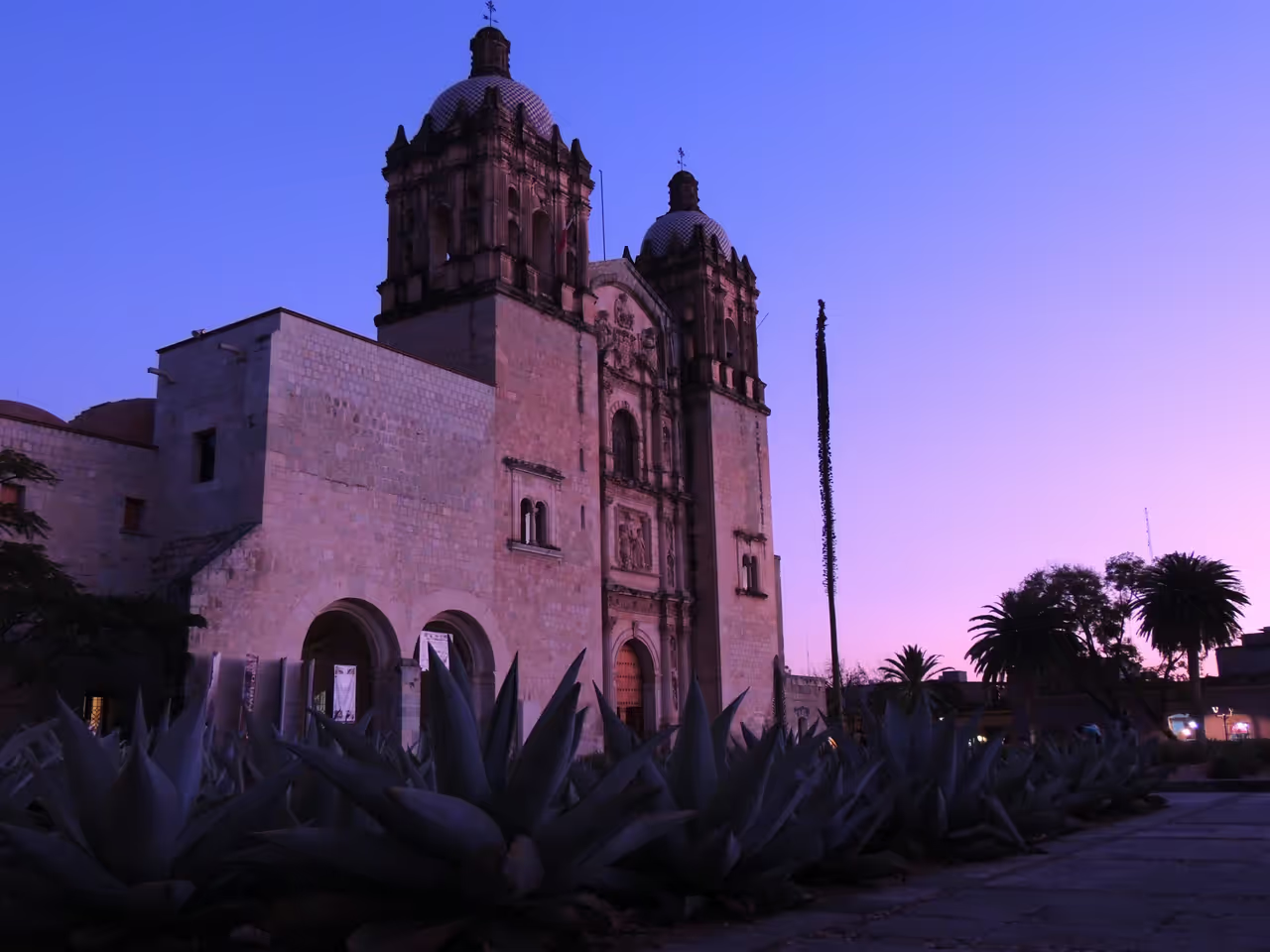
Church and Convent of Santo Domingo de Guzmán
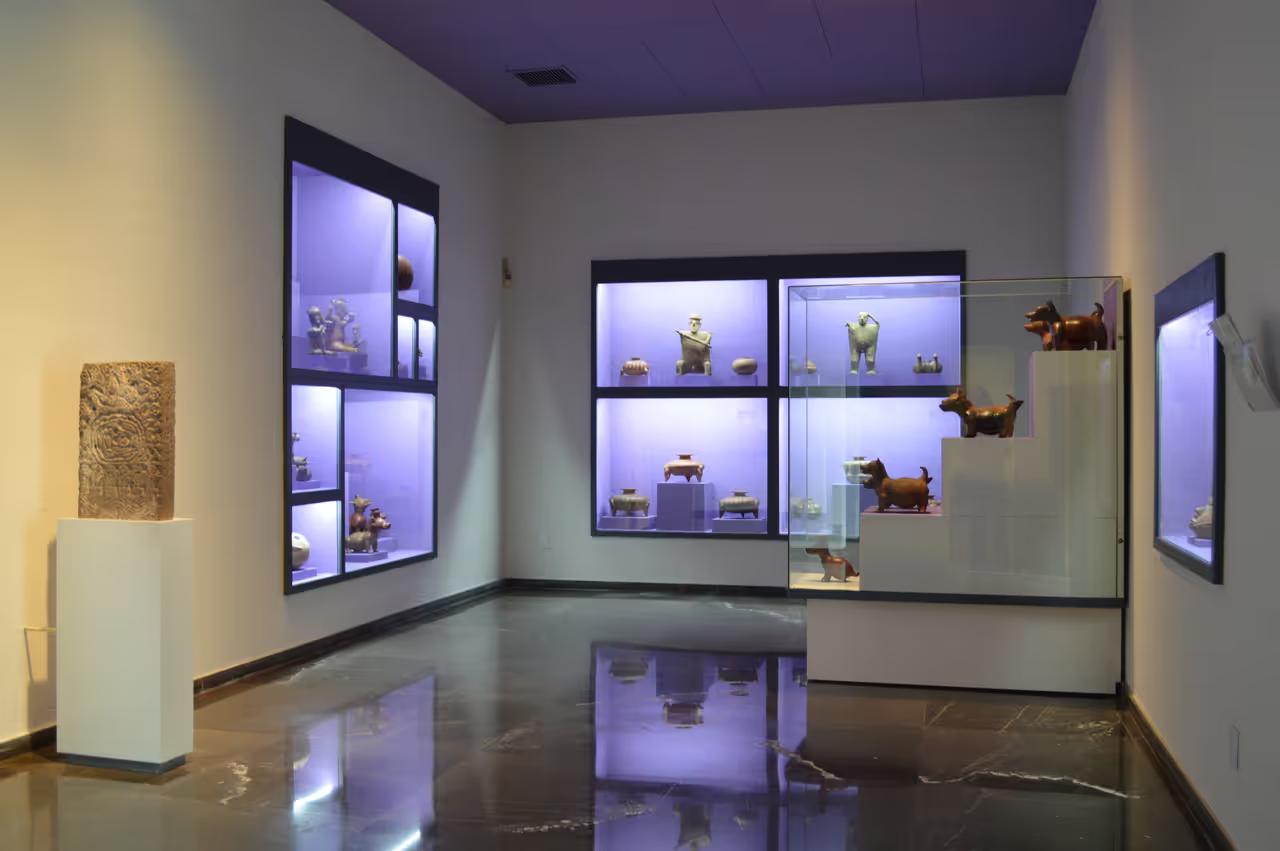
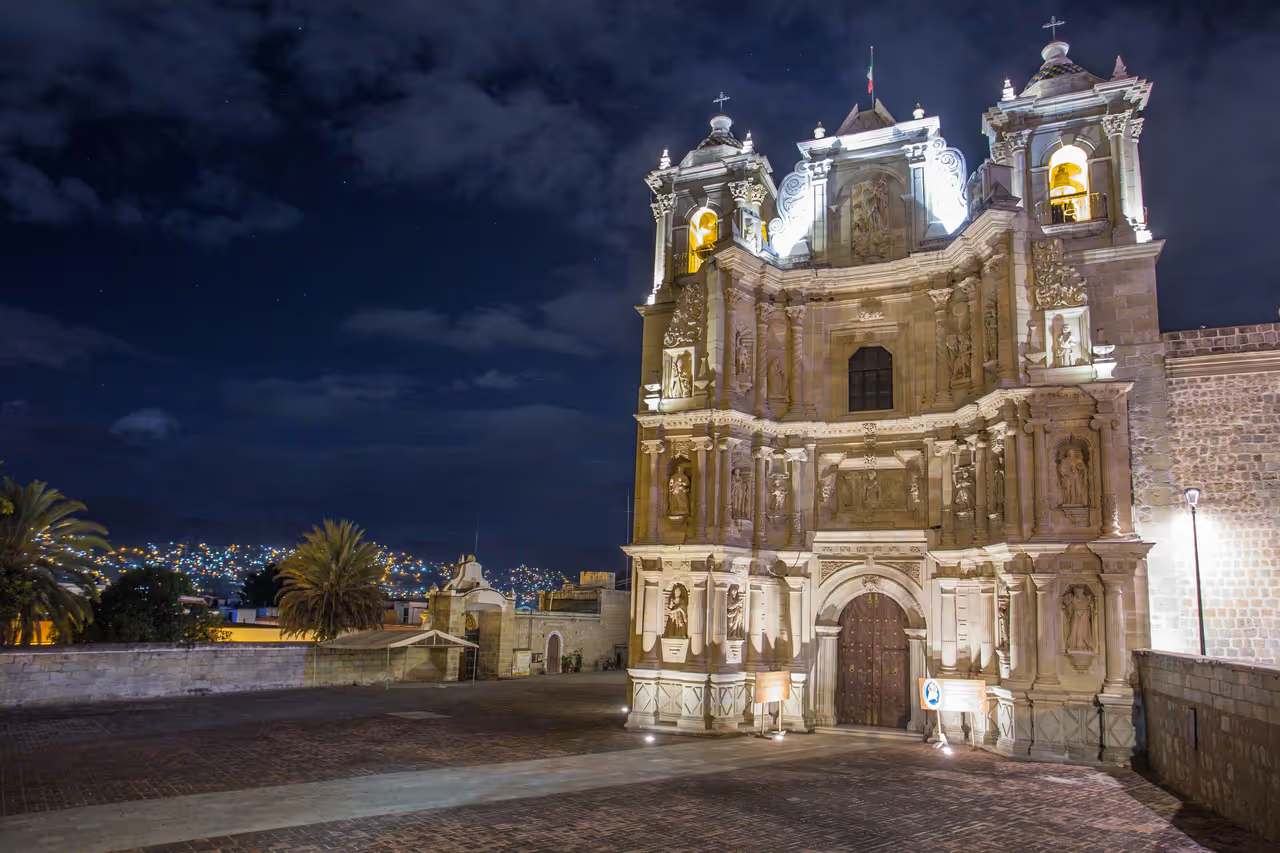
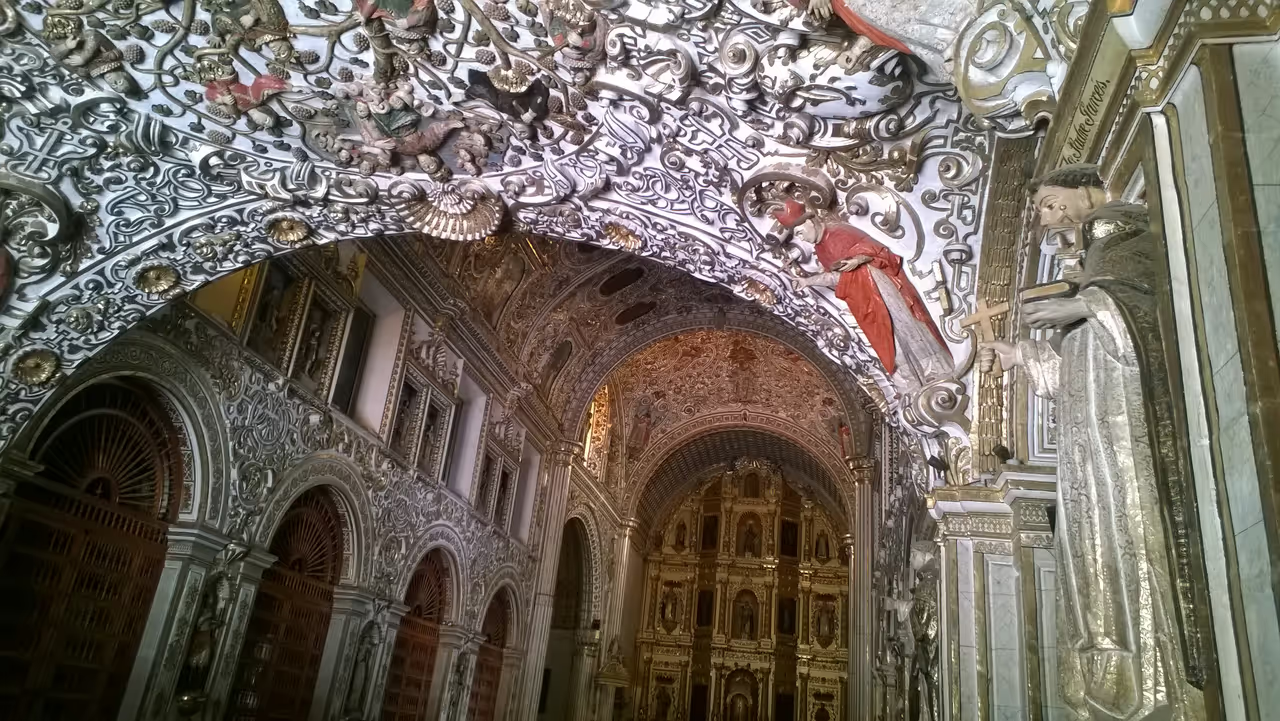
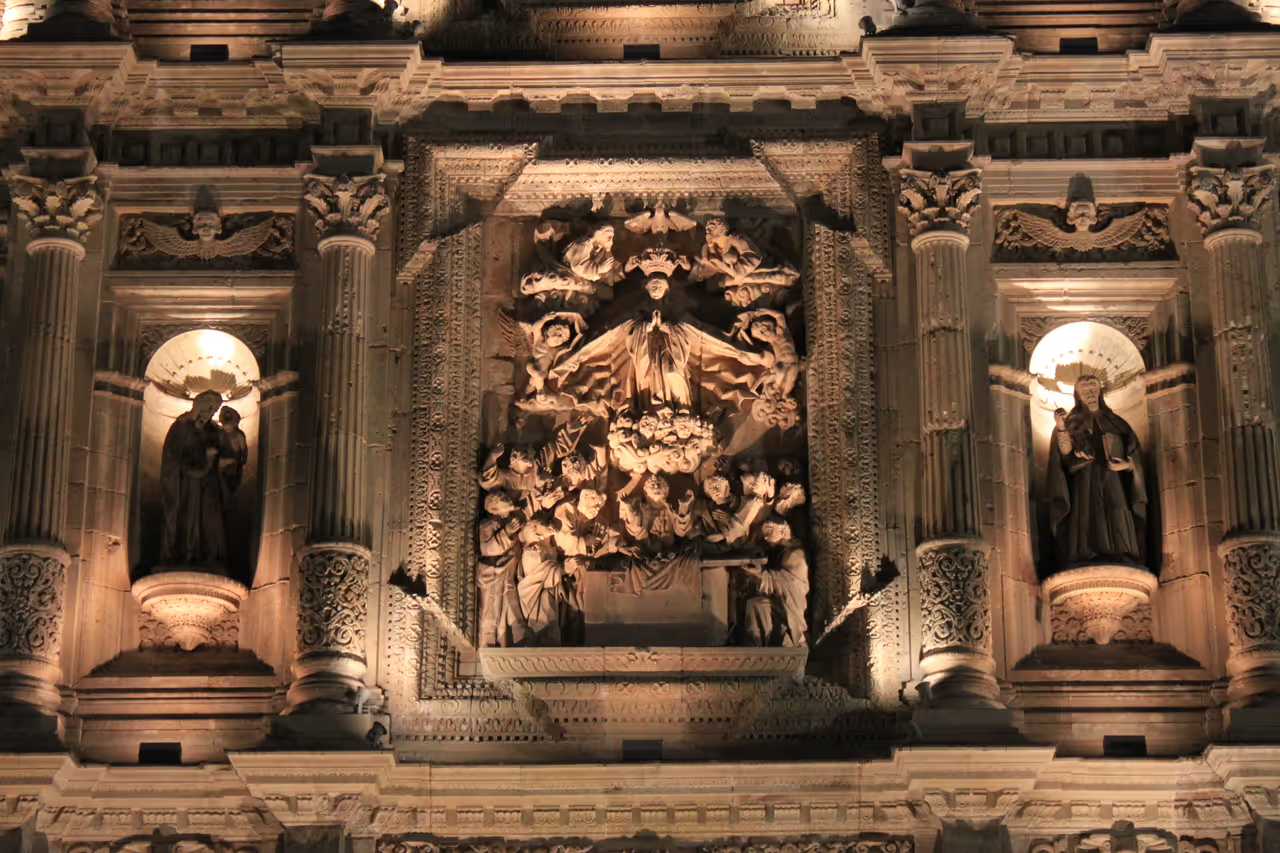
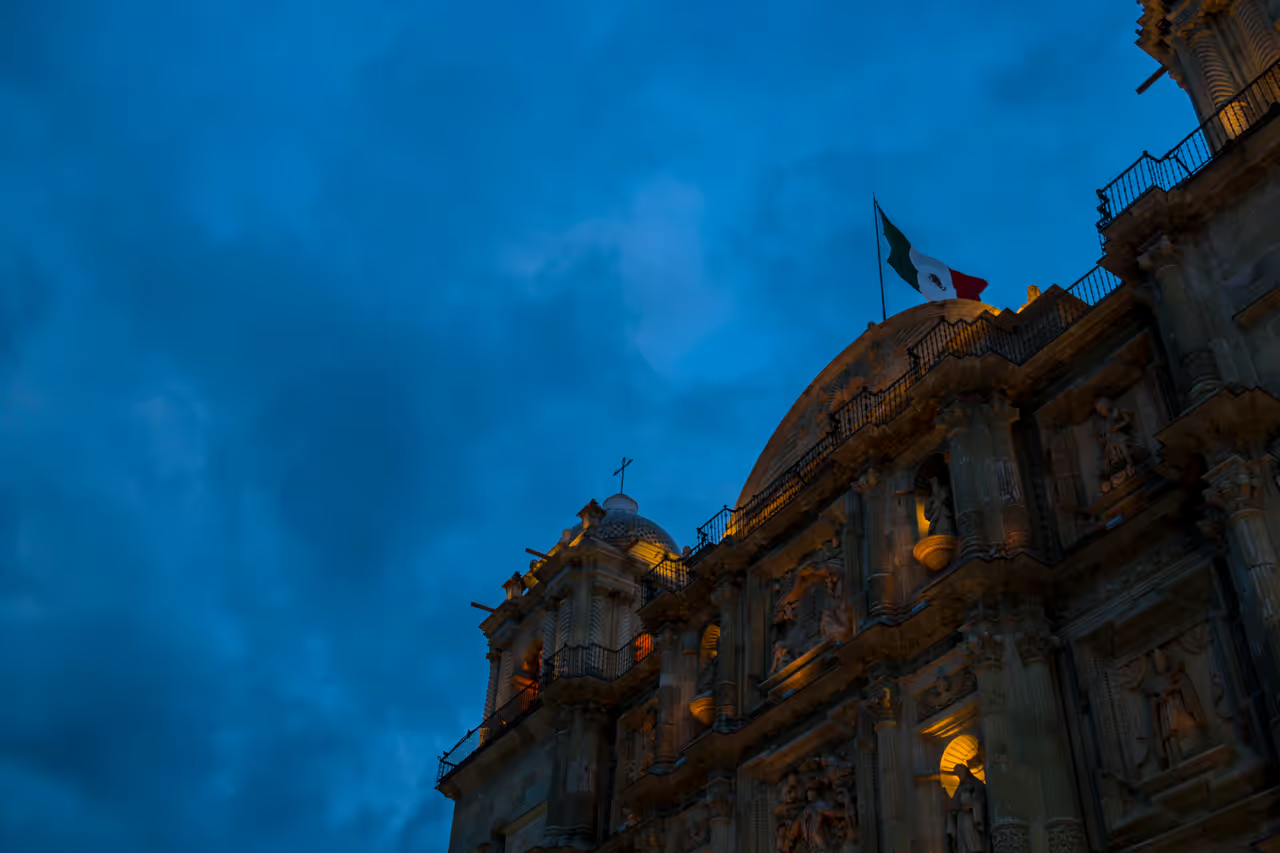
Step inside the Templo de Santo Domingo de Guzmán and prepare to be completely mesmerised by the sheer scale and intricate detail of its New Spanish Baroque architecture. This monumental complex serves as the beating heart of Oaxaca, offering a serene escape that effortlessly blends centuries of spiritual history with a rich, tangible past. As you wander through the quiet cloisters or admire the ornate gilded interiors, you feel the weight of history that spans from colonial conquests to modern cultural preservation. The site operates as both a place of worship and a vibrant cultural hub, housing the celebrated Regional Museum of Oaxaca and a breathtaking ethnobotanical garden filled with native desert flora. Whether you are a history enthusiast, an architecture admirer, or simply someone looking for the most photogenic spot in the city, this site is an absolute must. Make sure to visit as the sun begins to set, when the stone facade glows with a warm, golden light that makes the entire square feel magical.
Videos
History of Church and Convent of Santo Domingo de Guzmán
The story of Santo Domingo de Guzmán is one of resilience and ambition, beginning in 1551 when the Dominican order received a grant for their convent land. What was intended to be a swift construction project turned into a multi-generational endeavour fraught with financial instability and the unpredictable challenges of the colonial era. It was only after nature intervened with massive earthquakes that the project gained the necessary momentum, forcing the builders to complete the complex by 1608. Over the centuries, the convent became a silent witness to the turbulent evolution of Mexico. It faced indignity during the Reform War when the government seized it, converting the sanctuary into a military warehouse and even a stable. This period marked a dark chapter where the sacred spaces were stripped of their holiness, reflecting the intense political struggles that defined the nineteenth century. Yet, like the city itself, the building endured, waiting for its eventual restoration. The revival of Santo Domingo began in the early twentieth century when President Porfirio Díaz returned the property to the Catholic Church. Today, it stands as a testament to Oaxacan identity, housing both a world-class museum and a celebrated ethnobotanical garden. It transformed from a colonial religious bastion into a cultural guardian, preserving the ancient treasures of the Mixtec and Zapotec civilisations. It remains a place where the grandeur of the past and the vibrancy of modern Oaxaca coexist perfectly.
Events spanning 428 years
Fun Facts
- • Construction was significantly delayed for decades due to lack of funds, but two major earthquakes in 1603 and 1604 forced the Dominican order to speed up the work to replace destroyed facilities.
- • Legend suggests that the immense wealth displayed in the church’s interior helped secure its preservation during times of conflict when other structures were looted or destroyed.
- • The Ethnobotanical Garden within the former convent grounds is dedicated solely to plants native to the state of Oaxaca, showcasing the region's incredible biodiversity.
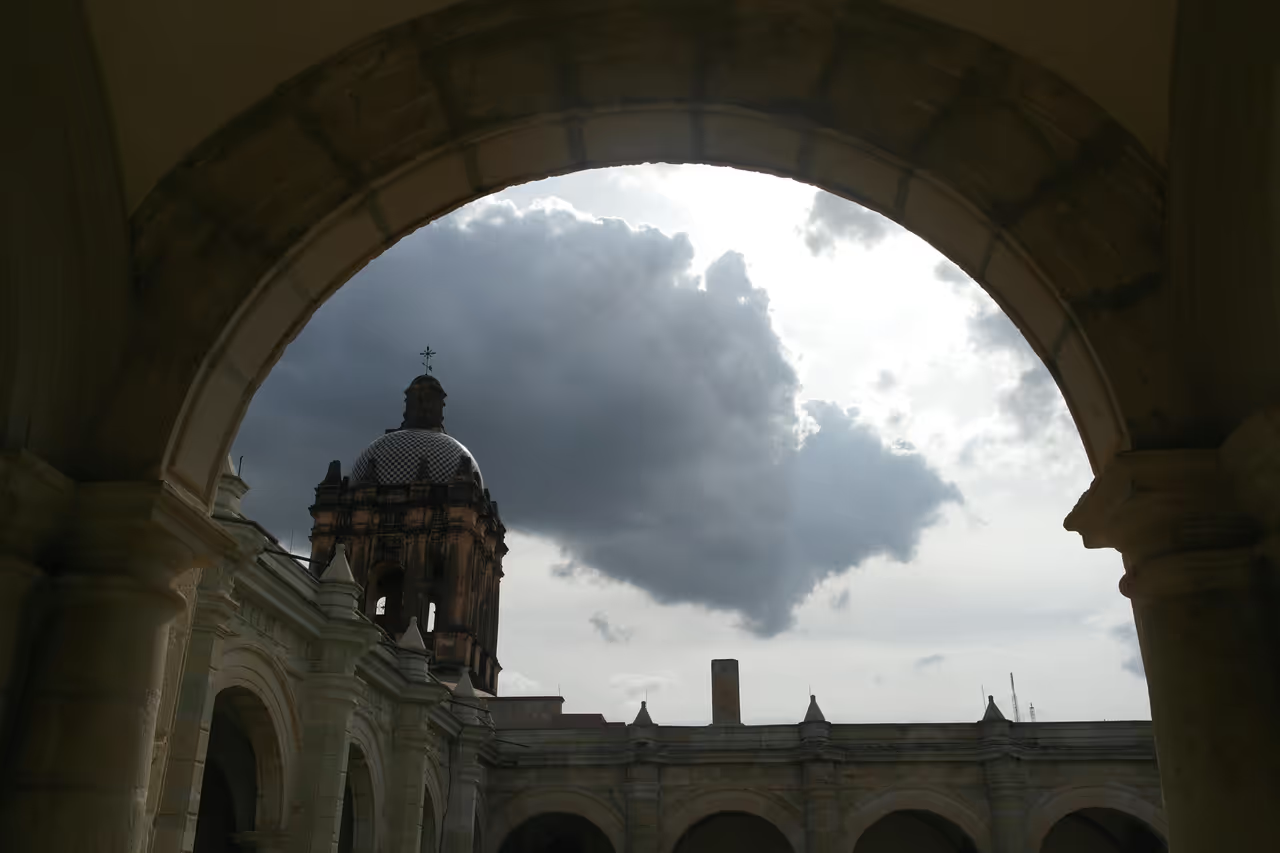
- • The church features two bell towers with azulejo-covered domes, a distinctive feature of New Spanish Baroque that stands out against the Oaxaca skyline.
- • The complex houses the Cultural Centre of Oaxaca, which features the famous Tomb 7 treasure from Monte Albán, discovered by archaeologist Alfonso Caso in 1932.
- • The interior of the church is renowned for its incredible gold-leaf detailing and intricate stucco work, creating an overwhelming and brilliant effect.
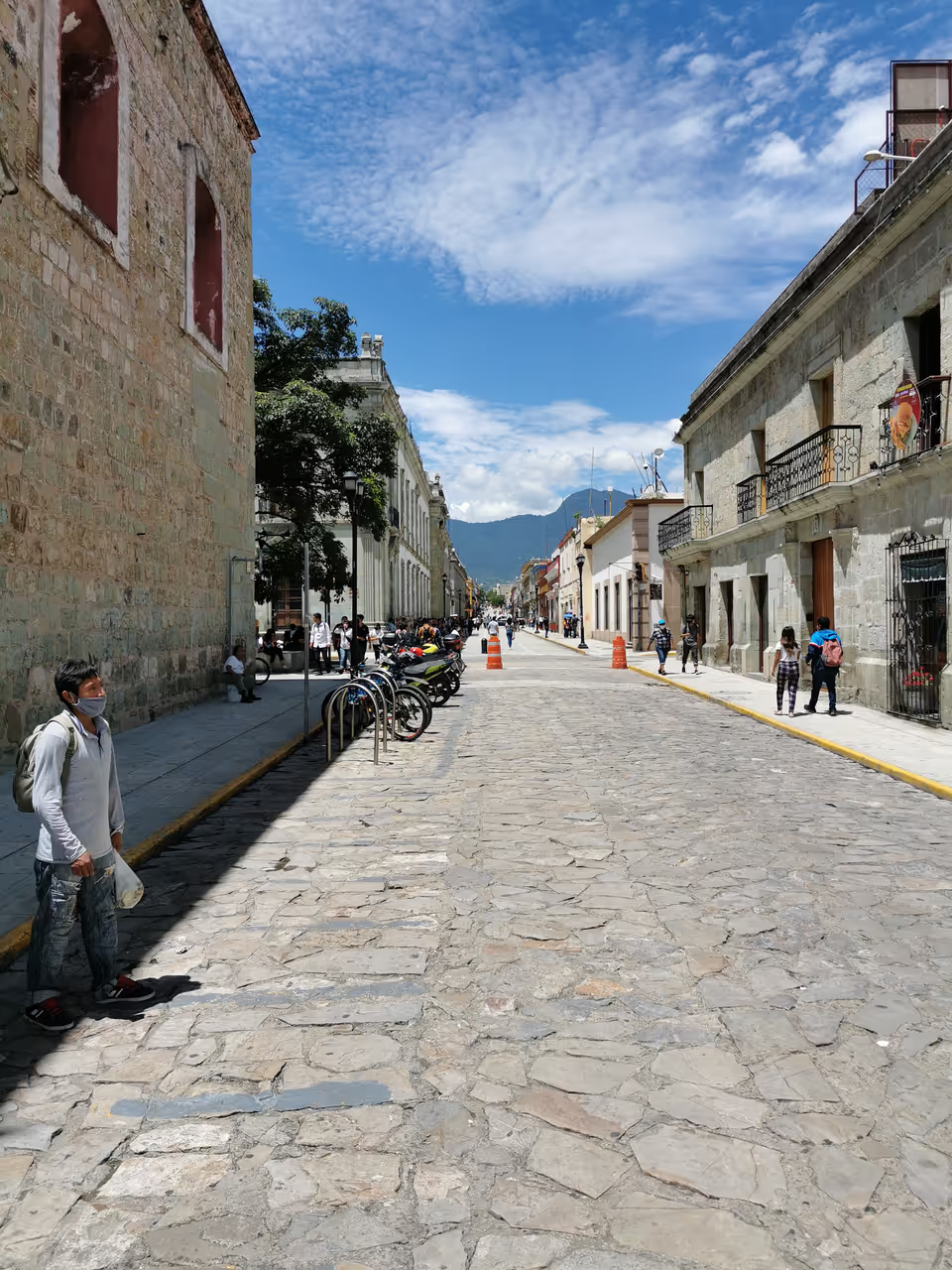
- • The street leading to the plaza, Macedonio Alcalá, is a pedestrian-friendly cobblestone corridor that connects the church directly to the Zócalo.
Church and Convent of Santo Domingo de Guzmán FAQ
While we strive to keep this information accurate and up to date, we recommend verifying any details independently before making decisions based on them.
Church and Convent of Santo Domingo de Guzmán Map & Neighborhood Explorer
This interactive map is centered on Church and Convent of Santo Domingo de Guzmán. Zoom in and move the map around to automatically discover Wikipedia photos and summaries of other nearby sights, monuments, and historical points of interest and stories in real-time!
Places near Church and Convent of Santo Domingo de Guzmán
Make the most of your trip. Check out these top-rated spots located nearby.
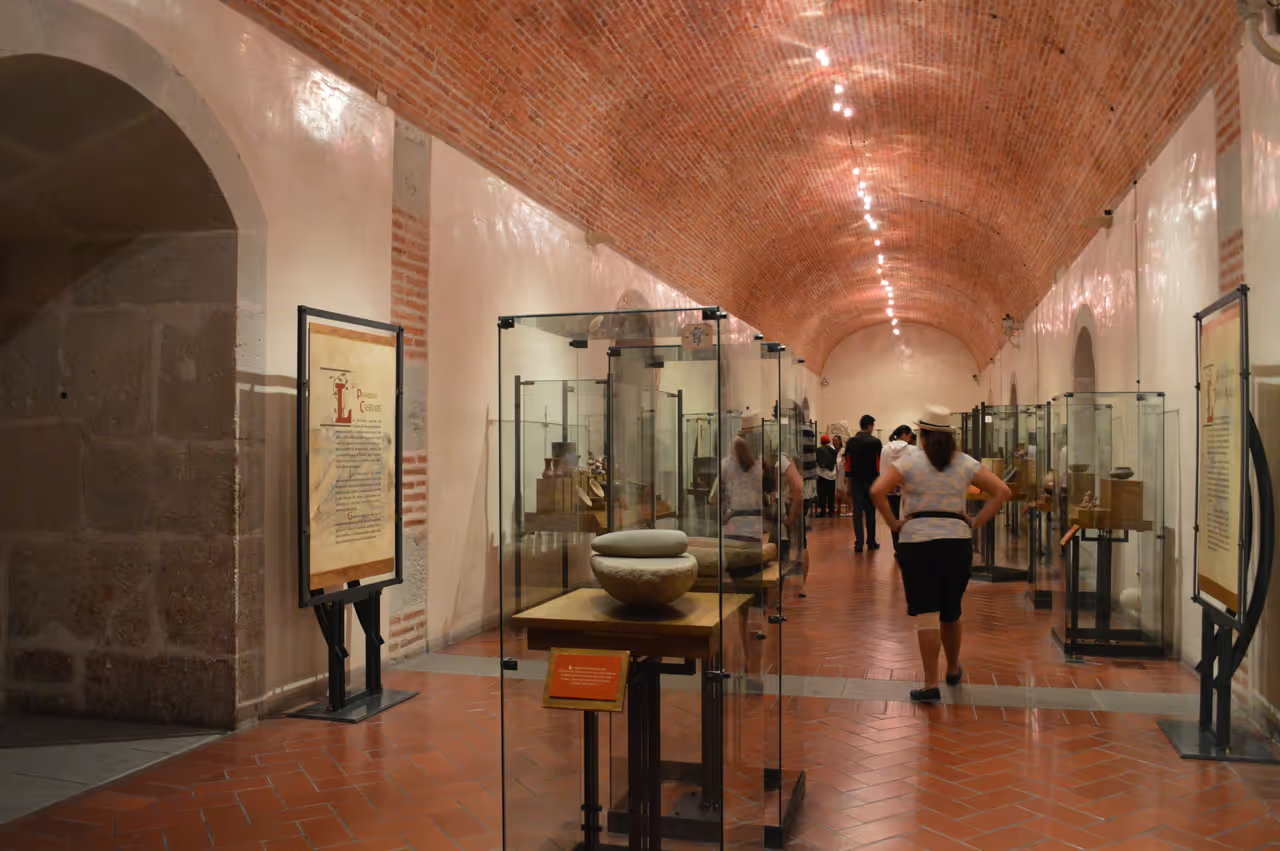 55m
55mSanto Domingo Cultural Centre
Imagine walking into a place where 17th-century religious devotion meets world-class archaeology. The Santo Domingo Cultural Centre is the beating heart of Oaxaca, housed within a magnificently restored former Dominican convent. You will find yourself mesmerised by the intricate gold-leaf interiors of the adjacent church before stepping into the museum to witness the legendary treasures of Tomb 7. It is a place where history feels alive, from the ancient Zapotec jewels to the rare incunables in the library. Visiting here is an experience that stays with you, serving as a profound journey through the soul of Mexico.
attraction view- 69m
Casa Oaxaca Rooftop
For a highly refined viewing experience, the rooftop terrace of this acclaimed restaurant offers unparalleled, intimate views of the Templo de Santo Domingo. Situated directly across from the church, the elevated perspective allows you to appreciate the intricate stone carvings of the facade and the surrounding agave gardens without the crowds of the plaza. As evening approaches, the church is dramatically illuminated against the darkening sky. It is an exceptional spot to enjoy world-class culinary creations while absorbing the city's most iconic architectural view.
viewpoint view - 117m
Antonia Labastida Garden
Tucked away near the bustling Santo Domingo church, this small, leafy park is a quiet haven dedicated to local art and history. The garden is named in honour of a courageous woman who fought alongside Porfirio Díaz during the French Intervention. Today, the park serves as an open-air gallery where local artists, painters, and artisans set up their easels and display their works beneath the thick shade of the trees. It offers a much more relaxed, intimate atmosphere compared to the main plazas. It is a fantastic place to purchase authentic, original artwork directly from the creators without the pressure of a formal gallery.
hidden gem view  149m
149mGraphic Arts Institute (IAGO)
Founded by the legendary Oaxacan artist Francisco Toledo, this institute is a vital hub for the city's fiercely independent and politically active art scene. It houses an astonishing collection of graphic artworks from around the world, alongside an extensive public library dedicated to art and culture. The building functions as an open, welcoming space where students, artists, and visitors can read, study, and view rotating exhibitions. Shaded courtyards filled with plants offer a tranquil environment for contemplation. It is a profound testament to the city's enduring commitment to accessible creativity and arts education.
highlight view
Explore Similar Places in This Collection
Featured on These Itineraries and Routes
1 Day in Oaxaca: Essentials Itinerary
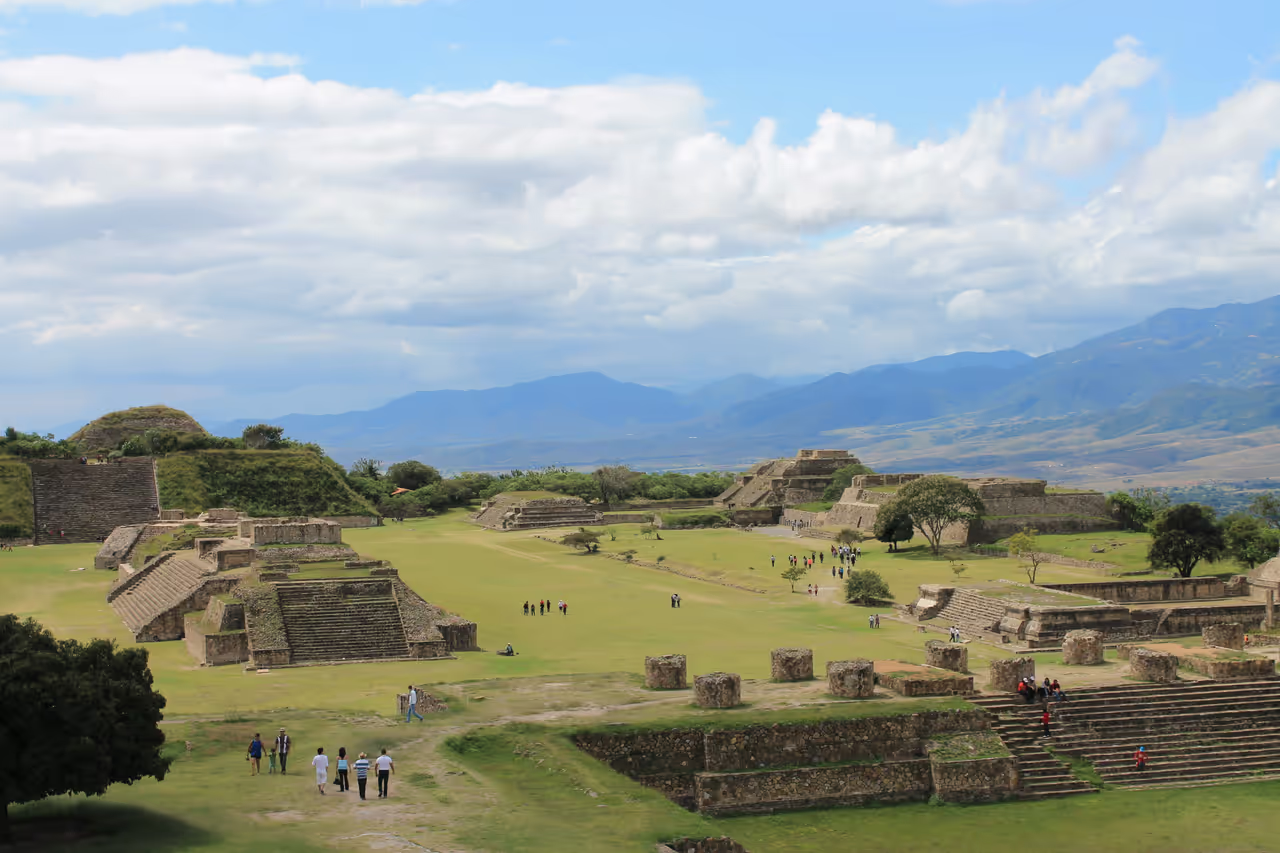
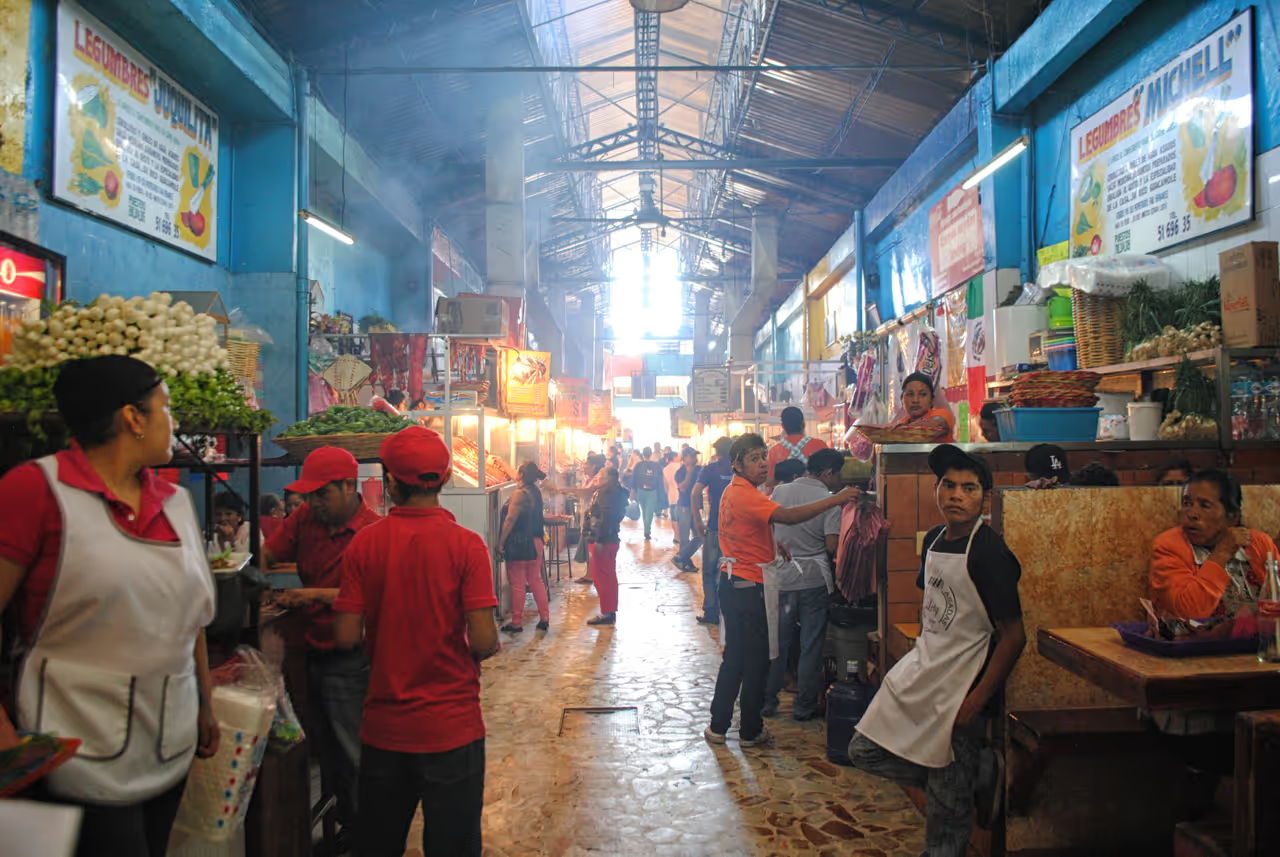
If you only have one day, this intense but rewarding itinerary hits the absolute must-see highlights of the historic centre. You will experience the monumental colonial architecture, dive headfirst into the chaotic brilliance of the local food markets, and witness the region's finest ancient treasures. It is designed to provide a rapid, sensory immersion into the city's unique blend of indigenous culture and Spanish heritage. Prepare for a full day of walking and eating.
view itinerary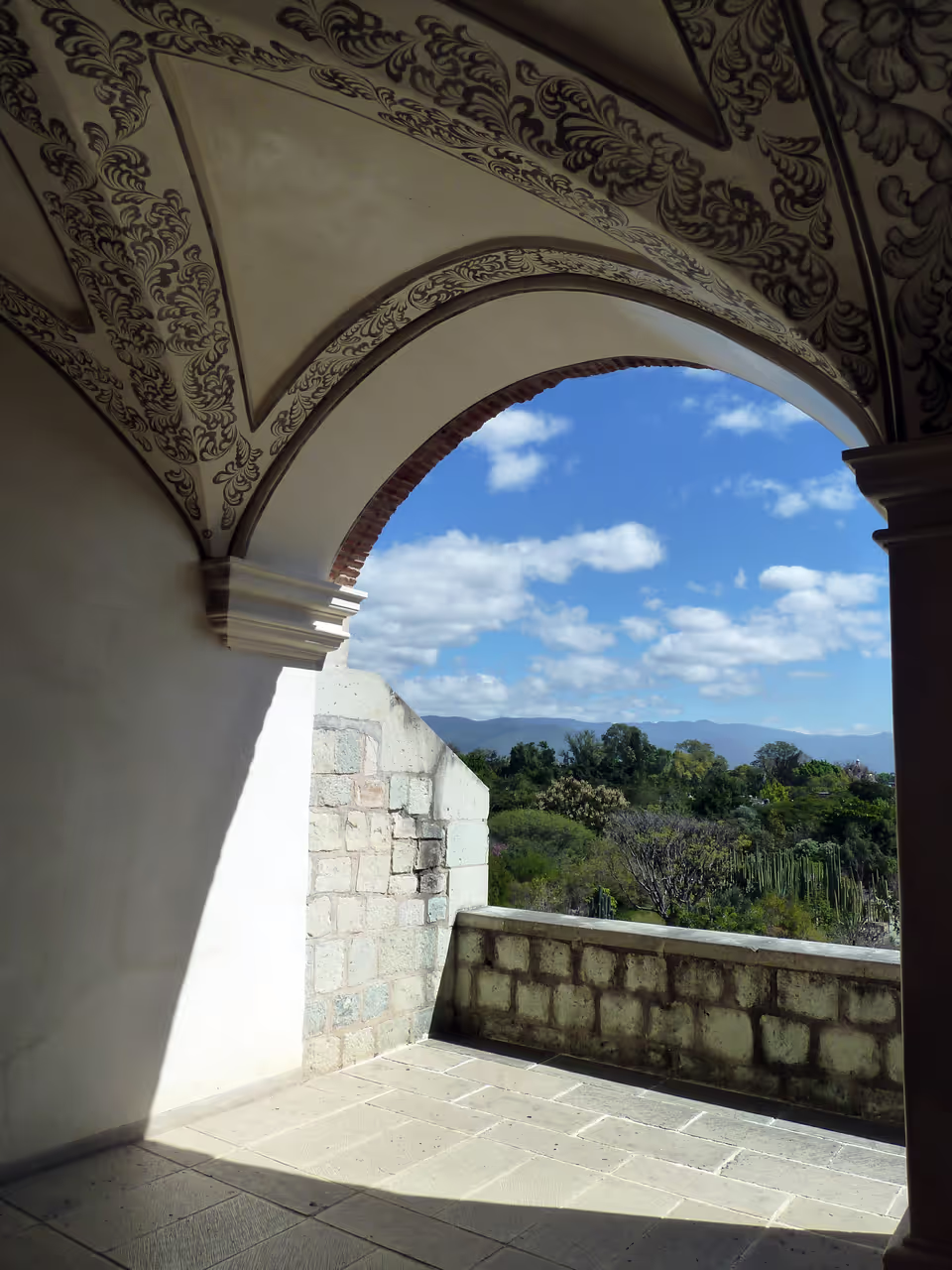
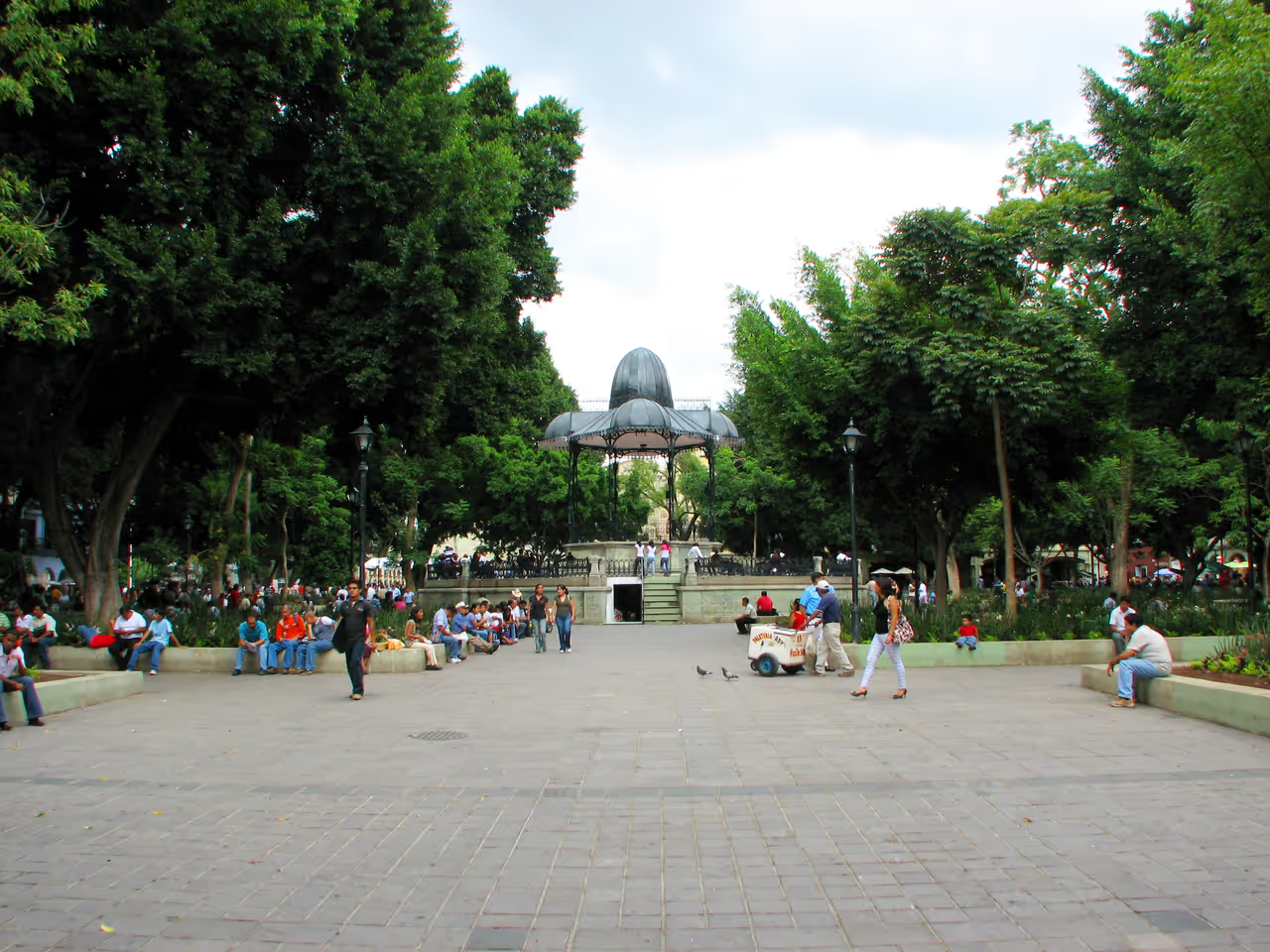
Historic Centre Cycle Loop
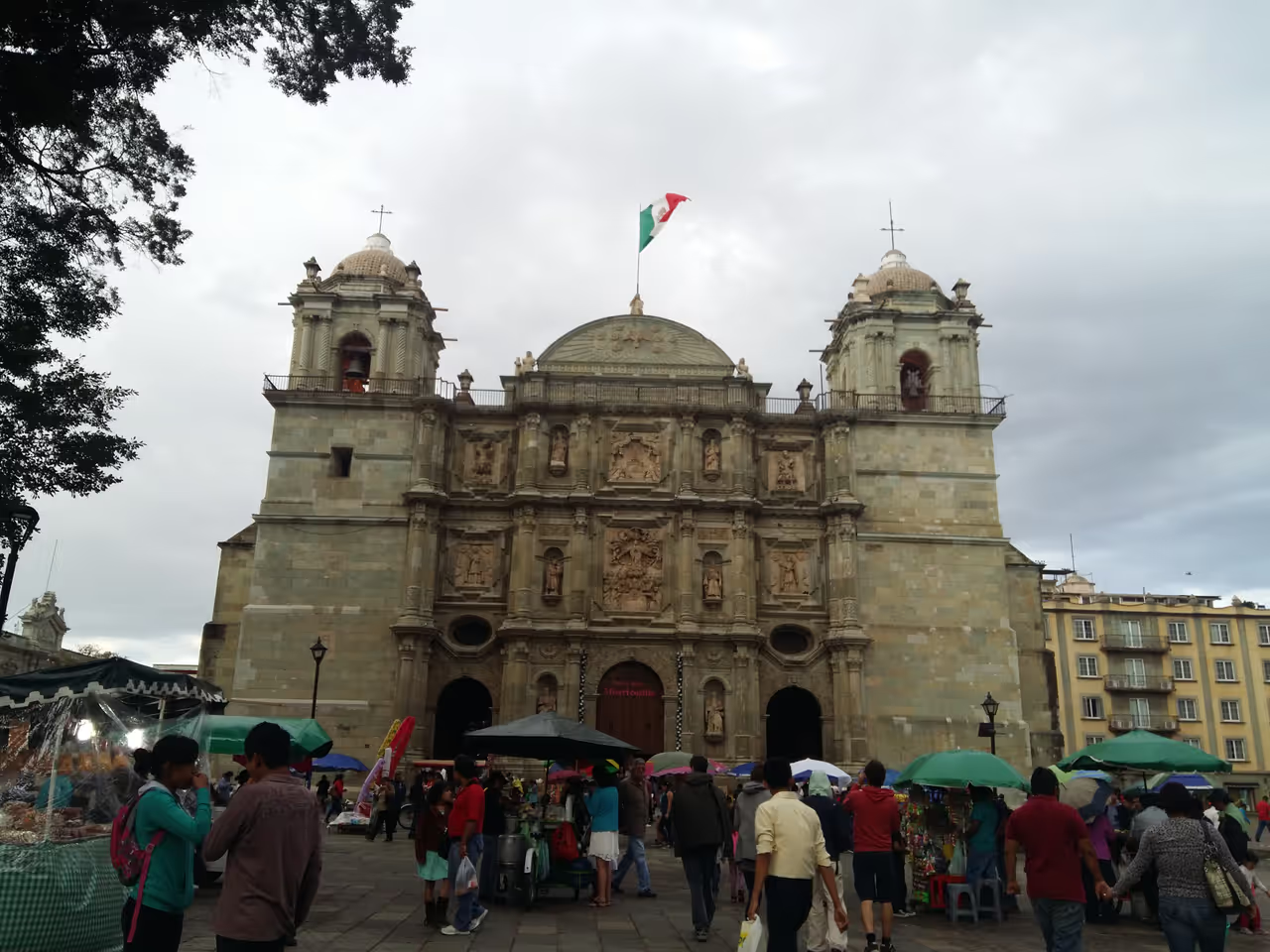
This leisurely urban ride weaves through the oldest and most charming neighbourhoods of the city. While the cobblestones can be slightly bumpy, the visual rewards are immense, featuring brightly painted colonial homes, hidden plazas, and ancient aqueducts. The route is designed to stick to the quieter, narrow streets, avoiding the heavy traffic of the main arteries. It is a fantastic way to grasp the layout of the historic centre while enjoying the architectural splendour at a breezy, relaxed pace.
view cycling route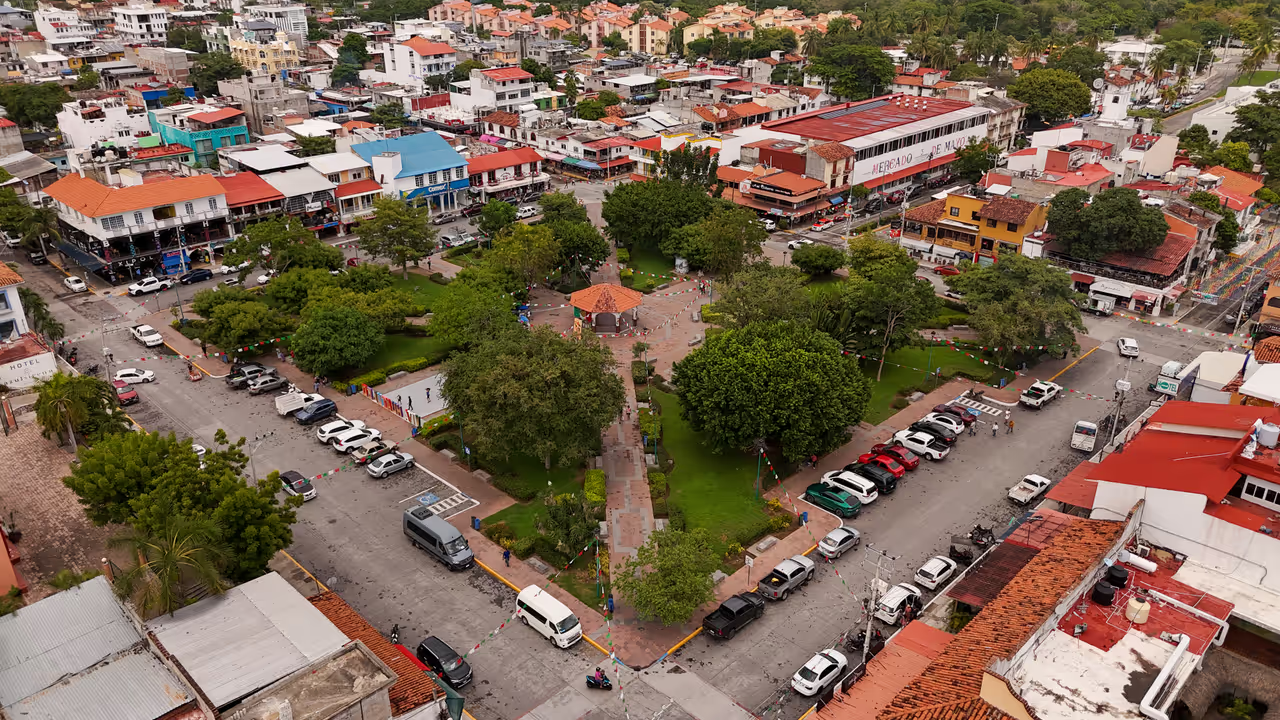
Alcalá Promenade
This magnificent pedestrian street is the elegant spine of the historic centre, paved in distinctive green cantera stone. Lined with meticulously restored colonial mansions, art galleries, and boutique shops, it offers a visually stunning environment free from vehicle traffic. The stroll is incredibly atmospheric, often soundtracked by classical guitarists or marimba players. It represents the polished, cosmopolitan side of the city's heritage, inviting a slow, appreciative pace.
view walking route
See all attractions in Oaxaca City
Rufino Tamayo Museum of Pre-Hispanic Art, Santo Domingo Cultural Centre, Basilica of Our Lady of Solitude, Mitla, Tree of Tule...