Santo Domingo Cultural Centre
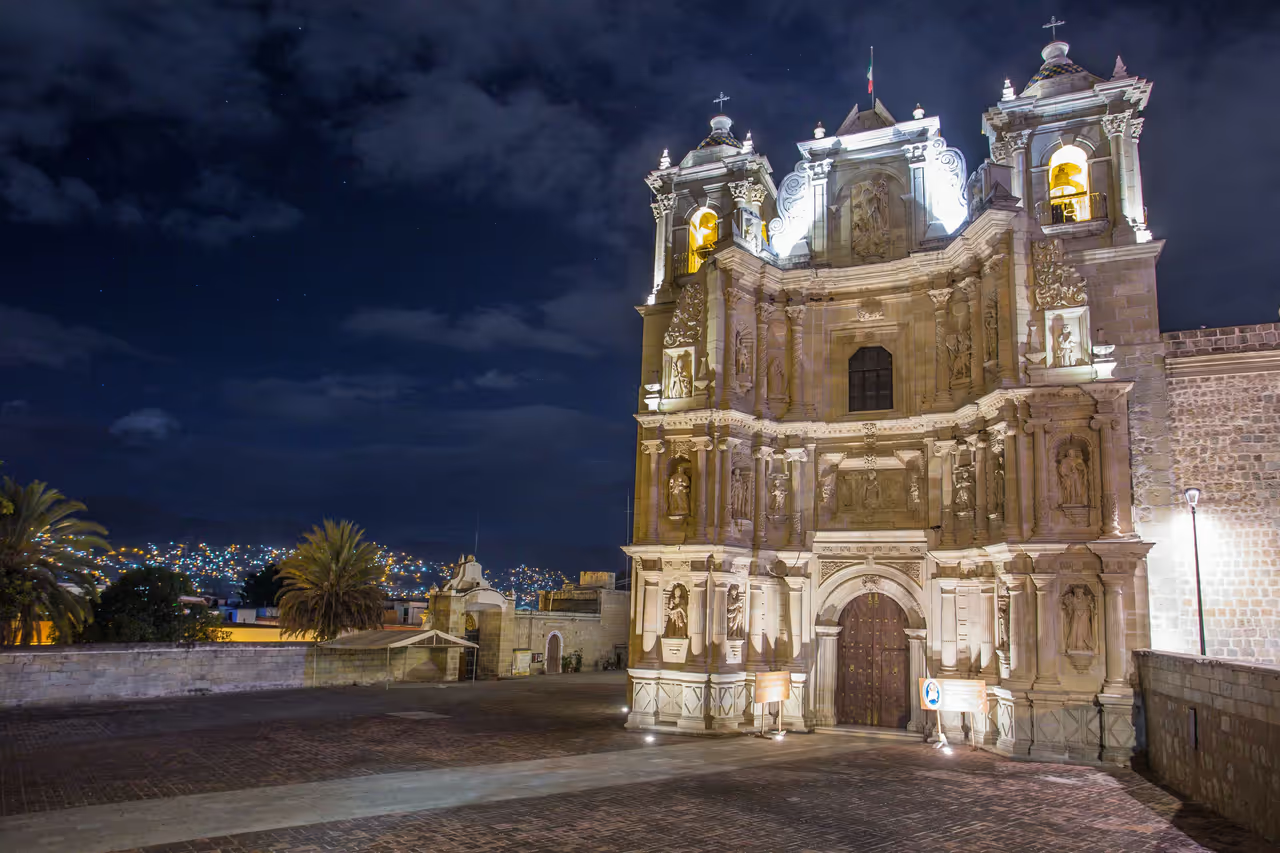
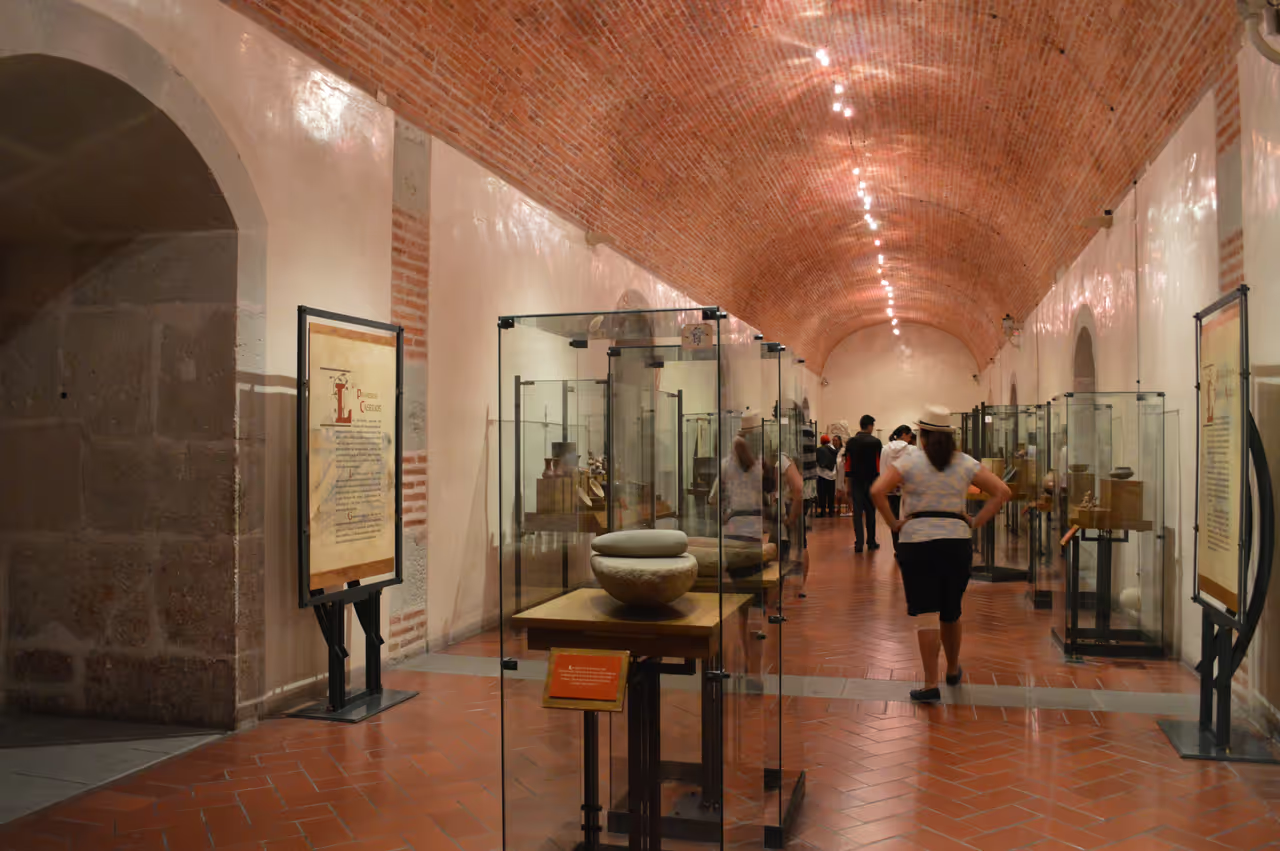
Imagine walking into a place where 17th-century religious devotion meets world-class archaeology. The Santo Domingo Cultural Centre is the beating heart of Oaxaca, housed within a magnificently restored former Dominican convent. You will find yourself mesmerised by the intricate gold-leaf interiors of the adjacent church before stepping into the museum to witness the legendary treasures of Tomb 7. It is a place where history feels alive, from the ancient Zapotec jewels to the rare incunables in the library. Visiting here is an experience that stays with you, serving as a profound journey through the soul of Mexico.
Videos
History of Santo Domingo Cultural Centre
Built by Dominican friars in the 17th century, the convent was originally designed as a fortress of faith and learning. It stood as a testament to colonial ambition and religious fervour, dominating the Oaxacan landscape with its massive stone walls and intricate architecture. For over a century, it flourished, serving as a hub for spiritual life and regional influence, embodying the grandeur of the Spanish Empire in the New World. The tides of history, however, brought a harsh change in fortune. During the turbulent post-colonial years and the subsequent Reform laws, the convent was stripped of its religious function and repurposed as a military barracks. This period was unkind to the structure, as the sacred halls were converted into dormitories and storage for weapons, causing the degradation of its vaulted ceilings and ornate interiors. The silence of prayer was replaced by the clatter of boots and the clang of artillery. The salvation of the building came in the late 20th century, culminating in an ambitious four-year restoration project that began in 1994. Architects and historians laboured to strip away the scars of its military past, carefully repairing the gold-leaf decorations and stone masonry to reveal the original splendour. Since its grand opening in 1998 as a cultural centre and museum, the site has reclaimed its status as a sanctuary for history, offering a window into the artistic and cultural evolution of Oaxaca for all to see.
Events spanning 390 years
Fun Facts
- • For over a century, the building served as a military barracks, a period that almost resulted in its total architectural ruin before restoration began.
- • The Fray Francisco de Burgoa Library contains over 24,000 volumes, including eleven rare incunables, making it a dream for historians and bibliophiles.
- • The adjacent Botanical Garden of Oaxaca occupies what was once part of the convent grounds, specifically dedicated to the region's endemic flora.
- • The auditorium, which seats 120 people, is cleverly incorporated into the historic framework, allowing for modern cultural events within an ancient space.
- • The complex houses the Hemeroteca Néstor Sánchez H., which holds an impressive archive of Oaxacan newspapers dating back to 1864.
- • The extensive restoration project required cooperation between federal and state governments and private investors to painstakingly restore the gold-leaf decorations.
- • The interior of the church sanctuary is covered in stunning gold leaf and ornate sculptures, widely considered one of the finest examples of Baroque art in Mexico.
- • The museum effectively integrates a functioning, active church with a world-class archaeological museum, a rare architectural feat.
- • The treasure of Tomb 7, discovered at Monte Albán, is one of the most significant archaeological findings in the Americas, containing over 500 gold and silver pieces.
Santo Domingo Cultural Centre FAQ
While we strive to keep this information accurate and up to date, we recommend verifying any details independently before making decisions based on them.
Santo Domingo Cultural Centre Map & Neighborhood Explorer
This interactive map is centered on Santo Domingo Cultural Centre. Zoom in and move the map around to automatically discover Wikipedia photos and summaries of other nearby sights, monuments, and historical points of interest and stories in real-time!
Places near Santo Domingo Cultural Centre
Make the most of your trip. Check out these top-rated spots located nearby.
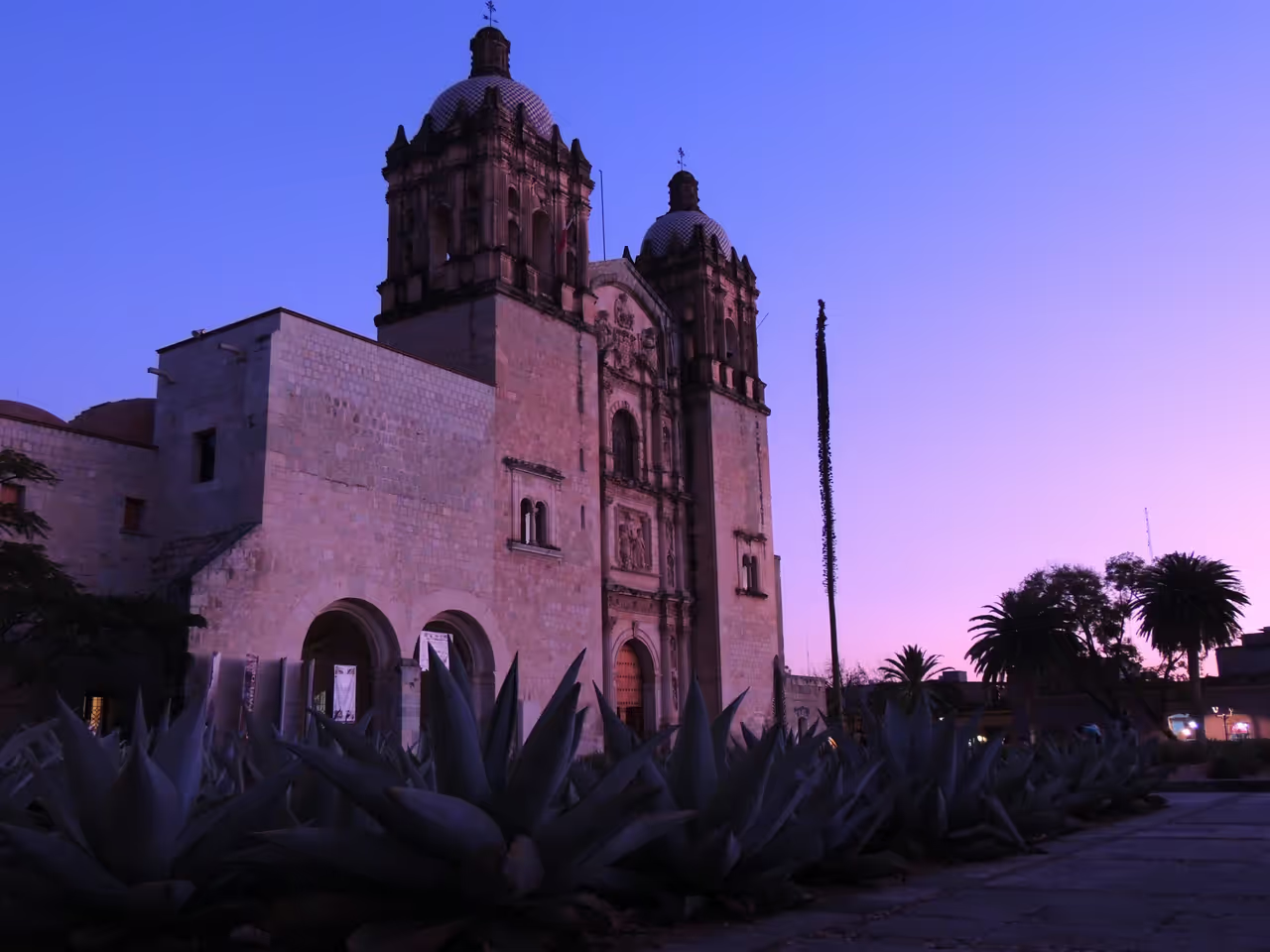 55m
55mChurch and Convent of Santo Domingo de Guzmán
Step inside the Templo de Santo Domingo de Guzmán and prepare to be completely mesmerised by the sheer scale and intricate detail of its New Spanish Baroque architecture. This monumental complex serves as the beating heart of Oaxaca, offering a serene escape that effortlessly blends centuries of spiritual history with a rich, tangible past. As you wander through the quiet cloisters or admire the ornate gilded interiors, you feel the weight of history that spans from colonial conquests to modern cultural preservation. The site operates as both a place of worship and a vibrant cultural hub, housing the celebrated Regional Museum of Oaxaca and a breathtaking ethnobotanical garden filled with native desert flora. Whether you are a history enthusiast, an architecture admirer, or simply someone looking for the most photogenic spot in the city, this site is an absolute must. Make sure to visit as the sun begins to set, when the stone facade glows with a warm, golden light that makes the entire square feel magical.
attraction view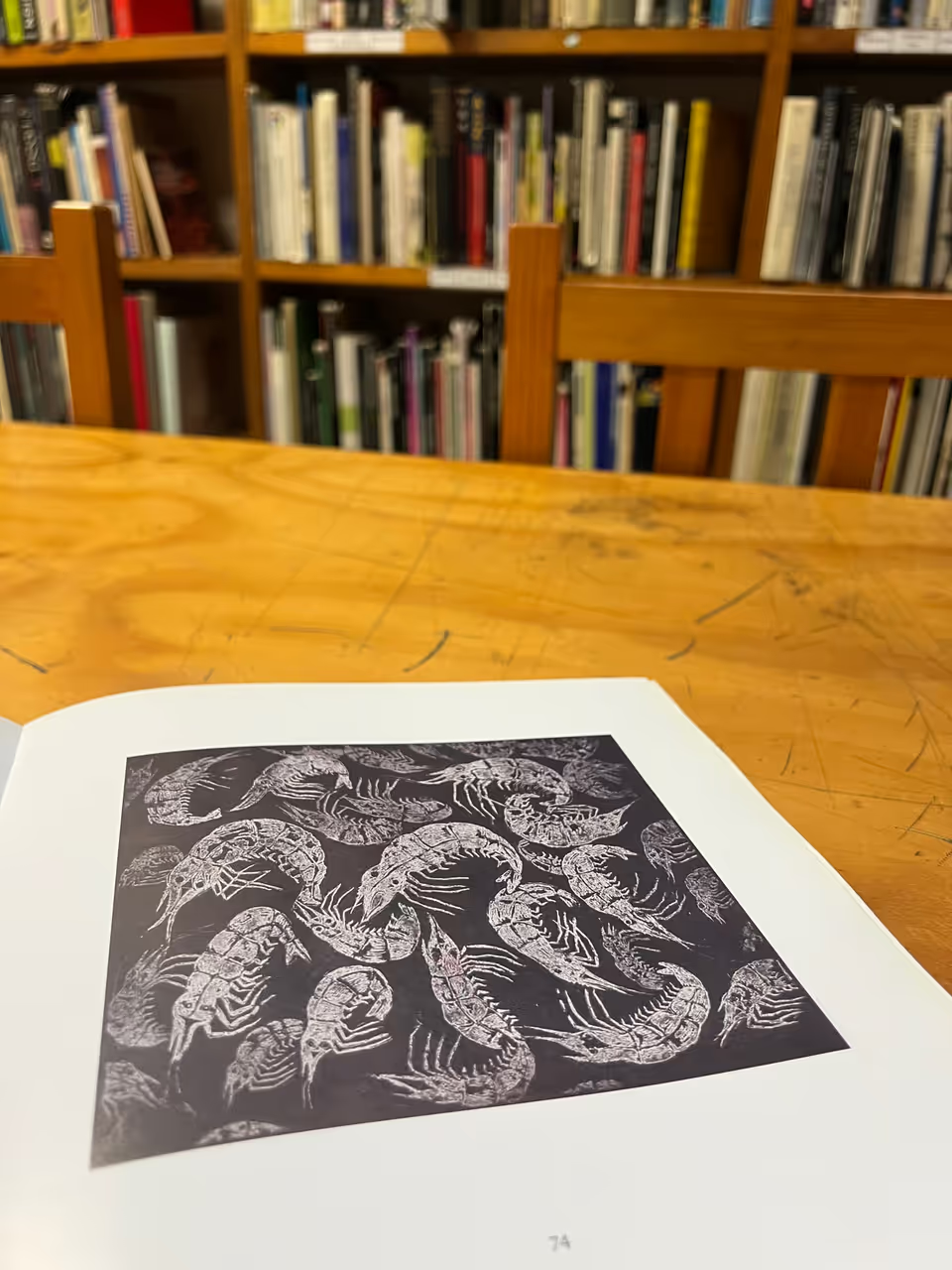 93m
93mGraphic Arts Institute (IAGO)
Founded by the legendary Oaxacan artist Francisco Toledo, this institute is a vital hub for the city's fiercely independent and politically active art scene. It houses an astonishing collection of graphic artworks from around the world, alongside an extensive public library dedicated to art and culture. The building functions as an open, welcoming space where students, artists, and visitors can read, study, and view rotating exhibitions. Shaded courtyards filled with plants offer a tranquil environment for contemplation. It is a profound testament to the city's enduring commitment to accessible creativity and arts education.
highlight view- 116m
Casa Oaxaca Rooftop
For a highly refined viewing experience, the rooftop terrace of this acclaimed restaurant offers unparalleled, intimate views of the Templo de Santo Domingo. Situated directly across from the church, the elevated perspective allows you to appreciate the intricate stone carvings of the facade and the surrounding agave gardens without the crowds of the plaza. As evening approaches, the church is dramatically illuminated against the darkening sky. It is an exceptional spot to enjoy world-class culinary creations while absorbing the city's most iconic architectural view.
viewpoint view - 134m
Antonia Labastida Garden
Tucked away near the bustling Santo Domingo church, this small, leafy park is a quiet haven dedicated to local art and history. The garden is named in honour of a courageous woman who fought alongside Porfirio Díaz during the French Intervention. Today, the park serves as an open-air gallery where local artists, painters, and artisans set up their easels and display their works beneath the thick shade of the trees. It offers a much more relaxed, intimate atmosphere compared to the main plazas. It is a fantastic place to purchase authentic, original artwork directly from the creators without the pressure of a formal gallery.
hidden gem view
Featured on These Itineraries and Routes
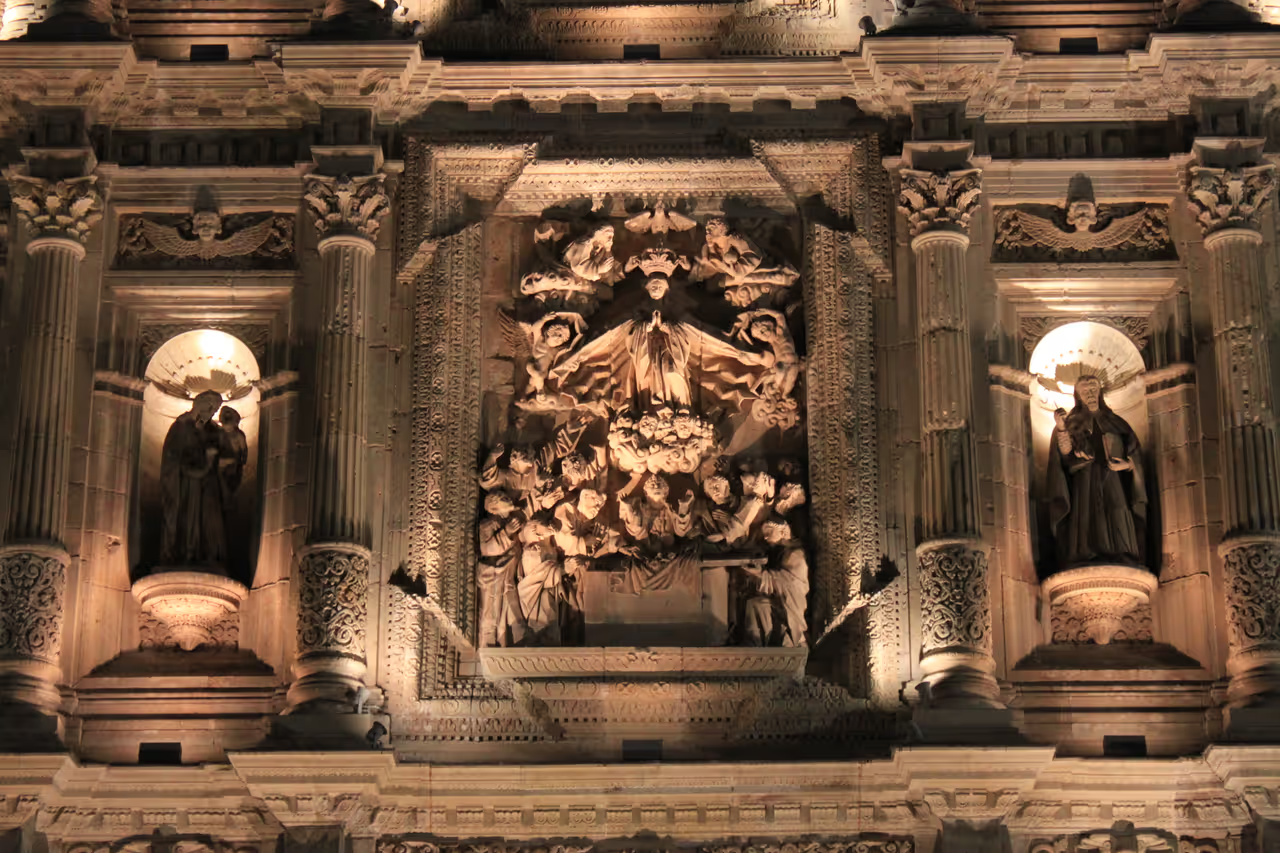

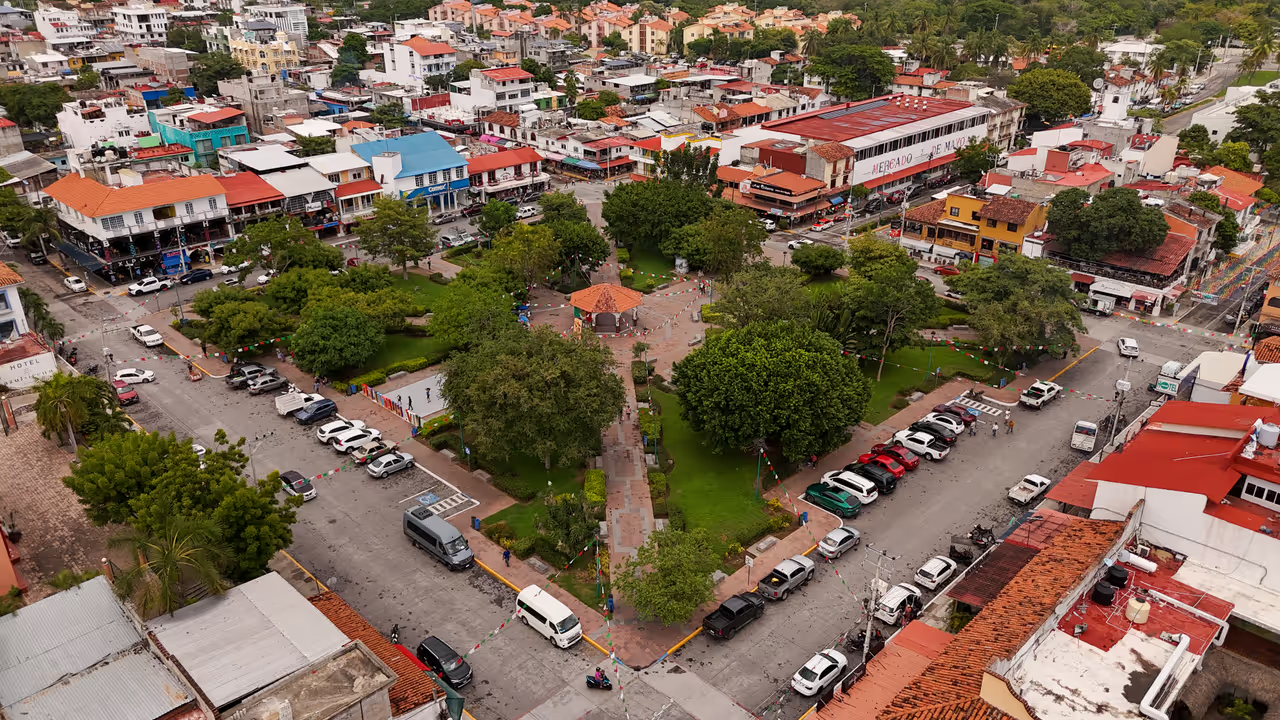
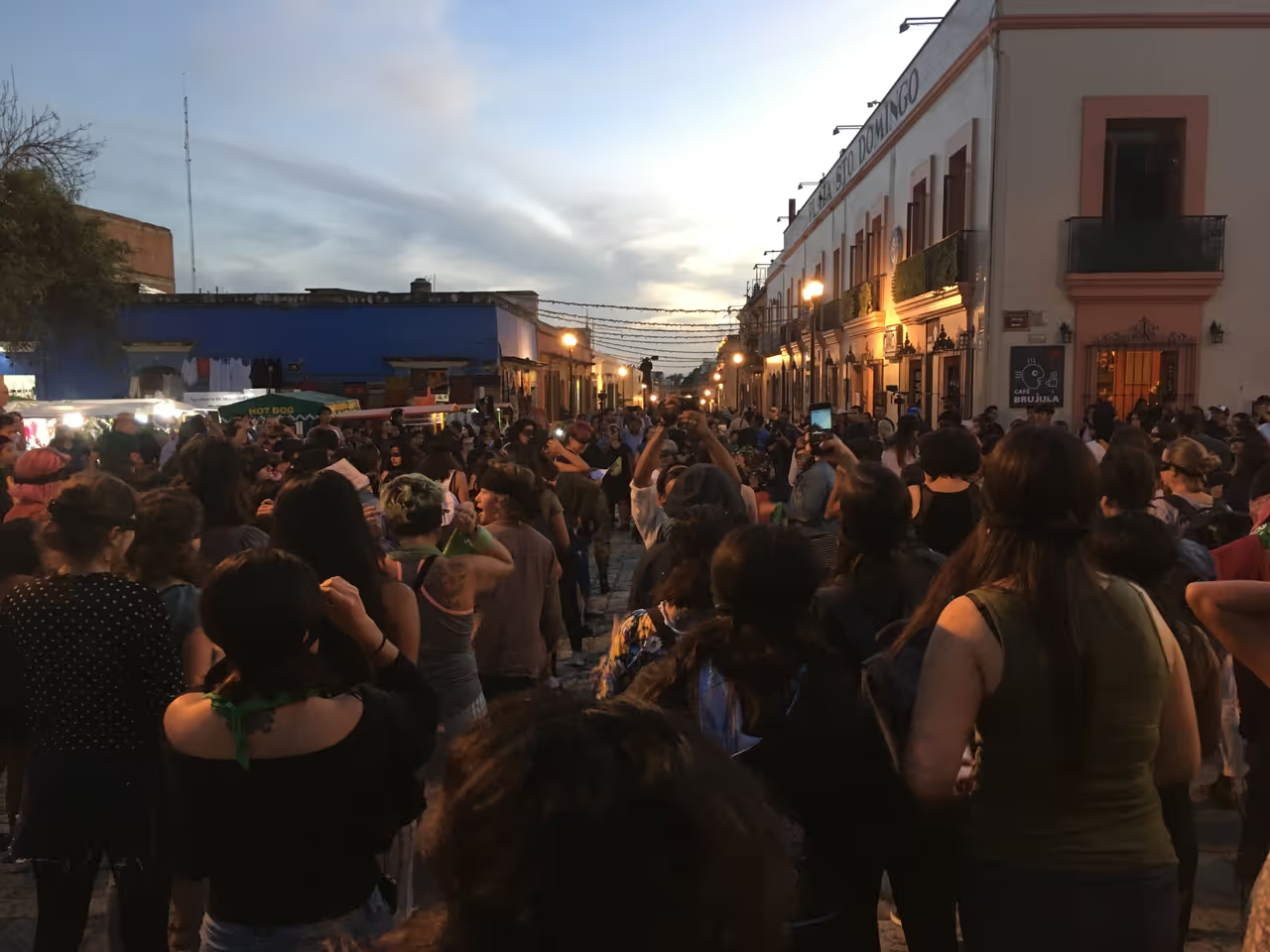
3 Days in Oaxaca Itinerary
Three days allows you to venture beyond the city centre to explore the magnificent ancient ruins overlooking the valley. You will have time to appreciate the deep botanical history of the region and experience the contrasting atmospheres of different historic neighbourhoods. This itinerary balances major archaeological sites with leisurely, culturally enriching strolls and vibrant nightlife. It provides a highly satisfying overview of what makes the city so globally celebrated.
view itinerary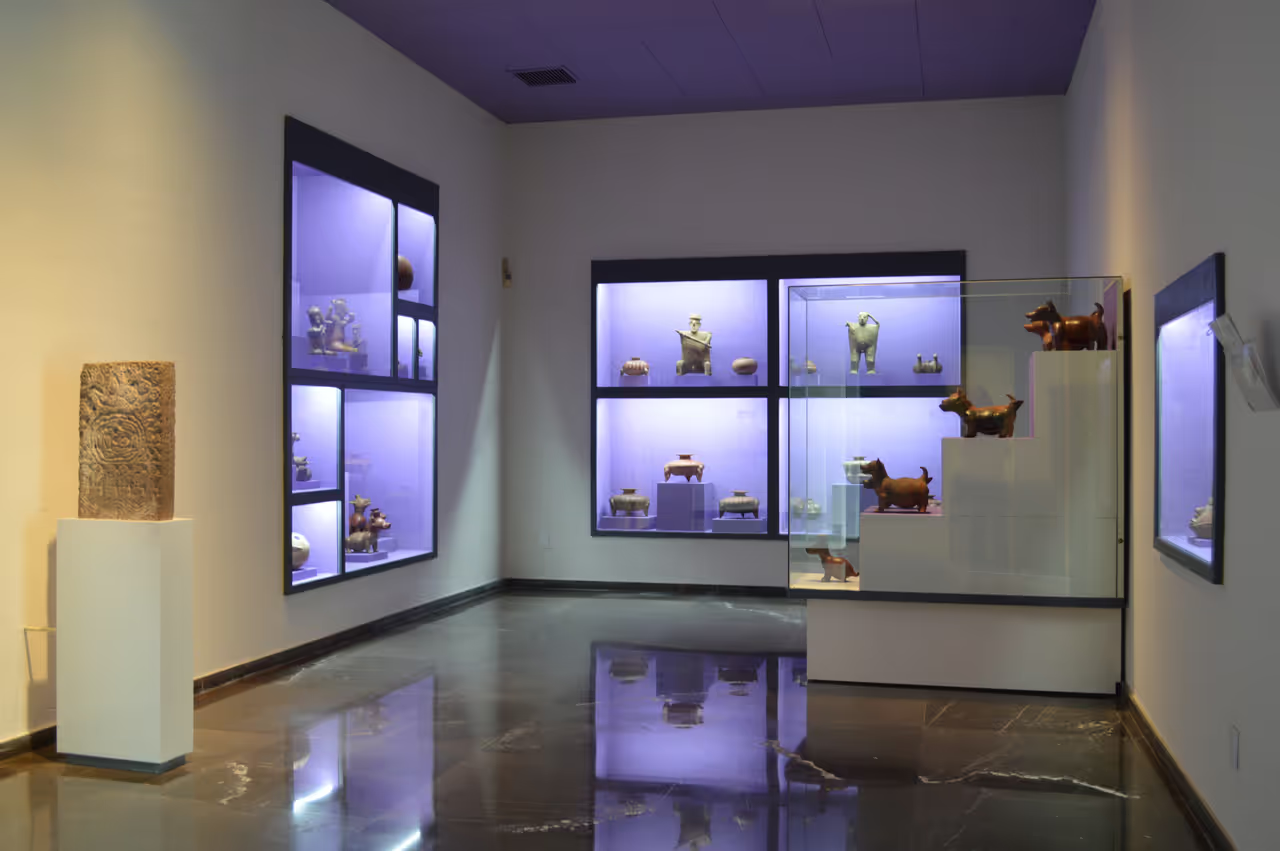
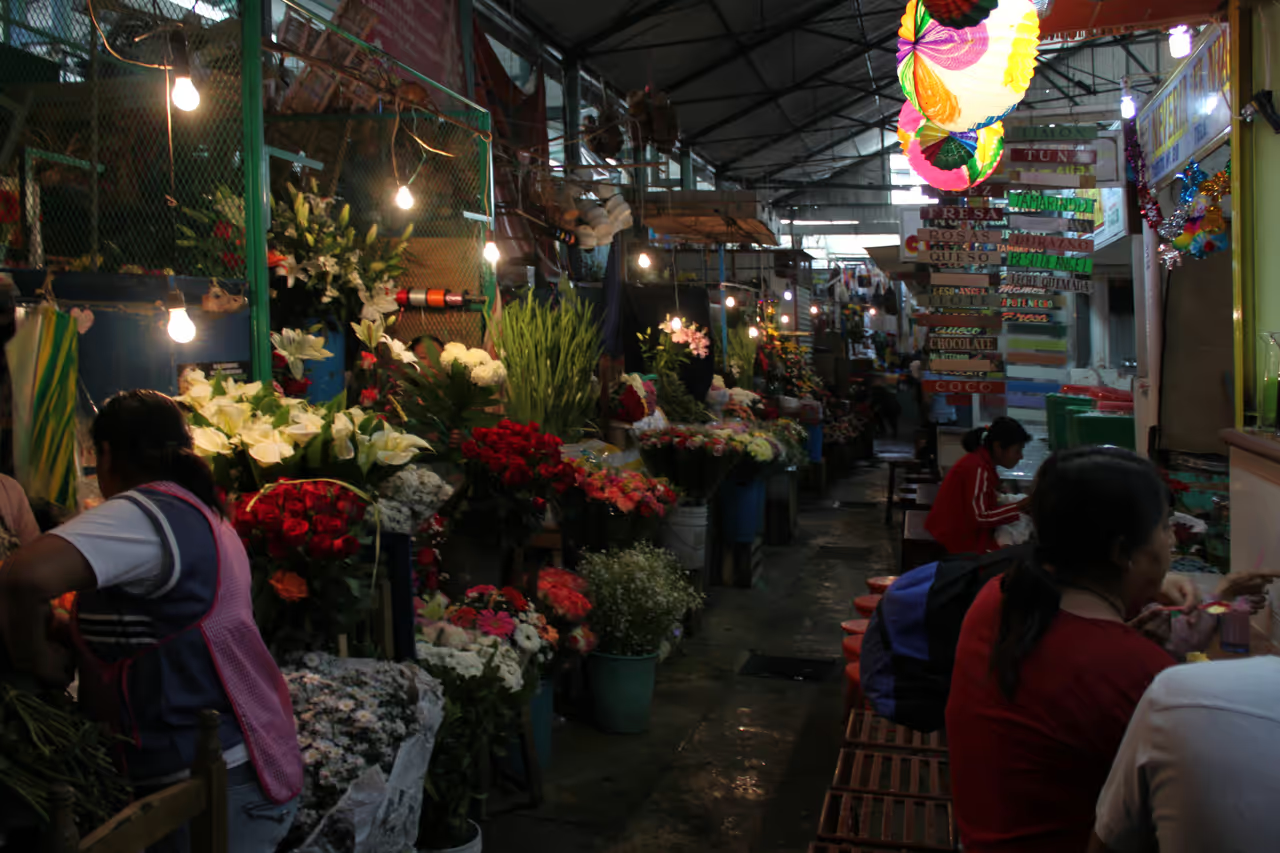
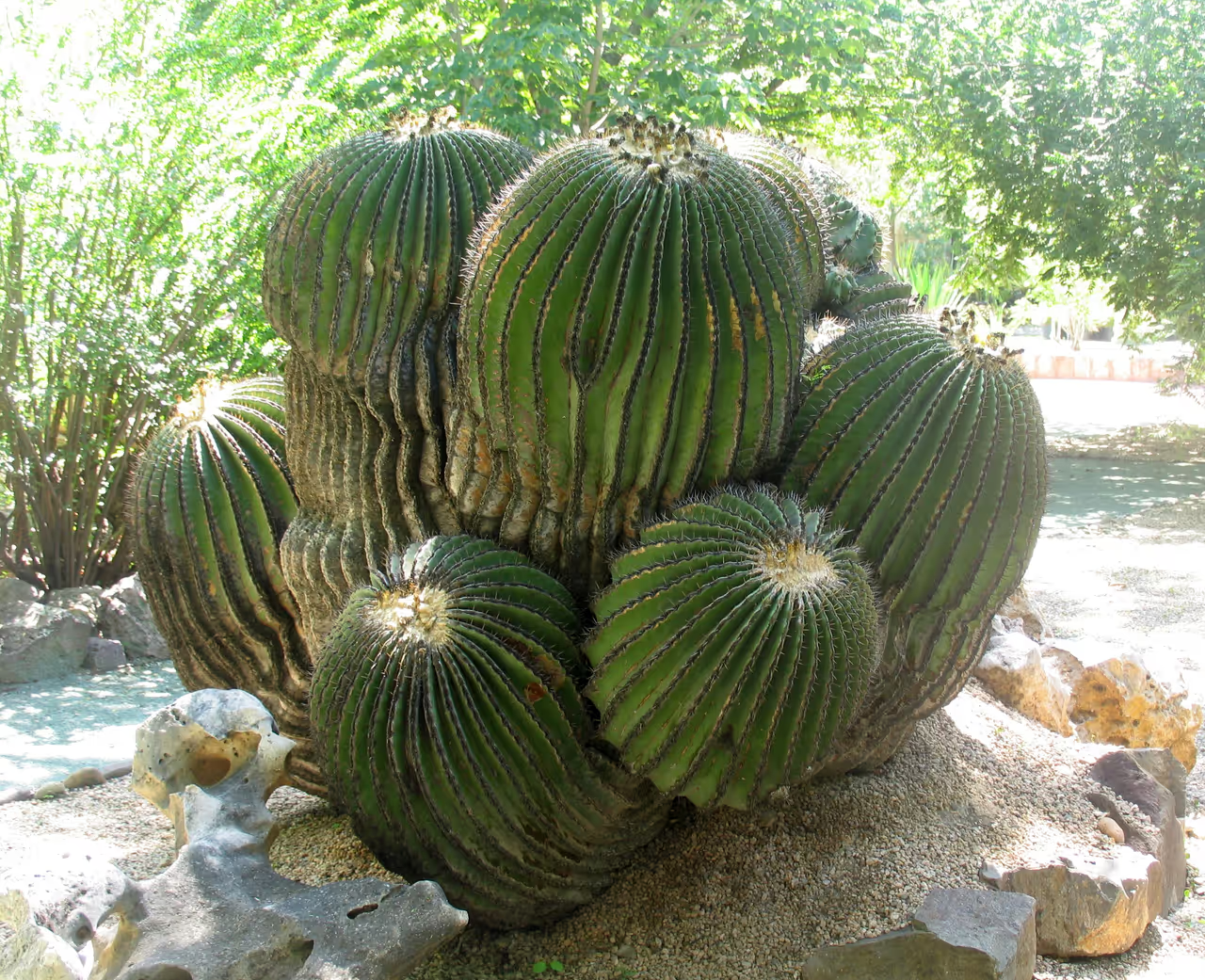
Zapotec Heritage Trail
This educational journey connects the city's most important sites related to its profound pre-Hispanic roots. Rather than focusing on colonial architecture, this route highlights the artefacts, natural environment, and living traditions of the indigenous cultures that have inhabited the valley for millennia. By moving between world-class museums and traditional markets, the tour constructs a narrative of a civilisation that survived conquest and continues to thrive. It offers a deep, contextual understanding of the region's true foundational identity.
view self-guided tour
See all attractions in Oaxaca City
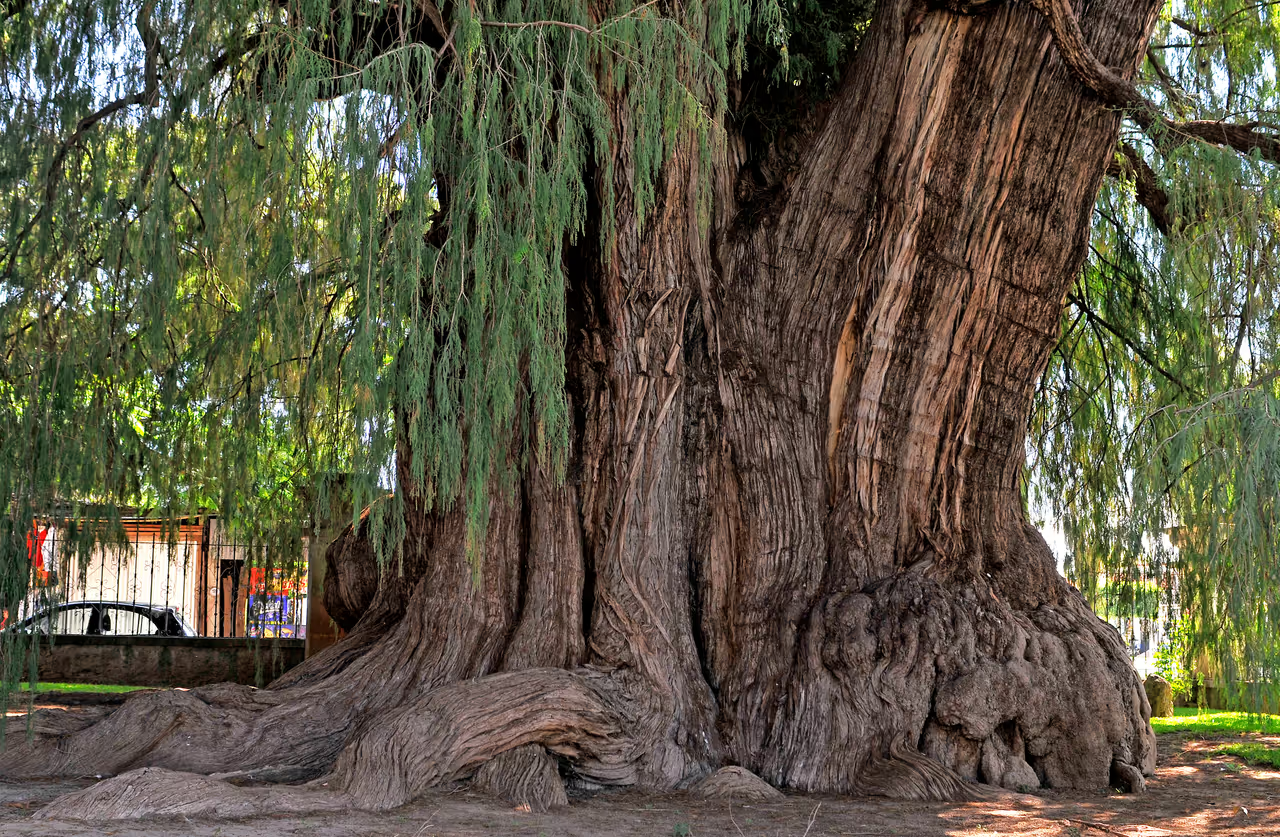
Church and Convent of Santo Domingo de Guzmán, Rufino Tamayo Museum of Pre-Hispanic Art, Basilica of Our Lady of Solitude, Mitla, Tree of Tule...