Mitla
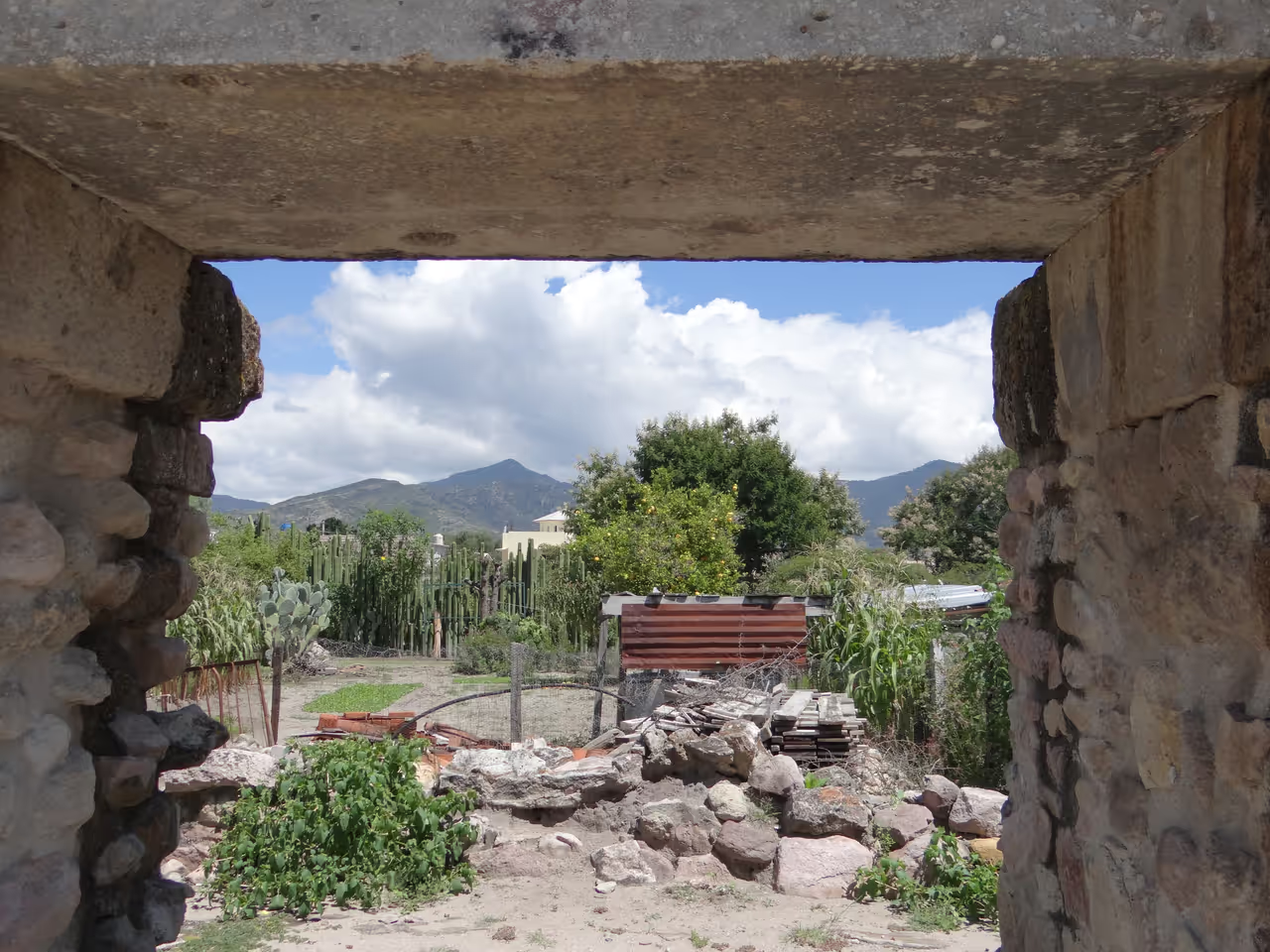
Step into the haunting beauty of Mitla, an archaeological marvel that stands as the spiritual heart of the ancient Zapotec world. Unlike other sites in Mexico defined by massive pyramids, Mitla captivates visitors with its intimate scale and unparalleled artistry, specifically its intricate, puzzle-like stone mosaics that adorn every wall. Known as the Place of the Dead, this sacred site served as a vital bridge between the living and the spirit realm, creating an atmosphere that feels both serene and deeply profound. Wandering through its beautifully preserved courtyards, you will encounter history etched into stone, showcasing the architectural brilliance of both Zapotec and Mixtec cultures. It remains a rare, captivating destination where you can touch the legacy of a civilisation that viewed death not as an end, but as a grand, celestial transition.
Videos
History of Mitla
Long before colonial cathedrals dominated the Oaxacan landscape, the valley echoed with the spiritual resonance of the Zapotec people. Mitla, known to its inhabitants as Lyobaa or the place of rest, emerged as the most significant religious centre of its time. It served a solemn purpose, acting as the gateway to the underworld, a place where the barrier between the earthly realm and the domain of ancestors felt remarkably thin. The site was designed to facilitate communication with the divine, and the nobility buried here were believed to transcend into cloud people, eternally watching over their kin from the heavens above. As the centuries passed, the site bore witness to the shifting tides of power, eventually becoming a masterful intersection of Zapotec and Mixtec artistry. This fusion created a unique aesthetic found nowhere else in the pre-Columbian world. The architects of Mitla achieved a level of precision that remains baffling to modern engineers, crafting elaborate stone fretwork without a single drop of mortar. These intricate designs, often geometric and labyrinthine, turned cold stone into a tapestry of storytelling, reflecting a complex cosmology that integrated the movement of stars with the cycles of life and death. The arrival of Spanish forces in the 16th century brought a wave of destruction, as they sought to dismantle the indigenous religious hierarchy by repurposing the sacred space for their own faith. The Church of San Pablo was built directly atop the ancient foundations, a stark, physical manifestation of the colonial era. Yet, despite the efforts to erase the past, the spirit of Mitla endured. Today, the site stands as a testament to cultural resilience, inviting visitors to look past the colonial church and appreciate the incredible craftsmanship of a civilisation that refused to be forgotten.
Events spanning 2923 years
Fun Facts
- • Known as the Columna de la Vida, a specific stone column holds a legend suggesting that the gap left between your hands after hugging it reveals how much time you have left in life.
- • Mitla served as the luxurious residence for the Uija-tào, the high priest who held immense power and performed rituals to appease the gods.
- • Not a single geometric pattern in the entire complex is repeated, highlighting the immense artistic creativity of the original builders.
- • Recent excavations have confirmed that the site functions as a massive, elaborate tomb system designed to guide souls into the afterlife.
- • Some of the massive stone lintels and monolithic columns at the site weigh up to 18 tonnes, showcasing an incredible feat of logistical engineering and human coordination.
- • The Spanish colonial Church of San Pablo was built directly atop the ancient Zapotec platform, with the cathedral incorporating stolen stone elements to signify the dominance of the new religious order.
- • The name Mitla is derived from the Nahuatl word Mictlán, which translates literally to the place of the dead, reflecting its role as a spiritual gateway.
- • The site is world-famous for its complex mosaic fretwork, known as grecas, which were assembled without a single drop of mortar.
- • The site represents a unique architectural fusion, combining Zapotec layout traditions with the intricate decorative styles brought by the Mixtec people.
- • Unlike the towering pyramids found elsewhere in Mexico, Mitla was designed with a horizontal, palace-like layout focused on comfort and ceremonial privacy.
Mitla FAQ
While we strive to keep this information accurate and up to date, we recommend verifying any details independently before making decisions based on them.
Mitla Map & Neighborhood Explorer
This interactive map is centered on Mitla. Zoom in and move the map around to automatically discover Wikipedia photos and summaries of other nearby sights, monuments, and historical points of interest and stories in real-time!
Places near Mitla
Make the most of your trip. Check out these top-rated spots located nearby.
 6999m
6999mYagul Archaeological Site
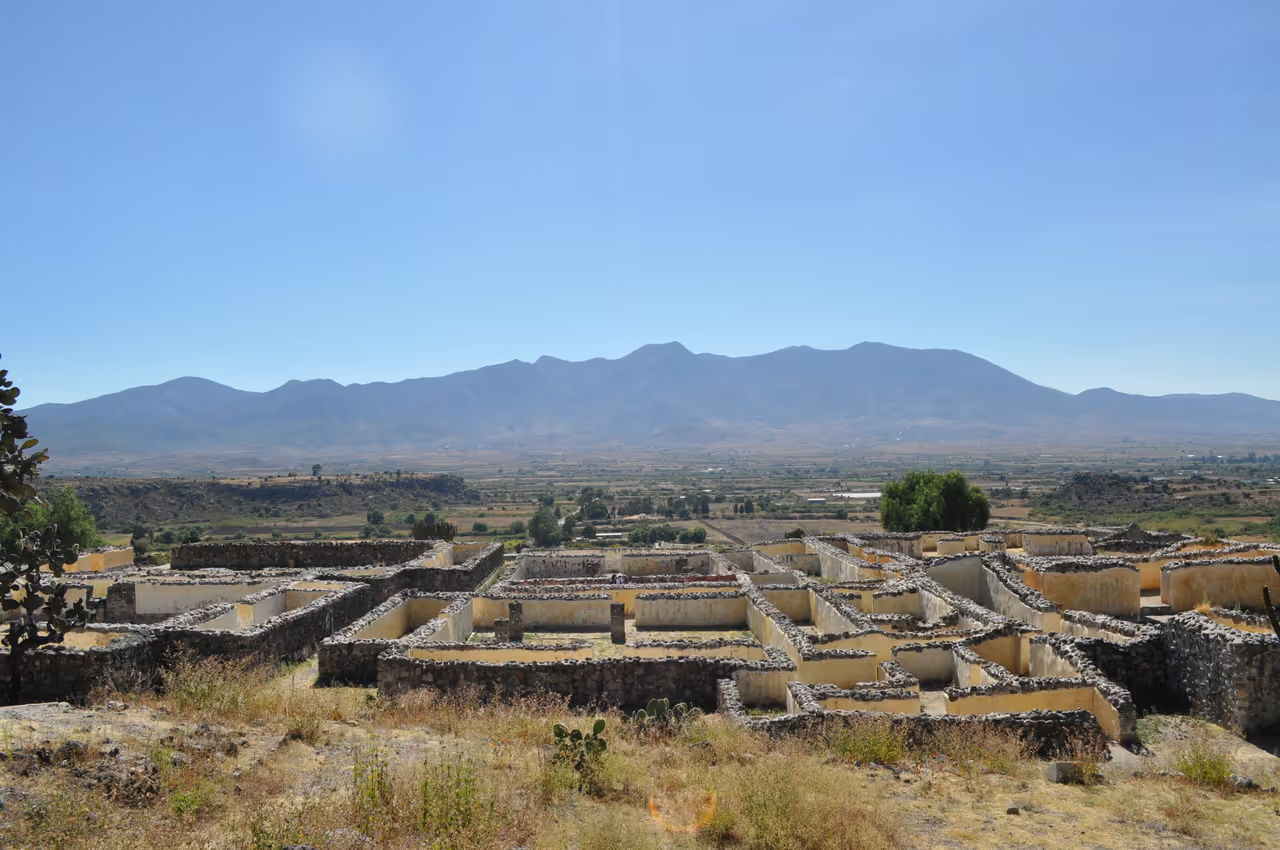
While the masses flock to Monte Albán and Mitla, the spectacular Zapotec ruins of Yagul remain blissfully quiet. Set amongst rugged, cactus-covered hills, the site feels incredibly wild and pastoral, allowing visitors to appreciate the ruins in a natural context. It boasts the second-largest ancient ball court discovered in Mesoamerica and a fascinating labyrinth of royal tombs. Climbing the rocky fortress at the top of the site rewards you with breathtaking, uninterrupted views of the surrounding valley. It offers a deeply atmospheric and peaceful exploration of ancient history without the crowds.
hidden gem view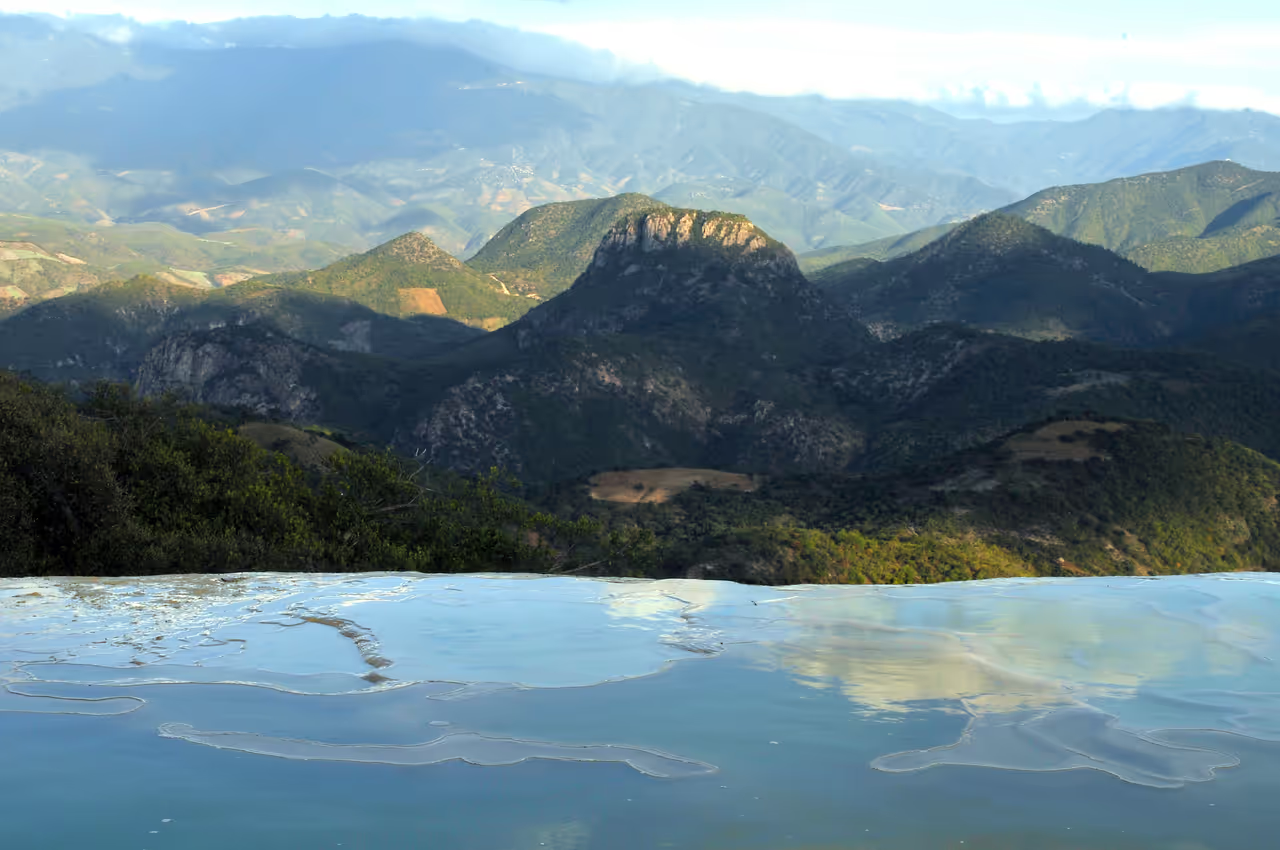 13943m
Hierve el Agua Petrified Waterfalls
Set against a dramatic mountainous backdrop, Hierve el Agua is one of only two petrified waterfall sites in the entire world. Over thousands of years, mineral-rich spring water has trickled over the cliff edge, depositing calcium carbonate to create massive, white rock formations that look exactly like frozen cascades. Visitors can hike down to the base for a staggering view looking up at the formations, or relax in the natural infinity pools situated right at the cliff's edge. Despite the name meaning 'the water boils', the mineral springs are comfortably cool. It is a phenomenal geological wonder.
highlight view 17888m
Textile Weaving in Teotitlán del Valle
For nearly five hundred years, the Zapotec village of Teotitlán del Valle has been famous for its master weavers. The artisans here create breathtaking rugs and tapestries using traditional pedal looms introduced during the colonial era. A critical part of the experience is learning about the natural dyes used to colour the wool, including indigo, marigold, and the vibrant red cochineal insect. Many family-run workshops offer comprehensive demonstrations of the carding, spinning, dyeing, and weaving processes. The resulting textiles range from ancient geometric Zapotec patterns to stunning modern designs.
highlight view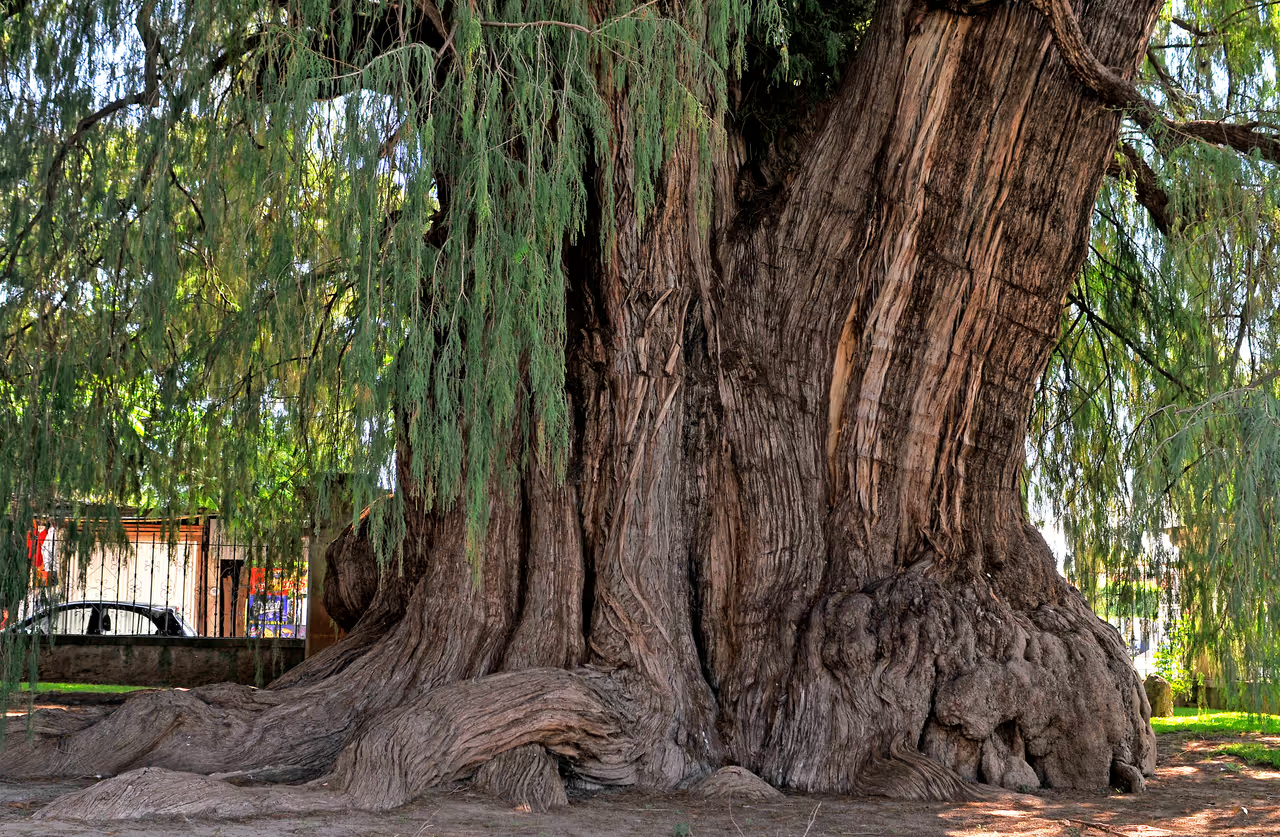 29053m
Tree of Tule
Standing as a silent guardian of history, El Árbol del Tule is a majestic Montezuma cypress that commands respect from every visitor who crosses its path. Nestled within the quiet church grounds of Santa María del Tule, this colossal living monument holds the title of having the stoutest trunk in the entire world. The tree creates an atmosphere of deep reverence, inviting travellers to walk around its massive base and marvel at the intricate, gnarled textures that define its appearance. Known affectionately as the Tree of Life by locals, it offers a fascinating glimpse into the deep spiritual and natural heritage of Oaxaca. Visiting this site is a humbling experience that connects you to an organism that has witnessed over a millennium of human history.
attraction view
Featured on This Itinerary
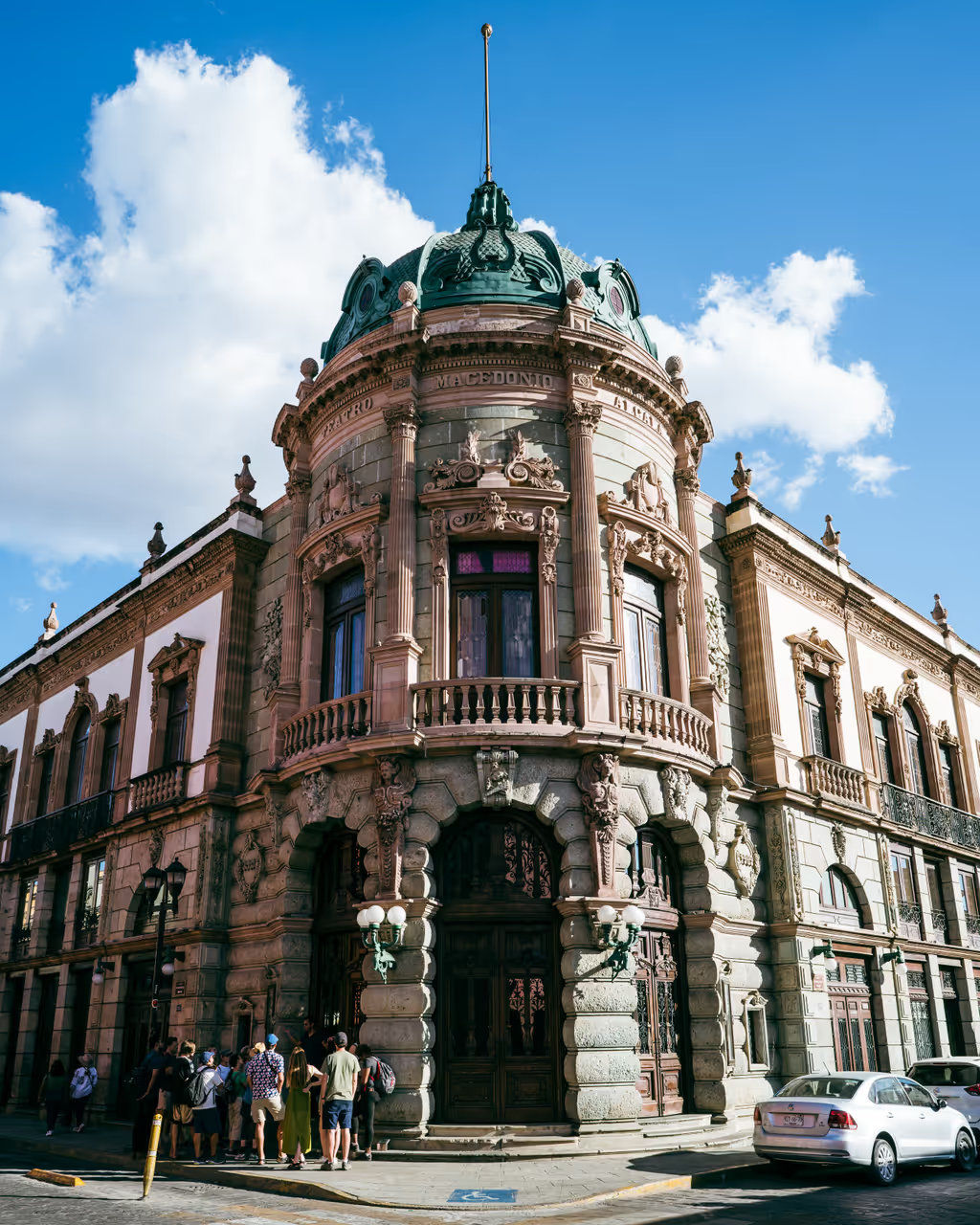
See all attractions in Oaxaca City
Church and Convent of Santo Domingo de Guzmán, Rufino Tamayo Museum of Pre-Hispanic Art, Santo Domingo Cultural Centre, Basilica of Our Lady of Solitude, Tree of Tule...