Tree of Tule
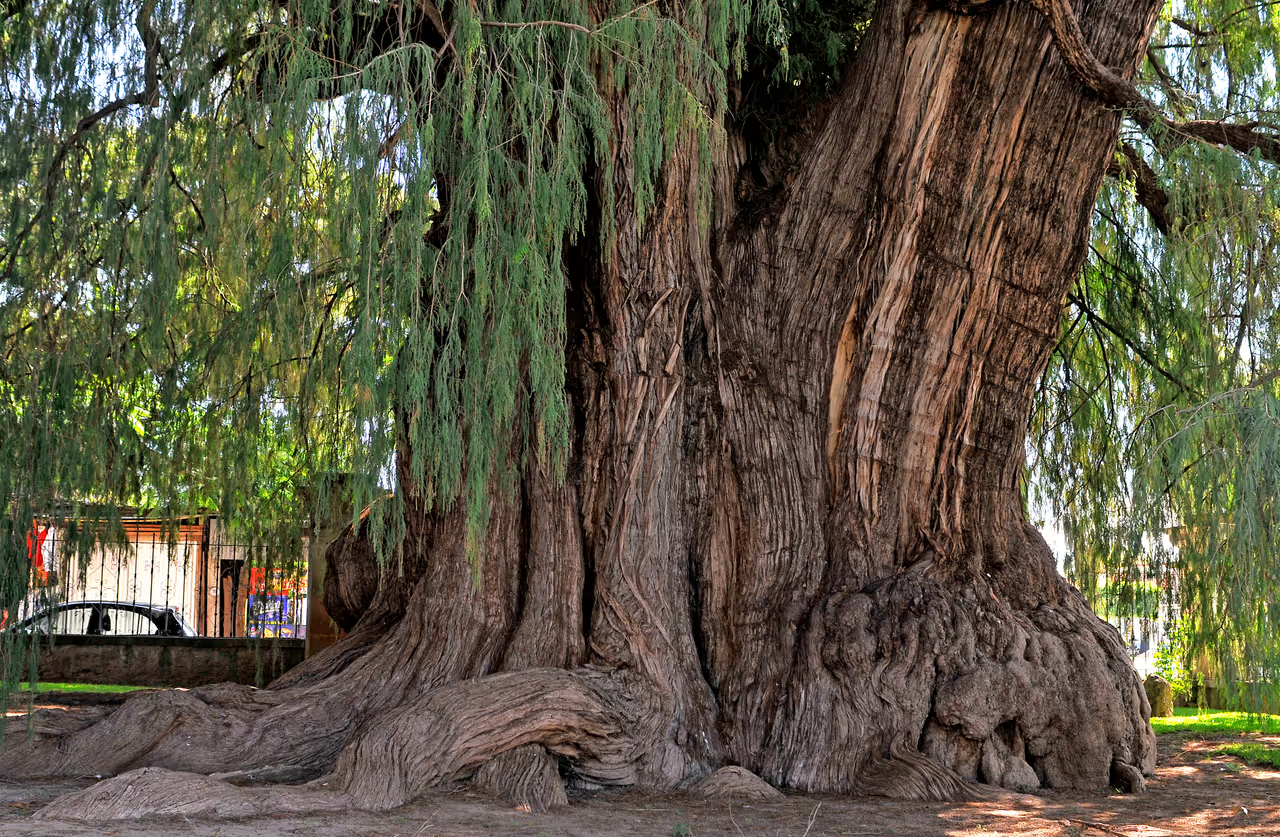
Standing as a silent guardian of history, El Árbol del Tule is a majestic Montezuma cypress that commands respect from every visitor who crosses its path. Nestled within the quiet church grounds of Santa María del Tule, this colossal living monument holds the title of having the stoutest trunk in the entire world. The tree creates an atmosphere of deep reverence, inviting travellers to walk around its massive base and marvel at the intricate, gnarled textures that define its appearance. Known affectionately as the Tree of Life by locals, it offers a fascinating glimpse into the deep spiritual and natural heritage of Oaxaca. Visiting this site is a humbling experience that connects you to an organism that has witnessed over a millennium of human history.
Videos
History of Tree of Tule
For over a millennium, the Árbol del Tule has stood as a silent witness to the changing tides of Mexican history. Emerging from the moist earth long before the rise of the Spanish Empire, this Montezuma cypress represents a bridge between the ancient Zapotec civilisation and the modern state of Oaxaca. Its presence in what is now the churchyard of Santa María del Tule speaks volumes about the persistence of sacred sites in the region. Long before colonial walls were erected, the land held deep spiritual significance, likely serving as a place of veneration for the indigenous people who understood the sanctity of the landscape and the water sources that nourished the giants of the valley. The tree achieved legendary status not merely because of its age, but because of its sheer, impossible scale. For years, observers speculated that it must be an interlocking group of smaller trees, such was the strange, folded texture of its colossal trunk. It took modern genetic science to finally silence the doubters, proving that this was a single organism, a master of endurance that has adapted to changing climates and the encroachment of human civilisation. The gnarled bark, which locals have interpreted as a menagerie of creatures, tells the story of an ancient life that has been woven into the fabric of local folklore and mythology. Today, the tree serves as a focal point for the community, though its survival has not been without struggle. As the world expanded around it, the introduction of highway traffic and urban pollution placed the tree under significant stress, leading to a period of intense public concern for its health. This vulnerability has only deepened the bond between the townspeople and their leafy patriarch. Every visitor who walks beneath its massive canopy participates in a long tradition of stewardship, acknowledging that this is a living survivor of an ancient world that continues to defy the expectations of nature.
Events spanning 1401 years
Fun Facts
- • In the late 20th century, the tree faced significant health risks due to urbanisation, as heavy traffic and pollution from a nearby highway began to impact its root system.
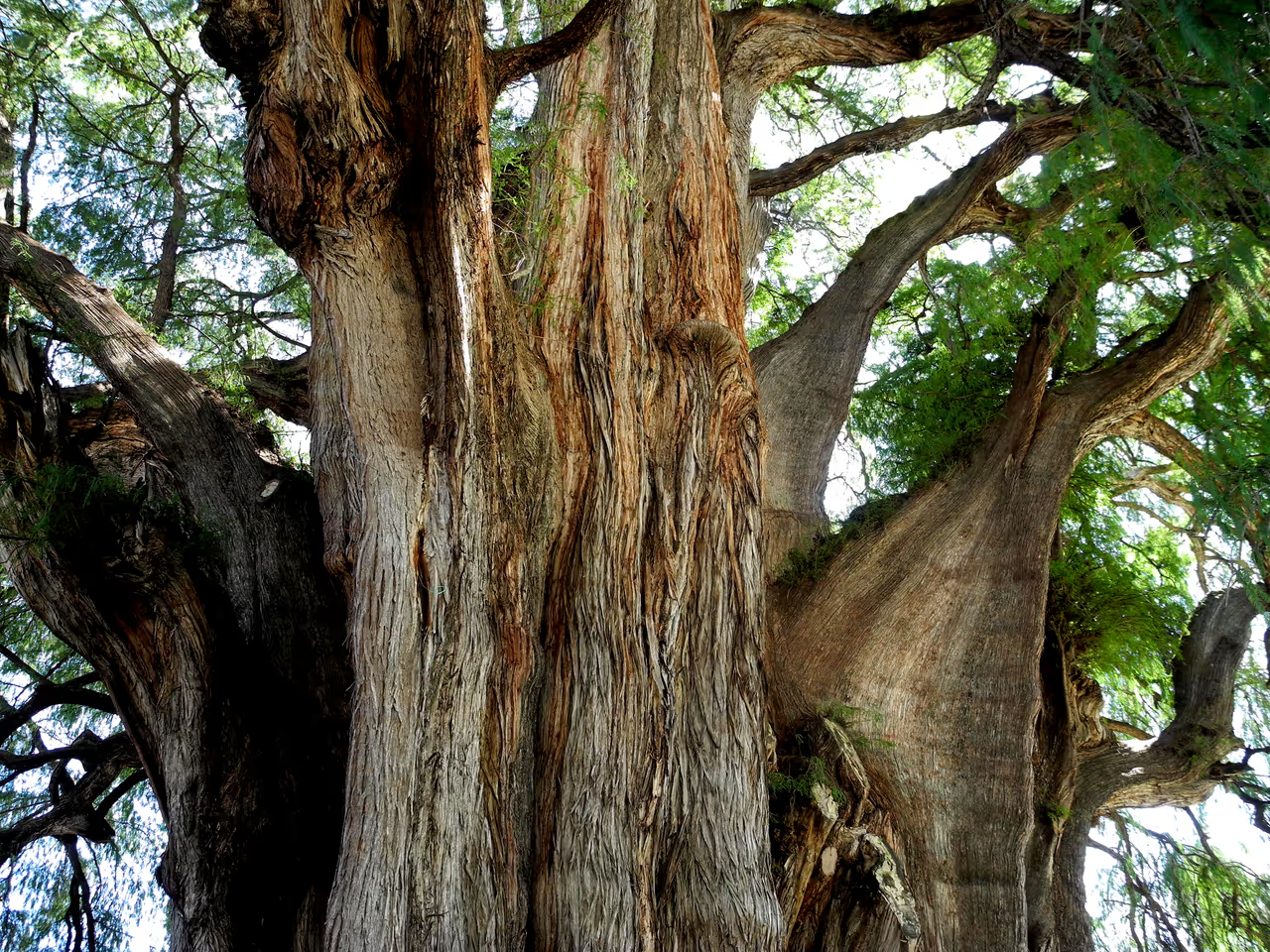
- • Local schoolchildren often lead tours of the site, pointing out specific formations on the trunk that resemble animals like jaguars and elephants, which earned the tree its Tree of Life nickname.
- • Measuring the height of the tree is notoriously difficult because its crown is exceptionally wide and broad, leading to fluctuating scientific data over the decades.
- • The site where the tree stands was later claimed by the Roman Catholic Church, reflecting the way indigenous sacred spaces were often incorporated into colonial structures.
- • The town of Santa María del Tule, where the tree resides, relies heavily on this botanical giant as the centrepiece of its local economy and community pride.
- • The tree is a Montezuma cypress, known in the local Nahuatl language as an ahuehuete, which translates to old man of the water.
- • The trunk is heavily buttressed, meaning its measured circumference of 42 metres is slightly deceptive, though even its smoothed diameter surpasses that of most giant sequoias.
- • Unlike many other ancient trees that grow in remote wilderness, this specimen has lived its entire life at the centre of a community, constantly surrounded by human activity.
- • While it was once suspected to be multiple trees fused together, extensive DNA testing confirmed it is a single genetic individual.
Tree of Tule FAQ
While we strive to keep this information accurate and up to date, we recommend verifying any details independently before making decisions based on them.
Tree of Tule Map & Neighborhood Explorer
This interactive map is centered on Tree of Tule. Zoom in and move the map around to automatically discover Wikipedia photos and summaries of other nearby sights, monuments, and historical points of interest and stories in real-time!
Places near Tree of Tule
Make the most of your trip. Check out these top-rated spots located nearby.
 6886m
6886mCochineal Bug Museum
This incredibly specific, small museum focuses entirely on the fascinating history and production of cochineal, the tiny insect responsible for a brilliant crimson dye. Tucked away by appointment only, passionate experts explain how this dye was once Mexico's second most valuable export after silver, highly prized by European royalty. You will see the living insects feeding on nopal cacti and witness the traditional, laborious methods used to extract the vibrant colours. It is a deeply educational and hands-on experience. It offers invaluable context to the vibrant reds seen in local textiles and historical artworks.
hidden gem view- 8713m
Reforma District
Located slightly north of the historic centre, the wealthy Reforma neighbourhood offers a sleek, modern alternative to the colonial downtown. The avenues here are lined with contemporary cocktail lounges, upscale wine bars, and trendy clubs. It is where the city's affluent residents go for a stylish night out, featuring venues with sleek interior design and international music. The drinks menus focus on premium spirits, creative mixology, and imported wines. It provides a fascinating contrast to the traditional aesthetic found just a few blocks away.
nightlife view - 8944m
Explore Barrio de Jalatlaco
Wandering through the charming cobblestone streets of Jalatlaco costs absolutely nothing but provides immense visual reward. This historic neighbourhood is a living gallery, completely covered in intricate, large-scale street murals depicting local culture, folklore, and Day of the Dead motifs. The brightly coloured single-story homes and vintage doorways offer endless photography opportunities. You can easily spend an afternoon simply admiring the creativity and soaking in the tranquil, bohemian village atmosphere.
free thing to do view 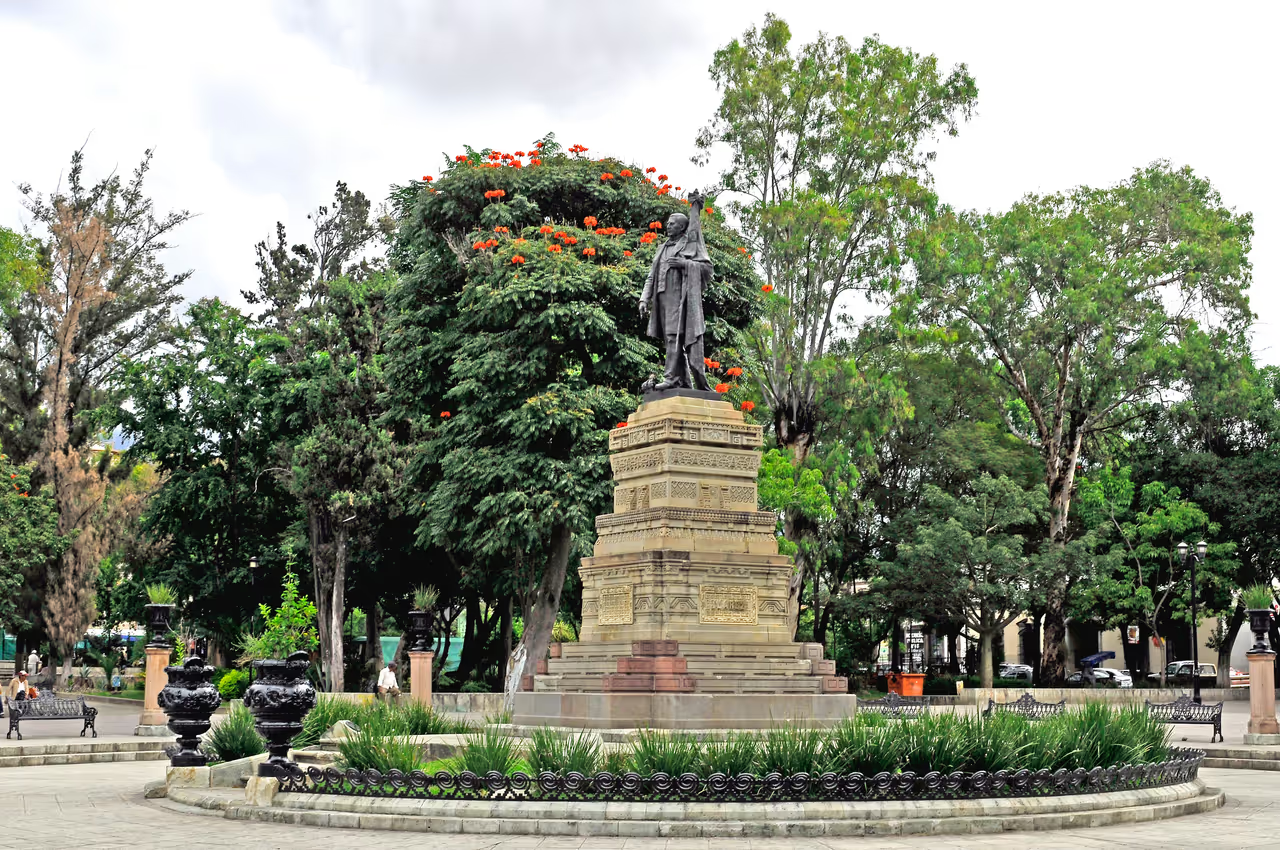 9152m
9152mPaseo Juarez El Llano
Paseo Juarez El Llano serves as a tranquil green oasis within the historic centre of Oaxaca City, offering a peaceful retreat from the surrounding urban environment. This park invites visitors to wander beneath the shade of mature trees, observe local daily life, and admire the impressive neo-Aztec monument dedicated to Benito Juarez. It is a place where the city's layers of history, from its origins as a colonial hospital to its use as a revolutionary training ground, remain tangible. Whether one seeks a quiet moment on a park bench or desires to soak up the atmosphere where locals gather, this site stands as a testament to the enduring spirit of the city. Discovering this park provides an authentic glimpse into the pulse of the community, making it a highly rewarding stop on any tour of Oaxaca.
park & nature view
Featured on These Itineraries and Routes
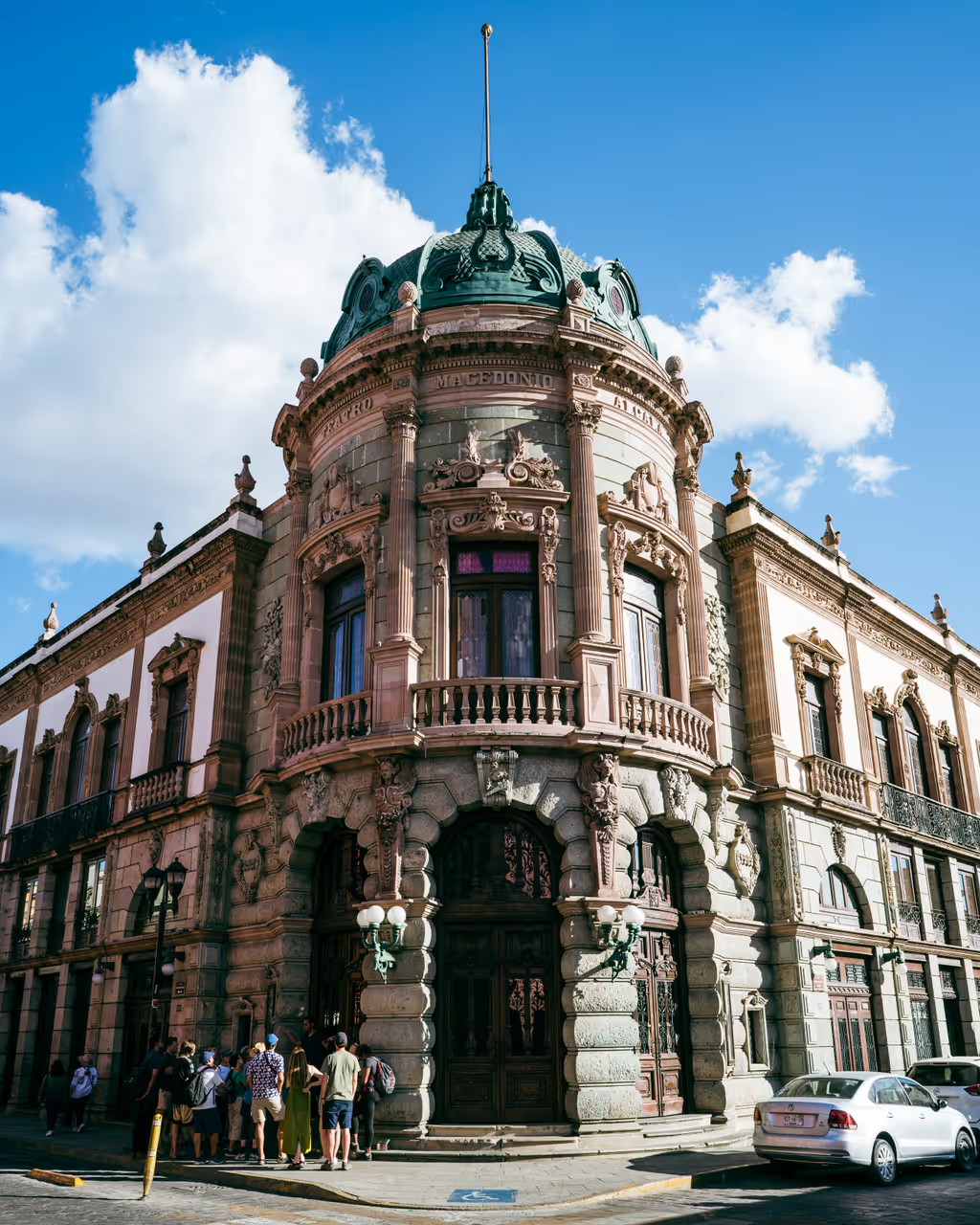

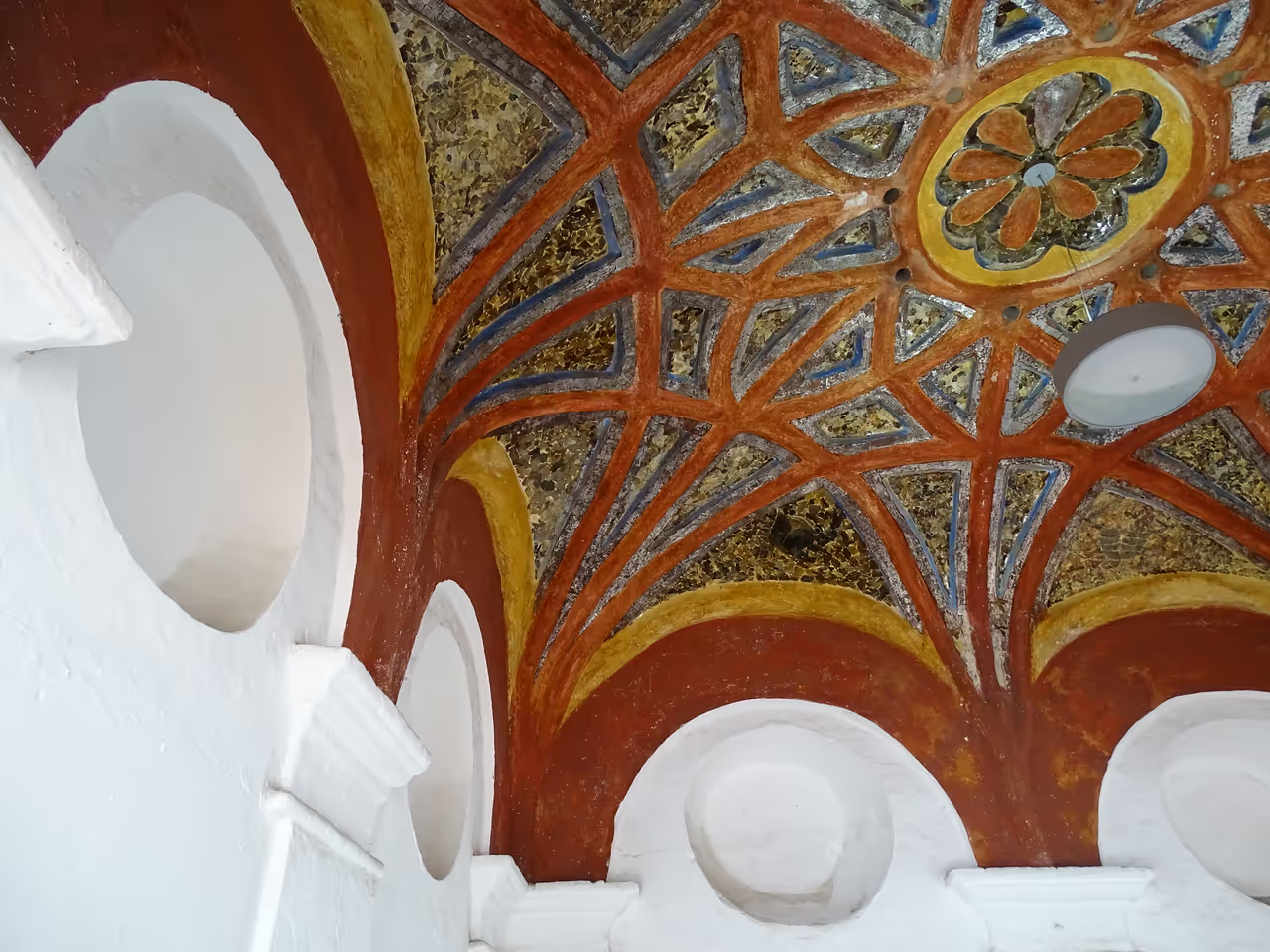
5 Days in Oaxaca: Deep Dive Itinerary
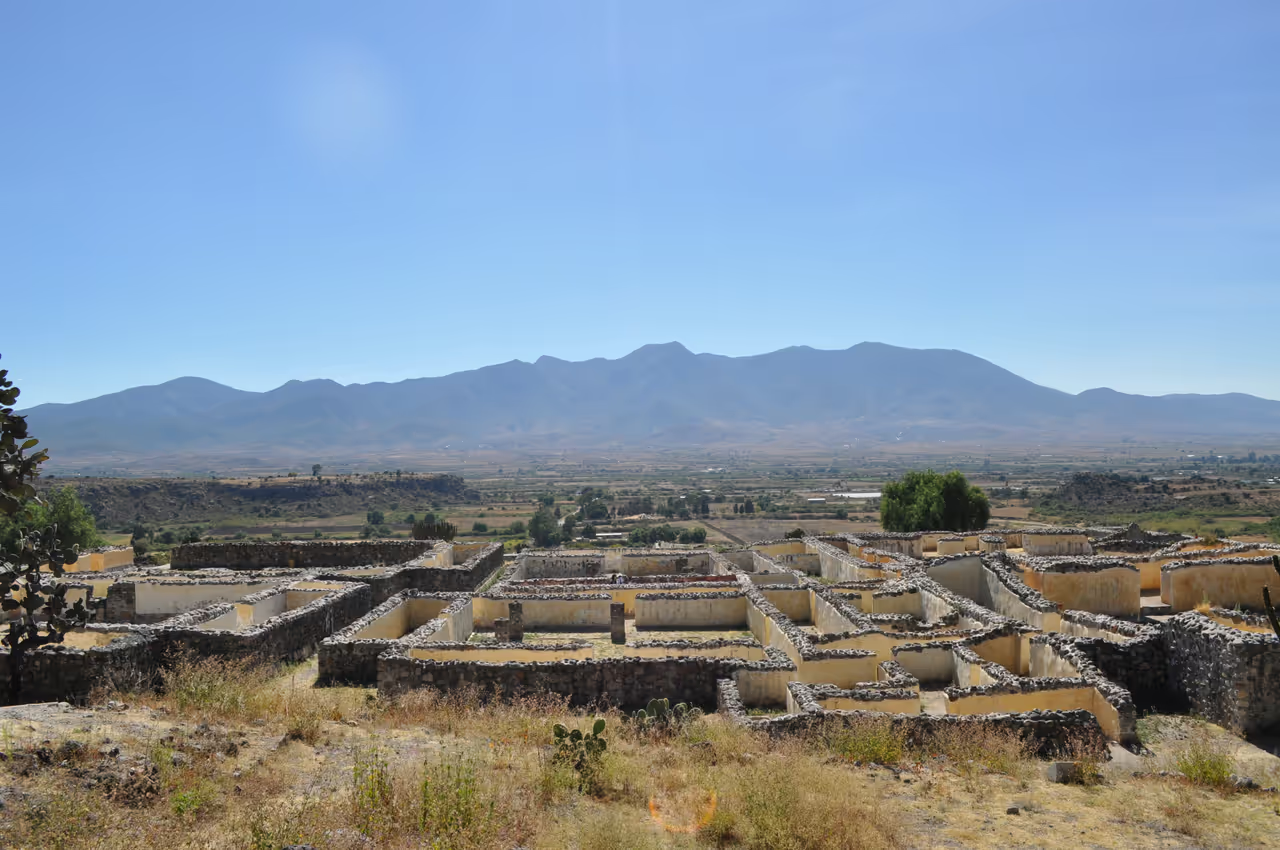
A five-day stay grants you the freedom to thoroughly explore both the city and the diverse, culturally rich valley that surrounds it. You will visit isolated natural wonders, wander through multiple artisan villages, and seek out hidden archaeological gems. It allows for a relaxed pace to truly absorb the art, architecture, and culinary mastery of the region. This is the ultimate, comprehensive journey through the heart of Zapotec and colonial heritage.
view itinerary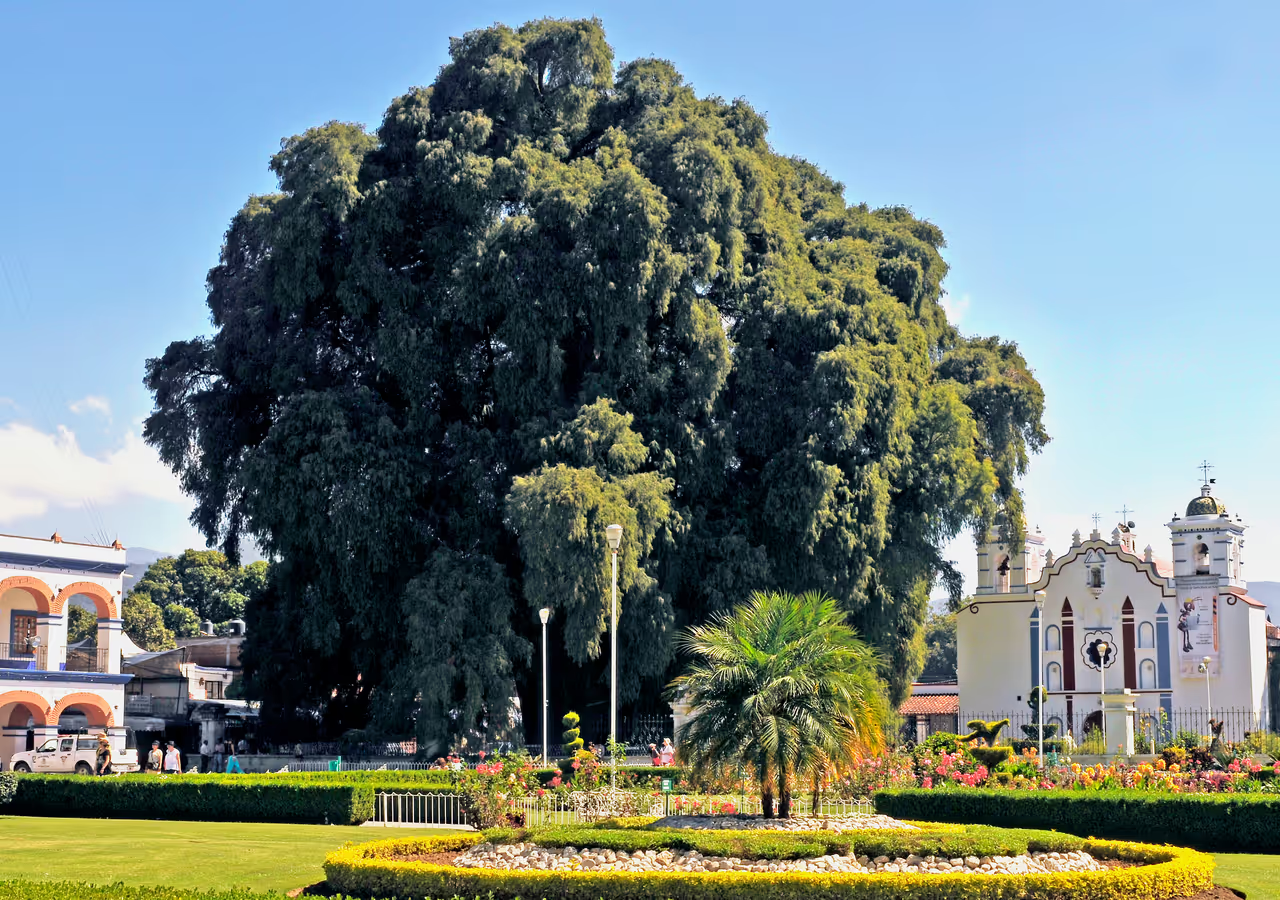
Ancient Cypress Greenway
This lovely, mostly flat ride takes you from the edge of the historic centre out into the sweeping agricultural lands of the Oaxaca Valley. Much of the route follows a dedicated cycle path, offering a stress-free journey away from heavy vehicular traffic. The landscape is dotted with small farms, agave fields, and distant mountain vistas. It provides a peaceful, rhythmic way to escape the urban energy and connect with the rural charm of the surrounding region.
view cycling route
See all attractions in Oaxaca City
Church and Convent of Santo Domingo de Guzmán, Rufino Tamayo Museum of Pre-Hispanic Art, Santo Domingo Cultural Centre, Basilica of Our Lady of Solitude, Mitla...