Paseo Juarez El Llano
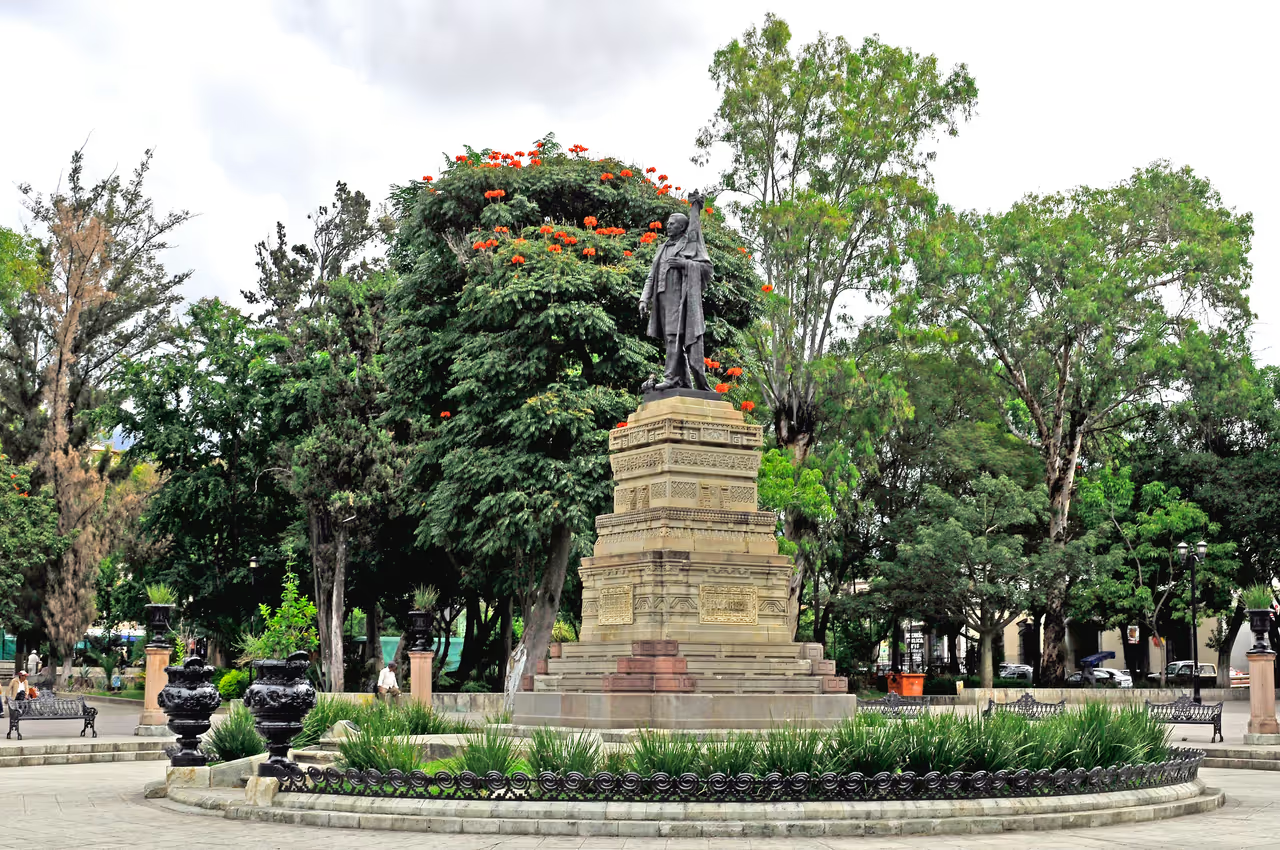
Paseo Juarez El Llano serves as a tranquil green oasis within the historic centre of Oaxaca City, offering a peaceful retreat from the surrounding urban environment. This park invites visitors to wander beneath the shade of mature trees, observe local daily life, and admire the impressive neo-Aztec monument dedicated to Benito Juarez. It is a place where the city's layers of history, from its origins as a colonial hospital to its use as a revolutionary training ground, remain tangible. Whether one seeks a quiet moment on a park bench or desires to soak up the atmosphere where locals gather, this site stands as a testament to the enduring spirit of the city. Discovering this park provides an authentic glimpse into the pulse of the community, making it a highly rewarding stop on any tour of Oaxaca.
Videos
History of Paseo Juarez El Llano
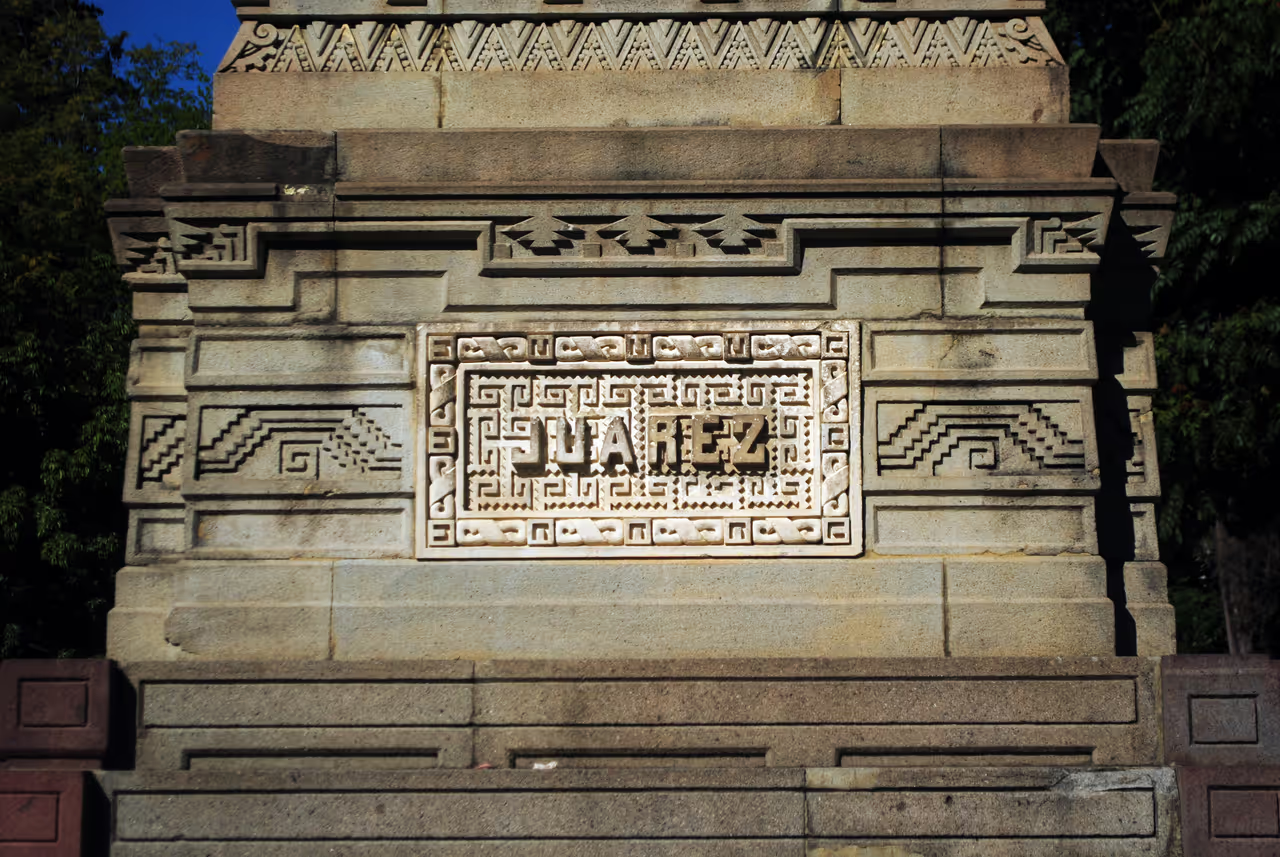
The identity of Paseo Juarez El Llano is forged from the layers of history that define Oaxaca itself. In the late 17th century, the area functioned as a site for the Hospital of Our Lady of Guadalupe, managed by the Betlemitas order. This early institutional purpose gave the land a sense of communal importance long before it became a place of leisure. The soil beneath these trees has witnessed the transition of Mexico from a colonial outpost to an independent nation, with insurgent leaders like Jose Maria Morelos using the grounds as a tactical training space during the War of Independence. As the 19th century progressed, the space shed its medical identity and embraced its role as a civic promenade. The naming history reflects a changing national consciousness, as local authorities experimented with titles like Alameda de Guadalupe and Alameda de Netzahualcoyotl. This era solidified the park as a centre for social gatherings and religious traditions, specifically during the Lenten period. The eventual adoption of the name Paseo Juarez served to cement the legacy of Benito Juarez, the Oaxacan born president, within the very fabric of the city's public life. The installation of the neo-Aztec monument in 1894 represents a pivotal moment in the park's aesthetic history. By incorporating motifs inspired by the ancient ruins of Mitla and symbolic carvings that celebrate the defeat of the Second Mexican Empire, the park became a living museum of national pride. While modern renovations have sparked heated debates about preservation and the integrity of the landscape, the park remains a resilient testament to Oaxacan heritage. It stands as a bridge between the deep indigenous past and the modern civic identity of the city.
Events spanning 323 years
Fun Facts
- • During the early 19th century, the park was featured on city maps as La Alameda, signifying its transition into a recreational promenade.
- • In the late 19th century, the park's layout shifted from a simple rectangular design to a more complex pattern of paths and green spaces.
- • Local tradition claims that some of the historic trees found within the park were personally planted by military figures such as Morelos and Guadalupe Victoria.
- • The central monument to Benito Juarez is stylistically inspired by the architecture of the ancient Zapotec ruins at Mitla.
- • The hospital that once stood on the site was managed by the Order of the Betlemitas until the early 19th century.
- • The monument includes specific decorative elements, such as the Nahuatl glyph for movement known as ollin, connecting the colonial-era park to deeper indigenous roots.
- • The park served as a vital venue for traditional religious observances, particularly during the Lenten Fridays, known locally as Viernes de Cuaresma.
- • The park was originally known as the Llano de Guadalupe because of its proximity to a chapel dedicated to the Virgin of Guadalupe.
- • The sculpture of Benito Juarez holds a Mexican flag in one hand while standing over an imperial crown, visually symbolising the fall of the Second Mexican Empire.
- • Throughout the 1880s, the park underwent name changes, shifting from Alameda de Guadalupe to Alameda de Netzahualcoyotl before eventually becoming Paseo Juarez.
Paseo Juarez El Llano FAQ
While we strive to keep this information accurate and up to date, we recommend verifying any details independently before making decisions based on them.
Paseo Juarez El Llano Map & Neighborhood Explorer
This interactive map is centered on Paseo Juarez El Llano. Zoom in and move the map around to automatically discover Wikipedia photos and summaries of other nearby sights, monuments, and historical points of interest and stories in real-time!
Places near Paseo Juarez El Llano
Make the most of your trip. Check out these top-rated spots located nearby.
- 209m
Explore Barrio de Jalatlaco
Wandering through the charming cobblestone streets of Jalatlaco costs absolutely nothing but provides immense visual reward. This historic neighbourhood is a living gallery, completely covered in intricate, large-scale street murals depicting local culture, folklore, and Day of the Dead motifs. The brightly coloured single-story homes and vintage doorways offer endless photography opportunities. You can easily spend an afternoon simply admiring the creativity and soaking in the tranquil, bohemian village atmosphere.
free thing to do view 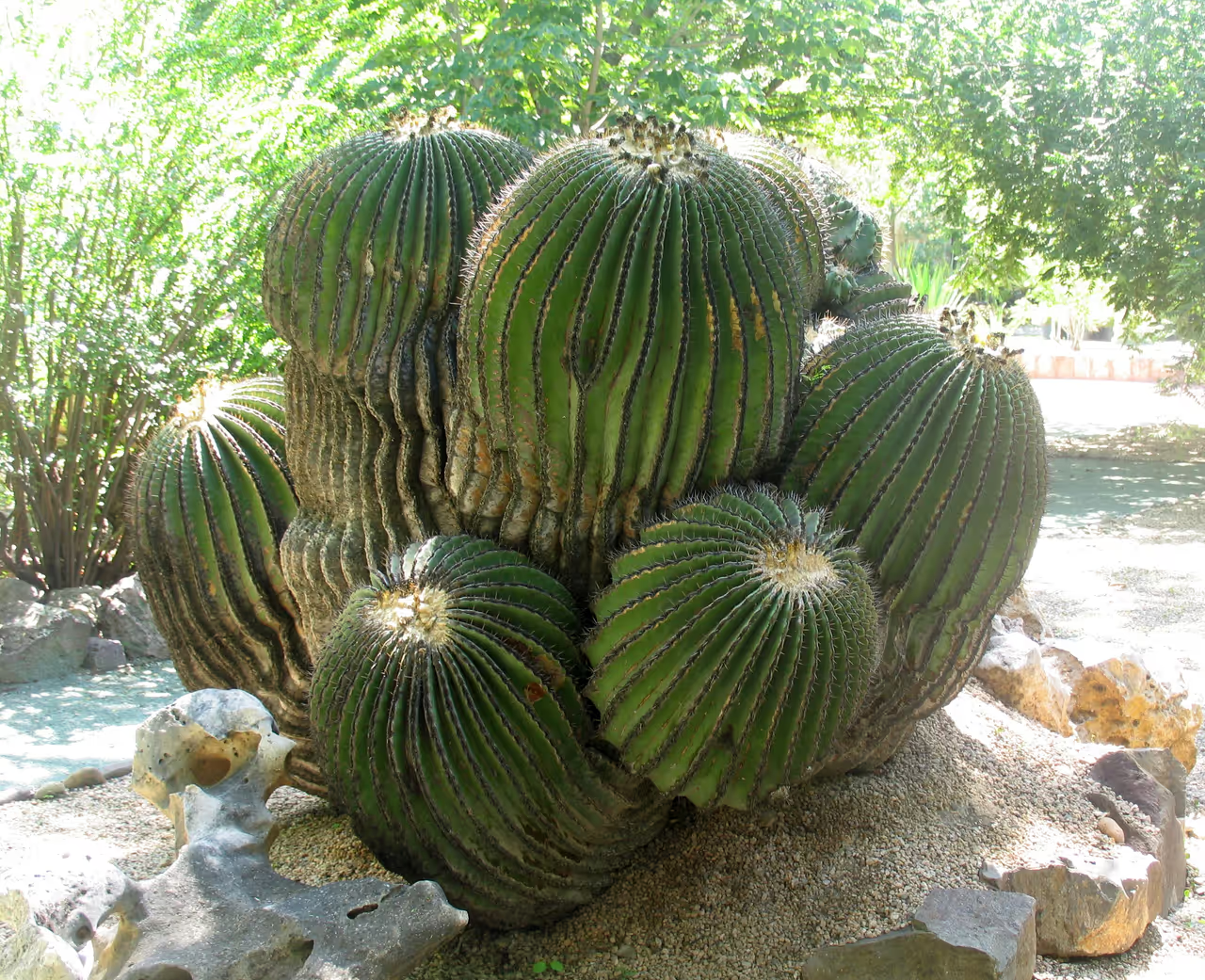 276m
276mEthnobotanical Garden of Oaxaca
This garden is a living testament to the deep relationship between the people of Oaxaca and the land. Walking through its paths feels like stepping into a curated showcase of regional history where every succulent and shade tree tells a story of survival, artistry, and tradition. Unlike traditional botanical gardens that prioritise aesthetics above all else, this space focuses on the cultural uses of flora, displaying plants essential for food, medicine, and spiritual practice. The grounds are tucked behind the stunning Church of Santo Domingo, offering a peaceful escape from the city streets. It is an ideal spot to learn about the biodiversity that sustains local communities, ranging from agave used for mezcal to ancient maize varieties. A visit here offers a rare glimpse into the botanical heritage that shapes the identity of the Zapotec and Mixtec cultures.
park & nature view- 419m
Casa Oaxaca Rooftop
For a highly refined viewing experience, the rooftop terrace of this acclaimed restaurant offers unparalleled, intimate views of the Templo de Santo Domingo. Situated directly across from the church, the elevated perspective allows you to appreciate the intricate stone carvings of the facade and the surrounding agave gardens without the crowds of the plaza. As evening approaches, the church is dramatically illuminated against the darkening sky. It is an exceptional spot to enjoy world-class culinary creations while absorbing the city's most iconic architectural view.
viewpoint view - 423m
Admire the Xochimilco Arches
Take a peaceful stroll to the oldest neighbourhood in the city to view this beautifully preserved piece of colonial engineering. The historic brick aqueduct lines a quiet, narrow street, draped with vivid pink and purple bougainvillea. It is a remarkably romantic and tranquil setting, far removed from the busy commercial centre. Walking alongside the arches offers a quiet, contemplative experience and a brilliant opportunity to appreciate the city's ancient infrastructure at no cost.
free thing to do view
Featured on These Itineraries and Routes
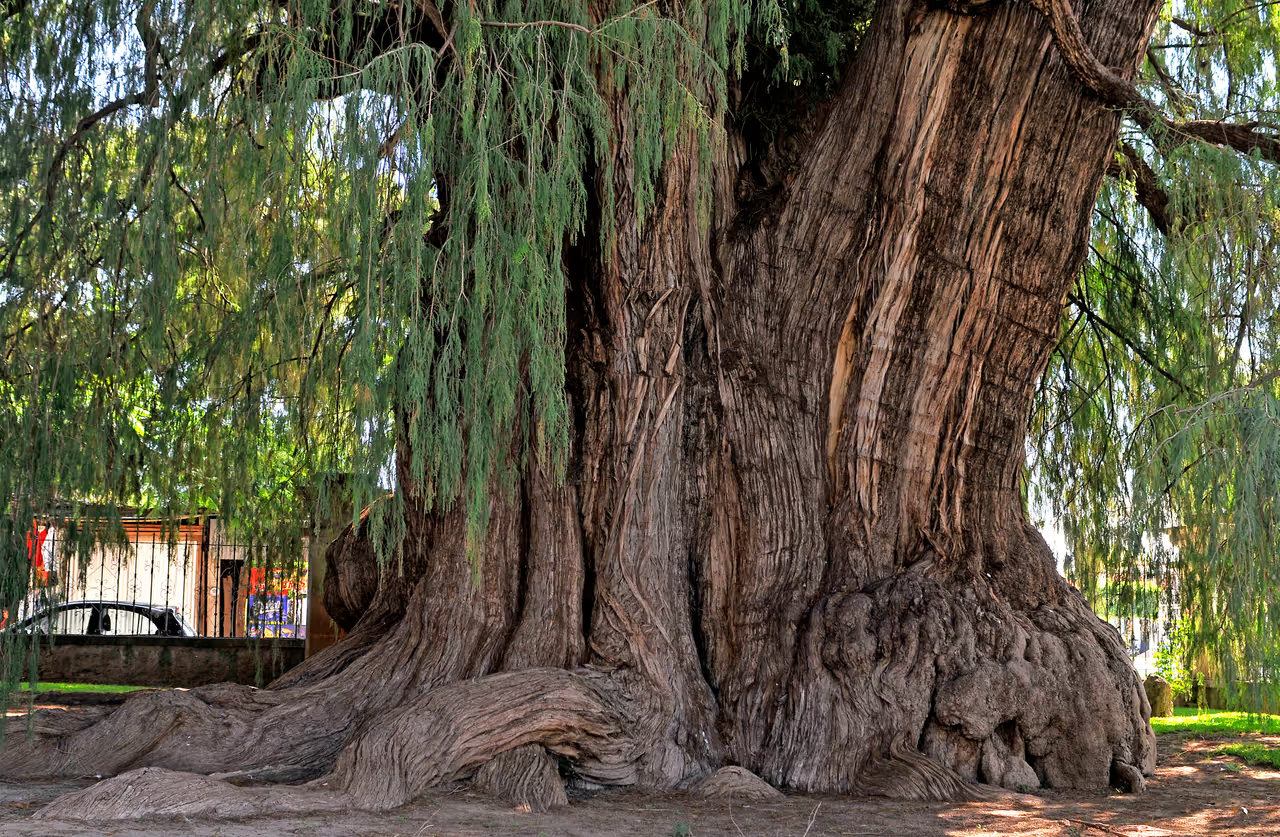
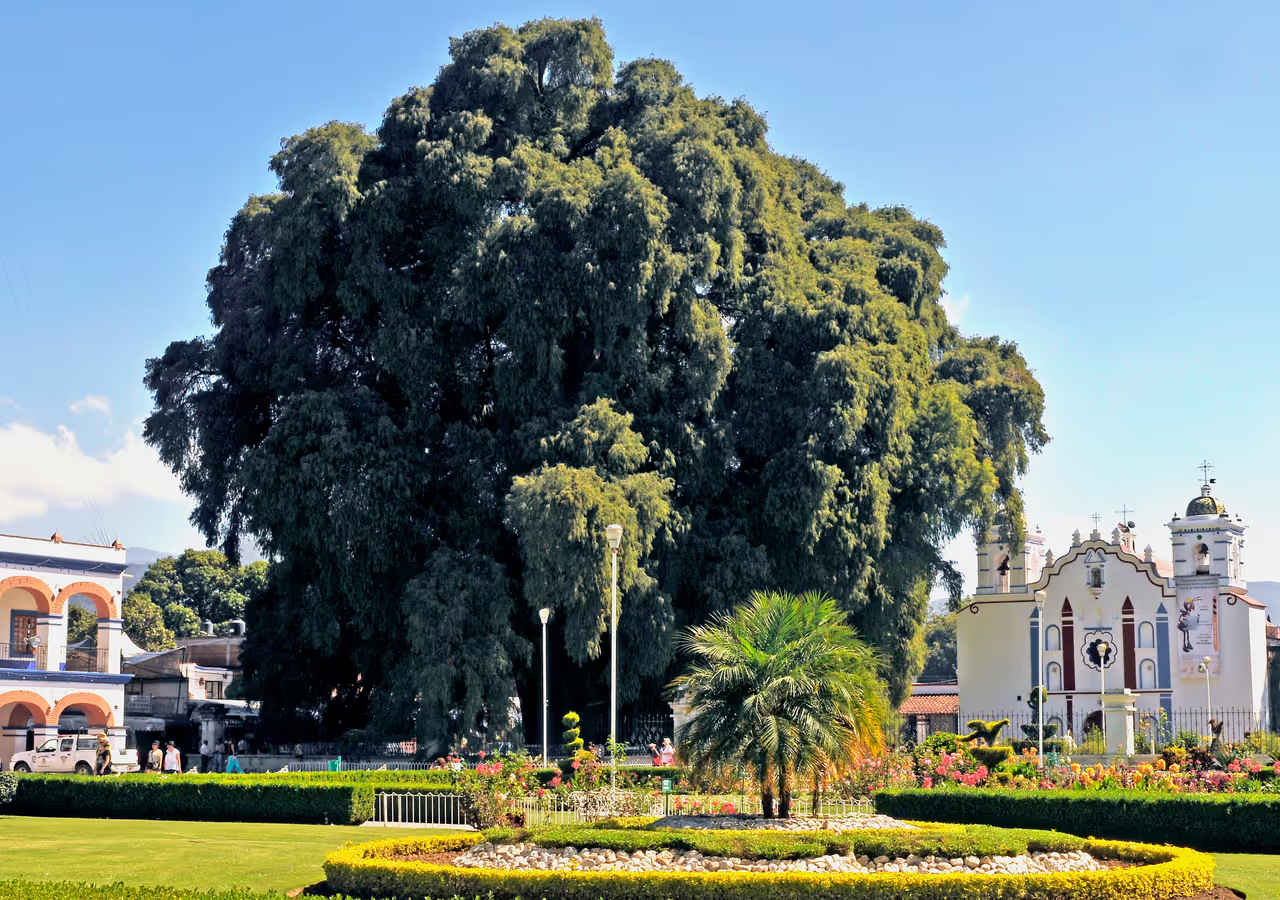
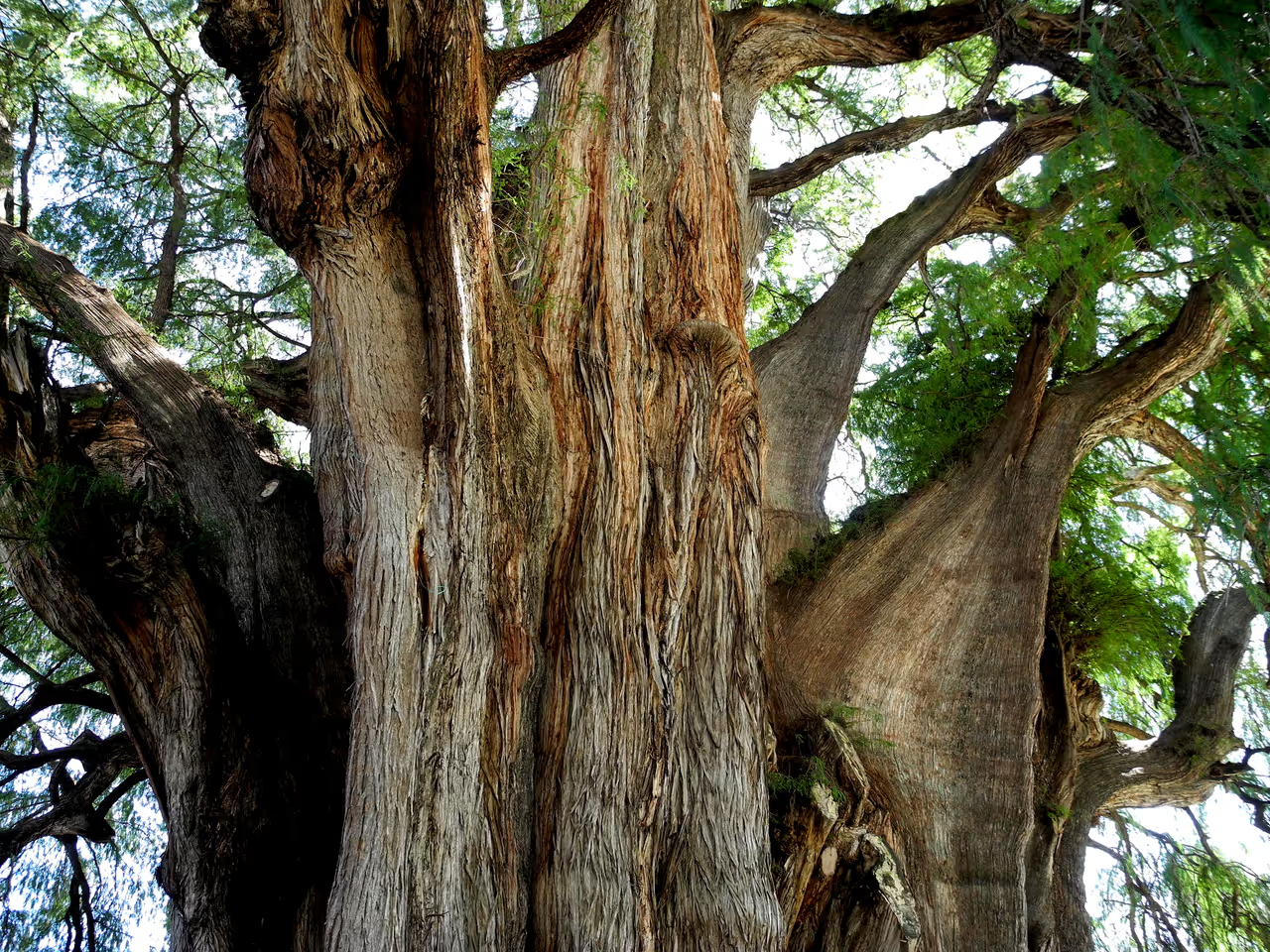
Ancient Cypress Greenway
This lovely, mostly flat ride takes you from the edge of the historic centre out into the sweeping agricultural lands of the Oaxaca Valley. Much of the route follows a dedicated cycle path, offering a stress-free journey away from heavy vehicular traffic. The landscape is dotted with small farms, agave fields, and distant mountain vistas. It provides a peaceful, rhythmic way to escape the urban energy and connect with the rural charm of the surrounding region.
view cycling route

Jalatlaco Cobblestone Wander
Wandering through Jalatlaco feels like stepping into a vibrant, traditional Mexican village hidden right in the middle of a city. This neighbourhood is famous for its rough cobblestone streets, brightly painted single-story houses, and an abundance of striking, colourful street murals. The atmosphere is distinctly tranquil and bohemian, offering a sharp contrast to the monumental grandeur of the historic centre. It is an area that demands aimless wandering to discover its hidden artistic corners and quiet courtyards.
view walking route
See all nature & parks in Oaxaca City
Ethnobotanical Garden of Oaxaca, Benito Juárez National Park...