Hama-rikyu Gardens
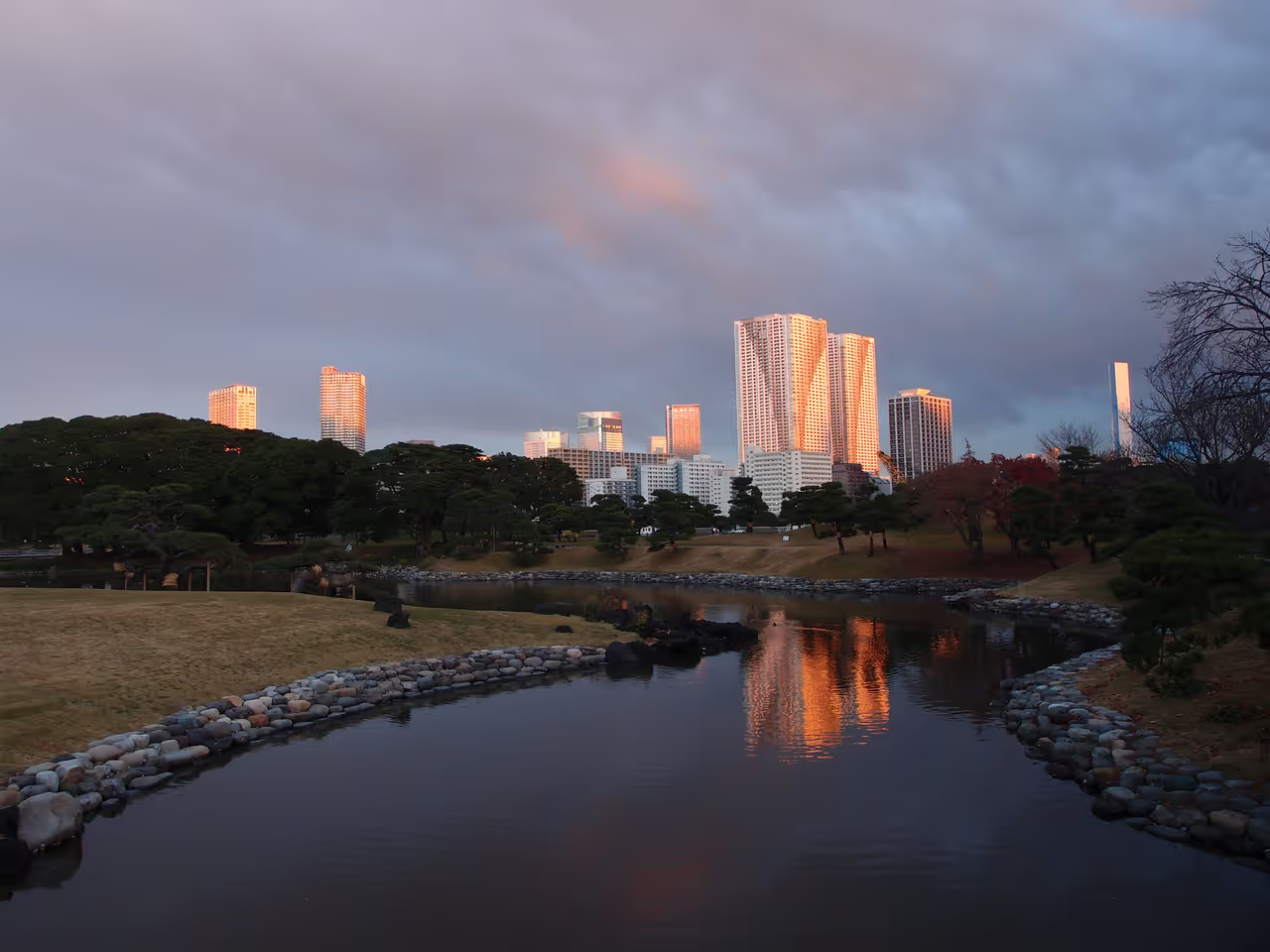
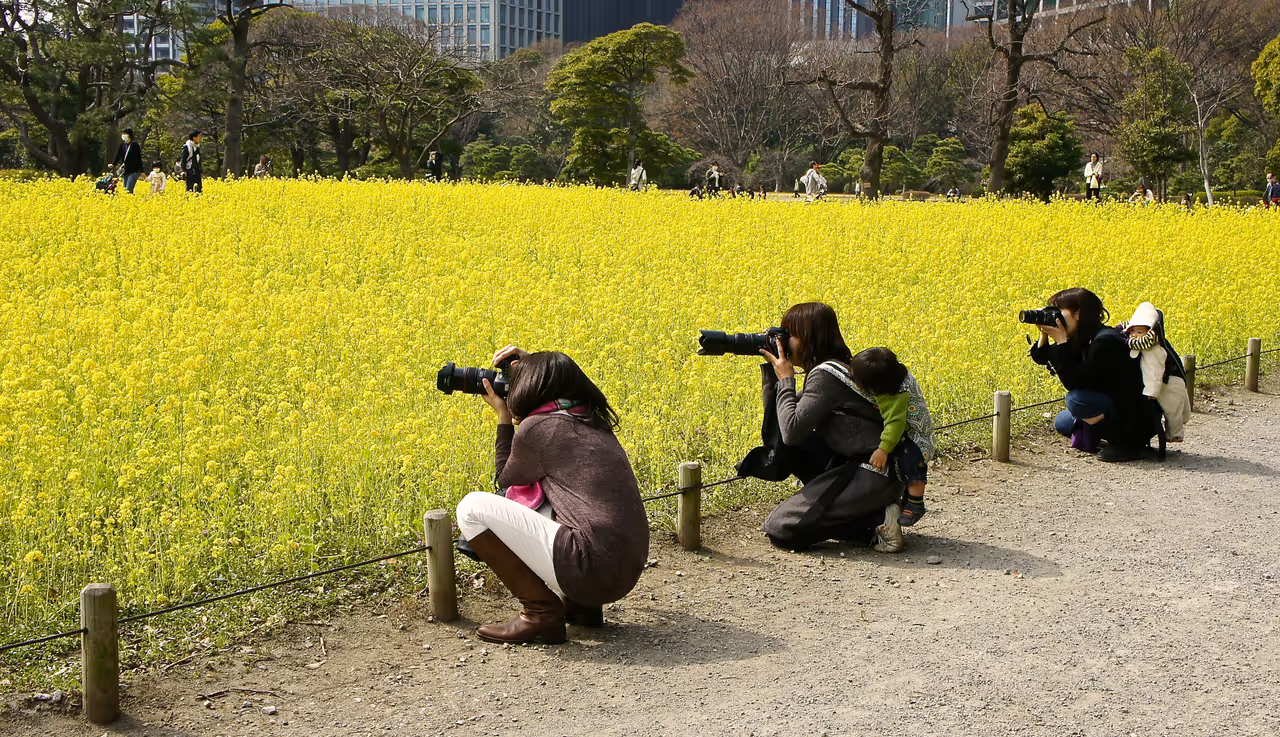
Step away from the concrete landscape of Tokyo and find serenity at Hama-rikyu Gardens, a breathtaking example of an Edo-period landscape. This historic site offers a striking contrast, where tranquil seawater ponds and meticulously manicured pine trees sit against a backdrop of shimmering modern skyscrapers. Wander through the floating teahouses and across ancient bridges, feeling the history beneath your feet as you explore this former shogun's retreat. The gardens are particularly special for their tidal pond, which changes with the rhythms of Tokyo Bay, offering a different view throughout the day. Whether you come for the seasonal blooms or the quiet tea rituals, this spot provides a perfect escape from the city pace. It is a place where you can experience the elegance of feudal Japan while being surrounded by the vibrant energy of contemporary Tokyo.
Videos
History of Hama-rikyu Gardens
The story of Hama-rikyu begins in the mid-17th century when it was established as a villa for the Tokugawa shogunate. Originally part of the Tokyo Bay area, the land was reclaimed from the sea, transforming marshes into a grand estate known as Hama-goten. It was a place designed for falconry and leisure, where shoguns could escape the rigid life of Edo Castle. The landscape was carefully engineered with seawater moats and tidal ponds, creating an intricate connection between the garden and the bay. As centuries passed, the garden evolved from a private hunting ground into a site of diplomacy and ceremony. During the Meiji Restoration, it became a detached palace, hosting foreign dignitaries and heads of state in grand architectural settings like the Enryokan, a Western-style building constructed to impress international guests. It was here that history was written, as emperors and foreign leaders met to navigate the changing currents of a modernising Japan. Despite facing the scars of war and the pressures of rapid urban development, the garden was preserved and opened to the public in 1946. Today, its survival is a testament to the appreciation for history. Visitors can walk the same paths as shogun ancestors, passing through ancient duck hunting grounds and under the boughs of the three-hundred-year-old pine, all while looking up to see the glass towers of Shiodome. It stands as a bridge between the past and present, inviting everyone to pause and reflect on the enduring spirit of Tokyo.
Events spanning 298 years
Fun Facts
- • A magnificent three-hundred-year-old pine tree stands near the entrance, surviving centuries of change, including the Great Kanto Earthquake and wartime air raids.
- • After the Second World War, the garden served as a space for civic recovery, hosting various public events and becoming one of the first major cultural sites returned to the people of Tokyo.
- • During the Meiji era, the gardens hosted the Enryokan, a Western-style reception hall built to entertain foreign dignitaries, reflecting Japan's rapid modernisation efforts.
- • In 1729, a live elephant was brought to the garden for the shogun to see, arriving after a long voyage and even receiving a court rank to travel past security checkpoints.
- • The duck hunting grounds within the park are a remnant of the feudal era, demonstrating how the shogun enjoyed the outdoors while maintaining control over his territory.
- • The garden features a unique tidal pond system, where seawater is drawn from Tokyo Bay and filtered through sluice gates, causing the water level to rise and fall with the tides.
- • The teahouse on the island in the middle of the tidal pond provides a peaceful vantage point to watch the reflection of modern glass skyscrapers dancing on the water's surface.
- • Unlike most Japanese gardens, Hama-rikyu was never designed for tea alone, but functioned as a strategic coastal defence point, with the garden layout subtly hiding these military features.
RESOURCES
Official WebsiteHama-rikyu Gardens FAQ
While we strive to keep this information accurate and up to date, we recommend verifying any details independently before making decisions based on them.
Hama-rikyu Gardens Map & Neighborhood Explorer
This interactive map is centered on Hama-rikyu Gardens. Zoom in and move the map around to automatically discover Wikipedia photos and summaries of other nearby sights, monuments, and historical points of interest and stories in real-time!
Places near Hama-rikyu Gardens
Make the most of your trip. Check out these top-rated spots located nearby.
 782m
782mTsukiji Outer Market
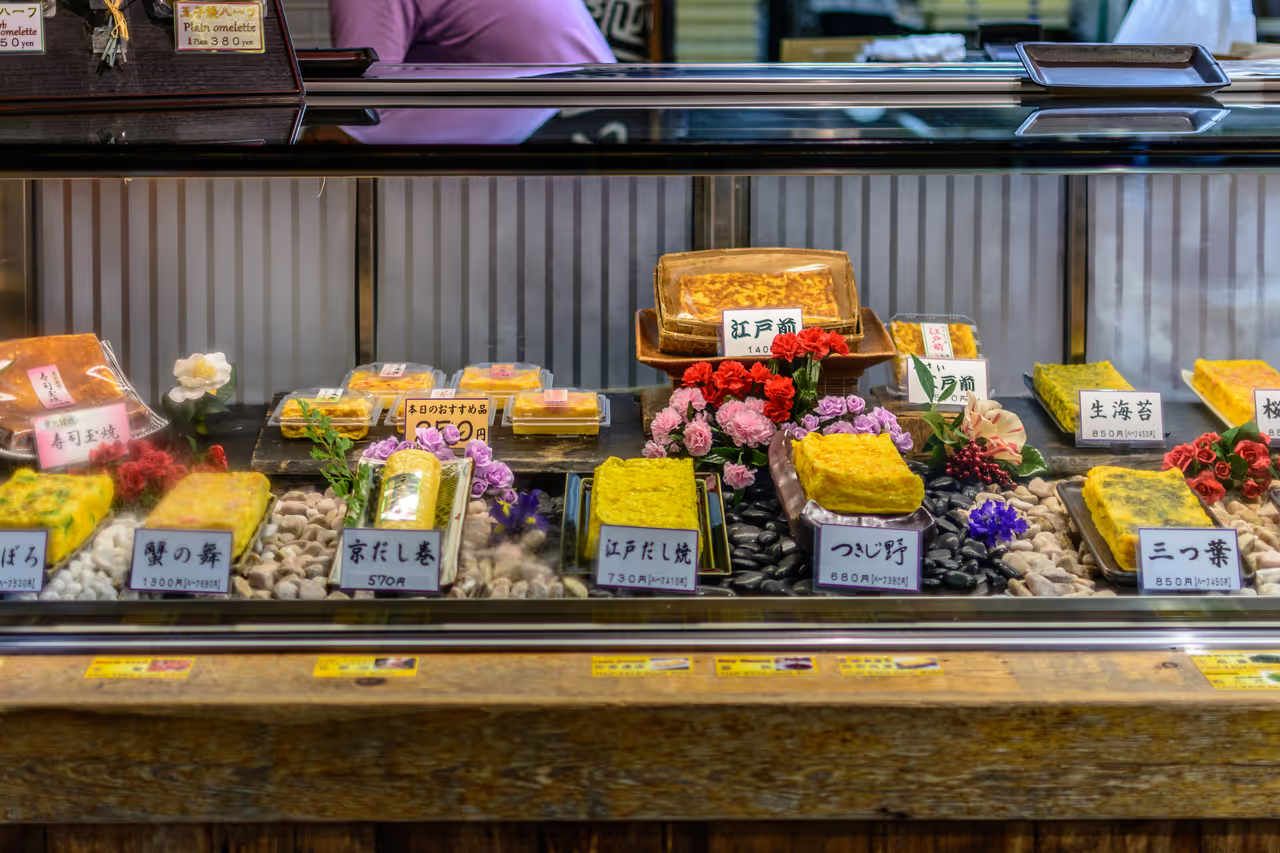
Although the wholesale operations moved away this historic district retains its authentic charm and incredible culinary offerings. Narrow alleyways are packed with vendors selling fresh seafood, unique kitchenware, and specialty ingredients. It serves as an ultimate destination for street food lovers eager to try grilled scallops, fresh oysters, and premium tamagoyaki. The atmosphere is energetic and loud with merchants actively promoting their fresh goods to passersby. Arriving early in the day guarantees the best selection and the most dynamic experience.
market view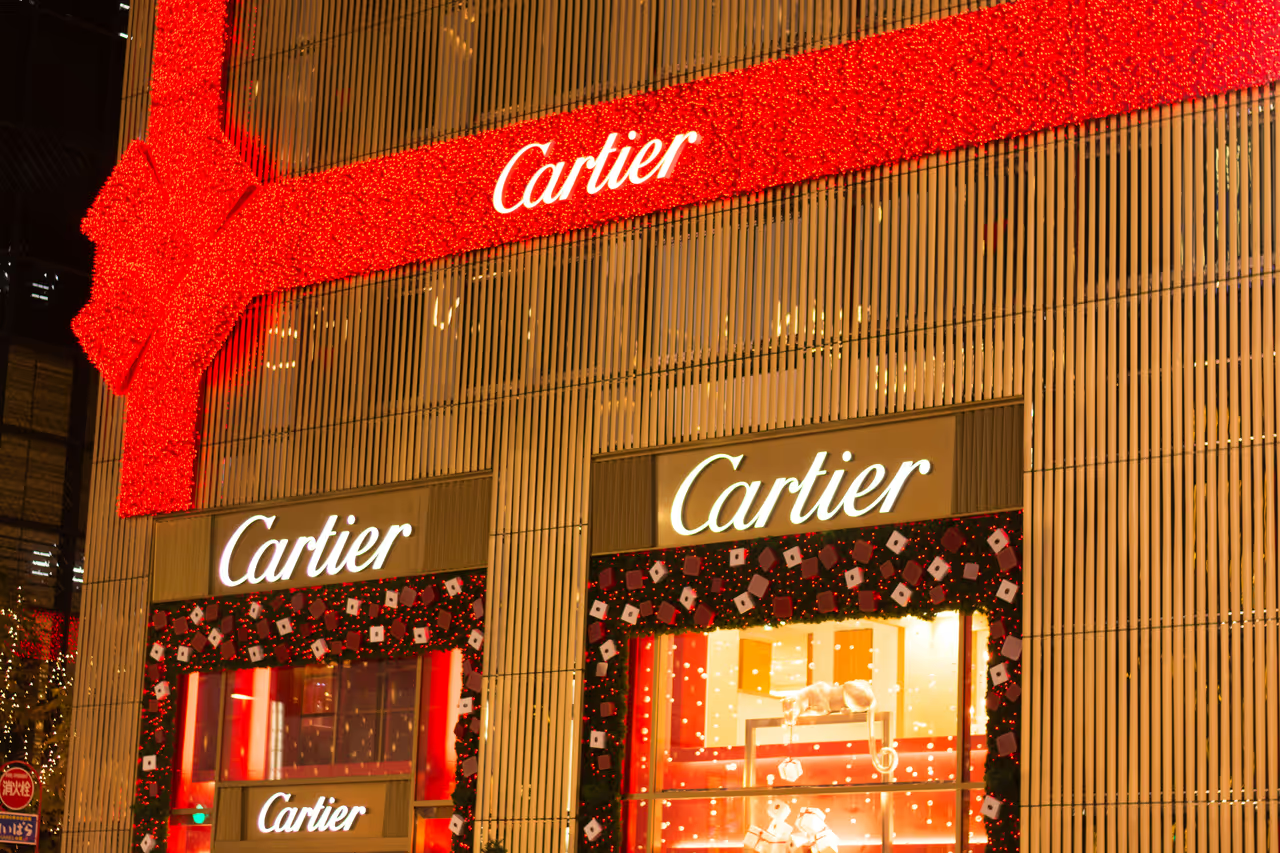 1323m
1323mGinza Shopping District
The premier luxury shopping destination featuring pristine wide boulevards and striking contemporary architecture. Massive department stores house elite fashion brands, high end cosmetics, and extraordinary basement food halls. On weekends the main thoroughfare is closed to vehicles transforming the area into an elegant pedestrian promenade. The district holds a rich history having been the site of the original silver coin mint during the Edo period. It is the perfect location for upscale dining and admiring sophisticated window displays.
highlight view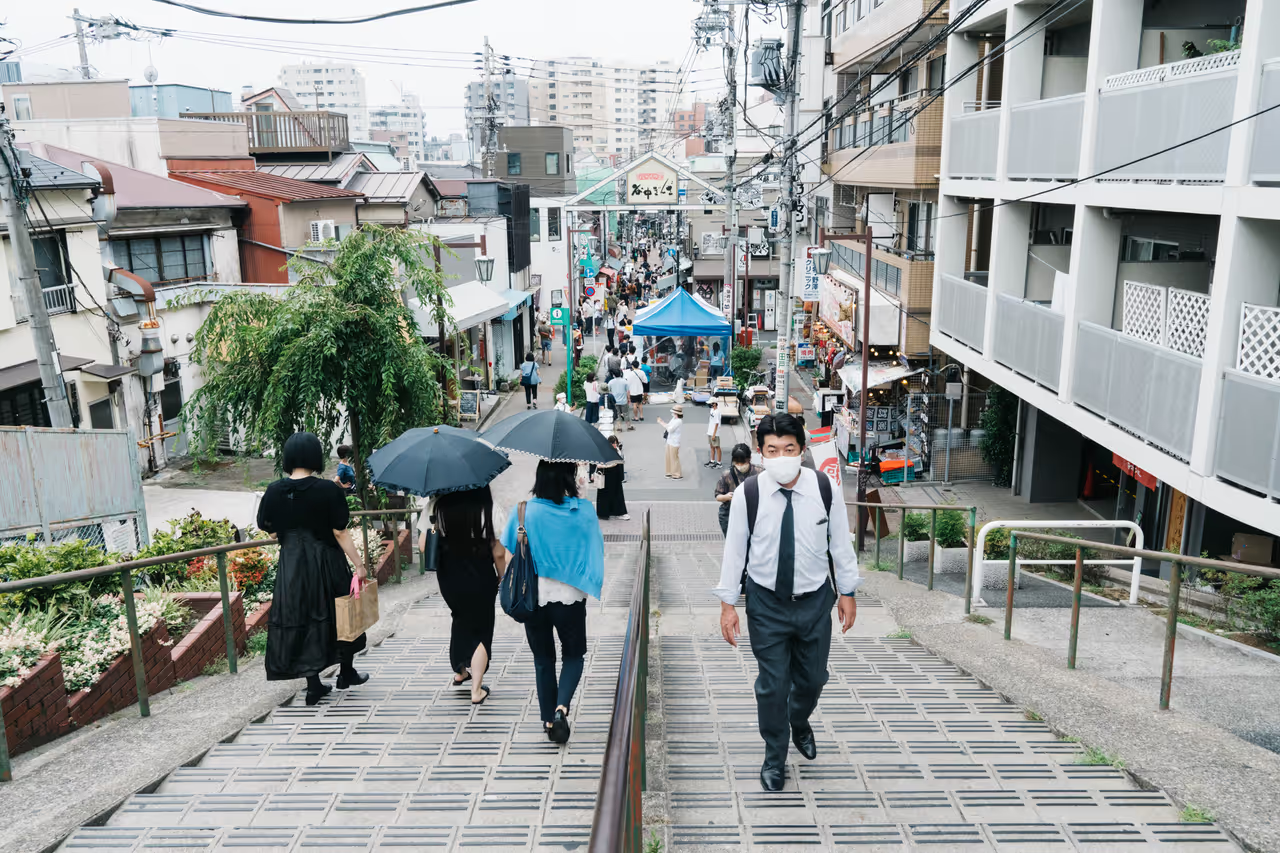 1415m
1415mYanaka Ginza
A wonderfully nostalgic market street that perfectly preserves the working class atmosphere of mid twentieth century Tokyo. The narrow pedestrian lane is bordered by independent butchers, traditional sweet shops, and tiny stores selling handmade crafts. The scent of frying croquettes and roasting tea leaves fills the air creating an incredibly welcoming environment. Feral cats are known to lounge on the awnings adding to the relaxed suburban charm. It provides a highly authentic escape from the intense commercialism of the central districts.
hidden gem view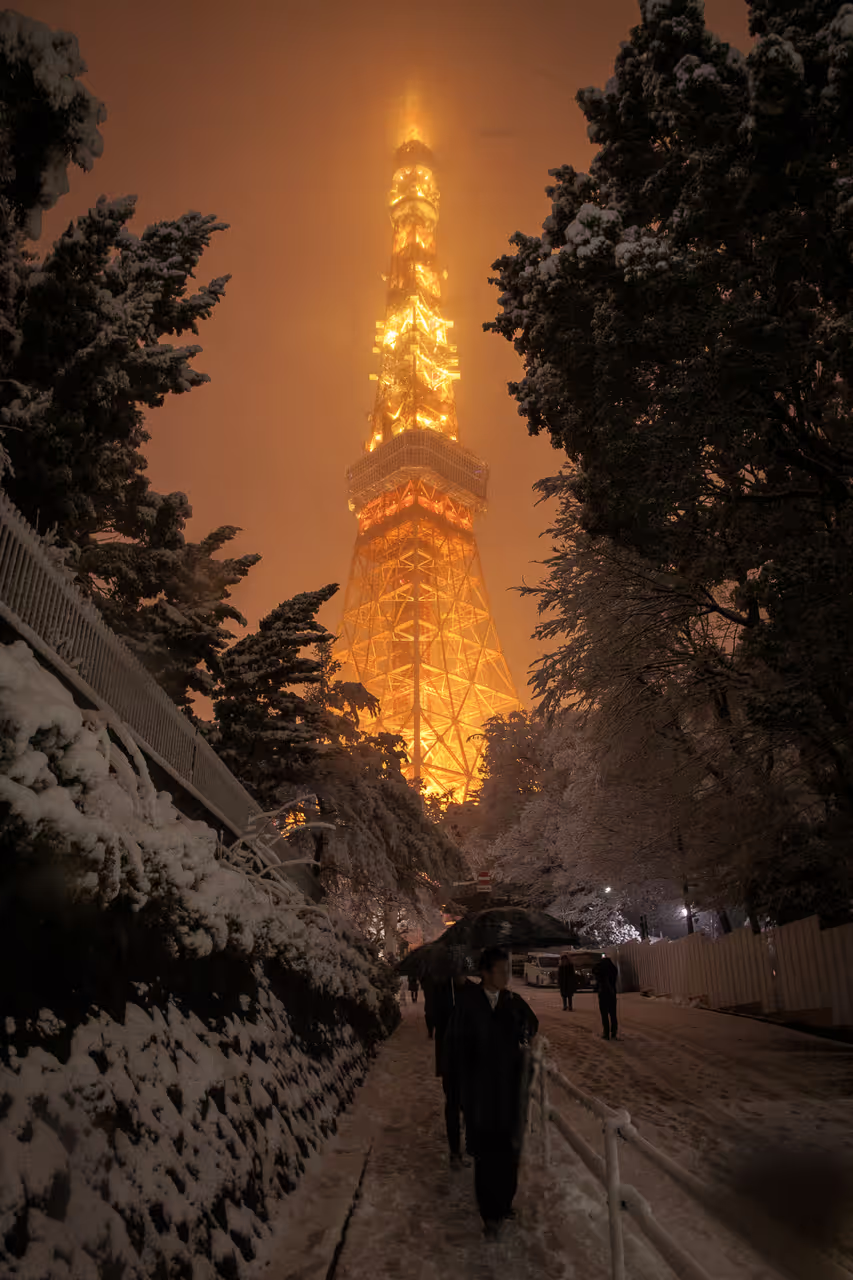 1467m
1467mTokyo Tower
Tokyo Tower stands as the vibrant, orange hued heart of the city, a retro futuristic icon that has watched over the transformation of Tokyo since 1958. Its lattice structure, inspired by the Eiffel Tower but uniquely Japanese in its striking orange and white coat, offers an unparalleled vantage point to witness the city's vast, glittering horizon. Stepping into this landmark feels like walking through a living postcard of mid century optimism, where the view from the observation decks shifts effortlessly from romantic sunset hues to a mesmerising sea of urban lights. Whether you are scaling its heights to take in the sprawling metropolis or simply admiring it from the charming surroundings of Shiba Park, visiting this structure is a rite of passage for any traveller. It stands as a timeless bridge between the postwar era and the modern day skyline, offering a nostalgic and awe inspiring experience that remains with you long after you descend.
attraction view
Featured on This Route
See all nature & parks in Tokyo
Koishikawa Korakuen, Rikugien Gardens, Shinjuku Gyoen National Garden, Ueno Park, Yoyogi Park, Inokashira Park...