Tokyo Tower
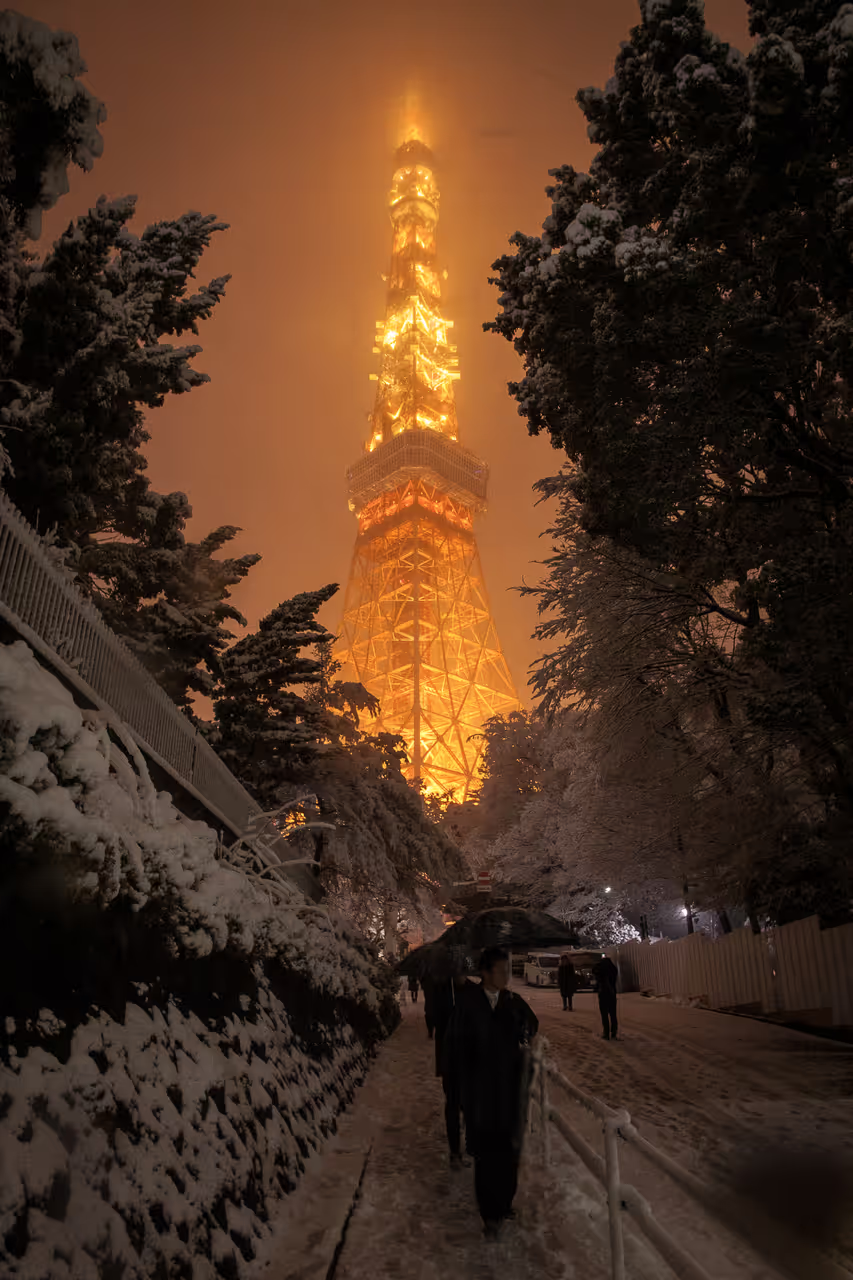
Tokyo Tower stands as the vibrant, orange hued heart of the city, a retro futuristic icon that has watched over the transformation of Tokyo since 1958. Its lattice structure, inspired by the Eiffel Tower but uniquely Japanese in its striking orange and white coat, offers an unparalleled vantage point to witness the city's vast, glittering horizon. Stepping into this landmark feels like walking through a living postcard of mid century optimism, where the view from the observation decks shifts effortlessly from romantic sunset hues to a mesmerising sea of urban lights. Whether you are scaling its heights to take in the sprawling metropolis or simply admiring it from the charming surroundings of Shiba Park, visiting this structure is a rite of passage for any traveller. It stands as a timeless bridge between the postwar era and the modern day skyline, offering a nostalgic and awe inspiring experience that remains with you long after you descend.
Videos
History of Tokyo Tower
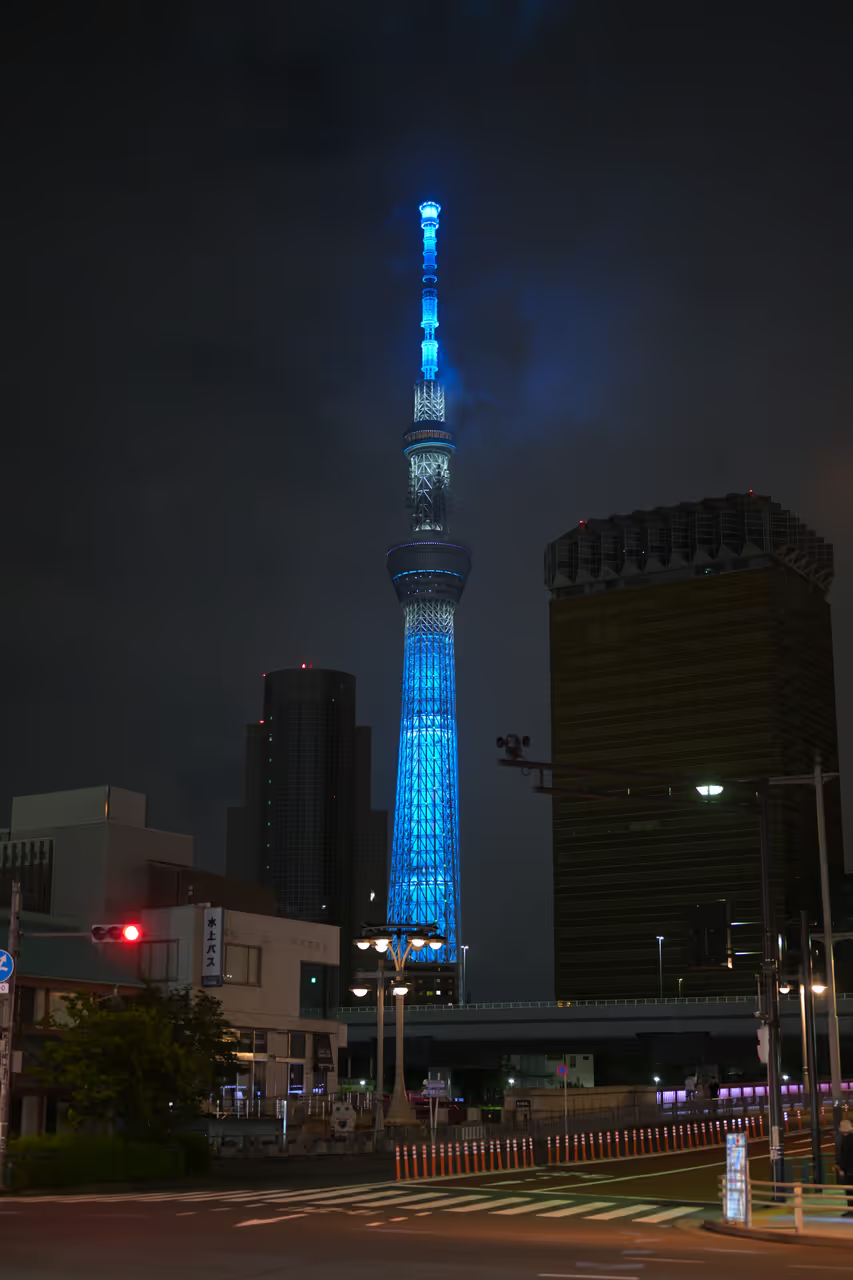
In the postwar period, Tokyo faced a chaotic challenge where the skyline was cluttered with a tangle of individual antennas belonging to different broadcasting companies. Maeda Hisakichi, a visionary entrepreneur, proposed a bold solution: a single, colossal tower that could serve the entire region. Partnering with the renowned architect Tachu Naito, who was celebrated for his earthquake resistant designs, the plan was to create a structure that not only unified communication but also symbolised Japan's rapid recovery and entry into a golden age of technology. The construction itself became the stuff of legend. Over 200,000 workers were involved, assembling 4,000 tonnes of steel, a portion of which was reputedly forged from scrapped United States tanks left over from the Korean War. Standing at 333 metres, it surpassed the Eiffel Tower, asserting Japan's ambition on the world stage. Naito's design was a triumph of engineering, balancing the need for height with the necessity of withstanding intense winds and seismic activity, all calculated with manual precision long before computer aided design existed. Today, Tokyo Tower remains a beloved anchor in the city's identity. While the newer Tokyo Skytree may have taken the title for height, the original tower retains a unique soul that modern structures struggle to replicate. From its periodic manually painted maintenance to the legend of lovers watching its lights go out at midnight, it represents a deep connection to the city's recent history. It serves as a reminder of an era when the world looked towards Japan with curiosity and hope, and its orange silhouette continues to be a reassuring, iconic guide for those wandering the streets of the capital.
Events spanning 56 years
Fun Facts
- • A significant portion of the steel used for the top section was recycled from scrap metal taken from American tanks used during the Korean War.
- • Despite its height, it weighs only 4,000 tonnes, which is significantly lighter than the steel used for the Eiffel Tower, demonstrating exceptional engineering efficiency.
- • During the dismantling of the old antenna in 2012, workers discovered a baseball inside the hollow tube at the very top, having sat there for over 50 years.
- • Tachu Naito, the designer, is famously regarded as the father of earthquake resistant design in Japan.
- • The Diamond Veil lighting system uses LED lights that can shift into various colours to signal different themes or specific events in the city.
- • The tower has been officially registered as a Tangible Cultural Property of Japan since 2013, solidifying its status as a historical monument.
- • The tower is repainted every five years, a meticulous process involving manual labour where workers apply paint by hand, building up the thickness of the coating over time.
- • The tower was designed to withstand wind speeds of 90 metres per second and earthquakes double the intensity of the Great Kanto Earthquake.
- • The tower's signature orange and white colour scheme is required by aviation safety laws to ensure visibility for aircraft, specifically as a daytime obstacle marker.
- • There is a persistent local legend that couples who watch the tower's lights turn off together at midnight will be granted eternal happiness.
Tokyo Tower FAQ
While we strive to keep this information accurate and up to date, we recommend verifying any details independently before making decisions based on them.
Tokyo Tower Map & Neighborhood Explorer
This interactive map is centered on Tokyo Tower. Zoom in and move the map around to automatically discover Wikipedia photos and summaries of other nearby sights, monuments, and historical points of interest and stories in real-time!
Places near Tokyo Tower
Make the most of your trip. Check out these top-rated spots located nearby.
 1409m
1409mRoppongi Hills
A massive integrated property development that functions as a city within the city featuring offices, apartments, and entertainment. The complex is anchored by the towering Mori Tower which houses an excellent contemporary art museum and a panoramic observation deck. Public art installations, including a giant spider sculpture, decorate the pristine plazas and outdoor gardens. The area is highly cosmopolitan offering an impressive selection of international dining and luxury retail. It perfectly exemplifies the ambitious scale of modern urban planning.
highlight view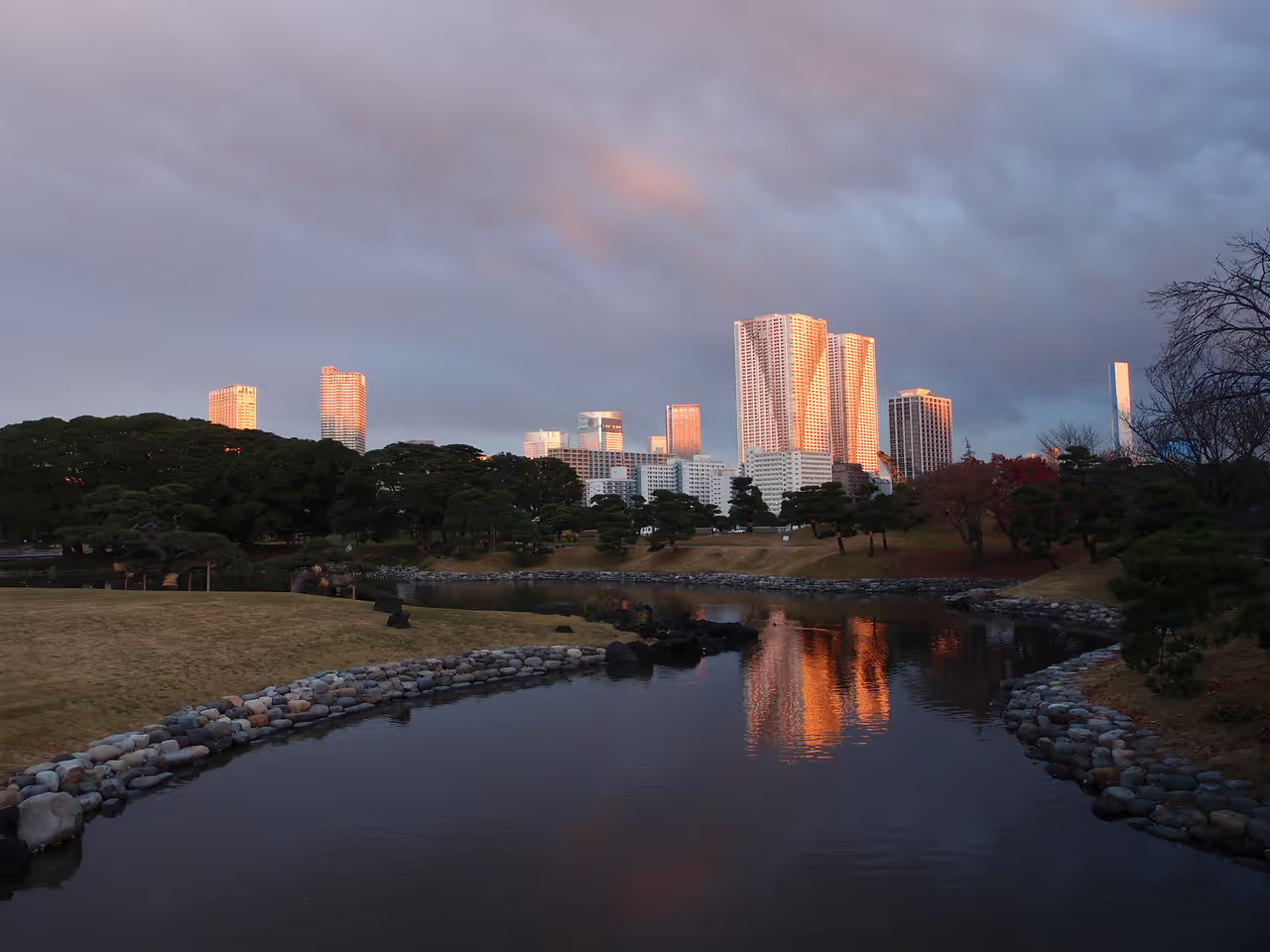 1467m
1467mHama-rikyu Gardens
Step away from the concrete landscape of Tokyo and find serenity at Hama-rikyu Gardens, a breathtaking example of an Edo-period landscape. This historic site offers a striking contrast, where tranquil seawater ponds and meticulously manicured pine trees sit against a backdrop of shimmering modern skyscrapers. Wander through the floating teahouses and across ancient bridges, feeling the history beneath your feet as you explore this former shogun's retreat. The gardens are particularly special for their tidal pond, which changes with the rhythms of Tokyo Bay, offering a different view throughout the day. Whether you come for the seasonal blooms or the quiet tea rituals, this spot provides a perfect escape from the city pace. It is a place where you can experience the elegance of feudal Japan while being surrounded by the vibrant energy of contemporary Tokyo.
park & nature view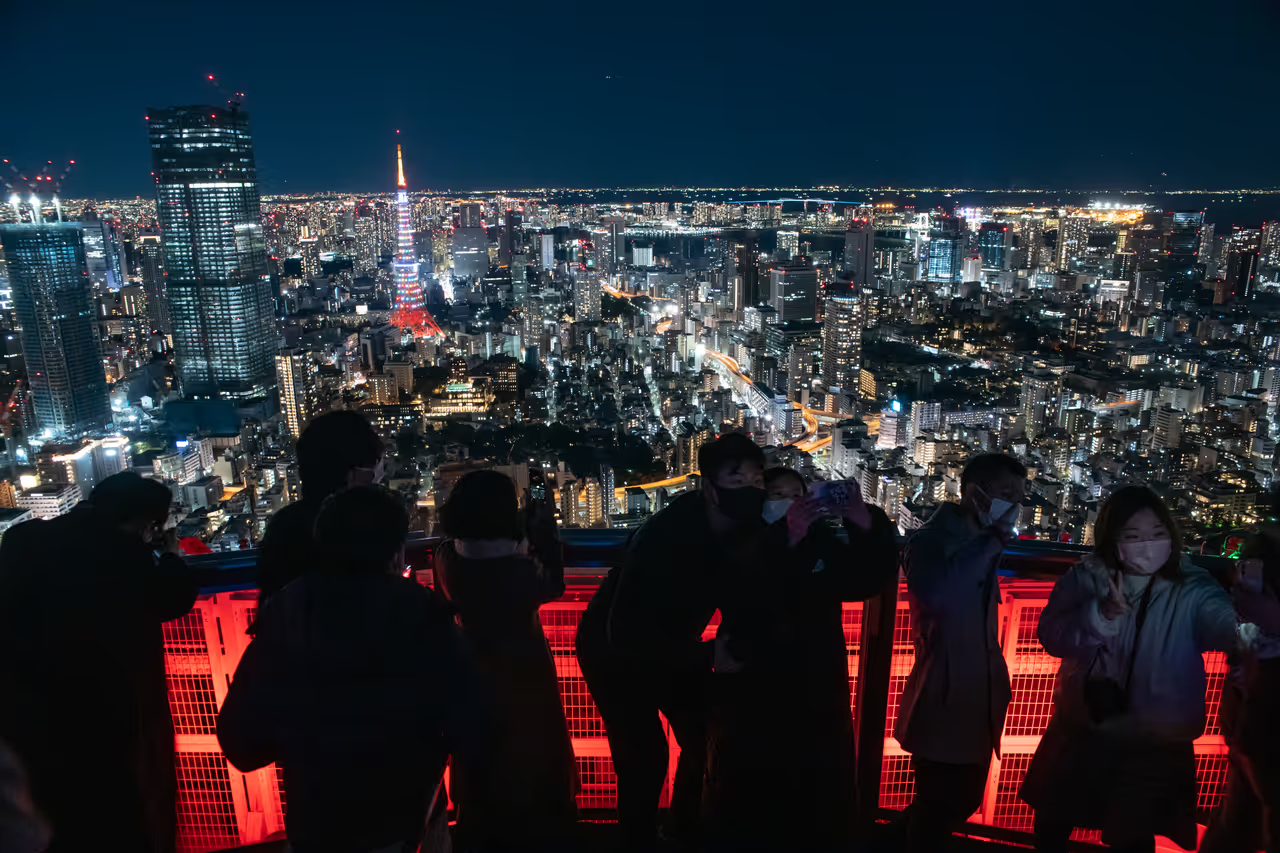 1490m
1490mRoppongi Hills Mori Tower Observation Deck
An incredibly sophisticated viewing experience situated in the heart of the luxury entertainment district. The indoor gallery features massive floor to ceiling windows providing an unobstructed 360 degree look at the surrounding density. For an additional fee visitors can access the open air rooftop Sky Deck feeling the wind while gazing out over the sprawling city. It offers arguably the most balanced view of the skyline placing the iconic red Tokyo Tower perfectly in the foreground. The integrated art museum adds significant cultural value to the visit.
viewpoint view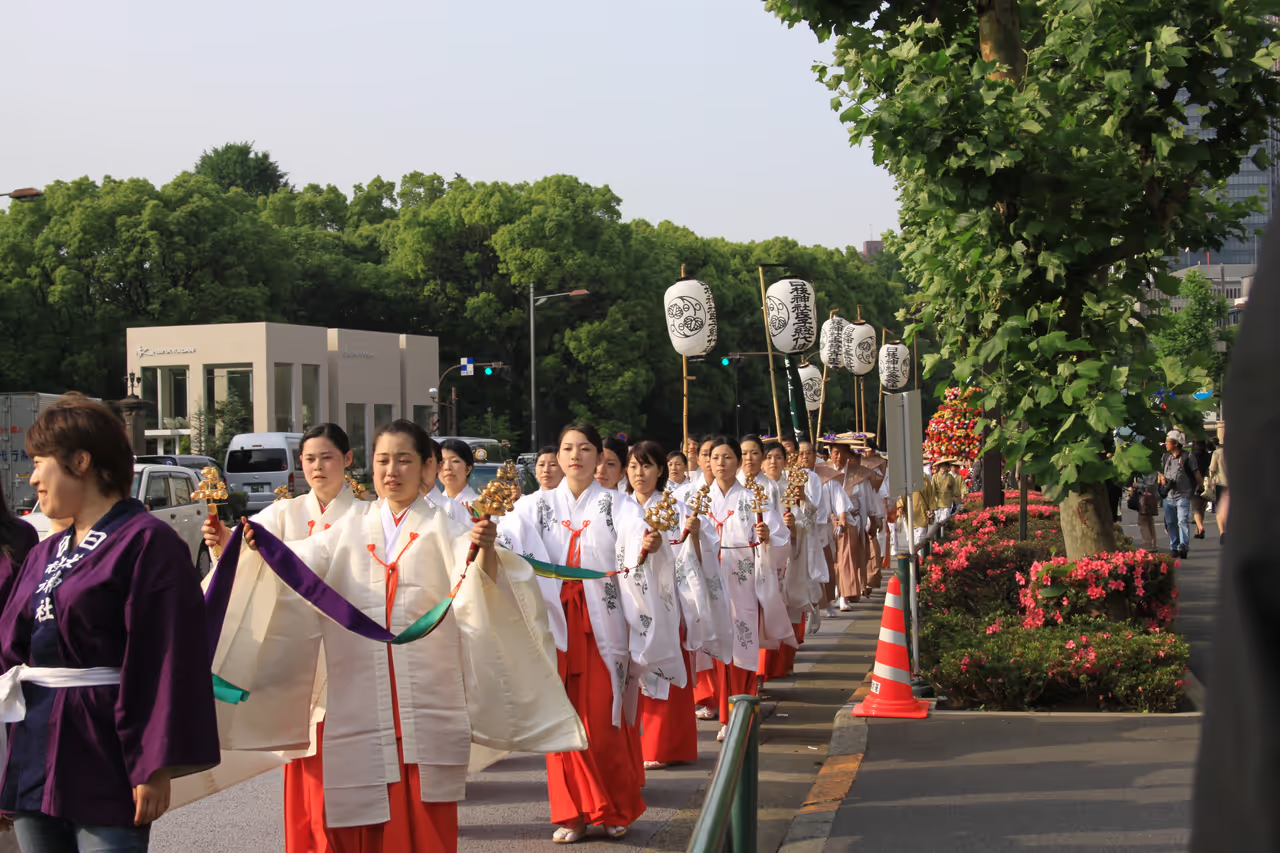 1849m
1849mSanno Matsuri
A prestigious historical festival held in even numbered years intimately connected to the Tokugawa Shogunate. The event centres around Hie Shrine and includes a deeply traditional parade featuring priests, musicians, and participants in historical costumes. The peaceful and highly orchestrated procession travels through the political and business centres of the city. It offers a quieter and more refined spectacle compared to the boisterous energy of other summer festivals. Visitors can admire the intricate craftsmanship of the floats and the beautiful period garments.
festival view
Explore Similar Places in This Collection
See all attractions in Tokyo
Imperial Palace, Meiji Jingu, Senso-ji Temple, Shibuya Scramble Crossing, Tokyo Skytree, Edo-Tokyo Museum...