Shitennō-ji
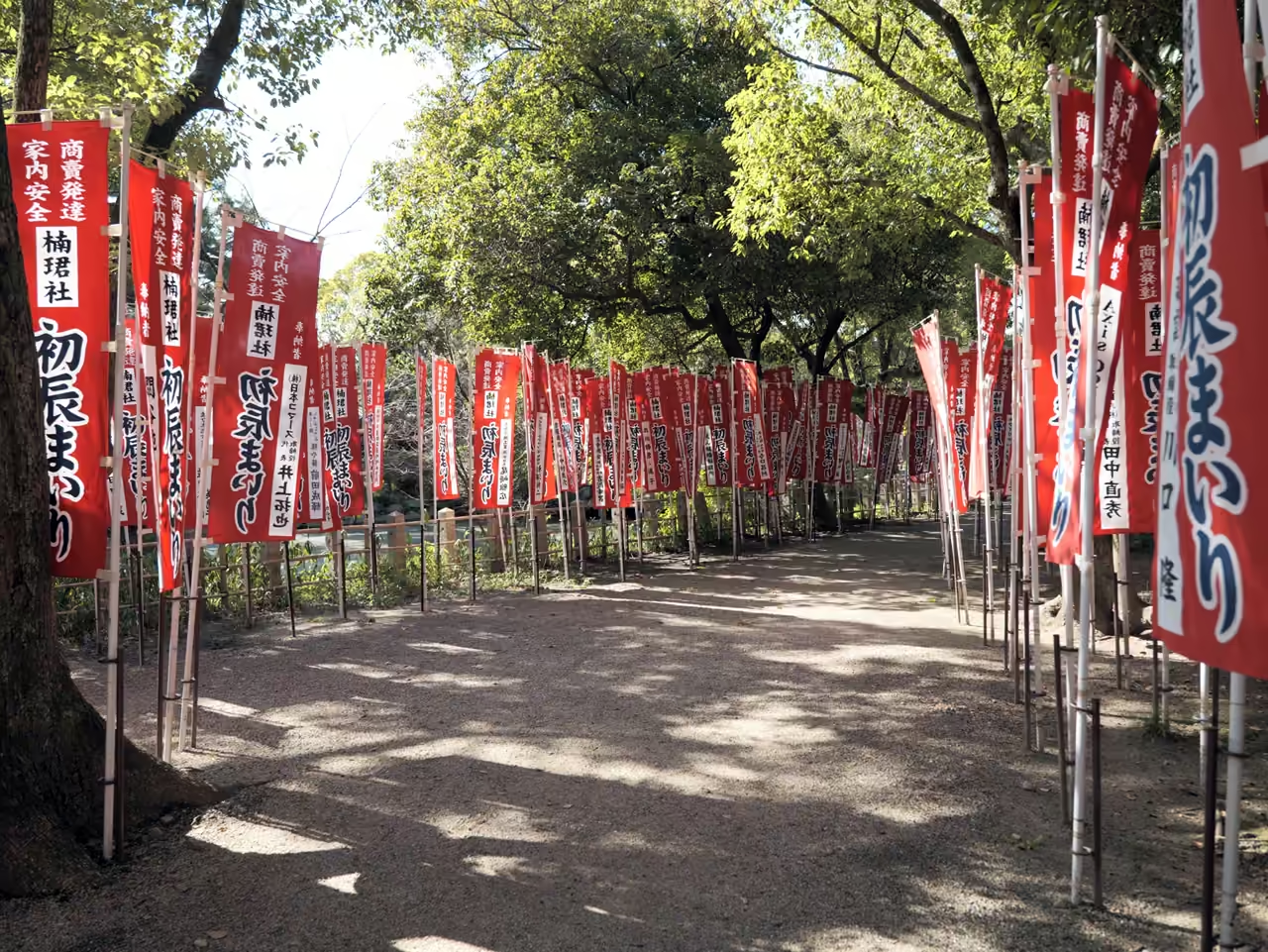
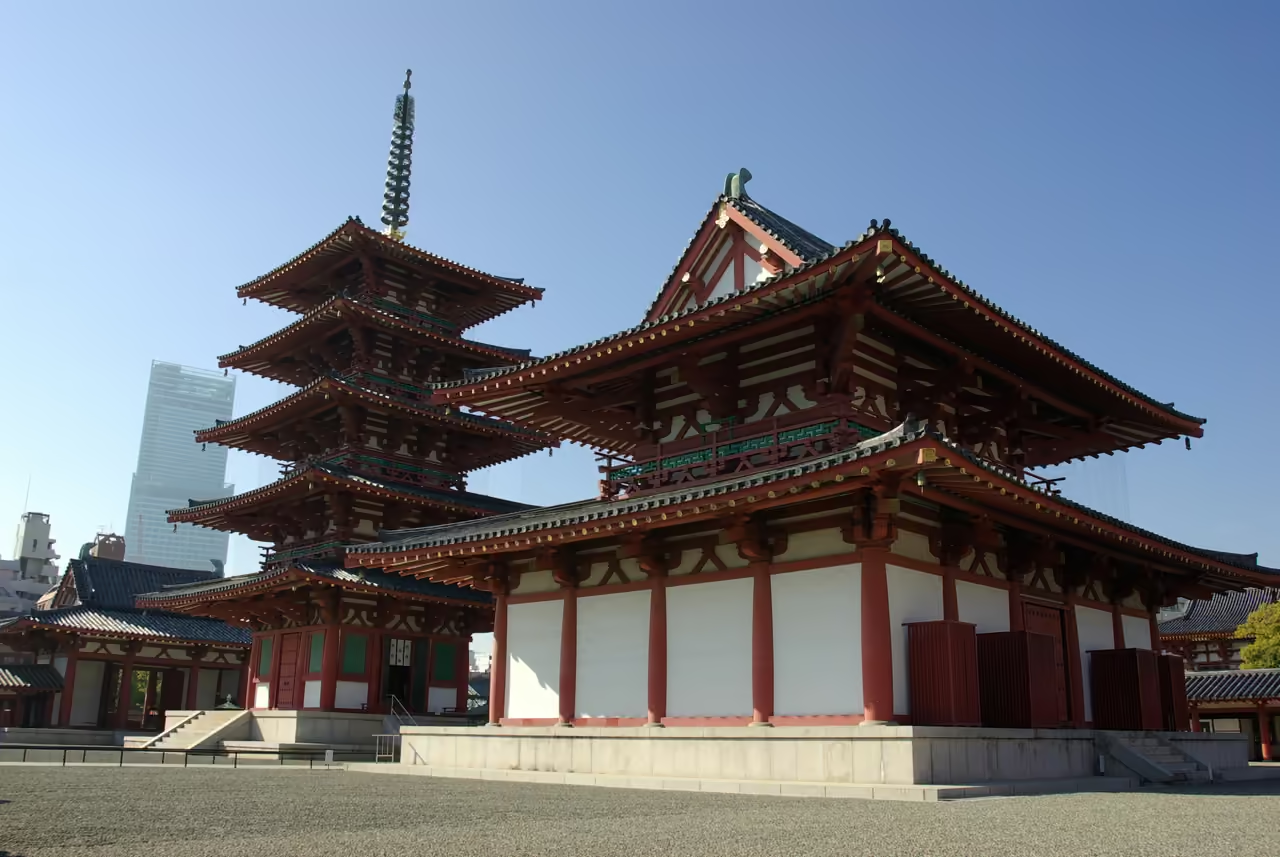
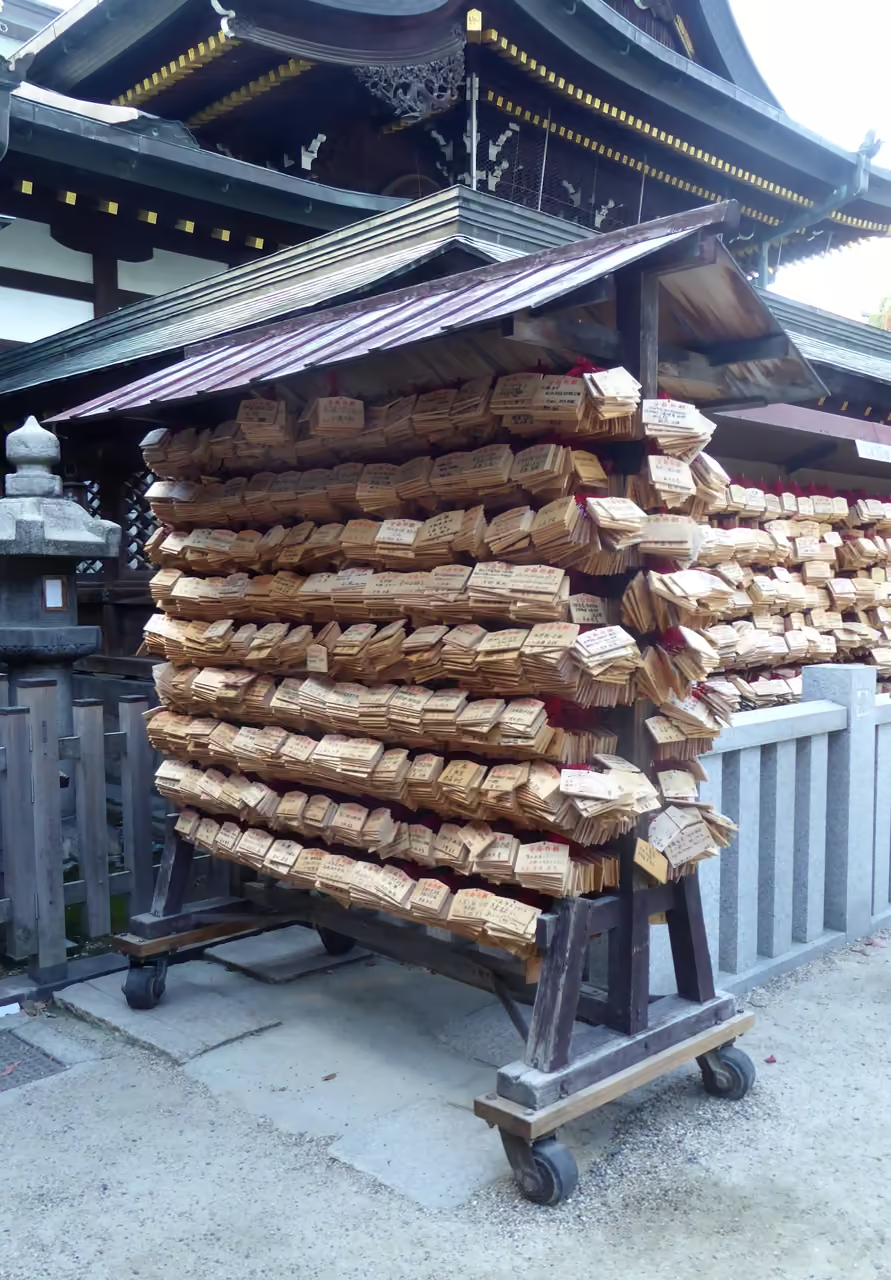
Step beneath the 1294 West Stone Torii and Tennoji traffic fades behind a straight stone path. Shitennoji arranges its vermilion Middle Gate, five storey pagoda, Golden Hall, and Lecture Hall in one unbroken line from south to north. Inside the pagoda, narrow wooden stairs climb right to the fifth floor where sacred relics rest. Just outside the cloister, turtles sunbathe on boulders in Kame no ike pond beside the Stone Stage, where court dancers still perform Bugaku music in silk robes. Over at Kameido Hall, worshippers dip thin wooden slips bearing family names into sacred spring water pouring from stone tortoises. Arrive on the twenty first or twenty second of any month and the outer paths fill with antique stalls and sizzling street snacks, making the walk from Shitennoji mae Yuhigaoka Station a little slower and far livelier.
Videos
History of Shitennō-ji
In 587, Japan's powerful Soga and Mononobe clans went to war over whether the imperial court should embrace Buddhism. Trapped behind retreating Soga lines while Mononobe no Moriya loosed arrows from an enoki tree, fourteen year old Prince Shotoku carved small figures of the Four Heavenly Kings from sumac wood and vowed to raise a monastery if his side prevailed. When an arrow struck Moriya down, Shotoku kept his promise, starting construction of Shitennoji in 593 on the Uemachi plateau overlooking Osaka Bay. Excavated roof tiles matching those from Horyuji's earliest workshop confirm that the sanctuary stood here before the mid seventh century, making it one of Japan's foundational Buddhist complexes. Shotoku envisioned the grounds as far more than a place of ritual. Temple tradition records that he structured the complex around four institutions: the main sanctuary, a herbal dispensary, a hospital, and a charity shelter for the elderly and impoverished. By the Heian period, pilgrims converged on the western gate at dusk to practise Nissokan meditation, gazing across the bay at the setting sun because they believed this threshold opened directly onto Amida Buddha's Western Paradise. Major religious reformers including Saicho, Kukai, Honen, Shinran, and Ippen all spent time praying within its halls, cementing the temple's standing across every school of Japanese Buddhism. Sitting on strategic high ground meant the monastery rarely escaped Japan's civil conflicts. Armies clashed across the grounds during the 1333 Battle of Tennoji, the 1361 Shohei earthquake toppled the Golden Hall, and arson during the Onin War left much of the complex in ashes. Fires broke out again during the 1576 Ishiyama conflict before Toyotomi Hideyoshi and his son Hideyori funded an ambitious revival, going so far as to dismantle and move an entire pagoda from Nara in 1600. Fourteen years later, during the 1614 Winter Siege of Osaka, windblown sparks from burning neighbouring streets consumed almost every newly rebuilt hall. Shogun Tokugawa Ieyasu promptly ordered a fresh reconstruction overseen by the monk Tenkai, placing the temple under shogunal patronage by 1623. Disaster struck twice more in the modern era. When lightning destroyed the eastern halls in 1801, rebuilding dragged on for over a decade; to clear lingering debts afterward, the temple opened its sixth pagoda as a public viewing tower during the 1819 memorial festival for Prince Shotoku. In September 1934, the Muroto Typhoon blew down the Middle Gate and toppled that pagoda onto the Golden Hall, and although supporters financed a wooden seventh pagoda in 1940, air raids in March 1945 burned the central sanctuary to the ground. A temporary Golden Hall raised after the war collapsed in the 1950 Jane Typhoon. Rather than returning to a single traditional denomination, Shitennoji declared itself head temple of the new Wa sect in 1946, honouring Prince Shotoku's nonsectarian ideal. Architectural historian Fujishima Kaijiro then led a reconstruction committee that rebuilt the central complex in reinforced concrete between 1957 and 1963, carefully echoing sixth century Asuka and continental proportions rather than Edo period styles. Over fourteen centuries after its founding, the grounds remain an active civic anchor in southern Osaka, where commuters, schoolchildren, and pilgrims cross the courtyard every day.
18 events spanning 1427 years
Fun Facts
12- 01
A bell cast in 1903 for the temple's Eireido hall was promoted as the largest in the world, yet faulty casting left it with such an awful tone that locals dubbed it the bell that never rings and it was struck only twice before wartime metal collection in 1943.
- 02
After lightning destroyed half the temple in 1801, an Osaka scrap paper merchant named Awajiya Tarobei donated his entire fortune and spent years soliciting coins across the city, dying in 1813 right after seeing the rebuilt pagoda finished.
- 03
Defeated warlord Mononobe no Moriya is worshipped inside a small shrine on the grounds, while wooden hawk perches sit along the nearby railing because local legend claims Moriya returns as a woodpecker to damage the halls until Prince Shotoku chases him off as a white hawk.
- 04
During the March 1945 air raids, monks and neighbourhood residents stopped flames from reaching Rokujido Hall by hauling buckets of water out of Kame no ike turtle pond, saving the northern seventeenth century structures.
- 05
In 1335, Emperor Go Daigo inspected the temple's prized chronicle scroll, copied the entire text in his own calligraphy, and stamped his inked handprint at the end, creating a National Treasure still kept by the temple.
- 06
In 2019, archaeologists confirmed that the tortoise shaped stone water troughs in Kameido Hall were carved from single blocks of seventh century Tatsuyama tuff matching the enigmatic Sakafuneishi ruins in Nara, pointing to ancient imperial water rituals.
- 07
In April 2020, Shitennoji closed its gates to the public for two months during the pandemic, the first time the temple had ever shut since construction began in 593.
- 08
Shitennoji's treasury holds two ancient straight iron swords designated as National Treasures, the Seven Star Sword and the Heishi Shorinken, alongside tenth century Lotus Sutra booklets painted on fan shaped paper.
- 09
The temple's Koshindo Hall a few blocks south is actually the Horinkaku Buddhist pavilion relocated after the 1970 Osaka World Expo, while the Honbo garden's Eight Sided Pavilion survived from the 1903 Fifth National Industrial Exhibition.
- 10
The towering Nio guardian statues flanking the Middle Gate rank just behind Todaiji's famous pair in size and were donated by the Japan Sumo Association.
- 11
The world's oldest continuously operating company, construction firm Kongo Gumi, was founded in 578 specifically to build Shitennoji and still performs its ceremonial Chonna hajime carpentry rite on the grounds.
- 12
When the 1934 typhoon tore down the sixth pagoda, surveyors discovered the original sixth century foundation stone sitting 3.6 metres directly below, proving the tower had stood on the exact same spot since Prince Shotoku's era.
FULL PLACE DETAILS
Updated
FULL PLACE DETAILS
UpdatedOVERVIEW & STATS
- Established
- In 593, making it 1433 years old
ARCHITECTURE & HERITAGE
- Architectural Styles
- Shitennō-ji Style
- Founders
- Prince Shōtoku
WEB & AMENITIES
Shitennō-ji Map & Neighborhood Explorer
This interactive map is centered on Shitennō-ji. Zoom in and move the map around to automatically discover Wikipedia photos and summaries of other nearby sights, monuments, and historical points of interest and stories in real-time!
Shitennō-ji FAQ
Fires, earthquakes, typhoons, and wartime air raids destroyed the original sixth century timber buildings. The Central Garan was rebuilt in reinforced concrete in 1963 to reflect early Asuka proportions, while northern halls such as Rokujido, Gosaidaishido, and the Stone Stage date from the seventeenth to early nineteenth centuries.
Plan for roughly two hours to walk the Central Garan, climb the five storey pagoda, see the Stone Stage and Kameido Hall, and stroll through the Honbo Gokuraku jodo Garden. On market days, exploring the outdoor stalls can easily add another hour.
Yes. Unlike most pagodas across Japan, visitors can enter Shitennoji's eighth pagoda and climb an interior staircase all the way up to the fifth floor where sacred relics are kept.
The 1294 West Stone Torii survives from Japan's era of Shinto and Buddhist syncretism. Pilgrims revered the western threshold as the eastern gate to Amida Buddha's Pure Land and gathered there to watch the sun set over Osaka Bay.
Yes, on the twenty first and twenty second of every month, which honour the monk Kukai and Prince Shotoku respectively. Hundreds of stalls set up along the paths selling antiques, secondhand kimono, crafts, and street food.
The closest stop is Shitennoji mae Yuhigaoka Station on the Osaka Metro Tanimachi Line, about a five minute walk away. Tennoji Station and Osaka Abenobashi Station are also within a twelve to fourteen minute walk.
A typical visit takes about 2 hours. We recommend planning your schedule accordingly to make the most of your time there.
The closest place to visit near Shitennō-ji is Aizen-do (Shoman-in Temple), around 475 m away. Other things to do near Shitennō-ji include Pay Respects at Isshin-ji's Ash-Sculpted Buddhas (553 m), Tennoji Park (685 m) and Tennoji Zoo (810 m). All of these are within roughly 810 m of Shitennō-ji, close enough to walk.
It dates back to 593, making it 1433 years old.
Shitennō-ji was founded by Prince Shōtoku. It was built in the Shitennō-ji style style.
While we strive to keep this information accurate and up to date, we recommend verifying any details independently before making decisions based on them.
Places near Shitennō-ji
Make the most of your trip. Check out these top-rated spots located nearby.
 475m
Aizen-do (Shoman-in Temple)
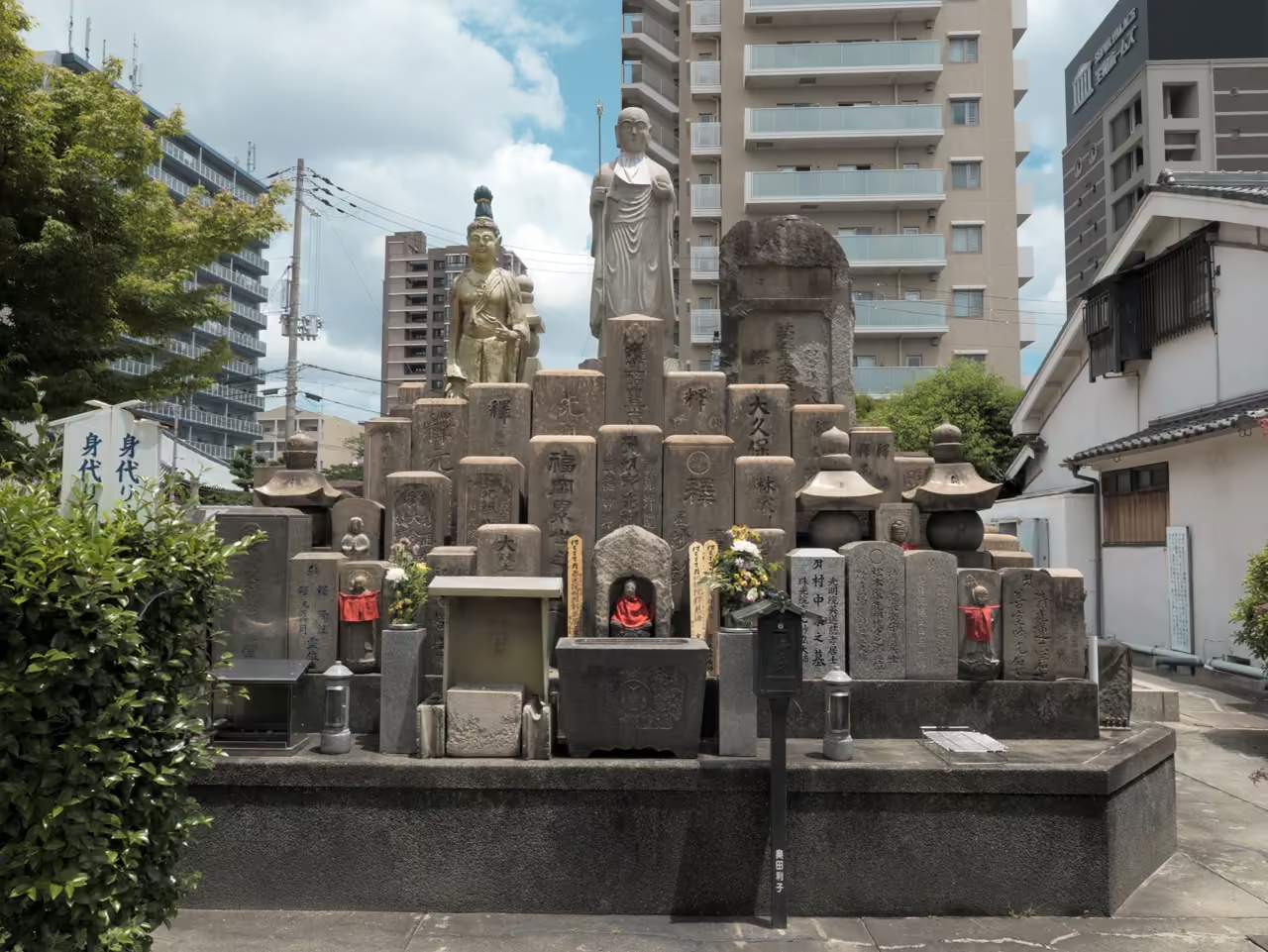
Tucked quietly down a residential street just north of Shitenno-ji Temple, this intimate sanctuary guards Osaka's oldest surviving wooden building, a graceful 1597 vermilion Tahoto pagoda. Inside its main hall sits Aizen Myoo, the fierce crimson deity long revered by indigo dyers, stage actors, and couples seeking harmony. Every summer from 30 June to 2 July, its beloved Aizen Festival kicks off Osaka's festival season with colourful yukata-clad crowds and traditional palanquins.
hidden gem view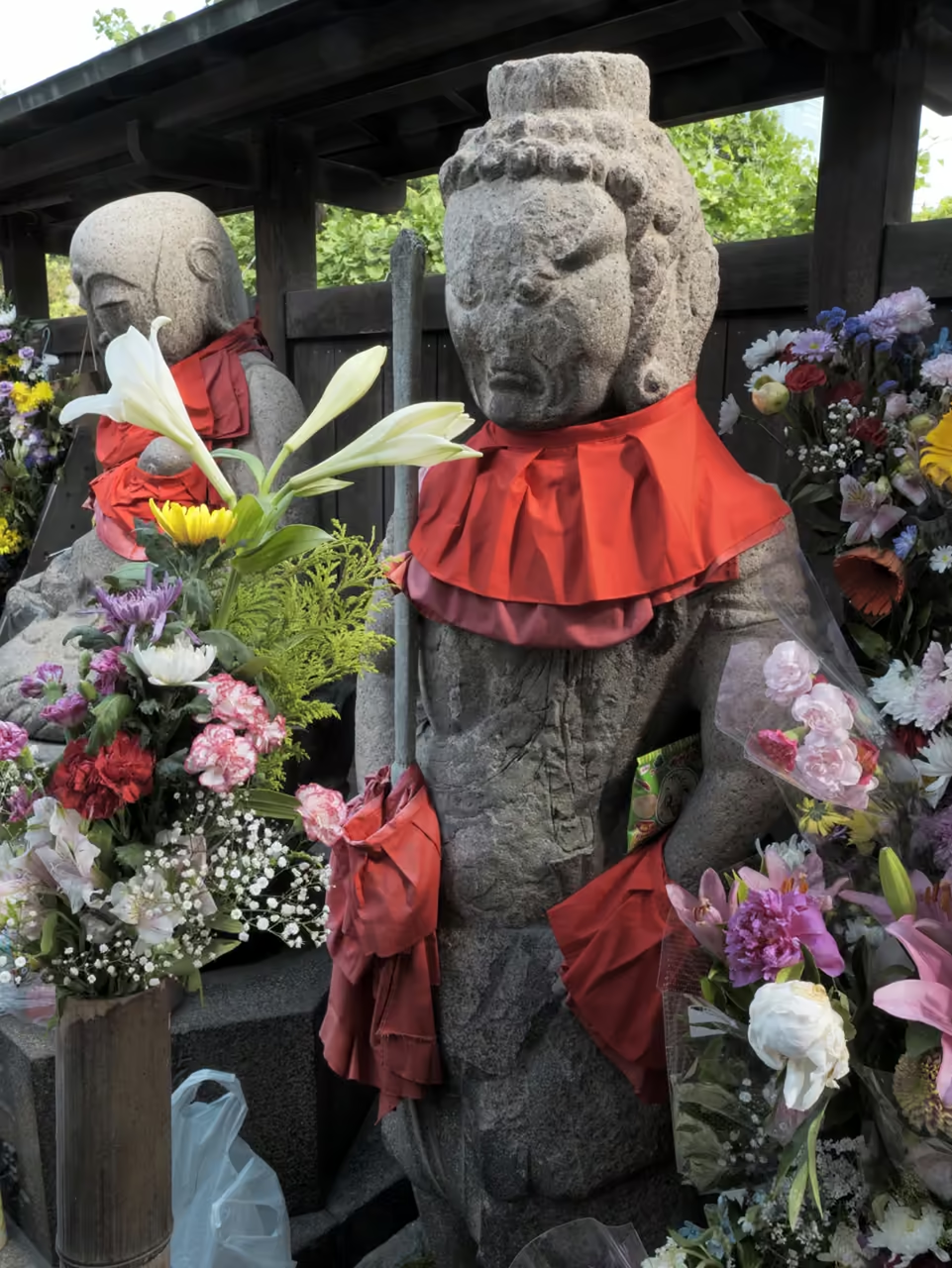 553m
Pay Respects at Isshin-ji's Ash-Sculpted Buddhas
Stepping beneath Isshin-ji's striking 1997 concrete-and-steel entrance gate flanked by modern bronze warriors costs nothing and unveils one of Japan's most moving devotional traditions. Since 1887, monks here have cast monumental Amida Buddha statues from the cremated ashes of hundreds of thousands of everyday followers, mixing memory directly into living temple art. Quiet incense curls through the open sanctuary opposite Tennoji Park, welcoming respectful visitors regardless of faith.
free thing to do view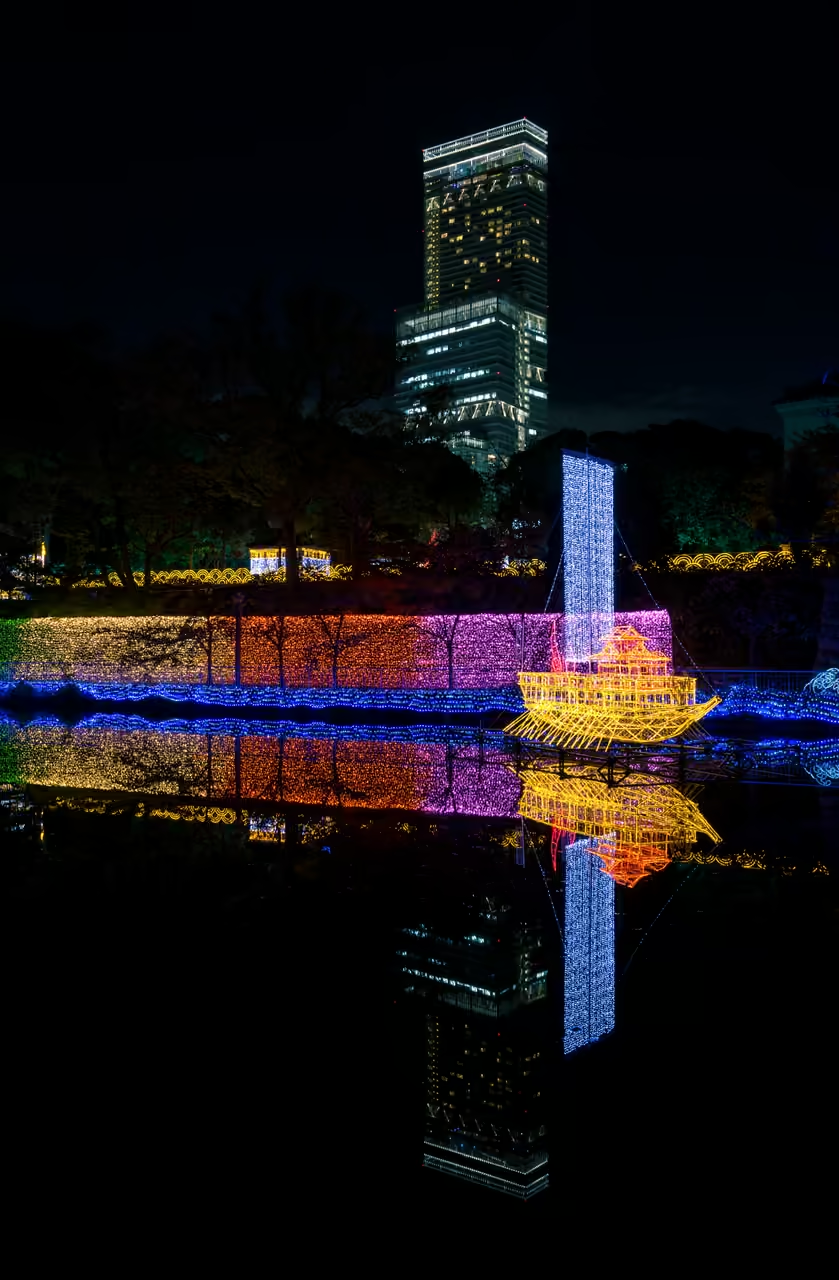 685m
Tennoji Park
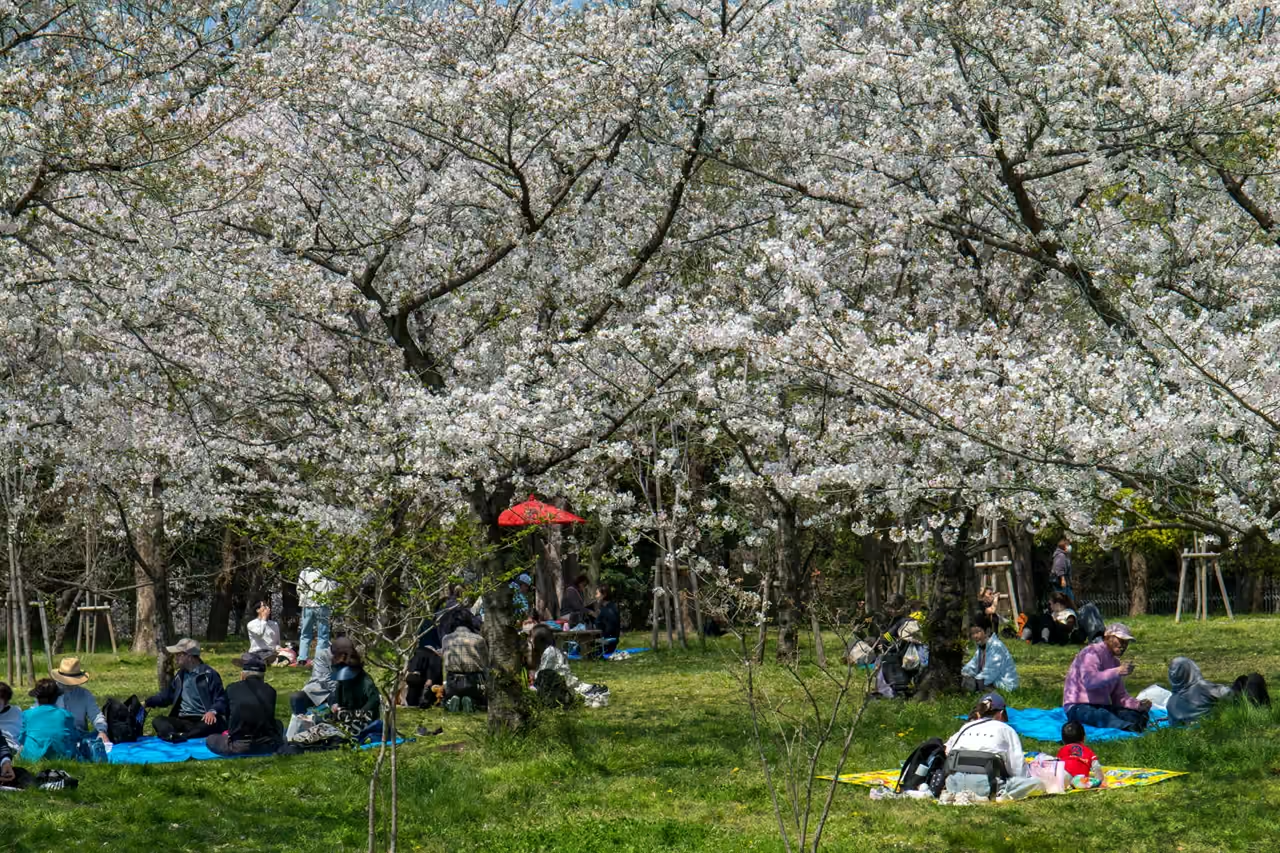
Step out of Tennoji Station and the city opens onto Tenshiba, a broad green lawn where families picnic directly beneath the glass tower of Abeno Harukas. Walk a few minutes west and the coffee terraces yield to the quiet gravel paths of Keitakuen Garden, crafted with curved ponds and stone lanterns long before skyscrapers framed the skyline. Above the trees sits the Osaka City Museum of Fine Arts, sharing the wooded Chausuyama mound with a preserved Nagayamon gate from the feudal Kuroda clan residence. Down the western slope, Tennoji Zoo borders the retro arcades of Shinsekai, while younger visitors tackle aerial rope courses at Tenshiba i:na. Weekend afternoons draw a short queue at the popular bakery patios on the eastern grass, yet the shaded paths around the old pond stay unhurried. Stick around until dusk to see the tower lights shimmer across Keitakuen's water beside the wooden pavilion.
park & nature view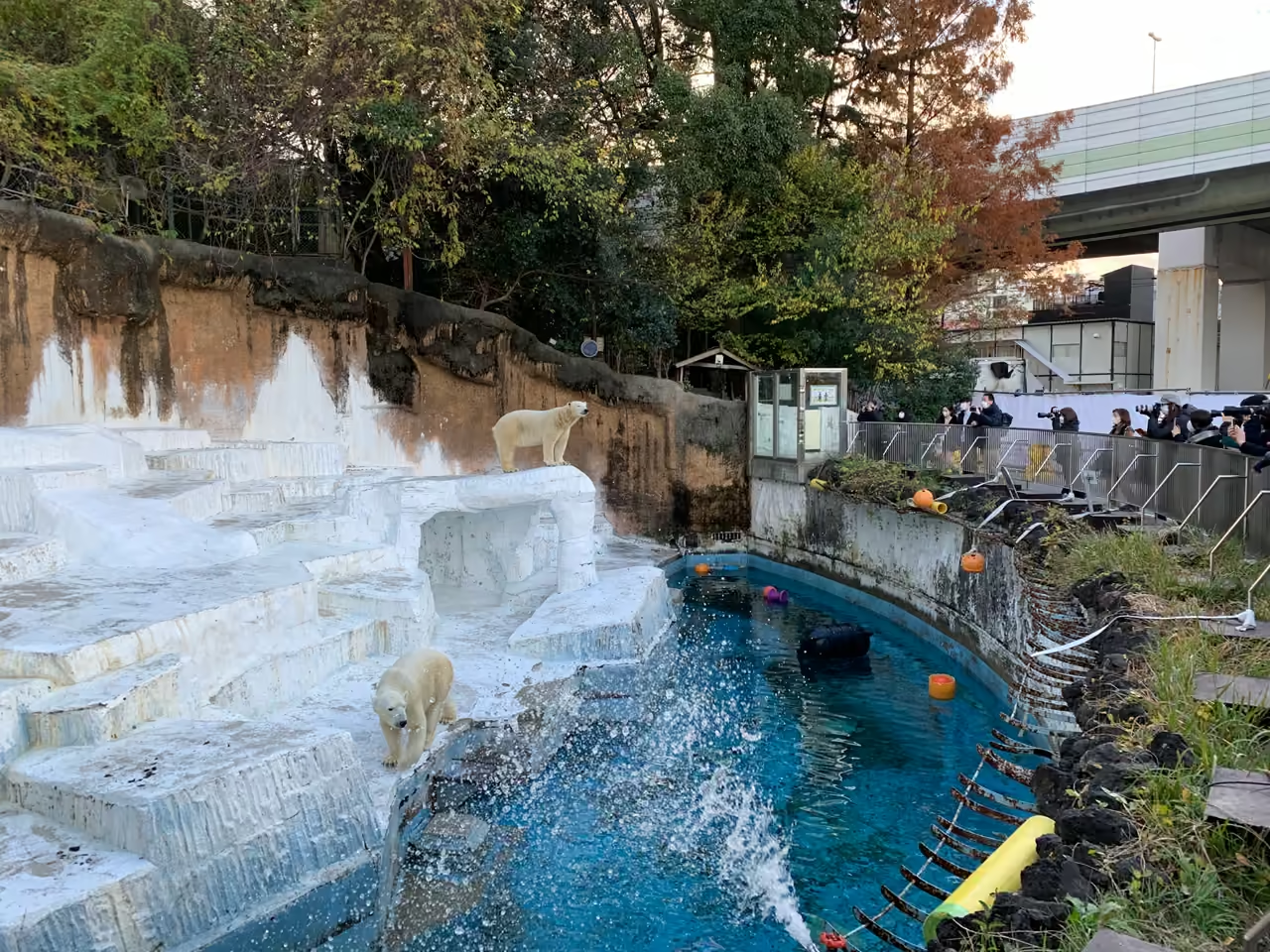 810m
Tennoji Zoo
Spread across eleven hectares in southern Osaka, Tennoji Zoo brings wildlife habitats directly into view alongside the steel girders of Tsutenkaku Tower. Opened on New Year's Day in 1915, it is Japan's third oldest zoological garden, having gradually shifted from an early twentieth-century attraction into a progressive centre for animal welfare. Visitors can gaze through broad acrylic glass to watch hefty hippos gliding underwater among schools of Nile tilapia, or observe reticulated giraffes browsing before the towering silhouette of Abeno Harukas. Inside the humid IFAR reptile dome, critically endangered Chinese alligators share space with coiled constrictors and giant salamanders. On sunny afternoons, a brief wait at the Tenshiba lawn ticket gates gives way to leafy avenues housing rare drills and polar bears. It remains a cherished green sanctuary right in the heart of the metropolis.
attraction view
Explore Similar Places in This Collection

Featured on These Itineraries and Routes
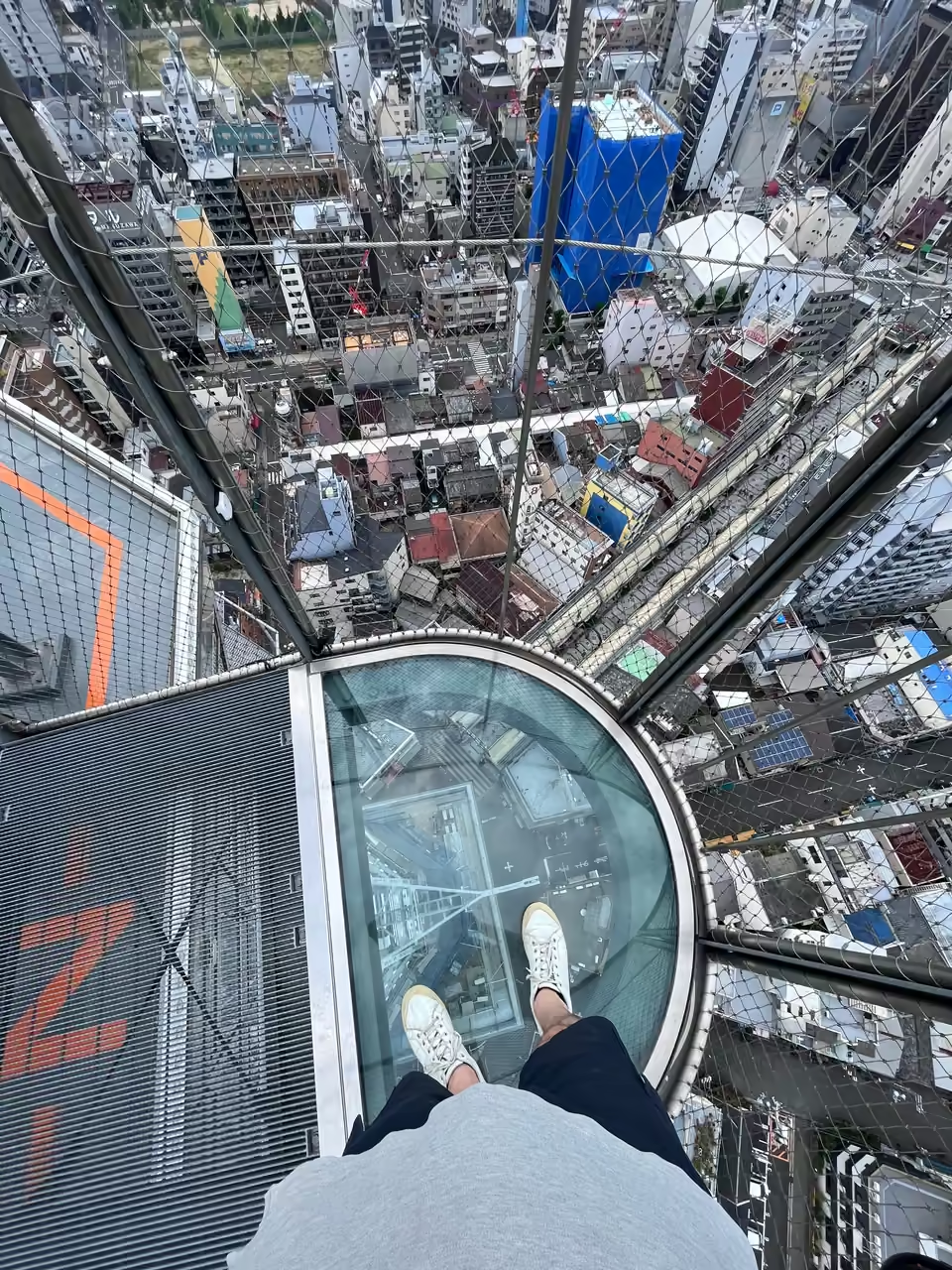
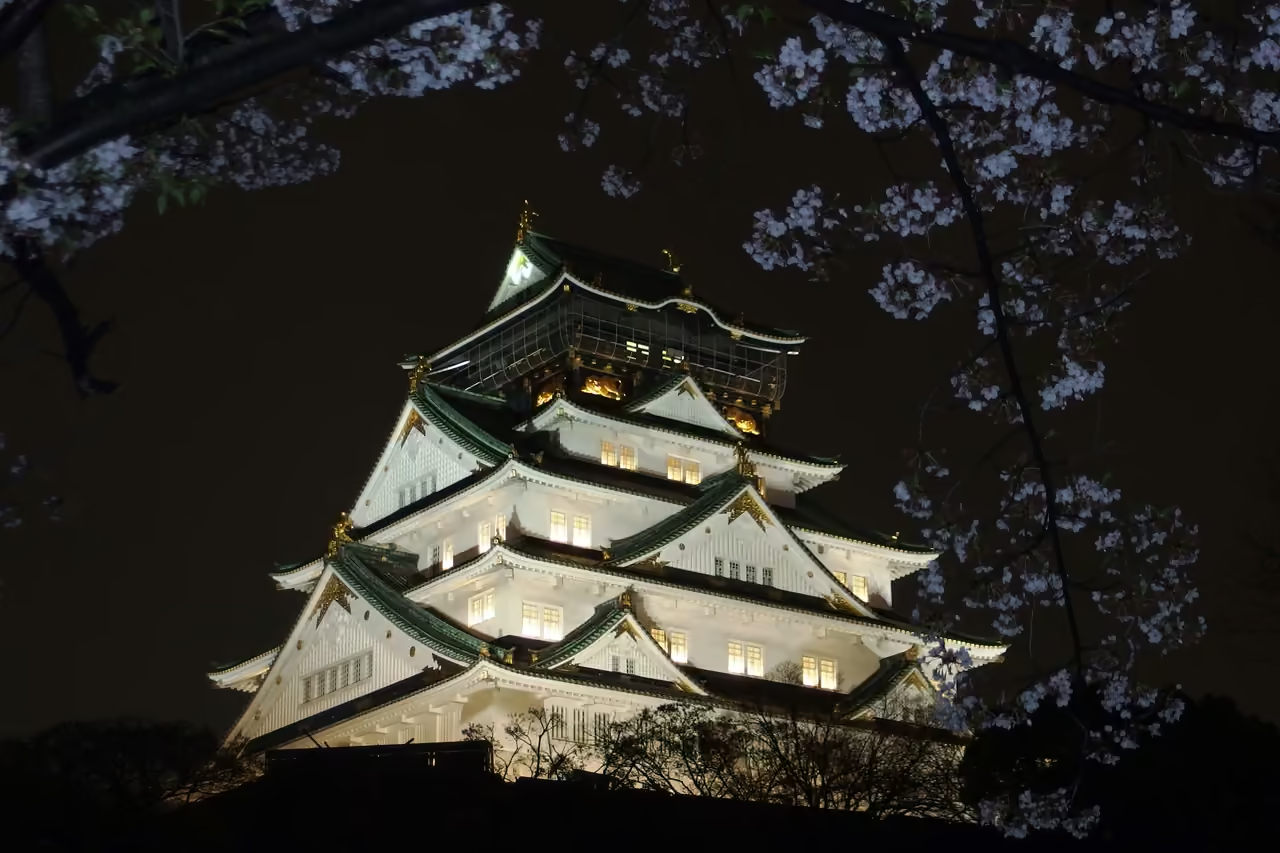
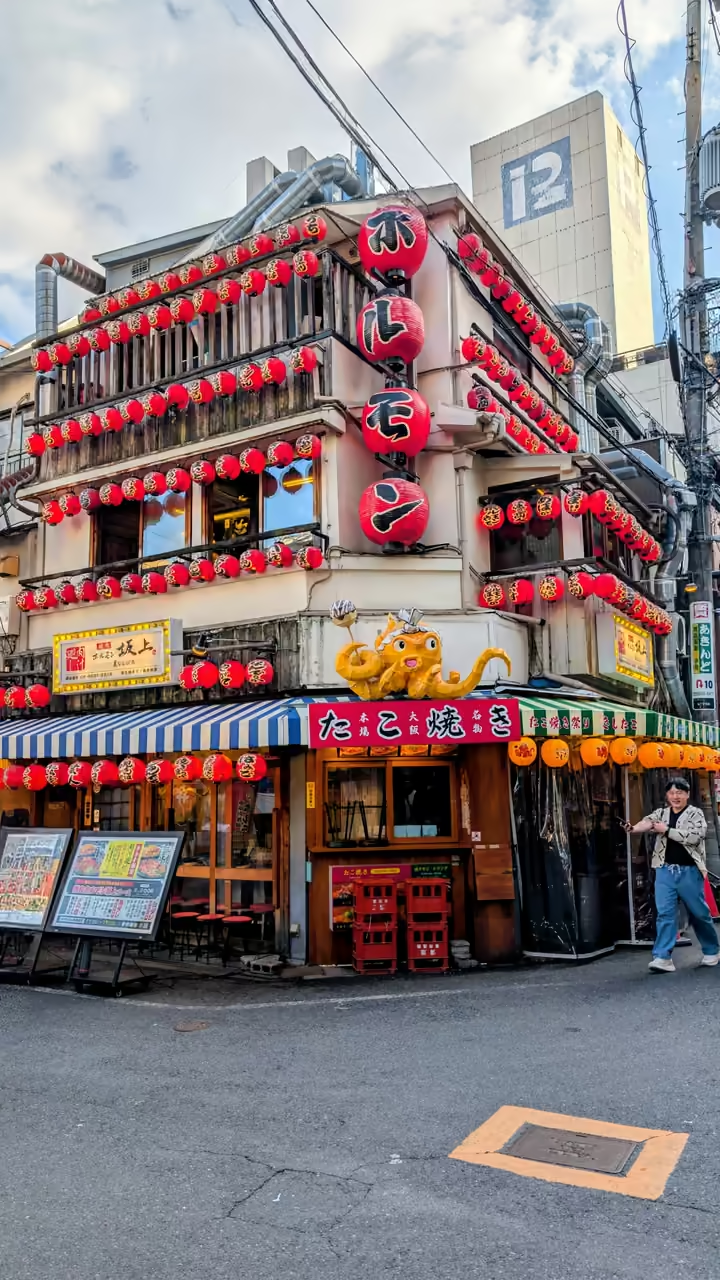
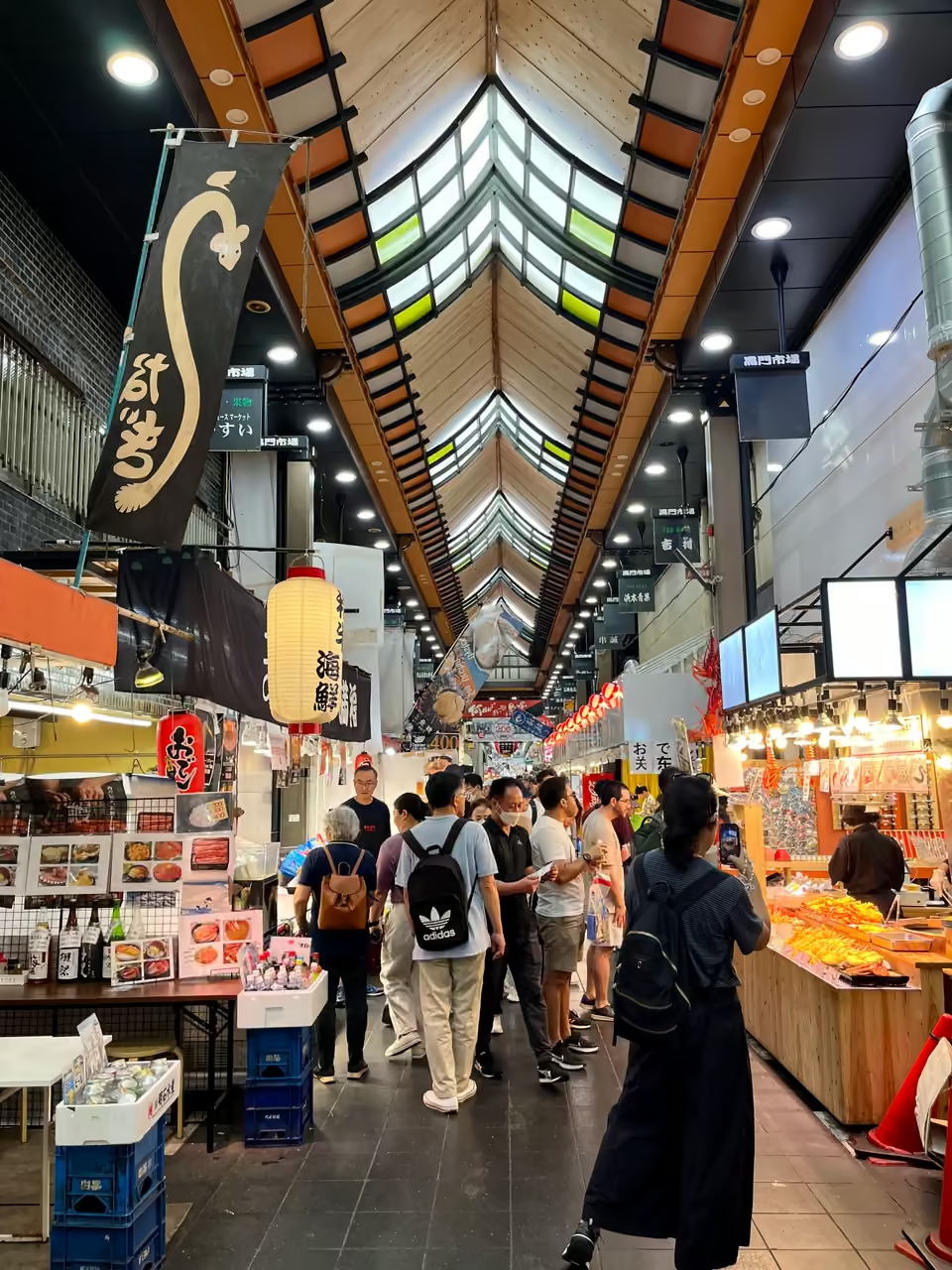
1 Day in Osaka: Castles, Kitchens & Neon Canals
Short on time yet determined to capture Osaka's fierce energy, this fast-paced single-day route sweeps smoothly from samurai stone walls to lively food markets, ancient temple pagodas, retro skewer alleys, and Dotonbori's unmistakable midnight glow. Every hop rides straight down direct metro lines with zero wasted backtracking.
view itinerary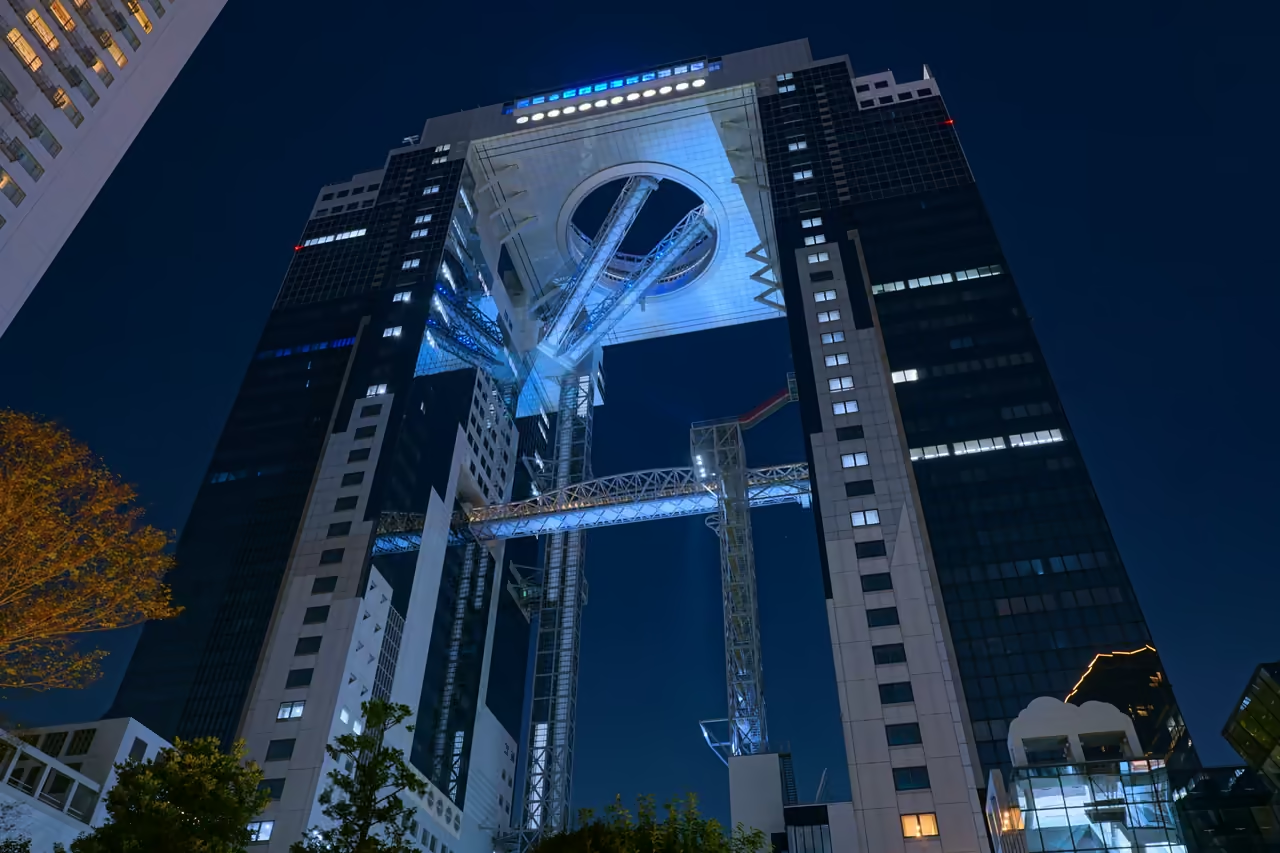
3 Days in Osaka: The Classic City Deep Dive
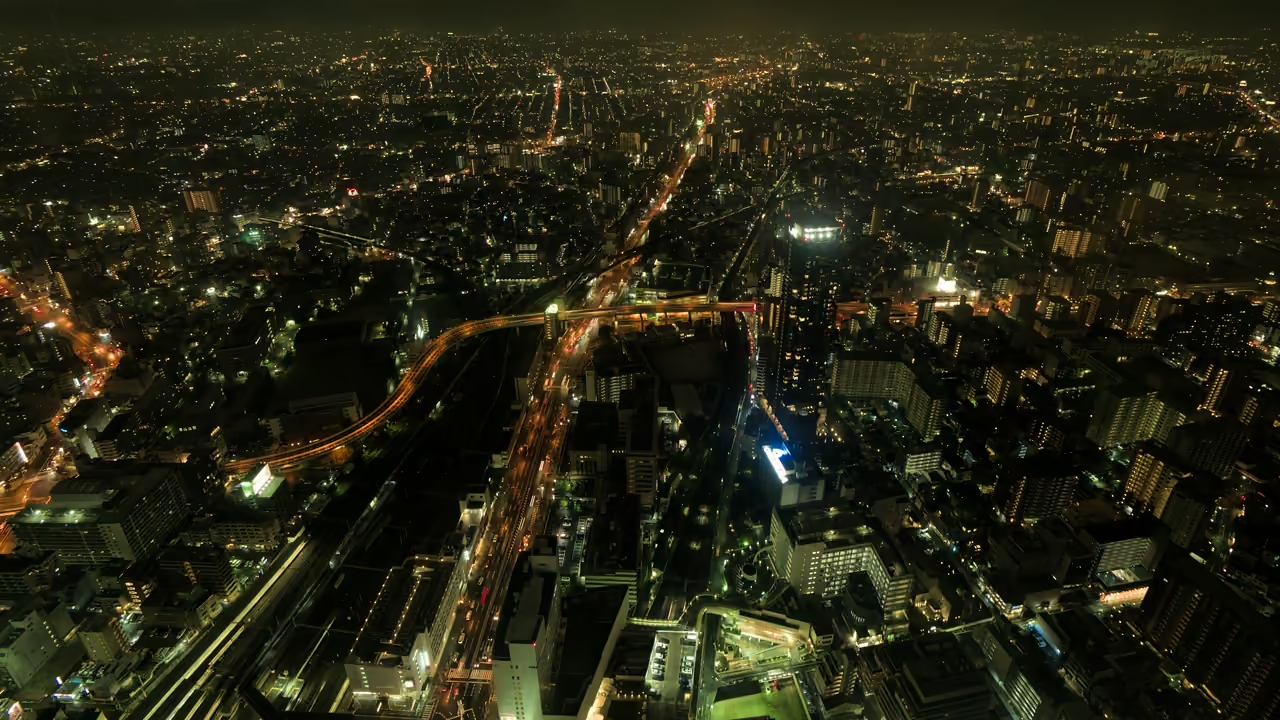
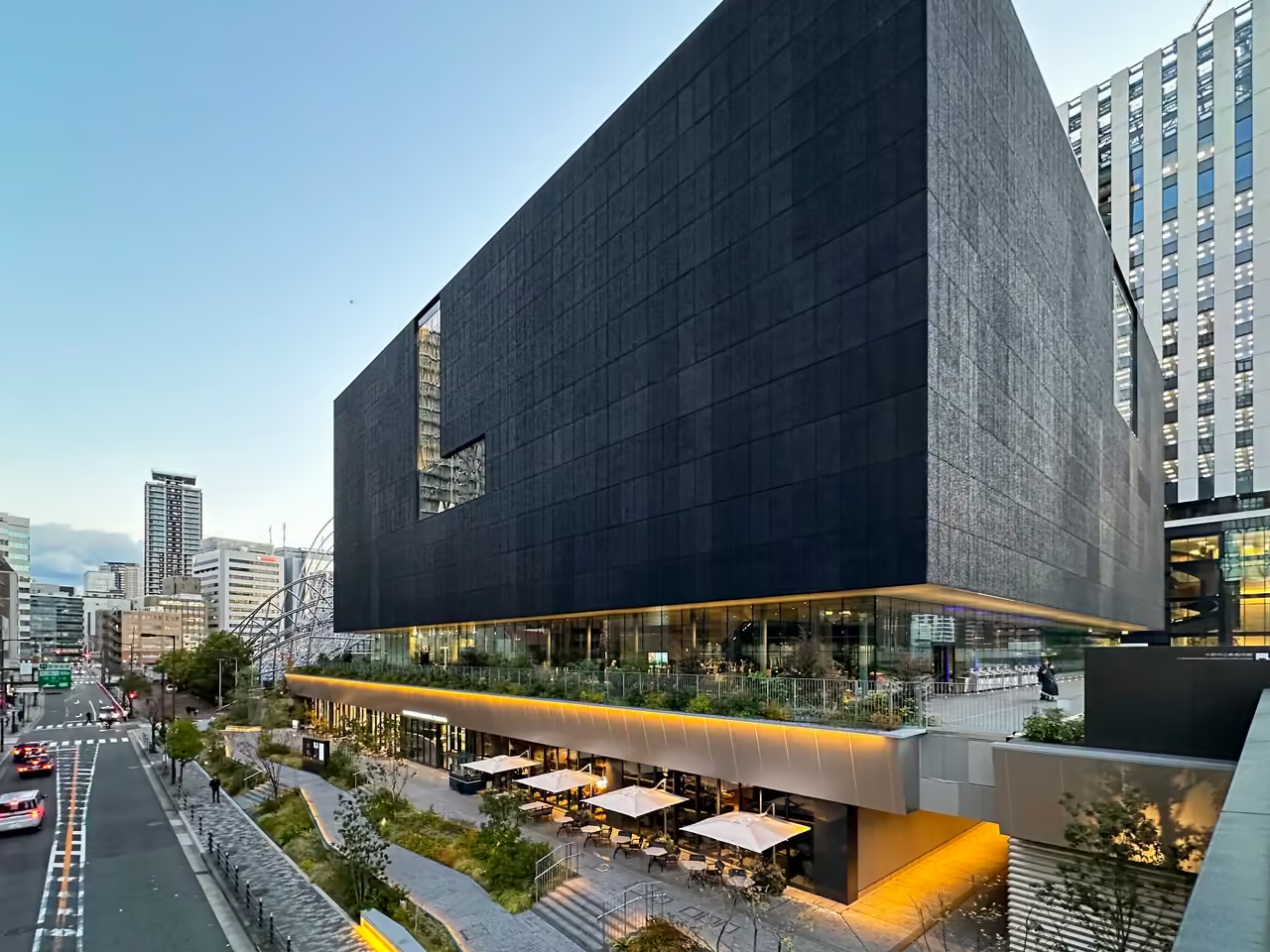
Paced cleanly across Osaka's three signature zones, this three-day plan pairs headline landmarks with local backstreets and plenty of sit-down feasts. Day one balances fortress history with Minami's lantern lanes, day two links markets to Tennoji and towering skyscrapers, and day three spans Osaka Bay's ocean giants and Nakanoshima's island museums.
view itinerary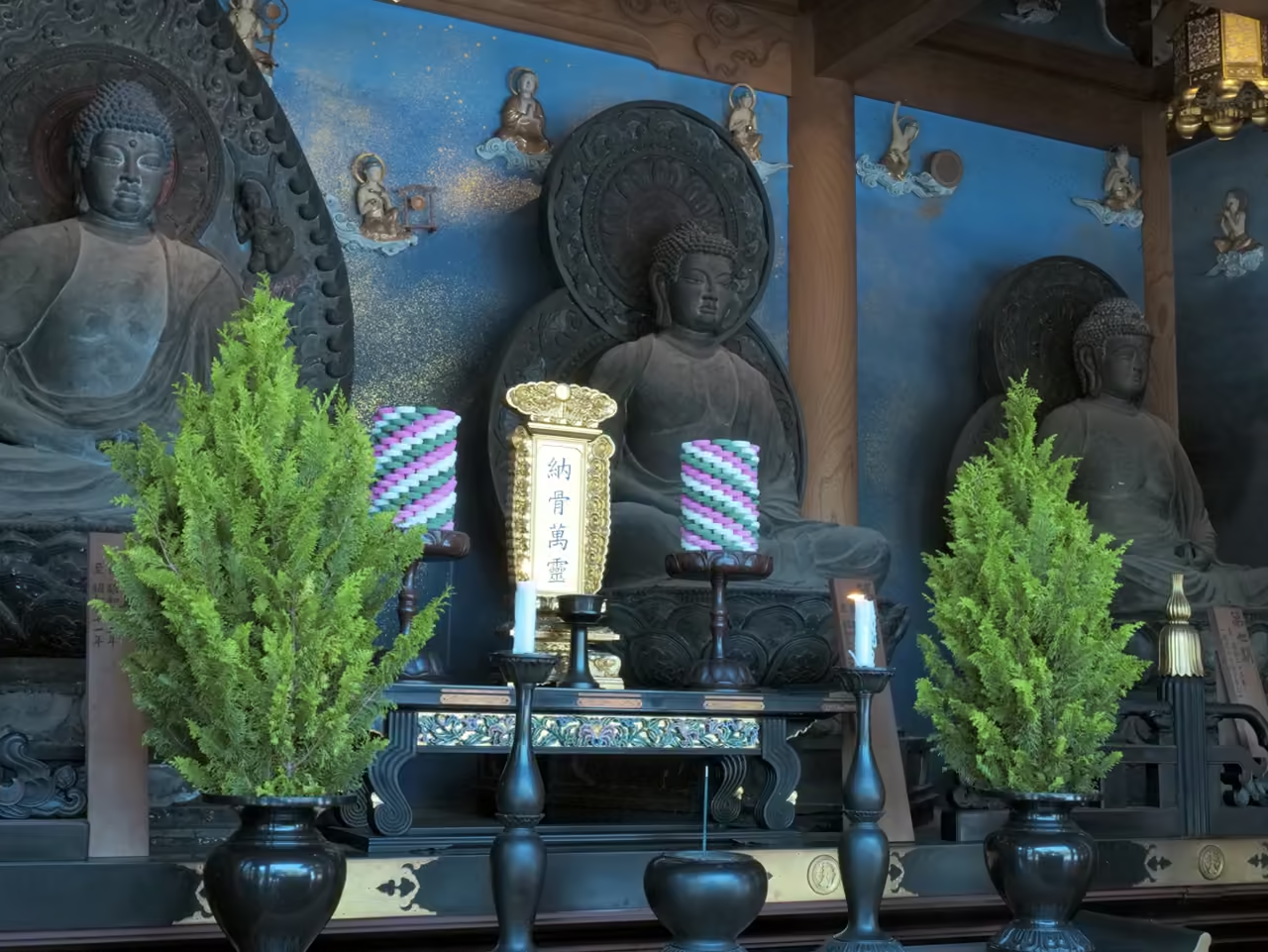

Sixth-Century Temples to Retro Shinsekai
Few short urban walks bridge fourteen centuries as smoothly as descending from Osaka's oldest Buddhist precinct down into flamboyant Shinsekai. Ancient stone gates, extraordinary devotional sculpture, tranquil garden ponds, and working-class fried skewer counters sit twenty minutes apart on foot.
view self-guided tour
See all attractions in Osaka
Including Aquarium Kaiyukan, Osaka Castle, Sumiyoshi Taisha, and more