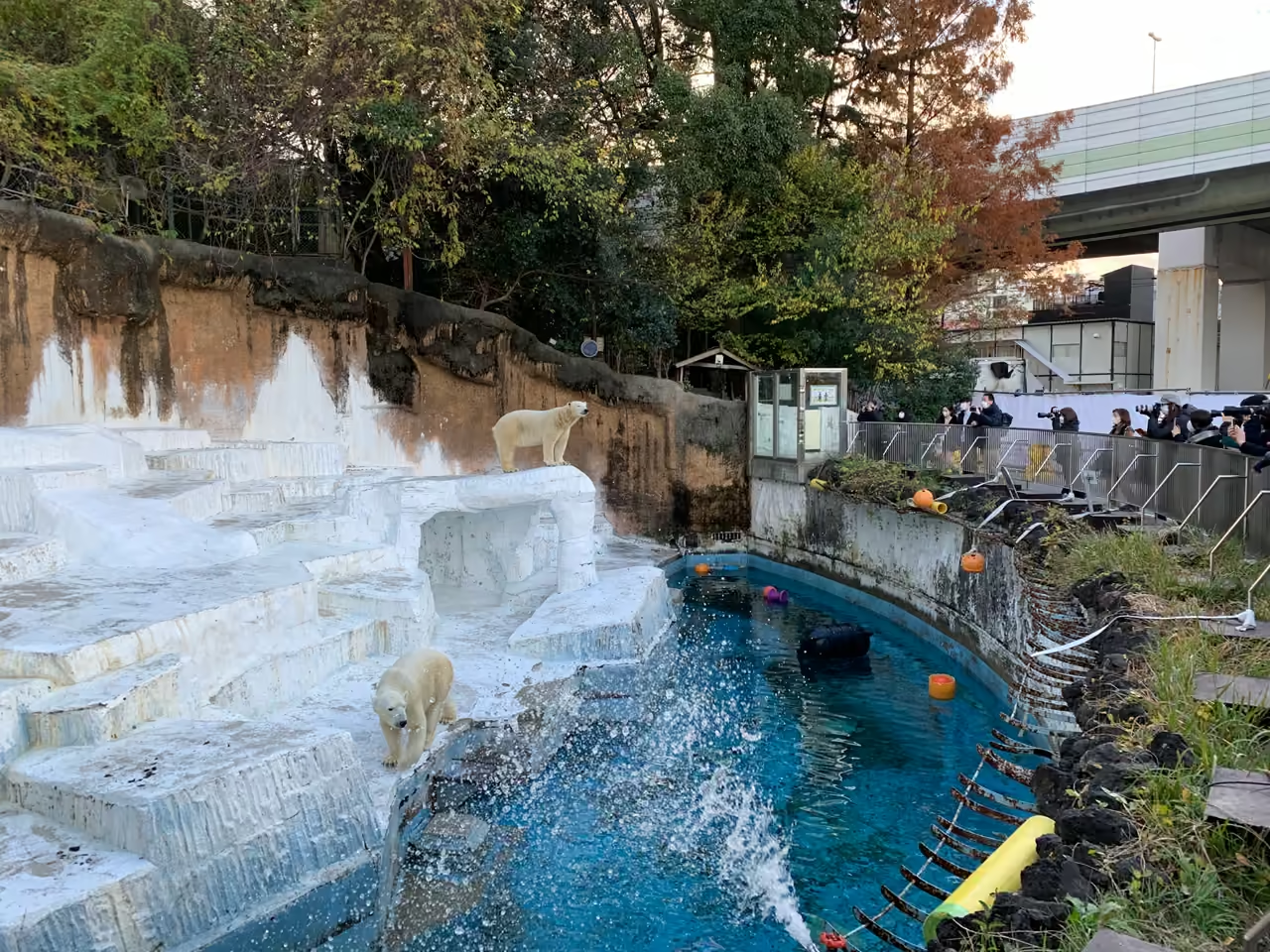
Tennoji Zoo
Spread across eleven hectares in southern Osaka, Tennoji Zoo brings wildlife habitats directly into view alongside the steel girders of Tsutenkaku Tower. Opened on New Year's Day in 1915, it is Japan's third oldest zoological garden, having gradually shifted from an early twentieth-century attraction into a progressive centre for animal welfare. Visitors can gaze through broad acrylic glass to watch hefty hippos gliding underwater among schools of Nile tilapia, or observe reticulated giraffes browsing before the towering silhouette of Abeno Harukas. Inside the humid IFAR reptile dome, critically endangered Chinese alligators share space with coiled constrictors and giant salamanders. On sunny afternoons, a brief wait at the Tenshiba lawn ticket gates gives way to leafy avenues housing rare drills and polar bears. It remains a cherished green sanctuary right in the heart of the metropolis.
Videos
History of Tennoji Zoo
When Osaka laid out Tennoji Park on the clearing left behind by the Fifth National Industrial Exhibition of 1903, the smoke-choked industrial metropolis desperately needed fresh air and public learning. Tennoji Zoo opened on New Year's Day in 1915, drawing hundreds of thousands of residents eager to witness creatures they had previously known only from woodblock prints and imported periodicals. In its earliest decades, the zoo found itself locked in fierce competition with private railway companies that had erected flashy amusement parks along commuter lines. To draw ticket buyers away from private competitors, the city embraced theatrical spectacle, spotlighting trained animals and human-like performances. The undisputed queen of this era was Rita, an intelligent chimpanzee imported in 1932 who delighted crowds by navigating courtyards on tall stilts, pedalling miniature three-wheelers, and dining with formal cutlery. That innocent showmanship curdled as geopolitical turmoil swept Japan into the Pacific War. Authorities co-opted Rita for wartime newsreels, forcing her into gas masks and tiny military uniforms to demonstrate civilian readiness. As air raids rained down on Osaka's factories in 1945, the zoo entered its bleakest period. Fearing that bombardment would shatter iron cages and unleash apex predators into surrounding neighbourhoods, the municipal government ordered keepers to cull the large cats and dangerous beasts. Rita succumbed to sickness shortly before the war concluded, marking the tragic close of the menagerie's early vaudeville identity. In the impoverished post-war decades, staff scrambled to return smiles to children who had lived through devastation. The zoo briefly leaned back into sensationalism during the 1950s, displaying feline crossbreeds like ligers and tigons. Yet as the nation rebuilt and scientific perspectives matured, a deep institutional reckoning took root. By the 1970s, curators firmly abolished trained animal routines, choosing instead to focus on global species preservation, captive breeding programmes, and educational stewardship. The physical revolution arrived in the late 1990s through the ZOO21 master plan, spearheaded by Osaka University of Arts environmental designer Kenji Wako. Monolithic concrete and iron bars were demolished in favour of immersive landscape immersion. The 1995 debut of the IFAR reptile dome brought tropical swamps into downtown Osaka, soon followed by a revolutionary hippopotamus habitat that let spectators watch multi-tonne beasts swim weightlessly behind thick acrylic panels. When the African Savanna zone opened, cunningly concealed dry moats allowed giraffes, zebras, and lions to inhabit what looked like a seamless wilderness, all framed by the glass summit of Abeno Harukas. Today, operating as an independent public institution, the zoo balances historic charm with cutting-edge animal welfare, preserving a living sanctuary in the middle of Osaka's urban expanse.
9 events spanning 106 years
Fun Facts
10- 01
Beneath the modern pathways lie reinforced air raid shelters built during the 1940s, where dedicated keepers sheltered during aerial bombardments while guarding irreplaceable avian records.
- 02
Due to its exceptional success in breeding endangered hooded cranes, the World Association of Zoos and Aquariums entrusted Tennoji Zoo with maintaining the international genealogical studbook for the species.
- 03
During her 1930s stardom, the famous chimpanzee Rita sat at a formal dining table during performances, using a polished knife, fork, and cloth napkin to consume meals before bowing politely to the crowd.
- 04
Filmmakers chose Tennoji Zoo as the primary cinematic stand-in for New York City's Central Park Zoo during the production of the 2009 Japanese drama film The Unsinkable Sun.
- 05
Hokkaido food company Fujiwara Seimen engineered a dedicated packaged curry ramen to honour the zoo's 2015 centenary, branding the dry noodle packs with the zoo's resident Amur tiger.
- 06
In April 2007, an anaesthetised chimpanzee named Puteri awoke early during a veterinary check, slipped his enclosure, and wandered directly into the polar bear den, where the two beasts merely exchanged curious gazes before keepers tranquilised the primate.
- 07
Landscape architect Kenji Wako calibrated the African Savanna zone with sunken moats so that grazing zebras and prowling lions appear to share a single grassy horizon directly beneath the 300-metre-tall Abeno Harukas skyscraper.
- 08
Tennoji Zoo is the sole zoological institution in Japan providing sanctuary to the drill, a severely endangered primate indigenous to central African forests and known for its distinctive jet-black visage.
- 09
The zoo holds one of the planet's few preserved taxidermy specimens of the Japanese sea lion, an aquatic mammal that vanished from regional coastlines in the mid-twentieth century.
- 10
To maintain cleanliness without harsh chemicals, the groundbreaking hippo pool relies on hundreds of live Nile tilapia that feed naturally on hippo excrement and algae, establishing a self-balancing aquatic ecosystem.
FULL PLACE DETAILS
Updated
FULL PLACE DETAILS
UpdatedOVERVIEW & STATS
- Established
- In 1915, making it 111 years old
WEB & AMENITIES
Tennoji Zoo Map & Neighborhood Explorer
This interactive map is centered on Tennoji Zoo. Zoom in and move the map around to automatically discover Wikipedia photos and summaries of other nearby sights, monuments, and historical points of interest and stories in real-time!
Tennoji Zoo FAQ
The Tenshiba Gate connects directly to the grassy public park beside JR and Osaka Metro Tennoji Station, while the Shinsekai Gate is situated minutes from Dobutsuen-mae and Shin-Imamiya stations beneath the shadow of Tsutenkaku Tower.
Yes, the zoo features a dedicated underwater viewing gallery with massive transparent acrylic walls, where visitors can watch hippos glide effortlessly through deep water alongside shoals of Nile tilapia.
No, all historical trick routines were permanently discontinued decades ago to prioritise natural habitat simulation, scientific conservation, and modern animal welfare.
The on-site FooZoo food court serves themed refreshments including giraffe-patterned hot dogs, and the surrounding Tenshiba precinct just beyond the gates offers numerous full-service restaurants and cafes.
The entire 11-hectare park is predominantly flat, equipped with gentle ramps leading to major indoor pavilions like the IFAR reptile house, and stroller rentals are available at both entry gates.
A typical visit takes about 3 hours. We recommend planning your schedule accordingly to make the most of your time there.
The closest place to visit near Tennoji Zoo is Tsutenkaku Golden Observatory, around 158 m away. Other things to do near Tennoji Zoo include Pay Respects at Isshin-ji's Ash-Sculpted Buddhas (259 m), Soak in Global Bathhouses at Spa World (366 m) and Tennoji Park (389 m). All of these are within roughly 389 m of Tennoji Zoo, close enough to walk.
It dates back to 1915, making it 111 years old.
While we strive to keep this information accurate and up to date, we recommend verifying any details independently before making decisions based on them.
Places near Tennoji Zoo
Make the most of your trip. Check out these top-rated spots located nearby.
 158m
Tsutenkaku Golden Observatory
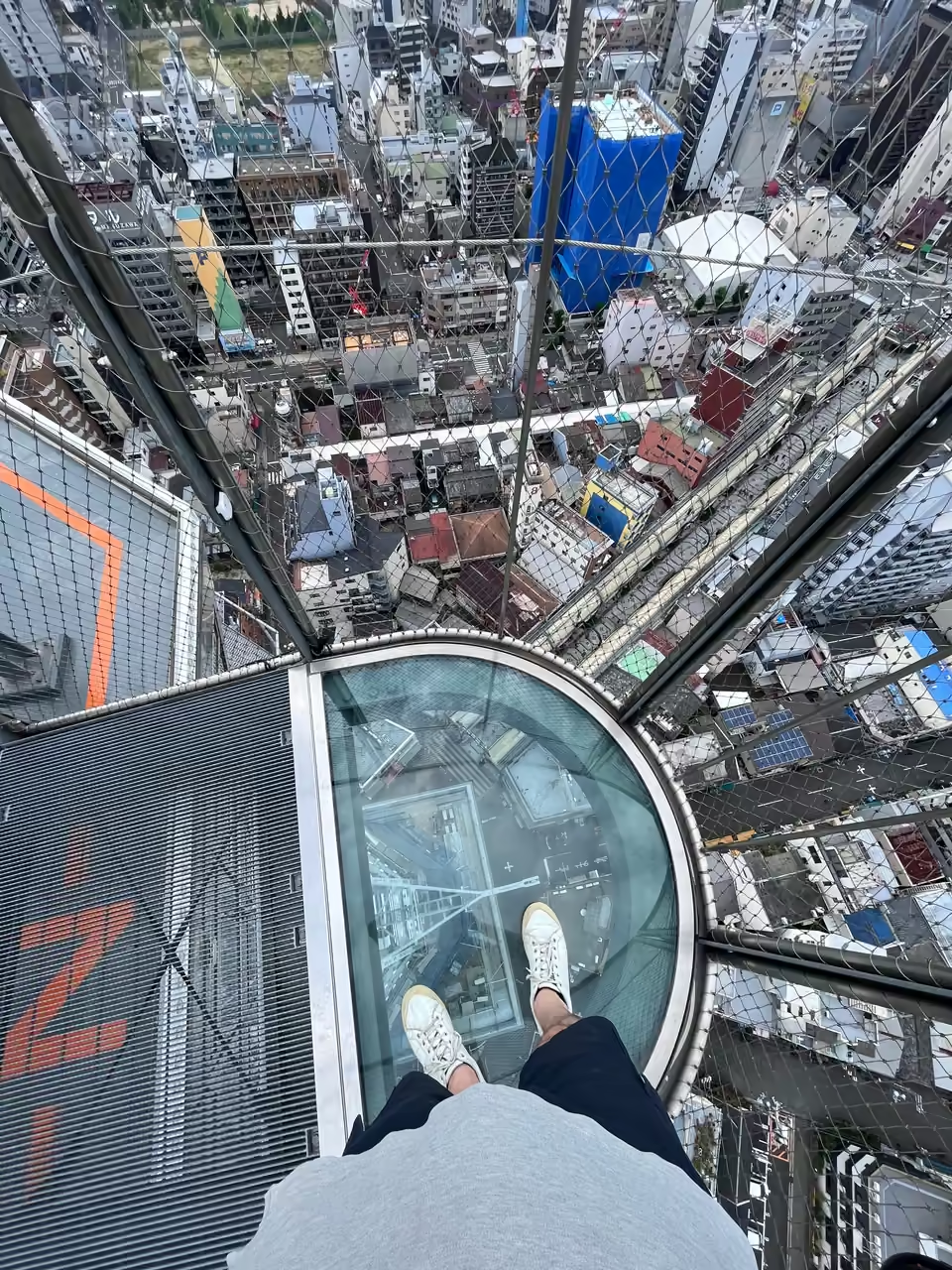
Rising 91 metres above Shinsekai's bright billboards, Tsutenkaku's observatory packs pure working-class nostalgia alongside kitschy golden ceiling murals and the smiling Billiken statue. Outdoor open-air platform Tenbo Paradise exposes visitors directly to southern city breezes and crisp overhead views down Janjan Yokocho's rooftops and Tennoji Zoo. Bold visitors can also test their nerves sliding down a sixty-metre spiral steel tube straight from the third floor back to street level. Colour-changing neon rings atop the spire double as a neighbourhood weather beacon.
viewpoint view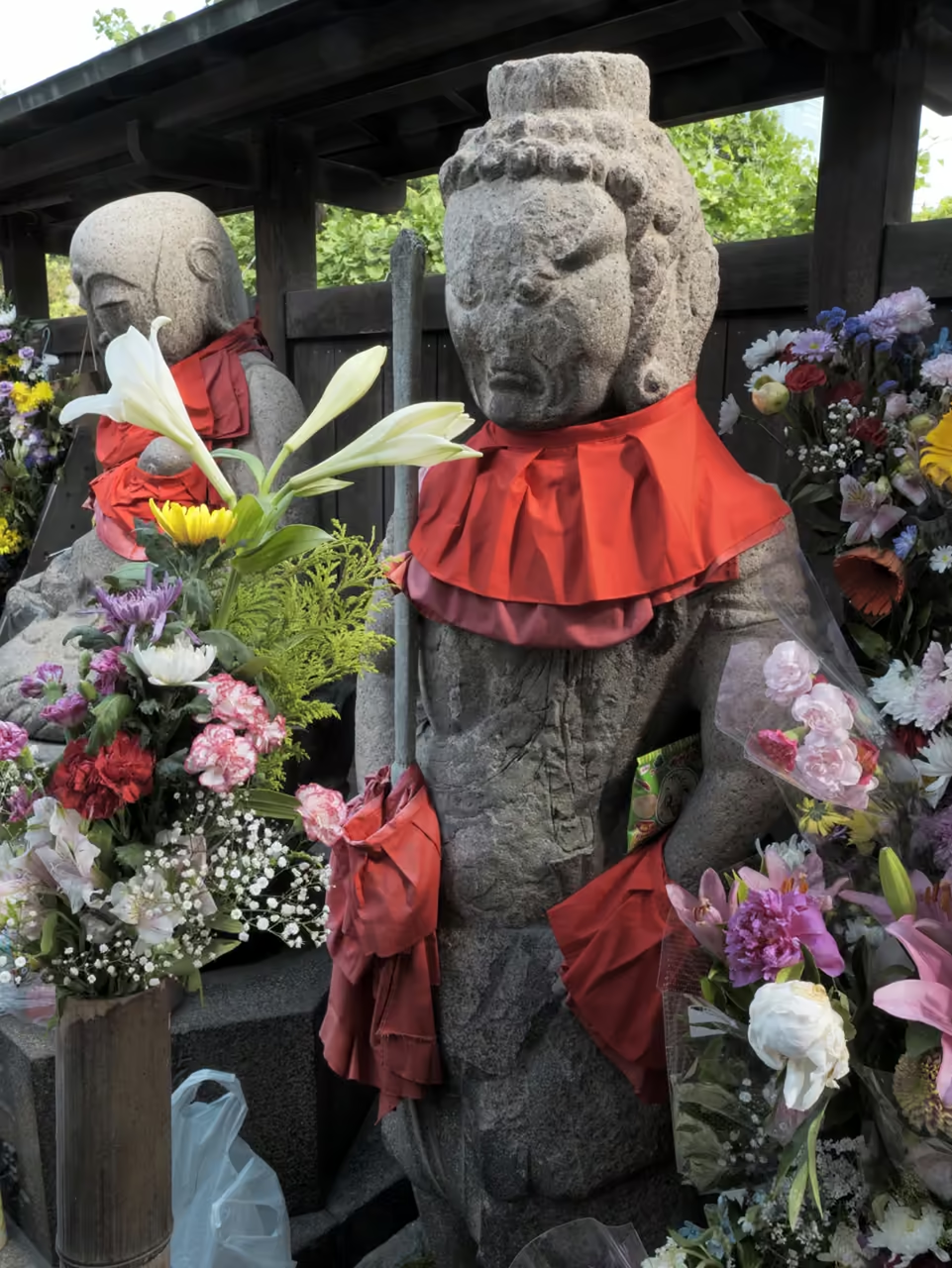 259m
Pay Respects at Isshin-ji's Ash-Sculpted Buddhas
Stepping beneath Isshin-ji's striking 1997 concrete-and-steel entrance gate flanked by modern bronze warriors costs nothing and unveils one of Japan's most moving devotional traditions. Since 1887, monks here have cast monumental Amida Buddha statues from the cremated ashes of hundreds of thousands of everyday followers, mixing memory directly into living temple art. Quiet incense curls through the open sanctuary opposite Tennoji Park, welcoming respectful visitors regardless of faith.
free thing to do view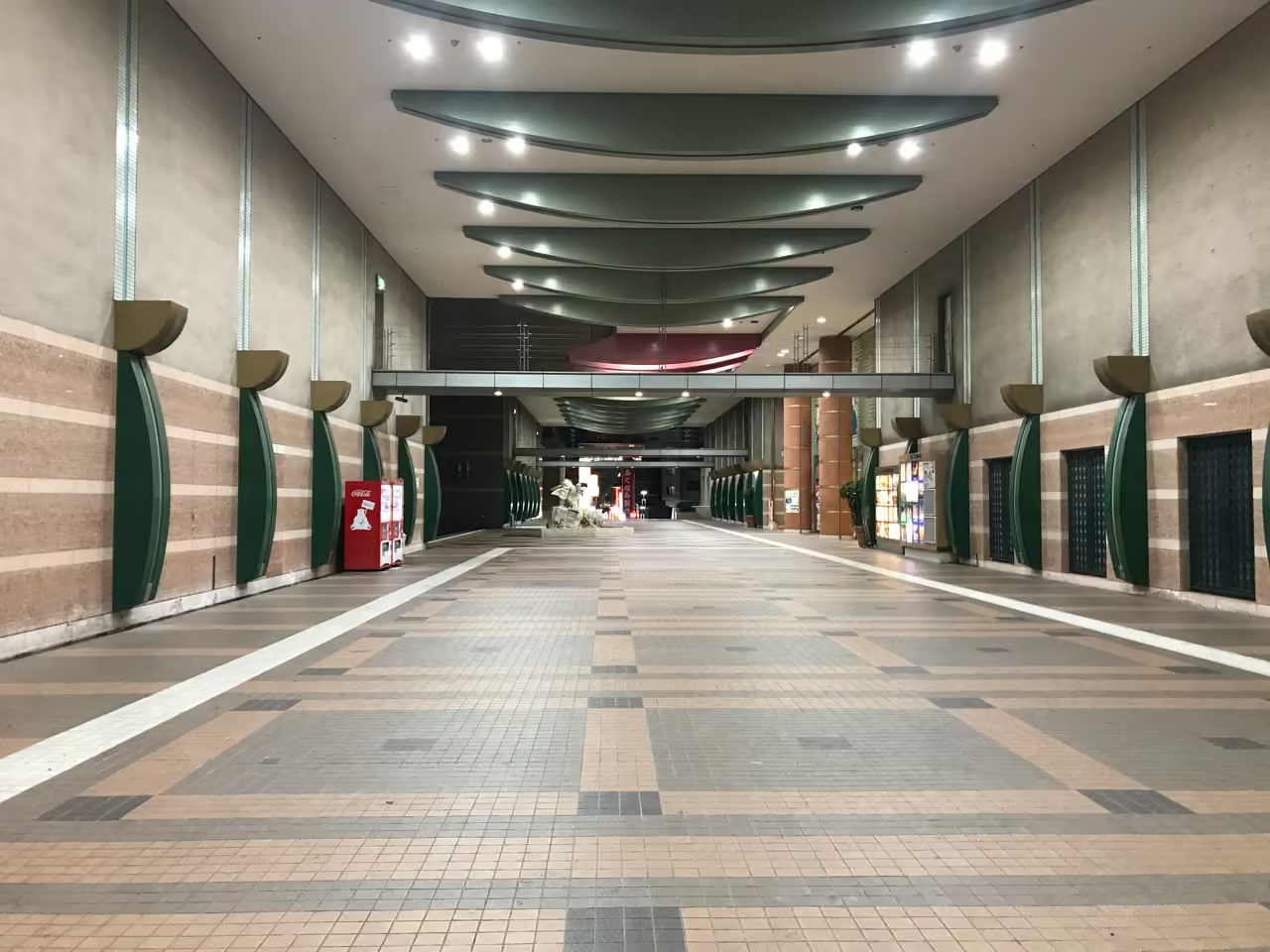 366m
Soak in Global Bathhouses at Spa World
Sitting right beside Shinsekai's entrance, this massive bathhouse stacks European Roman marble pools and Asian cypress soaking rooms under one glowing roof. Natural hot spring water fills outdoor stone tubs, Finnish saunas, salt steam halls, and indoor waterslides on the top deck. Men and women swap themed floors monthly, ensuring fresh decor on return trips. Note that visitors with visible tattoos face strict entry bans unless small ink meets current cover rules at reception.
highlight view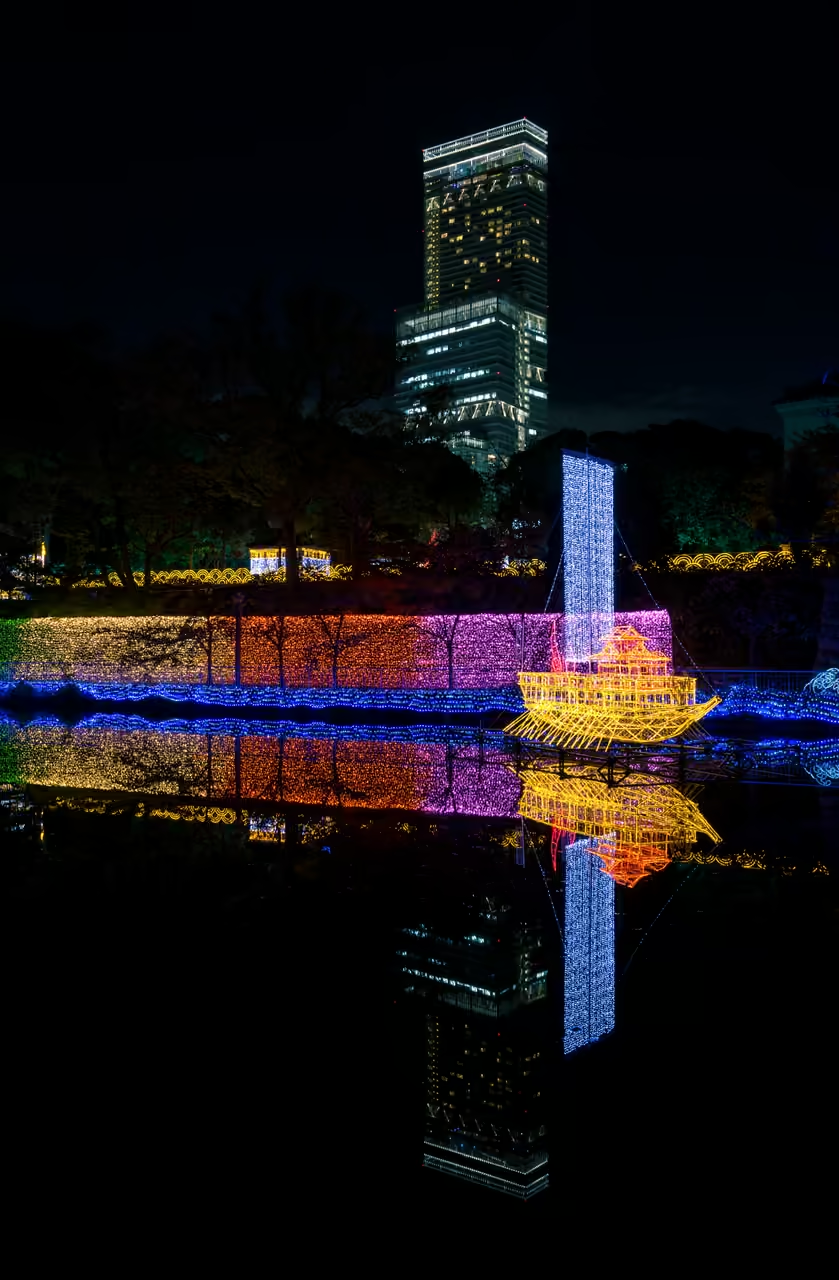 389m
Tennoji Park
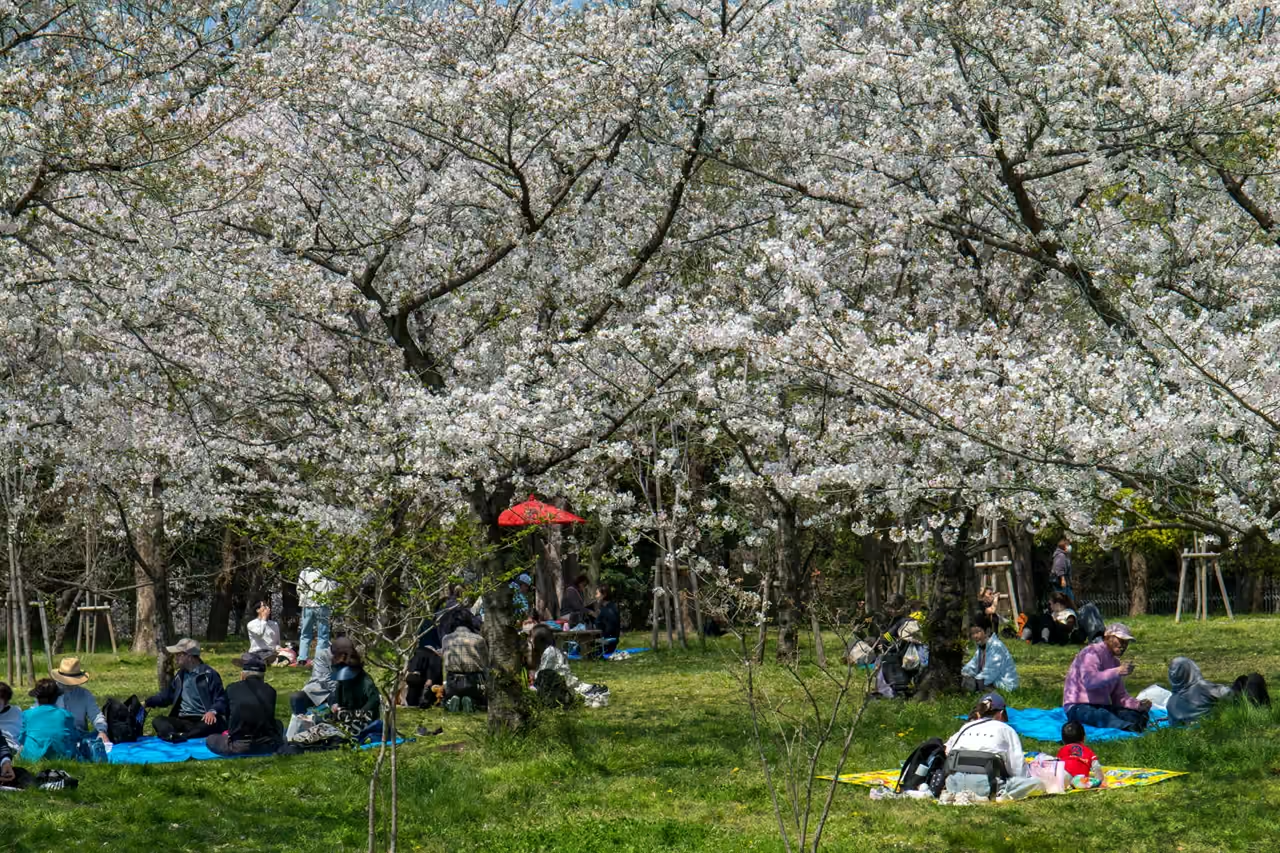
Step out of Tennoji Station and the city opens onto Tenshiba, a broad green lawn where families picnic directly beneath the glass tower of Abeno Harukas. Walk a few minutes west and the coffee terraces yield to the quiet gravel paths of Keitakuen Garden, crafted with curved ponds and stone lanterns long before skyscrapers framed the skyline. Above the trees sits the Osaka City Museum of Fine Arts, sharing the wooded Chausuyama mound with a preserved Nagayamon gate from the feudal Kuroda clan residence. Down the western slope, Tennoji Zoo borders the retro arcades of Shinsekai, while younger visitors tackle aerial rope courses at Tenshiba i:na. Weekend afternoons draw a short queue at the popular bakery patios on the eastern grass, yet the shaded paths around the old pond stay unhurried. Stick around until dusk to see the tower lights shimmer across Keitakuen's water beside the wooden pavilion.
park & nature view
Explore Similar Places in This Collection
See all attractions in Osaka
Including Aquarium Kaiyukan, Osaka Castle, Sumiyoshi Taisha, and more