Nakanoshima Museum of Art
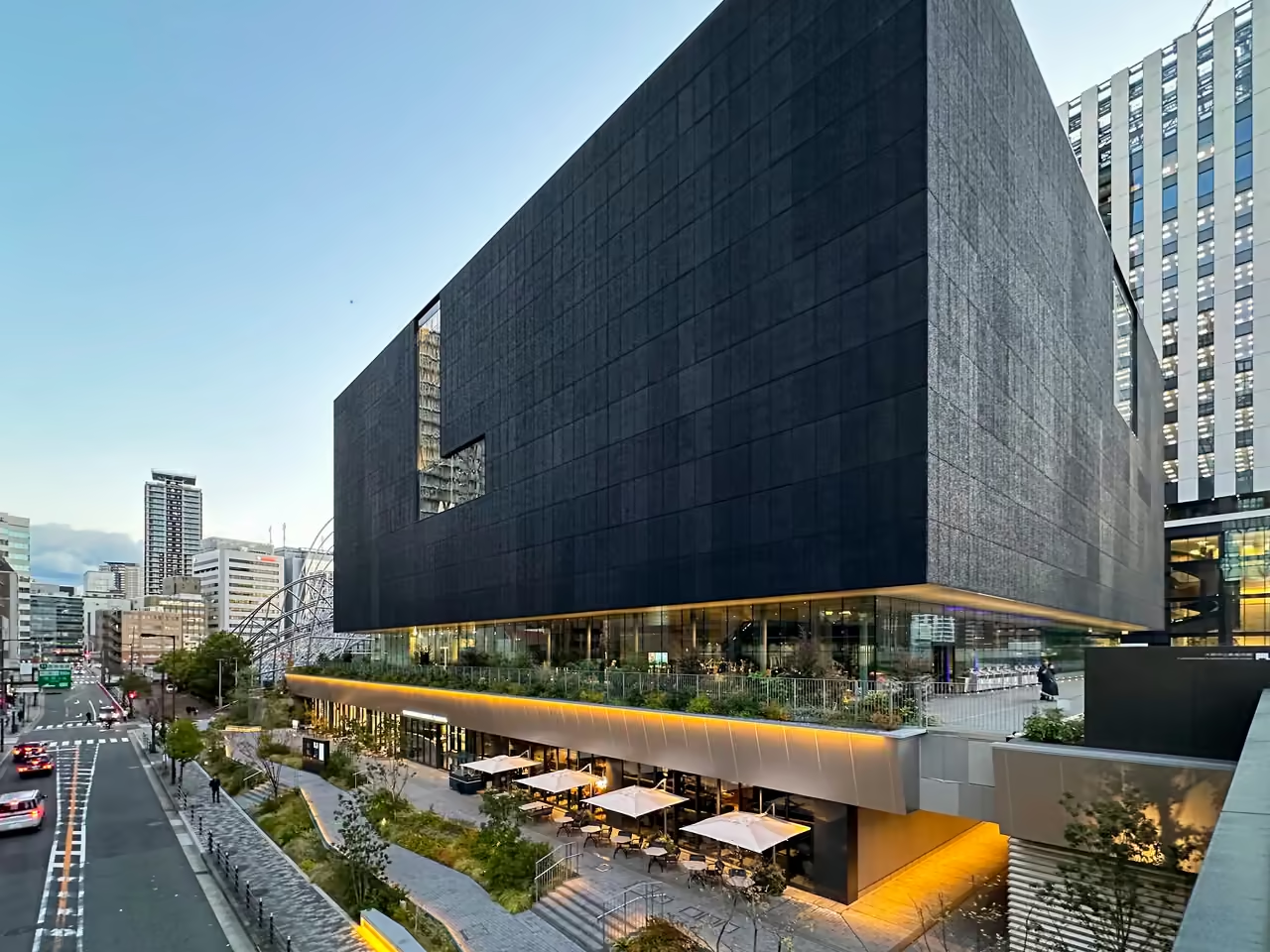
Between the Dojima and Tosabori rivers on Nakanoshima island sits a stark black cube that looks more like a giant minimalist sculpture than a conventional gallery. Locals call it NAKKA. Architect Katsuhiko Endo omitted a formal front door so wanderers can drift straight inside from elevated walkways or street level into a thirty metre atrium open to everyone without a ticket. Escalators haul gallerygoers up to the upper levels for Yuzo Saeki streetscapes, Umberto Boccioni futurist works, and bold Alphonse Mucha posters. On mild afternoons the second floor lawn fills with nearby office workers and families taking a breather, though the main escalator lobby can bottleneck briefly during blockbuster shows. Step out onto the terrace at dusk and those textured dark walls catch the amber glow of the bridges spanning the water below.
Videos
History of Nakanoshima Museum of Art
A single act of generosity in 1983 set off nearly four decades of political brawls, buried ruins, and financial deadlock before Osaka finally opened its modern art museum. That year, the family of late businessman Hatsujirō Yamamoto donated his prized private collection to the city, handing over paintings by modernist Yuzo Saeki alongside Zen monk calligraphy by Hakuin and Indonesian sarasa textiles. Inspired by the gift, officials marked Osaka's centennial in 1988 by announcing plans for a dedicated modern art museum, setting up a massive fund the following year that ultimately spent fifteen billion yen acquiring artworks while the building remained purely on paper. Trouble struck almost immediately after an ambitious 1998 blueprint was unveiled for a former university plot in Nakanoshima. Excavations uncovered the foundations of Edo period feudal warehouses beneath the ground just as municipal finances collapsed, freezing construction indefinitely and turning the prized museum lot into an hourly car park. With acquisition budgets slashed to zero in 2004, curators improvised by borrowing an empty space on the thirteenth floor of the Idemitsu Kosan building in Shinsaibashi to rotate pieces from storage. Hopes flickered back to life under a downsized 2011 plan, only for incoming Mayor Toru Hashimoto to scrap the project outright, arguing that Osaka needed school air conditioners more than a modest gallery. Then came an unexpected twist from the original land purchase contract, which threatened the city with a 4.8 billion yen penalty paid to the national government if it failed to build a museum on the plot by the deadline. Forced back to the drawing board in 2013, officials initially weighed absorbing the older municipal fine arts museum in Tennoji into the Nakanoshima project, a move external advisors strongly opposed to protect both institutions' distinct identities. Instead, the city kept both venues separate under unified oversight, selected Katsuhiko Endo's daring black design in 2017, and pushed through pandemic delays to open the doors on 2 February 2022.
11 events spanning 42 years
Fun Facts
10- 01
Art dealer Yoshitomo Takabatake donated his collection of Ecole de Paris paintings specifically so that Yuzo Saeki and Amedeo Modigliani would be surrounded by works from the friends and contemporaries they knew in France.
- 02
Before the museum even had walls, its 1989 purchase of Amedeo Modigliani's painting Reclining Nude with Hair Taken Down for 1.93 billion yen triggered fierce public debate across Osaka, soon followed by major acquisitions by Salvador Dalí, Giorgio de Chirico, and Frank Stella.
- 03
Every exhibition gallery and artwork storage room sits on the third floor or higher as a deliberate safeguard against potential river flooding on Nakanoshima island.
- 04
Locals and staff coined the nickname NAKKA because the initials of the museum's official English name, NMAO, are identical to those of its next door neighbour, the National Museum of Art, Osaka.
- 05
Osaka originally bought the former Osaka University Faculty of Medicine plot for sixteen billion yen largely out of fear that Nakanoshima would lose foot traffic and vitality once the medical school moved away.
- 06
Rather than painting the exterior, builders mixed black pigment and black aggregate straight into precast concrete panels and blasted the surfaces with high pressure water jets so the dark tone diffuses light and resists fading for decades.
- 07
To withstand major earthquakes, the five storey museum structure rests on a base isolation layer beneath the ground floor and connects via expansion joints to an adjoining earthquake resistant parking block supporting the lawn.
- 08
Upon opening in 2022, it became the first public art museum in Japan to adopt a private concession model, where a special purpose company absorbs any operating deficits while city employed curators continue running exhibitions.
- 09
When the Suntory Museum Tempozan closed at the end of 2010, thousands of iconic European posters by Alphonse Mucha and Henri de Toulouse Lautrec were placed in the museum's care.
- 10
Working alongside Panasonic and the Kyoto Institute of Technology, the museum runs the Industrial Design Archives Project to preserve oral histories from the engineers behind Japan's post war home appliances.
FULL PLACE DETAILS
Updated
FULL PLACE DETAILS
UpdatedOVERVIEW & STATS
- Established
- In 2021, making it 5 years old
ARCHITECTURE & HERITAGE
- Architects
- Katsuhiko Endo
WEB & AMENITIES
Nakanoshima Museum of Art Map & Neighborhood Explorer
This interactive map is centered on Nakanoshima Museum of Art. Zoom in and move the map around to automatically discover Wikipedia photos and summaries of other nearby sights, monuments, and historical points of interest and stories in real-time!
Nakanoshima Museum of Art FAQ
The museum adopted the nickname NAKKA because the initials of its official English name, NMAO, are identical to those of the National Museum of Art, Osaka located immediately next door.
Yes, the ground level, second floor lawn, and the soaring thirty metre Passage atrium are open to the public free of charge, allowing visitors to enjoy the architecture, shops, and cafes without buying a gallery ticket.
The collection focuses on Japanese and international modern art, contemporary art, and industrial and graphic design from the late nineteenth century to the present, holding around 6,000 works including pieces by Yuzo Saeki, Amedeo Modigliani, Jiro Yoshihara, and Alphonse Mucha.
Architect Katsuhiko Endo designed the building without a single formal front entrance, creating multiple access points at street level and along elevated pedestrian decks linking neighbouring Nakanoshima cultural venues.
Plans announced in 1988 were repeatedly stalled by the discovery of Edo period warehouse ruins under the site, a severe municipal financial crisis in the late 1990s, and political cancellations before construction finally moved ahead in the late 2010s.
A typical visit takes about 2 hours. We recommend planning your schedule accordingly to make the most of your time there.
The closest place to visit near Nakanoshima Museum of Art is National Museum of Art, around 99 m away. Other things to do near Nakanoshima Museum of Art include Catch a Planetarium Show at Osaka Science Museum (150 m), Kitashinchi (818 m) and Utsubo Park (835 m). All of these are within roughly 835 m of Nakanoshima Museum of Art, close enough to walk.
It dates back to 2021, making it 5 years old.
Nakanoshima Museum of Art was designed by Katsuhiko Endo.
While we strive to keep this information accurate and up to date, we recommend verifying any details independently before making decisions based on them.
Places near Nakanoshima Museum of Art
Make the most of your trip. Check out these top-rated spots located nearby.
 99m
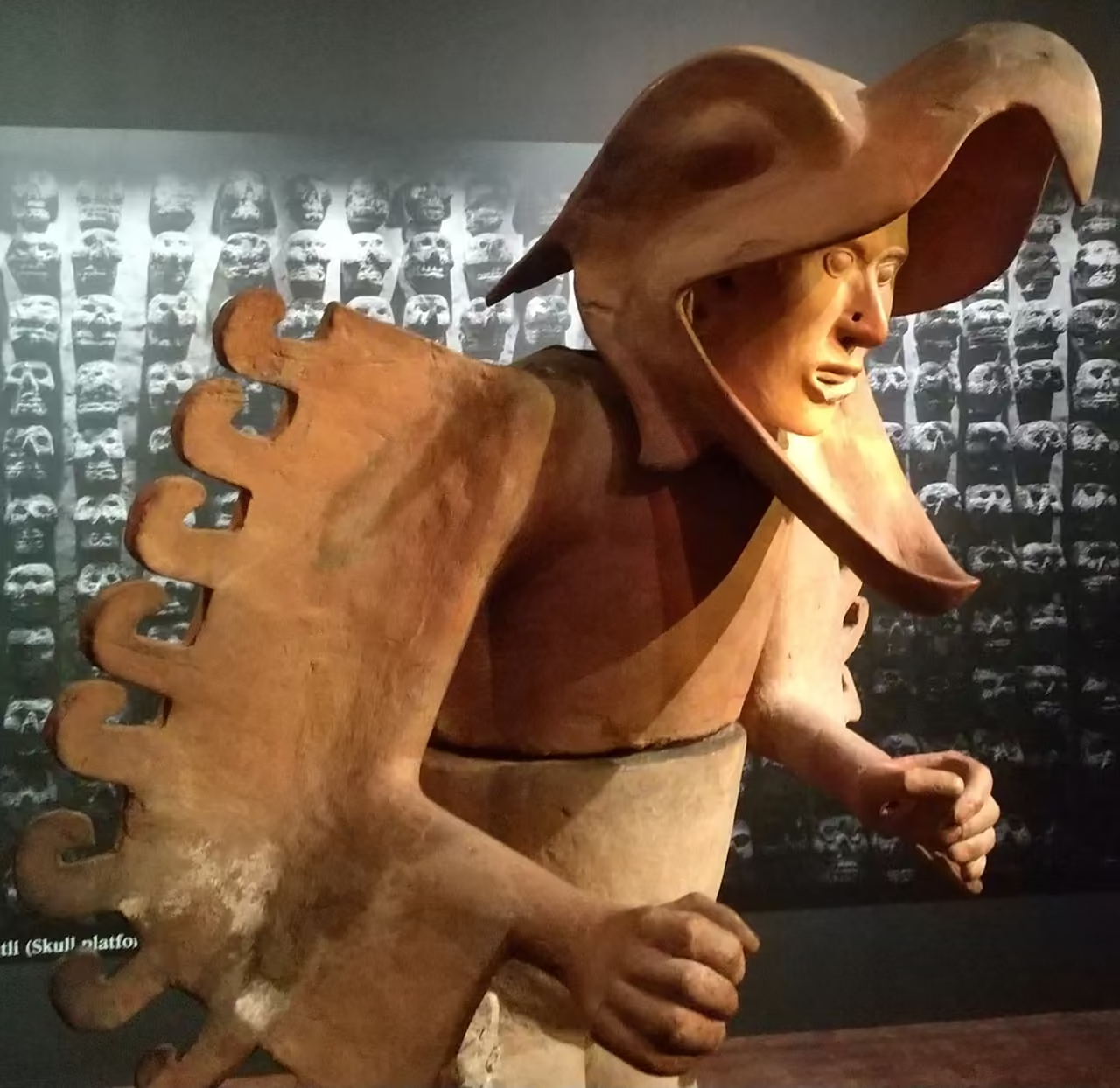
National Museum of Art
Look up on Nakanoshima island and you will spot towering silver steel pipes piercing the Osaka sky, yet the entire museum they announce sits hidden beneath the pavement. Designed by Caesar Pelli right next to the Osaka Science Museum, this subterranean art sanctuary descends three full storeys underground. Ride the escalator down to the first basement level and you immediately pass under Alexander Calder's suspended mobile London and Jiro Takamatsu's enigmatic Shadow before even buying a ticket. Further below, the second basement rotates highlights from a collection of roughly 8,000 postwar artworks, while the third basement hosts large touring exhibitions. Step into those deep galleries and the clatter of Watanabebashi Station vanishes completely, making it wonderfully easy to lose track of whether rain or sunshine awaits back at street level. Pause at the B1 restaurant or browse the museum shop on your way out, surrounded by concrete curves and crisp gallery lighting.
attraction view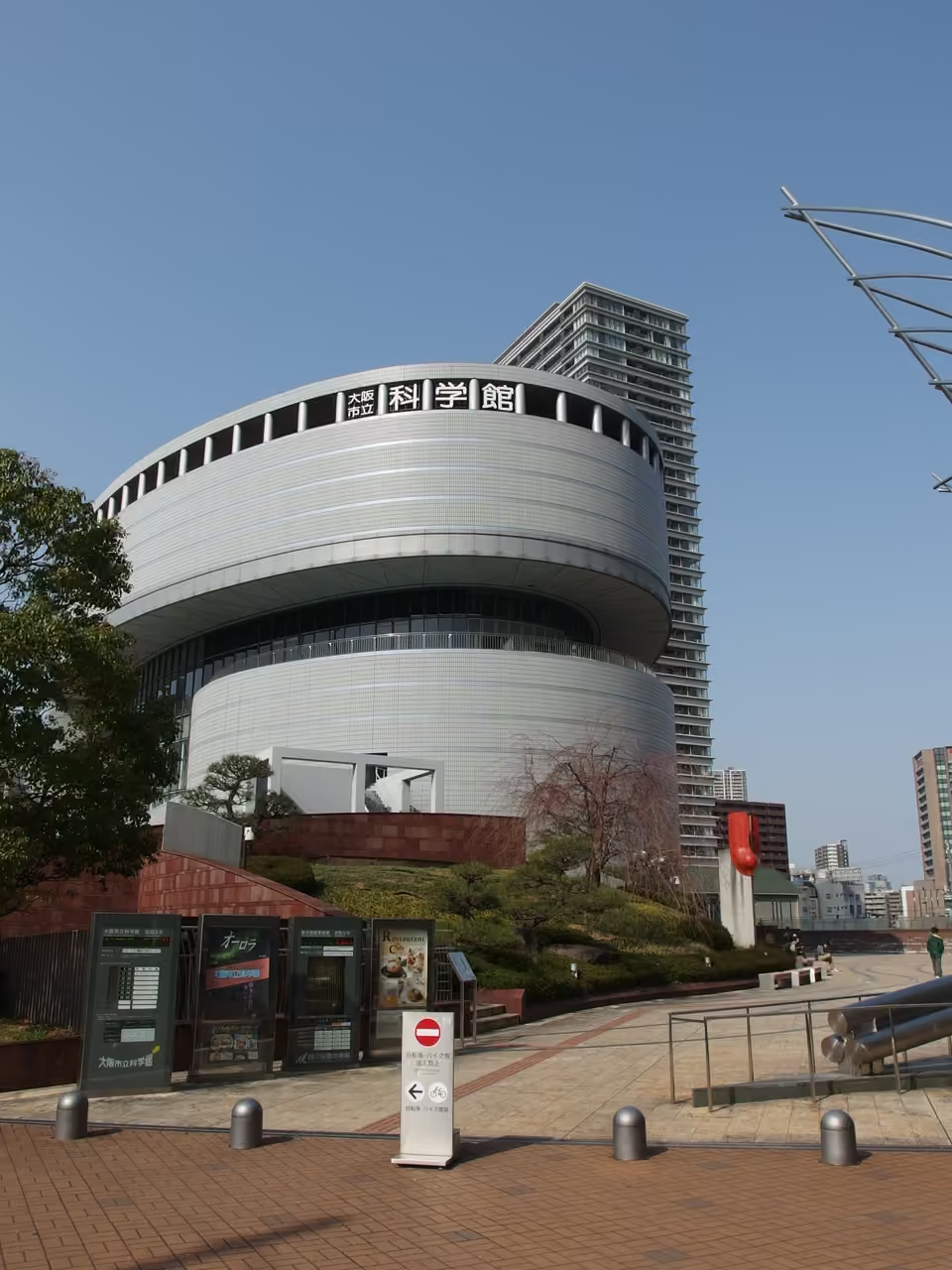 150m
Catch a Planetarium Show at Osaka Science Museum
Standing on Nakanoshima beside the National Museum of Art, this hands-on institution carries forward the legacy of Japan's very first science museum and planetarium opened in Osaka in 1937. Its massive 26.5-metre dome projects razor-sharp starfields across reclining seats alongside exhibits recalling Osaka University physicist Hideki Yukawa, Japan's first Nobel laureate. Four upper floors packed with interactive electricity, optics, and chemistry experiments make it a hit for curious adults and families on rainy afternoons.
highlight view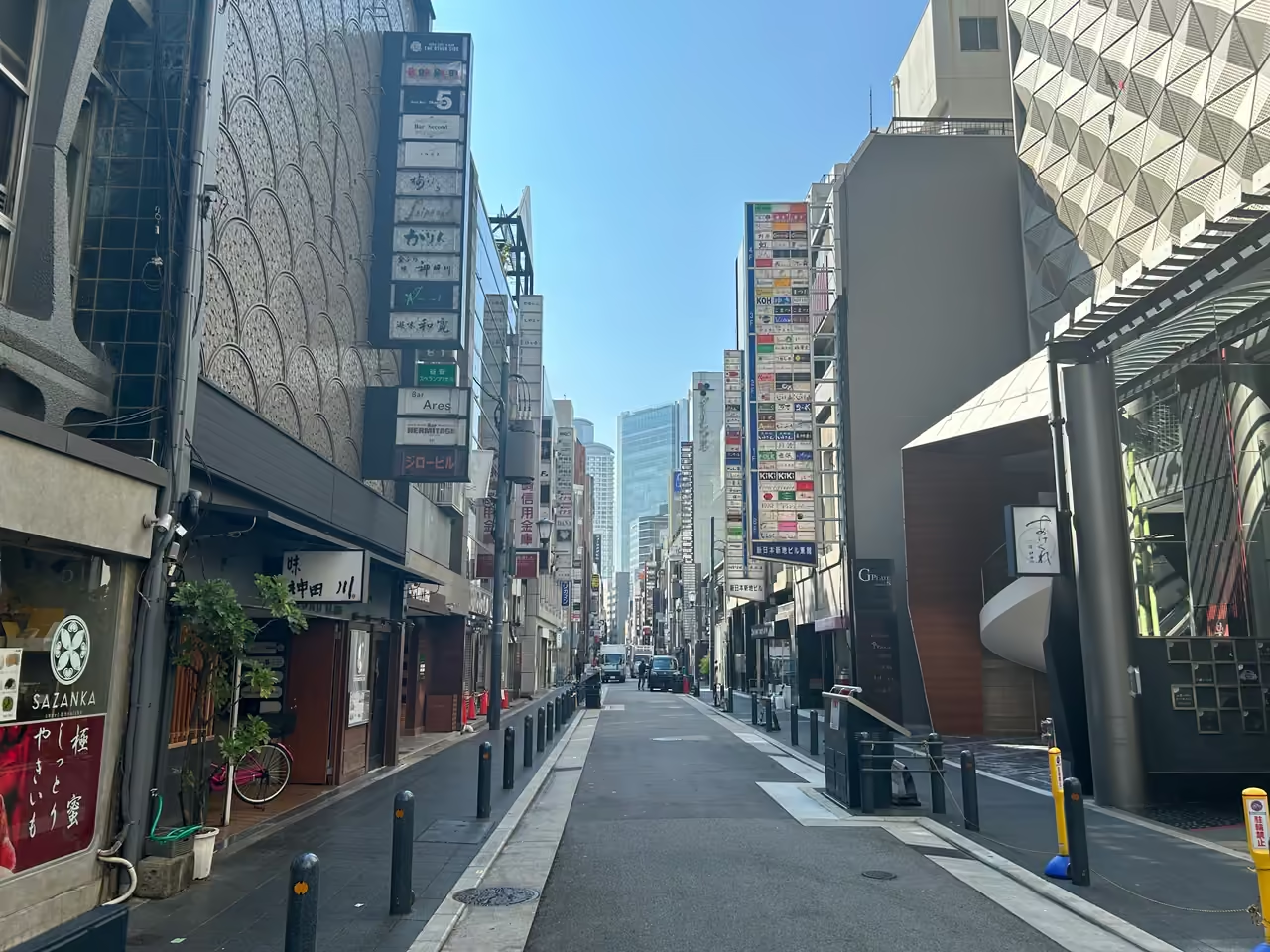 818m
Kitashinchi
Running along two parallel streets south of JR Osaka Station, Kitashinchi has hosted Kita's business dinners and nightcaps since the Edo period. Discreet wooden doors lead into Michelin-starred kaiseki counters, plush jazz rooms, and bartenders hand-carving crystal ice spheres. While private hostess clubs require introductions, dozens of acclaimed cocktail lounges and late-night noodle counters welcome walk-in guests warmly.
nightlife view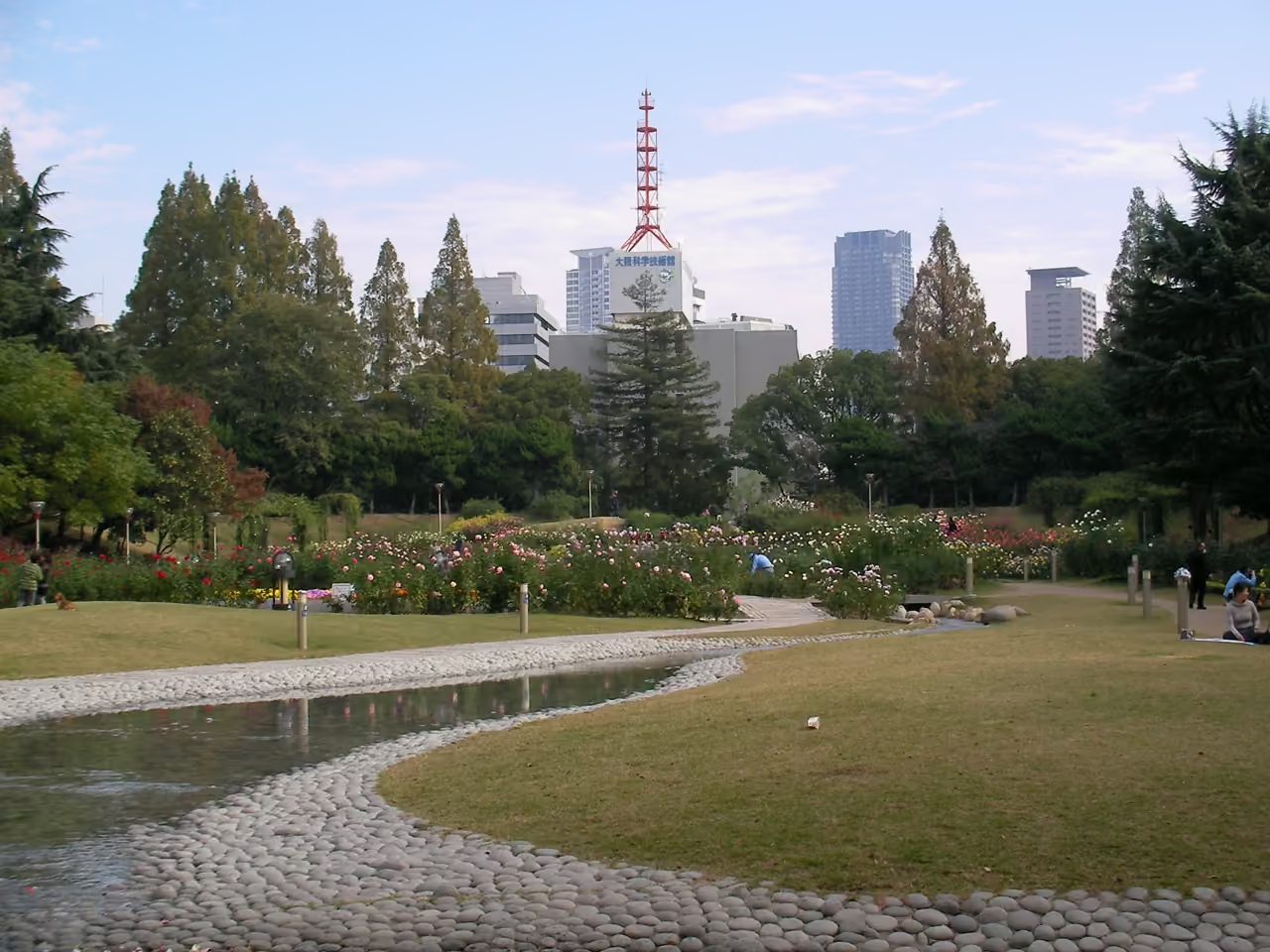 835m
Utsubo Park
Just west of Osaka's central business district, office workers slip out of glass towers along Yotsubashi-suji to eat bakery pastries where Allied occupation aircraft once touched down. Utsubo Park runs nearly a kilometre between Yotsubashi-suji and Amidaike-suji, sliced cleanly in two by Naniwa-suji avenue. The East Garden belongs to rose beds and tall zelkova trees. Roughly 2,300 rose bushes across 190 varieties fill the sunken garden with scent each spring and autumn, drawing outdoor wedding parties alongside weekend picnickers. Cross Naniwa-suji into the West Garden and the mood shifts to the sharp crack of tennis balls inside the 5,000-seat Utsubo Tennis Centre. Expect a brief scramble for shaded benches along Kyomachibori-dori's cafe terraces during the May Rose Festival, when the aroma of espresso drifts across the lawn toward the towering camphor tree at Kusunaga Shrine.
park & nature view
Explore Similar Places in This Collection
Featured on This Itinerary
See all attractions in Osaka
Including Aquarium Kaiyukan, Osaka Castle, Sumiyoshi Taisha, and more