Ginkaku-ji
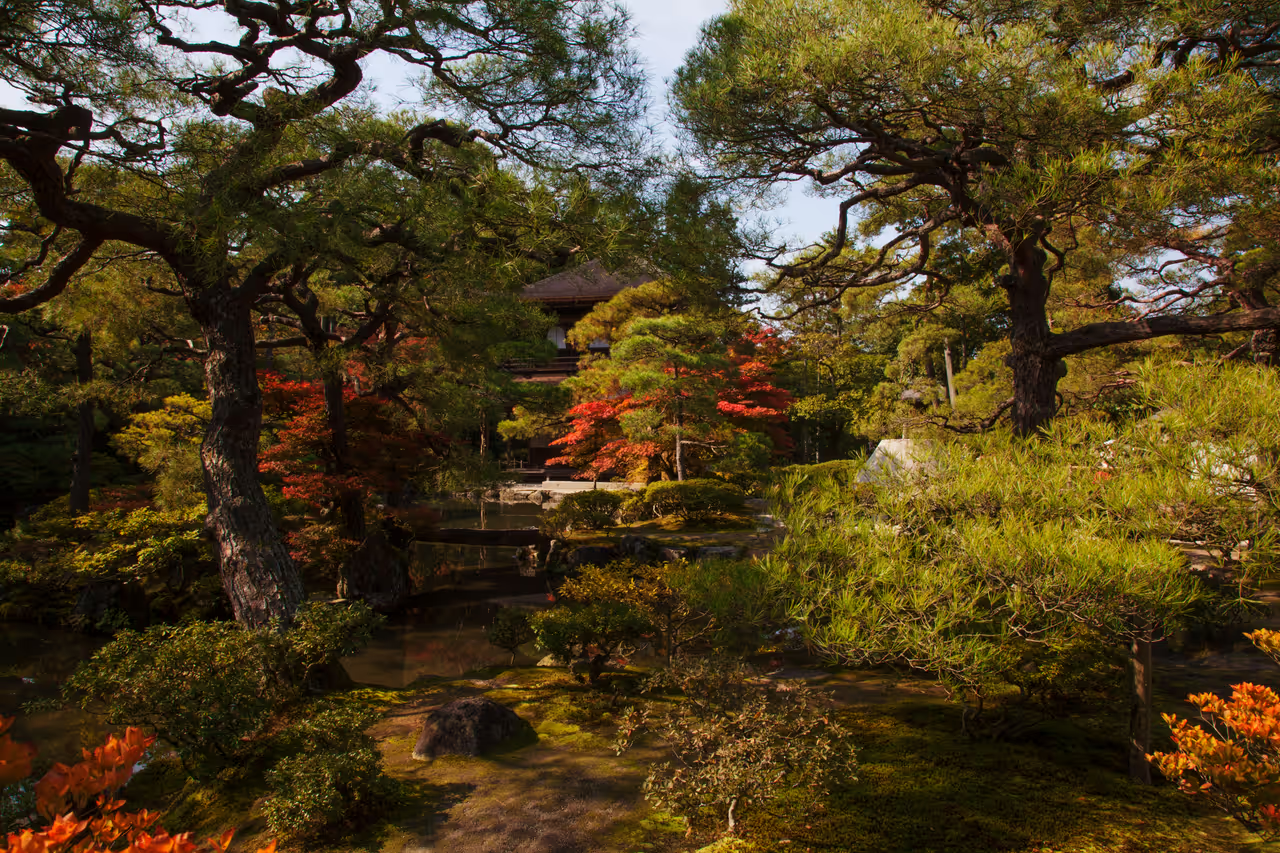
Nestled at the base of Kyoto's eastern mountains, Ginkaku-ji offers a serene escape that embodies the essence of Japanese aesthetic philosophy. Unlike its flashy golden counterpart, this temple celebrates the beauty of simplicity and the grace of imperfection. As you wander through the moss-covered grounds and past the meticulous sand gardens, you will feel the weight of history that shaped the Higashiyama culture. It is a place where the stillness of nature meets the quiet reflection of the mind, making it a peaceful stop for anyone seeking a deeper connection with tradition. The temple remains a profound testament to the artistic spirit that flourished even during times of significant political instability.
Videos
History of Ginkaku-ji
Ashikaga Yoshimasa, the eighth shogun of the Muromachi period, found himself leading a nation fracturing under the stress of civil war. While his political legacy remained complicated, his cultural contributions changed Japan forever. Retreating to the base of the Higashiyama mountains in 1460, he sought a refuge from the chaos of the Ōnin War. He envisioned a villa that would rival the extravagance of his grandfather's Golden Pavilion, yet the reality of a starving, war-torn Kyoto prevented this dream from ever materialising in its original form. Instead, he cultivated a new aesthetic, one that favoured subtle elegance and the raw beauty of natural materials. This shift in focus birthed the Higashiyama culture, which became the bedrock for the modern tea ceremony, flower arranging, and interior design. After his death, the villa transformed into the Zen temple Jishō-ji. The buildings, left in their sombre, unadorned state, accidentally perfected the concept of wabi-sabi. Today, the temple stands as a monument to that transformation, where the incomplete serves as a reminder of life's transience. It is a rare space where the history of a powerful ruler meets the quiet, enduring wisdom of Zen Buddhism.
Events spanning 548 years
Fun Facts
- • Shogun Ashikaga Yoshimasa retreated to this site to escape the chaos of the Ōnin War, which ultimately decimated much of Kyoto.
- • The Tōgu-dō hall contains one of the oldest surviving study rooms in Japan, marking the origin of the modern shoin style of architecture.
- • The concept of wabi-sabi, the appreciation of transience and imperfection, is perfectly embodied by the temple's unfinished appearance.
- • The garden was designed by the renowned landscape artist Sōami, who utilized rocks and trees salvaged from ruined estates across the city.
- • The name Silver Pavilion is technically a misnomer as the building was never covered in silver foil, due to the outbreak of the civil war and the death of the Shogun.
- • The original lacquer finish on the exterior was intended to act as a base for the silver foil, but today it provides a dark, rustic appearance that highlights the wood.
- • The sand mound known as Kōgetsudai is shaped specifically to mimic the form of Mount Fuji, creating a connection between the garden and the sacred mountain.
- • The temple grounds were planned so that the rising moon would appear directly between the peaks of the Higashiyama mountains when viewed from specific rooms.
- • The temple is considered the birthplace of the Higashiyama culture, which profoundly influenced the tea ceremony, flower arrangement, and Nō theatre.
- • The temple's garden features the Sea of Silver Sand, a dry sand garden designed to reflect moonlight to illuminate the grounds at night.
Ginkaku-ji FAQ
While we strive to keep this information accurate and up to date, we recommend verifying any details independently before making decisions based on them.
Ginkaku-ji Map & Neighborhood Explorer
This interactive map is centered on Ginkaku-ji. Zoom in and move the map around to automatically discover Wikipedia photos and summaries of other nearby sights, monuments, and historical points of interest and stories in real-time!
Places near Ginkaku-ji
Make the most of your trip. Check out these top-rated spots located nearby.
 288m
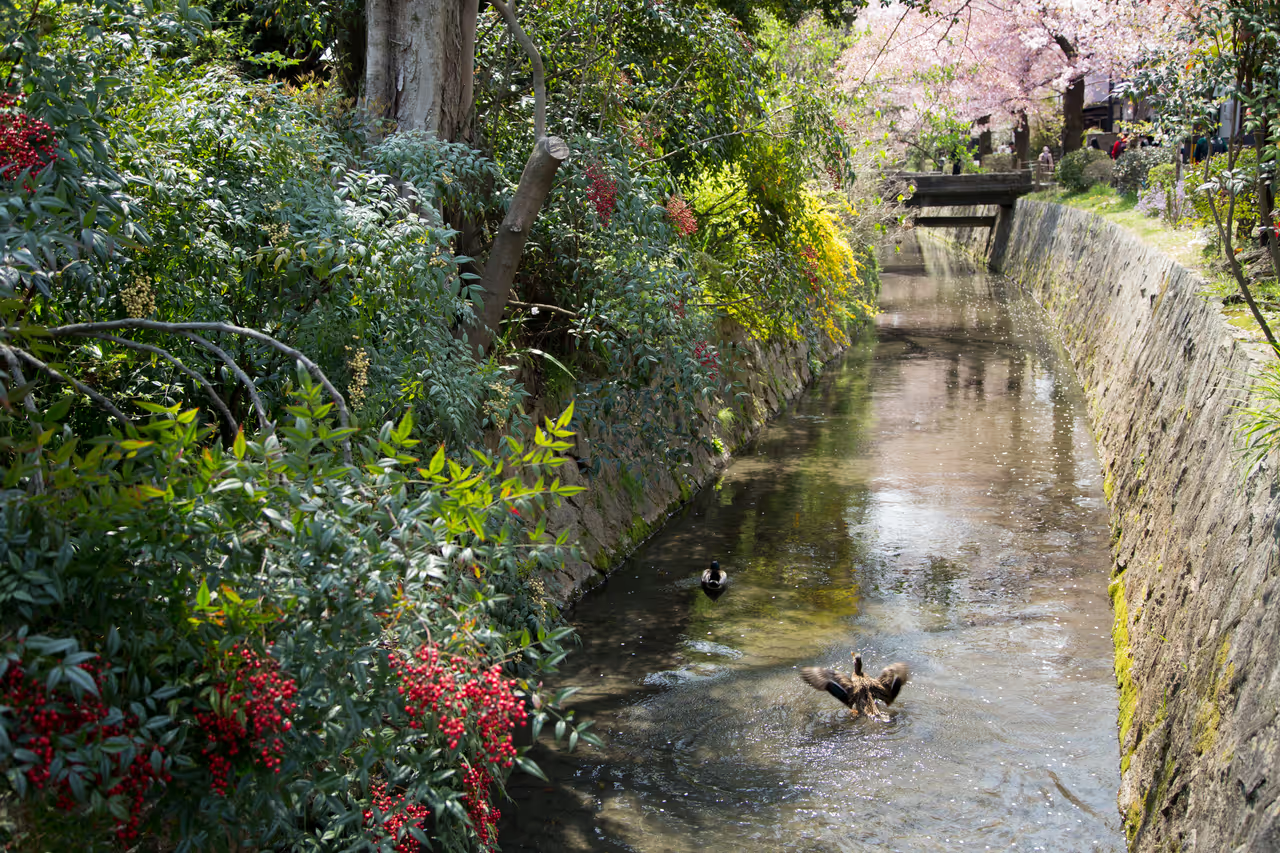
288mPhilosopher's Path Walk
This beautiful, stone-paved walkway following a shallow canal completely avoids the entrance fees associated with the grand temples nearby. You can wander freely beneath hundreds of overarching trees, enjoying the natural serenity, spotting local street cats, and browsing the small artisan boutiques dotting the route. It is incredibly picturesque, providing endless free photographic opportunities, especially when the cherry blossoms fall and cover the canal water in a carpet of pink petals. The walk offers high cultural value without costing a single yen.
free thing to do view 687m
687mMountain Bonfire Festival
Marking the end of the Obon season, this deeply spiritual event involves lighting massive bonfires on five mountains surrounding the city. The fires are arranged in the shapes of giant Chinese characters and symbols, designed to guide the spirits of ancestors back to the netherworld. The most famous is the 'Daimonji' character, which blazes brightly in the night sky and can be seen from across the city. The atmosphere is quiet, respectful, and visually awe-inspiring.
festival view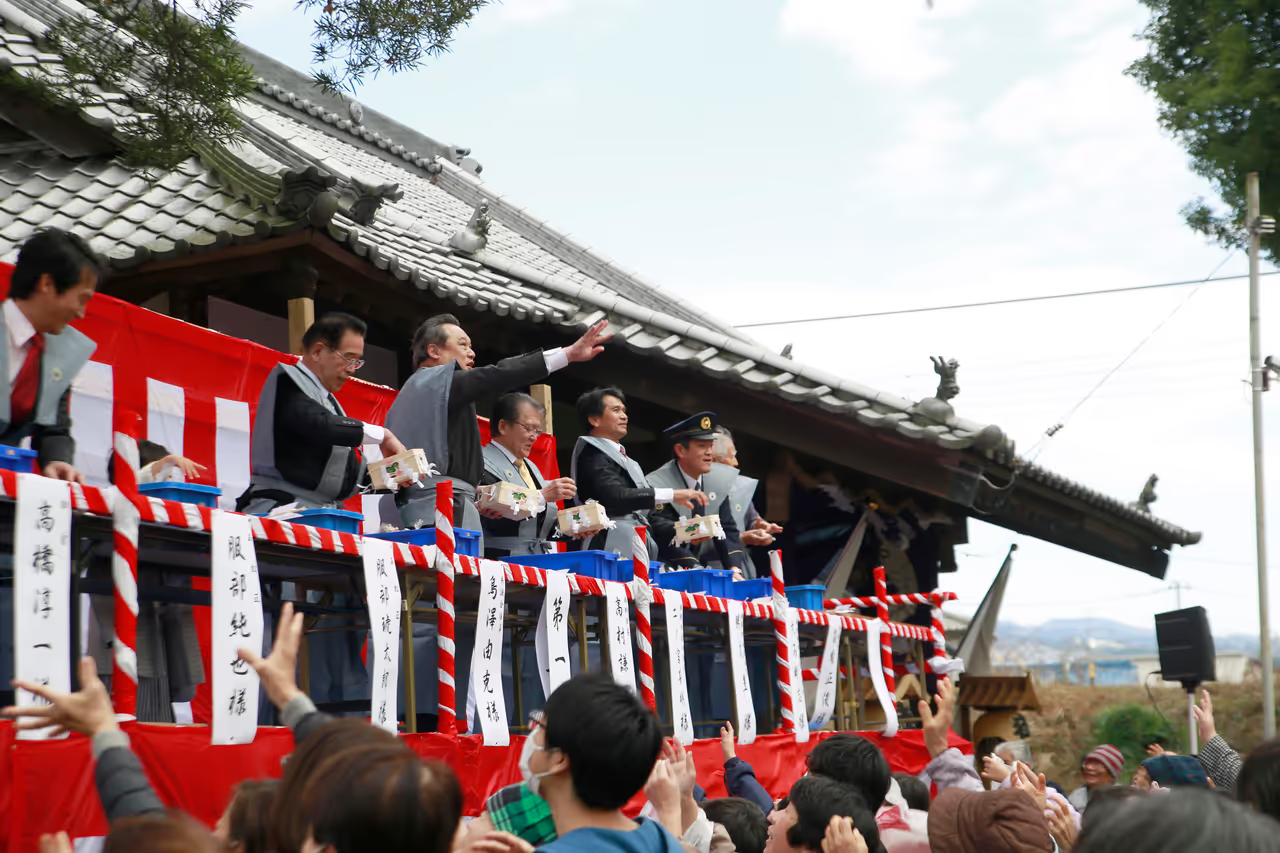 1265m
1265mSetsubun Bean-Throwing Festival
Held to mark the beginning of spring according to the lunar calendar, this lively festival focuses on driving away evil spirits and inviting good fortune. At Yoshida Shrine, the event features a massive bonfire and dramatic performances by dancers dressed as terrifying demons. Crowds participate by throwing roasted soybeans at the 'demons' while shouting traditional chants. It is a fantastic, highly energetic cultural experience that involves the whole community.
festival view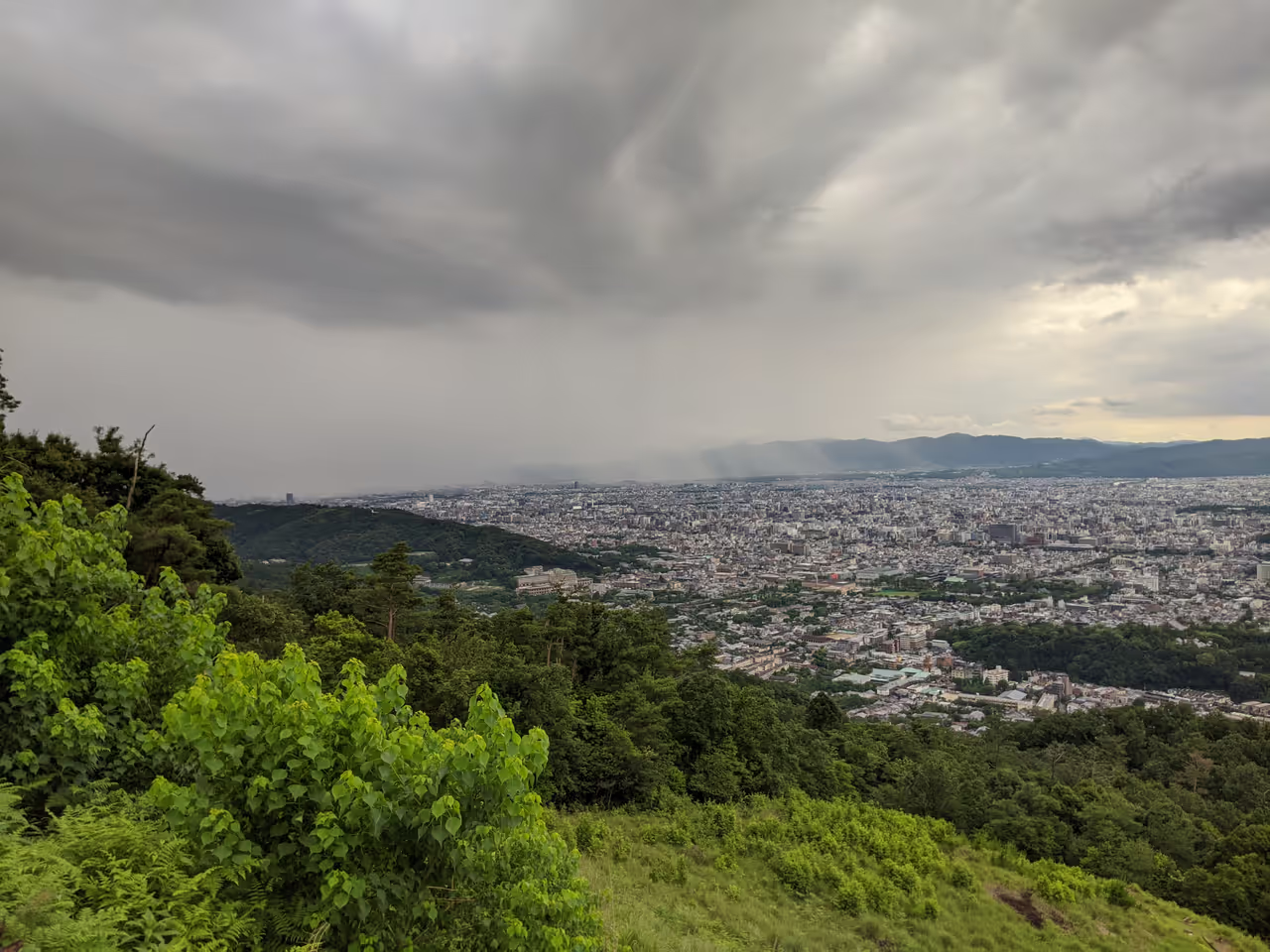 1445m
1445mMount Daimonji Viewpoint
Requiring a moderately steep hike, this incredible vantage point sits on the eastern mountains and is famous for hosting the massive bonfire festival in August. The clearing on the mountainside offers a wide, sweeping view over the entire city grid, stretching out towards the western Arashiyama mountains. It provides a phenomenal sense of the city's geographical scale and layout. The hike itself is incredibly rewarding, escaping the dense urban crowds for quiet forest trails. Reaching the top with a packed lunch and taking in the panoramic sweep is a favoured activity for adventurous locals.
viewpoint view
Explore Similar Places in This Collection
Featured on These Itineraries and Routes
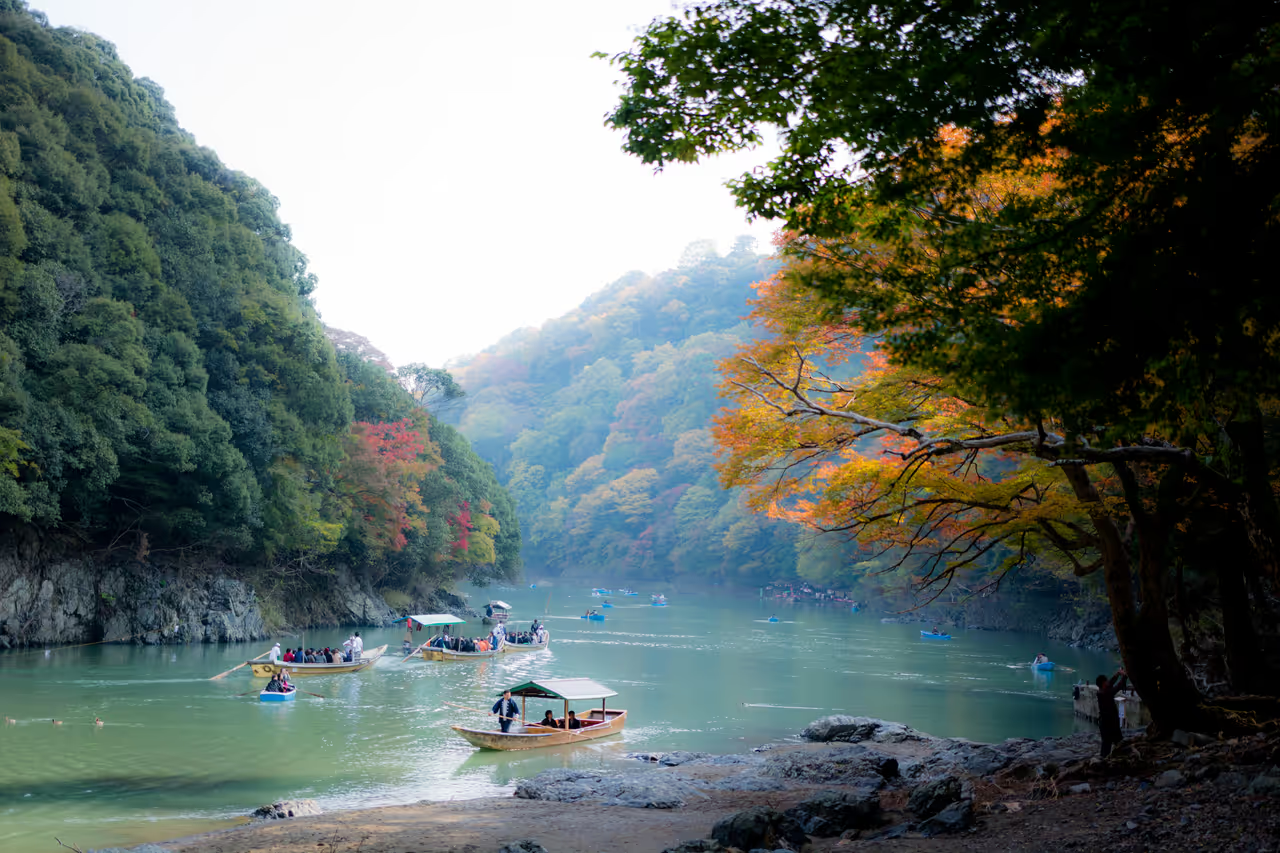
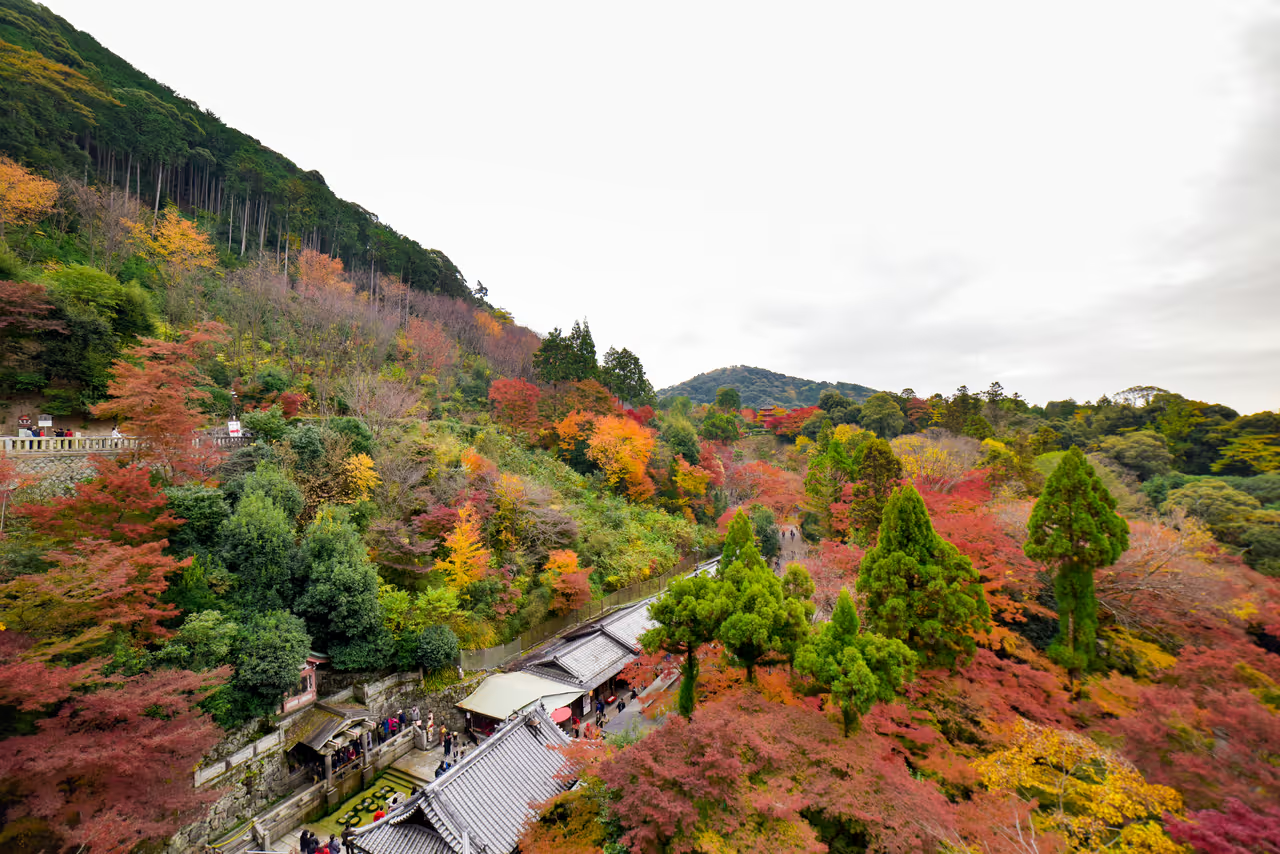
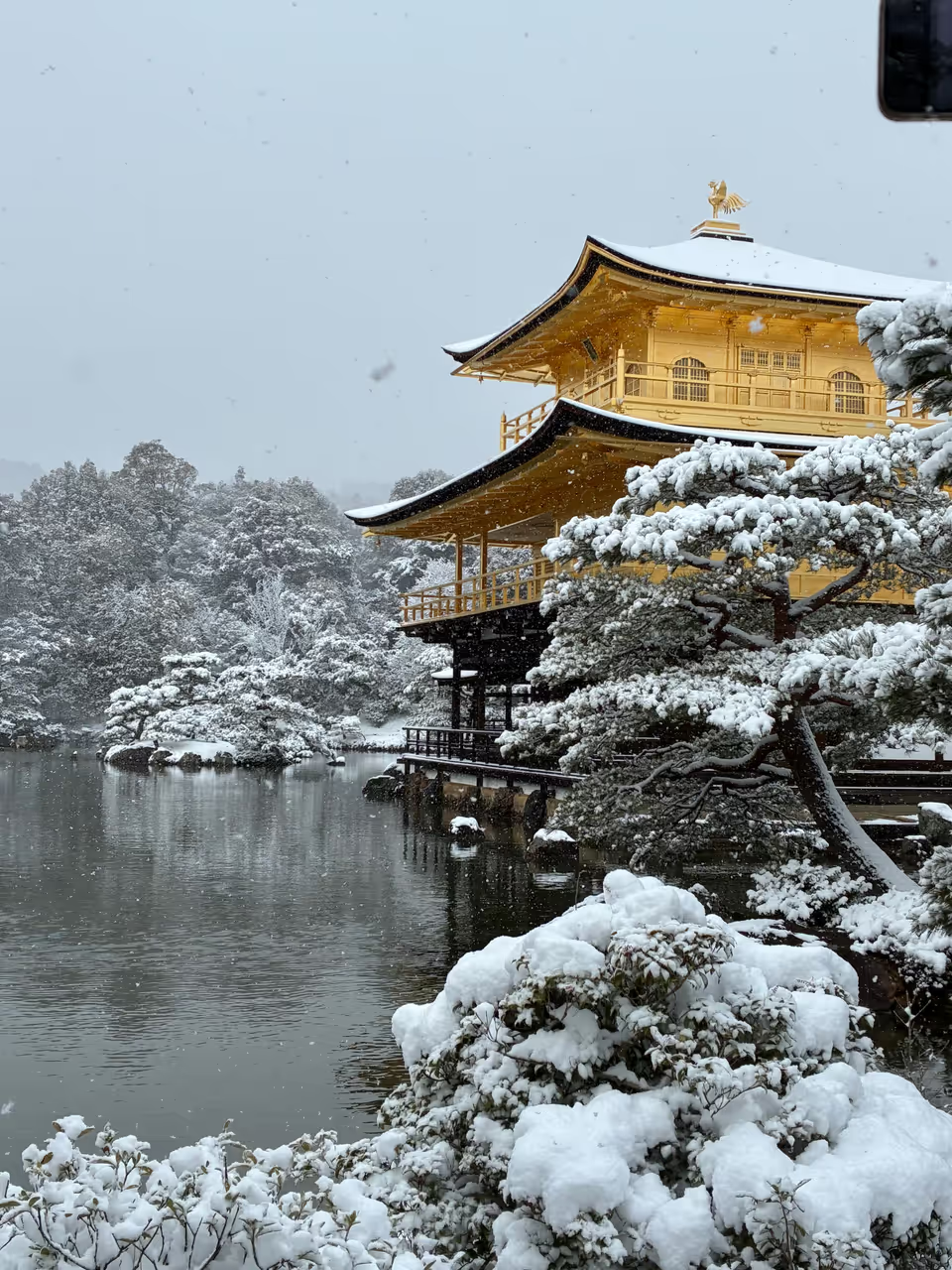
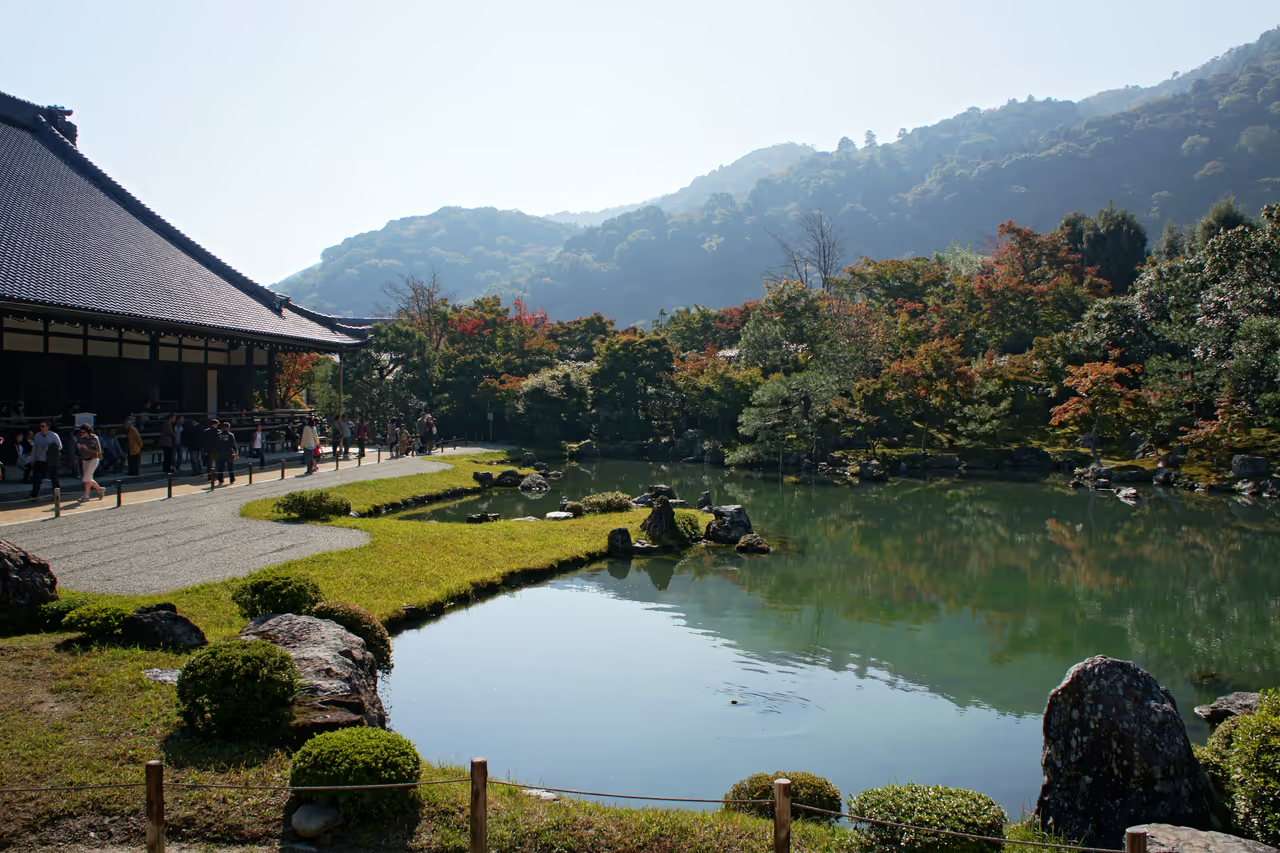
3 Days in Kyoto: Culture and Nature Itinerary
Three days allows you to significantly expand your exploration beyond the immediate city centre, dedicating specific days to distinct geographical and cultural zones. You will uncover the majestic bamboo forests in the west, hike the infinite red gates in the south, and still have time to dive deep into the central culinary markets. This pacing provides enough time to enjoy lengthy, scenic walks and sit for proper, traditional meals without feeling constantly rushed. It strikes the perfect balance between hitting the major sights and absorbing the local atmosphere.
view itinerary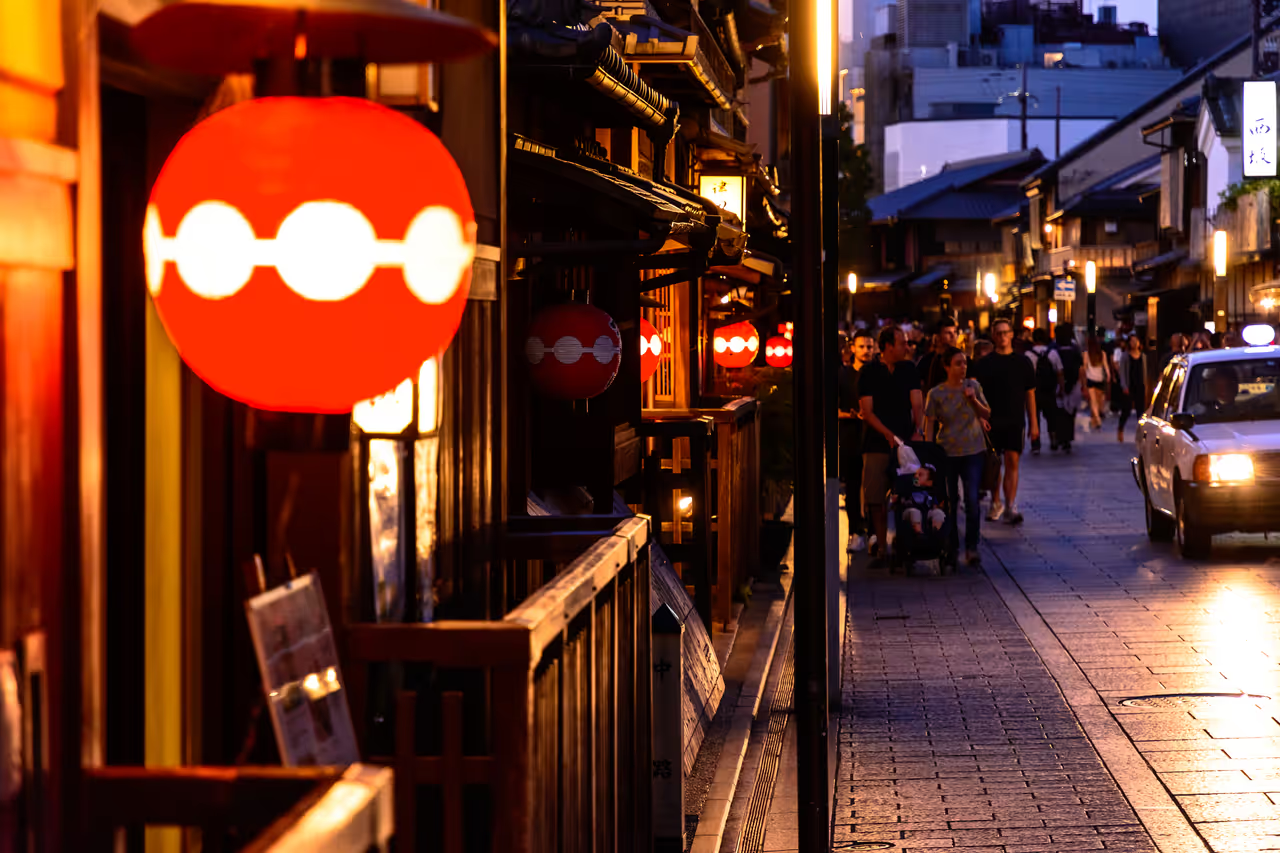
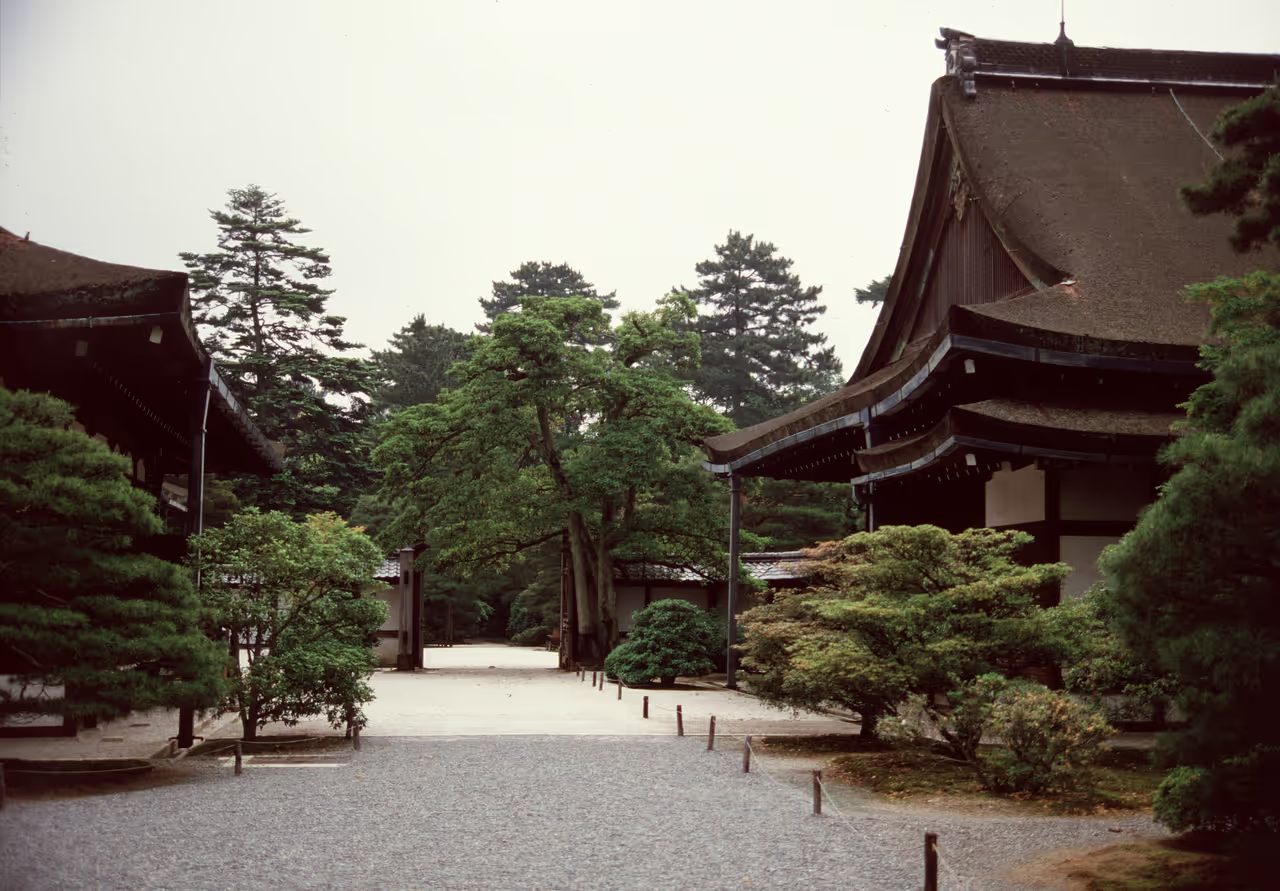
5 Days in Kyoto: The Deep Immersion Itinerary
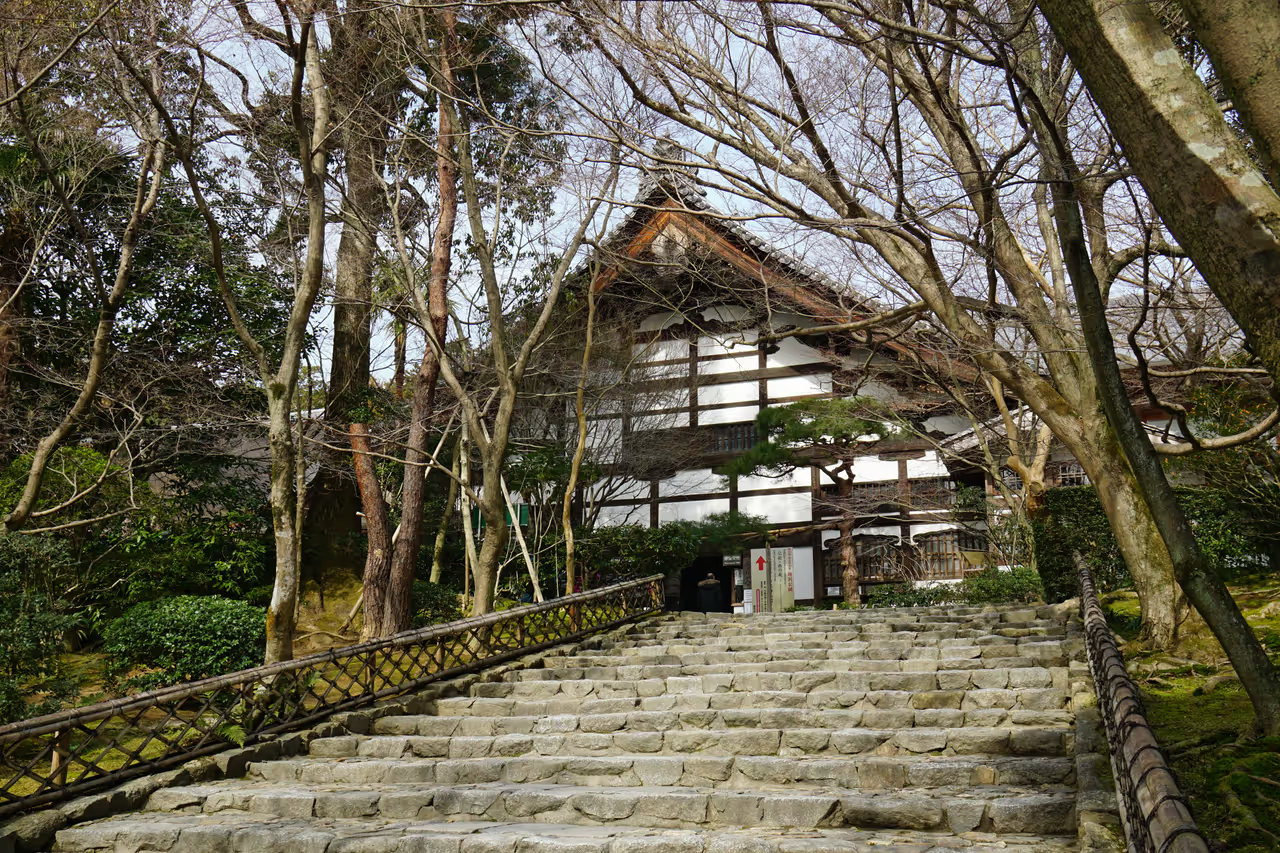
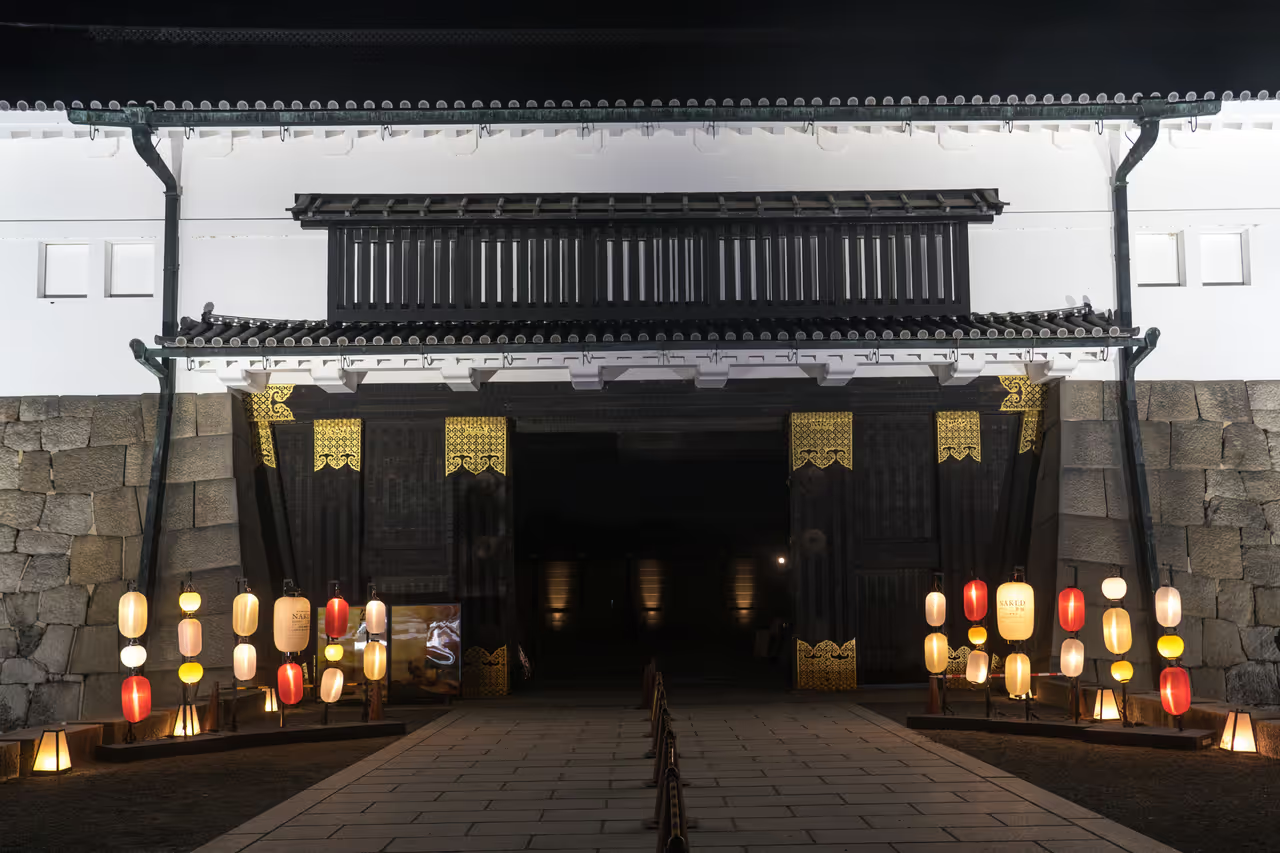
A generous five-day stay grants you the absolute luxury of slowing down and exploring the quiet, hidden corners that most travellers never see. Beyond the iconic temples, you will have time to discover secluded mountain shrines, delve into the imperial history of the grand palaces, and enjoy restorative public bathing. This extended itinerary allows you to dedicate entire afternoons to aimless, scenic strolls and highly authentic culinary experiences. It is the ultimate way to truly connect with the profound spiritual and historical rhythm of the ancient capital.
view itinerary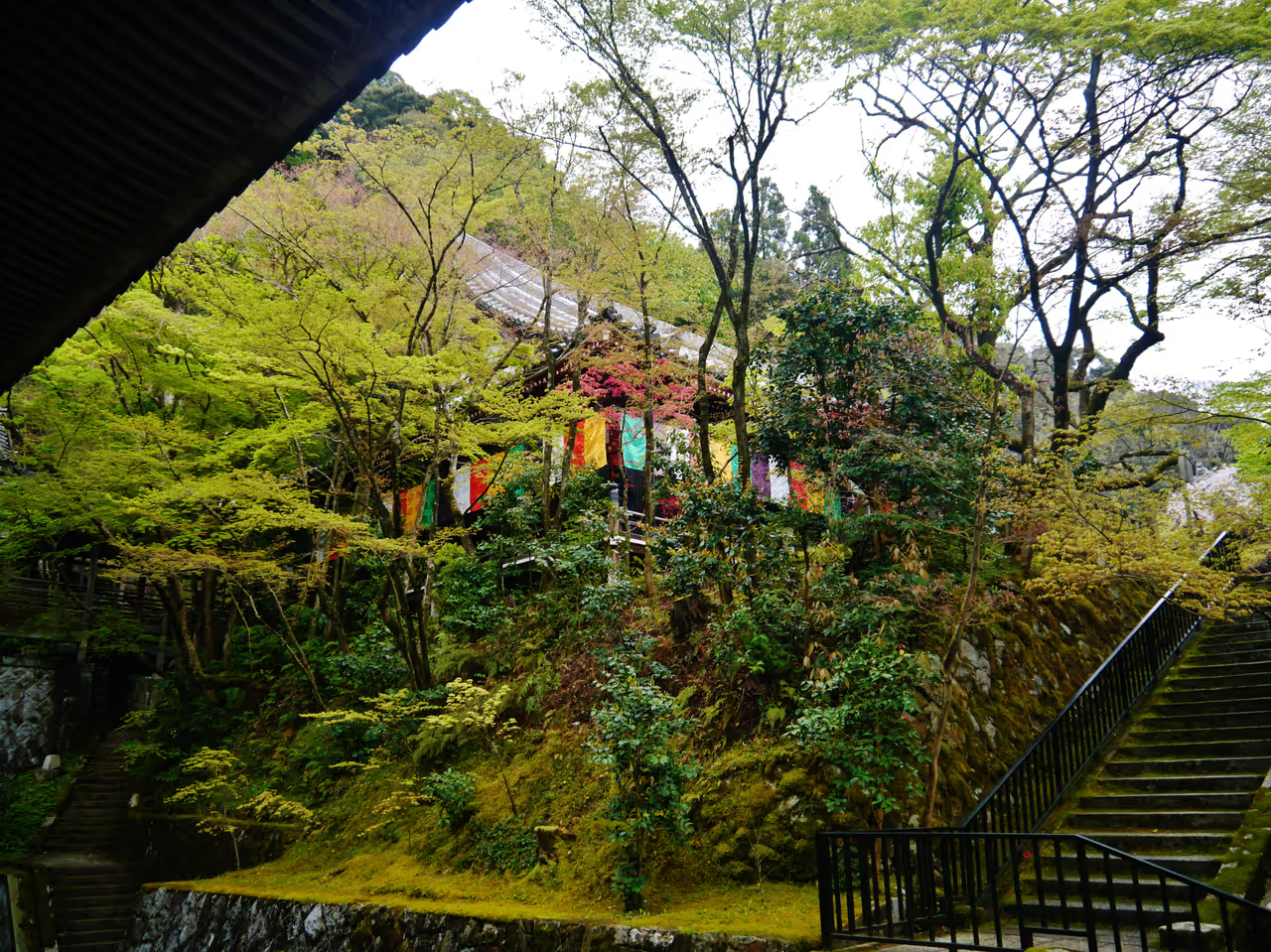
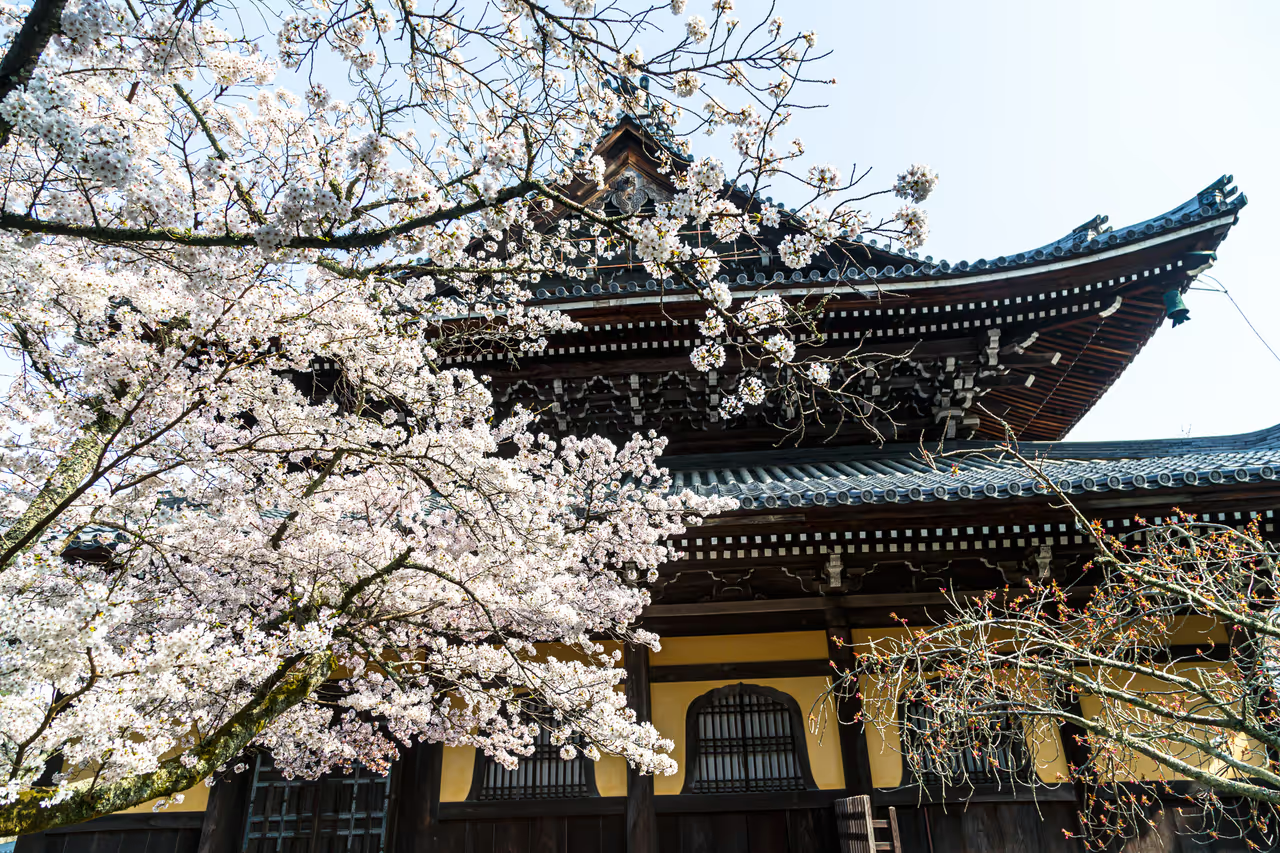
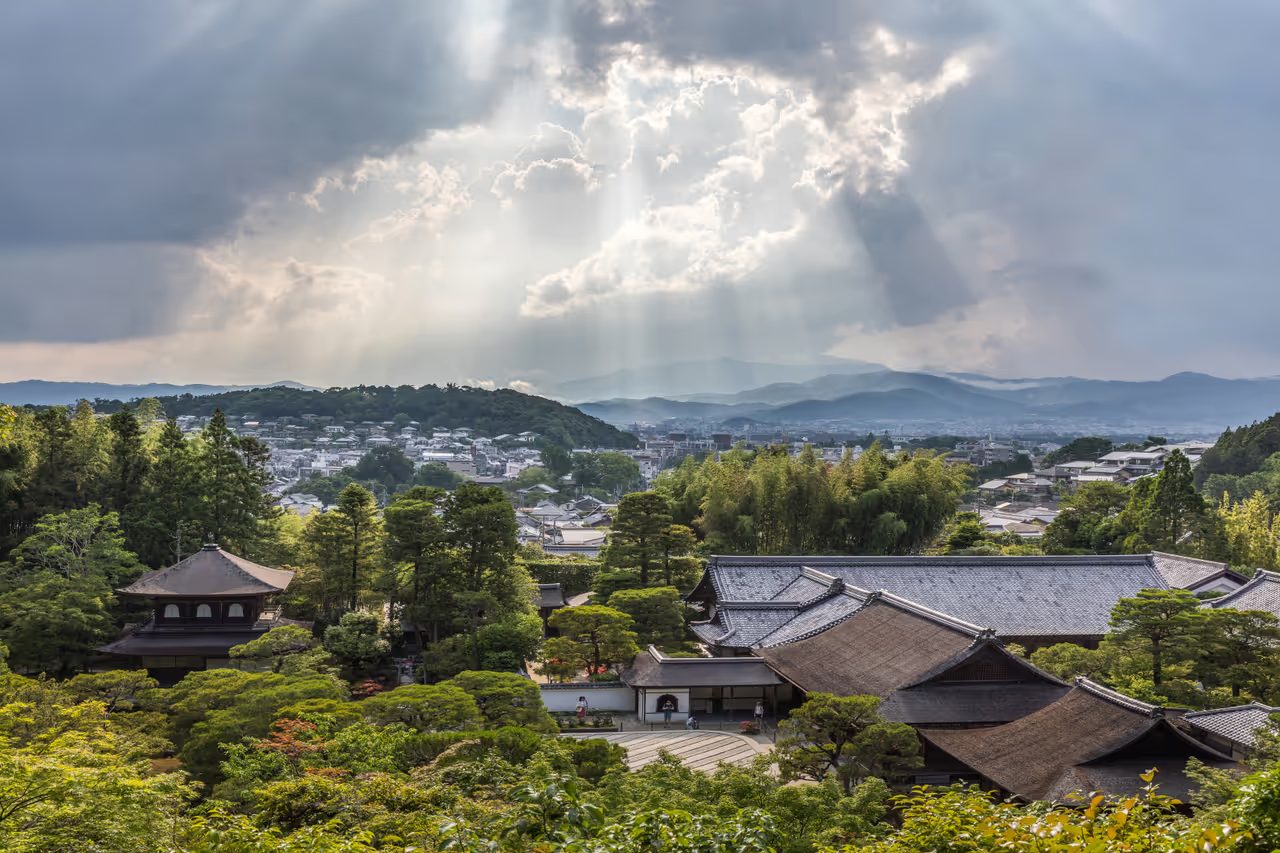
Eastern Canal Trail
This gentle ride traces the base of the eastern mountains, following the path of a historic, cherry tree-lined canal. The route links several magnificent temple complexes and meanders through quiet, highly traditional residential neighbourhoods filled with artisanal cafes and craft shops. It provides an excellent, elevated vantage point over the city basin while keeping you deeply immersed in nature. The cycling here is unhurried and incredibly picturesque, capturing the quintessential elegance of the ancient capital.
view cycling route
See all unesco sites in Kyoto
Kinkaku ji (The Golden Pavilion), Kiyomizu-dera, Nijō Castle, Ryōanji Temple, Shimogamo Shrine, Tenryū-ji Temple...